Home Blog Page 353

My new favorite gadget is the secret to the best coffee

I have a new favorite gadget: my portable milk frother. I am a morning person. I have no desire to languish in bed—I want my coffee! Then, I want to sit on the sofa with my feet up and read the day’s issue of RVtravel.com.

I have finally found the perfect way to make that morning Joe delightful and eliminate the high cost of coffee shop drinks. It is my new milk frother.

Rechargeable, handheld milk frother and egg beater

• It’s compact

• It has three speeds

• Comes with two wands—one for frothing and one for beating things like eggs

• It’s rechargeable (no batteries) and lasts weeks on one charge

• Includes stand

I have tried a number of frothers—the manual kind, several battery-operated ones, and even a deluxe model that heated the milk and frothed it. All did their job in various degrees of competency. Some went wild and spattered the kitchen walls. The deluxe heated one burnt the milk and caused so much milk caking on the element, I was sure some vague bacteria was growing despite my rigorous cleaning.

This one is the best. It even has a wand for beating eggs! My guess is that you could whip cream, too. Now that would be a special coffee treat…

Of all the ones I have tried, this one is by far the best. I don’t have to hold a button on. The low, medium, or high are on/off buttons. Beware of the high setting though… it was enough force to send coffee to the ceiling! With quick recharging and a stand to store it on, I know it will be traveling with us all summer in the RV.

It’s available on Amazon.

Editor’s note (from Emily): I love mine, too! And yes, it whips cream beautifully. I also use mine to make salad dressings. It’s perfect!

MORE ARTICLES YOU MIGHT LIKE:

##RVT1199

Popular HGTV show destinations for RVers

5

Embarking on an RV adventure to visit the hometowns of your favorite HGTV (Home & Garden Television) stars is an exciting way to experience the charm and creativity featured on television.

Plan a destination trip or stop by for a shorter visit to see places made famous through the magic of television. Whether you choose to see Laurel, Mississippi; Waco, Texas; or Snohomish, Washington— you’ll experience unique attractions and bonus! There are comfortable RV accommodations near each HGTV destination.

Popular HGTV destinations:

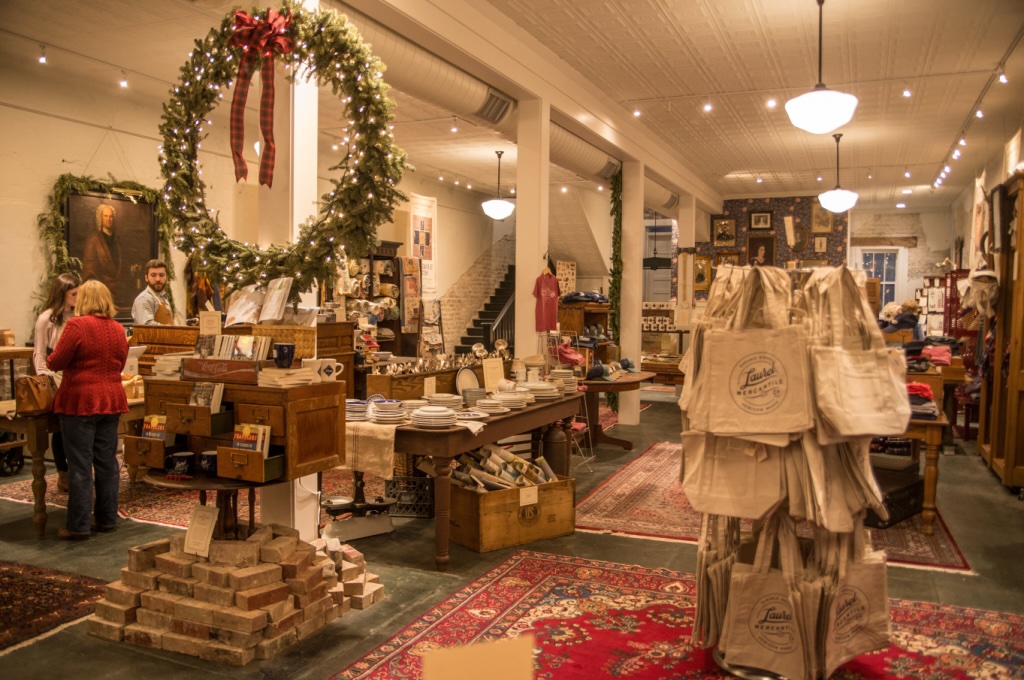
Laurel, Mississippi: Exploring Ben and Erin Napier’s hometown

Photo credit: Laurel Mercantile Co.

Laurel, Mississippi, the setting of HGTV’s “Home Town,” is known for its historic charm and Southern hospitality. Begin your visit at the Laurel Mercantile Co., owned by Ben and Erin Napier. You can shop for unique home goods and local products. Stroll through the historic downtown district, admiring beautifully restored buildings.

Don’t miss the Lauren Rogers Museum of Art, which houses an impressive collection of American and European art.

For RVer’s who plan an overnight or longer, consider these nearby campgrounds:

  • Sleepy Hollow RV Park: Offers full hookups and a serene environment close to downtown Laurel.
  • Big Creek Water Park: Located in Soso, just a short drive from Laurel, this park provides RV sites with amenities like pull-thru sites, pet-friendly areas, and access to water activities.

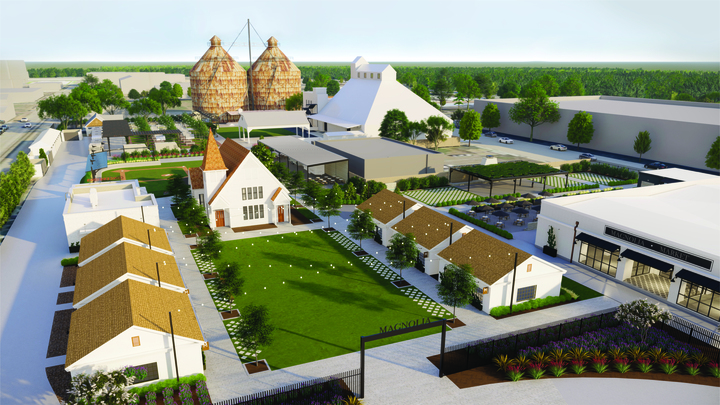
Waco, Texas: Discovering Chip and Joanna Gaines’ Magnolia empire

Image credit: Magnolia

Waco, Texas, has become a must-visit destination for fans of “Fixer Upper.” Start at the Magnolia Market at the Silos, where you can shop for home decor, enjoy food trucks, and relax in the garden. For dining, Magnolia Table offers a delightful menu, and as of September 2024, they’ve expanded to include dinner service featuring dishes from Joanna’s cookbooks.

Nearby RV parks include:

  • Flat Creek Farms RV Resort: A family-owned park offering full hookups, Wi-Fi, and a peaceful rural setting just a short drive from Waco’s attractions.
  • Blue Sky I-35 RV Park: Conveniently located near the interstate, this park features over 200 level pull-thru sites with full hookups, making it ideal for overnight and extended stays.

Snohomish, Washington: Touring twins’ territory from “Unsellable Houses”

TV hosts for Unsellable Houses Image: hgtv.com
hgtv.com

Snohomish, Washington, home to twins Lyndsay Lamb and Leslie Davis of “Unsellable Houses,” is known for its historic downtown area filled with antique shops and boutiques. Take a leisurely walk along the river and explore the unique stores that give the town its charm. The Lamb & Co. Storefront is a must-visit to see the twins’ design aesthetics firsthand.

For RV accommodations, consider:

  • Flowing Lake Park & Campground: Offers spacious campsites and cozy cabins within a scenic park setting, providing a relaxing retreat close to Snohomish.
  • Tall Chief Campground: Located in Fall City, this Thousand Trails campground provides a range of amenities and is within driving distance of Snohomish’s attractions.

Embarking on this RV journey allows you to immerse yourself in the communities that have inspired some of HGTV’s most beloved shows. Each town offers a unique blend of attractions, dining, and accommodations that reflect the charm and creativity seen on screen.

More articles you might really like

##RVT1199

Three small towns in Arizona all RVers will enjoy

5

I grew up near a small town, so maybe that’s why I get so much joy out of visiting them wherever I go. There’s just something special about exploring each little community, discovering what makes it unique, and getting to know the amazing people who call it home.

Exploring Arizona’s small towns offers RV travelers a blend of history, natural beauty, and unique attractions. Here are three charming destinations to consider.

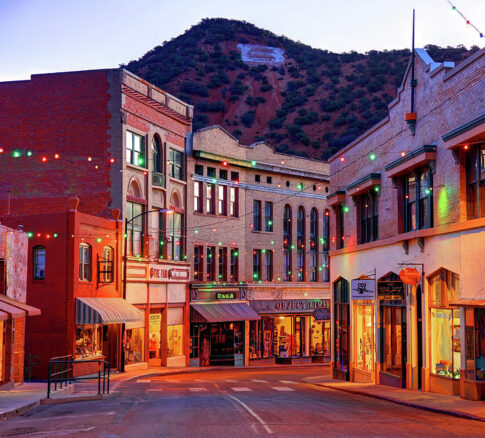
Bisbee

Bisbee, AZ Pexels image

Nestled in southeastern Arizona, Bisbee is a former mining town renowned for its well-preserved architecture and vibrant arts scene. Located about 90 miles southeast of Tucson, it provides a picturesque setting with its hillside homes and historic downtown.

Visitors can delve into the town’s mining heritage at the Copper Queen Mine Tour or explore the eclectic shops and galleries that line the streets.

For RV accommodations, the Bisbee RV Park at Turquoise Valley offers spacious sites with full hookups, propane services, and laundry facilities.

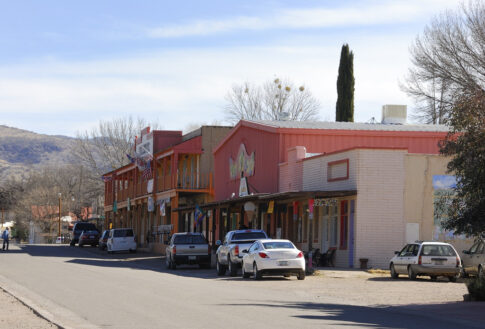
Patagonia

Patagonia, AZ flickr image
Photo credit: billandkent, Flickr

Tucked away in the rolling hills of southeastern Arizona, Patagonia is a hidden treasure known for its natural beauty and outdoor recreational opportunities. It’s located about 60 miles south of Tucson.

Patagonia Lake State Park is a highlight, offering a campground, beach, picnic areas, and a creek trail. The park is popular for water activities like fishing and boating, as well as hiking and birdwatching. The campground provides 105 developed sites, many with electric hookups, accommodating both RVs and tents.

Williams

Photo credit: Steven C. Price, Wikimedia

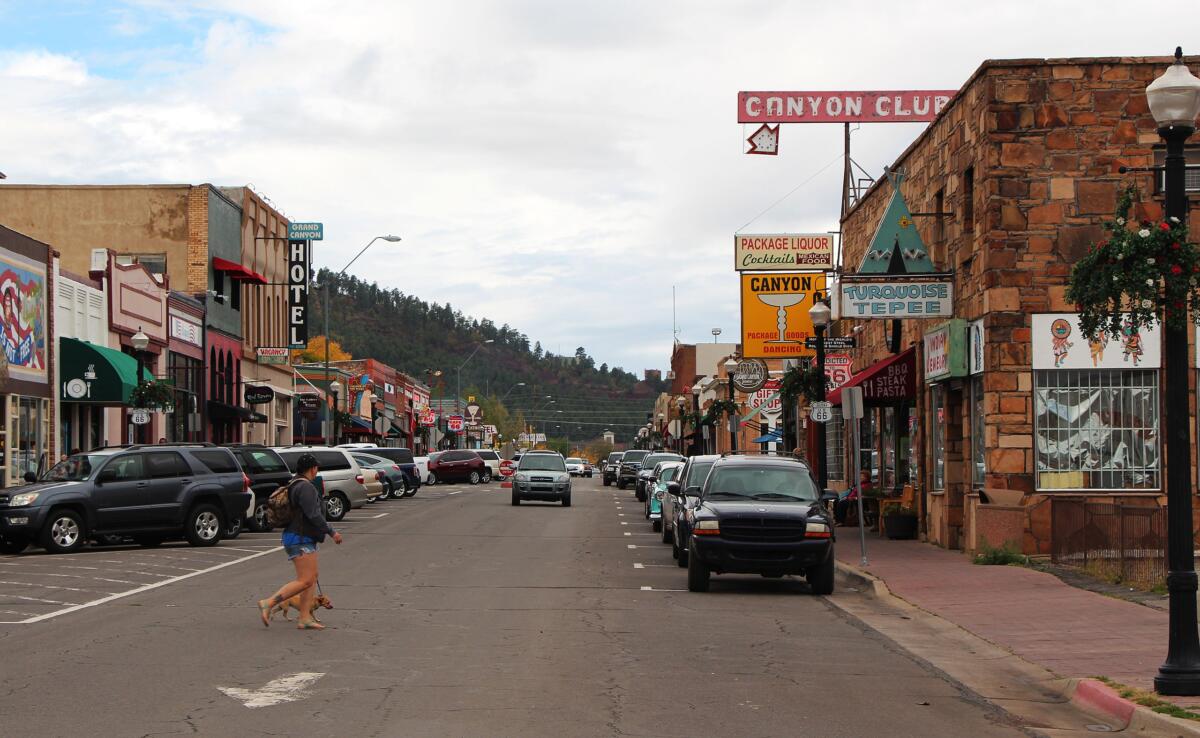
Known as the “Gateway to the Grand Canyon,” Williams is located about 60 miles south of the Grand Canyon’s South Rim and 35 miles west of Flagstaff. The town’s historic Route 66 charm is evident in its downtown area, filled with diners, shops, and vintage signage.

The Grand Canyon Railway departs from Williams, offering a scenic journey to the canyon. For RV travelers, several campgrounds are available in the area, providing convenient access to both the town’s attractions and the Grand Canyon.

Each of these small towns offers a unique slice of Arizona’s rich tapestry, ensuring that RV travelers can find the perfect blend of relaxation and adventure on their journey. Plan a visit!

RELATED

More articles you might really like

##RVT1199

Unusual tricycle camper—This is a must-see!

By Cheri Sicard
Ever seen a house on three wheels? The video below from Velvet Motors showcases Kevin Cyr’s tricycle camper, one of the coolest and most unique mobile homes you’ll ever see.

Kevin’s camper is art, engineering, and a love for adventure all rolled into one. It might look like a mix between an old-fashioned rickshaw and a small camper at first. But every part of this 3-wheel camper was carefully planned to make the most of the space and be as useful as possible.

Kevin put a lot of thought into how this camper works. Everything has a purpose, making it a highly functional little home.

Not your typical gas-guzzling RV, this tricycle camper is powered by your own two legs, so it’s an eco-friendly way to travel. It’s small enough to pedal through city streets. Yet, it’s strong enough to keep you safe from the weather.

Inside, it’s surprisingly cozy, with a bed, storage, and other little things that make living on the go comfortable.

The tricycle camper isn’t just practical; it’s also about freedom, being self-sufficient, and what “home” really means. This camper challenges what we think of as “personal space.”

The space inside the tricycle camper is used wisely, so you can store what you need without feeling cramped. It’s a small but complete living space. There’s room to sleep, storage for your stuff, and even a place to cook simple meals.

This camper is also a work of art that shows the power of human creativity. In a world full of mass-produced vehicles, this handmade creation stands out. What do you think of Kevin’s creation? Leave your thoughts in the comments below.

RELATED

More articles you might really like

##RVT1199

Don’t ignore the danger—A slipping trailer jack foot could ruin your trip

In kids’ cartoons, a staple guaranteeing laughs was the poor guy who stepped on a banana peel. After the myriad of stars cleared from around his head, off he’d go—right into the next disaster. But a slipping trailer jack foot is no joke. Ask us—We’ve had first-foot or, rather, first-hand experience. Why can a jack foot slip? What damage can follow? And how can you get that seeming banana peel out from under your trailer?

Slipping trailer jack foot scared the daylights out of one RVer

Our first experience with a slipping trailer jack foot occurred years ago. We were setting up at a boondocking site. The trailer was placed and already unhitched from the truck. The male of the species was fiddling around with some of the last of the outside work when a scream emanated from inside the trailer. That was followed momentarily by the loud smashing sound of the jack foot coming off a lift block up front.

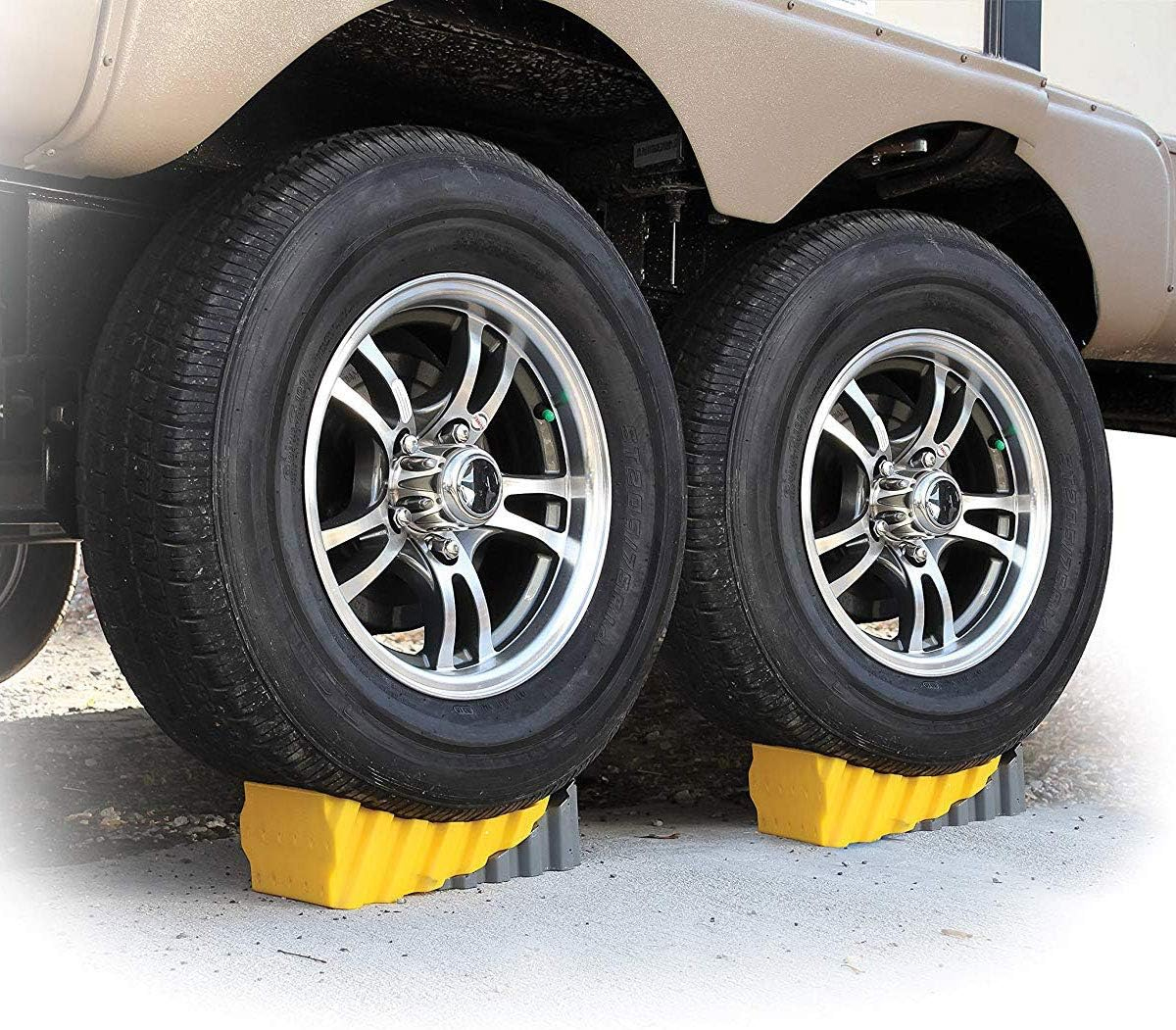
In that case, the trouble was a combination of a pitched site, plus poor tire chocking. We’d been using handy four-by-four cutoffs from a construction project. Those “chocks” just didn’t cut it. The trailer pitch of the site invited the trailer to roll, right off the front blocking.

Fortunately, the physical damage was pretty much nil, but the psychological effects of “riding a runaway trailer” didn’t wear off very soon.

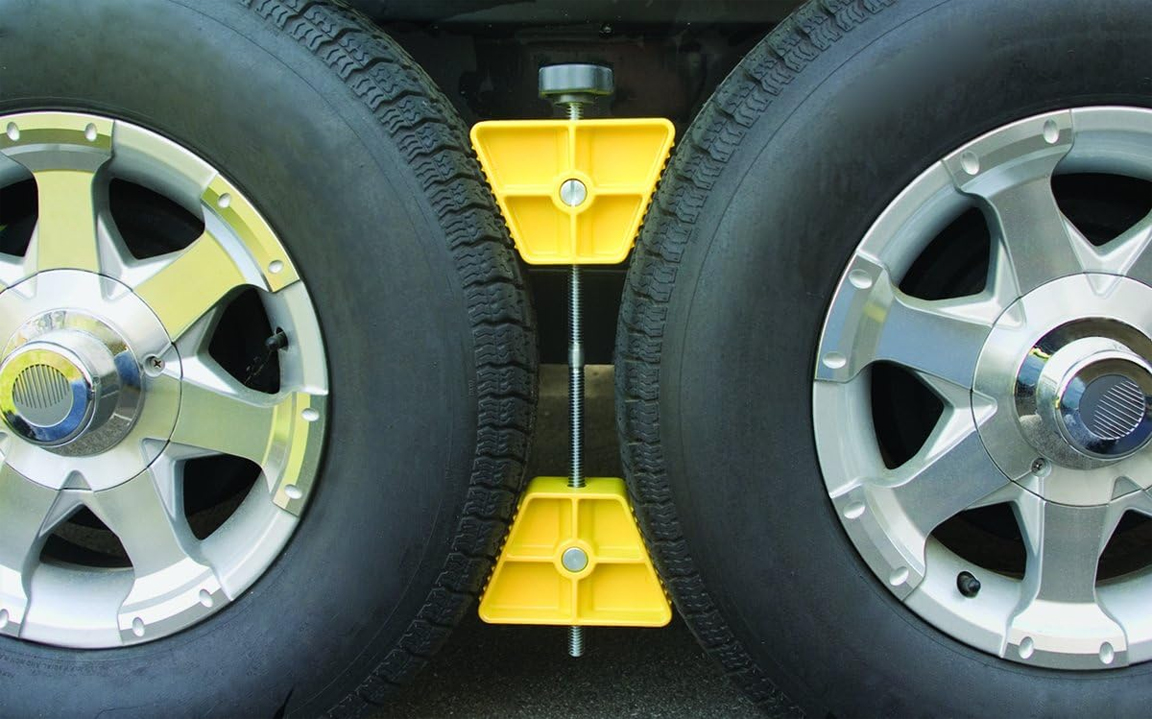
Slipping jack footWe fixed that problem in a hurry. We quickly invested in a set of between-the-wheel locks. They cost a bit more than our cast-off wood blocks, but have proved to be effective in a variety of different RV setup situations.

Slipping jack foot revisits us in “civilized” location

Slipping jack footThose wheel locks didn’t save us from our most recent scare. This time we were setting up in a commercial RV park. We’d used under-tire levelers to help us deal with some side-to-side roll. Then we locked the wheels up firmly before raising the tongue jack. There was a considerable amount of fore-and-aft pitch in the site and, as we normally do, we’d set a six-inch block under the jack foot. It took a fair amount of cranking to raise the trailer as things were high in the back, low in the front.

Slipping jack foot
Jack foot was originally centered on the block to the right. Caught it in time! Russ and Tiña De Maris photo.

With the truck detached and moved ahead, everything seemed OK… until we started to adjust one of the front stabilizer jacks. We noticed a funny noise, and then the rig started to gently slide away.

A quick look at the jack foot showed that where it had been placed in the middle of the block, it was now partially off the block. We grabbed another block, same height, and nudged it in firmly under the part of the jack foot that was hanging over air. By the time we got the stabilizer jack at the height needed, the jack foot had slid over even more.

Had we not seen or heard the sliding jack foot, the results would have likely been spectacular. Dropping down the full six inches to the ground would probably have left us with what other RVers have experienced. A damaged jack foot, at the least, and possibly a bent jack tube.

Either way, we’d have been in a bit of a fix, as we’d have had to be real creative in figuring out how to lift the front end of the trailer up high enough to get back on the truck’s hitch ball.

Physics “recipe” almost led to disaster

Looking back, we know now what created the issue, and how to avoid it next time. It’s one thing if you have fore-and-aft pitch to deal with when setting up a trailer. Side-to-side roll is another frequent issue when leveling a trailer. But when you combine both roll and pitch in the same site, particularly if one or the other is extreme, look out! It’s just a physics recipe too difficult for this RVing cook to figure out. Better to find a flatter spot to park in.

In this case, we could have pulled farther ahead in the site and done away with the “rump too high in the air” problem. The male of the species confesses—he was just too tired from a long day on the road and didn’t think it all out.

One more mark for making sure you get off the road early enough in the day. In this case, the sun was already down, and working in the dark was just one more factor that contributed to the “not-too-bright” moment.

Don’t get played by a slipping trailer jack foot. Park on a spot that’s as level as you can find. Never park on a spot where you’re fighting both side-to-side roll and fore-and-aft pitch. Make sure you have effective wheel chocking.

And if you don’t need to use a block under your jack foot, you’re better off putting the foot straight on the ground. Just make sure there’s no banana peel!

RELATED

More articles you might really like

• Buying an RV: What is the markup on an RV? What should you offer the dealer?
• 6-volt or 12-volt batteries for RVs: Which is better?
• Ex-RV salesman offers shopping tips for new rig
• RVelectricity: Does your RV use 120 or 240 volts?
• What is the best house battery for your RV?
• Everything you need to know about charging RV batteries

##RVT1199

Should e-bikes be allowed on traditional bike trails?

50

By Gail Marsh
I wrote an article last year about some RVers’ gripes that I’d never heard before. One of the complaints was about electrical bicycles or e-bikes. I received so many comments about riding e-bikes on biking trails that I wanted to poll you about this. I’ll summarize the comments from my previous article for you so that you understand the issue. Read, see what you think, and then vote: Should e-bikes be allowed on trails?

E-bikes

First of all, let’s consider a quick overview of e-bikes. E-bikes are typically categorized into three main classes based on their capabilities and motor assistance:

Class 1 e-bikes: These e-bikes are equipped with a motor that assists the rider only when pedaling, providing assistance up to a certain speed limit, often around 20 mph. Class 1 e-bikes are quite similar to traditional bicycles but with added electric support.

Class 2 e-bikes: Similar to Class 1, these e-bikes also assist the rider when pedaling but come with an additional feature of throttle control. This means riders can propel the bike without pedaling, relying solely on the electric motor.

Class 3 e-bikes: These e-bikes offer pedal-assist like Class 1 and 2, but with support up to higher speeds, typically around 28 mph. (It should be noted that the 12,000W Enduro e-bike is promoted as the fastest in its class, with a maximum speed of 65 mph. To me, this e-bike is more like a motorcycle than a bicycle. This “superbike” should not be considered when completing the poll.)

Pros (allow e-bikes on biking trails)

Accessibility: E-bikes make cycling accessible to a wider range of people, including those with physical limitations or those who may struggle with traditional biking over longer distances or difficult trailways.

Eco-friendly transportation: By encouraging the use of e-bikes, especially for commuting, cities can reduce carbon emissions and alleviate traffic congestion, contributing to a more sustainable environment.

Health benefits: While e-bikes provide motor assistance, riders still engage in physical activity, though at varying levels depending on the class of the e-bike. This can promote cardiovascular health and overall well-being.

Cons (do not allow e-bikes on biking trails)

Safety concerns: The increased speed capabilities of some ebikes, especially Class 3 models, raise safety concerns, particularly on crowded bike trails where cyclists and pedestrians share the space.

Trail wear and tear: E-bikes, especially those with more powerful motors, may cause increased wear and tear on bike trails compared to traditional bicycles, potentially leading to trailways’ maintenance issues and environmental degradation.

Confusion and regulation: The classification of e-bikes and their integration into existing cycling regulations can be confusing. Determining where e-bikes are allowed to ride, especially on bike trails designated for non-motorized vehicles, can lead to confusion and conflicts among trail users.

Are e-bikes considered motorized?

At the crux of this conflict is the question: Are e-bikes considered motorized vehicles? This is a big question, and one not yet uniformly addressed across the USA. The classification of e-bikes as motorized vehicles varies depending on local regulations.

In many jurisdictions, e-bikes are treated like bicycles rather than motorized vehicles, primarily because they do not require licensing and registration like traditional motorized vehicles. However, the distinction between motorized and non-motorized vehicles remains a point of contention in some areas, particularly regarding where e-bikes are permitted to ride.

State-by-state regulations

This website will help you determine how your state (or the states you plan to visit) approaches the debate about e-bikes riding bicycle pathways and trails. Keep in mind that these rules may be updated or revised at any time. Call the local park service or city hall for up-to-date information.

Your turn

E-bikes represent a true innovation in the world of cycling because they offer a blend of human-powered and electric-assisted propulsion. While they provide numerous benefits in terms of accessibility, sustainability, and health, the debate over their integration into traditional cycling trails and pathways underscores the need for careful regulation and consideration of safety concerns.

As e-bikes’ popularity continues to grow, finding a balance between promoting their use and preserving the integrity of bike trails will help shape the future of both rural and urban mobility.

After considering both the pros and cons of allowing e-bikes to ride on traditional bicycle paths and trailways, what do you think? Please vote in our poll. If you wish, explain your reasoning and offer suggestions for potential trail rule changes in the comments below.

You will enjoy these other popular polls:

Do you see yourself still RVing in five years?
Do you still enjoy RVing as much as when you first started?
Have you ever had a problem with a slide-out that delayed your travel?
Have you ever stayed at a nudist resort with your RV? Would you?
Have you spent a free night in a parking lot with your RV in the last year?

##RVT1199

Gas vs. diesel: Which is better?

Looking to buy a motorhome? Before you do, there’s a big question: gas or diesel? In the video below, Izzy and MJ of Endless RVing take a deep dive into each to help you make the best choice.

Before we begin, know that there is no one “right” answer. What works for your neighbor might not work for you. It all boils down to your specific needs, travel style, and budget. So, forget about blindly following recommendations. Use the advice in the video to figure out what fits your RV lifestyle.

Izzy and MJ focus on Class A motorhomes, but many of the points also apply to Class B and C RVs too.

Gas vs. diesel motorhome considerations

What’s your budget?: Let’s face it, price is a huge deal. Gas motorhomes are generally the more budget-friendly option right off the bat. Entry-level gas models can be found in the $150,000 to $200,000 range. Diesel models? Expect to shell out considerably more, easily climbing well over $200,000. If you’re mainly a weekend warrior or only RVing for a couple of weeks each year, that extra upfront cost for a diesel might not make sense.

Resale value: Diesel RVs typically hold their value better than gas models. RVers often upgrade down the road. Keeping that resale value in mind is always a smart idea.

Financing: Of course, that higher price tag of a diesel RV means bigger loans and higher monthly payments.

Fuel costs: Usually, diesel is more expensive per gallon than gasoline. Some folks swear that diesel engines are always more fuel-efficient. While that can be true for smaller RVs, like Class B’s, it’s not always the case with larger Class A motorhomes. Aerodynamics play a bigger role in fuel efficiency (or lack thereof) for these behemoths.

Fuel tank size and range: Diesel motorhomes often come with much larger fuel tanks. We’re talking 100 to 200 gallons, compared to the 80-gallon tanks you might find in gas models. What does that mean for you? Longer stretches between fill-ups! If you crave those long hauls without constant pit stops, diesel might be your jam.

DEF (Diesel Exhaust Fluid): Don’t forget about DEF! Diesel engines need Diesel Exhaust Fluid, which is another cost to factor into your budget.

Servicing: When it comes to maintenance, gas motorhomes might require more frequent servicing (mileage-wise). On the flip side, diesel service tends to be pricier, even if it’s less frequent. It’s a bit of a trade-off.

Engine life: Here’s where diesel engines can really shine. A gas engine in a Class A RV might last for 150,000 to 200,000 miles. A diesel? You could potentially reach 400,000+ miles! However, let’s be real: Very few RVs, even diesels, actually rack up those crazy high mileage numbers before their owners decide to upgrade. Just something to keep in mind.

Emissions restrictions: Keep an eye on those emissions restrictions! They’re getting stricter all the time. So far, gas motorhomes haven’t been affected, but that could change down the road.

Engine placement and noise: Diesel pushers (that’s what they call diesel motorhomes with the engine in the rear) offer a quieter ride for the driver and passengers. Gas motorhomes have the engine up front. This leads to more noise in the cabin.

Ride quality: Diesel pushers typically boast air ride suspension and air brakes, which translate to a smoother, more comfortable ride. Gas motorhomes usually don’t have this feature, but you can find aftermarket upgrades like liquid spring suspension.

Capabilities: Gas motorhomes are usually the Ford F-53, and have up to a 26,000 lb. chassis. Gas motorhomes usually tow up to 5,000 pounds. Diesel motorhomes have up to a 50,000 lb. chassis, and can tow up to 20,000 pounds.

Storage space: Gas motorhomes offer a decent amount of storage. But diesel pushers? They take it to the next level! Expect significantly more storage space, including pass-through storage and those super-handy slideout trays.

Interior finishes: Here’s another area where you’ll see a difference. Gas motorhomes tend to have more basic interiors, while diesel pushers often feature more luxurious finishes like porcelain tile, solid surface countertops, and detailed woodwork. It’s all about that price difference—you generally get what you pay for.

Ultimately, the best RV is the one that fits your unique needs and lifestyle. So, do your research, weigh the pros and cons, and choose the motorhome that will help you create unforgettable memories on the open road!

RELATED

More articles you might really like

##RVT1199

Easy leaking toilet fix: Replace the ‘ball seal’ on your RV’s toilet

By Dustin Simpson
Welcome to “In the RV Shop with Dustin”. We recently had a customer in the shop with a toilet that was leaking water from the bowl into the holding tank. After performing a simple operation and visual inspection, we narrowed down the culprit to the “ball seal.” Did you know this replacement is so easy that just about anyone can do it?

Dometic Toilet bowl seal on a 310 model.

Here is a simple, step-by-step installation guide to help you with this repair

Dometic 300/310/320 Flush Ball Seal Installation

NO TOOLS REQUIRED.

  1. Turn off water supply before working on the unit.
  2. Hold flush pedal down to keep flush ball open and to release the water pressure in system.
  3. Grasp inside edge of seal and pull upward to remove from toilet. Remember to use rubber gloves.
  4. Thoroughly clean lower bowl rim area where seal was located; you can even use an old toothbrush.
  5. Release flush pedal to close flush ball. Thoroughly clean surface of flush ball.
  6. Insert new seal in base, making sure seal is firmly pressed outward against lower bowl rim.
  7. Press flush pedal to open flush ball, and spread thin layer of silicone grease or petroleum jelly under the seal where it will contact flush ball. Release flush pedal.
  8. Lightly press down around circumference of seal to insure seal is in proper position.
  9. Turn on water supply.
  10. Add water to bowl and check for leaks.
Steps 1-4
Click to enlarge.

Here is the Dometic Flush Ball Seal Replacement for 300 310 320 RV toilets. In addition, if you want to extend the life of your toilet bowl seal, I recommend that you use a toilet bowl lubricant and seal conditioner.

More from Dustin

Make sure you check out my website, California RV Specialists, and our YouTube channel for more helpful information, and see our published articles on RVtravel.com and other social media pages.

RELATED

More articles you might really like

• Alternative to Quartzsite: Low-cost AZ desert boondocking at Imperial Dam
• A new take on the offensive neighbor in the RV park
• How to protect your RV’s decals from fading and sun damage
• RV Tire Types 101: Selecting the correct tire for your RV or other vehicle
• Be careful how you wash your rubber RV roof
• A step-by-step guide to applying self-leveling sealant on your RV’s roof

##RVT1199

The problem with RV manufacturers’ warranties on new RVs

The debate between new versus used RVs is as old as RVing itself. Sure, there is depreciation to consider, as well as the price. However, one of the biggest reasons people go with a new RV is often the manufacturer’s warranty. But is it really worth it? 

A new RV manufacturer’s warranty is not like a car warranty

Sure, the concept of having everything fixed on your RV for the first year is tempting. Just like when purchasing a new car, having this peace of mind is a helpful benefit. However, a new RV warranty is not at all like a new car warranty!

When you purchase a new car, you know that your new car may receive service at the dealership you purchased the car from or any other dealership that carries that brand. The car manufacturer has arranged with dealerships that carry their product to provide vehicle service across locations. 

The process of new car warranties is somewhat streamlined regardless of location. It’s as easy as calling and making an appointment to take the car in. You often can even receive a loaner car if your vehicle is in the shop for an extended period of time. If you have never purchased a new RV, you may be shocked to learn that the manufacturer warranty doesn’t work quite so smoothly.

So why is an RV manufacturer’s warranty different than a new car warranty? In a nutshell, each RV dealership does what it desires as far as servicing warranties. There is no accountability to the manufacturer to service units in a streamlined way or specific time frame.

The big problem with an RV manufacturer’s warranty

The biggest issue with an RV manufacturer’s warranty is actually trying to use it. When you contact an RV dealership for a service appointment, it can honestly be shocking how long it takes to an appointment to get in. Even more surprising is how long it sometimes takes the dealership to get the parts required to perform the repair. 

We learned the hard way never to leave your RV with a dealership until you verify they have the needed parts in stock and are ready to begin working on your RV. Otherwise, your appointment time may arrive, and then your RV could sit there waiting even longer to begin repairs until the parts arrive. We have even tried to speed up the process by contacting the manufacturer directly for the parts to get the ball rolling. It’s extremely frustrating!

It’s nothing to be told you need to wait 3-6 months to get in for service. We once waited seven months to get our RV in for repair. Then, when your appointment date arrives, don’t expect to get your RV back quickly. Our experience has been that it always takes much longer than the dealership says it will. It can be an even slower process if you don’t check in on the progress every day. Meanwhile, you have lost the use of your new RV throughout this process. Unlike with car warranties, there aren’t usually loaners to use in the RV world.

The dreaded question: Did you buy your RV from us?

If you have tried using your RV manufacturer’s warranty at a different dealership than you purchased it from, you may get this dreaded question: Did you buy your RV from us? Unlike with car warranties, the dealerships call the shots on how they service RVs. Most of the ones we have dealt with over the years put you on an even longer waiting list if you didn’t purchase your RV from them. 

As an example, we are full-time RVers from Kansas City, MO. We purchased our first new fifth wheel in Duluth, MN. By the time we needed to first use our RV manufacturer’s warranty, we were out in California. We called a local dealership that sold our brand and were instantly asked if we bought it from them. When we said no, we were told we couldn’t bring it in for a warranty service appointment for 11 months! 

This wasn’t a one-time issue, either. During our years on the road, we purchased a second new fifth wheel from a different manufacturer and have discovered this same issue across the country. Dealerships seem to focus on the sale, and without service oversite by the manufacturer, servicing RV warranties doesn’t appear to be a priority. 

What is the solution?

There appears to be a higher demand for RV technicians than the current supply. Since part of the issue is finding qualified help at RV dealerships, manufacturers should also cover certified RV mobile repair services to provide warranty work. This would speed up the service backlog while also allowing RVers to remain in and keep using their RV throughout the process for most repairs. Customers would appreciate the convenience, making this solution a win-win for everyone. 

As full-time RVers, we use mobile repair constantly. We simply can’t interrupt our travels every time a repair is needed. Plus, when we are without our RV, we have the added expense of hotels or rentals, which is never ideal. We have always received excellent and fast service through mobile repair.

RV manufacturers should never allow a dealership to sell their product without abiding by a service standard. If they are serving as a brand dealer, then they must also be a service provider regardless of where the customer purchased the RV. Until the manufacturers hold the dealerships that sell their products accountable to a service standard, this will continue to be an issue.

What about you?

We would love to hear about your experiences with getting service for your RV or using an RV manufacturer’s warranty. Have you ever gotten the dreaded question regarding where you purchased the RV? Have you ever used mobile repair? What is the longest you have ever waited for a service appointment? Please leave us a comment!

RELATED

##RVT1199

RVer gets hilarious lesson in ‘porta-potty pressure dynamics’

4

We received this letter and hilarious story from reader Steve Comstock. Steve wrote, “I am sending this in response to Chuck’s ‘RVers are like Kindergarteners‘ story in the newsletter. I hope he will find it to be entertaining. Regards, Steve”. Well, Steve, we all find this story entertaining!

Here it is:

Normally, I would say this subject is relatively simple for most folks to understand on a basic level. The weather lady tells us that a big high-pressure airmass is headed our way, followed by a low-pressure storm system. We all know how our ears pop when we change altitudes in a plane. When you can your tomatoes and the mason jar cools, the pressure decreases inside, sealing the top closed tight. However, there are ways that one can be fooled, especially into an unwary sense of security.

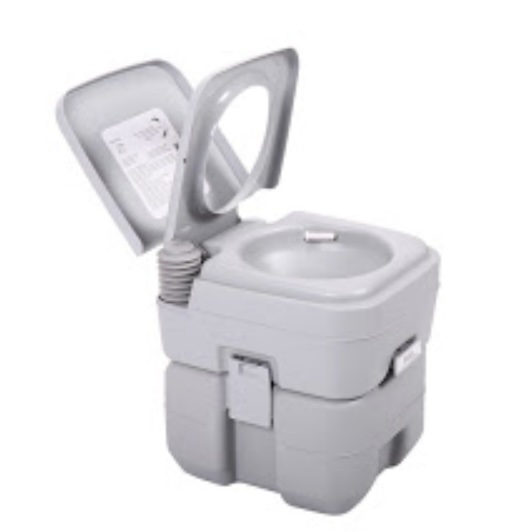
That’s where this story starts—with the item sealed tight. Show of hands: How many have ever serviced and used a porta-potty?

In the late ’80s when we lived in Arizona, we needed our summertime getaways from the oppressive heat. In a little more than two hours, we could leave our home at 1,500 feet elevation and set up camp at 7,500 feet in the tall pines, enjoying a much cooler temperature.

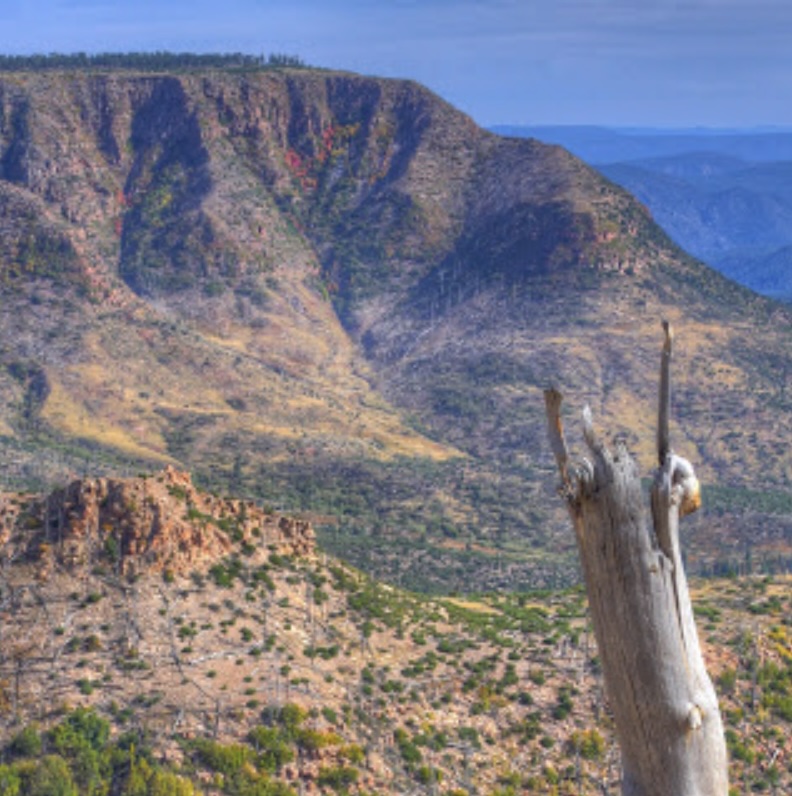
Many times for us, it was the Mogollon Rim, a spectacular place with rustic camping everywhere and incredible views down into the lower valley.

In preparation for our forays into the forest, we gathered up everything that would fit into the car and the Coleman pop-up tent trailer, including the previously mentioned potty. The potty required servicing with water and chemicals before being used, so of course, that was accomplished during trip preparation, too. And… the unit was then completely sealed up.

Upon reaching our campsite, the trailer was set up, the campfire lit, food prepared and a few adult beverages were consumed. As I recall, this was a Boy’s Campout, so the womenfolk were spared the comedy of this next event.

Yours truly was the first to admit the need to answer nature’s call. When I was finished, the potty needed to be “flushed,” which occurs by turning a valve handle on the front that allows the contents to flush into the holding tank.

Can you say “sh*t-faced,” boys and girls? Imagine my surprise when the waste headed in the opposite direction I expected it to, instead of down the drain hole!

Remember our discussion of pressure differentials? Serviced at 1,500 feet (read “high” pressure), and operated at 7,500 feet (read “low” pressure), caused the contents to be blasted upwards instead of being flushed down into the drain!

After cleaning up and joining my fellow campers, the story took on an indelible status, never to be forgotten. Needless to say, more beers were then consumed in front of our bonfire, which I’m pretty sure was large enough to have been seen from space!

I now consider myself to have acquired a PhD in pressure dynamics as it relates to porta-potties. This may also be applicable to RV toilet setups; however, the black tanks may act as a buffer. I don’t know for sure because we haven’t challenged that theory by camping with our 25-foot trailer in varying altitudes yet. Feel free to comment if you can verify this theory with your own experiences.

YOU MIGHT ALSO ENJOY:

##RVT1199

What are RV ‘4 corner weights’ and why are they important?

The idea of “4 corner weight” is usually talking about Class A and C motorhomes longer than 27 feet. The data shows that probably more than half of those larger units can be significantly (1,000 lbs. or more) unbalanced side to side on an axle.

Smaller RVs can probably get away with just learning the weight on each axle with the RV and tow vehicle loaded to its heaviest and hooked up ready to travel; then calculating 51% or 52% for each axle; and then using that calculated weight number to confirm you are not exceeding the load capacity of the tires.

Heaviest tire weight

For towables, including fifth wheels, your calculated heaviest tire weight should be no more than 90% of the tire capacity when inflated per the Load & Inflation tables. I covered the technical reason for this 90% limit in my blog posts on Interply Shear. Please note the RV Industry Association (RVIA) (see that Gold sticker near the door on the RV) has a requirement that tire capacity should be equal to 110% of GAWR (Gross Axle Weight Rating).

The max load capacity for a tire is the load in pounds shown on the tire. The only time it has that capacity is when it is inflated to the PSI number that is also on the tire sidewall. This post on my blog should clear up the confusion on “Max PSI”

Your dry weight is not important when we are talking about tire loading. The GAWR is just a number for all the tires on any one axle. The tire on the passenger side has no idea what the load on the driver side is, so you can’t average the axle weight to learn the max weight on the heavier loaded tire.

“Dual” loading

“Dual” loading is when two tires are mounted side by side on one end of an axle. We see those on the rear of most Class A and C motorhomes. They are also on “dually” pickup trucks like an F450. Dual does not apply to RV trailers. LT (light truck) tires do have different load capacities if mounted on the front (single) or mounted on the rear (dual).

You do not need both freshwater and holding tanks full. Think of your loading when you start a trip. Fresh water is normally full, so is propane, gas or diesel and food pantry, but holding tanks are empty. Don’t forget your tool box. That would be what I would call “heaviest expected weight”.

This is when you get on a truck scale and get readings with just one axle on a scale pad. You may need a couple of readings depending on pad spacing and your axle locations. Get both trailer and truck weights, as you should also confirm you are not overloading your tow vehicle tires, either.

Example:

Suppose you have tires that say 3,900# @ 80 PSI. Your GAWR on the certification label is 7,000#. RVIA requires the tires have a capacity of 110% of the 7,000# or 7,700# total, or 3,850# each, so you might think you are OK. But if your RV axle is “out of balance” side to side by 1%, or 3,885# on the heavy end, you would have a tire in overload. Not a great deal but it is in overload even assuming the scale is accurate +/- 1% and you have a 100% accurate pressure gauge. What if your axle is unbalanced by 200# or 300#? Tow vehicles are normally more balanced, so just take the axle load and divide by the number of tires on that axle.

BUT the RVIA 110% requirement went into effect in November 2018. There are many RVs out there that only require that tires be capable of supporting 100% of GAWR, so that 10% “cushion” is gone.

110% load capacity recommended

I strongly support the RVIA’s 110% load capacity. In fact, my Interply Shear data suggests that something closer to 125% would be desirable. But many of the RV companies simply have not designed their vehicles with large enough wheel wells to allow that large of a tire even if the cost penalty was less than $200 an RV.

Bottom line: You do not need to learn the individual loads on each tire position. BUT I do suggest you assume at least a 4% out-of-balance and apply that to the weight reading you can get at truck scales. (Just be sure to pay attention to where each axle is on which scale pad.)

Note: All mentions of PSI is when the tire is “Cold”.

Roger Marble

*****

If you have tire questions, check out Roger’s Blog as well as his posts on RVtravel.com. There are hundreds of posts covering everything to do with tires.

If you still have a question for Roger after searching the above posts, send your inquiries to him using the form below.

Name
Drag & Drop Files, Choose Files to Upload

More articles you might really like

##RVT1199

What do snowbirds do when they can’t flee south?

4

By Rod Andrew
As I write, I’m a snowbound snowbird, sitting at my dining room table, looking over a frozen river at a snow-covered hillside.

The view could be a Christmas card scene and, until New Year, we enjoy it.

But it is cold and we prefer warmth.

Normally, in about a week, my wife and I would start packing our trailer for our annual trek down to Southern California, but this year, we’ve reluctantly decided, once again, to stay put.

What do snowbirds do when they can’t flee south?

Since I don’t skate and my knees don’t like skiing anymore, my appreciation of winter is mostly aesthetic. Snow really is beautiful, but it can limit one, especially when it is accompanied by extreme cold.

Here‘s an account of a few days in the frozen north, specifically the interior of British Columbia.

We’ve had an extended cold spell, with temperatures sinking to minus 20F in our area. Minus anything is cold. We’ve also had snow, so instead of biking and hiking in the desert, we get our exercise shoveling.

We have a cabin about 2,500 feet higher than our house, which we will spend time in when it’s a little warmer. Of course, it’s even colder up there. The cabin is not heated, with the exception of a room underneath, which protects our pump and water system. In case of a power outage freezing the pump house, we have a monitor that sends us the pump house temperature by Wi-Fi. If the electricity goes out, we will also know, as the monitor will go offline.

Something’s not right…

One day soon after Christmas, the monitor began to indicate that something was not right. When it showed a temperature of 40F, I realized that the heater we had used for years was no longer adequate. We headed up the mountain. Water starts to expand as it begins to freeze and pumps don’t like that.

When we reached our cabin, we realized that we would not be able to make it up the driveway, as the snow was too deep, so we parked on the plowed access road and walked up to our gate. This is secured by a chain and combination lock. The lock was frozen. Back to the truck to get a couple of butane firelighters, which we carried for this eventuality.

Neither lighter would work. Probably too cold.

The gate is a typical aluminum farm gate, so we tried sliding between the horizontal rails. No luck. We’re both a little too chubby. Even if we stripped and oiled our bodies we wouldn’t slip through. Plan B was climbing over, but our snow boots and the slippery gate made that very risky.

Plan C. I took off my gloves and cupped the lock in my hands. Then I blew a series of blasts of my fetid morning breath over the lock. In just a couple of minutes, it was unfrozen. My bad breath was a superpower!

Now, anyone who has lived in frozen climes knows that this procedure was not without risks. If my damp lips had contacted the padlock, the two would have been welded together. I had seen “A Christmas Story”, so I was very careful.

The cabin looked inviting, but we were there to work

We trudged down the hill and made our way into the pump house, where 37F felt positively balmy. The problem was the heater, which was quickly replaced. We waited until the temperature was 50F, then headed back to the truck, leaving the padlock attached, but not closed. I can learn.

As we walked back to the truck, I began to take a few winter photos.

My iPhone went blank. My wife took hers out and after a couple of minutes, hers also closed down. We suspect that the air was too cold for them to function. Attention NASA: They’d be useless on Mars.

That night, the monitor went offline. By morning, it was still off. I checked online for power outages, as snow-laden trees frequently fall on power lines, but there were no outages in our area. I had one other avenue to explore: I would contact the cabin Wi-Fi provider, an enormously large company, and see if the Wi-Fi could be checked.

It is NOT this cold in Guatemala

After being transferred several times by a realistic-sounding Robo voice, then listening to music, none of which appealed to me, I finally reached a human being. We went through the process to establish that she could give me information and advice, then I began to explain the issue.

I told her that last night we had temperatures of minus 30 Celsius at the cabin, which was not my current location. She didn’t make any comments, so I thought she was gone.

“Are you there?”

“Yes. Minus 30?“

“Yes. That’s right.”

Silence.

Then I realized what might be happening. “Where are you working from?”

“I am working in Guatemala.”

Okay, we might have had a communication problem, but once I explained that I had to drive a fair way on icy roads to get to the cabin, and what would happen if my pump froze, she was really helpful. It took about 15 minutes for her to find her way to the input to my cabin, but she eventually was able to assure me that the service was up and still operating.

“Now I can reboot your router, but you need to be there to watch.”

Run, Rod, run!

I have to tell you that I was impressed. This young techie, working in Guatemala, was going to reboot my router in B.C. Wow! I gave her the cabin number and my cell phone number and arranged to be phoned in 90 minutes, at the cabin.

I made it with 10 minutes to spare. As you may remember, I had not locked the gate padlock, so getting in was easy. I checked the router and the modem in the cabin and both were working. I couldn’t check the TV, because it was in the pump house, as extreme cold can be hard on LEDs. Then down to the pump house.

The temperature in there, on my wall thermometer was 68F. Great. The heater was doing its job, but I still hadn’t received an update from my monitor, which was now in front of me. I’m no techie, but I know one technique: Unplug, wait, plug back in.

A miracle. I was back online! Problem solved.

Then, I waited. After an hour, I gave up on my promised return phone call and headed back home. I did, finally, receive a call, which went to voicemail. I was driving. No message was left.

I would prefer to be somewhere warmer, but I’m finding life here full of surprises, so I’m not bored. Every day I check the pump house temperature on my iPhone several times.

I watch the icicles grow outside my kitchen window.

I’m also cultivating my morning breath superpower.

I wonder what my name would be if I joined the pantheon of Marvel superheroes.

Perhaps “Hotlips.”

MORE YOU’LL ENJOY BY ROD:

##RVT1199