By Cheri Sicard
In the video below from Project of Science, our host, a custom van builder by trade, wanted to do an experiment with portable solar panels. He wanted to know if setting up solar panels inside windshields would work to power a van’s battery or devices, and he set out to find out.
Why did he want to see if putting the panel in the windshield would work? Because there are times you can’t put them outside for one reason or another. And you certainly don’t want to put them out and go away as they would likely not be there when you returned. But what kind of performance can you expect from a solar panel inside of a windshield?
Our host collected data on his inside windshield solar panel for about a week before making the video that compared its performance to a portable solar panel that was outside on the ground.
The actual experiment begins at about the 3-minute mark. Check out the video to get the specifics on how it was set up.
If you want to cut to the chase and skip the video, the bottom line is that putting the solar panel inside the windshield reduced its efficiency by about 60%. That said, it did perform, so if you wanted things to charge while you went away for a few hours or a few days, this would, in fact, work.
Watch the video to examine the collected data more closely and analyze what worked and what did not work in this interesting portable solar panel experiment.
Look! Over there! There’s a truck handing out FREE ice cream! Looks like they have vanilla, chocolate, or strawberry flavors for free. Hurry up and go get some before it’s gone!
Oh, good, you’re back. What flavor did you decide on? Vanilla? Chocolate? Strawberry?
Now, we know there are a gazillion other flavors of ice cream (mint chip, cookie dough, black cherry, rocky road, coffee, you name it), but we couldn’t possibly make up a poll with all those options, could we? That’s right.
So, for today, if you absolutely had to pick, just pick one of those three flavors. And if you don’t like any of those flavors, well, maybe today’s poll isn’t for you. (But come on, if you haaaaad to pick?)
If you want to leave a comment and tell us what your favorite ice cream flavor is, we won’t object. We loooove talking about ice cream. Ice cream, ice cream, ice cream!
Oh, and also… Did you know you can make ice cream at home or in the RV in a mug? It’s true, and it’s easy! Here’s how.
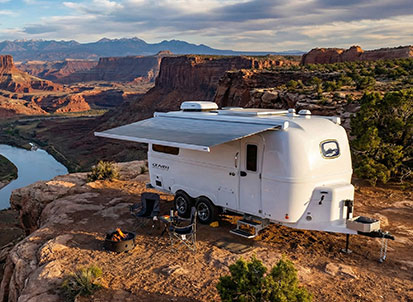
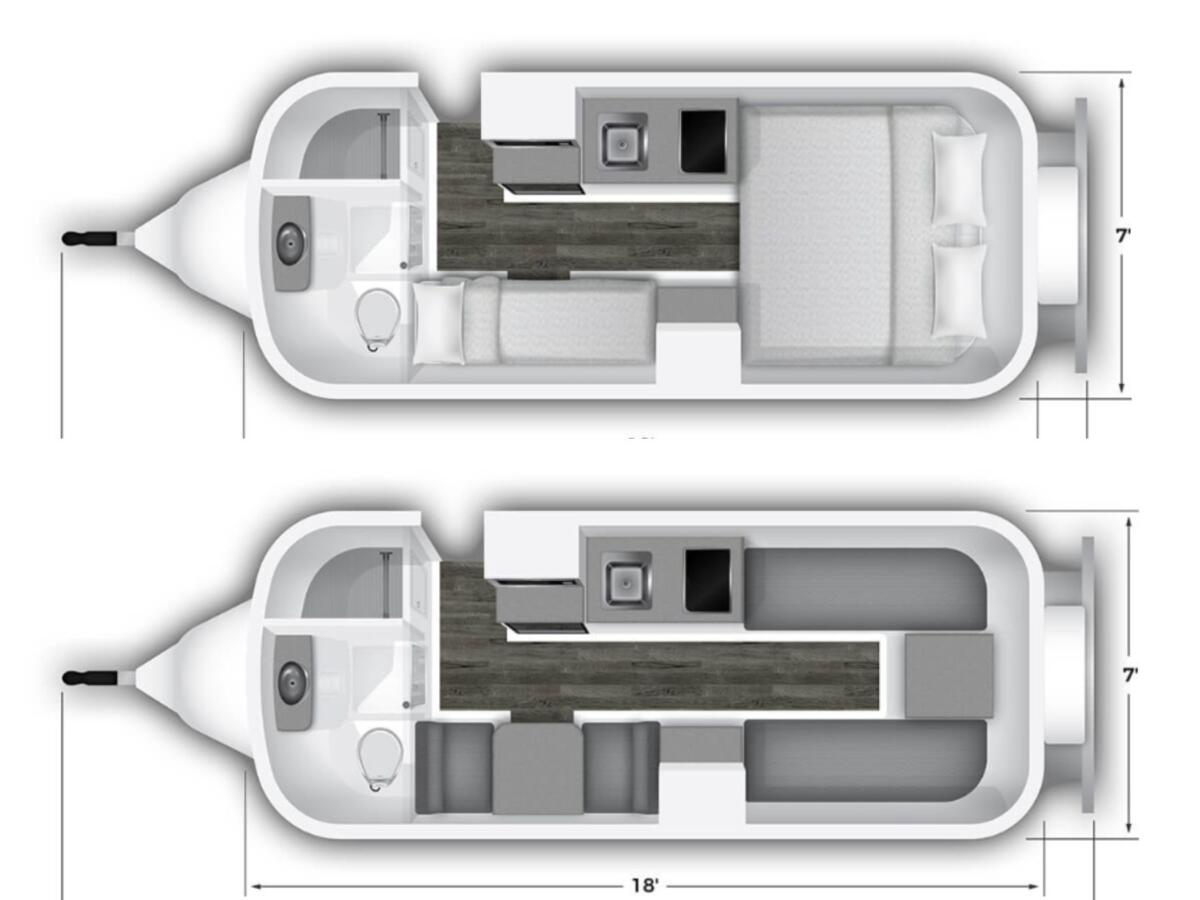
The 2027 Oliver Legacy Elite II gets one of the biggest updates Oliver Travel Trailers has made in years. In Jason Essary’s walkthrough tour in the video at the end of this post, the changes show up across the whole trailer, not only in one headline feature.
This model still starts with the same long-life mindset Oliver owners expect. The new parts are there to make towing, camping, and off-grid use feel easier every day.
The shell and chassis still set the tone
Oliver kept the quad-shell, double-hull fiberglass construction and the 6061 aircraft-grade aluminum frame. That pairing is still the heart of the Legacy Elite II, because it aims for low maintenance and a trailer that can stay on the road for decades.
The running gear follows the same logic. Dexter Nev-R-Lube® axles, easy flex suspension, leaf springs, and shock absorbers work together for a smoother, more controlled tow, whether the route stays on pavement or heads farther out.
Off-grid power gets much more serious
In the Platinum Pro setup shown in the walkthrough, the curb-side solar awning brings a 48-volt, 960-watt solar package built right into the awning itself. Add the 400-watt rooftop array, and total solar climbs to 1,360 watts.
That power feeds 640 amp-hours of heated lithium battery capacity. A 3,000-watt inverter ties it together, so the trailer can keep running the kind of gear people usually expect to use only on hookups, including the TV, microwave, and air conditioner.
Oliver also added a built-in DC-to-DC charger through the seven-pin connection. While towing, it can send 20 amps into the lithium battery bank without extra setup.
Small upgrades should make daily use easier
The new front jack moves from 3,500 pounds to 4,000 pounds. It also gets simpler controls, with clear extend and retract operation.
Another useful change is the tank monitoring system. The sensors now sit directly in the tanks, which should give more accurate readings than older probe setups.
Hot water also gets an upgrade across the lineup. Oliver switched to a 60,000 BTU RecPro on-demand water heater, now standard on all models.
The cabin changes are easy to notice
Inside, a centralized thermostat now controls the air conditioner, heat pump, and furnace from one interface. Oliver also moved to a new Dometic furnace and redesigned the ducting, including a dedicated heat duct for the bathroom, which should help during cold-weather trips.
The new dual-pane windows may be the most visible update. They open fully in an awning style, and the day and night shades are built into the frame. During the day, the shade works as the screen. At night, the blackout shade adds privacy and darkness for sleep.
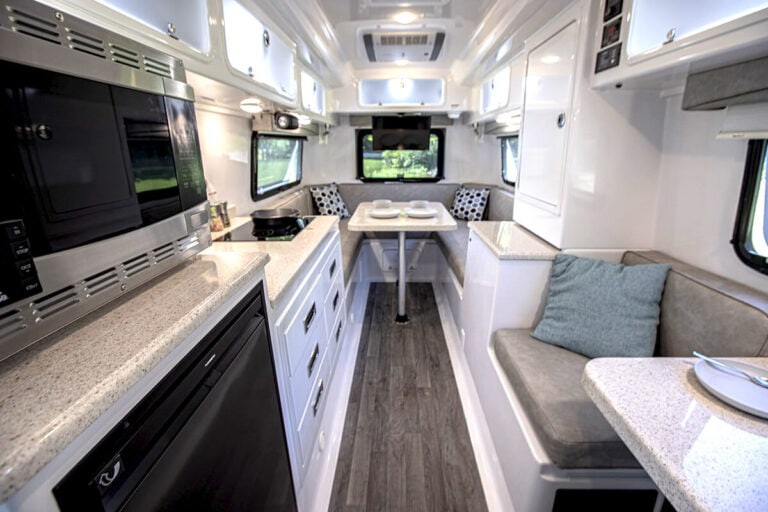
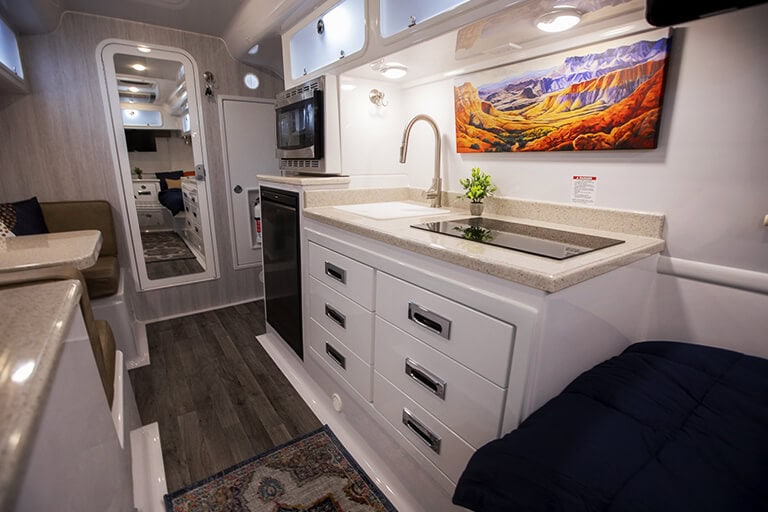
The galley gets solid surface countertops, a redesigned faucet, and a new stainless steel sink. Oliver kept the dovetail drawers and soft-close hardware.
Up above, the cabin air fan now includes LED lighting, with a softer amber tone for evenings and bright white light for tasks.
Final thoughts
The 2027 Legacy Elite II still leans on the same strong shell and frame Oliver is famous for, but the update feels focused on real use. Better airflow, better windows, stronger charging, and more useful tank readings all point to a trailer that is easier to live with.
That is the clearest takeaway from this walkthrough. Oliver left the core build alone and spent its effort on the parts owners notice every day.
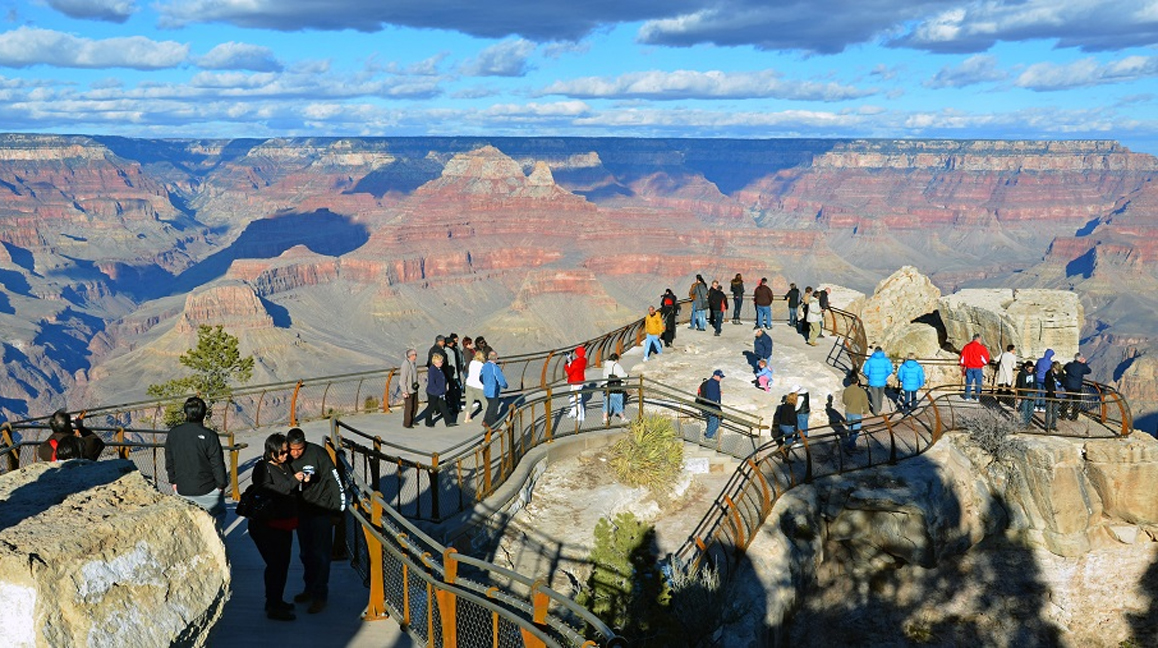
America’s national parks remain as popular as ever. Campground reservations fill months in advance, entrance stations see long lines during peak season, and millions of visitors continue to pass through park gates each year.
But while demand for national parks has grown, funding has not increased as quickly as visitation. At the same time, inflation and rising operating costs have continued to pressure park budgets. Congress has increased park funding in some years, and separate federal programs have helped tackle deferred maintenance projects. Even so, budget analysts say inflation and growing visitation continue to put pressure on the system.
For RVers, the issue matters because those dollars help maintain campgrounds, roads, restrooms and visitor services.
A recent Congressional Research Service (CRS) analysis highlighted the challenge. The report noted that visitation and operating costs have increased over time, raising questions about whether funding growth has kept pace with demand.
More visitors, more pressure
National parks have become increasingly popular over the past decade.
According to the CRS, national park visitation climbed from about 294 million visits in 2014 to roughly 325 million in 2023. More recent National Park Service figures show visitation remains near historic highs.
More visitors means more wear and tear on roads, campgrounds, restrooms, water systems, trails and visitor facilities. As usage grows, so do maintenance and operating costs.
“More visitors meanS more wear and tear on everything from campgrounds and roads to restrooms and trails.”
Inflation changes the picture
The CRS report notes that most National Park Service funding comes through annual congressional appropriations.
But while demand for national parks has grown, funding hasn’t kept pace with visitation. According to the CRS, inflation-adjusted National Park Service funding increased about 7 percent between 2014 and 2023. Visitation grew about 10 percent during the same period. At the same time, labor, construction and other operating costs continued to rise, putting additional pressure on park budgets.
A Government Accountability Office review found that National Park Service funding declined in inflation-adjusted terms between 2005 and 2014, even as visitation and operating costs continued to grow. In simple terms, the agency received funding, but those dollars bought less than they had in the past.
Labor costs, construction expenses, utilities and other operating costs have continued to rise. When funding growth doesn’t match those increases, park managers must stretch available resources further.
Staffing enters the conversation
Staffing often enters the conversation, as well.
The National Parks Conservation Association says National Park Service staffing declined by about 13 percent between 2012 and 2022, while visitation increased about 10 percent during the same period.
Whether measured through staffing levels, maintenance needs or operating costs, the underlying challenge remains the same: Demand for park services has continued to grow.
That doesn’t mean parks are falling apart. Congress has approved funding increases in some years, and separate federal programs have directed billions of dollars toward deferred maintenance projects. Still, budget analysts continue to debate whether overall funding growth has matched long-term needs.
What visitors may notice
Most travelers will never read a federal budget report, but they will notice the visitor experience.
Funding pressures can show up as delayed maintenance projects, reduced operating hours, postponed facility improvements or increased pressure on existing staff and infrastructure.
The effects vary widely from park to park. Some parks have benefited from major infrastructure investments in recent years. Others continue to manage aging facilities while serving growing numbers of visitors.
For RVers, the issue is especially relevant because campgrounds, roads, dump stations, restrooms and visitor facilities all require ongoing maintenance.
The bottom line
Most RVers don’t spend much time thinking about federal budget formulas. They do notice when a campground needs repairs, a restroom is closed, or a visitor center cuts its hours.
America’s national parks remain one of the country’s most popular travel destinations. Visitors continue to arrive in historically high numbers, and public interest shows little sign of fading.
National parks remain one of America’s great travel bargains. But as visitation stays high and costs continue to rise, the question of how to pay for those parks isn’t likely to disappear anytime soon.
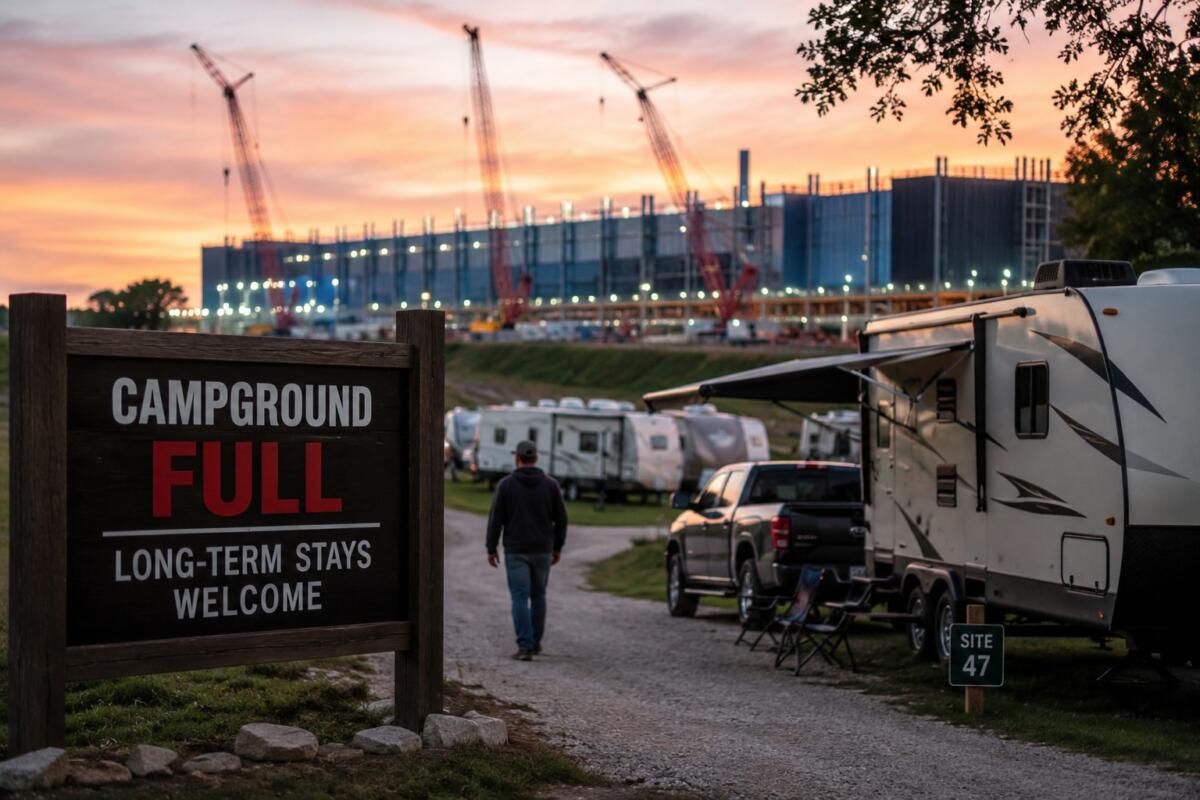
Campgrounds across Eastern Iowa are filling up faster than ever as thousands of out-of-state workers arrive to help build data centers across the region.
What was once a weekend getaway is now home away from home for many workers who say finding an affordable place to stay has become difficult.
“Some people I think sleep in their cars,” said Josh Burt, a union lineman helping build infrastructure for the QTS project in Fairfax.
For Burt, camping became the answer. He has spent the last month at Pleasant Creek Campground in Palo. At $26 a night, he says it’s cheaper than a hotel.
“They range from 100 to 500 dollars a night. And these aren’t five-star hotels,” Burt said.
Burt works 10- to 12-hour shifts. When the workday ends, he says the campground offers an affordable escape from the noise and congestion surrounding the work sites.
Campgrounds reach capacity year-round
Finding a spot might not be easy. Campground managers say workers connected to the data center projects are filling spots faster than ever before.
Stephanie Chrisman manages Unhitched Sleepy Hollow and Lazy Acres RV parks in Eastern Iowa.
She says her campgrounds used to sit around 20 to 30 percent capacity in winter but are now nearly full year-round.
“We’ve tried to move people around, but it’s just impossible to make space for everyone,” Chrisman said.
Chrisman says data center workers call daily looking for a spot, and right now she has a waiting list of about 20. She says while it’s convenient for them, it can frustrate long-time campers.
“There’s a lot of campers that are used to having spots over the summer, and they’re having trouble getting in,” Chrisman said.
Long-term stays becoming common
Chrisman says some workers stay a few weeks. Others plan to stay for years.
The Amana RV Park & Event Center said it’s seen the most long-term camping this year the park has ever experienced due to the data center construction.
The park receives multiple calls daily from people saying everywhere from hotels to other campgrounds are full.
For Burt, the Fairfax project could mean another year at the campgrounds.
America’s Original RV Newsletter. Since 2001
Issue 2924 • New issue every weekday
Today’s thought
“Even if you are on the right track, you’ll get run over if you just sit there.” ―Will Rogers
Need an excuse to celebrate? Today is National Corn on the Cob Day!
On this day in history:1935 – Inventor Edwin Armstrong gives the first public demonstration of FM broadcasting in the United States at Alpine, New Jersey.
Tip of the day Trailer users – Here’s a front/rear leveling tip
By Dave Helgeson When you’re logging long miles and pull into a campsite for the night, the last thing you want to do is take the time to unhitch, just to hitch back up to leave the next morning.
If you have a level campsite, you can just stay hooked up, but what do you do when the campsite slopes to the front or rear so much that you are unable to level the RV without unhitching? This!
Article and video 4 essential RV sewer valve maintenance tips
A sticky RV sewer valve can turn a routine tank dump into a mess. In many cases, the problem starts with dirt, dry seals, or a cable that has too many tight bends. Here, Jared Gillis of All About RVsfocuses on simple maintenance that keeps drain valves moving smoothly and helps them last longer. A few small fixes can often prevent a full valve replacement.
Featured article RV road trip fails: Update your packing lists or be prepared to face the consequences!
By Rod Andrew
No matter what kind of RV you own, I’ll bet you’ve said this sentence many times: “Do you remember where we packed the …?” Or, perhaps even scarier: “Did we pack the …?” Sometimes the missing item can be simply annoying. Or it can be nothing short of potentially disastrous. Here’s a tale of one of the latter. (And you know this is gonna be a kick, being from Rod!)
Turn your RV toaster into a mini grill These reusable toaster bags make quick RV meals, with less mess. Grill sandwiches, reheat pizza, warm leftovers or toast snacks without dirtying the toaster—perfect for fast meals without mess. Gail Marsh recommends them here.
Ask Dave My slide room floor is rotten from water damage. How can I fix and waterproof it?
LIKE TAKING POLLS? So do we! Did you know we’ve run more than 5,000 polls on our website over the years? Check ’em out! Have fun!
Run your air conditioner with little power Running an RV air conditioner on a 20-amp household outlet sounds impossible—unless you have a SoftStartRV™. This small device reduces startup current dramatically, helping many RVers cool their rig when they never could before. Learn more.
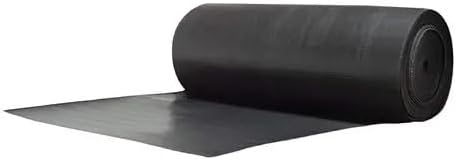
Shower stall floor too slick for safety? Cut a piece or two ofnon-skid mat (normally used in the kitchen cupboard to restrain unruly dishes) and lay it in the shower.
? MYSTERY PRODUCT OF THE DAY ? Get a whole new set of tires AND a cup of coffee for about $25! Hey, would we lie? We never lie!
Website of the day
Unusual RVs: Pinterest
You’ll love this! This Pinterest page features hundreds of unusual RVs. Just scroll through and look at some of these—Wow!
And the survey says…
We’ve polled RVtravel.com readers more than 5,000 times in recent years. Here are a few things we’ve learned about them:
• At a nice RV park, 24 percent would choose using the park’s showers over their own RV’s shower.
• 25 percent do not believe chalk should be allowed in campgrounds.
• When asked what genre of movies our readers most often watch, the highest percentage of voters, 24 percent, say they most often watch action movies. The second most popular genre was comedy followed by drama and sci-fi or fantasy. Rom-coms were the least watched.
Earlier this month, Academy Award-winning composer Justin Hurwitz needed a replacement when his keyboard player became ill during a live screening of La La Land. He asked the audience if anyone who was a skilled sight reader could fill in, whereupon 21-year-old student Sterling Nasa volunteered. After a 30-second briefing, Nasa impressed the crowd with a solo and some improvisation. He later said the experience inspired him to consider a music career.
VIEW CAMPSITES just like you were driving through the campground using Google Street View. See one you like? Learn instantly if it’s available and reserve it on the spot at Campground Views.
Readers’ pet of the day
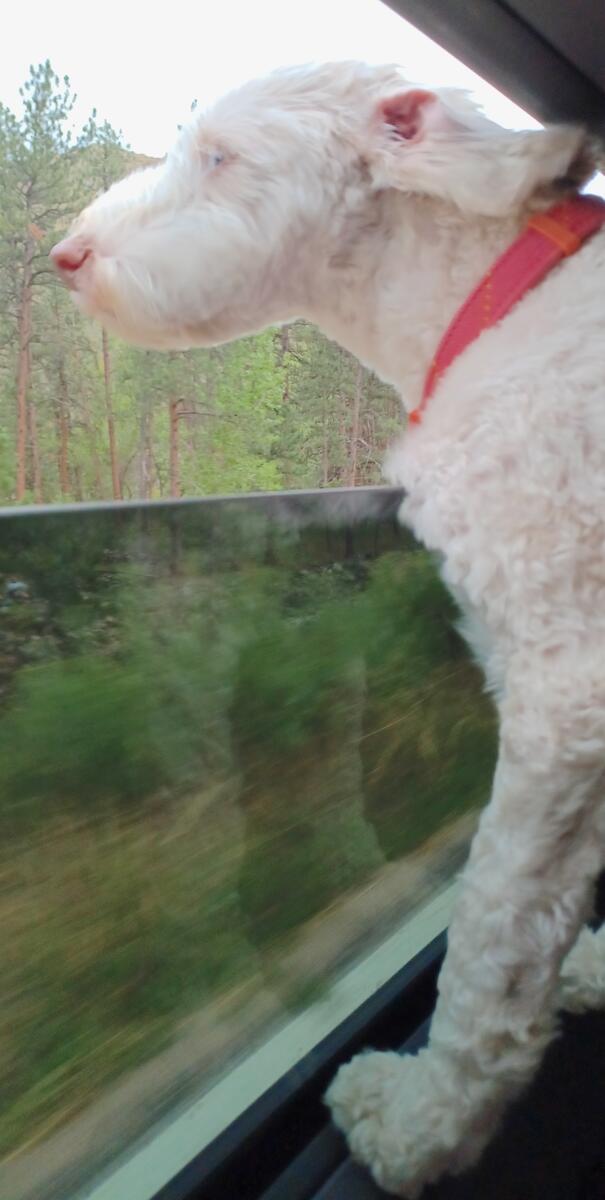
“This is a Bailey (Aussiedoodle, age 2.5): definitely a ‘Wind in my Ears and Bugs in my Teeth’ kind of guy. He loves the RVing adventure, and once we’re underway he can be found sitting up on the center console making sure Dad is going the right way.” —Beverly Bensing
Send us a photo of your pet with a short description. No blurry photos and please do not submit your photo more than once. Thanks!
The easiest way to fly a flag from your RV
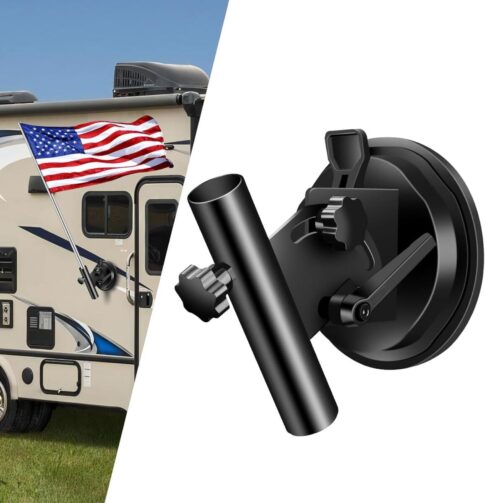
Recently, one of our Facebook members shared a really cool suction cup flag holder for RVs, and I couldn’t be prouder to highlight it here. This handy little accessory makes it easy to show your love for our country and support for our troops wherever you are. Sticks to any surface.
FREE IS GOOD! Sign up for Panda Express Rewards® and choose from multiple gift options on your birthday, plus earn Panda Points® for more rewards and offers.
Leave here with a laugh
Click to enlarge.
Join RVtravel.com on Facebook. Here are our most popular groups:
If you shop at Amazon.com we’d appreciate you using this link. We get an itty bitty commission if you buy something, but they add up and help us pay our bills (most importantly our hard-working writers!).
Dear Dave,
I bought my RV new. The slide room floor has rotted under the fridge. I’m guessing the icemaker has been leaking. What wood would you recommend putting in the slide as waterproofing? Will this be a hard project? Or do you recommend taking it to a shop? Thank you, and God bless you. —Corrie Lynn, 2021 Crossroads Hampton 374BAR
Dear Corrie Lynn,
I’m afraid you will need to replace the floor rather than doing some type of waterproof Band-Aid.
Slide room repair
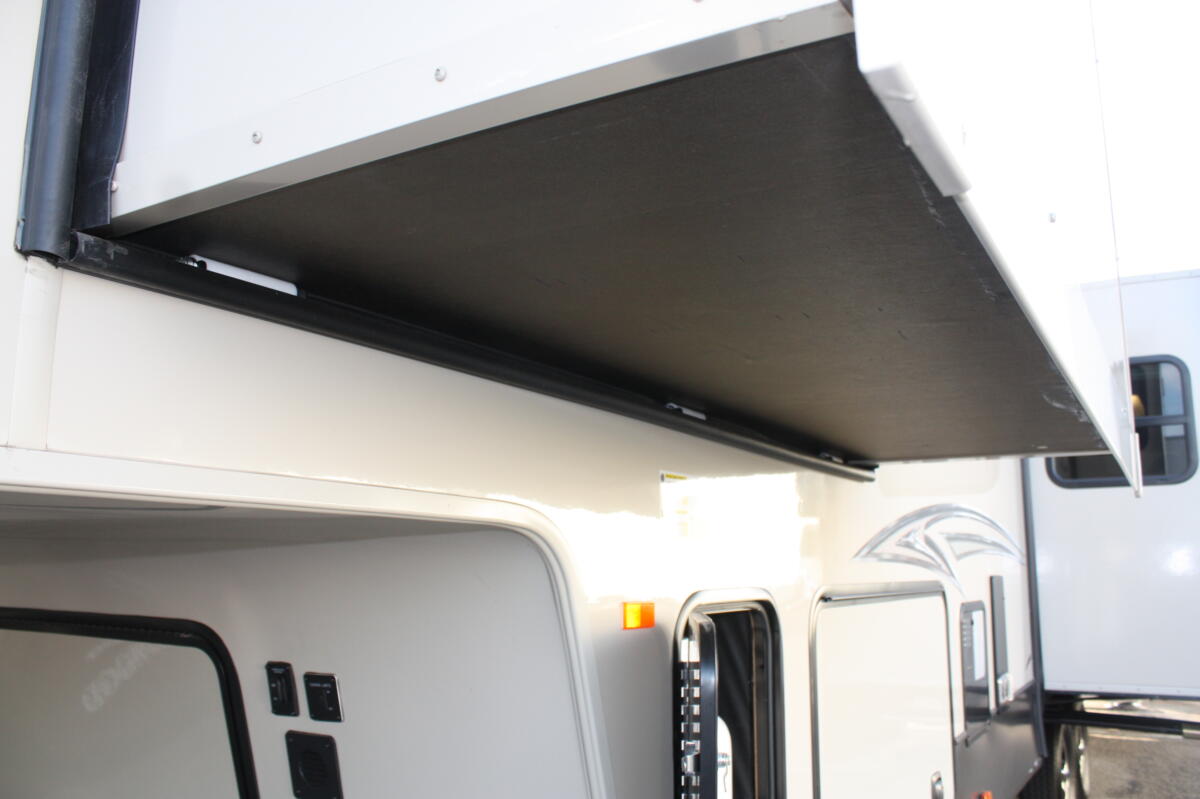
Most slide rooms are made with a Thermo-Panel sidewall design for the sides and simply a plywood floor. The repair would require removing the slide room completely and all the contents, including the refrigerator. This is not an easy task and typically requires a forklift or some type of jacking device or hoist.
The room needs to rest on some type of platform and the old floor removed. (Most have a metal “L” bracket at the corners to connect it.) Then a new floor can be installed. You would also want to cover the underside of the plywood with an aluminum skin or polyethylene underbelly material such as this one on Amazon.
So, yes, this is a big project and not a typical DIY in the driveway.
Slide room floor
As for waterproofing after the fact, I would use marine-grade plywood, which is treated and withstands some moisture. However, it is more important to prevent the leaks in the first place.
I am not a big fan of ice makers in RVs as it is easy to forget about the water in the line when it comes time to winterize. Then you have an out-of-sight leak that you only find when it is too late. A couple of trays of ice in the freezer wouldn’t cause nearly as much potential damage.
By Dave Helgeson When you’re logging long miles and pull into a campsite for the night, the last thing you want to do is take the time to unhitch, just to hitch back up to leave the next morning.
If you have a level campsite you can just stay hooked up, but what do you do when the campsite slopes to the front or rear so much that you are unable to level the RV without unhitching?
Raise the tow vehicle?
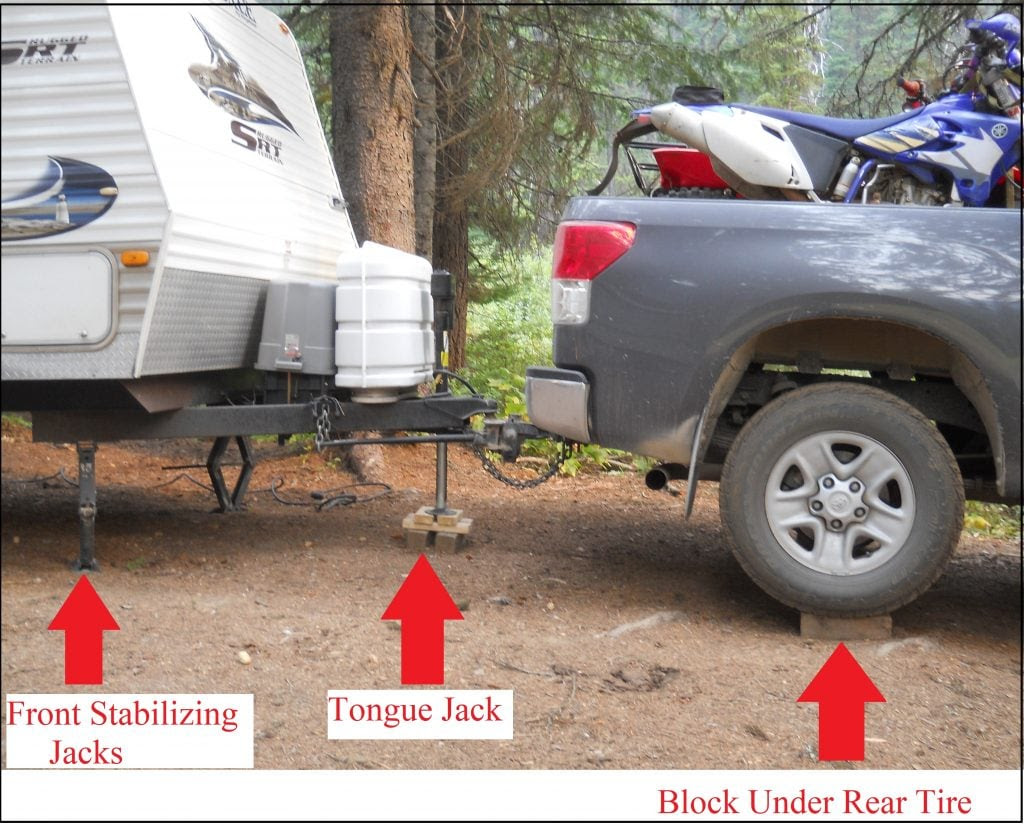
One option is to raise the tow vehicle, which in turn may raise the front of your trailer enough to obtain level.
As an avid boondocker, I encounter this problem quite often. Since you can orient your RV however you want in a boondocking site, if faced with no level options, I will choose to leave the nose low.
Raise the tongue of the trailer
I then take the leveling blocks I would normally use to level the RV side to side and place them under the rear tires of my tow vehicle. Typically this raises the tongue of the trailer high enough that I can gain the additional lift I need to level the RV with the trailer’s tongue jack, forgoing the need to unhitch.
Another advantage of staying hooked up is that the trailer has little front to rear rocking motion while hitched to the tow vehicle, eliminating the need to chock the wheels or install wheel locks, making your morning departure that much easier.
Of course, this trick only works when the amount of leveling needed is relatively minor. If the site is severely sloped or the trailer is still noticeably out of level after raising the tow vehicle, unhitching and leveling the trailer normally is the safer option. Comfort is important, but so is ensuring that appliances, slides, and plumbing systems operate as intended.
It’s also worth remembering that this approach is best suited for quick overnight stops, travel days, or brief stays where convenience is the priority. When you’re settling in for several days, taking a few extra minutes to properly level and stabilize the RV will usually result in a more comfortable camping experience. But when you’re simply looking for a good night’s sleep before getting back on the road, keeping the trailer hitched can be a handy time-saving solution.
By Cheri Sicard
A sticky RV sewer valve can turn a routine tank dump into a mess. In many cases, the problem starts with dirt, dry seals, or a cable that has too many tight bends.
In the video at the end of this post, Jared Gillis of All About RVsfocuses on simple maintenance that keeps drain valves moving smoothly and helps them last longer. A few small fixes can often prevent a full valve replacement.
Keep the cable and shaft moving freely
One of the most common sewer valve problems is a stiff handle. The shaft or cable picks up rust, road grime, and dust over time, so the valve gets harder to pull. A slide-out silicone lubricant like this works better than WD-40 here because it dries quickly, resists water, and does not hold dirt.
The method is simple. Pull the handle out, spray the shaft, then work the handle in and out several times. That motion helps flush old grime from the cable while the lubricant coats the moving parts. Valves mounted outside usually need this more often because they see more weather and dirt.
If a valve still feels stiff, cable routing is worth a look. Fewer bends and wider curves usually make the handle much easier to operate.
Lubricate the valve seal before it dries out
The internal seal can also make a valve drag or hang up. For that, a product made for RV waste valves is the safer option. Thetford drain valve lubricant can be poured down the sink or toilet, then mixed with four gallons of water in an emptied tank. On a drive day, that mix sloshes around and coats the seal. After arrival, cycling the valve helps spread the lubricant to both sides.
This kind of treatment makes sense when a valve starts sticking, but it also fits at the start of camping season and before storage.
A direct-access trick for hard-to-reach valves
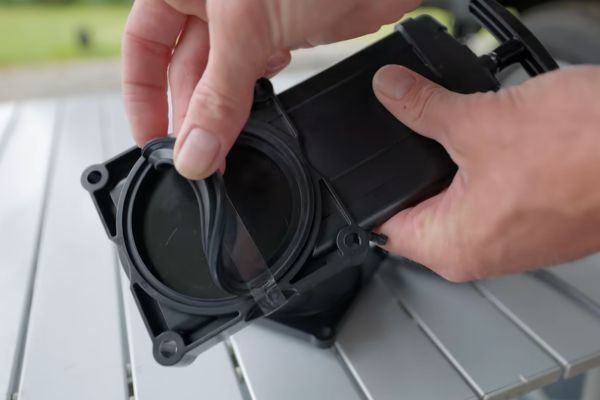
For a valve buried farther up the plumbing, Gillis shows a more targeted fix. A small hole can be drilled into the housing where the blade retracts, then capped with a screw. That opening gives direct access for spray lubricant without taking the whole valve apart.
Care matters here. The hole cannot block blade travel, and the spray should be safe for rubber and plastic. A non-petroleum lubricant is the safer choice because petroleum products can swell the seals.
Add an end valve for cleaner hookups and easier troubleshooting
An end valve adds several useful functions. A twist-on valve is the easiest option because it replaces the cap with no modification. It keeps residual water from spilling during hookup, gives a clear visual check that the last valve is closed, and can help hold tank treatment in the line when an upstream valve will not close all the way.
It can also help some RVs equalize gray tanks while boondocking, if both tanks sit at the same level. Many owners pair it with an easy cap that clears the larger handle and includes a garden-hose connection.
A glue-on valve is a cleaner permanent setup because it sits closer to the RV and sticks out less. Depending on the plumbing, that can mean gluing onto a 3-inch pipe, using a 3-inch hub valve, or removing an old fitting with a reaming drill tool. Here’s the one I use.
Final thoughts
Most RV sewer valve problems start small. A dry cable, a dirty shaft, or a tired seal can make a valve feel worn out long before it needs replacement. With the right lubricant, better cable routing, and an end valve that fits the plumbing, RV owners can keep drain valves working smoother, cleaner, and longer.
Well, a recent campground discussion certainly surprised me! Who knew that eating corn on the cob could spark a debate!
Turns out, there are three popular ways to eat corn on the cob: Eating straight across the rows, working your way around the cob in a circle, or taking arbitrary bites in no particular pattern.
Most popular
According to the newsletter mashed, the across-the-cob approach, often compared to typing on an old-school typewriter, is the most popular choice.
The typewriter method has a simple appeal for RVers and campground cooks. It feels tidy, familiar, and easy to control. One food writer notes that this style is favored by people who like a cleaner eating experience. The idea is to move row by row instead of spinning the cob as you go. That makes it a practical pick when you are trying to keep butter, seasoning, and corn bits from going everywhere.
Around the cob
The around-the-cob method (also called “log roll”) has its share of enthusiastic fans, too. To eat around the cob, you begin at the ends and roll the cob as you bite off the corn kernels. Folks that like this style contend that the outer edges of freshly cooked corn cools faster than the center. Starting on the outside can give you natural handholds before you finish the middle. In other words, this style is less about neat lines and more about following the temperature of the cob itself.
Arbitrary
Coming in at a distant third choice in how folks eat corn on the cob is the arbitrary method. The person choosing this method of eating will take random bites from the corn cob in no particular pattern. This method seems to appeal most to RVers with free-spirited personalities, I guess.
Off the cob!
And then there are those of you who maybe don’t trust your teeth, or who don’t like the corn getting stuck in your teeth, who cut it or use a gadget like this one to take it off the cob.
How about YOU?
This food debate easily turns into a lively campground conversation. Try it the next time you have corn on the cob. I’ll bet every person at the table will think that their method is quite obviously the best!
Oh, and today is National Corn on the Cob Day!
Vote in our poll and then feel free to leave a comment. Here’s a video from America’s Test Kitchen that names even more styles of eating corn on the cob. Who knew?!
Yosemite National Park is home to the northern Pacific rattlesnake (Crotalus oreganus). It’s the only rattlesnake found in the California park. It uses its venomous bite to capture prey, which helps control the park’s rodent populations. But, if agitated or startled by humans, it will bite. So far this year in California, three people have died from rattlesnake bites.
The snakes are found throughout western North America, ranging from the southern interior of British Columbia in Canada, extending south through Washington, Oregon, and California, and reaching as far as Baja California in Mexico.
Many of the snakes have been recently spotted in the park, including the one in the photo above. “These reptiles are an important part of Yosemite’s ecosystem, but we need to take precautions to protect ourselves, our loved ones, and our pets,” the park advises on its Facebook page.
How to interact with the rattlers
When hiking, wear protective clothing like high boots and heavy pants. Walk or hike in areas where the ground is clear, so you can see where you step or reach with your hands. Never put your hands in areas where you cannot see. Brush, ledges, cracks, or holes are common areas where rattlesnakes can be found resting.
If you hear a rattlesnake, stay still until you can see the snake and then move away. Don’t rely on hearing alone: Some snakes might not rattle even when startled.
Here are a few things you should NOT do if bitten by a snake:
DON’T apply a tourniquet.
DON’T pack the bite area in ice or ice water.
DON’T cut the wound with a knife or razor.
DON’T suck out the venom by mouth as infection can occur.
DON’T let the victim drink alcohol.
DON’T attack or kill the rattlesnake for using its natural defense mechanism.
All rattlesnake bites are a medical emergency. If you or someone you see is bitten, immobilize the bite area, gently wash it with soap and water and apply a cold, wet cloth over the bite if possible. Mark the area of the swelling with a pen and the time and keep the bite at the same level as the heart. Remove anything that might constrict swelling. Most importantly, call 911 or transport to the nearest emergency facility for further treatment and to be treated with antivenin aka antivenom.
Anyone who follows electric trucks has heard the same concern: Towing an RV can dramatically cut driving range.
A California startup called Evotrex says it may have found a way to help.
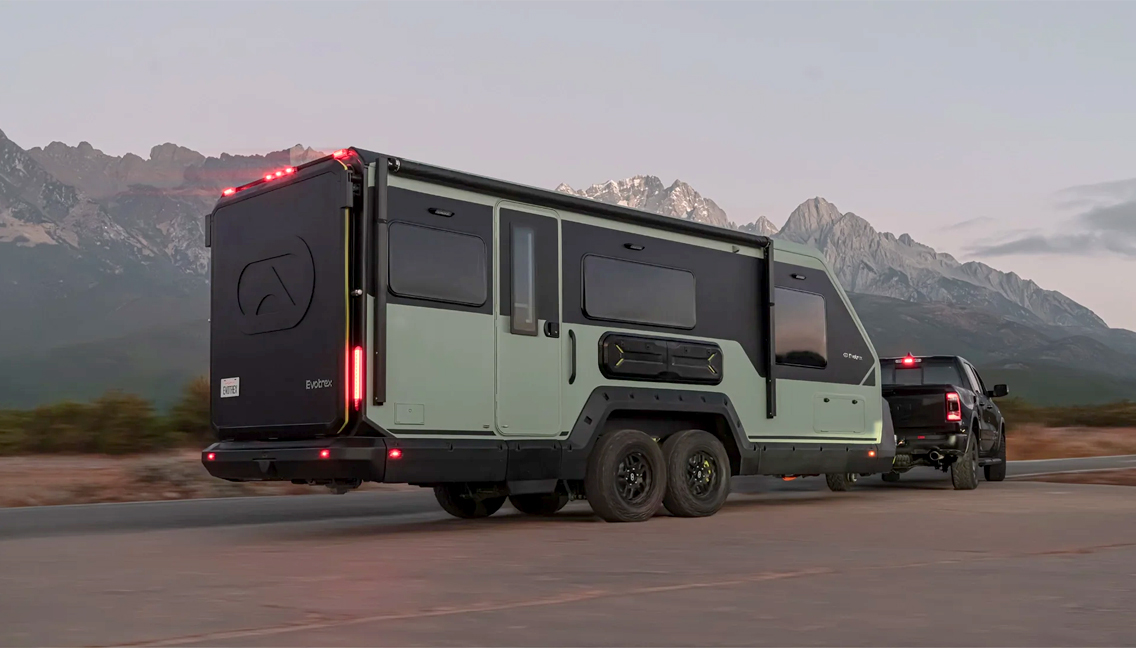
The company’s new PG5 travel trailer combines a large battery system with an onboard generator. Evotrex says the setup can provide substantial off-grid power and help electric tow vehicles travel farther between charges. If it works as advertised, it could address one of the biggest questions surrounding EV towing today.
The company recently raised $30 million to move the trailer toward production, but for RVers the more important question is much simpler: Can it really help an electric truck tow farther?
Why towing remains a challenge for EVs
Electric pickups have improved rapidly in recent years. But towing remains one of their toughest assignments.
Pull a large travel trailer at highway speeds and energy consumption can climb dramatically. Weight matters, but wind resistance often becomes the bigger factor. That’s why many EV owners see a substantial drop in range when towing.
Evotrex says its trailer is designed to help address that problem while also functioning as a self-contained power source for camping.
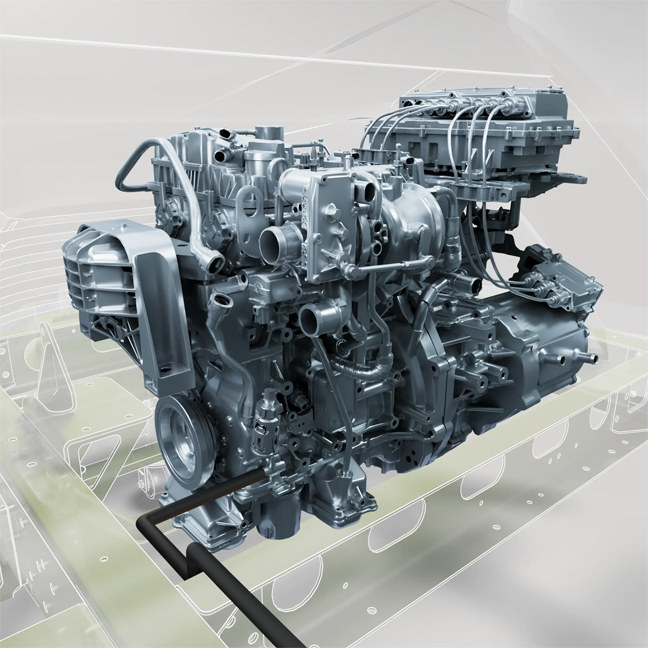
An onboard generator is a key part of the Evotrex PG5’s power system. Unlike all-electric RV concepts, the trailer uses a generator to replenish its batteries when needed, a design the company says can support longer trips and extended off-grid stays. Image courtesy of Evotrex.
The company describes the PG5 as an extended-range electric trailer. According to TechCrunch, the trailer combines a large battery pack with an onboard gasoline generator that can recharge the battery when needed. The goal is to provide power for camping and reduce dependence on charging infrastructure during longer trips.
A rolling power plant?
The off-grid capability may interest many RVers as much as the towing claims.
Today’s campers often travel with more electrical demands than ever before. Air conditioners, Starlink systems, laptops, televisions, induction cooktops, and other devices can place heavy demands on a battery bank.
Evotrex says the PG5 is designed to support extended off-grid camping without requiring campground hookups or frequent charging stops.
Of course, electricity is only one part of the boondocking equation. Fresh water capacity, holding tanks, cargo carrying limits, and campsite access still matter regardless of how much battery capacity an RV carries.
Not the only company chasing the idea
Evotrex isn’t alone.
Several companies are trying to rethink the RV for the electric age. Startups such as Lightship and Pebble have introduced trailers that use batteries, advanced aerodynamics, and other technologies aimed at reducing the impact towing has on EV range.
That growing interest suggests manufacturers see electric towing as a challenge worth solving.
At the same time, RVers have seen plenty of ambitious concepts come and go. Bringing a prototype to market is one thing. Building a reliable RV that survives years of highway travel is another.
“The real test won’t happen in a lab. It’ll happen on the highway.”
What RVers should watch
According to reports, Evotrex plans to spend the next 10 to 12 months testing durability before moving toward production. Customer deliveries are currently expected in 2027.
The trailer won’t be inexpensive. Reports place the fully equipped Premium version at about $160,000.
That price alone will put it out of reach for many RV buyers. Still, new technology often appears first in premium products before gradually moving into more affordable models.
If the system works as advertised, it could make electric towing more practical and give boondockers another way to stay off-grid longer.
But RVers have heard big promises before. The real test will come when these trailers start accumulating miles in the hands of everyday owners. That’s when we’ll learn whether this technology represents a genuine breakthrough or simply another interesting experiment in the race to reinvent the travel trailer.
We use cookies to ensure that we give you the best experience on our website. By continuing to use our site, you consent to accepting cookies. We NEVER have or will sell reader's data. For more info, please see our privacy policy page.