By Gail Marsh
If it’s not already, it’s about to get hot soon, and your RV refrigerator will need your help.
Here are some tips for keeping your RV fridge cooling effectively all summer long:
• Check the seals located all along the edge of the refrigerator and/or freezer doors. If you notice cracking, loose seals, or even places where the seals are missing, make repairs before you head to the campground.
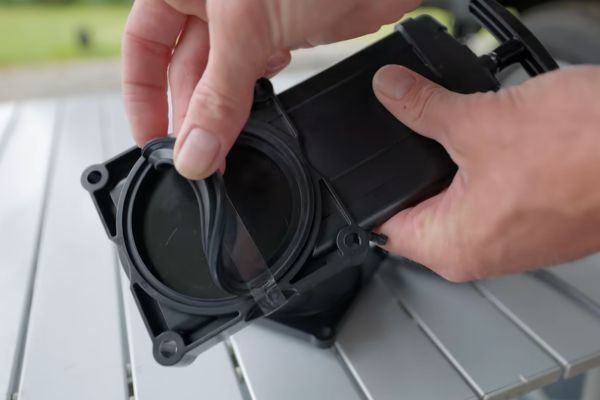
An easy way to check seals that show no visible signs of compromise is take a piece of paper about the size of a dollar bill (or just use a dollar bill!). Place the paper into the open freezer door and then close the door. When you gently tug on the paper, you should feel some resistance. That means the rubber is sealing properly. Test with the paper or dollar bill all around every side of the door(s).
• Also, check the outside refrigerator vent. Clear out any debris and wasp or bird nests that may impede air circulation.
• Consider purchasing a digital remote thermometer like this one. This will enable you to check the inside temps of both the fridge and freezer without having to open the doors—letting all that nice cold air escape. (This is especially important if you have health medications that must be stored at a specified temp.)
• Purchase a fridge fan to keep inside. It will evenly circulate the air and help your refrigerator run more efficiently.
• Turn on your RV refrigerator 12-24 hours before you leave home. This will give the unit a head start in cooling by using propane. Stock the shelves in the fridge with foods and condiments that are already cooled. These items will aid in cooling the fridge interior.
• Do not overfill the refrigerator. It needs adequate airflow around items in order to keep foods consistently cooled.
• Load the freezer with foods that are already frozen. (I like to bring made-ahead meals when we camp for several weeks, but I always freeze the meals in our home freezer before placing them inside the RV freezer.)
• When you are ready to travel, switch to your 12-volt DC power. (Gas cools your fridge down most effectively, but electricity is more efficient in keeping it cold. Plus, you won’t have to worry about using propane while driving.)
• Consider buying ice rather than adding that extra stress on your RV refrigerator’s ice maker—especially when it’s really hot outside.
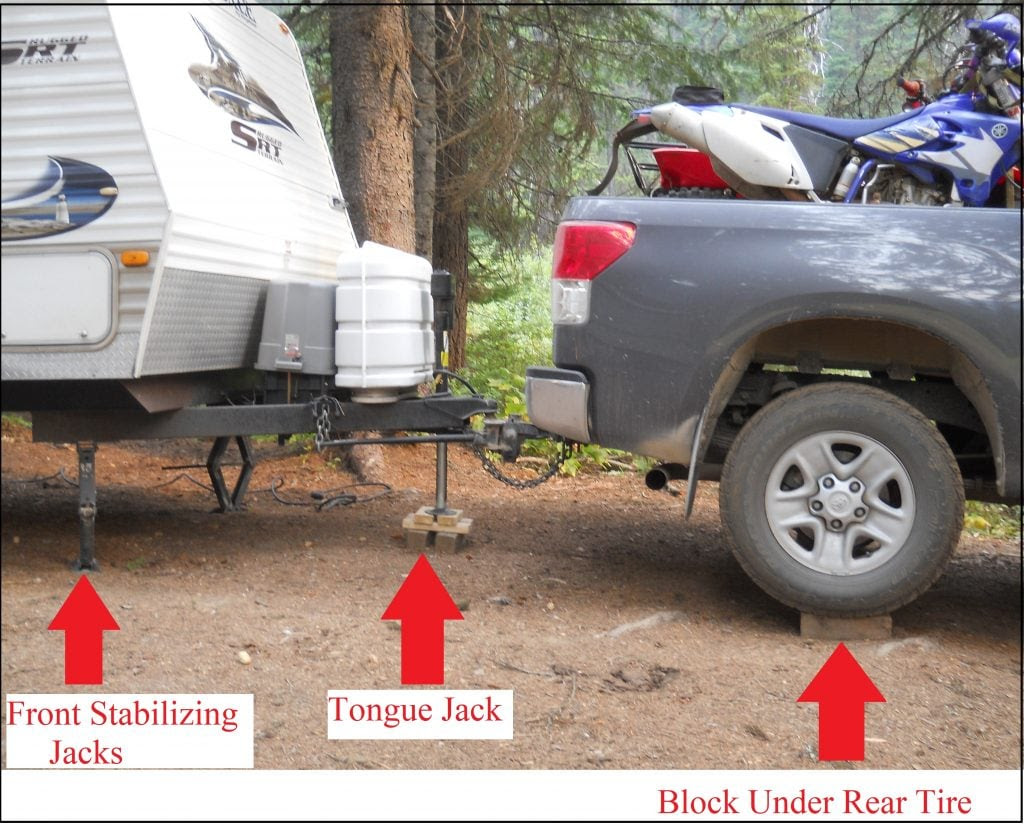
• When possible, park your rig so that the refrigerator side is in the shade to assist with cooling. Also, make sure the RV is as level as possible. Your fridge may not operate properly if your rig is too far off-level.
• Always cool down leftovers to room temperature before placing them in the fridge.
• Know what you want to remove from your freezer or fridge before you open the door. It will help keep the inside air temps cool/cold.
• Defrost your freezer when ice builds up. To do this, put frozen foods inside a cooler to keep them frozen. You can put a pan of hot water inside the freezer, close the door, and wait for the ice to melt. Some folks like to use a hairdryer on a low heat setting because it’s quicker.
RELATED
- Reminder: Check that fridge drip tray before it floods into your RV
- Check your exterior RV refrigerator vent door latch
- DIY tips to keep your RV fridge running smoothly
- Quick tip on how to keep an RV fridge cool, even on hot days
RVDT2925