One of the best parts of RV travel is stumbling into places that feel like a win before you even walk through the door. Free museums definitely fall into that category.
USA TODAY readers recently ranked the best free museums in the country. One thing that stands out is how spread out they are. You can enjoy a top-notch museum almost anywhere you travel. For free!
Midwest pick: Toledo Museum of Art, Toledo, OH
The Toledo Museum of Art consistently lands at or near the top of the rankings. Once you walk in, it’s easy to see why. The museum covers everything from classical works to modern art, and the Glass Pavilion adds a unique twist that feels more like a bonus attraction than part of the same stop. It’s spacious, easy to navigate, and perfect for a relaxed afternoon.
Nearby, you can wander the Glass Pavilion to see live glassblowing demonstrations, stroll through the Toledo Botanical Garden for some fresh air, or head down to the Maumee River waterfront for a scenic break.
Southeast pick: National Infantry Museum, Columbus, Georgia
The National Infantry Museum & Soldier Center tells the story of U.S. Army infantry soldiers through detailed exhibits and personal accounts. It’s much more than a quick walk-through. Even if you’re not a military history buff, it’s well worth the stop.
Close by, you can take a walk along the Chattahoochee RiverWalk, explore Uptown Columbus for shops and restaurants, or visit the National Civil War Naval Museum for another hit of history.
Northeast pick: Smithsonian National Museum of American History, Washington, D.C.
From the USA TODAY rankings, Smithsonian museums remain some of the most beloved free attractions in the country. The National Museum of American History is a definite standout. It dives into everything from pop culture to presidential history. You could easily spend a full day here and still not see everything.
While you’re in the area, walk along the National Mall, pop into the National Air and Space Museum, or take in the monuments at sunset for a completely different experience.
RV camping near D.C. can be tricky. Cherry Hill Park is a favorite with RVers for its amenities and transit access. Greenbelt Park Campground offers a more natural setting just outside the city.
Southwest pick: New Mexico Museum of Space History, Alamogordo, NM
This museum often shows up in top free museum lists for good reason. Its space exploration themes are engaging without feeling overwhelming. The views of the surrounding desert add to the experience.
Nearby, you can visit White Sands National Parkfor those surreal gypsum dunes, check out the New Mexico Museum of Space History’s outdoor rocket garden, or explore the nearby town of Cloudcroftfor cooler mountain air.
West Coast pick: California Science Center, Los Angeles, CA
This is one of those places that surprises people with how much is included for free. The exhibits cover everything from ecosystems to space travel. The scale of the California Science Center alone makes it worth your time. It’s located in Exposition Park, so you get multiple attractions in one stop.
What makes this list especially appealing for RVers is the variety. You’re not just bouncing between similar stops. One day you’re immersed in fine art, the next you’re walking through military history, then science, then space, then American culture. And the best part is you’re doing it without paying admission fees. That leaves more room in the budget for fuel, campground upgrades, or that extra night stay when a place really grabs you.
Note: Many museums offer free days throughout the year. If you are interested in a particular one, check their calendar or call the museum directly for “free day” information.
Do you have a favorite free museum in the U.S.? Tell me about it in the comments below.
By Dustin Simpson
These “cool tools” are tools and gadgets that we actually use in the RV industry! We also believe they will be helpful to you. Today, we’re looking at the Spider Tool Holster BitGripper.
The Spider Tool Holster BitGripper
This is a great RV gadget for your drill gun or impact gun. It comes as a two-pack and has a high-strength 3M adhesive bit holder. This add-on is for easy access to six driver bits on the side of your power drill or driver gun.
The Spider Tool Holster BitGripper allows us to carry most of the common RV bits with us at all times. The last thing you want to do is be on an RV roof and find out that you forgot a bit to remove something.
Everyone in our RV shop uses these … probably because I bought them. Stay tuned for more cool RV tools and gadgets to come.
In the RV world, this argument never seems to go away: Is RVing really camping?
We recently were unintentionally drawn into the discussion: Are you really “camping” if you have TV, air conditioning, Wi-Fi, a private toilet and shower, and all the comforts of home? When asked directly, I demurred. (I’ve witnessed this discussion before and know the potential intensity of the opinions on both sides.)
A lot of people would say that RVing sounds more like glamping, and dictionaries back that up. Merriam-Webster defines glampingas “outdoor camping with amenities and comforts (such as beds, electricity, and access to indoor plumbing) not usually used when camping.”
But in practice, that comparison doesn’t always hold up. In a recent report, older campers are traveling more than ever—but they’re choosing RVs over glamping by a wide margin.
Camping
Camping, on the other hand, is defined as the act of staying and sleeping in an outside area for one or more days and nights, usually in a tent.
In Facebook group snippets and forum posts, some commenters draw a hard line. They say camping means roughing it, staying close to nature, and living without the extra comforts.
What about our readers?
Skip writes, “Roughing it? Not close anymore, it’s like staying at a 5-star hotel and being my own tour guide. Back in the ’80s was roughing it with a tent, sleeping bag, and provisions packed on the horse and adventuring through the woods. But, those were the days of calm and fun.”
Dan jokes, “Absolutely roughing it. Our Class C only has two TVs, and the microwave is kinda small.”
Impavid adds, “We joke we haven’t roughed it since we put a blender in the RV.”
Roy says, “I don’t even consider what we do as camping. I tell people that we’re RVing, not camping. I think the closest we ever come to ‘roughing it’ is boondocking.”
Bryan N. agrees: “Roughing it? Heck no, I don’t even consider it ‘camping’. Seriously, we’re driving around in a small apartment on wheels. How rough can that be?”
Deena J. says, “We ‘roughed’ it for many years. Went from tent- sleeping bag, tent- blow up mattress, pop up camper forward to now we are unapologetic ‘glampers’ and proud of it. I like the comfort and don’t plan to give it up.”
Cottersay says, “If you’re ‘roughing it’ in an RV, then you are doing something MAJORLY wrong. Indeed, you’d have to be willfully clueless and not a little bit ‘slow’.”
RVing
Many RVers (like me) couldn’t care less about what label gets slapped on their experience. They are outside, away from their stix-n-brix house, and they enjoy camping in their own way.
Similarities, not differences
To me, the question “Is RVing really camping?” is symptomatic of today’s society. Folks look for, and seem eager to point out, the many differences between us. Once that line is drawn, it seems to me we are quick to loudly defend ourselves. (I’m embarrassed to admit that I get drawn in, too.)
Yes, we may have different political opinions, different religious beliefs, and a host of other things we disagree upon.
However, there is quite a lot that people today do agree on. Like, family is important. Life is short. Nature is wondrous and worth seeing—even if you have to drive miles and miles to experience it for yourself.
Maybe if we spent more time finding the ways we are similar and considering the commonalities we share, this argument would finally fade away.
Wrong question
Is RVing really camping? It’s the wrong question, in my mind. Instead, I’d like the question to be: What parts of the country have you explored? Or, what do you like to do when out enjoying nature? Or, do you remember your favorite trip? What makes it your favorite?
Alternative questions like these bring out our similarities and offer a genuine opportunity to learn about other people and the places they’ve visited.
So, maybe the real question is not whether RVing “counts” as camping. Maybe the better question is what kind of experience you want.
If you want to snuggle down into a sleeping bag, fall asleep under the stars, and get a wake-up call from the birds, that is one kind of outdoor trip.
If you want to sit under the stars and then walk a few steps to your own shower, your own bed, and a cool RV at the end of the day, that is another kind of outdoor trip.
Both can be fun. Both experiences “count.” And both can still put you in the same campground, looking at the very same sunset.
The point
At the end of the day, the label only matters if you enjoy arguing about labels. For everybody else, the travel is the point. The experience is the point. The time in nature is the point.
On the highway, you are a “driver” no matter what you drive. In an RV, you may be camping, glamping, or simply RVing. It depends on who is talking and, honestly, I’m very happy to leave the well-worn debate back at the campfire.
The Kentucky Bourbon Trail is Kentucky’s official distillery tourism network.
Built around member stops of the Kentucky Distillers’ Association, the trail is designed so travelers can explore bourbon country by region instead of trying to drive the entire trail.
Not your typical trail
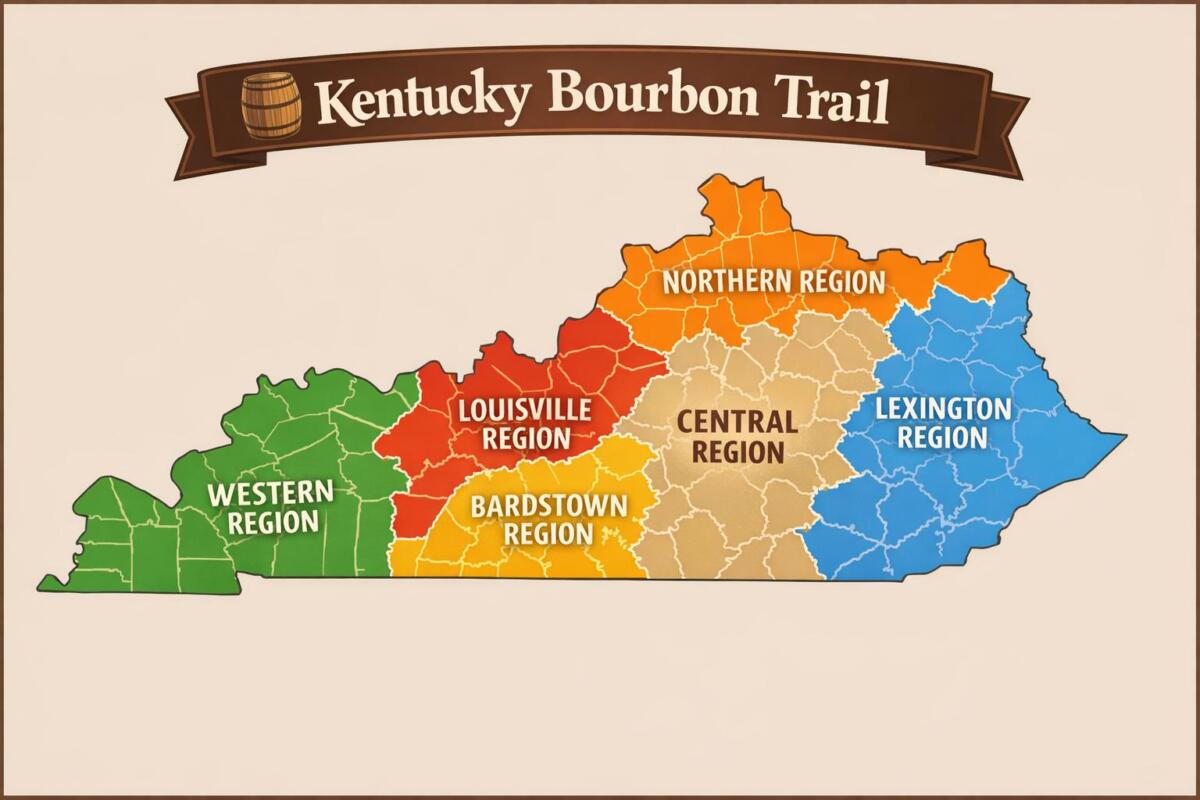
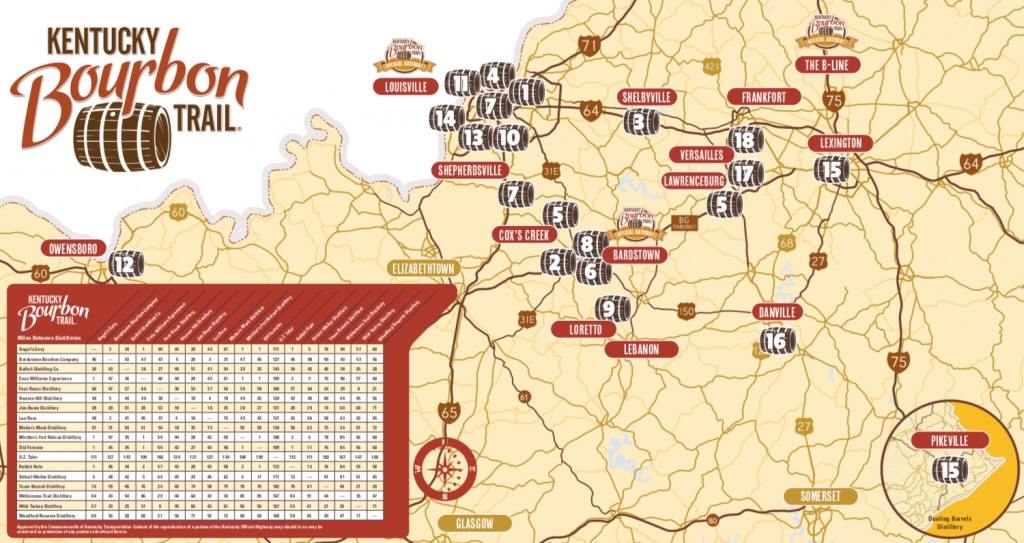
Many folks are surprised to find that Kentucky’s Bourbon Trail is not a simple loop. Instead, the approximately 4,000-mile-long trail stretches the length of the entire state and branches off into six distinct regions.
Yes, you can find itineraries that boast a “complete” three-day visit. In reality, it can take a month or more to see all of the distilleries. If you’d like to also experience local museums, scenic attractions, and local eateries, even a month-long trip may seem more like a frenzied marathon.
Image credit: Kentucky Distillers’ Association (Click to enlarge.)
“Wheel-and-spoke” travel plan
In my opinion, the smartest way for RVers to experience the Bourbon Trail is to pick a home base and tour one bourbon region at a time. This “wheel-and-spoke” type of itinerary will allow you to thoroughly explore each region. This plan shortens each day’s drive and enables you to relax and enjoy each region at a more comfortable pace.
Plan ahead
Spring is a great time to visit the Bourbon Trail areas. It’s best to book tours and tastings early and allow plenty of time between stops.
Note: Don’t forget that the Kentucky Derby is in May. Campgrounds may fill up around that weekend.
Weather
The weather in Kentucky during the spring is often changeable. Here are some things to take:
Light rain jacket
Layered shirts
Comfortable walking shoes (you may well encounter mud)
Note: One solid distillery tour may be enough for many RVers. That’s because the basic bourbon-making story can start to feel repetitive from stop to stop. The trail is more fun when you mix in other sights, meals, and scenic drives.
Northern Region (top of the state)
Positioned along the Ohio River near Cincinnati, the northern region is a smart choice if you want bourbon plus a little more city energy. This area blends craft distilling, shopping, bourbon-centric dining, arts, entertainment, and recreation.
Things to do in this area include the Newport Aquarium, Berhringer-Crawford Museum, Devou Park, Roebling Suspension Bridge & Purple People Bridge, Conington’s MainStrass Village, and Ark Encounter.
For RV parks, consider Elks Lodge #8 in Louisville (if you’re an Elks member) and Charlestown State Park in Indiana. Both enable easy city touring along with a relaxing break.
Western Region (Far West KY)
This area of the Bourbon Trail is the most widespread and the least crowded. You’ll want to plan ahead because you’ll have longer drives between distillery stops. The region offers a quieter experience, but you may discover some hidden gems.
Take time to explore Paducah, including the National Quilt Museum. You may also like the Jefferson Davis State Historic Site. There’s also fishing, boating, hiking, antique stores, and more.
Bardstown is the stop that feels most like classic Bourbon Country to me. Known as the Bourbon Capital of the World, it offers the densest collection of traditional bourbon distilleries.
Spread out across horse country, the Lexington Region of the Bourbon Trail offers relaxed travel, wonderful scenery, and photography opportunities. You’ll have longer drives between distillery stops, but the area’s beauty makes the drive quite pleasant.
A spring Bourbon Trail trip gets better when you treat it like a regional road trip instead of a checklist. Pick one section, book your tastings ahead of time, and leave room for lunch and slower afternoons.
Then spend the rest of your time experiencing the local history, food, music, museums, and scenery that make Kentucky feel like so much more than a whiskey stop.
Have you visited the Bourbon Trail? Tell us about it in the comments below.
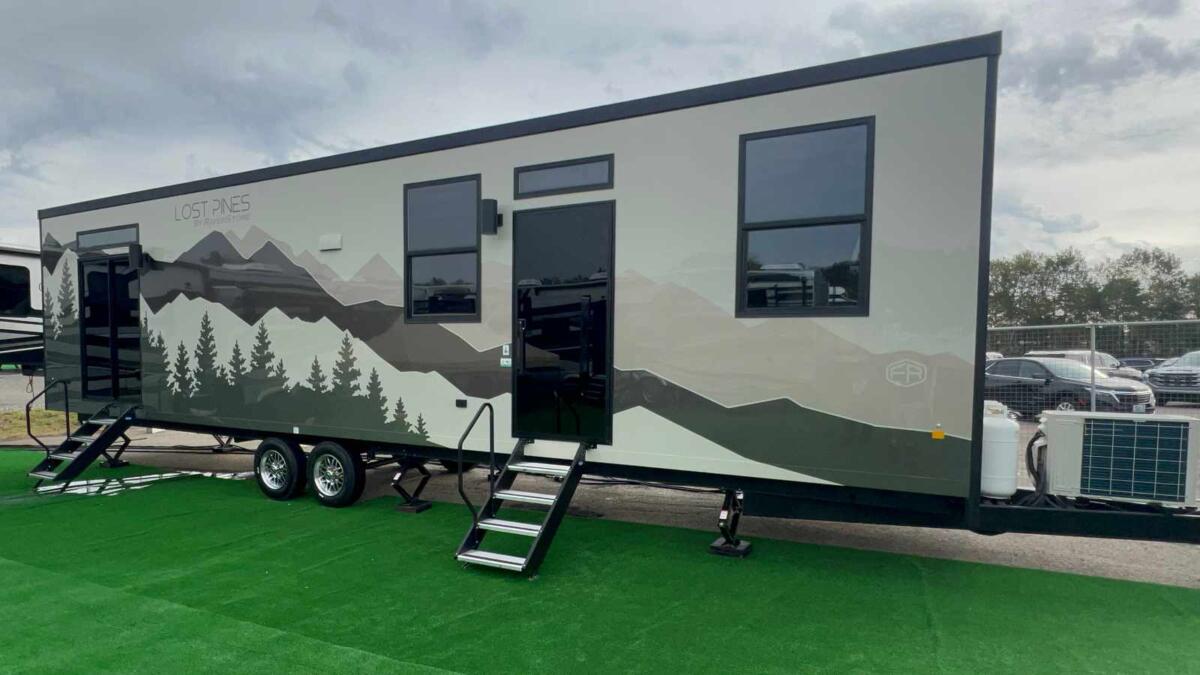
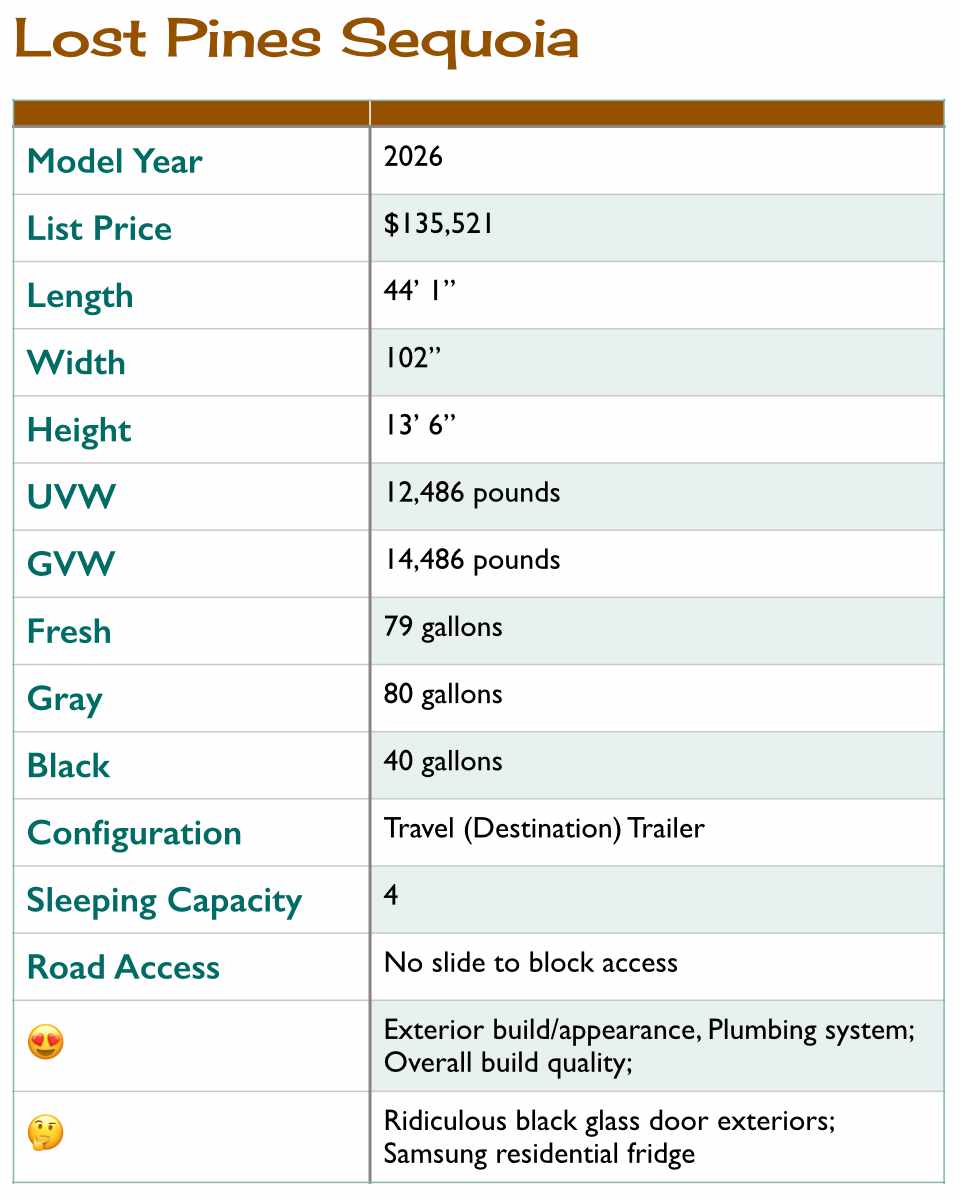
Today’s RV review is of the 2026 Lost Pines Sequoia trailer. I hesitate to qualify this only as a destination trailer, although that’s the most likely use case scenario. But this is something we saw at the RV dealer open house last September, and we were really taken aback by it. You could easily also call this a tiny house, but it is much nicer than many examples in the tiny house genre.
Essentially, this is a very large travel trailer that is also quite well equipped to be a destination trailer or tiny house. There are three variants in the Lost Pines family, with the Sequoia having no slide. The other two models do have slides, but I am particularly fond of the no-slide format for destination trailers. Seems silly to just leave all that weight hanging off the sides all the time. The Lost Pines trailers fall under Forest River’s Riverstone division and are marketed as a higher-end trailer.
Interestingly, the model I saw at Open House had a mini split air conditioner. Aside from the really nice exterior appearance, I was thrilled to have seen that. However, the production versions now feature your typical RV rooftop A/C units, although they are Gree brand inverter heat pump units. So, they’re sort of like a mini split, but all in one unit. In the hotel business, these are called PTAC—they’re all-in-ones.
I know we all wanna go inside. But first, let’s look at how this thing is built.
Looking under the Lost Pines Sequoia
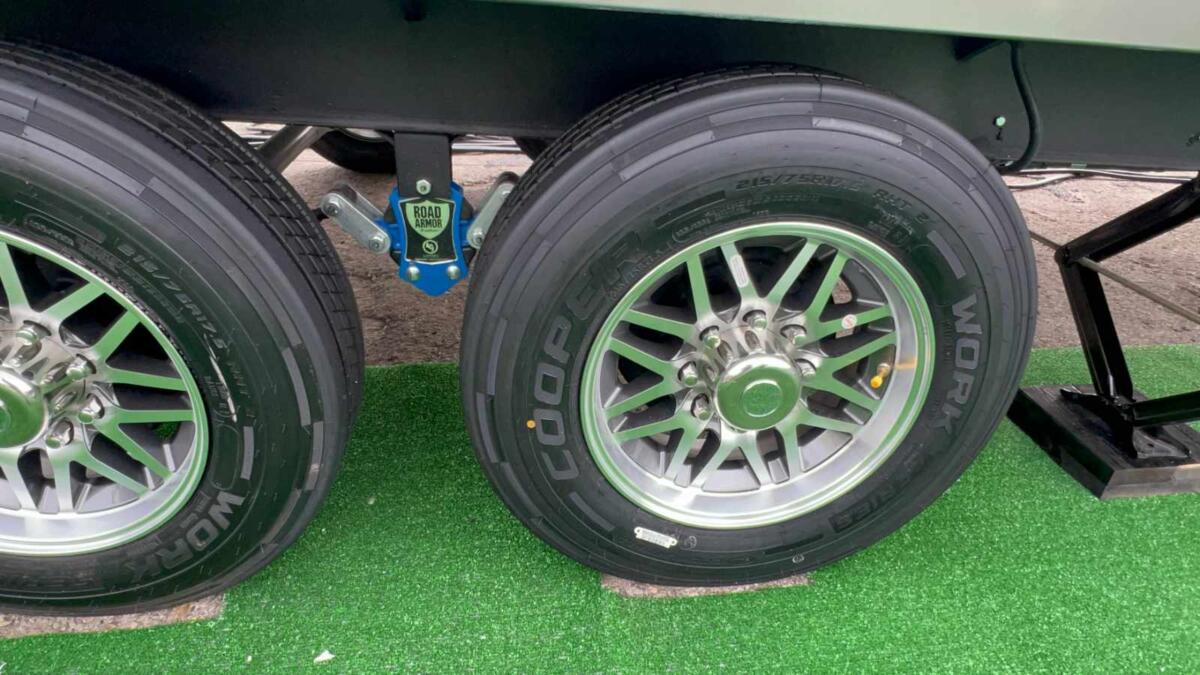
From the road up, this is a two-axle model using a leaf spring suspension with a better Lippert Road Armor upgrade. That means there are bolts that you can grease and a suspension that isolates this giant trailer more from the road.
One of the interesting things about this trailer is that the entire tongue can be unbolted. So, if it has found a permanent home, you can just remove it. This isn’t that uncommon for destination trailers.
The underbelly of this trailer is fully enclosed and heated, and there are also heat pads on the holding tanks. I also like that the gate valves for the holding tanks are within the confines of the heated and enclosed underbelly with a single connection point.
When I saw the prototype, there was a wet bay on the side and the remote cable pulls were inside that compartment. But it seems they’ve been moved to the frame on the production models. Bummer, because if you do skirt this, you’ve now made it more difficult to open the gate valves.
Someone at Forest River ought to send a spy over to the folks at Alliance. They have figured out that power-actuated dump valves are a feature worth having, especially if you’re throwing around the term “luxury.”
Exterior
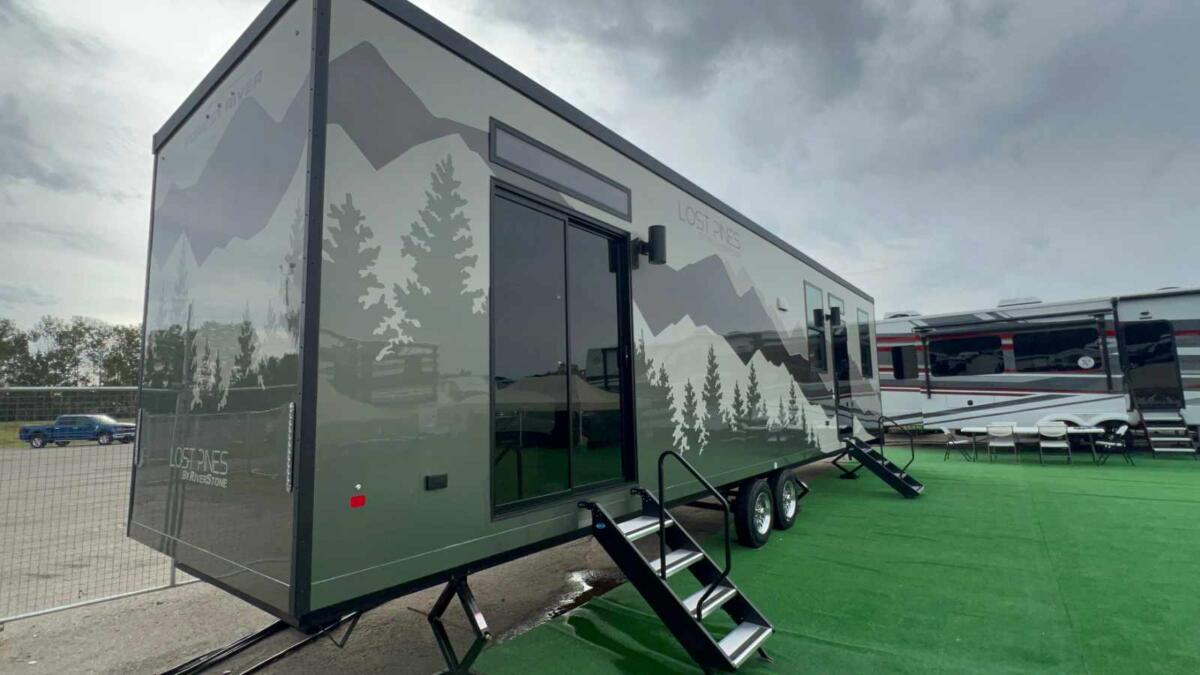
The exterior of this trailer is quite striking and, to my eye, in a good way. I know we all have our own taste, so I recognize this won’t be universally loved. But count me as someone who loves this appearance.
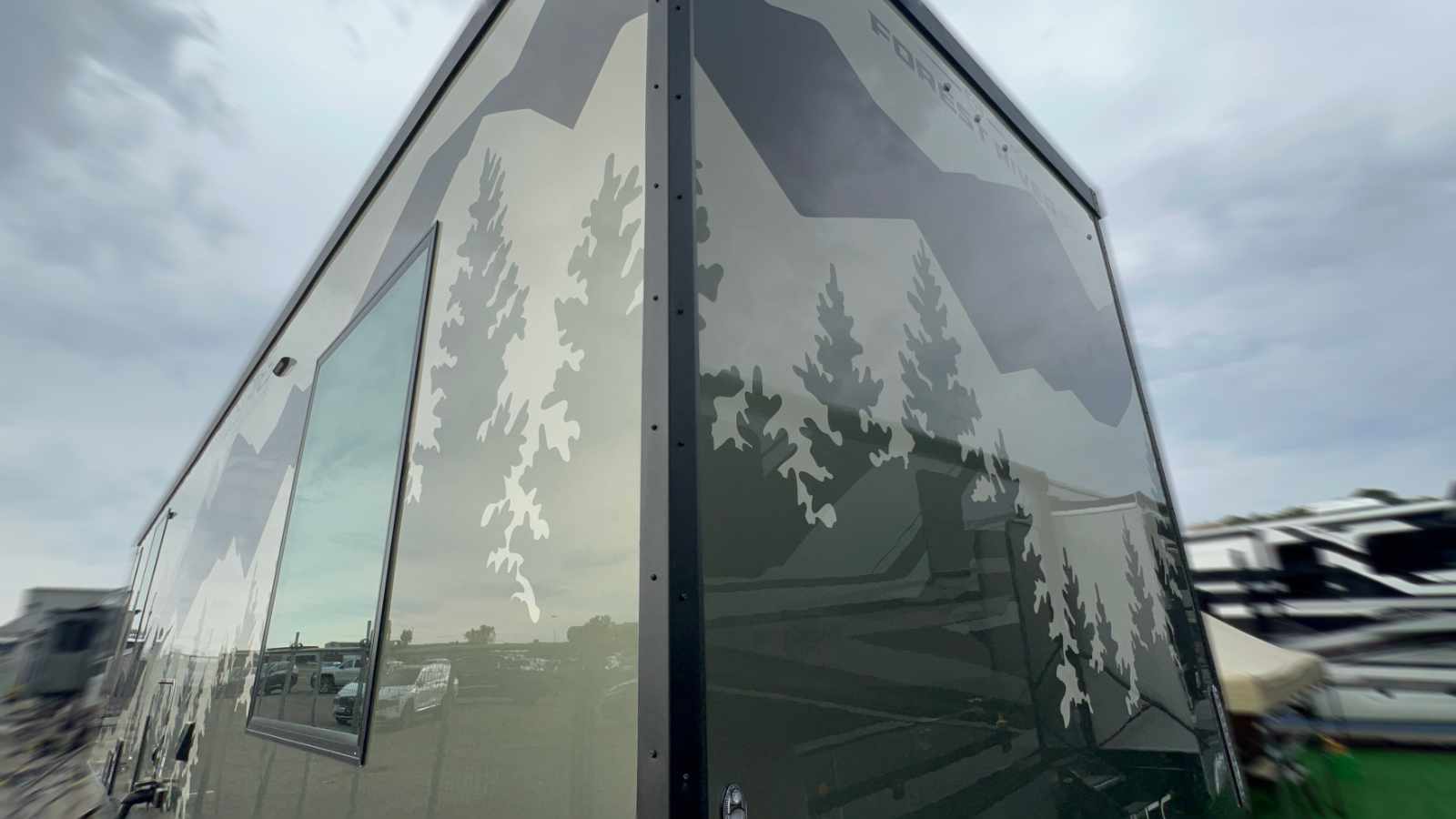
But it’s also a different way to build these things. The walls are 3” thick aluminum studded walls with the exterior having an Azdel substrate and then a high-gloss fiberglass finish. That finish is fully painted with this fancy foresty mountain scene—there are no stickers.
Further, the corners are an aluminum channel, so there’s also no insert molding. That’s the plastic screw cover stuff which lasts about two summers here in New Mexico. The roof is fiberglass, so with all those details, this is likely to stay good-looking for years to come. Or stay unappealing. Again, your call.
Another nice thing about the build of this is that the windows are all dual-pane, another nod to being well-suited to temperature extremes.
On this floor plan, there are two entry doors, both of which are 38” wide. The steps are mounted to a hinge and are easily removed, which makes sense. Many owners of destination trailers don’t use the steps that came with their campers and choose to build a deck instead. But if you do use this as a travel trailer, you certainly can do so, although you’ll have to install and uninstall the steps.
Oh, and the doors are those ridiculous units with an all-glass exterior yet normal-sized windows from the inside. Whoever thought black glass doors were a good idea needs to be fired, rehired, and fired again just to get the point across. Have you never, ever been in an RV in summer?
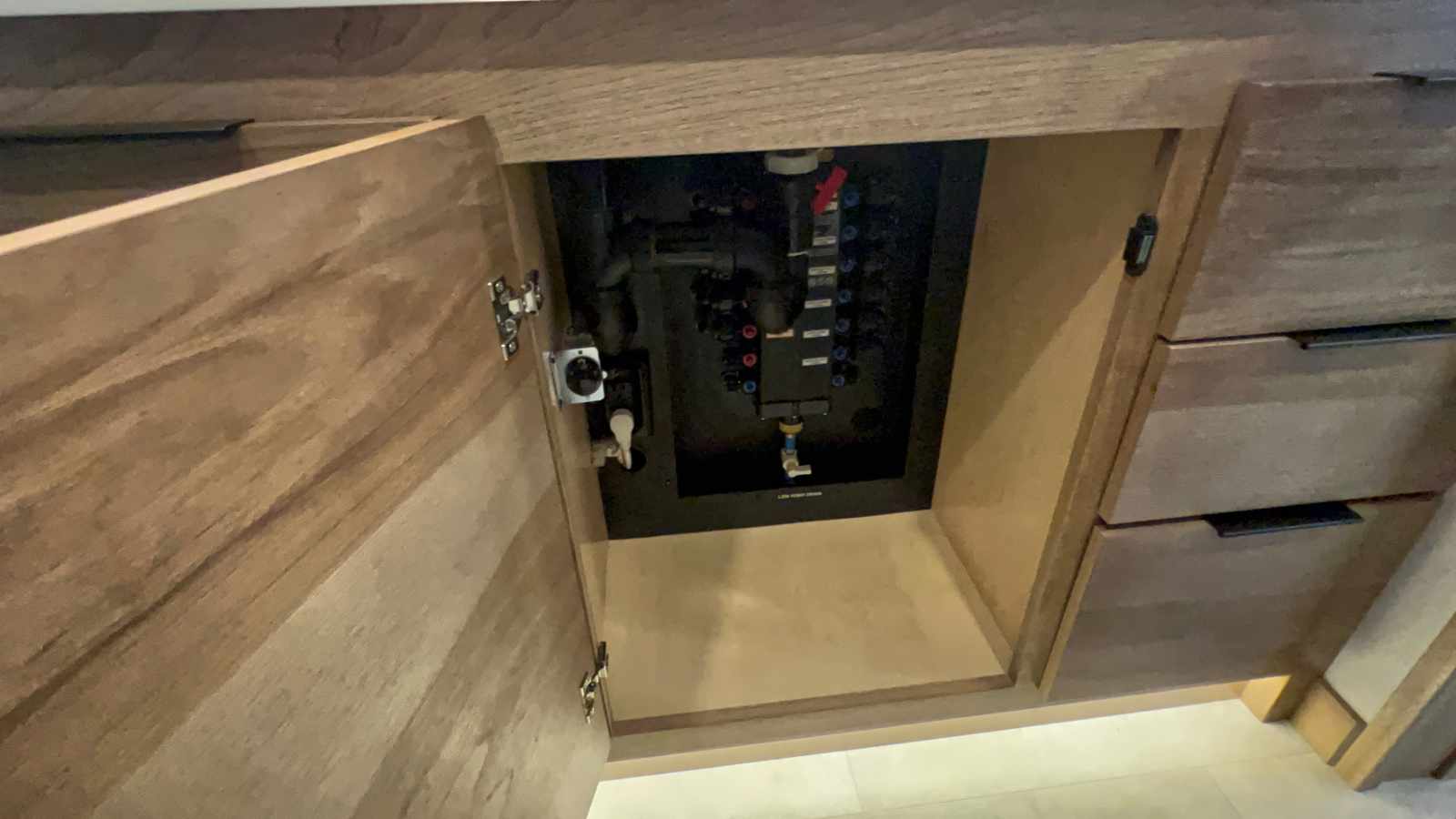
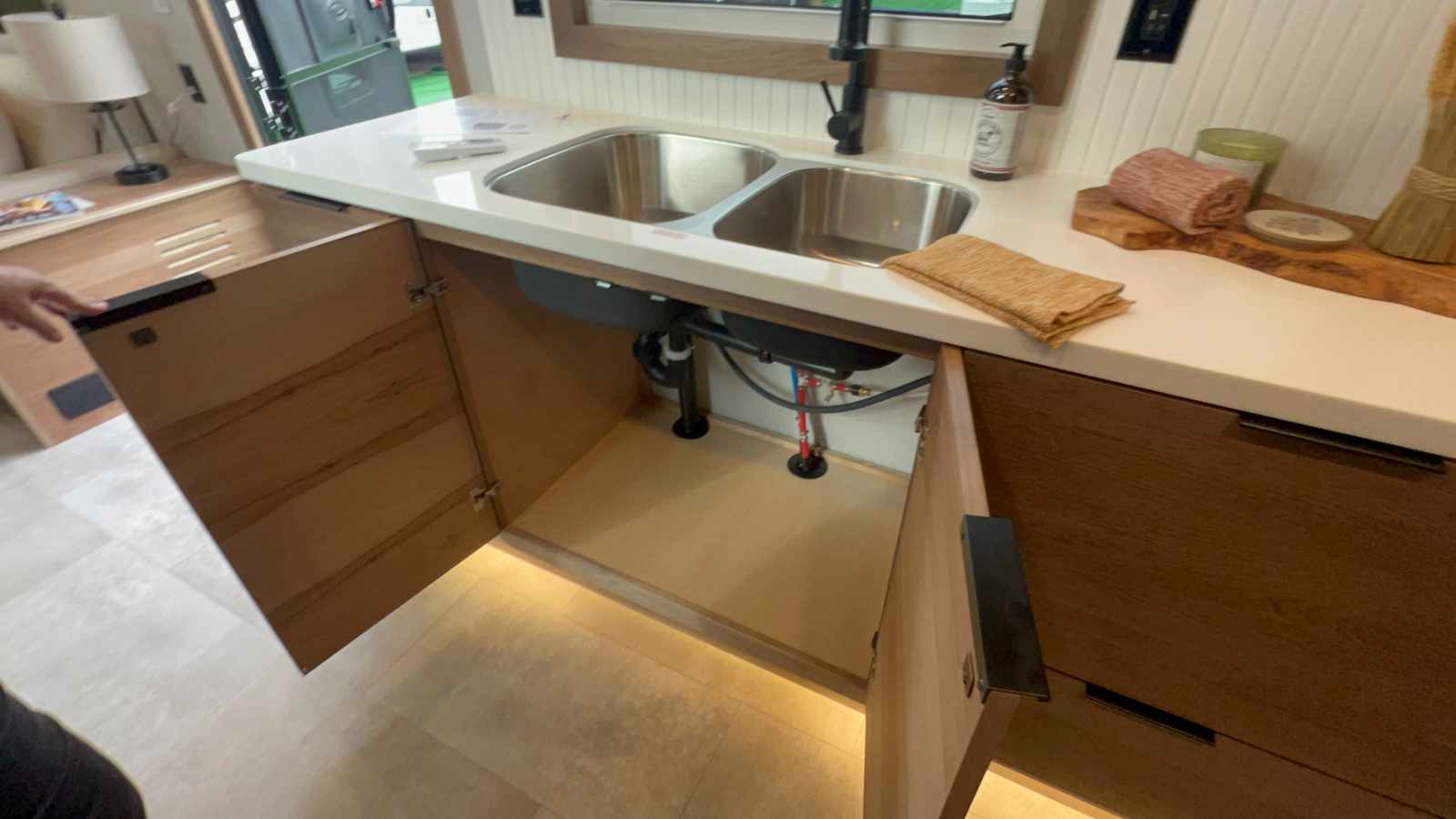
Something else I noticed was that there is a manifold plumbing system. That means you can turn off individual fixtures in this rig, so a leaky faucet or toilet doesn’t have to spell the end of your adventure. I was also quite surprised to see brass fittings inside. This is absolutely best-in-class plumbing.
Lost Pines Sequoia - 2026
1 of 17
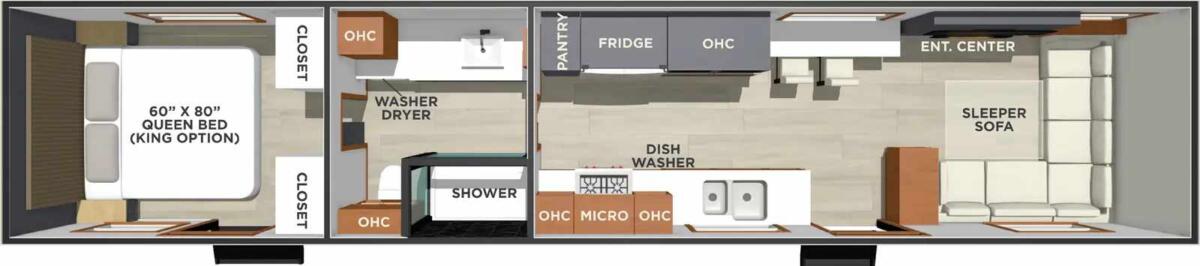
Lost Pines Sequoia floor plan
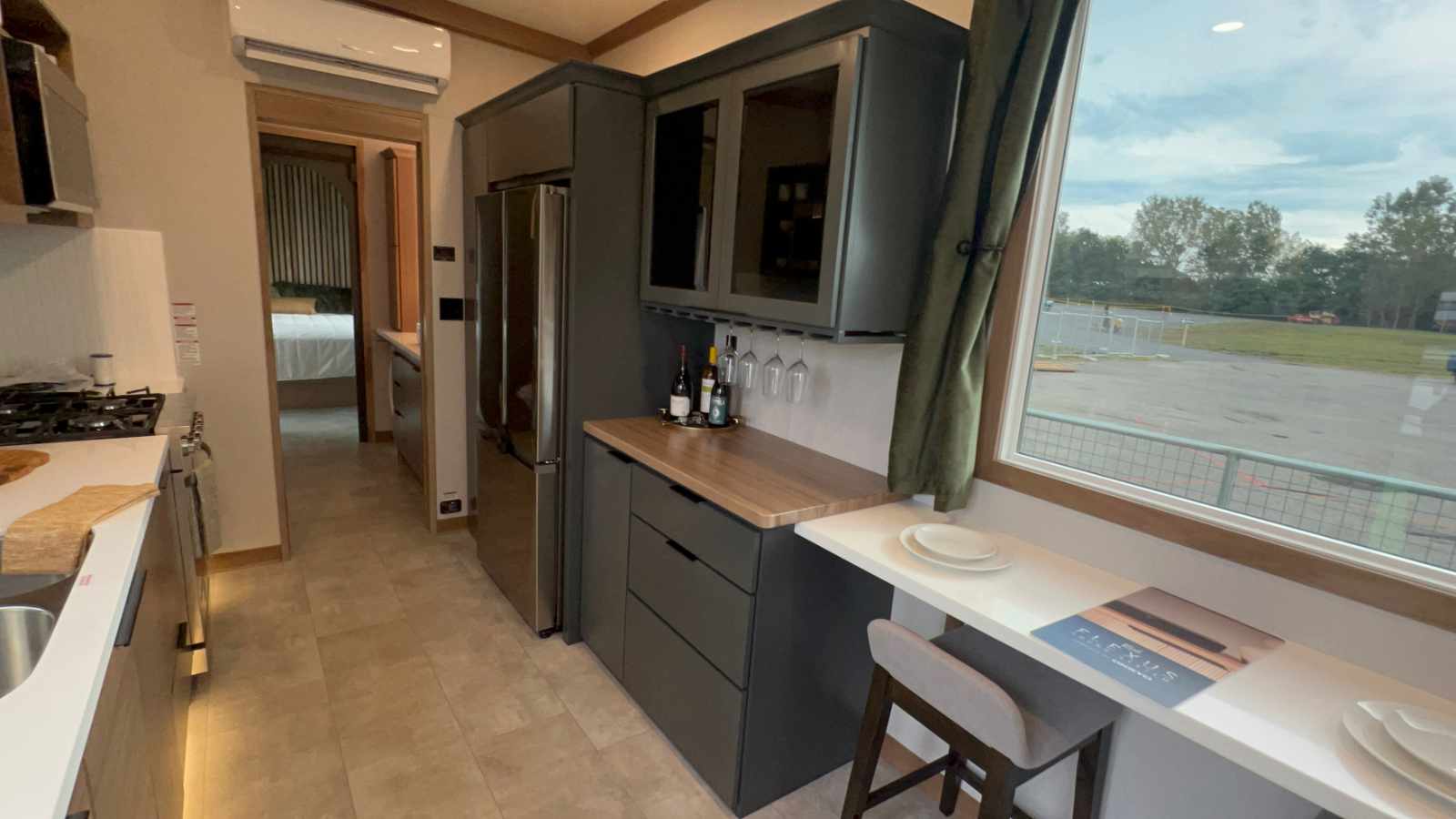
A nicely appointed space with full-sized kitchen appliances and plentiful counter and storage space
A choice of king or queen sized bed in the Lost Pines Sequoia
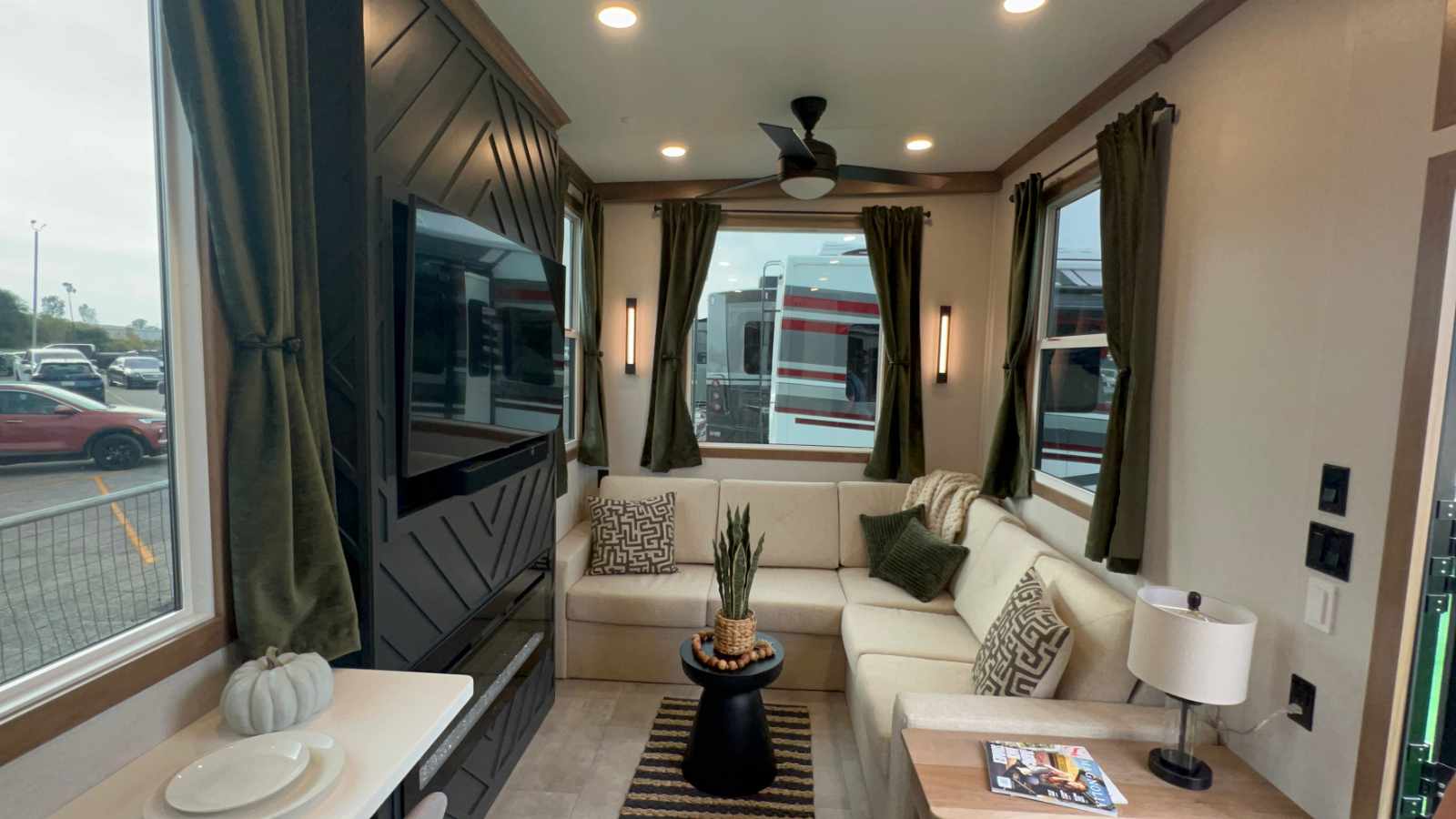
An L-shaped couch and huge TV and fireplace in the living room of the Lost Pines Sequoia tiny home
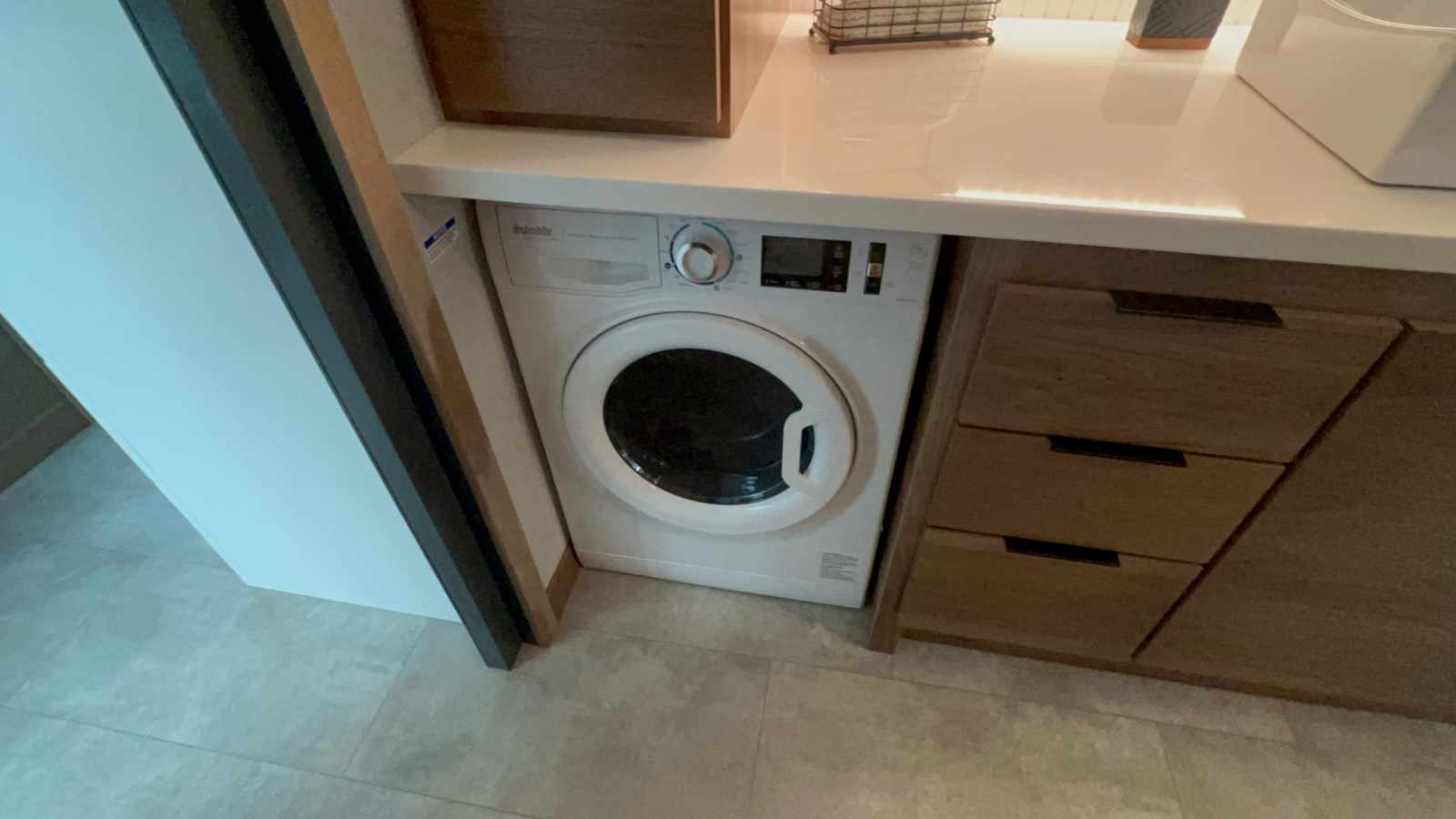
A combination washer-dryer is included on the Lost Pines Sequoia
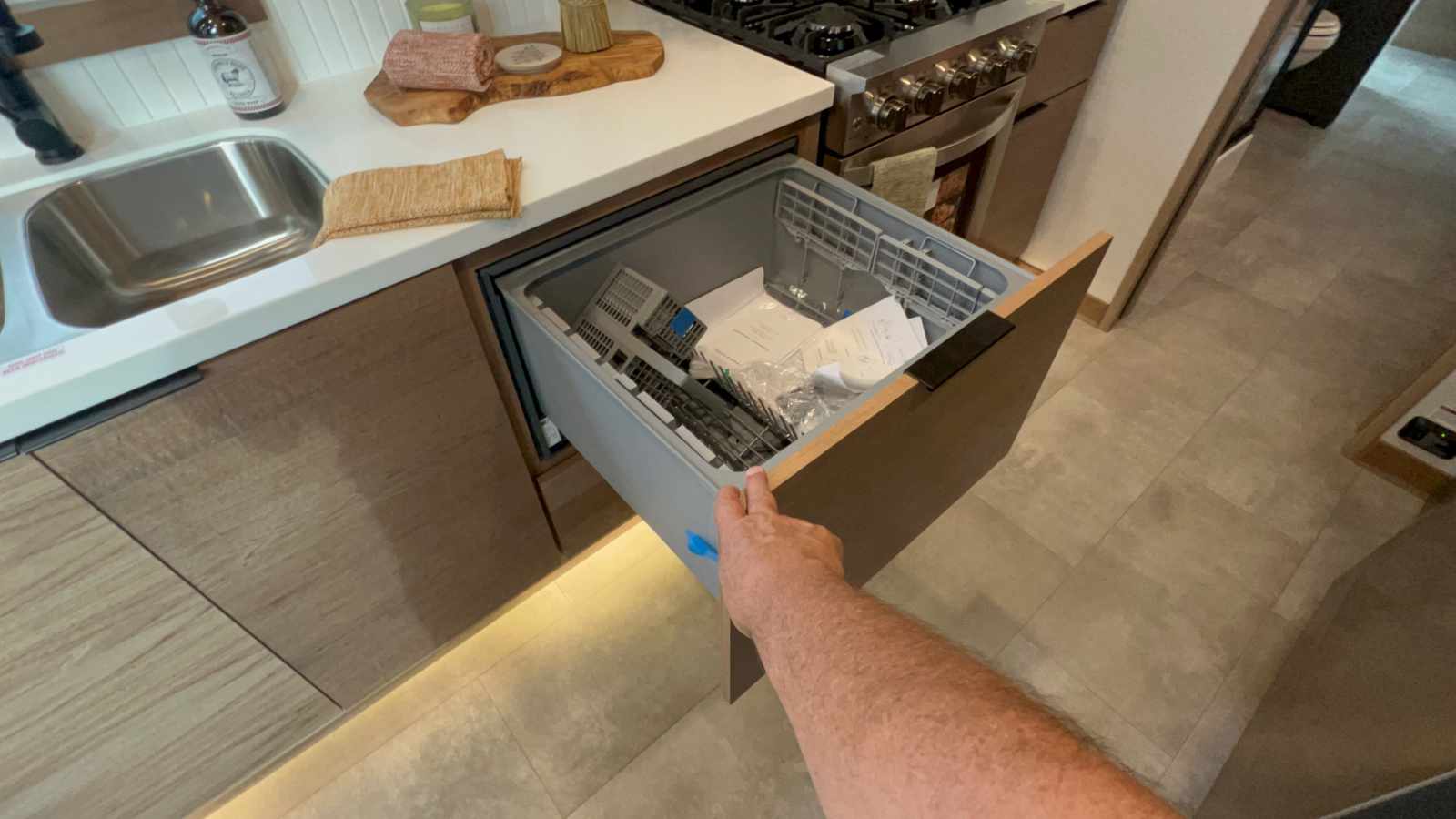
A dishwasher is nicely integrated into the kitchen of the Lost Pines Sequoia
Plumbing system incorporates a manifold to cut off any fixture that might be problematic
A Road Armor upgraded suspension and Cooper tires are better features of the Lost Pines Sequoia
Cabinets and counter space are both plentiful in the Lost Pines Sequoia
Good space under the sink plus brass fittings on the plumbing of the Lost Pines Sequoia
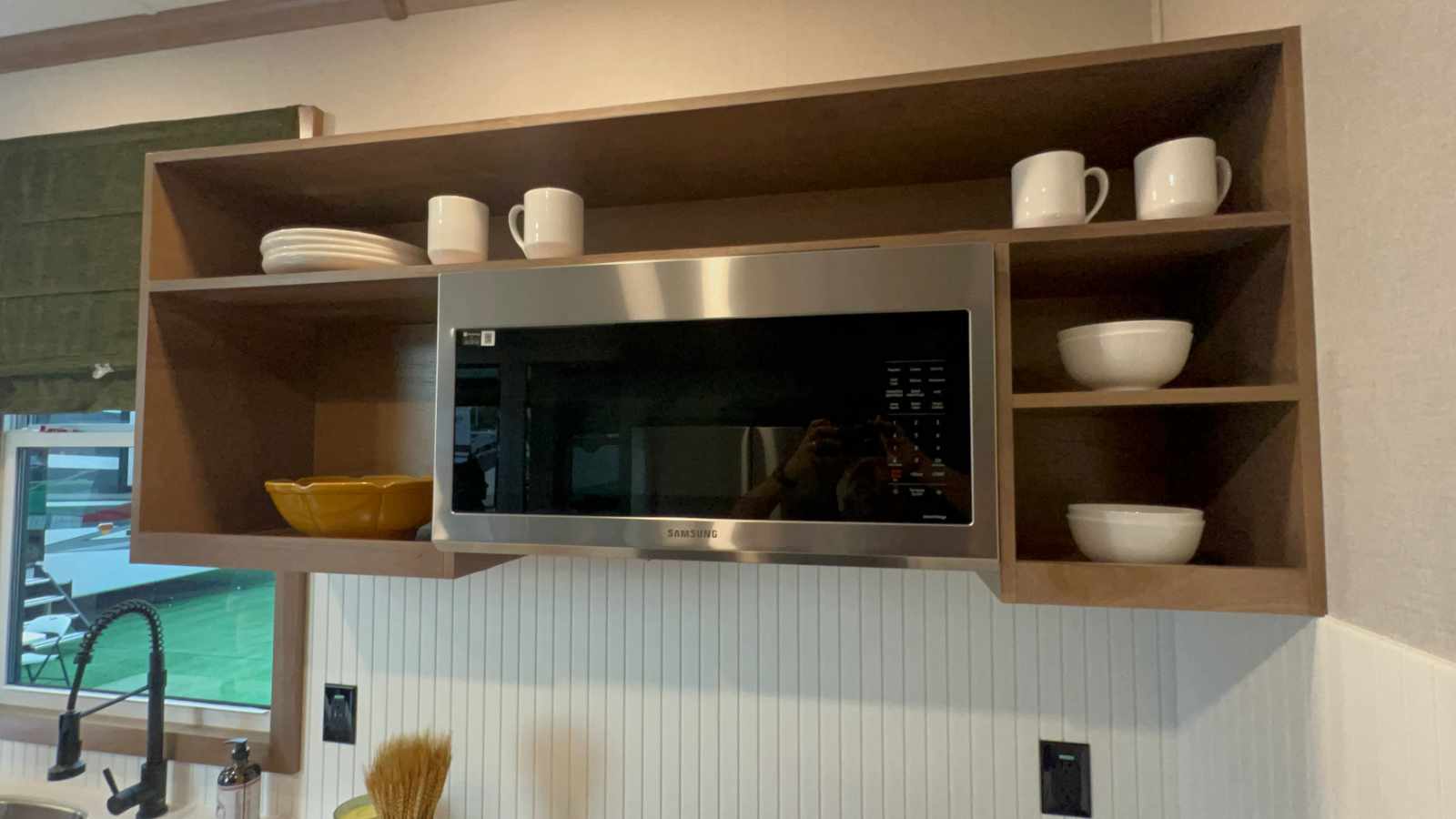
Open storage above the kitchen in the Lost Pines Sequoia
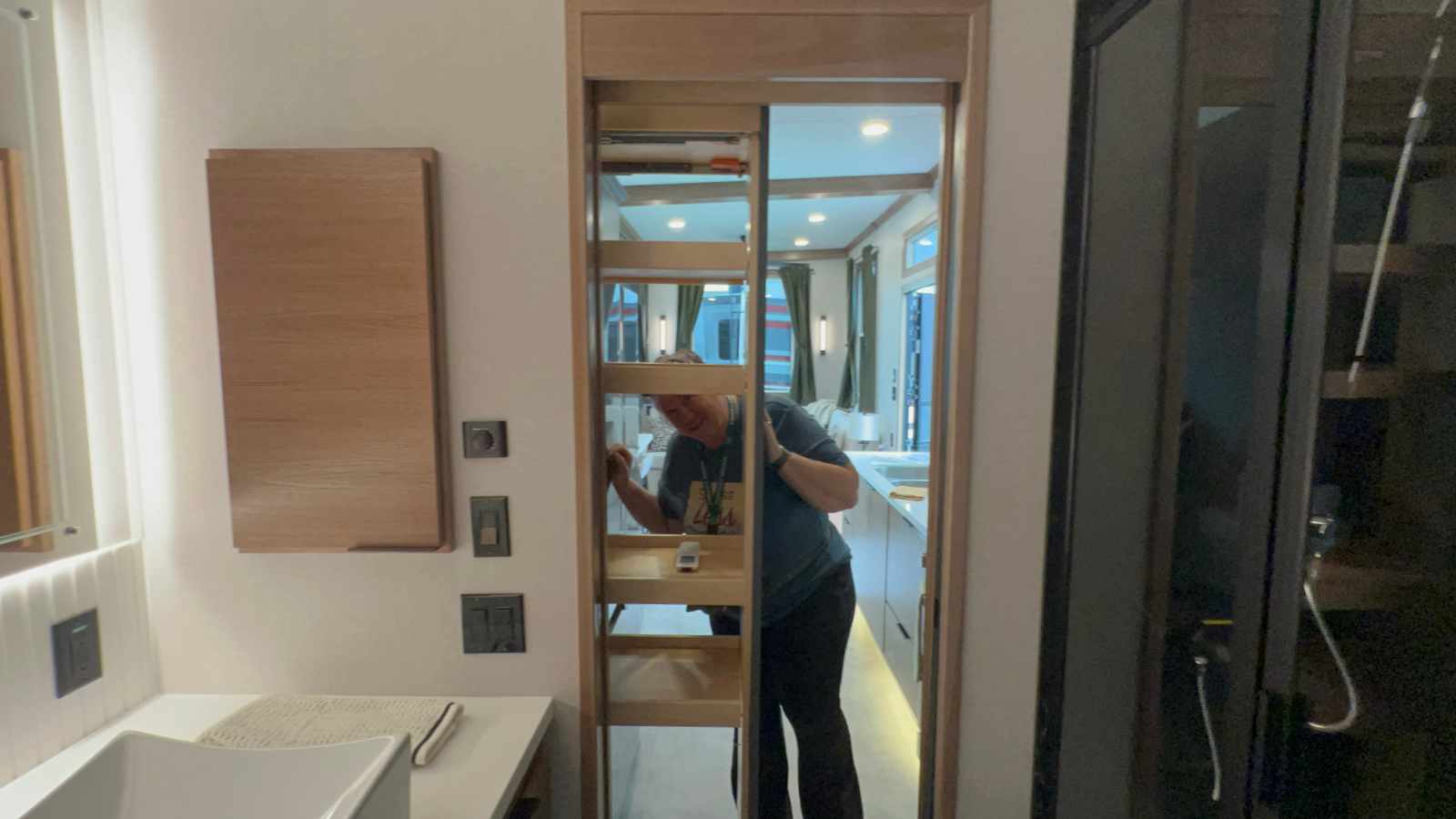
Peggy demonstrates the slide-out pantry
Removable steps enable owners to build a porch to use as a destination trailer on the Lost Pines Sequoia
Solid aluminum corners and a fully painted exterior are highlights of the Lost Pines Sequoia destination trailer
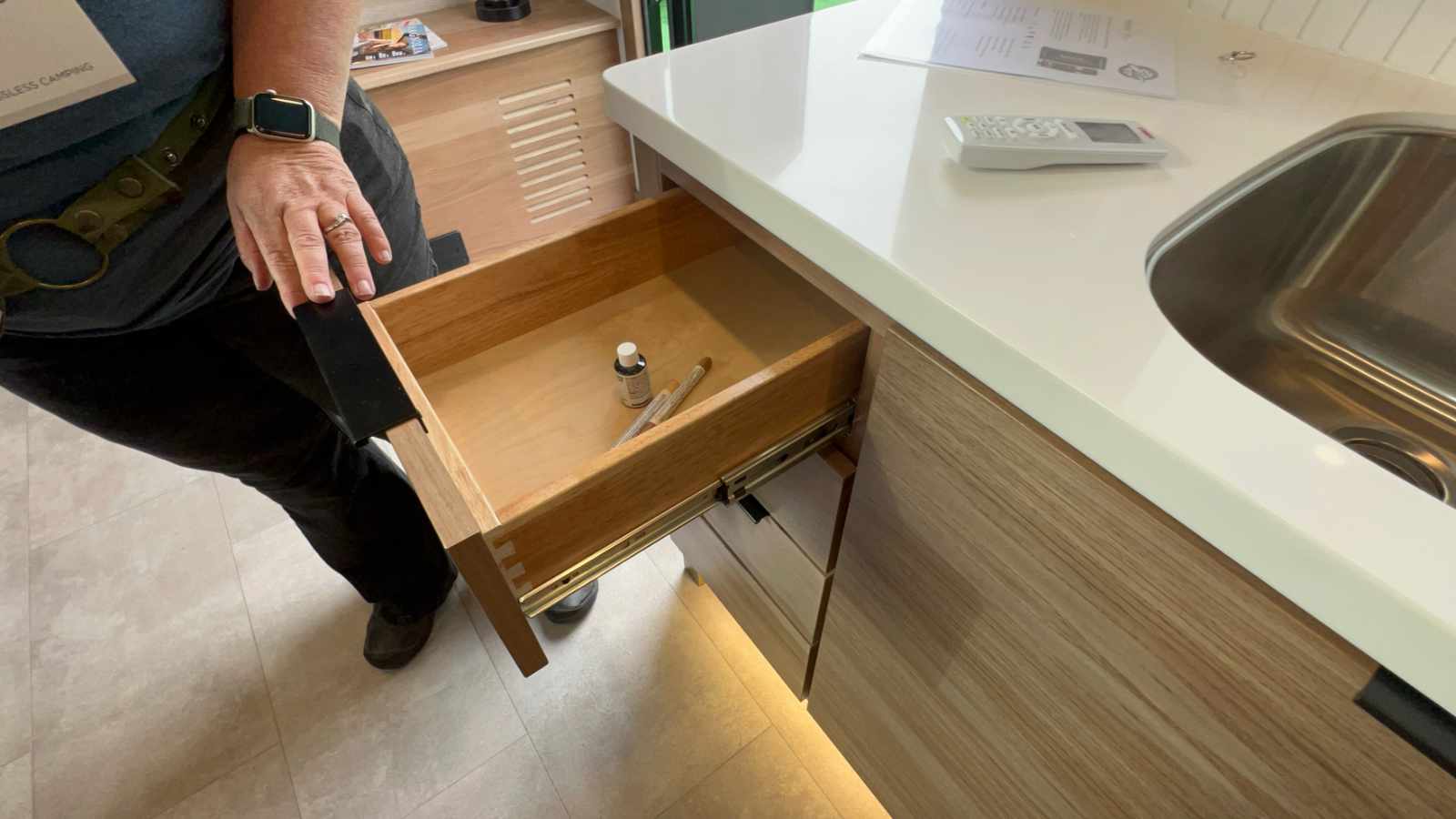
The drawers in the Lost Pines Sequoia feature dovetail construction and soft-close mechanisms
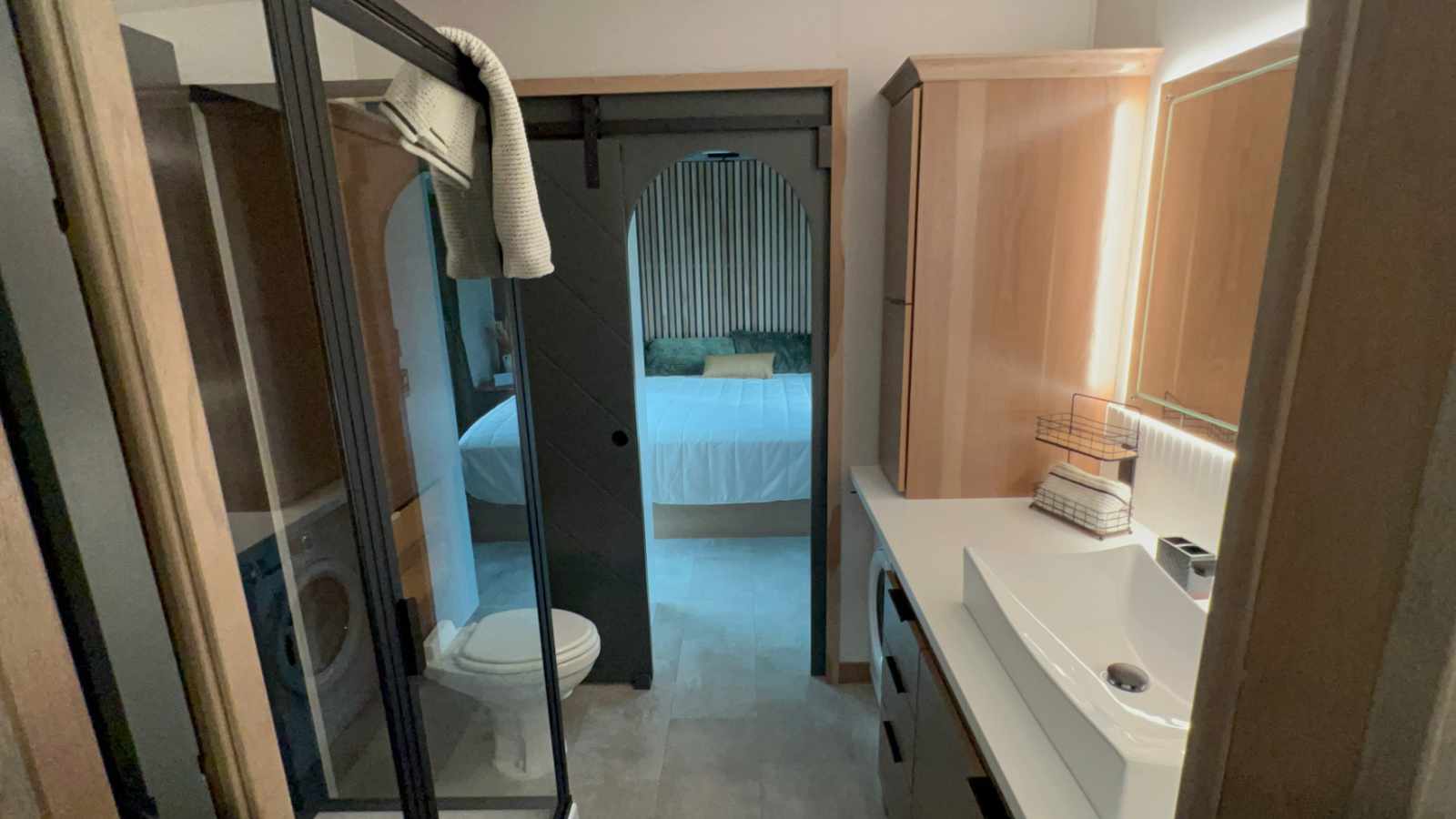
The mid bath offers good space function and style in the Lost Pines Sequoia
What’s inside the Lost Pines Sequoia
Forest River describes this as a luxury trailer. I always wonder what the criteria are for that term. There’s no butler’s quarters, so what gives?
What I did find very nice were the blinds in this, which are a Roman-style shade with magnets so you can raise and lower them easily and in steps. I really liked these. In fact, I liked these more than any other RV window covering I’ve ever seen. Maybe that’s luxury?
Up front, there’s an L-shaped sofa and a gigantic TV and fireplace. Those large dual-pane windows really open up the space.
Kitchen in the Lost Pines Sequoia
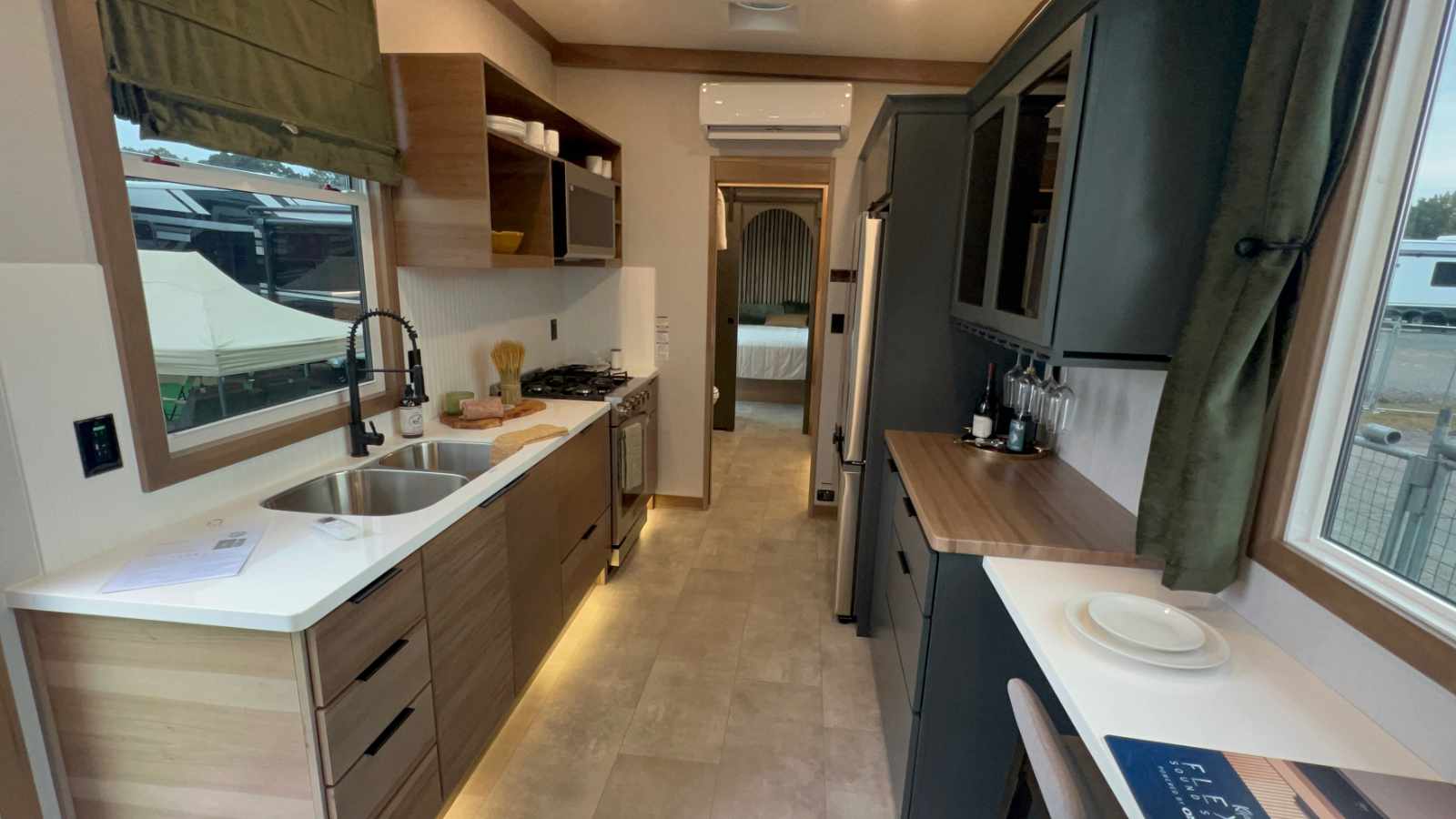
The kitchen in this rig features very residential-feeling appliances. Those include a large four-burner propane stove top with a real oven plus a large residential-sized microwave. There are plenty of drawers and counterspace. All the countertops in here are solid surface.
The drawers are an extremely high-quality build with dovetail construction and soft-close function. There’s a big pull-out pantry right next to the refrigerator, although that fridge is, unfortunately, a Samsung. You’d better hope you can get it through the door when it dies. I’m sure you won’t have to wait long for that to happen, especially if you actually use this as a travel trailer.
There’s also a dishwasher included in this, and the face of that dishwasher has the same surface as the rest of the cabinetry, so it’s nicely integrated.
The shelves above the kitchen are interestingly open—with no cabinet doors—which might look good on a model but does little to keep clutter out of view. So, get some fancy pants dishes and, if you plan to use this as a travel trailer, figure out how to pack them up every time you move.
The detail and construction of the cabinets give this a very high-quality feel. This is a very tasteful space. There is also a nice, large backsplash across the entire kitchen, which makes sense. Again, there are large windows.
Bathroom in the Lost Pines Sequoia
This floor plan mimics the one in my own travel trailer, although it’s much larger, of course, and the bathroom bisects the whole trailer. There is a good amount of space in this bathroom, and the shower walls look like they’re marble. It’s a very elegant space, and the shower itself is quite large. There’s also a huge mirror so you can observe yourself in the shower if you so choose. There is also a medicine cabinet.
Of course, the toilet is porcelain, and there’s a good amount of space around it. There’s also decent storage in the bathroom.
Another feature you’ll find in the bathroom is a combination washer-dryer.
Bedroom in the Lost Pines Sequoia
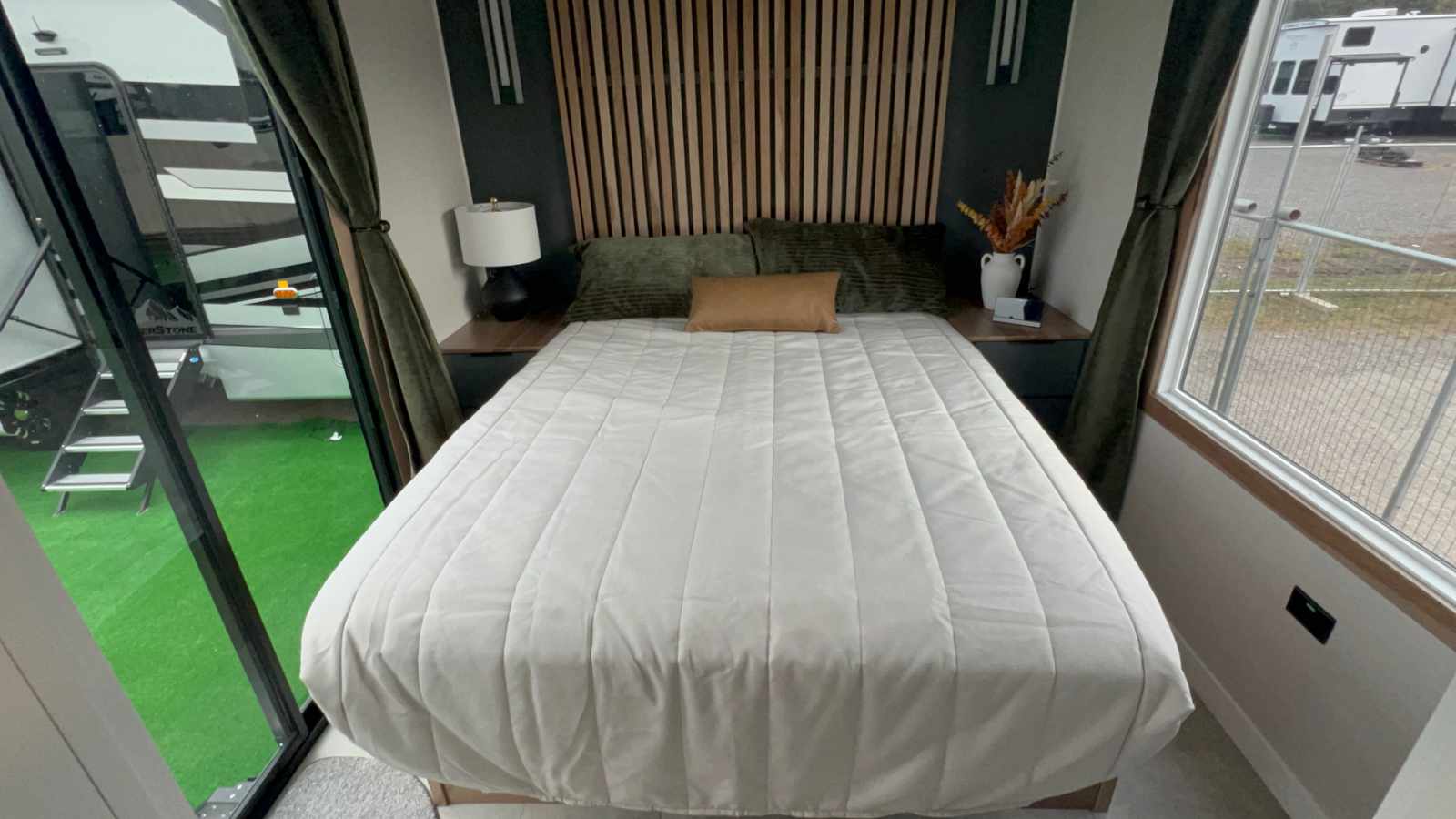
The bedroom in here is available with either a queen-sized or king-sized bed, although I would imagine the larger option would really limit the ability to walk around and utilize this space—except for horizontal purposes. I liked the space in here with the queen. But, again, there are 31 flavors at the ice cream store for a reason.
There are large cabinets and drawers on the wall of the bedroom by the foot of the bed. There are soft-close mechanisms all around and dovetail drawer construction. The lighting fixtures in this trailer, too, are really nice. As I said, it’s a very tasteful space.
Final thoughts on the Forest River Lost Pines Sequoia
Tiny house. Destination trailer. Travel trailer. This could fit into any of these categories and, no matter what you choose to call it, it’s a very, very tastefully appointed and nicely built rig.
I suppose if you do want to use it as a travel trailer, you’re going to hope to have oil company stocks because the big slab front on this is going to be one heck of an air dam. But I don’t think that’s really the majority use case here.
Quite frankly, if you had a nice piece of property and your local regulations permitted this, I could see this being a really nice, easy, and effective way to go from a flat piece of dirt to a fully furnished vacation home in the blink of an eye. Again, local jurisdiction permitting, this could also be a nice accessory dwelling unit, too, if that particular in-law has to stay.
Also, if you find a great RV park and want to be the king of the trailers, this might just fit that bill, too.
Whatever the use case, I really, really liked what I saw in this trailer. I would prefer seeing remote pulls for the gate valves that are more easily serviced or are power-operated. Also, seriously, can we all agree that a giant piece of black glass is a really stupid thing to use as a door already?
But other than minor details, I think this would be a really nice place to call home, vacation home, or, yeah, even travel trailer.
Usually, I like to use this space to share tips and tricks or insights into the RV world. However, this week I thought I’d share some tips for those of you planning to venture onto Route 66 in celebration of the 100th anniversary of the Mother Road. Gail Marsh did a great job of detailing the 100-year anniversary celebrations happening along Route 66 in this article. What I thought I’d share are some of the highlights specifically for RVers.
I’ve been up and down the entirety of Route 66 several times with our various travel trailers over the years. I’ve also ventured along shorter sections of the road for specific events or places.
A brief history of Route 66
Route 66 was officially opened on November 11, 1926—100 years ago. It was a major way to get from Chicago, Illinois, to Santa Monica, California. Over the years, people traversed this official highway, including commercial traffic and those looking for a getaway.
A lot of the Route was a two-lane road, and there are lots of tales of following slow-moving traffic only to have so much oncoming traffic you weren’t getting by. Driving wasn’t like it is today—you were passing through small towns and across vast stretches of open land. Vast expanses of corn fields and desert were broken up by small towns with facilities to service your vehicle, as well as stops for rest.
Your car would likely not have had air conditioning. Likely you wouldn’t have made the entire trip without some sort of mechanical issue—either a thrown fan belt, blown tire, or even worse. There was no GPS, and the radio you could get, if any, would have ebbed and flowed with the landscape and local taste.
Not all the vendors along the Route had your best interests in mind, so a fan belt might not be such a great deal in some places. You’d better have cash because if you did need a tow or to stay the night somewhere or whatever, you weren’t using your debit card—especially since that hadn’t been invented yet. You had cash or maybe traveler’s checks. Remember those?
Interstate Highway System
After WWII, we Americans saw the Autobahn in Germany as a great way to drive and move goods and military equipment. So we charged forward with the Interstate Highway System. When a stretch of this was completed, sections of Route 66 were bypassed until the entire Route 66 was bypassed in the 1980s. Thus, the highway was decommissioned.
Fortunately, through people like Angel Delgadillo of Seligman, Arizona, and others, the Mother Road has since gotten a lot of attention. There are many preservation and recreation efforts, especially in light of the centennial.
The movie Cars reinvigorated interest in Route 66 for many, and there are tributes to the film all over.
RVing Route 66
1 of 13
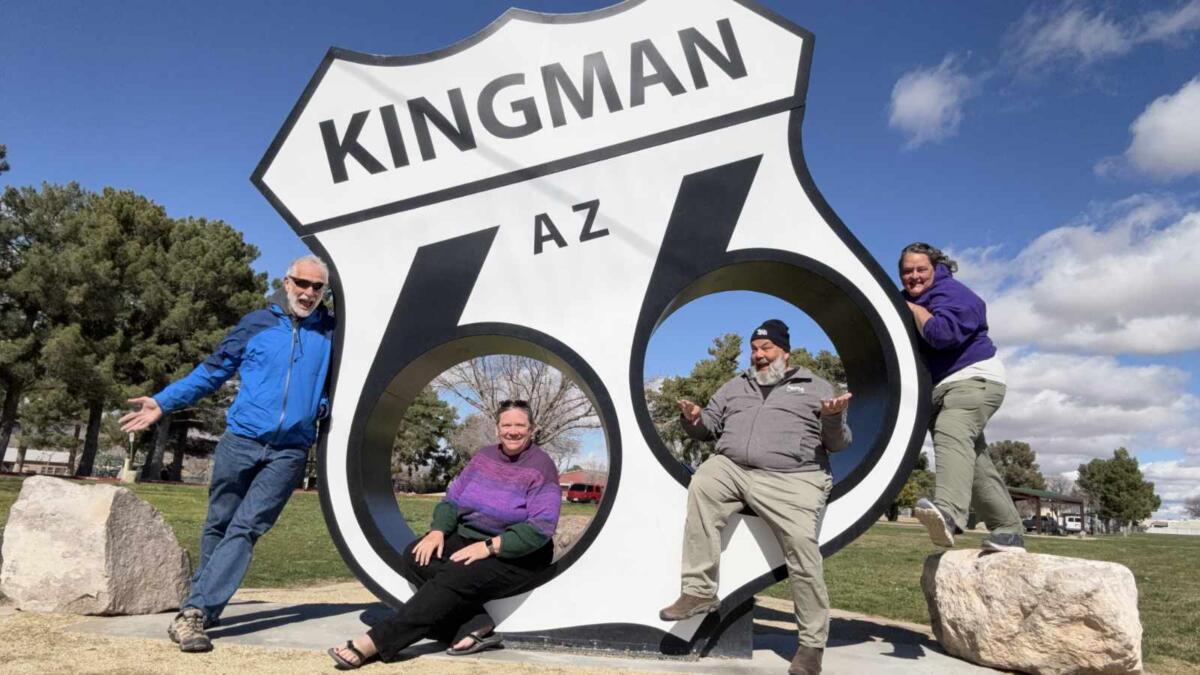
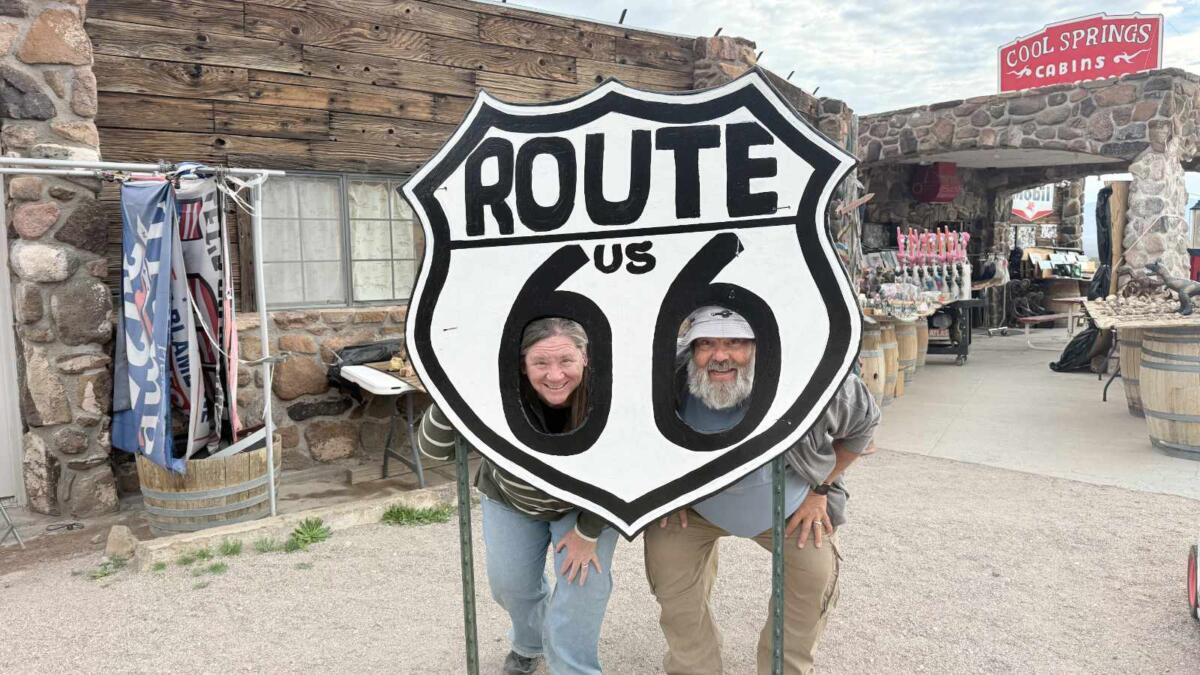
An iconic way to share your Route 66 adventure in photos
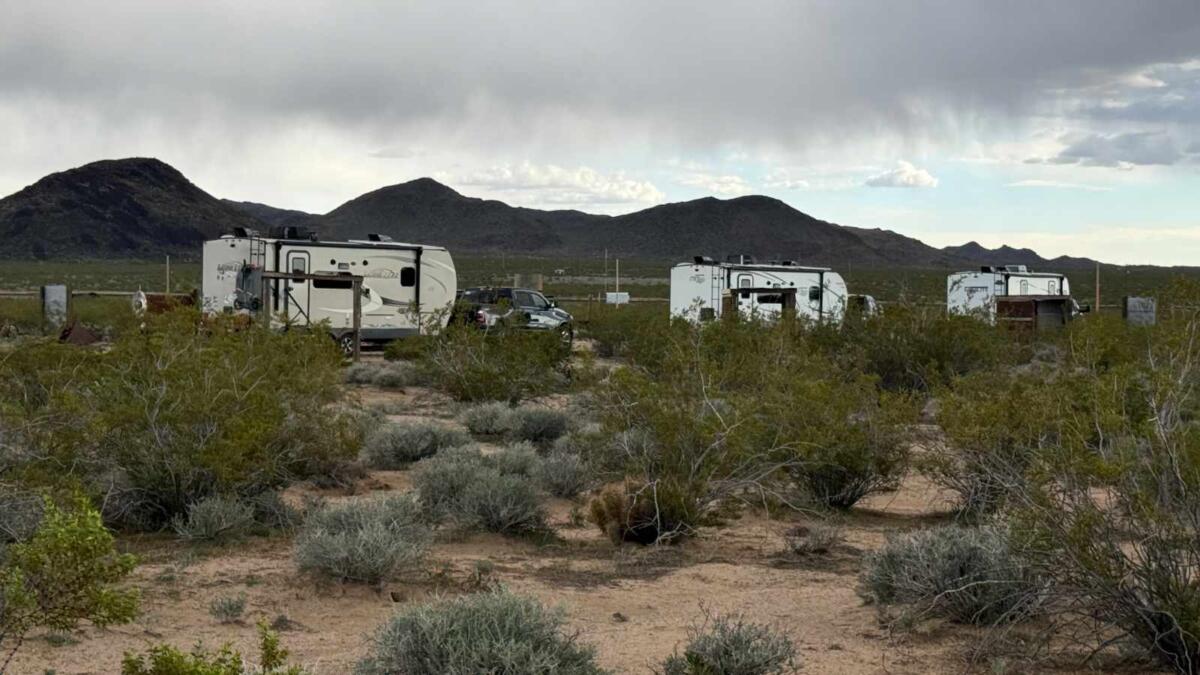
Enjoying a night's stay in Goffs - a delightful Harvest Host destination
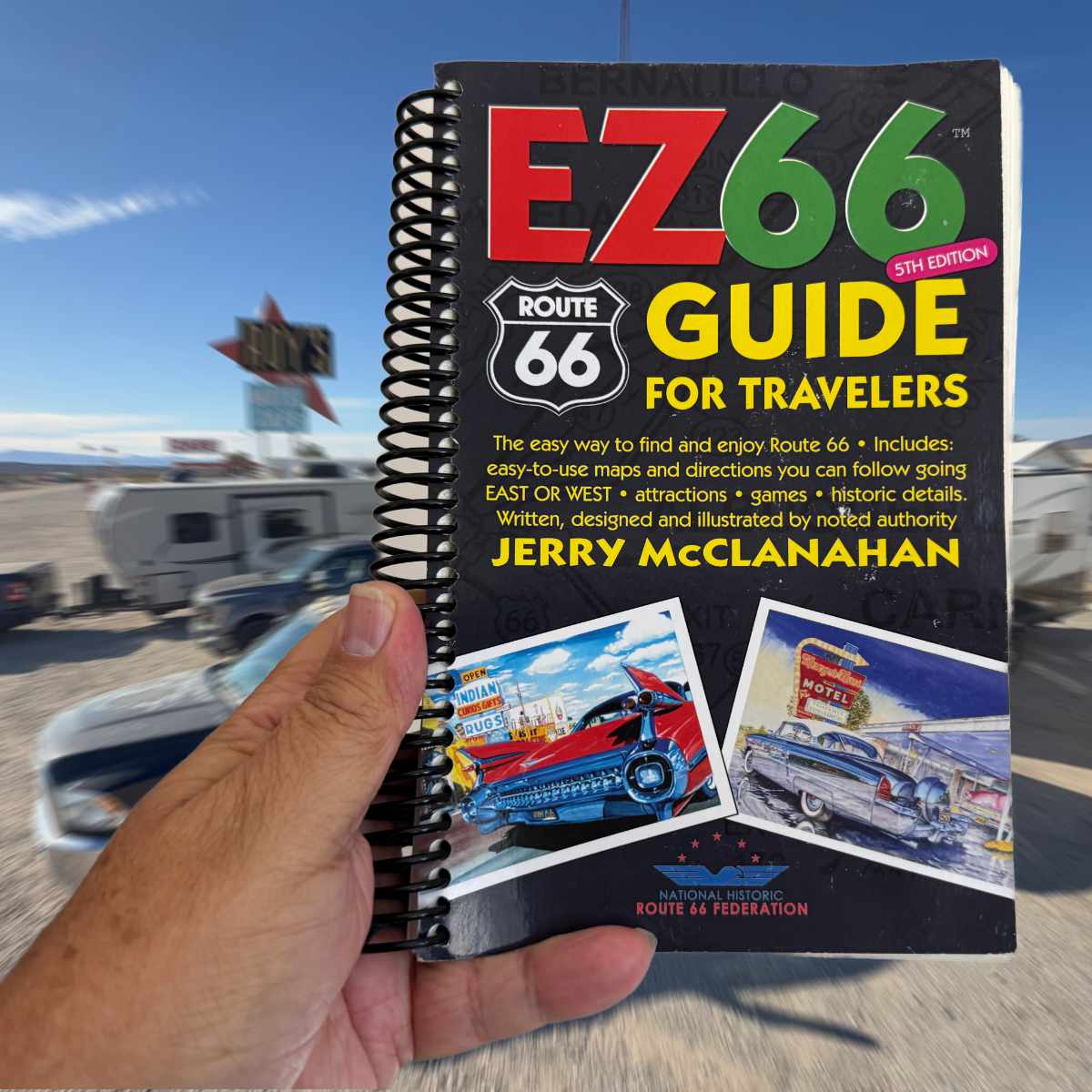
EZ66 travelers guide reference book
One of our favorite stops - the Country Aire Cafe in Atlanta, Illinois - great food and desserts
One of the iconic ways to show your love for Route 66 on the road to Oatman
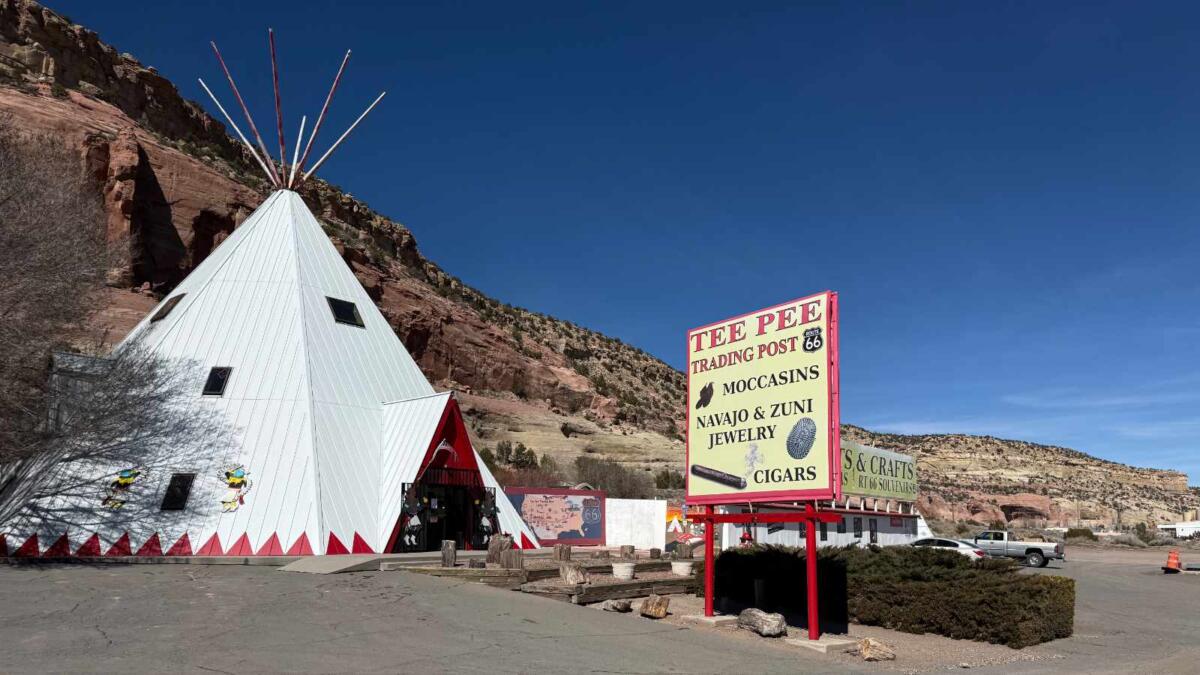
One of the many iconic gift shops along the Mother Road
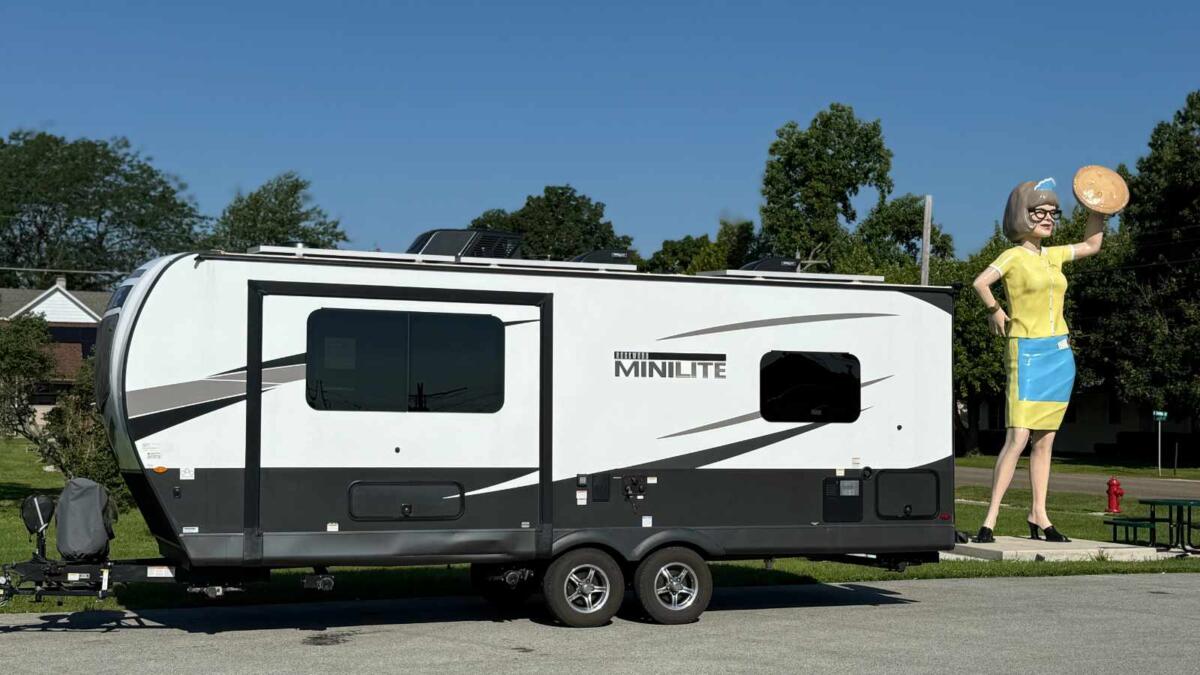
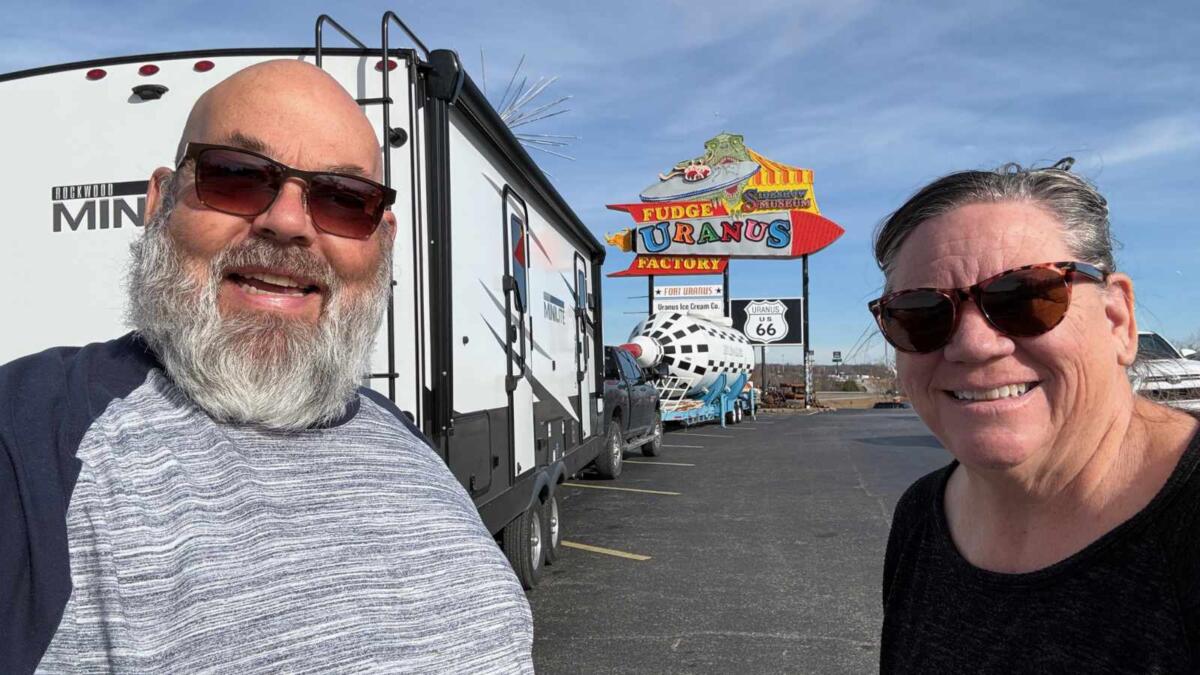
Pulling our RV in Uranus Fudge Factory in Missouri
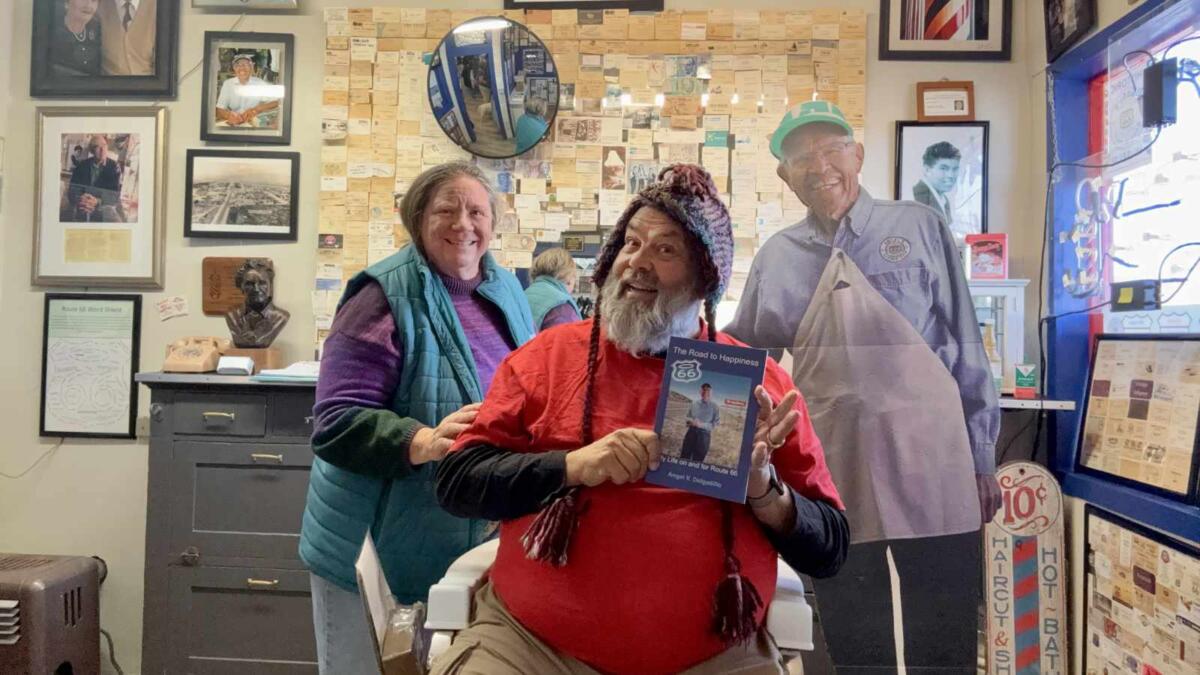
Stopping at Angel Delgadillo's iconic barber shop in Seligman Arizona where I got my signed copy of Angel's new book "The Road to Happiness"
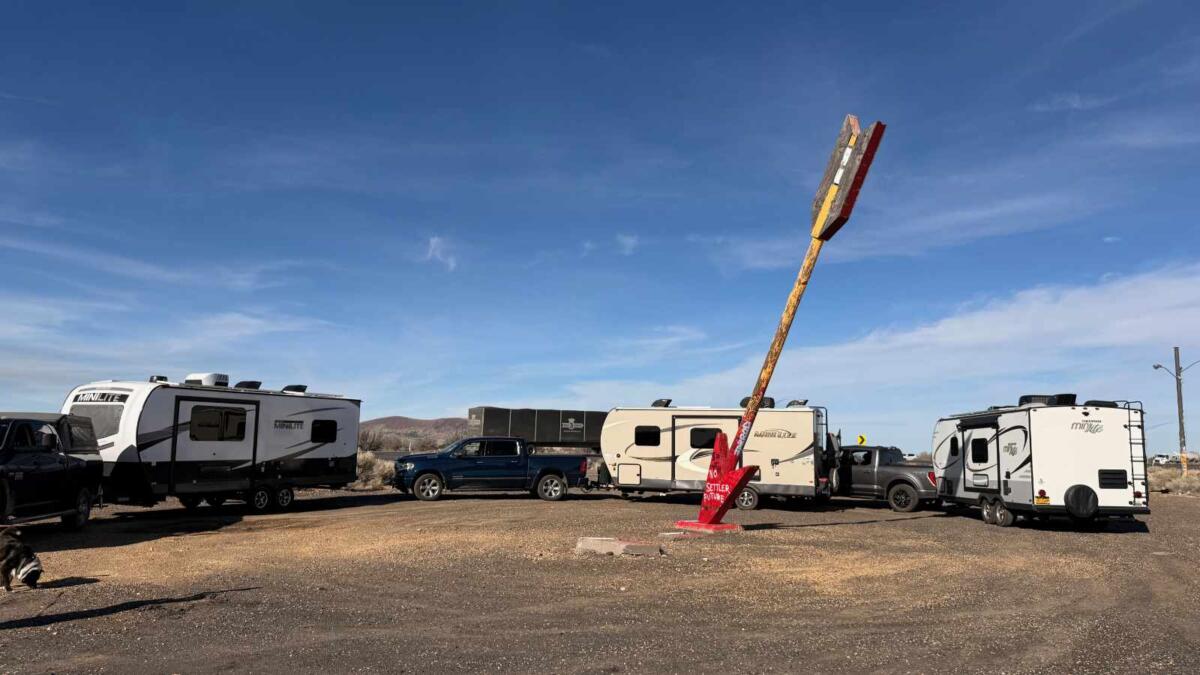
Stopping at twin arrows and seeing only one arrow
The inevitable stop at the corner in Winslow Arizona for a photo op
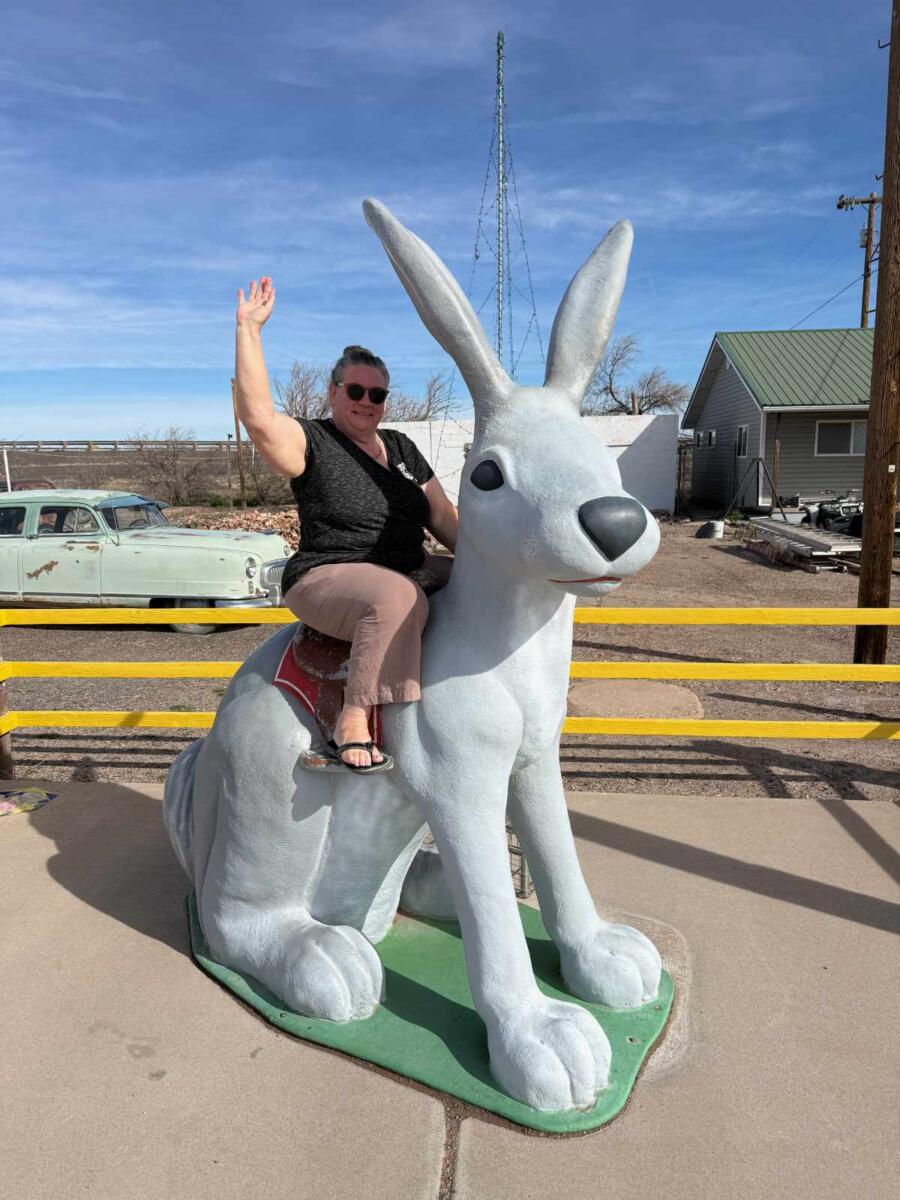
The Jackrabbit trading post is a must-stop under the Here It Is sign
There are so many natural and human-made sights along Route 66
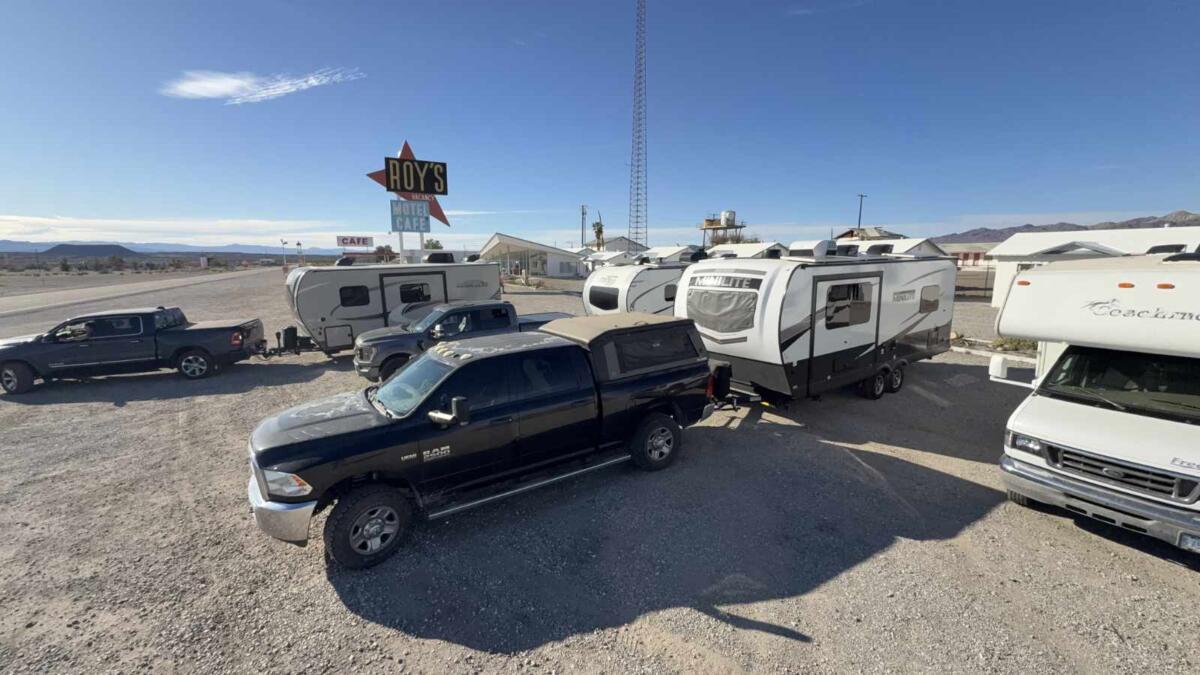
Visiting iconic Roy's in Amboy with our collection of RVers
What’s on Route 66 today?
Recently, we led a group of RVers along Route 66 starting in Santa Monica at the pier and heading east through Albuquerque. I know, that’s technically backwards, but consider the source.
So, let me share that there are multiple experiences you can have along Route 66 as an RVer.
The most obvious thing some people are going to look for is the historical pieces of the Mother Road. And there are a lot. Whatever your interest in this uniquely American experience, there are still a great number of things from when Route 66 was a major thoroughfare.
In recognition of the Centennial, some of these old gas stations, motels, and roadside attractions are getting new life breathed into them. In some cases, the neon signs that shone so brightly are shining once again. Quirky motels are becoming refreshed with a new life. The tourist attractions are getting new inventories of all sorts of stuff.
In fact, I collected probably 50 pins just between Santa Monica and Albuquerque.
Lots of places disappearing
But there are also a lot of places that were, and are, returning to Mother Earth in various forms, along with a lot of graffiti. There are hundreds of old gas stations that are crumbling heaps of graffiti, which makes sense. There were so many of these in the past. But newer regulations make them difficult to keep open and functional, not to mention the lack of customers.
Also, there are some great resources to spot the history of some of these places. But it’s sad when iconic stops, like the Twin Arrows Trading Post, are held together as much by the graffiti on it as anything else. Today, only one of the twin arrows remains standing.
Do know that over the last 100 years, the road itself was realigned a number of times. There are various “alignments” of Route 66, so if you plan to spend as much time as possible on the original road, you’re going to have to make some choices. There are also places where the road is just gone, and you’ll have to take the Interstate or another alternative.
Road is fine for RVs
For the most part, the actual road is fine for RVs. But there are some admitted tight spots—for example, driving up to Oatman, Arizona. And there are also occasions where the road just ends. You’ll get to practice your ability to turn your rig around if you didn’t check your map first. There are also a number of portions of the Route, such as old bridges and such, that are foot traffic only at this point.
You could also pick highlights and destinations—most of those are RV-friendly. To be honest, we traveled in January and February, which is a less popular time, but there are greater chances of winter still hanging around. However, we had 3-5 travel trailers in our caravan and at no point did we have issues with following the Route nor even finding parking or a place to stay.
A place to stay on Route 66
There are so many ways to travel along Route 66. We have RVed the entirety of the road several times in our travel trailer. We’ve also chosen segments and just visited those. We have forgone the RV altogether and focused on the old motels.
We have stayed in RV parks and at Harvest Hosts locations.
The point of all this is that you can make this adventure what you want. But if a fancy RV park isn’t available, an older one likely will be. We also favor Harvest Hosts as much as possible, but we’ve configured our RV to be able to run the A/C with a nice battery and solar system.
The closer we’ve gotten to the characters along the Mother Road, the better the adventure has been. Sometimes a tourist destination won’t officially allow you to spend the night, but if you ask nicely and support the business, suddenly an opportunity arises.
I suspect reservations will get tighter as the summer approaches and, like all popular destinations, the more noteworthy and popular something is, the more challenging it will be to get a seat at the table.
Only once in all our journeys along the Mother Road did we have an issue with finding a place to rest our heads. That was due to a lack of planning on our part and some miscommunication with the host.
There’s a new Route 66
Something that’s evident is that there are a lot of new businesses and museums along Route 66. Of course, a few of them could be skipped and you won’t miss much. But then there are some new things that are absolutely worth visiting.
There are also things like the Buck Atom’s Cosmic Curios, American Giants Museum, Uranus Fudge Factory, and countless breweries and diners that are newer but are a fun stop nonetheless.
Some great resources for Route 66 travel
One of the books that’s really been cited as excellent, and it is, is the EZ66 Guide for Travelers. This spiral-bound book can be used no matter which direction you travel on Route 66 and is an outstanding reference.
As we traveled Route 66 in our RV, we also compiled some of our favorite stops and stays. We did weeks of podcasts and stories about our adventures.
We’ve also enjoyed the Route 66 podcast, and we love to listen to podcasts as we traverse this fine country. We also recorded many of the StressLess Camping RV podcast episodes about Route 66.
Apps for Route 66
There were also a few apps Peggy, my wife, liked along the adventure, but not one be-all end-all app. Her favorite was the Route 66 Ultimate Guide (also available for Android).
Like so many things, the way you perceive the history of this country and what made us so special—along with your appreciation for history, kitschy tourist attractions, historic destinations, kooky characters, and the adventure of trying new things that may be old things—will determine how much you would love a Route 66 adventure.
Route 66 is RV-friendly, but there’s a lot to be said for just stopping in some of the old motels along the way. Who wouldn’t want to sleep in a wigwam—and you can do that in Holbrook, AZ, and in San Bernardino, CA. There are places where your car can sleep right alongside you in a carport next to your room, like the Blue Swallow in Tucumcari, NM, and the Boots Court Motel in Carthage, MO—and both of these places have embraced their neon.
If your idea of traveling includes resorts and accommodations with fancy features, perhaps Route 66 might be something you enjoy vicariously. If you love trying the next wacky diner, hearing the old guys at the counter share stories, and looking into how America got where we are today, then you might be the perfect person to plan a Route 66 adventure.
I received this question from an RVtravel.com reader regarding tire cold inflation pressure:
I have read a lot of your posts and that makes me think my manufacturer has my Cold Inflation Pressure (CIP) wrong or used too much tire on my unit (maybe not a bad thing).
5th wheel, GVWR (gross vehicle weight rating) 12,025 lbs.
Tires—Goodyear Endurance ST235/80R/16
CIP—80 psi per label and max CIP on tire
Per the GY load/inflation chart, 80 psi will support 3,420 lbs. per tire.
Fully loaded before a trip on a CAT scale, trailer axles weighed 4,060 front and 4,080 rear, tongue weight 1,800 lbs.
This is what I come up with. Being conservative, I used 2,270 from the chart at 40 psi for my operating pressure. Using your guidelines I used 50 psi as 25% reserve.
I think 40-50 psi is too little pressure. I think I should run 65 psi as CIP rather than the 80 psi on the label. I’m running 80 psi CIP and I had pressure go to 100 psi and temp as high as 130 degrees on TPMS, which both seemed high to me.
Is 65 a good CIP with MOP at 50 based on the info I provided? Does a high (80 psi) CIP cause tires to run hot with high pressures?
I hope I didn’t muddy the waters with my numbers, but I’m finding it difficult to ask the right questions. I would greatly appreciate it if you could help me clear this up. Thank you.
My reply
Thanks for the question. Yes, understanding the Certification Label psi versus information in the tables can be confusing. We need to remember that these different inflations are based on different requirements.
You didn’t provide the Max load that is stated on your Certification label. I am guessing it says something like GAWR 6,850# for each axle. The inflation stated on the label, by law, must be sufficient to support the stated GAWR (gross axle weight rating). ST235/80R16 LR-E tires are rated for 3,420# each at 80 psi.
If you do a search on “MAX inflation” on the RVtravel.com Maintenance posts you will get a number of posts explaining the meaning of “MAX” and why you may be misunderstanding what it means.
I agree that 40 psi is way too low. I would consider 65 to 70 psi CIP more appropriate, assuming that no tire is supporting more than 3,000#. BUT if you are seeing a psi increase from 80 to 100, that might indicate you need CIP of 80. Have you checked your digital pressure gauge for accuracy?
I do not think your RV company put “too much tire” on your RV. If anything, I would be recommending Load Range F LT-type tires for heavy 5th wheel trailers.
No, running “a high psi of 80” will not result in a tire running hot. Excess psi comes from low inflation and excess speed. I consider 65 mph a MAX operation speed for ST-type tires. I also consider that running any CIP below the Certification Label CIP as “consuming” tire life due to interply shear.
You can learn more about tires in RV application on my Blog www.RVTireSafety.net and by reviewing the posts regarding RV Tire Safety on RVtravel.com.
If you’ve ever timed your fuel stop around a Costco run, you’re not alone.
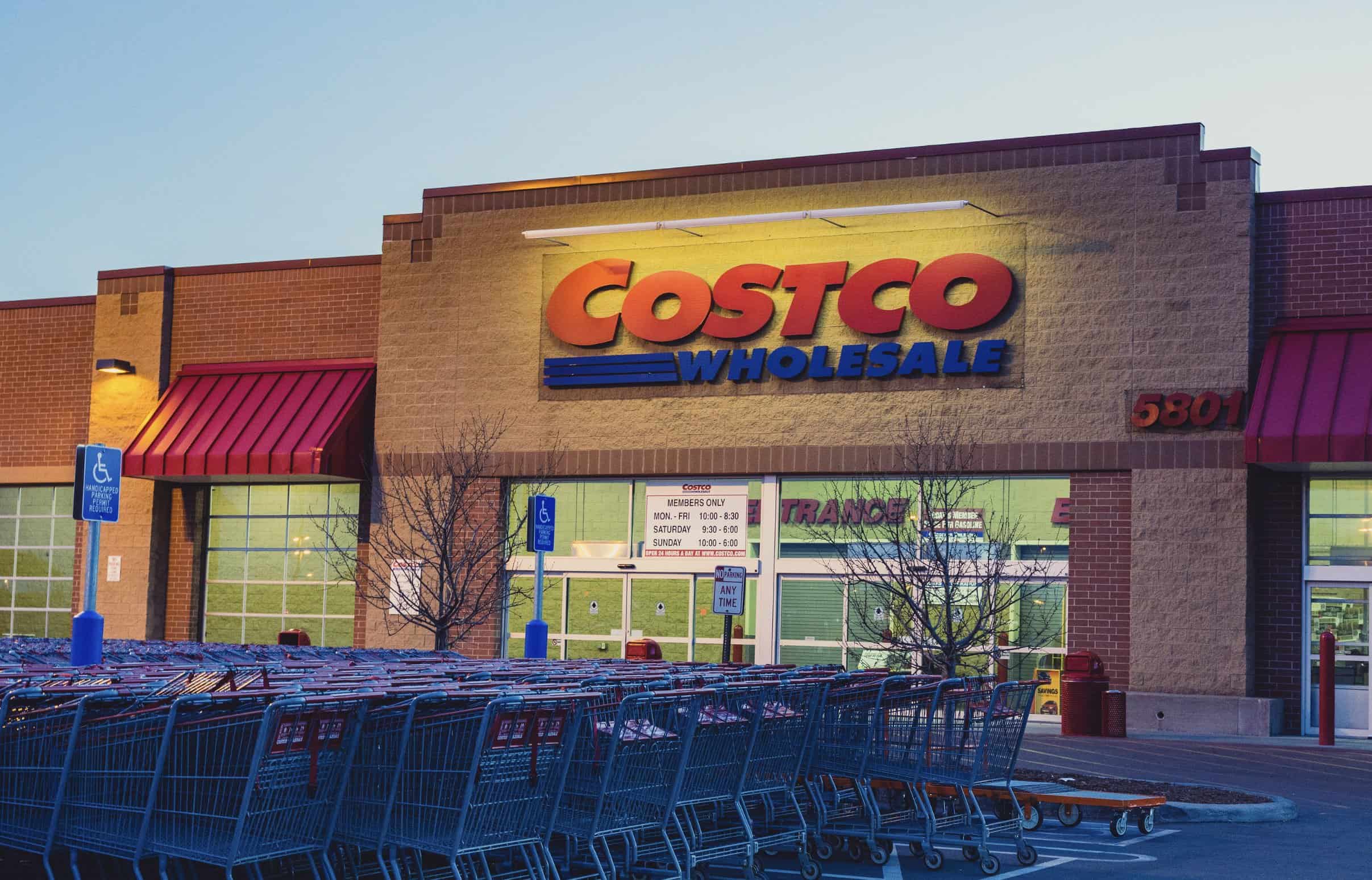
For years, Costco Wholesale has built a loyal following among drivers—especially RVers—thanks to consistently lower fuel prices and high-volume stations. Now, the company is testing something entirely new that could reshape how and where you fill up on the road.
A first for Costco
According to a March 26, 2026, report from CNBC, Costco is building its first-ever standalone gas station. This means it won’t be attached to one of its iconic warehouse stores.
This new location is planned for Mission Viejo, California, and it’s not a small experiment. The site will feature approximately 40 fuel pumps and span roughly 17,000 square feet. It will be one of the largest fuel stations Costco has ever built.
Why standalone?
Costco currently operates hundreds of gas stations, but they’ve always been tied to warehouse locations. That setup works well for shoppers, but it also creates bottlenecks. If you’ve ever tried to maneuver a larger rig through a crowded Costco parking lot, you know the struggle.
The standalone model aims to solve that problem. By separating fuel stations from retail warehouses, Costco can place pumps in high-demand areas without needing space for a full store. Analysts say this move could help attract new members while also keeping existing ones loyal, especially during periods of high fuel prices.
Costco strategy
Gas has always been a key part of Costco’s strategy. The company sells billions of gallons of fuel annually. Prices for Costco fuel is typically significantly lower than competitors, sometimes by 20 to 30 cents per gallon.
Company executives know that Costco’s fuel margins are relatively slim. However, the real payoff comes from membership growth and repeat visits.
What this means for RVers
For RV travelers, this shift could be a big win.
More accessible fueling locations. Standalone stations can be built closer to highways and major travel corridors instead of tucked into busy retail centers. That means fewer tight turns, less congestion, and easier entrance and exit with larger rigs.
Less crowding. Costco gas stations are famously busy. By adding dedicated fuel-only locations, the company could spread out demand and reduce long waiting times.
Potential for RVers. While final designs may vary, larger standalone sites open the door for wider lanes and better pump spacing. This is something many RVers need but rarely get.
Strategic placement. The first station is in Southern California, a hotspot for road trips and RV travel. Costco already has plans for additional standalone stations, including another large location in Honolulu.
A broader trend in fuel retail
Costco isn’t alone in seeing opportunity in fuel. Big-box retailers are increasingly investing in gas stations as a way to drive customer loyalty and foot traffic.
Fuel, unlike many retail products, brings customers back frequently. For RVers logging long miles, that frequency increases even more. And when prices are volatile, drivers tend to seek out brands they trust for savings.
That’s where Costco has a clear advantage. Its membership model allows it to undercut competitors while still maintaining profitability through annual fees and bulk sales.
What to watch next
This first standalone station in California is essentially a test case. If it performs well, expect to see more popping up along major travel routes across the U.S.
For RVers, that could eventually mean planning fuel stops around Costco locations without needing to detour into crowded shopping centers.
It’s also worth noting that these stations will remain members-only. You’ll still need an active Costco membership to take advantage of the savings.
America’s Original RV Newsletter. Since 2001 Issue 1254 If you find this newsletter helpful, please consider supporting our work with a donation of your choice. Thank you!
Today’s thought
“Be yourself; everyone else is already taken.” —Oscar Wilde
Need an excuse to celebrate? Today is National Something On A Stick Day! (Like a corn dog! Or grilled skewers! Or roasted marshmallows for s’mores! Or a popsicle!) To celebrate, we’ve put together a whole list of recipes for you.
On this day in history: 1910 – Henri Fabre becomes the first person to fly a seaplane, the Fabre Hydravion, an aircraft he designed and built, after taking off from a water runway near Martigues, France.
Featured news
AAA reported on March 26 that the national average price of a gallon of regular gasoline was up 10 cents from the previous week and one dollar from last month. The graph shows the steep rise from $2.98 on February 26 to $3.98 on March 26. Crude oil prices remain high as the Iran conflict nears the 4-week mark. The national average could reach $4 a gallon in the coming days for the first time since August 2022. Here are the numbers (gulp).
Amazon’s Starlink rival is suddenly accelerating—and RVers are hearing about it now for a reason. The company has more than 80 rocket launches lined up as it races to meet a federal deadline requiring it to deploy a large share of its satellites by the middle of this year. So should you be excited? Well, um, maybe not quite yet…
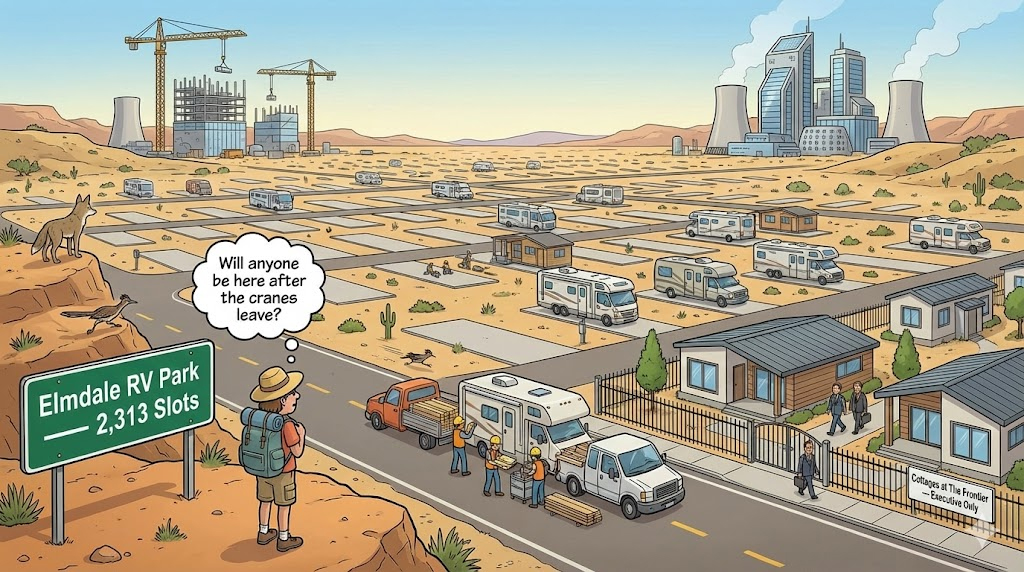
Two massive RV parks tied to the AI boom could soon reshape Abilene, Texas, where traditional housing is hard to come by. The first park is the $15 million Cottages at the Frontier with about 945 RV sites on 109 acres. The project is designed specifically to house workers for a nearby $25 billion data center campus, one of the largest in the country, expected to employ thousands. The park would include paved roads, walkways, and amenities such as a gym, dog park, pickleball courts, and green space. But wait… there’s more!
Speaking of AI data centers… Data centers near national parks are moving closer, and that could change what you hear, see, and experience when you stay. A new report warns that more than 70 National Park Service sites could be affected by rapid data center growth. Demand for cloud computing, streaming, and AI has exploded. And all that digital activity has to live somewhere—in the form of large, power-hungry facilities built on real land. Your campsite might soon be a lot louder…
You’re sitting outside the rig, maybe early morning, maybe late afternoon. Coffee in hand. Quiet. Then—crack. Gunfire. In a national park? Yep. Volunteer hunters are being enlisted to help manage wildlife in national parks. It’s the kind of thing that would make most RVers sit up straight and wonder what just went wrong. But in some places, what you’re hearing may be part of one of those controlled efforts.
The big Amazon spring RV gear sale is underway and runs through Tuesday, March 31. If you’ve been putting off replacing worn-out gear, this may be the time to take a look. We sifted through pages of lookalike items and found a handful that line up with what RVers actually use every trip—water, waste, setup, and safety gear. Check out our best picks.
If you’ve noticed more retirees in campgrounds—and not many lining up for glamping tents—you’re not imagining it. The older campers’ glamping trend is going in the opposite direction of the hype: Older campers are traveling more, but they’re choosing RVs over luxury camping by a wide margin. New survey data from a 2026 camping report backs that up.
If you have been waiting for a good excuse to plan your next RV trip, National Park Week 2026 just handed you one. The National Park Service recently announced that this year’s celebration will run from August 22-30, 2026. This year’s celebration dates have been changed from their usual April timing around Earth Day, and the NPS has stretched the event across two weekends and made a few other changes, too.
RV shipments continued their slide for the year 2026 in February. Results for the RV Industry Association’s February 2026 survey of manufacturers found that total RV shipments ended the month with 29,206 units, an 11.1% decrease from the 32,871 units shipped in February 2025. For the year, shipments were off 10.9%. Continue reading.
A quiet blueberry barren in Northport, Maine, has turned into the center of a heated debate over a proposed RV park—and now a possible 180-day moratorium on new campgrounds. Town officials want time to review rules as residents clash over development versus preserving open space. For RVers, it’s another sign that new camping options may face growing resistance in scenic areas. Here’s the story.
Lorelei Scott had lived in her RV in British Columbia for four years. Strange noises under the rig weren’t unusual. She’d come to expect the occasional nighttime visitor—usually raccoons. So when she heard a loud rustling and what she described as “angry cats,” her first instinct was to go outside and take a look. But something stopped her, and that hesitation may have been the smartest move she made all day. Yikes!! (Hint: It was NOT raccoons!)
DON’T WAIT FOR THE NEWS: Did you know you can receive a daily roundup of the latest news for RVers? Delivered to your inbox Monday-Friday, we’ll send you the biggest headlines. Stay up to date, learn about important closures, recalls, and much more. Click here and subscribe to “Breaking RV News.”
Road-ready gadgets that make RV life easier, especially for seniors
Gail Marsh writes, “Living the RV life should feel like freedom, but lately it’s been a bit of a struggle. My husband awaits knee replacement surgery, and I’ve been on the hunt for tips, tricks, and gadgets that can help restore his joy of RVing and also keep us comfortable (and safe) as we RV. Here’s what I’ve found.”
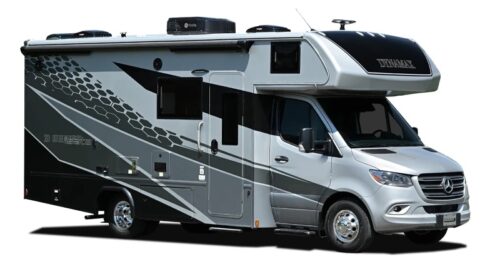
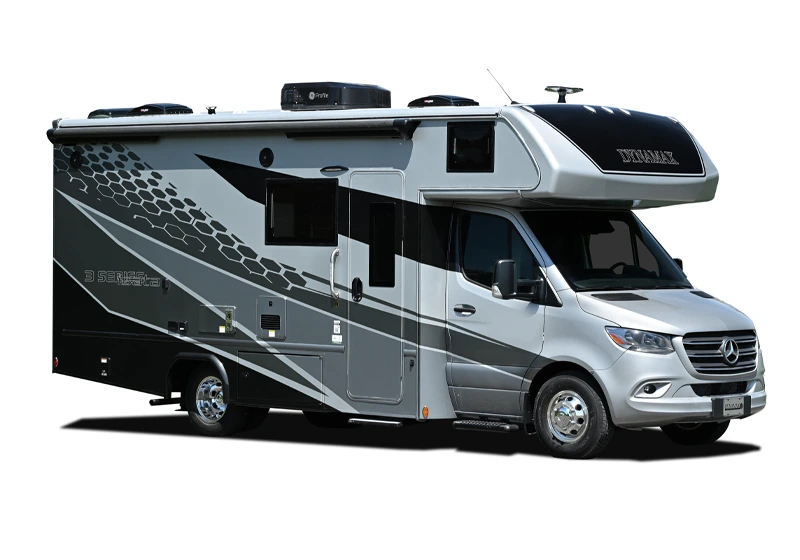
RV review 2026 Dynamax Isata 3 24FW— A compact Class C that doesn’t skimp on amenities
By Gail Marsh
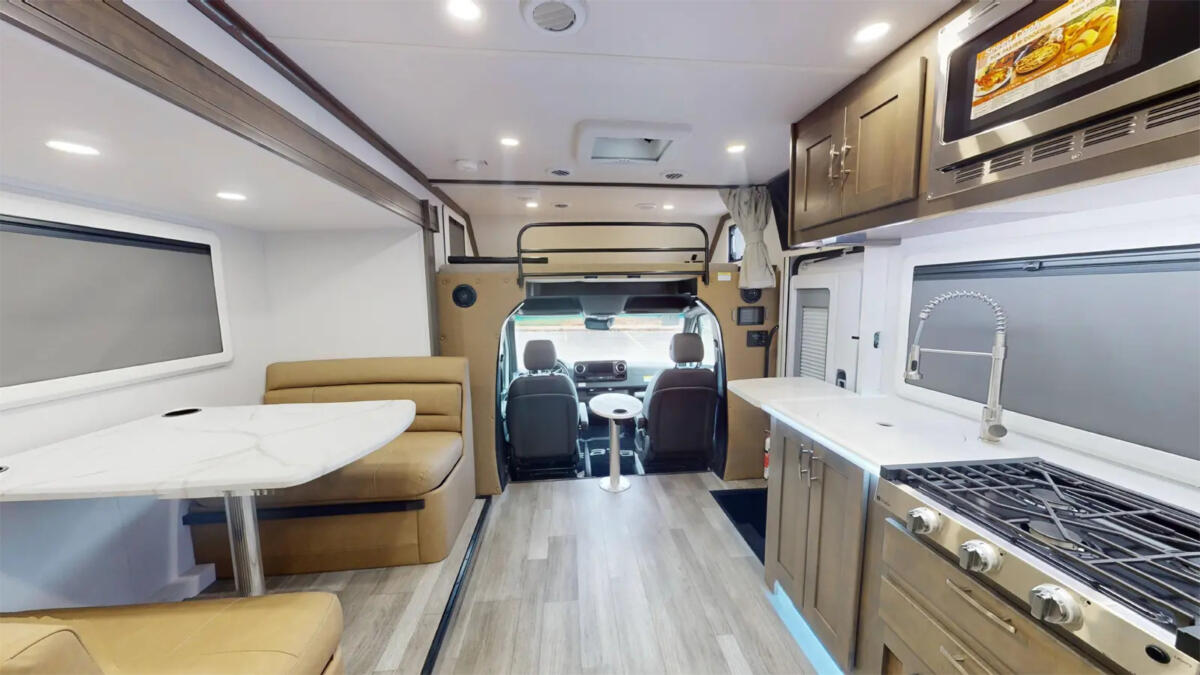
I’ve been looking at several Class C RVs lately, and like most of what I see in the 2026 Dynamax Isata 3 24FW. In my opinion, this Class C is a good choice for couples who prefer a smaller rig but don’t want to skimp on the amenities. Dynamax builds the Isata 3 with durability in mind, and the 24FW reflects that approach. Take a look and let me know what you think.
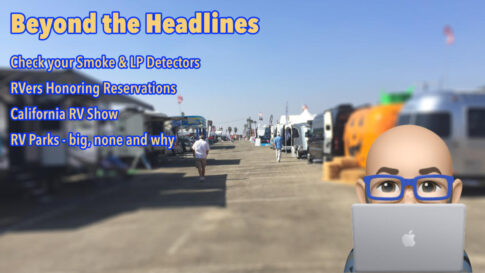
Beyond the headlines with Tony Barthel
Campers are changing their ways as RV industry tensions rise
Campers are stepping up—more are actually showing up for reservations—but that’s just one piece of a much bigger shift happening across the RV world. From a rebounding California RV show to massive new parks, stalled developments, and growing pressure on the industry, Tony connects the dots on what it all means for your next trip.
News briefs
Another wave of scam text messages is circulating across Idaho. They claim that an outstanding traffic fine must be paid online or that a vehicle registration is overdue. “They … look official but are completely fraudulent,” said Lisa McClellan, Idaho DMV Administrator. “If the link does not end in a dot gov address, it’s a scam.” Other states are reporting the same activity.
Campgrounds at Georgia’s J. Strom Thurmond Lake, also known as Clarks Hill, are reopening for the spring and summer season, with most sites available now.
Grand Canyon National Park will open its North Rim May 15 for the summer season. All paved roadways inside the park will reopen, including Highway 67, Cape Royal and Point Imperial Roads. RVs or vehicles longer than 22 feet long will not be allowed on Cape Royal and Point Imperial Roads because of tight turns, limited parking and narrow conditions.
Northwest Indiana leaders are pushing to have sections of U.S. 12, an early pre-interstate highway along Lake Michigan’s southern shore, designated first as a State Scenic Byway and ultimately a National Scenic Byway. The route passes dunes, beaches and steel mills, offering a mix of natural and industrial scenery.
Pilot Eats Express, a grab-and-go companion to Pilot Eats, is rolling out at approximately 200 Pilot-Flying J Travel Centers. It delivers artisan-style pizza, chicken wings and tenders and snackable sides made for eating on-the-go.
Despite rising gas prices, the California RV Show, held March 20-22 in Pomona, Calif., drew more than 20,000 paying visitors. It was the first major RV show in Southern California in almost six years.
Buc-ee’s will break ground April 7 on a new travel center in Forsyth, Georgia, its fourth location in the state, at 1080 Rumble Road. It will span about 74,000 square feet with 100 fuel pumps. Buc-ee’s now operates 54 locations nationwide and continues expanding across the Southeast and beyond.
Winnebago Industries reported fiscal Q2 2026 revenue of $657.4 million, up about 6% from a year earlier, as higher prices and product mix offset lower unit sales. Net income improved to $4.8 million from a loss last year. Motorhome sales climbed roughly 29% while towable RV revenue declined about 9%.
George Byron Lee, 77, was killed following a camper fire that was started by a space heater in a small RV park in D’Iberville, Miss., this past week. The fire occurred overnight and burned out on its own, but not before taking Lee’s life.
The 47th Annual York RV Show was held March 20–22 at the York Expo Center in York, Pa. Paid admissions were reported at a mere 3,000.
Santa Barbara officials are exploring a plan to convert 127 waterfront parking spaces at Chase Palm Park into overnight RV sites which could generate up to $348,000 a year. The proposal could create 16 to 26 “dry camping” spaces for self-contained RVs, with no hookups or restrooms, at nightly rates around $100–$110.
The $7,000, 80×40-foot American flag along I-80 at Camping World in Roseville, Calif., is flying once again, roughly two months after thieves stole it, causing thousands of dollars in damage to the flagpole.
Theodore Roosevelt National Park will transition to a fully cashless fee system beginning May 1. Entrance fees and other in-person sales will be processed using mobile payments, credit cards, or debit cards at park sales outlets.
The Family RV Association (formerly FMCA), reports that it had a successful International Convention March 18-21 in Perry, Georgia. Although 1,005 member RVs were registered, some cancelled last-minute for various reasons. In its heyday in the late ’90s, more than 7,000 RVs would be on hand for the annual event.
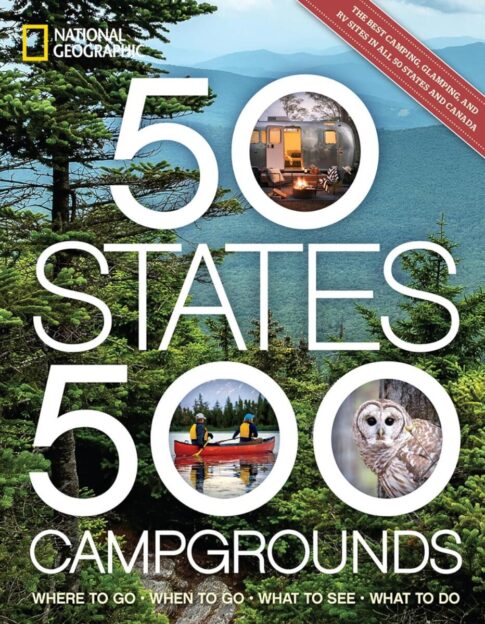
500 campgrounds worth the drive
In this comprehensive sequel to National Geographic’s best-selling 50 States, 5,000 Ideas, you’ll discover the 500 best camping destinations across the United States and Canada. You’ll find 10 featured campgrounds in every state, plus tips on what to do, where to eat, and must-see attractions nearby—from national parks to local gems. Learn more or order.
Tanner Toons with Tanner Woods
You may share this Tanner Toon, unaltered, on your website, blog or social media with our compliments. The musings from Tanner Woods’ creative mind appear in this newsletter every Saturday and Sunday and in many RV Daily Tips newsletters through the week.
FACTOID: American frontier pioneers were sometimes so desperate for a cure for their ailments that they turned to a “quacksalver, or quack, for short. Quacks claimed to have miracle cures for all sorts of illnesses, some of which contained unhealthy or even dangerous ingredients. Today we call a doctor with questionable credentials a quack.
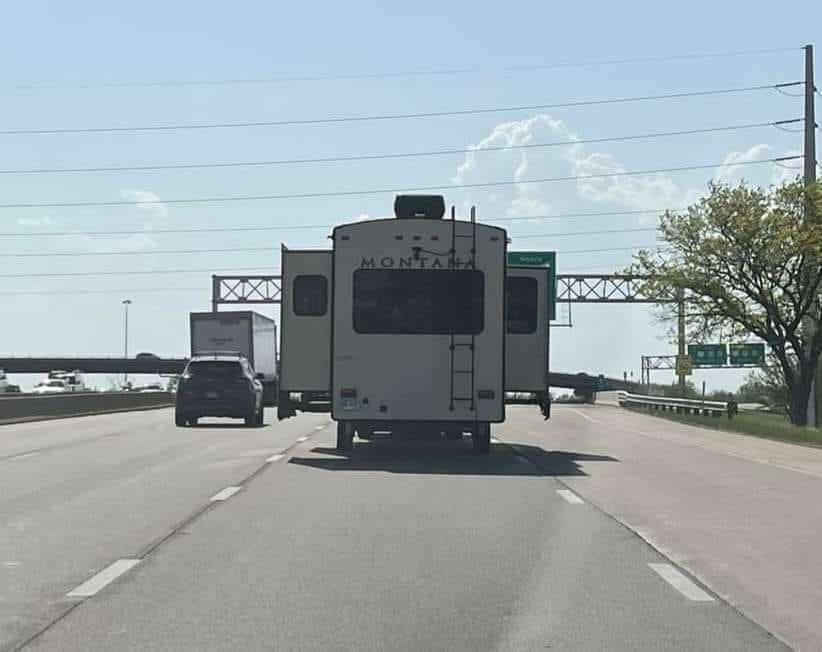
Keystone is recalling certain 2026 Montana fifth wheel trailers. The 12-volt and 120-volt wiring may be improperly secured so the wires may be pinched and damaged when the bedroom slide-out moves. More info: 866-425-4369 regarding recall 26-480.
The countdown is on:
There are 2-6 more days until the Washington, D.C., cherry blossoms reach their peak bloom.
**If you’re near Las Vegas, NV, be sure to see Dave Solberg at his always educational and entertaining seminars at the Las Vegas RV Show through tomorrow, March 29.
Trivia
According to botanists (those who study plants), a fruit is the part of the plant that develops from a flower. It’s also the section of the plant that contains the seeds. The other parts of plants are considered vegetables. These include the stems, leaves and roots—and even the flower bud.
Laugh of the week
Top scams RVers should watch for right now
Scammers are getting smarter as travel season picks up—and RVers are squarely in their sights. Here are three scams making the rounds right now:
• “Campground reservation” phishing texts: Messages claiming there’s an issue with your upcoming reservation, urging you to click a link to “confirm” or “pay a balance.” The link leads to a fake booking site designed to steal your info or payment.
• Fuel pump card skimmers (still surging): Skimmers are popping up again at busy travel stops. If the pump looks tampered with or won’t accept tap-to-pay, move on—and consider paying inside.
• Fake RV parts and service deals online: Deep discounts on hard-to-find parts or mobile RV repair services advertised on social media. Payment is requested upfront, then the seller disappears—or sends junk.
Today in history
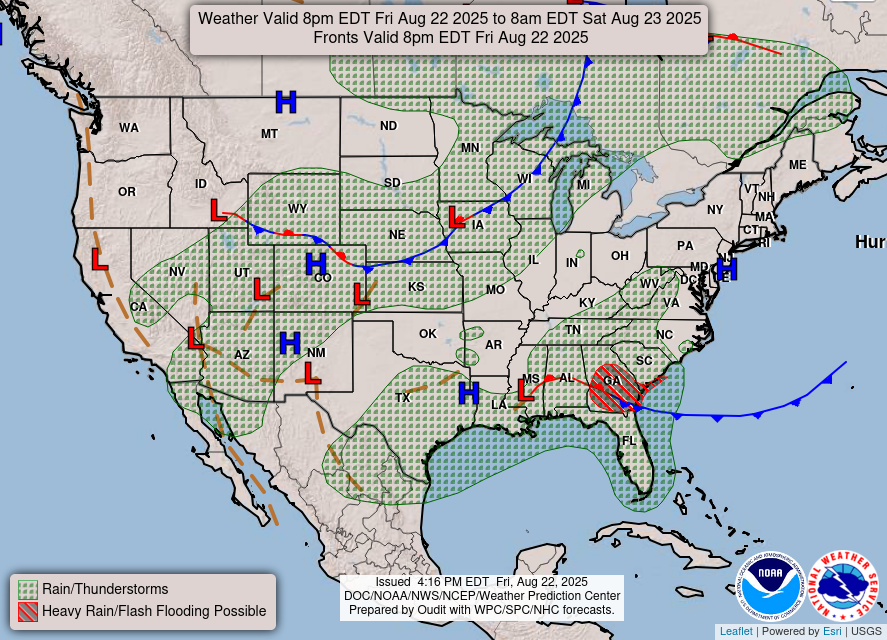
Today’s weather forecast across the nation THIS MAP UPDATES TWICE A DAY
Has this ever happened to you? You’re ready to leave your campsite. Checkout time is upon you. Everything is packed up. It’s time to push the button that retracts your slideout. But, Oh, no! Nothing happens when you do! The slideout is stuck in its “out” position.
You check everything to figure out what could be wrong. You try a few things, but no luck! You once read that when this sort of thing happens you can retract the slide manually, but you can’t remember how to do it. Or you’ve got a bad back and you know getting down under the slide and messing around with it could be very bad news for your spine.
So what do you do? The park has been packed every day since you arrived, so you know the camper who has reserved the spot you’re currently in will be along soon.
This is not good, right?
And let’s be honest—this isn’t just a minor inconvenience. A stuck slide can throw your entire day (or trip) into chaos, especially if you’re on a tight travel schedule or the campground is fully booked. Suddenly, you’re troubleshooting under pressure, hoping for a quick fix while watching the clock and wondering how long the next guest will wait before knocking on your door.
Has this ever happened to you, or something similar where your slide (or slides) was stuck and you couldn’t continue your trip on schedule? If so, after responding to the poll, please leave a comment and tell us your story.
In this week’s Beyond the Headlines, I want to first welcome those of you who are bringing your campers out of hibernation back to the camping world. Well, not Camping World, but back among those of us who have been camping.
I got a good reminder from Jason Epperson of RV Miles to check all the batteries around the RV as step one, and that’s especially true of smoke and LP detectors, too.
The battery in these things can fail over the winter, and while we’d normally be annoyed by the chirping of them, you may not have heard that while the RV has been in its winter nap, that battery may have completely died.
We have reported on several RV fires here, and it’s good to test and likely replace those smoke and LP detector batteries before you set out on your first journey.
Y’all are being good campers
According to The Dyrt, an app for finding campsites, we campers are being better about utilizing the reservations we’re making.
In their 2026 Camping Report, The Dyrt reported that only 58.9% of campers said they showed up every time they reserved a site in 2023, but that number jumped all the way to 70.7% in 2024 and 72.9% in 2025. Also, the number of campers who arrived a day or more late fell by 9% last year, and no-shows decreased by 5%.
The report—compiled from the results of surveys conducted with thousands of members of The Dyrt Community, a representative sample of U.S. residents, and camping property managers across all 50 states—also found that short-notice cancellations increased by 22% in 2025.
Because availability has been such a hot-button topic in the camping industry, The Dyrt asked both campers and property owners the same question: Is it OK to reserve sites on multiple dates, knowing all won’t be used, for the purpose of providing options and flexibility?
Campers generally don’t support this approach, with 61.3% saying no, 35.5% saying yes as long as they cancel the extra sites well in advance, and only 3.2% saying yes. Camping property owners were slightly more favorable to this idea with less than half (49.8%) saying no, with 36.2% saying yes as long as they cancel with plenty of notice, and 14% saying yes.
California RV Show was a success
According to Woodall’s Campground Magazine, the California RV Show, held March 20-22 at the Fairplex in Pomona, was a resounding success. California is a huge RV and camping market, but has been without a solid RV show since 2020. At that time, the show was considered a manufacturer’s show where companies would bring rigs in. But this was a dealer’s show, although many manufacturers had reps there. There were even some new rigs displayed. [For another eyewitness report, read Dave Solberg’s post.]
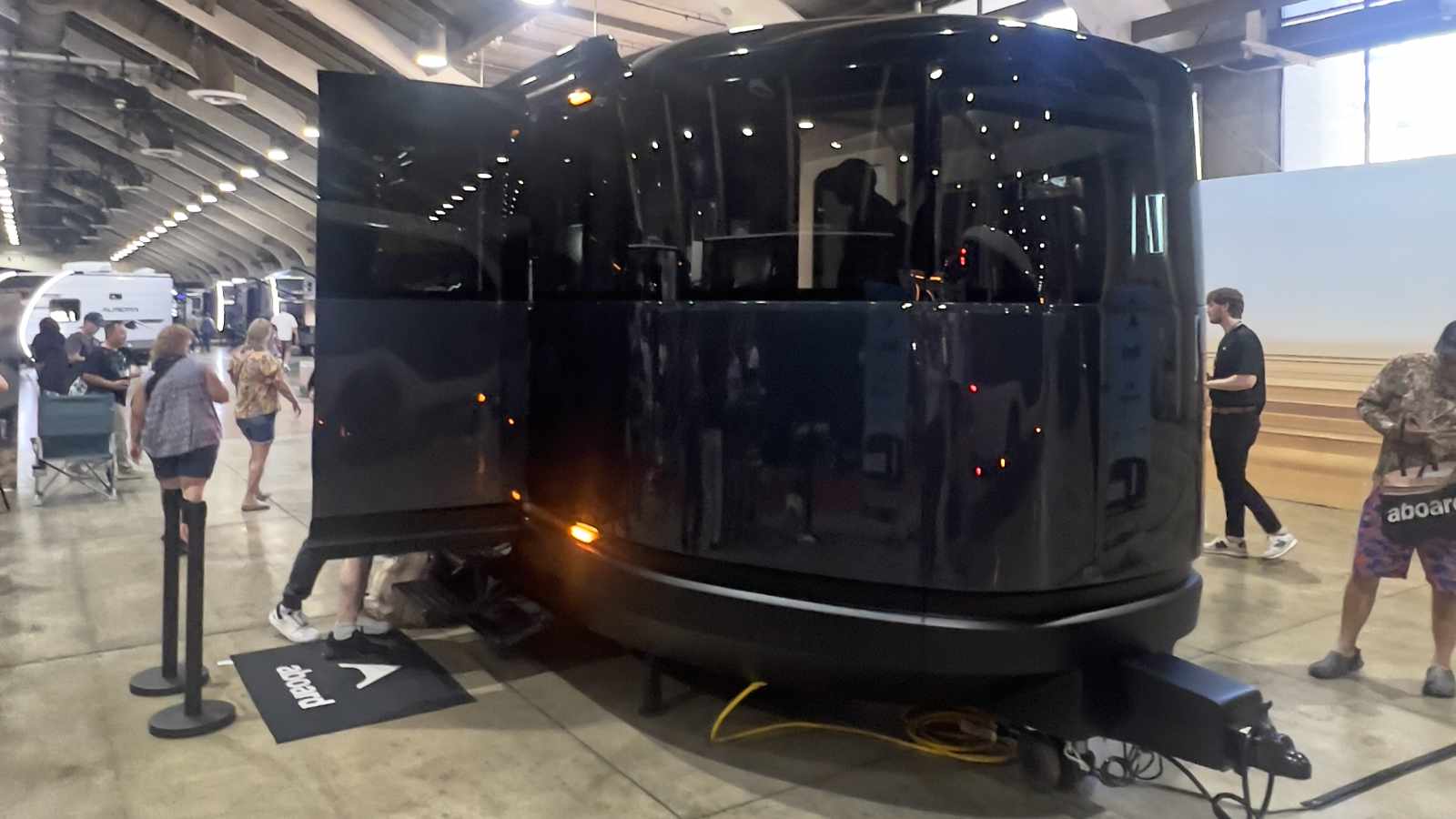
One of the new rigs displayed was the Aboard RV, another of those electric trailers like the Pebble, Evotrex, and Lightship. Again, another new trailer that promises to have a big battery and mitigate the losses inherent in towing a trailer by using electric drive motors.
A prototype of the new Aboard RV was shown at the California RV Show. Photo by Ingall Bull.
But the Aboard is also like the others in that it uses a lot of Chinese-made parts, seemingly those used in Chinese EV and hybrid vehicle manufacturing, and then assembles those into an RV here in the good ol’ US of A.
I keep repeating this, hoping the domestic RV industry will take notice. But today’s RV industry is much like Detroit of the 1970s. Quality can be questionable, manufacturing processes are antiquated, customers are grumpy, and the door is wide open to a foreign wave of competition.
Consider that one of my friends who went to the show went specifically to see the new Wingamm offerings, which come from Europe, because domestic motorhomes are just too big.
Wingamm was one of the companies that said they would be at the show, but my friend just couldn’t find them.
There are a lot of RV shows at this time of year. If you haven’t already seen it, I shared 10 tips for visiting an RV show, which I think you will find helpful.
Additionally, Love’s is expanding its offerings to RVers, including overnight accommodations, all over the country. I got to interview the Director of RV Operations at Love’s, Jim Wheeler, for this story (coming in tomorrow’s newsletter).
I bring these up to encourage you all to keep an ear to the ground with regard to your local legislators. While we RVers are familiar with RV parks and what a well-managed park can bring to the community, a lot of people aren’t. I had written that many government decision makers’ only awareness of RVing can be the homeless population they see on the way to the office. Oh boy, did that make some people mad, even though it wasn’t at all intended as a dig against anyone.
The point is, the more we RVers can educate the people making the rules, the better off we all will be. Many communities don’t even have legislation on the books to cover building an RV park, so it’s almost impossible to do so expediently. This is part of why companies are buying the old parks, making them fancier, and then charging us a lot to stay there.
Hopefully, we all can be a voice in the community to make our collective lives better. I did an interview with a couple who had to overcome the hurdles of building an RV park in a community that wasn’t really aware of them in this podcast episode.
As always, I’m looking forward to reading your replies to this and hope you’re already looking forward to a great camping season.
Stay up to date with all the news headlines for RVers. Click here.
I’ve been looking at several Class C RVs lately, and like most of what I see in the 2026 Dynamax Isata 3 24FW.
In my opinion, this Class C is a good choice for couples who prefer a smaller rig but don’t want to skimp on the amenities. Take a look and let me know what you think.
Behind the walls
Dynamax builds the Isata 3 with durability in mind, and the 24FW reflects that approach. The coach uses laminated sidewalls with aluminum framing and block foam insulation. It has a composite fiberglass exterior that eliminates wood in key structural areas.
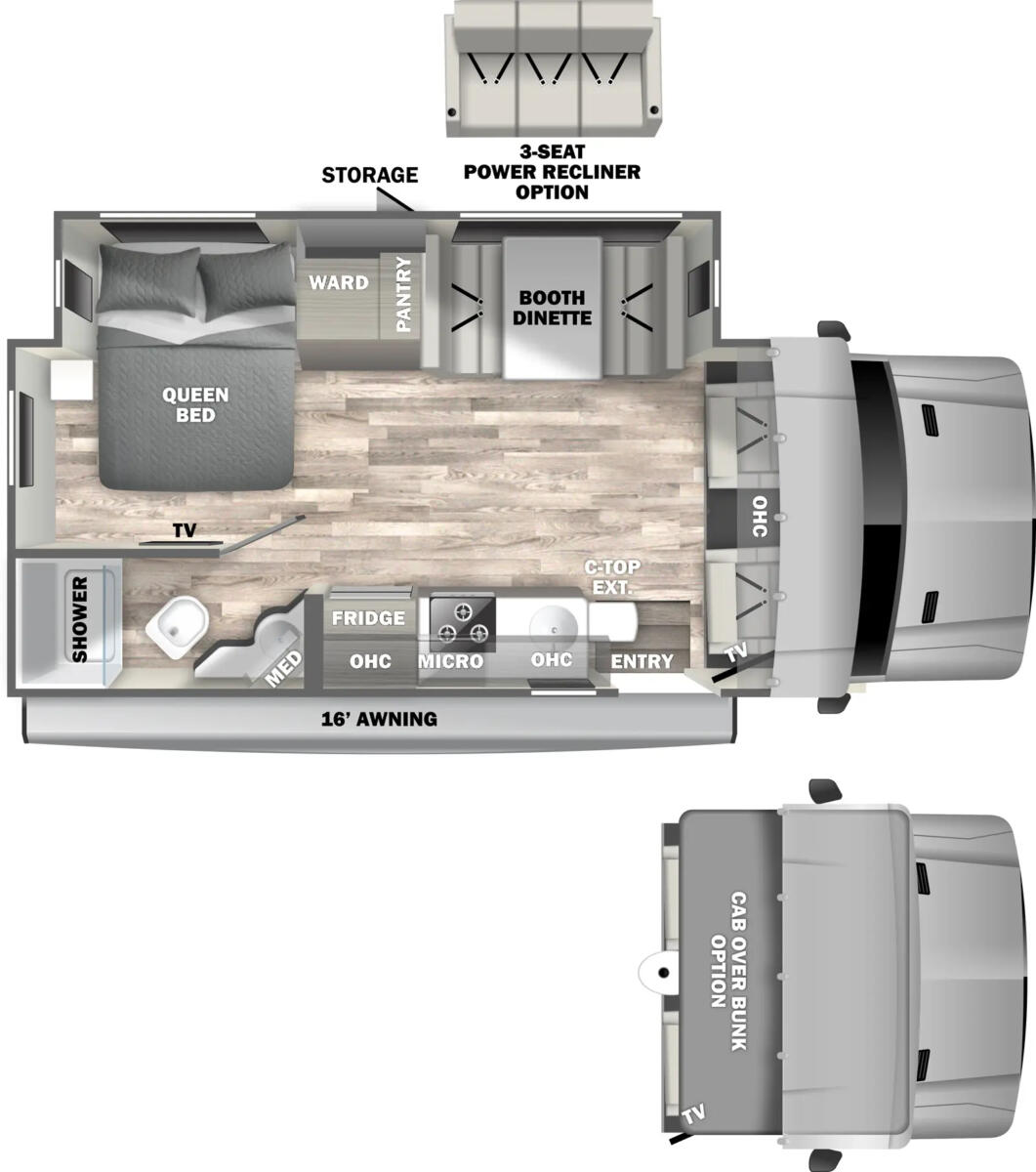
The floor is also aluminum-framed, and the roof features aluminum trusses topped with a one-piece fiberglass cap. The 24FW includes one full-wall slide, which runs nearly the length of the coach and plays a major role in opening up the interior.
A feature I really like is the windows that open fully. With that feature and the window placement, getting a fresh breeze inside this RV will be easy. There’s also generous basement storage available.
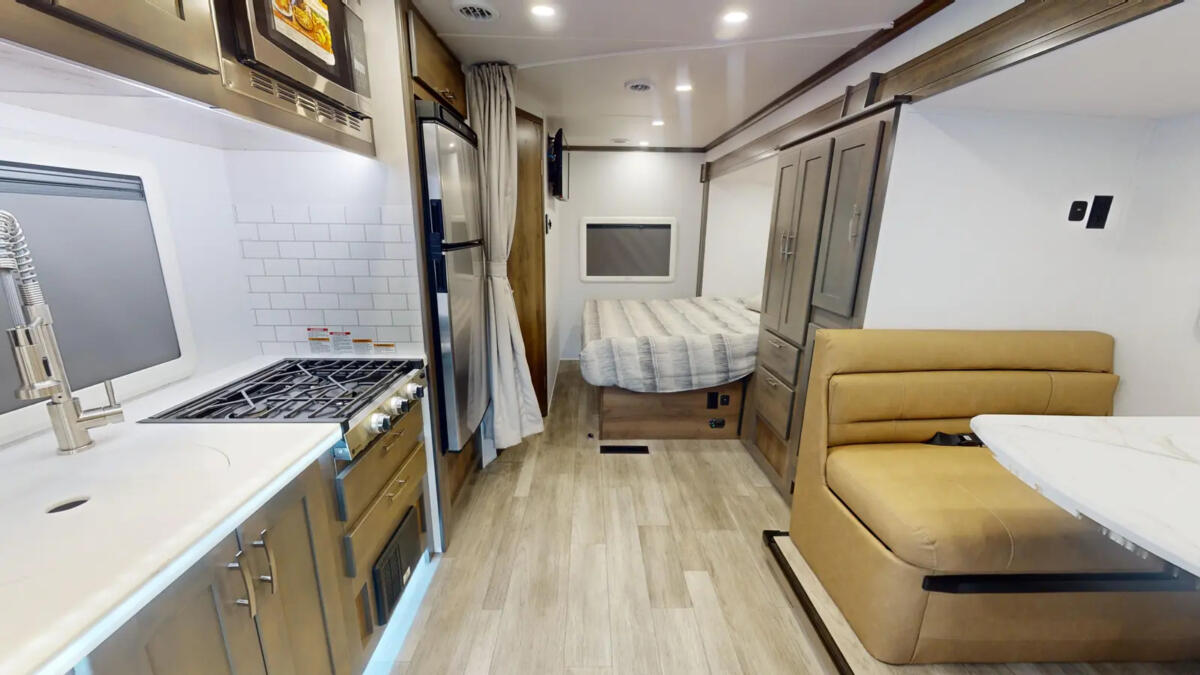
I like the integrated screen door that greeted me in this RV. One step inside and I immediately noticed the feeling of space—something you won’t get in many Class C’s. The full slide really makes a huge difference! The coach didn’t feel at all tight. Instead, the 2026 Dynamax Isata 3 24FW opens up into a continuous, easy-flowing living area.
I like the upscale finishes with hardwood cabinetry, solid-surface countertops, soft-close drawers, and LED lighting. The clean, light color palette keeps the space feeling bright without feeling sterile.
Cab seats
The 2026 Dynamax Isata 3 24FW’s front seats swivel for convenience and extra seating. They come with “boosters,” which is a bit odd to me. I understand that some folks may want to sit a bit higher, but this struck me as unnecessary, although it’s a better height when facing the interior of the RV.
Kitchen
At first glance, I wondered about prep space in this compact kitchen. Countertop space is quite limited unless you use the sink cover. The extra pop-up counter space will help, at least a little.
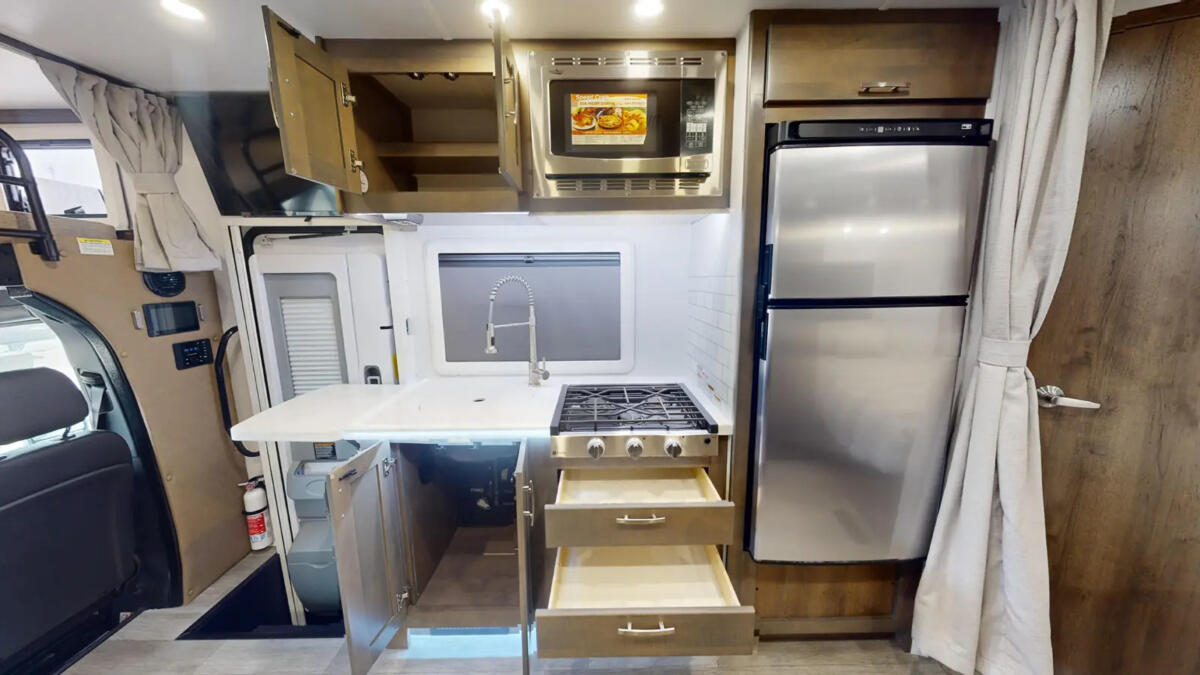
The Dynamax Isata 3 24FW features a two-door 12V compressor refrigerator, a three-burner gas cooktop with cover, and a convection microwave. I appreciate the stainless sink, though it’s quite small. The residential-style faucet is a good design choice.
Kitchen storage is better than I expected for a Class C coach. There’s a large space under the sink and above-sink storage, too. On the opposite side of the coach, you’ll find more storage for dry goods, and the pull-out drawers are a practical feature that I really like.
Living room
The living area is centered around an optional three-seat power recliner, with full recline, heat, and massage. (This option was featured in the model I toured and would definitely be my preference.) A dinette comes standard.
Built-in trays on the recliners are convenient, and the middle of the recliner comes down, forming an armrest, and has additional cup holders.
Across from the recliner, you’ll find a smart TV and a Bluetooth-capable sound system. This layout works well for the way we prefer to camp. Most of the time, we prep and cook outside. When we do eat inside, it’s usually in front of the TV.
With the full-wall slide, you won’t be bumping elbows.
Bath
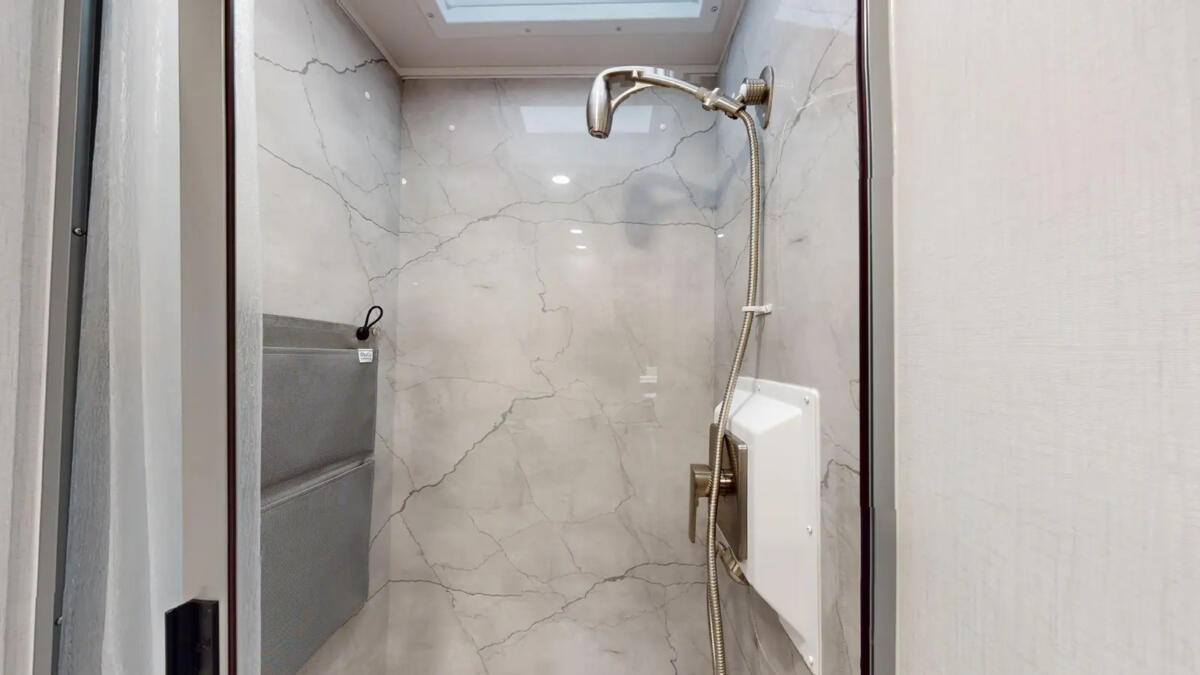
The bathroom was a pleasant surprise. It’s positioned mid-coach and includes a shower, toilet, and sink. (Some smaller RVs use a split-plan bath. I much prefer to have all three fixtures in one space.) The toilet’s position allows plenty of room, the sink top and below storage offers places for bath necessities. There’s a medicine cabinet, as well.
The shower is small, but doable. The skylight helps make the space feel bigger, and I like the upgraded roof vent. Overall, the bath in the Dynamax Isata 3 24FW is practical and makes optimum use of the space. I appreciate that an actual door provides privacy.
Bedroom
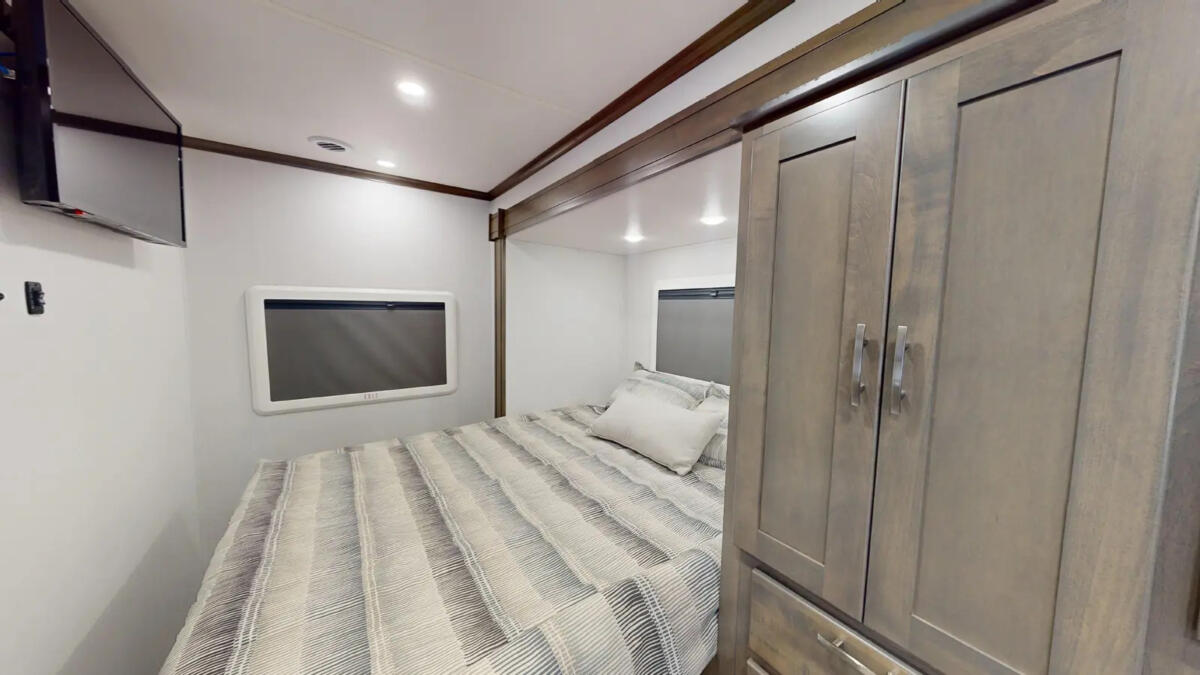
In the rear, the 24FW offers a dedicated sleeping area with a queen-size bed and a gel-infused memory foam mattress. The big downside here is accessing the bed. There is no walk-around space, and that’s a big disappointment to me. However, in a small RV like this, it’s to be expected.
There’s storage underneath the bed, along with wardrobe space and drawers. Reading lights add convenience; however, a CPAP user would need to use a drawer or the closet area for the machine. I do like the privacy divider that separates the bedroom from the main living area.
Dynamax offers an optional cab-over bunk with a mattress and privacy curtain. This adds extra sleeping capacity without changing the core layout. It would be useful for occasional grandkids’ overnights.
Overall take
The 2026 Dynamax Isata 3 24FW stands out to me because it doesn’t try to do too much. Instead, it focuses on doing the essentials well. I like the smart open layout and the upgraded finishes.
For couples who want a diesel-powered coach that’s easy to drive and comfortable to live in, the 24FW is a well-balanced option.
Here’s a video for you to get a better look. Then please share your thoughts about this Class C RV using the comments below.
We use cookies to ensure that we give you the best experience on our website. By continuing to use our site, you consent to accepting cookies. We NEVER have or will sell reader's data. For more info, please see our privacy policy page.