Dear Dave,
You recently ran a post about different lubricants for specific areas and WD-40 was only recommended by HWH [Corporation]. What areas should we be careful not to use it on? —Lem, 2021 Grand Design Imagine
Dear Lem,
For years I was a big fan of WD-40, starting with old cars in the late 1960s and early 1970s. Back then, we would get condensation inside the distributor cap and a good shot of WD-40 fixed that. However, in recent years I have found that many of the components on RVs have an inherent grease or lubrication. WD-40 will actually wipe that off and do more harm than good.
Here are some areas and components that should not be sprayed with WD-40
Door locks, latches, and compartment door latches
Trimark is one of the major manufacturers of door locks and latches. Here is what they recommend for their latches, locks, and cylinders:
Products manufactured by TriMark are lubricated and shipped with the minimum amount of lubrication to function correctly when they leave the factory. Many products have a dry-type solid film lubricant applied that will give years of trouble free performance. However, mechanical products do require maintenance and periodic lubrication. The application of a quality lubricant such as Cen-Pe-Co HTLD Grease, or its equivalent, will maintain the quality and performance of the TriMark products.
TriMark ensures high performance grease is used and demonstrates excellent mechanical stability with no breakdown after 100,000 cycles. In addition, it has excellent thermal stability and performs well over a wide temperature range. It is also resistant to water and provides corrosion resistance.
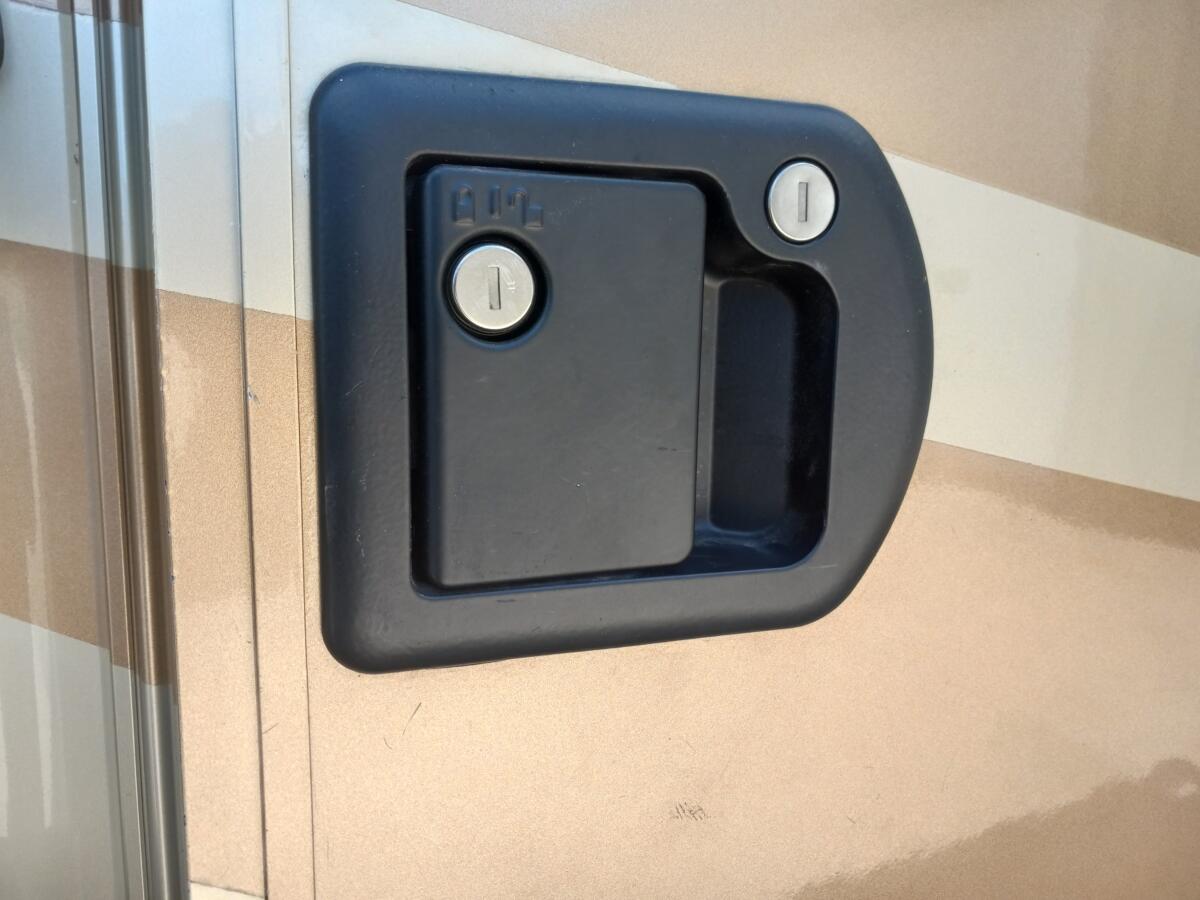
Lock cylinder lubrication
Under certain conditions, the TriMark lock cylinder can experience corrosion build-up that can cause the lock shutter to stick open and the key insertion to be slightly difficult. Depending on application and environmental conditions, the following recommendations should be used: 1) For indoor use – no maintenance is necessary. 2) For outdoor use in areas that endure constant exposure to snow and rain – lubricate with “Tri-Flow” or any other lightweight oil every 3 months. Coastal areas that have constant exposure to salt atmosphere may require more frequent applications. 3) For outdoor use in areas where there is not constant exposure to moisture and dust – no lubrication is recommended. Do Not use a heavy grease or WD-40.
Slider windows
According to Hehr and other manufacturers, it is not recommended to use WD-40 on the slide rails of windows as it will attract grit and deteriorates the rubber seals. It is best to use powdered graphite or a dry lube.
Cabinet doors and drawers
WD-40 will penetrate into wood when applied to lubricate hinges, sticky doors, or wooden drawer tracks. It will not only stain the finish, but can also deteriorate the wood itself. It is recommended to use beeswax or even a bar of soap.
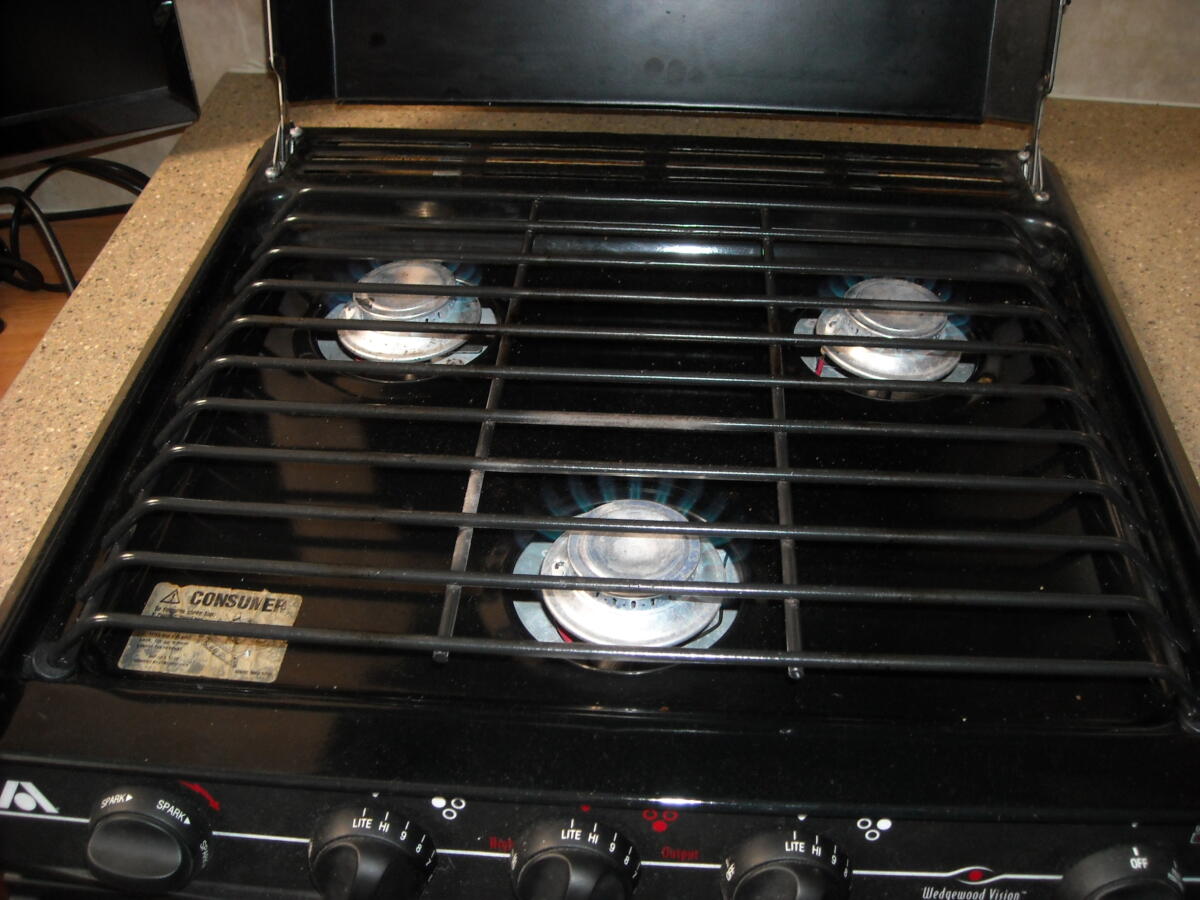
Liquid propane (LP) stovetop, oven, furnace, or water heater
WD-40 is flammable, so using it around any appliance that has an open flame can be dangerous.
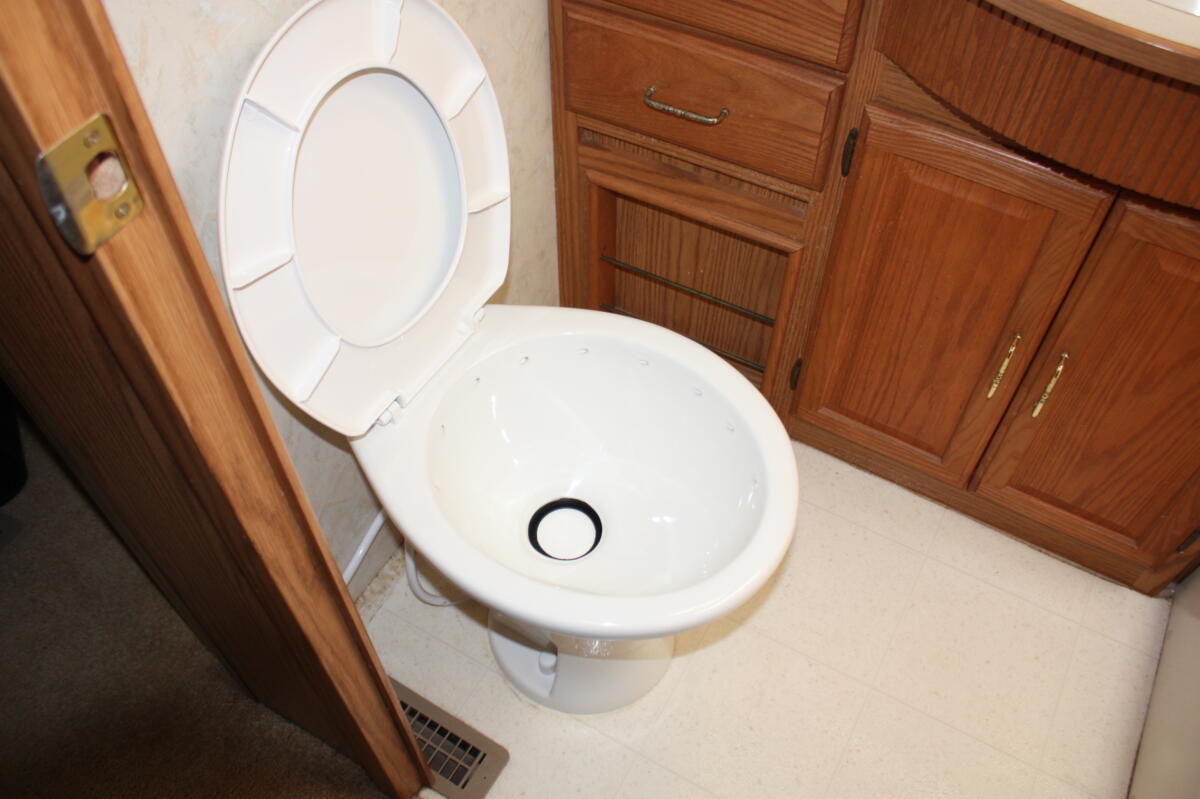
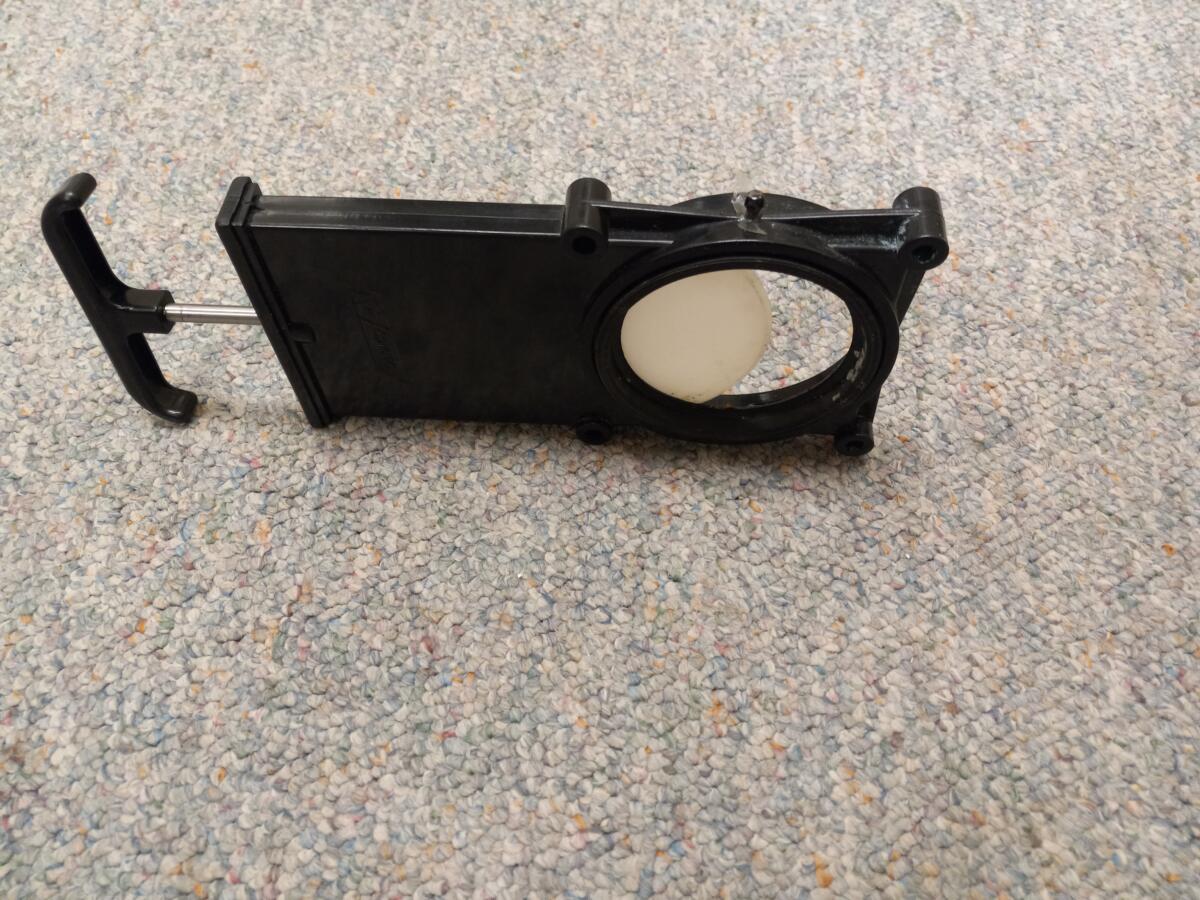
Toilet flange or dump valves
Since WD-40 degrades rubber, using it on the toilet seal or dump valve lever can cause the seal to deteriorate and leak. Also, it will wash away any inherent lubrication on the valve bar.
Polycarbonate and clear polystyrene plastic
According to their website, WD-40 is great on most plastics. However, it should not be used on impact resistant and clear plastics like eyeglasses and lighting fixtures, It can be difficult to tell what type of plastic is used in your RV, so do a test in a small area before applying.
Electronics
Items such as phones, tablets, keyboards, and light switches or buttons can stick, but using WD-40 can seep inside and cause damage.
Anything that comes into contact with food
WD-40 is not food-safe and should not be use to lubricate or clean any device, utensil, or appliance that has the potential of coming into contact with food.
The front of your RV
Bugs, tar, and grime have always been difficult to get off the front fiberglass or plastic components of RVs. I have talked with several owners that spray WD-40 on the front cap, bumper, and grill to make it easier to clean. However, this just attracts grit and can discolor the paint and plastic.
Bearings
WD-40 will degrade the grease designed to lubricate bearings and cause premature bearing failure.
Body parts
Sounds weird, but some people claim to spray WD-40 on knees, elbows, and other joints and claim it helps! WD-40 has a neuro toxin property in its formula that can be drawn into the blood system quickly and can cause damage to your heart.
What WD-40 can be used for
However, WD-40 does have some great qualities—so don’t throw it away until you read the good things it does in this article by Russ and Tiña De Maris here.
You might also enjoy these posts from Dave
- Lubricate pivot points of RV awning arms, and more maintenance tips
- Best way to clean and lubricate RV slideout rails and gear
- Is Vaseline good to lubricate RV slide room seal?
- Water line valves stuck. Is there any way to lubricate them?
Dave Solberg is a leading expert in the RV industry and the author of the “RV Handbook.”
Read more from Dave here.
HAVE A QUESTION FOR DAVE?
Send your inquiries to him using the form below.
RVDT2672



 Some water filters can remove certain bacteria and cysts, but most are not designed to remove all pathogens, including Naegleria fowleri, reliably. If you use filters, make sure they are rated to remove particles as small as 1 micron or less. Even then, filtration alone may not guarantee safety from this amoeba.





 Got one of those shirt closets next to your bed but don’t need it for hanging? Facebook member Beth H. fixed her problem with wire shelving and Command strips from Lowe’s. “I bought a wire shelf from Lowe’s and cut it down to the sizes I needed, then attached Command hooks to the sidewalls and now I have shelves. Easily removed if I need more hanging room.”