Home Blog Page 281

RV Daily Tips. Wednesday, June 25, 2025

Issue 2673


Today’s thought

“Stuff your eyes with wonder. Live as if you’d drop dead in ten seconds. See the world. It’s more fantastic than any dream made or paid for in factories.” ―Ray Bradbury, “Fahrenheit 451”


Need an excuse to celebrate? Today is National Catfish Day!

On this day in history: 1848 – A photograph of the June Days uprising becomes the first known instance of photojournalism.


Tip of the day
Using ketchup to clean your RV’s BBQ grill, plus other tips to keep it like new

By Gail Marsh
Everyone loves to use it, but very few of us like to clean it. What is it? A BBQ grill. This trusty workhorse helps RVers enjoy yummy burgers, steaks, and hot dogs all season long. And that’s exactly why we all need some tips, tricks, and hacks to easily clean our RV’s BBQ grill.

Even a top grill master can have trouble cooking on a dirty gas grill. Excess carbon deposits, burned-on food, and grease buildup all can cause a grill to heat unevenly. And no one wants to taste last night’s grilled fish when they bite into today’s veggie shish kabobs. Continue reading for these expert grill tips.


Ask Dave
Do I need to clean the tree pitch from RV roof before recoating?

Dear Dave,
I was planning on recoating the roof of my 5th wheel this year but I park it under fir trees and the top is loaded with pitch from the trees. (Shame on me for not covering it.) Would the recoat still be effective if I covered over the pitch? Or does it all have to be removed first? Any suggestions on how to remove all the pitch marks, if that’s what I need to do? (There are hundreds.) —Jim,  2013 Heartland Bighorn 3010RE  Read Dave’s answer.


In the RV shop with Dustin
Kayak rack options for trucks and RVs

Hey, kayakers! I always get asked questions about transporting kayaks with an RV, which can be done using various rack systems designed to securely hold kayaks during travel. Here are a few of my favorites among the most popular RV and truck options.


RANDOM RV THOUGHT: When hitting the road for the day, before pulling out, don’t forget to double-check that the doors of your cupboards and refrigerator are closed. Otherwise, you could have a big mess on your hands.


Article and video
11 crucial tips for high-altitude camping

By Cheri Sicard
Life on the road brings all sorts of surprises, especially when exploring the mountains in an RV. Bob and Karri from Life Redesigned know this firsthand after three years of crossing the country from north to south and everywhere in between. Their latest adventures at Black Canyon National Park in Colorado inspired a list of the most important things every RVer should know about high-altitude camping. Altitude doesn’t just change the view; it affects everything you bring with you. RV engines, generators, appliances, and even your own camera notice when the air gets thin.


Featured article
RV tech reveals biggest RVer mistakes

By Nanci Dixon
What are some of the biggest RV mistakes that RVers make? I had the opportunity to ask our mobile tech that question when he had finished working on our RV. Dayton Hill, the owner of Coach Connection LLC in Red Bay, Alabama, has had years of experience both as an employee in every aspect at Tiffin Motorhomes and now with his own business as a mobile tech. These are the things he sees causing the most and biggest problems:


Reader poll
Do you enjoy visiting “haunted” or spooky locations?

Respond here.


Helpful resources

NATIONAL TRAFFIC AND ROAD CLOSURE INFORMATION
ROAD AND TRAFFIC CONDITIONS ACROSS THE NATION
WEATHER ALERTS FROM THE NATIONAL WEATHER SERVICE
LATEST RV RECALLS
DIRECTORY OF RV PARKS WITH STORM SHELTERS
THE BEST RV TRIP PLANNER APPS AND TOOLS
CURRENT WILDFIRE REPORT
CURRENT SMOKE REPORT


Quick tip
Don’t forget to check RV’s fluids before you leave

Bill L. weighs in on pre-pull-out checklists: “Before every run, whether an RV or towable, do we always check our fluids? We all know to check tires, lights, and brakes, but do we look under the hood? It’s easy to lose that habit and replace it with watching lights and messages from the amazing array of monitoring equipment. For the little time it takes to look at the tanks and pull the dipstick, we might avoid unscheduled camping on the shoulder or in a dealer’s repair yard.” Thanks, Bill!


On this day last year…


Website of the day

20 Best Trail Mix Recipes
Trail mix and summer go hand in hand, and now that it’s summer, it’s snack time! Check out these 20 recipes from The Pioneer Woman’s website for making trail mix at home. They’re easy and delicious!


? MYSTERY PRODUCT OF THE DAY ?
We’re not going to tell you which one of our staff members uses this, but let’s just say this thing will forever change the way you use the bathroom… (in the best way possible).


Trivia

The United States has the 5th highest cost of living in the world. It ranks behind Switzerland (#1), Singapore, Australia, and Hong Kong.


Readers’ pet of the day
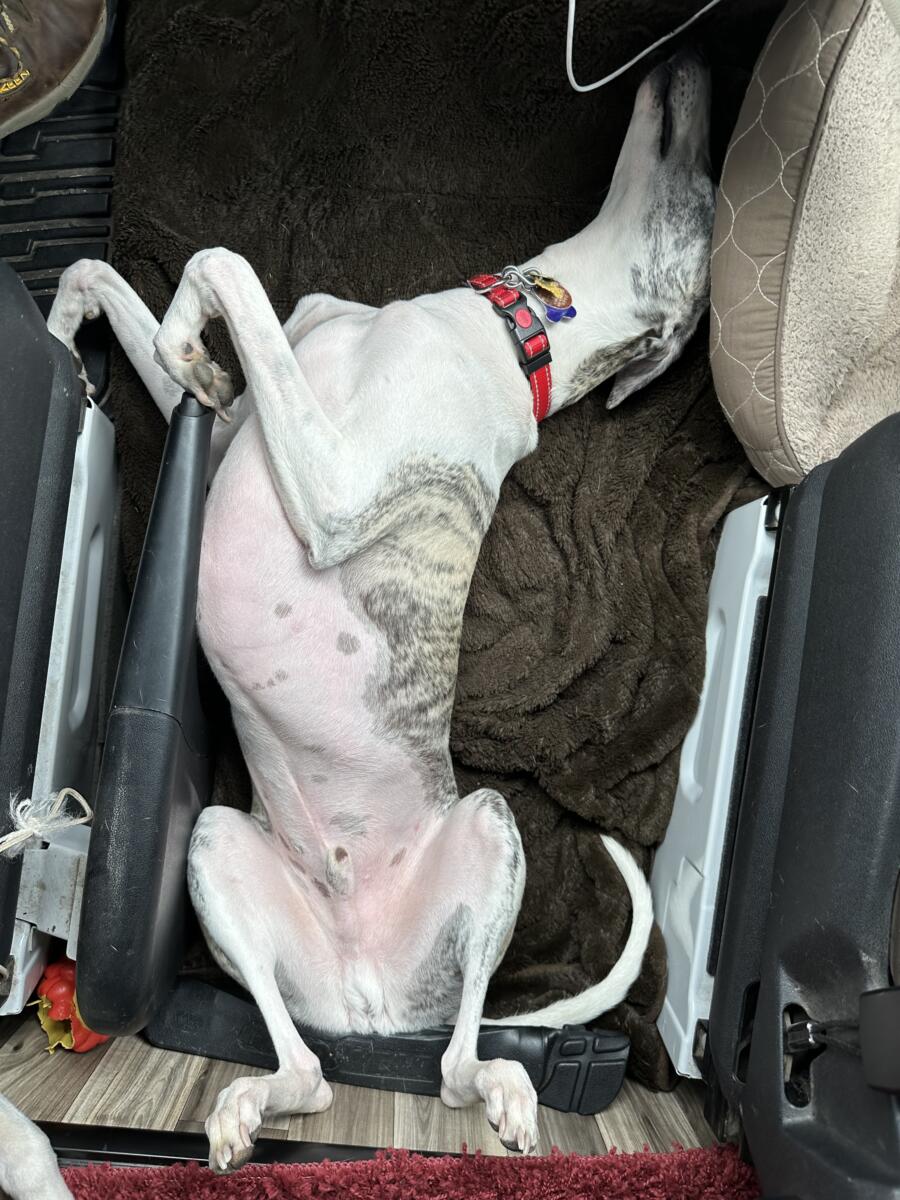
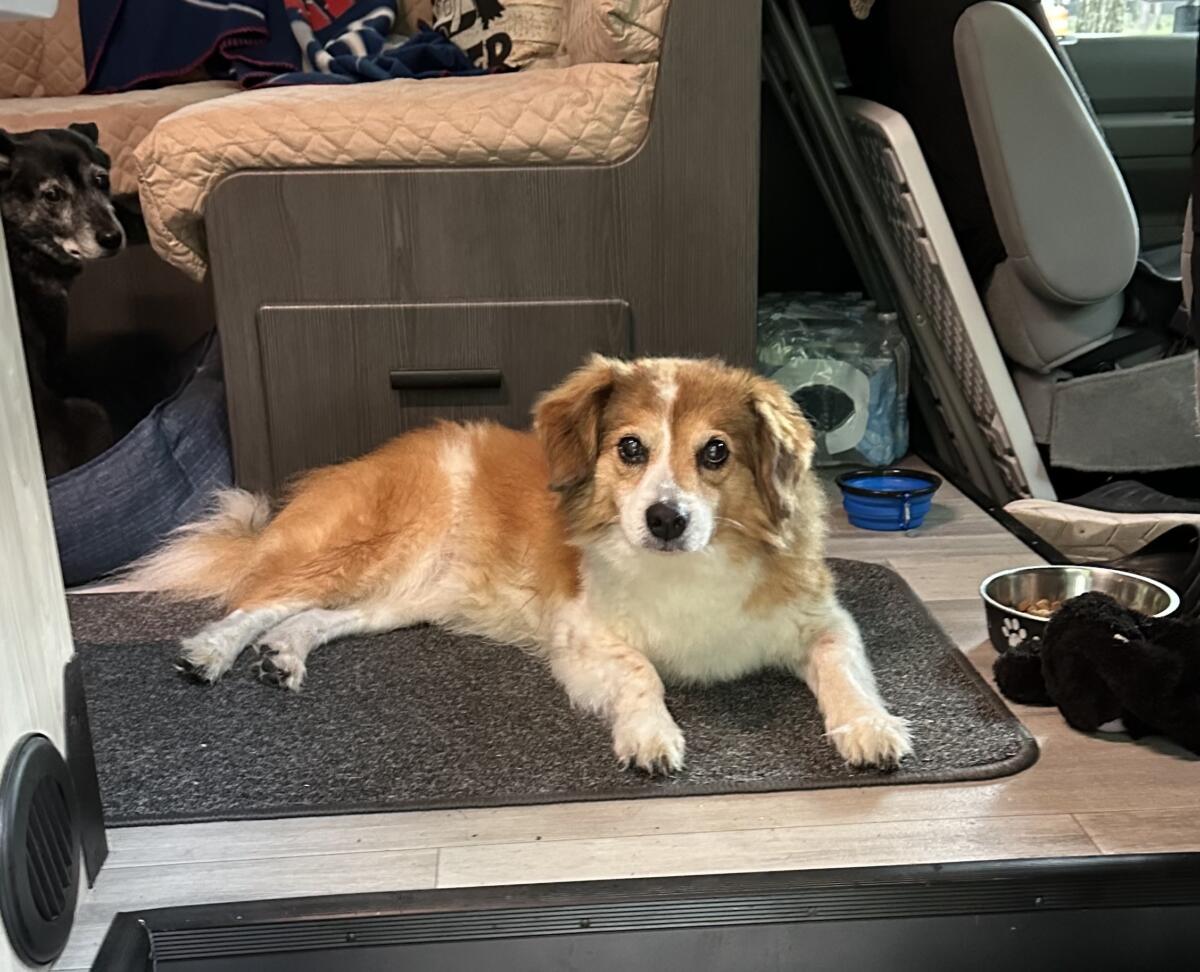
“Rudy (Whippet, age 4) travels comfortably.” —Gary Smith

Send us a photo of your pet with a short description. No blurry photos and please do not submit your photo more than once. Thanks!

RVing with Dogs group on Facebook. You’ll love it.


Leave here with a laugh


Today’s weather forecast across the nation
THIS MAP UPDATES TWICE A DAY
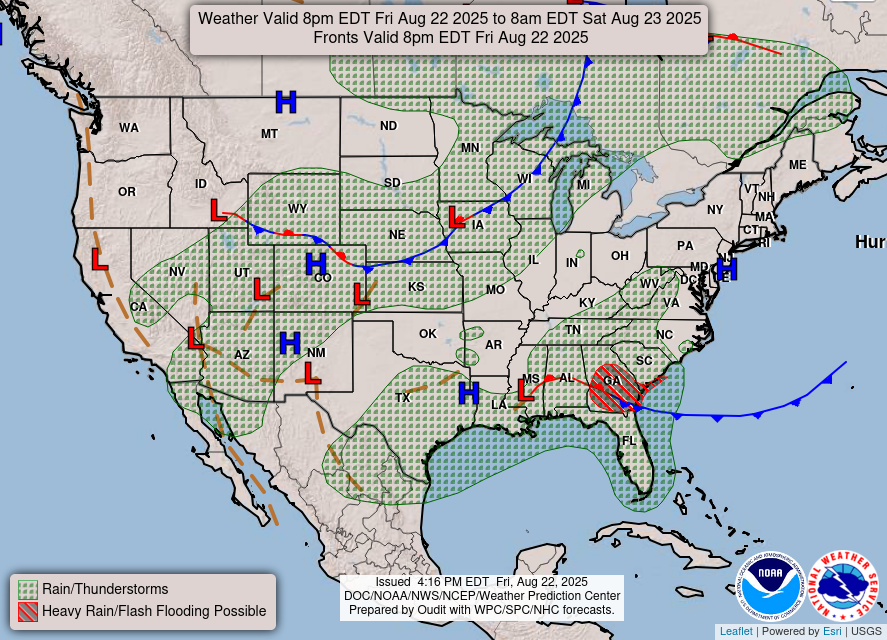
Visit Current National Radar Weather Map
Current fire and smoke map from AirNow


Did you miss the latest RV Travel Newsletter? If so, read it here.
Oh, and if you missed the Latest News for RVers, make sure to catch up here.


If you shop at Amazon.com we’d appreciate you using this link. We get an itty bitty commission if you buy something, but they add up and help us pay our bills (most importantly our hard-working writers!).


RVtravel.com All-Star Team

Click here for information about our staff and how to contact us.

Our policy on using artificial intelligence.

Do I need to clean the tree pitch from RV roof before recoating?

Dear Dave, 
I was planning on recoating the roof of my 5th wheel this year but I park it under fir trees and the top is loaded with pitch from the trees. (Shame on me for not covering it.) Would the recoat still be effective if I covered over the pitch? Or does it all have to be removed first? Any suggestions on how to remove all the pitch marks, if that’s what I need to do? (There are hundreds.) —Jim,  2013 Heartland Bighorn 3010RE

Dear Jim,
As most of our readers know, I was a big fan of Dawn dish soap for years as it was the best at removing pine tar, mold, and other stains on the roof of RVs. However, as Bob Dylan declared, “The times, they are a changin’.” I still use Dawn in certain applications, but not when it comes to ceramic coatings, high gloss fiberglass, and expensive paints.

I am not sure what you are referring to as “pitch.” However, I believe it might be the hard, dark mounds or circles?

(Note from Jim: In your response you said you’re not quite sure what I mean by pitch. It’s a [tree] resin that is a thick, sticky substance that hardens in cool weather but will melt and become sticky again in the heat.)

Recently I had the opportunity to use the RV Roof Magic product on the “Trailer From Hell,” Also, Cheri Sicard, here at RVtravel.com, applied it to her trailer. Two years later, both trailer roofs are holding up extremely well.

First step in RV roof recoating

The first step in the application was to thoroughly clean the roof with a degreaser and fungicide they call “Roof Protect”. I asked about the need to use that product and mild detergent such as Dawn or other rubber roof cleaners. The tech told me that most cleaners may not get rid of the live mold spores or will leave a residue that prevents the roof coating from cross-linking to the roof material.

I have always been skeptical of companies that require you to use every product they have in the line. However, the photos he sent of customers that applied the roof coating without using the Roof Protect changed my mind. The photos showed the live spores germinated under the coating of not only the RV Roof Magic product, but several others, as well. If the spores are not removed, the warm, moist environment of the new coating will make them start to grow and spread.

Description from RV Roof Magic website

Properly prepare your roofing membrane for coating with our Roof Protect. This eco-friendly, biodegradable cleaner is designed to complement our RvRoofMagic and give you the best results from your roof coating application. Other cleaners leave streaks and residues that may jeopardize adhesion to a coating as well as still leaving live mold spores on the roof prior to application.

Our Roof Protect emulsifies contaminants and provides improved surface preparation and adhesion by effectively removing oil, grease, mildew, dirt, and other soils from your roofing membrane. It also contains a mildewcide to kill any mold spores on your roof prior to application. You can also use Roof Protect annually to further protect your roof, allowing dirt, grease etc. to be removed, further extending your roof’s service life.

Directions for use from RV Roof Magic

On your initial cleaning prior to the application of RvRoofMagic use a 1:5 ratio with water. For example, 1 cup of Roof Protect for every 5 cups of water. Wash down the roof with water then scrub with a soft bristle brush and thoroughly rinse and let dry before application.

For subsequent cleanings use a 1:10 ratio. If you are using a power wash with a maximum of 2000 PSI, begin at the lowest point on the roof and work upwards. Once highest point is reached, work down again with a final rinse to remove any excess contaminants from the roof.

Safety Measures: Use protective glasses and clothing when using this product. Do not use on soft painted surfaces at a dilution rate less than 1:30.

I sent your question to my contact at RV Roof Magic and got this response:

Roof Protect, when exposed to oxygen, actually chemically lifts and loosens the dirt and it also has both a mildewcide and fungicide in it.

Some RV Roof Magic products are on Amazon.


 You might also enjoy these posts from Dave 


Dave Solberg is a leading expert in the RV industry and the author of the “RV Handbook.”

Read more from Dave here

HAVE A QUESTION FOR DAVE?

Send your inquiries to him using the form below.

Name
Drag & Drop Files, Choose Files to Upload

RVDT2673

Using ketchup to clean your RV’s BBQ grill, plus other tips to keep it like new

2

By Gail Marsh
Everyone loves to use it, but very few of us like to clean it. What is it? A BBQ grill. This trusty workhorse helps RVers enjoy yummy burgers, steaks, and hotdogs all season long. And that’s exactly why we all need some tips, tricks, and hacks to easily clean our RV’s BBQ grill.

Clean grills are good grills

Even a top grill master can have trouble cooking on a dirty gas grill. Excess carbon deposits, burned-on food, and grease buildup all can cause a grill to heat unevenly. And no one wants to taste last night’s grilled fish when they bite into today’s veggie shish kabobs.

Experts advise that grill owners thoroughly clean their propane grills at least twice a year. (Clean even more often if you notice grime building up on your grill grates.) The first cleaning should happen before you grill the first burger of the grilling season. If your grill has spent the winter in the RV’s basement, it might have cobwebs, dust, and even mouse droppings inside. Nobody wants that kind of “seasoning” on their meat, so get it cleaned up!

About halfway through the grilling season, experts recommend that users once again clean their grill (if needed).

Finally, once grilling season comes to an end, you’ll want to give the grill a thorough scrubbing. That way insects and vermin can’t snack on any “summer leftovers” that may be stuck to the grates, sides, or bottom of your grill.

Clean up that grill! Here are some tips and hacks to help you do just that!

Quick and easy grill cleaning tips

Interior

  1. Steam it off. Pour water into a metal baking pan. Place the pan inside your grill and heat until the water comes to a boil. Then turn off the burners and close the grill lid. Leave the grill closed for about 20 minutes. The steam should help loosen spills and any carbon deposit buildup inside the unit.
  2. Disconnect the gas. Then, use a wire brush to quickly clean the grill grates. (Use grill gloves if grates are too hot to handle.) A putty knife or stiff, metal spatula will remove food spills from the sides and bottom of the grill. Discard the solid residue by scraping it out of the grill and placing the “gunk” on several layers of newspaper. Fold up the mess and safely discard.
  3. Once solid residue has been removed from the grill, use Dawn dish detergent to soak removeable grill parts, like grates and burner shields or flame deflectors. A stiff brush should finish the job after a brief soak. The detergent will cut through residual grease and burned-on food particles. Rinse thoroughly. Be sure to completely dry cast iron grates to prevent rusting.
  4. Check to make sure the grill burner holes are unobstructed. Use a brush to clean clogged holes. Then wipe everything down. Reconnect the gas and heat the grill for 15 minutes or so to eliminate any soap residue.

Rust

While there are many effective rust removers on the market, I hesitate to use them on our grill. I just don’t trust that I can rinse the chemicals off well enough. So, I use ketchup instead. I apply ketchup to any rust spots or rusted areas. After a 15–20 minute wait, remove the ketchup. Much, if not all, of the rust will be gone. (The acidic nature of ketchup does the job. No chemicals needed.)

Exterior

Grease, dirt, and grime will collect on the exterior of your grill, too. You can quickly clean it all away. (Disconnect the grill from the gas first.) Just add a few drops of dish detergent to a bucket of hot water. Then use a sponge to apply the soapy water to the exterior of your grill.

Note: Stainless steel grills can easily be scratched. Do not use coarse scrubbing pads, steel wool, or any other highly abrasive pad on the grill’s stainless surface.

Cleaning grill grates

Once the major grill cleaning is complete, you will occasionally need to clean the grill grates as the grilling season progresses. How often depends on what foods you are grilling. It’s best to remove gooey cheese and other sticky substances immediately. Here are some tips on ways to clean the grates.

  • Grill fork and onion. Cut an onion in half. Then use your long-handled grilling fork to rub the onion over the hot grates. Follow up with a stiff coil brush and any cooked-on food will disappear.
  • White vinegar. Mix equal parts of white vinegar and water. Put the mixture into a spray bottle and use it to apply the solution to the grill grates. After about 30 minutes scrub the grates clean.
  • Coffee. Got leftover coffee in the coffee maker? While you heat the coffee to boiling, remove the grates from the grill. Pour the hot coffee over the grates and use crumpled aluminum foil to scrub the grates clean. (Acids in the coffee will break through grease and food residue.)
  • Dishwasher. If they’ll fit, you can clean your grill grates in the dishwasher. Afterwards, replace the grates and heat the grill for 15 minutes. This will ensure that no cleaning residue remains.
  • Baking soda. Make a paste of baking soda and water. Apply the paste to the grill grates and allow it to sit for 10 minutes. Then use a wire brush to thoroughly clean the grates. Rinse well.
  • Lemon and salt. Halve a lemon. Dip the lemon half into salt and use it to scrub gunk off the grill grates. (This is most effective when the grates are still warm.) Rinse and you’re done.
  • Beer. Pour half a bottle of beer over warm grill grates. Use a coil brush to scrub off food and grease remnants.

Some cautions

In recent years, emergency rooms have had to deal with problems caused by metal grill brushes. The bristles in some brushes can come loose or break off. Then the bristle finds its way into the grilled food and a person unknowingly swallows it. Needless to say, an ingested piece of metal can cause severe pain and is dangerous.

If you choose to use a wire brush, be extra careful. Continually inspect the brush for any damage. Also carefully check places where you use the wire brush. Look for loose pieces that become stuck on the grill grates.

Alternatives to wire brushes

After biting into a wire bristle in my grilled hamburger last summer, we’ve stopped using wire grill brushes. Here are some alternative products we use instead.

  • Aluminum foil. You can crumple up a piece of aluminum foil and use it to clean your grill grates. This works best when the grill is still warm.
  • Coil brush. Check out this alternative. This non-bristle brush works really well!
  • Pumice stone. Don’t let the name fool you. It works well for cleaning stubborn residue on your grill grates, too. Remove the grates. Wet the pumice stone with water. Then use gentle pressure to rub the dirty area. Use a clean rag to wipe off the grate. If any residue remains, repeat the procedure. When clean, wipe the grate with a clean, soft rag.

Do you have any tips or tricks for cleaning your grill? Please share your ideas with us in the comments below.

RELATED

##RVDT2673

11 crucial tips for high-altitude camping

By Cheri Sicard
Life on the road brings all sorts of surprises, especially when exploring the mountains in an RV. Bob and Karri from Life Redesigned know this firsthand after three years of crossing the country from north to south and everywhere in between. Their latest adventures at Black Canyon National Park in Colorado inspired a list of the most important things every RVer should know about high-altitude camping.

Altitude doesn’t just change the view; it affects everything you bring with you. RV engines, generators, appliances, and even your own camera notice when the air gets thin. Less oxygen means engines and generators have less power, making uphill climbs and regular tasks tougher. Travelers may feel it, too, with breathing getting harder and simple activities becoming more tiring.

#1 Engines: Engines at higher elevations work harder since they get less oxygen. Acceleration slows, even when it still feels cool outside. Bob and Karri learned that overheating can happen quickly, sometimes even in 50°F weather. Always watch your temperature gauge and treat your engine gently in the mountains, no matter what the thermometer says.

#2 Safe mountain routes: Safe travel through the mountains demands careful route planning. Winding switchbacks, narrow lanes, and steep grades show up everywhere out West. Bob and Karri use the RV Life Trip Wizard to plan safe routes, check elevation profiles, and avoid risky detours. Google Maps isn’t enough. It may send drivers down closed service roads or paths meant for smaller cars.

Route planning tips:

  • Choose routes built for RVs by checking grade steepness and elevation.
  • Double-check for seasonal road closures.
  • Use RV-specific trip planning tools, not regular GPS apps.
  • Prepare for long, slow climbs and sudden downhills.

#3 Tires and brakes: Tire pressure creeps up with rising altitude, and that can lead to dangerous overinflation. Tires aren’t the only thing affected. Brakes get a serious workout on mountain roads and can overheat fast, especially if you “ride” them on downhills. Whenever possible, use engine braking or switch to a lower gear instead of just pressing the pedal. Overheated brakes can fail, and nobody wants to get towed off a mountain.

#4 Proper attire: Mountain weather doesn’t fool around. Bob and Karri have watched sunny skies turn into snow showers while they were outside grilling. Temperatures can fall 40 degrees in an afternoon, and hail sometimes arrives with no warning. Dressing in layers, packing backup clothes, and making sure footwear matches the weather each day are necessities, not backup plans.

#5 Propane: RV appliances don’t work the same at higher elevations. Stove igniters may refuse to start, water heaters put out less heat, and propane furnaces burn through fuel much faster for half the warmth. Sometimes, Bob has needed to light the stove with a big lighter just to get it going. When hookups are available, electric heaters can save propane—but always check your wiring and use them safely.

#6 Battery burden: Lithium batteries drain faster in cold, high places. They’re also much harder to charge. Bob and Karri discovered their “house” batteries lost juice quickly, especially on cold nights. Know your systems, monitor charge closely, and avoid surprises by preparing for increased power use.

#7 Altitude sickness: Mountain air is tough on the body. Common side effects include:

  • Headaches and nosebleeds
  • Extremely dry nose and skin
  • Chapped lips
  • Racing heart, even with light activity
  • Shortness of breath

Karri found it took more than three days to adjust. Saline spray, lip balm, and extra hydration made things easier, but symptoms lingered for more than a week. Always give your body extra time before tackling strenuous activity.

#8 Cooking and eating: The old saying about water boiling slower at altitude rings true. Meals take longer to cook and odd things can happen like crunchy noodles or undercooked food. Wind also makes grilling tricky, cutting grill temps in half in minutes. The couple found great results switching to an Instant Pot or air fryer when the weather didn’t cooperate.

#9 Wildlife: Camping in mountain country means sharing the neighborhood with hot-tempered wildlife: bears, elk, mountain goats, and others. Never leave food out and always store it in sealed containers. Messy campsites attract trouble fast. Safe storage keeps both people and wildlife out of harm’s way.

#10 Black tanks: At elevation, waste breaks down more slowly, especially in the cold. Using high-quality, eco-friendly black tank treatments helps keep plumbing clear and protects the environment. Nobody wants to deal with a clogged tank at 8,000 feet.

#11 Connectivity and supply challenges: Most high-elevation campgrounds open late in spring or early summer due to lingering snowpack. Once there, reliable cell service is rare. Even companies like Verizon and T-Mobile struggle with signal. Bob and Karri found that satellite internet was the only reliable way to stay connected. Also, be sure to bring enough water, food, first aid, and backups for everything. Emergency help might be miles away and signal out of reach.

Despite the challenges, Bob and Karri still find mountain camping by RV a priceless experience. Crisp air, inspiring views, star-filled nights, and the sense of real adventure all make it worthwhile. Preparation and a healthy respect for high-altitude challenges keep the road fun and safe.

RELATED

RVDT2673

Do you enjoy visiting ‘haunted’ or spooky locations?

6

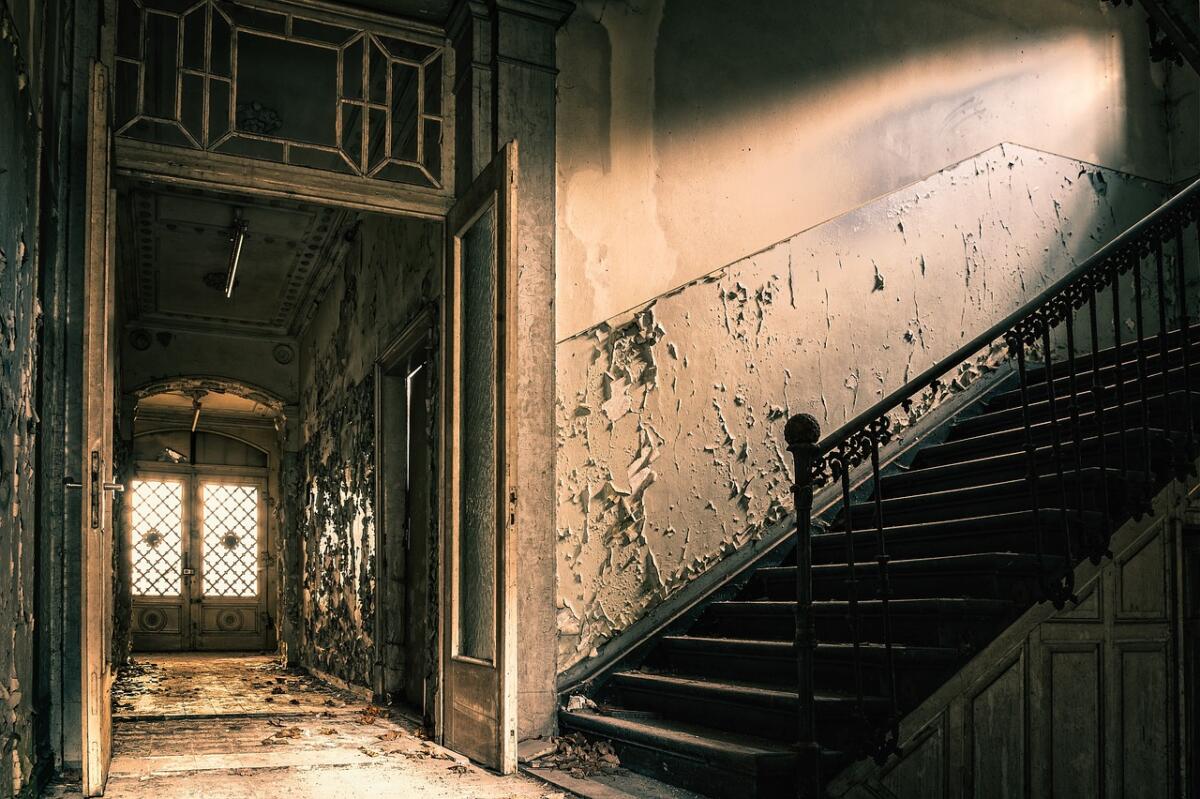
During your RV travels, do you enjoy visiting “haunted” or just plain spooky locations? These could be old cemeteries, old, haunted mansions, abandoned mental institutions, old jails/prisons, or anything else along those lines.

If you do enjoy visiting those kinds of places, do you seek them out on your travels, or do you only visit them if you come across them along your route or at your destination?

There are many places around the U.S. (and world!) that claim to be “haunted.” Have you ever visited a haunted location and had a ghostly or creepy experience?

If you’ve never thought about visiting a “haunted” location, we suggest you give it a try. Even if you don’t “believe” in ghosts, you’ll learn an interesting history about the specific place and/or location. If you enjoy learning about local histories, we bet you’ll love it.

Please leave a comment after you vote.

Oh, and make sure you check out the haunted road atlas below. We love it!


The road atlas for RVers who like to be spooked
Now this is one cool road atlas! If you’re a true-crime junkie, a real horror fanatic, or just like learning about the history of some of America’s creepiest places, this road atlas is for you. Jam-packed with illustrations, fun facts, travel tips, and beverage recs, this guide includes some of the country’s most notorious crime scenes, hauntings, and supernatural sightings. You’ll also find recommendations to the best oddity museums, curiosity shoppes, and more local attractions. Learn more or order.


RELATED

RVDT2673

Kayak rack options for trucks and RVs

5

By Dustin Simpson
Hey, kayakers! I always get asked questions about transporting kayaks with an RV, which can be done using various rack systems designed to securely hold kayaks during travel. Here are a few of my favorites among the most popular RV and truck options.

Popular RV kayak rack options

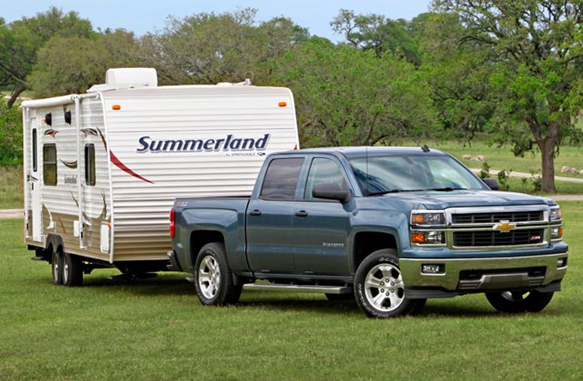
Truck bed-mounted racks: These racks are mounted on the truck bed and hold the kayaks horizontally. They come in various styles, including J-style, saddle-style, and stacker racks. Truck bed-mounted racks require lifting the kayaks into place, which can be a bit challenging but offers the advantage of not obstructing access to the truck bed.

Hitch-mounted racks: These attach to the hitch receiver on your RV and hold the kayaks vertically or horizontally. They can carry multiple kayaks and are easier to load and unload compared to roof-mounted racks. Some hitch-mounted racks also feature a tilt-down design, allowing you to access the rear storage without removing the kayaks.

Bumper-mounted racks: Some RVs or trucks come with a bumper-mounted kayak rack option. These attach to the RV’s bumper and can carry one or two kayaks.

When choosing a kayak rack for your RV or truck, consider factors such as the weight capacity of the rack, the number of kayaks you need to transport, and the ease of installation and use. It’s essential to ensure that the rack is compatible with your specific kayak type and RV or truck model.

Always follow the manufacturer’s guidelines for installation and use to ensure safe transportation of your kayaks.

More from Dustin

Make sure you check out my website, California RV Specialists, and our YouTube channel for more helpful information, and see our published articles on RVtravel.com and other social media pages.

RELATED

RVDT2673

Middle East wars spark fuel price fears, but expert says, ‘Relax’

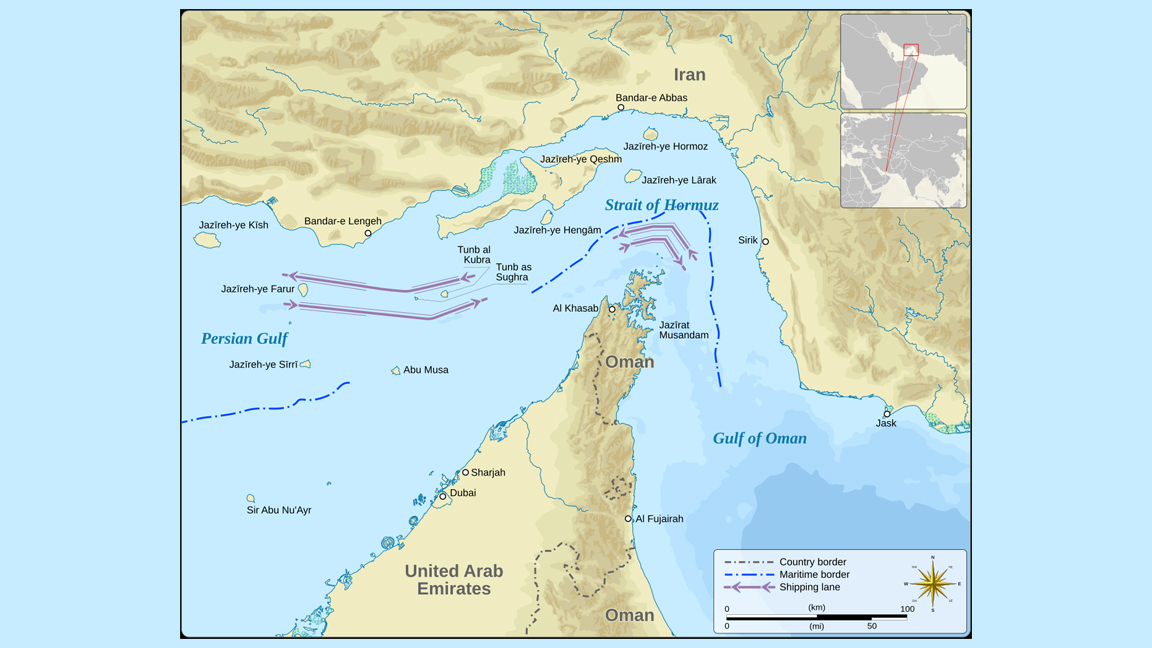
“Oil tankers are rushing to leave Persian Gulf. Analysts predict a record rise in oil prices ($200-450 per barrel).” “If Iran closes the Strait of Hormuz, 30% of the world’s oil and gas supply gets choked. Global shipping stalls. Fuel prices explode. The economy crashes. This isn’t just another war. This is global economic murder.” Such are the comments on social media. Will you get stuck somewhere on an RV road trip when/if fuel prices skyrocket without warning? Here’s a Middle East fuel price reality check from an expert.

GasBuddy’s Patrick De Haan gives Middle East fuel price reality check

Middle East fuel price reality check
Patrick De Haan on X.com

Tensions in the Middle East—particularly between Israel and Iran—have the potential to nudge U.S. fuel prices upward, according to GasBuddy’s latest analysis. For RVers planning summer trips, this could mean moderate increases at the pump, especially for long hauls and diesel-powered rigs. GasBuddy’s Patrick De Haan says gasoline prices may climb 10 to 20 cents per gallon, while diesel could jump 15 to 30 cents, depending on how global markets react in the coming weeks.

But what about those dire social media predictions? De Haan had his own social media post, this one to X.com on Sunday: “Continued incorrect/false rumors talk about an incoming massive spike to [gas prices]. This is erroneous. Incorrect on the highest order. I am expecting the national average price of gasoline to rise an additional 10-30c/gal in the days ahead as of now.”

$3.40 to $3.50 per gallon—maybe even more, but “likely temporary”

In an appearance on Fox News, De Haan was plain-spoken: “If Iran mentions closing the Strait of Hormuz, you can see a quick spike in oil past the $80 barrel mark,” De Haan explained. “That could bring a national average of $3.40 to $3.50. If they’re mildly successful in carrying that out, oil could go even higher, but it would likely be temporary.”

What’s the Middle East fuel price reality check for RVers?

So do RVers have much to fear? So far, there haven’t been any physical disruptions in oil supply, but the risk of conflict near oil-shipping chokepoints like the Strait of Hormuz has caused crude prices to rise. This “risk premium” is already being baked into oil futures, which means even if supply remains steady, fear alone can push prices higher.

For RVers, especially those in larger Class A or diesel pusher units, diesel costs may be the most sensitive. With U.S. diesel inventories already tight, any surge in global prices will be felt quickly on the road. But don’t expect $8.00 a gallon diesel.

If you’re traveling through the West or Midwest, expect some regional variation. GasBuddy isn’t forecasting a nationwide price shock, but if tensions flare up again or spread, fuel stations in rural or high-demand areas may see price spikes that outpace the national average. Don’t panic—plan ahead. Yes, you could pay more for fuel—but probably not enough to worry about having to hock your first-born.

If the current ceasefire between Iran and Israel holds and tensions de-escalate, crude prices could cool, and fuel costs may stabilize or even drop slightly by early July. But until there’s more certainty, it’s smart for RVers to keep an eye on fuel trends, plan routes strategically, and consider filling up earlier if heading into areas with historically higher fuel prices.

RELATED

RVT1215b

Some new Starlink customers face up to $750 fee

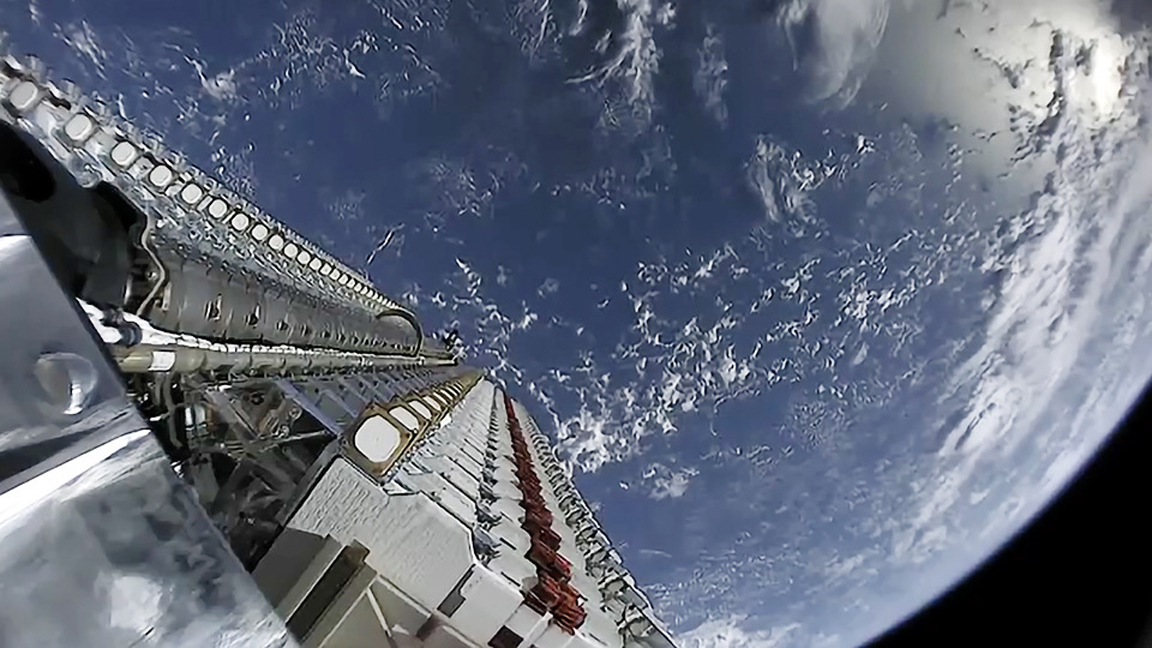
Thinking about getting Starlink for your RV or travel setup? Be aware—you could be hit with a hefty one-time surcharge if you’re signing up in certain parts of the country. Only days ago, we wrote that Starlink was hitting some new customers with $500 surcharges. It’s getting worse. In areas with heavy demand, Starlink has added an extra fee of up to $750 for new customers. This isn’t a monthly charge—it’s a one-time cost added when you purchase service and equipment. The Starlink $750 demand surcharge is a gut-buster.

Starlink $750 demand surcharge isn’t everywhere

The highest surcharges have been reported in places like Portland, Seattle, Spokane, and Coeur d’Alene, where new users saw a $750 surcharge. Other areas are also affected, though the amount varies:

  • Asheville, NC – $500
  • Anchorage, AK, and Phoenix, AZ – $250
  • Sacramento, CA – $100

Meanwhile, some happy cities like Yakima, Washington, and Greensboro, North Carolina, aren’t seeing any surcharges at all.

Starlink is also running a promo in places like Boise, Idaho, and Juneau, Alaska, where you can get the Starlink kit for free—but only if you sign up for a 12-month plan by June 25. That’s a decent deal, but time is running out.

Why the Starlink surcharges?

Why the surcharges? According to Starlink’s website, “in areas with high demand, there is an additional one-time charge to purchase Starlink services.” Basically, if a lot of people in your area are already using the system, new users have to pay more to get on board.

Internet speeds also vary by location. In some high-demand states like Washington, Alaska, and North Carolina, users are reporting download speeds under 60 Mbps, and under 40 Mbps in Alaska. Upload speeds, however, are strong—over 200 Mbps in many places.

Will Starlink $750 demand surcharge hit roaming customers?

Some readers have suggested that these surcharges only affect residential customers, not folks like RVer’s signing up for roam. We’ve found conflicting information about this. Sadly, Starlink doesn’t provide a customer service contact to ask questions like these. However, we did a “dummy run,” by attempting to sign up for Starlink service for an address in Seattle, Washington.

When we tried to sign up for residential service, we were immediately flagged with the additional $750 “one-time” surcharge. So we signed in again, this time asking for roaming service. We went all the way through the signup process, but not clicking the “order now” button. No demand surcharge.

At this point, it does look like roaming doesn’t set you up for the huge fee. However, we can’t suggest that if you want residential service in one of the surcharge areas that you simply sign up for roaming, instead, then use a roam dish at your fixed location. Something suggests that Starlink might look at that with a stink-eye.

RELATED

RVT1215

‘I was just helping!’ says man who parked stolen trailer next to his house

Here’s another entry in the “Dumb Crooks Contest.” Boils down to this: If you steal an RV, be careful where you park it. Call this guy the Good Samaritan thief.

Police in Polk County, Florida, got a theft report. Seems a fellow wanted to curbstone his 2008 Rockwood travel trailer, so he parked it in a vacant lot with a “For Sale” sign on it. It didn’t take long for the trailer to go away—without the benefit of a money/title exchange.

Good Samaritan thief “helps out” a man in distress

When deputies started sniffing around, they found somebody who’d seen a man with a truck hitch up to the now-missing trailer and haul it away. They noted a company sign on the rig, and remembered it.

It didn’t take long for investigators to find out to whom the truck was assigned when they checked with the company owner. The employee was one Robert Laney (54) of Polk City. When questioned, Laney had an interesting, albeit sketchy, story.

Laney told police that he’d happened upon some “white guy” with vehicle trouble, towing that trailer. Since Laney fancied himself a sort of Good Samaritan, of course, he hitched up to the man’s travel trailer and offered to store it—conveniently on a vacant lot near Laney’s home.

Laney, the alleged Good Samaritan thief, never quite did catch the man’s name, or his phone number, or anything else about him.

Police do their own “Good Sam”

Good Samaritans that they were, sheriff’s officers helped out Laney. They gave him a free ride to, and room and board at, the Polk County Jail.

RVT1215b

RV Daily Tips. Tuesday, June 24, 2025

Issue 2672


Today’s thought

“I cannot teach anybody anything. I can only make them think.” ―Socrates


Need an excuse to celebrate? Today is National Pralines Day!

On this day in history: 1949 – The first television Western, “Hopalong Cassidy,” starring William Boyd, is aired on NBC.


Tip of the day
16 helpful tips and tricks for your RV kitchen

By Gail Marsh
I love RVers’ ingenuity! Here are some kitchen tips and tricks fellow RVers have taught me. The tips will save you time, money, and even a bit of frustration as you RV!

I hope these tips work as well for you as they do me. Click here to read.


Ask Dave
Do NOT use WD-40 on these parts of your RV

Dear Dave,
You recently ran a post about different lubricants for specific areas and WD-40 was only recommended by HWH [Corporation]. What areas should we be careful not to use it on? —Lem, 2021 Grand Design Imagine  Read Dave’s (thorough) answer.


Article and video
Campsite theft gets weird and personal

By Cheri Sicard
Some people expect wild animal encounters or questionable bathrooms when camping, but nobody really thinks their biggest problem will be theft—especially not theft of something so oddly personal. After more than a decade of carefree camping, Andy and Wendy from The Camping Loop finally got hit by campground robbers, and the story is almost too strange to believe.


Featured article
All aboard! The Orient Express vintage trailer is a sight to behold

By Paul Lacitinola
How can a voyage on the Orient Express inspire someone to create a custom vintage trailer? This 1954 Boles-Aero Montecito was originally purchased new in Burbank, California, where it was manufactured. After several owners, Dave and Billie O’Neel bought the Boles in 2015. Recalling their dream vacation aboard the Orient Express from Venice to Paris, Dave and Billie decided that they wanted to recreate this ambiance in their vintage trailer. Wow! Did they ever!


ESCAPEES: The best club for RVers, hands down. Join for the perks, stay for the community. Learn more.


Reader poll
Do you own your RV outright or make payments?

Respond here.


Quick tip
Expanded showering opportunities

Got a BIG family or lots of traveling companions? You may find that the RV shower and associated gray water holding tank just aren’t big enough for the whole mob. Consider picking up a “solar shower” system. Heated by the sun and used outdoors, it’s great for showering down after a swim. There are several to choose from at Amazon starting at less than $20.


On this day last year…


Website of the day

Travel Montana Now
There’s a whole lot more to Montana than Yellowstone! Check out this website for other things to do in beautiful Montana.


? MYSTERY PRODUCT OF THE DAY ?
You’ll never misplace your sunglasses again! And if you do, who cares?! Click here.


And the survey says…

We’ve polled RVtravel.com readers close to 5,000 times in recent years. Here are a few things we’ve learned about them:

• 45 percent say that hotter weather will deter them from traveling to traditional snowbird destinations.
• 20 percent of couples say they get along better while out traveling in their RV than they do at home.
• 9 percent admit to being totally addicted to their cell phone.

Recent poll: Do you keep some personal belongings in a rented storage locker?


Trivia

According to themanual.com, there are 1,161 known hot springs in the U.S. According to tophotsprings.com, Idaho has 130 hot springs, the most of any state.


Readers’ pet of the day

“This is Lucy, our 14-year-old Collie/Beagle baby. She rescued us when she was 6 months old. She has always loved to go for a ride, but has slowed down recently due to vertigo. When she does travel with us, she loves to go for a walk (which is what she’s waiting on when I took this picture).” —Lori & Bill Scoggins

Send us a photo of your pet with a short description. We publish one each weekday in RV Daily Tips and in our Sunday RV Travel newsletter. No blurry photos, please! Please do not submit your photo more than once. Thanks!

RVing with Dogs group on Facebook. You’ll love it.


Leave here with a laugh

Wait… Does the RV industry do the same thing? So is that the problem?!


Today’s weather forecast across the nation
THIS MAP UPDATES TWICE A DAY

Visit Current National Radar Weather Map
Current fire and smoke map from AirNow


Did you miss the latest RV Travel Newsletter? If so, read it here.
Oh, and if you missed the Latest News for RVers, make sure to catch up here.


If you shop at Amazon.com we’d appreciate you using this link. We get an itty bitty commission if you buy something, but they add up and help us pay our bills (most importantly our hard-working writers!).


RVtravel.com All-Star Team

Click here for information about our staff and how to contact us.

Our policy on using artificial intelligence.

Do NOT use WD-40 on these parts of your RV

Dear Dave,
You recently ran a post about different lubricants for specific areas and WD-40 was only recommended by HWH [Corporation]. What areas should we be careful not to use it on? —Lem, 2021 Grand Design Imagine

Dear Lem,
For years I was a big fan of WD-40, starting with old cars in the late 1960s and early 1970s. Back then, we would get condensation inside the distributor cap and a good shot of WD-40 fixed that. However, in recent years I have found that many of the components on RVs have an inherent grease or lubrication. WD-40 will actually wipe that off and do more harm than good.

Here are some areas and components that should not be sprayed with WD-40

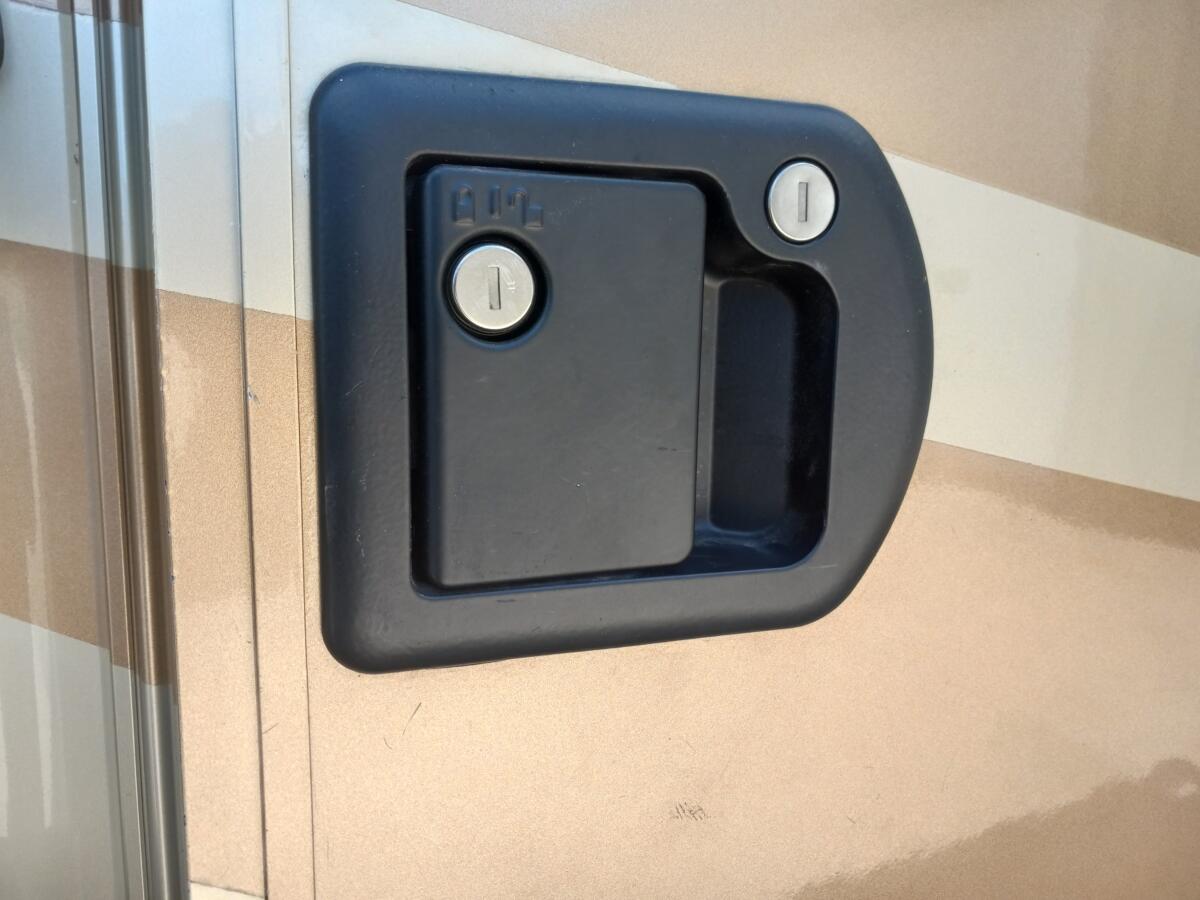
Door locks, latches, and compartment door latches

Trimark is one of the major manufacturers of door locks and latches. Here is what they recommend for their latches, locks, and cylinders:

Products manufactured by TriMark are lubricated and shipped with the minimum amount of lubrication to function correctly when they leave the factory. Many products have a dry-type solid film lubricant applied that will give years of trouble free performance. However, mechanical products do require maintenance and periodic lubrication. The application of a quality lubricant such as Cen-Pe-Co HTLD Grease, or its equivalent, will maintain the quality and performance of the TriMark products.

TriMark ensures high performance grease is used and demonstrates excellent mechanical stability with no breakdown after 100,000 cycles. In addition, it has excellent thermal stability and performs well over a wide temperature range. It is also resistant to water and provides corrosion resistance.

Door Latch
Door latch

Lock cylinder lubrication

Under certain conditions, the TriMark lock cylinder can experience corrosion build-up that can cause the lock shutter to stick open and the key insertion to be slightly difficult. Depending on application and environmental conditions, the following recommendations should be used: 1) For indoor use – no maintenance is necessary. 2) For outdoor use in areas that endure constant exposure to snow and rain – lubricate with “Tri-Flow” or any other lightweight oil every 3 months. Coastal areas that have constant exposure to salt atmosphere may require more frequent applications. 3) For outdoor use in areas where there is not constant exposure to moisture and dust – no lubrication is recommended. Do Not use a heavy grease or WD-40.

Slider windows

According to Hehr and other manufacturers, it is not recommended to use WD-40 on the slide rails of windows as it will attract grit and deteriorates the rubber seals. It is best to use powdered graphite or a dry lube.

Cabinet doors and drawers

WD-40 will penetrate into wood when applied to lubricate hinges, sticky doors, or wooden drawer tracks. It will not only stain the finish, but can also deteriorate the wood itself. It is recommended to use beeswax or even a bar of soap.

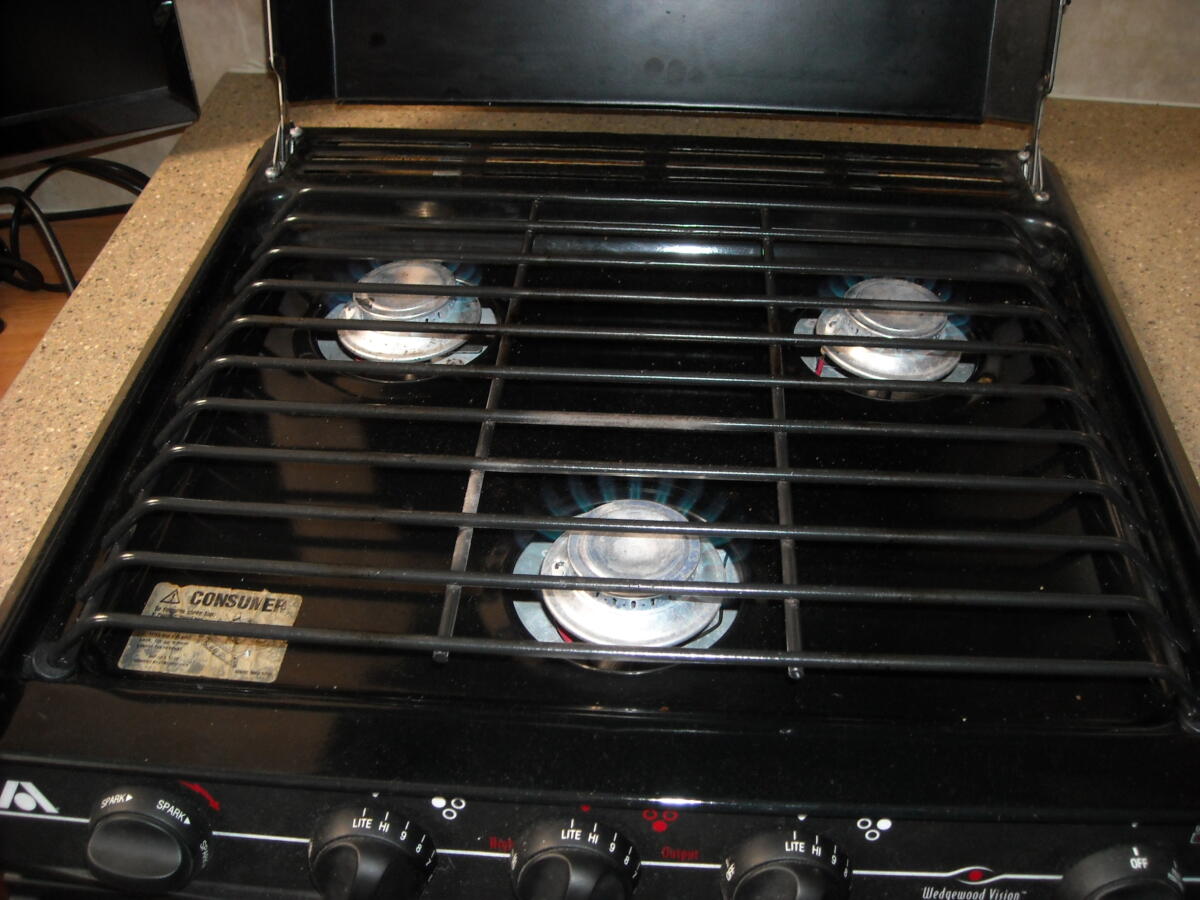
Liquid propane (LP) stovetop, oven, furnace, or water heater

WD-40 is flammable, so using it around any appliance that has an open flame can be dangerous.

Stovetop
LP stovetop

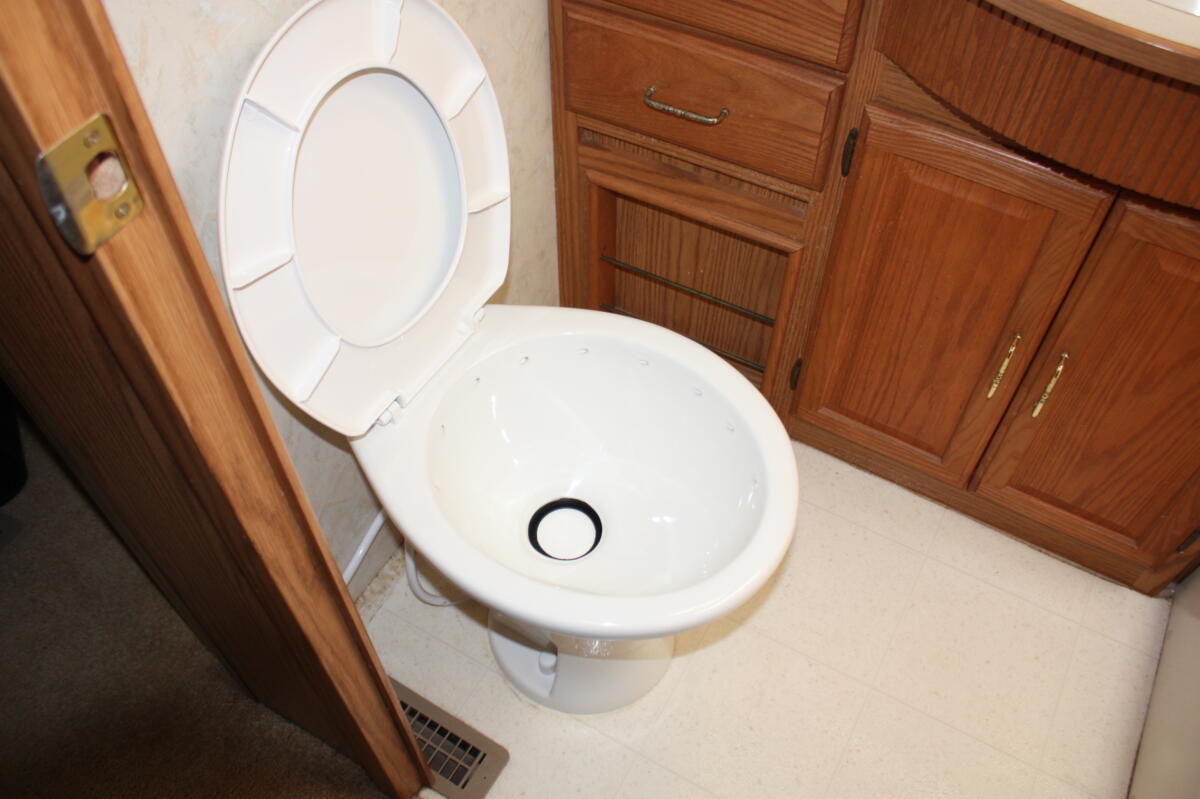
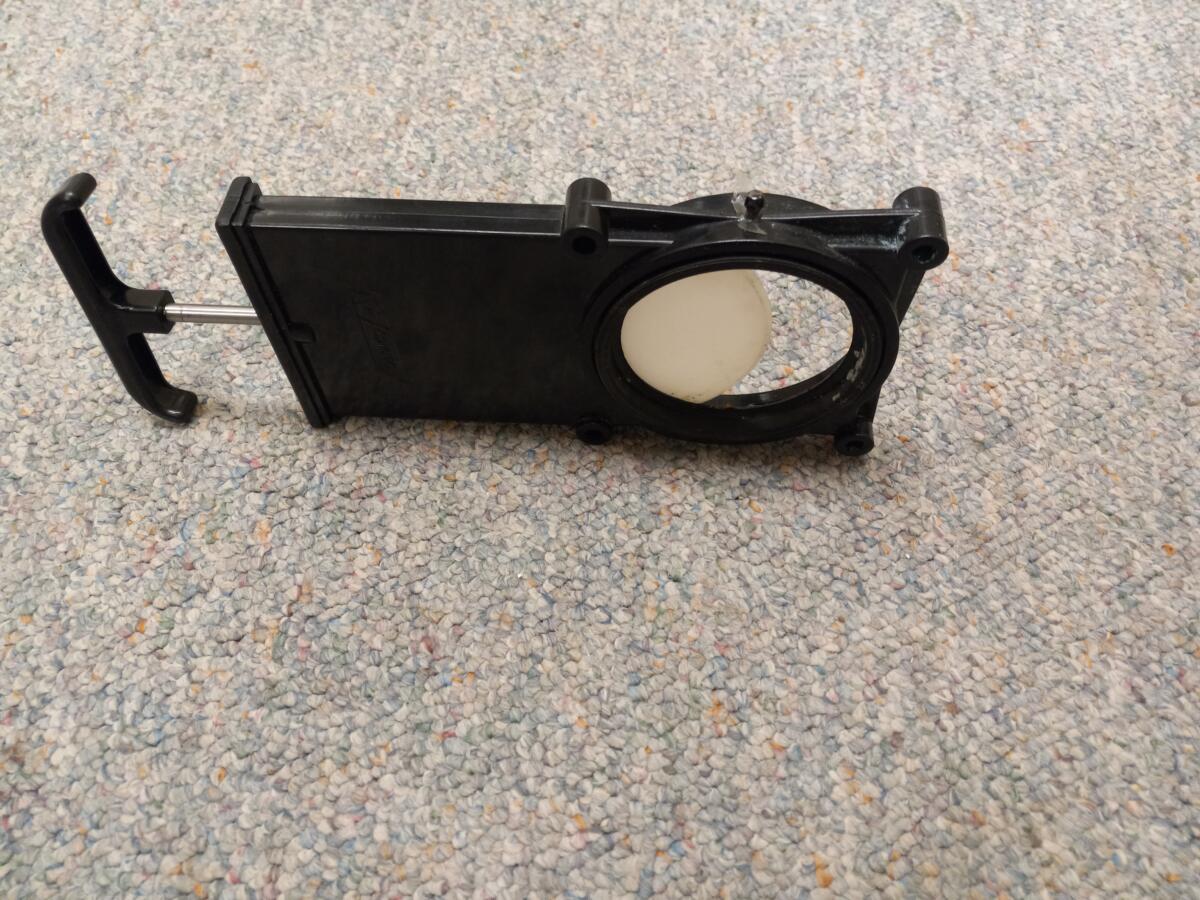
Toilet flange or dump valves

Since WD-40 degrades rubber, using it on the toilet seal or dump valve lever can cause the seal to deteriorate and leak. Also, it will wash away any inherent lubrication on the valve bar.

Toilet Seal

Dump Valve
Dump valve

Polycarbonate and clear polystyrene plastic

According to their website, WD-40 is great on most plastics. However, it should not be used on impact resistant and clear plastics like eyeglasses and lighting fixtures, It can be difficult to tell what type of plastic is used in your RV, so do a test in a small area before applying.

Electronics

Items such as phones, tablets, keyboards, and light switches or buttons can stick, but using WD-40 can seep inside and cause damage.

Anything that comes into contact with food

WD-40 is not food-safe and should not be use to lubricate or clean any device, utensil, or appliance that has the potential of coming into contact with food.

The front of your RV

Bugs, tar, and grime have always been difficult to get off the front fiberglass or plastic components of RVs. I have talked with several owners that spray WD-40 on the front cap, bumper, and grill to make it easier to clean. However, this just attracts grit and can discolor the paint and plastic.

Travel Trailer

Bearings

WD-40 will degrade the grease designed to lubricate bearings and cause premature bearing failure.

Body parts

Sounds weird, but some people claim to spray WD-40 on knees, elbows, and other joints and claim it helps! WD-40 has a neuro toxin property in its formula that can be drawn into the blood system quickly and can cause damage to your heart.

What WD-40 can be used for

However, WD-40 does have some great qualities—so don’t throw it away until you read the good things it does in this article by Russ and Tiña De Maris here.


 You might also enjoy these posts from Dave 


Dave Solberg is a leading expert in the RV industry and the author of the “RV Handbook.”

Read more from Dave here

HAVE A QUESTION FOR DAVE?

Send your inquiries to him using the form below.

Name
Drag & Drop Files, Choose Files to Upload

RVDT2672

16 helpful tips and tricks for your RV kitchen

4

I love RVers’ ingenuity! Here are some kitchen tips and tricks fellow RVers have taught me. The tips will save you time, money, and even a bit of frustration as you RV!

I hope these tips work as well for you as they do me.

Grocery tip

RVers make it a habit to keep an insulated bag in the back seat of the car and truck. An instant ice bag rides inside it. (The kind you twist to activate. Like this.)

How it helps: The bag is ready in case you purchase an item that must be kept cold on the ride back to the RV campground.

Bitter coffee

Add a generous pinch of kosher salt to the top of the coffee grounds before adding the water. Your coffee will not taste bitter.

How it helps: You can save money by not purchasing expensive coffee blends. More $$ for RV travels!

Add creamer

Substitute flavored coffee creamer for milk when making French toast. My favorites are hazelnut and vanilla. Yum!

How it helps: One less spice to pack along in your RV. Let the creamer do double duty!

Soften brown sugar

If you need to soften that rock-hard brown sugar, just slip it in the microwave for about 30 seconds. Or, put marshmallows inside the brown sugar bag to soften the sugar within a day.

How it helps: You’re going to pack along marshmallows for s’mores, anyway. Just pop a few extras in the brown sugar bag! Not a s’mores fan? Use your microwave and get those cookies stirred up in a jiffy.

Soft ice cream

Keep your ice cream soft and ready to eat. All you have to do is place the carton inside a zip-type bag, zip it closed, and place it inside your RV freezer.

How it helps: No more ice crystals or so-hard-it’s-impossible-to-scoop ice cream!

Quick chill wine

Place your wine bottle inside a tall pitcher. Add ice and cold water. The wine will be chilled in about 20 minutes—or by the time you get snacks prepared and delivered to the campfire.

How it helps: Store unopened wine bottles elsewhere and save precious space inside your RV refrigerator.

Easily remove husks

Shuck corn quickly like this. Place the corn (with husk) into your RV microwave. Heat on high for 30 seconds to a minute. The corn easily slips out and leaves the husk (and silk) behind.

How it helps: Save time (and frustration). You’ll have more time to watch the sunset!

Dice eggs with a cooling rack

RV kitchen tip: use cooling rack to chop boiled egg. Image: Gail Marsh (no need to attribute.)

Forget packing an egg slicer/dicer. Use your cooling rack instead. Place a cooling rack over a bowl. Then press a hard-boiled egg through the rack. The diced eggs will fall through to the bowl, instantly ready for your salad. This also works for dicing avocados.

How it helps: No egg slicer needed so the method frees up some RV drawer space.

Grate cheese easily

Spritz a quick spray of your cooking spray onto your cheese grater. Then grate away! Also, if you grate soft cheese, put the cheese in your RV freezer for about 30 minutes. It will harden a bit and be easier to grate. In a hurry? Use unflavored dental floss to cut soft cheeses into slices.

How it helps: Cheese will not stick to the grater. Save money by purchasing block cheese and have more $$ for adventures.

Keep snacks cool

Fill a zip-type bag with ice. Zip the bag closed and place it in the bottom of a bowl. Top with lettuce leaves. Then arrange your appetizers on top of the lettuce.

How it helps: Your appetizers will remain cool and safe to eat!

Top it off

If you use coffee that comes in a 48-oz. plastic container (like Folger’s brand) don’t toss out the lid when the container is empty. The lid perfectly fits a Corelle bowl!

How it helps: No need to transfer leftover food into a storage container. Plus, you’re recycling!

More juice

Before juicing lemons for lemonade, try this. Put the lemons in the microwave and heat on high for 7-10 seconds. Remove and use your palm to roll the lemons back and forth on the countertop. Then poke a hole in the non-stem end using a skewer. Squeezed juice can be directed exactly where you want it.

How it helps: You’ll get much more juice with less effort. This works for limes, too.

Cut herbs quickly

Use your pizza cutter to quickly cut herbs. Bunch up the herbs and place them on a cutting board. Then roll the pizza cutter over the herbs in all directions until the herbs are cut to your satisfaction.

How it helps: Saves time (and is even kind of fun).

Preserve tomatoes and more

If you store tomatoes stem down they will last longer. Or you can remove the barcode sticker and put it directly on the stem end.

Also, to keep bananas fresh longer, tightly cover the stem with plastic wrap.

How it helps: Reduces waste and allows you to spend less time at the grocery store. Win, win!

Scoop tip

Use an ice cream scoop to remove seeds from a cantaloupe. It works much better than a spoon.

How it helps: An ice cream scoop is usually sharper than the edge of a regular spoon so removing seeds is easier—and quicker, too. You can get the melon to the picnic table in no time.

Even out baking

Some RVers put a pizza stone in their RV ovens to help even out temperatures when baking. Here’s an alternative idea. Use an AirBake insulated bakewear sheet. Place your casserole dish or cake pan atop the AirBake sheet to bake.

How it helps: Things will bake more evenly and, unlike a pizza stone, the AirBake bakewear sheet weighs less and will not break.

Your turn

Do you have some tips and tricks for your RV kitchen? Share your ideas in the comments that follow.

RELATED

RVDT2672