If you’ve ever dreamed of spending fall and winter camped out under desert skies, this might be your chance. Joshua Tree and Death Valley national parks are looking for RVers to volunteer as campground hosts for the upcoming season. No, we’re not talking about roast-i-cating right now—but applications need to be handled pronto. Camp hosting California national parks is a popular call.
What does camp hosting California national parks entail?
Hosts help welcome campers, answer questions about the park, and keep an eye on the campground. You might be asked to walk through the area each day, count how many people are camping, fill out simple logs and forms, and report wildlife sightings. It’s a great way to meet people, give back, and enjoy the beauty of the parks up close.
Bring your own rig
Volunteers must be able to live on-site inside the parks. That means staying in your RV at a campground with limited amenities—think quiet, remote, and scenic.
Locations and dates
Joshua Tree National Park: Host spots are available at Black Rock, Cottonwood, Indian Cove, Jumbo Rocks, and Ryan campgrounds. The season runs from October 2025 through May 2026.
Death Valley National Park: Host locations include Sunset, Texas Springs, Stovepipe Wells, and Mesquite Springs. The season runs from mid-October 2025 through January 2026.
What you’ll need
Each park has different RV requirements, but all volunteers must commit to at least three months. Make sure to check the application details to see if your rig qualifies.
How to apply
Joshua Tree: Applications are due by July 12. Click here.
For RVers looking for a unique way to camp for free, meet fellow travelers, and enjoy the national parks from the inside out, this is a rare opportunity. Camp hosting California national parks may be your ticket.
Some RVers would just as soon avoid the interstates. Some find views from rural highways more appealing than found on interstates. Others feel safer, at times citing the perception that some 18-wheeler drivers just have too heavy a foot on the accelerator.
Recent activity on the government scene illustrates that when it comes to safety solutions, truckers and the general public aren’t even in the same ballpark. A long-running debate over the use of speed limiters on commercial trucks has highlighted a growing divide among federal regulators, public safety advocates, and professional drivers.
At the heart of the issue is a simple question: Should big rigs be required by law to drive slower than the rest of highway traffic?
Speed limiters on big trucks: Depends on who you ask, and when
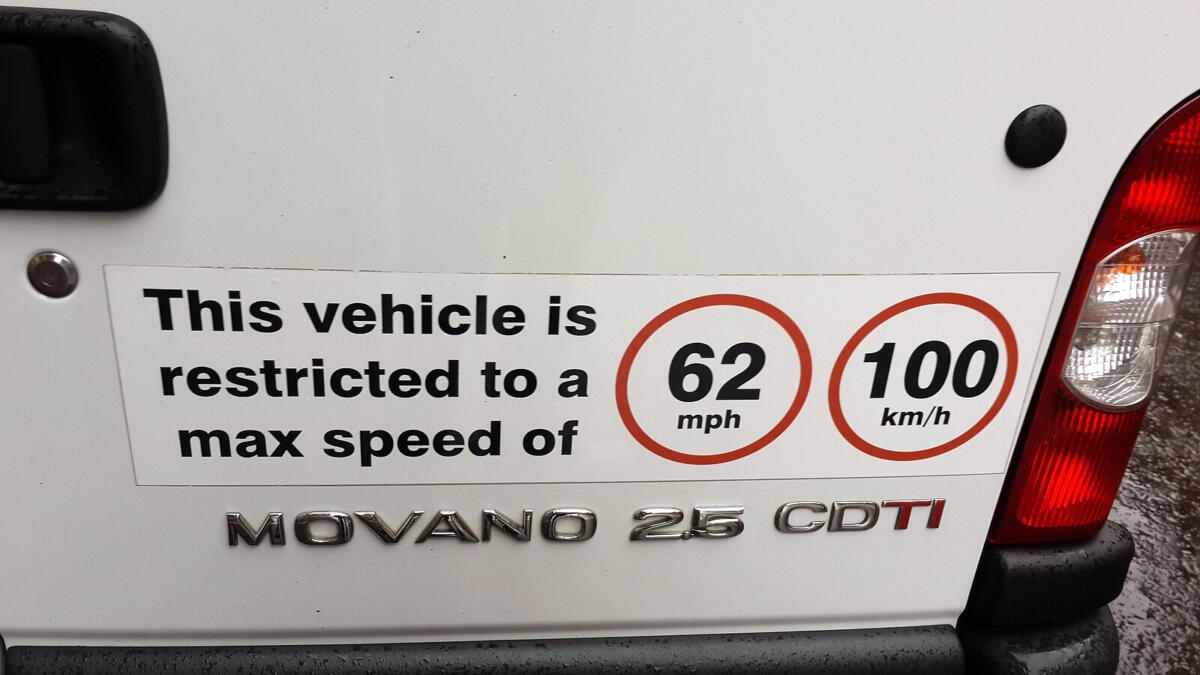
The Federal Motor Carrier Safety Administration (FMCSA) and many safety experts say yes, big rigs should drive slower. They argue that limiting the top speed of heavy trucks—typically to around 65 mph—could reduce the severity of crashes, save fuel, and lower emissions. Some members of the public agree, particularly those concerned about highway safety and the size and stopping distance of large commercial vehicles.
But many truckers—and especially the Owner-Operator Independent Drivers Association (OOIDA)—say no. In fact, OOIDA has been leading the charge against federal efforts to mandate speed limiters on trucks for years, calling it a misguided policy that could make roads more dangerous, not safer.
15,000 comments on speed limiter rules
Photo: UserMahanga on wikimedia
When the feds proposed speed limiter rules in 2022, OOIDA didn’t hold back. The organization issued frequent alerts to its members, urging them to submit public comments in opposition. Their campaign worked: The FMCSA received more than 15,000 comments, most from truck drivers who argued that speed limiters would increase the risk of crashes by forcing large trucks to travel slower than surrounding traffic.
The concern is rooted in the concept of speed differentials. According to many drivers, when trucks are limited to speeds well below the posted limit, faster-moving cars are more likely to make risky passing maneuvers or brake suddenly, creating the very dangers regulators aim to avoid.
OOIDA also raised concerns about the impact on the nation’s supply chain. Slower speeds mean longer delivery times, which could hurt small businesses and independent operators.
2017, speed limiters off the table; 2021, back in place
The volume of opposition helped delay progress on the rule under the previous administration. When Donald Trump took office in 2017, OOIDA and a coalition of 17 organizations sent a letter urging him to scrap the proposal. Within days, the Department of Transportation (DOT) announced the rule was being withdrawn.
“Mandating speed limiters on heavy-duty trucks isn’t just an inconvenience—it’s a safety hazard when drivers are forced to go slower than the flow of traffic,” DOT said in its January 2017 announcement. But the issue didn’t stay off the table for long.
A few years later, under President Joe Biden, the speed limiter proposal came back. In 2022, the Federal Motor Carrier Safety Administration (FMCSA) revived the idea of requiring speed limiters on most commercial vehicles. Once again, the Owner-Operator Independent Drivers Association (OOIDA) and thousands of truckers voiced their opposition, warning that the same safety risks still applied.
The public weighs in
Photo: Gavin Kirby on wikimedia.org
Despite strong opposition from the trucking community, the general public tends to lean in favor of speed limiters—at least in theory. Many people view them as a commonsense safety feature, similar to seat belts or airbags. The Truck Safety Coalition reported in 2018 that 79% of respondents backed mandatory speed limiters and 82% supported automatic emergency braking on large trucks.
Even a survey commissioned by the trucking industry found the majority of the public supported limiters. A Public Opinion Strategies poll (commissioned by American Trucking Associations) in 2015 showed 56% of Americans support mandating speed limiters on large trucks. In contrast, 69% opposed lowering highway speed limits in general.
Public support often grows in the wake of high-profile crashes involving large trucks. Advocates argue that speed limiters would reduce the frequency and severity of such accidents, especially on interstates and rural highways where speeds are highest.
Do limiters help—or harm?
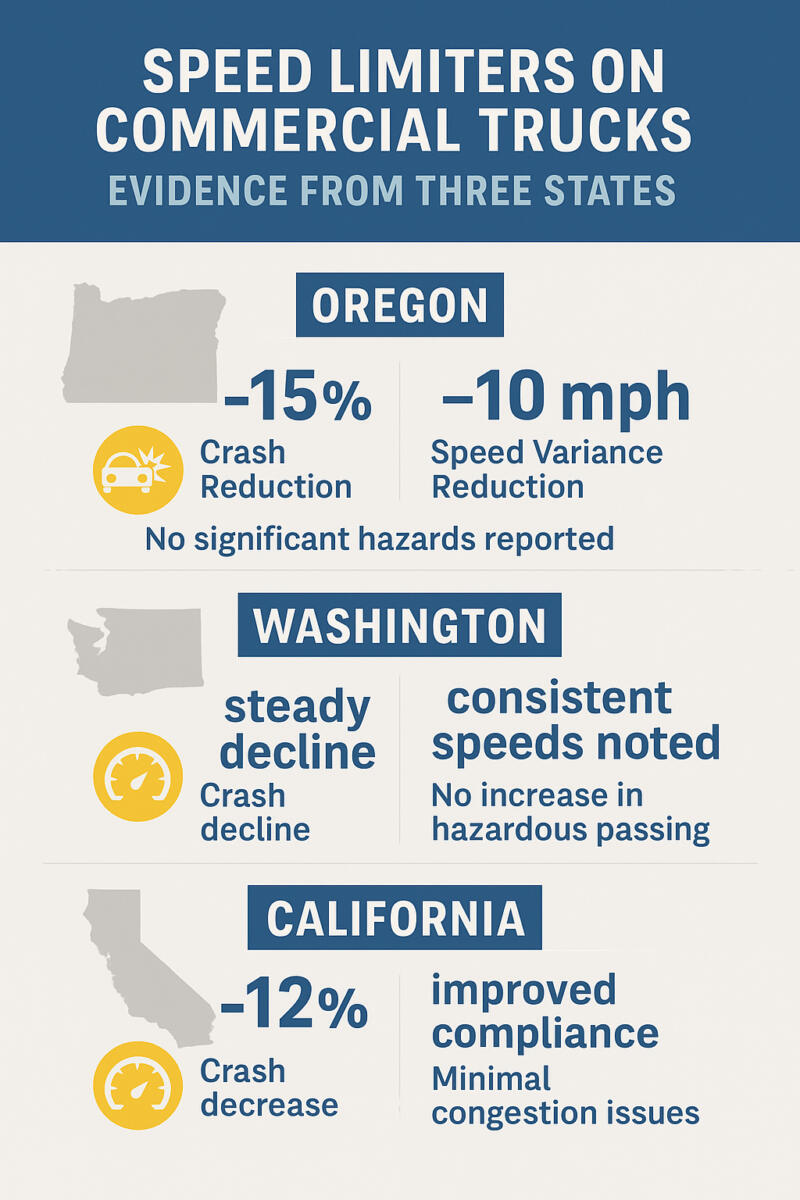
Studies from states like Oregon, Washington, and California, which have long enforced speed limiter policies on commercial trucks, offer a more nuanced picture. In all three states, crash rates involving trucks have declined, and no significant increases in traffic hazards related to speed differentials were observed—as long as the limiters were set near prevailing traffic speeds (typically around 65 mph).
Click to enlarge
A 2011 Oregon DOT study, for example, showed a 15% drop in truck-related crashes after speed limiters were introduced, with no rise in unsafe passing or congestion. Similar results were reported by transportation agencies in California and Washington.
“Truckers tired of political ping-pong”
Flashing forward to 2025: OOIDA doesn’t want to leave the issue up to the next administration. The group is now pushing Congress to pass the DRIVE Act, a bill that would prohibit FMCSA from issuing any future speed limiter mandates.
“Truckers are tired of political ping-pong every time a new president takes office,” said Bryce Mongeon, OOIDA’s director of legislative affairs. “The DRIVE Act would let Congress say once and for all: no speed limiter mandate.”
The proposal has gained traction among lawmakers who view it as a way to reduce regulatory burdens on small trucking businesses. But without congressional approval, FMCSA could revisit the issue in the future, especially under a new administration more inclined toward regulation.
Polarized camps
Ultimately, the speed limiter debate highlights the challenges of balancing safety, efficiency, and real-world driving conditions. While regulators and many citizens support the idea as a step toward safer highways, professional drivers warn that what looks good on paper doesn’t always play out well in practice.
For RVers sharing the road with big rigs, the speed limiter debate isn’t just a technical issue—it’s about safety and peace of mind on every trip. Whether you prefer winding rural routes or the interstate’s wide lanes, understanding the challenges truckers face can help everyone stay safer.
As these discussions continue, RVers can stay informed and advocate for solutions that balance safe speeds with smooth traffic flow. For now, speed limiters remain one of trucking’s most contentious topics—and unless Congress acts, the conversation is far from over.
If you’re rolling down the highway in a Newmar and hear a strange whoosh, it might not be the wind—it could be your baggage door skin making a break for it. Newmar is recalling more than 500 luxury motorhomes after reports that some cargo doors are detaching mid-drive, potentially turning into unexpected road hazards.
The Newmar baggage door recall is underway, as Newmar Corporation (Newmar) is recalling certain 2023-2024 London Aire and Essex, and 2016-2024 King Aire motorhomes. A detached door skin can become a road hazard, increasing the risk of a crash. Potentially 541 motorhomes are affected by the recall.
Newmar baggage door recall remedy
Dealers will inspect and add fasteners and adhesive to the door as necessary, free of charge. Owner letters are expected to be mailed August 23, 2025. Owners may contact Newmar customer service at 1-800-731-8300. Newmar’s number for this recall is 619 RSB.
Slow response time?
In September 2024 Newmar Service received notification from a dealer that they were seeing baggage door skins coming loose from the door frames and these doors were being repaired by the dealer.
At that time, an investigation was initiated to understand the issue further. During the investigation, Newmar received two NHSTA VOQ (Vehicle Owner Questionnaire) notifications for baggage door skins detaching completely from the door frames, one VOQ on May 23, 2025, and one VOQ on June 3, 2025.
A NHTSA Vehicle Owner Questionnaire (VOQ) is a form used by the National Highway Traffic Safety Administration (NHTSA) to collect information from consumers about potential safety-related defects or problems with motor vehicles or equipment. Consumers can submit a VOQ online, by phone, or through the mail. NHTSA uses this information to identify potential safety issues and decide whether to investigate further or initiate recalls.
In a report to NHTSA, Newmar officials related, “Upon completion of the investigation on 06/17/2025, the Product Safety Committee met to review the scope and consequence. At that time, it was decided the issue presented an unreasonable risk to motor vehicle safety and the recall process was initiated.”
When Newmar filed their report, it had “received nine customer complaint/service calls for a baggage door skin detaching completely from the door frame.” The company claims it isn’t aware of any property damage, injuries, or deaths attributed directly or indirectly to the Newmar baggage door recall.
“If things start happening, don’t worry, don’t stew, just go right along and you’ll start happening too.” ―Dr. Seuss
Need an excuse to celebrate? Today is National Wildland Firefighter Day! Thank you, firefighters!
Update: We are devastated by and mourn the tragic and senseless deaths of two of Idaho’s brave firefighting heroes and injuries to a third on Sunday, June 29. Read about this tragedy on apnews.com or a timeline on komonews.com.
On this day in history:1962 – The first Walmart store, then known as Wal-Mart, opens for business in Rogers, Arkansas. By 1990, Walmart had become the nation’s number one retailer.
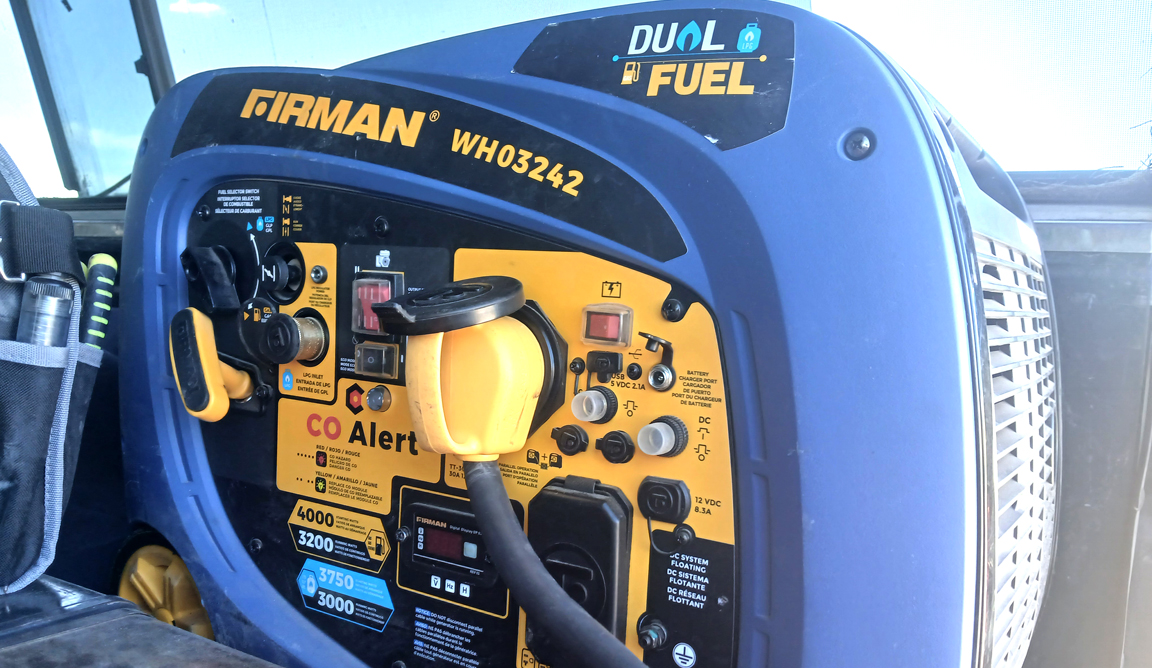
Tip of the day Plug your RV into a generator? Watch out for this!
By Russ and Tiña De Maris
Do you plug your RV into a generator for boondocking power? Here’s a simple but important tip. We’re talking about portable generators, not rig-mounted gensets that use a transfer switch.
It’s like a line from Jerry Lee Lewis. With portable generators, “There’s a whole lotta shakin’ goin’ on.” It doesn’t matter if your generator is sitting out on the ground, or stuck on your pickup truck bed, your generator is a hunk of vibrating steel.
Plug your RV into a generator and that not-so-good vibration can take a toll on your shore power connector. Continue reading.
Ask Dave Best way to clean and sanitize RV fresh water tank
Dear Dave,
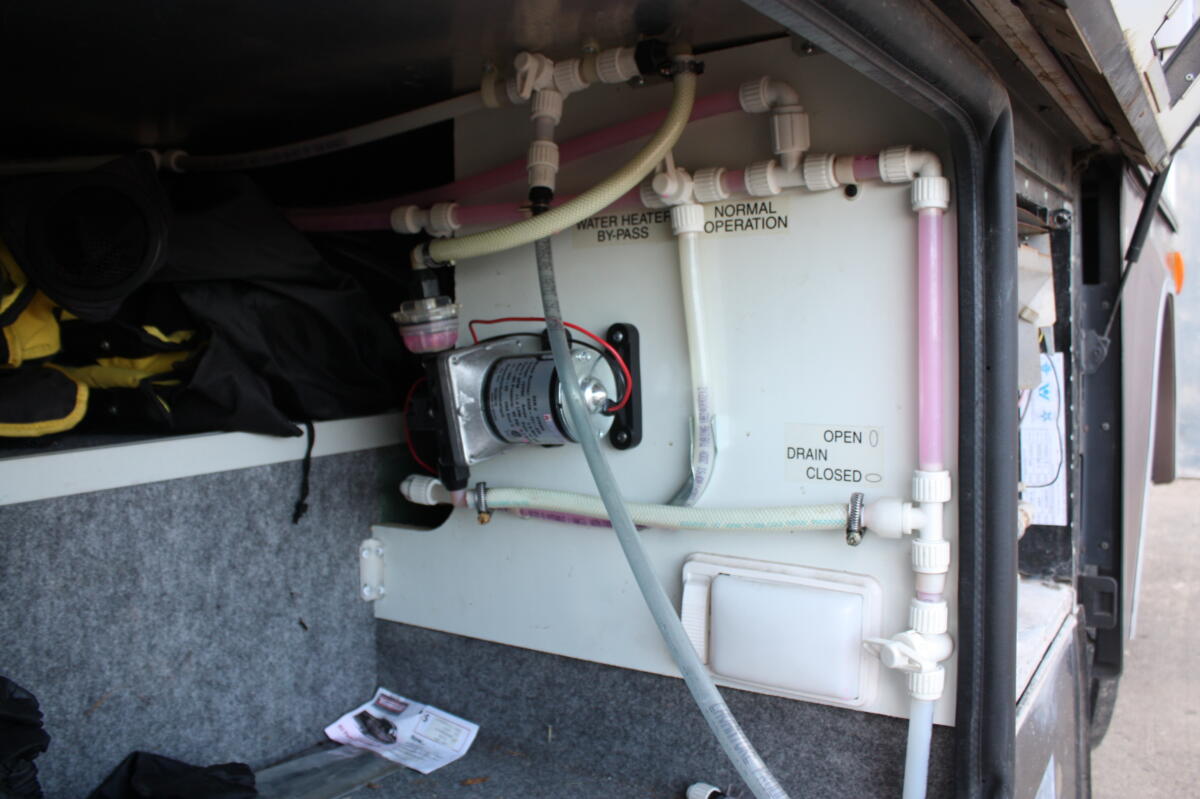
Is there something to use to clean my fresh water tank and for yearly maintenance? —Robert, 2016 Coachmen Catalina Read Dave’s answer.
In the RV shop with Dustin Inverter vs. converter—What’s the difference?
In the video, Dustin and Zach discuss RV electricity basics—specifically, the difference between an inverter and a converter. They also cover what items run off of 12 volts (DC) and what items run off of 110 volts (AC). Knowing the difference will not only help you manage your RV electricity, but can help you troubleshoot problems when you are out on the road. Click here to read and watch.
Article and video See the African Jungle Yachts—RVs that disappeared in Africa in the 1930s
By Cheri Sicard
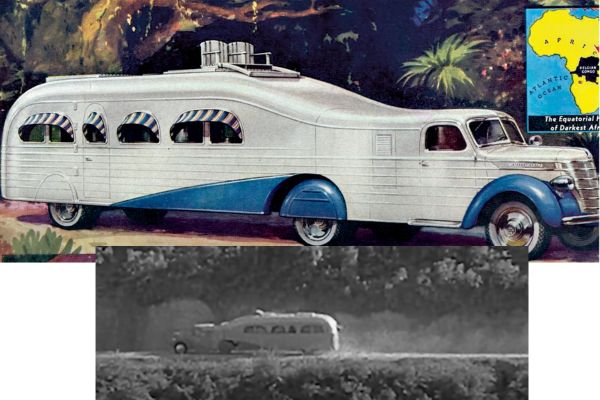
In 1938, two of the most ambitious vehicles ever to roll through the world’s wild places made their way into the heart of the African jungle. Known as the Jungle Yachts, these massive luxury RVs offered a travel experience few could imagine at the time. With air conditioning, a fully equipped kitchen, a tiled bathroom, twin bedrooms, a living space, a library, and a well-stocked bar, they brought a slice of modern convenience to the untamed wilderness. In today’s video, Calum Raasay shares historical footage and recreates what they might have looked like inside. This is an amazing story!
Featured article RVers’ heated debate: Can you dump a composting toilet’s waste into regular toilet and flush it?
By Gail Marsh We received this letter from a reader: “We put in a composting toilet about 6 months ago. We empty a container once a week that holds the urine. About a gallon. Just twist on a cover, walk to a restroom in the wayside or campground and dump it in the toilet. Or in the sewer in our campsite if it has one. The other day in a wayside in Texas a worker there told my husband no, this is not a dump site. I am not sure why it never occurred to us. Have we been wrong? Should we only be doing this in the sewer?” Can you, or should you not, dump a composting toilet into a real toilet? Here are the comments.
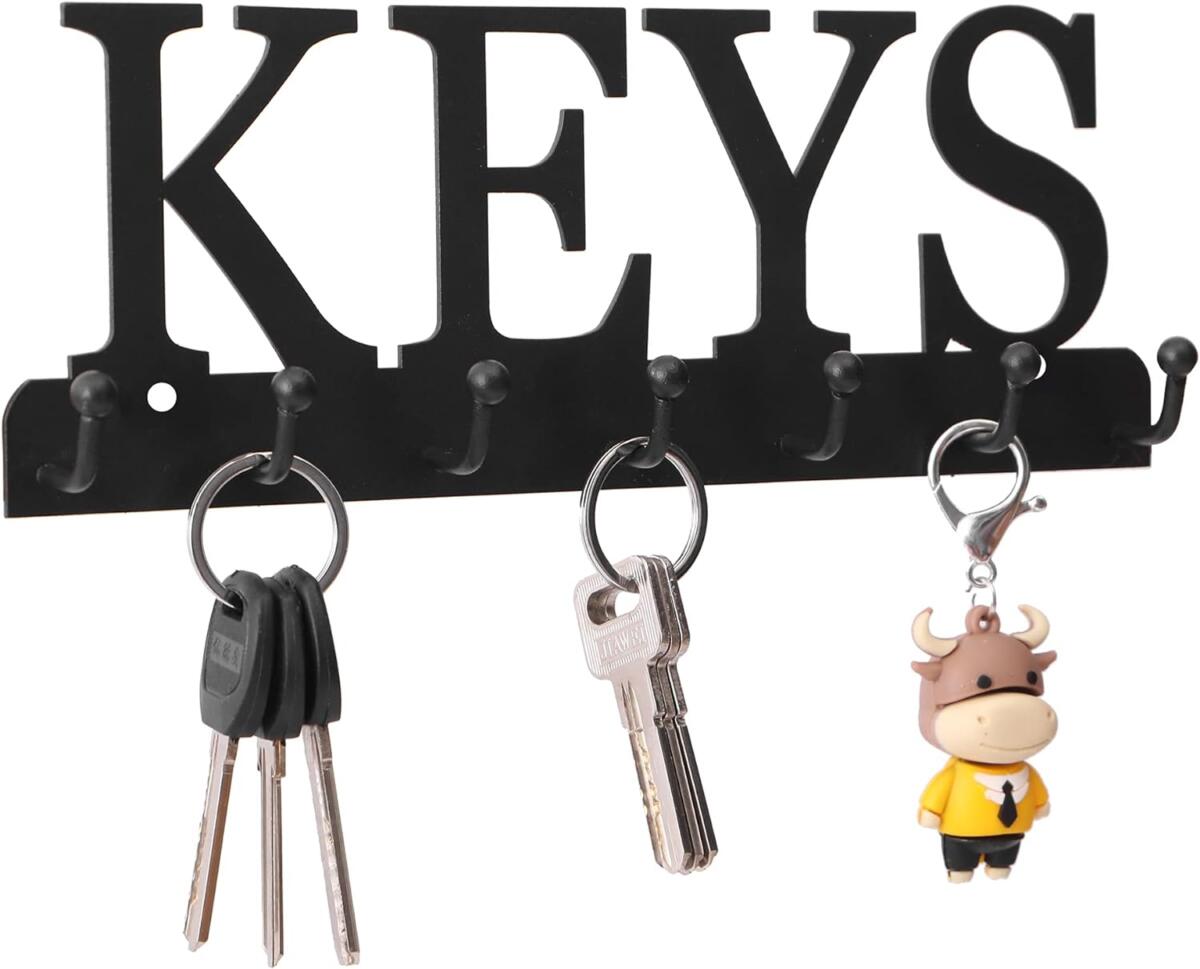
Reader poll Who will decide when to hang up your RV keys?
RANDOM RV THOUGHT:Attach a little keychain flashlight to your car and RV keys. It will come in handy at unexpected times. These keychain scissors are handy, too.
Remove ticks easily from people or pets! This Tick Twister Remover Set will remove ticks, large and small, without squeezing it, reducing the risk of infection. It does not leave the mouthparts of the tick in the skin. It’s the safest and easiest way to remove ticks and in just a few seconds. Helps prevent Lyme Disease. Keep one of these in your RV. It’s tick season! Learn more or order. And read more about tick prevention here.
Quick tip Overheated wheel hubs
If you are going to use an infrared thermometer—or just hand touch the wheel hub—don’t do that just after using the brakes, as the brake shoes will heat up the drum and give you a false reading. Somewhere where you have lots of room, like a highway pull-off or rest area, pull in slowly after downshifting and pretty much let the RV come to a stop without much of a brake application. Then you will get a more accurate reading.” Thanks to George B.
10 best drive-in movie theaters
Drive-in theaters have made a comeback! And, hey, who says you can’t park your RV in the back row (well, maybe some theaters have rules against it… but not all of them!). Check out this list of the 10 best, as voted by USA Today readers.
? MYSTERY PRODUCT OF THE DAY ? Forget the view out the front dash, you’re going to want to sit in the back with this! This is great! (And we’re so happy to be learning about it now instead of later!)
Trivia
Many species of snakes are facing threats in their native range, including habitat fragmentation and destruction. Vehicle strikes during road crossings are among the leading causes of death—particularly for rattlesnakes in Southern California. Previous studies have shown there are genetic differences between snake populations on different sides of a freeway. By understanding rattlesnake behavior, scientists hope to use the data to help inform corrective action, including determining whether wildlife overpasses would benefit local snake species. —SAN DIEGO ZOO
Readers’ pets of the day
“Penny is an Australian Shepherd/Border Collie, and the little white and gray one, Gracie, is an Aussiedoodle. They love to wrestle each other and with my husband. They are both pretty vocal if they even hear a leaf drop, seems like to me. They both have lots of energy and go for runs in our neighborhood. They are overly friendly to people. Gracie is extremely curious and loves trying to be an escape artist. They love the homemade food that Mom makes for them. They also love sleeping in bed with Mom and Dad, generally right in between us. We love them with all of our hearts, and they love us and traveling in our 44′ coach.” —Charlotte Brewer
HELP! WE’RE RUNNING LOW ON PET PHOTOS!Send us a photo of your pet with a short description. No blurry photos and please do not submit your photo more than once. Thanks!
Leave here with a laugh
Ladies and gentlemen, do not let A.I. teach you how to camp! Oh, dear!
Thanks, Wolfe R.
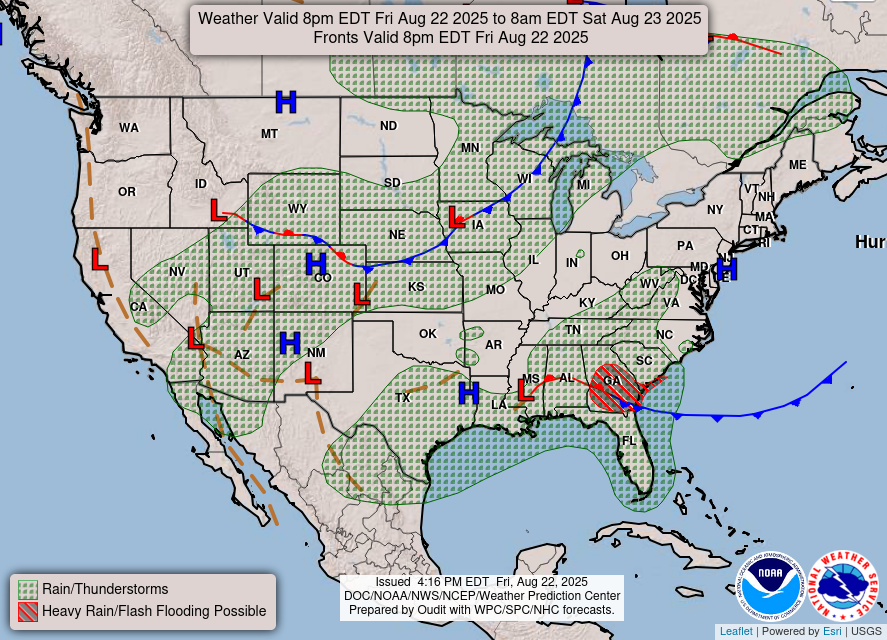
Today’s weather forecast across the nation THIS MAP UPDATES TWICE A DAY
If you shop at Amazon.com we’d appreciate you using this link. We get an itty bitty commission if you buy something, but they add up and help us pay our bills (most importantly our hard-working writers!).
Dear Dave,
Is there something to use to clean my fresh water tank and for yearly maintenance? —Robert, 2016 Coachmen Catalina
Dear Robert, There are several methods to clean and sanitize your fresh water tank. For years, owners have been using a small amount of bleach in water, letting it sit for a period of time before flushing and rinsing it out.
How to use Clorox bleach to clean RV fresh water tank
According to the Clorox bleach website, a bleach solution must be made fresh each day, so only make enough for the current job.
Clorox recommends 500 ppm for disinfecting a water tank, which is 1/3 cup bleach for every 3 gallons of water.
Here is their recommendation:
To clean out a water tank, thoroughly flush the tank using a bleach solution made with 1/3 cup Clorox® Disinfecting Bleach per 3 gallons water (a 500ppm bleach solution). I’m not sure of the size of your tank or how much bleach solution you will need to clean the tank, but here’s one example: To make approximately 9 gallons of bleach solution, then you would start with 9 gallons of water, and then add 1 cup bleach. After flushing the tank with the 500ppm bleach solution for 5 minutes, then rinse with a 10ppm bleach solution (1 teaspoon bleach per 10 gallons of water).
You may also want to get some chlorine test strips to confirm the bleach concentration of the solutions you mix up. These can usually be found at pool supply stores.
Since you did not provide the floorplan model, we can only approximate the size of the fresh water tank. According to what I can find on the website, it lists anywhere from 44 gallons to 56 gallons, which most likely includes the water heater.
NOTE: A high concentration of bleach in contact with rubber seals for an extended period of time can deteriorate the rubber.
I believe this concentration is too high, designed to kill bacteria salmonella and not recommended to clean and sanitize your water tank. Most of the time I use 1/4 cup bleach with 50 gallons of water, which would be approximately 50 ppm, and let it sit overnight.
Is using bleach to sanitize fresh water system safe?
There has been a lot of controversy about using bleach, with some comments stating it is not safe and cannot be flushed down a municipal sanitary system.
According to the Clorox website, bleach has been certified by the Food and Drug Administration (FDA), Environmental Protection Agency (EPA), and National Sanitation Administration. I also talked with our local Sanitary District Manager and he stated that bleach in lower concentrations of 500 ppm or less will not harm a septic system or the district’s treatment process.
You will find dozens of different variations of the ratio. Some even recommend vinegar and water.
Thetford Fresh Water Tank Sanitizer
If you are worried about bleach or the lingering smell afterwards, Thetford has a product that can be used to clean and sanitize the fresh water tank. It is a two-step process. It is available on Amazon here.
Thetford Fresh Water Tank Sanitizer
Step 1: Clean with the detergent
Empty the tank and add 1 ounce of concentrated detergent solution to the fresh water tank for every 4 gallons of tank capacity.
Fill the tank with water and run the diluted detergent through each faucet, shower, and water outlet for 1 minute or more.
Empty the tank and rinse the faucet lines and tank by running fresh water through them.
Step 2: Sanitize the water
Shut off incoming water line and prepare a solution of 2 ounces of product per 8 gallons of water.
Apply or circulate solution to wet all surfaces, allowing it a minimum contact of 60 seconds.
Drain the solution and return to service by reopening incoming water lines.
The treatment is effective even in hard water and will not leave grit or soap scum. Not a drinking water additive.
How to add bleach or Thetford to the fresh water tank
If you have a gravity fill on the side of the rig, adding the bleach solution, vinegar, or Thetford product is easy. Mix up the recommended amount of product in a 5-gallon bucket with water and pour it in with a funnel.
Fresh water tank gravity fill
If you do not have a gravity fill or your tank has a vent at the top that would restrict filling, you can use the tube for winterizing, if you have that feature.
Winterizing valve
By turning the valve, the onboard water pump will draw from the winterizing hose and allow you to insert it into the bucket and draw the water in. Then use the city water fill to fill the rest of the tank.
If you do not have a winterizing kit with the hose, use a clean water supply line like you would for connecting to a pressurized source. Before connecting the hose to the pressurized source, use a funnel to fill the hose with the diluted solution, then connect to the city source and turn on the water. The solution will be pushed into the fresh water tank. However, if you are planning to do this each year, I would install an aftermarket winterizing valve.
By Russ and Tiña De Maris
Do you plug your RV into a generator for boondocking power? Here’s a simple but important tip. We’re talking about portable generators, not rig-mounted gensets that use a transfer switch.
Jerry Lee Lewis kinda problem
It’s like a line from Jerry Lee Lewis. With portable generators, “There’s a whole lotta shakin’ goin’ on.” It doesn’t matter if your generator is sitting out on the ground, or stuck on your pickup truck bed, your generator is a hunk of vibrating steel.
Plug your RV into a generator and that not-so-good vibration can take a toll on your shore power connector. The real concern is not for a factory-issue molded RV plug but, rather, a shore power cord equipped with a replacement plug. We found this out—almost the hard way.
Our generator gyration experience
Pulling the shore power cord to our pickup-mounted generator, we heard an unusual rattle. Thankfully, we were in a location that was quiet enough that we could actually hear a fairly quiet sound. No snakes, but land’s sakes! The screws which held the clamshell-design power plug together were loose and ready to fall right out.
Too many loose screws! R&T De Maris photo.
Recollecting when we’d put that replacement plug in place, it was hard to imagine that we’d not torqued those screws down tight. But maybe. Getting older, and perhaps stupider. Anyway, we retorqued the screws down, plugged it in the generator, and set off for a few hours of gen time. What had caused the problem? Could it be the generator vibration?
Before our next gen session, we checked the clamshell screws. Coming loose! OK, that settled it. The vibration set up by the generator was decidedly the culprit. If you plug your RV into a generator, how can you prevent this “gotta loose screw” issue from happening? DON’T grab your bottle of thread locker. Typical thread lockers can cause the plastic to become brittle and break.
By Cheri Sicard
In 1938, two of the most ambitious vehicles ever to roll through the world’s wild places made their way into the heart of the African jungle. Known as the Jungle Yachts, these massive luxury RVs offered a travel experience few could imagine at the time. With air conditioning, a fully equipped kitchen, a tiled bathroom, twin bedrooms, a living space, a library, and a well-stocked bar, they brought a slice of modern convenience to the untamed wilderness.
In today’s video, Calum Raasay shares historical footage and recreates what they might have looked like inside.
Meet Attilio Gatti: Explorer and storyteller
Attilio Gatti was born in 1896 in Voghera, Italy. Although his early years are a bit mysterious, by the 1930s he had earned a reputation as a determined explorer, a skilled photographer, and a talented publicist. Gatti thrived in front of a camera as much as behind it, focusing more on capturing Africa’s beauty with film and photos rather than hunting. He stood out from other European adventurers by “stalking with a camera instead of a gun,” documenting wildlife and cultures across the continent.
For his tenth African expedition, Gatti landed major backing from International Harvester, an American manufacturer famous for its rugged vehicles. They supplied a fleet that included the showpiece Jungle Yachts—two streamlined trailers designed for supreme comfort. The man behind their look was Count Alexi de Sakhnoffsky, a Russian-American designer well-known for stylish vehicles. Early sketches and magazine advertisements reveal just how futuristic these vehicles were for their time.
The Jungle Yachts were built from stainless steel, a rare choice in the late 1930s, making them both durable and modern. Each one boasted:
• Hot and cold air conditioning
• A compact kitchen where the cook could reach every appliance without leaving the seat
• A spacious, tiled bathroom with a full-length tub
• A radio control, letting travelers listen to music while relaxing in the bath
• Dining area, bar, lounge, and library in the sitting trailer
• Two bedrooms and full bath in the sleeping trailer
Each trailer cost about $115,000, equivalent to several million today. With electric lighting, strong generators, a phone line connecting the trailers, and sturdy Fleet Wheels Co. manufacturing, they were high-tech travel machines few could equal.
Public debut and journey to Africa
Before heading to Africa, the Jungle Yachts created a sensation at an exhibition in Manhattan. Crowds and dignitaries marveled at their size and style. Finally, the vehicles were loaded onto the freighter West Lashway and shipped across the Atlantic to the Belgian Congo.
The 1930s Belgian Congo had a troubled history, but by then, the Belgian government wanted to showcase it as a “Model Colony.” Gatti’s dramatic adventure, with its science-focused public image, fit their goals. Supported by officials, the expedition planned an 18-month journey, starting from Matadi port and heading deep into the interior.
Traveling from paved roads to rugged dirt tracks, the convoy pressed into remote areas with the Jungle Yachts performing impressively. The juxtaposition between the air-conditioned comfort and sophisticated technology inside and the wild, humid African jungle outside was striking. As Gatti later recalled, “giant trailers… their overall length was 42 feet,” with a weight of more than 10 tons each—their size alone made them stand out.
By late 1939, World War II brought everything to a halt. Tensions made supplies and communications tricky, forcing Gatti and his wife to call off the trip months early. Shipping the huge trailers home from Matadi turned out to be impossible, so they stayed behind in the Congo—abandoned, at least for the moment.
When Italy entered the war, Gatti’s Italian citizenship made things complicated. Officials in the Belgian Congo seized the Jungle Yachts, quickly converting them into a mobile hospital for use in the East African Campaign. Fitted with operating theaters, dental clinics, and X-ray machines, and staffed by medical teams, these luxury vehicles became part of the war effort—a sharp contrast to their original purpose.
The disappearance of the Jungle Yachts
What really became of the Jungle Yachts? After 1942, their trail fades. Most likely, they broke down or were scrapped as spare parts ran out. Somewhere, perhaps in an archive or a dusty ledger, the final records might yet be hiding. Their story remains an enticing historical riddle.
The Jungle Yachts lived on through Gatti’s film “Jungle Yachts of the Belgian Congo” and widespread coverage in magazines. Publications like Esquire, Popular Mechanics, and Picture Post helped build their legend. The designer, Alexis de Sakhnoffsky, also influenced similar luxury vehicles, including streamlined buses of the same era.
Even compared to today’s RVs, the 1930s Jungle Yachts stand out. With their advanced features and comfort, they truly were “trailers of tomorrow”—technological marvels rolling through another era.
By Cheri Sicard
Route 66, also called the Mother Road by John Steinbeck, traces a line of American history from Chicago all the way to the Pacific. Spanning eight states and crossing three time zones, this legendary highway shows off everything from Missouri’s towering woodlands to the sun-bleached ranchlands of Texas.
In the video, Travel the Top shares their recommendations for the best stops on Route 66. Be sure to bookmark this if you plan to travel the length of, or even part of, the Mother Road.
Though it left the official highway system in 1985, most of Route 66’s classic scenery, small towns, and neon signs remain as vivid as ever. Travelers still find quirky roadside icons, classic diners, timeless motels, and those endless ribbons of highway fading into the horizon—pure Americana.
Built in 1926, Route 66 stretched nearly 2,500 miles from Chicago to Santa Monica. Watch the video for more details on all the attractions and Route 66 stops mentioned below.
Starting point: Illinois
The original Route 66 started at Jackson Boulevard and Michigan Avenue in Chicago. The current “Begin Route 66” sign stands on East Adams Street by Michigan Avenue. Early Illinois highlights include:
Wilmington’s Gemini Giant roadside statue
Classic diners and motels
Quirky roadside photo ops
The Gemini Giant in Wilmington is a 30-foot fiberglass statue with an astronaut helmet and a rocket. These “Muffler Men” statues first stood outside auto shops selling car mufflers in the 1960s. Today, the Gemini Giant draws passersby looking for the perfect kitschy snapshot. Image caption suggestion: The Gemini Giant in Wilmington, IL—first Muffler Man on Route 66, photo op must!
Illinois serves up a blend of fun stops and tasty eats along the route:
Pontiac: Route 66 Hall of Fame and Museum—packed with pop culture treasures
Springfield: Cozy Dog Drive-In—famous Cozy Dogs since 1949
Stanton: Henry’s Rabbit Ranch—real rabbits and half-buried Volkswagen Rabbits
Collinsville: World’s largest ketchup bottle—quirky, can’t-miss photo spot
Chain of Rocks Bridge: scenic walking bridge with Mississippi River views
Missouri’s attractions
Cross into Missouri and the first stop is dazzling:
Saint Louis Gateway Arch: the tallest monument in the West at 630 feet. Visitors can ride to the top for city and river views
Route 66 State Park (Eureka): trails, river fishing, playground, and roadside history
Meramec Caverns: A 4.6-mile guided tour through 400 million years of geology, near Sullivan and Stanton
Cuba charms visitors with its series of Route 66 murals, the Wagon Wheel Motel (the oldest in use on the route), a restored 1932 Phillips 66 station, and the old-school 66 drive-in theater. Fanning’s gigantic roadside rocking chair is worth a stop for a fun photo and Route 66 souvenirs.
Kansas: Packed with history
The Kansas stretch is only about 13 miles, but packs in several gems:
Galena: Kan-O-Tex gas station with Pixar “Cars”–inspired display
Riverton: Rainbow Bridge, last single-span Marsh Arch bridge on Route 66
The Mining and Historical Museum
Isla Brothers old store—road trip staple since the 1920s
Oklahoma’s quirky stops
No Route 66 trip through Oklahoma is complete without seeing the Blue Whale of Catoosa. Built by Hugh Davis in 1972 as an anniversary gift, this bright blue sculpture has become a classic roadside oddity, restored by the Davis family in 1988. Along with neon signs and vintage gas pumps, Oklahoma brings the nostalgia.
Texas: Cars, art, and giant steaks
Amarillo hosts two icons:
Cadillac Ranch: ten classic Cadillacs half-buried nose down; visitors spray their own designs
Big Texas Steak Ranch: take on the 72-ounce steak challenge—eat a steak, shrimp cocktail, salad, roll, and baked potato in an hour and the meal’s free!
Snap a pic with the “Halfway” sign in Adrian for proof you’ve made it midway.
New Mexico: Neon and dinosaurs
New Mexico offers a vintage road trip feel in every mile. Tucumcari has classic neon-lit motels, diners, a dinosaur museum, and retro gas stations. In Albuquerque, the famous route cuts through the heart of the city, delivering urban eats and quirky shops.
Arizona’s roadside retro
Arizona’s Route 66 brings jaw-dropping stops:
Petrified Forest National Park: ancient fossilized wood, Painted Desert’s all colors
Wigwam Motel (Holbrook): sleep in a “wigwam” for a night
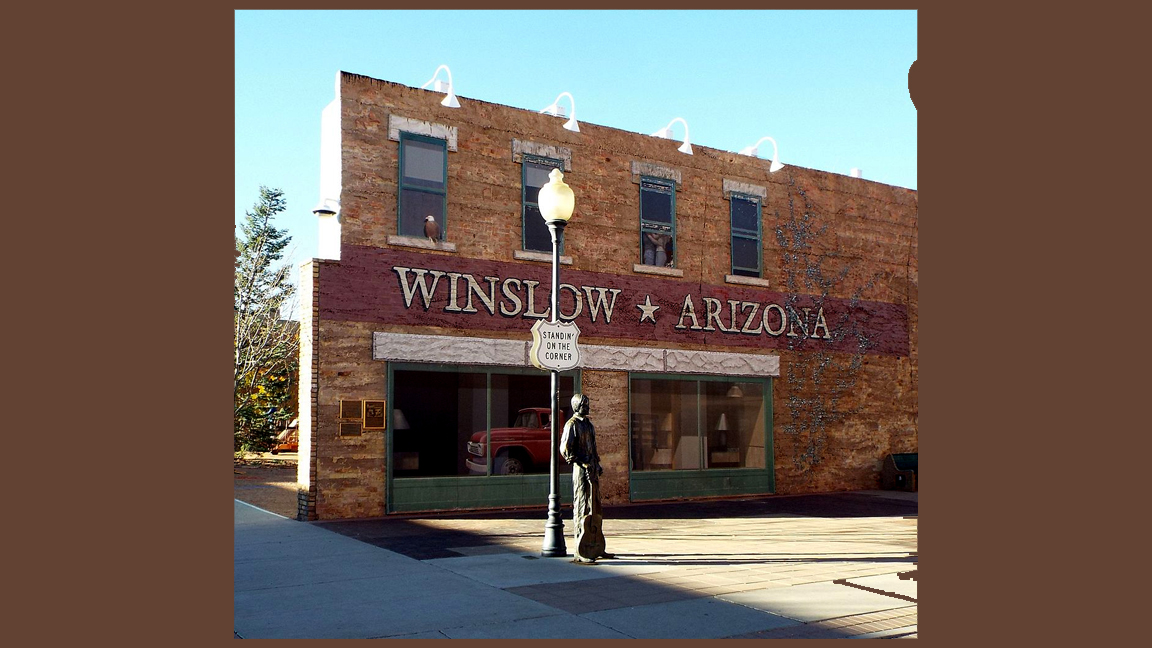
Winslow: Standing on the Corner Park, ode to the Eagles’ “Take It Easy”
Detour to Meteor Crater—a massive impact site near Winslow
Oatman: enjoy Wild West shows and burros roaming downtown
California: The grand finale on the Pacific
California’s Route 66 ends with a string of one-of-a-kind photo stops:
Roy’s Motel and Cafe: legendary neon sign, grab a coffee in the café
Amboy Crater: 250-foot volcanic crater with desert hiking trails
Elmer Long’s Bottle Tree Ranch: whimsical glass-bottle art installation
The iconic “End of the Trail” sign on Santa Monica Pier signals the end of Route 66. After taking in the ocean breeze, travelers can explore Los Angeles—the city of stars.
Do you have a favorite stop on Route 66? Be sure to share in the comments below.
Get your kicks on, well, you know how it goes…
“The Best Hits on Route 66: 100 Essential Stops on the Mother Road” is the perfect companion for anyone traveling down Route 66 or who has ever wanted to. Amy Bizzarri, a Route 66 expert, takes you on an inspiring and entertaining journey down America’s most famous favorite road. Along with fascinating history and travel inspiration, the book also includes itineraries so trip planning is a breeze. Learn more or order.
By Gail Marsh
“It’s time.” That’s what dear RVing friends recently told us. My first thoughts, I’ll admit, were selfish ones. “Who will play cards with us on rainy days? Spontaneously join in a last-minute motorcycle ride? Or take my husband fishing?”
Recovering from the unexpected announcement, I wondered how our friends arrived at the decision to stop RVing. I thought about our own eventuality. Who will determine when it’s time to hang up the RV keys?
Travel buddy
Sometimes a spouse is the first to recognize that the days of RVing are over. This was the case when we bought our very first RV. The couple who sold us their previously loved rig logged many happy miles from Indiana to New York to Louisiana to Alaska and a gazillion places in between.
As my husband looked over the RV, Doris pulled me aside. She admitted, “We just don’t enjoy it like we used to. I notice that my husband gets so tense while driving. Then I get nervous. It’s time to do other things.”
The DMV
Who will determine when it’s time to hang up the RV keys? Perhaps the Department of Motor Vehicles. Depending on where you live, you may have to take a written knowledge test as well as a vision test to successfully renew your driver’s license.
There are, thankfully, many opportunities to keep your driving skills strong. Free, online programs like this one can strengthen your reaction time along with other skills necessary for driving.
Insurance providers may offer in-person classes that can keep you sharp behind the wheel. Ask your agent about it.
CarFit, an educational program, offers seniors an opportunity to see how well their personal vehicle “fits” them. The program focuses on a driver’s safety and comfort. Experts will check to see if your vehicle “fits” you. Then they make recommendations (move closer to the steering wheel, adjust mirrors in a better way, etc.) to help you. This program is free.
Age
Another RVing friend, currently in his late 50s, has already decided. He will hang up the RV keys when he hits 70. Why 70? That’s when his dad stopped driving. He admits, “It’s an arbitrary number, I know. But it was so difficult to take the keys away from my dad, and I don’t wish that experience on my wife or kids.”
The doctors
As the years pile up, our reaction times and range of flexibility decrease. Our eyesight, hearing, and other skills may also diminish. Who will determine when it’s time to hang up the RV keys? Perhaps your physician. After all, she knows your health condition better than anyone.
Currently, I’m not much of a threat to any Olympic athlete. However, I recently read that building muscle is possible at any age. Any. Age. It’s never too late to begin exercising and eating healthier foods. Join a gym. Exercise in your RV or take a daily walk. Do something, anything, to keep your muscles strong and mind alert.
Myself
“I’ll just know.” That’s my husband’s theory. “I’ll just know when it’s time to hang up the RV keys. Won’t you?” I’m not so sure. I recently read that many adults drive seven to ten years longer than they should! Seven to ten years is a long time. Couple that statistic with the National Highway Traffic Safety Administration’s finding that older adults (65 years and older) have the second-highest accident rates in the nation. (Teen drivers rank first.) Will I know when it’s time to hang up the RV keys? I just don’t know.
How about you?
Who will determine when it’s time to hang up the RV keys? Vote in the poll and then please leave a comment.
By Dustin Simpson
In this video, Dustin and Zach discuss RV electricity basics—specifically, the difference between an inverter and a converter. They also cover what items run off of 12 volts (DC) and what items run off of 110 volts (AC). Knowing the difference will not only help you manage your RV electricity, but can help you troubleshoot problems when you are out on the road.
Tech support phone numbers for RV electricity issues
Should you need tech support with your RV electricity, locate your converter or inverter and gather the brand name, model and serial number. Tech support will be able to assist you based on the year, make and model of your RV.
WFCO: 1-877-294-8997
Progressive Dynamics: 1-269-781-4241
Samlex Power: 1-800-561-5885
GoPower!: 1-866-247-6527
Xantrex: 1-800-670-0707
IOTA: 1-800-866-4682
Parallax Power Supply: 1-800-443-4859
Park Power: 1-800-307-6702
More about groups
These Facebook groups were created to help educate owners about parts, problems, repairs, fixes, and upgrades on RV units. We will be sharing videos that include WHAT’S IN THE SHOP? and SHOP TALK episodes with information on accessories and products that we use and install on the units from the shop.
We try and help as time allows to answer questions and problems. We encourage others to share their experience so we can build a resource page to help everyone.
Please follow us on YouTube, see our published articles on RVtravel.com and other social media pages.
Please feel free to share your stories, problems, and upgrades with us so we can build a resource page to help others.
Well, if you’re a-standin’ on a corner in Winslow, Arizona (thanks, Eagles), Love’s is making it easier to have the RV nearby. Love’s RV hookups in Winslow, Arizona, are a reality at a brand-new travel stop—and it’s built with road trippers and RVers in mind.
This is Love’s 16th location in Arizona, and it brings with it everything from RV hookups to a dog park, fresh food options, and reliable services you can count on. Whether you need to dump your tanks, grab a shower, or stretch your legs with the pup, this new stop is ready to welcome you.
More than just Love’s RV hookups in Winslow, Arizona
Three RV hookups for overnight stays
Four RV dump stations to empty your tanks
Two designated RV parking spots
Free Wi-Fi to check in with family or stream a show
Dog park for your four-legged co-pilot
Fresh food daily from Love’s Fresh Kitchen, plus Arby’s and Dunkin’ on-site
And, yes, there’s plenty more: clean showers, laundry facilities, self-checkout, and even a CAT Scale if you’re curious about your rig’s weight. The travel stop also has 81 total truck parking spots (including 73 for semis), so space is ample even during peak hours.
For RVers who love to plan around reliable fuel and food, this location helps fill a big gap in northeastern Arizona’s I-40 corridor. Plus, with Love’s Rewards, frequent travelers can rack up points for fuel and food.
Community boost
Love’s also gave back to the local community, donating $5,000 each to Winslow Unified School District and Phoenix Children’s Hospital as part of the grand opening.
Fast facts at a glance:
Located off I-40 in Winslow, AZ
14,000+ square feet
81 truck parking spaces
3 RV hookups, 2 RV spaces, 4 dump stations
6 showers, laundry room, 9 diesel bays
Love’s Fresh Kitchen + Arby’s + Dunkin’
Self-checkout and Wi-Fi
Dog park
So, next time you’re headed through Arizona’s high desert, keep an eye out for the new Love’s in Winslow. Whether you’re overnighting or just passing through, it’s a solid pit stop for the RV crowd. And who knows, somebody might just roll by in a flatbed Ford.
It started with one horrifying sight: a man squatting near his SUV just 30 feet away, doing his business in plain view of a dog walker in a quiet, high-altitude Colorado town. Unfortunately, that wasn’t an isolated incident. By the summer of 2024, locals noticed an alarming trend—human waste showing up regularly along trails, near roads, and even on people’s private walking loops. It’s not a problem limited to the back country—poop in the parks can leave you disgusted.
The issue? Too many visitors, not enough toilets, and a surprising unwillingness among outdoor enthusiasts to properly bury—or pack out—their waste. The result: a growing problem that land managers across the U.S. now rank among the most urgent backcountry concerns.
Major publisher shines light on poop in the parks issue
In an in-depth and often humorous feature, The Guardian explores the rise in unburied human feces on public lands, particularly in high-traffic, rural areas. From Colorado to Vermont and even down to Patagonia, park officials say surface poop and stray toilet paper are outpacing education efforts, signage, and infrastructure.
Despite decades of “Leave No Trace” campaigns, it seems many visitors still treat the wilderness like it can absorb anything—when in reality, human waste lingers for years, spreading disease and ruining the backcountry experience for everyone.
Among the voices in the piece are outdoor educators and sanitation experts who point out that the act of pooping outside isn’t new—but the sheer scale of it is. Americans now log hundreds of millions of visits to national parks and public lands annually, and if only a fraction of those visitors skip digging a cathole, that still adds up to thousands of exposed waste sites.
“Messy consequences”
Compounding the issue are outdated attitudes and a strong cultural aversion to even talking about poop—let alone carrying it out. Wag bags (odor-proof, portable toilet kits) are available, but rarely used. High-tech composting toilets have proven successful in places like Japan and Norway, but the U.S. lags behind on both funding and implementation. Meanwhile, local residents and rangers alike are left to deal with the messy consequences.
In the absence of real solutions, humor is becoming a go-to tool for educators, with puns and poop jokes used to disarm visitors and drive the point home: bury it, bag it, or hold it—but don’t leave it on the trail. Whatever you do, please don’t poop in the parks without taking some mitigating measures to spare the rest of humanity.
If you’re an RVer, hiker, or camper who’s seen more “leavings” than you’d like lately, you’re not alone. And if you’ve ever walked your dog through a minefield of questionable trail debris, this story hits close to home.
We use cookies to ensure that we give you the best experience on our website. By continuing to use our site, you consent to accepting cookies. We NEVER have or will sell reader's data. For more info, please see our privacy policy page.