Home Blog Page 274

How to install a skylight in your RV or camper

By Cheri Sicard
Letting in more natural light can make a small camper or RV feel twice as big. That’s exactly what Nailgun Nelly achieved by installing a Specialty Recreation Replacement RV Skylight 14×14 from etrailer.com into her 1959 Kencraft camper.

If you’ve ever felt your home-on-wheels was a little dark or cramped, adding a skylight might just be the trick to open things up.

In the video at the bottom of this post, Nelly shows you how to install a skylight in your RV or camper. She breaks down every step and offers trusted tips for a leak-free, watertight install.

What comes in the skylight kit

Inside the box from etrailer.com, the kit includes everything needed to weatherproof your RV’s new window to the sky.

  • Outer skylight piece (white, UV-resistant polycarbonate)
  • Inner skylight trim
  • Skylight sealant (for UV polycarbonate – never use regular lap sealant)

One tube of sealant covers a 14×14 skylight. Larger openings may need more.

Tools and materials

Have these items ready before you start:

  • Drill
  • Sealant gun
  • 1-inch wood screws
  • Measuring tape
  • Utility knife or scissors
  • Cleaning supplies (rags, spray cleaner, putty knife if needed)

Watch the video to see how to do all of these steps, but this will give you an idea of what is involved:

Skip the struggle—removing an old vent is often the toughest part. In Nailgun Nelly’s case, the opening was left from an old fridge vent, so it was more about cleaning than demolition. Always start with a well-scrubbed and fully dried hole. Check sizing against your skylight before climbing up with supplies.

The skylight butyl sealant roll feels a bit like taffy and stretches as you work. Rip or cut pieces for each edge and lay them out before heading up the ladder. This ensures less balancing and fewer mistakes. Leave the sealant’s backing on until it’s time to apply.

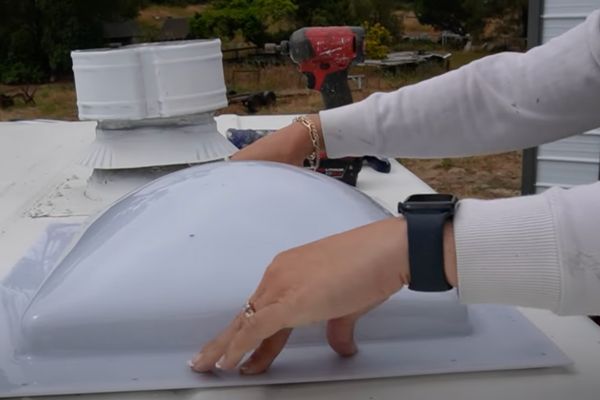
Set the sealant on top of the opening, matching the pre-measured strips to the screw holes. Gently lower the skylight into place, making sure it’s centered and sits flush on the roof. A helper inside can double-check the position for you. Only move on once the area is clean and everything lines up.

Fastening the skylight with screws

Begin with one corner to hold things steady, then move diagonally or work around the edges.

  • Pre-drill all holes before screwing in.
  • Drive screws in just enough to slightly flex the plastic—not too tight.
  • Use 1-inch wood screws for secure but gentle attachment.

Be patient and don’t rush this step. Too much force can crack the skylight.

Apply the SB140 or SR140 skylight sealant with a caulking gun. Spread a thick, even bead over every screw head and along the entire outer seam. This special sealant will bond with the UV polycarbonate; other types, like lap sealant, may cause damage. A proper seal means no leaks and less hassle if you ever replace the skylight.

Fitting the interior skylight trim

Once the exterior is sealed, the inside trim piece snaps into place. Confirm the screw holes match. Pre-drill each hole, then use 1-inch wood screws to secure the trim without cracking it. Check for even gaps on all sides and a snug fit. No sealant is needed here, so leaks will show up where you can see them.

Benefits of an RV skylight

Sunlight transforms small spaces fast. That old vent spot becomes a bright focal point, making the camper feel airy and more inviting. The new skylight not only improves looks but makes every day feel fresher.

Tips for installing an RV skylight

  • Don’t overtighten screws to avoid cracking.
  • Only use the included skylight sealant—never lap sealant.
  • Organize and measure supplies before climbing the ladder.
  • Clean every surface where sealant will touch.

A safe RV skylight install is a dry, long-lasting one.

RELATED

RVDT2680
Amazon Prime members save $1 per gallon at the pump this weekend

2

Amazon Prime Day doesn’t officially kick off until July 8, but members can still enjoy early deals such as discounted gas.

For those traveling on the Fourth of July holiday weekend, Amazon Prime is offering $1 off per gallon, eligible for up to 35 gallons, at select gas stations.

Amazon Prime members can link their accounts to BP’s “Earnify” rewards program to get the deal on gas at more than 7,500 Amoco, BP and AM/PM gas stations nationwide starting Thursday, July 3, through Sunday, July 6.

Amazon Prime members can link their accounts here.

Even after the weekend, there’s still a way to save on gas if you’re an Amazon Prime customer. Prime members who have linked their accounts to Earnify can get a 10-cent discount per gallon at participating gas stations, with no limit.

How do Amazon Prime members get a gas discount?

To redeem the perk, Prime members must link their membership to Earnify, BP’s loyalty program. Then, enter your phone number at the pump of any participating gas station, use the Earnify app, or use the payment method linked to the Amazon account used to sign up.

The deal is eligible at 7,500 Amoco, BP and AM/PM gas stations nationwide, according to Amazon.

Not an Amazon Prime member? Sign up here.

When is Amazon Prime Day 2025?

Amazon’s 11th Prime Day officially starts July 8 at 12:01 a.m. PDT (3:01 a.m. Eastern Time) and runs through July 11.

What’s new for Amazon Prime Day?

In addition to 2025’s event being Amazon’s longest-ever Prime Day, there will also be a new feature called “Today’s Big Deals.” Starting at midnight Pacific on each day of the sale, there will be “themed daily drops” across top brands.

Amazon’s announcement said those drops will feature “some of the most exciting deals of the event” and will only be available for a limited time, while supplies last.

There will also be “deals dropping as often as every five minutes during select periods throughout the event,” Amazon said.

You can stay up to date with the Amazon Prime Day sale here, and see all items currently on sale.

Note: Never fall for a fake Amazon email scam! Learn how to spot them here

MORE RECENT NEWS:

RVT1216b

What are you eating today for the 4th?

11

It’s the 4th of July! And you know what that means? Food! Really, really good food!

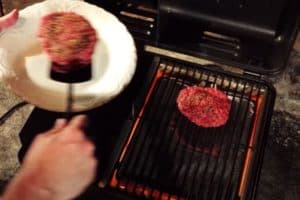
Most Americans eat hamburgers and hot dogs on the 4th, but grilled meats and veggies, potato and mac salad, corn on the cob, are always popular, too.

According to Reader’s Digest, Americans will consume about 150 million hot dogs today. They wrote, “To put the full number in context, if you took 150 million hot dogs and lined them up one in front of the other, they’d reach from Los Angeles to Washington, D.C., more than five times over!”

What will it be for you today? A cheeseburger? A hot dog? Some pasta salad and baked beans? Some corn and ice cream? Or perhaps you’re not doing anything special for the 4th today and you’re just eating your regular meal (come on, not even a hot dog?!).

Click to enlarge.

You can vote multiple times in this poll, so select all answers that apply. And when you’re finished voting, please leave a comment and tell us what you’re having today. Make us hungry!

RELATED

RVDT2680
First new state park campground in decade in California gets underway

Central California offers a rare combination of accessible wilderness, scenic drives, comfortable campgrounds, and cultural experiences—all wrapped up in some of the most beautiful landscapes in the country. Well, some might argue that “comfortable campgrounds” may not be as plentiful as some would hope. The state hopes to change that with a new campground at Ford Ord Dunes State Park.

New campground at Fort Ord offers RVers features they want

New campground at Fort Ord
Project location at Fort Ord Dunes State Park. Photo from Design Workshop via Cal State Parks.

Tucked along the Monterey Bay shoreline, Fort Ord Dunes State Park is a peaceful stretch of California coast just outside the cities of Monterey, Seaside, Marina, and Sand City. Once part of the Fort Ord Army Base, the park now protects more than 800 acres of undeveloped coastal dunes and four miles of beach. It’s a hidden gem with both natural beauty and deep military roots. Soon, it’ll be home to a brand-new state campground designed with RVers and outdoor enthusiasts in mind.

California State Parks will break ground on the new campground at Fort Ord this summer. Crews plan to wrap up construction in about two years, with the campground expected to open in 2027. The $33 million project—partly paid for by Proposition 84—is the first new state park campground in California in a decade.

While work is going on, part of the main trail (Beach Range Road) will shift to a nearby path, but the beach and most other trails will stay open.

Once finished, the campground will feature 98 campsites in total. RVers can look forward to 45 sites with water and electric hookups, roomy enough for large rigs. The site will include a dump station, two camp host spaces, and modern restrooms with showers. For tent campers, there will be 43 traditional sites with paved parking pads, picnic tables, fire rings, and tent spaces. Hikers and cyclists will have access to 10 walk-in or bike-in campsites, connected directly to the Monterey Bay Sanctuary Scenic Trail.

Fort Ord will be the first new state park campground in California since Onyx Ranch campground in 2014. Technically that’s a new state park campground, but lies in the confines of a state vehicular recreation area of the same name. As far as new campgrounds in designated “state parks,” well, that’s been a long time.

Accessibility included

Accessibility is a major focus of the design. The campground will include four ADA-compliant RV sites, along with accessible tent and bike-in options, restrooms, showers, beach access, and parking areas. The entire site is being built to meet both state and federal accessibility standards.

The campground is getting three “mini-group” campsites. They’re single sites you can book together for families or small groups. You’ll also find three restrooms, rinse stations, overflow parking, and Wi-Fi. The campground will have a modern campfire center with a fire ring and AV (audio-visual) setup—perfect for ranger talks or evening gatherings. Up on the dunes, a scenic overlook will give you amazing views of the ocean, old Fort Ord, and the nearby cities.

Monterey Bay Scenic Trail gets a revamp, too

New campground at Fort OrdThe project will upgrade the popular Monterey Bay Sanctuary Scenic Trail that runs right through the park. It’s a Class I bikeway, so you’ll see separate lanes for bikes and pedestrians. Crews will add clearly marked crossings and signs along the way that highlight the area’s nature and history. The trail will also connect directly to the campground’s hike and bike campsites.

Beach access is getting an upgrade, too. Campers will be able to reach the shoreline via a new accessible walkway that avoids damage to the fragile dune ecosystem. The gently sloping path will allow for year-round access from the bluff down to the sand.

Military history gives way to state park

This park has a story to tell. Originally used for field artillery training in 1917, the area became Camp Ord in the 1930s. It was renamed Fort Ord in 1940. During World War II, the Korean War, and the Vietnam War, more than 1.5 million troops trained here. Fort Ord was also notable for its racial integration during a time when that was rare in the military. The base’s diversity helped shape the inclusive communities nearby. After Fort Ord closed, the land was transferred to the state and opened as a park in 2009.

With coastal views, history, and modern amenities, the new campground at Fort Ord Dunes State Park is shaping up to be a fantastic stop for RVers exploring California’s Central Coast. For updates on the project or to learn more, email California State Parks at Newsroom@parks.ca.gov.

Red-faced editor’s note: Updated July 4, 2025, at 1755 Pacific Time to properly relocate Fort Ord in Central, not Northern California. Mama always told me I was geographically challenged, but I can still find my way to the dinner table. RD.

RELATED

RVT1216b

National Park to present ‘Stories of the Atomic Age’

1

Manhattan Project National Historical Park in Oak Ridge, Tennessee, in partnership with Oak Ridge Associated Universities (ORAU), will host a new free public program titled “Beyond the Bomb: Stories of the Atomic Age” on Thursday, July 24, at 2 p.m., Eastern Time.

Utilizing the rich history and museum collection of the ORAU Museum of Radiation and Radioactivity, this program will dive into atomic culture and innovations in medicine sparked by the Manhattan Project and expanded during the atomic age. Participants will have the unique opportunity to explore the Museum of Radiation and Radioactivity, not regularly open to the public.

“Visitors will explore the culture-changing impact of the Manhattan Project, from nuclear medicine pioneered by Manhattan Project scientists in Oak Ridge, to early hope for an atomic future. Until recently this vast collection was mostly seen by nuclear professionals. The park is committed to increasing opportunities for the public, and we are excited to work with ORAU to share this history,” said Oak Ridge Site Manager Niki Stephanie Nicholas.

The Museum of Radiation and Radioactivity began in the 1980s, as ORAU health physicist Paul Frame began collecting relevant artifacts for hands-on use and demonstrations in ORAU’s Professional Training Programs.

What started with radiation instruments has grown to include historically significant artifacts, atomic novelties, and consumer items like atomic toy guns marketed to children in the 1950-60s.

The collection has been available for the public to view online since the early 2000s. With ORAU’s training programs’ recent relocation to the Pollard Center on the ORAU main campus, the Museum of Radiation and Radioactivity had the opportunity to be open to the community for the first time.

The Museum is located at 100 ORAU Way, Oak Ridge, Tennessee 37830. For more information, contact Manhattan Project National Historical Park’s Oak Ridge office at (865) 482-1942.

MORE NATIONAL HISTORICAL PARKS

RVT1216b

Some Chevy and GM trucks recalled for airbag rupture danger

1

General Motors (GM) is recalling certain 2018 GMC Sierra 1500, 2019 Sierra 2500, 3500, Chevrolet Silverado 3500, and Chevrolet Silverado 2500 and 2018 Chevrolet Silverado 1500 Crew Cab vehicles. The left- or right-side roof-rail air bag (RRAB) inflator end cap may detach from the inflator or the inflator sidewall may rupture.

The recall was issued June 25, 2025.

A detached end cap or inflator rupture can allow compressed gas to escape and project the end cap or fragments of the inflator into the vehicle, increasing the risk of injury or crash.

Remedy
Dealers will replace the left and right side RRAB modules, free of charge. Owner notification letters are expected to be mailed August 11, 2025.

Owners may contact GMC customer service at 1-888-988-7267 or Chevrolet customer service at 1-800-222-1020. GM’s number for this recall is N252513060.

Complete list of most important RV recalls in recent times.

How RV recalls happen and how you can force manufacturers to fix problems

RVT1216b

Toxic algae found in parts of Lake Powell

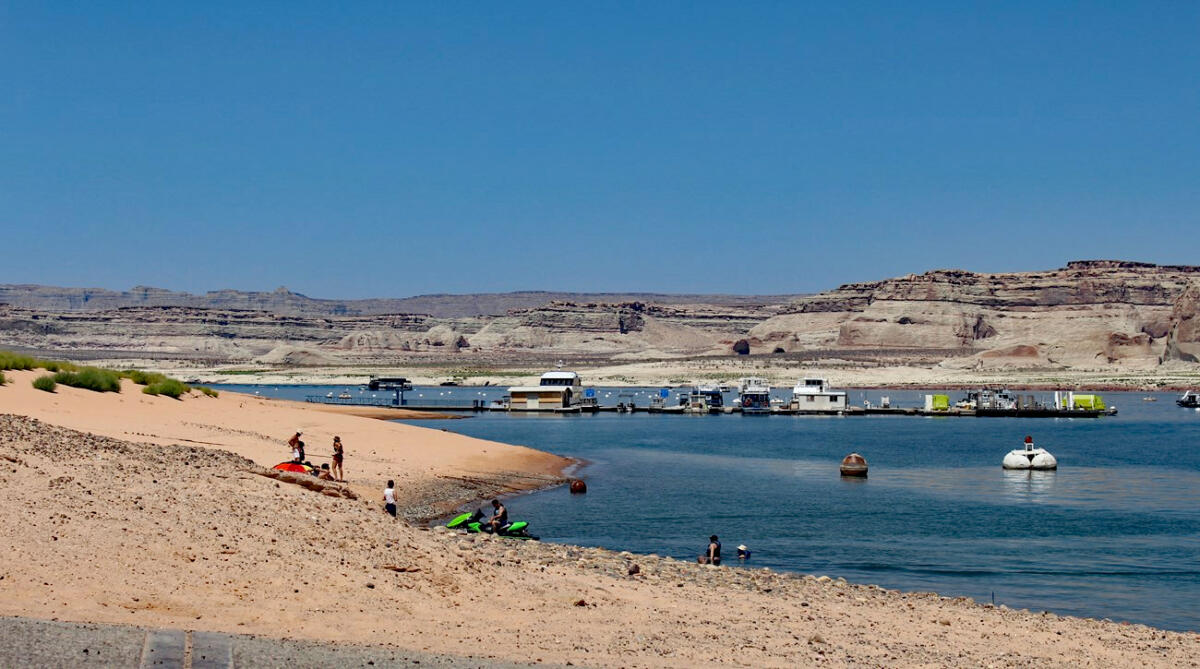
The National Park Service (NPS) has found high levels of toxic algae—called cyanotoxins—in the water at the mouth of Antelope Canyon, a popular spot on Lake Powell on the Utah/Arizona border. The levels are close to the upper limit of what’s considered safe for people and animals. The Lake Powell algae bloom is nothing to mess with.

Lake Powell algae bloom doesn’t close recreation

Lake Powell algae bloom
Wahweap area. NPS image.

These toxins come from certain types of algae blooms, which can be dangerous to humans, pets, and wildlife. While the lake remains open for boating, fishing, and other fun, the NPS recommends using extra caution, especially in areas where the water looks discolored, foamy, or scummy.

Other parts of Lake Powell may also have these toxins, so it’s important to stay alert and play it safe.

Why it happens

Lake Powell’s algae blooms are more likely when the water is warm, calm, and full of nutrients like nitrogen and phosphorus. These nutrients can come from runoff—things like fertilizer or other materials washing into the lake. The type of algae that causes problems, known as blue-green algae, is naturally found in many lakes in Utah and Arizona. But under the right conditions, it can multiply quickly and form visible scum or mats, especially in shallow, warm areas.

Some algae are harmless—but others, like those producing cyanotoxins, can make people or animals sick.

Safety tips

To protect yourself, your kids, and your pets, follow these tips during algae bloom season:

  • Don’t swim or wade in water that has visible scum or discoloration.
  • Avoid boating, jet-skiing, or water-skiing in scummy water—it can release toxins into the air and you might breathe them in.
  • Don’t let pets or livestock drink or swim in water that looks suspicious.
  • Keep children away from scummy areas along the shore.
  • Always shower off with clean water after being in the lake—whether or not you see algae.
  • Rinse off pets immediately if they’ve been in the water, and don’t let them lick their fur afterward.
  • If you catch fish, clean them with fresh, treated water—never lake water.
  • Be sure to clean, drain, and dry your boat and gear after use.
  • Watch for symptoms.

If someone—or a pet—has been in the water and then shows signs like nausea, vomiting, breathing problems, seizures, or other unexplained illness, seek medical or veterinary care right away.

The NPS water team is monitoring conditions and will continue testing. For updates and more information on the Lake Powell algae bloom, check the Glen Canyon Lake Powell Water Advisory page or follow Glen Canyon National Recreation Area on social media.

RELATED

RVT1216b

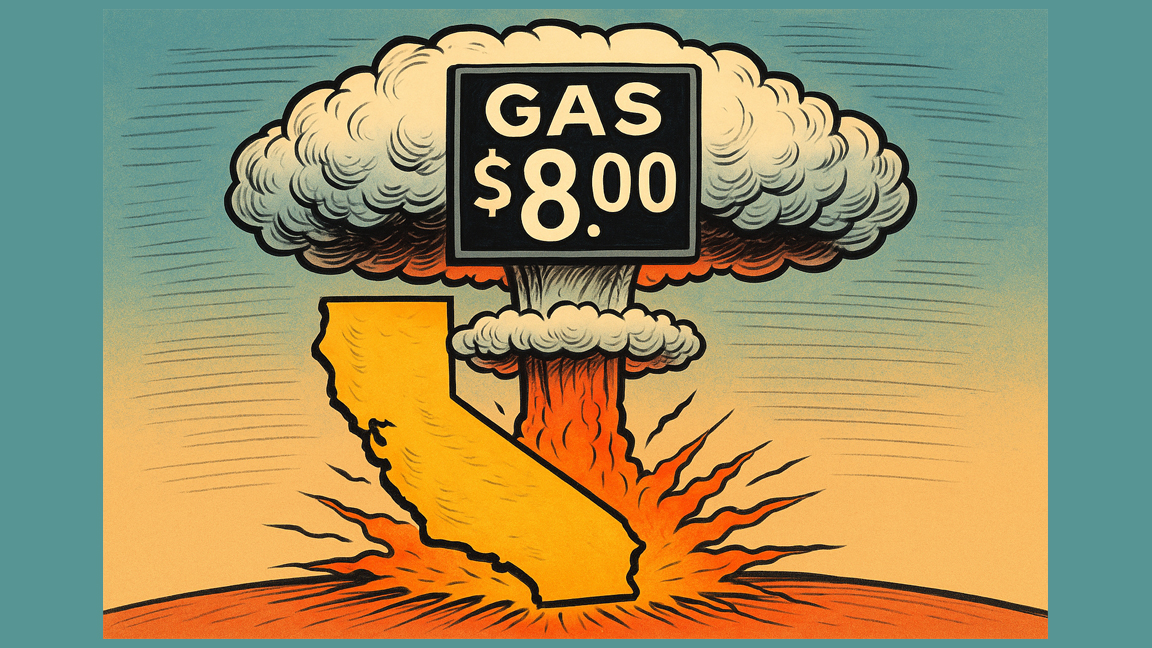
No, California gas isn’t jumping to $8 overnight. Here’s what’s actually happening

If you’re planning to take your rig through California this summer, here’s some good news: Even though the state just raised its gas tax, you probably won’t notice a big change at the pump—at least not right away. Here’s an $8 California gas fact check.

$8 California gas fact check: 65 cents up to $8 is “overblown”

On July 1, California increased its gas tax from 59.6 cents to 61.2 cents per gallon. That’s a two-cent jump. For RVers, who often keep a close eye on fuel costs, that might sound concerning—especially with some headlines warning of $8-a-gallon gas or price hikes of 65 cents per gallon. But fuel experts say those warnings are overblown.

“There’s not a risk that gas prices are going to spike to $8 on July 1,” said Patrick De Haan, a fuel analyst with GasBuddy. De Haan and other fuel experts were interviewed in a news piece by sfgate.com.

Gas tax tied to inflation–and this year, it’s pretty negligible

The gas tax is part of a 2017 law called Senate Bill 1, also known as the Road Repair and Accountability Act. The tax is used to help maintain and improve roads—something RVers depend on during their travels. The law includes a yearly increase to keep up with inflation. This year’s hike is small and, according to experts, not enough to push up prices in a noticeable way.

With gas prices already trending down in California, most stations likely won’t pass the small tax increase on to customers right away.

“They don’t need to necessarily raise prices because a two-ish cent increase is not a substantial amount,” De Haan said.

So what happened when the new tax switched on?

As of July 1, California’s average gas price was $4.58 per gallon—down from $4.65 a week ago and $4.78 a month ago, according to AAA. Prices vary depending on where you are in the state. In Napa County, gas is averaging $4.89. San Francisco and Sonoma counties are just behind that. The highest prices are in Mono and Trinity counties, with gas more than $5.30 in some spots.

Still, compared to the $6+ prices California has seen in recent years, these numbers are relatively mild—especially during summer travel season.

So where does the “$8 gas price” idea come from?

Some lawmakers and media reports have claimed that gas prices could shoot up to $8 per gallon. That idea comes partly from a study by a professor at USC, who warned that prices could hit that number by 2026 if California continues to lose oil refineries.

Refineries are shutting down in the state for various reasons—one of the big ones being California’s tough environmental rules. With fewer refineries making fuel, there’s a risk of tighter supply and higher prices down the road. But experts stress that’s not an immediate concern.

“Theoretically, it could happen,” GasBuddy’s De Haan said. “But those are not imminent.”

What about the 65-cent jump?

Some critics are pointing fingers at new carbon emission rules also rolled out July 1. These are aimed at cutting greenhouse gases, and opponents say they could add big costs to fuel. But fuel experts say the math behind the 65-cent-per-gallon increase is fuzzy at best.

Oil analyst Denton Cinquegrana said the real impact might be just a few cents—and not right away. “The truth lies somewhere in between,” he said. “And I would say it’s a lot closer to zero than it is 65.” Cinquengrana’s thoughts were shared in the same sfgate.com article.

RV bottom line

$8 California gas fact check
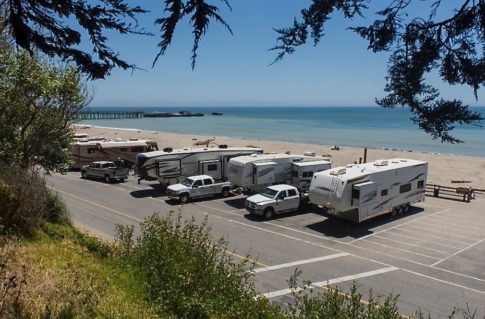
You can still afford fuel to camp Golden State beaches. Photo credit: California State Parks

If you’re hitting the road this summer, especially in California, expect prices to stay steady or even drop a bit in the short term. Yes, fuel is still more expensive in California than in most other states, but the sky isn’t falling—despite some of the political noise.

California Governor Gavin Newsom’s office even posted a “fact check” online, pointing out that the gas tax increase was approved years ago and even upheld by voters.

Here’s the bottom line of the $8 California gas fact check: For now, De Haan says RVers shouldn’t worry. “I do expect that the trend over the next week should be that gas prices either remain stable or decline,” he said.

So, go ahead and plan that national park loop or wine country escape—you’ll still be paying a lot less than $8 at the pump.

RELATED

RVT1216b

Great RV Accessories Newsletter #68

Greetings, fellow RVers!

Summer is here and, therefore, there is no better time to do your cooking outside of the RV than now! This issue we shine a spotlight on outdoor cooking, along with some other great stuff we are liking. Read on!


Outdoor cooking

Keep the heat OUT of the kitchen and enjoy the joys of outdoor cooking with these great gadgets!

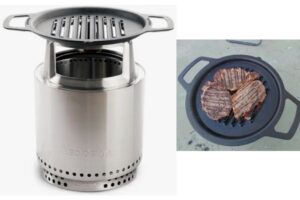
Solo Stove Ranger and cast iron grill with steaks cooking

Cooking with the Solo Stove

By Cheri Sicard
The Solo Stove is far more than just a smokeless campfire firepit. In addition to the basic stove, you can get all kinds of terrific cooking accessories for it that transform it into a practical item to take along, for those who have ample space. Check out these posts:


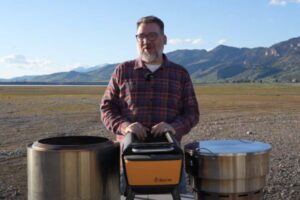
Jason Epperson of RV Miles with 3 smokeless fire pitsSmokeless firepit showdown: Solo Stove, Slinky Stove, and BioLite compared

By Cheri Sicard
Solo Stove is NOT the only game in town when it comes to smokeless firepits. Check out a comparison among the three top contenders here.

RV game changer: Traeger portable smoker grills

Traeger portable grills

By Cheri Sicard
If you’re not familiar with the brand, it was invented in the 1980s. What makes Traeger smokers so unique is their wood pellet fuel that comes in a variety of types, depending on your BBQ preference. This produces smoke and cooks the food over indirect heat—in other words, true barbecue. See this gadget in action here.

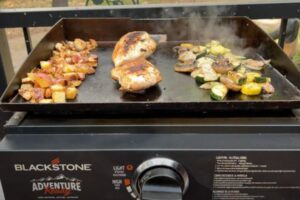
Pros and Cons of the Blackstone Portable Griddle

food cooking on a portable Blackstone griddle

By Cheri Sicard
After using it for three years, what do I think are the pros and cons of the Blackstone portable griddle? Find out the pros and cons here.

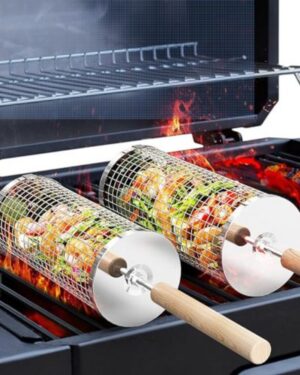
The top 5 best grilling gadgets

grill baskets

By Gail Marsh
Gail has discovered some great must-have grilling gadgets to help make the most of summer grill season. Discover Gail’s great grill gadget picks.


Other stuff we’re liking

Camco magnetic sewer hose capCamco magnetic sewer hose cap

By Tony Barthel
Finally! A better sewer hose cap! The campers at Camco have created a solution to a problem lots of RVers have: lost sewer hoses that come loose during transit. Learn more here.

More awesome IKEA RV gear

Ikea RV gear - Ikea store

By Cheri Sicard
The Grateful Glampers return to IKEA for another RV gear shopping trip. Check out what they found here.

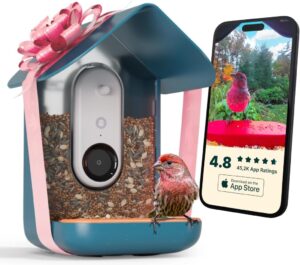
Bird Buddy birdwatching camera

Bird Buddy feeder/camera Amazon.com image

By Gail Marsh
Bird Buddy is an innovative smart bird feeder that brings birdwatching into the digital age. Equipped with a high-resolution camera and AI technology, this is not your grandma’s bird feeder! The Bird Buddy captures stunning photos and videos of your feathered visitors and provides real-time notifications to your smartphone. This modern twist on a classic hobby offers a unique and engaging way to connect with nature—especially when traveling around the country in your RV. Learn more about Bird Buddy bird feeders/cameras.


Our top 5 best-selling Amazon products for RVers this month:

  1. Mr. Grip Screw Hole Repair Kit (as Nanci recommended here)
  2. Motor Carriers’ Road Atlas 2026: United States, Canada, Mexico (as Gail Marsh recommended here)
  3. Jar Opener, Bottle Opener and Can Opener for Weak hands, Seniors with Arthritis and Anyone with Low Strength
  4. Zevo Flying Insect Trap & 3 Cartridges – Plug in Fly Trap & Indoor Bug Catcher
  5. Motor Carriers’ Road Atlas 2026: United States, Canada, Mexico Deluxe edition (as Gail Marsh also recommended here)

The book nook

10 Books for RVers and their kids or grandkids

By Gail Marsh
If you’re an RVer who wants to inspire an adventuring spirit in your kids or grandkids, this article and these RV, camping, and travel books are for you! Discover Gail’s book picks for RVing families.


Gadget quick takes

rechargeable Crocs light - flashlight that clips to Crocs shoes

Rechargeable clog flashlights

Bright and practical, these LED clog headlights are perfect for indoor and outdoor activities like walking the dog, jogging, hiking, cycling, camping, running, etc. Lightweight and easy to attach to shoes, ensuring they stay in place without slipping off, they can handle rainstorm weather and the dew of camping, ensuring reliable performance in various conditions.

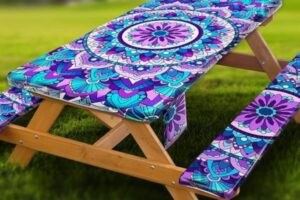
picnic table and bench covers

Waterproof slip-on picnic table and bench covers

This 3-piece set includes 1 x table cover (72″x 30″), 2 x bench cover (72″x 12″), suitable for a standard 8-foot table and bench. For added convenience, it comes with a portable storage bag, so you can easily fold it and carry it with you wherever you go, making it ideal for on-the-go outdoor adventures. Available in a variety of colors and patterns.


MAKE SURE YOU READ today’s RV Daily Tips Newsletter before leaving. Lots of good stuff inside for RVers! Click here to read.


Gadget giggles

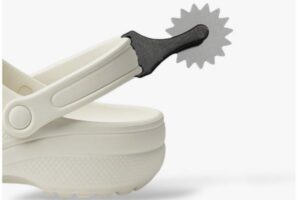
SPurs for Crocs shoesThese Crocs have spurs that jingle jangle jingle…

Custom-designed cowboy boot spurs that clip securely to Crocs back straps for a fun, Western-inspired look. Realistic spur design features a rotating gear-style wheel that adds motion and novelty to every step. Order from Amazon.


More recent gadget articles you might like:


READ PAST ISSUES OF THIS NEWSLETTER! Click here.


RVtravel.com All-Star Team

Click here for information about our staff and how to contact us.

RV Daily Tips. Thursday, July 3, 2025

Issue 2679


Today’s thought

“Don’t wait for a light to appear at the end of the tunnel, stride down there and light the bloody thing yourself.” ―Sara Henderson


Need an excuse to celebrate? Today is National Eat Your Beans Day!

On this day in history: 1819 – The Bank for Savings in the City of New-York, the first savings bank in New York City, opens.


Tip of the day
Clean your RV window screens without water

By Jim Twamley
Jim Twamley’s writings were a favorite among our readers for many years. Jim’s health finally forced him to “hang up the keys,” but we like to dip into the archives and pull out pertinent “oldies” to share. Here’s one of them:
To thoroughly clean my RV window screens I remove them and wash them with soap and water. But if they are merely dusty, a microfiber towel will do a great job without using water. Simply wipe the dry towel across the surface of the screen and it will pick up the dust. I couldn’t believe how easy it was to clean the screens the first time I tried it. You can see the difference here.


Ask Dave
RV’s furnace blows warm air only. What should I check?

Dear Dave,
My RV’s furnace is blowing warm air, not hot air like it used to. The propane tank is full; stove, fridge, water heater work fine. Battery voltage is 13.2. When turned on, the fan starts and a few seconds later I can hear the burner ignite. What should I check first? Thanks. —Rick, 2010 Thor Four Winds Siesta  Read Dave’s answer.


Article and video
The best stops on Route 66 in every state

By Cheri Sicard
Route 66, also called the Mother Road by John Steinbeck, traces a line of American history from Chicago all the way to the Pacific. Spanning eight states and crossing three time zones, this legendary highway shows off everything from Missouri’s towering woodlands to the sun-bleached ranchlands of Texas. Click here to read a breakdown and watch the video.


Rvtravel 300x250 Promo 10bTake an extra 10% off a GhostBed luxury RV mattress!
The GhostBed RV mattress is 10” deep, crafted with gel memory foam for coolness, has 3 layers of luxurious comfort and is perfectly sized for your RV! Ahhhh… Wake up relaxed and rejuvenated. RVtravel.com readers now get an EXTRA 10% OFF a GhostBed Luxury RV Mattress! CLICK HERE and use code RVTRAVEL10. Watch RVtravel.com’s Tony Barthel’s RV mattress review here.


Featured article
Look inside a restored 1960 Spartan Carousel: A “Holy Grail”, mid-century marvel

By Paul Lacitinola
This 1960 Spartan Carousel recently took the Vintage Camper Trailers’ social media pages by storm. It captivated thousands of admirers who liked and commented on the photos. Dan Reiser built the unique trailer with a challenge—balancing the restoration of mid-century charm with the necessary upgrades for modern functionality. Check out this beauty.


Reader poll
Are you doing something special tomorrow for the 4th of July?

Respond here.


Quick tip
Time to defrost the fridge?

RV refrigerator seemingly not as cold as it should be? Open the fridge door and examine the cooling fins at the back of the compartment. If they’re coated with ice, it’s time to defrost. Shut off the fridge, remove the food to an ice chest with ice, insert a pan of warm water and close the door. Prepare to mop up the meltdown. Reload and restart. More info here


On this day last year…


RANDOM RV THOUGHT: When using a public shower, like in a state park, always turn on the hot water before getting undressed. Sometimes, there will be no hot water. If it’s a chilly morning or evening you will feel pretty stupid standing there naked with nowhere to go. Of course, if you are brave and have the temperature tolerance of a polar bear, jump right in. Brrrrrrr. Good luck!


Website of the day

AARP Daily Crossword
As AARP says, “A crossword a day keeps the doctor away!” This is a good daily dose of entertainment, and it keeps your brain sharp. Have fun!


? MYSTERY PRODUCT OF THE DAY ?
It’s RV-sized and will absolutely change your life! Never let your RV, car, home (you name it!) feel dirty again!


And the survey says…

We’ve polled RVtravel.com readers close to 5,000 times in recent years. Here are a few things we’ve learned about them:

• 15 percent never ask for permission when they “camp” in Walmart parking lots.
• 31 percent currently have an extended warranty on their RV.
• 22 percent have stayed overnight in a Cabela’s parking lot at least once.

Recent poll: The RV laundry conundrum: Do you/would you remove unattended clothes from washer/dryer?


Trivia

Do microwaves cook food from the inside out? No. Microwaves penetrate the food to a depth of 1 to 1½ inches. In thicker pieces of food, the microwaves don’t reach the center. That area would cook by conduction of heat from the outer areas of the food into the middle. In a microwave oven, the air in the oven is at room temperature so the temperature of the food surface is cooler than food in a conventional oven, where the food is heated by hot air. Therefore, food cooked in a microwave oven doesn’t normally become brown and crispy.


Readers’ pet of the day

“Bentley (Boxer, age 11.5) is such a sweet pet. He never barks, loves to go camping, on boat rides, and walks.” —Joy Bazen

HELP! WE’RE LOW ON PET PHOTOS! Send us a photo of your pet with a short description. No blurry photos and please do not submit your photo more than once. Thanks!


Leave here with a laugh

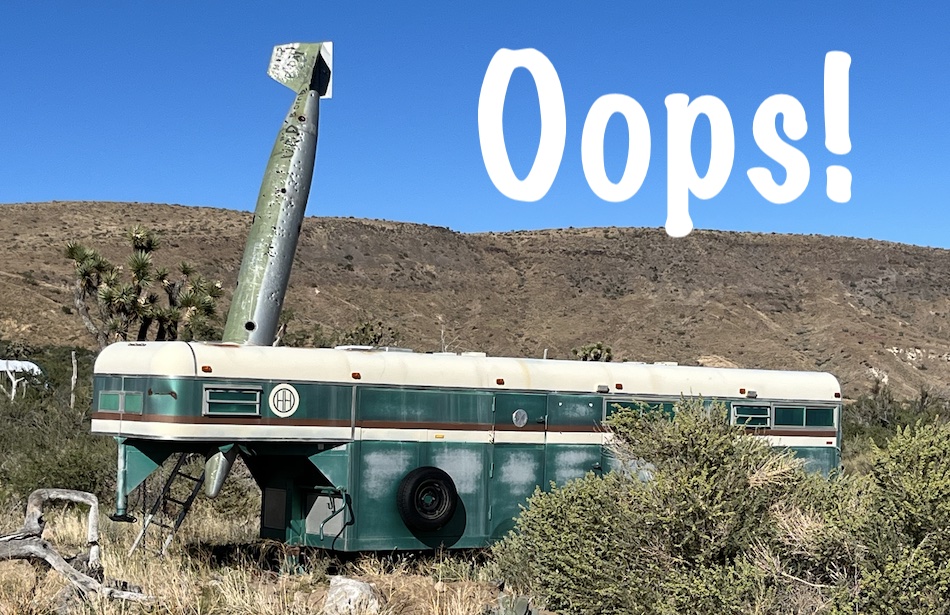
Pioneertown, California
Pioneertown, California. Photo: Chuck Woodbury

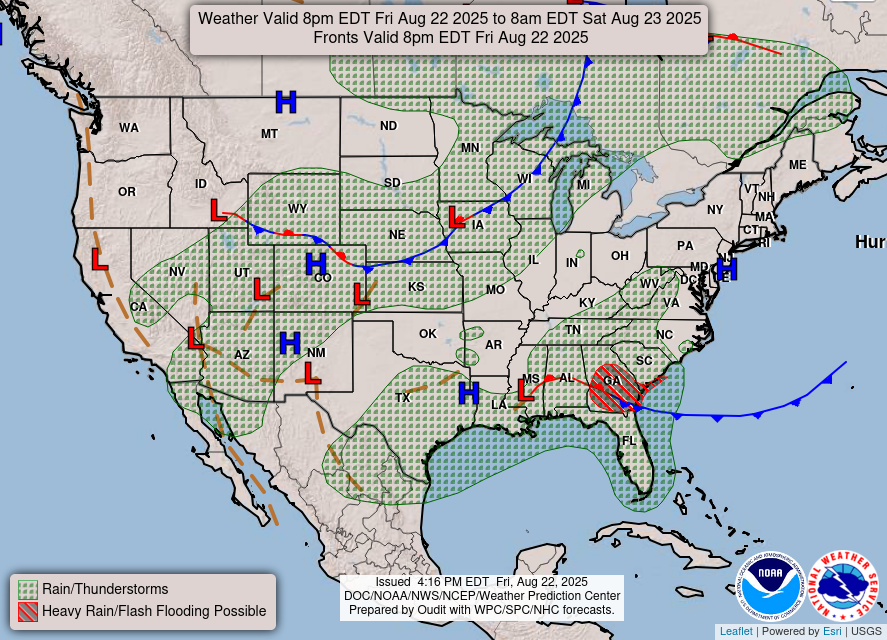
Today’s weather forecast across the nation
THIS MAP UPDATES TWICE A DAY

Visit Current National Radar Weather Map
Current fire and smoke map from AirNow


Did you miss the latest RV Travel Newsletter? If so, read it here.
Oh, and if you missed the Latest News for RVers, make sure to catch up here.


If you shop at Amazon.com we’d appreciate you using this link. We get an itty bitty commission if you buy something, but they add up and help us pay our bills (most importantly our hard-working writers!).


RVtravel.com All-Star Team

Click here for information about our staff and how to contact us.

Our policy on using artificial intelligence.

RV’s furnace blows warm air only. What should I check?

Dear Dave,
My RV’s furnace is blowing warm air, not hot air like it used to. The propane tank is full; stove, fridge, water heater work fine. Battery voltage is 13.2. When turned on, the fan starts and a few seconds later I can hear the burner ignite. What should I check first? Thanks. —Rick, 2010 Thor Four Winds Siesta

Dear Rick,
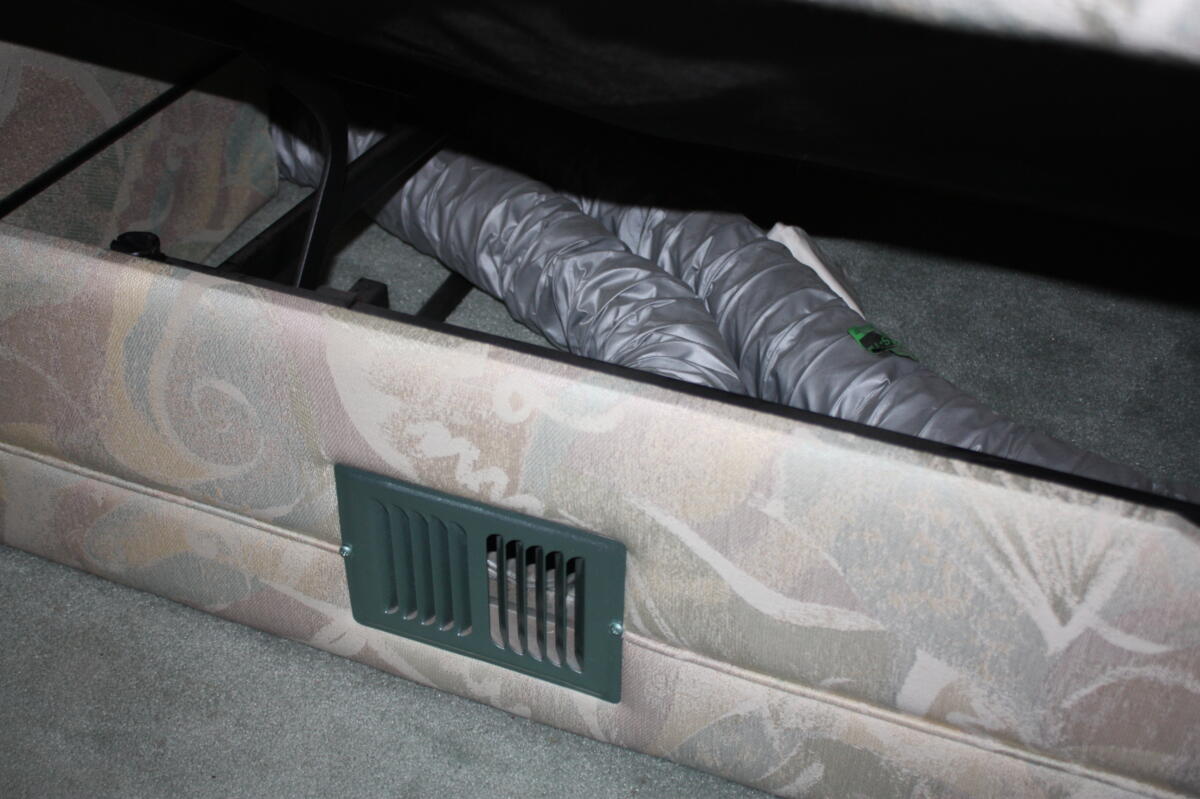
From what I can tell in the 2010 Siesta brochure, all models came with a 25,000 BTU furnace. It looks to be forced air with corrugated ducts running through cabinetry to the vents.

Furnace Duct
Furnace duct

These ducts are connected to the main furnace assembly and can often get loose, obstructed or kinked. If they are obstructed or kinked, typically that would create a restricted airflow and either trip the temperature sensor or the sail switch and shut the unit down. Warm air would indicate a hose got disconnected and warm air is blowing in other directions. I would suggest that you check the hoses at the main furnace and in the cabinetry as well as at the vent.

If these are all connected, the next step would be to get an airflow meter called an anemometer to get actual airflow and temperature. Here is one available on Amazon.

AnemometerI would check the temperature at a vent and then at the furnace itself by removing one of the hoses. This will tell you actual data regarding what is coming out of the unit.

Verify operation of the furnace

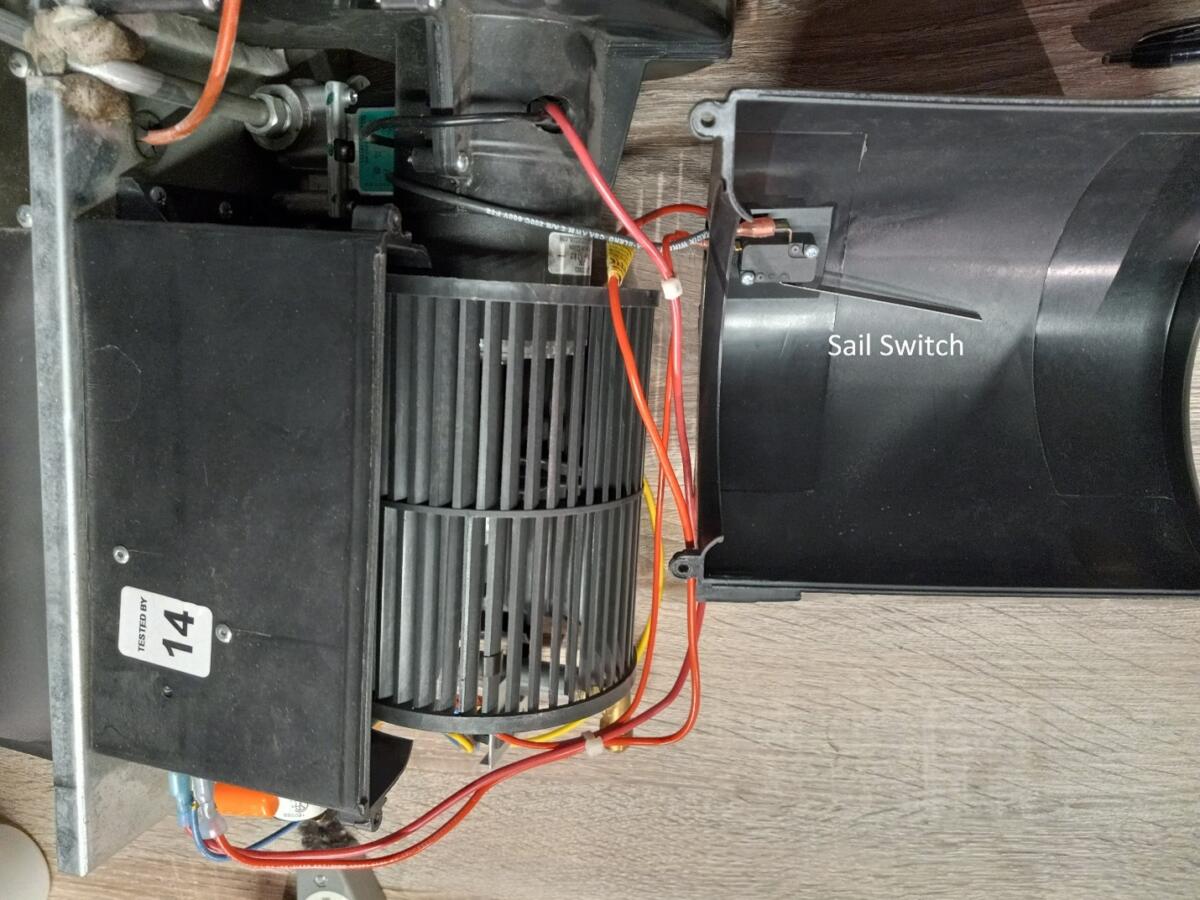
The next step would be to verify proper operation of the furnace. It is possible that the unit is igniting, the fan is running, but then it is shutting off due to the sail switch not lifting high enough or the temperature sensor. The sail switch can get dirty and is too heavy to stay up and just needs to be cleaned.

If there is a blockage in the hoses, or a vent is covered, the sail switch can fall down or the temperature gets too hot and the temperature switch shuts the unit down. In this case, the fan keeps running but there is no ignition so there is only the residual heat from the burner assembly when it was running.

Sail Switch
Sail switch

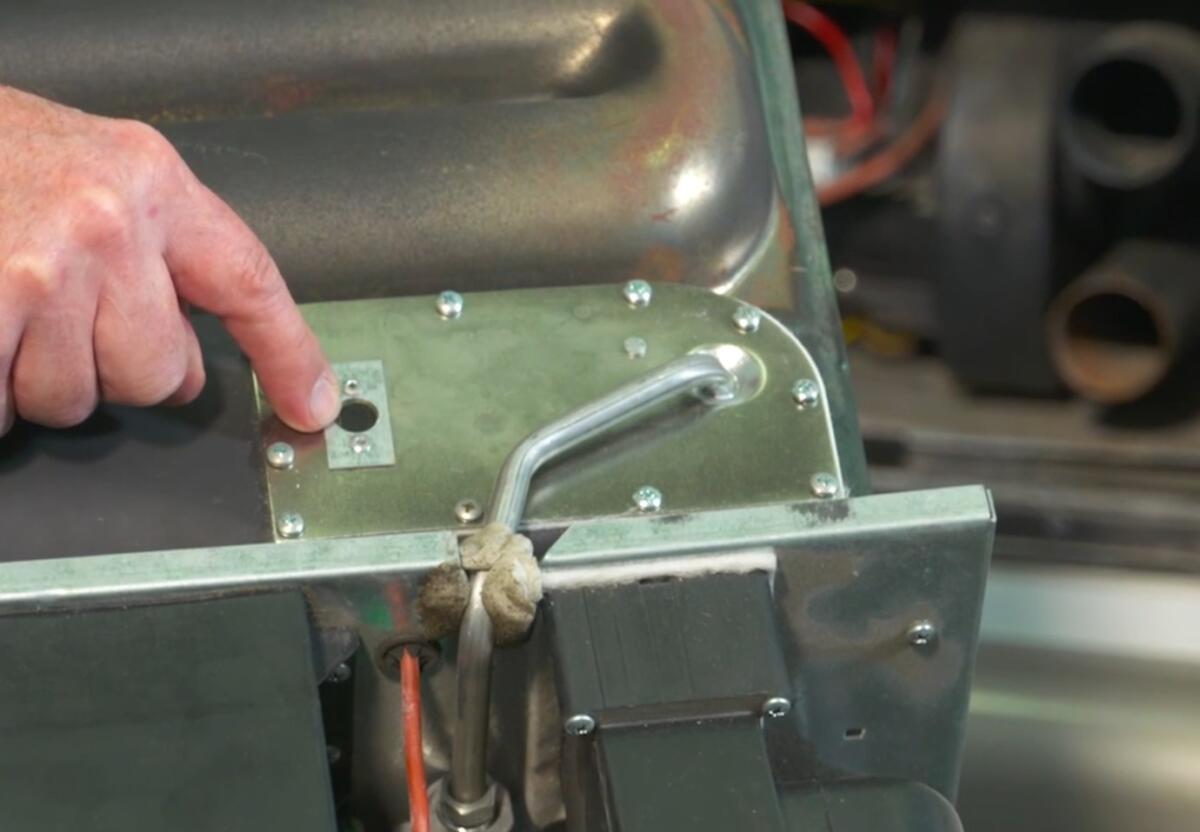
If all this checks out, it could be the burner assembly is getting clogged with soot, which limits the flame and output. This requires removal of the furnace and taking the cover off the burner plate.

Furnace Burner Assembly
Furnace burner assembly

 You might also enjoy these posts from Dave 


Dave Solberg is a leading expert in the RV industry and the author of the “RV Handbook.”

Read more from Dave here

HAVE A QUESTION FOR DAVE?

Send your inquiries to him using the form below.

Name
Drag & Drop Files, Choose Files to Upload

RVDT2679

Clean your RV window screens without water

By Jim Twamley
Jim Twamley’s writings were a favorite among our readers for many years. Jim’s health finally forced him to “hang up the keys,” but we like to dip into the archives and pull out pertinent “oldies” to share. Here’s one of them:

To thoroughly clean my RV window screens I remove them and wash them with soap and water. But if they are merely dusty, a microfiber towel will do a great job without using water. Simply wipe the dry towel across the surface of the screen and it will pick up the dust. I couldn’t believe how easy it was to clean the screens the first time I tried it. You can see the difference in the photo.

You can find tons of options on Amazon. They are also available at auto parts stores, Walmart, Costco, Home Depot, Lowe’s, and many other places. They’re also great for washing and waxing, and general-purpose cleanup.

Here’s an article from our own Gail Marsh about all the things you can do with microfiber towels.

Here are a couple of tips from readers about using microfiber towels:

“I used my microfiber cloth for cleaning the carpet. I was thrilled when the cat hair, dust and even the hair of the dog who lived here before came up. I did have to get on my hands and knees. It was great exercise.”

“They also work great on Fantastic vent screens. They work well on awnings and tires.”

“Do not use bleach when cleaning microfiber cloths. It destroys their ability to pick up dirt.”


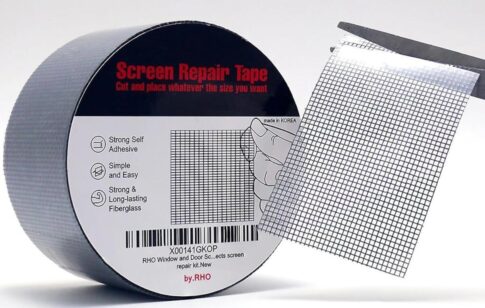
Window or door screens damaged or torn? This helps!
If you have damaged window or door screens in your home or RV, this screen-repair tape will help. No tools or special skills required. Simply cut, peel, and stick for a fast, permanent, and hassle-free solution that anyone can complete in just minutes. You won’t be able to tell there was ever a hole or tear! Don’t let any bugs in your RV this summer! Learn more or order.


RELATED

RVDT2679