Home Blog Page 291

Glacier’s Going-to-the-Sun Road expected to open Monday

The full length of Glacier National Park’s Going-to-the-Sun Road is expected to open to motorized vehicles Monday, June 16, for the 2025 summer season.

As a reminder, timed entry vehicle reservations are required to enter Going-to-the-Sun Road from the west side of the park for those traveling by vehicle or motorcycle from 7 a.m. to 3 p.m. beginning June 13 through September 28, 2025.

Vehicles and vehicle combinations longer than 21 feet (including bumpers) or wider than 8 feet (including mirrors) are prohibited between Avalanche Creek and Rising Sun. Vehicles over 10 feet in height may have difficulty driving west from Logan Pass to the Loop due to rock overhangs. Stock trucks and trailers can access Packers Roost on the west and Siyeh Bend on the east.

Complete information on timed entry vehicle reservations to the Montana park can be found online. As in 2024, timed entry vehicle reservations will not be required to enter Going-to-the-Sun Road from the east side of the park at the St. Mary Entrance.

Ahead of the full opening, beginning June 14, the east side of the Going-to-the-Sun Road will be open to vehicles and motorcycles from the St. Mary Entrance to Logan Pass. Some popular trails such as the Highline Trail remain closed due to remaining hazardous snowy conditions.

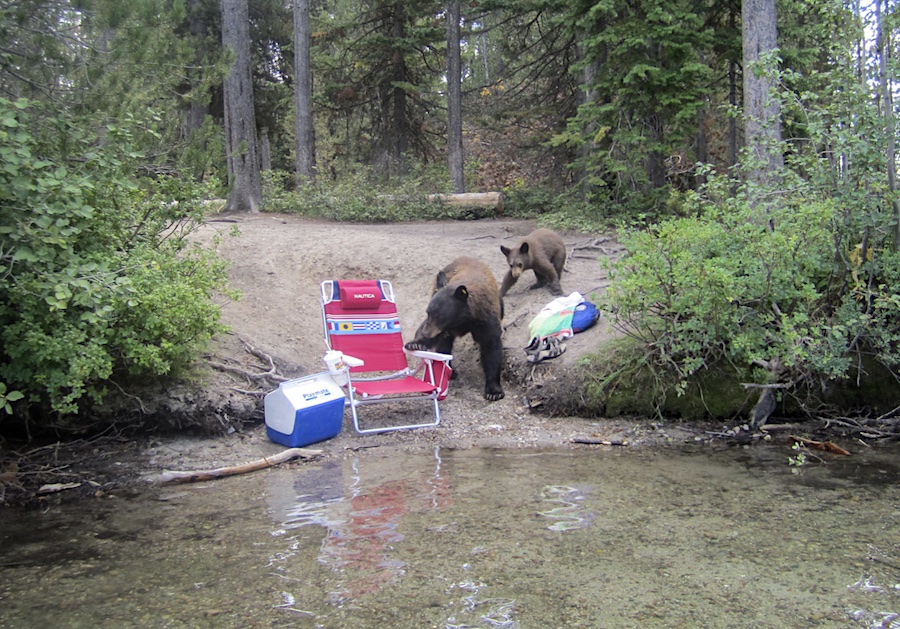
Visitors are reminded of proper bear safety such as, if you see a bear along the road, do not stop near it. Roadside bears quickly become habituated to traffic and people. Carry bear spray, know how to properly use it, and make sure it is accessible.

Bear spray
Bear spray is available for rent in Glacier National Park. Hopefully, you will not need it.

This will be the last weekend of the hiker/biker shuttle for the season.

Visitors are reminded that although the entirety of Going-to-the-Sun Road is projected to open on Monday, rockfalls or other natural events might delay this opening, as conditions can change quickly.

Going-to-the-Sun Road reservations and amenities

Visitor information services and the Glacier National Park Conservancy bookstore will be available at the Logan Pass Visitor Center starting June 14. Visitors are reminded to pack water and snacks as food and water are not available for purchase at the Logan Pass Visitor Center. Restrooms will be open.

When Going-to-the-Sun Road fully opens, the number of timed entry vehicle reservations available will be increased. The increase will be executed through the next-day reservations available at 7 p.m. each day. Timed entry vehicle reservations are only available on Recreation.gov and not available at the park.

Timed entry vehicle reservations are required to enter Going-to-the-Sun Road from the west side of the park past Apgar Campground. Reservations will be required for those traveling by vehicle or motorcycle from 7 a.m. to 3 p.m. beginning June 13 through September 28, 2025. Visitors who miss their time block or visitors without a timed entry vehicle reservation can enter after 3 p.m.

Visitors with lodging, camping, or commercial activity reservations (e.g., boat tours and horseback rides) within the specified reservation areas can use proof of their reservation for entry instead of a timed entry vehicle reservation to gain access to the area for which they have a service reservation. Service reservations originating east of Logan Pass cannot be used instead of a timed entry vehicle reservation for access past the Apgar Check Point heading east on Going-to-the-Sun Road.

Parking at Logan Pass, Apgar Village, and other areas may be congested or temporarily unavailable. Daily shuttle service along Going-to-the-Sun Road will begin operating July 1, on a first-come, first-served basis at the Apgar and St. Mary Visitor Centers with stops along Going-to-the-Sun Road.

Visitors are encouraged to take advantage of the free shuttle for hiker access to Logan Pass although waits for shuttles may be long depending on the time and location. Check the park website for additional information on shuttle stops.

While driving along the road, particularly through the Rim Rock area (approximately one mile west of Logan Pass) visitors should be aware of potential rockfall and should not slow down or stop in this section. Rocks and other debris continue to fall throughout the summer, requiring daily clean up. With the level of snow at Logan Pass, visitors should use extreme caution and refrain from crossing snowfields or standing under snow overhangs.

North Fork

Timed entry vehicle reservations are also required for the North Fork beginning June 13 through September 28, from 7 a.m. to 3 p.m.

Many Glacier

As a reminder, the Many Glacier Valley has significantly reduced parking spots due to the construction project at Swiftcurrent. The road closure begins at the T-intersection just past the Many Glacier Hotel road.

Although the Many Glacier Valley does not require a timed entry vehicle reservation in 2025, the area is already seeing high congestion and temporary closures. A Many Glacier Day Hiker Shuttle will take effect July 1. Learn more about the Many Glacier Construction on the Many Glacier Construction FAQs page.

Two Medicine

The Two Medicine area will not require timed entry vehicle reservations in 2025. Visitors may experience temporary restrictions due to congestion.

Be sure to top off your gas or diesel tank: There are no fueling stations with the National Park boundaries.

RELATED

Watch this BEFORE RVing to Glacier National Park

Glacier National Park to implement timed reservations in 2025

Wyoming’s Sinks Canyon State Park: Glacier National Park’s little sister

RVT1213b
It’s dust storm season: How to stay safe if you drive into one

4

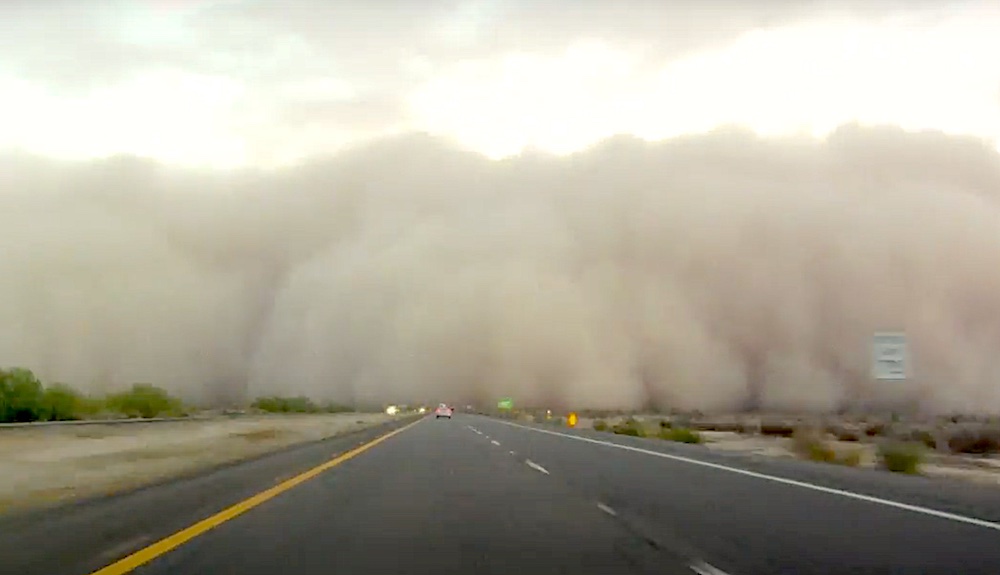
Monsoon season is back to the Southwest. While the exact moment of when the first massive wall of dust will rise up from the desert floor isn’t known, we do know this: It’s coming and could stay around through September. Arizona and New Mexico are ground zero for the storms.

With June 8-14 officially proclaimed Monsoon Awareness Week in Arizona, now is the perfect time to brush up on the actions drivers can take to stay safest when confronted with blowing dust.

Monsoon thunderstorms can produce strong downdrafts of precipitation-cooled air, resulting in microbursts—wind gusts that can exceed 100 miles per hour, and thunderstorm outflow winds capable of generating areas of dense blowing dust.

The No. 1 thing motorists can do to stay out of harm’s way? Do. Not. Drive. Into. A. Dust. Storm.

That’s a really bad idea. Visibility can drop to zero and turn pitch black, meaning you’re driving blind and so is anyone else on the road with you. But maybe you’re curious and wonder, “Just how dark and dangerous could it be?” Well, we’ve got the answers.

The video below shows how quickly visibility is reduced to nearly zero after driving into a dust storm.

What to do?

OK, so now you’re convinced to not make the decision to drive into the towering wall of dust. But what if a dust channel whips across the highway in front of you, engulfing your vehicle in a swirling sandstorm? Remember these words: Pull Aside, Stay Alive.

The Arizona Department of Transportation (ADOT) has developed the following “Pull Aside, Stay Alive” dust storm safety driving tips, which can help motorists survive a blowing dust event:

  • If you encounter a dust storm, immediately check traffic around your vehicle (front, back and to the side) and begin slowing down.
  • Do not wait until poor visibility makes it difficult to safely pull off the roadway—do it as soon as possible. Completely exit the highway if you can.
  • Do not stop in a travel lane or in the emergency lane. Look for a safe place to pull completely off the paved portion of the roadway.
  • Turn off all vehicle lights. You do not want other vehicles, approaching from behind, to use your lights as a guide and possibly crash into your parked vehicle.
  • Set your emergency brake and take your foot off the brake.
  • Stay in the vehicle with your seat belt buckled and wait for the storm to pass.
  • Drivers of high-profile vehicles should be especially aware of changing weather conditions and travel at reduced speeds.

More information on dust storm safety can be found at PullAsideStayAlive.org and safety tips for driving in rainstorms can be found at azdot.gov/monsoon.

MORE ON SAFE DRIVING

Blowing in the wind: Truckers’ tips for safe driving

Watch a tow truck winch up an RV blown over by wind

Favorite wind apps and tips from our readers

Tips for safe RV driving on snow or ice

Driving safety: What we’ve learned from highway mishaps

RVT1213b

RV Daily Tips. Friday, June 13, 2025

Issue 2665


Today’s thought

“Success is stumbling from failure to failure with no loss of enthusiasm.” ―Winston S. Churchill


Need an excuse to celebrate? Today is National Sewing Machine Day!

On this day in history: 1777 – The Second Continental Congress passes the Flag Act of 1777, adopting the Stars and Stripes as the Flag of the United States.


Tip of the day
Sagging, loose cables are a silent threat to your RV’s slide-outs

By Andrew Herrick
Sagging cables are a harbinger of bad things to come. If you roll the dice on your cable-driven RV slide-out, you might get lucky, or you might hear a BOOM!… and now your slide-out won’t move.

Cable-driven slide-out systems are a popular choice for new RV installations. They are lightweight, modular, and easy to install. The BAL® Accu-Slide™ system is the most well-known. It is sold in two configurations: regular and Double Back. Continue reading.


Ask Dave
Why does one RV air conditioner blow warm air while driving?

Dear Dave,
I’ve just returned from Talladega, marking our second successful long distance road trip. On both trips we have run the generator and both air conditioner units to keep us cool. Both times while at road speed (55-65 mph) the rear air unit shows it’s cooling but warm air just barely blows out. Once we slow down or stop, it immediately returns to normal cold air flow. The front air cools normally. Have you experienced this? Is the wind on top of the coach combating the efforts of the fan and A/C? —Matt, 2018 Coachmen Sportscoach 404RB  Read Dave’s answer


In the RV shop with Dustin
Cool Tools: Use the DeWalt Impact Wrench for daily RV tasks

Join me as I share what we like to call “Cool RV Tools.” These are tools and gadgets that we actually use in the RV industry! We also believe they will be helpful to you when you need to make repairs while out on the road. Today, I’m introducing the DeWalt 20V MAX XR 1/2 in. High Torque Impact Wrench—the powerhouse tool for your daily tasks!


RANDOM RV THOUGHT: Unless your motorhome or tow vehicle’s headlights are always on, switch to your parking lights when driving in a campground after dark. Your neighbors will appreciate it.

Do you enjoy these random RV thoughts? Then you’ll love reading Chuck Woodbury’s random thoughts from the road in 1988. Oh, what America, road trips, and small towns used to be like!


Article and video
RV inspector recommends the best older motorhome brands

By Cheri Sicard
With guidance from years of RV inspections and living on the road, certified RV inspector Deb of Deb’s RV Services curated the list in the video near the bottom of this page that spotlights the 11 RV brands and models that keep rolling mile after mile. (Yes, I know the video claims 10 best older motorhome brands, but since Deb’s list includes an honorable mention, that makes it 11). What sets the best older motorhome brands apart? Find out here.


Featured article
Using magnets, and the best magnetized gadgets, in your RV

By Gail Marsh
As an avid RVer, I like to discover small, lightweight items that make life on the road a bit easier. Magnets fit that description. In fact, magnets are so versatile in strength and style that we use them in almost every area of the RV. Read on and you’ll see the many and varied ways to use magnets while RVing.


You may have missed these recent popular stories…


Reader poll
Have you ever had a bear wander into your campsite?

Respond here.


Quick tip
Happiness is a matter of attitude

You have complete control over your attitude. Many people love small RVs. I know a lot more people who have sold their big RV and bought a smaller one than I know who have sold their small RV and gone with a larger one. Keeping up with the Joneses is basically non-existent in the RV world. More than likely, most of your life, you were always wanting a bigger house, a nicer car, and more of the latest “stuff.” The advertising media have done a good job of making us unhappy with what we have, and of convincing us to always want more. Most RVers (at least the ones who are the happiest) have learned that, in many cases, having less makes them happier than having more. —From RVing: Less Hassle—More Joy: Secrets of Having More Fun with Your RV—Even on a Limited Budget


On this day last year…


Website of the day

10 Best Places To Go Snorkeling in the U.S.
Let’s make this the year you try something new, shall we? Snorkeling is a fun, beautiful place to start. This list gives you the best states to snorkel in, and the best places to go snorkeling in each of those states.


? MYSTERY PRODUCT OF THE DAY ?
This made us smile. It’s something we all do, and it’s the best part about being an RVer, isn’t it?


Trivia

The first McDonald’s drive-through was inspired by the military in 1975. McDonald’s had a base near one of the restaurants but the soldiers were not allowed to leave the cars while wearing fatigues… and that spells “opportunity.”

Read more: How it Happened: You can thank the military for the drive-thru window


Readers’ pet of the day

“Romeo (Morkie, Maltese/Yorkie mix, age 4) is a very happy dog as long as he is with us. He loves camping and quickly got used to our new 5th wheel, which has large windows that allow him to keep an eye on all the things going on outside. Needless to say, he loves staying on alert to the activities in the campgrounds we visit.” —Rosemary McLain

Send us a photo of your pet with a short description. No blurry photos and please do not submit your photo more than once. Thanks!

RVing with Dogs group on Facebook. You’ll love it.


Leave here with a laugh


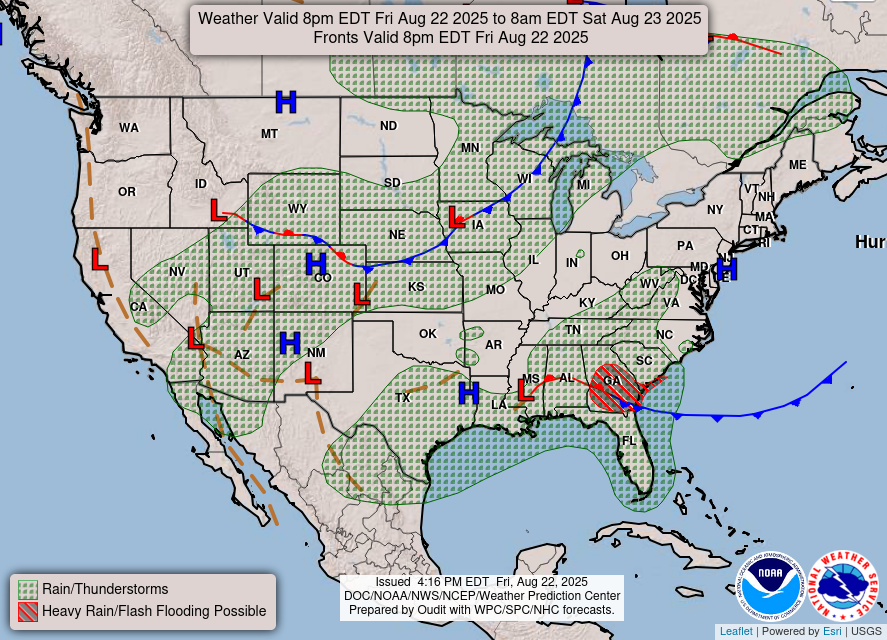
Today’s weather forecast across the nation
THIS MAP UPDATES TWICE A DAY

Visit Current National Radar Weather Map
Current fire and smoke map from AirNow


Did you miss the latest RV Travel Newsletter? If so, read it here.
Oh, and if you missed the Latest News for RVers, make sure to catch up here.


If you shop at Amazon.com we’d appreciate you using this link. We get an itty bitty commission if you buy something, but they add up and help us pay our bills (most importantly our hard-working writers!).


RVtravel.com All-Star Team

Click here for information about our staff and how to contact us.

Our policy on using artificial intelligence.

Have you ever had a bear wander into your campsite?

32

If you’re camping in a tent and a bear wanders into your campsite, that’s scary! But having a bear wander into your campsite in an RV? That’s fun and exciting and the fodder of campfire stories for years to come. Well… hopefully it’s just fun…

Of course, no matter how you are camping, when it comes time to take Fido or Fifi for their nighttime walk and you know there’s a bear hanging around, then things could be a bit unnerving.

Have you ever had a bear wander into your campsite? If so, has it happened more than once?

If not at your campsite, has one wandered into the campground or RV park where you were staying? What was your reaction? Were you frightened or just entertained by the animal’s visit?

Oh, and have you ever wondered what kind of damage a bear (and a small black bear, at that) could do to your RV? Well, check this out.

Please leave a comment and tell us your bear experiences.

If you enjoyed this RVtravel.com reader poll, keep in mind that we have polled our readers at least 5,000 times through the years. It’s fascinating to see how they have responded, sometimes very surprisingly. You’ll find an archive of some of the polls here. So what are you waiting for? Check ’em out.

RVDT2665

Yellowstone staff says park did not disclose toxic lead in employee housing

2

It seems like a dream job—working and living at Yellowstone National Park. However, recent revelations about lead contamination in employee housing turned that dream job into a nightmare!

A family’s nightmare

Anthony and Emily Aiuppa were both employees of Yellowstone National Park. They moved their family into one of the park’s historic homes at Fort Yellowstone in 2018.

It wasn’t until April 2022—after a concerned friend suggested testing—that they discovered excessive lead levels throughout their home. This included flaking interior paint to contaminated yard soil.

Medical tests later revealed their daughter’s bones contained more than 20 times the lead typically found in children. Their son’s blood lead levels were also dangerously elevated.

Devastated, the Aiuppas have filed a lawsuit against the U.S. Department of the Interior, arguing the park failed to warn residents despite knowing about soil hazards as early as 2021.

Why lead?

Many of Yellowstone’s employee homes date back more than a century. This means they were painted before the 1978 federal ban on lead-based paint. Over time, wear and tear create lead dust that can settle on floors and soil. The lead enters children’s bodies when they play indoors or outdoors.

According to NPS guidelines, any pre-1978 renovation costing more than $5,000 requires a certified lead-risk assessment—but families like the Aiuppas say they never received warnings or protections.

The scope of the problem

Park officials acknowledge that around 290 historic residences contain lead paint. Many of these structures still house employees and their families. Although Yellowstone began soil testing in 2021, the disturbing results were not communicated to residents until two years later. (The Aiuppas had already moved away.) This lag has raised concerns that other families, including seasonal RV-based employees, might face similar exposure without realizing the risk.

Health impacts

Lead is a neurotoxin with no safe exposure level in kids. Even low levels of lead are associated with learning disabilities, behavioral issues, and stunted growth.

In the Aiuppas’ case, their daughter’s bone lead was measured at 20 times higher than normal, indicating long-term, high-dose exposure. Early detection and intervention are critical; once lead enters the bloodstream, it can only be partially removed by chelation therapy, leaving lasting effects.

Yellowstone responds

In response to mounting scrutiny, Yellowstone has earmarked $20 million for infrastructure upgrades. This will include lead paint mitigation, improved siding, and energy-efficient windows in employee housing.

Since 2019, nearly 200 houses have undergone renovations—new paint, sealed surfaces, and dust-control measures—to reduce lead hazards. However, critics argue these efforts are moving too slowly to protect current residents and their children.

Tips for RVers and seasonal workers

If you’re planning to live in or near Yellowstone employee housing (or any older park housing), consider these proactive steps:

• Request lead testing: Ask your housing manager or HR department for recent soil and paint lead test results. If none are available, consider hiring a certified lead inspector.

• Control dust: Regularly wet-mop floors, wipe surfaces with a damp cloth, and use entry mats to trap dust that may contain lead.

• Safe play areas: Designate clean zones for children—ideally indoors on sealed flooring or outdoors with fresh gravel or mulch that covers contaminated soil.

• Water safety: Although lead in soil and paint is the primary issue, check if old plumbing contains lead solder. Run taps until water clears and use certified filters if needed.

• Medical screening: Have children tested for blood lead levels, especially if you notice peeling paint or unexplained health issues like fatigue, stomach pain, or learning delays.

Never too cautious

Anyone (yes, anyone) seeking volunteer or paid positions in Yellowstone needs to know and understand this information. Please pass it along!

MORE RECENT YELLOWSTONE NEWS:

RVT1213b

Man flies drone in Yellowstone, gets grounded by rangers and ‘cowboy’

Tourist plus moron equals “touron.” And there are just far too many in the national parks. This time a Yellowstone touron who evidently thought he was above the law found out he wasn’t—and could spend six months in jail to gain wisdom.

Park visitor calls out Yellowstone touron

Yellowstone touron
This file photo shows two young osprey in their nest.

The tourist who was flying a drone near an osprey nest in Yellowstone National Park was cited last week after a fellow visitor reported the incident to rangers. Vince Botkin, a regular visitor from rural southern California, said he spotted the drone buzzing the nest in the Lamar Valley on Thursday and immediately called it out.

“You see both osprey look up and take off in a panic,” Botkin told Cowboy State Daily. “That’s the most flagrant violation I’ve ever seen.”

Drone use is strictly prohibited in national parks and can carry penalties of up to six months in jail or a $5,000 fine. A National Park Service spokesperson confirmed a citation was issued to an unnamed individual for flying near an osprey nest.

“Mind your own business” escalates to drone intimidation

Botkin said he yelled at the drone operator to land the aircraft and then approached the man, who claimed he didn’t know the rules. “He told me to mind my own business,” Botkin said.

Things escalated when the drone pilot allegedly hovered the aircraft directly over Botkin’s head. “I took off my cowboy hat and threw it at the drone,” he said. “Didn’t hit it, but he got the message.”

Later that evening, park rangers visited Botkin’s campsite to thank him for reporting the incident—and to share that they’d caught the suspect the same day. Botkin said the rangers even laughed when he told them about the hat toss, noting the Yellowstone touron claimed the hat had been thrown at them.

“Always someone doing something dumb around animals”

Despite the disturbance, Botkin checked on the osprey the next day. “They seemed fine,” he said.

He hopes his actions serve as a reminder to respect park rules and protect wildlife. The case of the Yellowstone touron was a bit much for Botkin. “There’s always someone doing something dumb around animals,” he said. “But this one was over the line.”

RELATED

Humorous public safety video laughs at ‘tourons’

Instagram photo filter warns tourists when they’re too close to wildlife

Stupid crooks and attorneys: Lake Mead rock formation vandals finally caught

Why are so many tourists stupid?

RVT1213b

Yosemite’s campgrounds fully open for first time since 2019

RVers heading to Yosemite this summer have something to celebrate: For the first time since 2019, all 13 of Yosemite’s campgrounds are set to open. That means roughly 500 more campsites will be available—and a much better shot at locking in a spot inside the park.

Yosemite’s campgrounds offer “a magical experience”

“Camping in this park is truly a magical experience,” said Acting Yosemite Superintendent Ray McPadden. “We want to provide the opportunity for as many visitors as possible.”

Here’s what RVers need to know:

• White Wolf Campground reopens June 20.

• Tamarack Flat Campground reopens June 23.

• Yosemite Creek Campground opens July 1.

These three are all located along Tioga Road and will begin releasing reservations daily via Recreation.gov two weeks in advance of the arrival date, starting June 15 for White Wolf and Tamarack, and June 17 for Yosemite Creek. Booking windows open at 7 a.m. Pacific.

Heads-up for dry campers

None of these campgrounds offer drinking water, and amenities are limited. White Wolf and Tamarack Flat have portable or vault toilets, and no hookups—so be sure to fill fresh tanks and pack accordingly if you’re planning to stay there.

Opening dates for Bridalveil Creek, Porcupine Flat, and Tuolumne Meadows campgrounds haven’t been announced yet, but they’re expected to follow soon.

All other Yosemite campgrounds already accepting reservations can be found at Recreation.gov. With full campground access returning, this summer could be your best chance in years to camp inside the park—just be ready to book early and bring your boondocking game.

RELATED

Mystery stowaway! Yosemite critter takes joyride in tourist’s car, discovered days later

Iconic Yosemite National Park hotel to close indefinitely

What are these mystery lights at Yosemite National Park?

RVT1213b

What do older RVers really want in a campground? Michigan says it knows

The newer generations have their view of campground necessities: Yoga sessions. Wine tastings. Internet fast enough for gaming. Easy access to craft breweries. Food carts near the office. But the older crowd tends to be a bit more practical, and some campground promoters are hearing it. What do older RVers want?

What do older RVers want? Easy, comfort, and laid back

For longtime RVers, the joy of a crackling campfire and a quiet morning by the water never gets old. But what older campers want from a campground is shifting—and parks across Michigan are stepping up to meet those expectations with a focus on comfort, accessibility, and a more laid-back pace.

“Camping is different when you’re older,” said Jeremy Spell with the Michigan Department of Natural Resources’ Parks and Recreation Division. “It’s about ease and comfort. And that’s what we’re working to build into the system.” Spell shared his thoughts with The Oakland Press.

ADA upgrades often a good fit for seasoned RVers

Many of the upgrades made to Michigan campgrounds—such as paved sites and full hookups—weren’t specifically designed with older campers in mind, but they’ve been a big win for that crowd. Smooth surfaces make it easier to get around, and hookups for water, sewer, and power mean fewer trips to the bathhouse—especially appreciated by those with fully equipped RVs.

ADA-accessible features are also expanding. Some Michigan parks now offer accessible bathrooms, paved beach paths, and even beach wheelchairs.

Spell recommends Algonac State Park as a favorite among older RVers. It’s quiet and scenic, with freighters passing along the St. Clair River. Another popular spot is Tawas Point State Park, with paved roads, easy lake access, and a classic lighthouse.

Private parks: “Shade, quiet, and space to relax”

older RVers wantPrivate parks are adapting, too—sometimes with resort-style flair. Indigo Bluffs RV Park & Resort, located near Sleeping Bear Dunes, has long catered to older travelers. “They’re not necessarily looking for playgrounds,” said park manager Gary Becker. “They want shade, quiet, and space to relax.”

Becker said many senior guests treat their campsite like a summer cottage. They might stay a few weeks, participate in local events, and enjoy downtime with family. “Camping is a front porch,” he said. “You’re paying attention to your neighbors, the atmosphere, and whether the staff feels welcoming.”

Indigo Bluffs features low-key activities like shuffleboard, cornhole, and a covered pavilion stocked with books and games—perfect for rainy-day family time.

Some older RVers are returning to camping after years away, and Becker said they may be surprised by today’s comforts. “Rental RVs now have full kitchens, fireplaces—even outdoor TVs. It’s not roughing it.”

Tips for senior campers

1. Pick the right park: Look for paved roads, quiet sites, and full hookups. Some parks have designated adult-friendly sections.

2. Book early: State parks fill fast in the summer—reserve six months ahead at midnrreservations.com (Michigan DNR).

3. Check accessibility: Look online for ADA features like restrooms and beach access.

4. Pack smart: Bring chairs with good back support, slip-resistant shoes, and a reliable flashlight.

5. Bring the fun: Board games, puzzles, or a good book make great companions for slow mornings or rainy afternoons.

6. Stay social: Join local events, browse farmers markets, or just chat with your neighbors. You’re camping—but you don’t have to disconnect.

Comfort without chaos

At the end of the day, older RVers aren’t asking for much—just the kind of camping that feels easy, familiar, and rewarding. Parks that prioritize level ground, full hookups, peace and quiet, and a sense of community are hitting the mark. While younger travelers may chase Wi-Fi speeds and trendy extras, seasoned campers often value the basics done well. What do older RVers want? Comfort without chaos, charm without fuss, and a slower pace that lets them enjoy the simple pleasures of the road.

MORE INTERESTING POSTS ON CAMPGROUNDS

Disabled veteran writes of being turned down at campgrounds, judged, and snubbed; plus, are campgrounds really ‘handicap-accessible’?

Fairgrounds camping: Don’t overlook these affordable, sometimes free, ‘campgrounds’

New Dyrt feature lets RVers search for campgrounds by drive time, not just distance

Reader writes, ‘I can’t sleep! Are campgrounds getting louder?’

Drive virtually through more than 3,350 campgrounds to find your perfect site

RVT1213b

RV Daily Tips. Thursday, June 12, 2025

Issue 2664


Today’s thought

“No one is useless in this world who lightens the burdens of another.” ―Charles Dickens


Need an excuse to celebrate? Today is National Jerky Day!

On this day in history: 1942 – Anne Frank receives a diary for her 13th birthday.


Tip of the day
13 tips to keep your RV’s refrigerator cool all summer

By Gail Marsh
If it’s not already, it’s about to get hot soon, and your RV refrigerator will need your help.

Here are some tips for keeping your RV fridge cooling effectively all summer long:

• Check the seals located all along the edge of the refrigerator and/or freezer doors. If you notice cracking, loose seals, or even places where the seals are missing, make repairs before you head to the campground.

An easy way to check seals that show no visible signs of compromise is take a piece of paper about the size of a dollar bill (or just use a dollar bill!). Place the paper into the open freezer door and then close the door. When you gently tug on the paper, you should feel some resistance. That means the rubber is sealing properly. Test with the paper or dollar bill all around every side of the door(s). Continue reading.


Ask Dave
Should I put a coating on the roof of my brand-new 5th wheel?

Dear Dave, 
I just bought a new 5th wheel and was wondering if it is a good idea to coat the roof. I would do it myself, and I see there are several products on the market. What’s your opinion? —Phil, 2025 Grand Design Reflection 27RL  Read Dave’s answer.


Article and video
Five easy camping desserts to sweeten any trip

By Cheri Sicard
What’s an RV camping trip without a little sweetness to end the day? Easy desserts aren’t just a treat—they can take any night around the campfire from ordinary to memorable. The easy camping desserts in the video from Making My Abode on the Road are easy, family-approved, and perfect for anyone looking to enjoy life’s simple pleasures on the road. Click here.


Featured article
What to see, what to do, and where to stay while RVing Canyonlands, Utah’s largest national park

Planning a trip to Utah’s largest national park? Thinking about exploring Canyonlands in the future? This thorough article by Dale Wade will tell you everything you need to know: what to see, what to do, and where to stay. Try your hand at identifying dinosaur fossils, experience what it’s like to be on Mars, and don’t miss the petroglyphs and ghost towns nearby. Click here for the guide.


Reader poll
Do you play Pickleball?

Respond here.


BUMPER SNICKER: “A crowded camper is better than an empty castle!”


Quick tip
Many uses for Velcro in your RV

Erinn M. wrote in with a sticky suggestion: “I Velcro just about anything I can to the walls and countertops of our motorhome. Why? So I don’t have to take down everything on the walls, and put everything away each time we travel anywhere! Examples? (1) Our clock, as well as all of our photos/wall hangings. (2) In the bathroom, I’ve Velcroed the towel holder, tissue dispenser, soap dish and hand sanitizer dispenser to the counter. (3) In the kitchen, I’ve Velcroed salt and pepper shakers, a hand sanitizer dispenser, and a basket that we keep napkins in. (4) I’ve attached small items to the insides of cabinet doors, such as flashlights, remotes, and even hairbrushes on the inside of the medicine cabinet. (5) Last but not least, I Velcroed a basket containing our dogs’ harnesses, leashes, and poo bags to the floor, right near the door” —Thanks, Erinn! Stock up on Velcro here.


On this day last year…


Website of the day

Ghost Towns
This must surely be the best source of information about American ghost towns.


? MYSTERY PRODUCT OF THE DAY ?
Even if you never wear a tie and hope to never wear one again, we bet you would have no problem wearing this one. People will stare, we guarantee. Wear this to a party and you’ll be the highlight of the event. Um, literally…


And the survey says…

We’ve polled RVtravel.com readers close to 5,000 times in recent years. Here are a few things we’ve learned about them:

• 47 percent bathe every day. Yes, that means 53 percent do not bathe every day.
• Only 9 percent say their RV has a built-in outdoor kitchen.
• 46 percent say they would probably or definitely eat roadkill if it were put in front of them (cooked, we hope!).

Recent poll: If you had a time machine, would you take a month-long trip 200 years into the past or future?


Trivia

The ancient Greeks believed lettuce induced sleep and often served lettuce soup at the end of meals, a notion supported by historical use and a 2017 study showing that compounds in lettuce, particularly in red romaine, may have sedative effects.


Readers’ pet of the day

“We adopted Trixie (Cairn Terrier) at 6 months (now age 5) just after we retired. She was a rescue from the California kill shelter in San Bernardino. She had been caged most of the time. She quickly got attached to us and goes everywhere. She loves camping in the trailer.” —George Dunham

Send us a photo of your pet with a short description. No blurry photos and please do not submit your photo more than once. Thanks!

RVing with Dogs group on Facebook. You’ll love it.


FINISHED READING THIS NEWSLETTER? Catch up on these stories:


Leave here with a laugh


Today’s weather forecast across the nation
THIS MAP UPDATES TWICE A DAY

Visit Current National Radar Weather Map
Current fire and smoke map from AirNow


Did you miss the latest RV Travel Newsletter? If so, read it here.
Oh, and if you missed the Latest News for RVers, make sure to catch up here.


If you shop at Amazon.com we’d appreciate you using this link. We get an itty bitty commission if you buy something, but they add up and help us pay our bills (most importantly our hard-working writers!).


RVtravel.com All-Star Team

Click here for information about our staff and how to contact us.

Our policy on using artificial intelligence.

Should I put a coating on the roof of my brand-new 5th wheel?

Dear Dave,
I just bought a new 5th wheel and was wondering if it is a good idea to coat the roof. I would do it myself, and I see there are several products on the market. What’s your opinion? —Phil, 2025 Grand Design Reflection 27RL

Dear Phil,
I contacted a local Grand Design dealership, Good Life RV in Webster City, IA, and confirmed that your roof material is an Alpha Systems TPO one-piece membrane.

Alpha Systems recommendation

Alpha Systems does not recommend a special treatment or “coating”. Rather, it recommends to wash it every three months with water and a mild detergent. The owner’s manual recommends Spic and Span® or Top Job®. However, I talked with an Alpha representative a few years ago and they recommended Murphy Oil Soap and water.

Here is the recommendation in your owner’s manual.

Grand Design OM
(Click/tap to enlarge.)

Since your roof is relatively new, I do not recommend coating the existing material if it is in good condition. It is important to keep it clean. The most important issue is inspecting the sealants at all seams and openings in the roof such as the roof vents, sewer vent pipes, and skylights.

GD Roof Art

Roof construction of Grand Design RV

Here is the artwork of the roof construction from Grand Design’s website. It does have good insulation and the radiant foil. The Alpha Systems TPO is a great membrane. However, I would challenge the “R-40” claim here, as many companies are stating that using the radiant foil insulation doubles the R-value of the existing fiberglass insulation. [R-value is a measure of insulation’s ability to resist heat traveling through it.]

I contacted the company that supplies most of this type of insulation and the only way it can add any additional R-value is to have an air barrier between the insulation and the foil—which they do not. Just applying a layer of the foil adds virtually no additional R-value.

Even though Alpha Systems does not recommend a conditioner or coating, I am a fan of 303 Protectant to be applied once a year to help with UV degradation. I doubt Alpha has any test data on using this, so they would not be able to provide any evidence.


 You might also enjoy these posts from Dave 


Dave Solberg is a leading expert in the RV industry and the author of the “RV Handbook.”

Read more from Dave here

HAVE A QUESTION FOR DAVE?

Send your inquiries to him using the form below.

Name
Drag & Drop Files, Choose Files to Upload

RVDT2664

Five easy camping desserts to sweeten any trip

1

By Cheri Sicard
What’s an RV camping trip without a little sweetness to end the day? Easy desserts aren’t just a treat—they can take any night around the campfire from ordinary to memorable.

The easy camping desserts in the video from Making My Abode on the Road, are easy, family-approved, and perfect for anyone looking to enjoy simple pleasures on the road.

Be sure to watch the video to see how each of these easy camping dessert treats go together, and for tips and tricks on how you can make them with what’s on hand.

Five easy camping desserts for RV sweet tooths

#1 Cream-filled croissants

These are little refrigerator croissant pastry “cups” roasted over the fire, then filled with pudding and topped with Nutella or whipped cream. It’s a handheld dessert that’s both fun and surprisingly simple.

Tips and tricks for croissant success

• Slow roast over the fire

• Pinch the bottom well so the filling stays put

• Go easy on butter or oil. The dough already has enough fat for a golden result

• Let them cool before sliding the shell off the foil

#2 Classic s’mores

The video shares tips for this timeless classic, including:

• Choose graham crackers you love

• Opt for the large square marshmallows—they roast better than minis

• For chocolate, try:

    • Hershey’s: Tuck it inside the marshmallow for extra melting
    • Ghirardelli squares: These fit the cracker and melt beautifully, especially salted caramel or waffle cone varieties
    • A great s’more requires a slow, patient roast—golden brown, not burnt. Gather the crackers, marshmallows, and chocolate before roasting, so you’re not scrambling when it’s time to assemble

#3 Campfire cinnamon rolls

Slow-roasted campfire cinnamon rolls are a cozy treat. Here’s how to get them right:

1. Roast one side slowly until it’s puffed up and golden.

2. Wait to turn until the dough sets—turn too soon and you’ll have a sticky mess.

3. Spread the frosting while warm and enjoy as a dessert or even breakfast!

#4 Caramel apple crisp campfire foil packs

These are juicy, warm, and comforting packets of sweet spiced goodness. The video shows just how quick and easy this classic dessert can be made over the campfire.

#5 No-bake cheesecake

The ultimate make-ahead dessert is easy to make and easy to transport when traveling.  No campfire is necessary for this one, or heat of any kind, making it perfect for summertime.

Tips for campfire dessert success

• Patience pays off: Slow roasting prevents burned or melted messes.

• Prep in advance: Have ingredients and tools ready.

• Use creative hacks like foil-wrapped roasters.

Don’t rush—enjoy the process, and the dessert will taste even sweeter.

RELATED

RVDT2664

Do you play Pickleball?

19

Pickleball is huge! In fact, it’s become so popular that it was the number one amenity added to RV parks last year. Impressive, huh? Maybe you want to take advantage of all those new courts!

All across the country, RV parks and campgrounds are carving out space for pickleball courts—and not just one or two. Some parks are installing whole clusters of them, complete with organized play schedules and beginner clinics. It’s quickly becoming a way for RVers to meet new people and stay active on the road.

Even if you’re new to the game, it’s known for being beginner-friendly. You don’t need years of training or expensive gear—just a paddle, a ball, and a willingness to give it a try. And many RV parks are happy to loan or rent equipment to curious first-timers.

You never know when you’ll pull into a park and discover your next doubles partner is in the site next door. RV life and pickleball? Turns out, they go hand-in-hand. And how fun to be able to play pickleball at different courts across the country!

So tell us: Do you play pickleball? If so, do you play often? Sometimes? Occasionally? If you’ve never played before, do you hope to learn someday or not?

After you vote, feel free to leave a comment. Thanks!

Oh, and if you want to learn more about how to play and the history of the sport, Gail Marsh wrote about that here.

MORE POLLS YOU MAY ENJOY

Where would you prefer to stay: in a scenic, primitive public campground or a nondescript but clean RV park with full hookups?

What do you do most nights after dinner?

Generally, would you rather camp by the ocean or in the mountains?

Is your life boring, stimulating or somewhere in between?

RVDT2664