Home Blog Page 3

What our readers learned from their fathers

Last week, we asked our readers (you!) to tell us what their fathers—or father figures—taught them. The response was overwhelming. We received hundreds of heartfelt submissions, far more than we could possibly publish. To everyone who took the time to share a memory, a lesson, or a tribute: Thank you. We’re sorry we couldn’t include every story, but please know that we read and appreciated them all.

As we read through the responses, a few themes appeared again and again: hard work, honesty, kindness, perseverance, courage, and responsibility. Some lessons came through words. Others were learned simply by watching.

Hard work, perseverance, and getting the job done

For Jarrold S., the lesson was about determination. He recalls trying to mow a rain-soaked lawn as a boy and wanting to postpone the task until the grass dried. His father’s response stayed with him for life: “Find a way to get things done rather than excuses to put it off or not do it at all.” Jarrold says, “I think regularly about finding ways to get things done and not excuses to defer.”

Fb Img 1778101588337 9e7700127007e1bc9603ec5ffcb3af23
Photo credit: Neal Davis

Neal D. learned many of life’s most important lessons not through conversations, but through observation. “Daddy and I rarely talked much,” he wrote. “The lessons that he taught could only be learned by watching him work.” From his father he learned that anything started should be finished, that doing a job halfway was unacceptable, and that keeping promises mattered. “He always showed up when he made a promise.”

William M. wrote, “My Father always said there is no such thing as ‘can’t’. Some things just take a little longer to accomplish.” He also learned to do his best work regardless of circumstances, to respect others, and to take responsibility for mistakes. “He did this by example, not lecturing me.”

Learning to enjoy life

Many readers wrote about fathers who taught them how to embrace life and enjoy it.

Sheri A. shared, “My dad taught me to love life—everything from roller coasters, race cars, ice skating, sledding, and swimming to just having fun every day.” Sheri lost her father earlier this year and added, “Happy Father’s Day in Heaven, Dad.”

The practical wisdom dads never stop teaching

Some lessons were practical—and memorable.

Dutch D. recalled working alongside his father, George, an RVer and jack-of-all-trades. Whenever plumbing projects came up, his father would remind him: “When you’re working on a toilet or plumbing, keep your mouth shut!” Dutch admits that more than once the practical wisdom behind that advice has come in handy.

Marie B. remembers her father teaching her something many young people never learn. As a teenager, he handed her the family checkbook and bills so she could understand how household finances worked. “When I ended up later on having to raise three small children on my own, I could do it!” she wrote. Looking back, she calls it a gift that prepared her for life.

Lessons about family and commitment

Some fathers taught lessons that extended far beyond work and responsibility.

Resized 20240115 170609 54649e587e07828e88991e1117aea19f
Photo credit: Brian Doc Burry

Brian D. B. shared a moving tribute to his father, Frederick Burry, a WWII P-51 pilot. He taught his four sons about faith, respect, hard work, and commitment. One lesson centered on marriage. His father told them, “Friday nights will be Mom’s and my date nights, as after you are out of the house I don’t want to be a stranger to her.” He also believed that, “For a great marriage you court your spouse one date a week!” Brian remembers his father introducing his mother by saying, “This is Betty, my First Wife!” They were married for 58 years.

Courage and facing fears

Several readers remembered lessons about overcoming fear.

Gigi R. recalled being terrified of a rope swing her father installed over a creek when she was a child. Her father encouraged her by saying, “When you are afraid to do something, the only thing is to do it and keep doing it, then you won’t be afraid anymore.” More than 70 years later, she still carries that lesson with her.

Perspective was another gift fathers passed along. Mikal H.’s father survived Omaha Beach on D-Day, where nearly all of his company was lost. Whenever Mikal faced a difficult decision, his father would remind him: “Son, when I went to war, I didn’t know if I’d ever come home. Anyone can do anything they have to, at least for a while.” Mikal says those words still give him strength today.

Character, honesty, and doing what’s right

Some lessons became lifelong anchors.

Jay J., whose father died 63 years ago, shared three principles he still follows today: “Always tell the truth. It might not make you comfortable, but it makes you free.” “Don’t ever bring dishonor on our family name. Let that guide your life.” And, “A day in itself is neither good nor bad, but it’s what you make of it.”

Patricia B. learned the value of conviction. “My Father taught me to think critically, to read voraciously, and to stand up for what is right—always.” She adds, “Your choices had consequences; choose carefully. These have served me well, and still do.”

The simple power of kindness

Kindness appeared throughout many responses.

Tom S. remembers his father teaching him to greet people with a smile and treat everyone with respect. “Be kind to others—it is simple. A great life lesson.” He says the lesson was so ingrained that his teenage son once asked, “Dad, why are you so freaking friendly?”

Barbara W. credits her father with teaching her to recycle, conserve resources, volunteer, and help others. Today, she volunteers at her local food pantry. “I love it,” she says.

And sometimes, a little humor

Sometimes fathers teach lessons wrapped in humor.

2007 Nanci Dad 3 7 07 In Az Photo From Nancis Camera 2c13637a1e68427cd03bc14d7307a1d0
Nanci and her father

Nanci D. (yes, our very own Nanci Dixon!) remembers her father’s favorite advice: “To thine own self be true.” She followed that guidance, even when it led her down a different path than the one he envisioned for her. She also fondly recalls that every time he flipped on a light switch, he would announce, “God said, let there be light.” Nanci admits, “For the longest time I thought he had a special in with God.”

Lessons that last a lifetime

As Father’s Day arrives, we’re reminded that the lessons fathers leave behind often outlast the years themselves. Whether they taught us to work harder, laugh more, face our fears, keep our word, manage our money, or simply be kind, their influence continues to show up in our lives every day.

To all the fathers, grandfathers, stepfathers, mentors, coaches, and father figures who helped shape us—and to those whose memories still guide us—Happy Father’s Day.

RVT1266
A trick for getting rid of mosquitoes at a long-term campsite

3

By Cheri Sicard
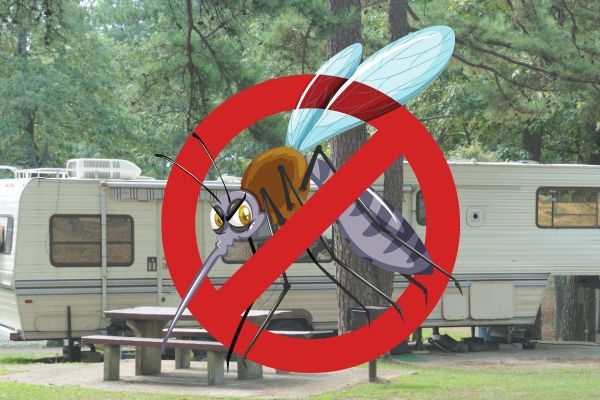
Everyone enjoys time outside until mosquitoes show up. These pests make evenings uncomfortable and can spoil your campsite fun. The good news is there’s a simple, safe, and cheap way to control mosquitoes at a long-term campsite using the four corners method. The team from Fancy Plants shares it in the video at the end of this post.

This DIY trick takes minutes to set up and uses supplies you already have or can easily get. The good news? It stops mosquitoes before they become a problem. The bad news? It takes about 10 days to take effect. This mosquito control strategy will be beneficial if you RV in a single spot for several weeks at a time, or for the entire season, but won’t be effective for quick trips.

Of course, you can also use it at home and, in fact, the video was made for those with yards. But it works for campsites, too, for what is a campsite but a yard away from home?

The four corners method is an easy way to break the mosquito breeding cycle without using harsh chemicals. By using four containers placed at the corners of your campsite, you encourage mosquitoes to lay eggs in these traps instead of random spots. It draws them in, keeps them out of trouble, and wipes out their next generation.

Mosquitoes go from eggs to larvae to nymphs, and, finally, to adults. Focusing on the larvae makes the biggest difference because it stops mosquitoes from reaching the biting stage. Interrupting the mosquito life cycle at this point cuts their numbers fast and stops adults from annoying you.

What you need:

• Four sturdy containers (plastic tubs, buckets, or large plant saucers)

• Water

• Grass clippings, leaves, or other easy-to-find organic matter

Mosquito bits or mosquito dunks (These are people-, pet-, and plant-safe products loaded with natural bacteria that kill mosquito larvae.)

Follow these simple steps to set up your mosquito control traps:

1. Fill each container with a few inches of water.

2. Add grass, leaves, or organic yard waste to the water.

3. Sprinkle in the right amount of mosquito bits or break a dunk into pieces. Follow the label for dosage.

4. Put the containers in the shadiest parts of your campsite—aim for the corners if you can.

Why it works

Mosquitoes love still water packed with old leaves or grass. This is their favorite egg-laying spot because it feels like the puddles they’d find out in nature. Luring them in with organic matter boosts the chances of trapping more mosquito eggs.

The mosquito dunks or bits release a special, non-toxic bacteria that kills mosquito larvae before they grow up. Since the bacteria only affect mosquito larvae, they’re safe for pets and plants, making them better than using sprays. But still, don’t let pets drink from these containers to play it safe.

Make sure containers go in shady areas where mosquitoes already like to breed. Spreading them around the four corners of your campsite covers the whole space, turning your space into a mosquito trap zone and bumping up your odds of keeping them away.

Waiting period and what to expect

Give it 10 days—the time it takes for a mosquito to go from egg to adult. After this, expect a significant drop in mosquitoes buzzing around. Less itching, less hassle.

When larvae die before turning into adults, mosquitoes can’t mature or lay more eggs. The population can’t spike. This “devastating cycle” keeps numbers down, unless new mosquitoes fly in from nearby yards.

This method targets only mosquitoes breeding in your yard. Mosquitoes flying in from nearby land aren’t stopped, so you might still see some pests. However, their future eggs will meet the same fate when they land in your traps.

That said, people report about a 95% drop in mosquitoes after a couple of weeks. After 10 days, dump old water, refill, and reset.

RELATED

RVT1266

Fascinating: Short video shows how tires are made

5

By J.R. Montigel
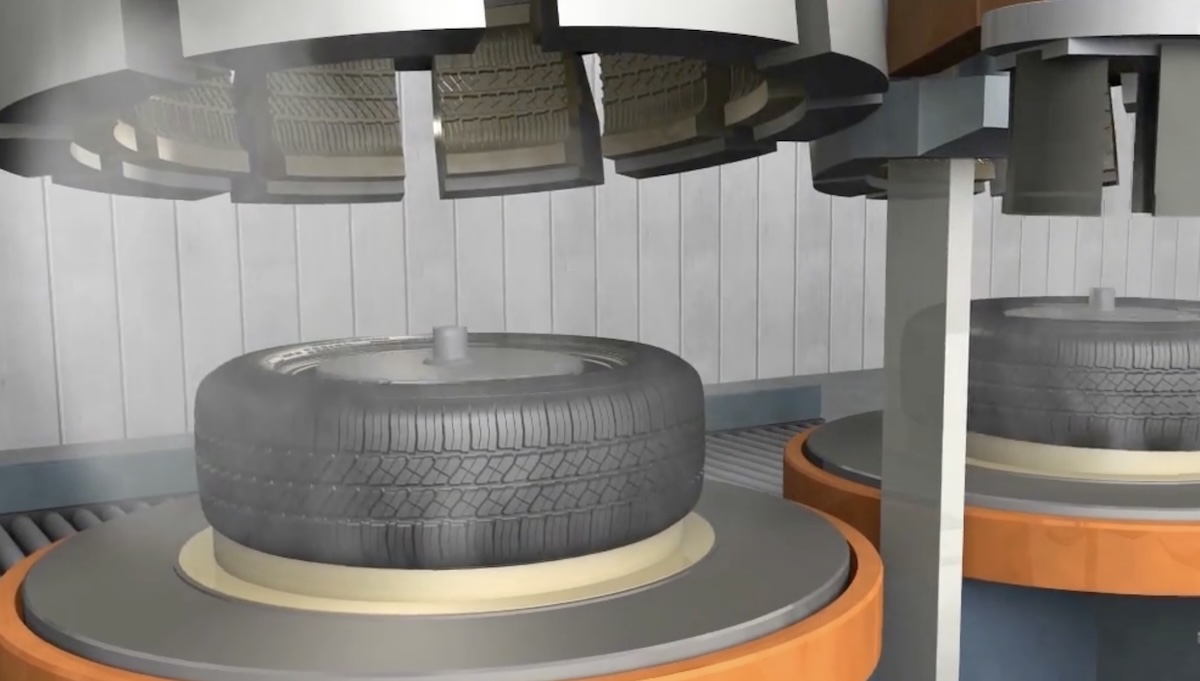
We know how babies are made, right? It comes natural to all creatures including we Homo Sapiens. But on a similar note—not as basic to human life, yet interesting—do you know how the tires on your car or RV are made? This video from the U.S. Tire Manufacturers Association shows in a few minutes, through animation, the entire process from start to finish. Ya gotta love those robots!

It’s fascinating!

Many tires are custom designed to meet the specific needs of each vehicle. The process begins with a computer that converts the vehicle’s unique needs into precise tire specifications. A prototype is then built and tested to ensure it delivers the performance, safety, and reliability drivers depend on.

This custom-design process takes months of testing, inspection, and quality checks by both the tire makers and the vehicle manufacturers. Only after proving it can handle real-world conditions does production begin, supporting millions of journeys ahead.

Manufacturing

As many as 200 raw materials come together using chemistry, physics, and engineering to create a tire to help keep you safe and comfortable. Every component serves a purpose, and every step matters.

Do yourself a favor and watch this short video (less than five minutes). You’ll never look at a car or RV tire again without great admiration for those engineers (and robots) that built them.

To read all RVtravel.com articles about tires, click here


The RVtravel.com newsletter is an “original,” says Google!
What is the longest continuously published newsletter about RV travel in the United States? Here’s what Google says: “The RV Travel Newsletter has been in continuous publication online since 2001… It is widely recognized as ‘America’s longest continuously published RVing newsletter’.” BE HISTORIC! SIGN UP!

RVT1266

Inside an amazing two-story camper van

By Cheri Sicard
In the video at the end of this post, President Chay [2.34M subscribers] shares his latest build, a two-story camper van. [This video had 1.9M views within the first 9 days!)

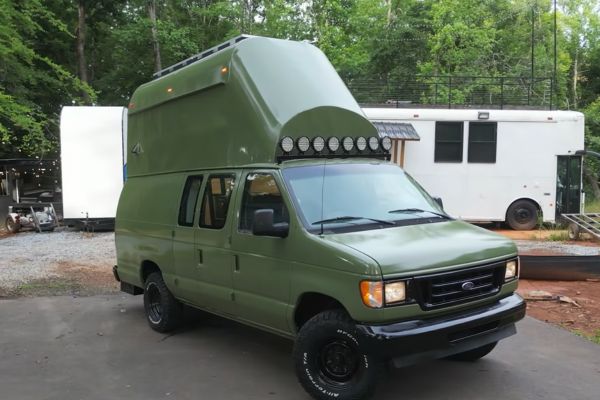
Chay started with a “creepy, old” Ford E350 that cost $5,000 and had 130,000 miles. Under a strange wood floor, the van hid rust so bad that the tire was visible through the metal. Instead of scrapping the idea, Chay, Kobe, and Chay’s dad turned it into a two-story camper with standing room downstairs and a bed upstairs. The build got wild fast.

The van was cheap for a reason

After the seats and carpet came out, the reason for the low price was obvious. The floor had holes everywhere, and rust had eaten through big sections. The frame still looked usable, so they patched the worst spots with aluminum and kept going.

The goal was to make the van tall enough to stand in. They cut off the roof, built a wood template for the new shape, then welded steel trusses and a smaller front section to keep the roof more aerodynamic on the road. Sheet metal closed it in, joined by hundreds of small welds from the inside. Once it was smoothed with filler and fiberglass, the shell looked far better than expected.

A second floor changed the whole layout

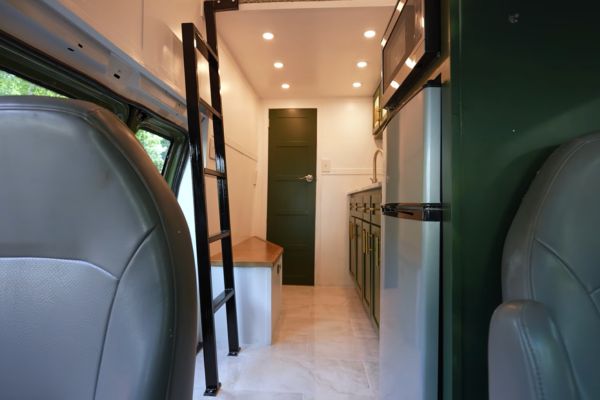
Next came the structure inside. They built the floor with ripped-down 2x4s, spray foam, and 3/4-inch plywood. Once that was in, the van felt solid enough for walls and a second story, and the raised roof opened up nearly 9 feet of interior height.

The loft created a real bedroom, while the back held a small garage and a full bathroom. Wiring ran to a breaker box in the rear and into an off-grid battery system, while a mini-split above the front seats handled heat and A/C. Then spray foam sealed and insulated the shell.

Tanks underneath, brake lines in the way

Most of the plumbing lived under the van. They squeezed in a black tank for the toilet, a gray tank for sink and shower water, and a fresh tank where the spare tire used to sit. Tight space forced them to move the toilet wall back a few inches and build a custom drain path through the frame.

Then a rusty brake line failed. Chay fixed it in three steps:

• Remove the old rear brake line.
• Cut and flare new sections.
• Reconnect the system and bleed the brakes.

That repair kept the project road-safe.

Cabinets, tile, and a better ending

2 story camper van interiorInside, Kobe built the cabinets, made crown molding from scrap wood, and added glass doors.

Chay’s dad tiled the bathroom, painted the cabinets, and helped fit a heavy countertop. Carpet warmed the loft and cab, while shiny tile finished the main floor.

Outside, green paint, running lights, a rear spare mount, refreshed wheels, and a 5,000-pound airbag kit gave the van a cleaner RV look and better stance.

The final numbers were the best surprise

  • Stock van: E350, 6,280 lbs.
  • Finished 2-story camper van: 8,580 lbs.

They added only 2,300 pounds. On the drive to camp, the power worked, the water ran, the shower turned on, and dinner cooked inside a van that had started out looking ready for the scrapyard.

What made the build stand out was not one flashy feature. It was the way Chay, Kobe, and Chay’s dad kept solving each problem until the van became a usable tiny home.

By the end, the old E350 had a loft, a bathroom, off-grid power, and a clean test drive to camp. That is a big jump for a van that began with rust holes in the floor.

YOU’LL ALSO LIKE:

RVT1266

Beyond the headlines with Tony Barthel: How tariffs have affected Elkhart, van rental demand, and future RVers

7

You can’t run a business when you don’t have a target. That’s the basic message I’m hearing as I sit here in Indiana. If you don’t know, there is a moving target in the form of tariffs on all sorts of goods, and it’s creating a lot of hair-pulling and loss of sleep for the RV industry. 

One builder said that the cost of the RV refrigerators in their units went up by many hundreds of dollars, for example. All sorts of components are affected, and the changes seem to ebb and flow, making it very challenging to predict things. 

This was one of the things RV industry folk shared with legislators when they visited the nation’s capital during RVs Move America Week. I had already shared some of the details of this focus on Washington shenanigans, er, on politics in this RV news recap. And don’t think I’m choosing sides by calling things goofy; they’ve been harping on D.C. since Mr. Smith Went to Washington in 1939. Have you seen that movie? 

At any rate, if you’re looking at RVs, know that the price that you’re paying is directly affected by these tariffs, and the fluctuation and lack of certainty is a challenge for any business. 

The RV industry, which produces more than 80% of the rigs sold in the U.S. in northern Indiana, can often signal the direction of the nation’s economy. Inflation-adjusted consumer outlays on recreational goods and vehicles fell in April for a fifth straight month, according to Commerce Department data, the longest slump in real spending on the category since the height of the Great Recession in 2008.

So, if you talk to your elected officials, and you should, perhaps tell them that these moving tariffs and wars and all that aren’t so great for making stuff here in America, would you? 

Source: https://woodallscm.com/americas-rv-industry-feels-chill-of-war-high-gas-prices/

Winnebago Adventure Wagon

Don’t take investment advice from me—Class B rentals

I get all sorts of news pieces sent to me now, and something that caught my eye was a report on the rental market for Class B RVs. According to altCamp, searches for Class B vans in the rental market continue to remain strong. Their study reports 122,270 searches per month in the U.S., with 3,243 active listings reported, meaning that each listing gets reported on about 40 times per month as listed on Outdoorsy. 

The average nightly rate for these vans is $215, with the median model year being 2021. 

Mercedes-Benz Sprinter-based vans are the ones that get the most results, but the category, overall, is strong. As for which RV converter is in the lead, it’s Winnebago by a long shot, with four of ten listings being a product of that company. 

In the report, supply and demand aren’t always in sync. Denver sees more searches than Los Angeles despite having a third the supply. Las Vegas and Seattle both see search volumes close to Los Angeles on much smaller fleets. Conversely, Anchorage and the Maui MSA have meaningful supply but comparatively lower search volume.

So, if you’re thinking of buying one of these, you might consider the brand recognition of the Winnebago name, but many of the independents are also doing okay search-wise. The report is interesting and worth a look, especially if you’re at all considering renting a Class B. 

Source: https://www.altcamp.com/research/2026-us-camper-van-rental-market-report#cite

Your dose of cuteness: Kids visit RV plants

Here in the greater Elkhart area, the RV industry employs a lot of folks, and many of those folks have little folks. A lot of those home-made humans participated in a visit to Thor this past week through the Boys & Girls Club of Elkhart County to conduct their own RV reviews. 

Those kids are my competition! 

When I was but a wee lad, my dad’s company would have open houses where I’d see how turbochargers were made, and it always fascinated me. So, I can imagine that many of those future RVtravel.com readers, too, were fascinated to see what mom or dad does with their time all day. The kidlets were allowed to see various Jayco RVs and got to meet some of the Jayco folk. 

“There’s a lot of kids at these camps that have family members that work in the RV industry, so it’s pretty neat for them to see, you know, one of their family members build one of these RVs. So it’s a neat environment for them to be in,” said Annisa Blosser, the RV education director for Thor Industries.

Source: https://www.wndu.com/2026/06/16/boys-girls-club-elkhart-county-brings-rv-day-club/

Catch up on all the latest news for RVers here

RVT1665b

Are private laundry room rentals the next RV park amenity trend?

20

We’ve seen private bathhouses, private dog parks, and private hot tubs, but could reserving an entire laundry room be the next thing RV parks use to stand out?

Seasoned RVer that I am, I am pretty immune to surprises, but this was certainly something new. After idly scrolling through a long list of legalese rules, I spotted a link to laundry room rental. The option to rent a laundry room at an RV park did surprise me.

Rent a laundry room by the hour? I just had to click. I had been to RV parks where you had to buy a number of loads online, buy a card with dollars to use the machines, or have enough heavy quarters to play the coin washer slots, but I have never had the opportunity to rent a laundry room!

The idea of exclusive use is intriguing, though. No need to debate whether to take someone else’s laundry out of the washer or dryer. Or set my timer to make sure no one has to take my clothes out of a machine.

They list the prices online and mention that they have three large-capacity washers and two large-capacity dryers. It costs $15 for 1 hour and 30 minutes, $7 to add on to already booked time, or $25 for 3 hours.Screenshot 2026 06 17 At 100016 Am

Screenshot 2026 06 17 At 100149 Am
(Click to enlarge.)


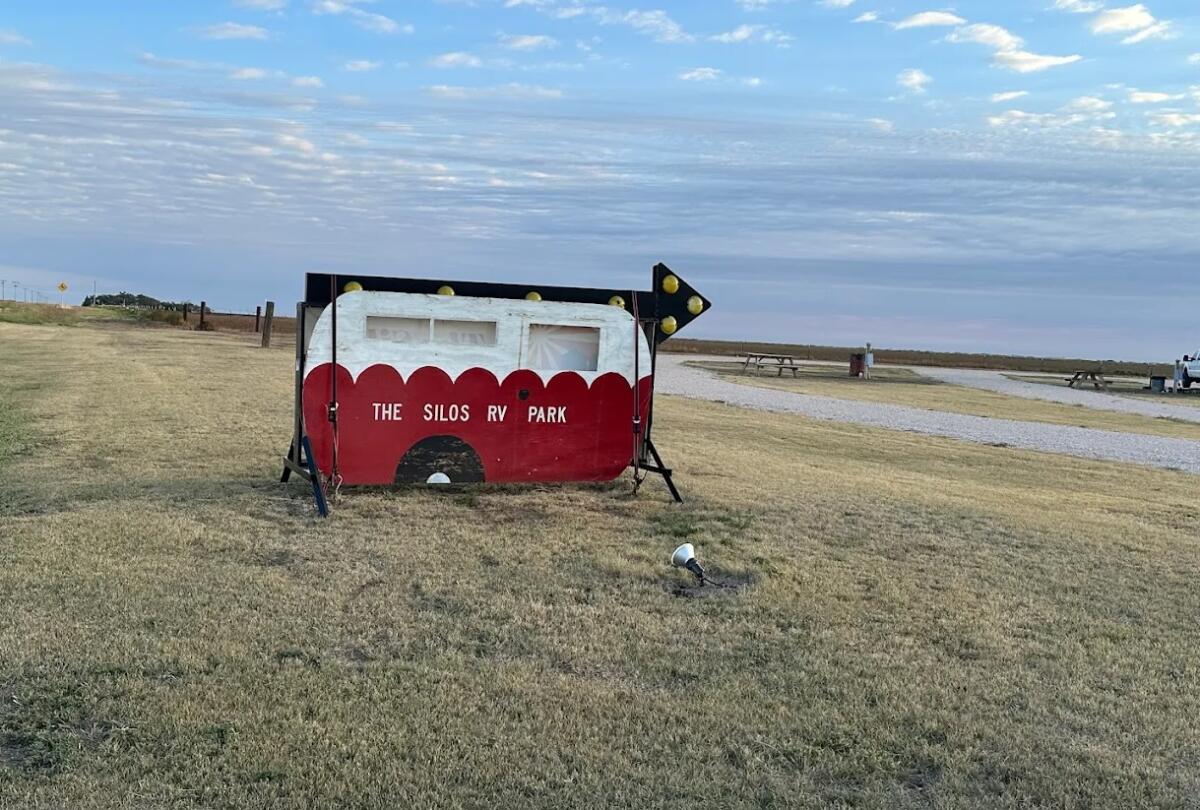
This was at a self-service RV park, The Silos at Canyon RV Park in Canyon, TX, just outside of Amarillo. Phone calls and emails were answered immediately, and all instructions for WiFi passwords and bathroom codes were sent via email or text promptly.

It’s not necessarily a destination park, but everything worked well, and although the sites are rather close, it was an easy in/out for our stay.

Would you pay a little bit extra for your own private laundry facility rental? Please leave a comment below.

RELATED

RVT1266

How to spot bad RV moldings

By Dustin Simpson
Moldings are a critical part of your RV’s structure, not just for aesthetics, but for protecting your RV from the elements.

In this article and video, we’ll show you how to spot bad RV moldings, explore common issues that can arise, and teach you how to check if they need to be replaced. Understanding the condition of your insert moldings will help you maintain your RV’s integrity and prevent costly repairs down the line.

What are RV insert moldings?

Insert moldings are strips or pieces of material used to cover the seams between the RV’s exterior panels, providing a clean, finished look while also serving as a sealant against water, dirt, and other elements. They’re typically made from materials like rubber, plastic, or vinyl, and are installed around windows, doors, and other edges to provide protection.

Common issues with RV moldings

Cracking and drying out

Over time, moldings can start to crack, split, or dry out due to UV exposure, weather changes, or aging materials. When this happens, they can no longer provide the proper seal, leading to leaks or air infiltration.

Loose or missing pieces

Loose moldings can result from improper installation or wear and tear over time. A piece may come loose, or you may notice small gaps where the molding has pulled away from the surface.

Discoloration or staining

Moldings are exposed to various elements like dirt, rain, and UV rays. Over time, you may notice staining or discoloration. This not only affects the appearance of your RV but can indicate material degradation.

Water damage

If moldings are no longer properly sealing the seams, water can penetrate the RV’s walls and cause serious damage like rotting wood or mold growth inside. Always inspect moldings for any signs of water damage around windows and doors.

How to check if your RV moldings need replacement

Inspect for cracks or splits

Examine the moldings around windows, doors, and seams closely. Look for any cracks, gaps, or tears that might allow water or air to enter. If the molding is cracked beyond repair, it’s time for a replacement.

Check for softness or flexibility

Moldings that are supposed to be rigid (especially around doors and windows) can lose their integrity and become soft or brittle with age. If the molding feels spongy or bends easily when you press on it, it may need to be replaced.

Look for water stains or leaks

Water damage often starts at the seams, so look for any water stains or signs of leakage around the moldings. If you find discoloration, bubbling, or peeling paint, it’s a sign that moisture has gotten past the molding and that it’s no longer providing a proper seal.

Test for secure fitting

Gently tug or press on the molding to ensure it’s still securely attached. Loose moldings can allow dirt and moisture to get in. If it comes loose easily or has obvious gaps, it’s time to replace it.

Examine for discoloration or fading

Moldings can discolor over time due to sun exposure. While some fading is normal, significant color changes or stains could indicate that the molding’s protective properties have been compromised, making it less effective.

What to do if you spot bad moldings

Replace the molding

If the molding is significantly damaged or degraded, replacement is the best option. Be sure to match the exact size, style, and material of the existing molding for a proper fit.

Reinstall loose moldings

If the molding is only slightly loose, you can usually reattach it with an RV-safe adhesive or replace the fasteners. Ensure the new attachment is secure to avoid further issues.

Seal any gaps

If you notice small gaps between the molding and the RV surface, you can use silicone sealant or another appropriate RV sealant to fill the gaps and restore the seal.

Preventive maintenance tips for RV moldings

Regularly inspect moldings

Make it a habit to inspect the moldings during routine RV checks. Catching problems early can prevent bigger issues like water damage or leaks.

Clean moldings regularly

Keep your moldings clean from dirt and debris. Use a gentle cleaner and avoid abrasive materials that could damage the surface. Keeping them clean will help preserve their flexibility and appearance.

Use UV protectants

Applying a UV protectant to your moldings can help extend their lifespan by preventing them from drying out or cracking due to sun exposure.

Store your RV properly

When not in use, store your RV in a shaded or covered area to protect the moldings from the damaging effects of prolonged sun exposure.

Final thoughts

Regularly inspecting your RV’s insert moldings can prevent costly repairs down the line and ensure that your RV stays protected from the elements. Cracked, loose, or damaged moldings can lead to serious issues like water damage, so don’t overlook their condition. With the right maintenance and timely replacement, your RV’s moldings can stay it in great shape and protect your investment for years to come.

For more expert advice and helpful RV maintenance tips, make sure to subscribe to our channel and keep your RV looking and performing like new!

RELATED

More from Dustin

Make sure you check out my website, California RV Specialists, and our YouTube channel for more helpful information, and see our published articles on RVtravel.com and other social media pages.

RVT1266

The RV industry is listening, it seems

A while back, I looked in the mirror and shared who I think carries some of the blame for the perceived lack of quality in the RV industry. And, yep, it’s us. But today I want to share something I saw that made me very, very happy. 

As I write this, I’m sitting in the heart of the RV industry in beautiful Elkhart, Indiana. And, yes, I’ve only been here one full day and have already had a run-in with Rise’n Roll’s famous cinnamon caramel powder donuts. More about those in a moment. 

What prompted this week’s miscellaneous ramblings was something I saw that’s a direct result of something we’ve said. 

I have mentioned that the RV industry is very, very receptive to building whatever it is we’re asking for. If we wanted our RVs gold-plated with butler pantries, we’d get that. But, based on sales numbers alone, we’re asking for inexpensive RVs with less than top-notch features. But not all of us. 

I’ve leaked info on plumbing

As I wander through a bunch of 2027 RVs, something that absolutely made me smile was the plumbing. Not one of the RVs I saw, from the most affordable model to the most premium, used a PEX clamp on a flex hose. So what, you say?

There are a number of RV content creators on YouTube, including That RV Tech and Rigor RV Repair, who have pointed out that PEX clamps on flex lines are an almost guaranteed leak point if not done properly. In fact, the combined videos on this subject have gotten hundreds and hundreds of thousands of views. 

Earlier this year I went to see all the 2027 Tiffin products in Alabama and was pretty disappointed seeing that they all had PEX clamps on flexible hoses. In many cases, those were in places really difficult to get to. So if you did have to do a plumbing repair, you had better hire a contortionist. 

And that’s assuming that you are aware of any leak before it causes major damage or mold. Not that I’m guaranteeing that what I saw was incorrect; but I’m pretty sure it was. 

I’m spending this week looking at Forest River’s 2027 products, and I didn’t see one PEX clamp on a flex hose in the entire bunch. It seems that they’ve taken a stance on this and listened to what is being said out there.

I also saw some Puma stick-and-tin models, which are arguably some of the more affordable products in the line, with AlphaPly roofing systems. I consider that the best flexible membrane-style roof in the industry. 

Now, I never want to encourage people not to inspect plumbing, or any system, on an RV regularly. Seals, hoses, and all these systems take a beating as we’re shuttling down the highway. 

But I’ve had several RVs where I had to replace several fittings because these PEX clamps on flexible hoses just don’t seem to hold very long. And then things leak. And then cabinets and other wooden things get damaged. 

To me, what’s happening is that companies are listening to what’s being said out there. I can’t wait to go see other manufacturers’ products later this week. 

I’ve talked about some of the safety technologies coming down the road (hehe, see what I did there?) and how I’m glad for them. Plus, this is from an industry that is very much self-regulated. 

So, while I think there are certainly things the RV industry can do differently and better, this is a good sign and proof that they do listen when we speak in a unified voice. 

Amish crack donuts – Rise’n Roll

Oh… the donuts

I almost forgot about the donuts. There’s a bakery in the Elkhart area called Rise’n Roll, known for its cinnamon caramel powdered donuts. 

If you’ve ever been to New Orleans and had a beignet, you know that they’re not shy about the powdered sugar on these. 

Well, Rise’n Roll isn’t shy about the caramel cinnamon powder on their donuts, either. In fact, the locals affectionately call them “Amish Crack” because Rise’n Roll was started by an Amish couple in 2001 and is now in multiple locations. 

I can’t recall ever visiting the area and not getting a box of these. Today I did that, but brought the box to share with the team at Forest River. And, guess what? 

My doctor, apparently, thinks I’m fat (remember the whole displacing a lot of water in the pool?), so I have been pretty mindful about what I eat. And what I ate today did not include one of those donuts. 

I know, right? 

But if you’re ever in the area, please do yourself a flavor and at least get one of these donuts. Or, if you’ve had them, share with us what your impression is. 

Amish crack, indeed. 

READ THIS NEXT:

RVT1266

Study suggests dad’s life experiences may influence children before birth

2

Scientists have long believed that sperm’s primary role was to deliver a father’s DNA. But researchers now report that sperm may also carry molecular messages shaped by a man’s life experiences, potentially affecting future children before they are even conceived.

In a study involving mice, researchers found that sperm acquire messenger RNA (mRNA) molecules as they mature. These molecules help direct protein production and appear to be transferred to embryos during fertilization. Scientists believe factors such as diet, stress, exercise and overall health may alter these molecular messages, creating a possible pathway through which a father’s experiences could influence the next generation.

So Mom’s out there: If your husband was a wild child growing up, and your own child is a wild child as he or she is growing up, maybe Dad’s early behavior is to blame!

The research showed that mature sperm pick up mRNA from tiny vesicles in the male reproductive tract. Some of those molecules were later detected in fertilized embryos, suggesting they had been delivered by sperm. Additional experiments found that introducing similar RNA molecules into mouse eggs altered gene activity in ways that resembled normal embryo development.

Researchers caution that the findings do not prove a father’s lifestyle directly determines how a child develops. More research is needed, particularly in humans. However, the study provides evidence that sperm may carry far more information than DNA alone.

The findings, published in the journal Nucleic Acids Research, offer a timely Father’s Day reminder that a dad’s influence on his children may begin earlier than anyone imagined—perhaps even before they are conceived. Who would have thought it?

To read more on RVer health, click here

RVT1266

How much air pressure is too much in RV tires?

“How much air pressure is too much in RV tires?” is a simple question with a complex answer.

An incorrect reading of the “MAX PSI” info on the tire sidewall does not improve the understanding of this question. If you didn’t read my post on what “MAX PSI” really means, I suggest you read that post now.

With the introduction of the tire pressure monitoring system (TPMS), many RV owners are presented with what, to them, is new information on the status of their tires.

As with almost all “simple questions” about tires, the answer is not as simple as people would like.

Question I received on tire pressure

Here is an example of a question I received on tire pressure:

I have a serious concern with the G-rated tires on my 5th wheel trailer. When I run the cold max pressure at 110 PSI, I get TPMS readings up to 134 PSI rolling down the road. Lately, I have been running 95 PSI cold and am getting 115-119 PSI rolling. The tires and rims are rated for 110 PSI. I can live with 120 PSI, but the 134 PSI concerns me.”

My reply…

The inflation ratings for wheels are based on a “cold” pressure. An increase in pressure due to operation is taken into consideration by wheel manufacturers. I would not be concerned as long as the proper cold inflation is used along with appropriate limits on load and speed.

The wording “max pressure” can be confusing. In reality, the pressure stated on the tire sidewall is the cold pressure needed to support the stated load. That load is the maximum load the tire should ever be subjected to. I advised the owner that he should NOT under-inflate his tires and plan on seeing the operation temperature result in an increase in the pressure sufficient to support the load. The “cold” pressure is the only pressure you should be concerned with.

Tire pressure increases with an increase in temperature

Tire pressure increases by about 2% for each increase in temperature of 10° F. If you don’t remember the science from high school, you can read this post.

Please note that you will see many folks saying the tire inflation will increase by 1% or 1 PSI, but those numbers are based on passenger tire levels of inflation.

If you are seeing a 21% increase in pressure (110 > 134 psi), that means you are seeing about a 100° F increase in internal tire temperature. I would consider that level of increase too much for normal tire operation. In my 50 years of designing, testing, and working with tires, I only remember measuring a temperature rise of 100° F in Indy race car applications.

If you are seeing a 25% increase in pressure (95 > 119 psi), then you are getting a 125° F increase in temperature. This indicates you are working the tires very hard and/or you probably have “wet air” in your tires. This extra “work” that is generating a greater temperature increase is not good for long-term tire life. You are “aging” the tire rubber faster. Some might want to review the “Key Point” of tire life and how increased temperature can shorten life as covered in this post.

Are you overloading your tires and/or driving too fast?

Your temperature increase indicates you may be overloading your tires or driving faster than desirable for your tire load. It is recommended in tire company data books that your operating speed for any tire in RV application to never be greater than 75 mph. The “Speed Rating” is just a short-term “heat resistance” rating and should never be considered acceptable in day-to-day RV applications.

You need to confirm that your gauge is giving an accurate reading by comparing it to a known accurate gauge.

Further correspondence with the concerned RV owner

The RV owner concerned with the temperature and pressure increase later said:

Today I drove 250 miles and my 95 PSI tires were running 115-119 PSI and the tire temps were at 20F above outside ambient temp of 50F and 71F tire readings. I still contend that 134 PSI is way too dangerous for tires to run on 110-rated tires.”

So, I responded:

Few people realize that the pressure increase as a function of temperature is based on well-established, confirmed physics. A TPMS is not reading the actual tire temperature but is actually reading the temperature of the brass valve stem and the metal base of the TPMS itself, which is being cooled by outside air.

Air is a good insulator

Air is a very good insulator. If you think about it, you have a small column of air running up the inside of the valve stem, which makes it difficult for the heat to travel up the center of the stem and past the valve core itself. This is all while the valve is moving rapidly around and being cooled by the outside air.

I am aware of laboratory tests that go against what “common sense” might indicate. These tests confirm that the air inside a tire is not uniform in temperature, but it is always cooler than the hot spots of a tire. It is the hot spots that can result in a tire failing if hot enough for a long enough period of time.

Confirm scale readings for each axle

I have no doubt that the TPMS was indicating only 20° F above the cool 50° F outside air temperature. You should not be concerned about the hot pressure of 134 psi on tires that have a cold pressure rating of 110 psi for the max load capacity rating. That is, as long as you have confirmed the actual load you are placing on your tires is no greater than 90% of the load capacity shown in the Load & Inflation tables for your tire. By “confirmed,” I mean with actual scale readings for each axle when the RV is fully loaded.

As a tire design engineer with 50 years’ experience, I trust the science of the “Gas Laws” and the knowledge that air is an insulator and metal conducts heat from a hot source to a cooler one.

I don’t know what to advise other than to lower the operating load and speed and confirm your hand gauge is accurate. Also, always inflate the tire when cold to the psi shown in the tables for your tires at your actual loading, as continued operation at current load and speeds will certainly result in pressure readings that are well above the cold pressure of 110 psi.

Roger Marble

MORE POSTS FROM ROGER ON TIRE PSI

*****

If you have tire questions, check out Roger’s posts on RVtravel.com. There are hundreds of posts covering everything to do with tires.

If you still have a question for Roger after searching the above posts, send your inquiries to him using the form below.

Name
Drag & Drop Files, Choose Files to Upload

RVT1266

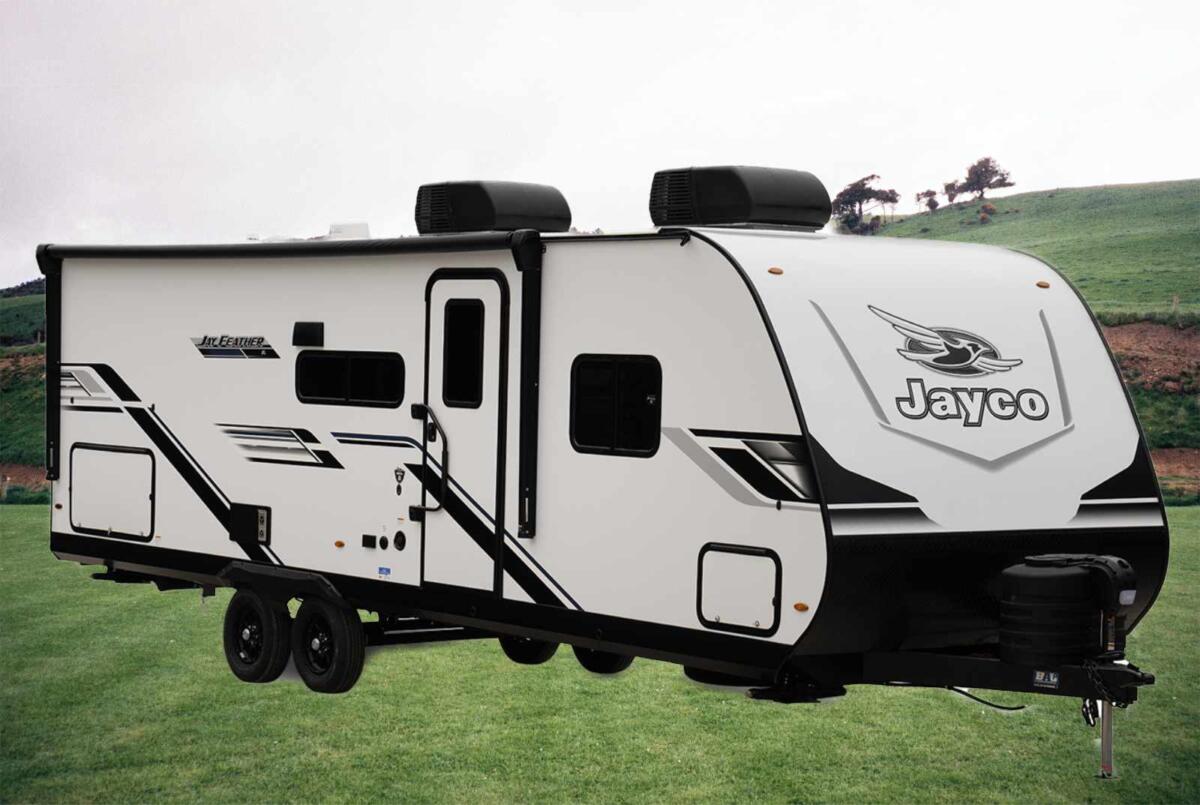
RV review: 2027 Jayco Jay Feather 26BHSL—Affordable and familiar

I’m noticing more and more RVs going back to basics as I keep seeking out the new and noteworthy. There is probably no better example than the 2027 Jayco Jay Feather 26BHSL travel trailer. In fact, many of the interior pieces and attention to detail take me back a few years. 

For a while there seemed to be a challenge within the business of adding more and more features to RVs. That’s not necessarily a bad thing—there are nerds, er, people like me who appreciate some of the advanced features. 

But I’m willing to bet that there are a good number of RVers who don’t want to have to remember how an app works just because they want to measure tank levels or bring an awning in. And, of course, the more elaborate a rig is, the more money it costs to build and, by extension, the more it costs to buy. 

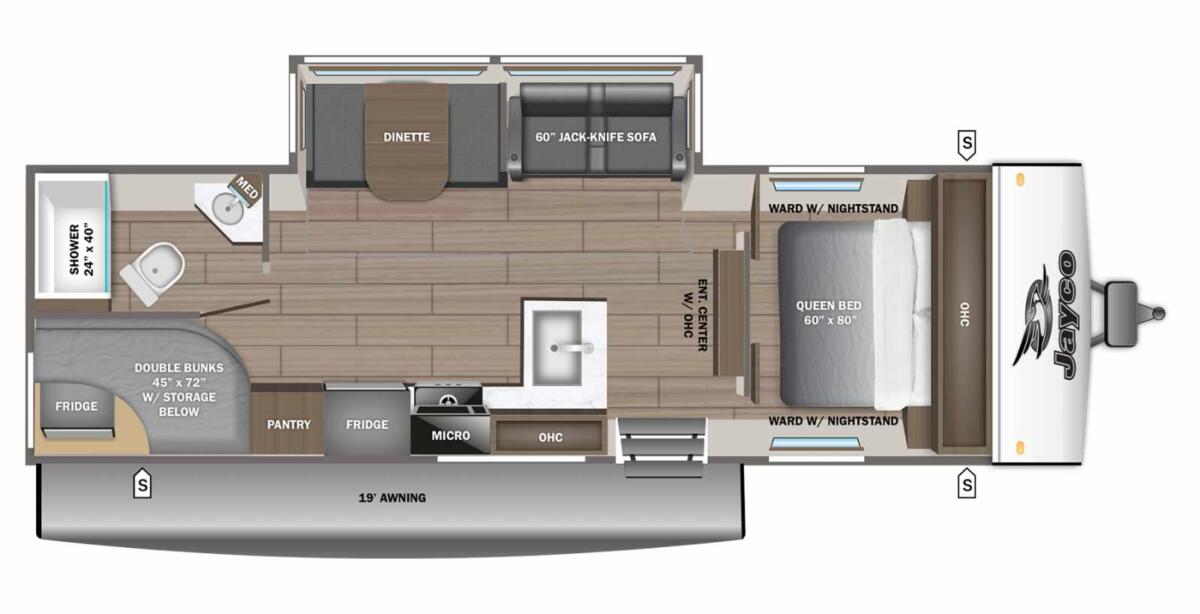
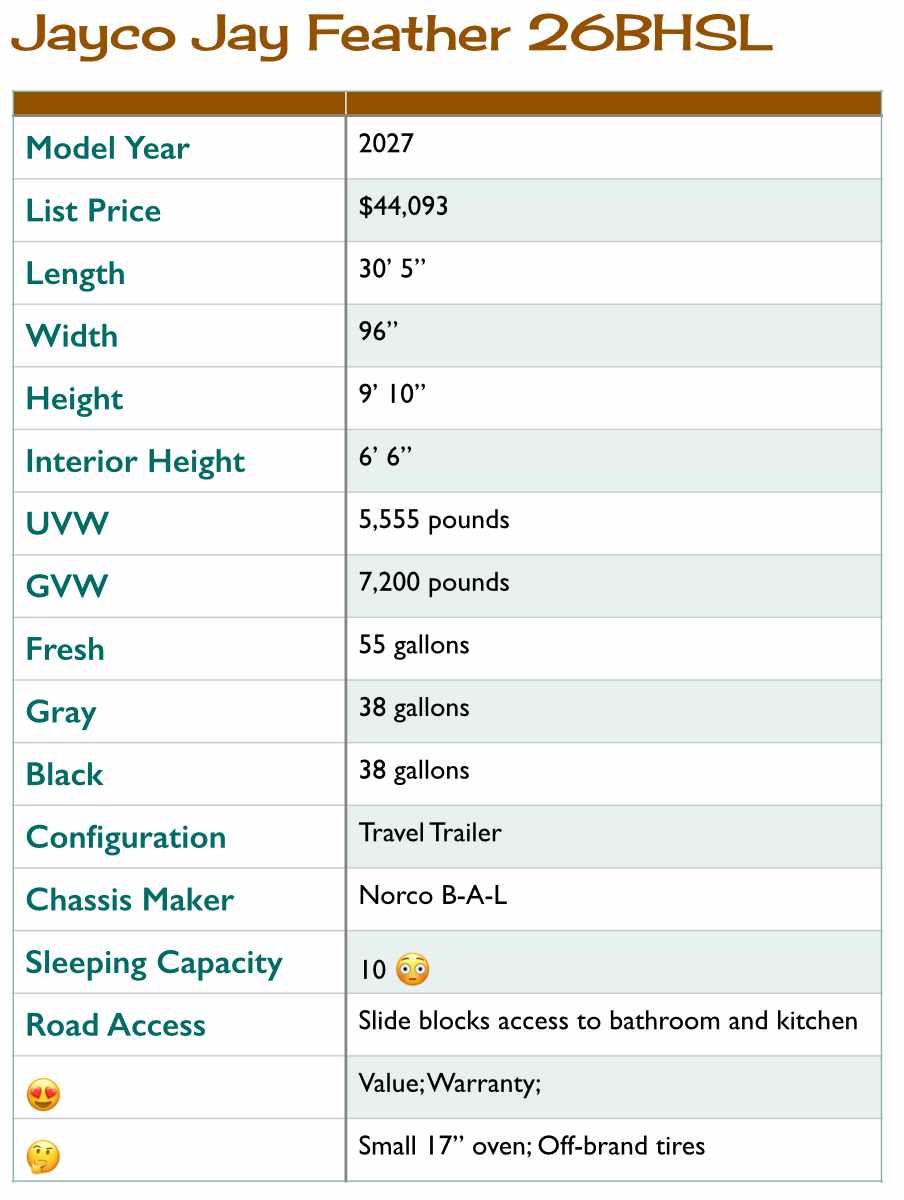
This is a very traditional bunkhouse model that can sleep up to eight people (wow!), and has a traditional dinette and jackknife sofa. 

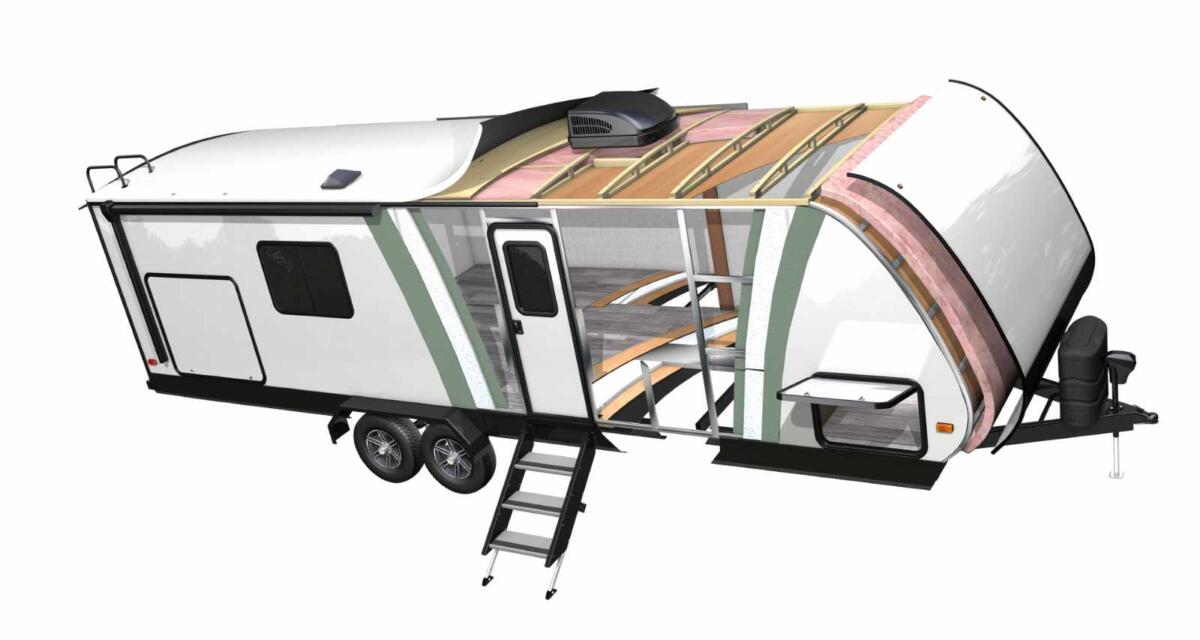
How the Jayco Jay Feather 26BHSL is built

Starting at the road, you’re riding on basic import tires and a simple leaf spring suspension. 

I’ve shared more than once how I really like some of the suspension advancements such as torsion axle suspensions, Curt’s independent coil spring system, and others. This has none of that. 

But I also recognize that many campers only travel fewer than 100 miles on a typical outing and can only schedule a few times a year. Yes, the better suspension systems do provide greater isolation from road hazards, and that does help an RV last longer, but if you’re not piling on the miles, perhaps the cost of an upgraded suspension system doesn’t have as much value to you. 

As long as you’re aware of the consequences of various options. That’s the point of why I like sharing things like this. 

This does utilize a B-A-L huck bolted frame, which that company states is more durable than a welded frame. 

Up on the housetop, there’s Jayco’s Magnum Truss roofing system, which they have long touted as being a sturdy system. 

The walls of this are a laminate with vacuum-bonded aluminum-framed walls that feature an Azdel substrate, which is a waterproof material that does a better job of sound insulation than the traditional Lauan, which has been given the stink eye as being sourced from forests that are depleting. 

One thing to note: if this is the rig for you, be aware that this is only a 13,500 BTU A/C system, which means it’s relatively low capacity. That’s fine if you live in the Pacific Northwest, where A/C isn’t a lifesaving feature, but if you’re in Texas I’d consult your dealer about a larger unit, which is an option, and likely a second unit, which is also an option. 

There is no solar standard on this and, again, I’m a huge fan of off-grid technologies like solar and lithium systems, but that’s because of how I go camping. I do spend a fair amount of time off the grid. If your camping is mostly in RV parks with full hook-ups, then there is almost no reason to want solar. 

However, I wouldn’t buy any newer RV that had a 12-volt fridge with anything but at least one lithium battery and, perhaps, even two. This would keep the fridge running while you’re loading the trailer at home, and you might even be able to squeeze a night out of a single battery, maybe. If the stars align properly. 

Basically, I’m telling you that an RV dealer who’s not offering you the upgrade to a single lithium battery, or greater, is doing you a disservice with a modern camper. 

Living and sleeping in the Jayco Jay Feather 26BHSL

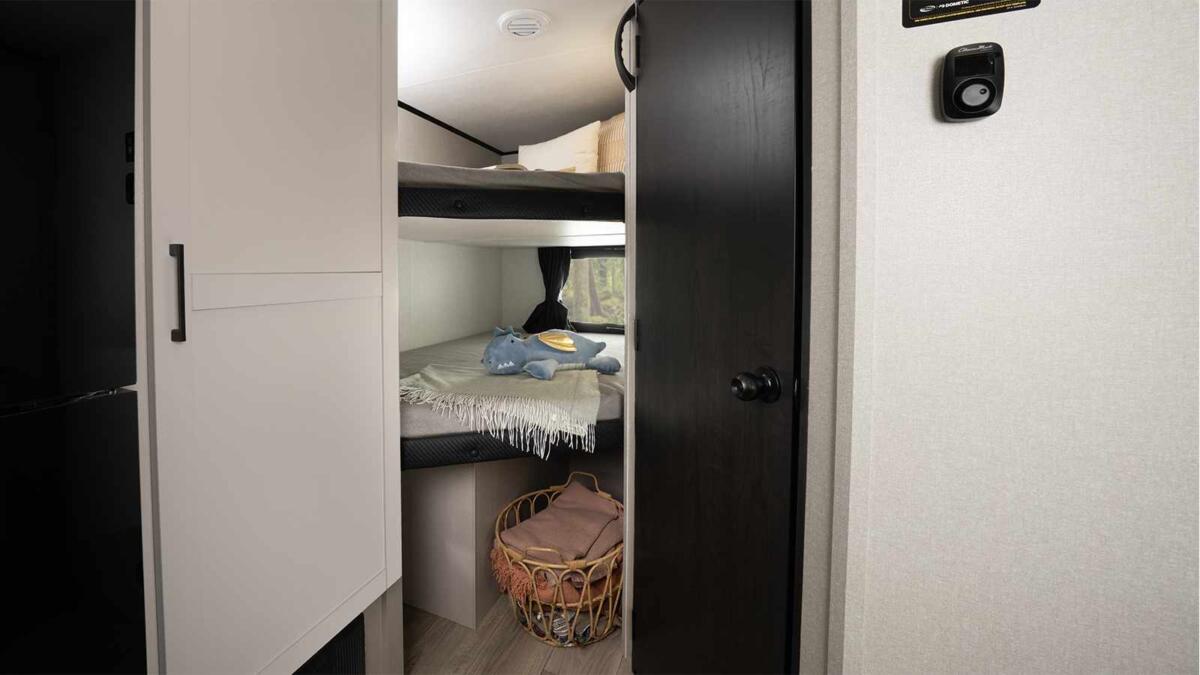
As mentioned, this traditional floor plan has a proper queen-sized bed up front and a double-over-double bunk in the back. Those bunks are each rated for 600 pounds apiece, which means I could literally sleep with myself (there’s a vision nobody ever hoped for) without breaking the bunk. 

Something I haven’t seen in a while is that the wall in the bedroom that separates it from the main living space has a door on either side with a fixed wall in the middle. The best way to make the bed in this is with an RV Superbag unless you’re a contortionist. 

This wall is also a place intended for mounting a TV, but, to be honest, it’s not the best place if TV viewing is synonymous with camping in your world. This is a pretty uncomfortable angle for TV viewing. 

I remember when they would put TVs on these walls that could rotate so you could watch it in the bedroom or in the living room. I thought that was a smart idea until I saw the number of repairs on this mechanism because people weren’t grasping the idea of the limiters and just pushing the TVs past them. Ooops. 

Main living space in the Jayco Jay Feather 26BHSL

Essentially, your seating in this RV is either at a four-place dinette or on a couch that could be reclined to be a bed if you truly disliked that member of your crew. Sleeping comfort isn’t the best on this jackknife sofa, but it’s okay for sitting. 

The base of the dinette can be used for storage, but you access that by lifting a cushion and a board to get to it—certain nods to cost savings are made, and drawers were on the chopping block in this spot. 

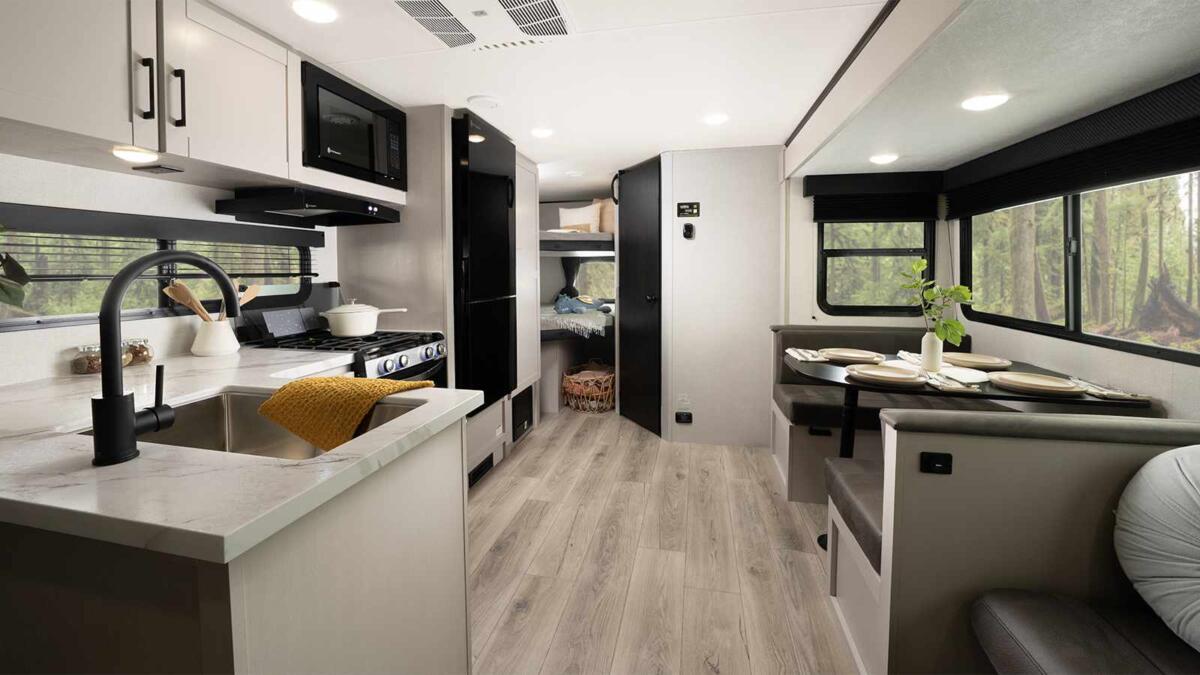
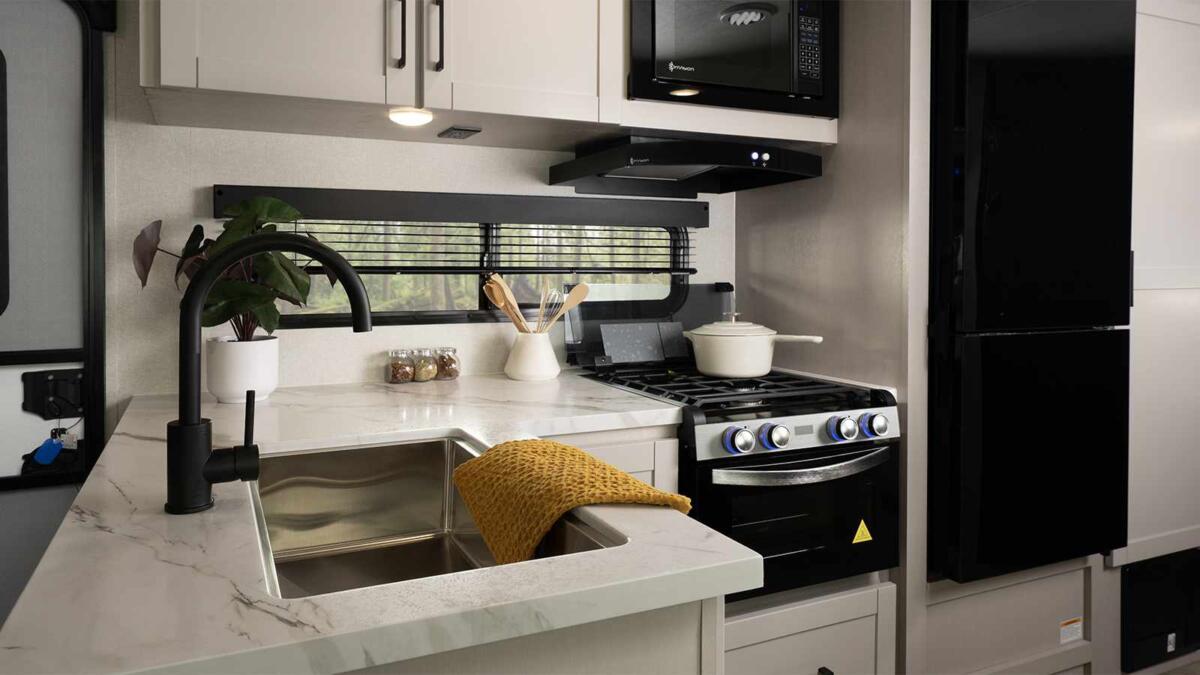
Across from the dinette and couch in the slide is your kitchen. Its “L” shaped countertop provides decent counter space. 

There’s the usual three-burner propane stove but with the unfortunate 17” vertical oven. Bummer. There is a nice sink and a microwave and a good number of cabinets and drawers. 

There is a good-sized pantry here, and that pantry has shelving that can be lifted out if you’d prefer to take advantage of this as a space for hanging storage. 

There’s also a bit of storage under the lower bunk where the flexible and nimble youthful travelers can either use it for storage in totes and such or make a small fort in the space. Said fort would be rather small, but a fort is still a good thing. 

The bathroom, too, is nothing remarkable but not bad either, with a porcelain foot flush toilet, a shower with a curtain and a smaller sink and medicine cabinet. There’s no window in here, and I have found that, with a bit of alcohol, Command hooks will mount to many RV wall types. 

Boondocking and travel access in the Jayco Jay Feather 26BHSL

While solar is an option on this, none comes standard, and I suspect few of these will get much, if any. And, again, that’s fine. I like when a manufacturer makes it easy to add things like solar but doesn’t foist it on buyers. 

As for travel access, well, that’s an area where this trailer is not strong, as you’d have to bump out the slide a bit to get to the bathroom. That can be fine for some buyers, but the delay might also be a challenge for some buyers. In other words, the pottymergency may not permit waiting to push the slide out time-wise if you’re on your way somewhere and suddenly the coffee has kicked in and now wants to be released back into the world. 

But this is a rack-and-pinion slide, so pushing it out just enough to get past the kitchen counter is totally fine; that’s not the case with all types of slide mechanisms. 

Bottom line on the Jayco Jay Feather 26BHSL

With a base MSRP of $44,093, this trailer offers a lot of value for the money. While it’s not super crazy with the features, it is an honest, decently-built camper with a good warranty and mostly good features and build quality. In fact, a while back I went to tour Jayco’s facilities, and something I liked seeing was their inspection facilities, where every Jayco that leaves the grounds gets a full top-to-bottom inspection. Nice.  

The things I wish Jayco would change are to either dump the 17” oven altogether or put in the 21” oven, which is a much more usable appliance. Or, what if they could create a cabinet where the 21” oven could be added as an option for those who want it or where there would be a drawer for those who don’t? 

What are your thoughts on this—have the upgrades and features on RVs finally plateaued, or has there just always been a market for a decently-built honest camper? 

An RVer’s praise for the lowly bungee cord

As we were doing our put-everything-away routine to leave the RV park, I noticed the many bungee cords festooning our closet. When people joke about things being held together with bubblegum and string, I looked around and realized that bungee cords are holding us together.

Clothes

After way too many dumps of clothes falling off the rod on bumpy roads, a simple bungee cord now holds them together.

Folding crates

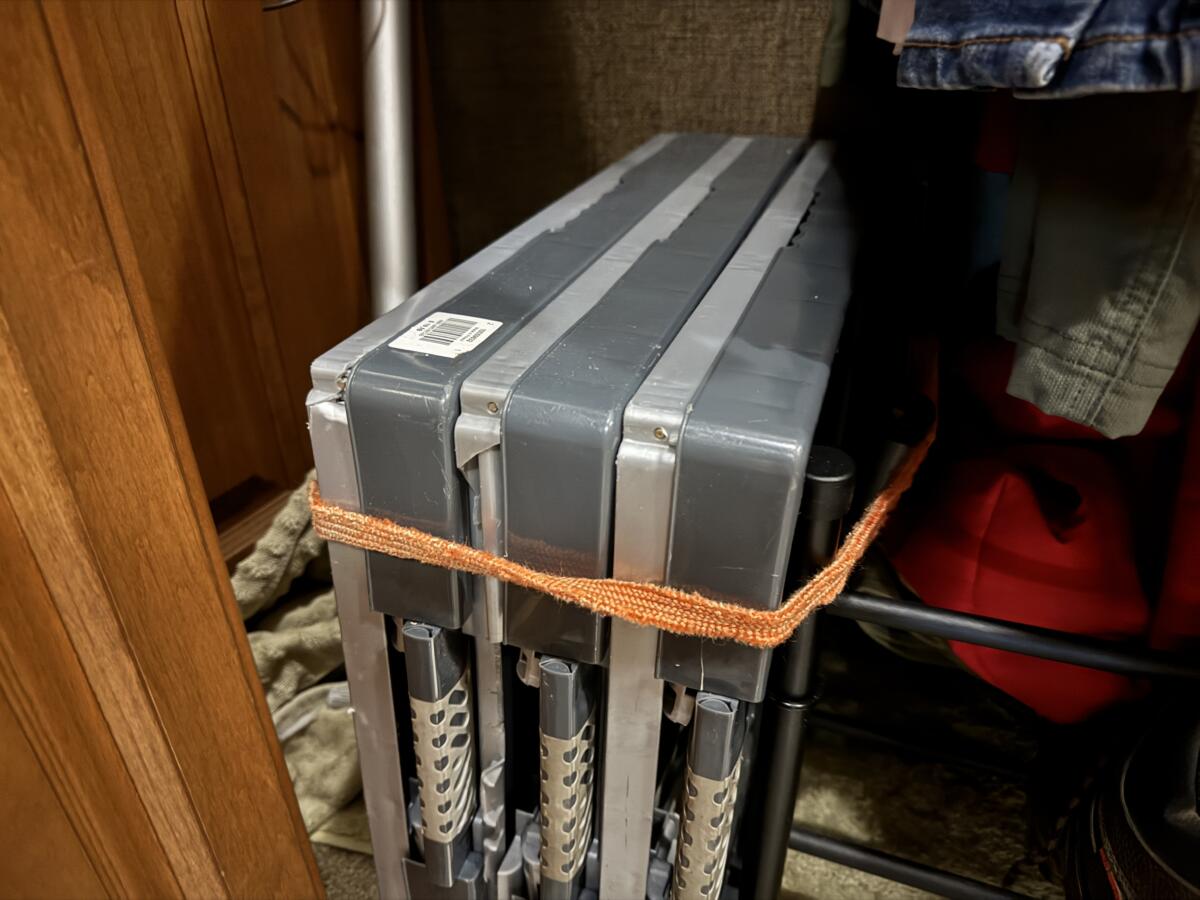
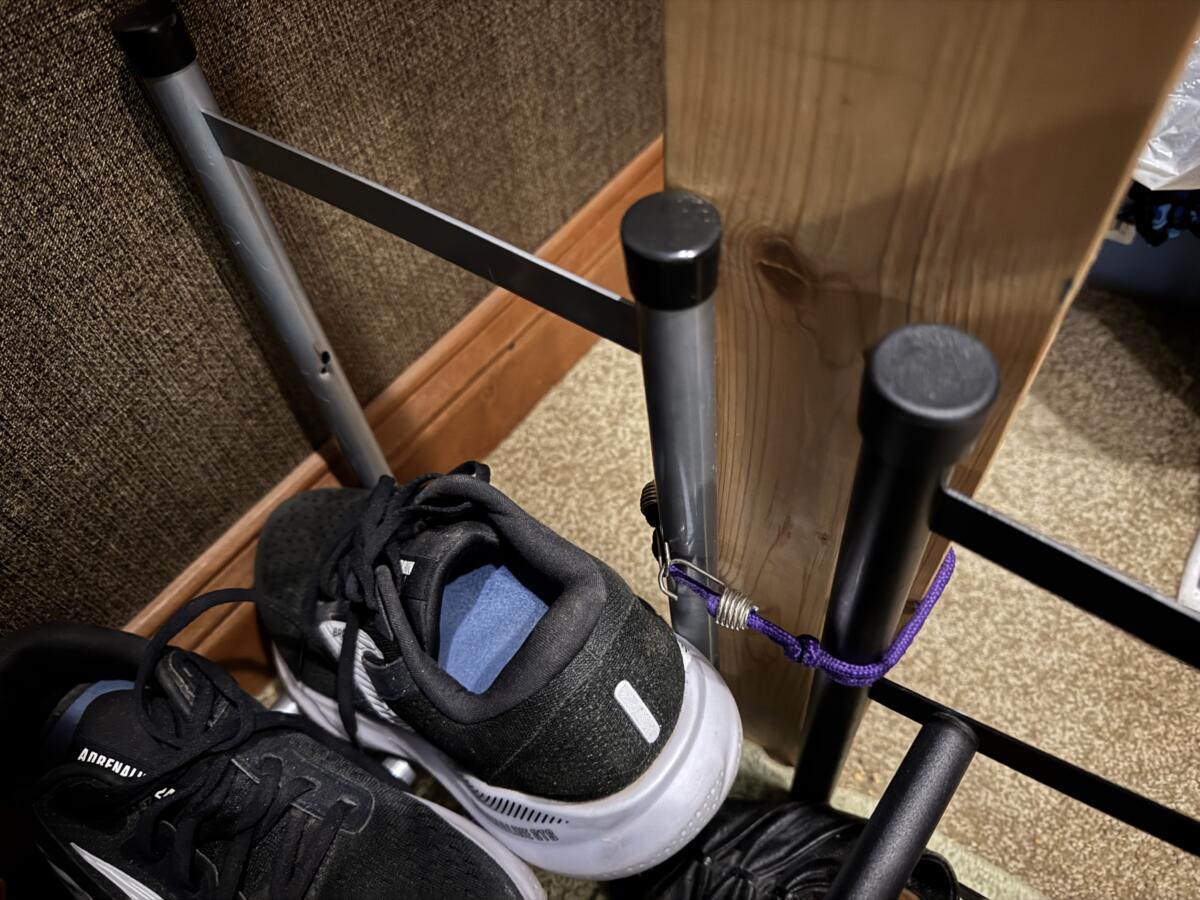
We love our folding crates, but they are slippery and easily slide around. Another bungee cord holds them tethered to the shoe rack.

Shoe rack

And the shoe rack? Two shoe racks turned around backwards so the shoes slant downward to the wall. Held together with—you guessed it—bungees.

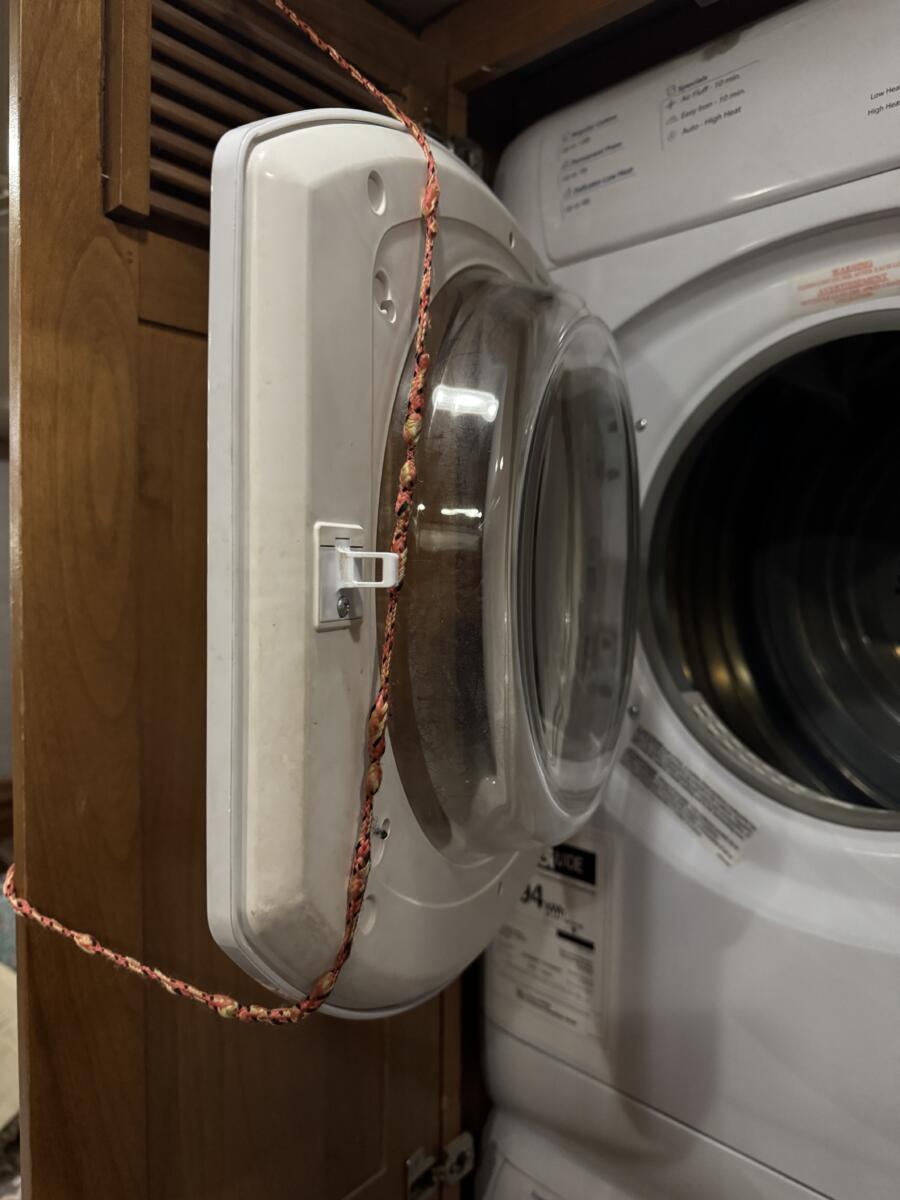
Dryer door

A washer and dryer is such a luxury in an RV, but inevitably I hit my head on it as it swings open. Others have written about the same issue. Time for laundry? I hold the door open with a lowly, common bungee cord.

Bike rack cover

Our bike rack cover starts to look like an eclectic wrapped Christmas present, but the cover stays on even when traveling at 65 mph in a crosswind!

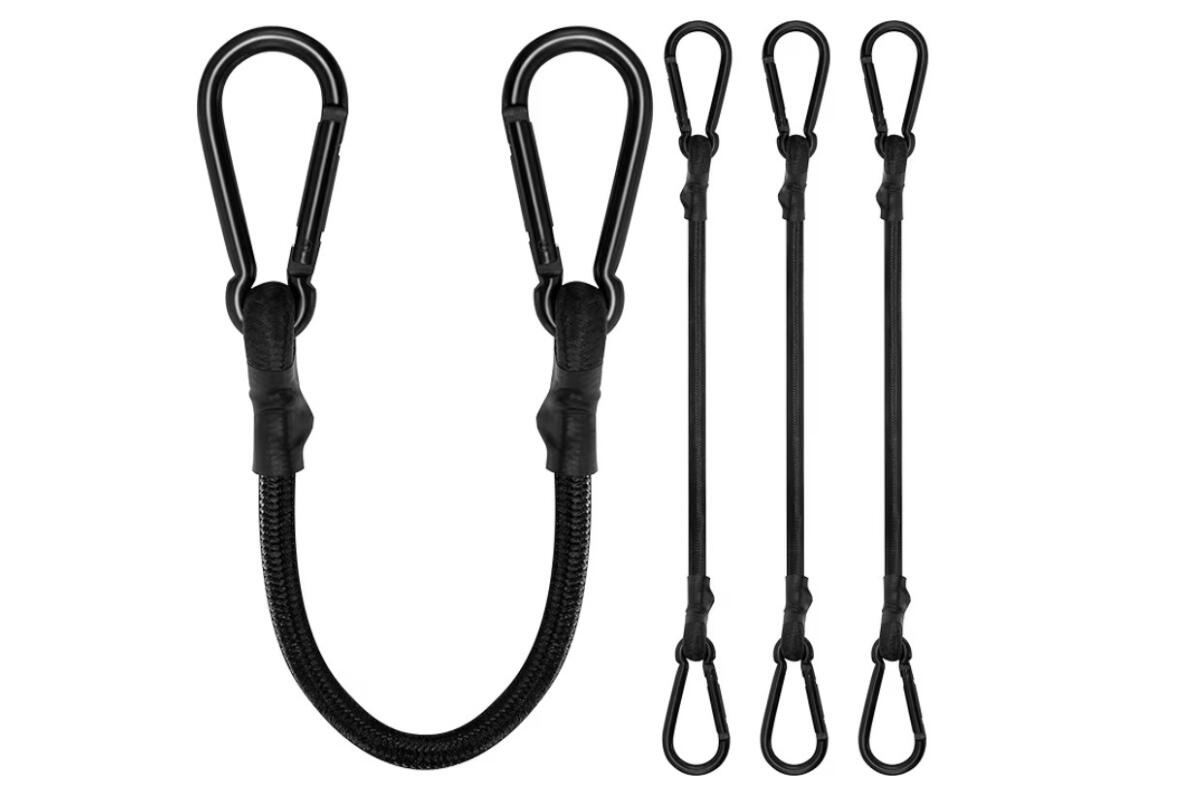
I have become somewhat of a bungee aficionado. There are a lot of different styles and sizes—big plastic hooks, small metal hooks, and my favorite of all: the adjustable bungee cord. I just found some on Amazon with a carabiner end, too!

If I would only take the time to roll them up neatly when done instead of throwing them in a plastic jug. They are kind of like untangling Christmas lights every time I go to use them.

YOU MIGHT ALSO LIKE…

16 ways bungee cords can make RVing life easier

By Gail Marsh
Bungee cords come in a variety of sizes and strengths. You may already use them to secure the RV cupboard doors during travel days by wrapping the cord through the cupboard’s opposing handles. There are so many ways that bungee cords can make RVing easier. Continue reading.

RVT1266