By Cheri Sicard
Buying an RV should be an exciting adventure, not a financial trap. Sadly, some RV dealerships use tactics that can leave customers with a bad deal.
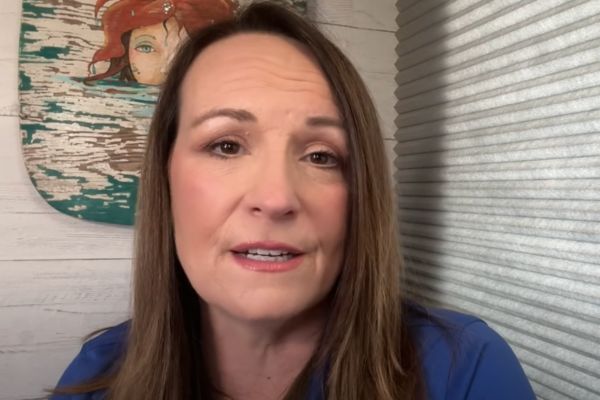
In the video below, Deb from Deb’s RV Services, a certified RV inspector and registered technician, is here to warn consumers about these practices. This post will cover what to watch out for before signing on the dotted line.
It’s important to know what to look for when buying an RV. Some dealerships may try to take advantage of unsuspecting buyers. Here are two common issues Deb has seen during her inspections:
1. Outdated tires on brand-new RVs
2. Pressuring customers to sign contracts before repairs are completed
Tactic #1: Outdated tires—Are you getting ripped off?
Have you ever bought something new, only to find out a key part was already old? That’s what’s happening with some RV tires. (It’s not just RVs. CarMax did the same thing when I bought my truck, something I learned the hard way after an explosive blowout.)
Dealerships are selling brand-new RVs with tires that are already two or more years old. Why is this a problem? RV tires typically need to be replaced every five to six years. So, if you buy an RV with older tires, you’re starting with a reduced lifespan. Depending on the size and brand, RV tires can cost hundreds of dollars each. Buying an RV with older tires means you’ll have to shell out more money sooner than expected.
How can you tell if the RV you’re eyeing has old tires? Look for the DOT code on the tire’s sidewall. This code includes the week and year the tire was manufactured. For example, a DOT code ending in “2422” means the tire was made in the 24th week of 2022. If you’re buying an RV in late 2024 and the tires are dated 2022 or earlier, that’s a red flag.
RV inspectors will include the tire date on their report. However, they usually can’t advise you to replace the tires if they’re within the manufacturer’s acceptable age range. So, what can you do? Use the tire age as a negotiating tool. If the tires are already a couple of years old, ask the dealership for a discount on the RV’s price. This can help offset the cost of replacing the tires sooner.
Keep in mind that not all tires are created equal. Cheaper brands may not last as long as higher-quality tires. This is another factor to consider when negotiating with the dealership. If the RV has older tires from a less reputable brand, it strengthens your case for a price reduction.
Tactic #2: Signed, sealed, delivered… but not fixed
Imagine buying a house, only to find out after you’ve signed the papers that the roof leaks. That’s similar to what can happen when dealerships pressure customers to sign RV contracts before repairs are completed.
Many RV buyers get an inspection to make sure everything is in good working order before they commit to the purchase. They want to hit the road with confidence, knowing their RV is ready for adventure. However, some dealerships try to rush the process. They pressure buyers to sign the contract before addressing the issues found during the inspection. This defeats the purpose of the inspection and can leave buyers stuck with an RV that needs repairs.
Here’s how it often plays out: The customer arranges for an inspection, and the inspector sends the report to the customer and the dealership. The dealership might then say, “We’ll take care of those repairs. Just sign the contract now.”
They might use tactics like claiming it’s the end of the month and they can’t guarantee the price if the customer doesn’t sign immediately. Deb strongly disagrees with this approach, calling it “BS.”
The best way to protect yourself is simple: Don’t sign the contract until after all repairs have been completed and you’ve personally verified them. Stand firm and don’t let the dealership bully you into signing before you’re ready. It’s your right to ensure the RV is in good condition before you commit to buying it.
Buying an RV is a big decision. By being informed and proactive, you can avoid common dealership tactics and ensure you get a fair deal. Ask questions, do your research, and don’t be afraid to walk away if something doesn’t feel right.
Have you experienced these tactics? Share your stories in the comments below!
RELATED
- RV buyer’s remorse: Why 70 percent of RVers regret their purchase
- The most common travel trailer buyer mistakes
- What used travel trailer buyers want: Insights from RV Trader
RVDT2624