Home Blog Page 319

‘Cost, reservation availability, poor RV quality… killed the camping experience.’

RV sales have slowed and fewer people are buying RVs. Most costs across the board have risen. RVing is evolving. Has that changed how people are RVing? Are there still some areas that are crowded with campers? Are people more or less content with RVing?

RVtravel.com readers discuss their experiences and offer tips to help other campers find that perfect spot.

The ideal campsite

There are a lot of differing opinions among readers as to what constitutes the ideal campsite. We all have that one site that makes the cost, reservations, and sometimes the hassle of camping worthwhile. What is your ideal site?

Here are a few observations from our readers. These do not necessarily represent the views of RVtravel.com.

No ants! And clean!

Cynthia N. doesn’t need a fancy resort. She wrote, “I just want a clean spot, no ants, shade (practically non-existent), and relatively quiet. I’ve given up on Wi-Fi; it’s so complicated at some parks. Often, you can only get one night, then move to another spot, which we won’t do. I hate paying ahead because when you’re older, things out of your control come up, and you lose money.

“If I didn’t own an RV, I definitely would not buy one… camping is expensive, rates are just too high.”

When is a resort not a resort?

Dennis S. stopped at one park hoping for a resort. He wrote, “A ‘resort’ needs to have at least a swimming pool. Stopped at one ‘resort’ that had zero amenities. Sad. Owners only give themselves the title of ‘resort’ in hopes of attracting RVers.”

Seasonal RV resort had more rules than an HOA

Chad M. liked the resort but not the rules. He wrote, “Camped my whole life as a child. Continued as a married adult. Tent, tent camper, 22′ TT, 26′ TT, 29′ TT, 38′ fifth wheeler. Finally went to a seasonal 42′ Cottage Model. Sold in 2020, moved to Florida.

“The seasonal RV resort had more rules than an HOA. Cost, reservation availability, and poor RV quality pretty much killed the camping experience.”

Discovered state parks

Mary S. likes the spacious state parks. She writes, “We started camping in 2016 when air travel became way too hostile to travelers. We are now on our third TT, getting smaller every time. After we decided private campgrounds were getting too expensive, we discovered state parks and never looked back. Sites are spacious, inexpensive, beautiful, and quiet. We’ve been CG hosts for three years and will be taking this summer off to travel.

“Private CGs have evolved into entertainment resorts, forcing them to raise rates and pack as many campers in as possible. Yuck. No thanks.”

Corporate campgrounds ruined their experience

Brandon R. wrote about their frustration. “Been camping all my life. Corporate campgrounds have ruined the experience. Prices are absolutely ridiculous. And that forces people to use state parks. Which in turn, are near impossible to book.”

My ideal campsite

Like a number of our readers, I find the federal, state, and regional public parks my best fit. I like the space, a fire pit, and the feeling of “camping.” I always prefer an electric site and will spend hours finding one with power. And yes, I know we have solar with new lithium batteries and don’t really need power, but a happy husband means a happy wife!

My husband prefers middle-of-the-road, few-amenity, full-hookup sites with lots of people close by to talk with. He is much more social than I am! Neither of us needs a swimming pool, bar, restaurant or a lot of the planned activities of a resort. But I am the planner and navigator, so… we stay at private parks just when we need to get water, dump the tanks, or wash clothes. But when traveling without reservations, it is always easier to find a private campground than a state park.

That said, we have had a great time at Oasis Las Vegas RV Resort when renting a privately owned site complete with an outdoor kitchen, sofas and chairs, a fireplace and a bathroom. We enjoyed the clubroom, free real breakfast, and walking paths. Not so hot on the gated community thing, but the resort did have an enormous number of high-end Prevosts, Foretravel, Newell, and Marathon coaches, hence the gate.

One time in Florida, we had a thatched roof shelter, a paved brick pad, and a grill. The only difficulty was that most of the signs were in French! (English in tiny print at the bottom.)

Another private site in an Arizona resort did not stack up as favorably, though. 100% wall-to-wall concrete. Neighbors crammed to the back and both sides. We were at the beginning of full-time RVing and visiting my family. I was so proud to have them all for dinner at our RV. My dad was not impressed and called it a few unfavorable names afterward, but just to my sister.

I do, however, remember the RV “resort” we pulled into with an empty green slime-coated swimming pool and an office with a broken door. It did NOT look like the pictures!

What do you like?

What type of campsite do you like and why? We would love to hear.

Now, some questions for you:

  • Are you finding campgrounds booked up or is finding a site not a problem?
  • What do you like best about RVing?
  • What are your pet peeves?
  • Are you seeing more permanent and seasonal RV parks?
  • Are rising costs affecting your camping style?
  • Do you have favorite campgrounds or RV parks?
  • What is the most memorable experience you have had RVing?
  • Do you have any tips or secrets you’d like to share?

Please use the form below to answer one or more of these questions, or tell us what you’ve experienced with campground crowding in general.

Name
Drag & Drop Files, Choose Files to Upload

Read the most recent Crowded Campgrounds column: Ways to connect to the internet while traveling, and the pros and cons of each option

##RVT1207b

Where do you buy most of your RV parts and accessories online?

When you need a spare part for your RV or maybe a new gizmo or gadget to increase your RVing pleasure, where do you head if you want to buy it online?

Is it Amazon.com? CampingWorld.com, or your favorite RV dealer’s website? Or perhaps you prefer an independent website that specializes in RV parts and accessories like our good friends (you know Dustin!) at California RV Specialists. (Yes, that’s a plug. But we like these folks and they have been very good to us.)

Some of us prefer the one-stop convenience and fast shipping of Amazon, even if it means digging through a sea of generic parts and mixed reviews. Others stick with retailers like Camping World, especially when they can get a discount, or know they’ll be getting something that’s RV-specific. Then there are those who swear by mom-and-pop operations or niche RV suppliers who not only carry hard-to-find items but also offer personalized advice you’re unlikely to get from a big box store.

Don’t forget the value of community-based recommendations, too. RVing forums, Facebook groups, and YouTube channels are full of seasoned travelers eager to share their favorite vendors and must-have gear. Word of mouth still carries a lot of weight in the RV world—sometimes even more than online reviews.

We know every RVer shops a little differently depending on their priorities—speed, price, customer service, or product knowledge. Have you discovered a go-to online source that never lets you down? Or maybe you’ve had a bad experience that changed where you’ll shop in the future? We’re curious where you turn when your RV needs a little something.

After you respond to the poll, would you please leave a comment?

YOU MIGHT LIKE:

Camping World sells more RVs for less… and still loses millions

Camping World says business is picking up—especially in used RVs—but the company still lost nearly $25 million last quarter, according to their financial report released on Tuesday. They’re selling more rigs, cutting prices, and trimming staff, all while claiming things are “improving.” Whether that means better deals or just better spin depends on how you read the fine print. Could Camping World’s financials suggest a slogan that mirrors that of the roadside garbage collector, “My business is picking up”?

Camping World’s financials couched in gobbledygook

Camping World's financials

Camping World Holding’s (CWH) financial report opened with comments from high-level company officials. Couched in terminology only a veteran stock trader could appreciate, our vision clouded as we tried to sort it out. But here it is:

Marcus Lemonis, Chairman and Chief Executive Officer of CWH stated, “We made the commitment at the beginning of the year to sell more units and make more money. Our results reflect a material year-over-year improvement in adjusted EBITDA, increasing nearly 4x vs. the prior year, with another period of record new and used combined unit market share. We have not seen any discernible impacts on consumer behavior from tariffs, with our April-to-date same-store unit sales tracking up mid-teens on used and up high-singles on new. Through recent actions to lower headcount and optimize our footprint, we expect SG&A reductions to further improve profitability in the months ahead.”

Our side comment: Let the first shots fired be ones that will tell. That great “4x” increase in EBITDA. EBITDA, is “Earnings Before Interest, Taxes, Depreciation, and Amortization.” It comes from adding back non-cash expenses to operating income, providing a clearer picture of how much money a company is generating from its day-to-day operations. Sounds good, but there’s a lot more to a financial report than EBITDA.

And it gets as clear as mud

Next, Matthew Wagner, President of CWH, gets his chance to muddy the water. “Our business continues to exhibit consistent growth in real time. We remain confident in our guideposts to deliver growth in excess of low-double digits in used units and low single digits in new units, vehicle gross margins within our historical range and SG&A as a percentage of gross profit improving by 600-700 basis points. We continue to meet the customer where they want to be met in terms of price and payment, leading to slightly lower than anticipated ASPs to start the year. We are rigorously managing our SG&A as we aim to mitigate any ASP or macroeconomic variability that could persist in the near term.”

Ah, just love those terms. SG&A, or “Selling, General and Administrative expenses,” the day-to-day costs of running a business, including things like rent, utilities, salaries, advertising, and marketing. So Camping World is putting the squeeze on operating expenses. But to “meet the customer where they want to be met” means those pesky ASPs, or “average selling prices” are going down. Bottom line: To move those rigs off the lot, Camping World is having to chop prices.

We will leave the fine print of the financial report on Camping World’s website. If you’d like to read it for yourself, click here. But here’s our bottom-line takeaway from Camping World’s financial report.

The good news (for Camping World)

Camping World's financials

1. Profits (Adjusted EBITDA) are way up—about four times higher than last year.

CW made a lot more money before paying taxes, interest, and other big costs.

2. Used RV sales are booming—up 30% in units sold and 25% in revenue.

People are buying a lot more used RVs, which are usually more profitable for dealers. Keep that in mind when and if you try to negotiate on a used rig.

3. Gross profit (total money made after direct costs) grew by 6.8%—a solid gain.

“The Profit” Marcus is keeping more of each sale as profit.

4. Margins on used RVs and service work got better, meaning they’re making more per unit sold or per hour worked.

Now there’s a “good news, bad news” scenario if ever there was one. Prices on service work, as shoddy as many readers claim it is, are heading up. Great for Camping World, lousy for the customer.

5. Interest expenses dropped sharply—by $15 million total, thanks to lower debt and rates.

That’s money saved that goes straight to improving the bottom line.

The not-so-good news for Marcus

Camping World's financials

1. New RV sales slipped—down 5.3% in revenue, even though the number of units sold only dropped slightly.

Camping World is selling about the same number of new RVs, but for lower prices.

2. Average selling prices (ASPs) for both new and used vehicles went down around 4%.

They’re cutting prices to stay competitive or meet customer demand.

3. Net income is still a loss—they lost $24.7 million, though that’s much less than last year’s loss.

The company still isn’t profitable overall, but it’s heading in the right direction, if you’re a shareholder.

4. Service, parts, and other revenues dropped by 7.3%, partly because they sold off a furniture business.

That side of the business is shrinking—though it’s more profitable now.

5. They spent more on salaries and advertising, increasing expenses by more than $16 million.

So, even though they’re doing better, they still need to control costs more tightly.

How is Camping World really doing?

Camping World’s financial report showed it had a much better quarter than last year’s same quarter. It’s making more money on used RVs, cutting interest costs, and improving profit margins. But it’s still losing money overall and had to lower prices to attract buyers. New RV sales are slightly weak, and the business is still finding ways to trim expenses and optimize its footprint.

As to customers, the company is apparently willing—or needing—to cuts sales prices on new and used RVs. Perhaps they figure they’ll make up for any supposed “loss” here by getting the customer’s rig in the service bay and letting the cash register ring.

RELATED

RVT1207b

Fed up city tows dozens of new RVs abandoned by manufacturer

In the latest twist in the growing saga of abandoned RVs being taken over by the homeless, the city of Wildomar, California, has had enough. Acting decisively, city officials towed away dozens of RVs that a California RV manufacturer BlackSeries had left on a local lot. Despite receiving multiple warnings, the manufacturer refused to move the vehicles, pushing the city to act as concerns mounted over the RVs’ deteriorating condition and their effect on the surrounding community. The story of homeless individuals occupying abandoned RVs just keeps expanding.

Homeless take over RVs in City of Industry

Scene in City of Industry in March. nbclosangeles.com

The whole matter now resembles a gigantic ping-pong game. RVTravel.com first reported the story in late March. At that time, law enforcement responded to complaints and removed homeless people from dozens of BlackSeries travel trailers that someone had parked on a lot in the City of Industry, California. Local residents reported mounds of garbage and accused occupants of theft.

Why were the new travel trailers parked there? The RV manufacturer, BlackSeries Campers, Inc., was just down the road 24 miles in Upland, California. BlackSeries didn’t own the lot and, according to news reports, hadn’t paid its rent in more than two years. Reports suggest that some of the homeless “residents” of the rigs claim they were paying BlackSeries RV owners rent to live in the rigs—a claim the company denies.

In any event, authorities evicted the trailer squatters, and to the relief of City of Industry residents and businesses, someone removed the trailers. But to where?

Small town with a seemingly big problem

It didn’t take long for the BlackSeries issue to come back up in the news. Nearly two hours away by road, south and east of the City of Industry lies Wildomar, California. On the scale of Southern California cities, Wildomar is pretty small, with fewer than 40,000 folks calling it home. While Wildomar may be small, its residents are vocal. You guessed it—they weren’t too happy when the parade of thrashed BlackSeries trailers turned up on a business lot on Palomar Street—a thoroughfare through the center of town.

While there aren’t any reports that squatters had moved into the relocated RVs, locals were nonetheless concerned. They said that after the rigs showed up, they saw an increase in “transients” in the area, incidents of property damage, illegal parking, and “stolen RVs.” Real or imagined, the community clamored for their local government to do something. Wildomar officials determined that the RVs were stored unlawfully, and warned BlackSeries RV manufacturing that the rigs from the “homeless take over RVs” story had to go.

But they didn’t go.

Wildomar calls in the cavalry—and they look like tow trucks

homeless take over RVs
Code Enforcement officer eyeballs the cleanup site. Andrew Foulk via pressenterprise.com

So Wildomar officials took their case to court and got a judge’s order to clear the lot. When the appointed day came, April 25, a squad of tow trucks came to the site. Under the watchful eyes of law enforcement and code enforcement officers, the rigs were towed away, much to the elation of some locals.

But where did the fleet of unwelcome RVs go? A few days prior to the clear-out, BlackSeries RV CEO Jack Hongwei Qiu told reporters from local TV Eyewitness News that he moved some of the RVs to a property in San Bernardino County. “Qui said he’s waiting to see what the cost will be to recover the ones the city towed,” said the news report.

So, someone hauled some of the rigs back to San Bernardino County. But what happened to the rest? A towing company, Rivera Towing, won the contract to remove the remaining units. The company transported the rigs just a few minutes away to another California community, Lake Elsinore. Observers presume Rivera will store the rigs at its company lot, although aerial views of the reported business address showed that the yard outside the office was already packed with cars.

How much will the tow bill cost BlackSeries?

As to BlackSeries’ Qiu’s wondering how much it will cost to recover the rigs towed away? Wildomar’s Code Enforcement department says the tow company is charging the owner $900 each for towing and $100 a day per RV for storage. Locally developed reports suggest that upwards of 70 trailers were to be towed. Rivera Towing’s bill simply for the hook-and-pull would amount to $63,000 alone. If all those rigs got stuck in the impound yard for a month, Qui could be on the hook for another $200,000-plus.

It could be that Jack Hongwei Qiu has another variable to throw into the equation of the “homeless take over RVs” story. Qiu and another representative were at the site the day the tow trucks came. They were documenting damage made to the units by the tow company. Qiu said he would be looking for an attorney.

Rivera Towing had their hands full. The city gave the company until 6:00 p.m. to get all the rigs off the lot. The tow trucks grabbed and ran—next door to a privately held lot—where they off-loaded the rigs and staged them for the tug to Lake Elsinore. At 6:00, five trailers were still in the original Wildomar lot, and law enforcement waved the tow company away.

How do Lake Elsinore residents feel about all of this?

From the factory to the City of Industry. From there to Wildomar. And after a brief respite there, the unwelcome BlackSeries trailers have now been bounced down the road to Lake Elsinore. We reached out to Lake Elsinore’s city manager to see if he knew how that community’s residents felt about becoming an RV dumping ground. So far, City Manager Jason Simpson hasn’t responded to our request.

RELATED

RVT1207

RV Daily Tips. Friday, May 2, 2025

Issue 2635


Today’s thought

“Life is short. Smile while you still have teeth.” —Mallory Hopkins


NOT RECEIVING AN EMAIL REMINDER FOR OUR SUNDAY NEWSLETTER?
Why not? It’s great! Sign up. Easy unsubscribe if you don’t like it (but you will!).


Need an excuse to celebrate? Today is National Truffle Day!

On this day in history: 2000 – President Bill Clinton announces that accurate GPS access would no longer be restricted to the United States military.


Tip of the day
Upcycle a shower curtain: Practical and fun ideas for RV living

By Gail Marsh
A shower curtain was necessary for our previous RV shower, but now that we’ve upgraded to a new rig, we no longer need the “old” shower curtain.

I love the colors and design of our “old” shower curtain. So, I’ve been thinking about ways to upcycle it for use in and around our new-to-us RV. I thought I’d share some of my ideas with you.


Ask Dave
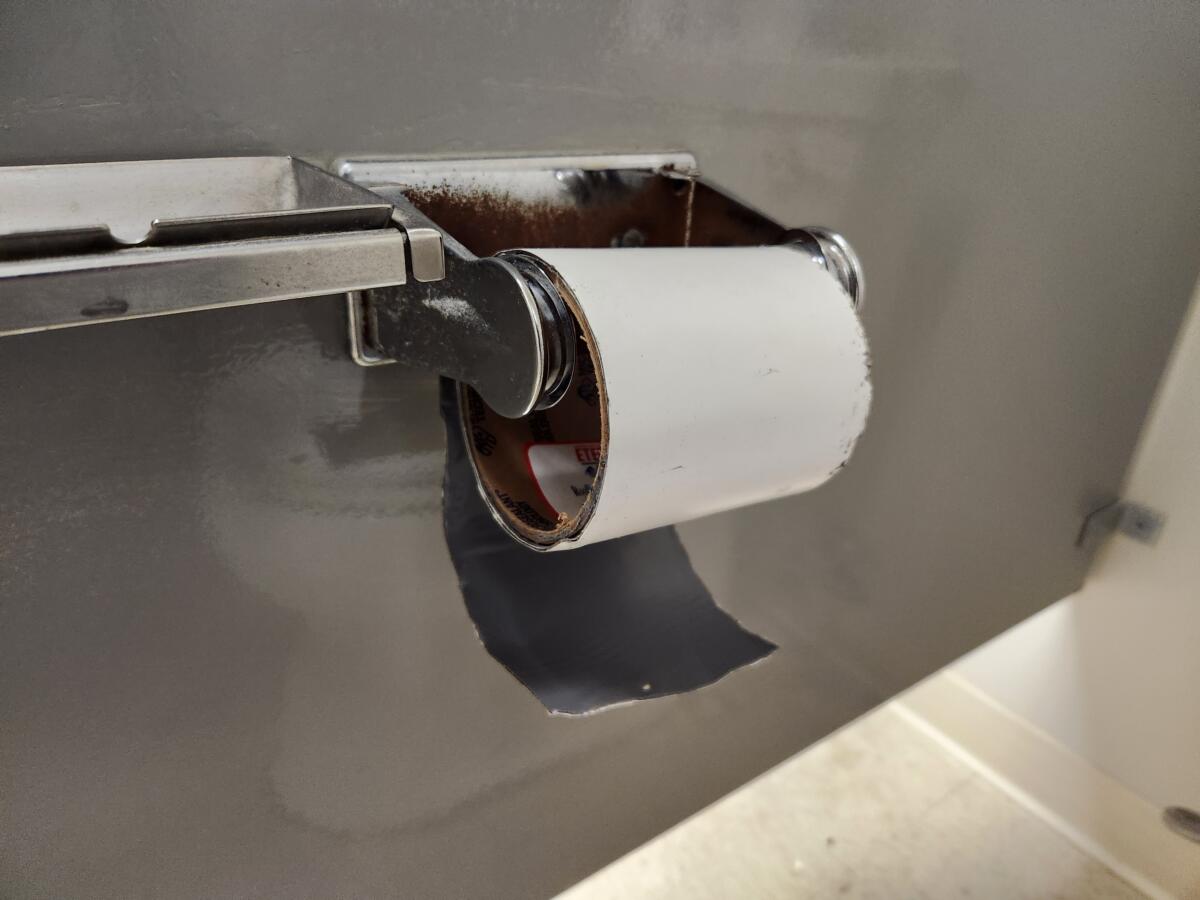
Can I put EternaBond tape over existing Dicor sealant?

Hi Dave, 
I’m going back and forth about adding EternaBond flex tape to the seam on the RV’s roof. Some say it’s the best thing, and some say no. I saw your article on it and, as always, trust and respect your opinions. I believe it would be the best for the situation. The question I have is, can I put the tape over the existing Dicor sealant, like I’ve seen it done? Or would it be better and bond better to remove the existing sealant first? —Robert, 2022 Sunseeker 3010DS  Read Dave’s answer.

ALSO FROM DAVE: Can I use pressure washer on RV? What about decals?


In the RV shop with Dustin
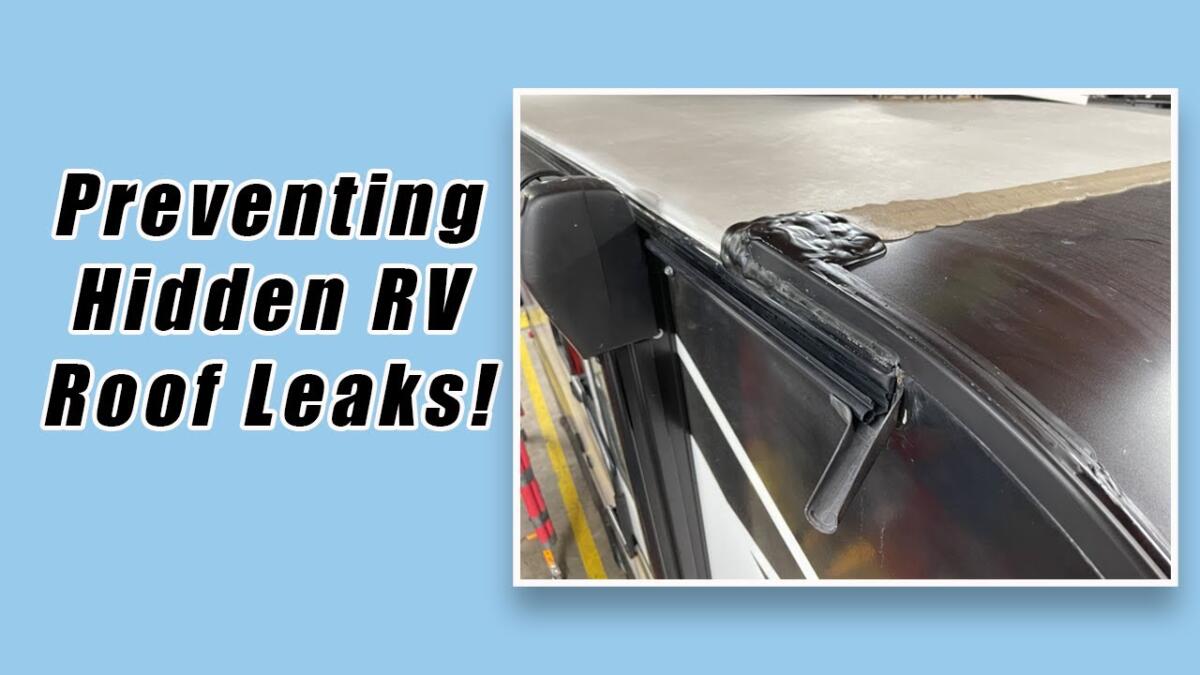
The hidden dangers of RV roof leaks

Roof leaks in RVs may seem like a minor issue, but they can lead to serious consequences if left unaddressed. In this article and video, we’ll explore the dangers that roof leaks pose to your RV, how to identify them early, and share expert tips on how to prevent and repair them before they cause significant damage.


Video of the day
The best, most unique regional burgers across America

By Cheri Sicard
From clowns (McDonald’s) to kings (Burger King), a hamburger can be found on nearly every street corner in America. In this video, the team from Weird History Food explores the diverse world of regional burger styles across the United States. Click here to get hungry!


RANDOM RV THOUGHT: Firewood for camping is getting expensive. You might want to keep your eyes open for wood that’s sold along the road by private individuals on the way to the campground. Chances are you will save money from buying it at the campground.


Featured article
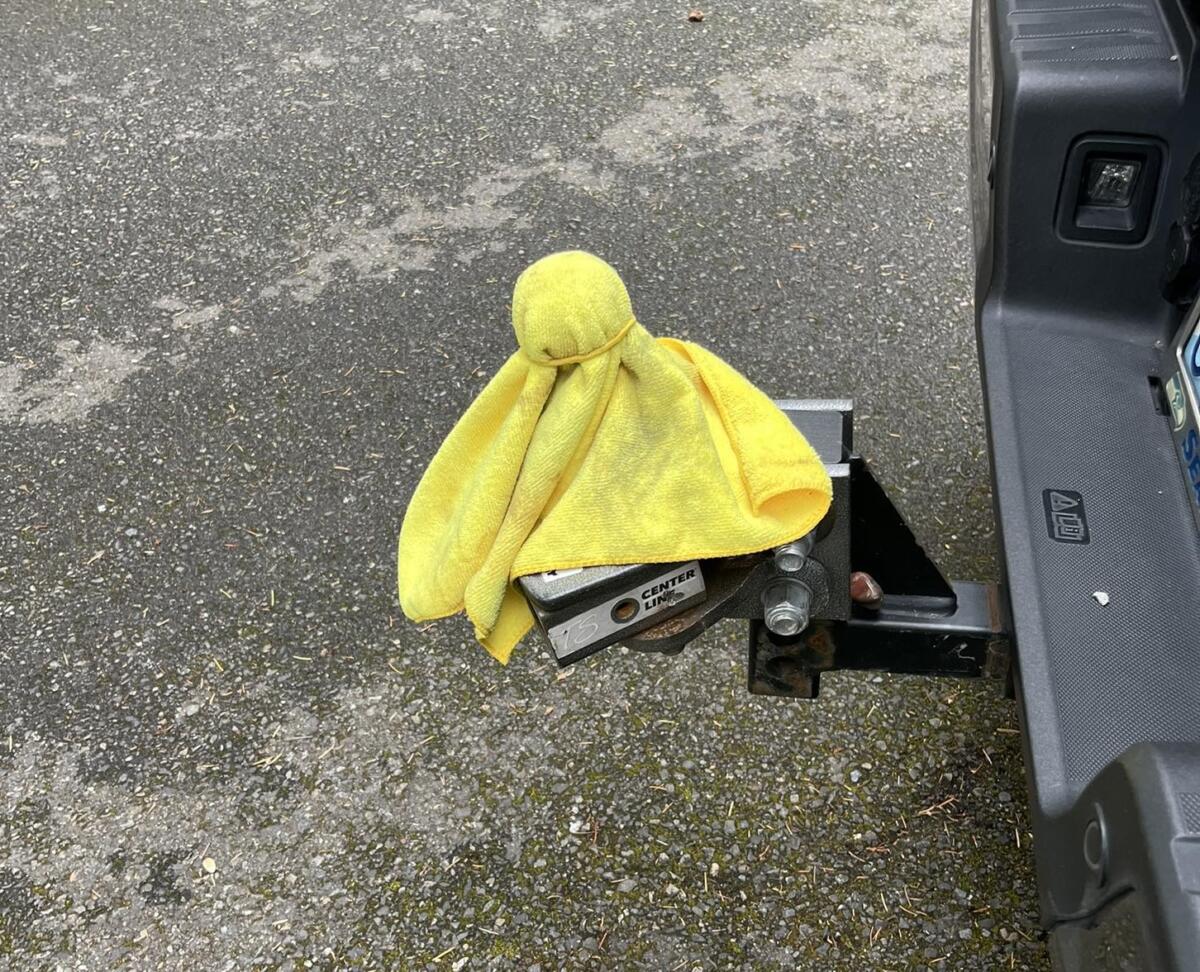
Can you figure out what’s wrong with this through-frame slide-out?

By Andrew Herrick
A few months ago, I was called out to adjust an electric through-frame slide-out. The customer reported that the room appeared to be cocked to one side. “Not too difficult,” I thought. … But when I showed up, the numbers weren’t lining up—literally. Can you figure it out from Andrew’s pictures?


You may have missed these recent popular stories…


Reader poll
How much research have you done on your family history?

Respond here.


Quick tip
Annual clean out

The more “stuff” you carry in your RV, the more fuel your motorhome or tow vehicle needs to haul it. Once a year, go through your drawers and cupboards and remove things you haven’t used in the last year. With current fuel prices, we need all the help we can get to save on that expense.


On this day last year…


Website of the day

A Visitor’s Guide to National Park Reservations
This page from the National Parks Conservation Association gives you all you need to know about visiting National Parks that require reservations this year.


? MYSTERY PRODUCT OF THE DAY ?
If someone saw your internet search history, what would they think? Well, maybe because of this the whole world knows about it…


Recipes of the day
Grandma-made-it-best recipes

Do you remember Grandma’s cooking? She probably made the best ______ (fill in the blank), right? Well, here are a few other Grandma recipes. She really did make it best!


BUMPER SNICKER: I am the black Jeep in the family.


Trivia

A pair of nearly 100-year-old Galapagos tortoises at the Philadelphia Zoo have become first-time parents. In an announcement earlier this month, the zoo said it is “overjoyed” at the arrivals of the four hatchlings, a first in its more than 150-year history.


Readers’ pets of the day

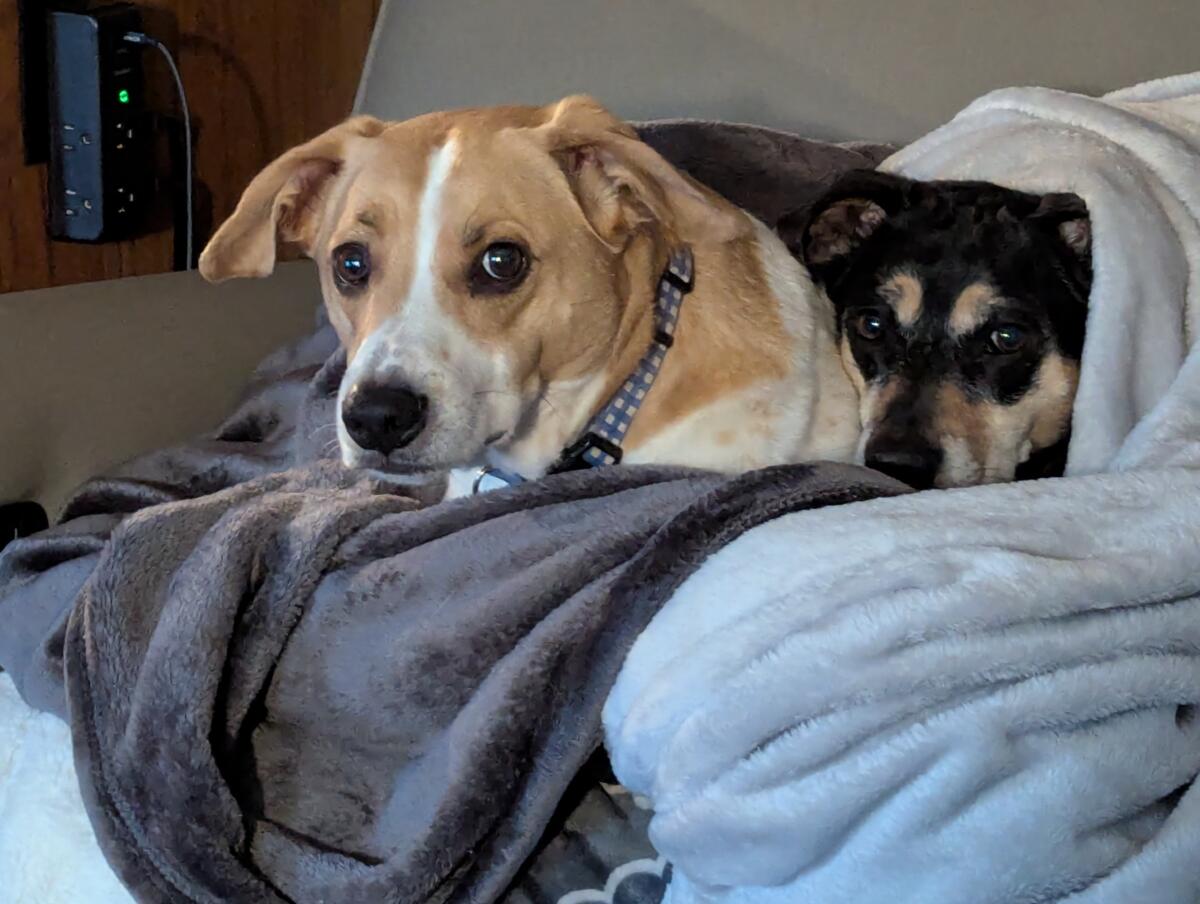
“Ben (black) & Jerry (6 years) are littermates and rescue dogs from a high-kill shelter. They are not nuts about the drive but love to explore the parks. Here they are snuggling under the blankets on our recliners. We bought an RV so we could travel with our dogs.” —Cookie Pardinek

Send us a photo of your pet with a short description. No blurry photos and please do not submit your photo more than once. Thanks!


Leave here with a laugh


Today’s weather forecast across the nation
THIS MAP UPDATES TWICE A DAY
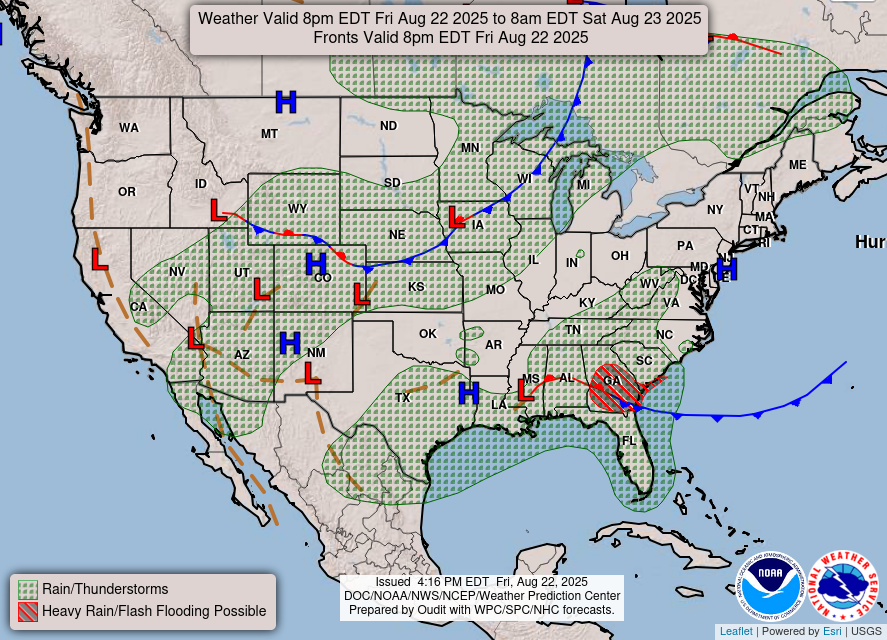
Visit Current National Radar Weather Map


Did you miss the latest RV Travel Newsletter? If so, read it here.
Oh, and if you missed the Latest News for RVers, make sure to catch up here.


If you shop at Amazon.com we’d appreciate you using this link. We get an itty bitty commission if you buy something, but they add up and help us pay our bills (most importantly our hard-working writers!).


RVtravel.com All-Star Team

Click here for information about our staff and how to contact us.

Our policy on using artificial intelligence.

Can I put EternaBond tape over existing Dicor sealant?

Hi Dave,
I’m going back and forth about adding EternaBond flex tape to the seam on the RV’s roof. Some say it’s the best thing, and some say no. I saw your article on it and, as always, trust and respect your opinions. I believe it would be the best for the situation. The question I have is, can I put the tape over the existing Dicor sealant, like I’ve seen it done? Or would it be better and bond better to remove the existing sealant first? —Robert, 2022 Sunseeker 3010DS

Hi Robert,
I have never been a fan of EternaBond unless it is an emergency repair. I used it on a motorhome years ago that had trim fly off and leak in a driving rain, and then again on a trailer where the roof tore off in a large section. Both times were out on the road, and I basically had no other choice. Both times the EternaBond was removed once I got back and the proper repair was made.

Eternabond
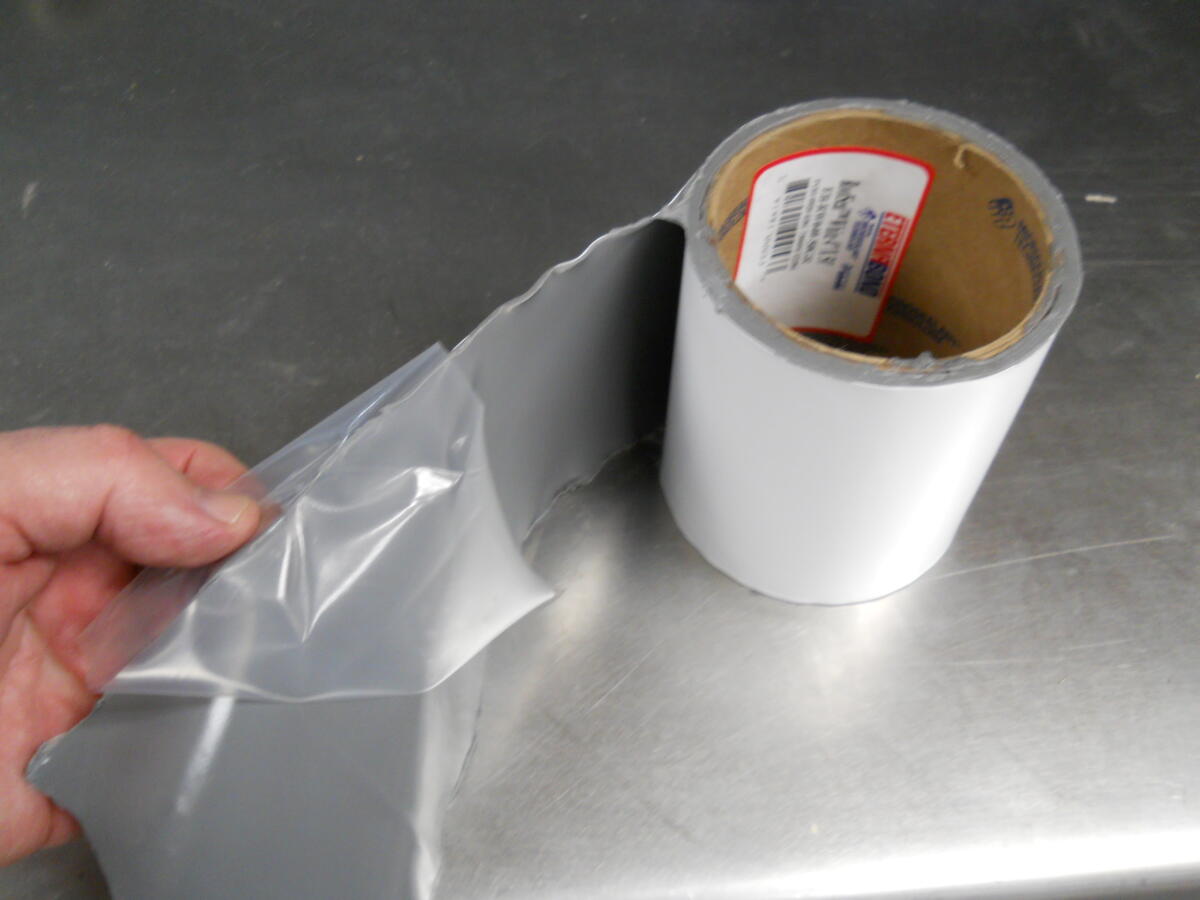
EternaBond tape

And you are right, some will say they have used it and 10+ years later it is still holding firm, while others claim it cracked and is impossible to get off. Check out this post from Dustin at RV Specialists.

You did not state what the issue is with your current roof and sealant. If you are just looking to reinforce the current seal, then I don’t think applying it over the Dicor or scraping it off and applying would be a good idea.

My recommendation

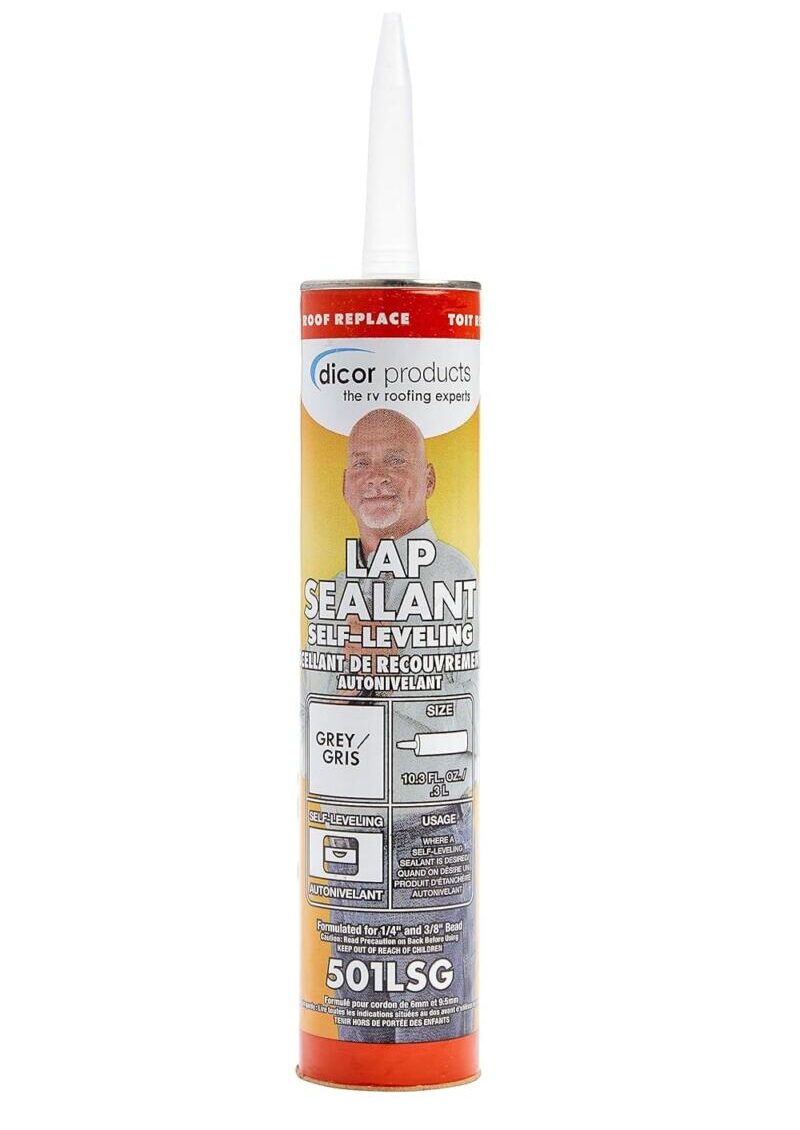
I would recommend visually inspecting the sealant and roof material at least twice a year. If the sealant is cracking or pulling away, use a heat gun on low setting and a plastic putty knife to remove the suspected sealant. Then apply new self-leveling sealant that is compatible with your roof material like Dicor, which you can find on Amazon here.

Dicor
Dicor

The challenge with EternaBond comes when the rig is exposed to extreme temperatures and the sun beating down on it in areas like California and Arizona. Most of the owners that I have talked with that did not have an issue with it were located in cooler areas of the country and stored their units covered for half the year.

So, unless the current sealant is bad, I would just recommend visually inspecting it, not adding EternaBond. If it is bad, fix it the correct way rather than masking the issue.

However, this past summer we got creative and may have found a use for the EternaBond tape. We call it ETPernabond!

EternabondTP
ETPernabond

 You might also enjoy these related posts from Dave 


Dave Solberg is a leading expert in the RV industry and the author of the “RV Handbook.”

Read more from Dave here

HAVE A QUESTION FOR DAVE?

Send your inquiries to him using the form below.

Name
Drag & Drop Files, Choose Files to Upload

RVDT2635

Upcycle a shower curtain: Practical and fun ideas for RV living

4

A shower curtain was necessary for our previous RV shower, but now that we’ve upgraded to a new rig, we no longer need the “old” shower curtain.

I love the colors and design of our “old” shower curtain. So, I’ve been thinking about ways to upcycle it for use in and around our new-to-us RV. I thought I’d share some of my ideas with you.

Artwork

One of my favorite ideas is turning a section of the shower curtain into wall art for our RV. To do this, you cut the fabric to fit over a simple wooden frame. Wrap the fabric edges to the back and secure them using hot glue. The result is a lightweight, eye-catching art piece perfect for your RV bathroom, bedroom, or living space. Not only does this method preserve the original design, but it also helps brighten the RV’s interior décor.

Headboard

If the bed in your RV lacks a headboard, a shower curtain can be repurposed into a cute headboard. Use spray adhesive to attach upholstery foam to a piece of Luan sized to fit your space. (Hint: An electric knife easily cuts the foam into the proper size and shape.)

Place the shower curtain fabric over the foam. Evenly pull each edge of the fabric to the back side of the wood and secure in place with hot glue. Fasten the headboard to your RV bedroom wall with double-sided self-stick Velcro or Command fasteners. This simple project adds a soft, stylish accent behind your bed and can instantly elevate the look of your sleeping area.

Picnic table seat or tabletop cover

For plastic shower curtains, think outdoor utility. Use the waterproof material as a protective tablecloth for your picnic table. The material may also cover the picnic bench to protect your clothing from dampness or dirt. This idea isn’t just practical. I really like how the vibrant shower curtain design can brighten up our campsite.

DIY placemats

Turn portions of your shower curtain into custom placemats. Simply cut the fabric to your desired size and hem the edges for a neat finish. These placemats add a colorful touch to your dining area.

Window treatment

If you prefer a bit of privacy or simply want to accent your rig’s windows, consider repurposing your shower curtain into curtains or valances. You can either sew a new hem or use the existing pocket hem. Thread a tension rod through the hem and you’re all set! This project also adds visual interest and color into an RV interior.

Sofa pillows

Fabric shower curtains, especially those with water-resistant properties, can be repurposed into indoor or outdoor sofa pillows. Cut and sew the material into pillow covers—ideal for relaxing on your camp chairs near the campfire. These pillows offer comfort and durability, standing up well to outdoor conditions. This video gives you step-by-step directions.

Protective grill cover

An unexpected but practical use for a plastic shower curtain is a protective cover over your outdoor grill. Thread a rope through the curtain’s shower ring holes, tuck remaining cloth inside, and pull the rope (and fabric) tight. Tie the rope ends securely. The repurposed shower curtain will shield your grill from the elements, ensuring it stays in top shape no matter what the weather brings.

Creative storage solutions

Consider cutting the shower curtain into pieces to create decorative coverings for empty containers. For example, affix pieces of the fabric to a tin can using spray adhesive. Then use the decorated container to hold pens, pencils, and markers. This upcycling idea helps organize your supplies while giving your workspace a bit of artistic whimsy.

Note this!

If you don’t have a shower curtain to upcycle, consider purchasing an inexpensive one from Dollar Tree ($1.25-$5). Or check the online clearance section for Target or Walmart. Repurposing a shower curtain (even purchasing a new one) may cost less than buying the same amount of fabric at a fabric store.

By recycling your shower curtain for projects throughout your RV, you’ll bring a cohesive and put-together decorator style to your rig—inside and out.

It’s time to grab my sewing scissors, hot glue gun, and that shower curtain. I can’t wait to get started!

Do you upcycle as you RV? Tell us about what projects you’ve completed in the comments below. Maybe your project will inspire my next article!

RELATED

RVDT2635

The best, most unique regional burgers across America

By Cheri Sicard
From clowns (McDonald’s) to kings (Burger King), a hamburger can be found on nearly every street corner in America. In the video below, the team from Weird History Food explores the diverse world of regional burger styles across the United States.

Northeast burgers: Steamed, smashed, and sauced

The Northeast offers some unique takes on the American staple. From steamed cheeseburgers to saucy Dominican creations, there’s something for everyone.

Connecticut Steamed Cheeseburger: What sets the Connecticut steamed cheeseburger apart? It’s all in how it’s cooked. The burger is usually steamed inside a stainless steel cabinet with a water basin that heats up at its base. This allows the fats to melt away, leaving a lean, juicy patty with melted cheese on top.

Jack’s Lunch, a restaurant in Middletown, Connecticut, is credited with inventing this local favorite. While Jack’s closed its doors in the mid-1900s, this style has spread to other spots in nearby towns. But it has remained hard to find anywhere else.

New Jersey Sliders: New Jersey residents might love sliders more than anyone else. In the Garden State, they follow the White Castle model. Small balls of beef are smashed onto flat top grills, allowing the heat to cook the onions.

White Mana is the most famous of New Jersey’s slider joints. It was founded in 1939 for that year’s World’s Fair. Six years later, it moved to Hackensack, New Jersey, where it has been a popular slider destination for more than seven decades. For people needing a reason to visit Hackensack, White Mana is it.

Dominican Chimi Burger: The Chimi Burger comes from the Dominican Republic. It’s typically topped with golf sauce (ketchup and mayonnaise), tomato, and cabbage. It is always served on pan de agua, a baguette-like water roll (higher water content than usual) common in the Caribbean.

If one is looking for a Chimi Burger in the U.S., they can typically be found anywhere there are Dominican communities. This includes parts of New York City and its surrounding areas, along with parts of Baltimore and Miami.

Midwest marvels: Loose meat, olives, and cheese

The Midwest brings its own regional style to the table with burgers that feature everything from loose meat to olives. These creations are hearty, flavorful, and truly unique.

Iowa Loose Meat Sandwich: The Iowa loose meat sandwich is like a cheeseburger and sloppy joe got married. It originated in Sioux City’s Ye Olde Tavern back in 1924. The owner, David Heglin, decided he was too cool for solid patties so he basically made a burger mixed with onion, ketchup, and pickles. But the beef is all loose, like meatloaf in a car accident. Just two years after Heglin released his creation, the nearby Maid-Rite restaurant opened up. They took Heglin’s loose meat sandwich for themselves and renamed it after the restaurant.

Today, almost a century later, the Iowa loose meat sandwich is available anywhere between Kansas and Ohio. It’s called either the Tavern Sandwich or the Maid-Rite, depending on who you ask.

Michigan Olive Burger: QP Hamburgers is one of the oldest burger chains. Founded in Flint in 1923, the chain grew to prominence by boasting its luxurious olive burger. The burger is exactly what it sounds like: a burger with green olives on top, often with Swiss cheese. Michiganders were so taken by QP’s olive burger that putting olives or spreading olive mayo on top of burgers became commonplace in both Michigan and Northern Ohio. Olive burgers remain commonplace to this day.

While the QP chain is no longer the regional powerhouse it once was, its direct descendant can still be found. Weston’s QP Sandwich Shop, located in Lansing, Michigan, serves olive burgers in regular, king, and colossal sizes. The colossal is presumably for those who like their olives by the jarful.

Oklahoma Burgers: Oklahoma offers a duo of burger styles born from unique circumstances. The Theta Burger and Fried Onion Burger both highlight the state’s culinary creativity. The Theta Burger emerged in the 1930s or ’40s. Oklahoma City’s Town Tavern crafted a distinctive burger for the University of Oklahoma’s Kappa Alpha Theta sorority. What made this burger special, and a regional favorite, is its hickory barbecue sauce, pickles, mayonnaise, and shredded cheddar cheese. Although Town Tavern has since closed, the Theta Burger lives on in local restaurants, namely The Mont and Johnny’s Charcoal Broiler.

The Fried Onion Burger is another Oklahoma favorite. It emerged during the Great Depression when Ross Davis, the owner of Hamburger Inn, sought a cheap way to beef up his restaurant’s smash burgers. Rather than using bread, Davis would smash onions into his burger patties directly on the flat iron, making the burgers bigger and more flavorful. These burgers were a hit with his customers, and competing restaurants soon adopted the practice too, eventually adding cheese, pickles, and mustard. Now, a century later, the fried onion burger remains a staple burger style all across Oklahoma.

Minnesota’s Juicy Lucy: Juicy Lucy may sound more like a cabaret performer than a treat, but its cheesy inside is amazing. The only difference between a Juicy Lucy and a standard cheeseburger is that in a Juicy Lucy, the cheese is cooked inside the burger. This leaves a pocket of scalding deliciousness.

The Juicy Lucy originated at Matt’s Bar and Grill in Minneapolis, Minnesota. Apparently, after a startled customer explained that his burger was “one juicy Lucy,” it spread its cheesy ways across America.

Missouri Goober Burger: The Missouri Goober Burger is a shop for those looking to eat both a hamburger and a peanut butter sandwich. While the Goober Burger was popularized in Sedalia, Missouri, by the now-closed Wheelin Drive-In, which used to apply hot, melty peanut butter sauce to its burgers, the burger has since found its way into adventurous gastropubs all across the country. So step aside, jelly. Peanut butter has a new best friend.

Wisconsin Burgers: Wisconsin offers two unique burger experiences: the rich Butter Burger and the flavorful Poached Burger. These represent the state’s innovative approach to the American classic.

Invented for the Seymour Fair in 1885, popularized by Kroll’s Grill in 1936, and recently spread nationwide by the rapid expansion of Culver’s, the Wisconsin Butter Burger has grown from a regional secret into a nationally recognized burger style.

Butter Burgers come in many forms, but they all have one thing in common: they’re covered in a healthy serving of melted butter. Sometimes this butter is slathered directly onto the patty. Sometimes it’s dumped on top of the burger. And sometimes, as is the case with Culver’s, the butter is lightly brushed over the burger’s bun.

The Wisconsin Poached Burger was first created at Prairie du Sac’s still-open Pete’s Hamburgers in 1909. This style of burger requires a flat top grill covered in a layer of water and a boatload of onions. Balls of beef are then smashed onto this flat top, cooking the burgers in the boiling onion water until they’re ready to serve. Other businesses, such as Joe Rouer’s Bar just outside of Green Bay, have since taken up this practice too, making the Wisconsin Poached Burger an up-and-coming challenger to the Butter Burger’s success.

Southern sensations and Texan twists

The South and Texas put their own spin on the hamburger, incorporating unique ingredients and flavors that reflect the region’s culinary heritage.

Miami Burgers: Miami’s burger scene is influenced by its vibrant Latin American culture. The Colombian Kida Rapida Burger and the Frita Cubana offer a taste of the city’s diverse flavors.

What started as a Colombian take on the American hamburger eventually found its way onto the streets of Miami. This fast food burger is frequently topped with lettuce, tomato, and onion. It also often includes melted mozzarella cheese and crushed potato chips for that after-school snack taste. But what makes this burger special is its love of sauces. Sometimes it’s covered in a simple pink sauce, a blend of ketchup and mayonnaise. Other times it’s slathered in garlic mayo, a cilantro sauce, or a sweet and tangy pineapple sauce.

The Frita Cubana is Cuban street food and can be found all over Miami. Unlike other burgers, the Frita Cubana’s patty isn’t just plain beef. It’s a ground mixture of both beef and either chorizo or pork, along with other additives like paprika, ketchup, onions, and potato sticks. Once it’s all put together, the patty is grilled evenly on a flat top. It’s then served with a hefty portion of potato sticks. There is no such thing as too many potato sticks.

Georgia’s Luther Burger: The Luther Burger provides a calorie punch. It’s topped with bacon and sometimes a fried egg. It’s always served between two halves of a glazed donut. Legend has it that soul singer Luther Vandross first developed this 1,500-calorie burger when cobbling together a meal at home. Just one bite and he was in love. While this story may or may not be true, the burger began popping up around Decatur, Georgia, decades ago. It has since become commonplace at carnivals and fairs in both the American South and the Midwest.

Mississippi Slug Burger: Despite its name, the Mississippi slug burger isn’t supposed to have any slugs on it at all. Instead, the burger gets its name from its old-timey price tag. Back in the day, during the first two world wars and the Great Depression, a nickel was often referred to as a slug. Slug burgers were usually sold for one nickel, making them a cheap alternative to normal burgers when times were tough.

What makes the slug burger special is its patty, loaded with breadcrumbs or flour and soy meal. This allows the meat to stretch further than normal beef patties could ever hope to go. Because of this, slug burgers are often called dough burgers. Today, the city of Corinth, Mississippi, still holds the annual Slug Burger Festival. Live music, local vendors, and the Miss Slug Burger pageant all come together to celebrate this Magnolia State staple.

South Carolina Pimento Cheeseburger: Pimento cheese is usually a combination of cheddar cheese or American cheese, mayonnaise, and pimentos. It’s most common in the American South. Anywhere there’s pimento on the menu, especially in South Carolina, a pimento cheeseburger is sure to be around. A pimento cheeseburger is just an otherwise standard burger topped with the spreadable cheese for a burger with a bit of bite.

Memphis’ Dyer’s Burger: Dyer’s Burgers, which opened its doors in 1912 and still stands to this day, has been straining and reusing the grease from burgers for well over a century. They make use of this ancient basin by dipping their thin burger patties into its depths. Once they’re done, the resulting grease is strained once again and added back into the basin to be used again later. One can also try the double dip, wherein they take the entire assembled burger and dip it into the basin for an extra greasy experience.

Texas’s San Antonio Bean Burger: The San Antonio bean burger hails from San Antonio, Texas. It’s a standard beef patty topped with crushed Fritos, diced onions, Cheese Whiz, and refried beans.

There are conflicting theories over who invented this Lone Star delicacy. The burger’s origins today are tied to the success of Sills Snack Shack, a restaurant owned and operated by Frank Sills for more than 30 years. While the original Sills Snack Shack is no longer around, the bean burgers it popularized have since spread all across the region. They often now offer a number of variations. They include replacing the Cheese Whiz with genuine cheddar cheese, switching out the Fritos for tostadas, or adding in some Pico de Gallo for extra flavor.

Western wonders: Green Chile, avocado, and pastrami

The West Coast and Mountain West offer their own distinctive burgers, from the heat of green chiles to the creamy richness of avocado. These burgers showcase the region’s diverse culinary influences.

New Mexico Green Chile Cheeseburger: The New Mexico green chile cheeseburger is a cheeseburger topped with green chiles. However, the green chiles are actually a special green chile sauce rather than chile peppers. According to legend, the green chile cheeseburger was a go-to meal for the scientists working on the Manhattan Project in 1945. They would frequent San Antonio, New Mexico’s Owl Bar and Cafe after a long day.

If you’re looking to taste the same green chile cheeseburger that those scientists once had, the Owl Bar is still owned and operated by the same family to this day. After you’re done there, you can continue down the Green Chile Cheeseburger Trail, a collection of more than 60 New Mexican green chile cheeseburger joints that line the highways of the entire state. (Side note, we say the Owl Bar is not what it used to be. There are FAR better NM Green Chile cheeseburgers, as outlined in this post.)

California Burger: What sets this Golden State rendition apart from the American classic is simple: It either includes avocado or, if the chef is feeling particularly saucy, guacamole. Bacon is usually thrown into the mix, too, along with lettuce, tomato, and onion.

Depending on the region you’re buying from, California’s most famous burger joint, In-N-Out, doesn’t carry either avocado or bacon. This means California’s most famous burger isn’t a California burger at all.

Los Angeles Patty Melt: If you’re out of buns, replace the bun with rye bread to make a patty melt. A patty melt is a cheeseburger usually made on grilled rye bread and topped with Swiss cheese and grilled or caramelized onions.

It was allegedly created by Los Angeles native Tiny Naylor. While there is some debate over whether or not Tiny and his family actually invented the patty melt, there is no doubt that they helped to popularize the sandwich over the course of the 1930s by selling it at their then more than 40 restaurant locations across Southern California. In more recent years, the rye is often substituted for sourdough or Texas toast.

Utah Pastrami Burger: While no one seems to know for sure just who thought to put pastrami and thousand island dressing on top of a cheeseburger, the resulting Pastrami Burger has become a Utah classic. Some believe the trend was started back in 1978 by Nick Katsanevas, one of the original owners of Crown Burgers in Salt Lake City, which has allegedly been selling these meaty burgers since it first opened its doors. Pastrami Burgers have since turned into a local mainstay, with various takes on the sandwich popping up all across Salt Lake City and the wider Beehive State.

Montana Nut Burger: The Montana Nut Burger is a normal burger covered in a sauce: a mixture of Miracle Whip and crushed salted peanuts. The resulting smash burger is both crunchy and creamy, creating a “confusing” yet tasty treat. The heart of all nut burgers is Montana, where Matt’s Place Drive-In popularized the sandwich beginning in 1930 and turned it into a regional favorite.

From coast to coast, the hamburger has been transformed and reimagined in countless ways. Each region has contributed its own unique style, resulting in a diverse and delicious culinary landscape.

Do you have other burger styles to add to this list? Be sure to leave them in the comments below.

RELATED

RVDT2635

How much research have you done on your family history?

RVers, how much research have you done on your family history? Have you ever spent time digging into your genealogy to uncover the stories of those who came before you? Some people dedicate years to building detailed family trees, piecing together the lives of ancestors through old records, photographs, and even handwritten letters. Others might just scratch the surface out of curiosity, looking up a few generations or connecting with distant cousins they never knew they had.

In recent years, ancestry DNA tests have become a popular tool for those curious about their roots. Have you ever taken one of these tests? Many people are surprised by the results—finding unexpected heritage, discovering previously unknown relatives, or confirming long-standing family lore. It’s amazing how a simple test can open up entire chapters of your family’s history you might never have known about.

For RVers, especially, the open road offers a unique opportunity to connect with the past. Have you ever planned a trip to visit the towns your ancestors once called home? Maybe you’ve stopped at an old family farm, a cemetery where generations are buried, or a historical society where your family’s story is preserved in dusty ledgers. Traveling to these places can make history feel incredibly personal, adding deeper meaning to your journey.

Or perhaps your travels have introduced you to distant relatives you had never met before. Family reunions, even small, impromptu ones, can turn a regular trip into a memory you’ll cherish forever. Meeting the living links to your ancestry can bring your research to life in a way that books and websites never could.

We’d love to hear from you! After you vote, feel free to leave a comment and share your experiences. Whether you’ve traced your family back to the Mayflower or just started wondering about your roots, we’re curious about how genealogy has played a role in your RV adventures.

MORE POLLS YOU MIGHT ENJOY:

RVDT2635

The hidden dangers of RV roof leaks

Roof leaks in RVs may seem like a minor issue, but they can lead to serious consequences if left unaddressed.

In this article and video, we’ll explore the dangers that roof leaks pose to your RV, how to identify them early, and share expert tips on how to prevent and repair them before they cause significant damage.

The dangers of roof leaks

Water damage to interior

Leaks can quickly spread water throughout the ceiling, walls, and floors of your RV, damaging upholstery, insulation, and the structural framework. Over time, this moisture can lead to mold and mildew growth, which can make the RV uncomfortable and even hazardous to your health.

Even small leaks can cause rot in wooden structures, and significant water damage can compromise the integrity of your RV.

Electrical hazards

Roof leaks that infiltrate electrical wiring can create a serious fire risk. Water and electricity don’t mix, and leaks near electrical components or wiring can lead to short circuits or fires. It’s critical to address any roof leaks promptly to avoid this danger.

Increased repair costs

A small leak might seem like an easy fix, but if ignored, it can turn into a larger issue, resulting in more expensive repairs. The longer you wait, the more extensive the damage, and the more costly the repairs will be.

Decreased RV value

Leaks not only affect the functionality of your RV but can also decrease its resale value. Buyers are often wary of RVs that have a history of leaks, as they may assume there’s underlying, unseen damage.

How to prevent roof leaks

Regular roof inspections

One of the best ways to prevent roof leaks is to perform regular inspections. Check your roof for signs of wear, cracks, or holes. Pay attention to areas around vents, skylights, and seams where leaks are most likely to occur.

Perform seasonal checks (at least twice a year) to ensure that no damage has occurred over time, especially after extreme weather conditions like hail, rain, or snow.

Seal the roof properly

Use high-quality roof sealant to seal cracks, seams, and joints. Regular resealing prevents water from infiltrating through weak spots. It’s essential to use a self-leveling sealant designed specifically for RV roofs, as it will bond well to both the roof and any attached components.

Make sure to clean the surface thoroughly before applying any sealant to ensure a strong bond.

Avoid standing water

If your RV roof isn’t perfectly level, water can pool in certain areas, leading to leaks over time. Ensure that your RV is parked on a level surface to avoid water collection. Additionally, clean the roof regularly to remove debris like leaves and branches that can obstruct drainage.

Inspect and maintain roof components

Make sure that all components on your RV roof (e.g., vents, antennas, air conditioners) are in good condition. Inspect the gaskets around vents and windows to ensure they’re not cracked or deteriorated. Any compromised components should be repaired or replaced immediately.

How to identify roof leaks early

Interior water stains

If you notice water stains or spots on the ceiling or walls of your RV, it could be an indication that water is getting inside through the roof. These spots are often the first sign of a leak and should be addressed immediately.

Mold or mildew odor

A musty or damp smell inside your RV can be a strong indicator of water intrusion. Inspect the roof and interior thoroughly for signs of mold or mildew growth, particularly in hidden areas like under cabinets or in storage compartments.

Discoloration of ceiling or walls

Roof leaks can cause paint or wallpaper to bubble, peel, or discolor. If you see any signs of this, it’s important to check the roof for leaks that could be causing the damage.

How to repair roof leaks

Small leaks

If you spot a small leak, you can often repair it with sealant or roof tape. Clean the area thoroughly, then apply the sealant or tape directly over the affected area to seal it. Be sure to follow the manufacturer’s instructions for the best results.

Larger leaks

For more significant leaks, it may be necessary to replace damaged roof panels or components. In these cases, you should consult a professional RV technician who can properly assess the damage and recommend an appropriate repair.

Roof coatings

After repairing any leaks, you may want to apply a protective roof coating to help prevent future damage. These coatings provide an additional layer of protection and can improve the longevity of your RV roof.

Final tips for protecting your RV roof

Regular cleaning: Keep your RV roof clean and free from debris, which can accumulate and cause damage over time.

Quick action: If you notice a leak, take action immediately to prevent it from spreading and causing more damage.

Professional help: If you’re unsure about the condition of your roof or how to repair a leak, consider hiring a professional RV repair shop to inspect and fix the issue.

Final thoughts

Roof leaks are one of the most common and dangerous issues RV owners face. By staying proactive with inspections and maintenance, you can prevent leaks from becoming a serious problem.

If a leak does occur, acting quickly to repair it will help you avoid more costly and extensive damage. Watch the full video to learn more tips and tricks to protect your RV roof from leaks and keep your RV in top condition for years to come!

More from Dustin

Make sure you check out my website, California RV Specialists, and our YouTube channel for more helpful information, and see our published articles on RVtravel.com and other social media pages.

RELATED

RVDT2635

Grandma-made-it-best recipes

0

Grandma’s Italian Meatballs

by Cassie from Somewhere, PA

Grandma’s Italian meatballs are very versatile. They can be used in sauce and served over pasta, made into a meatball sub, or sliced and added to homemade pizza. It’s a basic meatball recipe made with a combination of ground beef and sausage seasoned with garlic, onions, and parsley. Bread crumbs soaked in milk and Parmesan cheese help to bind the meatballs. They can be pan-fried or baked. We opted to bake them in the oven and serve with spaghetti and sauce. Click here for the recipe.

Nana’s Pasta Fagioli Soup

by Matthew Peterson from San Antonio, TX

Nana knows how to make a bowl of pasta fagioli soup. It’s delicious and full of flavor and texture. There are a few shortcuts that make this a simple soup to make. But, there are just enough fresh veggies to give this a from-scratch feel. We love the tip of cooking the pasta on the side so it does not get soggy. Very hearty, the soup is filled with pasta, ground beef, diced tomatoes, kidney beans, and cannellini beans. There is a kick from the pepper, so if you are sensitive to spice cut back on the red pepper flakes and black pepper. Serve with garlic bread or breadsticks for a comforting bowl of soup. Here’s the recipe.

Granny’s Polish Sausage with Sauerkraut

by Lisa Johnson from Macon, GA

Lisa’s twist on her grandmother’s Polish sausage with sauerkraut is comforting and filling. The smoky sausage pairs nicely with the tangy sauerkraut. It’s a simple dish that can be jazzed up with your favorite spices (like smoked paprika or garlic). This 4-ingredient dinner can be served as-is, on top of mashed potatoes, or with slices of rye bread. Click here for the recipe.

Mushroom caps made famous by Grandma

by Samantha Jacobs from Manchester, NH

There are so many flavors in these restaurant-quality stuffed mushrooms. The combination of stuffing, cream cheese, and crab meat is delicious. The cream cheese adds creaminess to the filling. Drizzling the mushrooms with garlic butter brings them to a whole new level. Place these on the table and watch ’em disappear. Your guests will be impressed! If there is leftover stuffing from dinner, this recipe is a great way to use that. Get the recipe here.

Grandma’s Old-Fashioned Butter Pecan Sundae

by Family Favorites from Not Far From Green Bay, WI

Super quick to make and we have to say this is one of the best butter pecan caramels we’ve ever had. One bite and you’ll skip picking up toppings from the store. If you are a fan of butter pecan ice cream, the flavors are similar. The sauce is buttery and thick. Almost like a rich caramel with chunks of toasted pecans. Perfect with a couple of scoops of vanilla ice cream. The recipe made about 2 cups and the extra stores well in the fridge. It thickens up a bit in the fridge but is still spoonable. Use it slightly warmed or cold. Either way, it is a complete success! Get the recipe here.

MORE RECIPES YOU’RE SURE TO ENJOY

RVDT2635