OK, we know this is a tough question. And we also know it depends on your body temperature—some people run hot, while others run cold (and age plays a factor in that, too).
Still, when you’re living the RV life, climate becomes more than a passing preference—it’s part of your daily comfort. If you’ve ever tried to sleep in a rig with no A/C on a 95-degree night, you know how miserable it can be. On the flip side, frozen water lines and icy steps aren’t exactly a picnic either.
There’s also the lifestyle factor. Hot weather might mean lounging by the lake, hiking in shorts, or enjoying long days of sunshine. But colder temps can bring cozy evenings around the fire, fewer bugs, and quieter campgrounds—especially in off-season locations.
And don’t forget the impact on your RV systems and gear. Batteries drain faster in the cold, while propane gets guzzled quicker when the furnace runs nonstop. In extreme heat, your fridge may struggle, and tires can suffer from added pressure and wear.
But if you absolutely had to pick, would you choose to live in a place where daily temperatures were most often lower than 50° Fahrenheit, or daily temperatures were more often higher than 90° Fahrenheit?
After you vote in the poll below, please feel free to leave a comment and explain your answer. We always appreciate comments. Thanks!
Do you boldly go where no one has gone before? At least, to where there isn’t cell phone service? You may be concerned about what could happen if an emergency came up and you needed help. Now cellular provider T-Mobile will help, even if you’re a Verizon or AT&T cell user. Text-by-satellite is a reality for the masses.
Text-by-satellite option is $10 a month
T-Mobile opened up text-by-satellite to its customers earlier this year. Now they’ve dropped the price for the service to $10 a month for the SpaceX-facilitated system. Find yourself out of cell range? Caught up in a disaster, and cell service is offline? No problem. You can send text messages via the SpaceX system.
The system even works on older, “legacy” phones. T-Mobile cut a deal with the Federal Communications Commission to get permission, stressing the need for communications in emergency situations. All you’ll need to do is subscribe and download an eSIM for your smartphone.
According to a story carried by teslarati.com, T-Mobile is pushing the new text-by-satellite service hard. “We saw huge interest — even from people on other carriers — so we’ve decided to lock in the launch price at just $10 a month,” said T-Mobile CEO Mike Sievert during a company earnings call on Thursday. He also noted that this pricing will be available for at least the first year.
Could expand into voice, perhaps even data
While the service is text-only, things could develop into voice calls, and potentially even data use could eventually develop. No doubt the price would rise if and when those bells and whistles become available.
Text-by-satellite service is available now for Verizon and AT&T customers on a free beta-test mode. Come July, the $10 monthly fee will take hold. Click here for more information.
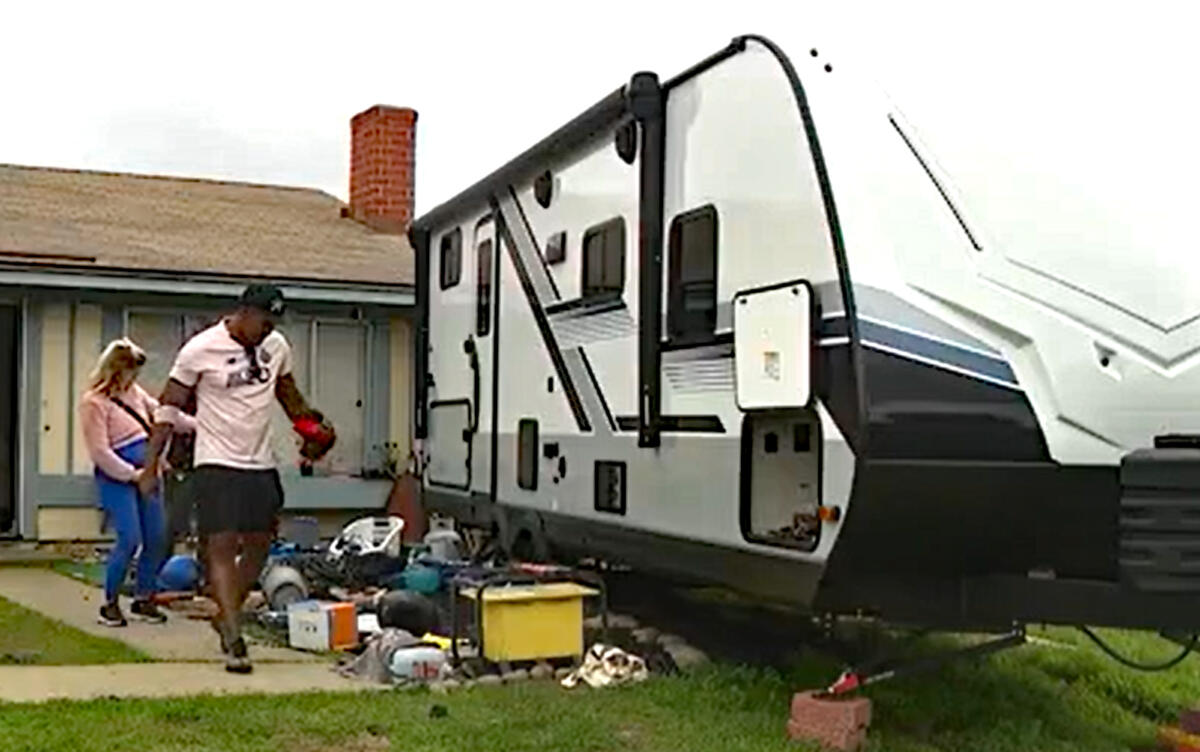
It’s another one for the “dumb crooks file.” A man whose travel trailer had been stolen from a San Diego, California, area storage yard was shocked to see it for sale on a Facebook Marketplace page. A 1:00 a.m. call to the police resulted in a 6:00 a.m. visit to the “seller,” that ended with help from a SWAT team. “Don’t sell stolen RVs on Facebook” seems to be the moral of the story.
Stolen RVs on Facebook leads to “five shots”
Real owners check on their stolen travel trailer. foxfivesandiego.com
Police rolled up to the home in the Mira Mesa neighborhood. They came armed with a warrant, and rapped on the door of a travel trailer parked on the home’s front lawn. The man who answered surrendered to police without a fuss. But the same wasn’t true for four other people inside the house.
The people in the house refused to come out. A SWAT team was summoned, and after a multiple-hour standoff, they finally did come out. But it wasn’t all peace and quiet. A neighbor says he heard what he thought were shots—five of them. Police say, no, it wasn’t weaponry, but rather five blasts of “flash bangs” or stun grenades.
When it was all said and done, police say they found four stolen trailers on the property, and one parked just around the corner. One of the trailers was a cargo carrier, stolen months earlier. At least two were travel trailers. Police say they’re investigating to see if the thefts might have been part of an organized crime operation. Stolen RVs on Facebook? Better list them far, far away.
“Don’t count the days, make the days count.” —Muhammad Ali
Need an excuse to celebrate? Today is National Blueberry Pie Day!
On this day in history: 1930 – The Independence Producers host the first night game in the history of Organized Baseball in Independence, Kansas.
Tip of the day Water gadgets you need for your RV
By Russ and Tiña De Maris
If you’ll be camping in a park with “city water”—that is, water from a faucet—there are some good accessories to keep in your RV storage compartment. These can make your visit easier—even safer—for your rig. They’re inexpensive and you’ll be glad you have them when you need them.
Even before you hang the hose on the tap, there are a couple of helpful devices you might need. First, there are situations where the “threads” on the water faucet are stripped, or deliberately not there to prevent folks from hooking a hose to an otherwise good spigot. Continue reading.
Ask Dave My RV’s frameless window leaks. How do I reseal it?
Dear Dave,
I had a frameless window leak water from the top inside during a rainstorm, resulting in water running down the bathroom wall and pooling on the floor. How do these seal and how can they be maintained? —Steve, 2017 GD Momentum 388 Read Dave’s answer.
In the RV shop with Dustin Two additional uses for EternaBond tape on your RV
Last year, I shared reasons why I don’t recommend utilizing EternaBond tape on your RV roof (outside of using it as a patch). But today, I want to share two additional ways I do recommend using EternaBond tape on your RV.
Article & video Clearing up confusion over diesel fuel types
By Cheri Sicard
Switching to a diesel truck or RV can bring up a lot of questions about fuel. What’s the difference between all those diesel types at the pump? What about additives? In this video from RV Miles, Jason Epperson breaks down the basics of diesel fuel, so owners can keep their engines running smoothly for years to come.
Psst: Don’t feel like or don’t like watching videos? Did you know that Cheri writes articles to go along with the video? Here, she summarizes everything Jason says (and it’s 1,100 words! See? No video needed).
Featured article Why every RVer needs to have a bug out bag
By Gail Marsh
When I first heard the term “bug out bag” I thought perhaps it was a new insect elimination product. I quickly dismissed the idea that I needed it. Years later, when suddenly facing a health emergency, I genuinely wished I had one! Now I understand why every RVer needs a bug out bag. Learn all about this essential item here.
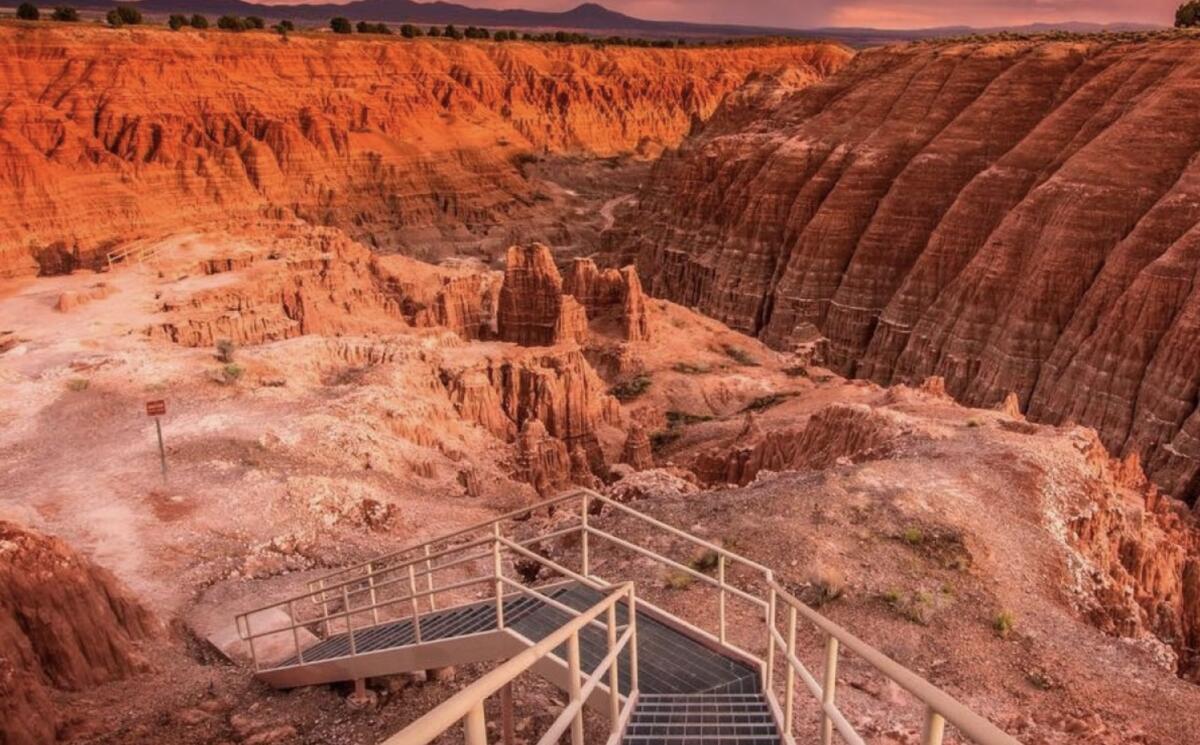
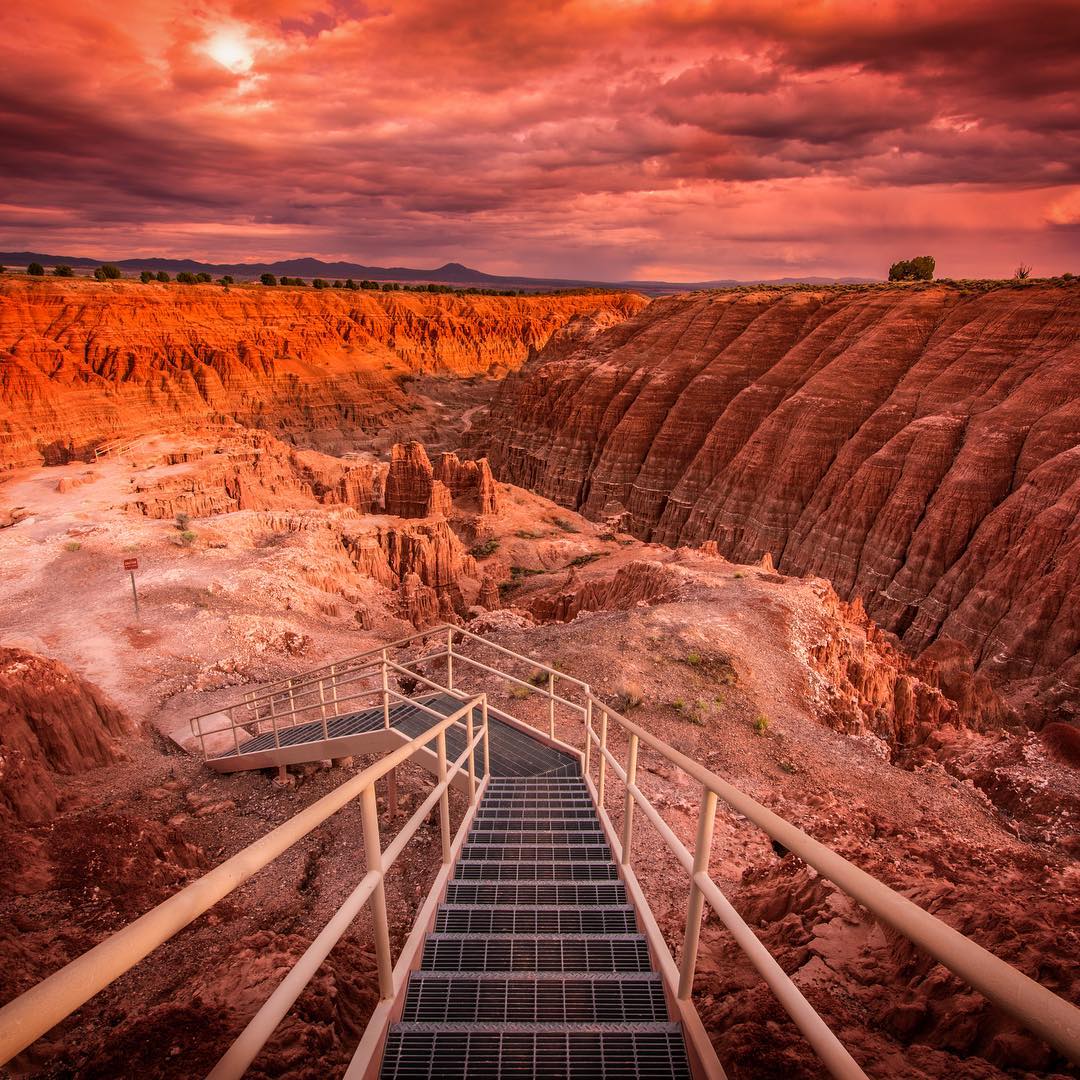
THE BEST BURGER IN THE U.S.? Reader David Nelson says it’s “Capitol Burger, in Torrey, UT. Hands down the best I’ve had. They are in a converted trailer in the parking lot of the General Store. They get all their ground beef from the owner’s neighbor’s ranch, fresh ground, never frozen. Torrey is right by Capitol Reef National Park.”
Reader poll In what season(s) of the year do you most often RV?
Create an emergency notification card to carry in your wallet. In it, identify two or more people who can be notified in case of an emergency. Be sure they are at different addresses and telephone numbers, and include their email addresses. Do your best to keep these people aware of your whereabouts even if it’s just a rough idea. Maybe consider sharing your location with them.
Your emergency notification card should also include the name of your traveling companion and his/her phone number. He/she might be sitting in your RV wondering why you have not returned. Your emergency notification card should list your health problems, medications or allergies. Some RVers carry a second emergency notification card that identifies their RV and the campground where they’re staying. The card might even indicate if you have a pet aboard your RV that needs care.
? MYSTERY PRODUCT OF THE DAY ? You’ve seen a prairie dog, right? So you know how cute they are? Good. Well, what if we told you that you could become a prairie dog for a day? Or even a week! Check this out—you can!
Website of the day
The 57 Most Beautiful Places in the World
This list from Condé Nast Traveler will inspire you to leave that RV behind and go explore other parts of our beautiful world. Some of these places are in the U.S., but you’ll surely want to book a plane ticket after reading this one!
Trivia
Wildlife vehicle collisions are a safety issue, especially in rural areas. Each year in the United States, roughly 200 people are killed—and many more are injured—in more than one million collisions involving wildlife and vehicles.
BUMPER SNICKER: I express my individuality through mass-produced bumper stickers.
Readers’ pets of the day
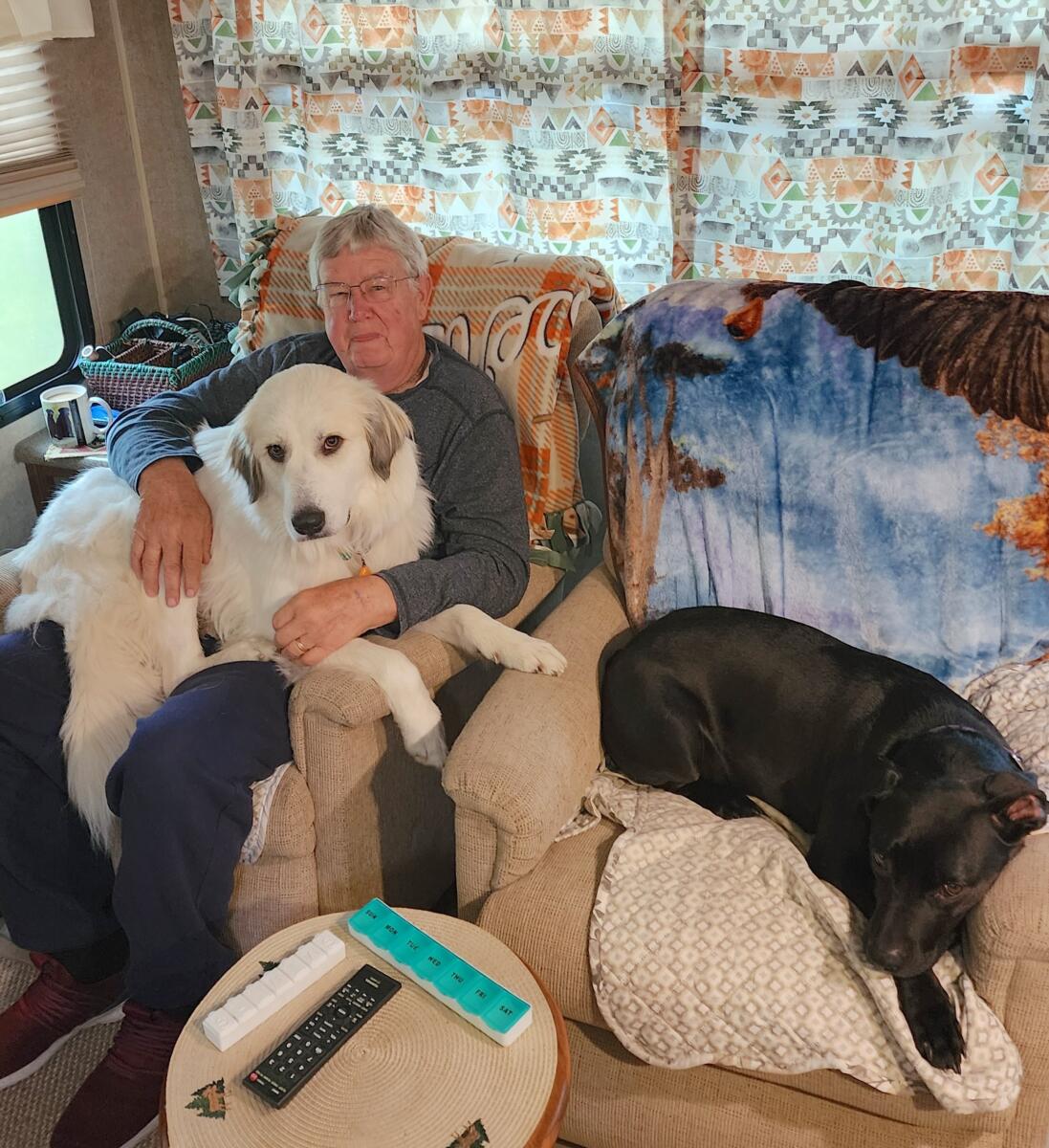
“We adopted Maggie May (Great Pyrenees mix, age 2) about 7 weeks ago. This is her first camping trip. She is telling my husband she likes it! Our adopted mixed-breed, MoePar, is teaching her the ropes on traveling. Together, they are a great team.” —Gail Mccreight
Send us a photo of your pet with a short description. No blurry photos and please do not submit your photo more than once. Thanks!
By Dave Solberg Dear Dave,
I had a frameless window leak water from the top inside during a rainstorm, resulting in water running down the bathroom wall and pooling on the floor. How do these seal and how can they be maintained? —Steve, 2017 GD Momentum 388
Frameless window inside
Dear Steve, Even though most RV manufacturers and dealers call these “frameless” windows, they do have a frame. They are actually flush design, as the glass appears to be flush with the sidewall. However, if you take the inside frame or ring off, you will see a frame that the screws go into very similar to the frame of a traditional window.
Frameless window exterior
First step to check frameless window
I would suggest removing the window to inspect all the seals and frame and replace it with new butyl tape. I’m not sure who Grand Design used back in 2017; however, most of the windows are now manufactured by Lippert. Their 3000 series is a flush mount that they call “bonded”. Their website has some good documentation on inspecting and replacing glazing and seals.
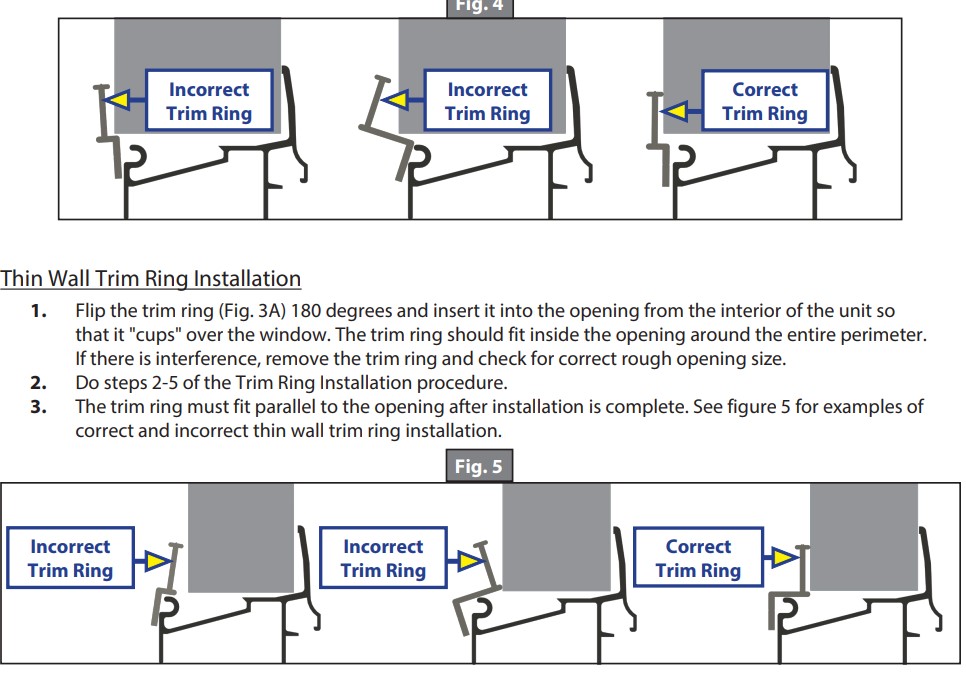
Inside the rig, there is a ring that is attached to the frame. Some models that do not have an exterior frame have clips that need to be inspected to make sure they were installed correctly. Here is a screen capture of correct and incorrect installation.
Window clip diagram. Click to enlarge.
You will also need to inspect the rubber seal around the perimeter of the framework to ensure it was not pinched during installation or has moved and is not sealing the perimeter.
Next inspect sidewall
If everything looks good with the clips and rubber seal, next inspect the opening of the sidewall to ensure there are not cracks or damage that would allow moisture penetration. This is also a good time to inspect above the opening to see if the leak is possibly coming from the awning rail or roof-to-sidewall joint and running down the sidewall. In that case, it may just look like it is coming from the window.
During your inspection, you should be able to find water stains or a path to help identify where the leak is coming from. My guess would be the rubber seal and possibly butyl tape that has migrated away from the opening.
Clean the window thoroughly and reinstall with new butyl tape. Some people add a cap seal, which is a silicone that is designed for fiberglass applied around the top of the window to help with sealing. However, if the window is installed correctly and the rubber seal and butyl tape are also correct, you should not need the cap seal as it will just collect dirt and eventually look bad.
You might also enjoy this from Dave
Can I use something besides butyl tape for sealing an RV window?
Dear Dave,
A fellow RVer has a leaking RV window. I told him to buy butyl tape, remove the window and reinstall with fresh tape. The local Home Depot did not have butyl tape in stock and sold him some other tape (couldn’t remember the name). They said it worked great for RV windows. Hopefully, you can give me a quick turnaround before this guy does something foolish.
Is there a suitable alternative to butyl tape for reinstalling his leaking window? If so, what? I would sure hate to see this guy do the repair only have to do another cleanup and repair the window seal correctly. —Jim
(Generic question regarding any laminate-sided RV with aluminum windows.)
By Cheri Sicard
Tired of overcrowded campgrounds and noisy neighbors? Imagine a place where you can shower under the stars and explore stunning natural wonders right from your doorstep. Dark Sky RV Campground in Kanab, Utah, offers just that—a centralized location for exploring Zion, Horseshoe Bend, and the Grand Canyon North Rim.
Get ready to experience the magic of Southern Utah, as Harold and Cindy from 1StrangeAdventure explore this hidden gem and take a trip to the Grand Canyon North Rim.
Dark Sky RV Campground stands out as an ideal hub for exploring Southern Utah’s treasures. Its central location makes it easy to experience several destinations, as adventure awaits in every direction.
This campground’s location is perfect for day trips to popular attractions:
• Zion National Park: Only an hour away.
• Horseshoe Bend: About an hour and 20 minutes away.
• Grand Canyon North Rim: An hour and 40 minutes away.
Dark Sky RV Campground doesn’t just offer convenience, it provides unique opportunities to explore like a local:
• Peekaboo Slot Canyon: This popular slot canyon requires four-wheel drive to access the trails.
• Jeep rentals: The campground offers convenient Jeep rentals for exploring the area.
• E-bike rentals: Explore the nearby town of Kanab with e-bike rentals.
The campground’s owners host a dinner night for all visitors. Harold and Cindy enjoyed a nacho bar and meeting other campers. There’s an on-site store that operates on the honor system. It offers drinks, honey, and maps. A sand pit, zip line, swing set, and lounge chairs offer fun for families. The campground also has decent laundry facilities on the back side of the building.
Showering under the stars
The bathrooms at Dark Sky RV Campground are unique. Located in a central building, each restroom has doors leading to a private, fenced-in area. The shower head can be extended outside, allowing visitors to shower under the stars.
The campsite layout offers more privacy than typical campgrounds. The sites are parallel to the road. This means the campsite is on the opposite side, not side-by-side with neighbors. Each site has a small gazebo with a table and a fire pit. Harold and Cindy’s site looked out onto open fields.
Booking a spot at Dark Sky RV Campground can be difficult. Harold and Cindy booked well in advance.
Dark Sky RV Park offers a unique camping experience, whether you’re seeking relaxation or adventure. Get more information here.
“A journalist must always be sure of one thing: that their work is based on truth and justice. They must not sell their soul to anyone.” —Pope Francis (Dec. 17, 1936 – Apr. 21, 2025)
Future RVer says, “Design RVs for the people actually buying them—older people!”
We received this letter earlier this week from Janet, whose comments made us both laugh and nod our heads in agreement. Even if you’re not an older RVer, we bet you’ll agree with much of what she has to say. “I am looking to sell my house and jump into a motorhome for a while to become a full-time traveler, but I am shocked at what they are putting in RVs! …” Continue reading.
I replumbed my RV sink with flex pipe. Genius or totally unhinged?
When we [Russ and Tiña] write a piece, we’re typically in agreement. Not so today—the distaff side thinks I’ve lost my mind. In fact, she thinks I’m so far off the mark that she tried to nix the whole story. But, hang on. “I” figured this was something readers needed to hear about. Flexible drain pipe in your RV—a brilliant stroke? Or a disaster in the making? See whose side you’re on.
REAL ID deadline is coming—Here’s what RVers need to know
By Gail Marsh
RVers travel. Usually, we take to the open road, but there are times when situations call for air travel. Enter REAL ID and, yes, there’s a real deadline to get yours! It’s May 7, 2025. Just what is REAL ID, and do RVers even need one, even if they don’t fly? Let’s see…
GEE WHIZ TIME: It’s 5 o’clock at the ol’ campsite—Wine Time. So grab that paper bottle of wine! Wait! Did you say “paper”? That’s right. A wide range of red and white wines are now available in low-carbon paper bottles at 1,200 Target stores, the first U.S. food retailer to offer wine in such packaging. The “bottle” is made from 94% recycled paperboard with a food-grade recyclable pouch to hold the liquid.
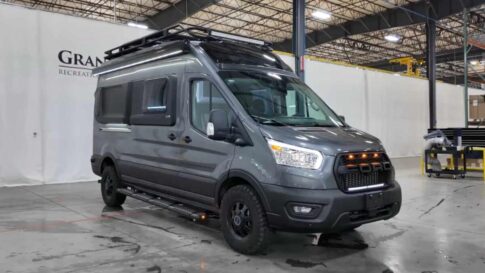
Today’s RV review… Grand Design Lineage VT—a Class B!
Today’s RV review is of the new-for-2025 Grand Design Lineage VT Class B RV. This is now the third motorized RV in the Grand Design family. We looked at the Grand Design Class C offering a while back, and I thought it to be one of the best-designed Class C RVs on the market. Well, the Grand Design Lineage VT might be one of the best-designed Class B RVs on the market.
RV electricity Deadly “hot-skin condition” can spread from your neighbor’s RV
By Mike Sokol
Time for a reminder about a miswiring condition I found in campgrounds years ago. It’s a hot-skin voltage that can be “reflected” to multiple RVs in the same area of a campground. And it’s caused by two separate failures at the same time; a lost ground/bond conductor in a campground electrical system and a fault current in an RV. Continue reading this very important reminder.
RANDOM RV THOUGHT: Do your RV a favor and be careful when filling up with fuel. One of the top insurance claims by RVers is hitting overhangs and obstacles at gas stations. When fueling up, choose a pump where pulling away later will be easy, not challenging. Don’t cut corners: swing wide.
Do you have a random RV thought? Send it to editor@rvtravel.com. Keep it under 75 words.
RVers share their favorite state parks
By Gail Marsh
An RV blog asked readers to name their favorite state park. I was pleased to see that these state gems span across the entire U.S. There’s probably one near you! Read about these five state parks that received top recommendations. Then add your own favorite state park(s) in the comments section.
How observing pavement helped create a retailing empire
By Chuck Woodbury
I doubt you have heard of Leon Levine. You might have if you were an executive in the retail industry. At age 22, back in 1959, Mr. Levine founded Family Dollar, a discount chain store in rural low-income areas. But how did Mr. Levine know where to scout for new locations? He looked at streets. Specifically, he looked at pavement. Keep reading.
Are America’s national parks home to feral people?
By Cheri Sicard
The internet has been ablaze for the past few years over the topic of feral people in national parks. If you have ever searched for information about national parks on YouTube, your feed, like mine, has inevitably been filled with video after video about mysterious feral people living in our national parks. So what’s the real story? Find out here.
Reader poll Have you ever loaned your RV to a close friend or family member?
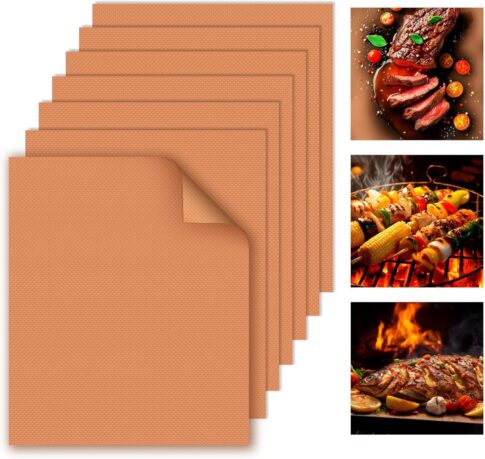
This set comes with 7 grill mats. Never clean your grill again, but still get those yummy char marks and flavor.
How to win We’ll select a winner at random out of all entries we receive today by 7 p.m. Pacific time. You can only enter once and after we notify you by email that you won, you have 24 hours to respond.
RV gadgets and gizmos Finally, a practical solution for RV spice storage
By Cheri Sicard
If you are a cook or foodie, RV spice storage is a real struggle. I was taking up FAR too much RV real estate on storing my extensive collection of herbs and spices. I’ve been carrying two large shoe boxes of spices. Two boxes, just for spices! But no more. This is the best spice storage solution I’ve found!
Travel destinations Borrego Springs, CA: A perfect desert oasis for RVers
By Gail Marsh
Nestled in the heart of Southern California’s Anza-Borrego Desert State Park lies Borrego Springs. This hidden gem offers RVers a unique desert experience that’s hard to beat. The town is uniquely surrounded by the vast expanse of Anza-Borrego Desert State Park—the largest state park in California, covering more than 600,000 acres. Learn more.
RVer hobbies Searching for fun? This hobby could be for you
By Gail Marsh
There’s something exciting and exhilarating about searching for treasure! If you feel that way, too, perhaps you’d enjoy this hobby. The joy of discovering new places and things is baked into the DNA of most RVers. We love to spend time in the great outdoors, too! As it happens, all of these qualities perfectly fit with the hobby of metal detecting.
? MYSTERY PRODUCT OF THE DAY ? Are you a hot sleeper? Do you find yourself waking up at night to pull the blankets off you? Well, we’ve got a solution! Hot no more!
Highlights from this week’s RV Daily Tips Newsletter
WE’RE SHOCKED! 74,816 readers of this Sunday newsletter are not subscribed to our RV Daily Tips Newsletter! Boy, are they missing out! It’s our readers’ best-read newsletter for a reason—it’s filled with tons of information and is very entertaining! Sign up here (easy unsubscribe if you don’t like it).
In the RV shop with Dustin Check your exterior RV refrigerator vent door latch
RV tire safety My RV tire pressure is showing a significant increase. Is this OK?
By Roger Marble
Here is a recent question received from a reader of RVtravel.com: “I run 80 psi cold in my tires on my RV (F53 chassis). I often see hot pressure 100 to 105 psi and sometimes a little more on the two tires behind the exhaust pipe. is this normal or is the hot psi too much?” —Mike M. Read Roger’s answer.
BUMPER SNICKER: Grumpy. It’s not a mood … it’s a lifestyle!
Recipes of the day Celebrate National Prime Rib Day with these mouthwatering recipes
It’s a big day today—National Prime Rib Day! And we think you should celebrate! We’ve featured a couple of classic prime rib recipes here (one is smoked), as well as a prime rib salad, casserole, and prime rib-stuffed biscuits. Yum! Get the recipes here.
Readers’ pet of the day
“Since my wife passed away, Ella has been my companion at home and on the road. Last summer, we covered 11,000 miles across the U.S. and eastern Canada. She is a mixed breed, 21 breeds per DNA test, and 3 years old. She is an excellent traveler and enjoys riding shotgun.” —Roger Van Zele
Want to see your pet in this newsletter? Please send us a photo of your pet with a short description. No blurry photos and please do not submit your photo more than once.
SPEAKING OF PETS: It’s National Pet Parents Day!
Trivia
On average, Americans drink about 38.87 gallons of soda per person per year, which breaks down to about 13.5 ounces daily per person. The most popular soda in the U.S. is classic Coca-Cola.
Today’s RV review is of the new-for-2025 Grand Design Lineage VT Class B RV. This is now the third motorized RV in the Grand Design family. We looked at the Grand Design Class C offering a while back, and I thought it to be one of the best-designed Class C RVs on the market. Well, the Grand Design Lineage VT might be one of the best-designed Class B RVs on the market.
What is the Grand Design Lineage™ VT?
Based on the Ford Transit all-wheel-drive floor plan, the new Grand Design Lineage™ VT really takes that floor plan and does a lot of modifications. First of all, they’ve raised the ride height by two inches and made a number of other suspension changes. There are also a number of aggressive-looking touches that give the van a much more rugged look, including a roof rack.
Oh, and if you look up there, you won’t see an air conditioner because there simply isn’t an A/C on the roof. More on that in a moment.
Other changes to the exterior include replacing what would be the windows in the van with plastic “bump out” panels that have integrated windows in them. These panels add more width to the upper portion of the van, but not so much that it affects the function of the sliding door on the passenger side.
There are several dual-pane windows on the exterior that are the type that are hinged at the top and incorporate bug screens and blackout shades. That’s also true of the window above the front windshield of the van, which is effectively a skylight.
Driving the Grand Design Lineage VT
The way the floor plan works, there are the usual cockpit seats as you’d find in one of these Transit vans. Ford sells these vans in everything from the low-end worker’s special to more upscale versions, and this one has all the safety and technology that is available in one of these vans.
Of course, the front seats swivel around to face the rear, and that’s where you’ll find a back seat that can accommodate two. It is set up with three-point seatbelts and also supports child safety seats.
There’s a nifty table on a rail at the back row seat, and this can easily be lifted off and taken outside. The table also has a second surface that swings out to almost double the size of the table. It’s pretty nifty.
The interior has an almost German feel to it, with plenty of straight lines and sharp edges to the cabinetry and such. It’s also basically black and white—no color to be seen here. Well, black and white are colors, but there was no inspiration taken from the color palette of a 1950s appliance catalog.
Grand Design Lineage VT - 2025 intro
1 of 16
Unique style plus an optional pop top for the Grand Design Lineage VT
Kitchen in the Grand Design Lineage™ VT
The kitchen is built into a cabinet on the camp side of this rig, as are most Class B RVs. But Grand Design has done something very different. The countertop is one long unbroken piece of porcelain, except where the sink is. So, you think to yourself, how do you cook on this?
Well, there is an induction cooktop built into the counter top so you just place a pan on the induction surface and turn a knob. Bam. I love induction cooking, although this is pretty unusual. But it works well.
In the cabinet is a convection microwave—that’s the sole way to bake. But it works out well for me. On using every inch of space, there’s even a pop-up spice rack behind the sink and a slide-out drawer that incorporates a paper towel holder.
The company has also done an exceptional job of utilizing every inch of space in this vehicle. There are drawers under the second-row seat, drawers in the cabinet, and even a drawer with a trash can.
There is also a halo of cabinets overhead. All the drawers and cabinets feature mechanical latches so your can of peas doesn’t come flying out as you’re traversing those country roads faster than you really should be doing.
The refrigerator is a drawer-style unit that Grand Design is importing from Europe. It is accessible either inside the van or standing outside the van.
The best Class B bathroom?
The bathroom in this RV is masterful. It’s in the usual spot you’d expect it to be in a Class B, directly behind the second-row seat. There are two doors on tracks, so you can close yourself off if you only have to use the cassette toilet. But you can wrap the bathroom and hallway with these doors as well. When the doors are open, they do hide the toilet but also maximize the width of the hallway.
The shower is unique as the shower head is incorporated into the fixture overhead. Then there’s a floor insert because the aisle floor of the van becomes the floor of the shower. Now you have a shower that’s larger than in almost any other Class B RV I’ve seen. I am very, very impressed with this design. One thing, though. I prefer a hand-held shower head, and this is just one of those rain-style shower heads.
Cargo and sleeping space
The back of the van has two additional cabinets along the floor. Over on the camp side is a cabinet with more storage, including a metal drawer that can be pulled out through the rear-most cargo door. There’s also access to the side of that pull-out drawer from the interior of the van through a wall that magnetically attaches to the side of the cabinet. So you can get that stuff from inside, or through the back door of the van. Clever.
There’s also a laundry bag built into the cabinet, which makes a lot of sense.
The bed is a hinged affair that is at the top of the cabinets. You simply swing down the bed, and the whole top of both cabinets and the span between them is a bed. They didn’t state the size of the bed, but you do sleep east to west, although the bump-outs on both sides of the van do increase its width.
There is one shade that doesn’t match the others over on the road side blocking the bedroom window because that white shade is the screen for the included projector. That projector can hang from the camp-side cabinet magnetically, but can also be taken outside or upstairs, if you opt for the upper pop top. Yep, this has an optional pop top and, should you choose that option, there’s room for two more to sleep up there.
Technology in the Grand Design Lineage VT
The battery system in this van is a 48-volt unit, which runs much of what’s in this vehicle, including the air conditioner. Grand Design has employed a 20,000 BTU 48-volt mini split system. The outside unit is underneath the van and the interior unit is up by the bed.
I can’t tell you all how thrilled I am that RV companies are finally starting to see that the rattle trap junk we’ve lived with since the Stone Age isn’t the best solution. Thank you, Grand Design.
This RV comes with 400 watts of solar but because there’s no A/C unit on the roof, you can opt for up to 400 additional watts of solar. The standard battery is a Lithionics 165 amp-hour battery, and also the option of a second battery. Also included in the technology is a 3,000-watt inverter, so you can literally run anything in this van.
One other thing the company said was that a solar awning would be available, which would add an additional 720 watts of solar to the vehicle.
My thoughts on the Grand Design Lineage VT
There is so much to like about this van and the way Grand Design has thought through the various components and features. Quite honestly, I was super impressed with the way Grand Design did their Class C RV, and I’m equally impressed with how they did this. There is a lot of attention to detail on this van and, while some of the details are still forthcoming, it’s a great start.
The MSRP on the base model, which is very well equipped, should be in the mid $190,000 range. That puts it at about the same price as many others in this category, including many that just aren’t nearly as well-designed as this van.
So, you could say I think this truly is a Grand Design.
Idoubt you have heard of Leon Levine. You might have if you were an executive in the retail industry. At age 22, back in 1959, Mr. Levine founded Family Dollar, a discount chain store in rural low-income areas. RVers who have spent much time on the road have likely shopped at the stores. Often, they are the only place to buy basic necessities for miles around.
The company is now under the Dollar Tree umbrella. Together, the two chains operate more than 16,000 stores in 48 U.S. states and five Canadian provinces. Family Dollar operates 7,625 of them, which is more than 3,000 stores than Walmart.
I learned about Levine in the Wall Street Journal, which ran an obituary when he died in 2023 at the age of 85.
I loved a vignette about him as reported by the Journal. It inspired me. And it made me laugh (in amazement) at the young man’s creativity. More in a moment.
I don’t know how many biographies, autobiographies and case studies I have read through the years about successful people and companies, whether in business, science, publishing or politics. It’s hundreds. With rare exceptions, the people were all innovative, motivated, ambitious, determined and highly creative. They saw opportunity where others did not, and then found a way to satisfy it. In business, Ray Croc saw “hamburgers”, Harland Sanders saw “chicken” and Sam Walton saw weakness in Kmart.
Leon Levine took action
Mr. Levine saw the opportunity (according to the Family Dollar website) to “offer his customers a variety of high-quality, good-value merchandise for under $2.” But he didn’t just see opportunity, he took action.
But where to locate his stores? Ray Kroc, founder of McDonald’s, would fly around potential locations in a small airplane. Nothing wrong with that. Mr. Levine’s answer was to also look down, but from ground level. He looked at streets. Specifically, he looked at pavement.
Now, how could that possibly tell him anything about where to open a store? Pause for a moment to think about it. I doubt you will guess correctly.
How observing pavement led to success
As I said, Mr. Levine looked at pavement to help him choose locations for a new store.
He observed the pavement to see if there were signs of oil stains! The more stains, he figured, the more cars in the area that were driven by people who could not afford to fix leaks; in other words, “low income people,” his target customers!
How do some people, like Mr. Levine in this case, see clues and/or opportunity where others do not?
The reason I tell you this story, I suppose, is because the story of Mr. Levine inspired me. People who do amazing things inspire me. People who see opportunity and do more than just talk about it inspire me. Most people are just talkers.
The RV industry could use some people like that. Is there another “Leon Levine” in the crowd?
An RV blog asked readers to name their favorite state park. I was pleased to see that these state gems span across the entire U.S. There’s probably one near you!
Read about these five state parks that received top recommendations. Then add your own favorite state park(s) in the comments section.
Ginkgo Petrified Forest State Park (Vantage, Washington)
Washington State Parks photo
Location and access: 4511 Huntzinger Road, Vantage, WA 98950, just off I-90 at Exit 142 toward Vantage/George
Day-use park: RV camping is across the highway at Wanapum Recreation Area (50 full-hookup sites)
RV amenities: 50 full-hookup sites (electric, water, sewer), 60-ft. max length, vault toilets, potable water, fire pits, picnic tables, dump station, no on-site showers—nearest in Vantage (5 mi.)
Activities and highlights:
Trees of Stone Trail: 1.5- and 2.5-mile loops past 22 species of petrified logs
Interpretive Center: Ancient Wanapum petroglyphs and polished wood specimens
Columbia River access: Boating, fishing, swimming at Wanapum Recreation Area
Late spring – early fall (May–September), when wildflowers bloom and creek flows are high; autumn brings vivid foliage.
Cape Henlopen State Park (Lewes, Delaware)
Delaware State Parks photo
Location and access: 15099 Cape Henlopen Drive, Lewes, DE 19958; off DE-1 near Delmarva Peninsula’s southern tip
RV amenities: 90 pull-through sites with water and electric (20/30/50 amp), dump station, showers, restrooms, group shelters, free Wi-Fi at Nature Center, beach access via parking shuttle
Activities and highlights:
Historic Fort Miles: WWII batteries and underground bunkers tour
Broadkill Beach and Bay: Surf fishing, crabbing, kayaking
Trails and wildlife: 9 mi. of multi-use trails through dunes, maritime forest; prime birding spot on Atlantic flyway
Junior Ranger Programs: Interactive at Nature Center
By Cheri Sicard
Glacier National Park. The name conjures up images of picture-perfect mountains, unbelievable wildlife, and pristine natural landscapes. It’s a must-see destination that promises an unforgettable experience. But if one plans to visit Glacier National Park in an RV, one should know it’s not as simple as just hitting the road. Closed roads, a confusing permit system, and undersized campgrounds can quickly turn that dream trip into a logistical nightmare.
The video below from the team at Less Junk, More Journey aims to help you navigate the complexities of RVing in Glacier National Park.
According to our hosts, Glacier National Park has changed a lot over the last few decades:
• Then (teenager): Simpler times with tent camping and fewer rules.
• 2017 (30 ft. Airstream): Changes were starting, but manageable.
• 2024 (25 ft. motorhome): Permit chaos and a whole new level of complexity.
Hurdle #1: Conquering Going-to-the-Sun Road
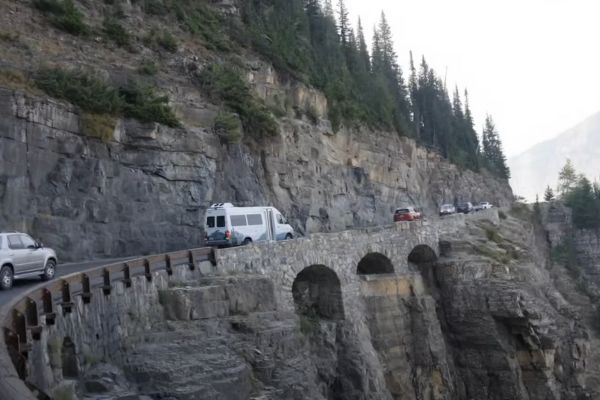
Going-to-the-Sun Road is a spectacular drive and one of the most popular attractions in Glacier National Park. However, the road is only open for a short time each year because of its high elevation, typically from early July to mid-October. Landslides, avalanches, wildlife, and construction create additional challenges. The road’s limitations, like tight turns and tunnels, also restrict the size of vehicles that can use it.
Smoke from wildfires is another factor to consider. Smoke often impacts views in late July and early August. Staying informed about air quality is important.
There are length and height restrictions in place for safety reasons. Even some dually trucks may be too long.
Nonetheless, there are four ways to experience Going-to-the-Sun Road:
• Option 1: Drive your own vehicle. This option offers the most flexibility and convenience. However, a vehicle reservation permit is required, especially if entering from the west side of the park.
• Option 2: Rent a vehicle. Renting a Jeep or convertible is a unique experience that avoids RV restrictions. Many local rental companies offer options.
• Option 3: Take a Red Bus tour. The Red Buses are historic touring vehicles with open tops. Knowledgeable guides provide information about the park’s history and natural features. The Red Bus tours offer convenient pick-up from some campgrounds, such as the KOA and Johnson’s RV Park. Tours range from $60 to $120.
• Option 4: Use the free National Park shuttle. The free National Park shuttle is the least flexible option. Expect long waits, limited stops, and potential overcrowding. This option should be considered a last resort.
Hurdle #2: Decoding the Glacier National Park permit maze
Glacier National Park requires a variety of permits:
• An entrance fee or a National Park Pass is required.
• Separate vehicle reservations or permits are needed for the Going-to-the-Sun Road.
• Area-specific permits (for example, Apgar, St. Mary, or North Fork) may also be required.
Hurdle #3: Navigating Glacier’s campgrounds with an RV
Size matters… a lot! Most campgrounds in Glacier National Park are not designed for large RVs. Sites are tight, turns are challenging, and width can be an issue, especially with slides.
• RVs under 25 feet can fit in about 60–70% of the sites.
• RVs around 30 feet can fit in about 30–40% of the sites.
• RVs around 40 feet can fit in about 10–15% of the sites.
Expect limited or no hookups (water, electric, sewer) at most campgrounds. Dump stations are available. The sites may not be level.
Camping inside Glacier National Park offers several benefits. Campers have direct access to trails, can enjoy the affordability compared to private campgrounds, and the sites are spacious with fire pits and picnic tables. However, know that there is limited or no cell signal in many campgrounds. Tree cover can also affect Starlink performance.
Hurdle #4: Preparing for the unexpected (road closures)
Road closures can happen because of weather, animal activity, and construction. Check the National Park Service website daily for updates. Having backup plans is vital if your chosen route or activity is unavailable.
Smoke, fire, or wildlife activity can lead to evacuations. Pay attention to the surroundings and be prepared to leave if necessary.
Despite these logistical concerns, our hosts insist that Glacier National Park is still well worth the effort to visit. It’s a one-of-a-kind destination that will leave you in awe. But knowing what to expect in advance can definitely help.
RVers travel. Usually, we take to the open road, but there are times when situations call for air travel. Enter REAL ID and, yes, there’s a real deadline to get yours! It’s May 7, 2025.
Just what is REAL ID? Do RVers even need one? Let’s see…
What is REAL ID?
REAL ID is a set of federal standards for state-issued driver’s licenses and identification cards. The REAL ID Act of 2005 established these standards. REAL ID standards help bolster security because they ensure that the documents you carry are authentic and issued under strict verification guidelines.
Starting from the upcoming deadline on May 5, 2025, only REAL ID-compliant IDs or other accepted forms of identification (like passports) will be permitted for boarding commercial flights, entering certain federal facilities, and more.
Why RVers should care
Even though most of our current travel means RVing on our nation’s highways, RVers do occasionally plan a trip that involves air travel. There are also times when we choose to visit federal sites where REAL ID may soon be required. Here’s why RVers should get a REAL ID:
• Streamlined security: With a REAL ID in your wallet, you can breeze through TSA checkpoints if your journey takes you to a nearby airport for a quicker connection.
• Access to federal facilities: Whether it’s entering a federal government facility or military installation, having the proper ID means you won’t be left out.
• Future-readiness: Regulations won’t wait for anyone. Be prepared with your REAL ID now and you’re prepared for any travel plans, whether scheduled in advance or spontaneous.
How to get your REAL ID
Getting your REAL ID is a straightforward process. The exact documents required can vary slightly from state to state, but in general, you’ll need to:
• Gather necessary documents: Typically, you’ll need to prove your full name, date of birth, Social Security Number, and residence. Check your state’s requirements online for a complete list of acceptable documents.
• Visit your local DMV: Schedule an appointment, if possible. The process is often similar to getting or renewing your driver’s license, though there might be an extra fee.
• Submit your application: Present your documents, fill out the application form, and have your photo taken. The DMV will verify your information and issue a REAL ID–compliant license.
• Stay on top of deadlines: The federal deadline for using a REAL ID for air travel and other specific situations is approaching fast. Make sure to submit your application before the deadline to avoid travel disruptions.
Planning ahead is especially crucial for RVers with busy travel schedules. Research your local DMV office’s requirements well in advance. Consider scheduling your appointment during an off-peak time to avoid long waits.
Preparing for the deadline
If you haven’t updated your driver’s license or identification card yet, now is the time. Here are a few tips to ensure a smooth process:
• Plan ahead: Don’t wait! Now is the time to get your REAL ID, especially if you’ll be traveling by air soon. (Processing may take a week or longer.)
• Check your state’s website: Each state administers its own REAL ID process, so the requirements may differ. Double-check the details on your state DMV website.
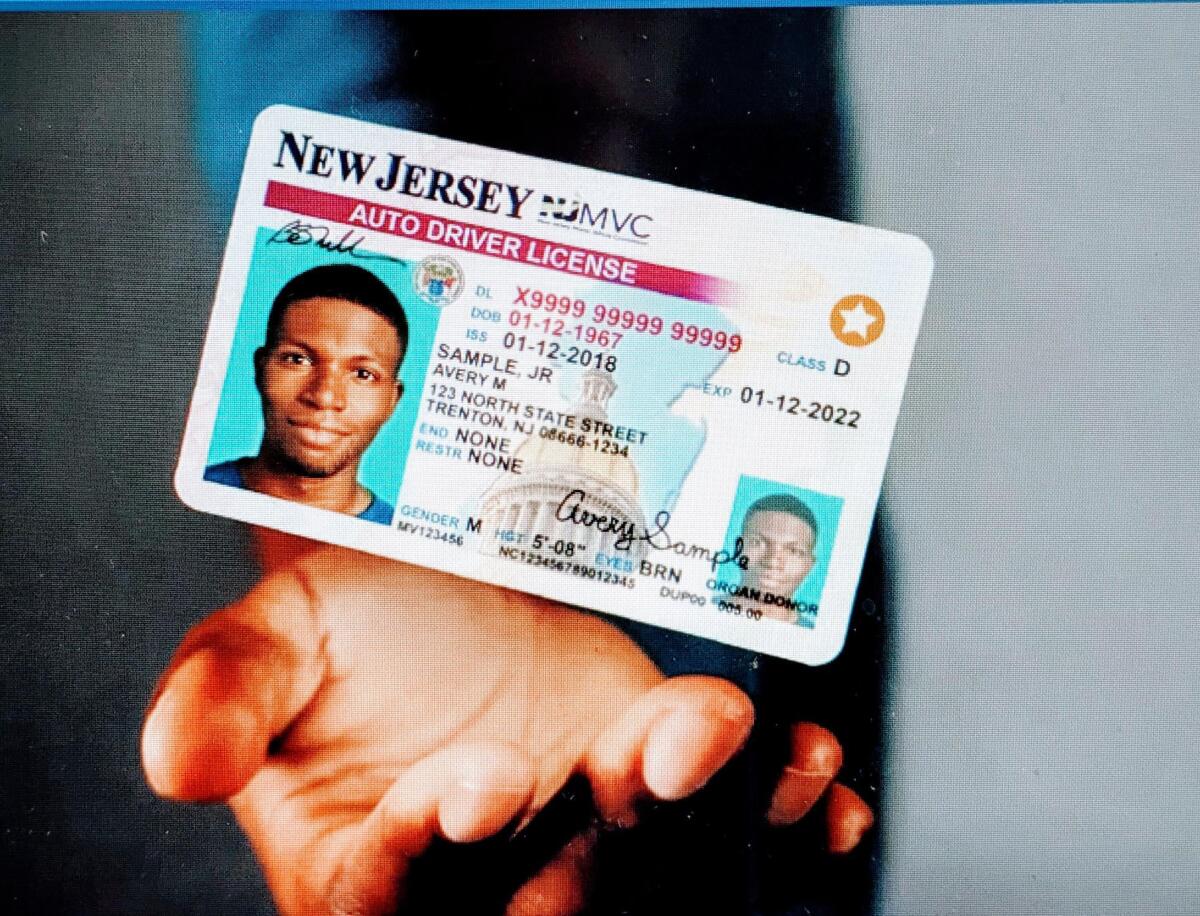
• Keep alternative IDs handy: If you still have a non-compliant ID, remember that other forms of identification, such as a passport, might suffice for certain travels. However, having a REAL ID simplifies things. (REAL ID cards feature a star in the upper right corner.)
• Inform yourself: Stay up-to-date on any last-minute changes by checking reliable news sources and official government pages regularly.
We use cookies to ensure that we give you the best experience on our website. By continuing to use our site, you consent to accepting cookies. We NEVER have or will sell reader's data. For more info, please see our privacy policy page.













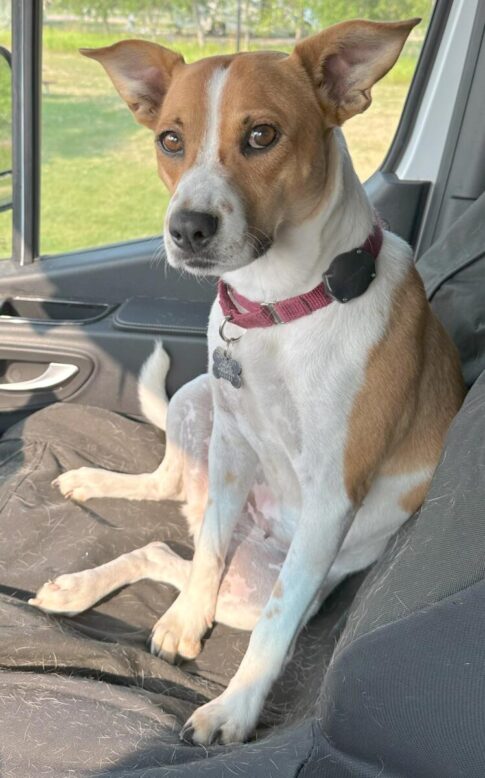 “Since my wife passed away, Ella has been my companion at home and on the road. Last summer, we covered 11,000 miles across the U.S. and eastern Canada. She is a mixed breed, 21 breeds per DNA test, and 3 years old. She is an excellent traveler and enjoys riding shotgun.” —Roger Van Zele