Home Blog Page 87

RV windshield gasket pulled away, left a gap. What are options?

Dear Dave,
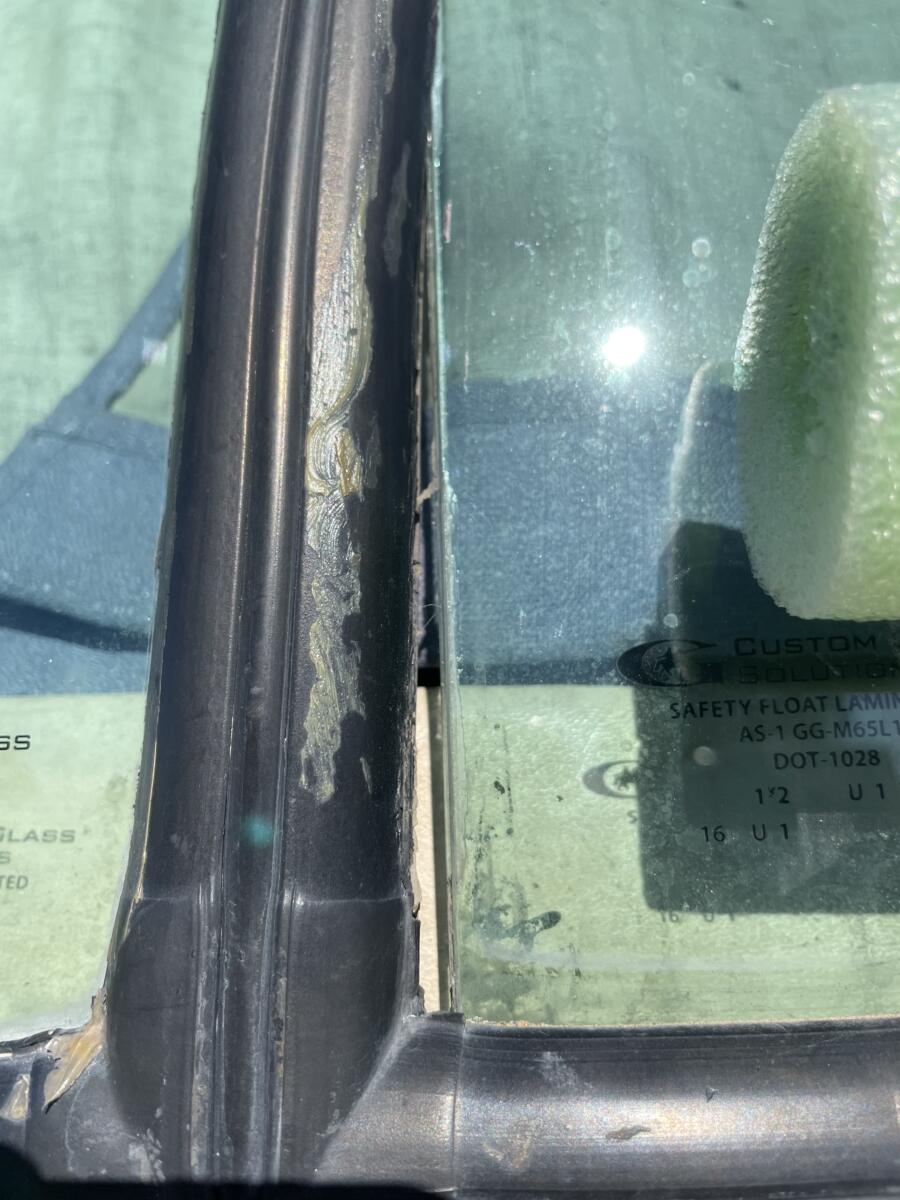
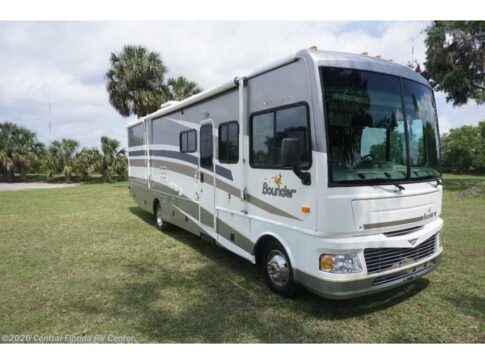
When I started washing my windshield, I noticed the gasket had separated from the windshield in some places. We are level in our site, fridge works great and the rig is level. There is no damage to the windshield gasket. It’s just separating, leaving gaps between the glass and gasket. The adjuster from Progressive is coming to check it out. What would cause this? What is the remedy? —David, 2000 Bounder 39Z
Bounder WS Gap
Windshield gap

Dear David,
Your Fleetwood Bounder has a one-piece fiberglass front cap with the cutout for the windshield. The windshield is held in place with the rubber molding called a zip-strip and creates a floating windshield. Some models have a metal perimeter framework like a car or truck, and the windshield is adhered to that with black automotive sealant.

“Floating” windshield

Engineers of each method have their arguments as to which is the best. The floating engineers claim the windshield takes less road abuse by being able to float and the molding absorbs the shock.

However, I have witnessed dozens of units with this design in service centers that have an issue similar to yours. Typically the gap is at the top of the windshield as it settles in the opening, especially if it was cut a little too large.

If the settling is minor, they can replace the perimeter gasket and use additional sealant. However, most have to have additional fiberglass added to the opening to build it up and make the tolerances tighter, and then reinstall the windshield. Not an easy task.

Windshield shifted?

In your case, it looks like the windshield “shifted” and pulled from the center molding, creating the gap. This most likely was caused by a twisting effect of the front cap, maybe from road vibration, or possibly not always being level at campgrounds.

It is hard to tell from the photo, but it looks as though the gap is wide open to the inside of the front of the RV. This would require removal of the entire windshield and inspecting the fiberglass cap to make sure it is square and within tolerance.

The challenge you will have is this unit is 27 years old. With new owners at today’s Fleetwood, it might be hard to find someone who can verify this. I would recommend finding a current Fleetwood dealer that has been around for at least 30 years. Their service department should be familiar with this issue.

I doubt your insurance adjuster will know what is going on and how to fix it, but it is worth a try. I’m not sure what part of the country you are in. However, i might be able to point you to a dealer that is qualified to take a look at this.

Several other RV manufacturers use this design as well as over-the-road trucks, so you might be able to find another avenue to have this addressed.
Bounder

Possibly just needs windshield gasket caulk

If the gap does not go all the way through with an opening to the interior, you might be able to apply some additional windshield gasket caulk. I have used this on not only windshield trim, but also window rubber gaskets that have started to shrink.

At the Florida RV SuperShow in Tampa this winter, several service technicians recommended DAP Dynaflex Ultra as a good solution for this type of repair. You can find it on Amazon here.

Dynaflex

You cannot use standard household silicone or typical home improvement sealants. Many will not properly bond to RV materials such as fiberglass, aluminum, and rubber. Dynaflex Ultra is designed for exterior use and adheres well to these surfaces.

Application steps:

  • Clean the gap thoroughly with mineral spirits.
  • Allow the area to dry for at least one hour.
  • Apply a bead of Dynaflex Ultra into the gap.
  • Feather or tool the sealant to blend with the existing rubber.
  • Allow it to cure for 24 hours.
  • If you use wax paper to shape or protect surrounding areas, you may need to gently run a razor blade along the back side to release the cured sealant from the paper.

 You might also enjoy these posts from Dave 

DAVE HAS ANSWERED MORE THAN 1,000 readers’ maintenance and repair questions. Read a directory here. There is so much to learn!


Dave Solberg is a leading expert in the RV industry and the author of the “RV Handbook.”

HAVE A QUESTION FOR DAVE?

Send your inquiries to him using the form below.

Name
Drag & Drop Files, Choose Files to Upload

RVDT2847

How to minimize RV interior condensation

By Cheri Sicard
Last year, I deliberately sought out this video because I was struggling with RV condensation.

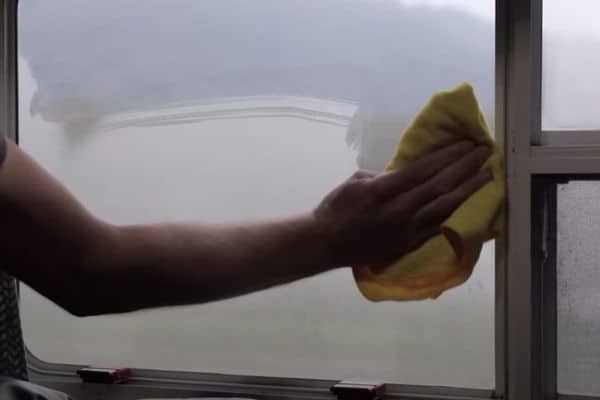
Wintering on a beach in Mexico had introduced RV challenges I hadn’t encountered during the summer. The air was always moist, but the cold outdoor temperatures mixed with the warmer air inside my RV, causing condensation to build up on the windows.

Jared Gillis from All About RVs offers a handful of practical solutions, and minimizing condensation is definitely something you’ll want to address because:

  • Too much moisture can damage sidewalls.
  • Water can drip from indoor vents.
  • Mold and mildew can grow. Eeewww!

Jared begins with the cause of condensation, which is mainly a difference between interior and exterior temperatures, especially if the air is moist.

Be sure to watch the video for additional tips and more details, but here are Jared’s tips for reducing RV condensation:

#1: Choose your heat source wisely. Some heat sources actually add moisture to the air; others have no effect. Jared covers the options in Step 1.

#2: Use an active dehumidifier. A small dehumidifier or two, depending on the size of your RV, will pull water out of the air that you can then dump down the drain.

#3: Find ways to remove water and humidity from your RV. These can include mopping up condensation with a rag, opening shower vents and turning on fans, and cooking outdoors when possible.

#4: Air out the RV when you can. Pick the right time when the temps are warm enough and air everything out.

Using these simple tips will go a long way toward removing moisture from your RV and keeping RV condensation from forming in the first place.

RELATED

RVDT2847

‘Million dollar’ beach house in a box truck—Amazing RV conversion

By Cheri Sicard
In the video below from Tiny House Giant Journey, we meet Scott, an avid surfer who takes us on a tour of his box truck conversion tiny home. Scott likes to park at some of California’s most popular surfing spots. His box truck beach house has everything he needs, and he gets the same million-dollar views of neighboring homes… without the price tags.

Scott’s box truck conversion was built to be completely off-grid.

What’s inside

Inside he has a fully functional kitchen, a large bathroom to shower off all that salt water, and a comfortable bedroom. There’s also a spare bed for guests.

Scott had owned boats and RVs his whole life, so he had a lot of experience to draw from when building his box truck conversion. What prompted the project was the fact that parking at Scott’s favorite surf spot had been lowered to a 25-foot limit. As his previous RV was 36 feet, he had to do something!

Like a lot of folks, Scott was bored during the COVID lockdown, so he used the time to build his RV. He built it on a 2008 GMC/Isuzu box truck. He chose this truck because he wanted something that could handle a lot of weight, as he intended to be fully self-contained.

Scott also wanted something where the cab was completely separate from the living quarters. His truck provides 120 square feet of comfortable living space.

Box truck conversion RV interior

All in, including buying the truck and all the modifications he made to it, Scott says his box truck conversion RV came in at about $65,000. Of course, that does not include all the labor that he invested into the project. This man does have skills.

All electric and never been plugged in

Scott’s RV is all electric and has never been plugged into shore power. It has 1,600 watts of rooftop solar that keeps its six lithium batteries charged. It has been running for three years now on solar alone, including a refrigerator, a separate freezer, two air conditioners, a microwave, a washing machine, water heater, television, and more. Scott says he has yet to ever run out of power.

All of this electronics is hidden out of sight under the 7-foot L-shaped sofa. But if Scott needed to get to it, the sofa electronically raises up to reveal the RV’s inner workings underneath.

Interesting kitchen pantry

Pantry storage is also hidden. Scott did not want to have his walls lined with cabinets like an airplane. What he did instead was to lift the floor. Therefore, a trap door in the kitchen floor reveals a huge pantry underneath!

Other underfloor storage areas hold tools and plumbing supplies. In the bedroom, the underfloor storage houses shoes and also serves as a laundry hamper.

For outdoor movie nights, Scott uses the large white side of his truck as a movie screen. Brilliant!

Stealth surfboard storage is hidden under the truck. A hydraulic lift brings his motorcycle on board before moving. Then the back sliding door comes down over all and the RV looks like any other ordinary box truck.

Be sure to watch the video as you’ll be impressed at the smart design and innovative features, to say nothing of the craftsmanship, in Scott’s box truck conversion RV.

RELATED

RVDT2847

Are you diabetic?

15

Diabetes is a common condition in North America. In the United States, an estimated 40 million people—about 12% of the population—are living with diabetes (diagnosed and undiagnosed combined), and more than 29 million have been officially diagnosed. Another 11 million Americans likely have diabetes but haven’t been diagnosed yet.

About 9.4% of Canadians (roughly 3.7 million people) are living with diagnosed diabetes.

The likelihood of having the condition increases with age.

It’s also worth noting that many more people are living with prediabetes, a condition where blood sugar levels are elevated but not yet in the diabetic range. In the U.S. alone, an estimated 96 million adults—more than 1 in 3—have prediabetes, and most don’t know it. That makes awareness and regular screening especially important, particularly as we get older.

Across North America as a whole, diabetes affects a meaningful portion of adults—and that includes both type 1 and the far more common type 2 diabetes. As life expectancy rises and lifestyles evolve, the numbers have grown over the past decades, making diabetes one of the most widespread chronic conditions in the region.

So what about you? Are you diabetic?

Go ahead and cast your vote, and if you feel comfortable, feel free to leave a comment. As always, thank you for voting!

MORE POLLS YOU MIGHT LIKE:

RVDT2847

THOR Industries to reorganize its North American RV operations

2

THOR Industries, Inc. has announced it is restructuring its North American recreational vehicle operations into two primary business groups, a move the company said is designed to strengthen collaboration, streamline decision-making and better respond to changes in the RV marketplace.

The Elkhart-based manufacturer, the world’s largest producer of recreational vehicles, said the shift reflects evolving dealer networks, increasing product complexity and a need for greater operational alignment across brands.

Under the new structure, Ken Walters, president of Jayco, will serve as chief executive officer of a group that includes Jayco as well as Entegra, Open Range, Heartland and Tiffin Motorhomes. Walters will continue in his current role at Jayco while overseeing the broader group’s strategy and performance.

Jeff Kime, president of THOR Motor Coach, will lead the second group. That division will include THOR Motor Coach along with Keystone, Dutchmen and Crossroads. Troy James will serve as chief operating officer of the group during a transition period, the company said.

THOR said the realignment is intended to improve cost efficiencies, enhance supplier coordination and support enterprise-wide data and technology integration.

Executives said the structure preserves the entrepreneurial culture of individual brands while providing greater scale and shared resources across operations.

Two brands, Airstream and KZ, will continue to operate independently under the new model.

Company officials said the changes are expected to position THOR for long-term growth and improved responsiveness to dealers and retail customers across North America.

SOURCE: THOR Industries press release

RELATED

Thor promises 450-mile range on new Embark electric motorhome

Some Entegra Coach motorhomes to transition to Tiffin from Jayco

Heartland RV joins Jayco family amid Thor Industries shakeup

THOR unveils hybrid Class A motorhome with 500-mile range

RVT1250b

Self-driving vehicles log 9 million miles in a year on California roads

6

Autonomous vehicles operating under California testing permits logged more than 9 million miles on public roads between Dec. 1, 2024, and Nov. 30, 2025, according to new data from the California Department of Motor Vehicles. It’s a sign that self-driving technology is becoming an increasingly common sight for travelers.

So far, motorized RVs are not involved in the testing, but it’s safe to assume that one day the technology will allow those owners to let a “robot” do the driving.

The figures come from the state’s annual Autonomous Vehicle Disengagement Reports, which track when a human safety driver takes control because of technology limits, safety concerns or changing road conditions. Regulators emphasize the reports are meant to provide transparency, not rank companies.

Self-driving vehicle statistics
SOURCE: California DMV

For RVers and other highway travelers, the growing number of test miles means more encounters with autonomous vehicles, particularly in California’s urban corridors and major travel routes. Most testing still involves safety drivers behind the wheel.

The reported mileage covers only testing on California public roads. It does not include simulation work, private-road testing, out-of-state operations or certain driver-assist technologies already common in passenger vehicles and some motorhomes.

California has required disengagement reporting since 2014 and continues refining regulations. See the chart above.

The DMV said updated autonomous vehicle rules are expected later this year, including new safety metrics aimed at better capturing significant real-world events.

As the technology evolves, transportation experts say RVers should expect gradual integration rather than sudden change—but staying alert and driving defensively remains essential, regardless of who or what is driving nearby.

RELATED

Study finds dashboard touchscreens reduce driving safety

Tips for safe RV driving on snow or ice

Blowing in the wind: Truckers’ tips for safe driving

Tips for safe driving around big rigs

RVT1250b

RV Daily Tips. Monday, February 23, 2026

America’s Original RV Newsletter. Since 2001
Issue 2846 • New issue every weekday
If you find this newsletter helpful, please consider supporting our staff’s work in producing it with a donation of your choice.


Today’s thought

“Be kind, have a sense of humor, fall in love, enjoy strawberries.” —Alan Turing


Need an excuse to celebrate? Today is National Banana Bread Day! Here’s Emily’s favorite banana bread recipe. It’s goooood. 

On this day in history: 1927 – U.S. President Calvin Coolidge signs a bill by Congress establishing the Federal Radio Commission (later replaced by the Federal Communications Commission), which was to regulate the use of radio frequencies in the United States.


Tip of the day
Military campgrounds offer a great opportunity for many RVers

U.S. military campgrounds can be an awesome option for those who qualify. In the video below, Steve Turtle explains what these campgrounds are, who can use them, and how to find them. Military campgrounds (MWRs: Morale, Welfare and Recreation) are secure and close to all the post’s amenities. So, who can stay at U.S. military campgrounds and RV parks? Continue reading.


More tips from this weekend:


ImagineextRV review
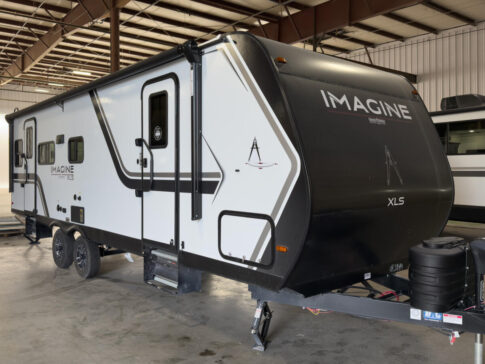
2026 Grand Design Imagine XLS 25RLE: A light, practical, and thoughtful build

The 2026 Grand Design Imagine XLS 25RLE is aimed at solo travelers or couples who prioritize low tow weight and simple living space. This travel trailer is compact enough for weekend runs and long road trips without sacrificing the basics. It features a single slide that opens the interior for a very comfortable feel. Check it out and see what you think.


AirfilterTiny, portable air purifier is RV-sized
If your RV ever smells a little too much like last night’s dinner or the campground fire pit, this compact air purifier is a quiet hero. It uses a true HEPA filter to trap dust, pollen, smoke, pet dander, and odors, runs whisper-quiet in sleep mode, and is small enough for an RV, car, or bedside table. It’s an easy way to keep the air fresh and breathable wherever you park. Check it out.


In the RV shop with Dustin
Cool Tools: The AWBLIN Automotive Test Light

Dave Solberg and I [Dustin] used to meet for a weekly livestream called “Talkin’ RV Tech.” We not only answered technical questions, but we also shared what we like to call “cool tools.” These are tools and gadgets that we actually use! We also believe they will be helpful to you. This clip shares one of our favorite tools, the AWBLIN Automotive Test Light.


Tanner Toons
with Tanner Woods

Screenshot
You may share this Tanner Toon, unaltered, on your website, blog or social media with our compliments.

Article and video
How to clean a Blackstone griddle

By Gail Marsh
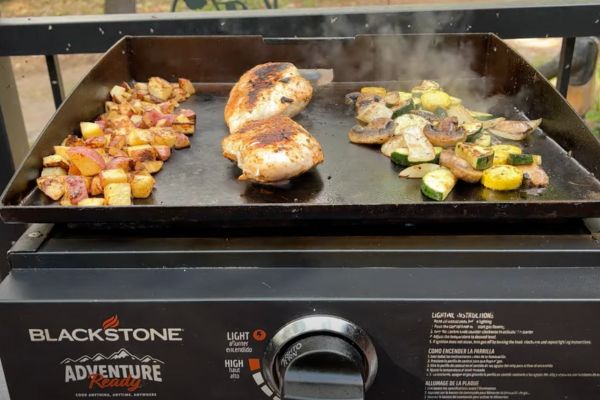
Our Blackstone griddle has seen a lot! From the Rocky Mountains to the Florida shores, we’ve cooked countless breakfasts, lunches, and dinners on our trusty Blackstone. The bad news? Our favorite cooktop has accumulated some rust. The good news? Blackstone provides a straightforward fix, designed to get your flat-top back to work without guesswork.


RANDOM RV THOUGHT: You think you’re organized. Then travel day proves you wrong.


The latest news for RVers

To read more recent news, click here.


Fix roof leaks and extend your RV roof another 18-20 years with the ONLY liquid butyl rubber in the world
RV Roof Magic’s unique solvent-based drying process allows for a chemical bond not found in other RV sealants. That is why it never needs a primer and only one coat. We offer a 10-year warranty. Apply RV Roof Magic to all roofs except silicone and PVC. Over 30 years of history of success. Visit our site for our monthly special!


Featured article
Why are tire ply rating and load range different?

Tire expert Roger Marble received a message from a reader regarding his confusion on a tire’s “load range,” “load capacity,” and “ply rating.” In this post, Roger explains the differences.


Ask Dave
No power from RV house battery. Could it be bad battery disconnect switch?

Read Dave’s troubleshooting tips here.


Reader poll
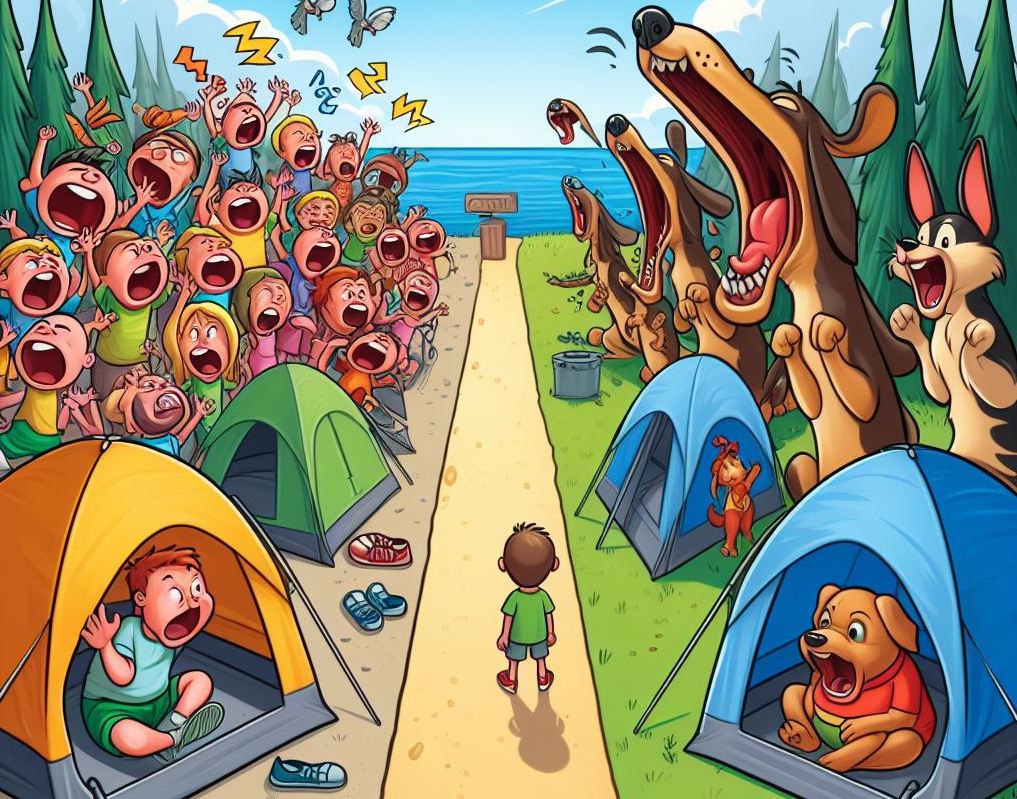
Would you rather park next to barking dogs or noisy children?

Respond here.


Quick tip
Help with floor vents

Jon G. responded to a previous tip that suggested putting tape over floor registers to keep undesirable objects out. “We have been adding screen material to our vents. We cut the screen material larger than the hole, screw down the vent and then trim away the access. It keeps out the things toddlers try to put down, mice, and larger dirt particles. If the screen gets torn or dirty, we replace it.” Thanks, Jon!


Website of the day

Pinterest: Unusual RVs
Only click on the link if you have some time to spare because you’re going to want to be exploring this unusual RV Pinterest page for a loooong time.


Monday Motivation

“Don’t fake it till you make it. Fake it till you become it. Do it enough until you actually become it and internalize it. The tiny tweaks can lead to big changes.” —From Amy Cuddy’s TED talk, Your Body Language May Shape Who You Are


? MYSTERY PRODUCT OF THE DAY ?
If you’re not into this kind of stuff, you’re not going to like this. But if you ARE into this kind of stuff, you’re going to LOVE this! (We LOVE it!) Check it out and see.


Trivia

Metal lunch boxes were the ultimate school accessory of the 1950s with sturdy construction and colorful designs featuring cowboys, astronauts or TV heroes. Aladdin Industries popularized the trend in 1950 with a Hopalong Cassidy lunch box, producing 600,000 units that year at $2.39 each. Thermos soon followed with a Roy Rogers lunch box. An industry was born—120 million lunch boxes were sold between 1950 and 1970. Most came with a matching Thermos.


Readers’ pet of the day

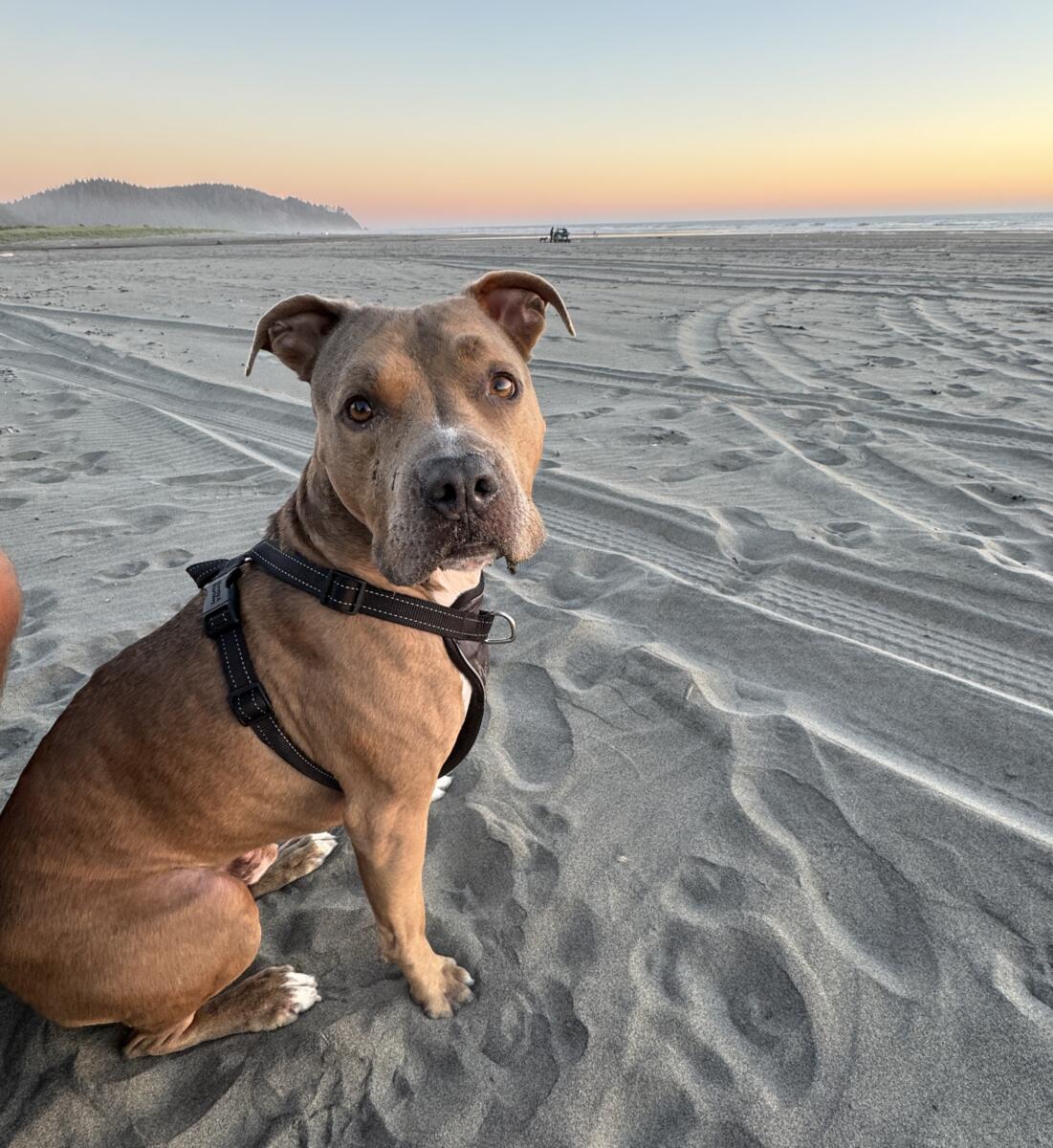
Img 1479 E34adfe1eafeb52835e198e03cf45e54“This is our 9.5-year-old house hippo, Loki (Pit Bull)! He’s been traveling full-time with us for just over two years and loves nothing more than being chased by waves on the beach, curling up beside his daddies for cuddles, or exploring new campgrounds.” —Tim & Jamie Buckley

Send us a photo of your pet with a short description. No blurry photos and please do not submit your photo more than once. Thanks!


Leave here with a laugh


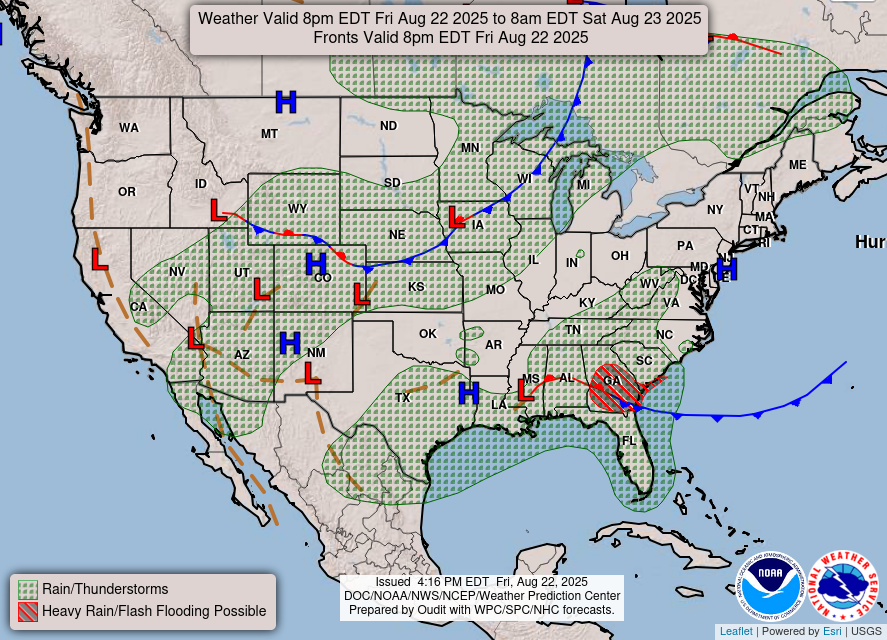
Today’s weather forecast across the nation
THIS MAP UPDATES TWICE A DAY

Visit Current National Radar Weather Map


Did you miss the latest RV Travel Newsletter? If so, read it here.
Oh, and if you missed the Latest News for RVers, make sure to catch up here.


If you shop at Amazon.com we’d appreciate you using this link. We get an itty bitty commission if you buy something, but they add up and help us pay our bills (most importantly our hard-working writers!). 


RVtravel.com All-Star Team

Click here for information about our staff and how to contact us.

WHY WE ASK FOR DONATIONS INSTEAD OF SELLING SUBSCRIPTIONS.

Our policy on using artificial intelligence.

No power from RV house battery. Could it be bad battery disconnect switch?

Dear Dave,
I’m having trouble with the battery disconnect switch energizing/de-energizing the solenoid. It’s hard to trace wiring for hidden fuses/breakers. HELP. —David G., 2015 Thor Four Winds 31W

Dear David,
Typically, the battery disconnect switch on a motorized RV is controlled by a solenoid located near the battery compartment. You will see a heavy-gauge cable coming into the solenoid and another going out. This cable is usually the same size as the positive cable connected to the house battery—typically 6-gauge.

Rocker switch

Your Four Winds Class C should have an on/off rocker switch located either on the cabinet near the entrance steps or on the dash. That switch is wired to the solenoid and creates an “open” circuit—similar to physically removing the positive cable from the battery.

Unfortunately, Thor Motor Coach does not provide very detailed wiring diagrams for some older units, as we discovered while working on a 2016 Thor Challenger. However, the setup is similar to what Winnebago Industries used during that same time period, with a rocker switch controlling a battery disconnect solenoid.

Battery disconnect

Here is a screenshot of the 3D drawing available on the Winnebago site that shows the battery disconnect and the switch.

Battery Disconnect Rvdt 2846
Battery disconnect

If the battery has sufficient charge, you should hear a noticeable “thump” or “clunk” from the solenoid when it engages or disengages.

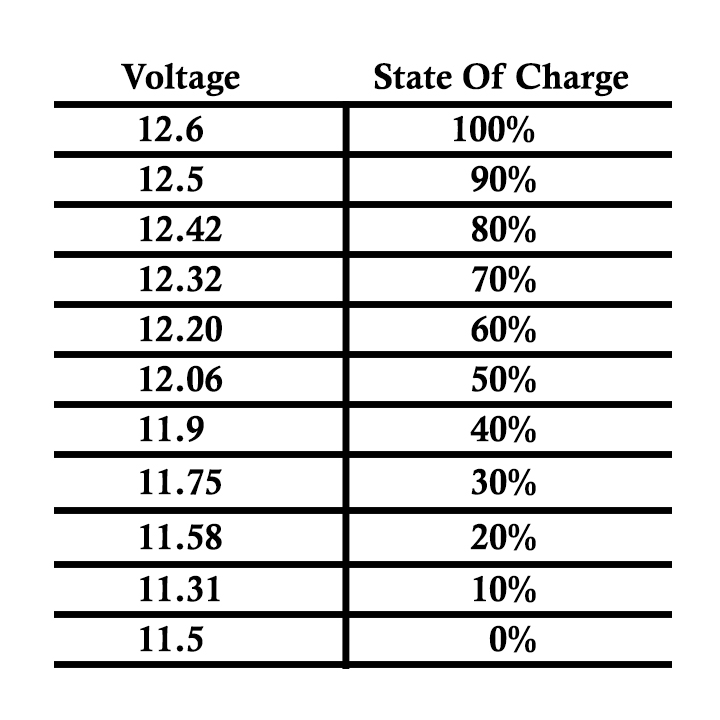
I’m not certain of the exact state of charge (SOC) required for operation, but it would likely need to be above 50% SOC. Keep in mind that 50% SOC on a 12-volt battery is not 6 volts—it’s closer to approximately 12.1 volts at rest. Here is an SOC chart.

State Of Charge Chart
State of Charge chart

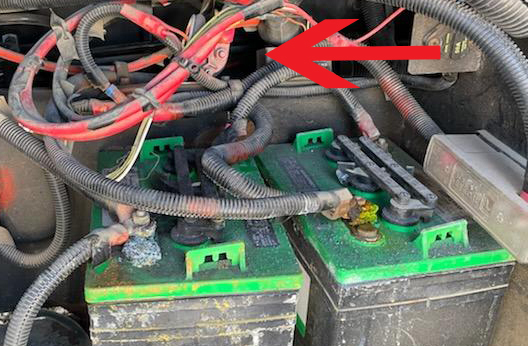
When inspecting the battery compartment, follow the red (positive) cables and look for a solenoid mounted nearby. On the 2016 Thor Challenger we worked on for RV Lifestyle & Repair, the solenoid was mounted just above the batteries.

It can be difficult to see due to the cluster of wires and cables, but it will have the heavy positive cables attached to it. Here is a photo of that compartment and an arrow to the solenoid.

Batt Disc Arrow
Battery solenoid

I am not aware of any specific circuit breakers or fuses directly tied to this disconnect solenoid or switch, although that can vary by model.

To troubleshoot

  1. Use a multimeter to verify you have 12-volt power at the battery.
  2. If the battery is below 50% SOC, plug the RV into shore power. The converter should supply approximately 13.6 volts.
  3. Verify DC power is reaching the solenoid.
  4. Operate the rocker switch and listen for the “clunk”.
  5. Check for DC power coming out of the solenoid when engaged.

If there is no output power, the issue could be either the rocker switch or the solenoid itself.


 You might also enjoy these posts from Dave 

DAVE HAS ANSWERED MORE THAN 1,000 readers’ maintenance and repair questions. Read a directory here. There is so much to learn!


Dave Solberg is a leading expert in the RV industry and the author of the “RV Handbook.”

HAVE A QUESTION FOR DAVE?

Send your inquiries to him using the form below.

Name
Drag & Drop Files, Choose Files to Upload

RVDT2846

Military campgrounds offer a great opportunity for many RVers

By Cheri Sicard
U.S. military campgrounds can be an awesome option for those who qualify. In the video below, Steve Turtle explains what these campgrounds are, who can use them, and how to find them. Military campgrounds (MWRs: Morale, Welfare and Recreation) are secure and close to all the post’s amenities.

Who can stay at U.S. military campgrounds and RV parks?

• Active duty Army personnel

• Department of Army civilian personnel

• U.S. Army retirees

• Members of the Army National Guard or Army Reserves (over 18 years old)

• Family members of the above groups, aged 18 or older, with military IDs

Many of these campgrounds are also available to other branches of service. Check eligibility with the MWR staff.

At point 2:00 in the video, Steve discusses the Purple Heart and Disabled Veterans Act of 2018, which expanded access to all kinds of services and on-base amenities.

Steve also discusses his experiences at various military campgrounds, which cost him between $18-$22 per night. Some were better than others. The prices may have gone up since this video was filmed. You can find more information on these campgrounds, as well as locate the campgrounds on your route, here.

If you are a member of Facebook, check out the group Military FamCamp Reviews.

RELATED

RVDT2846

How to clean a Blackstone griddle

4

Our Blackstone griddle has seen a lot! From the Rocky Mountains to the Florida shores, we’ve cooked countless breakfasts, lunches, and dinners on our trusty Blackstone.

The bad news? Our favorite cooktop has accumulated some rust. The good news? Blackstone® provides a straightforward fix, designed to get your flat-top back to work without guesswork.

Why rust?

Rust forms when steel meets water and oxygen. Your Blackstone’s rolled-steel top contains iron. If it sits wet, unseasoned, or uncovered, the oxidation reaction will leave reddish-brown corrosion. That’s rust. Surface rust changes food texture and can affect taste, so it’s not just a cosmetic issue. You need to remove that rust!

Humidity, road spray, and storing the griddle where condensation collects are common RV triggers. Blackstone’s recommendations emphasize oiling and dry storage because those two things interrupt the rust chemistry and protect the metal.

Step-by-step

  1. First, get the griddle hot. Fire every burner up to high so any flaky rust and old residue will loosen.
  2. While the top is hot, use a metal scraper to sweep away the loosened material and collect the debris for disposal. This kit is what Blackstone recommends. You can find similar products anywhere that sells grills, or buy individual tools from Amazon.
  3. When the bulk of the rust and “gunk” is loosened and removed, let the top cool a bit. Then, add several tablespoons of cooking oil across the whole surface. Scrub with a pumice-style grill stone (Blackstone calls it a “cleaning brick”). Scrubbing will remove remaining rust and stubborn spots while the oil lubricates the action.
  4. Use clean cloths or paper towels to remove the scrubbed-off residue.
  5. Repeat the oil and grill-stone scrubbing until the surface is free of rust particles and debris.
  6. Finish by wiping the surface down clean.

Season to protect

Protect the metal with a fresh seasoning layer. After the cleaning cycle, apply a thin coat of Blackstone seasoning oil across the entire cooking surface. Then heat it until it smokes briefly so the oil bonds with the metal. Repeat the seasoning process as Blackstone recommends. This will build a protective, nonstick coating that helps prevent future rust.

Store dry and covered between trips. Once the griddle is clean and seasoned, keep it in a cool, dry place. Cover it when not in use to limit moisture exposure. These simple storage choices make the biggest difference for RV life near damp campgrounds or coastal air.

Video

Watch the manufacturer’s video below so you can see the motions, tool angles, and method Blackstone uses. Their demonstration is the definitive visual guide for removing rust, cleaning the surface, and re-seasoning your Blackstone.

Extra tips

• Wipe and oil the griddle between trips rather than leaving it bare in storage. A thin coat of seasoning prevents overnight condensation from starting to rust.

• If you camp near salt air, dry and oil the top immediately after each use because salty environments speed corrosion.

• Cover the unit when it’s cool and store the propane tank separately if you’re putting the griddle into a closet or enclosed space in the RV.

Do you have a Blackstone griddle? What tools or seasoning do you use? Tell us in the comments below.

RELATED

Would you rather park next to barking dogs or noisy children?

37

By Gail Marsh
What a choice! Before you dismiss this question, you should know that we recently faced this exact situation. We arrived at our overnight campground and the camp manager met us at the gate. He told us there were two open spaces from which we could choose. We decided to leave the RV at the check-in spot and walk to the open spaces. That’s when we saw our choices. We knew we’d need to decide: Would we rather park next to barking dogs or noisy children?

Barking dogs

We walked to the first open site. Three barking dogs were contained inside a fence in the spot next to the open site. As we considered our options, we thought about parking beside the barking dogs. My husband said, “Once they get to know us, they’ll probably be just fine. They’re only barking because we’re strangers to them.”

I was hesitant, but had to admit that at some point the dogs’ owner would certainly bring the dogs in for the night, right? As long as I could get some sleep, I’d be fine. We would be back on the road come morning and it looked to be a long day of driving. We both really needed rest.

Noisy children

Then we walked on to the second available RV site. My first thought was, “Where are the parents?” Four children screamed as they chased each other all around their campsite and our potential spot, as well. No adults could be seen anywhere nearby. The two smallest children were arguing over a small toy—perhaps a toy truck—and as we hurried away, they began to wrestle one another, scrapping over the item. The two older siblings continued to chase one another with sticks and ear-shattering battle war cries. The screams escalated in pitch and volume. Still, no adult came to see what was happening.

My husband suggested that the children would surely go to bed early since they were obviously working off a lot of energy with their running, wrestling, and screaming. I remained doubtful.

Our choice

Before returning to our RV, we’d already made our decision. We told the campground manager that we would take site #14. That was the spot beside the barking dogs. My husband and I both figured that we could more easily endure barking than screaming.

Your choice

Now it’s your turn. If you had to choose, would you rather park next to barking dogs or noisy children? Cast your vote below and then explain your reasoning in the comments that follow.

More recent polls you may like:

RVDT2846

Cool Tools: The AWBLIN Automotive Test Light

0

By Dustin Simpson
Dave Solberg and I used to meet for a weekly livestream called “Talkin’ RV Tech.” We not only answered technical questions, but we also shared what we like to call “cool tools.” These are tools and gadgets that we actually use! We also believe they will be helpful to you.

AWBLIN Automotive Test Light

This clip is about one of our favorite tools, the AWBLIN Automotive Test Light.

Watch the video to learn what it’s used for, how to use it, and why we like it so much.

If you want a Test Light of your own, you can find the one we use and discuss here.

MORE “COOL TOOLS”:

RVDT2846