Home Blog Page 92

RV Daily Tips. Tuesday, February 17, 2026

America’s Original RV Newsletter. Since 2001
Issue 2842 • New issue every weekday
If you find this newsletter helpful, please consider supporting our staff’s work in producing it with a donation of your choice.


Today’s thought

“In any moment of decision, the best thing you can do is the right thing, the next best thing is the wrong thing, and the worst thing you can do is nothing.” —Theodore Roosevelt


Need an excuse to celebrate? Today is National Random Acts of Kindness Day!

On this day in history: 1972 – Cumulative sales of the Volkswagen Beetle exceed those of the Ford Model T.


Tip of the day
Why you need a label maker in your RV

By Gail Marsh
As a kid, our son loved our label maker. For a while, he labeled anything and everything that could be labeled! Perhaps once you read this article, you’ll understand. You need a label maker in your RV. It’s time to find out why. Here are several practical ways to utilize a label maker in and around your RV.


Article and video
15 clever ways to organize a tiny RV

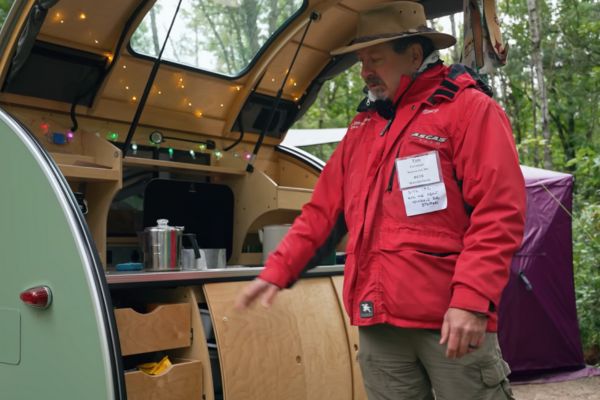
Teardrop campers and tiny trailers don’t give much room for clutter. A pair of muddy boots, a few kitchen tools, and wet towels can make a small cabin feel packed fast. The best setups don’t rely on one big storage bin; they use lots of small, easy-to-reach spots that keep gear dry, quiet, and in the same place every time. Here, the team from Playing with Sticks shares lots of practical solutions.


Tanner Toons
with Tanner Woods
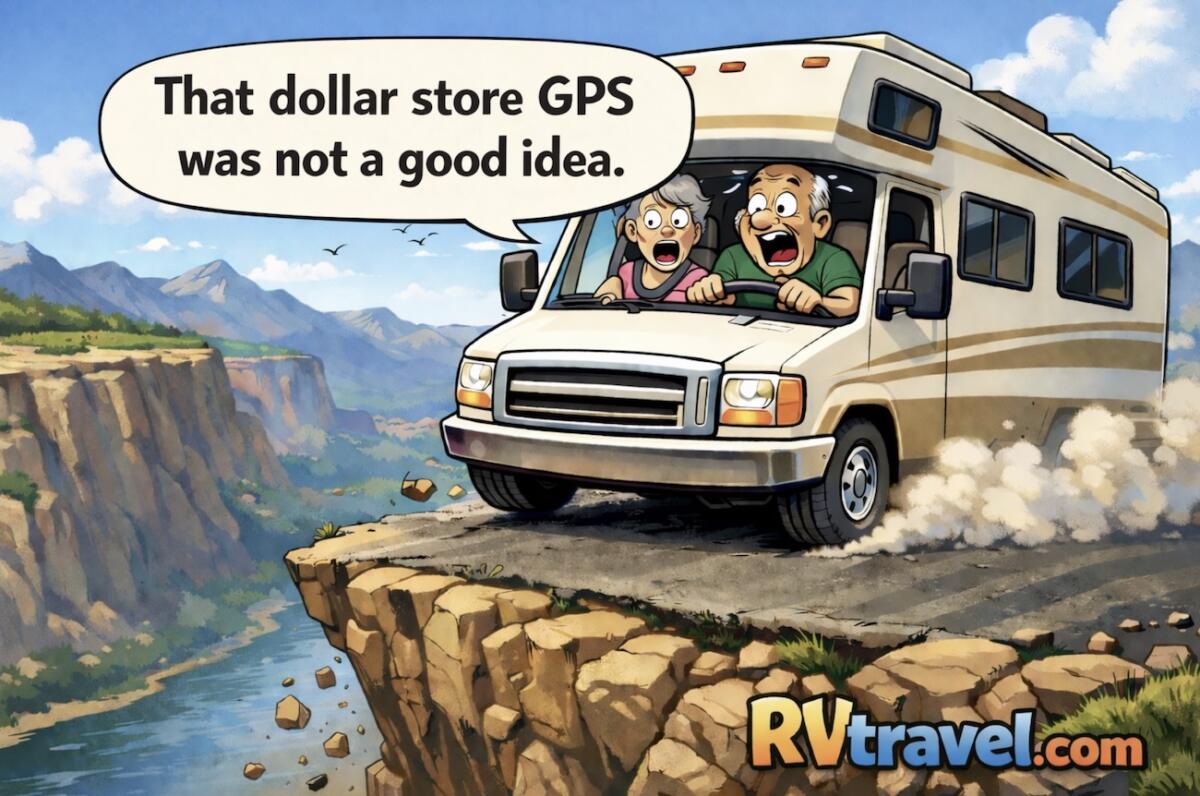
Tanner Toon
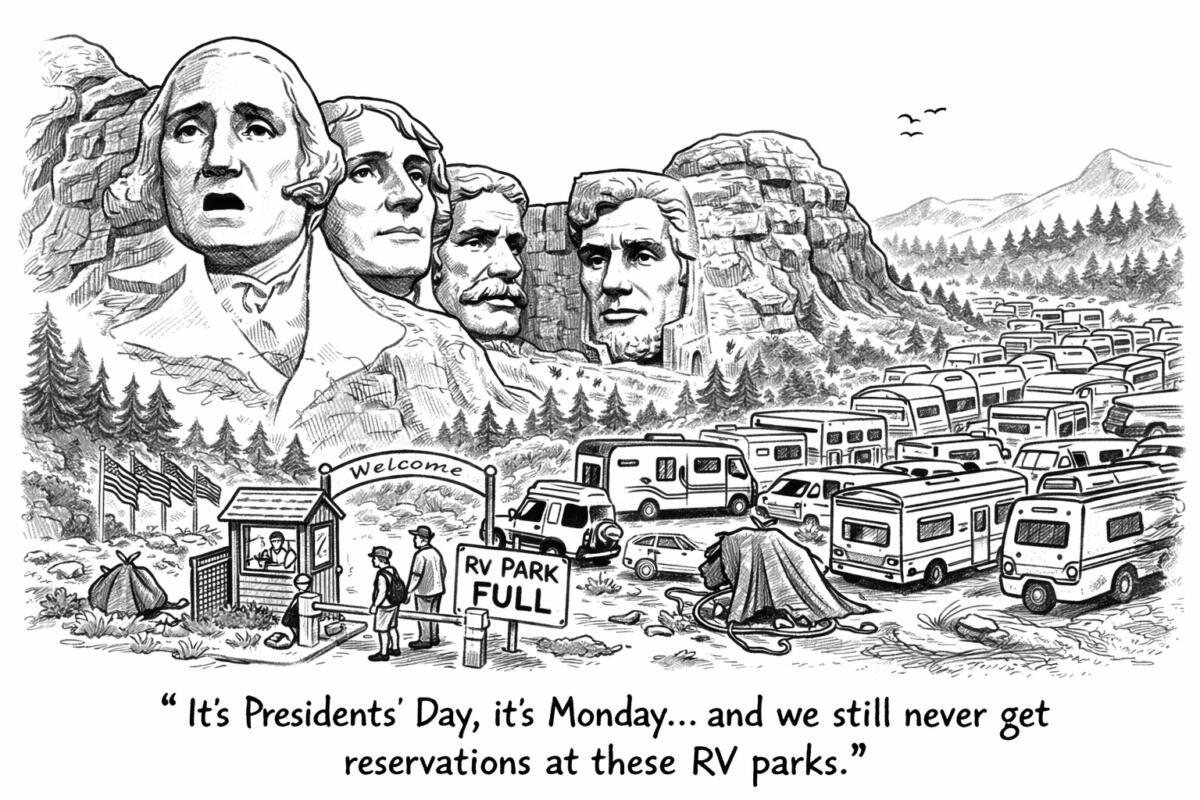
You may share this Tanner Toon, uncropped, on your website, blog or social media with our compliments. The musings from Tanner Woods’ creative mind appear in the Sunday RV Travel Newsletter and in many RV Daily Tips newsletters through the week.

Small blind spot mirror good for all vehicles
If you don’t have one of these on your RV or tow vehicle, you need one! These small 2″ round glass blind spot mirrors easily stick onto your current mirror, no hard work is needed! They’re waterproof and rust-resistant and can rotate and sway to be adjusted for the best visibility. They’re affordable and could save you from an accident. Learn more or order.


Featured article
Why you need to be nice to your RV dealer

By Ron Burdge
When your new RV has box problems and you have a chassis problem, too, which should you fix first? That’s easy. Can you get them both fixed without having to run around yourself, when the RV dealer is just across town but the chassis dealer is halfway across the state? Well, maybe. Continue reading and learn why it’s so important in a situation like this to be extra nice to your RV dealer.


Ask Dave
What size and type generator do I need for my RV?

Read Dave’s answer.


FACTOID: Some people believe they are fine to drive after sleeping off a night of drinking. Safety experts say “not true,” that the effects of a hangover can last up to a full day after consuming alcohol, impairing someone as if they were legally drunk.


Reader poll
For long-time RVers: Is RVing today as enjoyable to you as it was 15 years ago?

Respond here.


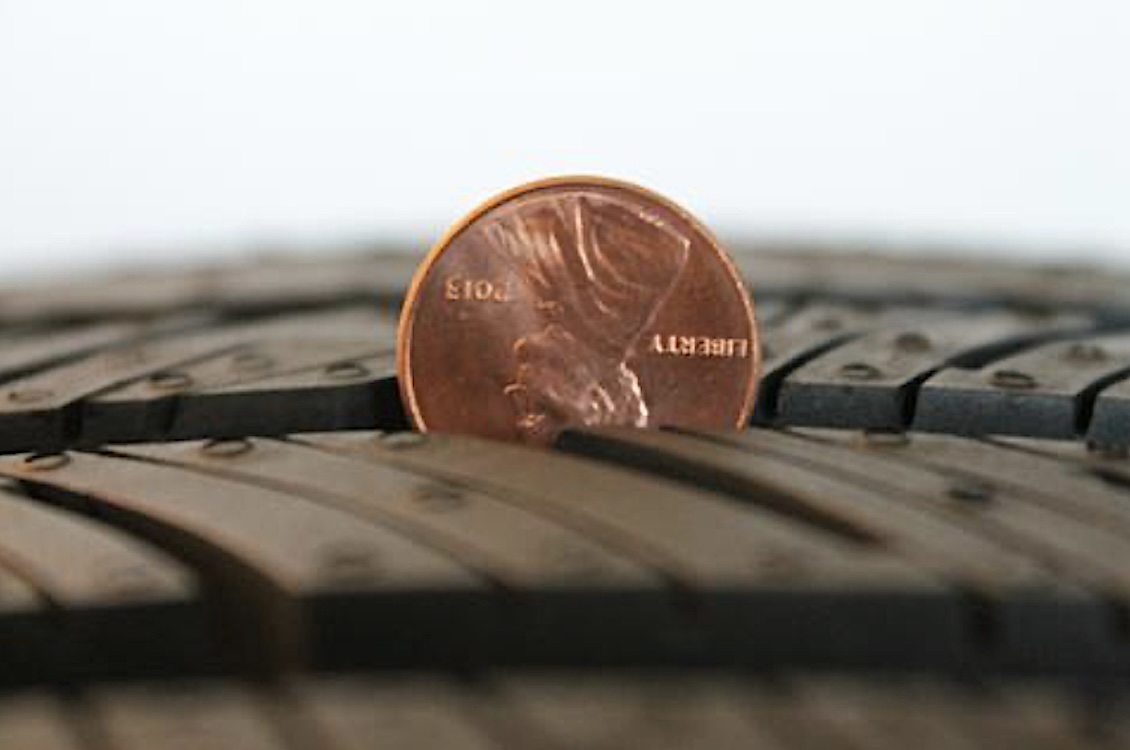
Penny tire textQuick tip
How good are your tires?

Here’s a quick way to test if your tires need replacing. Place a penny upside down into the groove of the tire. If part of Lincoln’s head is covered by the tread, you’re good to go. If you can see all of his head… it’s time for a new tire.


On this day last year…


Website of the day

GM forum
If you have a GM vehicle of any type, then this is where to head if you have questions.


And the survey says…

We’ve polled RVtravel.com readers more than 5,000 times in recent years. Here are a few things we’ve learned about them:

• When buying peas, the majority of our readers, 64 percent, buy them frozen, 23 percent buy them canned, and 4 percent buy them fresh.
• 57 percent store their RV on their own property when they’re not using it.
• 65 percent are considering or would consider buying a truck camper.


Trivia

Some fun Costco tidbits for you: In 2023, Costco sold 137 million rotisserie chickens. • Costco is the largest wine retailer in the USA. • Roughly half of all cashews sold in the world are sold at Costco. • Costco’s famous hot dog and soda combo has cost $1.50 since 1985. • The smallest Costco is in Juneau, Alaska.


Readers’ pet of the day

Rusty D22a2c7a42f56cb0d303a4f11101ae43“Rusty (Yorkie, age 9) loves to travel in the RV. We have a Class A, which we named Wanda. Rusty recognizes the name and gets very excited when we say it because he knows he is going on a trip. I built an elevated dog seat in between our two captain’s chairs, where he rides as we travel. He loves looking out the big front window and usually doesn’t sleep at all while we are moving. When we get to our nighttime destination, he crashes with long naps.” —Gary Smith

Send us a photo of your pet with a short description. We publish one each weekday in RV Daily Tips and in our Sunday RV Travel newsletter. No blurry photos, please! Please do not submit your photo more than once. Thanks!


? MYSTERY PRODUCT OF THE DAY ?
Is this real?? Is this fake?? Can you eat it?? Is it toxic?? We’re not sure, but it’s REALLY cute, at least, and would look soooo good on your RV’s dinette! Or kitchen counter! Or side table! It would look good anywhere!


FREE IS GOOD! Are you near a Five Guys® restaurant? (Here are their locations.) Today (Feb. 17) only, to celebrate its 40th birthday, get a BOGO free burger. Log in to your Five Guys account and use code: 40FGBDAY


Leave here with a laugh


Today’s weather forecast across the nation
THIS MAP UPDATES TWICE A DAY
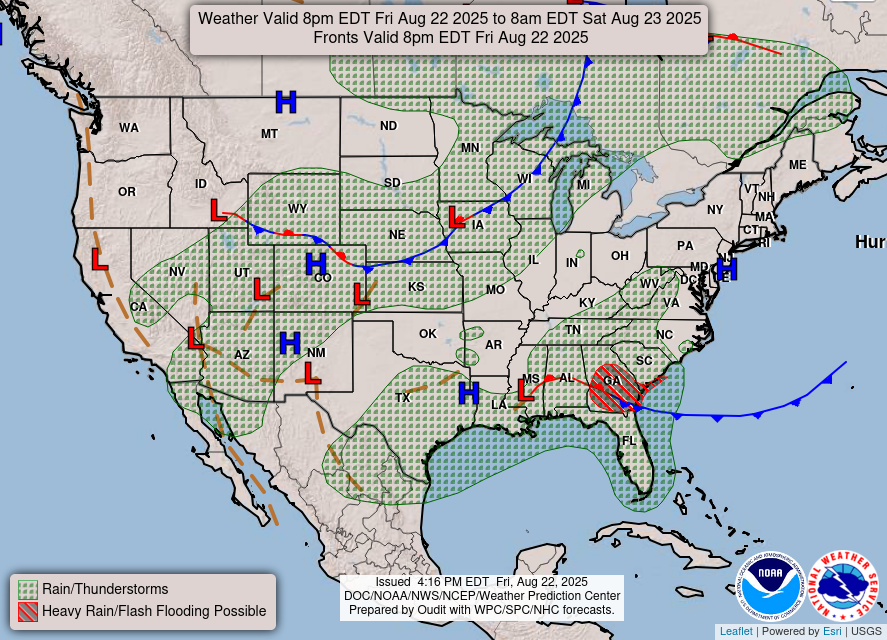
Visit Current National Radar Weather Map


Did you miss the latest RV Travel Newsletter? If so, read it here.
Oh, and if you missed the Latest News for RVers, make sure to catch up here.


If you shop at Amazon.com we’d appreciate you using this link. We get an itty bitty commission if you buy something, but they add up and help us pay our bills (most importantly our hard-working writers!). 


RVtravel.com All-Star Team

Click here for information about our staff and how to contact us.

WHY WE ASK FOR DONATIONS INSTEAD OF SELLING SUBSCRIPTIONS.

Our policy on using artificial intelligence.

What size and type generator do I need for my RV?

1

By Dave Solberg
Dear Dave,
What size of a generator do we need for our RV? It’s a Montana High Country. Should it be an inverter generator or just a portable non-inverter? And can we get one that is wired in to switch auto? —Debra, 2021 Montana High Country

Dear Debra,
The size of generator depends on how many 120-volt components you wish to run at any given time. You will need to calculate the power requirements for items like the refrigerator, roof air conditioners, microwave, and any appliance or components plugged into outlets. You will also need to factor in the converter/charger or inverter/charger if you have one of these.

Watts used by appliances

Typically a 13,500 btu roof air conditioner will pull 2800 watts during startup and 1800 watts in run mode. You can get by with a 2500- to 2800-watt generator. However, I would recommend using a SoftStartRV™ installed on the air conditioner to reduce the startup draw. This size generator is the minimum and might be too small if you are planning to run other 120-volt components—especially if your roof air conditioner is a larger 15,000 btu one.

A residential refrigerator can run 1,500 watts, a microwave anywhere from 1,000-1,500 depending on the size, a TV 300-400, and a single-serve coffee maker draws 1,200 watts! Keep in mind, all of these will not be running at the same time. However, it is difficult to determine when they will cycle on and off during the day. Typically, if you will run only one roof air conditioner and a few appliances, you would be OK with a 3,500-watt generator.

Generator/inverter

If you are considering a portable, you definitely want a generator/inverter that will produce a pure sine wave rather than the industrial generators you find at home improvement locations or discount box stores. These produce raw power designed for power tools and lights and will ruin microprocessors in some of your electronic components. If you are looking at a permanently mounted generator such as Onan, it is already set for proper power.

Automatic transfer switch (ATS)

I do not know of any generators that have an automatic transfer switch built in, but rather an ATS box in the service compartment. If you are going with the permanently mounted version, you can get a Progressive Dynamics or Southwire ATS and run the power from the generator to the ATS as well as the shoreline cord, and then the power from the ATS to the distribution center.

Currently your rig has a shoreline cord that is wired directly to the distribution center. If you go with a portable generator, I do not see a good way to have an ATS as you would still need to plug a cord into the generator manually.

An ATS is simply a box that switches the power source. It is set on default to provide power when available from the generator line coming in and switches internally when it senses power from the shoreline cord, which then creates an open circuit from the generator.

If no ATS

If you did not have an ATS, you would physically plug the shoreline cord into a “J” box, that is an outlet wired directly from the generator.

Here you see the junction box with the shoreline cord wired into it on the left side, and then it is wired to the distribution center, which is similar to what you have now. The outlet to the right is the “J” box that has a line coming from the generator. When you plug the shoreline cord into the “J” box, power comes from the generator to the shoreline cord, through the junction box, and to the distribution center, just like if you were plugged into a campground source.

Maybe some of our readers have found something that automatically switches for a portable generator. However, as I stated earlier, you still need to remove the generator, start it up and plug some type of cord/line into it, so an ATS would not be needed.


 You might also enjoy these posts from Dave 

DAVE HAS ANSWERED MORE THAN 1,000 readers’ maintenance and repair questions. Read a directory here. There is so much to learn! Read more from Dave here.


Dave Solberg is a leading expert in the RV industry and the author of the “RV Handbook.”

HAVE A QUESTION FOR DAVE?

Send your inquiries to him using the form below.

Name
Drag & Drop Files, Choose Files to Upload

RVDT2842

Why you need a label maker in your RV

11

By Gail Marsh
As a kid, our son loved our label maker. For a while, he labeled anything and everything that could be labeled! Perhaps once you read this article, you’ll understand. You need a label maker in your RV. It’s time to find out why.

Here are several practical ways to utilize a label maker in and around your RV.

Storage spaces

Labeling storage compartments, drawers, and cabinets helps you quickly locate items and maintain order. Clearly marked spaces for kitchen utensils, tools, and personal belongings streamline daily activities and reduce clutter. It also helps your RV partner know where to put and/or find things! This is especially helpful after purchasing a new RV, or rearranging the one you have.

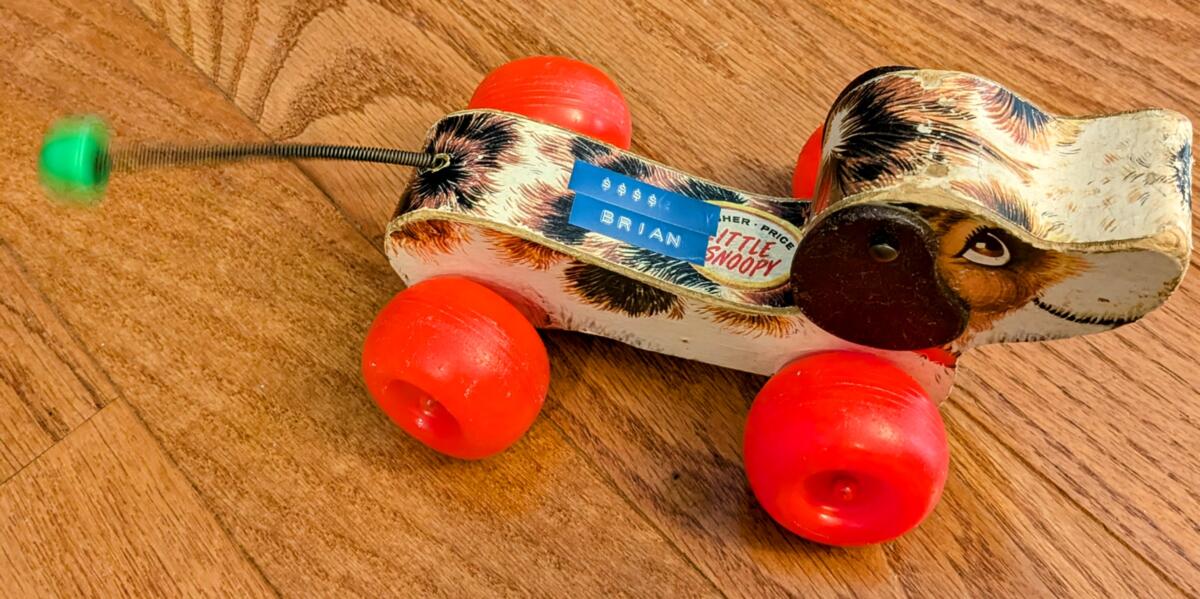
Label maker on toy Gail Marsh image

Electrical components

Managing the RV’s electrical system can be complex. Labeling power cords, outlets, and circuit breakers clarifies their functions. It also aids in troubleshooting and helps to ensure safety. For instance, labeling each outlet with its corresponding circuit breaker can prevent overloading circuits when using multiple appliances. You can affix the label to the back side of the outlet for aesthetic purposes.

Labeling cell phone chargers can be a game-changer. Especially when traveling with multiple family members.

Light switches

It’s common to forget which switch controls which light, especially in a new or new-to-you RV. Labeling light switches eliminates guesswork, making it convenient to illuminate the desired area without trial and error.

Maintenance supplies

Keep track of essential maintenance items by labeling containers for cleaning supplies, spare parts, and tools. This organization ensures that you have what you need when performing routine upkeep or unexpected repairs.

Safety measures

Clearly label emergency equipment like fire extinguishers, first aid kits, and emergency exits. In critical situations, these labels can save valuable time and potentially lives.

Kitchen essentials

Labeling pantry items, spice jars, and refrigerator shelves can make meal preparation more efficient. It helps in quickly finding ingredients and keeping track of supplies. This may reduce the chances of running out of essentials while on the road.

Note: Labeling is critical when removing items from their original packaging (decanting). You’ll save space by tossing the packaging, and a label maker will help you remember what’s what.

Choosing a label maker

When selecting a label maker for your RV, consider models that are durable and user-friendly. The DYMO LabelManager 160 Portable Label Maker Bundle, for example, is compact and simple to use. Another label maker that comes highly recommended is the Brother P-Touch.

And, of course, there are plenty of other options in a range of prices.

Incorporating a label maker into your RV lifestyle promotes organization, safety, and personalization. It’s a small investment that can enhance your comfort and efficiency on the road.

Do you use a label maker in your RV? Leave a comment and tell us how, and what it helps you with. Thanks!

RVDT2842

15 clever ways to organize a tiny RV

1

Teardrop campers and tiny trailers don’t have much room for clutter. A pair of muddy boots, a few kitchen tools, and wet towels can make a small cabin feel packed fast. The best setups don’t rely on one big storage bin; they use lots of small, easy-to-reach spots that keep gear dry, quiet, and in the same place every time.

In the video at the end of this post, the team from Playing with Sticks shares lots of practical solutions.

#1 An exterior shoe bin that opens from inside: One standout solution is a shoe bin mounted so it can be reached from the cabin. It follows the classic Rubbermaid shoebox idea, but it’s upgraded so campers don’t have to crawl under the trailer or wonder which shoe a spider moved into. It’s sized to hold one large pair of hiking boots or two pairs of tennis shoes.

#2 A washable hanging shoe organizer: A canvas pocket organizer (about 10 pockets) can hang inside using peel-off hooks. It comes down easily, goes into the washer, then hangs back up. Campers use it for shoes, socks, and small items that tend to disappear at night.

#3 A simple bag for dirty shoes: Sometimes the simplest fix works. A dedicated bag keeps grimy shoes from mixing with clean bedding and clothes.

#4 A cut-to-fit knife organizer: An IKEA knife rack can be trimmed to fit a drawer. It keeps blades covered and hands safer when grabbing tools in a hurry.

#5 IKEA bins help prevent the “junk drawer” effect in tiny campers: One bin can hold bandages and first aid items so they’re ready to grab without digging. IKEA UPPDATERA boxes are a good size for that.

#6 Adding drawers where a sink would’ve been: One owner skipped the sink option and used the space for drawers instead. Baltic birch plywood matched the trailer’s look, finished with water-based polyurethane. The payoff is simple: drawers use vertical space and keep gear from becoming a shifting pile.

#7 A cooler hidden in a truck trunk: A Honda Ridgeline’s in-bed trunk becomes a protected cooler locker. With a 12-volt port added, a Dometic cooler can ride locked, shaded, and out of sight.

#8 A folding wheel-top table: A mini folding table sits on the trailer wheel, giving a flat spot for morning coffee or a shoebox. It folds flat and packs into its own sack. This mini folding table matches what’s shown.

#9 Hooks and tension rods for towels and trash: Twisted S-hooks can hang raincoats under an awning so they dry overnight. Tension rods can hold towels, and one setup uses bungees to keep rods from shifting while towing. S-hooks for camping and an RV tension rod cover the basics.

#10 Small-space upgrades for drying, charging, and staying ready to tow: A YETI LoadOut 30 GoBox is used as a modular shower kit with towels, soaps, and wipes. It previously served as a full tent-camping kitchen box. Wet socks and gloves can air out on a rubber braided clothesline stretched between eye screws.

#11 Inside the galley, adhesive towel hooks hold potholders and towels, and kitchen towel hooks are a quick way to add to that spot. Magnetic storage also helps; a maple magnetic knife holder keeps knives and scissors from sliding, and magnetic condiment tins stay put behind spices.

#12 Trash gets its own system, too, including a removable side bin for bear country using an adhesive trash can. One door mod adds a closet rod to dry towels while driving, with Velcro added for grip so nothing slides off.

#13 Another door add-on is a charging-ready phone holder mount, positioned so a USB cord can reach overnight.

#14 and #15: Even towing stays organized: One setup uses a Swap-a-Ball hitch set for quick size changes, and another uses a multi-ball mount hitch that’s always ready.

Final thoughts

Tiny campers stay comfortable when every item has a home and a reason to be there. The best ideas shown are simple, like hooks, bins, magnets, and one good box for categories like shower gear. With a few smart add-ons, small trailers feel less cramped and mornings feel calmer. The most useful test is whether something can be grabbed fast, put back fast, and stay put on the road.

YOU MIGHT ALSO LIKE:

RVDT2842

For longtime RVers: Is RVing today as enjoyable to you as it was 15 years ago?

14

Longtime RVers (we’re talking about those who have been RVing for 15 years or more), do you find RVing just as enjoyable today as it was back then? Why or why not?

A lot has changed in the RV world over the years—some for the better, some not so much. Advances in technology have made RVs more comfortable and easier to operate, with features like automatic leveling systems, solar power options, and high-tech navigation tools. (But maybe you don’t like those new technologies!)

At the same time, rising campground costs, overcrowded parks, and tighter reservation windows have made it harder for some to enjoy the lifestyle as freely as before.

For those who love boondocking, increasing restrictions on overnight parking and dispersed camping areas might be frustrating. Others may miss the quieter, more relaxed atmosphere of campgrounds from years past, when sites were easier to book, and fellow campers seemed more respectful of shared spaces.

On the other hand, some long-time RVers appreciate the growing community, better amenities, and improved connectivity that make staying on the road easier than ever.

We know every RVer has their own unique experience, and we want to hear yours! After you vote in today’s poll, please leave a comment explaining why you answered the way you did. As always, we’re curious! Thanks!

MORE POLLS YOU MIGHT LIKE:

RVDT2842

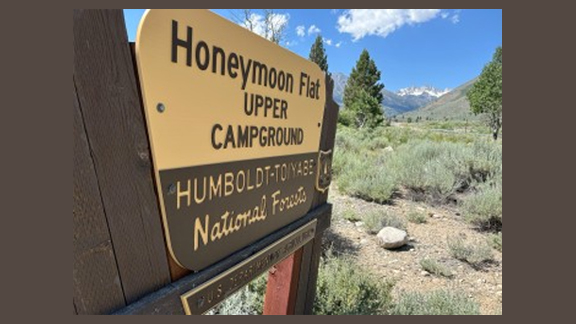
RVers may get less say under new Forest Service public comment plan

0

RVers tend to think of national forest changes as slow-moving. Campground upgrades can take years. Road plans get studied, revised, and studied again. Forest Service public comment processes have traditionally given RVers time to notice proposals and weigh in before decisions are made.

That rhythm may be changing.

The U.S. Forest Service is proposing updates to how it collects public feedback on some projects, including shorter public comment periods and fewer opportunities to formally object before decisions are finalized.

What the proposal does

Under the proposal, some Forest Service actions—ranging from infrastructure projects to land-use decisions—could move forward on accelerated timelines. Forest Service public comment periods would still exist, but often in narrower windows than RVers may be used to.

The agency says the goal is to reduce delays and move projects forward more efficiently. Critics argue that faster timelines reduce the public’s ability to engage. The proposal itself does not dictate outcomes, but it does change the pace.

Why this matters to RVers

For RVers, Forest Service planning decisions are not abstract. They affect:

  • Which forest roads remain open to larger rigs
  • Whether dispersed camping areas stay available or become restricted
  • How campgrounds are redesigned, including site size and access
  • Seasonal closures that can alter long-planned travel routes

Public comment periods are often where RVers raise practical concerns that do not always show up in planning documents—things like clearance issues, turning radii, or how heavily certain informal camping areas are actually used.

With less time to comment, those real-world details may not surface before decisions are finalized.

What this does—and does not—change

The proposal does not order campground closures or road removals. It does not change land ownership or automatically restrict access. Instead, it changes how quickly decisions move from proposal to reality.

For RVers, that may mean fewer chances to notice a project, read the details, and respond before it takes effect.

A watch list for RVers

If timelines shorten, RVers may want to pay closer attention to proposals involving:

  • Dispersed camping designations
  • Forest road reclassifications
  • Campground modernization or reconfiguration plans
  • Seasonal access changes in high-use recreation areas

These are the kinds of decisions where advance notice and local knowledge matter most.

Staying ahead of changes

RVers who regularly use national forests can adapt by signing up for alerts from forests they frequent, checking project notices before seasonal trips, and focusing comments on safety, access, and RV-specific logistics when comment windows open.

Forest Service decisions will keep coming. The difference may be how quickly they arrive—and how much time RVers have to speak up before they do.

RELATED

RVT1249b

RV Daily Tips. Monday, February 16, 2026

America’s Original RV Newsletter. Since 2001
Issue 2841 • New issue every weekday
If you find this newsletter helpful, please consider supporting our staff’s work producing it 260 days of the year with a donation of your choice.

Remember: You don’t need to receive an email alert from us to read our newsletters. Just click any time of day directly to www.RVtravel.com. The latest issues will be right there for you.


Today’s thought

“When we love, we always strive to become better than we are. When we strive to become better than we are, everything around us becomes better too.” —Paulo Coelho


Need an excuse to celebrate? Today is Presidents Day!

On this day in history: 1968 – In Haleyville, Alabama, the first 9-1-1 emergency telephone system goes into service.


Presidentsday


Tip of the day
Hey, RVers! Do you know about these microwave tricks?

RV microwave ovens are more versatile than you might think! Beyond reheating leftovers, your trusty microwave can be a game-changer in your RV kitchen.

No matter where you roam, these practical tips will help you make the most out of your RV microwave oven. Let’s dive into some surprising ways to simplify meal prep, save time and money, and whip up delicious goodies in minutes.


Even more tips from this past weekend:


TranscendRV review
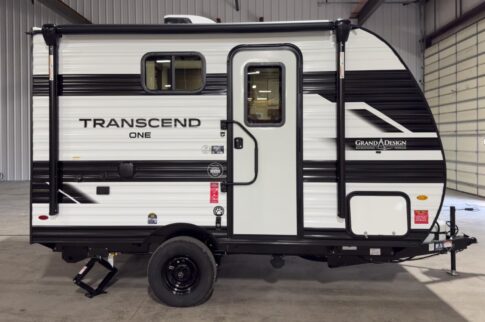
2026 Transcend One 131DL—Grand Design’s smallest and lightest RV

Grand Design’s 2026 Transcend One 131DL is tiny by travel trailer standards, and that’s the point. Josh the RV Nerd at Bish’s RV calls it the smallest thing Grand Design has ever made. This trailer tries to shrink a 20-foot camper’s “basic comforts” into a 15-foot 10-inch long box. That means easier parking, easier towing, and a lower price point. It also means fewer big features and less built-in storage. Some of you will love it, others may not. See what you think.


Sewer fitting grip help! Gadget to the rescue! 
If you find the bayonet mounts for your sewer hose connections are getting a bit hard to twist off and on (hate to say it, but it sometimes comes with age), here’s a tool that might help. An adjustable oil filter wrench, made to get a grip around automotive oil filters, can also provide a handy grip and plenty of leverage on the bayonet fitting of your sewer hose, and the termination cap as well. Here’s one we recommend.


In the RV shop with Dustin
Small components, big RV safety role: Checking your RV axle dust caps

Embarking on an RV adventure involves more than just hitting the open road. Ensuring that your RV is in top condition is crucial for a safe and trouble-free journey. One often-overlooked but critical aspect is checking the axle dust caps. These small components play a big role in protecting your RV’s wheel bearings, and their loss during travel can lead to potential damage. Continue reading.


Article and video
Tips for solo RVers to feel safe while RVing

From our friends in Canada at Snowbirds & RV Travelers Magazine comes a video filled with useful tips for solo RVers. Yes, many things about RVing are different when you are doing it alone. For one thing, there is twice the work! The video highlights Jennifer, who travels alone in her RV. Jennifer loves the nomadic lifestyle and the freedom it offers. However, she says the most common questions she gets are about safety and security. So this video was produced to help other solo RVers feel safe and secure.


The latest news for RVers

To read more recent news, click here.


Featured article
Why you need an electric bike

By Dave Helgeson
Electric bike (aka e-bike) sales have soared over the last few years due to their rise in popularity. Undoubtedly you have seen RVers cruising around the campground this past summer. Here’s why they’re so popular and what makes them so great.


Ask Dave
As I get older, RV toilet has gotten ‘shorter.’ What are options for quality tall toilet?

Read Dave’s answer.


ScreendoorbarReinforce your RV’s screen door in seconds
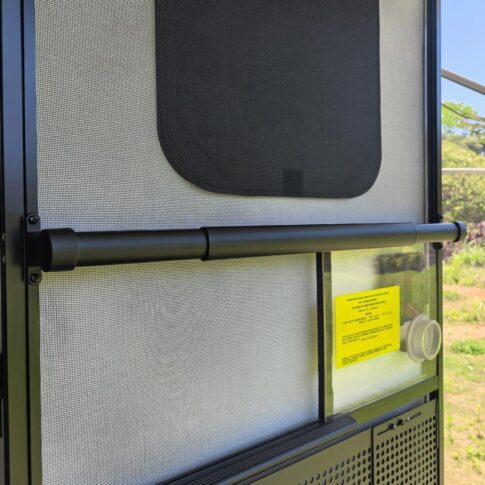
Give your RV screen door a little extra love. This lightweight aluminum grab bar reinforces and protects your door, helps prevent everyday damage, and adds a comfortable, secure grip. Fully pre-assembled and adjustable to fit most RVs, it installs fast and makes every in-and-out smoother and safer. Learn more or order.


Reader poll
Do you shower/bathe every day?

Respond here.


Quick tip
Cut food costs when “cooking in”

Don’t waste food by putting leftovers in the refrigerator for a few days and then tossing them out. Food is one of the biggest expenses in your budget so it offers one of the best opportunities to save money. One of the best ways is to not waste food by throwing it out. Plan most meals by looking at your leftovers and how they might be used to make a meal.

By all means, don’t just put leftovers in the back of the refrigerator and forget about them. RV refrigerators are small and it doesn’t take many half-empty bowls to fill the space. Look at it this way: the more leftovers you eat, the more money left in your budget to dine out. From — Secrets of RVing on Social Security: How to Enjoy the Motorhome and RV Lifestyle While Living on Your Social Security Income. Available on Amazon.


Website of the day

The 50 Best Places to Travel in 2026
Travel + Leisure has released their list of the best, most trending places to travel this year. Are any of your destinations on the list?


New! Monday Motivation

“Life will knock you down. That’s a guarantee. Nobody goes through life without getting hit, disappointed, or hurt. But it’s not about what happens to you — it’s about how you respond. When you get knocked down, you have a choice: you can stay there, or you can get back up. And if you can look up, you can get up. It’s not over when you lose. It’s over when you quit.” —Les Brown


? MYSTERY PRODUCT OF THE DAY ?
In honor of someone we loved and lost recently, we think this should be a part of your Monday night plans. Or save it for this weekend. It’s a favorite.


Trivia

Presidents Day is still officially called Washington’s Birthday, and Congress never renamed it. Even funnier: George Washington’s actual birthday is February 22, and Presidents Day never falls on that date—it’s always the third Monday in February.

So we celebrate Washington… on the wrong day, under the wrong name. Riiiiight…


Readers’ pet of the day

20251115 115128 B82bdec8748e027ee91bbe7c528b5433“We adopted Zander (Maltese/Chihuahua, age 7) from a rescue this past October after his previous owner passed away. He took his first ride in our motorhome a week later as we headed south for winter. He has been traveling well and loves getting out to explore the campgrounds we have stayed in.” —Kristine Steiner

Send us a photo of your pet with a short description. No blurry photos and please do not submit your photo more than once. Thanks!

Pet Food and all pet products at Amazon
RVing with Dogs group on Facebook. You’ll love it.


Leave here with a laugh

Image005


Today’s weather forecast across the nation
THIS MAP UPDATES TWICE A DAY

Visit Current National Radar Weather Map


Did you miss the latest RV Travel Newsletter? If so, read it here.
Oh, and if you missed the Latest News for RVers, make sure to catch up here.


If you shop at Amazon.com we’d appreciate you using this link. We get an itty bitty commission if you buy something, but they add up and help us pay our bills (most importantly our hard-working writers!). 


RVtravel.com All-Star Team

Click here for information about our staff and how to contact us.

WHY WE ASK FOR DONATIONS INSTEAD OF SELLING SUBSCRIPTIONS.

Our policy on using artificial intelligence.

As I get older, RV toilet has gotten ‘shorter.’ What are options for quality tall toilet?

Hi, Dave, 
As we age, using a standard height 18″-18.5″ RV toilet is getting harder. We’ve already replaced our home toilets with 20″ and 22″ height models. Does anyone make a QUALITY porcelain RV toilet that has a 20″ or 22″ seat height? All my research is coming up empty. I have found cheap plastic ones, but no quality porcelain toilets that tall. Any ideas? —Jon, 2010 Dutchmen Coleman

Hi, Jon,
This has been an ongoing issue for several years because there are many variables when choosing the best toilet for an RV. The first variable is that there really is no “typical” RVer. RV owners come in all different heights, builds, and weights.

The second factor is usage. In many RVs, the toilet is used primarily for occasional or emergency needs, which often leads manufacturers to compromise on design and height.

The third factor is price point. Cost plays a significant role in how much compromise is built into what might be considered a “standard” RV toilet.

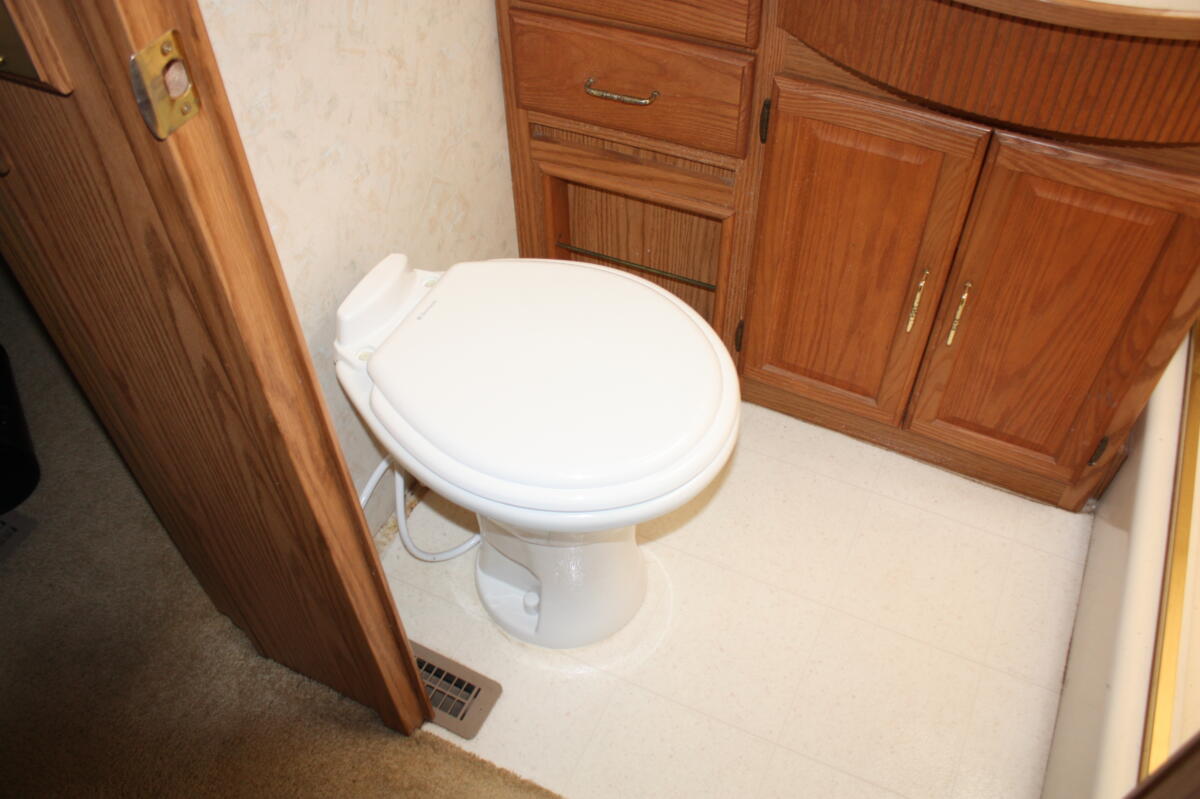
Having been in the RV industry since 1983, I’ve only encountered this issue a handful of times. A few years ago, we did a video for the RV Lifestyle & Repair Club on a 2000 Winnebago Brave. The original toilet was plastic and very short, so we replaced it with a taller Dometic model. Even then, it measured only 18 inches high—but it was still an improvement over the original.

Brave Toilet
Brave toilet

Most traditional RV toilets are about 14 inches tall, but there are now several taller options available. After researching current models, I’ve noticed more discussion on this topic. In fact, just this morning I received an email from Panther RV highlighting three Dometic “tall” models.

Here are some examples

  • The Dometic 510HPS Tall Gravity model measures 19 1/4 inches high, which is close to your specifications.
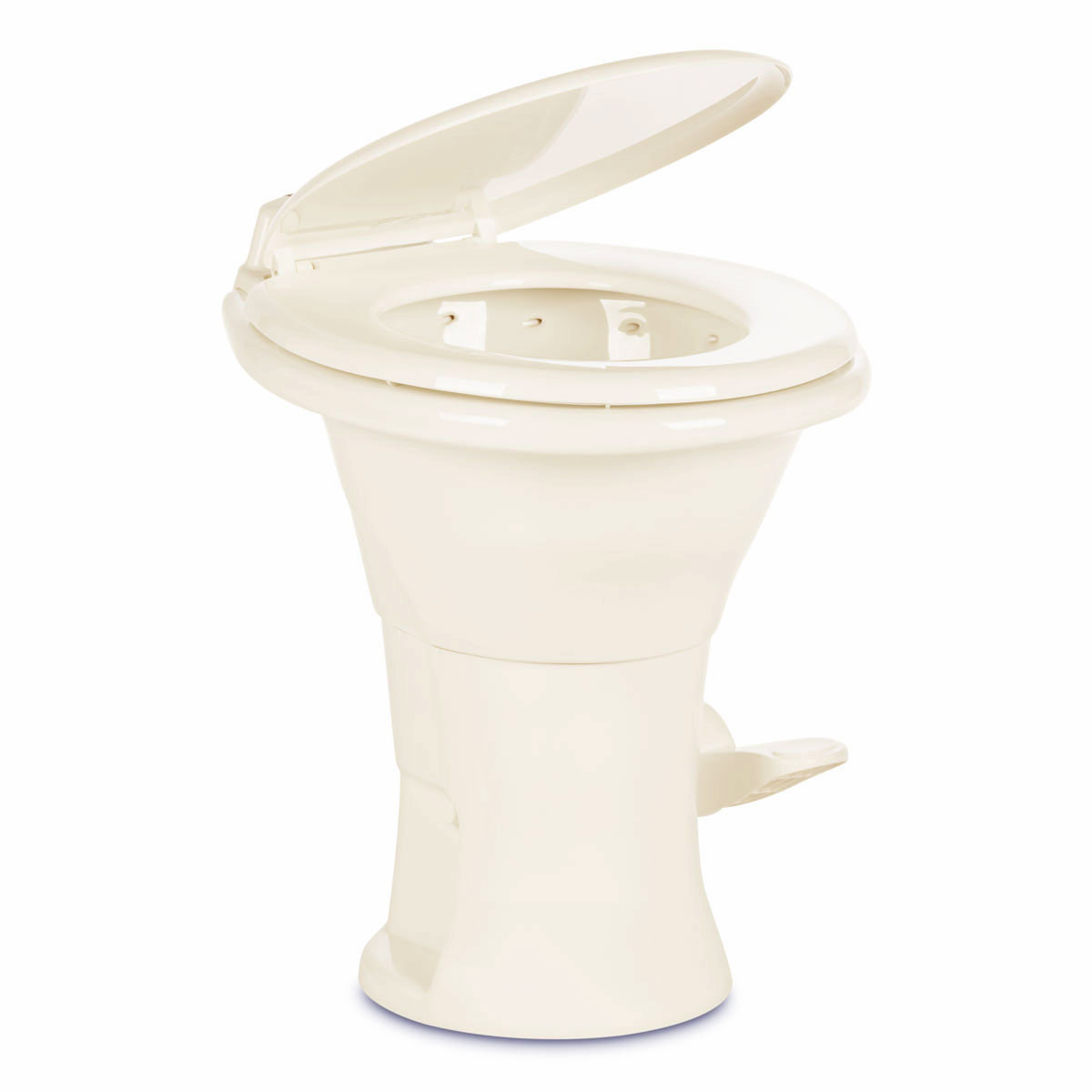
  • The Dometic Sealand 310 lists a 20-inch height.
  • The Dometic 410 Complete measures 19 5/8 inches tall.

So, there are some solid options available.

310 Toilet
Dometic Sealand 310 toilet

Other options

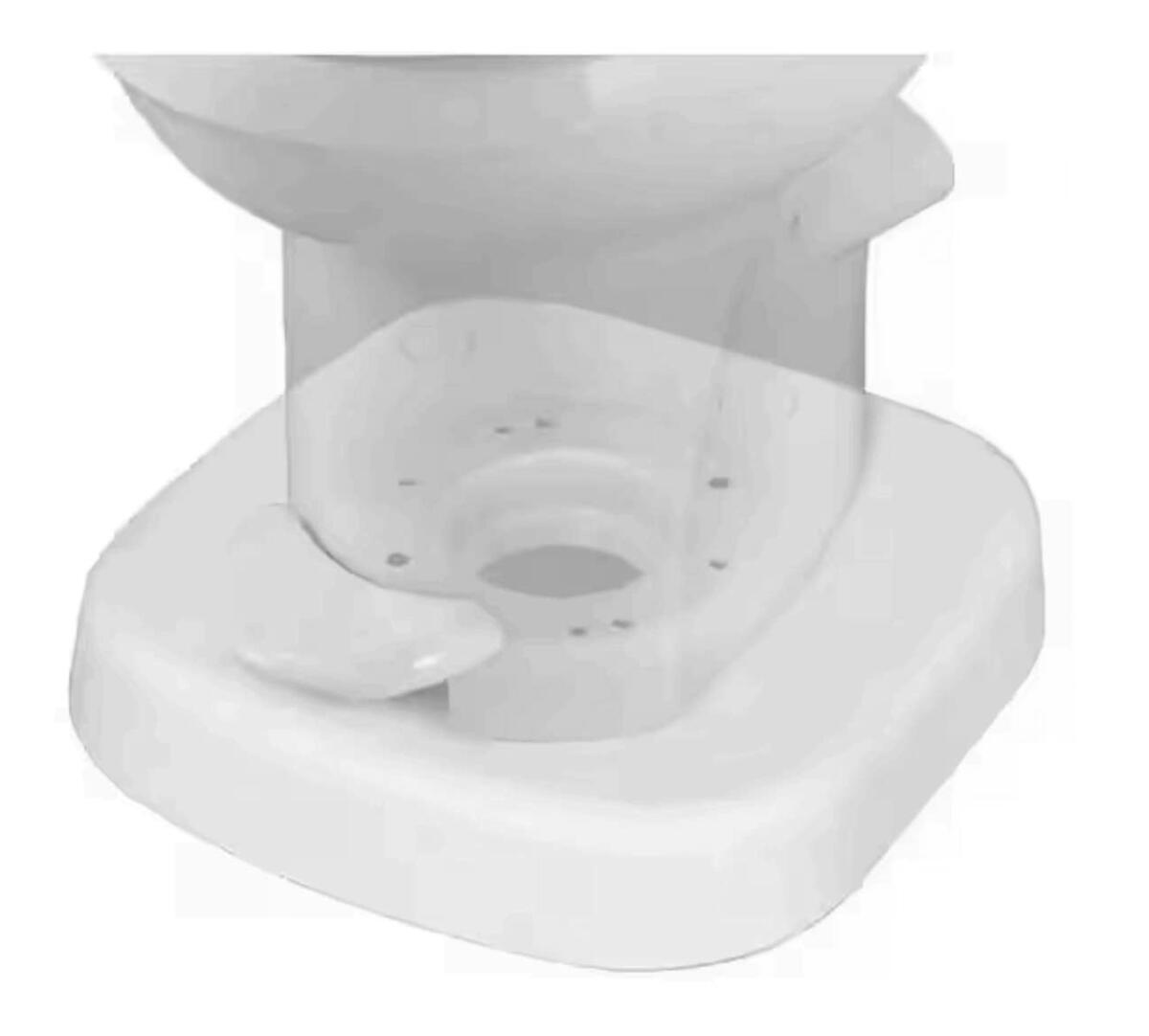
If you need even more height, consider a Thetford riser. It is a 2.5-inch platform that installs underneath the toilet and fits all Thetford models as well as Sealand 510 and 910 models. You can find it on Amazon here.

Thetford Toilet Riser
Thetford toilet riser

Another option would be to use a seat extender on the top. I got one of these for my parents’ residential toilet a few years ago and found one that was the same shape as the existing bowl. You can get a 5” riser on Amazon here.

Toilet Seat Riser
Toilet seat riser

Or build your own platform

If you have some DIY skills, you can also build your own platform. After removing the existing toilet and flange, you’ll see the floor opening with the flange mounted nearby. From there, you can construct a box or frame using 2x4s and top it with treated 3/4-inch plywood. This allows you to raise the toilet to a height that’s comfortable for you.

You can finish the platform with carpet or vinyl flooring to match your existing bathroom floor. This could also be a good opportunity to update the flooring and improve the overall look of the space.


 You might also enjoy these posts 

DAVE HAS ANSWERED MORE THAN 1,000 readers’ maintenance and repair questions. Read a directory here. There is so much to learn!


Dave Solberg is a leading expert in the RV industry and the author of the “RV Handbook.”

HAVE A QUESTION FOR DAVE?

Send your inquiries to him using the form below.

Name
Drag & Drop Files, Choose Files to Upload

RVDT2841

Hey, RVers! Do you know about these microwave tricks?

7

By Gail Marsh
RV microwave ovens are more versatile than you might think! Beyond reheating leftovers, your trusty microwave can be a game-changer in your RV kitchen.

No matter where you roam, these practical tips will help you make the most out of your RV microwave oven. Let’s dive into some surprising ways to simplify meal prep, save time and money, and whip up delicious goodies in minutes.

Cookie in a cup You Tube image

Mug cakes and cookie cups

Craving dessert but short on time? Your microwave can turn a few simple ingredients into a warm, gooey treat right in your favorite microwave-safe mug. The result? A single-serving cake or cookie cup treat that’s ready in a flash!

Revive stale bread

It happens: You boondock for longer than expected and the bread goes stale. This RV microwave hack can revive it. Wrap your bread in a damp (not soaking) paper towel and microwave it for 10–15 seconds. The heat and steam will soften the bread, making it almost as good as fresh—perfect for sandwiches or toast.

Crispy microwave bacon

Note: We never cook bacon inside our RV. The smell (while wonderful) seems to linger in every corner of our rig long after breakfast ends. However, if you DO cook bacon inside your RV, your microwave will do it more quickly and with much less greasy mess and odor.

So, bacon lovers rejoice—your microwave can cook bacon! Lay bacon strips between layers of paper towels on a microwave-safe plate. Microwave on high for about 3–5 minutes (depending on thickness and your crispiness preference). The paper towels absorb excess fat, leaving you with evenly cooked, crispy bacon.

Quick mug omelets or scrambled eggs

Need a speedy breakfast or a protein-packed snack? Beat a couple of eggs with a dash of milk, salt, pepper, and any add-ins like cheese, diced ham, or herbs in a microwave-safe mug. Microwave on high for about 1–2 minutes, stirring halfway through. In just a few minutes, you’ll have a fluffy omelet or scramble that’s perfect for busy mornings.

Effortless garlic peeling

peeled and whole garlic Pixabay image

Peeling garlic can be a sticky, time-consuming task. Here’s a nifty trick: Place a few garlic cloves on a microwave-safe plate and heat them for 10–15 seconds. The gentle steam loosens the skins, making it much easier to peel by hand. It’s a simple hack that saves time and frustration!

Perfect corn on the cob

Enjoy fresh, juicy corn on the cob in minutes—even if rain prevents grilling outside. If your corn still has its husk, simply trim any silk that’s peeking out and microwave the entire ear on high for about 4 minutes. For husked corn, wrap the ear in a damp paper towel and microwave for 3–4 minutes. Let it cool slightly before serving a sweet, tender treat.

Quick herb drying

Need dried herbs for a recipe but don’t have time to wait for the air to do its work? Or perhaps you want to preserve fresh herbs for use later. Here’s what to do. Rinse your fresh herbs and pat them dry, then spread them out between two paper towels on a microwave-safe plate. Microwave on high in 30-second bursts, checking until the herbs are crisp. This speedy method preserves flavor without the wait.

Perfectly poached egg

Craving a poached egg without the hassle of a stovetop? Fill a microwave-safe mug with about 1/2 cup of water, carefully crack an egg into the water, and gently pierce the yolk with a fork to prevent any explosions. Microwave on medium-high for 45–60 seconds, then use a slotted spoon to lift out your perfectly poached egg—ideal on toast or over a salad.

Pop regular popcorn

popcorn Pixabay image

For a quick and easy snack, skip the microwave popcorn bag and try this DIY method. Place 1/4 cup of regular popcorn kernels into a brown paper bag, fold the top over a couple of times to seal it, and microwave on high for about 2–3 minutes—listening carefully until the pops slow to about 2 seconds apart. Enjoy a healthier, customizable popcorn treat!

Crispy microwave potato chips

Craving homemade potato chips without the deep frying? Thinly slice a potato using a mandolin for even cuts, then rinse and pat the slices dry. Arrange them in a single layer on a microwave-safe plate lined with parchment paper, sprinkle with a pinch of salt (or your favorite seasoning), and microwave on high for 3–5 minutes—flipping them halfway through. Keep an eye on them until they’re crispy and delicious!

Lucky Charms surprise

If you’d like to surprise the grandkids (or your travel buddy), fill a bowl halfway with Lucky Charms cereal. Microwave it for 18 seconds. When you take the bowl out of the microwave, the marshmallows will have nearly doubled in size! The reason this happens is that the marshmallows are freeze-dried. They don’t melt in your RV microwave, they expand.

(Yes, it’s pretty amazing, but all microwave ovens vary, so you may need to experiment a bit on your own. When I tried it, almost 45 seconds passed before I saw any sizeable changes. Cooking them for one minute made the puffy treat taste a bit like campfire-roasted marshmallows. Yum!) 

Outside the box

By thinking outside the box, your RV microwave can become a secret weapon in your kitchen. These practical tips not only save you time but also add creativity to your everyday cooking. Whether you’re whipping up a quick breakfast or creating a gourmet snack, these tips prove that your microwave can do much more than just reheat food.

Enjoyed these tips? Share your favorite RV microwave tip in the comments.

Oh, and P.S. You can read about how a candy bar helped to invent the microwave here.

RELATED

RVDT2841

Tips for solo RVers to feel safe while RVing

1

By Cheri Sicard
From our friends in Canada at Snowbirds & RV Travelers Magazine comes a video filled with useful tips for solo RVers. Yes, many things about RVing are different when you are doing it alone. For one thing, there is twice the work!

The video highlights Jennifer, who travels alone in her RV. Jennifer loves the nomadic lifestyle and the freedom it offers. However, she says the most common questions she gets are about safety and security—not that she personally has issues. So this video was produced to help other solo RVers feel safe and secure while living the RV lifestyle.

Tips for solo RVers

Watch the video to get more details on each of these tips.

#1 Be prepared: This includes living in an RV that is designed for your specific needs and comfort level. Once you have an RV, read the owner’s manual and practice driving and backing it up, too, so you are ready to hit the road with confidence.

#2 Prepare your RV: The video recommends getting your RV repaired and any issues addressed at least one week before leaving on a trip. Make sure your insurance is current, and enroll in an RV roadside assistance program.

#3 Learn basic maintenance: Do you know how to change your RV’s tires and other basic maintenance tasks? The time to do so is before you need it.

#4 Plan your trip: The video also stresses having a Plan B, as things can and do change once on the road.

#5 Watch drive times: The video recommends not driving more than 500 kilometers (310 miles) per day and stopping to stretch every hour or so. Avoid traveling on long weekends or holidays.

#6 Personal safety: Keep doors and windows locked, and always place your keys in the same spot so that they are easy to get to. Another great tip is to use your vehicle’s key fob to start blasting the horn, should you ever feel threatened. I know in rest stops I always sleep with my truck’s key fob within easy reach.

#7 Keep devices charged: Breakdowns can and do happen. Also, just for general safety, it’s a good idea to always keep your devices charged. Remember: ABC (Always Be Charging). Also, make it a habit to regularly check in with loved ones.

#8 Pack well: Make sure to pack everything you need on your trip. Jennifer recommends always having these items in your RV:

  • A first-aid kit
  • Various over-the-counter medications
  • Extra cash
  • A fireproof lockbox to store extra cash, insurance papers, and other important documents
  • Maps (handy for when GPS doesn’t work)
  • Have a personal locator beacon
  • Jennifer recommends a dedicated GPS system not reliant on WiFi.

RELATED

RVDT2841

Do you shower/bathe every day?

10

Be honest—this is a judgment-free zone. (Remember, we can never see how you vote!) For today’s poll, we want to know: Do you shower or bathe every day?

For some of you, a daily shower is non-negotiable. It’s part of waking up, part of feeling human, and part of starting the day right. Or maybe a shower is part of your bedtime routine. Ah, it makes you so relaxed and sleepy…

For some of you, whether you’re at home or in your RV, skipping a shower just isn’t an option. Nope.

Others take a more flexible approach. Maybe you shower every other day, or only when you’ve been active, sweaty, or heading out somewhere. When you’re RVing, things like water conservation, tank capacity, and travel days can easily shift your routine.

Then there’s the situational factor. Full hookups? Daily showers are easy. Boondocking or dry camping? You might stretch it out a bit, rely on wipes, or wait for the next campground stop. Practicality often wins over habit.

So what about you? Are you a daily shower person, or do you take a more relaxed approach? Go ahead and vote in today’s poll—and thanks for answering honestly.

MORE POLLS YOU MIGHT ENJOY:

RVDT2841

Small components, big RV safety role: Checking your RV axle dust caps

2

By Dustin Simpson
Embarking on an RV adventure involves more than just hitting the open road. Ensuring that your RV is in top condition is crucial for a safe and trouble-free journey. One often-overlooked but critical aspect is checking the axle dust caps. These small components play a big role in protecting your RV’s wheel bearings, and their loss during travel can lead to potential damage.

Follow this checklist to ensure your RV axle dust caps are securely in place

Step 1: Gather necessary tools before you start. Gather the tools you’ll need for the inspection. These may include a lug wrench, hub cap removal tool, dust cap tool and a mallet set.

Step 2: Lift the RV to inspect the axle dust caps. Use a jack to raise the vehicle, ensuring it is stable and secure on level ground. Follow your RV’s manufacturer guidelines for proper jacking points.

Step 3: Remove the wheel with the RV lifted. Use the lug wrench to remove the wheel from the hub. Take care to set the lug nuts aside in a safe place.

Step 4: Inspect the axle dust cap. Once the wheel is removed, inspect the axle dust cap. Check for any signs of damage, such as dents, bends, or cracks. Additionally, ensure that the cap is securely seated in the hub. If the dust cap appears loose or damaged, it’s essential to address the issue before hitting the road.

Step 5: Reinstall or replace. If the dust cap is loose but undamaged, carefully tap it back into place using a mallet. Ensure it is seated securely, and check for any movement. If the dust cap is damaged or missing, it’s crucial to replace it before continuing your journey.

Step 6: Lubricate the bearings (optional). While inspecting the axle dust caps, take the opportunity to check the condition of the wheel bearings. If necessary, apply lubricant to ensure smooth operation and reduce friction. (Please don’t over-lubricate bearings.)

Step 7: Reassemble and use a torque wrench. After ensuring the axle dust cap is secure and the wheel bearings are properly lubricated, reassemble the wheel onto the hub. Use the lug wrench to tighten the lug nuts to the manufacturer’s recommended torque specifications.

Regularly checking your RV axle dust caps is a simple yet vital step in ensuring the safety and longevity of your RV’s wheel bearings. By incorporating this quick inspection into your pre-travel routine, you can catch potential issues early and enjoy a worry-free journey on the open road. Remember, a little preventive maintenance goes a long way in keeping your RV adventure rolling smoothly.

A few more helpful tools for RV dust cap removal and maintenance

Having the right tools is huge when doing service work.

More from Dustin

Make sure you check out my website, California RV Specialists, and our YouTube channel for more helpful information, and see our published articles on RVtravel.com and other social media pages.

RELATED

RVDT2841