This recent video from Liz Amazing covers the dreadful account of Darah, a 2025 Forest River RV owner. This brand-new RV put Darah and her son in the ER! Watch Darah’s story in this video, then read some helpful tips we can learn from it to avoid these issues.
Recently divorced, Darah and her 18-year-old son accepted a five-month work camping job in Wyoming. They hoped to spend quality time together. Their plans certainly did not include continual problems with their brand-new RV!
Before leaving the lot
Problems were noticed even before the family drove the RV off the lot at Zoomers RV of Indiana. Interior finishes were not completed. The entry door jammed, and at least one of the basement storage compartments would not lock.
The family’s tight schedule forced them to leave for Wyoming. After all, these seemed to be minor issues.
On the way
It wasn’t long before the RV’s CO detector went off. Darah called both Zoomers and the Forest River Company for advice. She was told her best bet was to go to a local Forest River dealer for assistance.
Darah followed the advice she was given, and still her problems were not fully addressed or fixed.
The ER
After several calls and trips to local dealers along their route, Darah and her son began to feel sick. They were advised to leave the RV immediately, take their pets with them, and go to the nearest ER.
What we can learn from Darah’s story
My heart goes out to Darah. RVing should bring joy. This RV owner experienced frustration, anger, and a dread of what other new RV owners could face. All while the industry continues with slipshod manufacturing, cover-ups, and never-ending runarounds!
Some takeaways
Darah’s experience has one good thing: the rest of us can learn from her story.
• Even brand-new RVs can ship with untested or poorly maintained systems.
• Symptoms like headache, nausea, and dizziness are classic warning signs of CO exposure. Know the signs and take action!
Protect yourself
• Have a full inspection performed by a certified RV inspector before taking ownership of any RV (used or new).
• Make your first trip a shake-down trip close to home (or close to where you purchased the RV). This will help you discover any problems.
• Before every trip thereafter, carefully check all hoses and connections and replace anything that looks or feels iffy.
• Don’t rely solely on the factory alarm. Pick up a small, battery-powered detector as a backup.
• Test all alarms monthly and swap batteries twice a year.
Document everything
• On delivery day, record video of all inspections—tanks, hoses, appliances, and detectors.
• Take photos of missing finishes or broken parts and only take possession when everything is addressed to your satisfaction.
• If a part breaks or an alarm fails, notify the dealer immediately. Send photos as proof.
Can you relate?
Darah’s experience was horrifying. However, she is not alone. Many RV owners have their own personal horror story. If you care to share your experience, use the comments below.
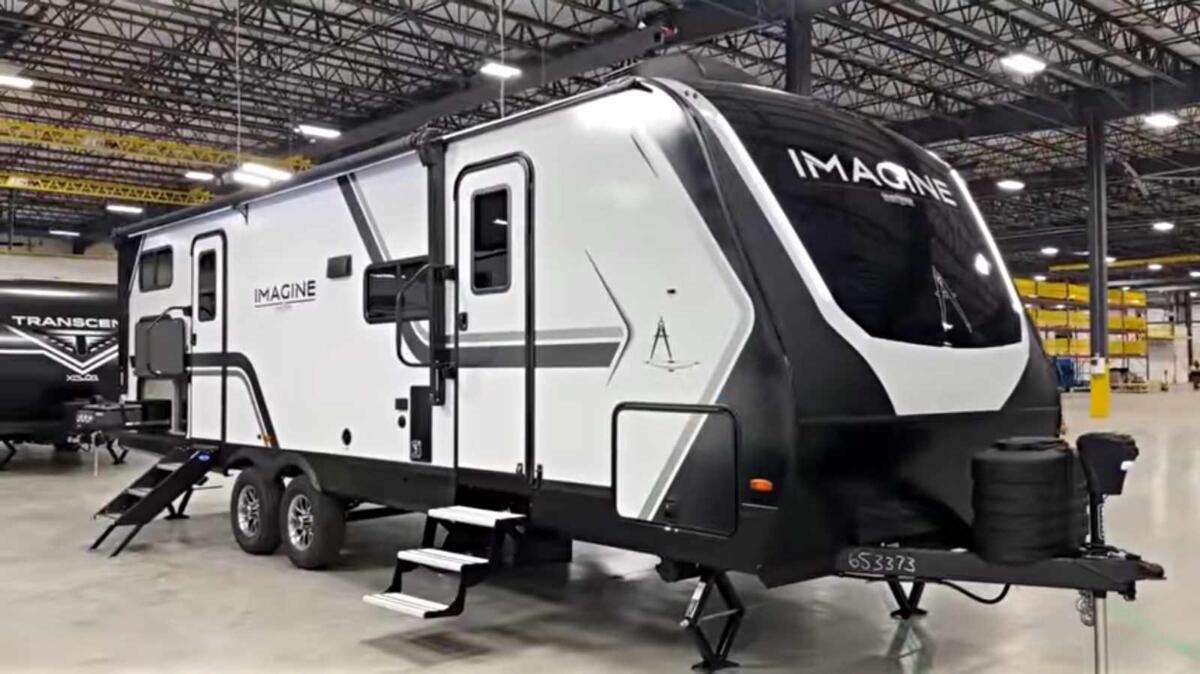
Today’s RV review isn’t as much about the RV itself as it is about some of the technology it has. The RV we’re looking at is the 2025 Grand Design Imagine 2800BH, which is a larger bunkhouse model. But, as they would say in some B-movies, fuggedaboutit for a moment if you would. Let’s talk towing safety.
I keep writing about suspensions and chassis on towables because I know what a difference a good system can make. The better the suspension on a trailer, the less damage it’s going to incur due to the lousy roads so many of us travel on.
Just this last week, I traveled from my home base near Albuquerque to the Overland Expo West in Flagstaff. Some of the places on I-40 where the road meets bridges were so bad that I truly was concerned about serious damage to the RV. The truck is fine—it’s a beast. But I am almost certain that those road craters bottomed out the suspension on our trailer, and we have a torsion axle suspension.
Electronic sway control
But, suspension aside, this trailer incorporates a new anti-lock braking system as well as the CURT sway control.
Sway is a reason so many of us deal with complicated and heavy hitches for “bumper pull” trailers. Wind and even some evasive maneuvers (oh, big rig drivers and your shredding tires 🙄) can cause a trailer to sway more than you want and could ultimately result in loss of control under the right, or maybe wrong, conditions.
So this trailer uses the CURT True Course™ Sway Control System, which uses technology plus the trailer’s own braking system to mitigate sway. The system can easily determine if there is a circumstance that needs intervention and applies the brakes individually on the trailer to help straighten it out.
I like this idea quite a bit. This is how the anti-sway system works on your vehicle, and now it can work on your trailer. And, yes, you can install one of these systems on your existing towable, but I’m pretty impressed that Grand Design has done so from the factory.
Anti-lock brakes
This is one of the newer travel trailers that also incorporates anti-lock braking. If you’re new here, know that I got to experience Lippert’s anti-lock braking system on a test track. It was impressive and another safety feature that I wish were simply mandated by the RVIA’s self-imposed regulation.
This type of technology helps the driver maintain control in more braking situations, especially emergency braking or panic stops.
Other chassis upgrades
Another thing on this chassis is an upgraded suspension system where Grand Design has taken their vintage leaf spring suspension and, at least, put in a dampening shackle in the form of a MORryde CRE 3000 system. This is better than nothing.
This trailer is also shod with Goodyear Endurance tires and fitted with a tire pressure monitoring system (TPMS). Honestly, I wouldn’t buy any trailer that didn’t have a TPMS and high-quality tires.
Grand Design Imagine 2800BH - 2025
1 of 11
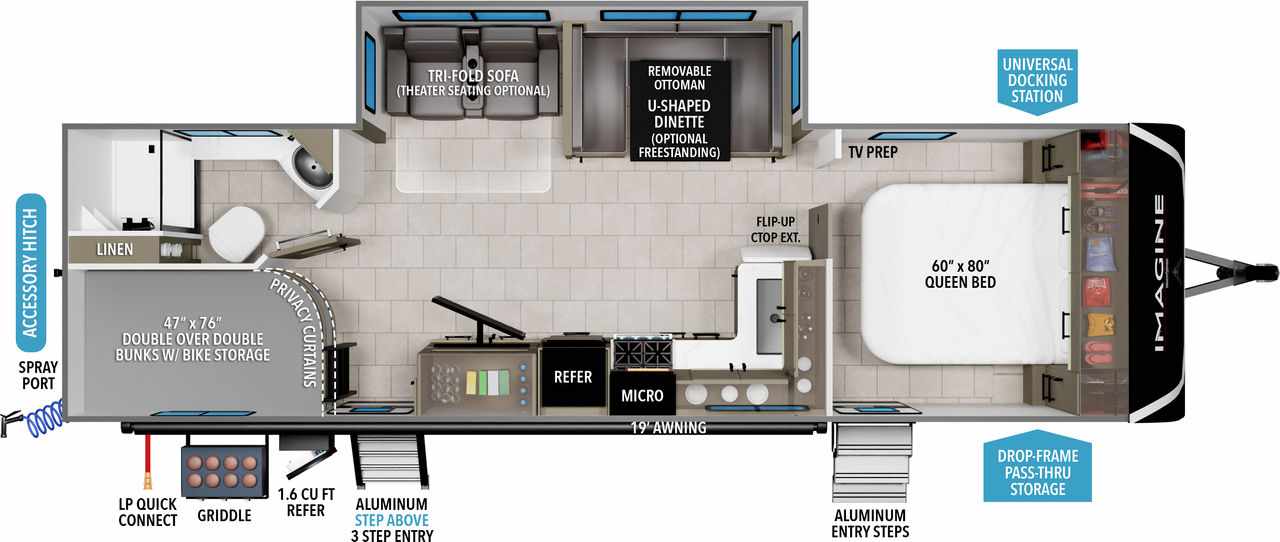
Grand Design 2800BH floor plan
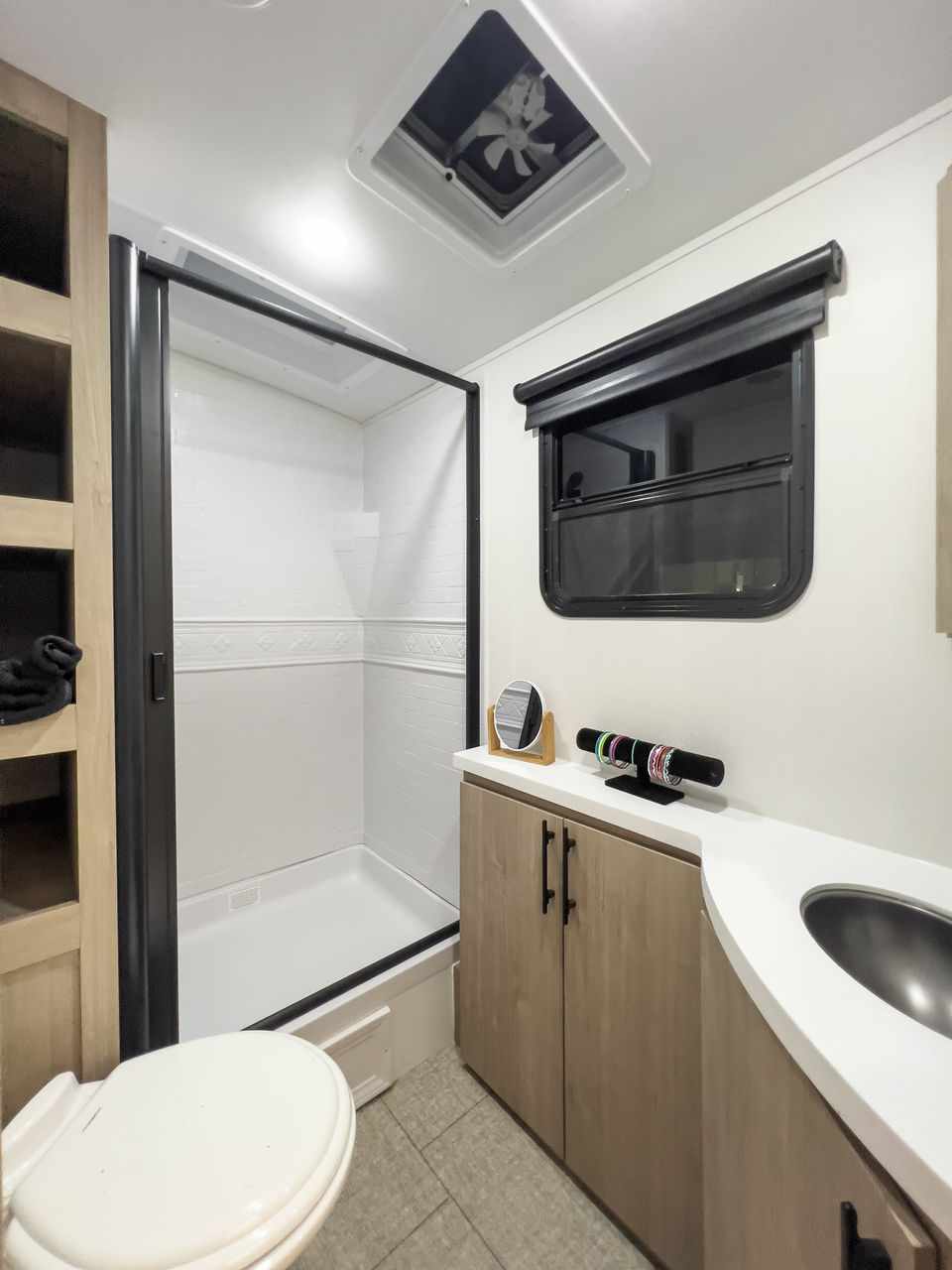
A good bathroom but lousy vent fan
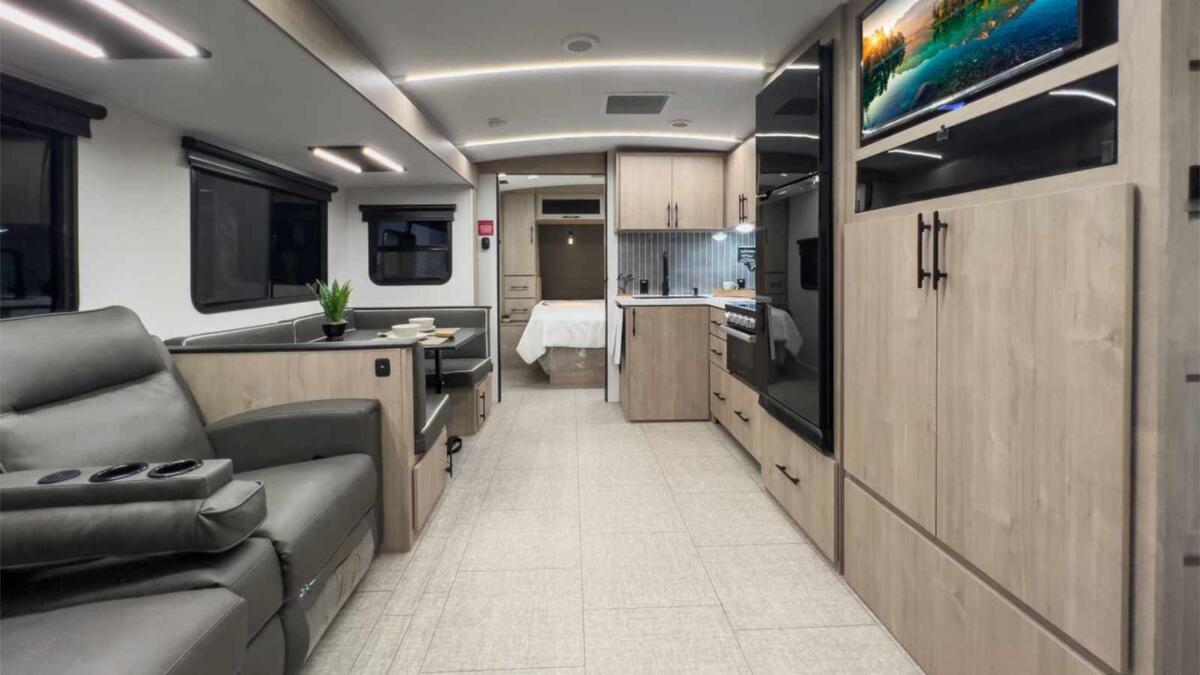
A pleasant interior in the Grand Design Imagine 2800BH
Clever storage in the main cabin of the 2800BH
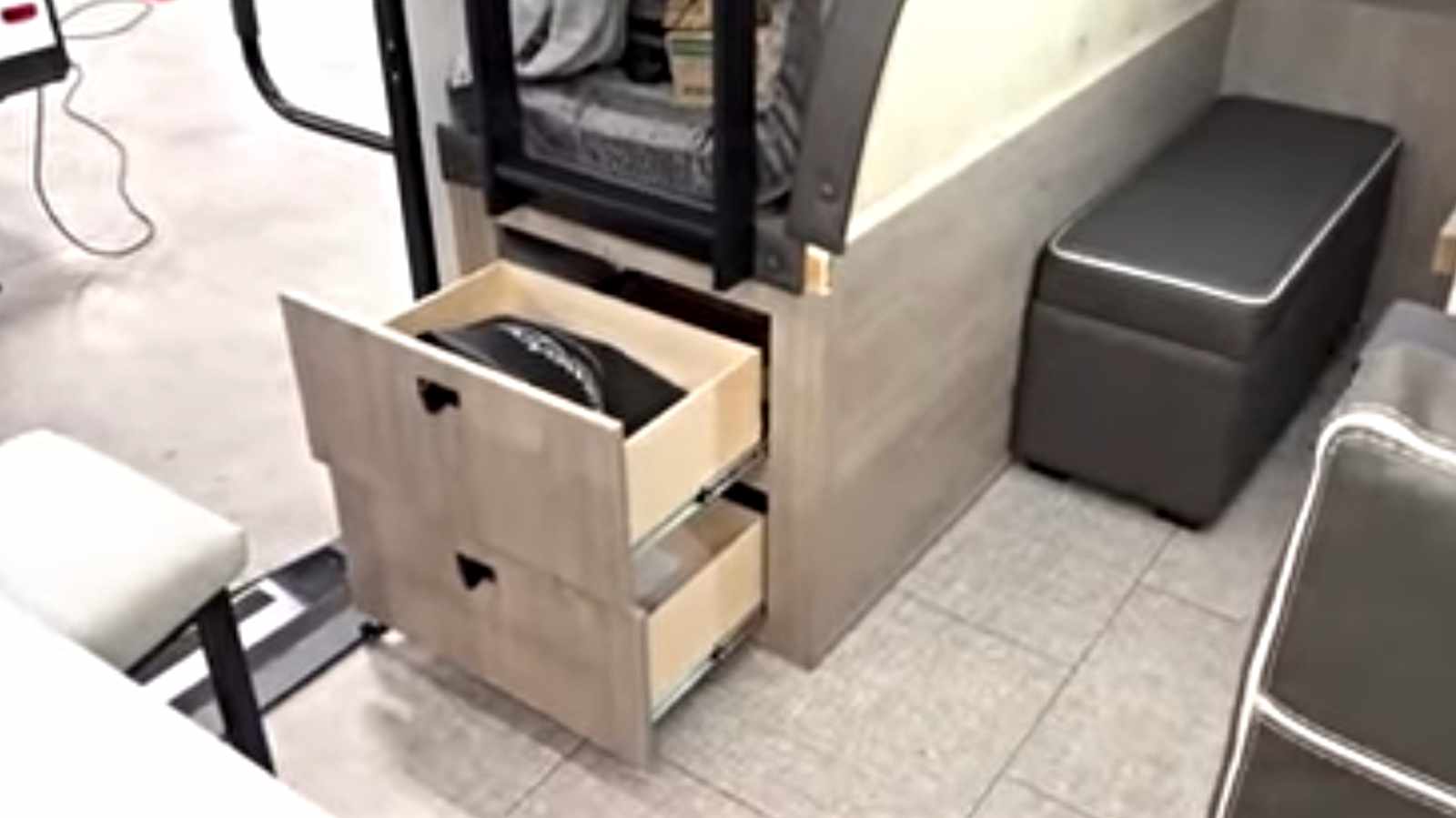
Drawers under the bunks add more storage
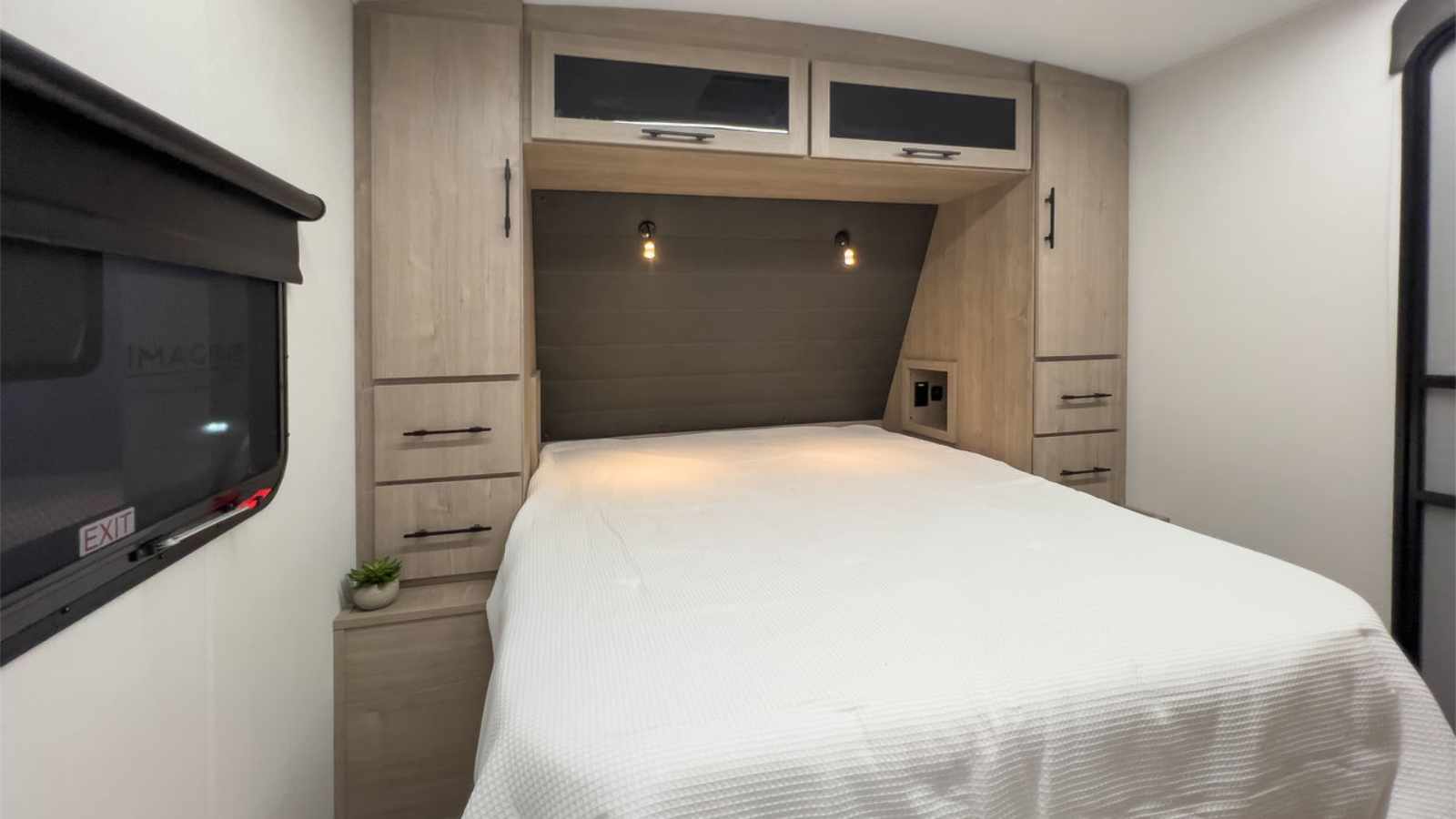
Good storage on either side of the bed in the 2800BH
Interior of the Grand Design 2800BH
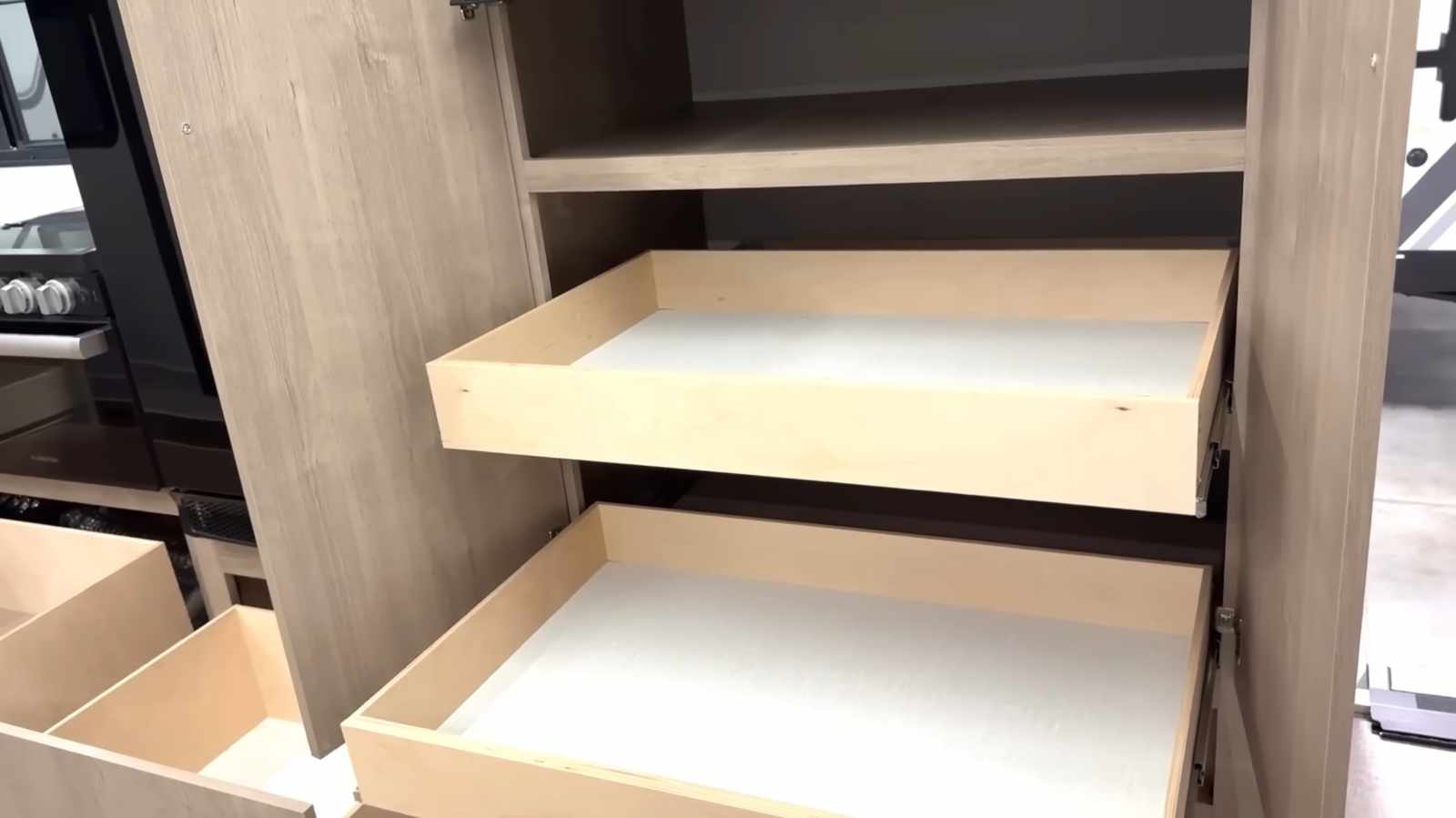
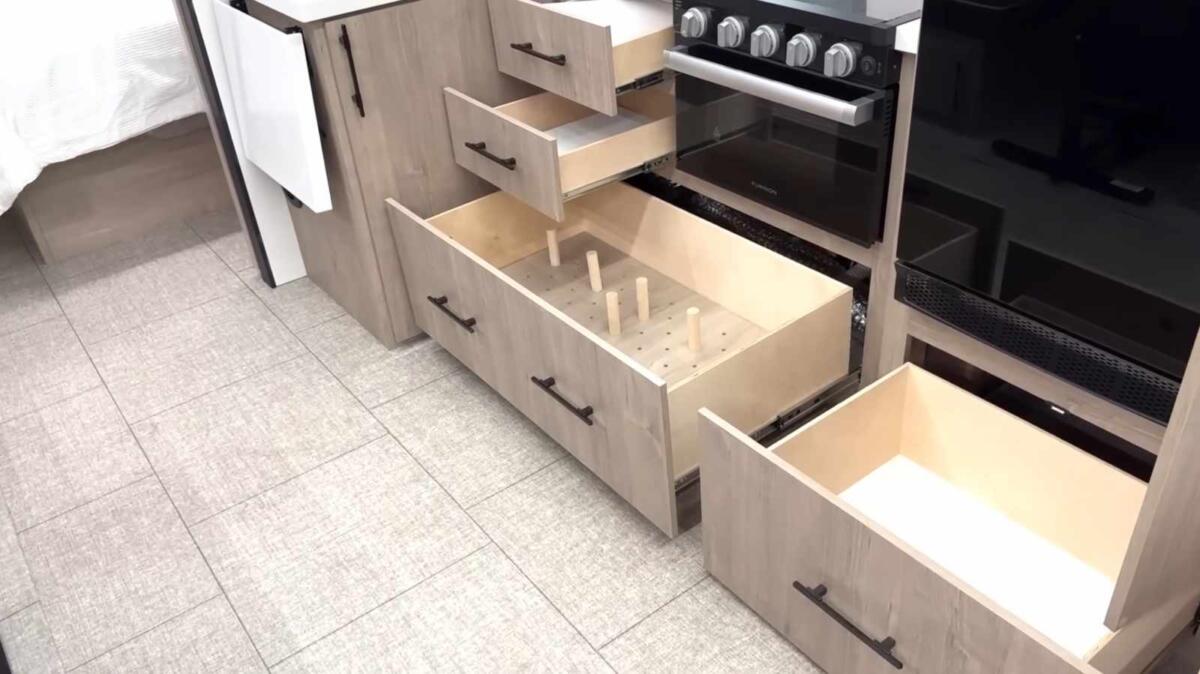
More storage including a drawer with reconfigurable pegs
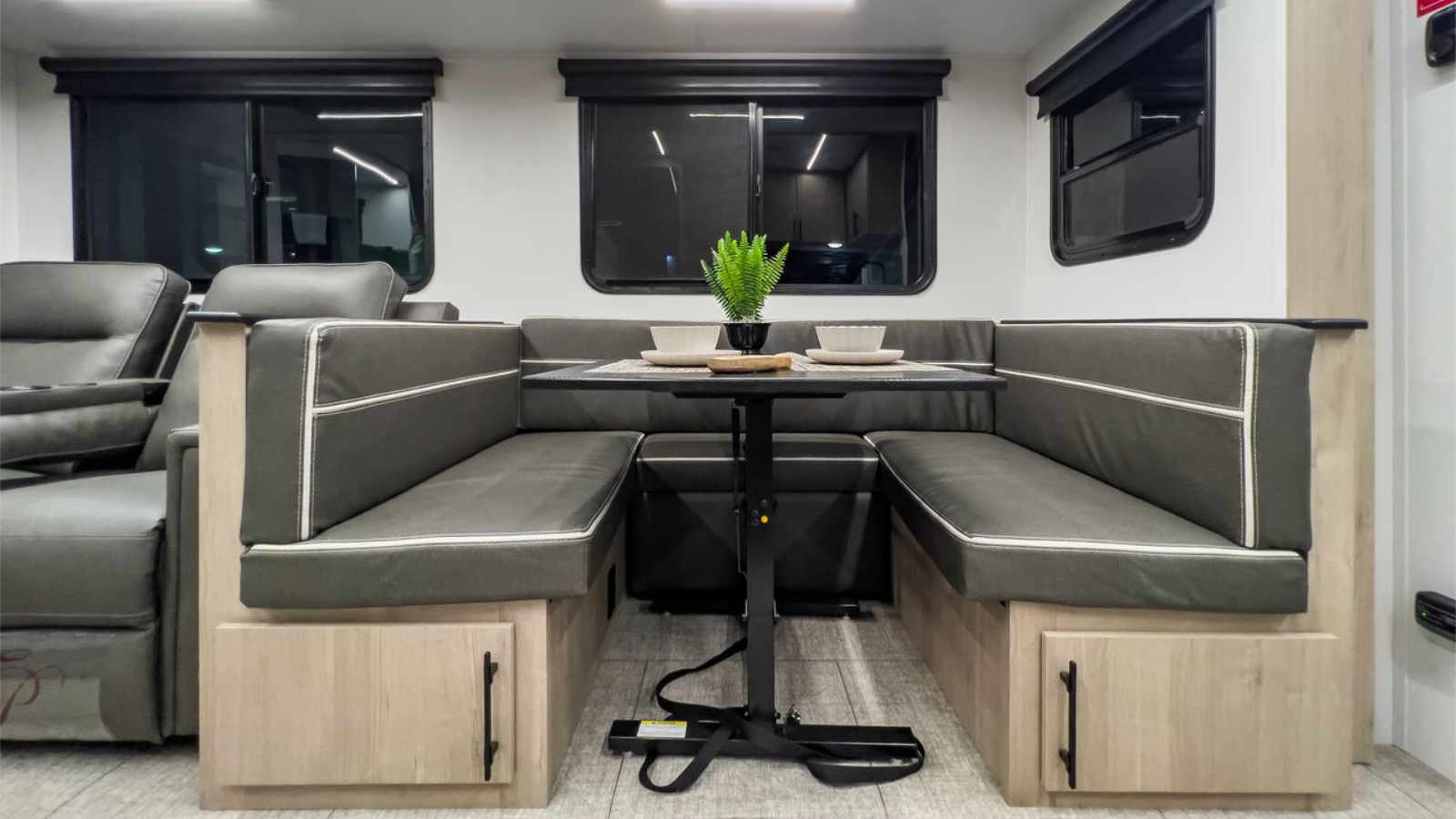
The u-shaped dinette incorporates a movable ottoman on the back wall
What’s inside the Grand Design Imagine 2800BH
This is a decently designed bunkhouse trailer with some nice interior features. Storage is an example where the trailer features a large drawer under the stove and oven that has reconfigurable pegs in it. With those you can organize things and not have them sliding around, busting up the drawer as you roll down the highway, especially if you take advantage of that sway control or ABS.
There is also a U-shaped dinette. But the seat against the back wall of the dinette is actually an ottoman, which can be removed and moved around inside the RV. It also provides additional storage, and you can leave it against the wall or move it so someone can sit in the living space or whatever. I like when companies do things to offer multiple options. Grand Design did that with this ottoman—it changes the dynamic of a U-shaped dinette.
Another plus is that there are two drawers on either side of the bed, which is a 60 X 80 standard queen model. There are also cubbies for your electronics with power outlets. The cabinets over the bed also use hinges that hold the doors up, so bedroom storage is well-designed. Another little bonus: There’s a sliding compartment under the bed to help make better use of that space.
Something about this trailer that I really like is the two different step systems they use. There are those stable steps, which are nice once you’re set up, and then more traditional folding steps in the bedroom of this rig. I like these because they’re quicker to deploy on those rushed bathroom stops on your way to your destination. They also don’t bring dirt, debris, and critters into the RV when they’re folded for travel.
Hey, is that an elephant? 🐘
Let’s talk about the elephants that are in the room, though, shall we? Recently, we had a review of a Grand Design product and one of the comments read something like, “If you keep reporting about all the issues with Grand Design, why do you advocate their products?”
Okay, first of all, these reviews are never meant to advocate any RV, just share my honest reactions to them. I also hope that I can share insights into what I find based on my experience at a dealership, managing warranties, and just spending time in the RV industry. So, just because you see a story about any given RV doesn’t mean that we’re telling you to buy it, just that we’ve looked into it.
Further, an RV like this has some pretty groundbreaking features like the anti-sway technology and the anti-lock braking. I would like to see all brands adopt these features—but they haven’t.
Grand Design has had some issues of late and, in my opinion, handled their frame-related issues badly for long enough that it hurt their reputation. Yeah, yeah, they then upgraded their warranty significantly, including making it transferrable, and that was a good move on their part.
Also, things like the small oven, the worthless vent fan in the bathroom, and some other examples of cost-cutting are other things I hope to point out in these stories. To many RVers who never use the oven, it doesn’t matter, but to me, I do. And I know the difference between the worthless 17” oven in this rig and the better 21” oven. In a bunkhouse trailer like this one, it seems stupid to have this small oven, quite honestly.
There are a lot of brands out there, and I love sharing highlights with you all. But I also feel like I have some value in the insights I can provide, which is why these articles seem to be popular.
I hope that’s helpful. I think that having these safety technologies available means we should demand them next time we’re choosing a new towable, quite honestly. Let the dealer know that you wouldn’t buy a trailer without them.
When people bemoan the lack of features or quality in RVs, know that we’re the biggest factor in that. Camping World sells more trailers than anybody, and many of the ones they sell are Coleman trailers, so we’re basically telling the RV industry what we want with our own buying habits.
If we demand better features or better quality, the RV industry is more than happy to build whatever we want.
Grand Design Imagine 2800BH specifications
My thanks to Josh from Bish’s RV for the video and photos in this article.
More about these RV reviews
These RV reviews are written based on information provided by the manufacturers along with our writer’s own research. They are based on information from a single unit and may not reflect your actual experience. Shop your RV and dealership carefully before making a buying decision. They are intended only as a brief overview of the vehicle, not a comprehensive critique, which would require a thorough inspection and/or test drive.
Tony comes to RVtravel.com having worked at an RV dealership and been a lifelong RV enthusiast. He also has written the syndicated Curbside column about cars.
You can also check out Tony and Peggy’s RV podcast.
Having struggled with insomnia my entire life, I have become quite the connoisseur of white noise machines over the decades. Now a senior, I have been using these sleep-enhancing devices since I was a teenager. The Manta White Noise Machine takes this gadget to a higher level. This is by far the best white noise machine I have ever tried, and I have tried a lot of them, of all sizes and price ranges, as well as phone apps.
If you find yourself struggling to sleep at noisy campgrounds, rest areas, or truck stops, this device just might be your best friend. (It works great when you are at home, too.)
Made by the same folks who brought you the world’s most comfortable sleep mask, it’s not surprising that the Manta White Noise Machine would improve the original.
All white noise machines work to mask disturbing sounds, so what makes this one so special? The Manta White Noise Machine comes in two parts.
The speaker gets set wherever the source of the disturbing noise is coming from, say, close to your window, or your snoring partner’s side of the bed. This provides a more efficient way to mask the sound. The second part, the remote control, stays close to where you sleep to make it easy to adjust volume and sound selections. This results in an impenetrable sound shield that fills the room and safely blocks noise before it gets to you. Well, they say it’s impenetrable. I am sure if the sound is loud enough, it will get through. But it is more effective than a small speaker next to where you sleep, like the old-fashioned white noise machines.
The quality of that sound is hugely improved over other white noise machines I have used, too. Those often have tiny sound gaps or superfluous, barely discernible background sounds or loops. If you are an insomniac, you know what I am talking about. Others may not hear these tiny audio flaws, but they will keep an insomniac wide awake all night long in the same way that a ticking clock or dripping water can. Not so with the Manta White Noise Machine. The sound is deep, steady, and gap-free, even on the rain or ocean wave settings.
What I especially like about the Manta White Noise Machine
• Easy to use, no Bluetooth pairing, just plug it in and turn it on.
• The sound quality is exceptional.
• Plugs into a wall outlet or a USB port.
• Small compact size.
• Optionally expandable with a second speaker for even greater sound blocking.
• No LED lights on it at all, so no light to disturb your sleep.
• Even though there is no light, the buttons on the remote are large enough to easily operate and adjust even in the dark.
• Fifteen sounds. Choose from white, pink or brown noise, soothing fan sounds (like standing fans, industrial fans, or the hum of an airplane cabin), or calming nature sounds like different types of rain and ocean waves.
• Gradual volume adjustments, from barely audible to roaring loud.
• Automatic programmable timer shuts off sound when you choose, or forget the timer and keep it continually on.
• Your last-used settings for sound choice and volume are automatically saved.
• Solid-state design with no moving parts means zero maintenance or repairs.
What can be improved?
Not much. If I wanted to nitpick, it would be nice to know which of the 15 sounds you are listening to. On the other hand, this would likely involve light, so I think it is a worthwhile tradeoff to keep the device completely dark. And really, how important is it to know if you are listening to white, brown, or pink noise? Just choose the sound that is most soothing to you. And if you really want to know, it’s not too difficult to figure out from the instruction manual.
I would like to tell you about Ernie Pyle. Unless you are 80 or older you have likely never heard of Ernie, who gained fame as a war correspondent during World War II. Sadly, he was killed by a sniper bullet shortly before the end of the war.
Ernie received a Pulitzer Prize for his war reporting during World War II. Unlike most of his peers, who filed their stories from a press room behind the lines, Ernie was out in the trenches, reporting on the “little guys” for Scripps Howard Newspapers. In doing so, he endeared himself to most soldiers and Americans back home who eagerly awaited each day’s dispatch.
But Ernie was writing about “little guys” well before the war, and that’s why I bring him up here. For seven years during the ’30s he wrote six columns a week for Scripps Howard Newspapers as he roamed America with his wife, Jerry. He wrote about regular folks and out-of-the-way places that most journalists didn’t care about. His style was folksy and non-pretentious, and it wasn’t long before his name became a household word. His columns were like letters from a friend. Everybody loved Ernie.
I learned about Ernie Pyle shortly after I began exploring the West for my “on-the-road” newspaper Out West. Although I vaguely recalled his name from my college journalism classes, I was not familiar with him. I found a copy of his book “Home Country” in a used bookstore. After reading a few chapters I, too, fell in love with the little man from Dana, Indiana.
WHEN I LATER LEARNED that he had died during the war, my heart sank. I suspect millions of Americans felt the same way back in 1945, but probably much more acutely.
I wrote about Ernie in my newspaper, Out West. The story focused on my visit to the only home he ever owned, in Albuquerque (now a public library). I’d provide a link to that article, but I think it has flown off into a far, lost corner of Cyberspace.
If you are like me and enjoy exploring the back roads, visiting out-of-the-way places, and chatting with the people you meet, you should thoroughly enjoy reading Ernie Pyle. You might find a copy of “Home Country” at a used bookstore. “Ernie’s America” is also excellent, a biography and a compilation of his best columns from the road.
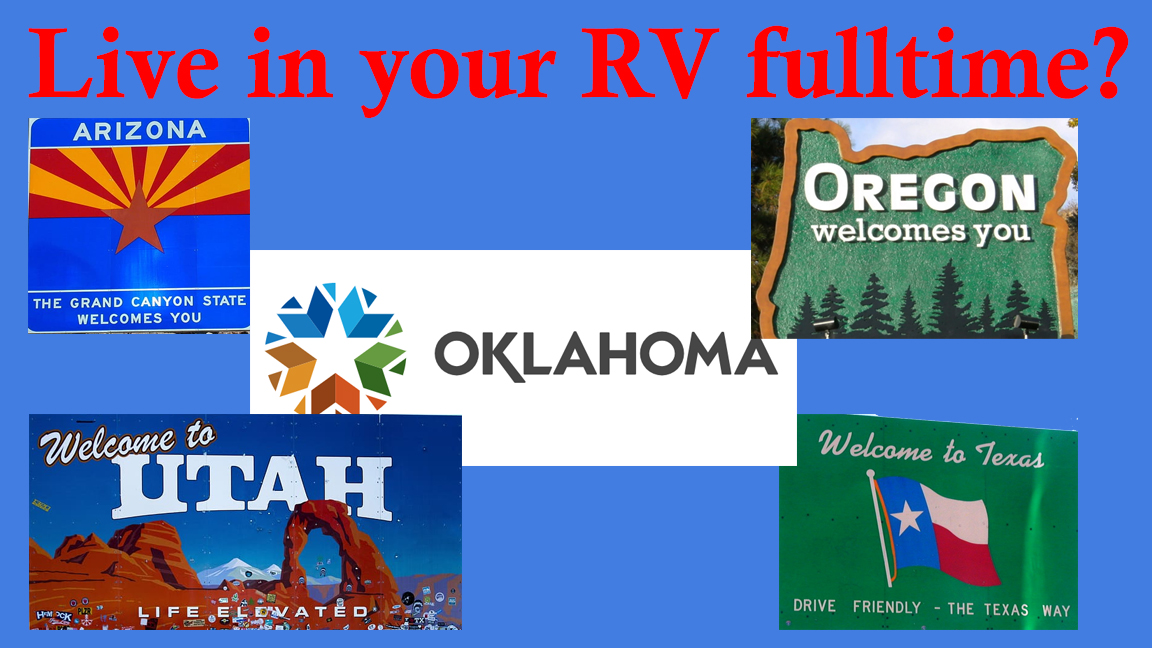
One of our “most-read” stories ever was this one: Setting some misinformation straight: Can you live in an RV on your own property? In it, we gave some direction on finding out for sure if you really could legally set up shop in your RV. What states allow full-time RVing? Here’s a list of states that don’t rule out living in your rig.
The list comes from a blog that many RVers have probably never heard of—Africa Wanderlust. Normally, the two bloggers focus on touristy doings in Africa, but the pair recently posted on states that allow RVers to live in their rigs. For some states, we’ve included information that RVtravel.com readers have given us, rounding out “real-world” experiences.
As you peruse the list, keep in mind this big disclaimer: The bloggers are not legal experts. And while a given state may not have an issue with RVers living full-time in their rig, local jurisdictions may have restrictions. Before plunking down money on a property and figuring you’re a shoo-in, check with local authorities—like county or municipal officials.
What states allow full-time RVing? Here are two in the “south” end
Arizona
Arizona permits full-time RV living on private land under state law. Watch out for metro areas, like Phoenix and Tucson, so check before settling in. Rural areas are more flexible. Towns like Quartzsite are RV-friendly year-round. Your RVtravel.com writers can testify to that, firsthand.
Florida
Add warm weather, subtract state income tax, the Sunshine State may be just your ticket. Full-time RV living is allowed on private property with proper hookups and compliance with local health standards. Rules vary by county, especially in coastal areas.
Reader Carl C. advises, “It varies by county, but Florida is generally RV-friendly. Here in Taylor County in the Big Bend area of the Panhandle, you can have up to four RV sites on a lot and no restrictions on living in it (them), and no requirement to build a house at some point. To rent spaces long-term (more than six months), no state or county license is required. Short-term rentals of less than six months get a bit more complicated, but still not bad.”
M states stand out
Maine
Maine allows RV living on private land, especially in rural counties. You may need a permit or face stay limits depending on the town. Proper waste and utility systems are required.
Missouri
Missouri law allows RV living on private or leased land, provided the RV is out of view from public roads and has proper sanitation. Rural areas are more relaxed, and the state has a growing network of RV services.
Montana
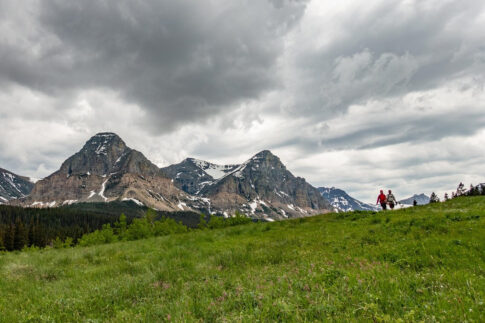
Montana lets you live in an RV on private property as long as you meet county requirements for sanitation and utilities. Small towns and rural areas are typically more relaxed than cities.
From Nevada to Ohio—and a few more
Nevada
Not included in the blog post list, the Silver State permits full-time RV living, particularly in rural or unincorporated areas outside city or town limits. However, the RV must be equipped with essential amenities like a bathroom and shower and may need to pass safety inspections.
Your fellow reader Ali F. told us, “When our kids moved to Henderson, Nevada, we considered purchasing a private lot for our RV to escape the cold Reno/Tahoe winters. Thankfully, we found a deeded lot in an RV community in Boulder City, Nevada. We have all of the amenities with none of the headache of dealing with any government bureaucracy.”
Ohio
Ohio permits RV living on private land if zoning allows it and proper hookups are in place. Rural counties often enforce the rules more loosely than urban ones.
Oklahoma’s OK—and so’s Oregon
Oklahoma
You can live full-time in an RV on private property in Oklahoma if the RV is registered and you follow local zoning rules. Urban areas may have stricter sanitation and appearance standards, but rural counties are more flexible.
Oregon
Under ORS 197.493, state agencies and local governments cannot prohibit the placement or occupancy of an RV as a residential dwelling solely because it is an RV, provided that the RV is allowed under ORS 215.490, which pertains to recreational vehicles on occupied residential properties. Another law, ORS 446.125, permits a person to occupy a manufactured dwelling or a camping vehicle on private land with the landowner’s consent, as long as the property has adequate area for safe, approved water supply and sewage disposal facilities.
From the Quaker State to Mount Rushmore
Pennsylvania
RV living is allowed on private property in Pennsylvania if the owner consents and local ordinances are followed—especially regarding sanitation and length of stay. Rural areas tend to be less strict. Be careful! Some local jurisdictions limit time stays or rule them out altogether.
South Carolina
You can live in your RV on private property in South Carolina if the landowner agrees and you follow zoning rules. Rural areas are more lenient, while cities and beach towns have tighter restrictions.
South Dakota
South Dakota is a favorite among RVers for its simple rules, no state income tax, low fees, and easy mail-forwarding. You can live in your RV on private land if you follow waste and registration regulations. Rural areas offer more freedom.
Waltz along from Tennessee to Utah
Tennessee
Again missed in the blog post, Tennessee does not have a statewide prohibition against residing in an RV on private property. Living full-time in an RV is permitted as long as you adhere to local zoning laws and regulations. Some counties, like Sevier County, allow the purchase of private land zoned specifically for RVs, where full-time RV living is permitted.
Texas
Texas is a top pick for full-time RVers. You can live in your RV on private land if it’s registered, inspected, and you pay property taxes. Rural areas tend to be relaxed about enforcement, but cities may have stricter codes for utilities and zoning.
Utah
Utah is RV-friendly, especially in rural counties. Cities like Salt Lake City and Provo enforce stricter rules. Check with local officials about waste and utility requirements before settling in.
Any more?
So, what states allow full-time RVing? It seems there’s been a loosening of the hardline attitude against RVing in many states. This may not be a complete list. Please let us know of other states with more open arms.
By Cheri Sicard
In today’s video, we meet Kyla and Louis, who transformed an ex-military Unimog truck into a stunning, self-sufficient tiny home on wheels that’s designed for adventure. The video follows their DIY Unimog RV conversion.
Sometimes, the best ideas come from unexpected places. For Kyla and Louis, it all started with watching tiny house videos on YouTube. Initially, their plan was to build a stationary tiny house somewhere in New Zealand. But as they planned a road trip around the country to find the perfect spot, inspiration struck. What if they could build their tiny house on their mode of transportation? This thought transformed their plan into a house on wheels. They discovered the world of truck homes in Australia, which sealed the deal.
Louis’s background as both a builder and a mechanic was really helpful. He would be able to build the tiny home and fix the truck if anything went wrong. Finding the right foundation for their mobile home was crucial.
Louis had known about Unimogs, but he still had to persuade Kyla that it was the right choice. Eventually, she came around. They found their Unimog, an ex-Australian Defense Force vehicle that had been shipped over from Australia. One of the biggest selling points of the Unimog was its fully mechanical nature. No computers, just pure mechanical engineering. This meant that any problems could be fixed on the road, a huge advantage for off-grid living.
The Unimog’s history as an ex-Australian Defense Force vehicle added to its appeal. It had already proven its durability and ruggedness, perfect for the adventures Kyla and Louis had in mind. One thing Louis had to get sorted was his Class 2 license, which is required to drive a truck of this size.
Kyla and Louis chose the Unimog specifically for its off-road capabilities. They wanted a home that could take them anywhere, places where regular camper vans simply couldn’t go. Their Unimog has already proven its worth. They spent four weeks traveling through Northland, New Zealand, navigating beaches, sand dunes, and even small estuary crossings.
Unimog RV conversion: A DIY labor of love
With the Unimog secured, it was time to build the box that would become their tiny home. Turning the vision into reality was a family effort. Louis enlisted the help of his brother, sister, and her husband. Together, they bonded and glued the panels onto the steel frame.
As a builder, Louis meticulously created a set of plans for the build. He quickly learned that straying from the plans always led to problems.
One of the most appealing aspects of tiny living is the ability to be self-sufficient and minimize environmental impact. Kyla and Louis designed their Unimog to be completely off-grid.
Electricity is generated entirely from solar power. They have 1 kilowatt of solar panels on the roof, with a 275-watt blanket as a backup, giving them about 1.2 kilowatts total. This system is enough to power all their needs, even leaving the air conditioning running for the dogs while they’re out on walks. They have 600 amp hours of battery storage and room to add more if needed. The rails on top of the Unimog act as a brush guard to protect the solar panels from trees.
They currently have about 200 liters of fresh water storage and a smaller 50-liter waste tank. They plan to remodel the water setup, adding another 100 liters of fresh water capacity and increasing the size of the waste tank.
Staying active and healthy is important, even on the road. That’s why Kyla and Louis incorporated a full gym into their Unimog setup. Louis designed a rig with a pull-up bar and squat station. The uprights slide up the chassis rails, and the barbells are stored on the front. They use pegs and straps for extra stability. Thanks to the truck’s generous weight capacity, they didn’t have to compromise on their fitness goals. The gym setup allows them to turn any parking spot into a workout space.
Living in a tiny space requires creative storage solutions. Kyla and Louis maximized every nook and cranny in their Unimog. They built two beautiful boxes underneath the truck for external storage. They also have storage under the inside seating area that’s accessible from the outside.
The awning adds an impressive 13 square meters of additional living space when the sides are attached, which is bigger than the truck itself.
Stepping inside the military truck RV
Stepping inside the Unimog reveals a surprisingly spacious and stylish interior. Despite its compact size, the interior feels roomy, even with three dogs. There’s plenty of headroom, allowing for comfortable standing.
One of the most striking features is the rust-effect wall, created using a special paint and activator. The rust effect, along with the woods and greens, brings nature inside.
The beautiful native Mati bench slab, found on Facebook Marketplace, adds a touch of natural elegance. Louis cut, sanded, resin-poured, and oiled it himself.
Kyla and Louis were determined to create a space that felt like a home, not a sterile RV. Using more solid materials helped to create a sense of permanence and comfort. They included full-sized appliances, such as a fridge and shower. They avoided white, shiny materials and opted for warm lighting. The swirly light design under the bed base, reminiscent of the Northern Lights, adds a touch of magic. LED colored lights that sync with music create a fun “rave cave” atmosphere.
The Unimog is full of clever space-saving features and hidden details. The electrical cupboard houses the batteries and solar gear, while also providing storage for towels and shoes.
The curved wall adds visual interest and enhances the sense of space. The ceiling is made from reclaimed timber slats, which were machined, cut, routed, sanded, oiled, and varnished. The custom-made faux leather cushions are easy to clean and add a touch of class.
The bed is raised and lowered by actuators, maximizing space and keeping it clean from the dogs. Louis carefully researched different lift systems before choosing actuators. The bed can be raised to a “day” setting or lowered for sleeping.
The kitchen is fully equipped for cooking and baking on the road, including a gas oven, air fryer, and induction stovetop. Electromagnet door closers prevent the cupboards from flying open when driving, while toe-kick lock drawers provide extra storage. There’s even a secret compartment under the pull-out pantry.
The shower is a nature-inspired oasis. They initially wanted greenstone tiles but opted for waterproof slats for practicality. Bronze copper fixtures add a touch of elegance.
Life on the road: First 30 days and lessons learned
After a month on the road, Kyla and Louis are loving their new lifestyle. Overall, they are satisfied with how the space is working out. However, they would like to lower the ceiling height slightly.
Kyla and Louis sold their house to fund the project. To sustain their lifestyle, they plan to work in the winter and travel in the summer. Louis’s skills as a builder make it easy for him to find work.
Breaking down the Unimog RV build expenses
Building this adventure rig wasn’t cheap, but it was worth it. The truck cost $65,000 AUD ($36,000 USD), and the build cost around $120,000 AUD ($69,000 USD), for a total of about $185,000 ($105,000 USD).
The couple says that’s comparable to other campers, plus this one is their house. Louis’s DIY work did save them a lot of money, however. So if you don’t have skills, know that your project may cost substantially more.
Kyla and Louis plan to take their Unimog on adventures around the world with plans to explore Australia, America, and beyond. They are limited only by where the truck can go, which is just about anywhere.
When you host a BBQ or attend a BBQ, what’s your go-to food? Say you had the option between a burger or a hot dog, which one are you choosing? Would you pick BBQ salmon over BBQ chicken? Or would you choose pulled pork on a bun or a sausage on a bun? What about brisket? Oh, the choices!
We focused on the most popular, most traditional BBQ foods today, not including sides. We know there are plenty of others, but the poll would get too long! We did give you an “other” or “none of the above” option, but only choose that if you really, really don’t like any of the ones mentioned.
(Click to read the fine print.)
Today, we’re asking you to pick just one. Yep. Sorry. We know it’s hard. Just one. If you absolutely had to pick, which one of the options below would it be? Sorry vegetarians, this one isn’t for you… (But we do loooove grilled veggies, too.)
After you vote, please leave a comment and tell us more about your favorite BBQ food. Make us hungry!
By Dustin Simpson
Join me “In The RV Shop” as I show you how updating and organizing your RV compartments for accessories can enhance organization, convenience, and overall functionality. Maximize your RV’s potential! Explore a range of accessories from organizers to custom storage solutions to transform your compartment area.
This was done by another RV owner and we thought it was a great idea.
Cook outside? Check out what this RVer did to add additional cooking gadgets to their RV compartments.
Remember to consider weight when organizing and upgrading RV compartment doors.
Earlier this week, I had the opportunity to tour the headquarters of Lectric eBikes in Phoenix, Arizona. I was impressed!
As many of you know, I love my Lectric eBike®, so I was excited to see the new models and where and how mine was made.
I even have the chance to test out and report on their new XP4 Lectric bike. (I’ll write about it after I have a chance to thoroughly ride and test it out.) A lot of the improvements on the new model are based on customer feedback and, right away, I was glad to see that the key was moved to the side instead of underneath the frame.
Showroom
The last time I was at their headquarters was about three years ago to buy a set of mirrors. At that time, there were just two versions of bikes and just two people looking.
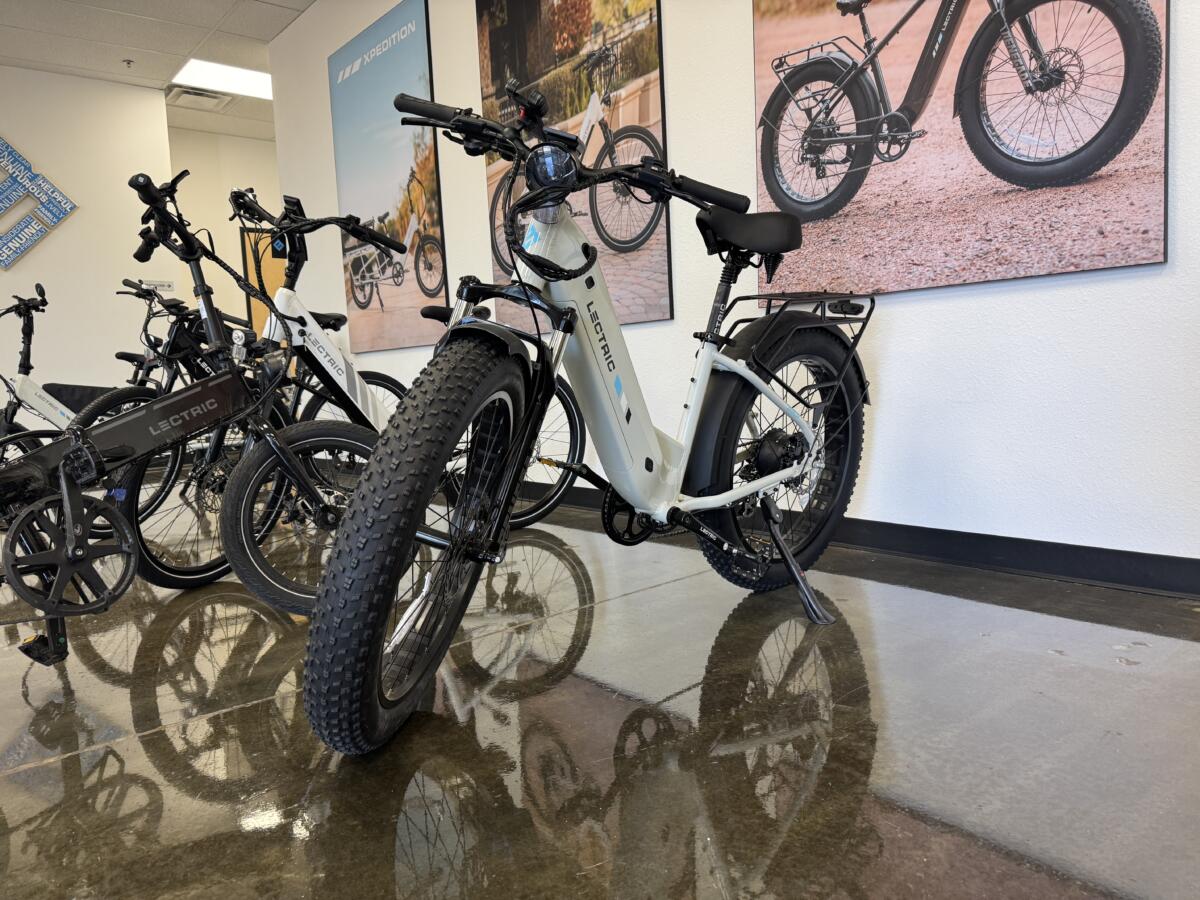
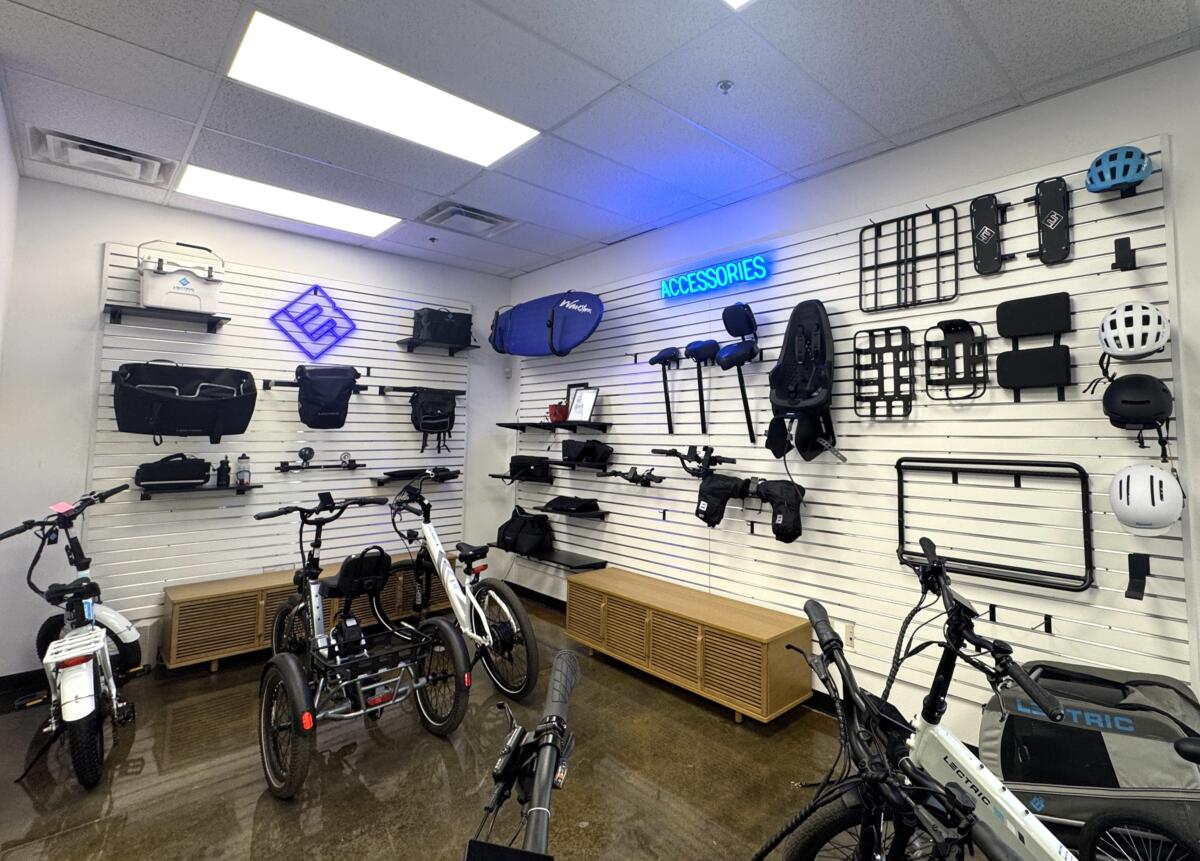
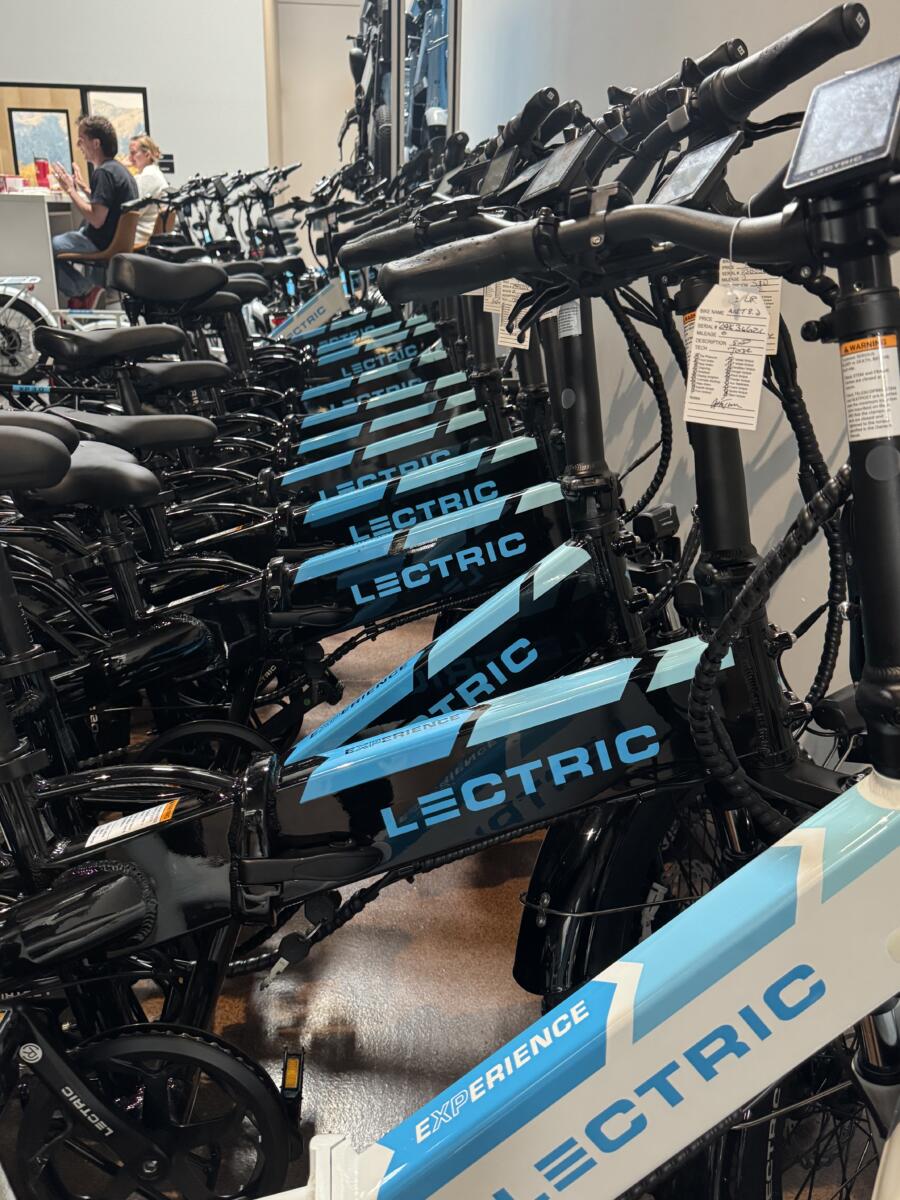
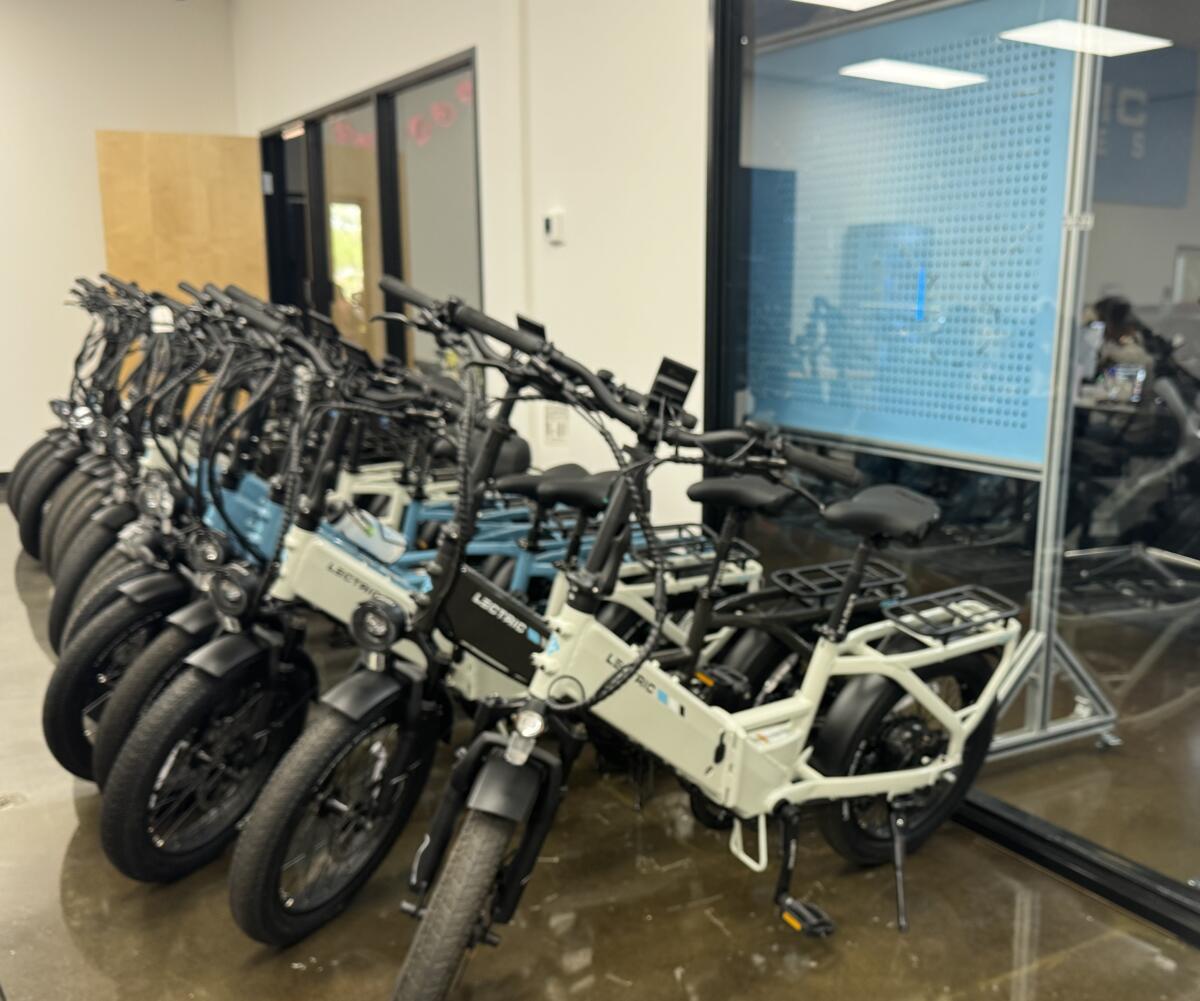
This time, it is a veritable showroom of bikes! There were demo models, open box models, and display models. The open box bikes are sold at a very deep discount and only at their Phoenix headquarters. A lot of people were looking at the bikes and test-driving them.
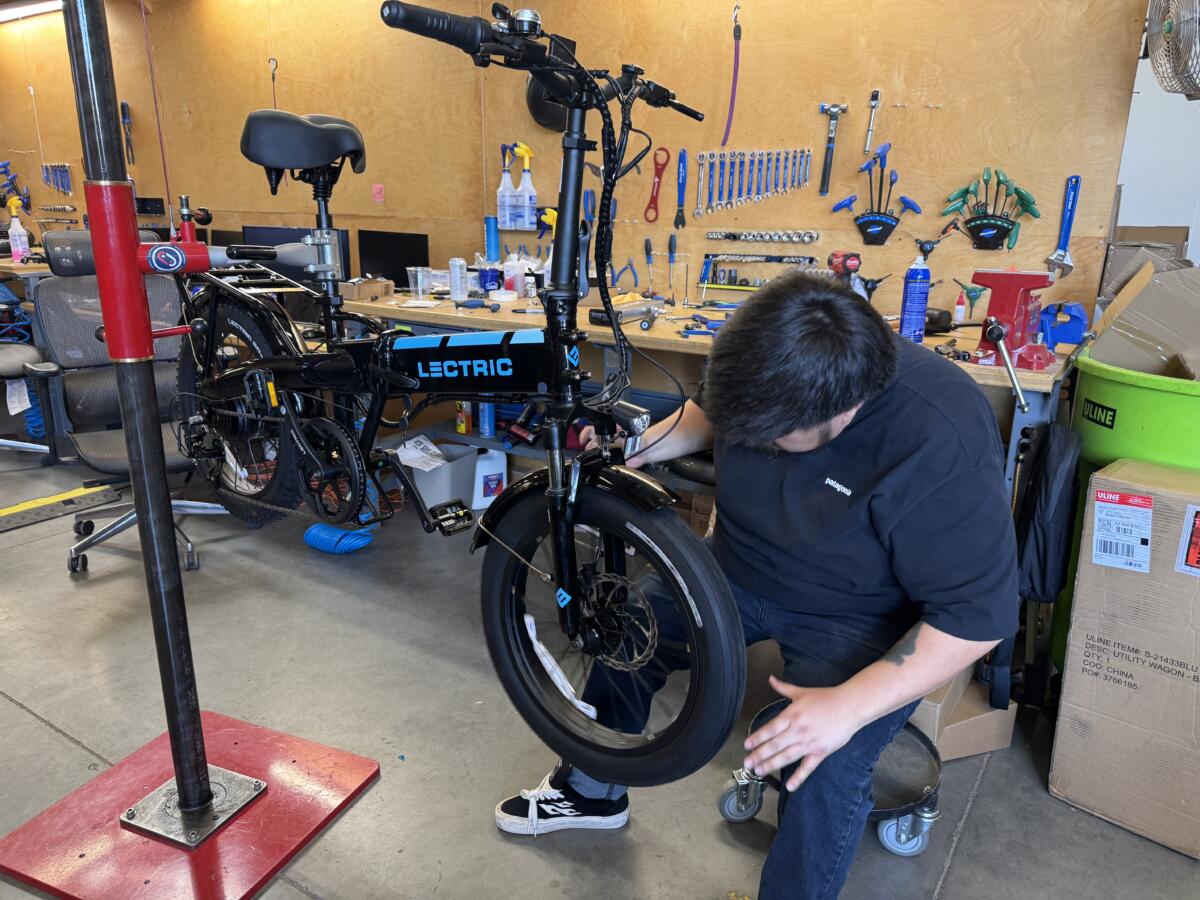
Tim DeClaire, Director of Communications, showed me around the headquarters. This is where any returned, opened-box bikes are sent. They are tested out, repaired if needed, and put out on the sales floor at a discount.
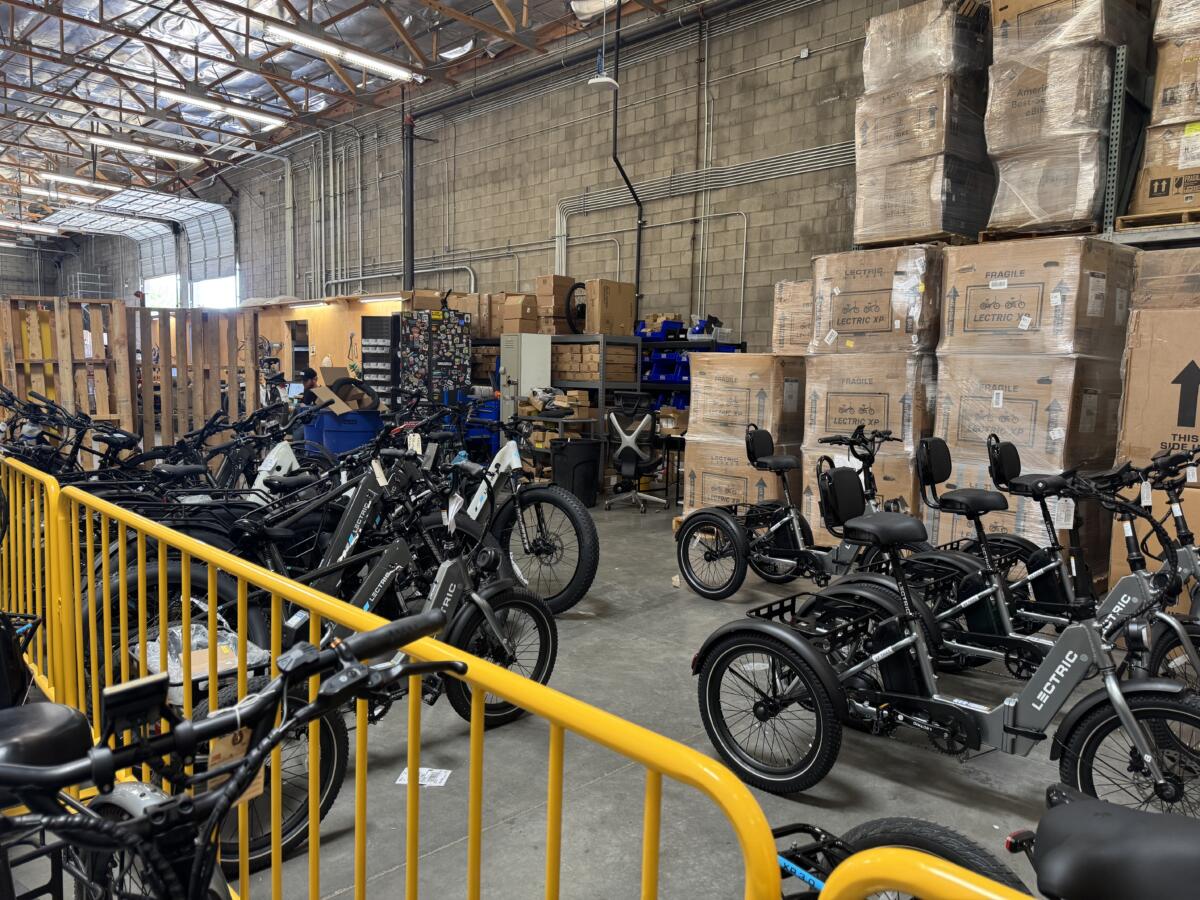
There is another huge four-story warehouse nearby where new bikes are stored before shipping to customers.
RVers love Lectric eBikes!
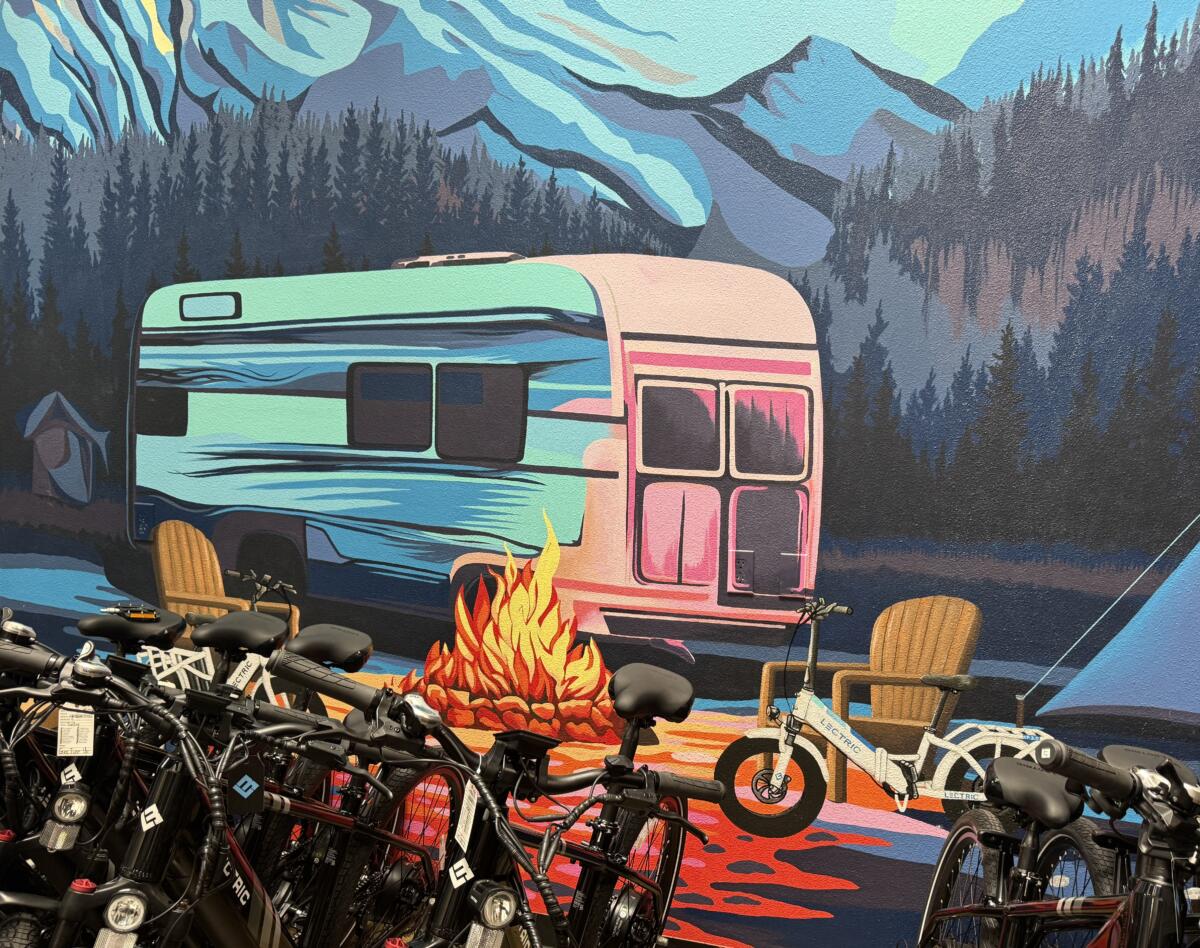
The large mural of an RV complete with a campfire showcases one of their major markets: RVers! RVers love Lectric eBikes!
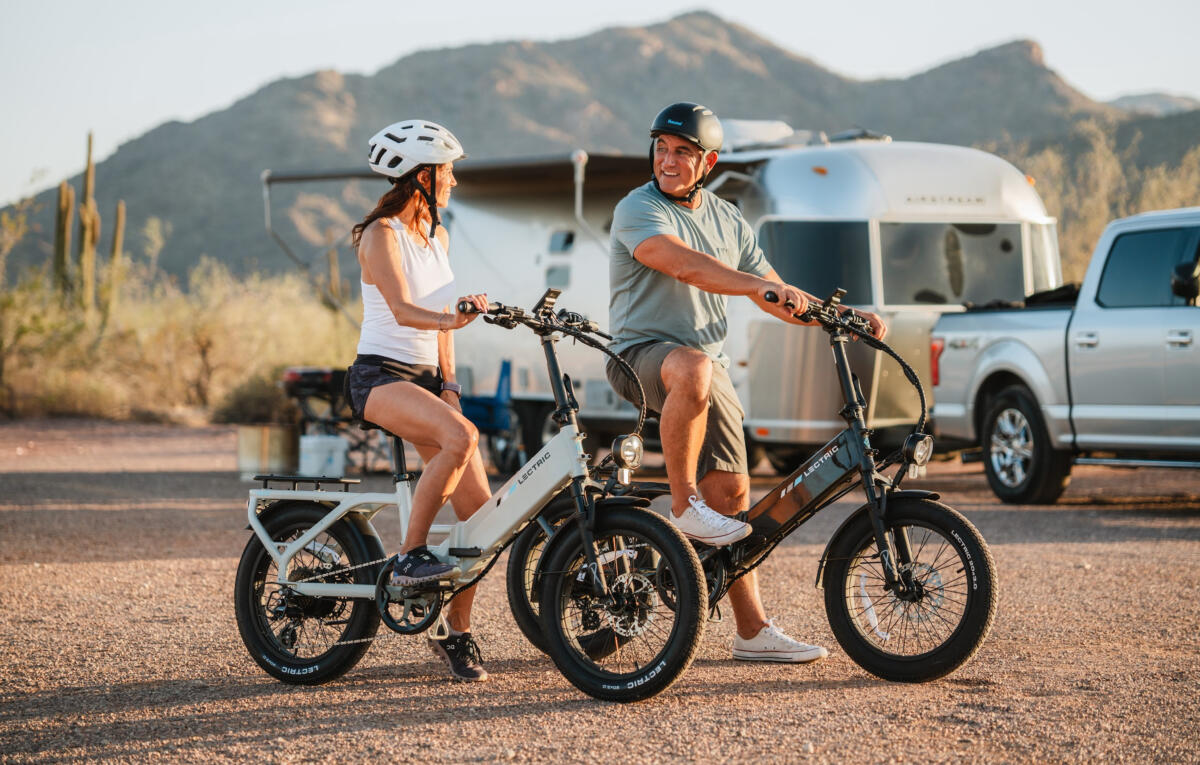
The bikes are foldable to fit easily in an SUV, pickup, or an RV. The foldable aspect first drew me to Lectric, and then the ease and comfort of riding kept me there. We are campground hosts and see a huge number of electric bikes, including the Lectric brand, being ridden in Minnesota.
Lectric eBikes co-founders Levi Conlow (CEO) and Robby Deziel (CINO) grew up in Minnesota and designed their first eBike in 2019. The initial idea originated from Levi’s father, who was in search of an affordable eBike. He turned to Levi and his childhood friend, Robby, for help. The first Lectric bike was developed in a garage in Phoenix while Levi was finishing his degree at Grand Canyon University.
Electric bikes have become an increasingly popular method of transportation, exercise, and recreation. Lectric eBikes is the number one seller of electric bikes in the U.S. It is only behind Tesla in sales of electric vehicles. Getting to see the headquarters and test out the new model was very exciting.
Bike service
They also service customer bikes there. Being an entirely online business in the past, it had been difficult for consumers to get service from the company or from other bike service departments. Now, if in the Phoenix area, one can bring the bike there or choose from a list of more than 500 certified repair centers across the U.S.
Customer service
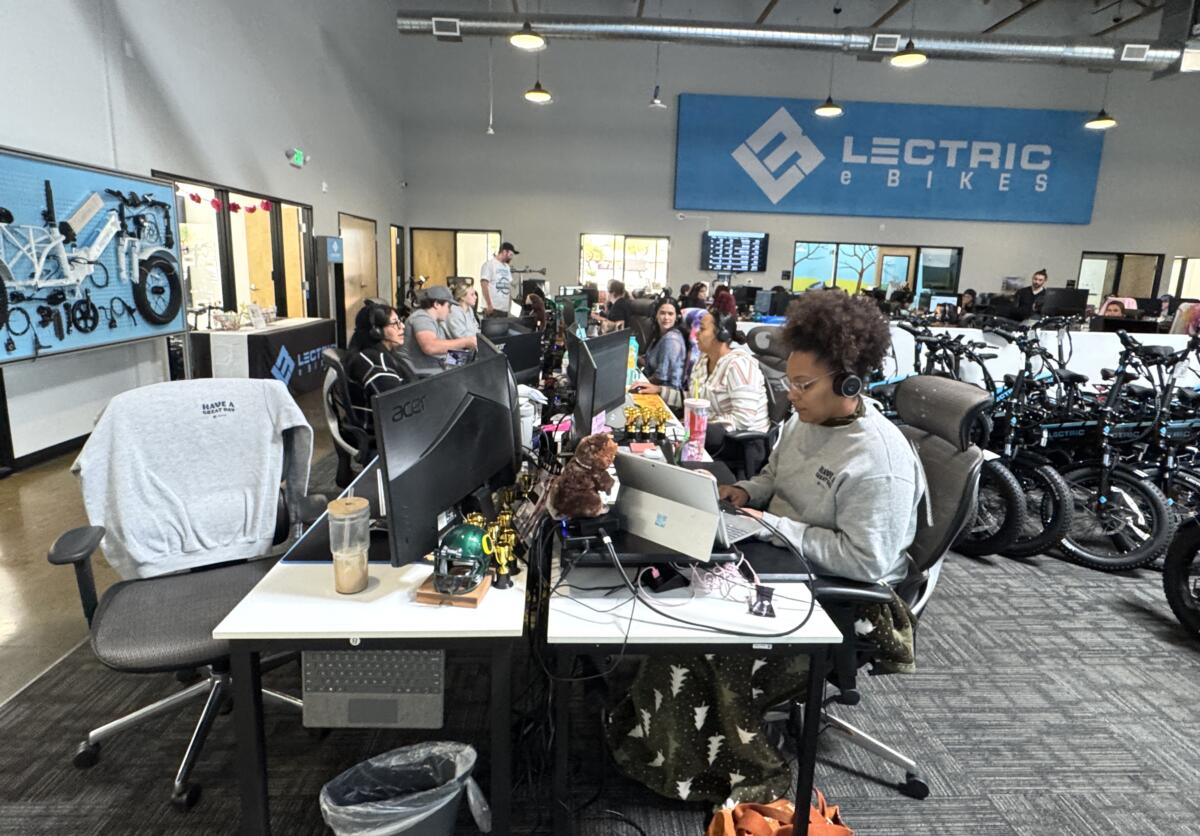
What impressed me the most was the customer service area. There are dozens of people in front of large-screen computers on phones taking orders, providing advice, and troubleshooting issues. Having called them in the past, I was happy with how helpful they were.
There was another area where content creation happened—managing the website, editing how-to videos, and creating advertising. I did not get to go into the top-secret product lab, though. Even Tim needs to be ushered in.
Bikes are everywhere!
With the new launch and sales, bikes are literally everywhere, even in the employee lunch area. The aroma of lunch wafted through the building. Lectric provides lunch to all its employees daily. Nice!
Photo and video studio
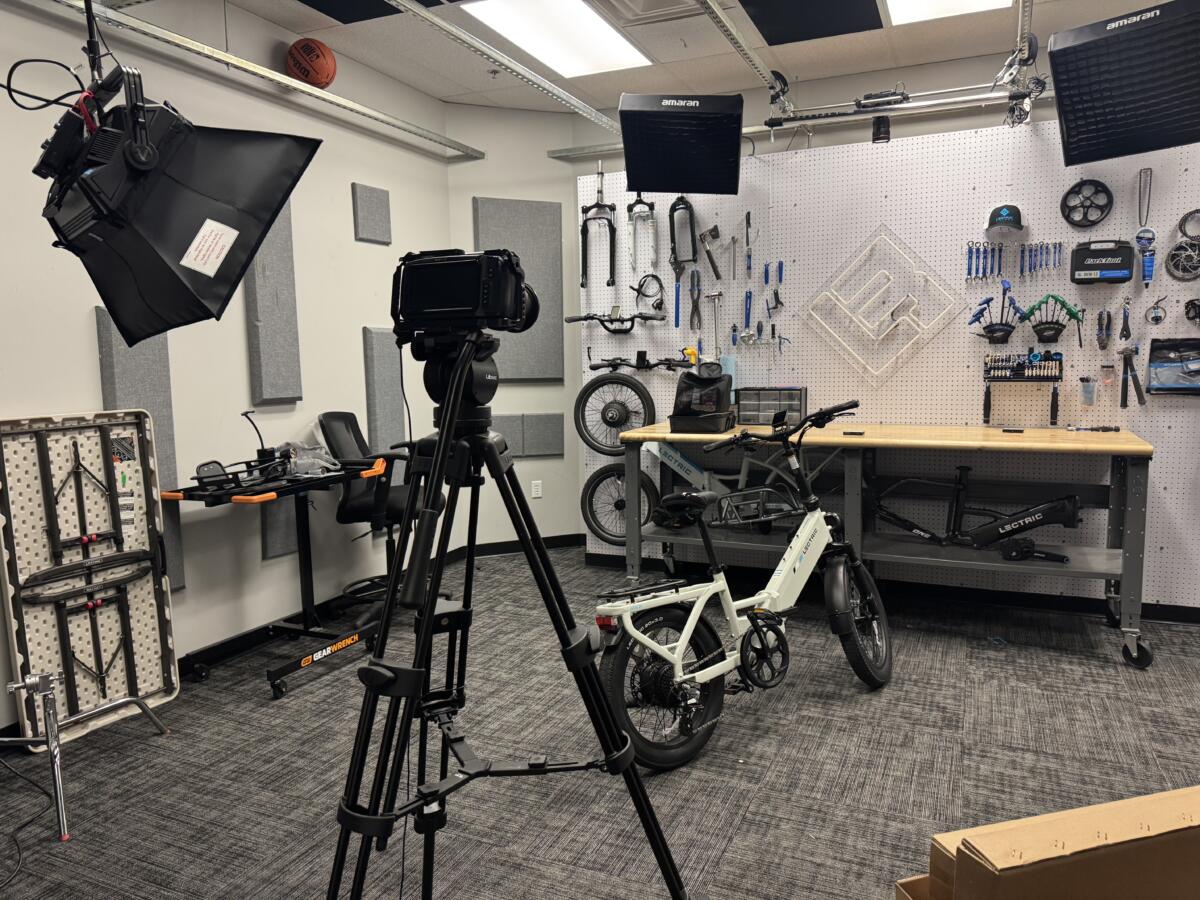
Many of the online how-to videos and bike photos are done in their photo studio. I personally loved that area as I was a studio photographer and manager for so many years. The bikes photographed are pristine, and the employees are so knowledgeable in all the videos. Unlike a number of companies, they have decided to keep the studio in-house.
Tariffs
As the bikes are produced in both Cambodia and China, the newly instituted tariffs affect Lectric too. Lectric, unlike so many other companies, has not raised its prices. It is committed to maintaining high-quality, affordable bikes. Their main Lectric bike is the same price as it was in 2022!
Yes, I realize this sounds a bit like a sales pitch, but I really was impressed and I personally love my Lectric bike!
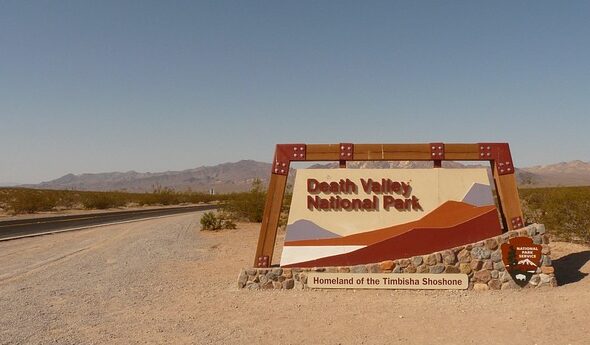
What’s in a name? Usually, some history blended with legend or folklore. The name “Death Valley” is no different.
You may be surprised to learn that Death Valley’s record-breaking heat had nothing to do with naming the area. In fact, Death Valley was actually named during the winter!
How it happened
Death Valley earned its ominous name long before it became famous for its oppressive heat and otherworldly landscapes. It was during the winter of 1849-1850, and the California Gold Rush was just beginning.
Two wagon‐train parties known collectively as the “Lost ’49ers” became hopelessly stranded. While seeking a shortcut to the Mother Lode, the wagon trains appeared to have run out of luck.
A closer look
Here’s how it happened. In late 1849, two groups of gold-seekers—later dubbed the Bennett–Arcane Party and the Jayhawkers—organized in Salt Lake City. They decided to brave the Old Spanish Trail as a winter route to California’s gold fields.
After weeks of difficult travel, both parties merged in what is now Nevada. Together they descended into Death Valley’s stark basin. There, the two groups became trapped by snow, ice, and dwindling supplies.
A deadly grave
Facing starvation and believing the valley would be their grave, the group camped for nearly a month at the site now marked as the Bennett–Arcane Long Camp. This location is just west of Badwater Basin.
With no foreseeable pass to safety, two young scouts—William Lewis Manly and John Haney Rogers—volunteered to walk over 250 miles to Rancho San Fernando. The scouts hoped to find help and return with provisions.
Naming the valley
Manly and Rogers returned to lead the survivors out over the Panamint Mountains in early 1850. Upon leaving the desolate area, one woman famously turned back toward the valley and declared, “Goodbye, Death Valley.” This sealed the region’s grim name in Western lore.
Turns out, only one member of the party actually perished in the valley. However, the pioneers’ fears, along with the valley’s remoteness, convinced them it would be their final resting place. William Manly’s memoir, Death Valley in ’49, helped popularize both the name and the Death Valley story throughout the young state of California.
Why the name still resonates
For RVers, Death Valley’s name evokes both caution and curiosity. Modern visitors can traverse well-maintained highways (like CA-190). RVers can camp at developed campgrounds and hike show-stopping canyons. Just carry plenty of water and respect the desert’s extremes.
The name also speaks to the spirit of adventure. RVers following in the Lost ’49ers’ footsteps can visit historical markers, such as the Bennett–Arcane Long Camp (California Historical Landmark No. 444), and imagine the hardships that once turned this valley into a byword for peril.
You should go!
Photo: NPS
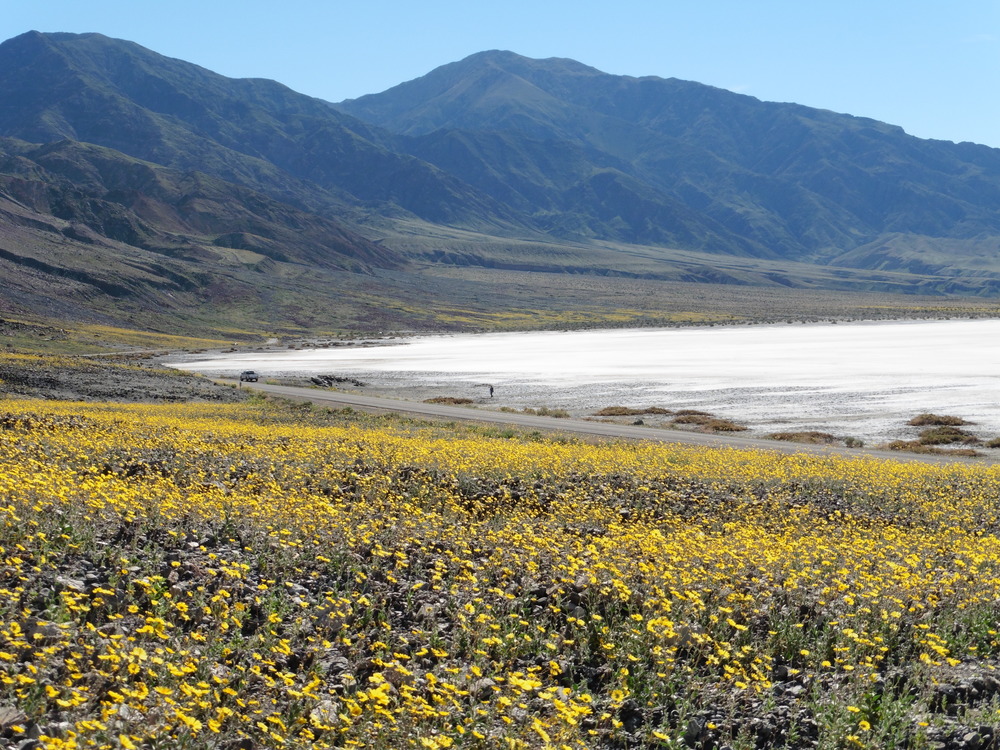
Despite its foreboding title, Death Valley bursts into vivid life each spring with wildflower super blooms, ghost-town explorations, and stargazing under some of the darkest skies in the United States. You just may want to add Death Valley to your RV itinerary!
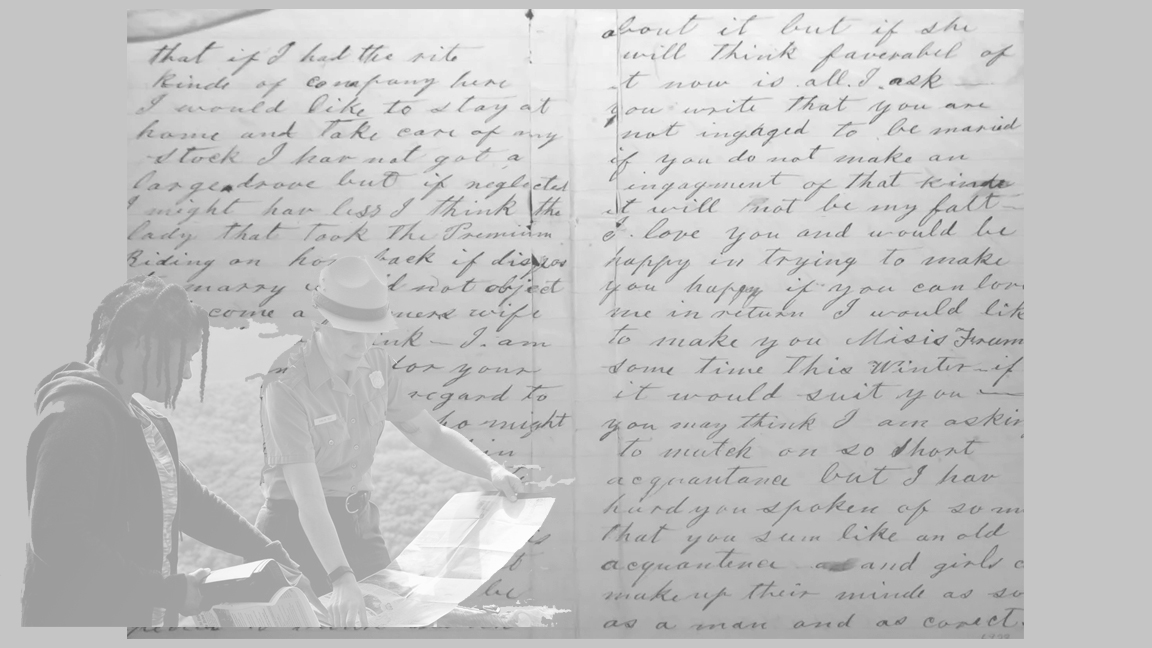
In these days of near-universal uncertainty, life is unsettled for many. It’s easy to focus on our own little corner of the world. Thinking beyond his own issues, Steve Scarano has mulled over the situation faced by National Park Service workers. From the depths of his heart, he’s written them all a letter. His letter to the “park people” touched our hearts, and maybe it will touch yours, too.
Dear National Park People:
May I salute you? I know that this is a particularly challenging season of service for you, and while mine is certainly not the only voice crying in the wilderness to acknowledge that and may even ring a bit hollow in the short view, the option of silence is just not viable to me. So here we are.
I’m a card-carrying property owner and cherish our parks, monuments, historic sites, and recreation areas. Thank you for making them available to us. In fact, for decades it has been my practice to express my gratitude when I’ve either coincidentally met or deliberately sought you in our visits—all of you: law enforcement and interpretive rangers, maintenance and administrative personnel, volunteers and entry gate staff.
“Geeky touron”
Yes, I am indeed one of those geeky tourons that stare with dislocated jaws at The Canyon, geysers, hoodoos, mountain tops, caverns, and battlefield cannons. But I swear I have never, ever, asked you where the nearest bathroom was. When I see the looks on the faces of the kids who you are leading in the Junior Ranger pledge, I cheer for you at least as much as I do for them. And, while I have been known to ask The Question you’ve known was coming during one of your excellent campfire talks, I assure you that I have never asked you a question that you knew I already knew the answer to. By the way, how is it that you are always able to act like I’m the first person who ever asked those things?
All that said, I do hope you remember the two things I’ve told you, even though I sort of joked about quizzing you on your memory if we were to meet again. First, THANK YOU. However poor a supplement to your “sunset pay” it is, please do remember my gratitude. Second, I really do feel like I am in fact a property owner and with that credential demand that you continue your worthy, noble, and often courageous work for the sake of our grandkids. We are counting on you. Will you do that, please?
I love this place
I’ve been gifted by the friendship of several of your deceased, active duty, and retired fellow National Park Service employees and volunteers. Through them, I’ve learned that you protect the parks from the people, the people from the parks, and the people from each other. When I have had this conversation with your people over the years, the collective response by several hundred of you looked like this: “Nobody has ever said that to me before.” Tears well up (theirs and mine). “I needed to hear that today. Well, this is what we do. It’s all about your grandkids. I love this place.”
We need them, we need you
Well, Ranger, these days I’m particularly reminded of the restorative power inherent in our wonderful national properties and you folks who serve us in them. And I believe confidently that we need them, need you, desperately perhaps. We need to know that they are there on the map, whether or not we have immediate plans or the ability to get to them in the flesh.
I confess to violating the rule about taking only photographs and leaving only footprints. The fact is, the memories, sights, sounds (or lack of them) and smells have gone home with me and have become part of the geography of my life. If walking off with those treasures is a crime, I suppose that you Park people are abettors. May I salute you for being partners in it?
Remember those two things I told you. OK?
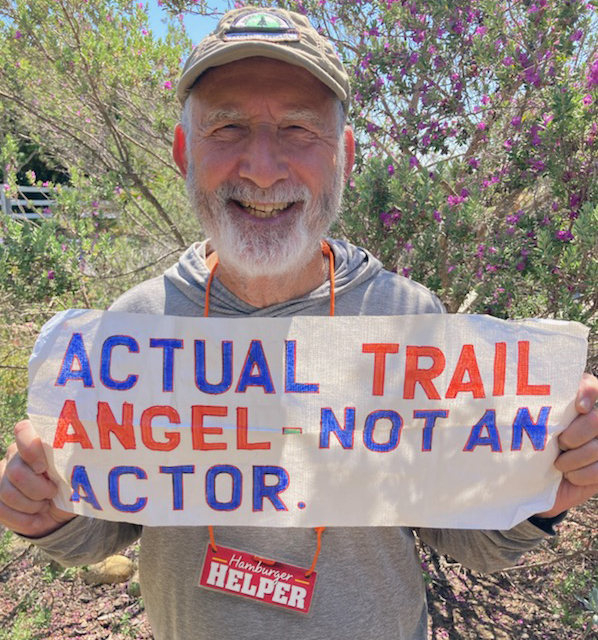
Steve Scarano, “Hamburger Helper” on the trail. Photo: Emmy Scarano.
Steve Scarano has a storied—and lengthy—background. Scarano’s early life included time as an Eagle Scout, then a stint as a Marine Corps officer. He’s seen the good, the bad, and the ugly working for 30 years, then retiring as a police officer. In his “present life,” he’s now just beginning his 19th season as a Trail Angel, volunteering to give aid and support to hikers, often in the form of what hikers call “trail magic.” Somehow, he’s found the time to mark 20 years as a Trail Patroller and “Dust Devil” in a large regional park near San Diego, California.
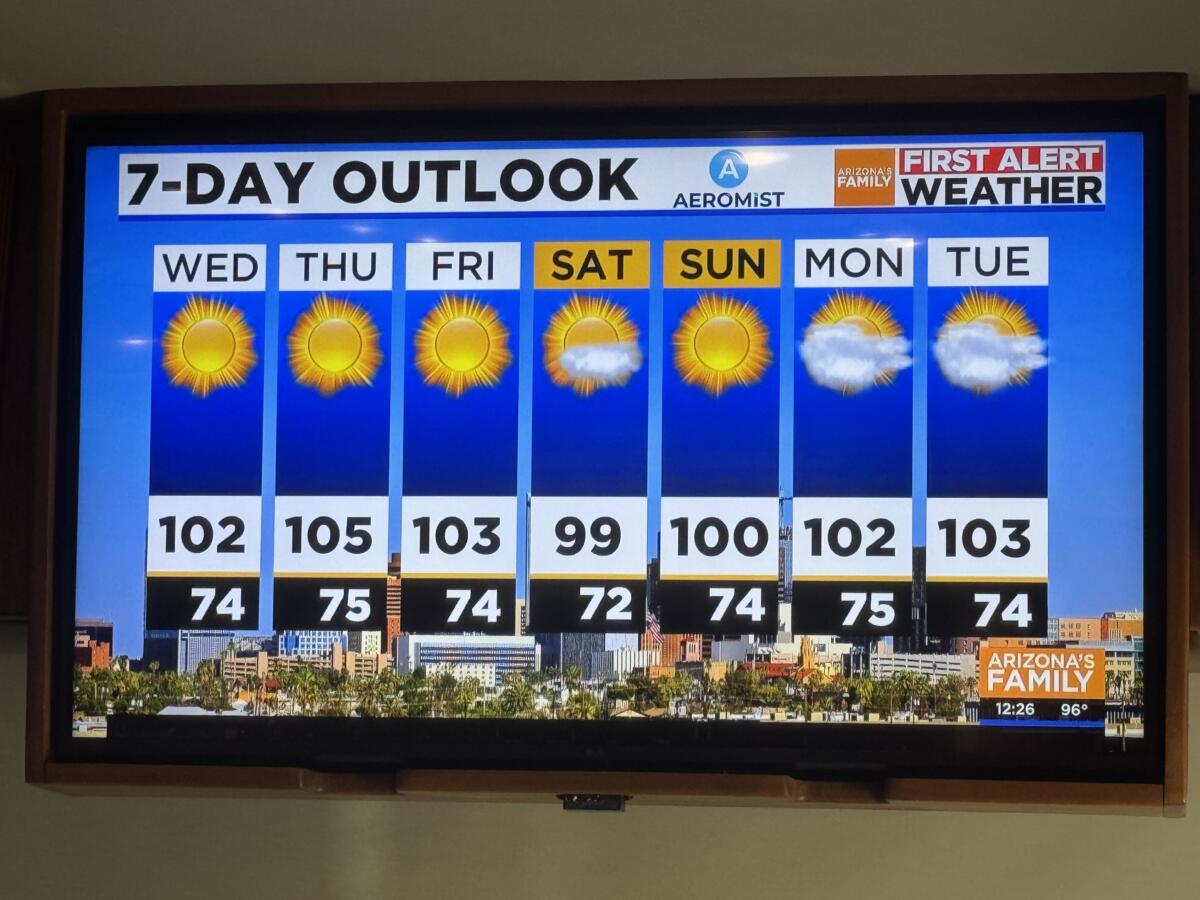
We have started (well, almost) our RV summer migration to the cool green northern clime. But first, we needed to get all the floors in our house redone after an installer error. So instead of camping by pristine blue lakes lined with tall pines, we are in the hot brown desert lined with cactus.
We are using this time to get everything up to par for the trip and the summer: replacing water filters, recharging the water softener, checking the engine and generator, and fixing things neglected when we returned to Arizona. (I wrote more about our packing routine in Friday’s newsletter.)
What we didn’t factor in all this work is the brutal Arizona heat. Unfortunately, we are familiar with it from when we were camp hosts here late one year.
Here are the things we do to stay comfortable. While some seem like no-brainers, I am reminded that my brain didn’t remember.
• Start the A/C early in the day. It is extremely hard for an A/C unit to cool down an RV that has gotten to 100+ degrees inside.
• Close the curtains or shades against the sun’s rays.
• Some people add reflective material to the windshield and inside cabinets. If the goal is not to have chocolate melt, it won’t help!
• Put awnings out to shade the RV and particularly the refrigerator. Watch the wind and don’t leave awnings out when leaving the RV for any period of time (we know from experience).
• Use fans to circulate the air.
• Use fans outside to catch a bit of a breeze, too.
• Walk, ride your bike, or do any sort of exercise in the early morning or late evening.
• Wear a hat and sunscreen. Reapply sunscreen according to directions.
• Stay in the shade as much as possible when outdoors. It can feel 20 degrees cooler.
• Drink plenty of water! Every day we hear of tragedies on the news where people did not know their limits or anticipate the temperature.
• Check out the evening temps and open windows if going low enough. Lately, 80 at night has still not been cool enough to open windows.
• Forget a cool shower! The water comes out warm and sometimes downright hot!
• Spritzing yourself with water or holding a cold pack on the back of the neck can help cool you down.
• Enjoy!
One of the good things about this time of year is that we can easily get a campsite over Memorial Day. Bet the people scrambling for a site in Minnesota can’t say the same thing!
We use cookies to ensure that we give you the best experience on our website. By continuing to use our site, you consent to accepting cookies. We NEVER have or will sell reader's data. For more info, please see our privacy policy page.








 Montana lets you live in an RV on private property as long as you meet county requirements for sanitation and utilities. Small towns and rural areas are typically more relaxed than cities.
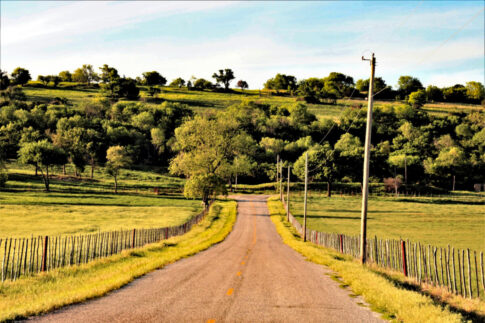 You can live full-time in an RV on private property in Oklahoma if the RV is registered and you follow local zoning rules. Urban areas may have stricter sanitation and appearance standards, but rural counties are more flexible.
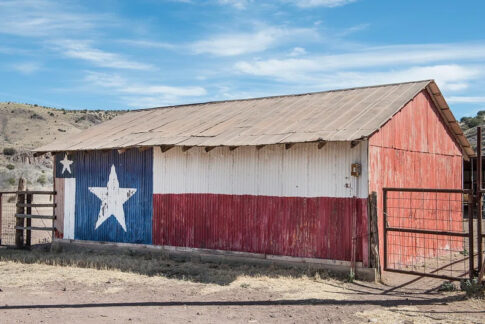 Texas is a top pick for full-time RVers. You can live in your RV on private land if it’s registered, inspected, and you pay property taxes. Rural areas tend to be relaxed about enforcement, but cities may have stricter codes for utilities and zoning.