Home Blog Page 36

5 annual RV maintenance projects you should do once a year

By Cheri Sicard
In the video below, join Chris from Why Wait for a look at five important annual RV maintenance projects that you SHOULD do every year.

I say “should” because these things are easy to put off and procrastinate on. We all do it. But we shouldn’t. Ignoring these essential annual RV maintenance tasks can end up costing you far more than had you just paid attention to them before they became problems.

Chris says it doesn’t matter whether your RV has been sitting in storage or whether you use it full-time (or anything in between), these are just good, common-sense, routine maintenance tasks you should ideally perform annually.

So what are Chris’s top 5 annual RV maintenance projects?

#1 Wheel bearings

Chris says a lot of issues can arise from not repacking your RV’s wheel bearings with grease. Yes, some RVs include a feature where you can simply add grease, but Chris is not a fan. For maximum safety, it pays to visually inspect your RV’s wheel bearings and repack them by hand. If you want to do it yourself, Chris has a separate video that shows you how.

Repacking the wheel bearings by hand offers a few advantages:

  • When repacking wheel bearings by hand, you will get the old grease out before putting the new grease in and you can thoroughly clean everything.
  • You can visually inspect the bearing for pitting and signs of wear.
  • You can easily inspect your brakes while working on the wheel bearings.

#2 Breakaway cable

If you tow, you have a breakaway cable that will engage your trailer brakes should the trailer and vehicle ever separate.

This doesn’t take much work, but Chris says you should at least clean and inspect it once a year. In the video, he shows you what to do. This is good to do at the same time as repacking the wheel bearings, as you can visually see that everything is working. Again, the video explains and shows how.

#3 Water system

Some people say you should do this more often, but Chris likes to sanitize his RV’s water system once a year.

In the video, Chris explains how it is a good idea to sanitize your RV’s fresh water tank, your RV’s pipes, and even your fresh water hose at the same time. He has another detailed video demonstrating how to do it.

Keep in mind that the water heater is not part of this process. However, in the video, Chris discusses some basic RV water heater maintenance you should do instead.

#4 The roof

While he does inspect his RV’s roof more frequently, once a year, Chris likes to reseal it. If you have a new RV, you might not have to do this every year… yet. But a visual inspection should tell you if it is time.

#5 The A/C unit

Before you head out for a new RV season, Chris recommends inspecting and cleaning your A/C unit. He has another in-depth video that demonstrates just what to do.

RELATED

RVT1260

How to balance routine and spontaneity while RVing

3

Okay, I’ll admit it. I’m the routinized person in our marriage. My husband is most definitely the spontaneous one. Our different approaches to life seem magnified when we’re RVing.

You might think that our differences complicate things. They do. Sometimes. But some helpful tips have kept us together and happily RVing.

Routines and schedules

I used to be spontaneous. Really. But when our first child came into the world, things changed. With a brand-new person to consider, I quickly learned the importance of routines. If the feeding times were off, then the sleeping schedule suffered (and we suffered right along with the baby). If we didn’t buy baby supplies regularly, it meant a late-night shopping run. On and on it went. Like a row of dominoes, when one part of the routine failed, it seemed everything fell apart!

As our family grew, there were school schedules, carpools, and more added to our burgeoning weekly routines. I relied on schedules to keep my sanity! (And keep the family fed, clothed, and healthy, too.)

My husband helped. He really did. Looking back, I realize I didn’t always appreciate his laid-back and (to my thinking) unstructured approach.

Now that our children are happily out on their own, I’ve never really given up my strict routines. Laundry? Grocery shopping? Cleaning? Food prep? Each one is scheduled inside my head and can easily crowd out everything else. It’s exhausting. I needed help to escape my self-initiated, iron-clad schedules.

Free-wheeling, spontaneous

I actually envy my husband (and anyone else) whose personality allows them to forgo the tightly structured “to do” list. Breezing through life with an open attitude that goes with the flow seems like the ultimate freedom to me.

Spontaneous people seem so happy and relaxed. They recognize responsibilities. They just don’t allow responsibilities to dictate their lives.

What to do?

Here are some ideas that have helped us balance the “planner vs. spontaneous” mindsets we brought to our RVing life. Maybe they can help you, too.

Talk about it

Talk often about what each of you needs. One partner might crave a regular evening wind-down, with dishes done, and a short walk. The other wants to cap off the day with a last-minute stargazing hike or an ice cream cone from a nearby shop. Say what you want and ask what matters to them. Be willing to compromise.

Design micro-routines

Routines don’t need to be rigid or complex. Think micro-routines: a 10-minute morning stretch, a shared coffee ritual, or a weekly “tune-up hour” for the rig. These tiny anchors help regulate sleep, meals, and mood. These are things that matter a lot when sharing an RV’s small living space. Once the micro-routine is completed, the rest of the day can open up for spontaneity.

Build spontaneity into the plan

Spontaneity flourishes best when there’s a baseline of stability. Intentionally put spontaneity into your week. Consider things like an afternoon with no set plans, a one-night “surprise” activity, or an unplanned “detour” to a nearby attraction.

Novelty and surprise rekindle excitement in relationships by creating shared, unexpected experiences. Schedule them in a loose way and treat them like a recurring appointment you’re excited to keep.

Divide and rotate practical responsibilities

Tired partners are not fun partners. Make chores predictable (trash runs on Tuesdays, propane checks every other week) so the mental and physical load won’t fall unevenly on one person. Leave room to trade tasks when a spontaneous event pops up. Again, be willing to compromise.

Date nights

Plan a regular date night to maintain connection. This might include dinner, movie-in-the-RV night, or a favorite trail walk. Also, keep a spontaneous idea up your sleeve (e.g., an impromptu picnic, a roadside diner you haven’t tried).

Research on couples’ leisure time shows that mixing predictable rituals with periodic novelty helps sustain relationship excitement and closeness over time.

Protect personal space and solo time

Being together 24/7 in a small space can be intense. Healthy couples create “soft boundaries” like a listening headset for phone calls, an outdoor camp chair as a quiet reading spot, or scheduled solo hours for hobbies.

Time apart fuels energy, personal growth, and new stories you’ll bring back to the partnership. Studies of couple dynamics note that balancing togetherness and alone time supports emotional attunement and resilience.

Make play a daily habit

Playfulness and shared fun are the glue that keeps routines from feeling like drudgery. Short, silly rituals like an on-the-road playlist you both add to, a 10-minute card game, or a weekly “who chooses dinner” challenge will reintroduce surprise and joy without the need for grand plans.

Check-ins

When tensions rise, have a calm “pause” phrase or a quick check-in ritual. Use a simple method to renegotiate plans without blame. For example: “I need X this week; can we make room?” That way, spontaneous ideas don’t feel like one partner overruling the other. The habit of short, regular check-ins keeps both partners aware of emotional and practical needs.

Final thought

Balancing routine and spontaneity isn’t a one-time fix. It’s a small set of tips you use and refine as you travel together. Talk clearly, set tiny anchors, leave room for surprise, and protect space for yourself. Do those things, and you’ll balance RV life that’s steady enough to support you and loose enough to let good surprises thrive.

Are you a spontaneous person or a planner? Tell us in the comments below.

RELATED

RVDT1260

94-year-old man lives in amazing DIY tractor-trailer RV conversion

By Cheri Sicard
In the video below, we join Carol, a full-time RVing septuagenarian, as she interviews Bernie and Lois, a couple of nonagenarians who live full-time in an amazing tractor-trailer RV conversion. Of course, they give us a tour.

The tractor-trailer RV conversion profiled in the video is actually the 5th RV that 94-year-old Bernie has built. His first one was way back in 1959. At the time, Bernie had only ever seen an RV on paper, not in person. But he built it anyway!

It took Bernie only about two months to build the rig while he was living out in the desert near California’s Salton Sea.

A semitruck trailer gave Bernie lots of room to work with, so the couple’s home on wheels offers plenty of comfort, space, and amenities.

They have a large bedroom, a bathroom, and a kitchen. Three air conditioners are available for cooling, but Bernie says they only use one and it does the job. There’s a washer and dryer, a large kitchen with a HUGE amount of counter space, stove, oven, microwave, and large fridge.

Bernie made the dubious decision of using sheetrock in his RV. Despite warnings that it won’t hold up on the road (to say nothing of the weight), Bernie says that it has served him well through the two RVs that he built with it.

Watch the video for the full tour, but I will give away one amazing feature to look for here. Bernie designed his RV so that he could drive his car in the back door, not so unusual for a semi-trailer. However, you would never know it from the inside, but when not in use, the car is hiding under the couple’s bed!

YOU TOO could live in your RV on Social Security! Here’s how.

MORE LIKE THIS:

RVT1260

Have you ever forgotten something important at home after leaving on an RV trip?

We’ve all done it. Or at least most of us have. You pull out of the driveway feeling pretty proud of yourself. The fridge is stocked, the snacks are packed, and the route is loaded into the GPS. You’re officially on vacation mode.

Then, somewhere about 50 miles down the road, it hits you.

You forgot something important.

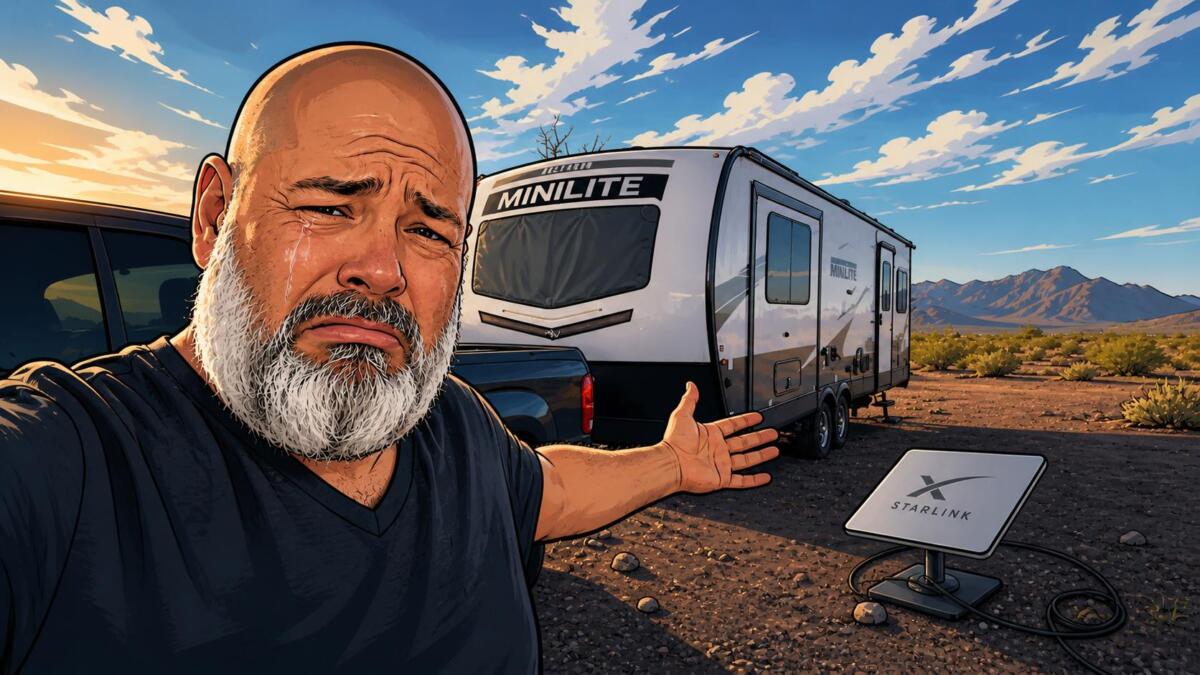
Maybe it was medication. Maybe your coffee maker. Maybe the dog’s leash. Maybe your entire bag of clothes. Or maybe—like Tony in today’s newsletter—you left your Starlink dish sitting on the back porch. Oops.

Sometimes you can turn around aaaand then sometimes you realize it a little too late and end up buying a replacement at some tiny town hardware store for three times what it should cost. And sometimes the forgotten item turns into one of those stories you laugh about for years afterward.

Experienced RVers often have a “never again” list because forgetting something once is usually enough to burn it into your memory forever. Though somehow, despite all the checklists and routines, another forgotten item always seems to sneak through eventually.

So now we want to know… Have you ever forgotten something important at home after leaving on an RV trip?

After you vote, tell us in the comments: What did you forget? And did you turn around for it—or just make do without it? We’re curious and excited to hear.

MORE POLLS YOU MIGHT LIKE:

The best kind of wedgie: Andersen RV levelers

By Tony Barthel
Automatic leveling systems have come a long way, and some travel trailers have seven-point automatic leveling systems. However, you can save many thousands of dollars and simplify your RV experience with a set of leveling wedges instead. 

I like to write about products I’ve found that I use regularly on the road, and these Andersen levelers are one of those products. Effectively, they’re just a curved plastic wedge device. But, in practice, they really make setting up camp a simple affair. 

Last year, I was on a business-related camping trip where I had to set our Rockwood travel trailer up in windy, rainy, miserable conditions. The campsite I was assigned was about as level as a politician on the campaign trail. Fortunately, I had my Andersen levelers with me. I had previously applied bubble level gauges to the front and side of my travel trailer. 

How to use Andersen levelers

Basically, I just backed the trailer onto the Andersen wedge until the bubble level indicated that I was level side-to-side. Simple. From that point on, you use the trailer’s tongue jack to level it front to back and then set your stabilizer jacks. 

Unless you’re moving slowly, you can have camp ready in just a few minutes with this methodology. It’s pretty great. 

The Andersen wedges are relatively foolproof, starting about 1/2” thick on one end and going up to 4” thick on the other. Only once have I come across a paid campsite that was so off-level that I wasn’t sure that it was going to work. 

The wedges come with two pieces: the actual wedge that you drive onto, as well as a smaller wedge that you use to lock the larger wedge in place. If you happen to have a two-axle trailer, you’re going to have to get two sets of these. There is a package that includes all four of these pieces. 

I’m a huge fan of simple things that my brain can understand. A plastic wedge falls into that category. I know that multi-point automatic leveling systems are becoming more widespread in their availability. But I just love solutions that don’t involve a lot of mechanical wizardry to make them work. I’d prefer plain old crank windows in my pickup, which are impossible to find. 

Are there alternative levelers if these don’t work?

While my trailer only has a single axle, most have two. There have been more than a few people who have complained that the Andersen wedges don’t fit well between the two wheels of two-axle trailers. While Andersen says that you can cut the tip off one of the levels to make their product fit better, Camco Manufacturing has come out with a level that is similar to the Andersen product that will fit well in two-axle trailers. 

Camco’s solution has a rubber surface on one side to avoid slipping. I’m told their product works really well. 

Either way, these simple wedges can make a big difference when you’re setting up camp and want to get to those beers in the fridge or those fish in the stream. Oh, my record for going from a trailer attached to the pickup truck to camp setup and a beer in hand is seven minutes—thanks to the simplicity of these levelers. 

Another thing I like about the Andersen version of these is that you can set them on their side and put your tongue jack into them. (Sorry. Something about that sentence just seems naughty.) So, they seem to have multiple uses. 

Since they work with almost any RV configuration, they’re definitely a core component of any camping setup. 

You can buy these levelers here for a totally worth-it price.

RELATED

RVT1260

The benefits of RV roof vent covers

By Dustin Simpson
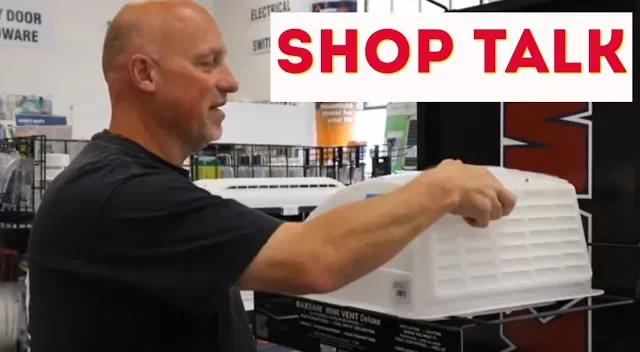
In this article and video, we’ll dive into the hidden benefits of RV roof vent covers and explain why they’re an essential part of your RV maintenance routine. Join me, an RV repair shop owner, as I share expert insights on how these simple covers can protect your vent lids and plate covers, keep your RV cool, and ensure a safe, comfortable journey on the road.

Why roof vent covers are essential for your RV

Protection from the elements

Roof vents are a crucial part of your RV’s ventilation system, allowing air to flow freely inside and maintain optimal temperatures. However, they’re vulnerable to damage from wind, rain, and debris when driving on the road. Without proper protection, these vents can crack, warp, or become clogged with leaves and dirt.

Prevention of water damage

One of the primary benefits of installing vent covers is preventing water infiltration. A broken or damaged vent lid can allow rainwater to enter your RV, causing moisture buildup and potential water damage inside. A vent cover acts as a shield, allowing air to flow but keeping water out.

Better air circulation

Roof vent covers help maintain continuous airflow inside your RV, even when it’s raining or when the RV is in storage. By keeping the vent open without worrying about the weather, you can prevent stuffiness and maintain a fresh interior, especially during long trips.

Benefits of protecting your vent lids and plate covers

Enhanced durability

Vent covers act as a physical barrier that protects the vent lid from the sun’s harsh UV rays and from objects that might cause physical damage while driving, such as tree branches or debris. With a vent cover, your vent lids are less likely to crack or degrade over time, ultimately extending the lifespan of your RV’s ventilation system.

Reduce the risk of clogs and blockages

Without vent covers, dirt, leaves, and insects can easily clog up the vent and exhaust systems, reducing the efficiency of your air circulation. A vent cover will minimize the chance of debris getting inside and causing blockages, which can affect the overall functionality of your RV’s systems.

Prevent overheating

Proper ventilation is critical for preventing overheating of your RV’s interior, especially during summer. A vent cover allows hot air to escape, promoting cooler temperatures inside your RV. It’s an essential tool for ensuring you stay comfortable, especially when you’re parked in sunny or warm locations.

Why you should install roof vent covers

Easy installation

Installing roof vent covers is a simple and straightforward task that many RV owners can complete themselves. These covers usually come with easy-to-follow instructions and are designed to fit most standard vent sizes. You can quickly attach them with screws or brackets to the vent area.

Cost-effective maintenance

Vent covers are an affordable investment that can save you from costly repairs down the road. By preventing damage and water intrusion, they protect your RV’s ventilation system from premature wear and tear. They’re also much cheaper than having to replace damaged vent lids or deal with water damage.

Improved safety and comfort

By ensuring your vents are properly protected, you’re also improving the safety of your RV. A well-ventilated RV means better airflow, which can reduce the risk of mold, mildew, and other moisture-related issues that could compromise the health and comfort of your living space.

How to choose the right roof vent covers

Fit and compatibility

Not all vent covers are the same size, so it’s important to check the dimensions of your existing vents to ensure the cover you choose fits securely. Many vent covers are universally compatible, but it’s always a good idea to double-check the specifications.

Material durability

Look for vent covers made from durable materials, such as polycarbonate or heavy-duty plastic, that can withstand the wear and tear of travel. UV-resistant materials are key to ensuring your covers last in hot climates without becoming brittle.

Ease of operation

Some vent covers are designed with features that allow for easier manual opening and closing. This can be a helpful feature if you need to adjust airflow quickly depending on the weather or your camping situation.

Here is the Camco roof vent cover that I recommend.

Final thoughts

Installing roof vent covers on your RV is a simple yet essential step to protecting your RV’s ventilation system and ensuring a cool, safe, and comfortable journey. Whether you’re dealing with the elements, preventing water damage, or improving airflow, vent covers are an affordable and effective way to maintain your RV.

Don’t forget to subscribe for more expert RV maintenance tips and tricks! Protect your RV with vent covers, and enjoy worry-free travels every time you hit the road.

More from Dustin

Make sure you check out my website, California RV Specialists, and our YouTube channel for more helpful information, and see our published articles on RVtravel.com and other social media pages.

RELATED

RVT1260

Wupatki National Monument: Arizona’s ‘Machu Picchu’

1

Wupatki National Monument is one of those places that surprises people who expect northern Arizona to be all pine forest and mountain views.

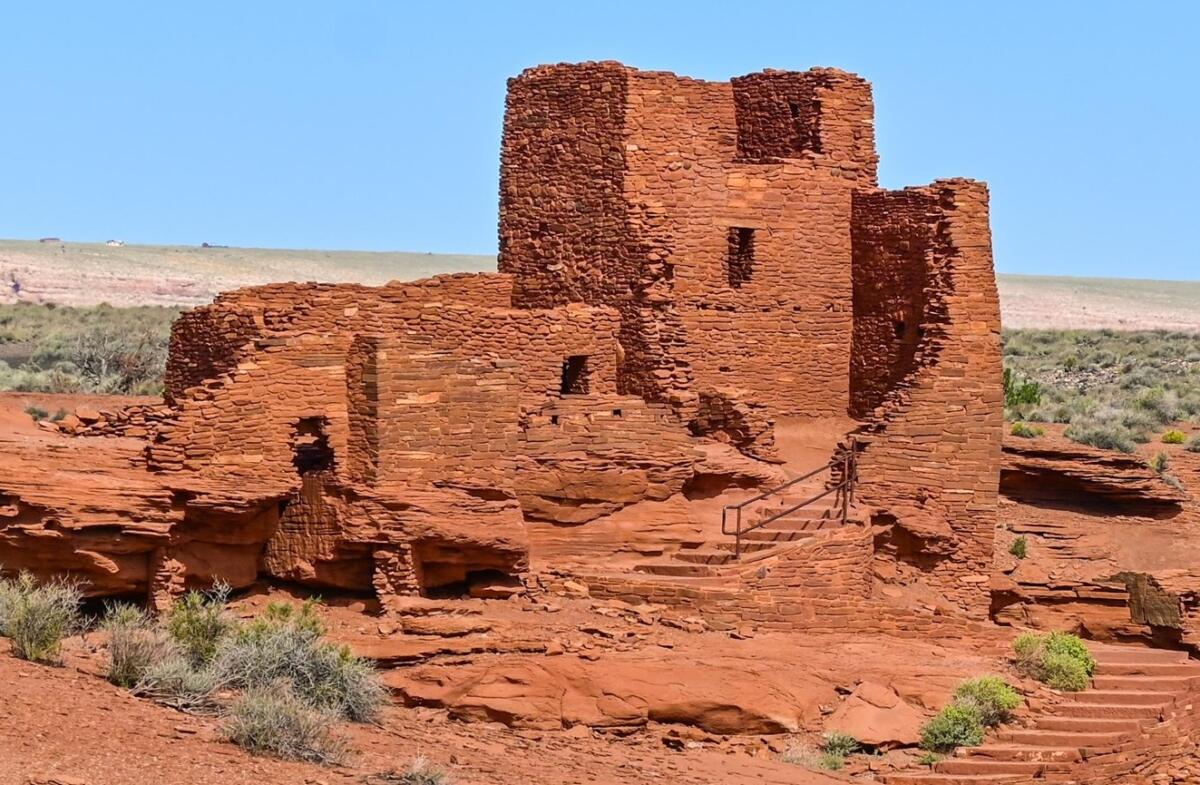
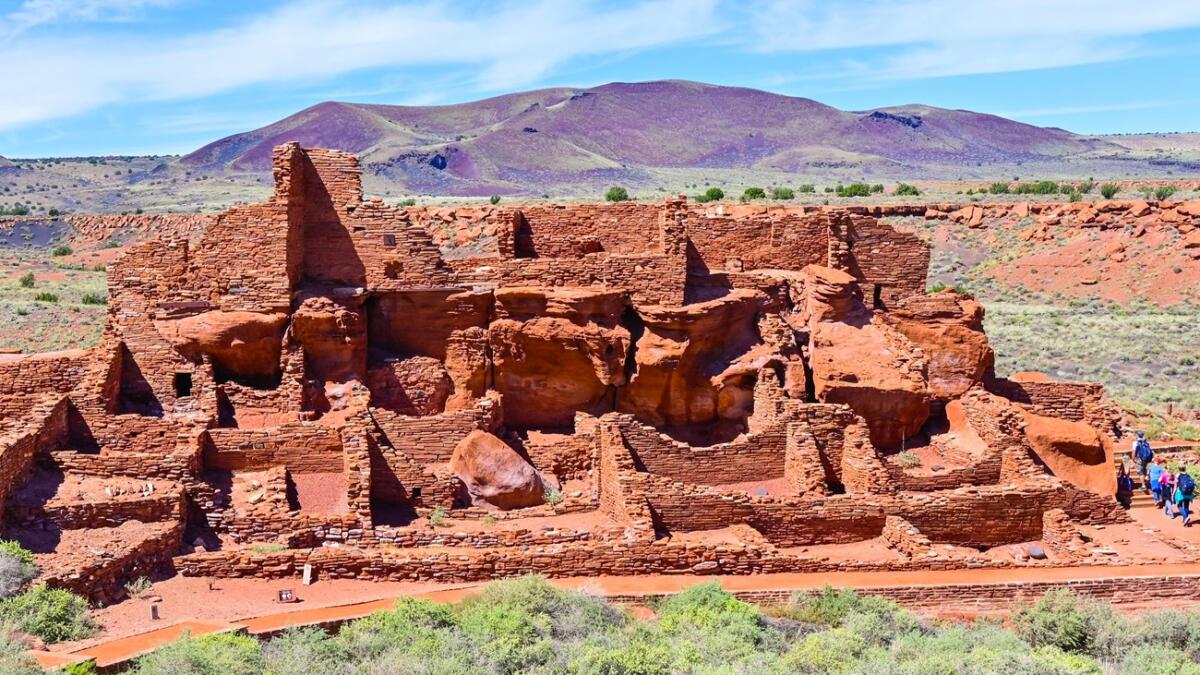
The monument sits between the Painted Desert (within Petrified Forest National Park) and the ponderosa highlands. Its ancient pueblo ruins rise out of a wide, open, high-desert landscape that feels far bigger and wilder than you might expect.

Wupatki is the kind of stop RV travelers often compare to Machu Picchu because the stone structures and the setting feel dramatic, historic, and a little otherworldly, too.

Getting there

Wupatki National Monument in AZ NPS image
Photo credit: NPS

For RVers, the best way to get there is by road from Flagstaff. The National Park Service says to take US-89 north for 12 miles. Then turn right after the sign for Sunset Crater Volcano and Wupatki National Monuments. From there, the Wupatki Visitor Center is another 21 miles. The drive usually takes about 45 to 60 minutes from Flagstaff.

Note: The National Park Service warns that GPS can be unreliable in rural Arizona, so it is smart to follow the official route and avoid unpaved side roads.

What you’ll see

The scenery is a huge part of the Wupatki experience. The monument stretches along a 35-mile scenic loop road. Visitors will see open meadows, ponderosa pines, juniper grasslands, views toward the Painted Desert, and the red rock landscape of the Wupatki Basin.

The story behind the ruins is tied to Sunset Crater Volcano, which erupted about 950 years ago and changed life in the region. Ash fall and lava flows disrupted Sinagua settlements, and people moved into what is now Wupatki National Monument. There, they adapted by dry farming and using the new volcanic ash as mulch.

Wupatki National Monument image: NPS
Wupatki Pueblo. Photo credit: NPS

What to do

Once you are there, the ruins are definitely the star of the show. The park’s namesake, Wupatki Pueblo, preserves 104 rooms, a ballcourt, and a natural blowhole.

Other stops along the monument loop include Wukoki Pueblo, where you can see a three-story wall; Lomaki Pueblo, which sits beside a check dam; and the Citadel and Nalakihu pueblos. The Citadel is the only pueblo in the monument built with both basalt and sandstone.

RVers usually enjoy Wupatki as a learn-as-you-go destination rather than a rushed drive-by stop.


Arionzadaytrips


Where to stay

Camping inside Wupatki is not allowed. RVers should plan to base their rig nearby and visit the monument as a day trip.

The closest official campground in the area is Bonito Campground. Near Sunset Crater and Wupatki, this campground does not provide hookups. You will find 44 single sites, picnic tables, fire rings, cooking grills, drinking water, flush toilets, and a pet-friendly policy.

Flagstaff KOA Holiday is the best choice if you want more amenities. It offers spacious RV sites with full hookups, Wi-Fi, and a camp store. The store sells propane and firewood and rents bicycles. The camp features a dog park, laundry, clean restrooms, hot showers, and playground space. There is a 75-foot maximum length.

Woody Mountain Campground is another solid base for exploring Wupatki. It offers full-hookup RV sites, an on-site dump and fresh-water fill station, and free parkwide Wi-Fi. RVers will also enjoy the camp’s hot showers, coin laundry, and on-site store. In addition, Woody Mountain hosts a coffee and wine lounge—a perfect stop after walking the campground’s trail through the pines.

You should go!

The Wupatki National Monument is best enjoyed at a leisurely pace. Pack along water and snacks. The visitor center has water bottle filling stations, and you’ll discover picnic tables scattered all along the scenic drive. Plan plenty of time to enjoy the loop and its many interesting stops.

Have you visited Wupatki National Monument? Tell us about it in the comments below.

MORE ARIZONA TRAVEL:

RVT1260

I left Starlink behind—Now what?

When you’re packing, did you ever get that suspicious feeling you forgot something? I get that feeling every time and have had to calm my nerves knowing that I’m not adventuring into the deepest, darkest jungle. I’m staying within the somewhat civilized world. In fact, we had friends over last night, and this is what we talked about. 

So there was no issue. 

Until I went to share my latest and greatest with all of you, and that’s when I discovered I had left my Starlink dish sitting on my back porch. Ooops. 

So that brings up how I get the internet and why I like redundancy. 

Don’t use the Internet—You’re camping!

A while back I opined that it might be time to ditch campground Wi-Fi altogether. To be honest, I never use it after some of the experiences I described in that article, so that’s not an option for me. 

I do tend to be a heavier user of the internet for a variety of reasons, including updating the podcast and website I create with my wife, Peggy, and also providing content to a number of other places, including right here on RVtravel.com. 

We also watch streaming programs rather than over-the-air TV. 

I know more than a few people have suggested that I’m in my RV and I should be enjoying nature. But the nature of the trips that we take is generally work-related. While I do enjoy wandering around among the wild and wonderful, there aren’t a lot of days where I just kick back and do little more than that. 

In other words, no rest for the wicked. 

Because of that, I have several redundant sources of internet, so while I’m really sad that Elon’s brainchild is sitting on my back porch, we have options. 

How to get Internet in your RV

Regarding redundancy, my wife and I each have our cell phones on different providers. So we’re able to optimize whichever carrier is strongest where we are. Each phone also has the theoretical “unlimited” data plan that isn’t, but it’s sufficient to be a solid backup. 

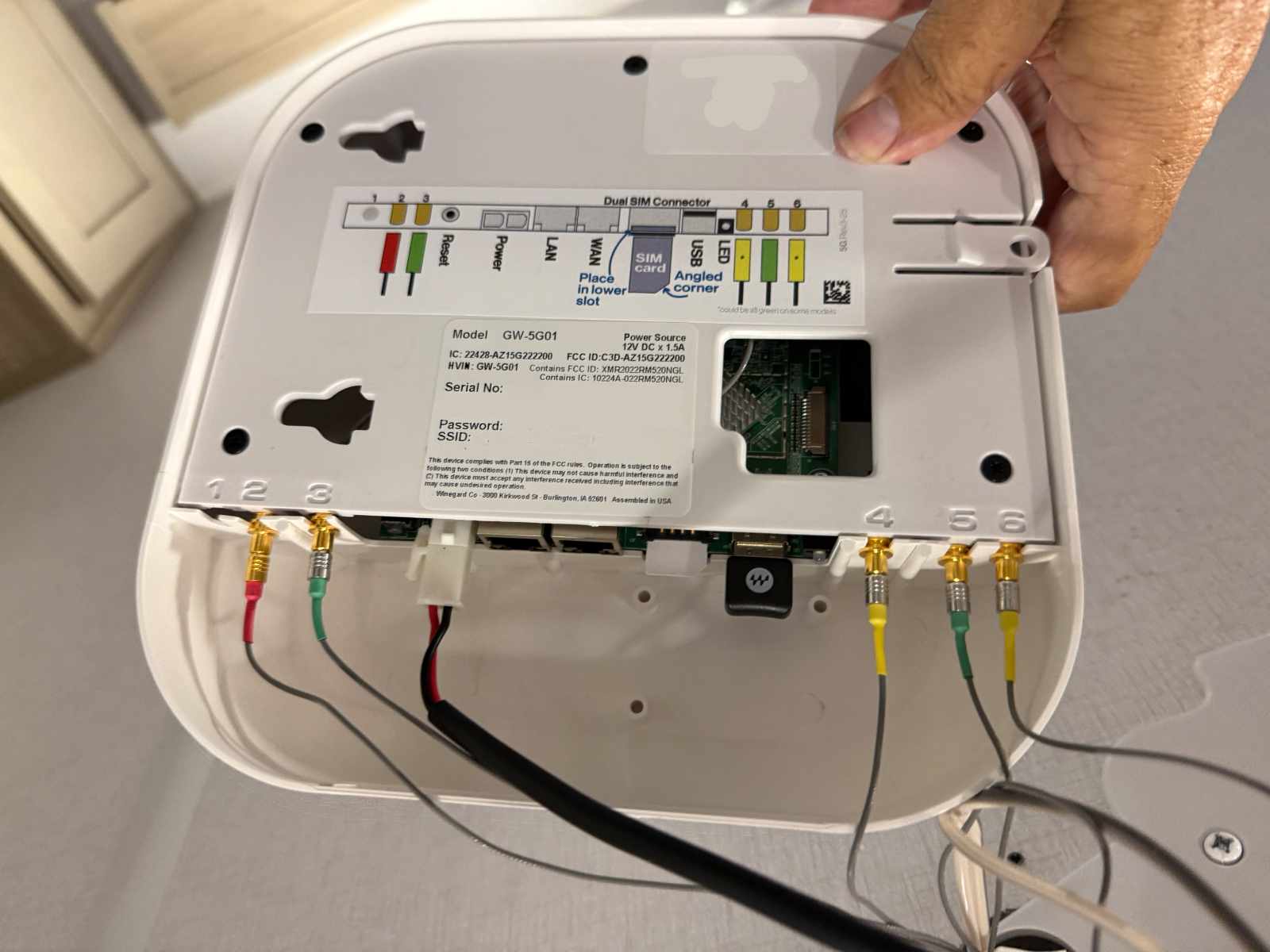
In addition, I worked with Winegard and have a 5G router system in my RV. 

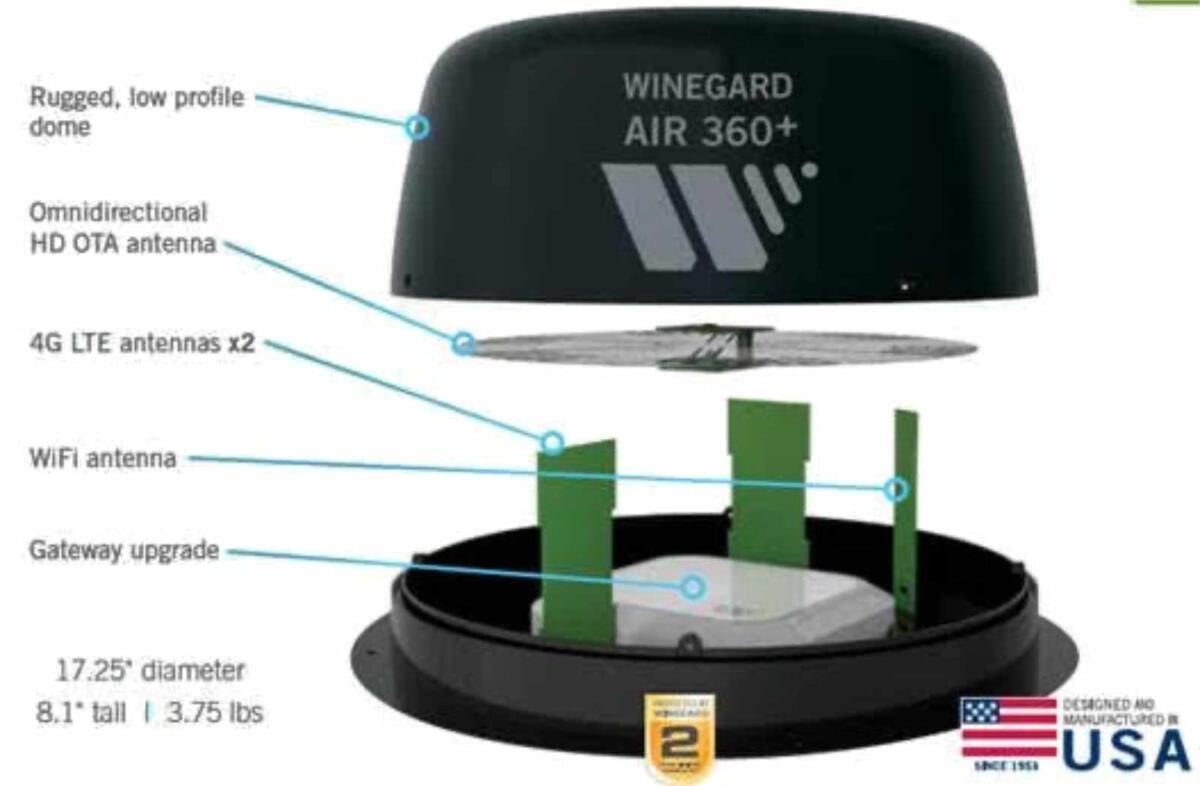
This is interesting because many newer RVs (ours is a 2025) have that round dog dish on the roof, and I have seen lots of questions about it. What’s under that thing are a number of antennae, including an over-the-air (OTA) TV antenna and several cell phone antennae, as well. There are also Wi-Fi antennae, so if you have a reliable source of Wi-Fi, like a Starlink dish, it can pick that up, too. 

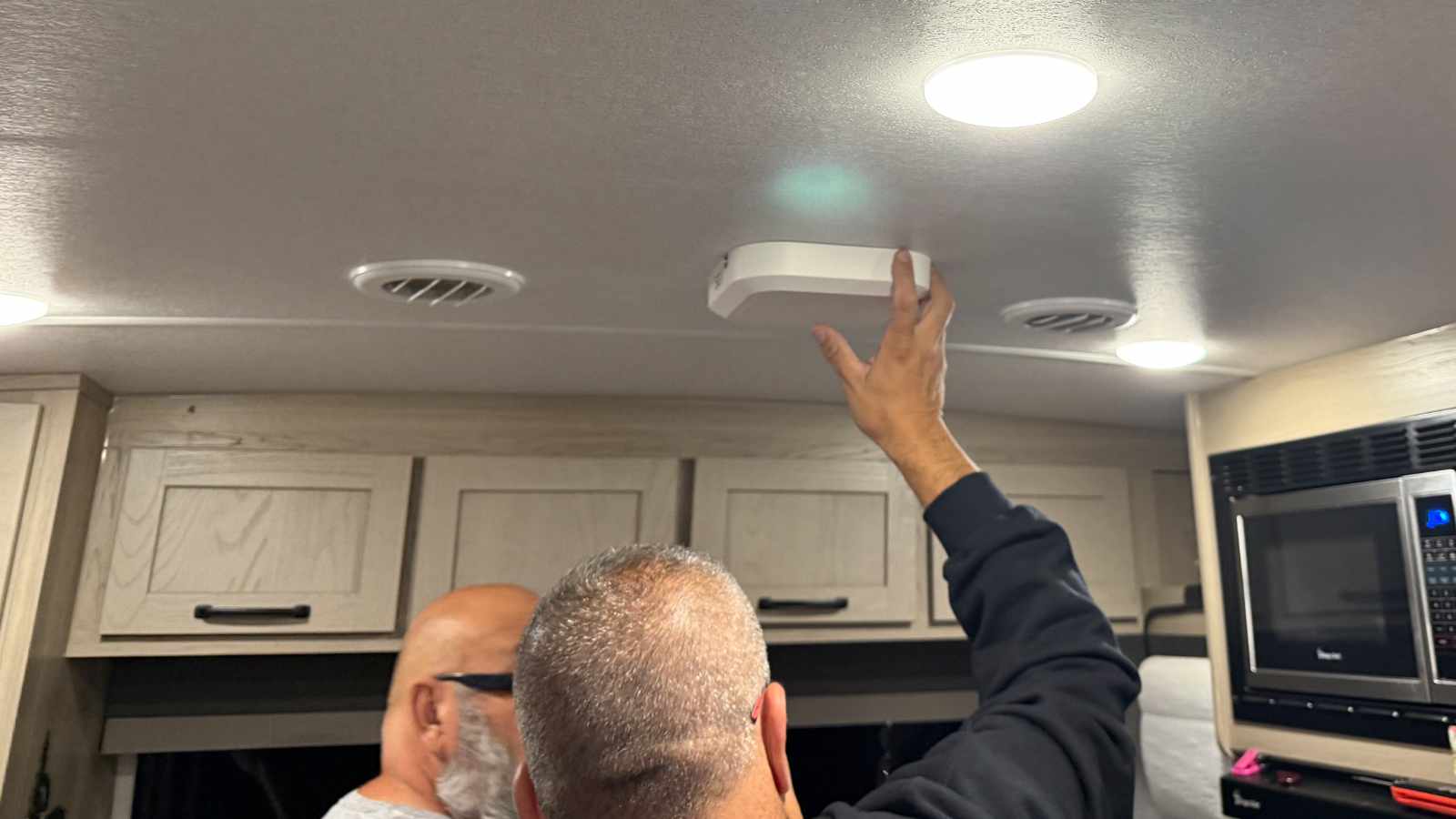
To make all the connectivity features work in the Winegard unit, you do need to purchase a router. We got the 5G model to best take advantage of the antennae’s performance capabilities. 

The Winegard system can also have its own cell-based network, and ours has one from T-Mobile. There are actually provisions for two SIM cards so you could have two cell providers to, again, have redundancies. 

So when I got to the campground and realized my goof, I just got on the app and ordered a month’s worth of cell data from the Winegard system. The cost is $99 for truly unlimited data. Not bad. 

What else the Winegard system does

When I do have Starlink with me, which is on most adventures, the Winegard system is linked to the Starlink router, and it gets connectivity that way. So, why do I do this? 

The Winegard system also has a number of remote sensors that it monitors. It monitors temperature and humidity. And I have sensors in various places that monitor for leaks because, well, RV plumbing. 

There is a sensor on each entry door and one in the cabinet that holds the solar/lithium components in the trailer. I get notified if that cabinet door is opened or an entry door is opened. 

So when it is attached to Starlink, such as at home, I just piggyback on that data and can monitor my trailer from my phone. But, when need be, I can light up the built-in cell system on the antenna, which I have done on this trip. 

Now, I could use the Wi-Fi antenna in the Winegard system to jump onto a campground’s Wi-Fi, but we’ve talked about this. However, the provision is there. 

T-Mobile works well

While Starlink does work just about everywhere, unless there’s some huge tree canopy or something like that, I’ve also been really surprised at how well T-Mobile has worked. 

In fact, it even worked decently well in Quartzsite, which is often a black hole of connectivity except with Starlink. 

The argument that we should disconnect when we’re in our RVs has merit. But remember, everybody travels for a different reason. This particular trip is specifically so I can go swap out a component on our trailer for something new and exciting. 

Of course, I’ll share it with you when I have more information. 

But if you’re needing, or wanting, to be connected on the road, there are so many options, and they seem to be getting better and better. 

We also did a podcast episode with the folks from Winegard where we go into more details about the monitoring systems that can be linked to the rooftop antenna. If I had to store my RV in a storage lot, I wouldn’t even hesitate to have some sort of monitoring. Also, you could pair this cell-based antenna with cameras, if you’d like. 

In fact, we have these solar-powered Wi-Fi cameras all over our home base. These would work equally well for those who want them for their RV.

So, while I feel silly that I left my Starlink dish on the back porch, it hasn’t slowed me down from sharing this story with you.

RELATED

RVT1260
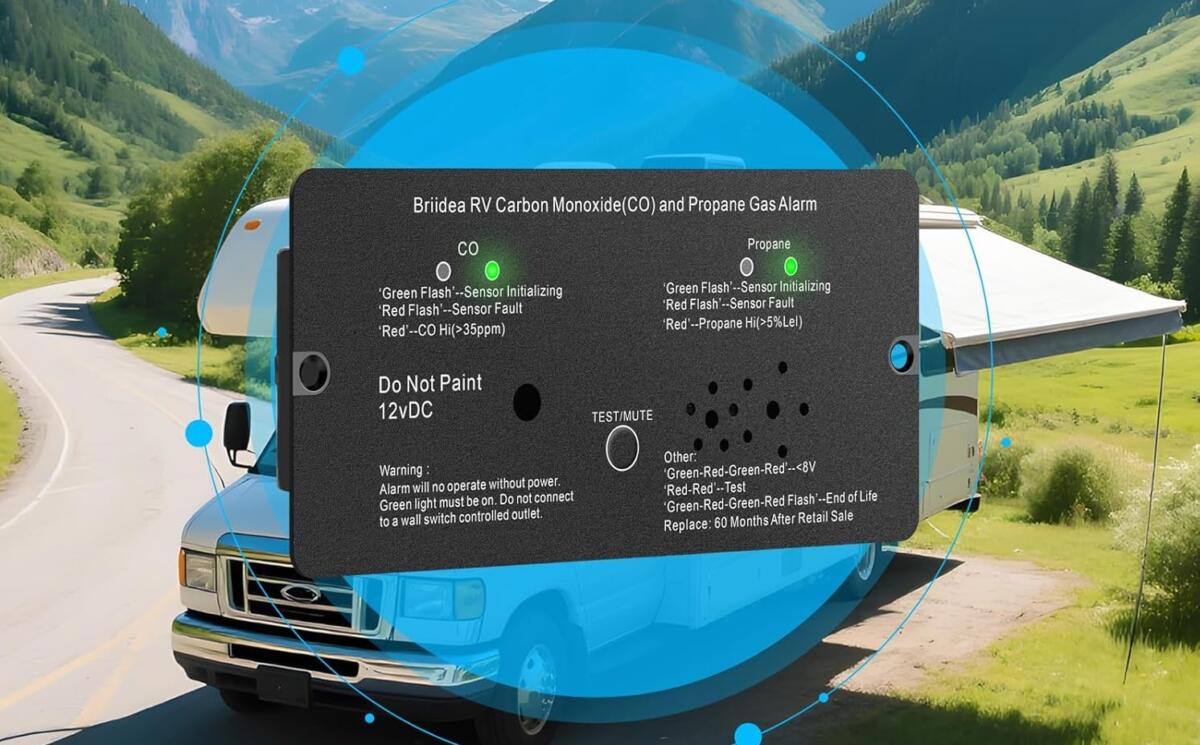
Carbon monoxide testers are in every RV, but are they adequate?

As we have discussed a few times, the RV Industry Association (RVIA) relies on codes and standards set by the National Fire Prevention Association (NFPA), the American National Standards Institute (ANSI), and the National Electrical Code (NEC).

In an earlier post, we discussed the smoke alarm codes and the types used, and from that, I got an interesting question from a reader regarding the carbon monoxide detectors used in RVs. Here was the question/comment:

You should put something in about carbon monoxide detectors, and if the units being installed in all types of RVs are adequate to save a life, and will detect at what level. This is very important! Detectors should be calibrated to detect lower than 70, and should detect not only CO but also LP.

What standards do RV carbon monoxide detectors follow?

The code for residential application is a combination of NFPA 720 and Section 915 of the International Residential Code. It states:

Carbon monoxide detectors are typically required in dwellings with fuel-burning appliances or attached garages, and require UL 2034-listed alarms.

However, according to the listing on the Kidde site here, Texas and Missouri do not have a state-wide mandate, but rather allow codes to be adopted at the local level.

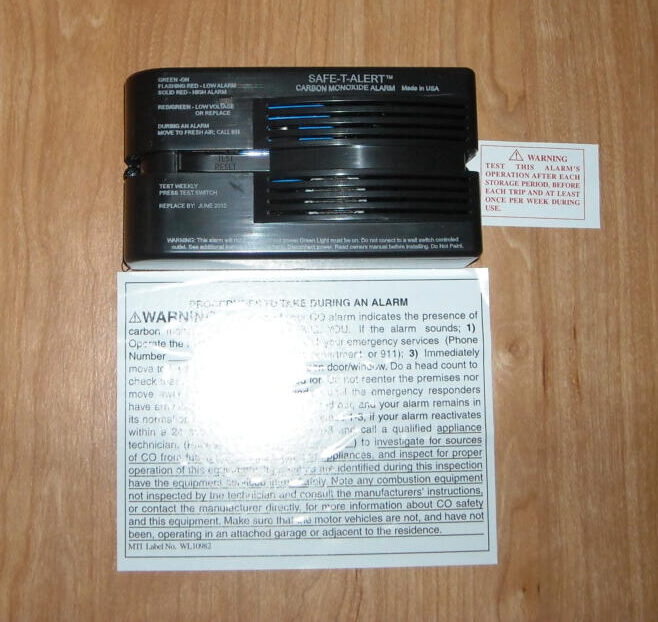
CO Tester
CO alarm (Sorry for the glare.) (Click to enlarge.)

The location of the detectors/alarms seems to vary by state, as well. Some require units within 10 feet of every sleeping room and others at 15 feet.

I contacted my “go to” code guy, who is Thor’s VP of Vehicle Safety & Regulatory Compliance and sits on several committees for RVIA. He stated that the CO detector must meet UL 2034. Combination alarms that detect CO and smoke detectors must have sensors that meet UL 2034 for CO and UL 217 for smoke detection.

Since smoke and CO disperse evenly throughout a room, the recommended placement is near any bedroom, as stated earlier, and at least five feet high on a wall or on the ceiling.

Are RV CO detectors sensitive enough?

According to the Underwriters Laboratory (UL) website:

Listed CO alarms must pass several tests to establish they work well in different occupancies, locations and conditions. This means the alarms must respond within set times when exposed to different levels of CO. The higher the concentration of CO, the quicker an alarm must respond. The levels are 400 PPM within 15 minutes or 100 PPM within 90 minutes, and no alarm under 30 PPM.

Where should carbon monoxide and LP detectors be installed?

Since smoke and CO disperse evenly throughout a room, the recommended placement is near any bedroom, as stated earlier, and at least five feet high on a wall or on the ceiling.

Units are also tested to help ensure they don’t trigger alarms for low CO levels, such as those from traffic or normal use of a fuel-burning appliance. They also cannot alarm when exposed to other vapors that may be present in a residence, such as methane and ammonia.

Since LP is heavier than air, it is recommended to place them closer to the floor or on the steps leading up to a bedroom in a 5th wheel. You can also find combination LP and CO detectors, as CO detectors can be placed just about anywhere since it disperses evenly. You can also find combination CO and smoke detectors, but not smoke and LP combinations.

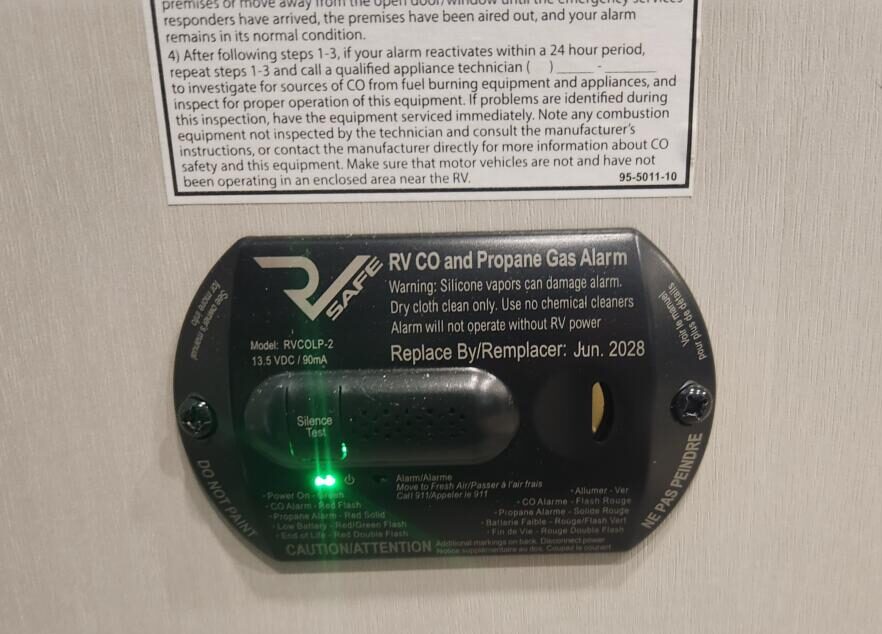
LPCO Tester
LP/CO alarm (Click to enlarge.)

All detectors should be tested, with some recommending every month. Plus, batteries should be replaced every year, and look for an end-of-life date or alarm sound.

To professionally test a CO detector, you can purchase a can of CO test gas from Safe-T-Alert here.

Make sure you have a working carbon monoxide detector. If not, you can buy one here.

RELATED

DAVE HAS ANSWERED MORE THAN 1,000 readers’ maintenance and repair questions. Read a directory here. There is so much to learn!


Dave Solberg is a leading expert in the RV industry and the author of the “RV Handbook.”

HAVE A QUESTION FOR DAVE?

Send your inquiries to him using the form below.

Name
Drag & Drop Files, Choose Files to Upload

RVT1260
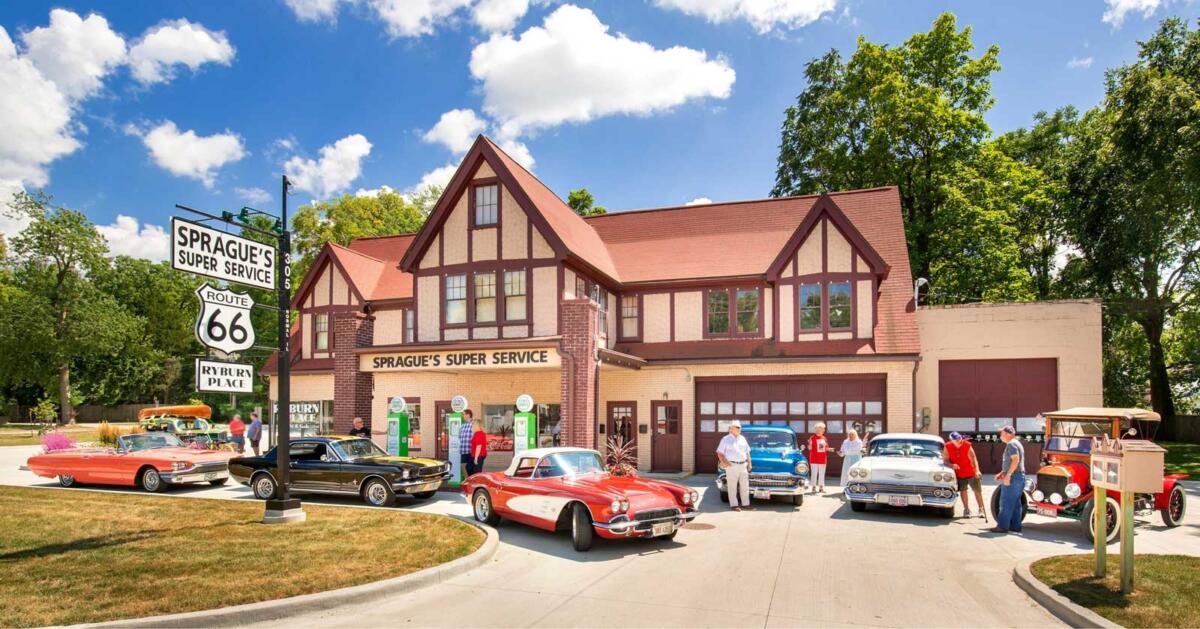
Illinois Route 66 Centennial celebrations

0
As much as I’d like to travel the entire Route 66 in its Centennial year, it’s just not possible.

I know that I’m not alone in my FOMO (fear of missing out), so I’ve decided to do a bit of research. Route 66, also known as the Mother Road, passes through eight states. Each state will commemorate the Route 66 Centennial in its own unique way.

For some RVers, it may be better to participate in local centennial events or focus on celebrating a particular segment of this renowned highway in a more focused way. We can still join the celebration, bask in the nostalgia, and have fun without RVing the entire 2,448 miles that make up the Route 66 route. This article will look at some of the ways and places the state of Illinois plans to celebrate the centennial celebration for Route 66.

Planning

Illinois is treating the centennial as a statewide season of events. The Illinois Route 66 Centennial Commission and the Illinois Office of Tourism coordinated grants, signature attractions, and a central calendar of activities that run through 2026.

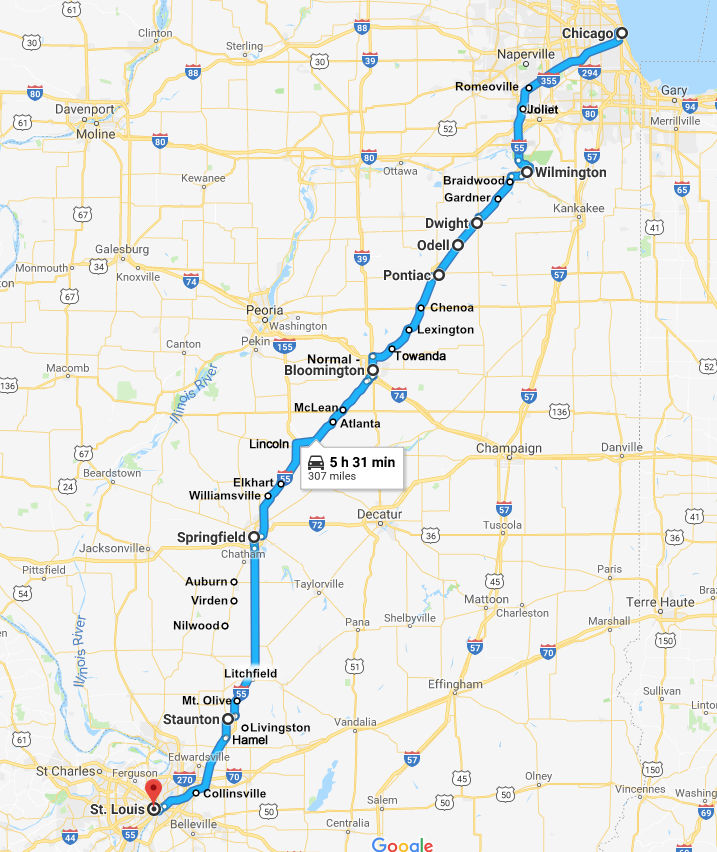
IL Route 66 map Image: route66roadtrip.com

The state has committed to a year-long celebration that includes large signature events (car rallies, a statewide conference, and a gala in Springfield), and local festivals, and a coordinated “kickoff” with satellite-city celebrations which were held on April 30, 2026.

Must-see events

Joliet

Joliet was one of the official satellite cities for the April 30, 2026, centennial kickoff. It hosted a full-day celebration at the Old Joliet Prison site, including a historic exhibition and statewide media simulcast. If you want easy access to museums and car shows, make Joliet your first stop.

Pontiac IL route 66

RVers can pick and choose stops that match their interests. Passport-style itineraries and local “giveaway” stops are part of the plans.

Wilmington.

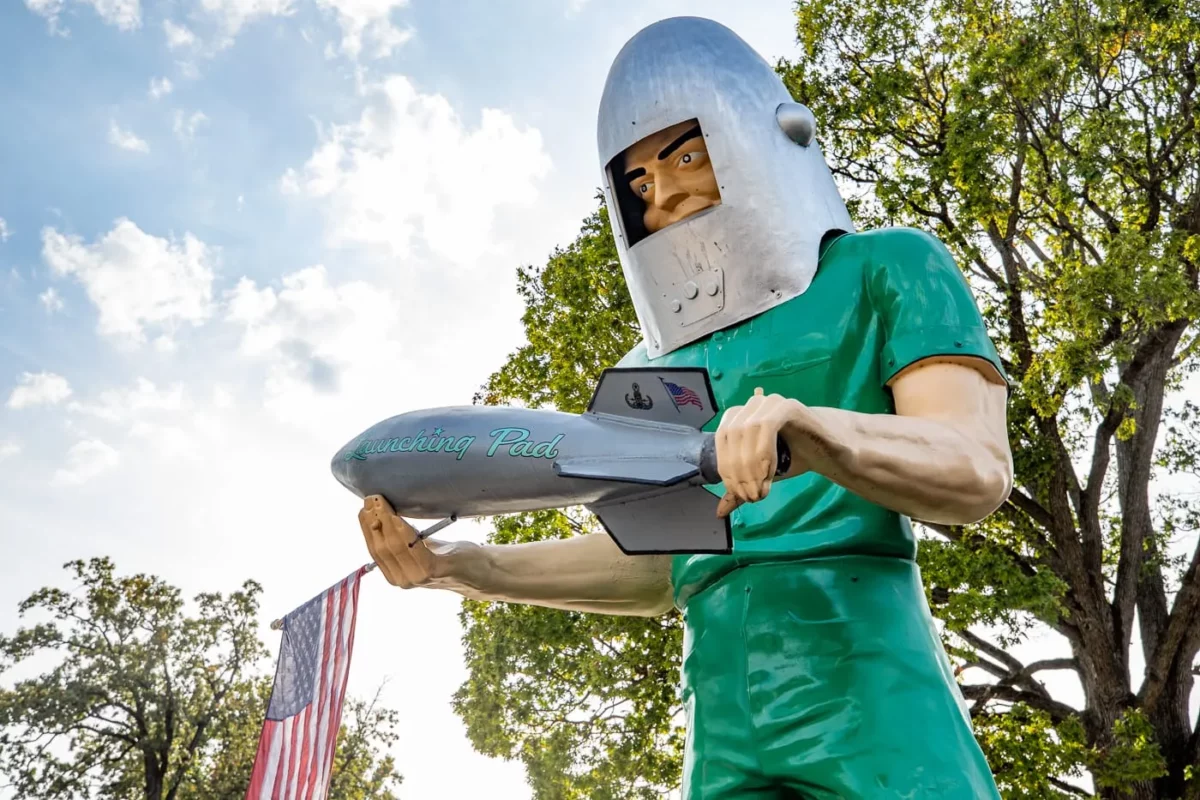
Wilmington’s “Giant Summer Run 6.6K” (June 6, 2026) is part of a statewide set of 6.6K runs and ties into the local centennial activity around the Gemini Giant landmark. It’s a short, family-friendly stop with plenty of roadside Americana.

Gemini Giant Image: Route 66 roadmap

Pontiac

Pontiac is planning centennial programming that includes film screenings and special events at local theaters and museums. For example, a Route 66 film screening is scheduled as part of the centennial programming in September. Pontiac’s big murals and the Route 66 Hall of Fame make it an easy overnight stop for RVers who like museums and photo walls.

Springfield

The Illinois state capital is a major hub for centennial activity. Here you’ll discover family-friendly events, a Centennial Route 66 5K at the Illinois State Fairgrounds (June 6, 2026), a large “International Route 66 Mother Road Festival” scheduled in late September (Sept 25–27, 2026), and a statewide conference and gala event slated for November 11, 2026.

Springfield also offers many Lincoln-related historic sites. You may choose Springfield as your multi-night base if you’re an RVer who enjoys both history and car-culture events.

Edwardsville

The city is staging a hometown Route 66 festival (June 13, 2026) with a car show, live music, food vendors (Taste of 66), trolley tours, and family entertainment. The festival also connects to a local theatrical centennial production at the Wildey Theatre the weekend preceding the festival. This is a great choice for RVers looking for a community-oriented celebration with live performance options.

Auto culture highlights/rolling festivals

Hot Rod Power Tour and Route 66 Raceway events. Rolling automotive festivals are a big part of the centennial. National tours and the Hot Rod Power Tour have scheduled Illinois stops in June (including events at the Route 66 Raceway). If you enjoy big car shows and rows of vendors, you’ll want to mark these events. Expect large crowds. Arrive early.

Main Street of America Caravan. A cross-country centennial caravan runs across all eight Route 66 states. The Illinois segment is scheduled for June 23–24, 2026.

If you’re following the Mother Road in a convoy or want to join a rolling, organized caravan day, coordinate dates and caravan meet-up locations with the Road Ahead partnership.

Parks, national sites, and historic places nearby

Midewin National Tallgrass Prairie (Wilmington area). Managed by the U.S. Forest Service, Midewin is just a few miles from the Route 66 corridor near Wilmington. Here you can hike trails, view bison, and check out the welcome center right on Historic Route 53 (the old Route 66). It’s an ideal short detour for RVers who want a nature break between car-culture stops.

Cahokia Mounds State Historic Site (Collinsville). Near the SW end of Illinois and within a short drive from the Route 66 corridor near Collinsville/Edwardsville, Cahokia Mounds is a UNESCO-inscribed archaeological site and visitor center. It makes a powerful historical counterpoint to the neon-and-diners story of Route 66. I highly recommend it.

Lincoln-related National Historic Sites (Springfield). Springfield’s Lincoln Home National Historic Site and the Abraham Lincoln Presidential Library and Museum are a block or two off the original Route 66 alignment. Plan a day or two for Lincoln sites as you choose centennial events in Springfield.

Plan and choose

Choose by vibe. If you want the biggest crowds and the most classic-car action, aim for early–mid June (Hot Rod and Power Tour dates). Also, plan to see the big Springfield festival in late September.

Choose one or two towns within the corridor to linger in. For family-friendly options with kids’ zones and live shows, Edwardsville’s mid-June festival pairs well with local theater performances.

Book strategically. Popular weekends (spring and early fall) will fill up RV parks near Joliet, Bloomington, Springfield, and Collinsville. The state’s centennial planning includes large car shows, and the Power Tour, so you’ll want to reserve a site early.

Events to watch and RSVP for now

  • June 6, 2026 — Wilmington Giant Summer Run 6.6K and Springfield Centennial 5K
  • June 8–12, 2026 — Hot Rod Power Tour with Route 66 Raceway events
  • June 11–13, 2026 — Edwardsville musical and Route 66 festival weekend
  • Sept 25–27, 2026 — International Route 66 Mother Road Festival, Springfield
  • November 11, 2026 — Statewide Route 66 conference and Epic Centennial Celebration at Motorheads

RV tips for centennial travel

For big events, arrive the day before and check RV parking rules. Many small towns offer volunteer-coordinated overflow parking and “passport” stops during the Red Carpet Corridor event.

Expect limited hookups for big car show weekends. Plan to boondock or use reservable campgrounds and pay attention to RV-size restrictions in historic downtowns.

Small towns sometimes close Main Street to vehicle traffic for parades. Check event pages for road closures and staging times to avoid being boxed in.

If a big event looks too crowded, pick a nearby quieter town that still has centennial programming and use a short hop to return for the parade or cruise-in.

Do you plan to celebrate Route 66’s Centennial? Tell us using the comments below.

RELATED

RVT1260

All about tire loads and inflation – A ‘heavy’ topic

OK, so maybe the title is a bit too cute. But it was suggested I try to balance my focus on highly technical stuff with a little bit of lighter stuff. Well, air is light, isn’t it?😉

Today’s key points:

  • Know the minimum tire inflation based on manufacturer estimates of the weight of the RV.
  • Check your inflation with a good gauge at least monthly and every morning before travel.

These tire inflation posts are important

Tire inflation seems to be a topic that confuses some and has others believing in misleading or just plain incorrect information. Tire inflation is one item that directly affects the safety of your RV, truck or car as you travel down the highway. Many of my posts have been background information that you really don’t have to know or fully understand. The intent of these topics is to give you a better foundation of understanding more about tires, but if you only pay attention to one series of posts, this is it.

Tires do not carry the load. They are just a container of air. It is the inflating air that does the work. Think for a moment of an impact wrench. It can’t do the work of loosening or tightening nuts on your wheels without the air. A tire can’t do the work of carrying the load or provide the traction needed to turn, start, or stop if it doesn’t have air. The load a tire can carry is based on the air volume of the tire (tire size) and the pressure of that air inside the tire.

If you want to get a feel for how little load your tire can carry without air in it, you can test this yourself. Simply take an unmounted tire and stand on the beads of the tire. I think you will find that the tire can support less than 5% of the rated load before it deflects more than an inch or two, or even completely collapses.

About load range

Some people believe that tires with a higher load range can carry more load at the same inflation than a tire with a lower “load range”. This is simply not correct. You would be hard-pressed to measure the load capability difference between a load range D and E tire, or between G and H load range tires at the same inflation pressure.

If you are not sure, the “Load Range” is marked on the sidewall of your tires. If you don’t see the words “Load Range” look for “LR” followed by a letter usually between C and G. “Load Range” may not be in large letters but you should be able to find this information on your tires. There is more information on sidewall stamping HERE.

How much air you need in your tires

The simple answer to how much air you need in your tires is on your data sheet aka Certification Label. Depending on the year your RV was made, this information is on a sticker on the outside driver side of your trailer, or near the driver’s left elbow and visible from the driver’s seat if there is no door, or on the inside (door jamb) of your motorhome entry door.

Wherever it is, you should also have the information in the stack of owner’s manuals you received when you bought the new RV. Find this data sheet and write down the information for loads, minimum inflation, tire size and load range and place this info where you can easily find it. This inflation is the minimum based on what the RV manufacturer thought you would load into your vehicle. They may have guessed correctly or you may have gone way over that estimate, depending on how much “stuff” you carry.

Weigh your RV at least once

Every RV owner should get their RV on a truck scale at least once to confirm its actual weight. If your scale reading is near the GAWR (gross axle weight rating), then it is important that you do a detailed weight measurement.

Our next post will cover how to know the real load on your tires and what you need to do to be sure you are not overloading your tires, wheels, axle or RV.

Roger Marble

MORE POSTS ON TIRE INFLATION

*****

If you have tire questions, check out Roger’s posts on RVtravel.com. There are hundreds of posts covering everything to do with tires.

If you still have a question for Roger after searching the above posts, send your inquiries to him using the form below.

Name
Drag & Drop Files, Choose Files to Upload

RVT1260

The best patriotic gear, gadgets and accessories for RVers

RVers, it’s almost time to celebrate our beloved United States of America on our favorite summer holiday, the 4th of July. What better way to show your patriotism than with the best gear, gadgets, and accessories?

4th of July clothing for RVers

Make sure you’re dressed appropriately for the day (and Memorial Day, Labor Day, Veterans Day, and all the others!). These shirts are very cool!

All RVs welcome here!

This T-shirt is for the patriotic celebrator who loves all RVs. Each type of RV makes up this American flag. Nice! Find it here in multiple colors.

For the all-around outdoor lover

This shirt is for the all-around outdoor and adventure lover. The flag here is made out of tents, mountains, hiking boots, lanterns, trees, campfires and, of course, RVs. It comes in multiple colors for both men and women.

For the vintage camper lover

For the vintage trailer lovers out there, this one is for you! Even if you don’t own a vintage trailer, this one is pretty cool. It comes in multiple colors for both men and women.

Happy camper alert!

If you’re a happy camper, you’re going to want this one. It comes in multiple colors for both men and women. Click here to learn more or order.

For even more patriotic RVing shirts and sweatshirts, click here.

For the grill master

The 4th of July isn’t complete without a hot dog, hamburger, grilled corn… If you’re the grill master, this is the apron for you!

RV/campsite decor and accessories

This July 4th, show your patriotism. It’s fun seeing the campground all decorated in red, white and blue, isn’t it? Join in the fun!

RV flag pole

It wouldn’t be the 4th of July without an American flag, and this flag pole mount (with flag) is specifically designed for RVs. Check it out.

Welcome to the campsite

Show your RVing neighbors how much you love your country and your RV with this small weatherproof flag. We love this! It comes in two styles with two different designs.

When even the propane is patriotic

Spice up the exterior of your RV with these American flag propane covers. It protects your propane from all weather types, and makes it look cute while doing so! This propane cover comes in a ton of different styles.

Flagcover

Here’s another propane tank cover if the one above is too big.

Protect that spare

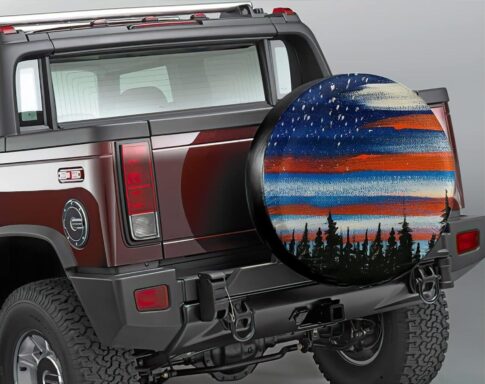
You DO carry a spare tire with you, right? Good! You never know when you’re going to need it. This beautiful (we love that it looks like an oil painting!) spare tire cover will protect your spare and make it look stylish while it’s at it. Learn more or order.

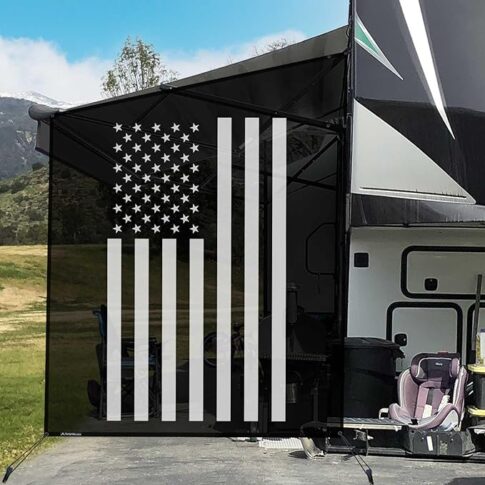
Awning side shade

This UV-light-blocking sun shade provides you with extra shade and a more stylish campsite. Learn more about it here.

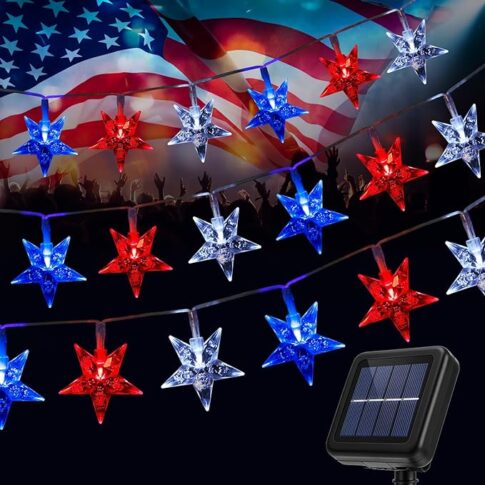
Solar-powered string lights

These solar-powered string lights will bring the fireworks right to your campsite. These would look so nice hanging overhead while you have a campfire and play some games. Plus, we’re sure everyone would stop and compliment them! Here they are.

Picnic table cover

What better way to make your campsite more festive than with a picnic table and seat cover like this one? We like that these have elastic edges so they won’t blow off the table or benches. Neat! Check it out.

But wait! There’s more!

The hot dog is… GREAT!

With Americans eating about 20 billion hot dogs a year, there certainly needs to be a book for the greatest hot dog recipes and side dishes. Oh, wait… there is! 

RVT1260