By Russ and Tiña De Maris
If you’ll be camping in a park with “city water”—that is, water from a faucet—there are some good accessories to keep in your RV storage compartment. These can make your visit easier—even safer—for your rig. These RV water gadgets are inexpensive and you’ll be glad you have them when you need them.
Water bandit
Even before you hang the hose on the tap, there are a couple of helpful devices you might need. First, there are situations where the “threads” on the water faucet are stripped, or deliberately not there to prevent folks from hooking a hose to an otherwise good spigot. Assuming you have the right to the water, a little device known as a “water thief” aka “water bandit” can help out here.
The “thief” is a rubber sleeve (that blue thingy above) that snugs over a spigot, and at the other end is a brass threaded connection that allows your water hose to hook up normally. If you’re filling up your tank, just slip the thief on the faucet, hook up your hose, and fill away.
If you’ll be putting any real pressure on the hose—say, hooking it directly to your “city water” inlet on the RV—you’ll need to use a hose clamp to snug the rubber sleeve end onto the faucet.
Water pressure regulator
A water pressure regulator (above) can also save you lots of headaches. Typically, RVers complain that the pressure they encounter in a campground or RV park is too low, but it only takes one case of over-pressurization to blow a fitting in your rig to really make your blood boil. A simple RV water pressure regulator can prevent overpressure from doing real damage.
Where do you put it? We’ve seen plenty of RVers who hook the things between the water hose and the city water inlet on the rig. But why not protect the water hose too? Hook it on the campground faucet, then to the hose, and all your bases are covered. Yes, there is a slight fall-off of water volume when you use this rig, but the peace of mind is usually worth it. Is it worth the extra money to buy the fancy “adjustable” water pressure regulators? Not from what we’ve heard—some say they simply don’t work as advertised. Here’s a simple plastic one from, you guessed it, Amazon.
Hose elbow
And finally, a fitting you probably do want between the hose and the city water inlet is an entry elbow. If your water hose kinks or bends where it mates up with your water inlet, you can be sure water flow will be impaired and a premature death of the water hose is likely.
You can buy a metal elbow that allows the water hose to hang vertically, rather than crimped. Of course, it wouldn’t be fitting if we failed to foist an Amazon push. Here you go.
By Cheri Sicard
Switching to a diesel truck or RV can bring up a lot of questions about fuel. What’s the difference between all those diesel types at the pump? What about additives?
In the video below from RV Miles, Jason Epperson breaks down the basics of diesel fuel, so owners can keep their engines running smoothly for years to come.
About diesel
Diesel fuel wasn’t always what it is today. Rudolph Diesel, the inventor of the diesel engine, originally envisioned it running on coal dust. He even experimented with vegetable oil. Eventually, the petroleum industry stepped in, and petroleum-based diesel became the standard.
It all starts with crude oil. Refineries heat crude oil, separating it into different products through distillation. These products include gasoline, kerosene, and, of course, diesel. For every 42-gallon barrel of crude oil, refineries produce about 11 to 12 gallons of diesel fuel. The cost of crude oil plays a significant role in the price consumers pay at the pump.
Have you noticed that diesel usually costs more than gasoline? This wasn’t always the case. Before the early 2000s, diesel was often cheaper. However, regulations to reduce sulfur content in diesel fuel increased refining costs.
One advantage of diesel is its energy density. Diesel packs about 15% to 20% more energy per gallon than gasoline. This means a diesel vehicle can travel farther on a tank of fuel compared to a gasoline vehicle with the same tank size. The increased fuel economy often makes up for the higher price of diesel.
Navigating diesel fuel types: A buyer’s guide
Standing at the fuel pump, one might wonder what type of diesel to choose. Number 2, Number 1, a blend, or something else entirely? Let’s clarify the options.
Number 2 diesel—The standard choice
Number 2 diesel is the standard, the fuel that most engines are designed to run on. Think of it as the “number two pencil” of diesel fuels—reliable and widely available. However, it has a weakness: It contains wax that can solidify in cold weather, leading to diesel gelling. Diesel gelling can cause engine sputtering, difficulty starting, and even complete engine stalling. No one wants that.
Number 1 diesel—The cold-weather alternative
Number 1 diesel is thinner and doesn’t contain the wax found in Number 2 diesel. This makes it suitable for very cold temperatures. However, it burns hotter and faster, which reduces fuel mileage.
It’s best to avoid running straight Number 1 diesel unless it’s extremely cold (below -30°F). Typically, Number 1 diesel is only found in very cold regions.
So, how do you prevent gelling in the winter? In colder areas, fuel stations usually blend Number 1 and Number 2 diesel. This provides a winter blend that protects against gelling.
Anti-gel additives are another option. These additives can be poured into the fuel tank to prevent gelling. Many people use them with every fill-up. However, if fueling up in a cold area where winter blends are already available, they aren’t usually necessary.
Consider using anti-gel if traveling north after filling up in the South during the winter. Also, keep some on hand during unexpected extreme cold spells.
Biodiesel—Understanding blends (B5, B10, B20)
Biodiesel is made from vegetable oils and animal fats. It’s often blended with regular diesel and labeled as B5, B10, or B20. The number indicates the percentage of biodiesel in the blend. For example, B20 contains 20% biodiesel.
Biodiesel can be less energy-efficient and suffer from instability issues. For this reason, it’s typically used in blends with regular diesel. Regular diesel can contain up to 5% biodiesel without any special labeling.
Engine manufacturers haven’t always been enthusiastic about biodiesel. Some have restrictions on using blends with more than 5% or 10% biodiesel. For example, Mercedes-Benz Sprinter vans had issues with B20 blends for a while.
Biodiesel can also spoil, so it’s not a good idea to let it sit in a tank for more than a month. If you’re storing an RV, fuel it up with regular diesel before storage.
Renewable diesel (R99, R100)—The advanced biofuel
Renewable diesel is different from biodiesel. It’s chemically equivalent to petroleum diesel and can be used at full strength. It’s often labeled as R99 or R100.
Renewable diesel is made from the same sources as biodiesel, but it undergoes a more extensive process. This process removes the faults of biodiesel. Many claim it’s even better than regular diesel. It’s primarily found on the West Coast.
Premium diesel—Enhanced performance and protection
Premium diesel contains additives that improve lubricity, act as detergents, and enhance cetane levels. These additives can provide several benefits.
The process of removing sulfur from diesel reduces its lubrication properties. Lubricity improvers help restore and maintain the necessary lubrication, protecting fuel pumps and injectors. Detergents help clean fuel injectors and prevent deposits from forming. Cetane enhancers improve fuel combustion, leading to smoother engine operation, increased horsepower, and slightly better fuel mileage.
Cetane is a measure of how quickly and easily the fuel ignites under compression. While these additives offer advantages, it’s not a good idea to use premium diesel and additional additives. Doing so can raise the cetane level too high, which can cause problems.
Off-road diesel (red diesel)—What to know
Off-road diesel, also known as red diesel, is dyed red. It’s identical to regular diesel, except it’s untaxed and intended for off-road use only. Using it in on-road vehicles is illegal and can result in fines.
Optimizing your diesel experience: Fueling tips and additives
To get the most out of a diesel engine, it’s helpful to understand fuel additives, the best places to fuel up, and how to avoid common mistakes.
Diesel additives are often considered a must-have due to the reduced lubrication in modern diesel fuel. One additive that gets good reviews is ARCHOIL® diesel treatment, especially for Ford trucks with CP4 pumps, which are known to have issues.
There’s an informative video from Repair Geek that tests various diesel additives and demonstrates how they improve scoring on metal (aka metal wear scar). It’s worth checking out to see the science behind these products.
The diesel supply chain is structured in such a way that the diesel fuel itself tends to be very similar from brand to brand. However, diesel at different stations will have slightly different additives. Just because a station carries a certain branded gasoline doesn’t mean the diesel is the same brand.
The most important thing is to buy fuel from stations that regularly sell diesel. Avoid stations with a single, rarely used pump or those in areas with low diesel traffic. Fuel that sits too long in underground tanks can degrade, leading to oxidation and water contamination.
In what season(s) of the year do you most often RV? Do you go camping mostly in the beautiful, warm summer months? Or do you drive south and camp in the winter months to find sunny, warm weather? Do you like to camp in the beautiful fall colors? Or near the spring flowers?
Every season has its own unique charm for RVers. Summer is a classic favorite, with long days, clear skies, and kids out of school—making it ideal for family adventures and exploring national parks. But summer can also bring higher temperatures and crowded campgrounds, especially in popular destinations. Some RVers choose to travel to cooler, higher-elevation spots during this time, while others embrace the heat and head for lakes, rivers, or coastal breezes.
Fall, on the other hand, offers a slower pace and cooler weather. Many RVers love to chase the changing leaves, enjoying scenic drives through the mountains or quiet nights under crisp, starry skies. Fall festivals, apple orchards, and harvest markets add even more flavor to autumn camping.
Meanwhile, winter is the season of the snowbirds—those who head to warmer states like Arizona, Florida, or Texas, to escape the chill. If you’re lucky enough to have the flexibility, winter camping can be peaceful and crowd-free, with a strong sense of community among fellow travelers.
Spring brings a breath of fresh air—literally. Campgrounds start to reopen in colder regions, wildflowers bloom, and wildlife becomes more active. It’s the perfect season for hiking, birdwatching, and shaking off the winter cobwebs. For many RVers, spring is a time of renewal and reconnection with nature.
After you vote, feel free to leave a comment. We’d love to hear what draws you to your favorite season—or seasons! And remember, in this poll, you can select up to four answers if you camp in all four seasons about the same.
April is National Poetry Month, a month-long celebration that was launched by the Academy of American Poets in 1996. Since then, it has grown into the largest literary celebration in the world. 2026 marks the 30th anniversary of this special month.
It is also a time when poets, readers, libraries, classrooms, and communities make extra room for verse, with the Academy offering free programs and resources each April.
Join in!
For RVers, that makes April a great excuse to slow down long enough to notice the little things. The sound of rain on the roof. A sunrise over a campground. The smell of coffee before the campground wakes up.
Poetry does not have to be fancy or formal. It can be a few honest lines about a mountain pass, a beach breeze, or the quiet joy of pulling into a site after a long drive.
The best part is that you do not need to be a seasoned poet to try. April is the perfect month to start, even if your poem is just a handful of lines scribbled on a notepad, a phone screen, or the back of a campground receipt.
My attempt
I kept things pretty simple when composing my poem for National Poetry Month. I tried to convey the ups and downs of RVing. Take a look.
Real RV Life
Pack it up!
Get the pup.
GPS…
Or a guess?
Wrong turn.
Brakes burn.
Campsite.
Just right!
Level now?
(Wipe brow.)
Slides out.
Neighbors shout!
Hit tree?
Let’s see.
It’s fine.
Dinner time.
Wood’s green.
Cold beans.
Fresh air.
No cares.
Campfire!
Kids tire.
Bedtime.
Sublime!
Your turn
So here is the invitation: RVers, send in a poem of your own to editor(at)rvtravel.com before April ends. There’s not much time left, so get started!
Write about the places you have been, the roads you have taken, the campsites you’ve loved, or the people and pets who ride along. Keep it short, keep it real, and let your memories guide you.
Problem is, if you look at how this year has actually started, the ball hasn’t really left the infield yet.
The industry is calling for a late-inning rally
RVIA’s forecast says shipments should land somewhere north of last year’s total, maybe around that 349,000 mark if things go right. That’s a nice, steady climb—not the wild pandemic years, just a team trying to get back into the game.
But here’s the catch: Most of that “growth” is supposed to show up later in the year. Think of it as a game plan that counts on scoring runs in the seventh, eighth, and ninth innings.
That can happen. It just hasn’t happened yet.
The early innings have been pretty quiet
Early in the 2026 “game,” RV shipments are ticking up—but buyers still appear to have the upper hand.
So far, 2026 has looked more like a slow start at the plate.
January came in soft—down from last year. February picked up a bit. March crossed the 32,000 mark, which is respectable, but not exactly a breakout inning.
Put it all together and, yes, shipments are ticking up month to month. But compared to last year? Still playing from behind.
Why that matters if you’re shopping
Here’s where this shifts from industry talk to real life.
When sales aren’t exactly flying off the lot, dealers notice. They’ve got units coming in, floorplan costs stacking up, and a pretty good idea of how fast things are moving—or not moving.
That usually means one thing: They’re more willing to talk.
You’re not walking into a red-hot market where someone else is ready to grab the rig you’re looking at. There’s still inventory sitting, and that tends to keep the pressure off buyers.
The game could still change later
Now, if the industry’s forecast plays out, things could look different by late summer or fall.
Lower rates, more confident buyers, and suddenly that slow start turns into a decent season. Inventory tightens up. Discounts get thinner. Dealers stop chasing deals and start holding the line.
That’s the late-inning rally the forecast is counting on. But right now, we’re not there.
What RVers should take from this
If you’re in the market for an RV, this feels a lot like the middle innings of a game that hasn’t tilted one way or the other yet.
There’s inventory to choose from. There’s time to look around. And there’s still room to negotiate without feeling rushed.
Could that change later in the year? Sure. But as of now, the scoreboard isn’t flashing “seller’s market.”
The bottom line
The RV industry may very well end up having a decent 2026. The forecast isn’t crazy—it just depends on a stronger finish than we’ve seen so far.
For now, though, the early innings belong to buyers.
America’s Original RV Newsletter. Since 2001
Issue 2891 • New issue every weekday If you find this newsletter helpful, please consider supporting our work with a donation of your choice. Thank you!
Today’s thought
“No road is long with good company.” —Turkish Proverb
Need an excuse to celebrate? Today is National Prime Rib Day!
On this day in history: 2006 – Construction begins on the Freedom Tower (later renamed One World Trade Center) in New York City.
Tip of the day RV hitch failure raises question: When did you last inspect yours?
By Russ and Tiña De Maris
Many RVers are pretty aware of safety. They check tire pressure. Make sure the running lights are operational. Try to “keep the weight down” so as not to overload their rig or tow vehicle. But sometimes, things happen that you probably hadn’t stopped to think about. An RV hitch failure can ruin your whole day. Take Larry’s experience, for example.
RV review
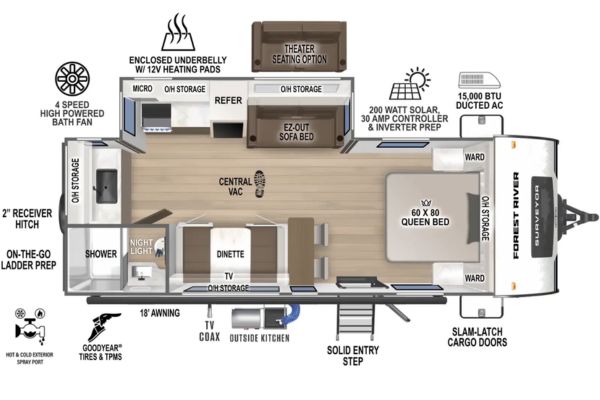
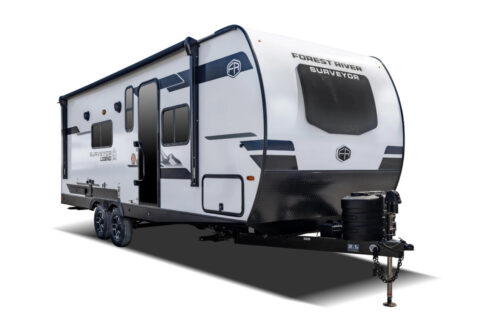
2026 Forest River Surveyor Legend 204MKLE—Not bad… just weird
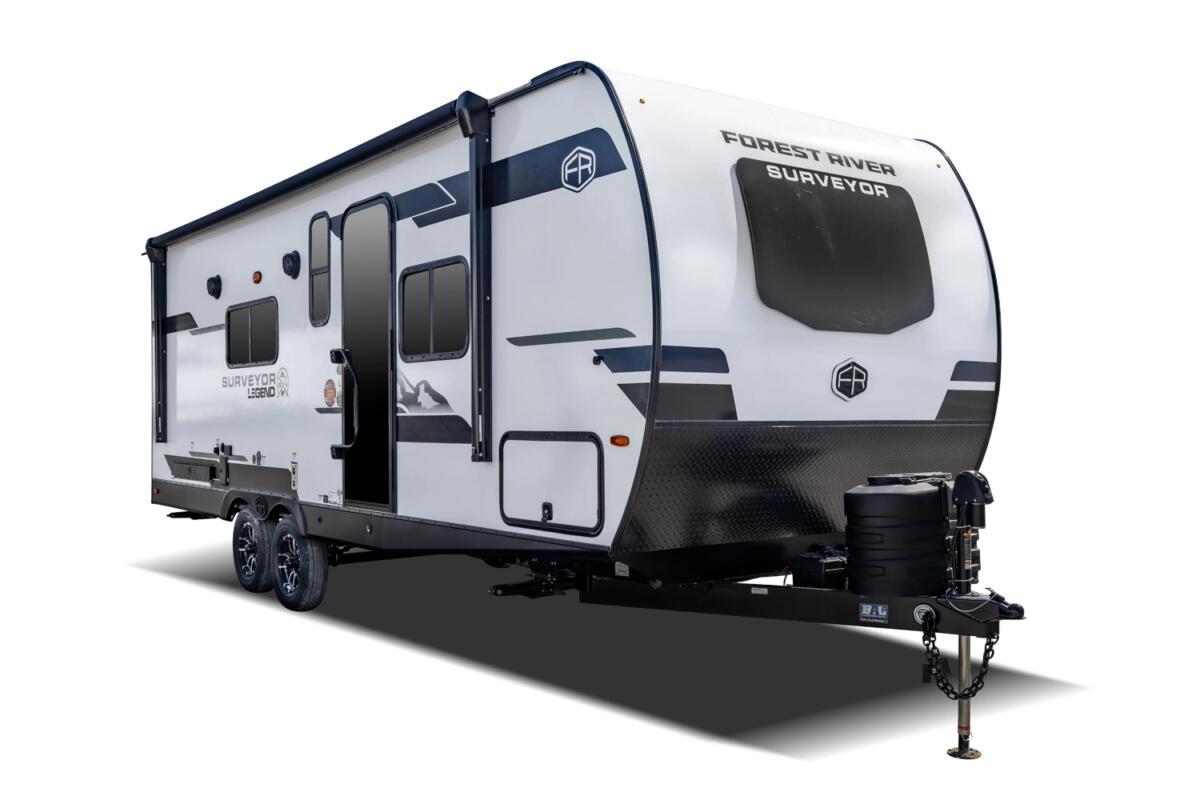
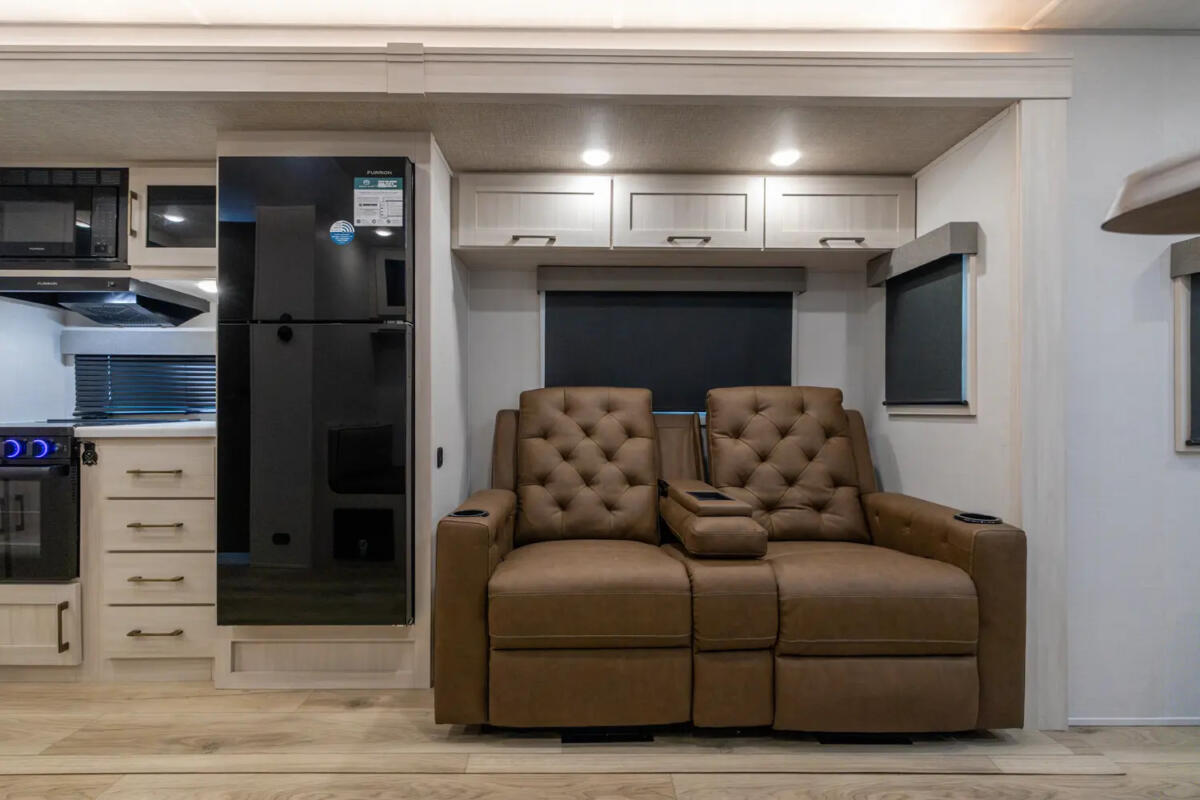
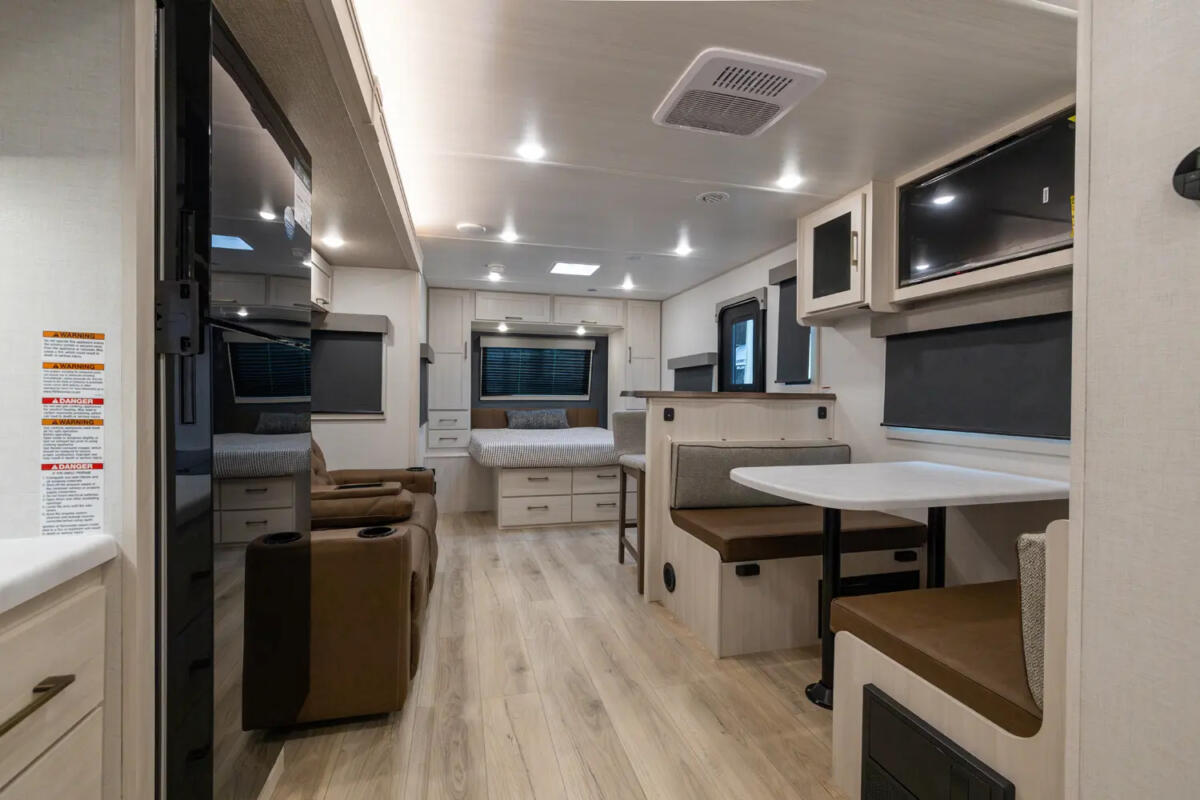
The 2026 Forest River Surveyor Legend 204MKLE is the kind of trailer that can split opinions fast. It packs a lot of smart features into a popular couple’s floor plan, yet one choice changes the whole feel inside. We get a tour from Josh the RV Nerd at Bish’s RV in the video at the end of this post. This isn’t a bad camper, but it is a weird one. Shoppers looking at this layout usually have a lot of other options. See what you think.
IN CASE YOU MISSED IT…7-year-old girl’s video review of travel trailer is a delight. Click here.
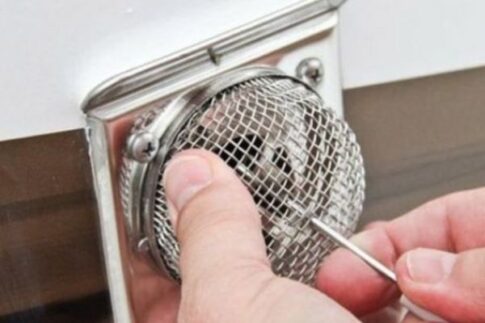
Keep insects and bird nests out of your RV furnace Wasps, mud daubers, birds and rodents pose a serious threat to the furnace on your RV. They can enter through the furnace vents. Their nests can interfere with air flow and cause serious damage. This pack comes with a few different screens, so check which one will fit your vent. Here’s more info on these screens, and why they’re important. You can order them here.
In the RV shop with Dustin Having a towing maintenance kit could save your trip
In the past, Dave Solberg and I [Dustin] met for a livestream called Talkin’ RV Tech. We not only answered technical questions, but we also shared what we like to call “cool tools.” These are tools and gadgets that we actually use! We also believe they will be helpful to you. This clip is from one of those videos where we discuss towing maintenance kits.
Article and video Visit America’s weirdest small towns on your next road trip
By Cheri Sicard
If a journey through the wonderfully weird side of the USA sounds appealing, then buckle up. Here, the team from Weird History has compiled a list of the weirdest small towns in the United States that you can schedule into your future travel. I tell you all about them in the article, too.
Featured article Amazing 20-year dream 1935 Bowlus restoration is completed
By Paul Lacitinola
In the current issue of the Vintage Camper Trailers Magazine, we featured two of Monte Osborne’s vintage vehicles: his King slide-in camper and his rare 1935 Bowlus Road Chief. Anna Scribner of Flyte Camp shared the following builder’s notes about this trailer’s restoration. Check this out!
FACTOID: One barrel contains 42 gallons of crude oil from which, in the U.S., typically 19 gallons of gasoline are produced.
Groove gap cleaning tool keeps bugs, dirt and grime out of windows and doors
This small groove gap cleaner cleans windows, sliding doors, shower door tracks, oven and sink gaps and more. This two-part gadget has a scraper for scraping up debris and dirt, and a brush for brushing it away! The elevated handle has finger grips for an easy hold. If it gets dirty, wash it with soap and water, and it’s just like new. Learn more or order.
Ask Dave Can I use a 2-prong plug in a 3-prong outlet?
My advice to anyone living the RV lifestyle is to keep an emergency fund. Don’t buy the most expensive RV you can afford. Keep a little money back for emergencies. Also, make sure that you are not spending every penny that’s coming in each month. If you find yourself spending all the money that’s coming in, by all means, find a way to do some workamping or other ways to make a little extra money each month, or find a way to cut back on your spending, so you can put away some money for an emergency. Things happen when you’re living on the road—just as they do when you’re living a traditional lifestyle.
Below is a list of expenses that could come up at any time, and you need to be prepared for them. Eye glasses. Dental work. (I broke a tooth yesterday. I’m sure that will be expensive and it’s not covered by insurance.) Tires—You may have a blowout at any time and even if you don’t, you will need to replace all of your tires every five to seven years. If you have three years left on your tires, start putting money aside now for a new set. Saving $50 a month for three years would give you $1,800 towards a set of tires when the time comes. If you have an accident, your insurance will probably cover it, but is there a deductible amount that you would be required to pay? From — Secrets of RVing on Social Security: How to Enjoy the Motorhome and RV Lifestyle While Living on Your Social Security Income Available on Amazon.
“Enjoy making decisions. You must know that in any moment a decision you make can change the course of your life forever: the very next person you stand behind in line or sit next to on an airplane, the very next phone call you make or receive, the very next movie you see or book you read or page you turn could be the one single thing that causes the floodgates to open, and all of the things that you’ve been waiting for to fall into place. If you really want your life to be passionate, you need to live with this attitude of expectancy.” ―Anthony Robbins
? MYSTERY PRODUCT OF THE DAY ? Do you and your special sweetheart drink coffee together every morning? If so, you need this. This is so sweet!
Trivia
No two people have the same fingerprints—not even identical twins. These tiny patterns actually form long before birth. While a baby is developing in the womb, subtle movements, pressure, and contact with their surroundings shape what are known as “friction ridges”—the delicate lines you see on your fingers and toes. By about six months of pregnancy, those ridges are fully formed and will stay with you for life.
Readers’ pet of the day
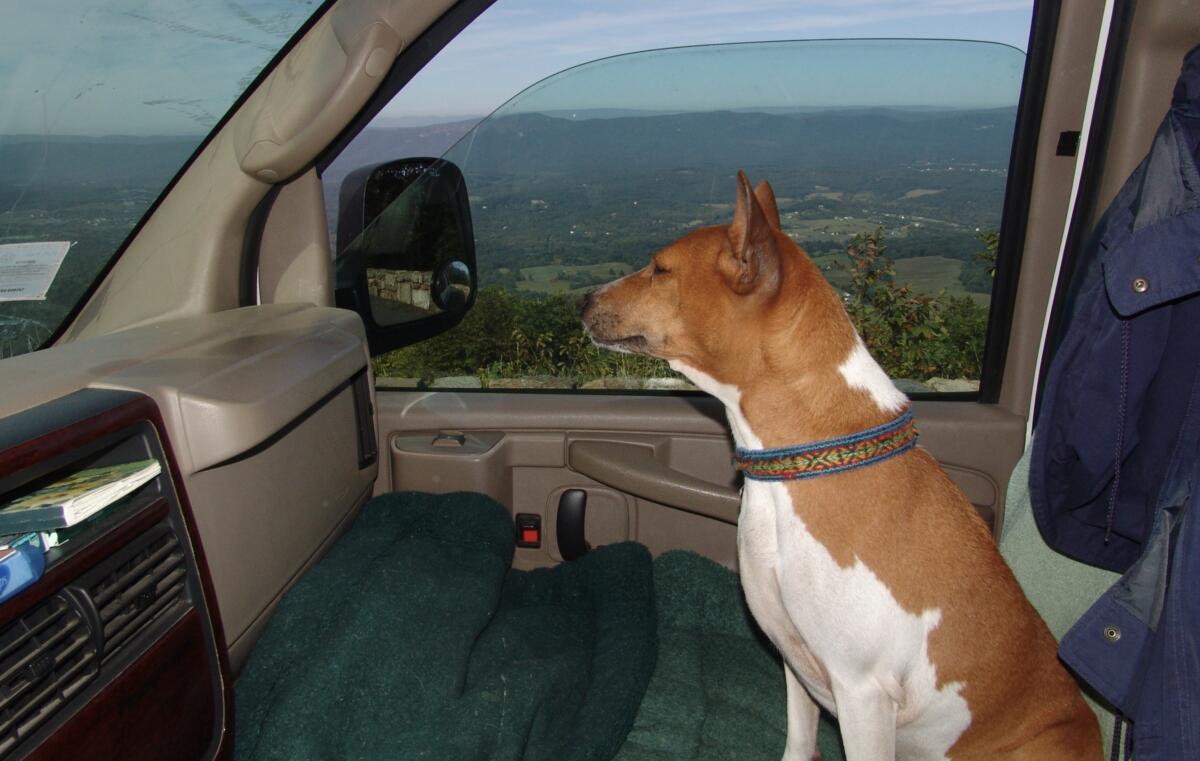
“I told people that my little van motorhome was really Mandi’s, and that I was just the chauffeur! She loved to travel in HER little home on wheels! We logged 120,000 miles together on our adventures. She left me in April of 2021, but still travels with me in my heart!” —Sylvia Jordan
Send us a photo of your pet with a short description. No blurry photos and please do not submit your photo more than once. Thanks!
Leave here with a laugh
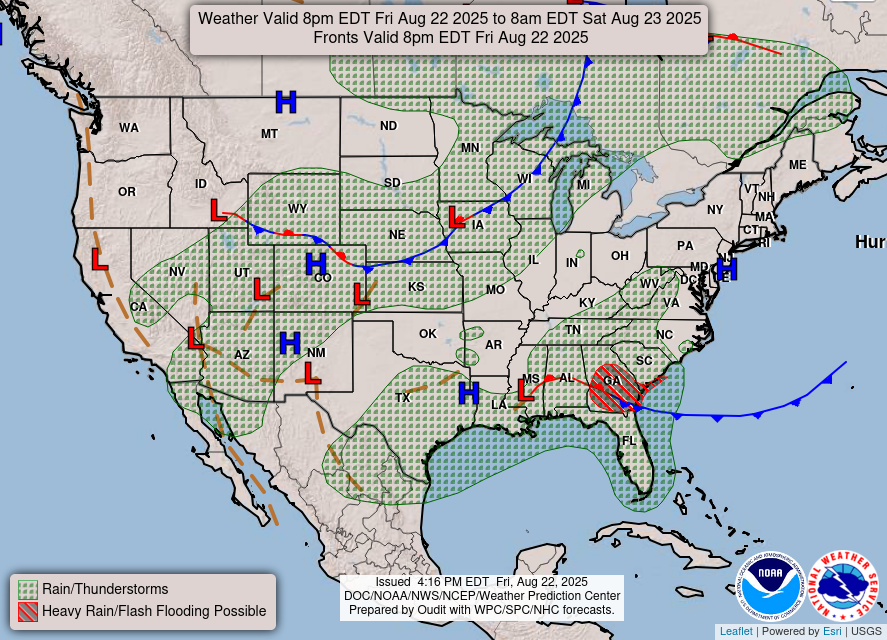
Today’s weather forecast across the nation THIS MAP UPDATES TWICE A DAY
If you shop at Amazon.com we’d appreciate you using this link. We get an itty bitty commission if you buy something, but they add up and help us pay our bills (most importantly our hard-working writers!).
Dear Dave,
Some of my appliance plugs only have two prongs but all the outlets have three slots. Is there a correct way to plug these in? —Kevin, 2024 Grand Design
Dear Kevin,
Your three-slot outlets are 120-volt AC and have a hot, neutral, and a semi-round or “U”-shaped hole for the ground. This ground helps prevent dangerous electrical shocks or fires. If an appliance develops a loose hot wire internally, it could touch a metal component and become energized. Touching the energized component could result in a deadly shock hazard.
Notice the two vertical slots are different sized, as the smaller slot is the hot wire and the larger slot is the neutral. The positioning of the ground hole has been discussed many times. Some position the ground hole at the top so if a metal object were to fall on the terminals of the plug, it could not arch across the hot to neutral. This is common in hospitals and medical offices. Check out the article regarding outlet orientation here.
Electricity, or electrons, stream in a closed path or circuit, from the power source through the distribution center, and flows from hot to neutral. When an appliance is plugged into the outlet, it completes the circuit and electricity safely flows from the distribution center to the appliance.
Two-prong outlets and appliances
According to the National Electrical Code (NEC), two-prong outlets were used in residential and other applications prior to a code change somewhere around 1962. The two slots were the same size and were hot and neutral, no grounding slot. They were safe as long as everything is wired correctly and tight.
A two-prong plug can be used in a three-prong outlet. However, a three-prong appliance and plug cannot be used in a two-prong outlet without an adapter.
Most two-prong appliances such as toasters and hair dryers have a larger plug, and can only be inserted in one direction.
2-prong plug
However, there are some plugs that are the same size, such as cell phone chargers. These are classified as non-polarized plugs and can be plugged into an outlet in either direction. These typically do not have a metal case or enclosure that could be an electrical hazard if a wire is compromised.
By Russ and Tiña De Maris
Many RVers are pretty aware of safety. They check tire pressure. Make sure the running lights are operational. Try to “keep the weight down” so as not to overload their rig or tow vehicle. But sometimes, things happen that you probably hadn’t stopped to think about. An RV hitch failure can ruin your whole day. Take Larry’s experience.
An unforgettable trip—thanks to an RV hitch failure
Larry told us his story nearly a decade ago, but it’s one of those timeless tales worthy of a revisit. Larry Lang had hitched up his Forest River travel trailer for what was to be an unforgettable trip. Just how unforgettable, he couldn’t have imagined.
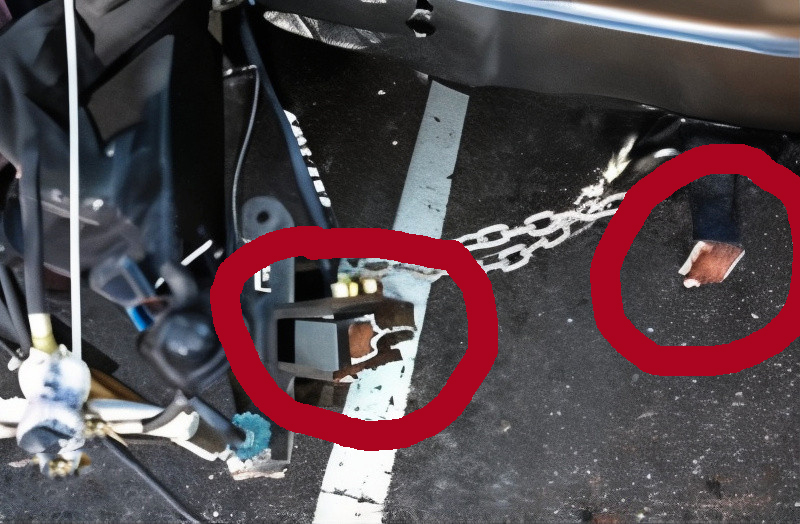
Behind the wheel of his SUV, Larry and the trailer were just outside Grass Valley, California, when the unexpected—and unwanted—happened. The trailer hitch broke. As a safety-conscious RVer, Larry had properly hitched up the rig’s safety chains, crossed over as they should be.
If you’re not familiar with the concept, the safety chain from the passenger side of the trailer connects to the driver side of the tow vehicle, and vice versa. That way, if a hitch connection fails, those chains “cradle” the falling trailer, hopefully keeping it from hitting the ground.
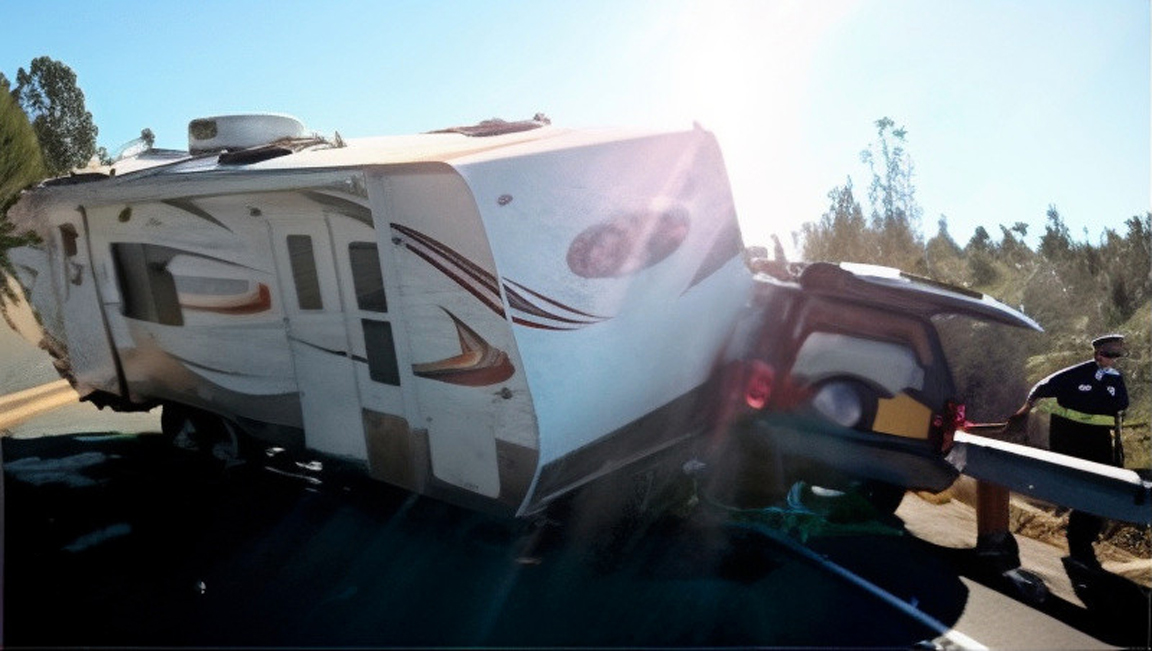
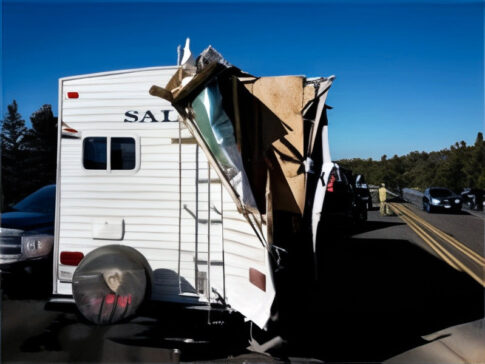
But catching a falling trailer is one thing. Controlling a mess like that is a different matter. The resulting sway became an out-of-control situation. As Larry, his wife, and the family dog came up on a steep slope, the only thing that likely saved them from serious injury or worse was a K-rail on the edge of the roadway. That was AFTER the malfunctioning combination had already crossed a lane of oncoming traffic, which miraculously kept out of the way.
Hitch company’s gracious offer refused
After officials cleaned up the mess of what remained of the SUV and travel trailer, Larry’s insurance company swung into action. While he didn’t specify just how much the settlement amounted to, he did say it was in multiples of thousands. Along the way, however, the hitch manufacturer, Camco, got into the act.
Larry’s broken hitch.
Larry said he contacted Camco out of concern that maybe, just maybe, his wasn’t the only Camco hitch that might be defective. Camco told Larry they would pay him some compensation for the problem, provided he’d sign off on a release that would discharge the manufacturer from any future claims.
After thinking about Camco’s “generous” $1,700 offer, he declined. Larry worried that signing off on that deal might endanger his insurance company in some way, so he felt it better to take a pass. Additionally, the so-called settlement wouldn’t have even covered the cost of Larry’s deductibles on his trailer and tow vehicle.
Larry’s hindsight
But the whole RV hitch failure situation was more than just unnerving. “I’ve been thinking that if I had closely inspected the hitch during installation,” he wrote, “I might have seen a potential weakness in the welded joint.” On the other hand, “The weld failure might have been occurring over a period of time without my knowledge.”
Since Larry told us about his experience, we had our own hitch issue. The night before we were to head out on a 1,500-mile journey, a friend pointed out that it looked like our trailer was a little “down in the mouth.” Indeed, a closer look showed that a weld around our truck’s hitch receiver was “going fast.” We probably wouldn’t have gotten far before disaster hit us.
Add weld inspections to your maintenance checklist
How many of us think to inspect welds that our lives might easily depend on? Perhaps we wouldn’t need to inspect welds as often as we check tire pressure. But it’s probably a good idea to add weld inspections to your semi-annual inspection list. Certainly check welds around hitches, hitch receivers, and even suspension parts—all these could cause life-threatening situations if a weld went awry and wasn’t fixed.
More frequently, those who tow should think about adding these checks when hitching up:
Visual inspection
• Coupler housing: Look for signs of metal fatigue, cracks, corrosion, and rust.
• Receiver: Check for cracks, broken welds, bent metal, loose or rusty mounting bolts, or splitting at the corners of the receiver box.
• Ball mount: Ensure all moving parts (if there are any) are lubricated and moving freely. Ensure the hitch pin or hitch lock is inserted properly, and that the retainer pin is secure.
• Tow ball: Make sure the ball is securely mounted and in good condition.
• Safety chains: Verify they’re in good working order, attached correctly, and secured to the vehicle. Don’t twist safety chains to shorten them—that actually reduces the amount of weight they can carry. If they’re too long, you’ll need to make an adjustment. One way is to cut the chain to the correct length. Or you could install a chain coupler to take up the slack—but make sure the coupler is rated the same strength (or greater) than the chain itself. Don’t listen to the advice of “Just use a wire tie to take up the slack”!
Secured and engaged
• Receiver and draw bar: Ensure they are functional and the hitch is securely fastened to the vehicle.
• Coupler engagement: Confirm the coupler is properly engaged with the tow ball and the locking mechanism is engaged.
• Safety pin: Make sure the safety pin is in place and properly threaded.
We’re so glad Larry and his family made it out of their predicament in one piece. It was a tough experience, but maybe we can benefit from it.
Photos courtesy of Larry Lang. Images were enhanced through AI to allow for enlargement without sacrificing clarity.
By Cheri Sicard
If a journey through the wonderfully weird side of the USA sounds appealing, then buckle up.
In the video below, the team from Weird History has compiled a list of the weirdest small towns in the United States that you can schedule into your future travel.
#1 Centralia, Pennsylvania – The town that’s always burning: Imagine a town where the ground is hot to the touch and smoke plumes rise from cracks in the road. That’s Centralia, Pennsylvania. Back in 1981, around 1,000 people called Centralia home. By 2010, that number had dwindled to less than a dozen. So, what happened?
In 1962, a coal mine fire ignited beneath the town. And it’s still burning today. Experts estimate that this underground inferno could continue for another 250 years. The result? Sinkholes, toxic fumes, and an eerie, unsettling atmosphere. The highway itself is hot.
In 1992, Pennsylvania condemned Centralia and seized all the property. Residents were allowed to stay, but as they leave, the town will cease to exist. While living there is not an option, one can visit. However, proceed with caution.
#2 Whittier, Alaska – Population all under one roof: If personal space is important, one may want to stay far away from Whittier, Alaska, about 58 miles southeast of Anchorage. Almost all of Whittier’s 214 residents live in one building: the Begich Towers.
Originally an army barracks, this 14-story building now houses almost everything a town needs: a police station, post office, store, church, playground, a bed and breakfast, a health center and, yes, even a video store.
The video store is quite an interesting thing to think about, especially in 2026. If you forget to rewind, everyone will know. As for why people live in such a remote location, Whittier is surrounded by stunning Alaskan scenery, offering easy access to outdoor adventures like hiking, fishing, and glacier viewing.
#3 Monowi, Nebraska – Population: one: How about a town with a population of just one? Elsie Eiler is the sole resident of Monowi, Nebraska. She’s the mayor, bartender, and librarian. She likely also handles the town’s taxes and accounting. Elsie even pays taxes to herself. Monowi’s population was once double. Elsie was married to her husband, Rudy, until he passed away in 2004. What keeps Elsie in Monowi? It’s her home, her history, and her connection to a place where she has deep roots.
#4 Colma, California – The City of Souls: Colma, California, covers only two square miles, but it holds 17 cemeteries. While the town has about 1,200 living residents, it’s estimated that two million deceased people call Colma their final resting place. This has earned Colma the nickname “City of Souls.”
This ratio started when bodies were moved to Colma from San Francisco to make room in the city. Among the many buried in Colma are famous figures like Wyatt Earp and William Randolph Hearst. In the event of a zombie apocalypse, it’s best to keep driving through Colma.
#5 Miracle Village, Florida – A community of second chances: With a name like Miracle Village, one might expect a town full of doctors or magicians. However, Miracle Village in Florida is home to more than 100 registered sex offenders.
Founded by Minister Richard Witherow, who worked in prisons for 30 years, Miracle Village provides housing for recently released offenders as they reintegrate into society. Witherow’s ministry, Matthew 25, oversees the village and approves all residents. The village has rules and regulations that the residents must follow.
#6 Slab City, California – The last free place: Ever see Into the Wild? Remember that strange, lawless town where Emile Hirsch meets Kristen Stewart? That’s Slab City, California. Residents call it “the last free place in America.”
Slab City is a decommissioned Marine Corps training facility. It’s an off-grid community with about 150 residents, including eccentrics, veterans, hippies, and squatters. People come to Slab City to unplug and live outside of mainstream society. Slab City is also home to Salvation Mountain, a colorful art installation created by Leonard Knight.
#7 Tangier, Virginia – An island with a unique voice: Tangier, Virginia, is located on Tangier Island in Chesapeake Bay. It’s one of the oldest towns in the U.S., and one of the strangest-sounding. It’s not the name, but the way the residents speak.
Linguists say the residents of Tangier have an accent unlike any other in the United States. The local dialect is a mix of standard American and old British. Some historians believe this is how the Founding Fathers sounded. Tangier Island faces many challenges, including rising sea levels and coastal erosion.
#8 Hell, Michigan – A town that lives up to its name: Hell exists. And in the winter, it freezes over. Hell, Michigan, is near Ann Arbor, home of the University of Michigan. But Hell has its own college: Damnation University, or DamU.
Hell embraces its name. The town offers satanic churches for weddings, ice cream shops called The Crematory, and pastries at the Hell Hole Diner. The town also hosts a variety of events and festivals throughout the year.
#9 Gibsonton, Florida – Where carnies roam: Gibsonton, Florida, has more than 14,000 residents, and many are carnival workers. When carnivals are not running, many head to Gibsonton to relax.
The town was featured in an X-Files episode titled “Humbug.” At one time, the town’s fire chief was an eight-foot-tall giant, and the post office had a counter for people with dwarfism. Gibsonton has a long and rich history tied to the carnival industry.
#10 Scottsboro, Alabama – The lost luggage capital: Ever lose luggage? Don’t rage tweet. Instead, head to Scottsboro, Alabama. Statistically, your luggage is there.
Scottsboro is home to the Unclaimed Baggage Center (UBC). Founded in 1970 by Doyle Owens, the center now occupies 40,000 square feet of downtown Scottsboro. Each year, it receives one million unclaimed bags and suitcases.
The UBC finds clothing and electronics. It also has a museum of unusual items, including:
A $20,000 painting
The guidance system for an F-16 fighter jet
A NASA space shuttle camera
Learn more about the Unclaimed Baggage Center here.
#11 The Villages, Florida – Retirement gone wild: The Villages, Florida, is a retirement community. In 2015, it recorded a record number of STDs.
The 70,000 residents of Florida’s friendliest retirement home were constantly enjoying the community jello. One couple was even caught in a compromising moment on a golf cart. As resident Rosalyn Shelley told the New York Post, “Whatever you know about 20-year-olds, it’s the same with seniors.” Beyond the wild behavior, the community offers many activities and amenities, including golf courses, swimming pools, and social clubs.
#12 PhinDeli Town Buford, Wyoming – A town with a coffee-fueled rebrand: Don Sammons, his wife and son were the three residents of Buford, Wyoming. But in 1995, Sammons’ wife passed away. In 2007, his son moved away. So, Sammons sold the town in 2012 to coffee magnate Pham Dinh Nguyen for $900,000. Nguyen renamed it PhinDeli Town Buford after his coffee brand. If one visits the town’s gas station, they will only find PhinDeli coffee. The coffee brand is now integrated into the town’s identity.
#13 Casey, Illinois – Ironic home of the big things: Ever want to feel like you’re in Honey, I Shrunk the Kids? Head to Casey, Illinois. It’s full of huge objects.
Casey was founded in 1834. It’s about two square miles in size, with a population of around 3,000. Casey is known for big things, a term describing objects that are far out of proportion. There are at least eight items in Casey that have been certified by Guinness as the world’s largest. These include a 32-foot pencil and a 56-foot rocking chair.
Read more about Casey, Illinois’ huge objects here.
From burning towns to carnie havens, the United States is full of unique and quirky small towns. Each offers a glimpse into a different side of American life. Now that you’ve explored some of the weirdest, the question is, which town would you want to visit? Or have you stumbled upon an even stranger place? If so, please share it in the comments.
Cell phones aren’t just handy anymore—they’re constant companions. And for a lot of people, that connection is starting to feel a little… sticky.
Recent studies suggest Americans now check their phones roughly 140–160 times a day on average—more than once every 10 minutes during waking hours. And that “addicted” feeling? It’s still very real. Surveys in 2025 show that around 50% of Americans say they feel at least somewhat addicted to their phones, with younger users reporting it even more often.
What does that look like in everyday life? It might be picking up your phone without even thinking, scrolling longer than you planned, or feeling a little uneasy when it’s not within reach. A quick check can easily turn into 20 minutes. For others, it’s the habit of filling every quiet moment with a screen.
Smartphone ownership is nearly universal now—hovering around 90%+ of U.S. adults—and phones have become our maps, cameras, TVs, weather stations, and lifelines all rolled into one. For RVers especially, they can be essential tools on the road, helping you navigate, check campground reviews, monitor weather, or stay connected in remote places.
But here’s where it gets interesting… When you’re out RVing, do you find yourself using your phone more—or less? Some RVers say they unplug naturally once they’re surrounded by nature. Others say reliable internet (looking at you, Starlink) makes it easier than ever to stay glued to the screen, even in the middle of nowhere.
So what about you?
Do you feel like you’re on your phone more than you’d like to be? Or have you found a good balance—especially when you’re traveling?
Take a second to answer the poll below. And if you’ve noticed your habits change on the road versus at home, we’d really love to hear about it in the comments. Thanks for sharing!
LIKE TAKING POLLS? So do we! Did you know we’ve run more than 5,000 polls on our website over the years? Check ’em out! Have fun!
By Dustin Simpson
In the past, Dave Solberg and I met for a livestream called Talkin’ RV Tech. We not only answered technical questions, but we also shared what we like to call “cool tools.” These are tools and gadgets that we actually use! We also believe they will be helpful to you. This clip is from one of those videos where we discuss towing maintenance kits.
Murphy says, “Anything that can go wrong will go wrong.” And Murphy doesn’t exclude camping. Typically, leading up to a holiday weekend, I can count on at least one RV to pull in unannounced. Inside is a couple with a mountain of tension. They’ve had their trip planned for months and they’re packed and ready to hit the road, BUT their trailer, truck or tow vehicle has no lights. More often than not, the problem is just a bad connection, which can be easily fixed with a towing maintenance kit.
Why you should have a towing maintenance kit on hand
Having a towing maintenance kit on hand is important for several reasons:
1. Safety: Proper functioning of the electrical systems on a towable unit is essential for safe towing. A towing maintenance kit can be used to repair or maintain these connections, ensuring that the lights, brakes, and other electrical systems are working properly.
2. Convenience: If an issue with the electrical connections on a towable unit arises while on a trip, having a kit on hand allows you to fix the problem on the spot, rather than having to find a repair shop or wait to get back home.
3. Cost-effective: Regular maintenance and repairs using a kit can help prevent more serious and costly problems from arising in the future.
4. Avoid breakdown: Having a kit can prevent unexpected breakdowns. Those could be costly and dangerous, especially if you are on a long trip or towing a heavy load.
5. Compliance: Proper electrical connections on a towing trailer are also legally required. By having a kit, you can ensure that the electrical connections on your trailer are compliant with the regulations, avoiding any legal issues.
Dustin owns and operates California RV Specialists, an independent RV repair shop located in Lodi, CA. He thrives on sharing his knowledge and enthusiasm of RV repair and maintenance with his team, customers, and virtual friends.
Be sure to check out his YouTube channel where he shares what’s going on in the shop and the product offerings in the store. Dustin is also very active on Facebook. Join his group, RV Repairs and Tips – What’s in the shop!
The 2026 Forest River Surveyor Legend 204MKLE is the kind of trailer that can split opinions fast. It packs a lot of smart features into a popular couple’s floor plan, yet one choice changes the whole feel inside. We get a tour from Josh the RV Nerd at Bish’s RV in the video at the end of this post.
This isn’t a bad camper, but it is a weird one. That matters because shoppers looking at this layout usually have a lot of other options.
A strong floor plan with one odd twist
This trailer follows the well-known rear-living couple’s layout. It has real half-ton potential for shorter trips and flatter ground, especially with an empty weight of 5,493 pounds, a 7,550-pound max weight, and a 550-pound hitch.
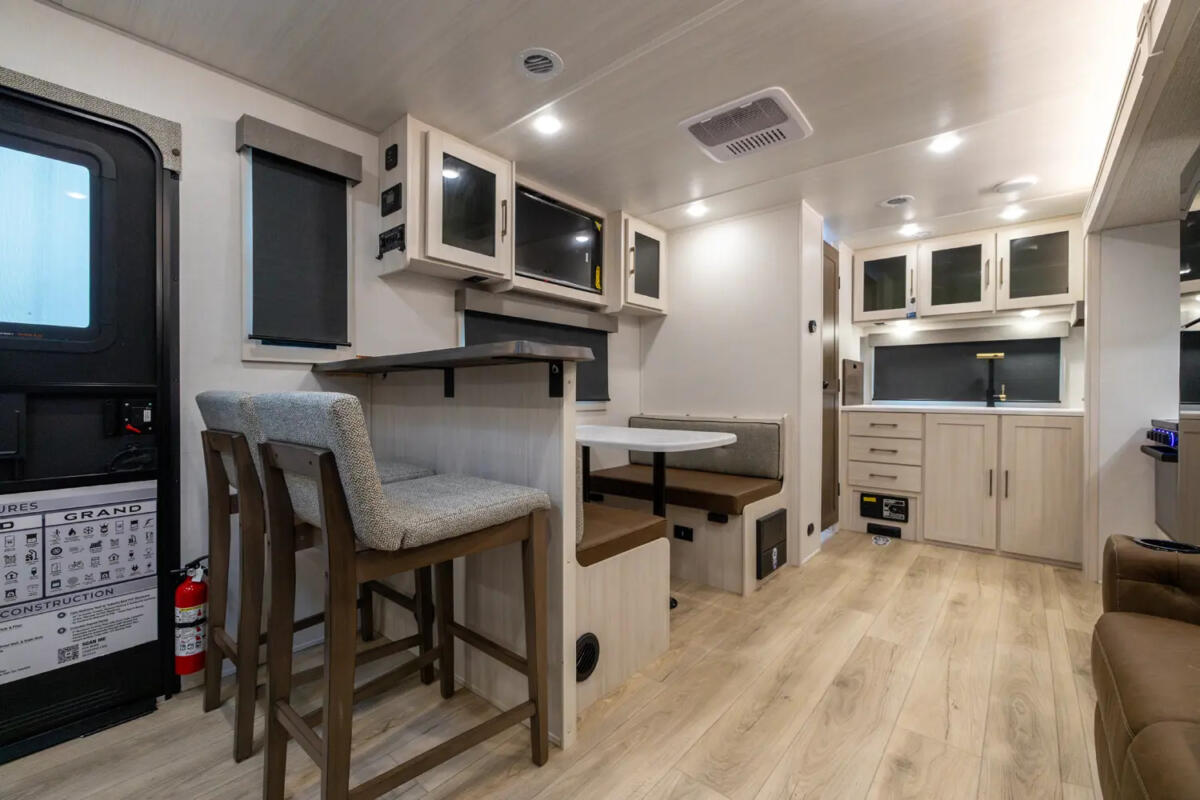
The big oddity is the double dining setup. There is a standard dinette and a dining bar right beside it. For some campers, that could be useful, especially if a grandkid stays over or one person wants a coffee spot while another uses the table. For others, it feels like two eating areas stacked into the same small room. However, this could provide a good computer workspace, I suppose.
One major plus is the full rack-and-pinion slide. Many trailers in this class use lighter systems. This one uses the heavier, more trusted style, and that will matter to buyers who care about slide reliability.
Inside, the Surveyor gets a lot right
The 6’6″ ceiling helps the whole trailer feel bigger. So does the 60″ x 80″ true queen bed, which gives taller campers a real sleeping upgrade. Around the bed, Surveyor adds solid storage. The 15,000 BTU air conditioner is standard.
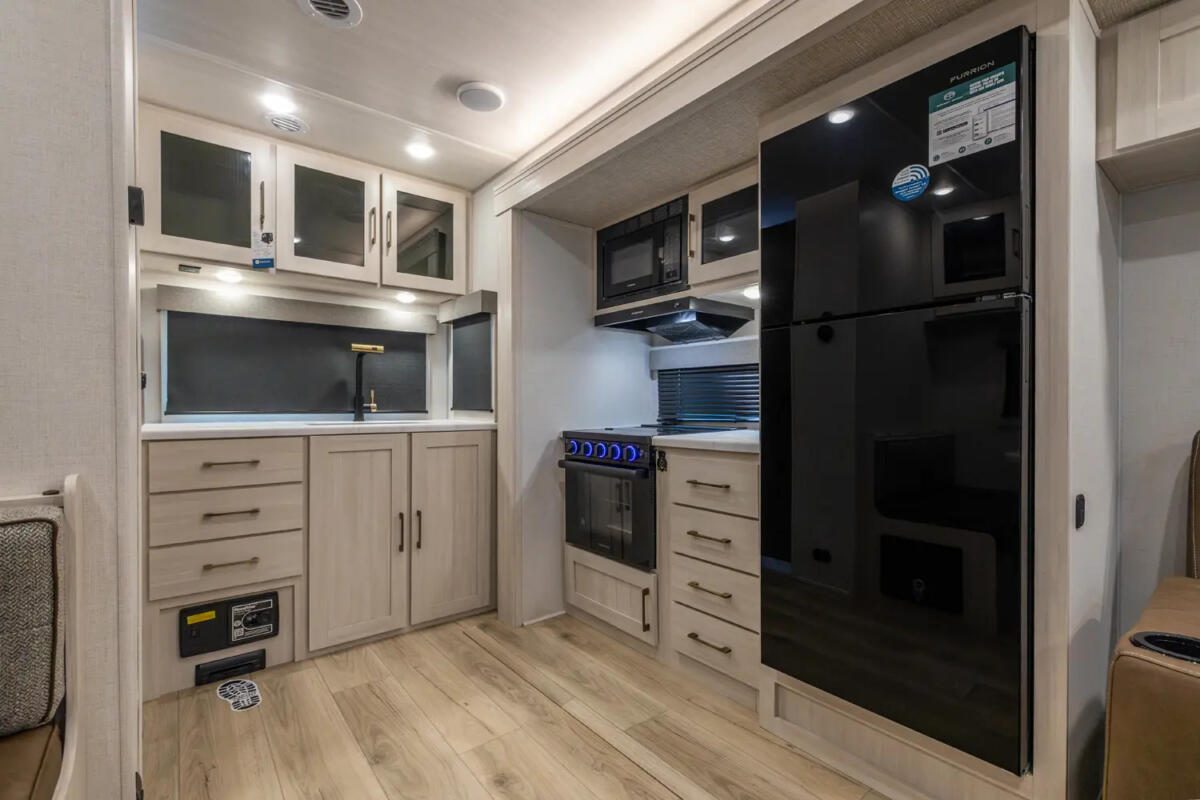
The kitchen has a small quirk. One countertop sits a bit lower than the other because of fire code clearance under the microwave cabinets. It is not a mistake.
I love the central vacuum inlet feature near the floor, so crumbs can be swept straight in.
Cabinet quality is a bright spot, too. The trailer gets hidden hinges, magnet holdbacks, soft-close cabinet doors, anti-gravity lift struts, and pocket-screwed cabinetry. The dinette, however, is fixed in place because the furnace and converter sit underneath it.
Bathroom access and travel-day use
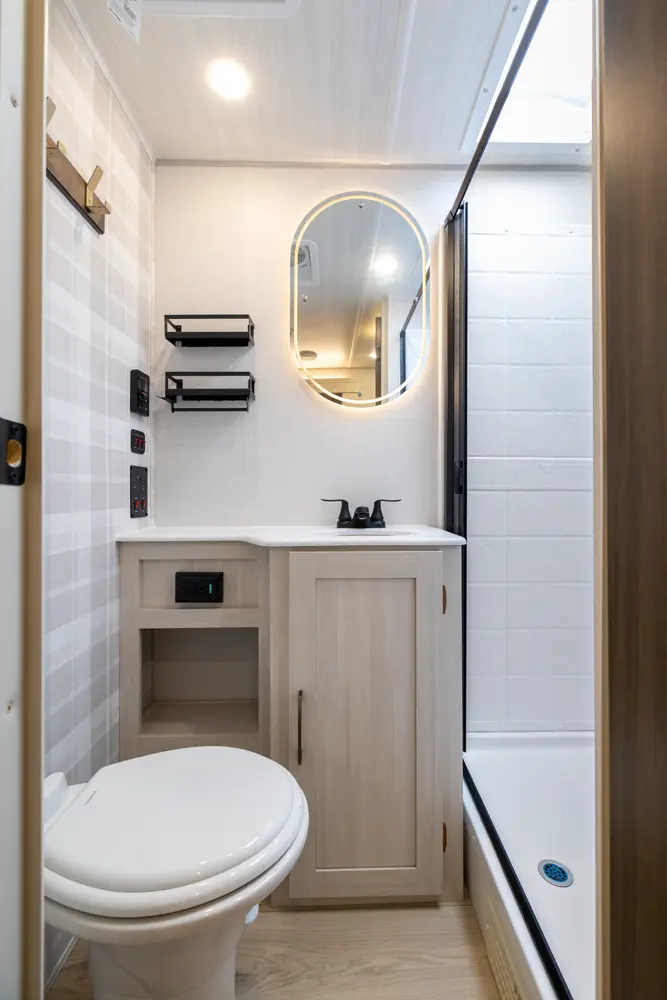
The bathroom is better than expected for its size. It has a porcelain foot-flush toilet, an XL vent fan, and a tall shower that benefits from the extra ceiling height.
With the slide pulled in, the walkway gets tight. Still, the fridge, bathroom, and bed remain reachable, and the dinette can still be used on the road. That makes this trailer fairly travel-stop friendly.
Exterior features lean practical, not flashy
The Surveyor keeps the feature list grounded. Shoppers get Goodyear Endurance tires with factory TPMS, a walkable roof, ladder prep, and 400 watts of solar from two roof panels. The underbelly is enclosed and heated, with radiant barrier protection and 12-volt tank heat pads. Surveyor calls that “extended season,” which is a fair label.
Fresh water capacity is 40 gallons, with 30 gallons each for gray and black. There is also a 300-pound accessory hitch on the back.
The 2026 Surveyor 204MKLE makes a strong case for itself with good bones, honest features, and a dependable slide system. Its layout is the whole story. Campers who like that extra dining bar may find a trailer that fits them better than most rivals. Campers who do not will probably admire the build, then keep shopping.
We use cookies to ensure that we give you the best experience on our website. By continuing to use our site, you consent to accepting cookies. We NEVER have or will sell reader's data. For more info, please see our privacy policy page.




 A water pressure regulator (above) can also save you lots of headaches. Typically, RVers complain that the pressure they encounter in a campground or RV park is too low, but it only takes one case of over-pressurization to blow a fitting in your rig to really make your blood boil. A simple RV water pressure regulator can prevent overpressure from doing real damage.
 And finally, a fitting you probably do want between the hose and the city water inlet is an entry elbow. If your water hose kinks or bends where it mates up with your water inlet, you can be sure water flow will be impaired and a premature death of the water hose is likely.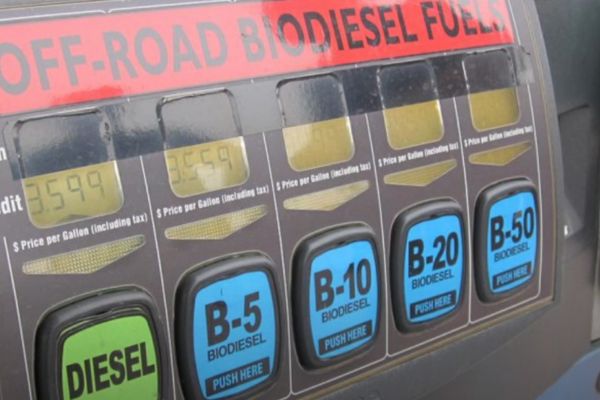








 After officials cleaned up the mess of what remained of the SUV and travel trailer, Larry’s insurance company swung into action. While he didn’t specify just how much the settlement amounted to, he did say it was in multiples of thousands. Along the way, however, the hitch manufacturer, Camco, got into the act.