The California RV Show ran for more than 40 years, starting in Dodger Stadium, moving to the Fairplex in Pomona for several years, and then to the speedway in Fontana for a year.
The 10-day show was sponsored by the RV Industry Association (RVIA) and was a manufacturers’ show with RV manufacturers buying the space and bringing more than 1500 units for the local dealers.
Then COVID hit and shut everything down, at which time the RVIA board decided to not run the show at all. Even though the show was a huge financial success for RVIA, it only benefited a handful of local dealers. Other dealers across the country had been complaining about that.
Others have attempted to resurrect the show. However, RV sales were through the roof and dealers had no inventory and could not keep up with the demand, so there was no need for a show.
Current market
Fast forward to the current market. Dealer inventory is overflowing and sales are not necessarily stagnant, but they’re not skyrocketing. Enter RV Supershows and Rob Lynch, who runs more than 20 shows across the country. I have been doing seminars at their shows for the past several years and have been impressed with the professionalism and the promotion across the country.
Working very hard for the past two years, RV Supershows was able to sell out the space at the Fairplex across the street from the original parking lot promotion inside buildings and outside the pavilions. Although the show was not the overwhelming footprint the previous event had been, it was perfectly scaled for a new show in a questionable economy—and it was a home run.
Ford Towing Bootcamp
I conducted seminars for Ford and the Ford Towing Bootcamp—which had a display at the entrance for registration and technical support. Weigh Safe brought a driving/towing simulator demonstrating proper weight distribution and the effect it has on trailer swaying. There were two stations where attendees could look up actual towing capacity of their vehicles, and Ford representatives to answer question.
There were also six Ford trucks with trailers out in the demonstration parking lot for hands-on training of connecting, backing up, and a road course for driving and maneuvering that tough right hand turn—all conducted by CDL instructors. The seminar was free to anyone attending the show and was very well-attended. The hands-on modules included a demonstration of the Ford Pro technology of backup and hitch assist.
Paid modules included behind-the-wheel training of the Ford Pro Technology of backup and hitch assist in a one-hour course. The Ultimate Towing Experience included the first three modules as well as a two-hour closed-course driving experience.
Hot Friday at the show
Friday was a challenge with temperatures over 100 degrees and there was lots of traffic on the I-10 traffic. Attendance numbers were reported at 3,000. Traffic at the Bootcamp was better then expected for a first day at a new show.
Saturday was a home run
Saturday was a home run, as temperatures dropped and more than 10,000 attendees came to the show. All bootcamp modules were full the entire day. The demonstration and information booth was packed, even as the end of the day came.
Sunday was beautiful and busy
Sunday was a beautiful day and traffic was steady all day. The attendance report was more than 6,000. So the show most likely hit 20,000—which puts it as one of the top non-manufacturers shows in the industry.
And it will only get bigger. Hershey and Tampa report higher numbers, but space and product is provided by the RV manufacturers.
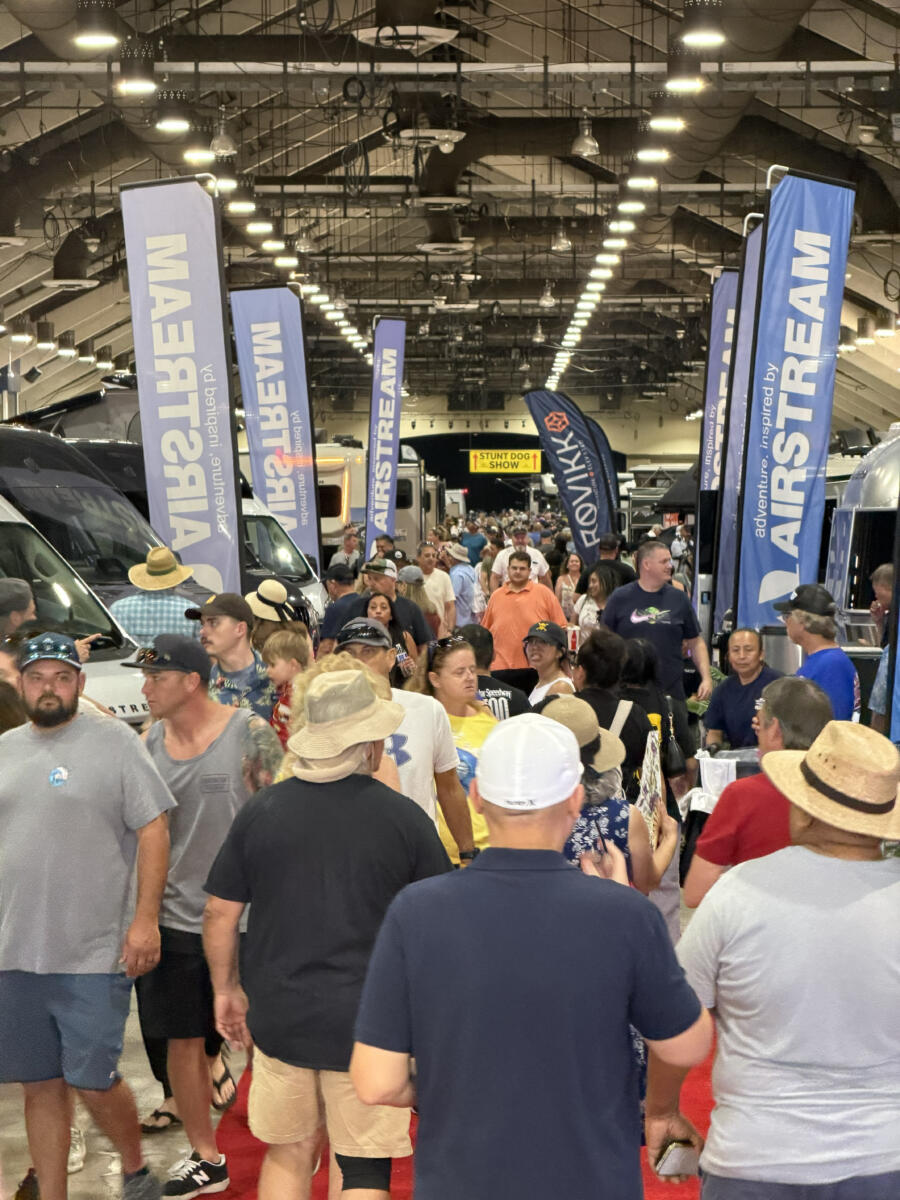
This hall is 600′ deep and there were wall-to-wall attendees all day.
California RV Show
Attendance prediction was blown out of the water!
Talking with the show promoter, the goal was to hit 10,000 attendees, with the possibility of getting to 15,000. The show blew that out of the water! Dealers I talked with were excited and optimistic about the future of the show, with sales being very good. Attendees were also grateful there was a show back in the area.
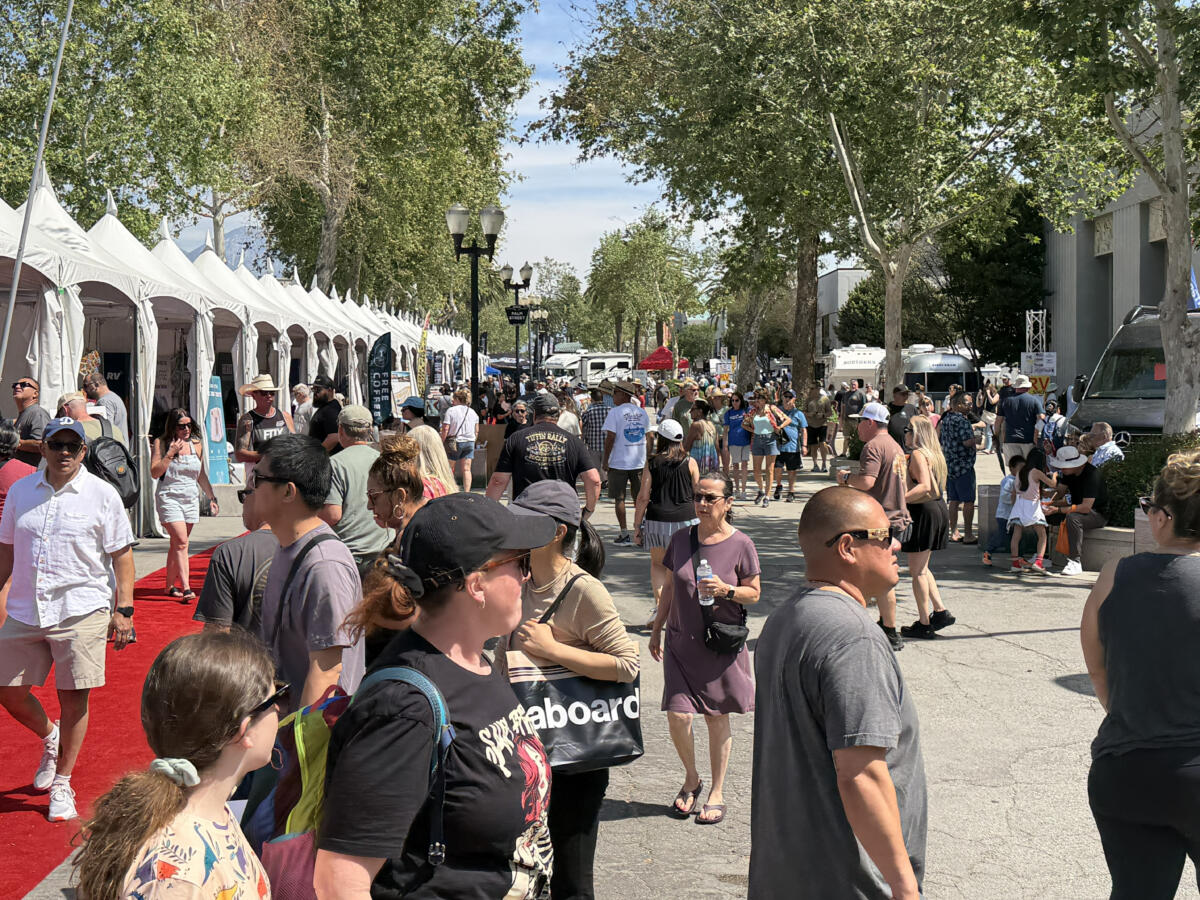
Even the vendor aisle was packed.
California RV Show vendors
Happy Ford Towing Bootcampers
All the Ford Towing Bootcamp attendees were excited about the opportunity to learn more about the Ford technology, as most did not know how to operate it or get the most potential out of it.
Several Bootcamp attendees claimed it was “life changing.” Several more felt more comfortable and then walked into a dealer display and purchased a trailer, now they knew how to safely tow and back up.
By Kate Doherty
Up until 2019, we flew our four-passenger airplane some 250+ hours per year for business. Then we traded in those three wheels for six and slowed down. There’s nothing worse than flying east in the early morning or west facing the afternoon glaring sun for hours with little sunshade protection. It’s more prevalent if you’re short, since sun visors don’t always shield your line-of-sight vision—whether you’re in the seat of an airplane, vehicle, or motorhome. Movable sunshades are just the ticket.
Reduce glare, not vision
The automatic shades in motorhomes are great for front-facing glare, but sometimes quartering slivers of bright sunlight affect vision comfort for both driver and passenger. We found these sunshades more effective, especially on the middle of our Jeep front windshield, to reduce glare without impeding vision as the sun visors don’t extend far enough. Because they are so flexible, they fit well in curved windshields.
Place movable sunshades on any glass window
We started using collapsible sunshades more than six years ago. We picked up our sunshades at the Sun ‘n Fun Airshow in Lakeland, Florida, and have used them religiously since.
Sunshades come in several forms and sizes. Some clip onto the bottom of the vehicle’s built-in visors. But that doesn’t dim the glare coming directly through the middle of the front windshield or the quartering front (both windshield and passenger side window). I’m relatively short and the seat in our Jeep Wrangler doesn’t raise in height, so I deal with unwanted glare from time to time despite wearing sunglasses and a visor. Reducing glare without reducing visual acuity makes these easy to use.
Movable sunshades are easily obtainable
There are many different kinds and styles available. So, when you venture out for that early morning hike or trail ride and you’re traveling directly into the sun, borrow that sunshade or two and better navigate the ride.
Editor’s note: These may not be legal in all 50 U.S. states, especially when used on the windshield. Use caution and check your local laws.
By Cheri Sicard
RV wheel bearings don’t ask for much, but they do need fresh grease. On a fifth wheel or travel trailer, repacking bearings about once a year helps prevent heat, failed seals, and brake problems.
In the video at the end of this post, the Why Wait crew knocks out bearing service and a quick brake check before a long spring and summer trip out West, starting from Texas.
Why repacking wheel bearings matters for RV safety
Old grease breaks down over time. If a rear grease seal fails, grease can end up inside the brake drum and soak the brake shoes. When that happens, stopping power drops fast, which is the last thing anyone wants on a mountain grade.
The other risk is heat. Bearings that run low on grease can overheat, and that heat can lead to failures and even blowouts. Since the wheel is already off for this job, it’s also a good time to inspect the brakes and test the emergency breakaway system before hitting the road.
Jacking the camper up without making it complicated
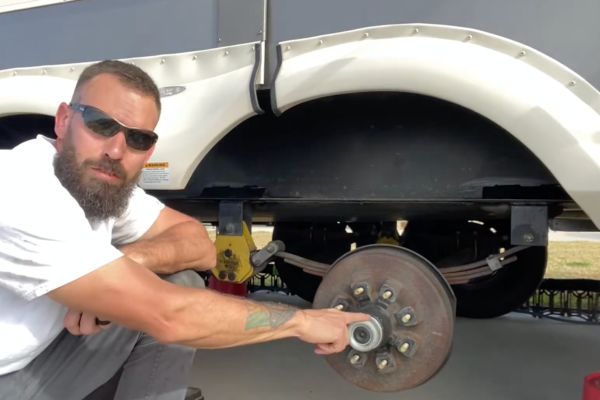
Every RV is different, so the setup matters. On this camper, the job starts by loosening lug nuts while the tire is still on the ground. Then the camper is raised just enough for the tire to come about a half-inch off the ground.
This setup uses a hydraulic auto-leveling system. The other tire on that side stays on as a backup, so if a jack ever failed, it would only drop a short distance. Bottle jacks can also work, but the main point is to lift it as safely as possible for that rig and campsite.
Tools and supplies that make the job easier
Having everything laid out first keeps the mess and the missing parts to a minimum.
One wheel at a time: removal, inspection, and cleaning
Parts should stay together per wheel. Bearings, washers, and hardware aren’t meant to get mixed across hubs, so tackling one corner at a time keeps things straight.
After the wheel comes off, the dust cap gets tapped off gently. Some hubs have grease inside the cap because of a zerk fitting, especially if someone pumped grease into the hub. Next comes either a cotter pin or a retention clip, then the castle nut. As the hub slides off, the outer bearing and washer can fall, so a hand stays ready to catch them.
With the hub off, the rear grease seal gets pulled and the inner bearing comes out. Bearings and races get inspected for pitting or discoloration. Old grease gets scooped out, then the spindle, hub, and bearings get cleaned with brake cleaner. An air gun doesn’t get used here, because brake dust is harmful to breathe.
Brake test, bearing packing, and reassembly
A quick brake test happens by pulling the emergency breakaway cable and spinning the jacked-up tire. It should stop right away if the system works. Brake shoe clearance can also be checked with a brake gauge and adjusted using the star wheel through the access slot, if needed.
Hand-packing bearings takes time, but it’s straightforward. Grease goes into the palm and gets worked into the bearing until old grease pushes out all the way around. The cone shape matters; the small end faces into the hub.
The inner bearing goes in first, then a new seal gets tapped in flush using a clean piece of wood (or a driver tool). The spindle gets coated with grease, the hub slides on, and the outer bearing, washer, and castle nut go on next. The nut gets snugged, then backed off about a quarter turn so the hub spins freely. Finally, the cotter pin goes back in, the dust cap taps on, and the wheel goes back on with lug nuts torqued to spec.
Repacking RV wheel bearings is messy, but it’s not hard. Done one wheel at a time, it’s a solid weekend task that also forces a close look at brakes, seals, and wiring.
Chris estimates about an hour to an hour-and-a-half per wheel once the setup is handled. Before the next long trip, that kind of routine maintenance buys a whole lot of peace of mind.
Watch the video below to see these steps in action.
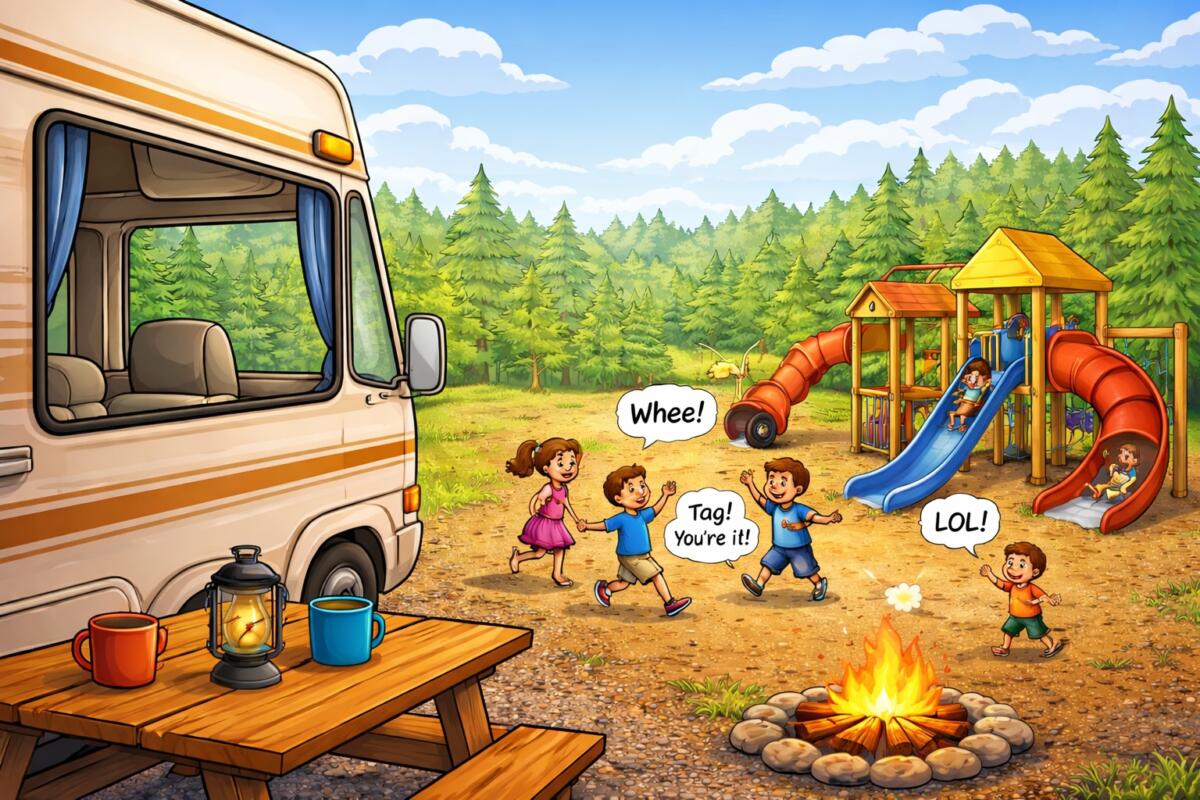
You pull into a campground after a long day on the road. You check in, look at the map… and there it is—the only available site, directly next to the playground.
For today’s poll we want to know: Would you take it, or look elsewhere?
For some of you, it’s an easy yes. A site is a site, especially when options are limited. Maybe you figure kids settle down after dark, or you don’t mind a little extra noise if it means having a place to park for the night. Convenience wins.
Others might hesitate. Playgrounds tend to be busy, especially in the afternoon and early evening. Laughter, shouting, and the occasional squeaky swing can carry farther than you’d expect—particularly in a quiet campground. If you’re hoping for peace and quiet, that location might feel less than ideal.
Then there are the situational factors. What time are you arriving? How long are you staying? Is it a weekend, a holiday, or the middle of the week? If you’re just overnighting and rolling out early, it might not matter much. But for a longer stay, that decision could feel a lot bigger.
And, of course, some of you might actually prefer it. If you’re traveling with kids or grandkids, being close to the playground could be a major bonus. Easy access, no long walks, and a built-in activity just steps from your door.
So what about you? If that playground-adjacent campsite is the only one left, are you taking it—or moving on to find something else? Go ahead and vote in today’s poll, and feel free to share what you’d do.
America’s Original RV Newsletter. Since 2001
Issue 2866 • New issue every weekday
Today’s thought
“When patterns are broken, new worlds emerge.” —Tuli Kupferberg
Need an excuse to celebrate? Today is National Chip and Dip Day!
On this day in history: 1806 – After reaching the Pacific Ocean along the Columbia River, explorers Lewis and Clark and their Corps of Discovery begin their long journey home.
Tip of the day Snowbirds, it’s time to change your RV’s water filters
By Nanci Dixon
Snowbirds are beginning their yearly migration home to cooler climates. If this is you, it means that now is a good time to change your RV’s water filters, particularly if you’ve been in the Southwest desert.
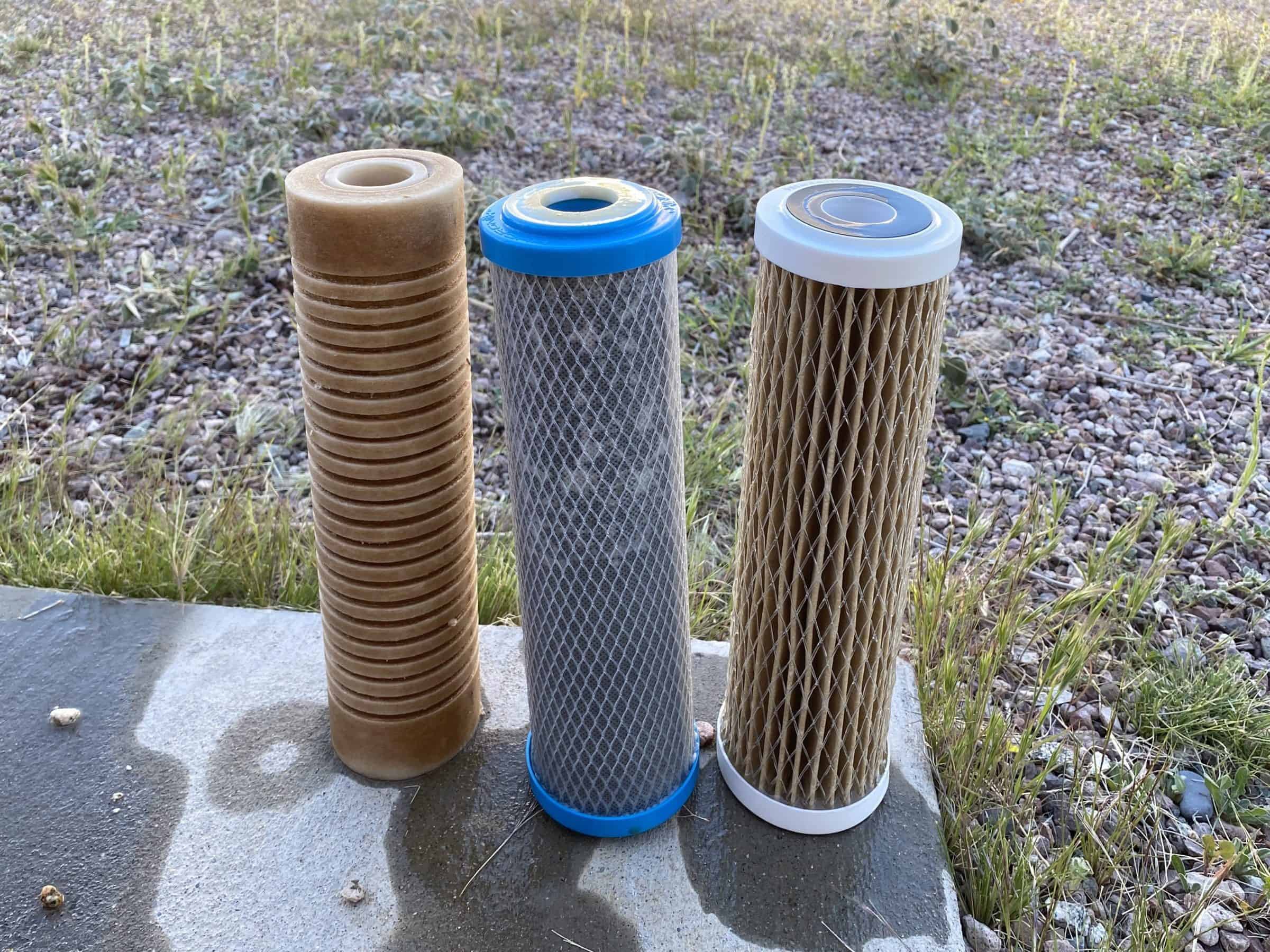
Our water at an Arizona county park is well water. I am always amazed at the amount of sand and dirt the filters accumulate during our stay. We put new filters in at the beginning of the winter season that were once sparkling white, but no more! Continue reading.
RV review
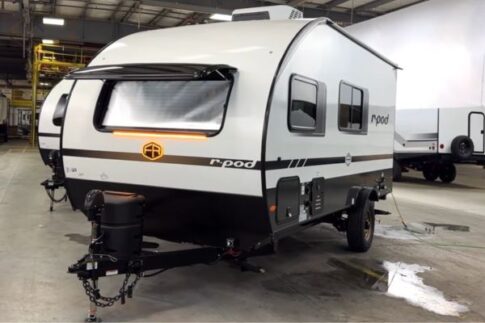
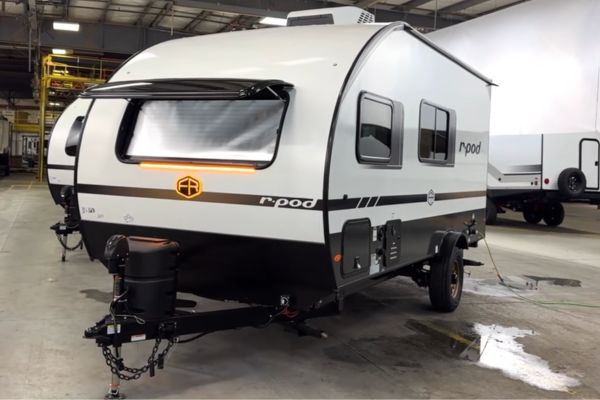
2026 r-pod RP-194 travel trailer: Big features in a small package
Big RVs can feel like a trade for more space, but often a new tow vehicle and a daily driver are sacrificed. Here, Josh the RV Nerd at Bish’s RV takes us on a walk-through tour of the 2026 r-pod RP-194, which lands in a sweet spot: a compact trailer that still carries many of the nicer r-pod touches, without jumping into heavy, expensive territory. Josh describes the r-pod RP-194 as “10 pounds of sugar in a 5-pound sack.” It’s not a big camper, but it’s packed with features that normally show up in larger rigs. Check it out.
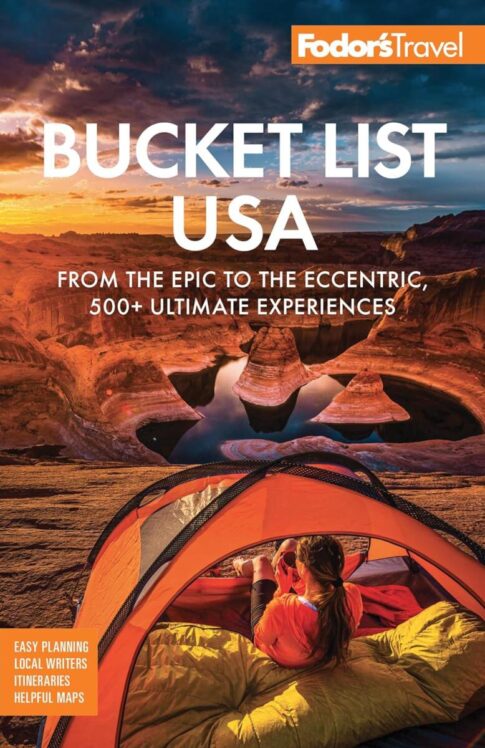
500+ bucket-list adventures for your next RV trip
Looking for ideas for where to go next? This Fodor’s guide is packed with more than 500 unforgettable experiences across all 50 states—from iconic national parks and scenic drives to quirky roadside stops and local food must-tries. With smart itineraries and regional maps, it’s a fun, inspiring roadmap for RVers planning their next adventure. Check it out. [NOTE: New edition is coming out June 2. You can pre-order here. Currently at a 42% discount.]
In the RV shop with Dustin Why RV dealerships don’t always like independent RV inspections
If you’re shopping for an RV, you may not hear this from a dealership—but it’s something every buyer should understand. Independent RV inspections can uncover issues that may slow down or even stop a sale. That’s one of the main reasons why some dealerships don’t always encourage buyers to get a third-party inspection. Continue reading.
FACTOID: The letters M&M in the tasty candies stand for the founders of M&M: Forrest E. Mars, Sr., and Bruce Murrie.
Article and video Full-time RVing: What’s the best state to register your RV?
Picking the wrong state for vehicle registration can feel like a shortcut at first. Then it turns into a problem at the worst time, like getting pulled over while trying to renew tags, or during a massive insurance claim. South Dakota, Wyoming, and Montana are the most popular choices for full-time RVers, and they might sound similar in RV circles, but they work very differently.
You may share this Tanner Toon, unaltered, on your website, blog or social media with our compliments. The musings from Tanner Woods’ creative mind appear in this newsletter every Saturday and Sunday and in many RV Daily Tips newsletters through the week.
An easy way to open all medicine bottles
This easy-grip medicine bottle opener is a simple daily helper for RVing seniors and caregivers. Designed for weak hands or arthritis, it adds extra leverage, includes a non-slip mat for one-handed use, and even has a built-in magnifier with LED light to read tiny labels. Small enough for the RV medicine cabinet, it makes managing prescriptions on the road a whole lot easier and less frustrating. Learn more or order.
Featured article Veteran RVers offer advice for new RVers
Last week we asked you what RV advice you would give a new RVer. In other words, what you wished you knew when you started RVing. As usual, our readers had a lot of good things to say. Of course, a lot of you had the same advice. That’s OK. Great minds think alike, and there are certain themes that come up again and again when we talk about a topic such as this. What was the #1 piece of advice? Find out here, along with lots more advice.
Ask Dave RV residential fridge drains batteries in one day. Would 12-volt compressor model last longer?
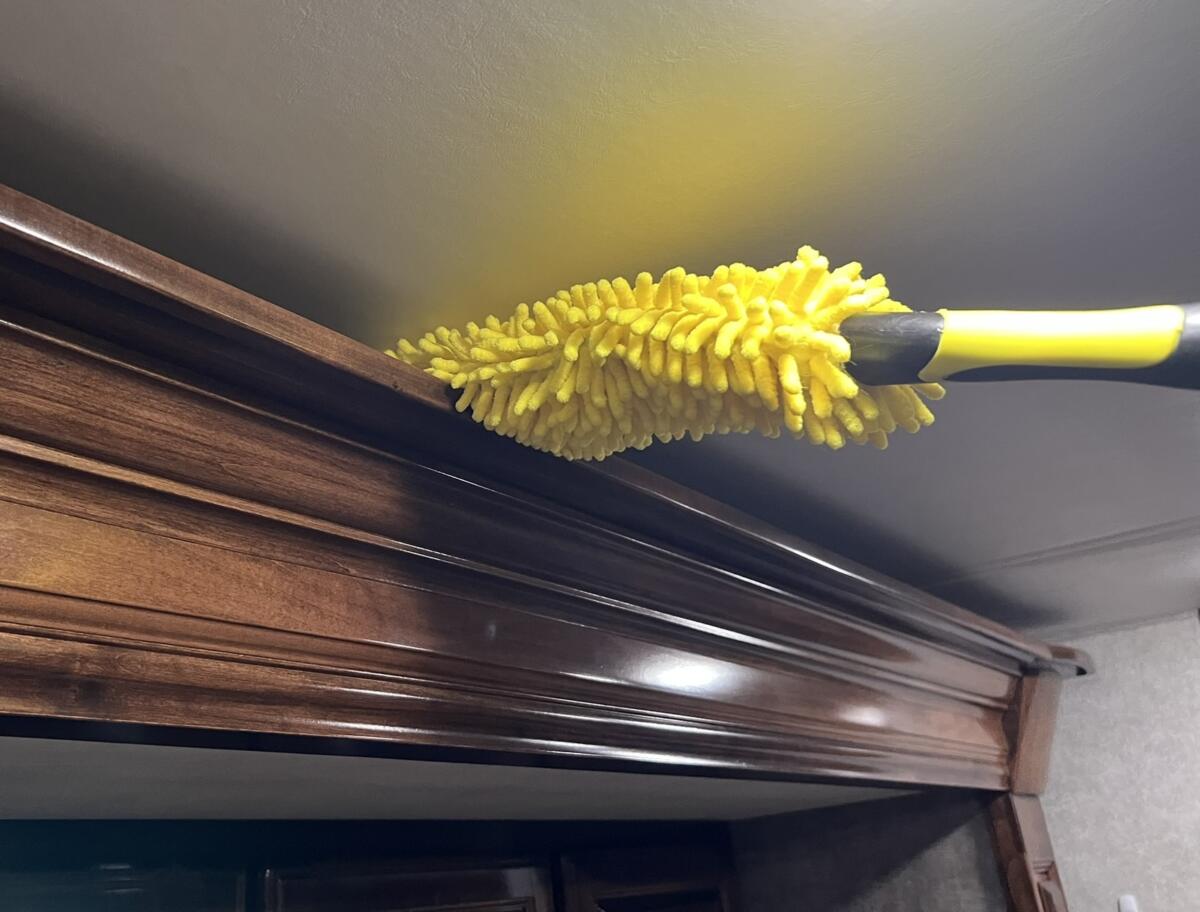
Quick tip A smart RV use for a flexible fan blade cleaner
“I was having trouble reaching the inside seals on one slide to apply 303 because of clearance. I found this flexible fan blade cleaner on Amazon that works. It’s microfiber, so you can spray it with 303, etc., bend it, and treat the seal. It’s thin enough to slide in between the slide and the ceiling.” Thanks for the tip, Ron T.!
And an even quicker tip: Always TASTE water before adding to your fresh water tank from an unfamiliar source. It’s a lot easier to keep bad water out than to GET it out.”
Website of the day
Stops to Make Along the Civil Rights Trail
RVing along the Civil Rights Trail should be high on your list of trips to take. It’s not too late to add this to your 2026 travel plans.
? MYSTERY PRODUCT OF THE DAY ? Want someone to be attracted to you? Like, reallllllly attracted to you? Well, we’ve discovered the secret of how to make that possible. See it here.
New! Monday Motivation
“We live in an era where the best way to make a dent on the world may no longer be to write a letter to the editor or publish a book. It may be simply to stand up and say something … because both the words and the passion with which they are delivered can now spread across the world at warp speed.” ―Chris J. Anderson, The Official TED Guide to Public Speaking
REMEMBER: You don’t need to receive an email alert from us to read our newsletters. Just visit our homepage, www.RVtravel.com, at any time of day, and the latest issues and articles will be right there for you.
Trivia
Benjamin Franklin invented swim fins. They were wooden flippers he wore on his feet when swimming. He had earlier devised lily pad-shaped wooden palettes to wear on his hands while swimming.
Readers’ pet of the day
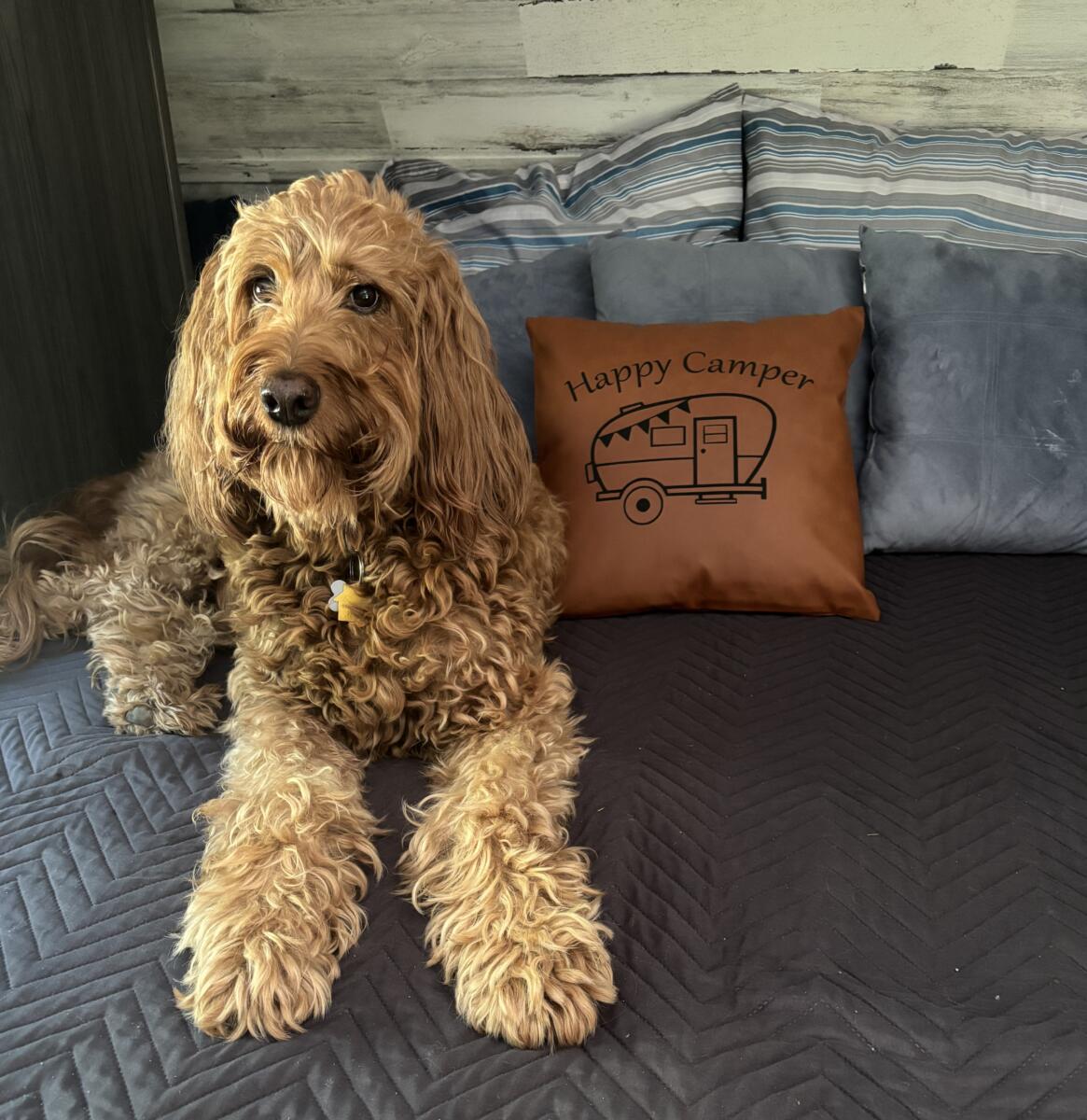
“Bridget (IrishDoodle, about age 7—was rescued from a puppy mill, so we’re not sure), loves riding in the truck. Loves camping because she gets more walks, is with us 24/7, watches squirrels, and meets other dogs. Of course, she is a very pampered rescue, so she has the permanent deed to the couch.” —Judy O’Betts
Send us a photo of your pet with a short description. No blurry photos and please do not submit your photo more than once. Thanks!
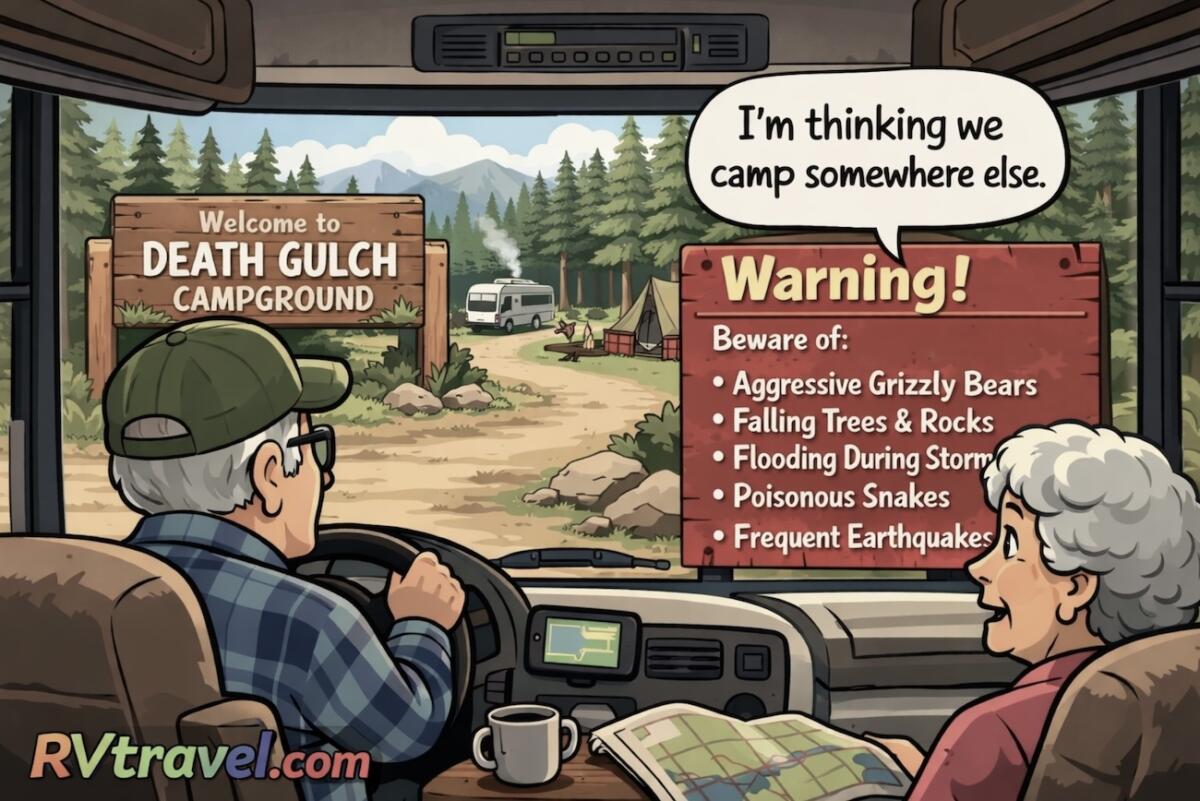
Thanks to our friends at Harvest Hosts for the laugh
Take an extra 10% off a GhostBed luxury RV mattress!
The GhostBed RV mattress is 10” deep, crafted with gel memory foam for coolness, has 3 layers of luxurious comfort and is perfectly sized for your RV! Ahhhh… Wake up relaxed and rejuvenated. RVtravel.com readers now get an EXTRA 10% OFF a GhostBed Luxury RV Mattress! CLICK HERE and use code RVTRAVEL10. Watch RVtravel.com’s Tony Barthel’s RV mattress review here.
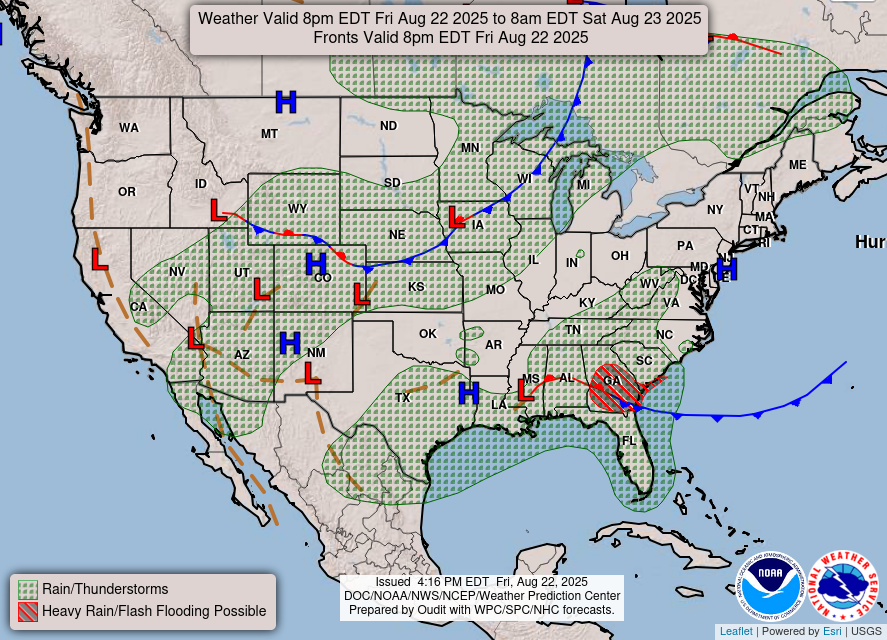
Today’s weather forecast across the nation THIS MAP UPDATES TWICE A DAY
If you shop at Amazon.com we’d appreciate you using this link. We get an itty bitty commission if you buy something, but they add up and help us pay our bills (most importantly our hard-working writers!).
Hi, Dave,
First off, many thanks for sharing your RV wisdom with us in your columns. It is greatly appreciated!
My RV has a Whirlpool residential refrigerator, model WRS571CIH204. (Manual says it’s energy efficient—low amp draw but will run more.) Progressive Dynamics Pd4560 WI converter system, Progressive Dynamics 1800-watt inverter, BMPRO JAYCOMMAND, 400 watts solar, 30 MPPT controller and two 250 AH Go Power! LiFePO4 batteries. The batteries were added in 2024.
We dry camp in the Adirondack Mountains at least once a year. Everything worked fine in 2024. We had to run a generator a few times during our 12-day stay due to lack of solar just to keep batteries full. In 2025, in the same park, we had trouble going 24 hours without running the generator to charge the batteries.
I thought the fridge was drawing excessively, but it is only drawing 1.8 amps; however, it does run a lot (as the manual states). We ended up unplugging the fridge at night to have enough power to run the furnace. The batteries would fully charge off the generator power, but there seemed to be a big draw from something.
Refrigerator draw at 1.8 amps
When we got home, I checked the fridge draw—still 1.8 amps. When getting the camper ready for storage I had everything off and unplugged, but there was still a 6.8 amp draw on the batteries. Time didn’t allow any further testing.
I realize there is still power going to the inverter, converter and JAY COMMAND. I will check draw to each when it comes out of storage.
My questions are:
#1 – What would be an acceptable draw with everything else off?
#2 – Would a 12-volt fridge of equal size use less power than a 120-volt residential fridge and inverter setup?
Thank you for any advice you can give me. —Roger, 2023 Jayco Eagle 321RSTS fifth wheel
Hi, Roger,
There are several variables that come into play when trying to determine 12-volt power demand when dry camping, how long batteries should last before needing to be recharged, and if solar panels can keep up with the demand.
Batteries and solar panels
First, let’s look at your setup for batteries and solar panels. You have 500 amp hours (Ah) available with the Go Power! batteries. Those can be drained to almost 100% state of charge (SOC), unlike flooded lead acid (FLA) batteries, that should only be drained to 50%.
500 Ah typically would be a reasonable amount of 12-volt power reserve. However, with only 400 watts of solar capacity, it might not be able to provide enough charge to the batteries. The typical “rule of thumb” I have gotten from Go Power! is you need 200 watts of solar capacity for every 100 Ah of battery reserve. I doubt you need 1000 watts, and since your first year indicated you could get by with the setup you had with an occasional generator burst, it might be fine.
Residential refrigerator
And, finally, let’s take a look at the residential refrigerator, which is supposed to draw only 1.8 amps per hour, which you verified during the pre-trip period.
Mike Sokol did a test for RVtravel.com a few years ago with a 100 Ah lithium battery, comparing a residential refrigerator with a 12-volt compressor-driven model. In a controlled 70-degree room, the residential refrigerator running through a 1800-watt inverter was able to run only about 12 hours.
A 12-volt compressor-driven refrigerator running through an inverter could run about 24 hours. A 12-volt compressor-driven refrigerator running directly through the 12-volt source could run almost 40 hours. Keep in mind this is without anything else running in the rig. It was just a static test of the refrigerator.
This test shows that not only is the residential refrigerator a huge draw on the 12-volt battery reserve, but the inverter is also an energy hog.
What caused the change in power drain
You stated that your rig could previously run 12 days with only a few charges by the generator, but now you have trouble getting 24 hours from it. So, something has “kicked” on to drain the batteries.
The first thing I would look at is the residential refrigerator. Check to see if it might be on an automatic defrost cycle. I have run into this before, as the defrost feature actually uses heating coils to defrost the evaporator fins and will drain a battery down in no time.
Some refrigerators have the feature of turning it off or on, while others have it programmed to automatically come on. If your refrigerator is drawing 1.8 amps, it might be in just the normal operating mode and the defrost kicks in when you don’t realize it.
The 6.8-amp draw is also concerning if everything is shut off—which, of course, isn’t the case. I would start pulling 12-volt fuses to see if you can identify what might be drawing. Then start turning off the breakers, as it might be a 120-volt outlet pulling through the inverter with something plugged in.
By Nanci Dixon
Snowbirds are beginning their yearly migration to cooler climates. If this is you, it means that now is a good time to change your RV’s water filters, particularly if you’ve spent extended time in the desert areas of the Southwest.
Our water at an Arizona county park is well water. I am always amazed at the amount of sand and dirt that the filters have accumulated in the last five months. We put new filters in at the beginning of the winter season here. Those filters were once sparkling white!
Types of water filters
We use a series of three canister water filters, then a ZeroWater pitcher in the fridge. Yes, I already know it may be overkill for some, but we drink the water and use it for coffee. Moving to the three-filter system has almost totally eliminated our purchase of bottled drinking water. The first filter is a rust inhibitor, the second is a 0.5 micron particulate filter, and the third is a 0.2 Micron VirusGuard™ filter.
Change water filters seasonally or when storing
Whether you have a standard blue inline water filter or an extravagant canister system, it is always good to change them at regular intervals. Now is a good time to change water filters. Remember that if storing your RV for an extended time, it is also a good idea to replace the filters.
Clearsource® system
Amazon has a ton of different water filters to choose from, but after a lot of research, these are the ones I have been happiest with. As you can see in my photo above, they do a good job!
By Cheri Sicard
Picking the wrong state for vehicle registration can feel like a shortcut at first. Then it turns into a problem at the worst time, like getting pulled over while trying to renew tags, or during a massive insurance claim.
South Dakota, Wyoming, and Montana are the most popular choices for full-time RVers, and they might sound similar in RV circles, but they work very differently.
In the video at the end of this post, John of Gone With John breaks down what you need to know before making a decision.
Why wrong state registration sets a trap
Most of the headaches show up when a driver’s license, insurance policy, and registration don’t tell the same story. John also points out an important reality up front: He’s not a lawyer or tax pro, and rules change by state and even by county. Anyone considering a switch should confirm current requirements with the DMV and their insurer before spending money.
The “trap” usually isn’t the license plate itself. It’s the moment someone asks, “Where do you actually live?” If the answer doesn’t match the paperwork, things can unravel fast.
Common ways this shows up include:
Getting stuck during a stop or tag renewal because documents don’t match
Insurance trouble if the policy state and real living situation don’t line up
A paperwork mess created by mixing residency signals across states
The big question: residency plan or easy license plate?
John frames the decision around intent. Is the plan built around how someone lives, or is it built around the easiest plate to get?
A simple decision process helps:
Start with how the person actually lives and travels (full-time, part-time, or relocated).
Choose a state setup that can be explained out loud without sounding odd.
For quick comparison, here’s how the three states differ in approach:
State
What it’s built for
Common mistake
South Dakota
Full-time travelers with documented steps
Treating any mail address as legal residency
Wyoming
People who truly live in a county
Trying to register without real county residency
Montana
LLC-owned vehicle registration
Assuming it changes personal residency
South Dakota: Built for full-time travelers
South Dakota stands out because it openly addresses full-time travelers in its rules. That helps, but the address and proof requirements still trip people up.
Proof requirement 1: a one-night stay receipt
South Dakota expects proof that the person was in the state. John says they want a real receipt from a one-night stay at a campground, RV park, or hotel. A story, screenshot, or vague note won’t do it.
Proof requirement 2: a legitimate mailbox setup (not virtual)
Mail forwarding can work, but it has to be a documented mailbox setup tied to the person. John warns that South Dakota does not accept a virtual address for the full-time traveler route. The paperwork needs to show that the mailbox belongs to the applicant.
How the rest of the process works
After those proofs, the process usually moves through a residency affidavit. John also notes that titling and registration run through the county treasurer, using a normal county process. He adds a cost warning: South Dakota can charge extra non-resident fees when someone lacks a state ID or physical address, so finishing residency steps matters.
Wyoming: County residency is the whole system
Wyoming isn’t built as a plug-and-play option for travelers using an agent. John describes it as a county-based system tied to where a person actually lives. Plates and titles go through local offices connected to the county of residence, and the law points people to the county treasurer where they reside.
The takeaway: Wyoming fits best when someone is truly moving there and can support residency in a real county.
Montana LLC registration: It works mechanically, but carries risk
John says the Montana LLC method is real on the mechanical side. The owner forms an LLC, keeps a registered agent in Montana (required for business entities), and then the LLC owns and registers the vehicle. Montana uses fee schedules for light vehicles based on age, and it can offer permanent registration once a vehicle reaches an age threshold.
The catch is the legal one. Registering through a Montana LLC does not change where someone lives. It’s an ownership method, not a residency change. John points to California as an example of enforcement, since it requires in-state registration within a set window once someone becomes a resident or brings the vehicle into the state, and the California Highway Patrol has a public program for reporting out-of-state registration violations. He also notes Montana fees for non-residents can change, so a plan that depends on rules staying frozen is a gamble.
Staying safe comes down to consistency
John’s best practice is consistency across the big three: driver’s license, insurance, and registration. The setup should be clean enough to explain during a roadside stop without creating new questions.
He lays out a practical order:
Align the driver’s license with the chosen state’s rules (for example, South Dakota’s receipt and mailbox steps).
Match insurance to that same state, and be honest about full-time travel and where the vehicle is garaged.
Title and register in the same place (South Dakota county treasurer, Wyoming county framework, or a properly structured Montana LLC approach).
A simple proof folder prevents bad days from getting worse
John recommends keeping both a digital and a physical folder with key documents. That includes registration, insurance papers, license info, mailbox proof, and the one-night stay receipt (when it applies). When someone is tired, stressed, or dealing with a claim, having clean paperwork can save hours.
Choosing between South Dakota, Wyoming, and Montana is less about hype and more about matching paperwork to real life. When a license, insurance policy, and registration all point to the same story, problems get less common and easier to solve.
If you’re renting an RV, there’s a pretty good chance that it won’t be your dream RV. But most longtime RVers will agree that it’s a great way for you to test the waters and see if the lifestyle is good for you.
Renting an RV can also be a great way to see what size and style RV is right for you and your traveling companion(s). Some people find that they prefer a compact campervan that’s easy to maneuver, while others realize they need the space and amenities of a larger motorhome. Trying out different layouts, sleeping arrangements, and storage options can help you determine what works best before making a big purchase.
Another benefit of renting is getting a feel for the realities of RV travel. From setting up at a campsite to handling hookups and learning how much power and water you actually use, renting allows you to experience the daily routines of RVing without a long-term commitment.
It’s also a chance to test out driving a bigger vehicle, backing into campsites, and navigating different types of terrain—skills that take some practice but are essential for a smooth RVing experience.
For some, renting an RV is about adventure, whether it’s a cross-country road trip, a national park tour, or a special event like a festival or family reunion.
Others rent because they’re considering buying an RV and want to try different models before deciding.
Have you ever rented an RV? If so, have you done so more than once or just one time? After you vote, please leave a comment telling us why you rented one and about your experience. If you’ve never rented one, would you like to?
If you’re shopping for an RV, you may not hear this from a dealership—but it’s something every buyer should understand.
Independent RV inspections can uncover issues that may slow down or even stop a sale. That’s one of the main reasons why some dealerships don’t always encourage buyers to get a third-party inspection.
At California RV Specialists, we are an independent RV repair and inspection facility, which means our focus is not on selling RVs—it’s on helping you understand exactly what you’re buying.
The difference between dealership inspections and independent inspections
Most RV dealerships perform a Pre-Delivery Inspection (PDI) before handing over a unit. However, these inspections are typically designed to:
• Confirm basic operation • Prepare the unit for delivery • Keep the sales process moving
They are not always intended to be a deep, unbiased evaluation of the RV’s condition.
An independent RV inspection, on the other hand, is focused on:
• Identifying defects or concerns • Evaluating overall condition • Documenting findings for the buyer • Helping you make an informed decision
Why independent inspections matter
Buying an RV is a major investment. Even new units can have issues, and used units may have hidden problems that are not obvious during a walk-through.
An independent inspection gives you a clear and unbiased understanding of the RV before you commit.
Benefits of a pre-purchase RV inspection
A professional inspection helps you:
• Identify issues before committing to a purchase • Use findings as a negotiation tool • Buy with confidence backed by a professional report • Avoid costly surprises after the sale
A prior-to-purchase inspection is especially useful for motorhomes, fifth wheels, and travel trailers.
We inspect key systems including:
• Roof and exterior sealants • Slide-out operation and seals • Generator systems (motorhomes) • Refrigerators and appliances • Furnace and air conditioning systems • Plumbing and water systems • Electrical and battery systems • Suspension, frame, and structural components
Catching issues early can save you thousands of dollars in future repairs.
Want a more in-depth inspection?
If you’re looking for a thorough, multi-point inspection with full system testing, we recommend bringing the RV to our shop.
This allows our technicians to:
• Fully operate and test systems • Perform detailed diagnostics • Identify issues that may not be visible during a basic inspection
This level of inspection provides the highest level of protection before purchase.
Serving RV buyers across Northern California
California RV Specialists proudly helps RV buyers from: Lodi, Stockton, Sacramento, Modesto, Elk Grove, Galt, Manteca, Tracy, Napa, Vacaville, Fairfield, Davis, Woodland, and communities throughout Northern California.
If you are purchasing an RV in or around these areas, we are here to help you make a confident decision.
Why choose California RV Specialists?
• Independent RV repair and inspection facility since 2003 • Not affiliated with RV sales—our focus is on you • Experienced technicians with real-world repair knowledge • Detailed inspections and honest feedback • Trusted resource within the RV community
Schedule your RV inspection
If you are considering purchasing an RV, don’t skip the inspection.
Big RVs can feel like a trade for more space, but often a new tow vehicle and a daily driver are sacrificed. In the video at the end of this post, Josh the RV Nerd at Bish’s RV takes us on a walk-through tour of the 2026 r-pod RP-194, which lands in a sweet spot: a compact trailer that still carries many of the nicer r-pod touches, without jumping into heavy, expensive territory.
Josh describes the r-pod RP-194 as “10 pounds of sugar in a 5-pound sack.” The idea is straightforward: It’s not a big camper, but it’s packed with features that normally show up in larger rigs. That includes details like a heated underbelly, tinted windows that open for airflow, and a dual-pane Euro-style front windshield with day and night shades (the night shade has a radiant backer to help block morning sun).
It also targets shoppers who don’t want to swap vehicles just to camp. For many people, that’s the real win.
Key specs at a glance
Spec
Detail
Hitch weight
360 lb.
Max weight
4,760 lb.
Empty weight
3,404 lb.
Cargo capacity
1,356 lb.
Length
20’6″
Height
10’4″
Width
7’4″
Awning
11′
Fresh / Gray / Black
30 gal. each
Solar
200w
Exterior highlights
The outside setup is where the “packed” theme shows up fast. Josh points out the Goodyear Endurance tire package and that tire pressure monitoring is included, not left as an add-on. He also calls out the Norco huck-bolted chassis, which some shoppers prefer over traditional I-beam frames. Front and rear stabilizers also matter here, since some single-axle trailers cut corners and only stabilize the rear.
One practical warning: The glass entry door looks great, but it can get hot in direct summer sun.
Interior
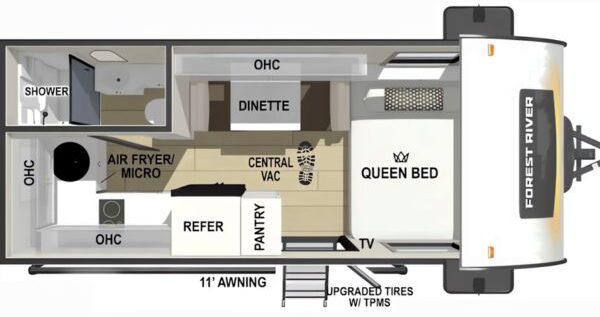
The floor plan is built around an east-west bed and no slides. That bed choice will be a dealbreaker for some, since it means climbing over a partner. Still, Josh notes it’s a true 60-by-80 queen, so replacing the mattress is easier than with odd RV sizes. Built-in cupholders and nearby outlets add everyday convenience, even if he’d prefer the USB ports mounted higher for thicker mattresses.
Across from the bed, the small dinette is what it is, and it’s not a real adult sleeper. Josh does appreciate the radiused edges, which help avoid scraped legs in tight spaces. Storage stays a priority, with full space under the dinette, soft-close cabinet doors, and features like hidden hinges and magnetic catches.
For a small trailer, Josh likes the rear L-shaped kitchen because it provides usable countertop space. He doesn’t love the round sink shape, but it still fits big dinner plates. The trailer also squeezes in a larger fridge for the class and a surprisingly decent pantry.
Cleaning is easier than expected thanks to a built-in central vacuum and an electric dustpan inlet. In back, the wet bath is tight but functional, with an XL vent fan and skylight. Taller campers should note the interior height—heads may end up right in the skylight.
Standard vs. Hood River Edition differences
Josh mentions a Western-focused Hood River Edition for shoppers who camp off pavement more often. That version swaps in off-road tires for more ground clearance, adds 12V holding tank heater pads (on top of the forced-air heated belly), and includes a roof vent cover for the bathroom fan.
Final thoughts
The 2026 r-pod RP-194 is aimed at campers who want an easy-to-tow trailer that still feels well-equipped. It trades a walkaround bed and slide-outs for a lighter footprint, solid storage, and smart features like TPMS, solar, and a surprisingly workable kitchen.
For solo travelers and couples who don’t mind the east-west queen bed setup, Josh frames it as a small rig that doesn’t feel stripped down.
America’s Original RV Newsletter. Since 2001 Issue 1253 If you find this newsletter helpful, please consider supporting our work with a donation of your choice. Thank you!
Need an excuse to celebrate? Today is National Goof Off Day! Have fun!
On this day in history: 1963 – The Beatles release their debut album, “Please Please Me”.
BORED?? Well, there is no excuse! Read back issues of our RV Daily Tips Newsletters! More than 2,000 to choose from!
Today’s thought
“Setbacks are guaranteed in life. But always look at the bright side of things.” —Warren Buffett
These are RVtravel.com readers’ favorite municipal campgrounds in the U.S.
We asked our readers, “What is the best city or county campground you have ever stayed in and why?” We realize that when it comes to the topic of public campgrounds, the national parks get the most publicity, followed by many amazing state parks. But we also know there are many municipal campgrounds run by counties and cities that are just as nice or even better. This excellent list shares some of your favorites, state by state.
Five more fantastic tips from RVers
By Gail Marsh
I just love the ingenuity of RVers. When we discover a problem, we set about fixing it. A quick perusal of a favorite Facebook group recently netted several great tips! Take a look and see if you agree that these five fantastic tips solve common RV problems! (They definitely do!)
We asked RVers to rate Buc-ee’s. Here’s how they responded
By Gail Marsh
Ask RVers about Buc-ee’s and you’ll quickly learn there’s no consensus. Last week, I offered our readers the chance to respond to a poll asking them to rate their experiences at Buc-ee’s. At the time of writing, nearly 1,500 RVers had voted, and the results may surprise you. Do they love Buc-ee’s? Like it? Hate it? Avoid it? Find out here.
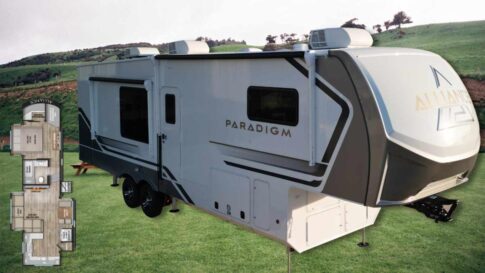
Today’s RV review… 2026 Alliance RV Paradigm 312RK—Now that’s entertainment
For today’s RV review, we’re going to dip back into the Alliance well with the 2026 Alliance RV Paradigm 312RK fifth wheel. I started looking at what I wish one of our friends would buy, and came across this Alliance. This one is well set up for groups with a large L-shaped sofa and a dinette that can either be a table or a desk. Check it out.
500 campgrounds worth the drive
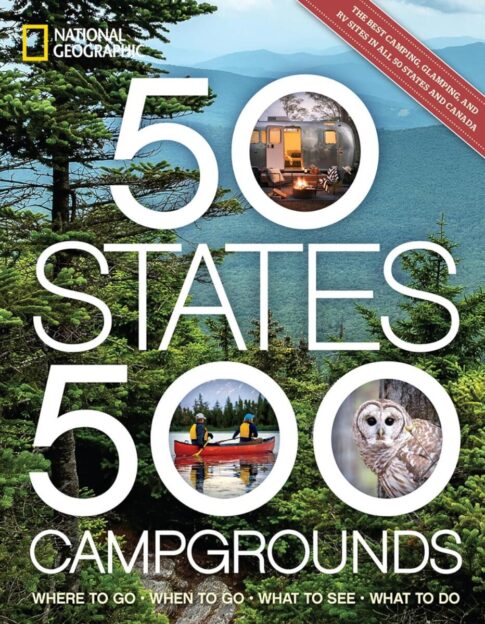
In this comprehensive sequel to National Geographic’s best-selling 50 States, 5,000 Ideas, you’ll discover the 500 best camping destinations across the United States and Canada. You’ll find 10 featured campgrounds in every state, plus tips on what to do, where to eat, and must-see attractions nearby—from national parks to local gems. Learn more or order.
A WISE PERSON ONCE SAID… Never sing in the shower! Singing leads to dancing, dancing leads to slipping, and slipping leads to paramedics seeing you naked.
Tanner Toons with Tanner Woods
You may share this Tanner Toon, unaltered, on your website, blog or social media with our compliments. The musings from Tanner Woods’ creative mind appear in this newsletter every Saturday and Sunday and in many RV Daily Tips newsletters through the week.
RV crash test images are going viral, but here’s what they’re not telling you
Those viral RV crash test images circling the internet right now are hard to look at—and they raise real questions about RV crash safety. Those RV crash test safety scenes grab your gut—and they should. But before you start second-guessing RV travel, it’s worth stepping back and looking at what you’re really seeing, and what it means for you on the road.
The hidden cost of “cheap” campgrounds
At first glance, finding a “cheap” campsite feels like a win. You find a campground for $25, maybe $30 a night—far less than the $60, $80, even $100 rates that seem to be popping up everywhere lately—and you book it, feeling like you just beat the system. But then… you arrive. And that’s when the real cost starts to show up.
Check out the amazing, rare 1963 Del Rey Sky Lounge truck camper… and it’s for sale!
This 1963 Ford F250 with a Del Rey Sky Lounge camper feels like a full-on time capsule from early 1960s camping. For anyone who likes vintage trucks, classic RV details, or both, this rig stands out for its condition, its clever layout, and the unusual Sky Lounge perch above the cab. And, yep, this unique rig is for sale. Take a tour of it here—we bet you’ll want it. (We do!)
DON’T DRINK AND DRIVE: Test yourself or your loved ones before they get behind the wheel. Here’s how.
Tony’s tips 10 ideas for visiting an RV show: Prepare for battle
As I was looking at my calendar, I realized how many RV shows there are. In fact, our local community is having a show this weekend. I was sitting here thinking about the weekend’s RV show and wondering what it would be like to be a normal person attending one. What can I arm myself with to make a better decision? So that gave me the inspiration to write this.
Reader poll Would your dream RV have more than one bathroom?
RV gadgets and gizmos Road-ready gadgets that make RV life easier, especially for seniors
By Gail Marsh
Living the RV life should feel like freedom, but lately it’s been a bit of a struggle. My husband awaits knee replacement surgery, and I’ve been on the hunt for tips, tricks, and gadgets that can help restore his joy of RVing and also keep us comfortable (and safe) as we RV. Take a look to see what I’ve found so far; these gadgets will be especially helpful for RVing seniors.
The one thing every solo RVer needs? A back scratcher!
Yes, all solo RVers need this, but we think everyone needs this—solo or not! Tired of scratching your partner’s back? This would make the best gift… ever!Ahhh, that feels gooooood.
Our amazing readers RVtravel.com readers reveal the special times in their lives
By Chuck Woodbury
A few weeks ago, I asked you to write me about some of your special life moments or accomplishments of which few if anybody you know were aware. Here are a few of many responses from our readers. The irony is that the accomplishments may not be the fodder of headlines, but they are special to those persons who lived them. Here are even more of your stories. Thank you for sharing!
FACTOID: The U.S. Interstate System spans more than 48,000 miles—perfect for wandering (or, um, getting slightly lost).
Travel destinations
The National Park System is more than just parks
If you think the National Park Service is only about the big-name national parks, think again. The NPS manages hundreds of different places. The National Park Service lists 433 official units and notes that those units span more than 85 million acres across all 50 states, D.C., and U.S. territories. Wow! Continue reading.
Seven swell (and free) things to do in DFW, Texas
By Gail Marsh
Calling all cowpokes! Hitch up yer britches, saddle your RV, and git yerself to Texas. I don’t wanna hear no bellyachin’ cause I’m fixin’ to tell y’all about eight things you ken do for free while yer there. Even if you’re not a cowpoke, you will appreciate this mix of Dallas-Fort Worth downtown green spaces, public art, free museums, and classic Texas sights. All for free!
In the RV shop with Dustin No, there are not enough RV technicians, and it’s affecting all RV owners
If you’ve ever had to wait weeks—or even months—for RV repairs, you’ve already felt the impact of one of the biggest problems in the RV industry: There are simply not enough qualified RV technicians. At California RV Specialists, we see this every day. The demand for RV service continues to grow, but the number of trained technicians has not kept up. Continue reading.
Remember this?
From the archives: How to waterproof fabric: Turn old sheets into waterproof tarps
Tarps, and especially waterproof tarps, are common multi-tasking items to have among your camping and RV supplies. But did you know you can make waterproof tarps easily yourself by recycling old sheets? Here, you can learn how to waterproof fabric—most any kind of fabric.
? MYSTERY PRODUCT OF THE DAY ? If you’re in the market for a new one of these or you know someone who always complains about theirs, this one looks like it would be the comfiest!
Highlights from this week’s RV Daily Tips Newsletter
RV tire safety Question from RV owner on “necessity” of running TPMS
By Roger Marble
I saw this question on one of the RV forums I watch: “Hey, folks. Another newbie question. Does everyone run a TPMS on their travel trailers? Are they necessary if you’re running your tires at the correct pressure?”
While this sounds like a reasonable question, I wonder what people think of it? Continue reading.
**Last day: If you’re near Pomona, CA, be sure to see Dave at the very popular Ford Towing Bootcamp at the California RV Super Show today, March 22.
HA… HA… RV stands for “Recreational Vehicle,” but sometimes it feels like “Repair Vehicle.”
RVer health
Breath test could diagnose pneumonia
Researchers at the Massachusetts Institute of Technology have developed a new breath test that could help doctors diagnose pneumonia, potentially even at home. The technology uses tiny inhaled particles that act like “reporters” inside the lungs. After a patient inhales them in a way similar to using an asthma inhaler, the particles interact with enzymes linked to infection. Continue reading.
Live cam
Duval Street, Key West, FL
Tiny, portable air purifier is RV-sized
If your RV ever smells a little too much like last night’s dinner—or the campground fire pit—this compact air purifier is a hero. It uses a true HEPA filter to trap dust, pollen, smoke, pet dander, and odors, runs whisper-quiet in sleep mode, and is small enough for an RV, car, or bedside table. Check it out.
Readers’ pets of the day
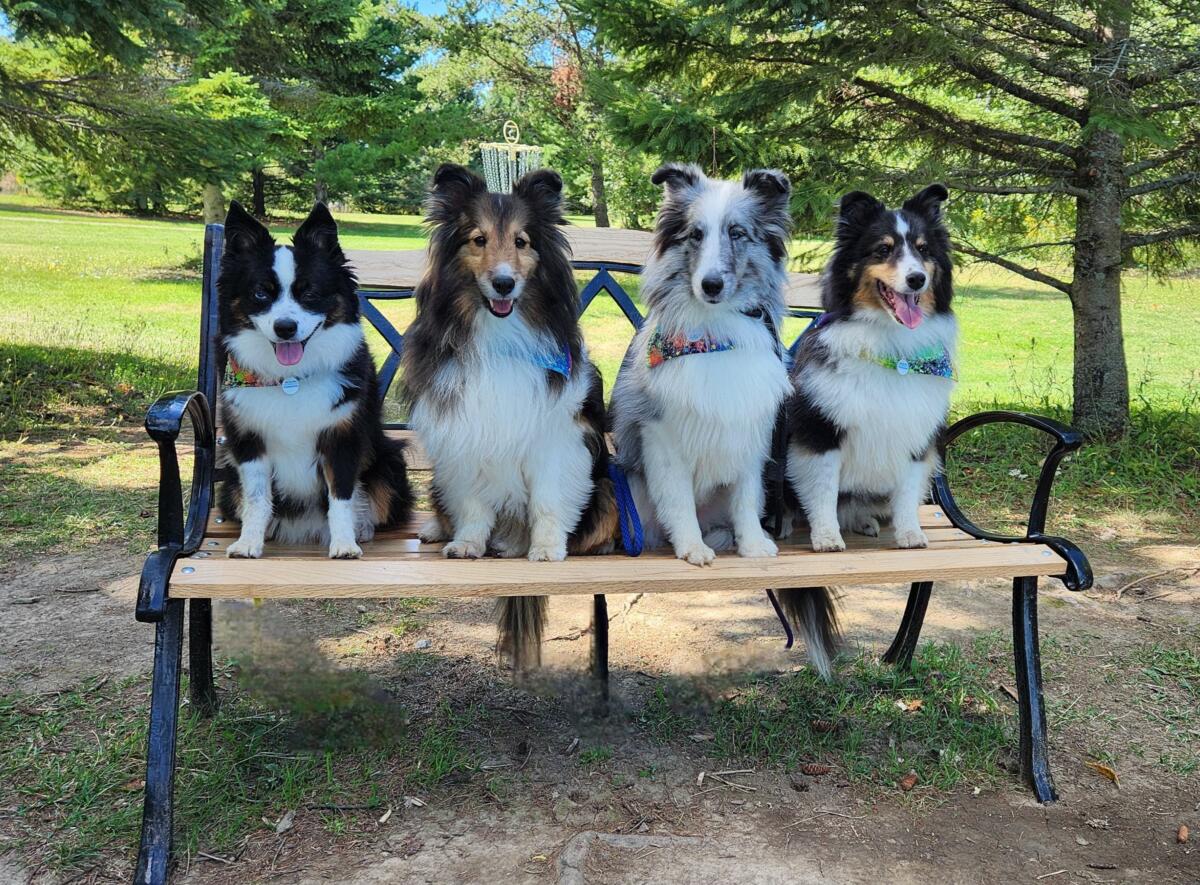
“TidBit, Hurricane Allie, Life in the Fast Lane (Laney), and Navarre. TidBit is a Mini American Shepherd; the other three are Shelties. Our dogs travel with us in a Class C Jayco Greyhawk 29MV. We love hiking with them, exploring new places, enjoying outdoor restaurants, and supporting Harvest Hosts breweries and wineries. Our dogs are beautifully behaved and go everywhere with us. People can’t believe we spend up to six months at a time living in an RV with four dogs, but for us, it’s a way of life!” —Kip Kirby
Want to see your pet in this newsletter? Please send us a photo of your pet with a short description. No blurry photos and please do not submit your photo more than once.
Trivia
A long time ago, an attendant pumped a customer’s gasoline. But independent station dealer George Urich changed that in 1947 when he opened three “self-service” Gas-A-Terias in the Los Angeles area. The idea: motorists would pump their own gas and save money. Instead of hiring attendants to clean windshields and check oil, Urich hired attractive girls in slacks and tight sweaters, and put them on roller skates to collect money. The gas stations were huge with 18 to 21 pumps. On average, a motorist saved five cents a gallon, a big savings then. Gas-A-Terias were so successful that copycats followed.
FREE IS GOOD! Free travel guides for the state of Minnesota. Choose from maps, digital itineraries, miscellaneous adventures, guides by region, and more. Online or by mail.
Today’s weather forecast across the nation THIS MAP UPDATES TWICE A DAY
We use cookies to ensure that we give you the best experience on our website. By continuing to use our site, you consent to accepting cookies. We NEVER have or will sell reader's data. For more info, please see our privacy policy page.