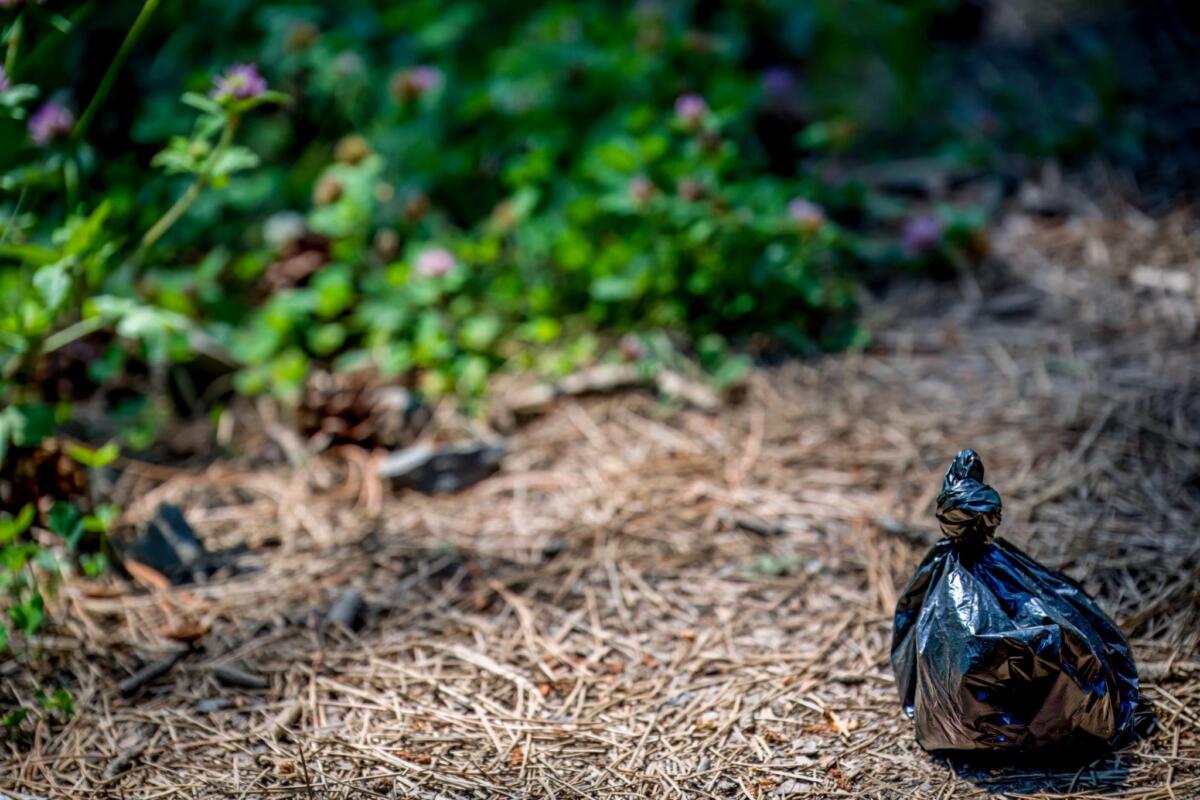
A recent local report shared by Colorado’s Summit Daily said volunteers pulled more than 130 pounds of dog waste off just two trails during two cleanup days.
That is the kind of number that should stop any pet owner in their tracks. It shows how fast “just one little mess” turns into a trail problem that everybody else has to deal with.
Harmless?
Dog poop is not harmless. Pet waste can bring harmful bacteria into water sources and spread disease to wildlife. And that’s not all! The CDC reports that dog and cat waste can contain germs and parasites that affect people and animals.
In other words, the pile you leave behind is not just ugly. It can become a contamination problem for the trail, the creek, the lake, and the next family walking through.
The health risks go well beyond a bad smell. The CDC says toxocariasis can spread through contact with infected dog or cat feces, and pet waste can also involve other illnesses linked to animal germs.
Public health agencies regularly warn that dog waste may carry bacteria and parasites such as E. coli, Salmonella, Giardia, roundworms, hookworms, and other organisms that can survive long enough in soil or water to matter. That puts hikers, kids, other dogs, and even campsite grass at risk when waste is not picked up and properly disposed of.
Wildlife gets hit, too. The U.S. Fish and Wildlife Service says dog feces is not natural fertilizer and can spread diseases and parasites to wildlife and people, while also polluting water sources. The problem is especially ugly on hiking trails because rain, runoff, and foot traffic can move waste into nearby habitat. That means the impact does not stay on the trail where it started. It spreads outward into the places RVers and hikers are supposed to be enjoying.
Trail managers are also noticing that bad dog behavior can lead to tighter rules. The National Park Service says visitors should bag pet waste and dispose of it properly.
The Bureau of Land Management says hikers with dogs need to keep them under control and check local leash rules. In one real-world example, a park cut off trail access for dogs after officials said owners were leaving poop bags behind and not leashing their pets. Once land managers see repeated messes, they are far more likely to respond with restrictions.
More consequences
There are real consequences for pet owners who ignore the rules. Washington County in Colorado says violations involving leash, license, or dog-waste codes can bring a ticket with a maximum fine of $500.
Other parks and public lands require immediate pickup, proper disposal, and leash control. Some will ask owners to remove troublesome pets or simply limit dog access when the behavior becomes a pattern.
The point is simple: if you do not clean up after your dog, you are not just being rude. You may be breaking local rules and helping push trails toward stricter dog policies.
Dispose properly
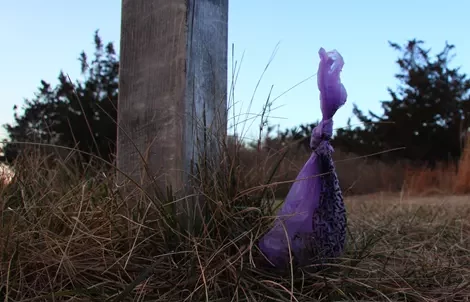
For RVers, this is one of those travel habits that should never be negotiable. Carry more bags than you think you need. Pick up dog feces immediately. Pack it out if there is no trash can. Do not hang a bag on a branch, drop it beside the trail, or assume someone else will handle it later.
The people who volunteer to clean up after careless pet owners should not have to keep rescuing our favorite trails one pile at a time. If you love your dog and love hiking, then act like it: Pick up after your dog every single time.