Home Blog Page 60

Beyond the Headlines: Big moves in the woods, a park week switch-up, and an RV dealer reality check

7

The Forest Service is planted elsewhere

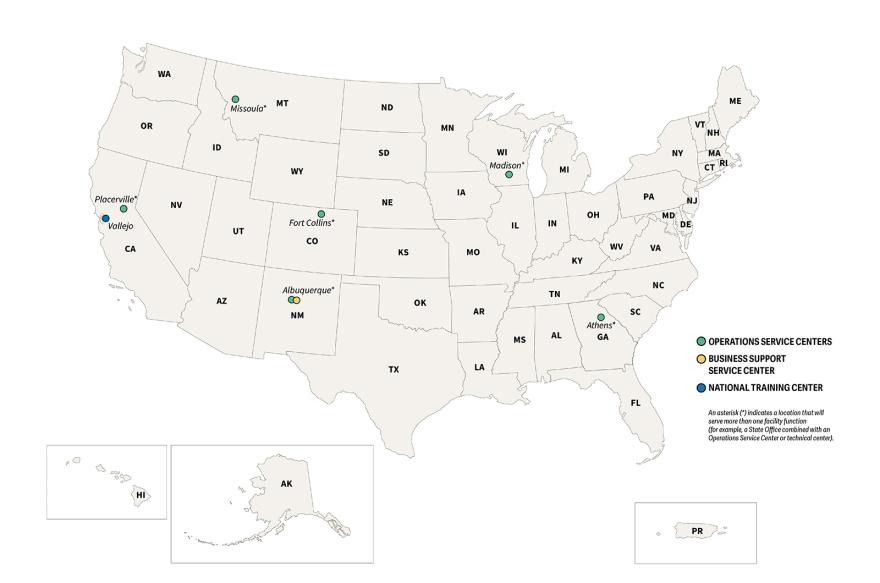
According to PARKography, the Forest Service is going to move its headquarters out of Washington, D.C., and over to Salt Lake City, Utah. The move is anticipated to be completed by 2027, with many staffers being asked to move to the new headquarters, but leaving some behind. 

The goal is to bring leadership closer to the places where the agency manages. Tom Schultz, Chief of the Forest Service, said, “Effective stewardship and active management are achieved on the ground…not just behind a desk in the capital.” 

According to Jason Epperson of PARKography, nearly 90 percent of Forest Service lands are located on the West Coast. 

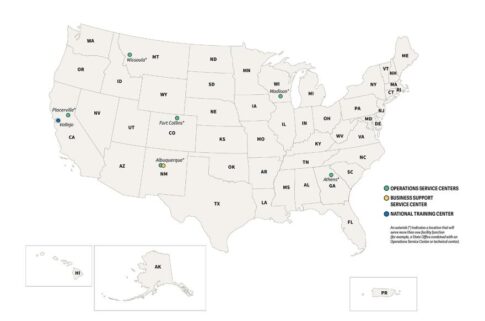
The Forest Service will also reorganize from the current regional structure into a state-based system. Regional offices will be closed under the plan, with the functions moving to the smaller, more localized offices. Further, research facilities, now located in 31 states, will all be centralized in Fort Collins, Colorado. 

In the announcement by the Forest Service, one of the more troubling statements was made by Secretary Brooke L. Rollins with a sentence that included, “…supporting our timber growers across the country… Proper forest management means a healthy and productive forest system that provides affordable, quality lumber to build homes right here in America, and it means preserving and protecting the beautiful landscapes we are blessed with across this great country.”

According to the agency, these changes are meant to reduce bureaucracy and streamline decision-making. Law enforcement, firefighting, and land management are said to continue without interruption. 

The agency has created a reorganization information page on its website. 
National Park Week is also moving

National Park Week is going to be August 22-30 to line up with the agency’s 110th birthday on August 25th and the broader 250th birthday celebration for the United States. Typical National Park Week happens in April. On August 25, park fees will be waived at National Parks that normally charge. 

Some costs, like timed entry fees, still may apply, of course. If you already have a National Parks Pass, then it might be better to avoid the Parks during this expected wave of humanity.

More details about the week in Gail Marsh’s story here.

Some trees at Confusion Hill in Northern California

Seeing the forest and the trees

In another news story, I learned that Senators Alex Padilla and John Curtis of Utah have introduced the Save Our Sequoias Act this week, with companion legislation in the House from Representatives Vince Fong and Scott Peters. 

Supporters say the bill is meant to help giant sequoia groves recover from recent wildfire damage and better prepare for future threats. 

Changes in the way these trees experience fire have led to greater threats, and they only occupy a small spot in the greater scheme of things. The full story can be found here. 

I have a particular history with these incredible trees. My mom organized a group to buy and then donate one of the groves to the people of California. If you haven’t seen them in person, it’s a Grand Canyon-like experience—something you have to see. 

Do dealerships do routine maintenance? 🤣

Dave Solberg wrote an answer to a reader’s question about whether RV dealerships exercise slide rooms and do any maintenance on exterior seals at all on RVs in their lots. From everything I’ve seen, the answer to that question is an emphatic no. 

In fact, I have never ever seen an RV dealership do a routine inspection of the exterior seals of an RV while it’s sitting waiting for someone to buy it and take it camping. I’m guessing there may be a diligent RV dealer or two (not likely) who does inspections. Also, perhaps an inspection is conducted during the pre-delivery inspection right before you go pick up that new rig. But even this may not be as thorough as you hope. 

Almost every RV you buy will have a sticker or recommendation to do an inspection of the exterior seals every 90 days or so. This includes seals on the roof and also seals around all the other breaches in the exterior, including things like baggage doors, holes cut for plugs, water connections, and all of that. 

Considering that these RVs sit on the lot in the sun, this is pretty challenging for the seals. 

Further, some RVs may sit on the lot for a year or two. While no dealer wants to hold on to inventory for an extended period of time, it happens.

So that deal on last year’s model may not be as good a deal if the seals on the exterior aren’t really thoroughly inspected and rain has already started seeping into the RV. 

There are a lot of people who advocate hiring a professional inspector even on new rigs, and this is one of the reasons why. It’s also one of the reasons I strongly advocate taking that shiny new rig camping for a few days right after you buy it. The moment you pull it off the lot, that warranty clock is ticking, so those waiting six months for the season to start are literally shooting themselves in the foot. 

To see all recent news for RVers, click here

RVT1255b

Will you do something special for Easter tomorrow?

20

Tomorrow is Easter! If you celebrate, a very Happy Easter to you! And if you don’t celebrate Easter for religious reasons, we hope you still manage to get outside and enjoy the fresh springtime air. Hopefully, the weather is nice and sunny for you!

If you are doing something to celebrate Easter tomorrow, what is it? Will you attend church? Will you go to an Easter event? Will you go out to a special Easter brunch? Something else like a picnic in the park, maybe?

Maybe your Easter looks a little different this year—especially if you’re on the road. One of the fun parts of RVing is celebrating holidays wherever you happen to be, whether that’s at a campground potluck, around a campfire with friends, or simply enjoying a quiet morning with a cup of coffee and a chocolate bunny.

However you spend the day, we hope it brings you a little joy, a little relaxation, and maybe even a sweet treat or two. And if you’re traveling, safe travels and happy camping!

Oh, and in this poll, you can select as many answers as are applicable. So if you’re going to church, a special event and going out to a meal… tell us! After you vote, as always, feel free to leave a comment and share your plans.

Have a wonderful Easter!

10 delicious Easter recipes: Mains, sides, and desserts

Need something to make for Easter tomorrow? Here you go! We think these all sound pretty delicious, don’t you? Oh, we love a good, special holiday food!

LIKE TAKING POLLS? So do we! Did you know we’ve run more than 5,000 polls on our website over the years? Check ’em out! Have fun!

RVT1255

Santa Barbara looks to turn beachfront parking lot into RV overnight area

11

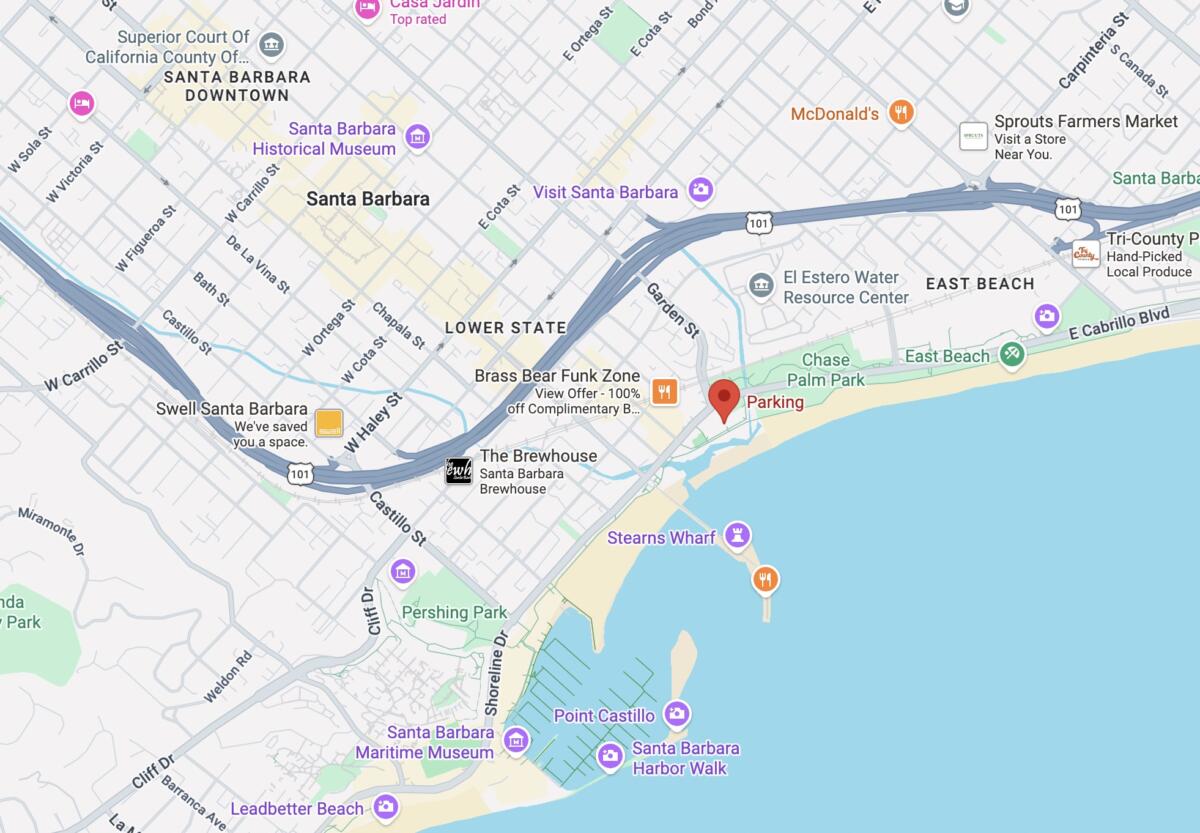
Santa Barbara is considering converting part of a waterfront parking lot into an overnight RV parking area as it looks for new revenue sources.

Under the proposal, 127 existing spaces at 236 E. Cabrillo Blvd., next to Chase Palm Park, would be reconfigured to create 16 to 26 overnight RV stalls. The spaces would offer no hookups or amenities.

The Santa Barbara Harbor Commission voted 6–1 last week to support the idea, though some commissioners raised concerns about future coastal erosion, the loss of parking, and whether the project would generate meaningful revenue.

Screenshot
Prime parking for RVers

City officials say the change could help boost funds for the Waterfront Department and reduce the need for city loans. The lot currently generates about $696,000 annually, with roughly half coming from the section proposed for conversion.

The plan is part of a broader push to increase revenue, which has already included higher cannabis taxes and a potential property transfer tax under consideration.

Before moving forward, the project would require zoning changes, City Council approval, and a coastal development permit from the California Coastal Commission.

If approved, it raises a broader question: Could more cities begin looking at underused parking areas as potential overnight RV spaces to generate revenue?

MORE IN CALIFORNIA NEWS AND TRAVEL:

RVT1255b
Gas prices surge past $4 per gallon nationwide for first time in four years

11

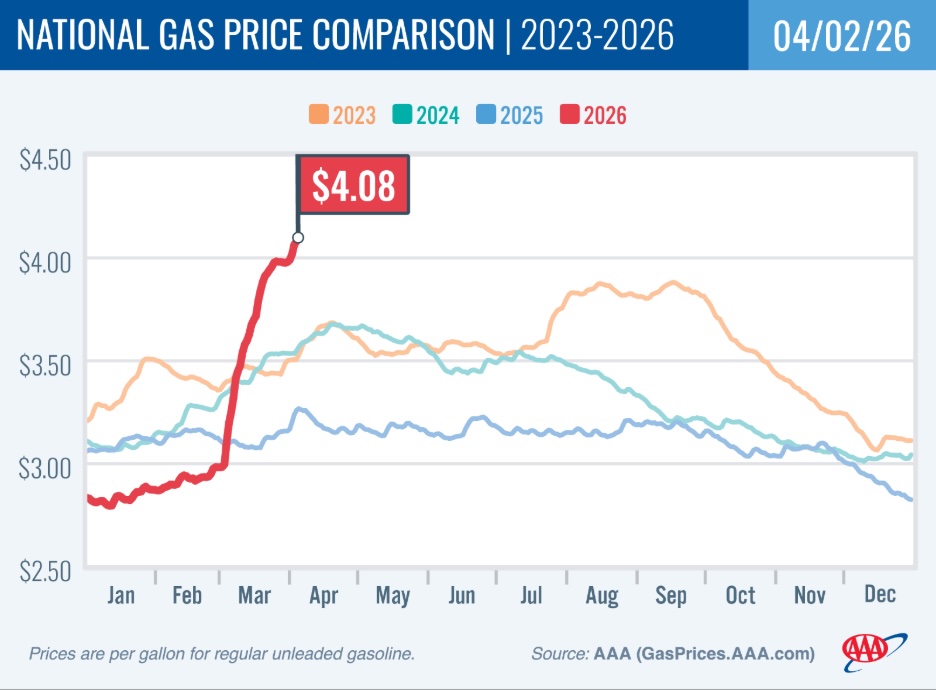
The national average for a gallon of regular gasoline exceeded $4/gallon this week for the first time since August 2022. Today’s average of $4.08 is ten cents higher than last week and $1.08 higher than a month ago. Crude oil prices have been surging, surpassing $100/barrel, as the conflict in the Middle East continues and the Strait of Hormuz remains closed.

In 2022, gas prices remained elevated from March through August, peaking in June when the national average reached a record of $5/gallon for one week.

  • Today’s National Average: $4.081
  • One Week Ago: $3.981
  • One Month Ago: $2.997
  • One Year Ago: $3.238

According to new data from the Energy Information Administration (EIA), gasoline demand decreased last week from 8.92 million b/d to 8.68 million.

Total domestic gasoline supply decreased from 241.4 million barrels to 240.9 million. Gasoline production decreased last week, averaging 9.6 million barrels per day.

Oil market dynamics

At the close of Wednesday’s formal trading session, WTI fell $1.26 to settle at $100.12 a barrel. The EIA reports crude oil inventories increased by 5.5 million barrels from the previous week. At 461.6 million barrels, U.S. crude oil inventories are about 0.1% above the five-year average for this time of year.

State stats

The nation’s top 10 most expensive gasoline markets are California ($5.89), Hawaii ($5.50), Washington ($5.36), Oregon ($4.96), Nevada ($4.94), Arizona ($4.68), Alaska ($4.59), Idaho ($4.26), Illinois ($4.26), and Florida ($4.23).

The nation’s top 10 least expensive gasoline markets are Oklahoma ($3.27), Kansas ($3.33), Nebraska ($3.42), North Dakota ($3.43), Iowa ($3.48), Missouri ($3.48), South Dakota ($3.52), Arkansas ($3.52), Minnesota ($3.54), and Georgia ($3.70).

EV Charging

The national average per kilowatt hour of electricity at a public EV charging station stayed the same this past week at 41 cents.

RELATED

A look at the new Slate pickup and why you might want one

With pickup trucks being intensely popular, it makes sense for newcomer Slate to come on the scene with their entry into the field. They have a very, very different idea of how to build and support their offerings, which is why the company received more than 150,000 pre-orders when they announced the vehicle. 

Slate is a new company that may have made a lot of news by who invested in the startup. Among those plunking down money on the idea were Bezos Expeditions, The Walter Group, General Catalyst, and a few others. 

There have been a number of electric startups in the past decade, and you can add Slate to the list. But their idea is quite different. 

What is a Slate? 

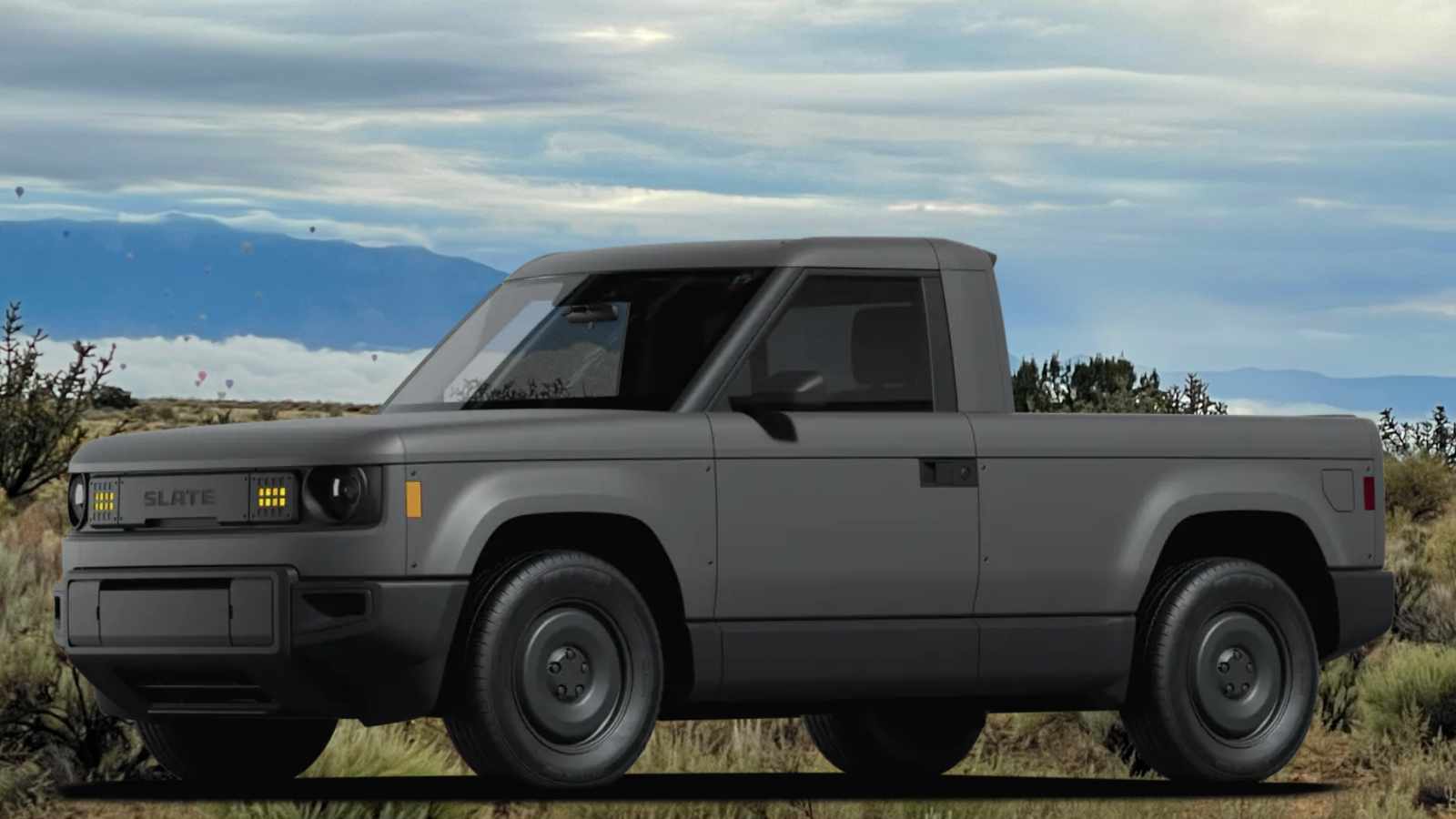
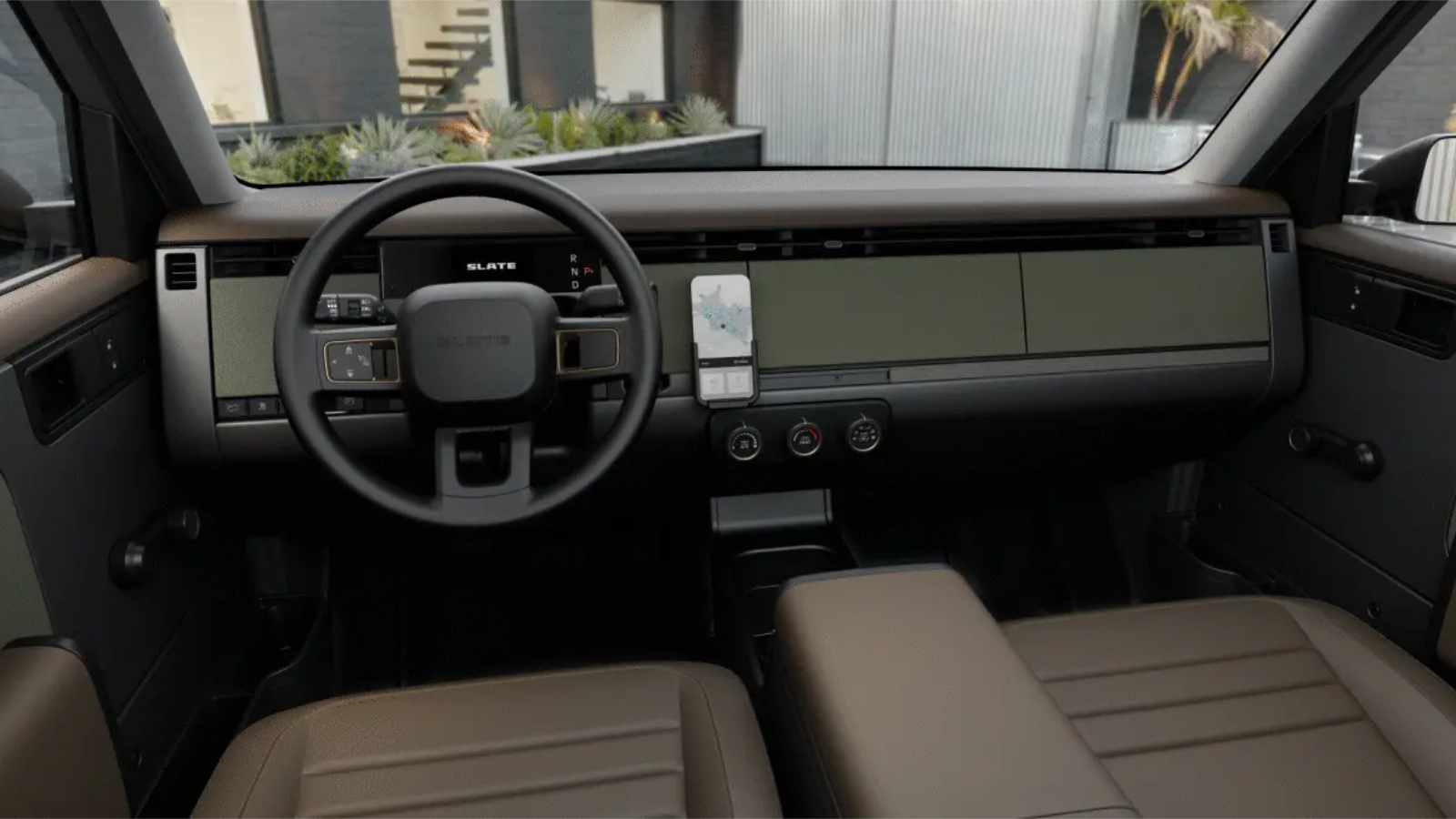
Slate is a small all-electric vehicle that takes the shape of a pickup truck but offers a lot of potential to customize the vehicle. Part of what is making news with this is that the company plans to sell it at a price below $30,000, with numbers between $25,000–$28,000 most commonly mentioned. 

Considering that the average new vehicle price in the U.S. is more than $50,000, this is a remarkable number. The new selling price of this vehicle is in line with the average price of a used car in the market. 

What you get for that is zero choice, much like the legend of the paint color of a Model T Ford. In this case, you can have any color you want as long as it’s gray, but that oversimplifies the truth. 

“Choices” in the Slate vehicles

All the Slate vehicles scheduled for production come off the assembly line almost identically—they’re gray, single-cab, compact pickup trucks. They do have A/C, but they also have manually-operated windows (remember those crank-up windows?) and no audio system at all. The biggest choice you make is on power systems. There are two battery packs for the truck: a 52.7 kWh and an 84.3 kWh battery offering a projected 150 or 230 miles of range. 

What this does is dramatically simplify production of the vehicle, which is a major component of why they’re so affordable. With so few SKUs in the mix and direct sales to consumers, the Slate optimizes the U.S.–based production so that the vehicles can be made affordably. 

As for being a pickup, the bed of the vehicle measures four by five feet, but with the tailgate dropped, you can accommodate four by eight-foot sheets of material. 

This simplification of the product also means potentially fewer issues, according to Jeremy Snyder, Chief Commercial Officer at Slate. “New cars go back for multiple warranty repairs because of the technology of the vehicle. Because we’ve simplified the Slate so much, it’s going to be far more reliable and last a really long time.”

Owners can do their own repairs

Something else the company is doing is enabling owners to do their own repairs. 

Snyder added: “We’re very open source. We want our customers to do DIY repairs. They can DIY warranty repairs.” The company is working with Repair Pal, which has access to more than 4,000 shops nationwide. “It’s a real game changer for the industry. It’s about building confidence for our customers.”

One component of effecting one’s own repairs is the Slate app, which will actually deliver any diagnostic codes the vehicle generates. This is in stark contrast to every other vehicle. They may generate trouble codes, but you need specialized equipment and, oftentimes, training to decipher those codes. 

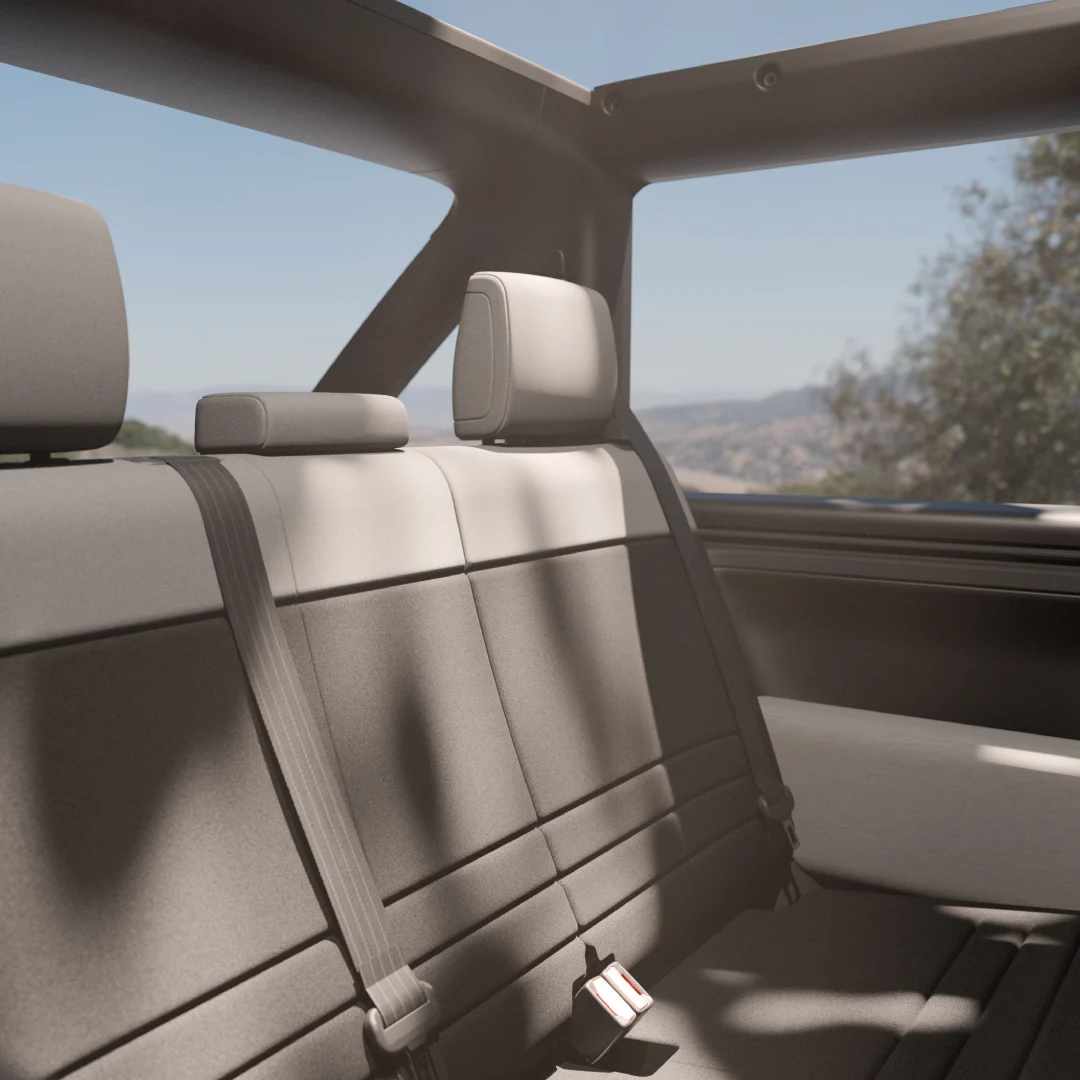
The truck itself utilizes a steel space frame and composite panels on the outside. The structure is designed to offer five-star crash safety ratings for the vehicle, including both front- and rear-seat occupants. More about those rear seats in a moment. 

Slate is user-customizable

While all the Slate offerings come off the line identically, the objective with how the vehicle is built is to offer almost complete customization of the vehicle. 

While they’re all small, single-cab pickups at the start of life in the same gray color molded into the exterior body panels, those panels can be easily removed and replaced. 

But they’re also designed very specifically to take a wrap. So, you can change the color of your Slate or add and remove accessories to vary its appearance. One of the biggest changes you can make is to the configuration of the vehicle itself. 

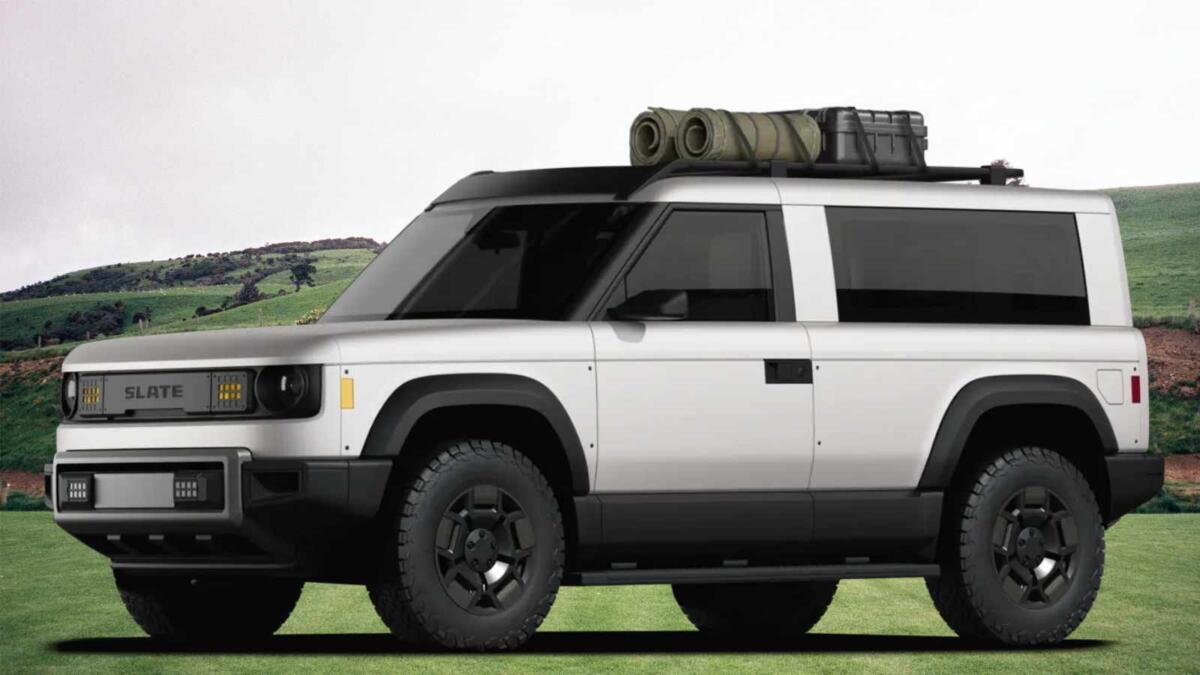
By removing a few rear panels and adding what resembles a pickup camper shell, the Slate can be converted into either a fastback or squareback SUV. It also includes provisions for adding a rear seat and roll bar, complete with airbags for rear passengers.

I had written that there is no audio system in the Slate, but the company did make a provision for an aftermarket Bluetooth audio system as well as a tablet provision in the dashboard. 

Frankly, I think this is brilliant. You may see a vehicle as a long-term investment but realize that technology moves very quickly. If so, you share my opinion that all the tech in a modern vehicle is inherently dated soon after you buy the vehicle and completely outdated a few years later. 

By simply plopping in a tablet or Bluetooth system, you get a modern interface now and can replace that down the road. Brilliant.

That’s a wrap

Part of the idea of the vehicle is to offer a blank canvas to buyers. You can start out with the simple gray single-cab truck and then, down the line, change the color or the style. Perhaps you could also change the configuration if you have a child and now need a back seat. 

But the changes are really easy to do with the upgraded components being able to be shipped in a flat pack. Think of Ikea furniture. 

The company pitched investors by showing them the basic truck, then moving to a conference room to talk further. Then those same investors were brought back to look at the preproduction truck. It had been reconfigured as an SUV in the short time they were gone. 

You can also easily change colors or just put stripes or stickers on the truck. Perhaps you’re enjoying a vacation, and you use all those vacation stickers to detail out your Slate. Whatever. 

The bottom line is that the vehicle is a blank…Slate…for what buyers want to do with a price low enough that they can step into the vehicle. Then there are plenty of choices from the factory for making changes down the line.

Exposed fasteners across much of the exterior give the vehicle a distinctive look while also making it easy to swap out components. As 3D printing becomes more accessible, owners could even create custom, self-designed parts—something that will likely lead to shared plans online.

The rest of the story?

Something that isn’t being mentioned includes the cost of the upgrades. For example, you can convert the basic pickup to an SUV with second-row seating, a roll bar, and a choice of two roofs. But airbags are expensive, as are heavy metal structures, as you’d need to achieve the safety and rollover standards to support rear-seat occupants. 

And all these trucks leave the factory in gray. That saves Slate and, by extension, the owners a bunch of money, since Slate doesn’t have to have a paint shop in their plant. But wraps aren’t cheap, either. 

I’m not disappointed that there is a vehicle that is user-serviceable and customizable and not overloaded with a bunch of tech that’ll go out of date at the change of the model year. But I’m also the guy who favored the “Tradesman” version of my truck rather than one laden with all sorts of fancy stuff. (Tradesman is the entry-level variant of the Ram pickup.) 

But is it an RV?

In the strictest sense of the word, no. This is not an RV. Yet. But with the exposed roll cages and designed-in attachment points at the railing of the bed, it’s inevitable that clever manufacturers will offer all sorts of accessories to make this serve those who like to camp. 

For example, a while back, I got to look at a Four Wheel Pop Up Campers Project M, which is, much like this little truck, also a blank slate. I can see that company offering a variant of this camper for the Slate and talking about a perfect fit. 

If you visit something like the Overland Expo, you’ll see any number of camping provisions available in the aftermarket, including an incredible number of roof-top tents and such. I can see these Slate trucks being examples at Overland Expos from various makers of aftermarket add-ons. And that’s the whole idea. 

*****

RELATED

RVT1255b

Big Bend National Park halts lodge rebuild over budget shortfall, just weeks before start

8

A long-planned construction project at Big Bend National Park has been canceled just weeks before work was set to begin, marking another setback for upgrades to one of the park’s most popular visitor areas.

Lodge rebuild project called off

The multi-million-dollar project would have rebuilt the aging Chisos Mountains Lodge—the park’s only hotel—and overhauled critical water infrastructure in the Chisos Basin. But park officials announced this week that the project “will not proceed as planned,” citing delays, design challenges, and rising construction costs.

Delays and rising costs derail plans

The project had been scheduled to begin in May after already being pushed back from an earlier 2025 start date. According to the National Park Service, a combination of “unforeseen challenges,” including design complexities and implementation delays, significantly extended the timeline and drove up costs beyond available funding.

Those rising costs have created a budget shortfall that prevents the agency from moving forward with both the lodge rebuild and long-planned water system upgrades.

Focus shifts to aging water system

Instead, the Park Service will now separate the projects and prioritize repairs to the Chisos Basin’s aging water system, some of which date back to the 1950s. Officials say they plan to reissue a contract focused solely on water infrastructure, though a timeline has not yet been finalized.

Water issues in the basin have added urgency. A failure of water pumps in December led to what the park described as a “critical water shortage” that lasted for weeks into early 2026.

Lodge project delayed, not abandoned

The lodge project itself is not permanently canceled but is once again delayed as officials reassess how to fund and complete it. The existing lodge, built in 1964, has experienced foundation damage and other structural issues due to shifting clay soil.

Popular Chisos Basin remains open

The Chisos Basin—located at about 5,400 feet elevation and accessible by a single road—is one of the park’s most popular destinations, with hiking trails, campgrounds, and a visitor center. It had been slated to close for up to two years during construction.

That closure is no longer happening.

“Importantly, Big Bend National Park remains fully open to visitors,” the agency said, noting that previously planned closures of the Chisos Basin have been canceled.

Funding questions remain

Funding for the broader project had been tied in part to the Great American Outdoors Act, which directed billions toward long-deferred maintenance across the national park system.

The West Texas park has also drawn recent attention amid reports of potential border wall construction in the region, including areas near the park and nearby Big Bend Ranch State Park.

MORE BIG BEND NEWS:

RVT1255b

Trump’s budget proposal targets National Parks with massive funding cuts

47

The National Parks Conservation Association (NPCA) is once again raising concerns over a new round of devastating proposed budget cuts for our national parks.

Today, the Trump Administration released its 2027 budget proposal, which, like last year’s, would gut the National Park Service, threatening the protection, maintenance, and operation of more than 430 national parks nationwide.

Massive budget cuts proposed

The proposal makes sweeping cuts across the Park Service budget, including a $736 million reduction (more than 25%) to park operations, likely eliminating thousands more park staff after a year of severe losses.

National parks seeing record visitation

The administration’s plan to slash park funding comes as millions of people are flocking to national parks and planning their summer trips. The latest Park Service visitation report confirmed 26 parks set record attendance last year alone, highlighting just how much people cherish these places. Yet as demand and pressure on parks grow, funding and staffing continue to shrink.

Since January 2025, the Park Service has lost nearly 25% of its workforce—more than 4,000 staff—due to pressured resignations and early retirements and ongoing barriers to hiring. This follows a 13% decline in park staff since 2011, even as visitation has risen 19%, topping 323 million visits in 2025. These cuts have already led to fewer ranger-led programs, weakened resource protection, delayed maintenance, and diminished visitor experiences.

Maintenance backlog still a major concern

NPCA is encouraged that the administration continues to recognize the importance of addressing deferred maintenance needs in our national parks by asking Congress to extend the Legacy Restoration Fund that was established by the Great American Outdoors Act but expired last year. Our national parks face more than $23 billion in needed repairs across the system. Addressing these needs is essential to ensure future generations can experience these places as we have.

Screenshot
Credit: National Parks Conservation Association

Americans oppose cuts to national parks

A recent national poll shows Americans are united on national parks. They want parks protected, funded and staffed. In fact, more than two-thirds of Americans reject the drastic cuts to park budgets this administration has pursued.

With Congress now set to review the proposal, NPCA and park advocates are calling on lawmakers to reject these harmful cuts and instead uphold their responsibility to protect our nation’s public lands.

Specific National Park Service–related budget proposals include:

• Establishes a $10 billion “Presidential Capital Stewardship Program” within NPS to “coordinate, plan, and execute targeted, priority construction and beautification projects in and around Washington, D.C.” Current budget documents don’t clarify how much would address D.C.’s $1.5 billion deferred maintenance backlog, cover routine upkeep across NPS sites, or fund new construction. This $10 billion represents nearly half of the Park System’s total deferred maintenance backlog, yet it’s unclear why new construction is prioritized, especially without a plan for maintaining new infrastructure.

• Cuts the annual National Park Service Construction budget to less than $50 million, leaving it with 72% less funding to address repairs compared to 2025.

• Supports reauthorization of the Legacy Restoration Fund established by the Great American Outdoors Act to repair and reconstruct infrastructure in national parks and other federal public lands.

• Cuts $4.6 billion (52%) from the Environmental Protection Agency (EPA), the agency responsible for enforcing vital laws like the Clean Water Act and Clean Air Act. Slashing these programs would increase pollution, harm air and water quality in our national parks, and endanger the health of visitors and nearby communities.

• Cuts the National Heritage Area program by approximately 87%, undermining the bipartisan investment Congress just made to this critical program that supports community-driven efforts to protect historic resources.

• Slashes funding for federal land acquisition projects under the Land and Water Conservation Fund, undermining bipartisan support to protect national parks from incompatible development.

• Slashes the Historic Preservation Fund by 95%, eliminating opportunities for communities and tribes to protect historically and culturally irreplaceable resources throughout the country.

Statement by John Garder, Senior Director of Budget and Appropriations for the National Parks Conservation Association:

“A cut this massive would be catastrophic. After a year of deep staffing cuts, dwindling resources, and attacks on history and science, park staff are already at the brink. Park maintenance needs are growing, protections are eroding, and visitor experience is declining. This proposal would only accelerate the damage, putting our national parks at even greater risk and further cutting the park staff needed to care for our national treasures.

“At the same time, the administration appears to be prioritizing a vague set of new construction projects across Washington, D.C., proposing $10 billion for this program alone, which is more than three times the annual budget of the National Park Service. We support efforts to modernize and repair park infrastructure, but not when it’s paired with massive cuts to Park Service operations.

“Communities across the country rely on national parks for jobs, education, and cultural preservation. Investing in national parks is investing in America, which is why a majority of Americans across the political spectrum reject these kinds of cuts. They want parks protected, fully staffed, and accessible for future generations, not hollowed out by senseless budgets.”

MORE RECENT NATIONAL PARK NEWS:

RVT1255b

RV Daily Tips. Friday, April 3, 2026

America’s Original RV Newsletter. Since 2001
Issue 2875 • New issue every weekday
If you find this newsletter helpful, please consider supporting our work with a donation of your choice. Thank you!


Today’s thought

“Instructions for living a life:
Pay attention.
Be astonished.
Tell about it.” ―Mary Oliver


Need an excuse to celebrate? Today is National Find A Rainbow Day!

On this day in history: 1860 – The first successful United States Pony Express run from St. Joseph, Missouri, to Sacramento, California, begins.


Tip of the day
Need a new place to walk? Try this trail-finding trick with Google Maps

By Emily Woodbury
Enjoy walking but tired of the same ol’ trails or routes every time? Here’s how I’ve found dozens of trails close to home that I never knew about…

I thought I had walked every trail within a walk or short drive from my house but, boy, was I wrong. So, other than looking up “trails near Seattle” repeatedly on Google, I found a new, easier trick.

You’ll need Google Maps on your phone (it’s an app for both Apple and Android) for this. If you don’t feel like downloading the app (which I recommend you do for instances when you’re not at home near a computer), you can go to www.google.com/maps. Then… Continue reading.


In the RV shop with Dustin
How to prevent your RV compartment doors from opening while traveling

Join me “In The RV Shop” as I talk about RV compartment doors opening while traveling. It’s crucial to address the problem promptly to ensure safety on the road as well as prevent damage to your belongings. Here are some warnings and considerations.


Article and video
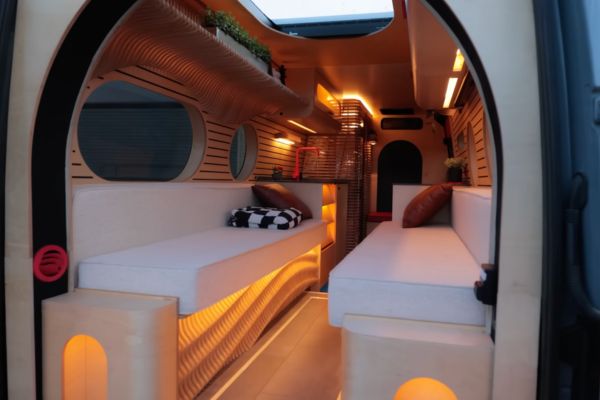
Check out this ultra-creative camper van build—Wow

In the video from Nate Murphy, we meet Kirby, who shares a tour of “Baltica,” his 15th camper van build. It leans hard into Scandinavian style, curved forms, and exposed Baltic birch edges. The result is a one-of-one build that looks more like a small piece of architectural art than a camper.


Multimeter🔧 Dave Solberg’s toolbox pick
The one tool every RVer should carry for troubleshooting

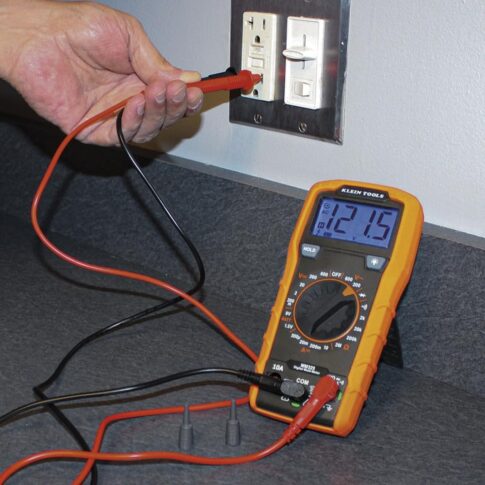
When something in your RV stops working, guessing won’t fix it—you need real numbers. A good multimeter lets you quickly check campground power, test batteries, confirm 12-volt and 120-volt voltage, and diagnose wiring or fuse issues before they turn into expensive repairs. It’s accurate, easy to use, and you’ll be glad it’s in your toolbox. Learn more about it in Dave’s article here.


Featured article
How to reseal an RV window

By Cheri Sicard
When it comes to RV repair and maintenance videos, it’s hard to beat the outstanding job done by Martin from RVstreet. This video on how to reseal an RV window is no exception. Martin’s mantra is maintenance, maintenance, maintenance! Therefore, when our host noticed the seals on his motorhome’s windows starting to peel and crack, he knew it was time to get busy. Hmmm, I’ve been noticing the same state on my travel trailer’s windows, too…


THE MORE YOU KNOW… The Caesar salad was invented in 1924 in Tijuana, Mexico, by Italian immigrant restaurateur Caesar Cardini. It was created at his restaurant, Caesar’s, during a busy Fourth of July weekend to serve customers escaping Prohibition-era restrictions in California. Yes, the restaurant is still open, so you can visit and eat the famous salad today.


Bumper snicker

Howsmydriving
Yes, we called the number. Yes, you should call the number, too. (We promise you it’s not spam—we really did call.) This is hilarious! Find it here.

Ask Dave
Why do new RV batteries show yellow bars at 12.4 volts with everything off?

Read Dave’s answer.


You may have missed these recent popular stories…


CAMPGROUND TRUTH: The smell of pine trees may help reduce stress and boost your mood. Weekend prescription: forest air.


Reader poll
How many pets travel with you in your RV?

Respond here.


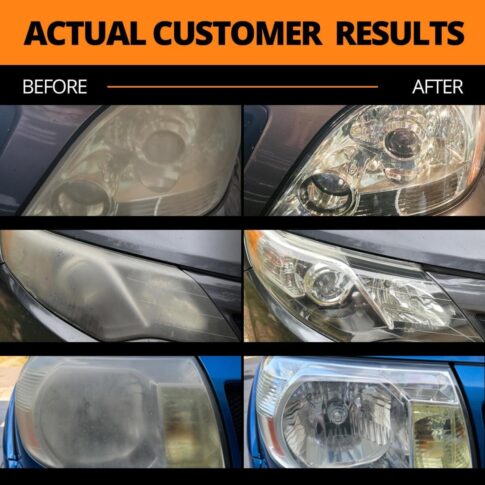
BeforeafterheadlightsClean those dirty, cloudy, dim headlights!
Cloudy headlights don’t just look bad, but they make night driving harder. This easy, three-step headlight restoration kit clears away oxidation and restores headlights to like-new clarity in about 30 minutes, with no power tools required.


Quick tip
Got a plumbing leak?

The first clue that you may have an RV plumbing leak is your 12-volt DC water pump. With all the RV faucets shut off, if the RV water pump continues to cycle every couple of minutes, then the pressure is bleeding off somewhere—which, in turn, makes the pump turn on and rebuild water pressure. Also, when you walk around the outside of your RV, do you spot water puddles where there should be none? (This is much easier to detect if your RV is parked on a hard surface such as blacktop or concrete.) —From RV Roadtrips, the fun times guide.


Website of the day

Volunteer with the National Park Service
Getting a job with the National Park Service might not be your best option right now, but they won’t say no to volunteers! This website shows you how to get involved.


10 delicious Easter recipes: Mains, sides, and desserts

Need something to make for Easter this Sunday? Here you go! We think these all sound pretty delicious, don’t you? Oh, we love a good, special holiday food!


Trivia

The first canned dog food in America was created to use excess horse meat. When cars replaced horses for transportation, surplus animals became a problem. In 1922, the Chappel Brothers introduced canned dog food made from horse meat and vitamins. It was so successful that within a decade they were slaughtering about 50,000 horses a year. The business was later sold to Quaker Oats. By World War II, rationing ended most canned dog food, leading to the rise of kibble.


Readers’ pet of the day

Doggy 09b45bd1f8598e7dc8048f2e04e15b41“Saved this little guy (breed: “Heinz 57″, age 14)  from a dog pound in Mississippi. We’ve been full time on the road now for five years, and Rupert loves every minute of it!” —Cotter Sayre

Send us a photo of your pet with a short description. No blurry photos and please do not submit your photo more than once. Thanks!

Pet Food and all pet products at Amazon
RVing with Dogs group on Facebook. You’ll love it.


? MYSTERY PRODUCT OF THE DAY ?
Some people died who may be alive today if only they had this under-$5 product handy! Keep this in your RV or car. Always! You never know.


LIVE: Mission to the Moon
As bandwidth allows, this stream will feature live views from Artemis II’s Orion spacecraft, without commentary, as it makes its journey around the Moon. You will see a blue screen if there is a loss of signal, or if the bandwidth is needed for mission activities. You may see what appears to be a black screen when the vehicle is in darkness.


Leave here with a laugh

Screenshot


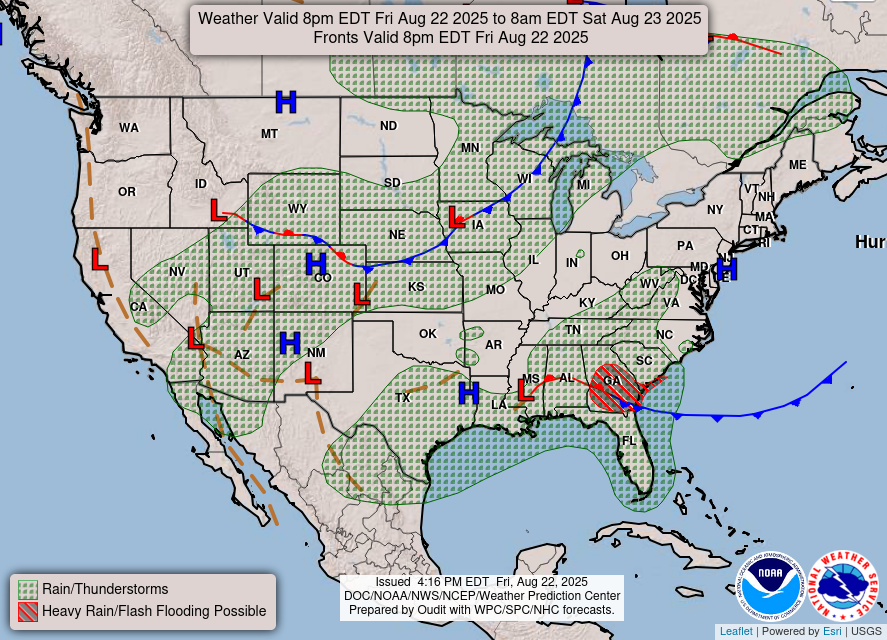
Today’s weather forecast across the nation
THIS MAP UPDATES TWICE A DAY

Visit Current National Radar Weather Map


Did you miss the latest RV Travel Newsletter? If so, read it here.
Oh, and if you missed the Latest News for RVers, make sure to catch up here.


If you shop at Amazon.com we’d appreciate you using this link. We get an itty bitty commission if you buy something, but they add up and help us pay our bills (most importantly our hard-working writers!). 


RVtravel.com All-Star Team

Click here for information about our staff and how to contact us.

WHY WE ASK FOR DONATIONS INSTEAD OF SELLING SUBSCRIPTIONS.

Our policy on using artificial intelligence.

Why do new RV batteries show yellow bars at 12.4 volts with everything off?

Dear Dave, 
I recently bought two Interstate Group 27 deep cycle RV batteries and had the RV shop install them. I picked up the motorhome and took it straight to storage and shut off the power switch at the stairwell. Four weeks later I turned the switch back on and noticed the monitor was showing yellow bars at 12.4 volts.

I brought the motorhome home and turned the switch back on and plugged into shore power. The monitor showed green bars at 13.2. Are the batteries fully charged? Or should I leave them plugged in for 24 hours for full charge? —Keith, 2023 Forest River Georgetown 31L5

Dear Keith,
A fully charged Interstate flooded lead-acid (FLA) battery should read about 12.6 volts at rest. Even with the power switch turned off—assuming this is the battery disconnect—there can still be a small electrical draw. For example, the LP leak detector is typically wired directly to the battery and bypasses the disconnect switch. It usually draws about 0.1–0.5 amps, which may seem minimal but can discharge the battery over the four weeks you mentioned.

RV battery state of charge

At 12.4 volts, your battery is roughly at 70% state of charge (SOC). That level normally wouldn’t fall into the “yellow” range, though meter readings can vary.

State Of Charge Chart

Even without any external draw, FLA batteries naturally self-discharge when left without a maintainer. At room temperature, they lose about 3–5% per month, and the rate increases in warmer conditions. Given that your battery dropped to 12.4 volts over four weeks, a small continuous draw—like the LP detector—is likely contributing.

When you plugged the rig in at home, the converter began charging the batteries. If the SOC had been much lower, you likely would have seen around 13.6 volts initially. Since you’re seeing 13.2 volts, that suggests the converter is in a maintenance (float) mode.

Winnebago had Progressive Dynamics customize their converters for FLA batteries at 13.8 volts for 6 hours to help break up sulfation.

I would suggest leaving the rig plugged in overnight and then check the SOC with the shoreline cord unplugged. This will shut off the converter and give a true reading of the batteries only. It would also be a good idea to check the SOC periodically during storage, or install a battery maintainer.


 You might also enjoy these posts from Dave 

DAVE HAS ANSWERED MORE THAN 1,000 readers’ maintenance and repair questions. Read a directory here. There is so much to learn!


Dave Solberg is a leading expert in the RV industry and the author of the “RV Handbook.”

HAVE A QUESTION FOR DAVE?

Send your inquiries to him using the form below.

Name
Drag & Drop Files, Choose Files to Upload

RVDT2875

Need a new place to walk? Try this trail-finding trick with Google Maps

3

Enjoy walking but tired of the same ol’ trails or routes every time? Here’s how I’ve found dozens of trails close to home that I never knew about…

I thought I had walked every trail within a walk or short drive from my house but, boy, was I wrong. So, other than looking up “trails near Seattle” repeatedly on Google, I found a new, easier trick.

You’ll need Google Maps on your phone (it’s an app for both Apple and Android) for this. If you don’t feel like downloading the app (which I recommend you do for instances when you’re not at home near a computer), you can go to www.google.com/maps.

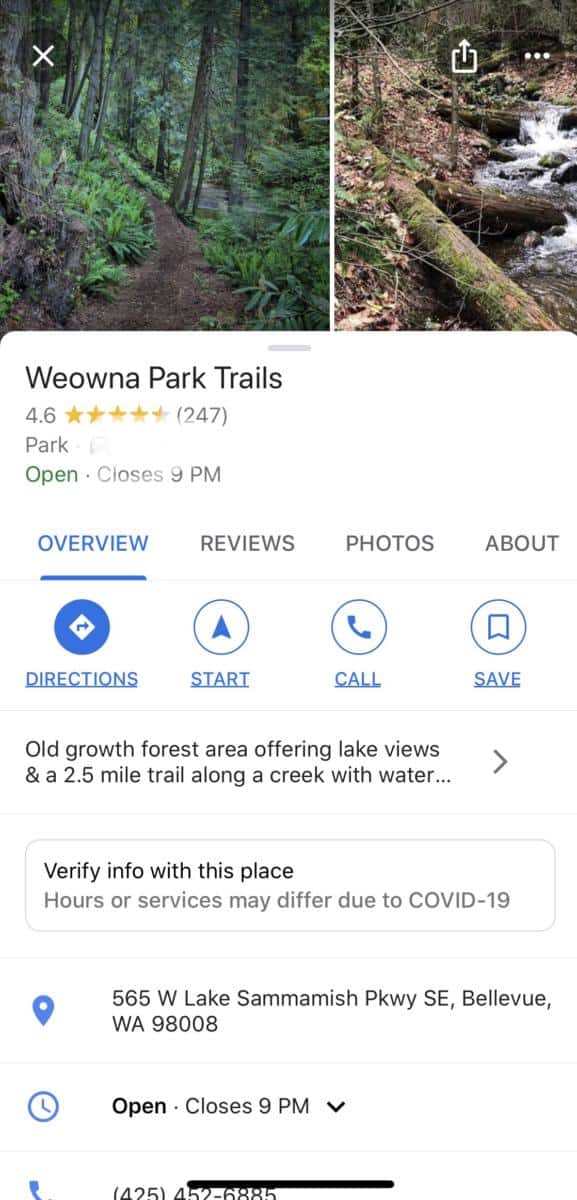
Once you have the app or are on the website, all you have to do to find nearby walking trails is type “trail” into the search bar. Look at that! Do you see all those trails that just showed up around you? Amazing, huh?

Note: Make sure your location is “live” so you’re zoomed into the area you want to search. If you want to search nearby, zoom into that area on the map and click “Search this area”.

That’s a screenshot of my phone from the Seattle area. But, when you zoom in even closer to an area near your home, you’ll see more trails pop up—like in the photo below.

If you want more information about any of the trails or parks listed, simply tap the little red pin and more information will pop up. A tip: Look at the user photos to see what the trails look like. If you’re looking for a flat, paved trail, it’s good to check the photos first to make sure you’re not getting a hilly, wooded dirt trail. And vice versa.

And, lastly, once you’re on the trail (or before, to plan out your route), take out your phone, open the Google Maps app, and zoom way into the trail’s location. You’ll see the trail outlined in a green dotted line. You can plan out your route, and find an easy way back to your car/trailhead.

And there you have it! Now, go for a walk! It’ll do ya good, I promise. (I’m headed out for one soon, so I’ll join you.)

Hint: This works for biking and hiking trails, too! Just type in “bike trails” or “hiking trails” instead.

MORE POSTS ON HIKING/WALKING

RVDT2875

Check out this ultra-creative camper van build— Wow

By Cheri Sicard
In the video from Nate Murphy at the end of this post we meet Kirby, who shares a tour of “Baltica,” his 15th camper van build. Some vans feel built. Baltica feels shaped. It leans hard into Scandinavian style, curved forms, and exposed Baltic birch edges. The result is a one-of-one build that looks more like a small piece of architectural art than a camper.

Kirby named this van “Baltica” because of the exposed Baltic birch edge throughout the interior. While his last van leaned psychedelic and funky, this one moves in a calmer direction. The look is cleaner, lighter, and more Scandinavian.

A lot of that style came from chairs he started building last year. He carried those slatted and curved ideas into the van, especially in the shower, shelves, and bed area.

Near the sliding door, the front bench sets the tone. It was inspired by a friend’s van from 2018, where a simple seat by the open door became a place to watch the waves. Here, that idea also adds big clothing storage, a small cubby, and soft lighting. A partition behind the front area also helps a lot in warm weather, because it keeps heat from pouring through the cabin when the door opens.

The see-through shower is the standout feature

The shower is the piece most people will remember. It uses slatted wood ribs on the outside and plexiglass walls on the inside, so the space feels open instead of boxed in.

Kirby built the structure with a threaded rod running through each piece, then used 1-inch coupling nuts to space the slats evenly. Inside, there’s a full mirror, a shower head, a wand, and a Laveo dry flush toilet. The shower measures 40 by 28 inches, so it gives more elbow room than many van bathrooms.

The clear enclosure adds light and depth, but privacy still comes from the van itself and the window covers.

The kitchen mixes clean surfaces with clever details

The kitchen keeps the same curved, sculpted look. One of the strongest details is the sink bowl, which blends into the Corian solid-surface countertop so it reads as one piece. Red accents on the faucet, handles, cushions, and outlets break up the pale wood in a subtle way.

Under the cabinet sits a 40-gallon fresh water tank, plus filtered and instant hot water. Above, a curved overhead cabinet was formed by kerf-cutting the wood and using steam to help bend it. Its frosted plexiglass door glows at night.

There’s also a hidden pop-up compartment with a gas strut and magnetic lock. Below the sink, Kirby used his signature slanted cabinet faces with lighting above each one, so both the doors and the storage inside are easy to see.

Across from the kitchen, the van adds an Isotherm 70L fridge, a full electrical cabinet, and even a 3D printer. The battery bank uses three 314Ah batteries, or about 960Ah total. Instead of a fixed cooktop, Kirby cooks with an air fryer he pulls out when needed. A magnetic 360 fan can also snap into powered mounts on either side.

The rear lounge turns storage into art

The back of the van is where the parametric design shows up most clearly. Both bench seats stay mostly open for storage, with systems tucked tightly into corners. One side currently holds a snowboard and clothes.

Custom round windows replace the usual square look, which fit the soft corners used across the van. Below the shelf line, Kirby built wave-shaped wood forms in CAD, then backlit them so the shadows show off their depth at night. A hidden full-size table lifts up on a custom ironing-board-style mechanism, and a magnetic projector mounts to the ceiling for movie nights.

The floating shelf above the bed is also backlit. Each piece had to be marked with dot patterns to keep the CNC parts organized. The bed slides across, locks into notches, and ends up around 72 by 70 inches. A 3-by-4-foot skylight, high overhead cabinets, and wide views out the windows keep the rear from feeling cramped.

At the very back, a large arch ties in the heat vents, speaker, 120V outlets, and curved cubbies below.

Baltica works because the design never feels separate from the function. The shower, storage, bed, lighting, and utilities all follow the same curved language, so the van feels whole from front to back. Baltica proves a van can solve practical needs and still feel like art.

MORE LIKE THIS:

RVDT2875

How many pets travel with you in your RV?

18

Think about who’s riding along with you on your RV trips. And, no, we’re not just talking about your human travel partner(s) today, but the furry ones, too. For today’s poll, we want to know: How many pets travel with you in your RV?

For some of you, it’s just one loyal companion. A dog curled up in their favorite spot, or a cat who has quietly claimed the coziest corner of the rig. One pet can feel like the perfect balance—easy to manage, but always there for company.

Others are traveling with a full crew. Two, three… maybe more! Multiple pets can make things livelier (to say the least), from feeding schedules to walks to figuring out who gets which sleeping spot. But for many of you, it wouldn’t feel right leaving any of them behind.

Then there are the logistics. More pets can mean more planning—pet-friendly campgrounds, space inside the RV, and making sure everyone is comfortable and safe while on the move. But seasoned RVers know how to make it work, and your pets often adapt better than expected.

And, of course, some of you travel pet-free. Maybe it’s simpler, more flexible, or just your preference. No early morning walks, no worrying about leaving pets alone—it’s a different kind of freedom.

So what about you? How many pets travel with you in your RV? Go ahead and vote in today’s poll and feel free to tell us who’s along for the ride. Thanks!

YOU MIGHT ALSO LIKE:

RVDT2875