Home Blog Page 99

RVtravel.com reader designs ‘perfect’ RV, sends to manufacturers. What do you think?

Earlier this week, we received this letter from reader Bob, which includes his description and design for his “perfect” trailer. Please read through Bob’s design, then leave your ideas, suggestions, advice, critiques, etc., in the comments below. Bob will be thrilled to hear from you. Thank you!

Here’s what Bob wrote:

“Hi, I’ve been sending this out to trailer manufacturers, with some good responses, but no actual trailer has been produced. If it makes sense to you, please publish it in your magazine and request that folks submit ideas to improve it. I’d like this RV to remain small and simple, and with the full set of features. It should be fun to see the comments it inspires.” —Bob in Colorado
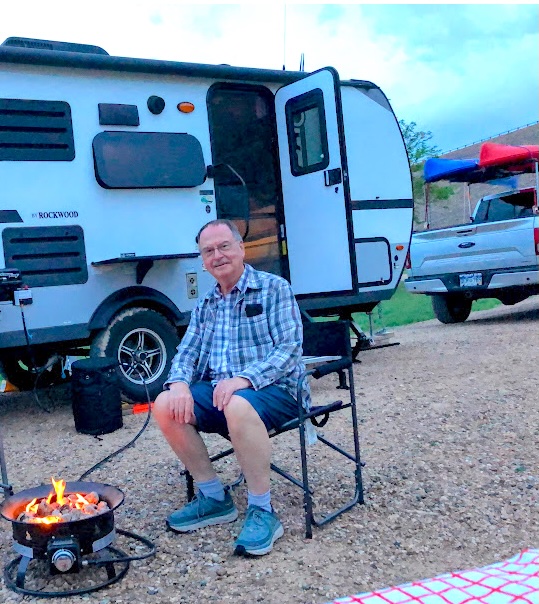
Bob
Hi, Bob!

A suggestion for trailer manufacturers from a long-time camper

Singles or couples looking for a complete set of features, good construction, reliability, and operational simplicity in a small, light towing package should be interested in this design— there’s nothing out there quite like it. After decades of camping in larger but less competent trailers, I dreamed this up on my daily walks.

Floorplan and concept
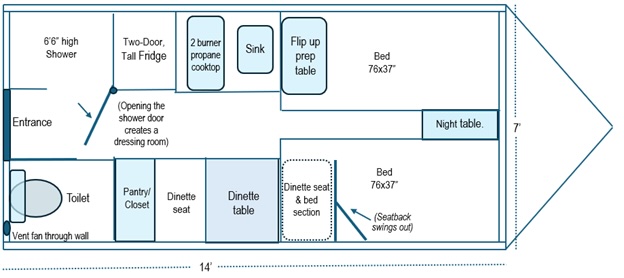
Bob's floor plan. A perfect RV design.

With twin beds, one can get up at night without crawling over the other. The bathroom is complete and comfortable. Multitasking minimizes camper length and weight. Simplification makes for ease of use, lower cost, and reliability. Construction emphasis: long-term durability at reasonable cost.

Key features:

• A dry bath plus a dressing room, convertible twin-to-queen bed, a large fridge, pantry, and dinette in a very small trailer.

• Swing out the braced seatback, drop in a back cushion to create the dinette’s second seat.

• Tilt up the extension over the other bed for kitchen prep space: there’s more on the dinette.

• Excellent off-grid capabilities.

• The short, light, narrow body and twin axles provide safe, easy towing and rear visibility.

Construction

• Dual axles for blowout protection. A blowout is the most common (and among the worst) trailer accidents; it’s a real and nagging concern on a hot August highway. Two extra wheels solve it and delete the spare tire.

• Mount the wheels partially outside the trailer box to increase interior volume.

• All materials: composite or aluminum—no water-absorbers.

• Best is an all-welded aluminum frame and roof, with closed-cell insulation.

• Include a fiberglass roof skin with a lifetime seal around the air conditioner’s cutout. (No sealant goo to check regularly and repair. This is the only roof cutout.)

A dry bath in a small camper is wonderful:

• Design the trailer for a full-ceiling 6’3” shower height. No dome to penetrate the roof.

• The shower door swings out and stops at the other wall to create a changing room.

• Include a water-saver “recirc until hot” system and a low-flow shower head.

• Drop-down sink and a medicine chest above the toilet.

• Fit 50 gallons of fresh water (two connected tanks above/forward of the axles), 30-gal grey, and either a 20-gal black tank or a cassette toilet. Fresh water is a boondocker’s gold.

• Tanks and dump valves inside the enclosed underbelly.

• Vent the black tank out the back wall up high to avoid a roof penetration.

• Use a quiet, variable-speed water pump with a flexible hose section at the outlet to quiet the pulsing.

• Build in a campground (“city water”) pressure controller and replaceable filter. Set it permanently to 20PSI to protect the plumbing.

• Slope all pipes toward a central drain for quick winterization without pumping antifreeze. Simple winterizing: Drain for a few minutes, pour a little antifreeze into the traps. A plus: no antifreeze taste on the next trip.

• Absolute requirement: A single-point dump hose connection. No one wants to wrangle a dripping hose from the black outlet to the grey.

Optimize/simplify everything:

• Install a propane furnace/water heater combo under the bed adjacent to the kitchenette. Send some furnace heat to the underbelly—no tank heat pads needed.

• Spec a very quiet, large, well-insulated 48V DC fridge with a separate freezer door.

• Narrow, two-burner space-saver propane cooktop.

• Two 20 lb. propane tanks with auto-switch.

• Convection microwave above the kitchenette.

• Skip the roof rack—it interferes with solar and adds weight up high. We’ll put a carrier on our tow vehicle if needed.

• Skip the TV—we have tablets. (Include a wall-mounting plate and connections for the die-hards.)

• Simplify the electrical system: An outdoor and a hall light switch just inside the door; individual switches at the other lights; a simple thermostat; an accurate, simple tank level monitor; a Bluetooth cellphone link to the charge controller. We don’t have glitzy multi-screen panels running our homes, but we somehow manage.

Pre-solve the energy problems for us:

• Install the maximum area of thin and light flexible solar panels, with the A/C placed to maximize panel space. Mount the panels without roof penetrations (no goo): run the wires over the edge and through a rear wall port.

• Lithium batteries standard, please: ~7.5 kWh; two 48VDC banks under the driver-side bed.

• Install an MPPT solar controller with freezing-temperature charging prevention. This keeps the batteries safely topped up during winter storage, ready to roll.

• Include faulty-circuit warning LEDs in the campground electric cord.

• Use a 48VDC variable-speed-compressor low-profile air conditioner. They’re more energy-efficient and quieter than an AC A/C (no compressor-start surge). Use a white cover on the roof unit to reduce heat load and long-term heat damage.

• Spec a 3 kW 48VDC-to-110VAC inverter.

• Rear-wall-mounted and quiet max-air variable-speed exhaust fan at the toilet, with a wall switch plus a handheld thermostatic control. Save the roof space for solar.

• Allow space above the bathroom door to pull warm air from the camper.

• Note: With a 48DC system, all heavy DC wiring can be inexpensive, easily installed 12-gauge.

Amenities:

• The camp-side bed cushion slides to the left to create a queen when snuggling is desired.

• Install dual-pane acrylic tilt-open windows over the dinette and kitchen, plus a simple, shaded window in the door. No need for windows in the lighted bathrooms. All shades pull up (please) for privacy with ventilation; bug screens pull down.

• Include a full-length camp-side wind-protected electric awning. (No need for a little over-door awning – we won’t be sitting there.)

• Include tire pressure monitoring and a wide-angle rearview RF camera system.

• Light colors inside and out for an open feel and reduced summer heat load.

No options! This thing is perfect. Build it, and we will come.

You might also consider:

• Including a small, propane-powered, quiet, and light $400 2.5kW (actual) portable generator. Store with its long hose in a secure/discreet box behind the propane tanks. It can be removed and run distant from the camper, if needed. Include lockable screw-in ground mount theft prevention.

• Uniting with other companies to talk a manufacturer into offering a 48VDC microwave. Microwaves convert AC to DC before producing the microwave energy; a DC-powered microwave should be less expensive in quantity.

• Including a one-year paid subscription to a Visible (Verizon system) cell device. It includes unlimited 5G data plus Canada and Mexico service. It’s $500/yr., and they’ll probably discount for a manufacturer. Mount the antenna high on the rear wall—no roof penetration. We’ve used Visible for a decade: they’re excellent. (Wire in a simple connector for Starlink—we can order that, if needed.)

• Offering two years of certified mobile tech contact-assistance warranty service U.S.-wide. We’ll call you for help, you determine a tech’s availability, authorize and provide their nearby number, and we call them and work out the details. These folks can fix a lot of problems quicker, better, cheaper, and happier than the usual limp back to the dealer and wait for months. We’ll report back on their competence; you’ll get info on trailer problems to reduce future calls.

—Bob

What do you think? Leave your ideas, suggestions, advice, critiques, etc., in the comments below. Also, if you would like to forward this to your favorite RV manufacturer, Bob would appreciate it.

RELATED

RVT1247

Not every RVer uses their RV’s toilet the same way… Wait, what?!

50

By Gail Marsh
“I’m sorry. What did you say?” I thought at first that I’d misunderstood the statement. Up until then, I thought there was only one way to use the RV toilet. I quickly found out that I was mistaken! Turns out, there are two distinct groups of RVers when it comes to using the RV toilet. (At least two groups I’ve discovered. Who knows? There may be more!)

No solids in the RV toilet tank

Some RVers, both long-term and newbies alike, prefer to not put any solids into their RV toilet. No solid waste. No paper. Here’s what these “no solids in the tank” folks said:

Odor. “No solids into the black tank means no odors out.”

Chemicals. “No chemicals are needed if you keep solids out of your black tank.”

Less dumping. “You won’t need to empty your black tank as often.”

No sensor issues. “My RV’s black tank sensor has never malfunctioned. I’m convinced that’s because we’ve never put solids down the toilet.”

What about TP? “We put any damp toilet paper into a small, plastic trash bag, then twist it closed. There is no odor because we regularly take out the bathroom trash.”

The other camp

Folks who say, “Use your RV toilet as it was intended,” are on the opposing side of the “no solids” group. Here’s what they had to say:

Odor. “There is no odor if you use the right tank treatment.”

Convenience. “Who wants to traipse to the campground restrooms in the middle of the night?”

Tank dumping. “You’ll still dump the black tank before you go to the next campsite or before you head for home. It’s no big deal.”

Sensor issues. “We put solids down our RV toilet and haven’t had sensor problems. Just use lots of water when you flush. Lots. Of. Water. In addition, you can always use a holding tank sprayer.”

So, there you have it. How do you answer the question? What is the “right” way to use the RV toilet? Please respond in the comments below.

RELATED

RVT1247

A website I love turns your RV travels into terrific adventures

4

Want to travel in your RV but need to stay close to home? Or are you planning upcoming travel for the year and want more from RVing than the same ol’, same ol’? Either way, I have the website for you!

Only In Your State is a hyperlocal travel site that puts nearby quirky attractions, small-town dining, local hikes, and scenic locations right into your inbox. Read on to find out more!

Note: I’m not a spokesperson for Only In Your State. I just love the website and what it offers RVers. (Emily here—I love this website, too!)

Brief history

Only In Your State started in 2015 as a small Ohio-focused Facebook page. Founders began with a simple mission: Help people discover the coolest, weirdest, and most overlooked places in their home states.

Over the past decade, Only In Your State has grown into a national travel and local discovery platform with content covering all 50 U.S. states. This website reaches millions of readers who love finding hidden gems close to home (or in areas they plan to visit).

Only In Your State’s rise from humble beginnings into a large network of state-specific travel stories is powered by enthusiastic contributors who focus on local and off-the-beaten-path attractions.

Awards

You needn’t just take my word for it. Only In Your State has collected several noteworthy accomplishments that honor its influence in the travel media industry.

In 2025, the site won the Inbox Collective Award for Innovation in Technology and a Webby Award (plus the People’s Voice Award) in the Tourism and Leisure category for its engaging digital experiences. It’s also received multiple Gold Hermes Creative Awards for its efforts.

Why RVers like it

Some folks cannot travel far distances from home. Yet these RVers still want to camp, sightsee, and enjoy exploring. Only In Your State makes it easy by suggesting nearby locations and places that you may not have heard about.

Only In Your State makes exploring nearby places easy to schedule between appointments, family obligations, or seasonal needs. You may be surprised that a nearby campground provides the same “get away” feeling as a location far away from home.

For RVers who are not tied too closely to one location, the Only In Your State site can help you plan activities for the areas you want to visit in 2026. I’ve used suggestions from Only In Your State to schedule excursions and hikes, and set up visits to places we’d never discover on our own.

How to use the website

Here’s how to use the Only In Your State website.

Visit the homepage. Scroll down a tiny bit until you see the big green button that says, “Choose your state”. Click that and a drop-down menu will appear. Select your state!

Once you select a state, you’ll see a variety of categories across the top of the page for you to explore.

Or, scroll down to find the latest informative articles that can help with your travel plans.

It’s just that easy and, best of all—it’s free!

Screenshot

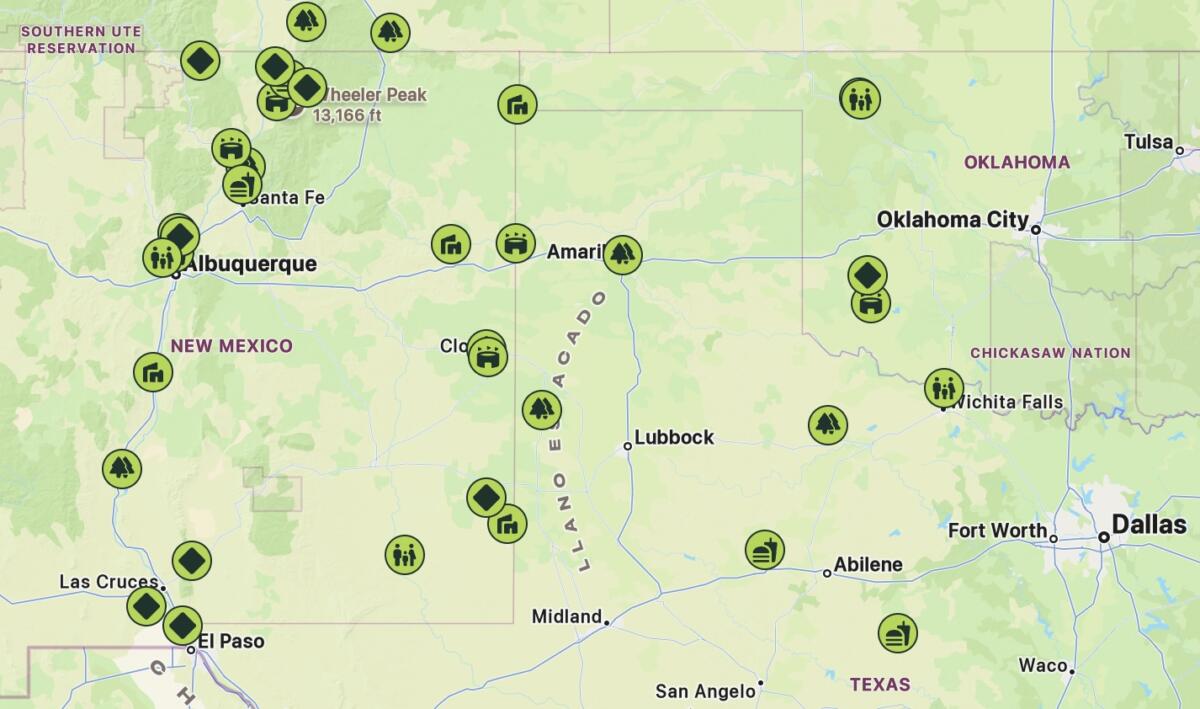
When you select a state, scroll down and you’ll see a map of all nearby attractions and mentioned places. You can move the map and then click “Search this area” to see more in other parts of the country.

What you’ll find

Only In Your State contains short articles and lists (e.g., “5 Secret Waterfalls Near [City]” or “The Most Charming Small Towns in [State]”). Each article captures the local vibe and features fantastic photos.

The site organizes content by state and by topic (nature, food, stays, trips and routes, etc.), so you can quickly find a weekend loop, an out-of-the-way picnic spot, or a quirky museum. The site is geared toward quick inspiration more than in-depth information, which makes it perfect for spontaneous RV trips.

Free and easy

Only In Your State offers free daily newsletters that you can tailor to a specific state. It drops local ideas into your inbox without any paywall or subscription barrier. You can sign up on any page of the website by scrolling all the way down to the bottom of the page and entering your email.

Signing up gives you a steady stream of quick-read suggestions. It’s exactly the kind of inspiration that turns “should we get out this weekend?” into “we’re packed—let’s go.” The signup is state-specific, so you can subscribe to your home state (and those you plan to visit) to get targeted suggestions.

Only In Your State offers lots of options for RVers hunting for the unexpected in any region you choose to explore. Take it from me, you’ll often find the small, local spots that larger travel guides frequently overlook.

Are you familiar with Only In Your State? If not, explore it and have fun!

RELATED

RVT1247

Two clever RV fan screw hacks to add functionality to your RV

0

By Cheri Sicard
The folks from the Sagebrushers YouTube channel share two creative RV fan screw hacks in the video below.

They travel in a pop-up truck camper, and space is limited, so they say these hacks add more functionality to their RV. They used them on their Fantastic vent fan, but they should work with other types as well.

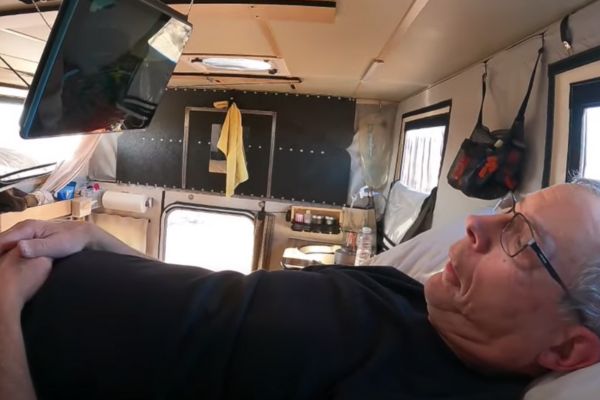
RV fan screw hack #1: Over-the-bed tablet holder

As our hosts like to watch TV in their camper’s bed, this RV fan screw hack keeps their tablet, on which they stream, right within eye view.

Watch the video to see how it’s done. They attached an adjustable hanger to the corners of the fan and, voila, the perfect way to watch shows on their tablet.

(Side note: I would use method two, as I question the wisdom of having magnets so close to the tablet.)

RV fan screw hack #2: Blackout cover

This is a good use of magnets. They hold in place a small blackout curtain that eliminates light coming through the vent.

You could alternatively use Velcro for this. While you are covering the vent, you can even adjust it to let air in as well.

RELATED

RVT1247

Do you listen to music while you drive?

33

You’re driving down the long, beautiful road to your next destination. Engine humming, road stretching out ahead… what fills the cab? Music? Silence? Something else?

For some of you, we know that music is essential. Playlists, classic rock, country, jazz, road trip anthems—you have a soundtrack for every mile. Music can make long drives feel shorter and boost your mood. Plus, a little passenger-seat dancing never hurt anybody (at least, not that we know of…).

Others prefer something different. Maybe you listen to talk radio, audiobooks, or podcasts, or travel in peaceful quiet. The hum of the road and your own thoughts can be just as satisfying as any song—especially on scenic routes where you want to stay fully present.

Then there are the situational listeners. Music on highways, silence in cities. Upbeat songs during the day, softer tunes at night. Your audio choices shift depending on traffic, weather, or how focused you need to be behind the wheel.

So what about you? When you’re driving your RV (or tow vehicle), is music part of the journey? Go ahead and vote in today’s poll, and feel free to share what’s usually playing.

Oh, and we’re just asking about music today. Not podcasts or talk radio, just music. Thanks!

RELATED

RVT1247

How to get rid of and prevent black streaks on an RV

By Cheri Sicard
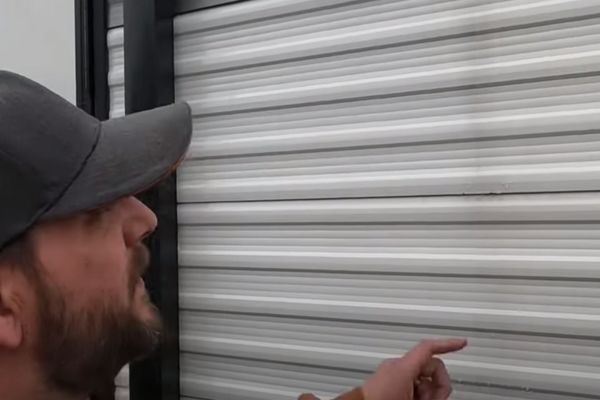
Have you ever noticed gray or black streaks coming down the sides of your RV? It’s a common problem, especially after a rain.

Below, the team from The Camping Loop wanted to know the best way to get rid of black streaks on an RV, so they put three products to the test. The video also talks about how to prevent unsightly black streaks on an RV from happening in the future.

According to our host, the longer these streaks are left untreated, the harder they are to get off. So, for the best results, clean your RV as soon as you see black streaks starting.

The products they tested to remove black streaks:

  • Awesome Orange: a low-budget cleaner they picked up at the Dollar Tree store for $1.25.
  • Star brite® Black Streak Remover: Made specifically for this purpose, the cleaner will set you back about $17. Check the link for today’s Amazon price.
  • Camco Black Streak Remover: About $7. Check today’s Amazon price.

To test the product, our host cleaned a large black streak going down the sides of his travel trailer in three different sections. This showed which cleaner worked best in a graphic way.

What did he discover? The Camco product did not work nearly as well as the other two. But the big surprise was that the $1.25 bottle of Awesome Orange from the dollar store worked every bit as well as the $17 bottle of Star brite Black Streak Remover! In fact, it worked slightly better.

Our host was just as surprised as anyone. He had heard good things about this low-budget cleaner but was skeptical. No more!

How to prevent black streaks on an RV

Our host installed gutter spouts on his trailer. In theory, this will keep rain from dripping down the side of the rig and prevent the black streaks from happening.

Watch the video to see the demonstration and results for yourself.

RELATED

RVT1247

Behind the scenes of RV transport: The hidden journey your RV takes before you buy it

Have you ever sat back and wondered how your RV got from wherever it was made to the dealership where you bought it? I thought I’d share some insights. This also translates into some reasons your poor RV didn’t arrive in one piece.

Transporters

Once your RV leaves the factory, assuming you’re not picking it up there, it typically goes to a holding pen. From there, a transporter picks it up and delivers it to the dealership.

If the RV is a motorized rig, then it gets driven to the dealership. When you buy it, the odometer will show those miles from where the RV was stored waiting for the transporter, to the dealership.

Towables are a different story.

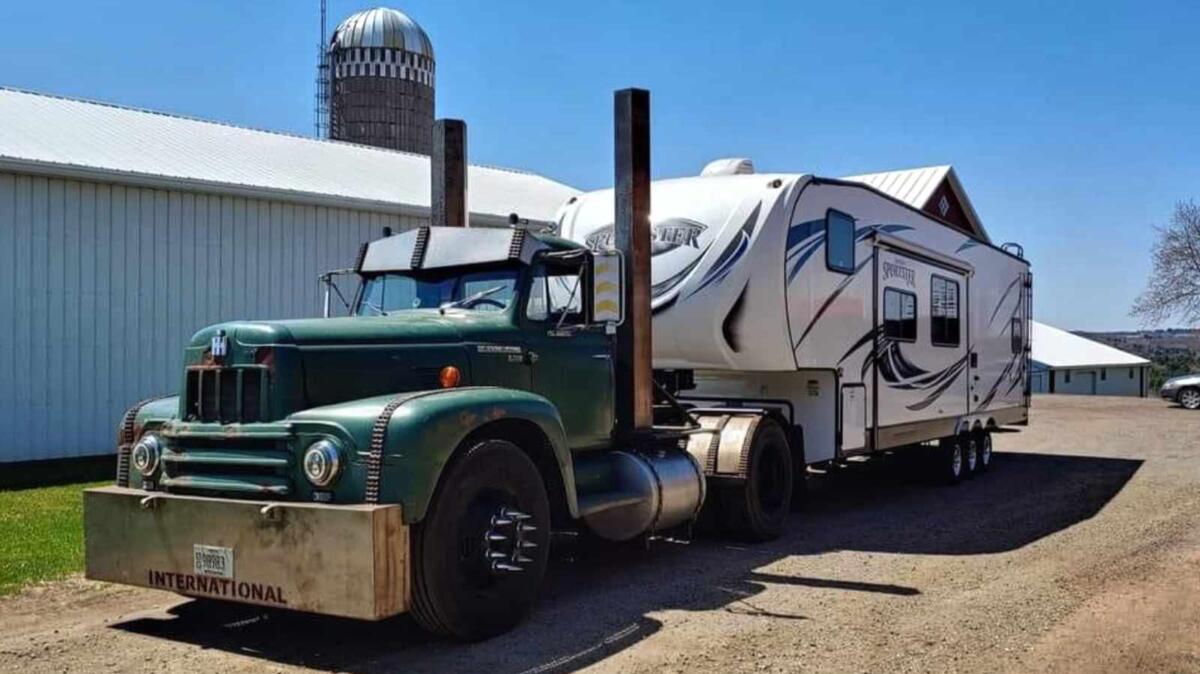
If the RV is larger, oftentimes a transporter is someone with a larger (typically one-ton Ram) pickup truck. They simply hook the trailer up and haul it to the dealership, just as you would tow it to the campground.

If you are looking at smaller trailers, these can be hauled in multiples, where several smaller trailers ride on one larger flatbed trailer. The advantage of this is that the trailers don’t have any real miles on the tires. Also, in winter, salt hasn’t been sprayed on the undersides by driving on salty roads.

Did you ever wonder why your RV’s frame rusts so quickly? I’ve never seen a dealership wash off the road grime. However, I’m sure some do, especially in areas where salted roads are a thing. I just haven’t seen it happen.

Having multiple trailers on the back of another trailer has another distinct advantage. The transportation cost is split among those smaller trailers rather than being incurred by just one trailer. Oh, we’ll get to the cost soon enough, my friend.

There are really only a few RV transporter companies, with Horizon being the largest.

A transporter drops off a new trailer from the factory

Who are the transporters?

Transporters are typically independent contractors. Essentially, it’s someone with a larger-capacity pickup truck, but not always. Some transporters have commercial driver’s licenses (CDL) and larger rigs. Some have delivered RVs for many years, sometimes even decades.

It wasn’t unusual that we saw pickups with many hundreds of thousands of miles on them show up at the dealership with a shiny new trailer in tow.

This is why every RV dealership has a Rolodex (there’s a term that dates me!) of transporters. So, if you ever need an RV moved and don’t have the truck to do it yourself, your local RV dealership will likely have more than a few transporters that will gladly do the job.

Interestingly, many transporters only make money going one way—from wherever the RVs are manufactured to the dealership. While there are cases where an RV is hauled back to the factory or from the dealership to another dealership, many transporters are only paid to go from the factory to the dealership. They then return empty to pick up their next load.

They use their own vehicles. Also, they pay their own tolls and fuel costs, and the rate the transporter company pays them is expected to cover these costs, and does, or they wouldn’t be back for that next load.

Also, they are usually paid by the mile, so the sooner those miles click off, the sooner they get paid. In other words, they’re not paid for a leisurely journey, and won’t choose smoother back country roads over those pummeled by freight traffic. Your RV will see some road conditions that you may personally choose to avoid. See why I’m such a nut about RV suspension and tire systems?

A transporter hooks up to a park model

Your RV is unused

One of the things that is a hallmark of these transporters is that they do not use the RVs as RVs themselves. While the driven RVs are obviously occupied in the front/driver’s seat for the duration of the journey, towables are often locked before they leave the holding pen and not unlocked until they arrive for inspection at the dealership.

So, don’t be concerned that the transporters are using the kitchen, bed, or bathroom in your RV—they aren’t. The RVs are arriving essentially unused, except for towing or driving.

In fact, on more than one occasion, we would open up a just-delivered RV at the dealership and find defects. The transporter would be surprised because he or she had never seen the inside of the RV.

There were plenty of times, too, where the transporters wanted to peek inside the rig at the dealership just to see what it looked like.

Why can’t I just pick it up?

It is certainly possible to pick up your new RV from a dealership close to where it is built, but most RV manufacturers don’t offer direct pick-up from the factory. There are exceptions, but they’re rare.

In fact, some of you may know I have a direct relationship with Rockwood and Forest River. But the three trailers I have purchased under that agreement were all picked up at a dealership not far from where the trailers were built.

Warranty concerns

I’ll share more details about how RV dealerships work, but do know that RV warranty work is typically a loss for many dealerships. Also, there continues to be a shortage of technicians. So it could be that your local RV dealership won’t provide warranty service to an RV you didn’t buy from them. RV dealerships don’t have the same agreement as car dealerships do. Therefore, they aren’t specifically required to work on an RV that wasn’t purchased there.

Again, this is a broad generalization, and we did help people who were traveling and had a repair needed to continue their adventure, even if they didn’t buy from us.

Forklifts make things happen on the ground

Don’t forget the forklift

One of the unsung heroes of RV transporting is a forklifts, believe it or not. Many dealerships and storage lots have these workhorses on-site. They have a modification so that the forks can be used with a trailer ball or cup to move towable RVs around the lot.

Sure, some do the job with tractors. But the forklift is common and works really well.

A triple load on an RV transporter

Transporting is expensive

In the past few years, like so many other things, the cost of transporting RVs has gone uppity up up. Remember, you have to pay someone well enough that they can buy a pickup in these times where pickups are like Cadillacs and priced accordingly. You also have to cover fuel and insurance, and nobody will do a job where they don’t earn a living.

Plus, of course, the company that oversees the transporting also makes a profit. That’s why they’re in business and invest in scheduling systems and all the other infrastructure they have.

When you see transportation or delivery costs as a line item when you’re buying your next RV, know that this is likely just a direct cost that the dealership is passing along. And, yes, it can be many thousands of dollars.

In fact, many RV companies, including Keystone and Forest River, have manufacturing plants on the West Coast just because the area is such a huge market and the shipping costs can be nuts.

The dealership where I worked is in California. The fifth wheels we had at the time came from Indiana, so shipping costs were high. We also sold Flagstaff trailers, which are only made in Millersburg, Indiana. Many of the Keystone and other brands came to us from Oregon.

I can’t imagine people buying a Lance or Outdoors RV camper on the East Coast, for example. That’s because the cost to ship it across the country would be significant, since these are both built on the West Coast.

Did you know there was once a huge RV industry in California with names like Aristocrat, Alfa Leisure, Fleetwood, and others? Forest River also closed its Southern California plant. Yet, California remains an enormous market for RVs.

Want to be a transporter?

If you read all this and thought, hey, I want to be a transporter, know that these companies are always looking for new people. A good thing about being a transporter is you can essentially choose your loads based on your schedule and location. However, know that most of the loads for RV transporters originate in Indiana, with there also being a lot of shipments out of Pendleton, Oregon.

Other transportation opportunities include moving cargo trailers, work trailers, and more. You can also partner with local dealerships to help move their inventory, although this isn’t as regular as you may need. There are also dealers, like Best RV in Turlock, Calif., that have their own transporter fleet.

Lastly, I’ll share this little joke with you.

What’s the difference between you and an RV transporter? About 30 miles an hour.

MORE FROM TONY (AND RELATED ARTICLES):

RVT1247

Danger: Over-greasing your wheel bearings can cause serious safety hazards

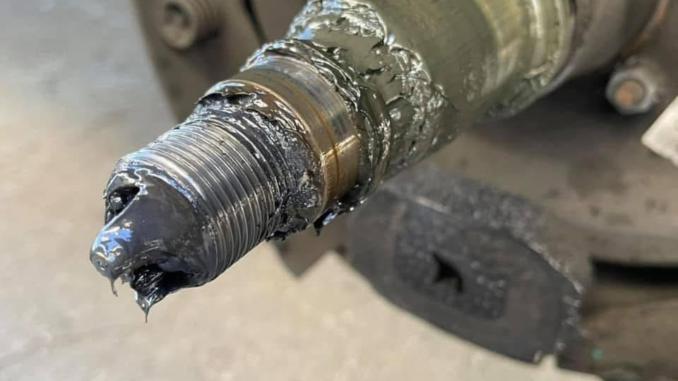
Proper wheel bearing maintenance is critical to the safety and reliability of your RV. While greasing wheel bearings through an axle zerk fitting may seem like a simple way to keep components protected, over-filling bearings with grease can cause serious mechanical failures and safety hazards.

At California RV Specialists, we routinely inspect RVs where excessive grease has caused brake damage, seal failure, and unnecessary repair costs. Understanding how and when to grease your wheel bearings is essential to preventing these issues.

Why overfilling wheel bearings is a serious problem

Brake system contamination

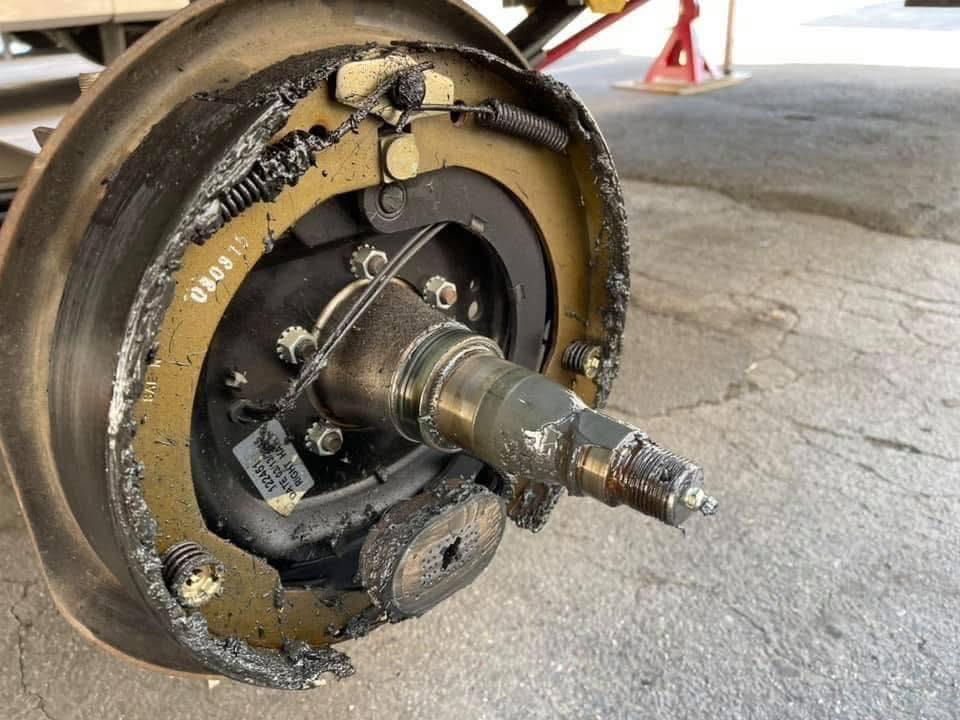
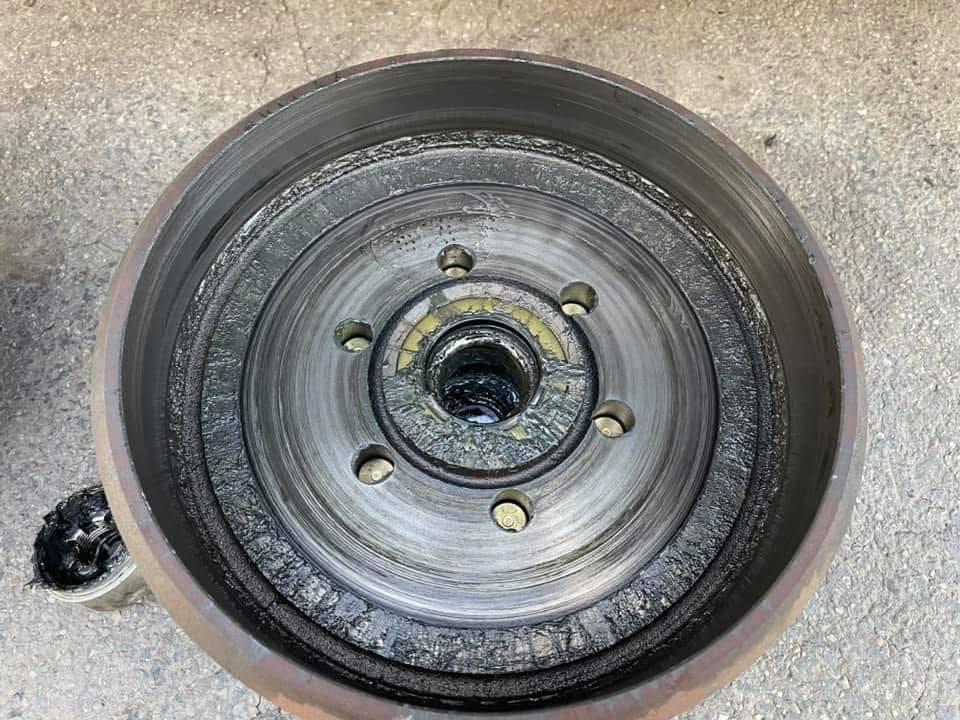
When too much grease is forced through a zerk fitting, internal pressure can push grease past the rear seal and directly into the brake hub. Once grease reaches brake shoes or pads, friction is compromised. In most cases, contaminated brake components must be completely replaced rather than cleaned.

Grease-soaked brakes

Reduced stopping ability and safety risks

Grease-coated brake shoes significantly reduce braking effectiveness. For RVs and trailers that already carry substantial weight, this loss of braking performance increases stopping distance and elevates the risk of accidents, especially during emergency braking or downhill driving.

Seal failure

Seal failure and bearing damage

Wheel seals are designed to retain a specific amount of lubricant, not withstand excessive pressure. Over-greasing can damage seals, allowing grease to escape and contaminants such as dust and moisture to enter the bearing assembly. This accelerates bearing wear and can ultimately lead to bearing failure.

Tire, wheel, and suspension issues

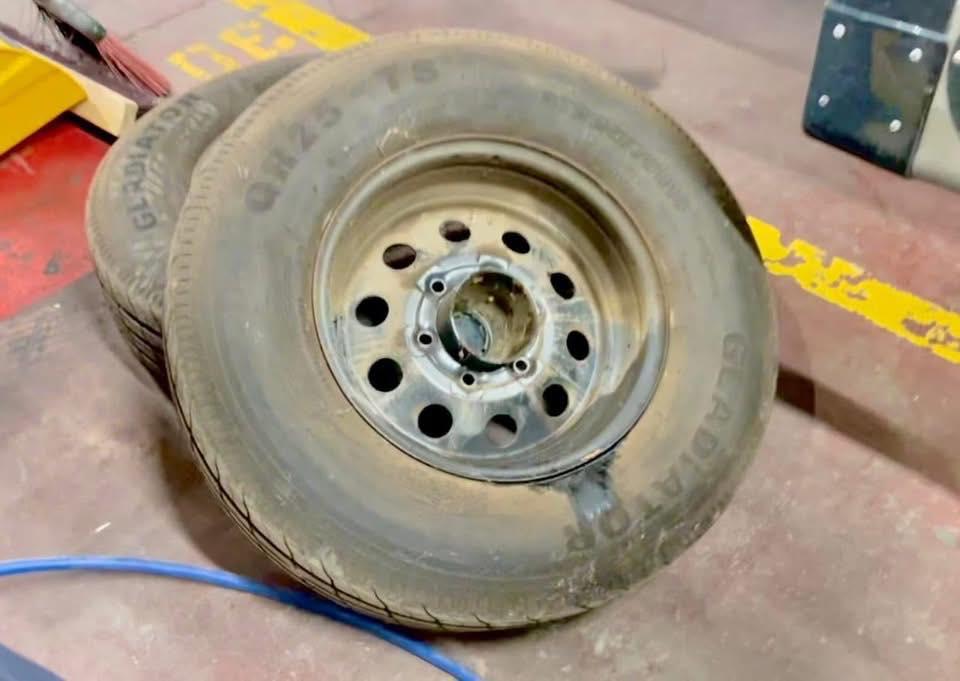
Escaping grease often spreads onto the backside of wheels and tires. This not only creates a mess but can also attract dirt and debris, contribute to imbalance, and potentially affect tire traction and suspension components over time.

Grease leaking past the hub is a sign of failure or being overpacked with grease

Important facts about axle zerks

Many RV owners assume axle zerks are designed for frequent lubrication. However, not all axles are intended to be greased regularly, and some manufacturers specify limited use or require very specific procedures.

In some cases, hand-packing bearings during scheduled service intervals is the only recommended method.

Improper use of zerks is one of the most common causes of RV brake contamination we see during inspections.

Best practices for wheel bearing maintenance

Follow manufacturer specifications

Always consult the axle manufacturer’s service guidelines. Dexter, Lippert, and other axle manufacturers provide specific instructions regarding grease type, intervals, and procedures.

Inspect bearings and seals regularly

Routine inspections help identify worn seals, grease leaks, overheating, and early bearing wear before they turn into costly failures.

Use professional service when in doubt

Periodic removal, cleaning, inspection, and hand-packing of wheel bearings by qualified RV technicians ensures correct lubrication levels and verifies that seals and braking components are in safe condition.

Watch for warning signs

Grease on wheels, reduced braking performance, unusual noises, or heat at the hub are indicators that immediate inspection is needed.

Protect you and your RV

Wheel bearings play a critical role in your RV’s braking, handling, and overall road safety. More grease does not equal better protection. Correct lubrication, proper inspection, and professional service are the keys to long-lasting performance and safe travel.

If you’re unsure whether your RV’s wheel bearings have been properly serviced—or if you suspect over-greasing—California RV Specialists is here to help.

More from Dustin

Make sure you check out my website, California RV Specialists, and our YouTube channel for more helpful information, and see our published articles on RVtravel.com and other social media pages.

RELATED

RVT1247

Visiting California’s dramatic Devils Postpile National Monument

1

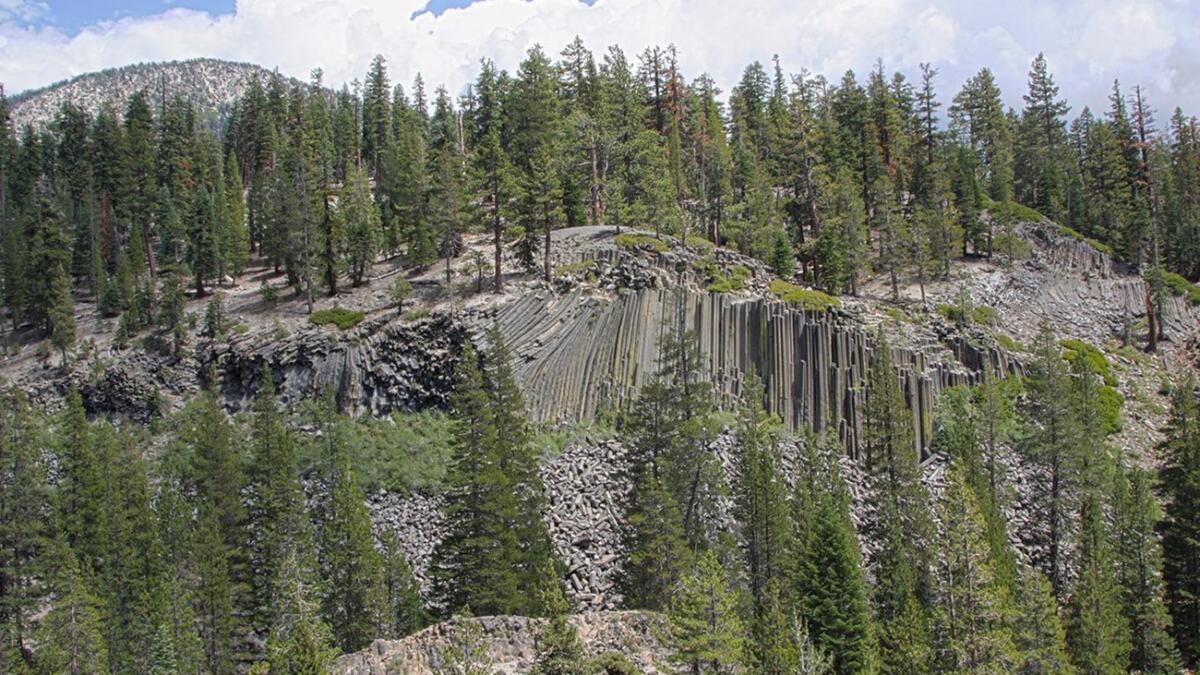
The Devils Postpile National Monument is a dramatic spot in the Sierra Nevada Mountains.

The monument is located off the back side of Mammoth Mountain in Madera County, California. Its unique basalt rock formations are a mind-bending sight to see.

When and how to visit

Devils Postpile in CA Image: NPS
Photo credit: NPS

The Devils Postpile area normally operates seasonally, roughly from June through October. During that operating season, the monument and the Reds Meadow Valley are generally open 24 hours a day, seven days a week. (It is currently closed for the season.)

Early- or late-season weather can force temporary closures, so visitors are urged to check the National Park Service page before a visit.

During the busy months, private-vehicle access to the Reds Meadow/Devils Postpile area is restricted. Visitors are expected to use the seasonal shuttle system that runs from Mammoth Lakes into the Reds Meadow valley. (I like the shuttle option because it’s so convenient.)

What to expect

From the ranger station, you can take a well-maintained, mostly level trail to the base of the Postpile. This lower route is rated as easy and is wheelchair-accessible with only a slight elevation change. (It’s a little less than one mile round trip.)

If you want more vantage points, add the short uphill loop that goes over the top of the Postpile. It’s a few extra minutes and adds some incline, but gives you a different view of the formation.

Park services

The Devils Postpile National Monument has limited day-use facilities and a ranger station with maps and advice. The small Reds Meadow valley has a general store and seasonal services for visitors.

The monument’s tiny campground has been closed for reconstruction and remains unavailable. Instead, Forest Service campgrounds and nearby private RV parks handle most overnight visitors.

Three RV-friendly campgrounds nearby

Mammoth Mountain RV Park & Campground (open 365 days) is located at the entrance to Mammoth Lakes. This year-round RV park offers full and partial hookups and easy access to town amenities. It’s a convenient base for RVers who want paved roads, services, and short drives to the shuttle pickup area.

Reds Meadow Campground (currently closed) is tucked into the same valley as Devils Postpile. This shady, first-come, first-served campground sits within walking distance of trails and the shuttle stops. It’s rustic and seasonal but gives immediate access to the meadow, river, and trailheads. Sites can accommodate small RVs, but hookups are not guaranteed.

Convict Lake Campground is a scenic, well-equipped Forest Service campground south of Mammoth. It offers many flat sites that suit RVs. Note that there are no full hookups for most sites. However, there are potable water sources, restrooms, and a nearby dump station. Convict Lake is a good choice if you want lakeside peace, easy fishing, and a short drive to hot springs, trails, and Mammoth services. Peak season is April 24 to October 24, 2026.

Other nearby attractions

The Devils Postpile National Monument isn’t the only draw to this area. While you’re visiting, take advantage of these additional attractions.

Rainbow Falls CA Image: NPS
Photo: NPS

• Rainbow Falls is a striking 101-foot waterfall on the Middle Fork of the San Joaquin River. Many folks visit the falls in the same trip as the Postpile. Visitors who arrive midday on a sunny day can witness mist rainbows at the falls.

• Hot Creek Geological Site and Hot Creek Fish Hatchery feature interesting geothermal sights and a local fish hatchery.

Mono Lake and Lee Vining are about a 30-minute drive north of Mammoth. Mono Lake offers surreal views of limestone towers and has shoreline access for fishing. There are visitor amenities in Lee Vining.

Bodie State Historic Park and the Ancient Bristlecone Pine Forest are also doable day trips from Mammoth.

Wineries, shopping, and more

Mammoth Lakes hosts tasting rooms, wine and beer events, and a compact downtown of shops, galleries, gear outfitters, and restaurants. You can use Mammoth as your service hub for groceries, dining, and last-minute supplies. Then head out for your day of adventure.

More to do

The Devils Postpile area offers even more to do. Consider wildlife viewing, birding, horseback riding, fishing, and mountain biking.

In winter, the Mammoth Lakes area offers skiing and snowboarding. There’s also snowmobiling and cross-country snowshoeing. Check out this NPS website for more information.

Quick planning checklist

  • Bring water, sun protection (the high elevation sun is strong), and layers. (The weather can swing from warm sun to chilly wind quickly.)
  • Confirm seasonal road and shuttle status on the NPS Devils Postpile pages before you go.
  • Pack additional layers and water, and wear sturdy footwear for short walks.
  • Reserve an RV site in Mammoth for guaranteed hookups during peak season and consider Reds Meadow for a rustic, close-in experience if you’re comfortable with first-come camping.
  • Bring a camera. The Devils Postpile and Rainbow Falls are uniquely photogenic at any time of day.

Have you visited this beautiful area? Tell us about it using the comments below.

MORE TO SEE IN CALIFORNIA:

RVT1247

Being a grandparent is good for the brain

1

Being a grandparent is good for the brain, according to a new study. Caring for grandchildren—known as “gran-nannying”—may serve as a “buffer” against cognitive decline and dementia in older adults, say scientists.

Lead researcher Flavia Chereches said: “Many grandparents provide regular care for their grandchildren—care that supports families and society more broadly.

“An open question, however, is whether caregiving for grandchildren may also benefit grandparents themselves.

“In this research, we wanted to see if providing grandchild care might benefit grandparents’ health, potentially slowing down cognitive decline.”

Chereches, a doctoral candidate at Tilburg University in the Netherlands, and her colleagues examined data from 2,887 English grandmas and grandads, all older than 50, with an average age of 67.

The study

The participants answered survey questions and completed cognitive tests three times between 2016 and 2022.

The survey asked whether they had provided care for a grandchild at any point in the past year.

They were also asked about how frequently they provided care and what kinds of care they provided—including watching grandchildren overnight, caring for poorly (ill) grandchildren, playing or engaging in leisure activities, helping with homework, driving grandchildren to school and activities, preparing meals, and more.

Overall, the researchers found that grandparents who provided childcare scored higher on tests of both memory and verbal fluency compared with those who didn’t, even after adjusting for age, health, and other factors.

The findings, published in the journal Psychology and Aging, held true regardless of the frequency and type of care the grandparents provided.

The researchers also found that grandmothers who provided care saw less decline on cognitive tests over the course of the study compared with those who didn’t.

Chereches said: “What stood out most to us was that being a caregiving grandparent seemed to matter more for cognitive functioning than how often grandparents provided care or what exactly they did with their grandchildren.

“More research is needed to replicate these findings, yet, if there are benefits associated with caregiving for grandparents, they might not depend on how often care is provided, or on the specific activities done with grandchildren, but rather on the broader experience of being involved with caregiving.”

Grandparents and childcare in Europe

Around five million grandparents regularly take on childcare responsibilities, according to the charity Age UK, with just under 90% babysitting at least once a week.

One in 10 look after their grandchildren at least once a day, with the majority getting involved to help their own children work more to support their young family.

Age UK says “gran-nannying” has enormous benefits for older couples, keeping them mentally and physically active and combating loneliness.

Chereches says further research should be conducted to explore the effects of family context and other variables.

She added, “Providing care voluntarily, within a supportive family environment, may have different effects for grandparents than caregiving in a more stressful environment where they feel unsupported or feel that the caregiving is not voluntary or a burden.”

MORE IN RVER HEALTH:

RVT1247

RV review: Grand Design Lineage Series F 31ZW 43 limited edition – Wow

Today’s RV review is of the new-for-2026 very limited edition Grand Design Lineage 31ZW 43. We’ve talked about the Grand Design Lineage 31ZW in the past in several reviews, including my initial reaction to Grand Design’s announcing this model.

Since I wrote that I got to spend the day with Mike Hums, who’s the guy leading the charge on these motorized units, and realized why they have so captured the market in their category. Mike is an inspired guy and knows what he’s doing. 

I got to meet Mike when I went to Grand Design’s facilities to learn more for this review of the Lineage 31ZW. 

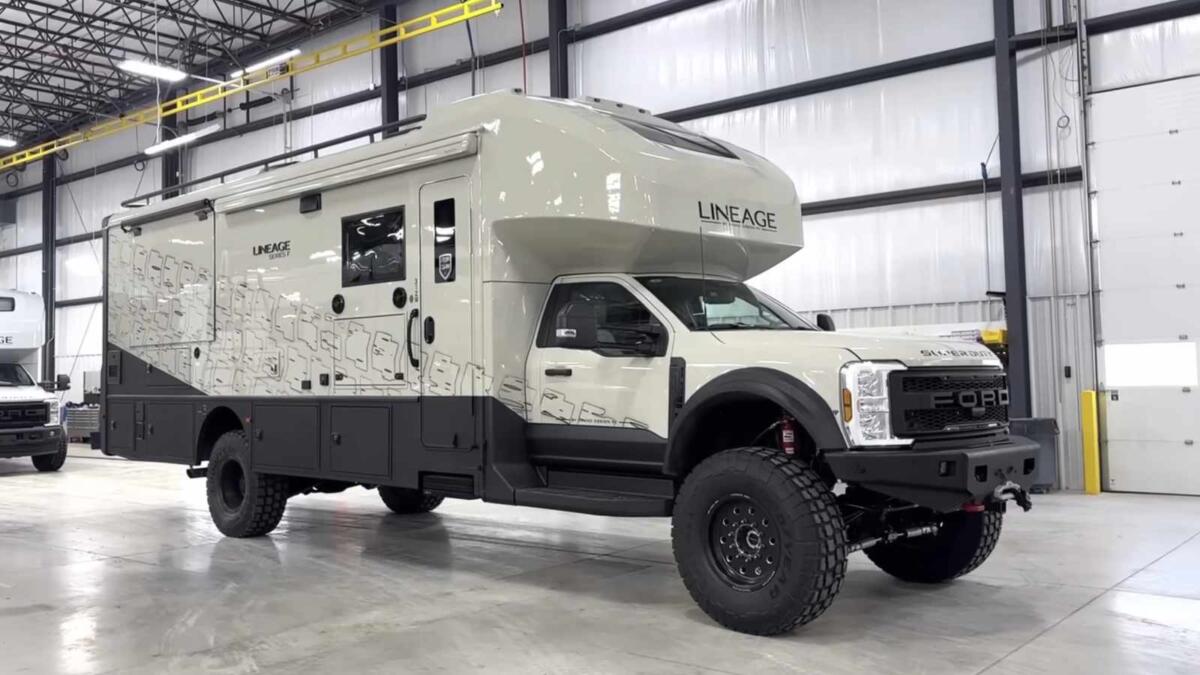
Grand Design Lineage Series F 31ZW 43 limited edition

What we have today is the limited edition “43” variant on the Lineage 31ZW. This package takes the already-aggressive Lineage 31ZW and turns it into something you might expect from one of those specialty overlanding companies that build vehicles that are technically RVs but border on being military-spec. 

When upgrading the Lineage 31ZW to the 43 package, Grand Design replaced the wheels with 43” military-spec tires. The name of this rig comes from those 43” tires. But this is so much more than a tire and wheel package, although the company partnered with Buckstop to create the custom 20” forged wheels on here. 

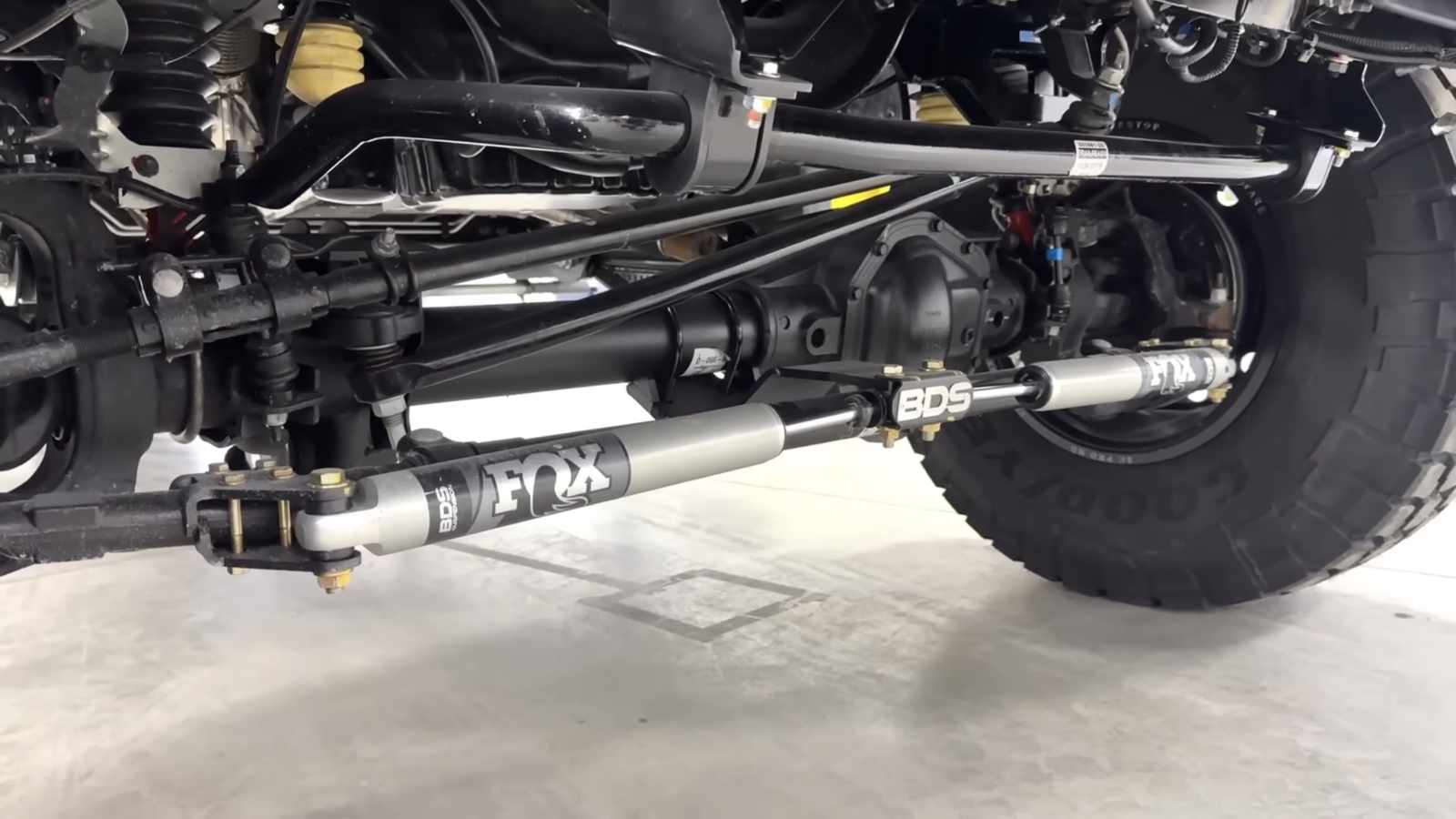
Then they went with eight-piston brake calipers for the disc brakes at all four corners of this RV—so stopping power is incredible. That’s a good thing when you can tow so much weight—which is one of the reasons people love Super C’s. 

Suspension

The suspension on this is a Liquid Spring suspension, which means you’re riding on a liquid silicone, essentially. There are no metal springs such as leaf springs or coil springs. You can also adjust the height of this system and the firmness. But my favorite feature is that this rig uses the suspension to level the coach rather than some stab jacks that are the lowest thing you’re going to break off. 

As a warranty guy, one of the most troubling things on an RV were auto level systems with low bidder components that worked until they didn’t. That’s when you were stuck at a campground until someone could come and fix the lousy system. This bypasses that. You could never ever not ever sell me an auto-leveling system, although I am not opposed to this one. 

Winch, tow hooks, receiver hitch

There is also a winch on the front of this rig. It is under a metal bumper that’s also painted with that spray-on bed liner material. There are also tow hooks and even a receiver hitch on the front for bikes or whatever. 

There are four different colors available for this special edition, all of which have the actual prints that the tire makes as a decor on the side. Yes, I like this better than swishy swirls.

There is also a spray-on bed liner material on the lower half of the rig covering the baggage compartment doors and such. It adds to the rugged appearance and just rugged nature of this rig. 

Different build in the Grand Design Lineage 31ZW

The more I have learn about these, the more I like them. While I know this particular unit is a limited production model, the thinking that went into the entire line is definitely solid. In fact, many of the pain points you’ll typically find in many RVs were addressed by Hums and his group. 

Mike Hums described a partnership with the folks who make SharkBite plumbing fittings, which are used in this RV. Leaky, cheap plumbing fixtures are a common problem in the RV industry. So the fact that they’re using these metal fittings says a lot. 

They also have a 25-year guarantee on the plumbing of this unit. That says even more.

This also uses metal skid plates underneath, as you would expect. Well, or not. Not all RV designers think of things that make sense. These help the RV if you traverse over terrain that might come into contact with the bottom of the RV. 

Floor plan and interior

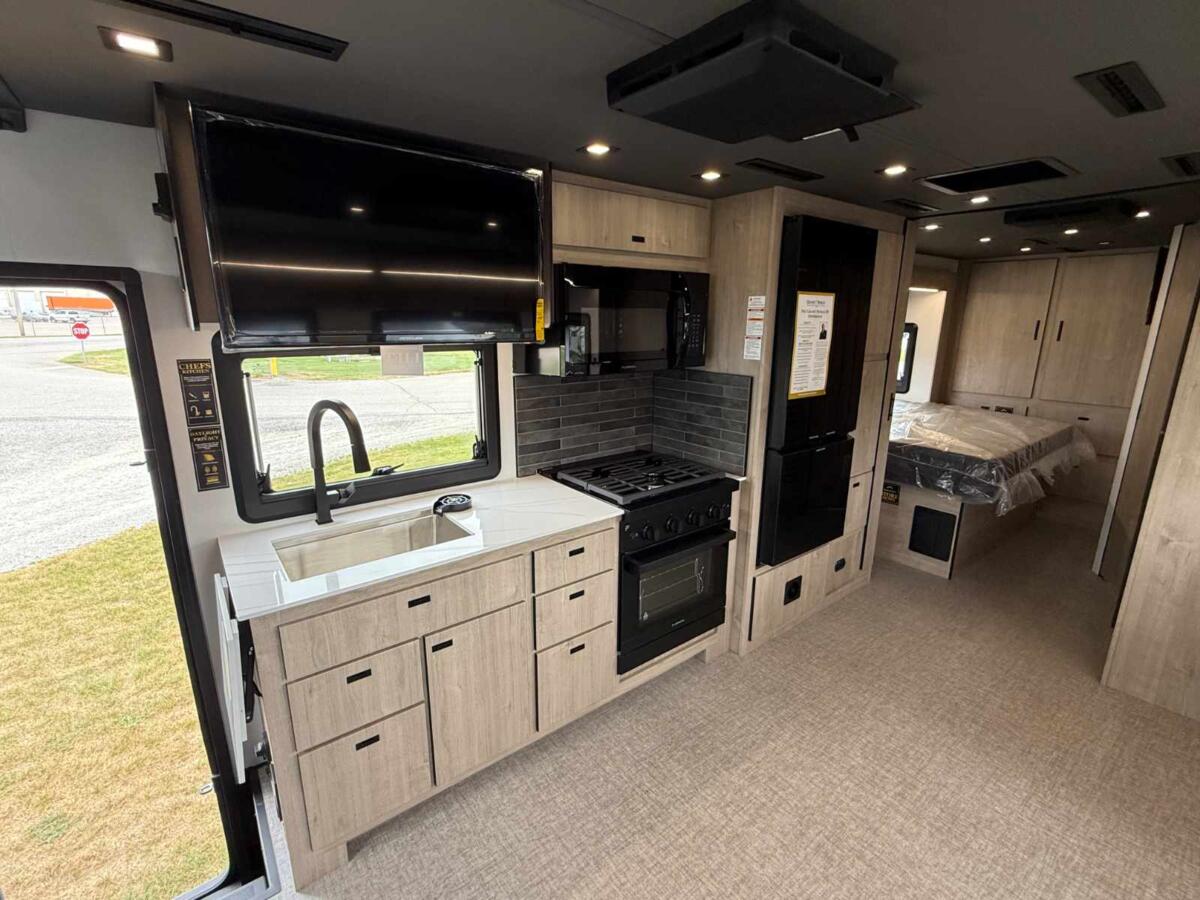
The floor plan and interior on this are identical to the versions of this camper that we had seen previously. This is more of a chassis and appearance package. 

These feature a king-sized bed in a camp-side slide with a wall of cabinets and drawers at the back. One of the clever features is that one of the drawers, the one adjacent to the bed, can double as a nightstand. 

The bathroom is on the road side. I found it to be comfortably spacious.

This is apparently the first use of Lippert’s new SureSlide system, which is reportedly a better slide system. Lippert has no recommended service on this system, so it should be easy to keep operating. 

Something else Mike Hums, Product Manager of Grand Design’s motorized line, said was that the plant that builds these has no filler materials or caulking, putty, seam tape or any other way to cover mistakes. “We have to build it right the first time—we don’t even have those materials in the plant.” 

Conclusions

Last week I was at the Quartzsite Sports, Vacation and RV Show and wrote this recap of the event. One of the bigger surprises, to me, was that there was a decided trend in what people were buying. They were moving away from fifth wheels and Class A RVs and trending toward Class C and Super C RVs. Perhaps Grand Design knew something when they moved into this market. But, also, they’ve addressed so very many pain points with what they’ve introduced here. 

When you think that, two model years ago, Grand Design had zero entries into the Class C market and now they have the best-selling entries into the market, it’s clear that they are on the right path. 

Quite honestly, based on my conversations with Mike Hums and what I see in even the standard versions of these Lineage models, they would be the one I would put at the top of my own shopping list. Though I really like this particular flavor of this model, I don’t know if I could hustle together the bucks to become one of only 43 people who get one of these—but I wouldn’t mind if I were. 

My thanks to Josh from Bish’s RV for the video and some of the photos in this article.

*****

About Tony and these reviews

These RV reviews are written based on information provided by the manufacturers, along with our writer’s own research. They are based on information from a single unit and may not reflect your actual experience. Shop your RV and dealership carefully before making a buying decision. They are intended only as a brief overview of the vehicle, not a comprehensive critique, which would require a thorough inspection and/or test drive.

Tony comes to RVtravel.com having worked at an RV dealership and been a lifelong RV enthusiast. He has also written a book and a syndicated column about cars in addition to publishing a weekly RV & Travel podcast with his wife, Peggy.

You can find more about Tony at tonybarthel.com.

MORE GRAND DESIGN RV REVIEWS

2026 Grand Design Momentum 399M: Is it a hit or a miss?

Downsize with the rugged and comfy Grand Design Lineage Series F Super C

RV review: Grand Design Imagine AIM 16MLA—It’s mini but mighty

The Grand Design Influence 3804DS—a true two-bed, two-bath RV

Grand Design’s new Foundation 42GD trailer has two-story deck

RVT1247

10 essential tips for RVing with health issues

3

The open road still calls to many RVers as they age or deal with ongoing health issues. The RVingWithJoe community includes plenty of folks in that season of life, and health planning matters a lot more than it once did. With some smart habits, RV life can stay safe, comfortable, and enjoyable for many miles to come.

In the video at the end of this post, Joe shares tips for those RVing with health issues.

Top 10 health tips for RV life at a glance

  1. Access to healthcare on the road
  2. Handling the physical work of RV basics
  3. Smart medication management
  4. Managing chronic conditions while traveling
  5. Diet and nutrition in an RV kitchen
  6. Staying active and preventing falls
  7. Mental and emotional well-being
  8. Emergency preparedness
  9. Environmental and climate factors
  10. Travel planning and pacing

1. Access to healthcare on the road

When an RVer leaves home, regular doctors and familiar hospitals may be hundreds of miles away. It helps to look up hospitals, clinics, and urgent care centers along the planned route or near each campground before a trip starts. Telehealth can handle many routine check-ins, which saves time and driving.

Digital copies of medical records stored in a safe, easy-to-reach place can speed things up in an emergency.

Health insurance should be checked for out-of-state coverage, and anyone crossing borders should add travel medical insurance.

Here’s how Nanci Dixon quickly found a doctor while she was RVing. 

2. Handling the physical demands of RV basics

Everyday RV chores can get harder with age or mobility issues. Steps in and out of the rig, crouching to hook up or dump sewer hoses, dragging heavy power cords, and climbing on the roof all ask a lot from knees, backs, and shoulders.

Some RVers add assistive steps or handrails, change gear to lighter hoses and cords, or simply ask neighbors for help when needed. Simple personal rules help too, such as always holding the entry handle and never rushing the setup or takedown routine.

3. Smart medication management

Refills can turn into a real headache on the road. Many RVers talk with their doctor about 90‑day prescriptions, then use national pharmacy chains for refills while traveling. Others use mail‑order services that ship to RV parks that accept packages.

Remember: Heat and cold inside an RV vary more than in a house, so medication storage matters.

Emergency meds, such as inhalers or heart medicine, should be kept where they can be reached fast, not buried in a cabinet.

4. Managing chronic conditions in an RV

Chronic health issues do not have to end RV life, but they do shape it. Someone with diabetes may plan meals more carefully and skip long stretches of junk food. Those with breathing problems may avoid smoky areas or dusty roads.

For CPAP or oxygen users, steady power is the big concern. Many RVers check battery capacity and generator plans before trips, and some add a backup portable power station. That kind of setup can help keep health devices running during power outages.

5. Diet and nutrition for RV life

An RV comes with a built‑in kitchen, which is a huge advantage. Gas station snacks and fast food are easy, but they often bring too much salt and very little nutrition. Many RVers keep simple staples on hand, such as fresh or frozen vegetables, fruit, lean protein, and whole‑grain options that fit their diet.

Clean water and steady hydration matter even more in hot or dry areas.

6. Staying active and preventing falls

Gentle movement keeps joints and muscles happier on long trips. Short walks around the campground, light stretching, or a small set of resistance bands inside the RV can make a big difference.

Fall prevention matters as much as exercise. Inside and outside the rig, steps, loose rugs, and uneven ground can cause trouble.

Joe follows two personal rules that many RVers adopt: Always hold the grab handle on the stairs and never step over the trailer hitch. A friend broke an ankle doing that shortcut, and a single fall can sour an entire trip.

Here’s a recent study about the falling risk RVers face. 

7. Mental and emotional well-being

RV life can feel freeing, but it can also feel lonely, especially for solo travelers or those far from family. Many RVers protect their mental health with quiet time in nature, hobbies inside the rig, and regular calls or video chats with loved ones.

Larger RV parks often host potlucks, activities, or informal meetups. Online RV groups and forums also help people stay connected and swap tips. More on that here.

8. Emergency preparedness

Hoping for the best is fine, but planning for the worst is smarter. A well‑stocked first‑aid kit and a simple printed list of medications, doctors, and emergency contacts should live in an easy‑to‑reach spot.

Some travelers also look into services such as FRVA Assist from the Family RV Association (formerly FMCA), which can help in a medical emergency on the road. Joe mentions taking his wife to the emergency room twice while camping, and planning ahead made those rough days a little easier to handle.

9. Environmental factors to watch

Air quality and temperature hit harder when health is already fragile. Wildfire smoke has grown more common, especially in the West, so some RVers bring a small air purifier for their trailer or motorhome.

Good climate control matters in both winter and summer. Working heat, working air conditioning, and clean filters help the body cope. Joe shares that being very sick in the desert cold and in the summer heat both felt much worse because of the extreme temperatures.

10. Travel planning and pacing

RV life does not need to feel like a race. Many travelers follow a version of the “333 Rule”: stop by around 3 p.m., drive no more than about 300 miles in a day, and stay at least 3 nights in each spot when possible.

Health‑focused route planning often sticks closer to interstate highways and mid‑sized cities, where hospitals and urgent care clinics are easier to reach. Remote deserts and far northern routes can be beautiful, but they also mean longer drives to medical help.

Final thoughts

Health issues do not have to end RV life, they just change how trips are planned and lived. With a bit of foresight, small gear tweaks, and some honest limits, many older RVers and those with chronic conditions still enjoy long stretches on the road. The key idea is simple: Respect the body, plan for its needs, and let the miles roll by at a kinder pace.

RELATED

RVT1247