Home Blog Page 16

Turn any SUV into a bed in minutes with TrunkMate

By Cheri Sicard
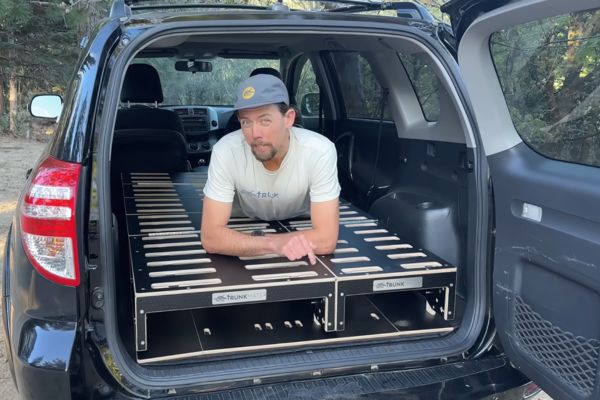
Camping setups usually ask a lot from a daily driver. In the video at the end of this post, Grant from TrunkMate presents the BlitzBed as a faster fix: a folding platform that turns an SUV into a bed in under a minute. It fits most SUVs, crossovers, and hatchbacks, while TrunkMate also offers versions for minivans and trucks. The appeal is easy to see: A vehicle can be camp-ready on the weekend and back to normal by Monday.

Why the BlitzBed feels easier than most car sleeping platforms

Many car sleeping platforms come with loose parts, bags, and a setup routine that is hard to remember in the dark. The BlitzBed folds out from the trunk and folds back into it without disassembly, a carrying case, or labeled plastic bags.

When it is packed away, the trunk still looks neat and self-contained. TrunkMate says many owners leave it installed full-time, and each side weighs under 25 pounds if it needs to come out. Buyers can choose a single or double setup, add drawers underneath, and pick from two colors.

How the double bed handles a 60/40 seat split

The double bed setup uses two modules sized for uneven rear seats, and they can swap sides if needed before locking together with included carriage bolts. Each corner also has lashing points, and tie-down straps secure the platform in the cargo area.

Setup stays short: Fold the rear seats, pull out the integrated frame, rest the supports on the seat edge, then unfold the bed.

Three support sizes help level different seat designs, and Captain Seat Bed Supports are available for second-row captain’s chairs. Adjustable legs set the height between the wheel housings, and a standard twin-size mattress fits the double bed.

Lower height and single-bed mode both help comfort

TrunkMate kept the platform lower than many sleeping systems because mattress thickness eats headroom fast. The legs can raise the bed for more storage, but the lower setting is better for lying down in most SUVs. Bed length also adjusts without measuring, and the frame extends to 6 feet 3 inches.

Each side works on its own. In single-bed mode, one 24-inch-wide section pairs with a standard single-size mattress and leaves the 40-split seat open. That gives solo travelers room to change and climb in or out without leaving the vehicle, while still making space for larger items. Buyers can start with the single and upgrade later.

Storage under the bed is more than empty space

Open cubbies at the foot of the bed hold quick-grab camping gear. For a tidier layout, the BlitzBed sleeping platform can be ordered with locking drawers or upgraded later.

Those drawers lock shut while driving and lock again when fully extended, which helps on a slope. Their removable tops double as prep surfaces, the false top tilts open for hands-free access, and the two-panel layout still allows drawer access when something sits on top.

Fit guarantee and ordering details

TrunkMate says it has tested the BlitzBed in thousands of vehicles and backs listed models with a 100% fit guarantee. Each unit is hand-made in the U.S. and ships fully assembled. Mattress sizing help is on TrunkMate’s website.

A weekend bed that does not take over the car

The BlitzBed works because it respects the vehicle’s day job. It opens fast, stores cleanly, and adapts to uneven seats, solo trips, and gear-heavy weekends without turning the trunk into a pile of parts.

RELATED

RVDT2909

How important to you are online ratings of an RV park when making a reservation?

14

Do you check online reviews of RV parks and campgrounds before making a reservation? If so, how important to you is it that it has a high, or at least a decent, rating?

Or do you simply return to familiar places, where you already know if they’re up to your standards or not?

Some RVers say they won’t book a site unless it has at least four stars and a solid number of recent, detailed reviews. Others trust their instincts—or rely on word of mouth from fellow travelers met on the road or at rallies. For some, the photos, amenities list, and general vibe from a park’s website are enough to make a decision.

Then again, many campers prefer the tried-and-true. They return to their favorite parks year after year, where the check-in is easy, the sites are familiar, and they already know the best spot to catch the sunset. In that case, reviews aren’t even part of the equation.

But what about when you’re venturing into a new area or planning a trip during peak season? Do reviews become more critical then? We want to hear how you weigh the options when deciding where to park your rig for the night—or the month.

Curious minds would like to know. Please leave a comment! Remember, it may take a few moments for the poll to load. So stand by, partner!

MORE RECENT POLLS YOU MIGHT LIKE:

RVDT2909

Beware grilling fires: Peak season is here

0

Often considered the unofficial start of summer, Memorial Day kicks off a season of outdoor grilling and entertaining. But with the increase in grilling comes more home grilling fires. In fact, the latest data from the National Fire Protection Association (NFPA) shows that July is the peak month for home grilling fires, followed by June, May and August.

“Outdoor grilling is a popular way to cook during the warmer months, but it does present the risk of fire and burns,” said Lorraine Carli, vice president of Outreach and Advocacy at NFPA. “We want to help ensure that the grilling season remains a safe one for everybody.”

Between 2020 and 2024, U.S. fire departments responded to an annual average of 12,141 home fires involving grills, hibachis, or barbecues, including 6,110 structure fires and 6,031 outside or unclassified fires. These fires caused 15 civilian deaths, 171 reported civilian injuries, and $241 million in direct property damage; almost all the losses resulted from the structure fires.

Gas grills dominate the grilling fire problem

• Seventy-six percent of home grilling fires involved grills fueled by gas, while 13 percent used charcoal or other solid fuel.
• Gas grills were involved in an annual average of 9,235 home fires per year, including 4,662 structure fires and 4,573 outdoor fires.
• Six percent of gas grill structure fires and 13 percent of outside gas grill fires were caused by leaks or breaks.
• Charcoal or other solid-fueled grills were involved in an average of 1,610 home fires per year, including 773 structure fires, and 837 outside fires.

Keeping grills clean is an important element of grilling safety. One-fifth (20 percent) of grilling fires were caused by grills that had not been cleaned, representing the leading contributing factor to ignition.

In addition, approximately one-quarter of the home structure fires involving grills started on an exterior balcony or open porch. In eight percent of these fires, the item first ignited was an outside wall; in another three percent, a structural member or framing was the item first ignited. These statistics reinforce the importance of keeping grills well away from anything that can burn.

“Knowing when and where grilling fires tend to happen helps people better understand where risk exits and how to reduce their likelihood,” said Carli.

Preventing fires

Following are NFPA tips, recommendations, and resources for using outdoor grills safely:

• For propane grills, check the gas tank for leaks. (Watch NFPA’s video on how to check for leaks.)
• Keep your grill clean. Make sure to remove all grease and fat buildup from the grills and the trays below.
• Place the grill far from your home, deck railings, eaves, or overhanging branches.
• Before lighting your gas-powered grill, always make sure the lid is open.
• Keep children and pets at least three feet away from the grilling area.
• If you use starter fluid with charcoal grilling, only use charcoal starter fluid. Never add charcoal fluid or any other flammable liquids to the fire once it’s been lit. When you finish grilling, let the coals cool completely before disposing them in a metal container.
• Never leave your grill unattended when in use.

RELATED

RVT1262

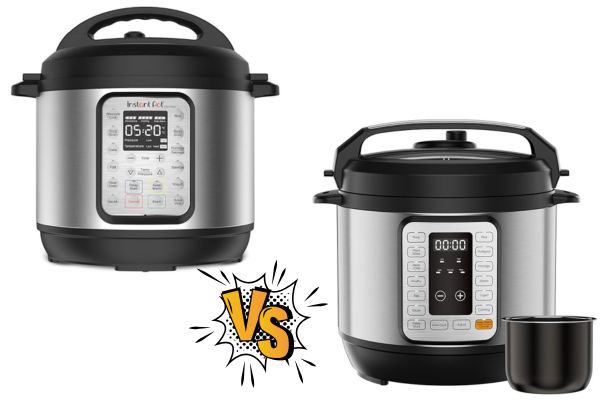
Instant Pot vs. knock-off brand: Is the name brand worth it?

I know from past surveys that many of our readers use Instant Pot-style multi-cookers in their RVs, so I thought this little experiment—comparing the name brand to a cheaper knock-off that claims to do the same thing—might be of interest.

Instant Pot was the original big name in multi-cooker appliances, and, for a while, it was pretty much the only game in town. These days, though, consumers have plenty of choices.

Most multi-cookers, even the basic models, can function as a pressure cooker, slow cooker, rice cooker, yogurt maker, steamer, and more. Most also include a sauté function, which means you can prepare an entire meal in a single pot—always a plus in an RV.

Even the name-brand Instant Pot doesn’t last forever. My old one gave me about five years of service before it finally died. As I went to order a replacement, someone suggested I look at a knock-off brand called DUMOS, available for a fraction of the price—about $50 compared to roughly $140 for a comparable Instant Pot.

I hesitated. But after comparing reviews, I noticed the cheaper option scored similarly to the name brand, so I decided to give it a shot.

Knock-off brand vs. Instant Pot: My findings

When I opened the box, I was surprised by just how closely the DUMOS resembled the Instant Pot in both design and function. In fact, I didn’t even need to read the instructions—the controls were intuitive because they worked almost exactly the same way.

Performance-wise? So far, they seem equally capable. Both have all the functions I regularly use. Both have high, medium, and low levels for pressure cooking and slow cooking. I have not experienced any difference in actual function.

I can’t speak to long-term durability, yet, since I’ve only been using the DUMOS for about a month. But given that my name-brand Instant Pot only lasted five years, I wasn’t exactly blown away by its “longevity.”

Where the Instant Pot wins

That said, the Instant Pot does come out ahead in a few areas. However, whether those differences are worth paying an extra $100 for is debatable.

1. Better build quality
The Instant Pot’s electronics feel more robust. It uses a thicker, three-prong power cord, while the DUMOS has a thinner, two-prong cord. The cheaper unit works fine so far, but the Instant Pot definitely feels more substantial.

2. Detachable power cord
The Instant Pot’s power cord detaches, making the appliance’s exterior easier to clean and slightly easier to store in tight RV spaces. The DUMOS cord is permanently attached.

3. Different gasket design
The inner gasket on the DUMOS is the same size, but it’s held in place differently with small silicone prongs. That makes me suspect Instant Pot replacement gaskets may not be interchangeable, but I don’t know for sure.  The only reason this would be a concern is when you need to replace the gasket, as I am sure it’s easier to find those for Instant Pots.

Final verdict

Aside from the differences mentioned above, these two handy cooking gadgets perform identically.

In a pure head-to-head comparison, the Instant Pot wins on build quality and convenience features. But does that justify spending an extra hundred bucks?

For me, no.

Since the name brand didn’t exactly wow me with longevity, I was willing to take a chance on the cheaper alternative.

If the DUMOS falls apart in six months, I may change my tune—but for now, I’m calling it a surprisingly solid budget alternative.

I’ll report back down the road if longevity becomes an issue.

Order from Amazon

RELATED

RVDT2909

Some of America’s best-rated campgrounds are still free. Why more RVers may be looking for them

If you’ve been wincing at campground rates lately, you’re probably not alone. Private campgrounds continue adding amenities that would have sounded almost unbelievable a generation ago. Pickleball courts. Resort-style pools. Clubhouses. Organized activities. Dog parks. In at least a few cases, even on-site bars. At the same time, many RVers have noticed something else: The bill keeps getting bigger.

That’s one reason a newly released list from camping app The Dyrt caught our attention. The company recently announced its 2026 roundup of America’s best free campgrounds, and the locations aren’t luxury RV resorts. They’re places where campers often bring their own water, make their own entertainment, and trade amenities for scenery, solitude, and elbow room. The campground that took the top spot this year was the Dragoon Mountains area in Arizona, a location many Southwest RVers know well. That got us wondering: As campground prices continue to rise, are more RVers starting to take a second look at free camping?

What many RVers are really paying for

The timing of the list is interesting because it comes just as campgrounds seem to be competing to offer more and more amenities. There’s nothing wrong with that. Plenty of RVers enjoy pools, activities, upgraded bathhouses, laundry facilities, dog runs, and all the other conveniences modern parks can provide. Families traveling with children or grandchildren may consider those features worth every penny.

But many RVers aren’t looking for a mini-resort. They’re looking for a quiet place to park, a nice view, and enough distance between campsites that they don’t know exactly what their neighbor cooked for dinner. For those campers, every new amenity raises a simple question: Am I actually using this stuff? If the answer is no, it’s easy to understand why free camping continues to hold such appeal.

The tradeoff many RVers willingly make

Nobody is pretending free camping is perfect. Most free campsites don’t come with hookups. There may be no dump station, no potable water, no reservations, and sometimes no guarantee you’ll find an open spot when you arrive. Some access roads can be rough enough to make owners of larger rigs think twice. In other words, there are tradeoffs.

But experienced boondockers usually view those tradeoffs differently than resort campers do. Instead of paying for amenities, they’re getting something else in return: privacy, open space, dark skies, quiet mornings, and room to spread out. A campsite where the nearest neighbor might be hundreds of feet away instead of separated by a picnic table and a strip of gravel. For many RVers, that’s not settling for less. It’s the whole point.

Why public lands still matter

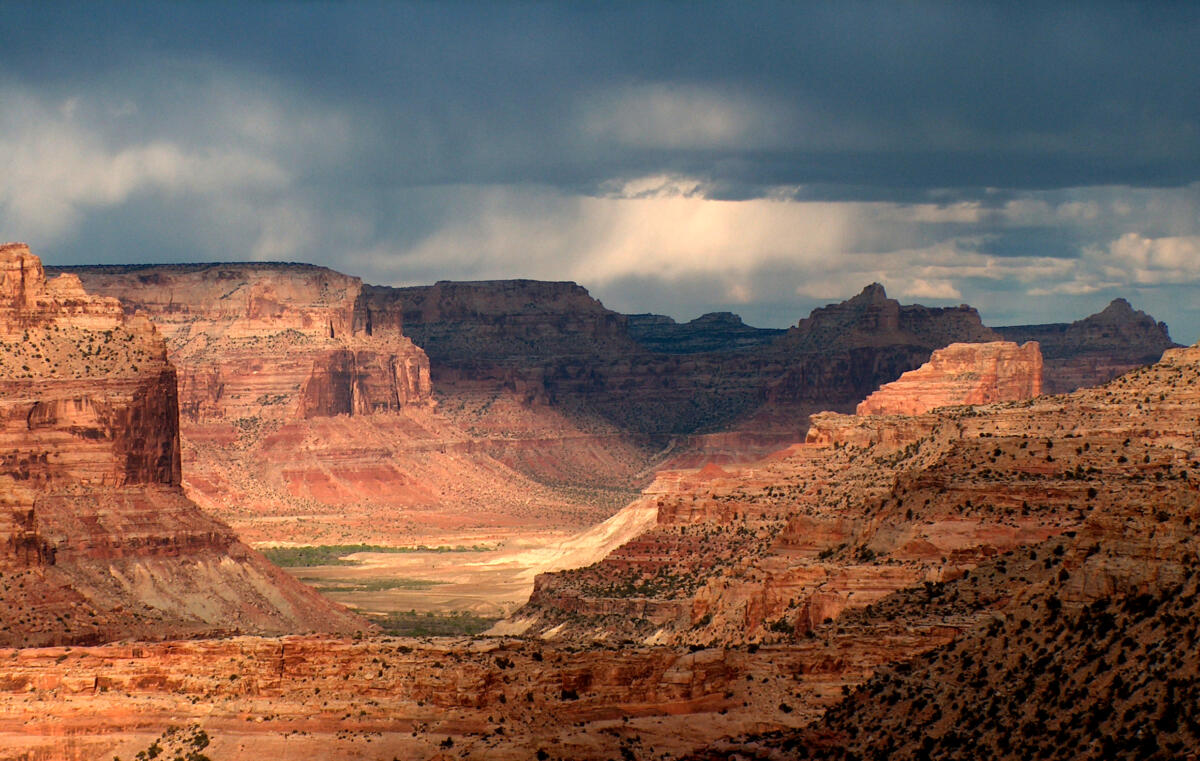
One reason free camping remains popular is simple: public lands often offer scenery that would be difficult—or impossible—to replicate in a traditional campground. Russ and Tiña De Maris photo.

One reason free camping remains possible is the enormous amount of public land available across the West. Much of it is managed by the Bureau of Land Management and the U.S. Forest Service, which continue to provide dispersed camping opportunities in many areas.

Anyone who has spent time around Quartzsite already understands the attraction. Every winter, thousands of RVers choose public lands over traditional campgrounds, often staying for weeks or months at a time. Across Arizona, Nevada, Utah, New Mexico, Idaho, Montana, and many other Western states, public lands continue to offer camping opportunities that would be impossible to duplicate in a commercial campground setting.

Of course, “free” isn’t entirely free. Campers still buy fuel. They still need water, propane, groceries, batteries, solar systems, dump stations, and sometimes internet equipment. But compared with paying nightly campground fees month after month, the math can still work out in favor of boondocking.

A reminder that not everyone wants a resort

What makes The Dyrt’s rankings interesting isn’t necessarily which campground landed at No. 1. It’s what the list says about campers.

For all the attention given to campground upgrades, luxury amenities, and resort-style experiences, there remains a large group of RVers who are perfectly happy with a legal place to park, a good view, and enough room to enjoy both. The campground industry is betting that more amenities will attract more customers. They may be right. But this latest ranking suggests plenty of campers still believe one of the best things about camping is the part that costs nothing.

RELATED

RVT1262b

Campgrounds keep adding amenities. Are RVers getting more value—or just higher rates?

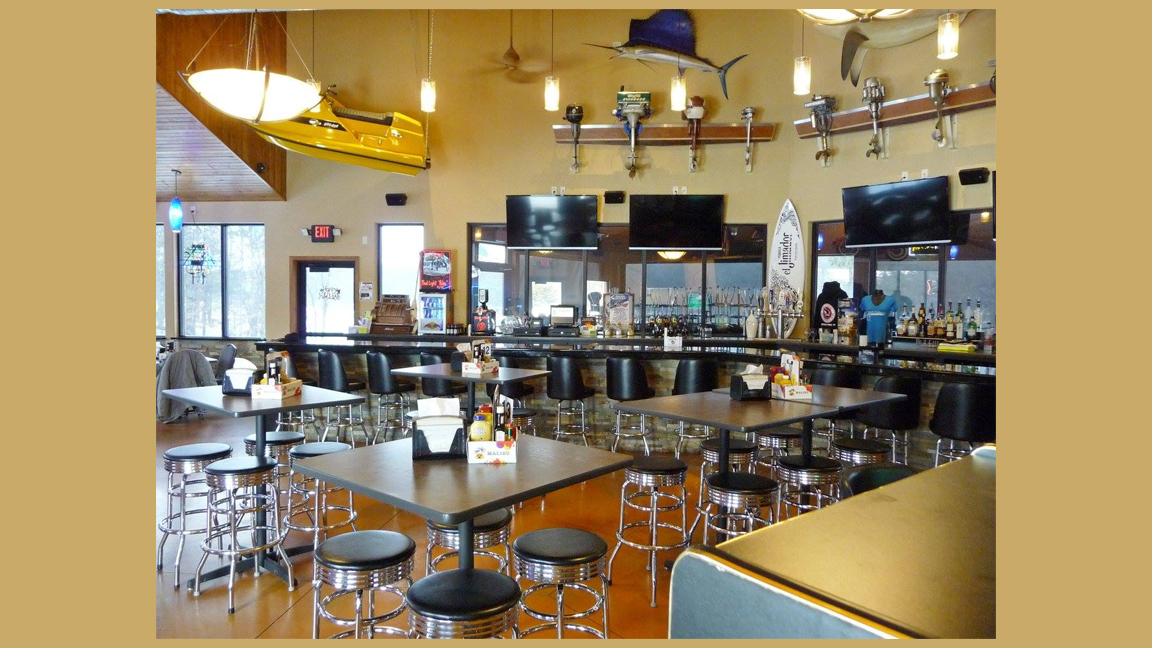
The latest campground amenity might surprise some RVers. It’s not bigger sites, upgraded electrical hookups, or faster Wi-Fi. In parts of Wisconsin, some campground operators are adding on-site bars, breweries, and taprooms as a way to attract guests and encourage them to spend more time—and money—inside the campground.

According to a recent report in Woodall’s Campground Magazine, several Wisconsin parks now feature bars, breweries, or similar gathering spaces as part of a broader effort to create destination-style camping experiences. The idea is simple: Give guests another reason to stay on property and view the campground as more than just a place to park an RV.

The Wisconsin developments may be unusual, but the larger trend isn’t. Across North America, campgrounds and RV resorts continue adding amenities that would have seemed out of place at many parks just a generation ago. Pickleball courts, splash pads, food trucks, organized entertainment, golf-cart rentals, dog parks, outdoor kitchens, fitness centers, and resort-style pools are becoming increasingly common.

For some RVers, that’s exactly what they’re looking for. For others, it raises a question: Are all these new amenities delivering more value—or simply helping drive campground rates even higher?

Amenities have become a competitive weapon

Campground owners face increasing competition for travelers’ dollars. Private parks are competing not only against nearby campgrounds, but also against vacation rentals, hotels, cruises, and other travel options.

Amenities have become one way to stand out.

A family traveling with children may choose a park with a splash pad and organized activities over a basic campground with full hookups. A snowbird staying for months may appreciate social gathering spaces, clubs, events, and recreational facilities. Some travelers specifically seek out resort-style destinations where the campground itself becomes part of the vacation experience.

The strategy appears to be working. Many newer RV resorts prominently market their amenities alongside site size and hookups, sometimes devoting more space to pools, clubhouses, and recreation areas than to the RV sites themselves.

But somebody has to pay for it

“Not every RVer wants a brewery, pickleball court, or splash pad. Many simply want reliable hookups, decent Wi-Fi, and a fair nightly rate.”

Of course, amenities are rarely free.

Pools require maintenance. Pickleball courts require construction and upkeep. Clubhouses consume energy and staffing resources. Bars and restaurants need employees, permits, inventory, insurance, and management.

Those costs eventually have to be recovered somehow, usually through nightly, weekly, or seasonal site rates.

That reality has become increasingly noticeable as campground prices continue climbing in many parts of the country. RVers frequently report paying substantially more than they did just a few years ago, especially at destination parks and resort-style properties.

Not every traveler feels they receive equal value from those additions.

An RVer who spends most of the day sightseeing may never use the pool, fitness center, clubhouse, or pickleball courts. Another traveler may specifically choose a resort-style park because of those features and consider the higher rate money well spent.

The challenge for campground operators is that their guests often want very different things.

What RVers often say they want

Ask a group of RVers what improvements they’d most like to see at campgrounds, and the answers often sound surprisingly practical.

Reliable Wi-Fi consistently ranks near the top of many wish lists. So do spacious sites, dependable electrical service, clean restrooms, well-maintained roads, adequate shade, and responsive management.

Those aren’t flashy amenities. They don’t generate glossy brochure photos or social media posts. But they’re often the features guests notice most when they’re missing.

That raises an interesting question for campground owners. Is the next must-have amenity another entertainment option—or simply doing the basics exceptionally well?

The question for RVers

The Wisconsin campground bars may be grabbing headlines, but they also highlight a larger shift taking place throughout the campground industry.

Many parks are evolving from simple overnight stops into destination resorts packed with activities and amenities. Some travelers welcome the change. Others would happily trade many of those extras for a lower nightly rate and a quiet campsite.

So what about you?

If adding amenities means higher campground rates, which features are actually worth paying for—and which ones would you gladly do without?

RELATED

RVT1262b

RV Daily Tips. Wednesday, May 20, 2026

America’s Original RV Newsletter. Since 2001
Issue 2908 • New issue every weekday


Today’s thought

“Never throughout history has a man who lived a life of ease left a name worth remembering.” —Theodore Roosevelt


Need an excuse to celebrate? Today is National Rescue Dog Day!

On this day in history: 1570 – Cartographer Abraham Ortelius issues Theatrum Orbis Terrarum, the first modern atlas.


Tip of the day
Easy tip for draining fresh water tank

By Nanci Dixon
Here’s an easy tip for draining the fresh water tank: Add a hose end!

As full-time RVers staying in different RV parks across the country over the years, we have wondered where to dump fresh water when it is not so fresh and the system needs sanitizing.

The RV park does not want us to drain 90 gallons (or even 20 gallons!) of water at the campsite. Although I will admit that I have resorted to stealth-opening the fresh water drain in the middle of a torrential downpour before we figured out this system… Continue reading.


In the RV shop with Dustin
How to identify your RV roof vent lid hinge style

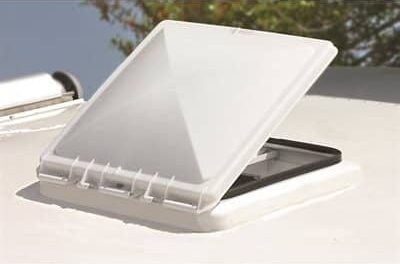
Did you know that there are five different RV vent lid styles? The main difference among them is how they hinge on the vent base. To better help yourself or your local repair shop, make sure you either remove the vent lid and take it in, or take a side and back view picture, so it’s easier to match it up. Continue reading.


Need an RV home base or mail forwarding?
Americas Mailbox helps RVers manage mail, licenses, and registrations from anywhere in America. Learn more here or call (605) 718-1234. Ask about tax savings.


Article and video
How to fix fiberglass trailer body damage

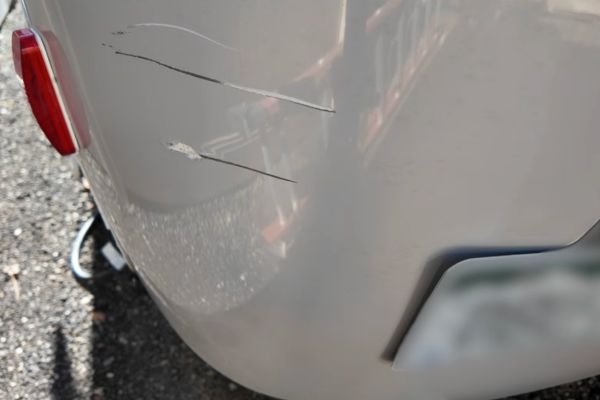
That scraping sound against a gate is the kind of mistake every fiberglass trailer owner fears. After backing a Casita Spirit Deluxe into metal, the owner found a gouge and scratches in the shell, but the damage stayed shallow enough for a DIY fix. Instead of paying about $500 for a body shop repair, the goal was simple: Learn how to fix fiberglass trailer body damage. That entailed sealing the fiberglass, rebuilding the low spots, and making the area look clean again. Here’s how to do it.


Funny mug of the day

Coffeepotmug
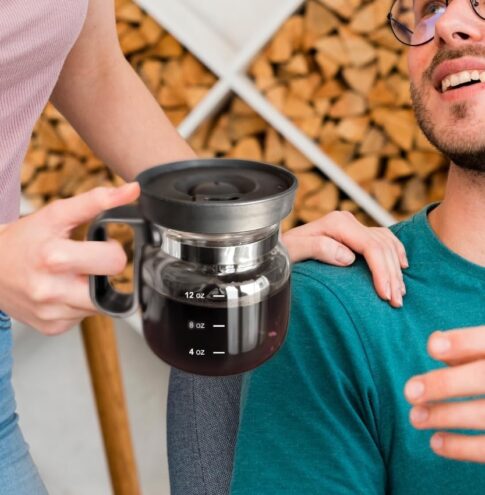
This coffee pot mug is so funny! It looks like a coffee pot, but it’s mug-sized with a lid and drinking spout. Check it out or order here

Featured article
Brilliant RV screen door hack—Why didn’t I think of that?

By Cheri Sicard
This YouTube shorts video may be very short on time, but it shares a BRILLIANT RV screen door tip that’s especially useful if you have pets or small children. It costs nothing and needs no installation, assuming your RV already has this accessory (and most do). Check this out.


Ask Dave
I’m still a fan of Dawn dish soap, but with a few variations

Read about more uses Dave has found for Dawn dish soap.


FrozenfruitsoftserveHealthy “ice cream” in your RV without the guilt (or price tag)
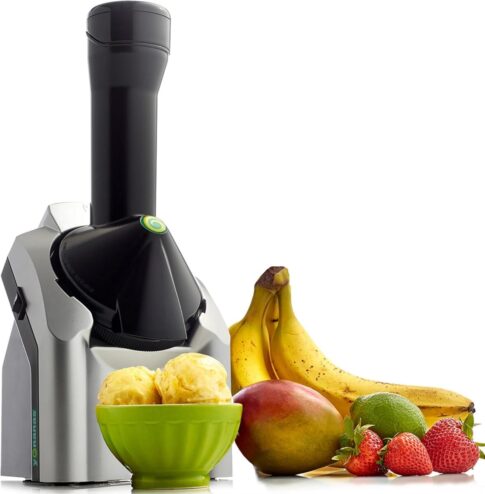
Craving something sweet but trying to eat healthier? This frozen fruit soft-serve maker turns any frozen fruit into creamy, ice-cream-style treats in minutes—no added sugar, dairy, or mystery ingredients. Gadgets like this are usually pricey, but this one keeps it simple and affordable. Easy to clean and perfect for small RV kitchens, it’s a smarter way to satisfy dessert cravings.


Reader poll
On your cell phone, do you talk more or text more?

Respond here.


Quick tip
Don’t allow antenna “wings” to contact RV roof

Add this to your inspection list: Are your roof-top antenna “wings” coming in contact with the roof when in travel position? If so, they may rub against the roof with road vibration and can actually chew a hole in your rubber roof. If it looks as if they are, GENTLY bend and flex them upward enough that they lose contact with the roof.


Website of the day

The best glamping in the USA
You can’t deny it… you’d totally trade your RV in for a night to stay at one of these ultra-luxe glamping locations, wouldn’t you? (For one night? We would!)


? MYSTERY PRODUCT OF THE DAY ?
Spot the difference! Okay, now spot the differience. No, really, spot the diffirence… Did you?


Trivia

In March of 1933, President Franklin Roosevelt called a meeting to create the Civilian Conservation Corps. He intended to put 500,000 unemployed youths to work in forests, parks and range lands across the country. In its nine years, the CCC employed more than 3 million men and left an undeniable imprint on the nation’s landscape. The CCC built more than 40,000 bridges, restored nearly 4,000 historic sites and structures, improved thousands of beaches, roads, and shorelines, and created 800 state parks.


Readers’ pet of the day

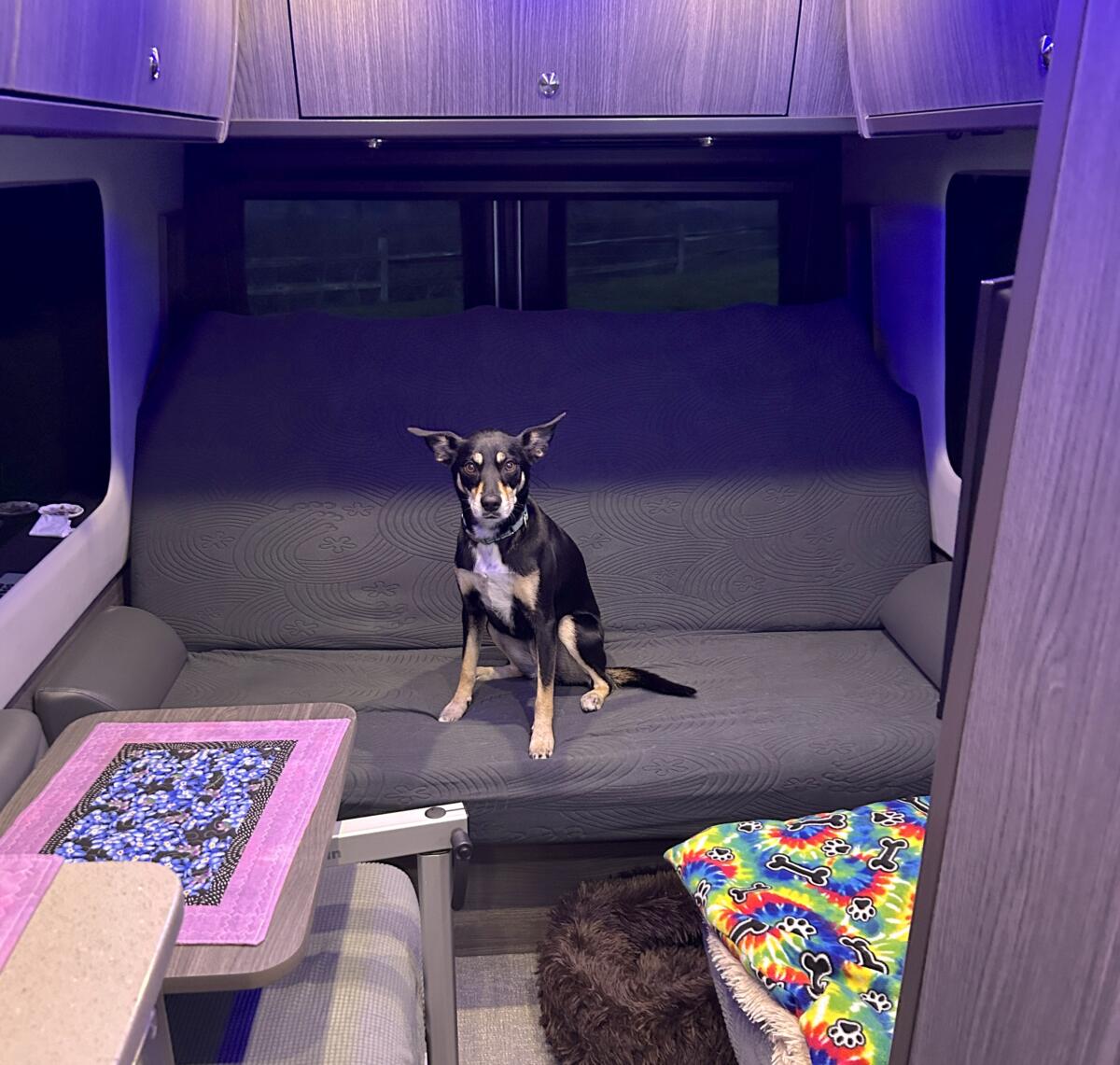
Img 1331 70181337bcb446f156bfd94776ad4fa2“Kala (mixed breed, age 7) is the perfect running or walking companion. She’s not really fond of driving days but is happy once we’re settled. She has a great fear of flying insects, as we were swarmed TERRIBLY by stink bugs while in Oregon in our Class A when she was young. She’s happy now that she can see her mom almost all the time in her new van, as long as there are no insects!” —Sherry Bell

Send us a photo of your pet with a short description. No blurry photos and please do not submit your photo more than once. Thanks!


IT’S TRUE: You can tell a lot about an RVer by how calmly they react when someone says, “Honey… what was that sound?”


Leave here with a laugh

What does a tapeworm have in common with the Eiffel Tower?
They’re both Paris sites.


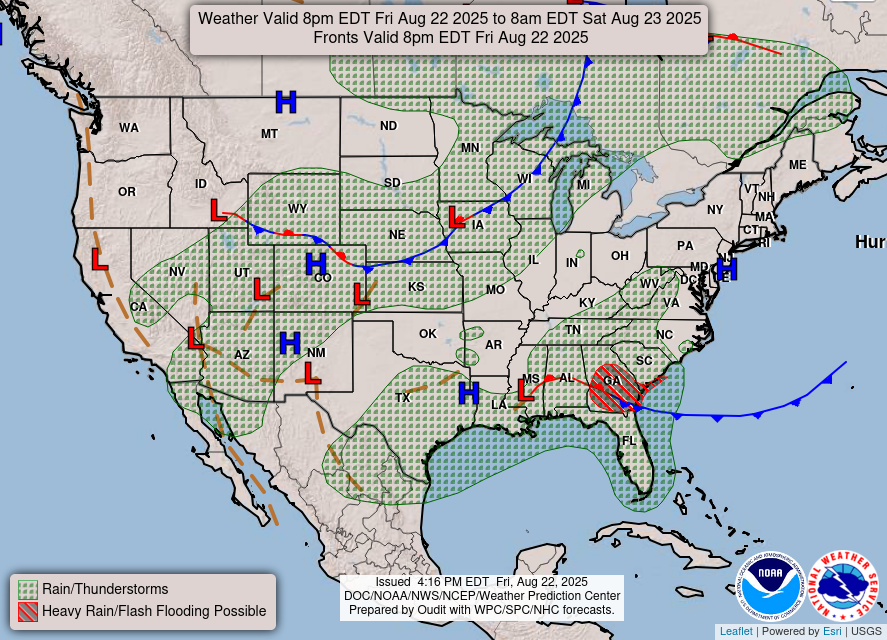
Today’s weather forecast across the nation
THIS MAP UPDATES TWICE A DAY

Visit Current National Radar Weather Map


Did you miss the latest RV Travel Newsletter? If so, read it here.
Oh, and if you missed the Latest News for RVers, make sure to catch up here.


If you shop at Amazon.com we’d appreciate you using this link. We get an itty bitty commission if you buy something, but they add up and help us pay our bills (most importantly our hard-working writers!). 


RVtravel.com All-Star Staff

Click here for information about our staff and how to contact us.

WHY WE ASK FOR DONATIONS INSTEAD OF SELLING SUBSCRIPTIONS.

Our policy on using artificial intelligence.

The many uses for Dawn dish soap for RVers

As most of you know, I have been a fan of Dawn dish soap for many years, although I do believe it might not be good for RV sidewalls with ceramic coating or wax.

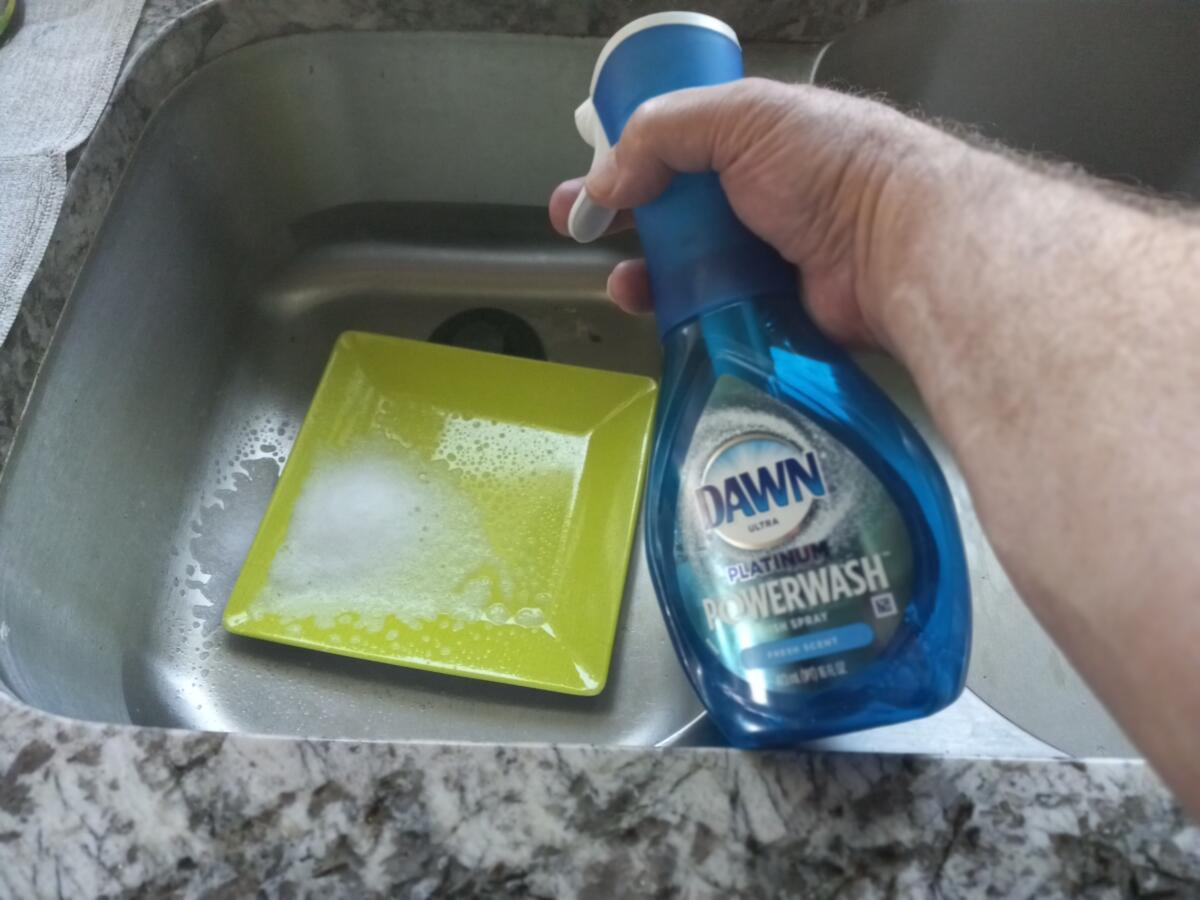
However, there are several more uses that Dawn dish soap and it’s younger brother Dawn Powerwash are good for. The advantage of the Dawn Powerwash is convenience, and it doesn’t need water.

Dawn Powerwash
Dawn Powerwash

Cleaning greasy parts and hands

I have found over the years that traditional soaps are not strong enough to clean my hands or parts that are oily or greasy. A shot of Dawn dish soap or Dawn Powerwash cuts the grease and leaves a clean, smooth skin.

Cuts through soap scum and hard water scale

Most of the water you use at the campground or even after filling your fresh water tank from home is hard water. That creates a calcium buildup on shower walls, toilets, and other places that can be a challenge to get off, even with a ton of elbow grease. Simply spray Dawn Powerwash on the entire surface and let it sit for 5 minutes. You will be amazed at how easy it is to clean the surface.

It also works on windshields and windows, as some of those can get “etched” with runoff from the roof material.

Carpet/fabric cleaner

For years I have used Windex as a carpet and fabric cleaner, not only for my own rigs, but also for sprucing up carpet and fabrics during shows where thousands of kids with grubby hands and shoes tear through display models.

Just a few years ago I started using Dawn Powerwash sprayed on the stain and let it sit for a few minutes. Then I blot it with a damp rag or towel. It also works on stains on clothing. Just make sure you test it on an area that doesn’t show on some of the more delicate materials like silk first.

Clean awnings and patio rugs

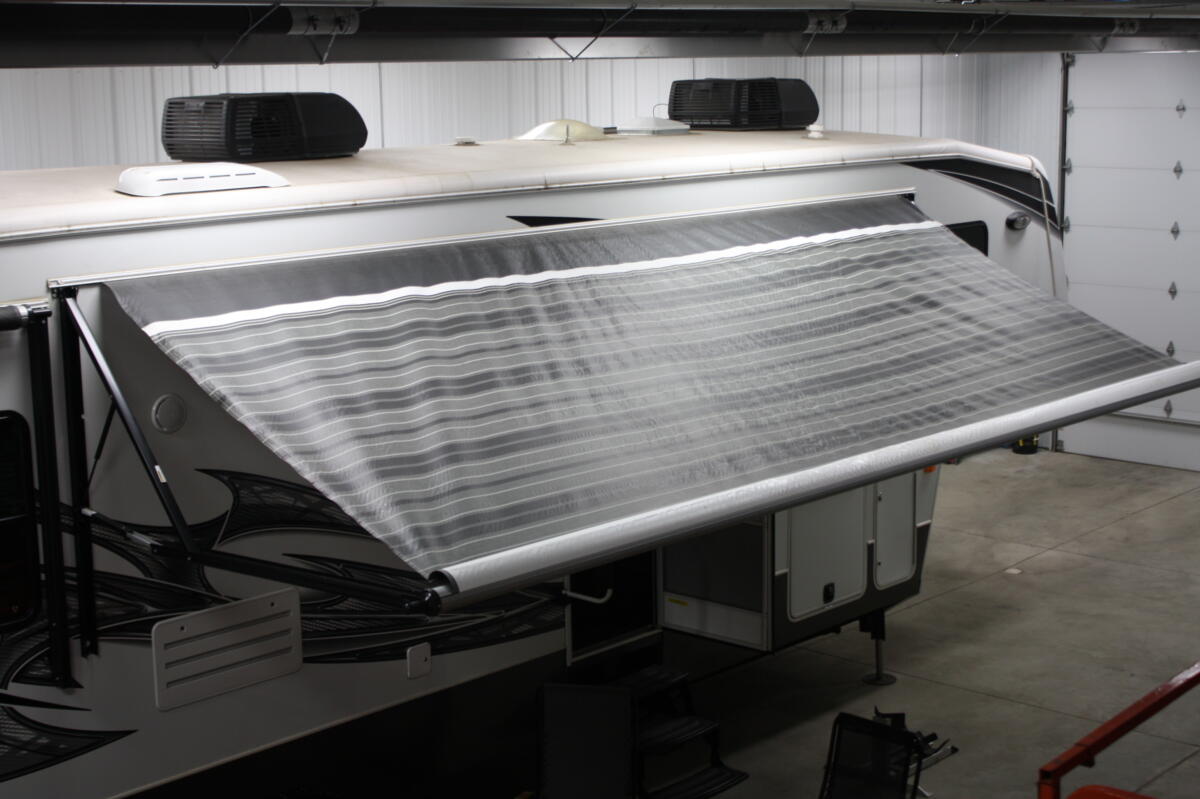
Most awnings and patio rugs are actually a weave of material and can trap dirt and grease easily. Mixing Dawn dish soap in a 5-gallon bucket makes it easy to apply the mixture with a brush or small broom to the underside of the awning. Retract the awning and let it sit for about 10 minutes so it coats the top material as well. Extend the awning and rinse it thoroughly. Let it dry before storing it, otherwise you will get mold and mildew.

Awning

Patio rugs are made of a similar material as they are exposed to environmental conditions, especially rain and morning dew. Use the same mixture to clean the material using a small broom or brush and rinse well. Spot-treat any stains, especially grease from a BBQ grill. It works wonders!

Cleaning grills and stovetops

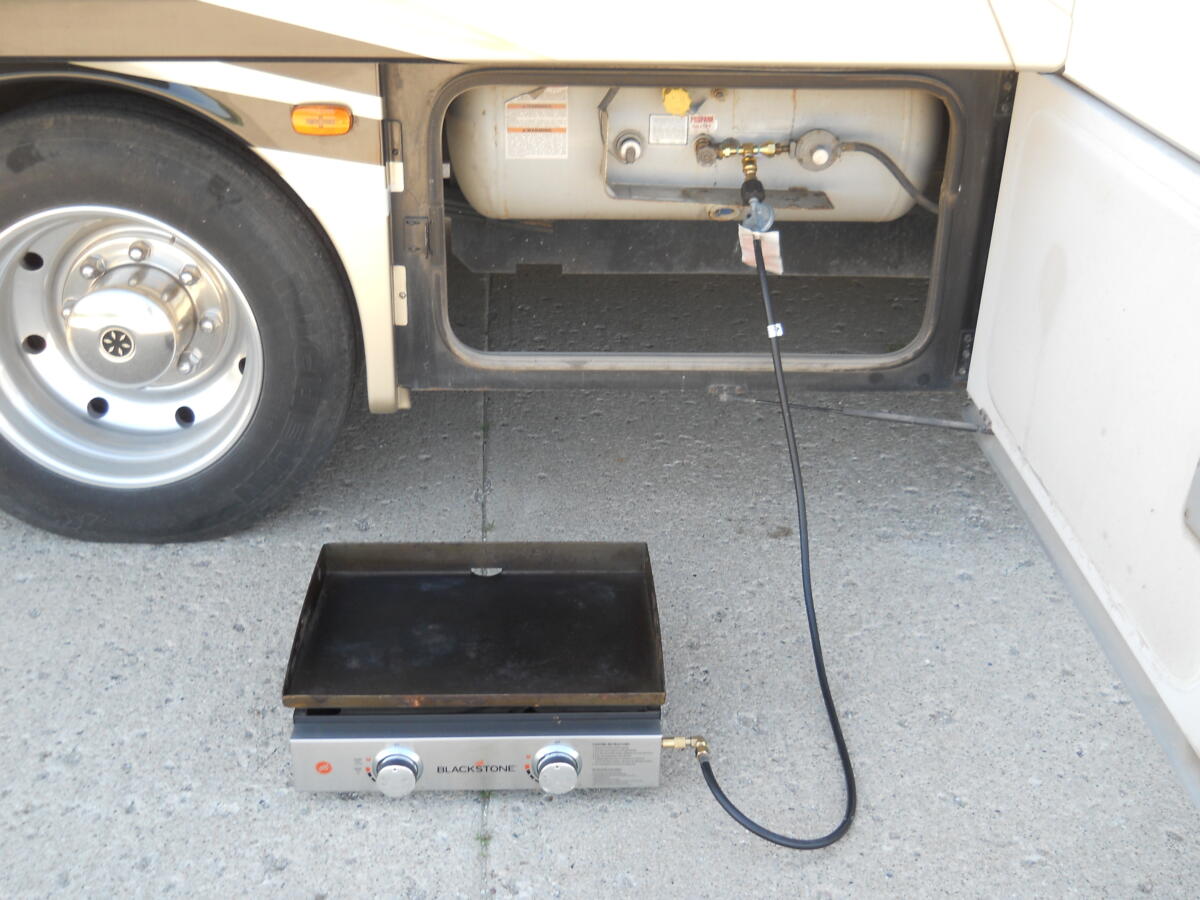
Your favorite Blackstone grill can get pretty greasy and grimy over the camping season. Dawn dish soap or Powerwash will cut through the mess. For flat griddles like Blackstone, heat the surface and spray Dawn Powerwash heavily and let it sit for a few minutes.

Blackstone 2
Blackstone

You RV stovetop can get very greasy, as well as the backsplash and even the range hood above the stovetop. Use Dawn Powerwash to cut through the grease and keep it clean.

Clean dirty grab bars, door handles, and cabinets

Since our skin naturally has oils and collects dirt, anything we grab can get a layer of grime on it. Those surfaces include the RV’s entrance grab handle, cabinet handles, and even the shower curtain as we pull it aside to get in. Just spray on Dawn Powerwash and clean it off.


 You might also enjoy these posts about Dawn 

DAVE HAS ANSWERED MORE THAN 1,000 readers’ maintenance and repair questions. Read a directory here. There is so much to learn!


Dave Solberg is a leading expert in the RV industry and the author of the “RV Handbook.”

HAVE A QUESTION FOR DAVE?

Send your inquiries to him using the form below.

Name
Drag & Drop Files, Choose Files to Upload

RVDT2908

Easy tip for draining fresh water tank

By Nanci Dixon
Here’s an easy tip for draining the fresh water tank: Add a hose end!

As full-time RVers staying in different RV parks across the country over the years, we have wondered where to dump fresh water when it is not so fresh and the system needs sanitizing.

Where to drain all that water?

The RV park does not want us to drain 90 gallons (or even 20 gallons!) of water at the campsite. Although, I will admit that I have resorted to stealth-opening the fresh water drain in the middle of a torrential downpour before we figured out this system…

Add a hose end

A couple of years ago, we added a hose end to the drainpipe to attach a hose to the drain and move the water off to a well-deserving tree or to the sewer. It worked okay, although after we installed it we realized that pipe threads are definitely different than hose threads and it was tough to get the hose on.

Too low

When a technician was replacing our water drain valve, he mentioned that the drain pipe was now too long with our extension and was in danger of hitting something in the road. That could rip out the whole drain pipe and put a hole in the fresh water tank. Not good…  very not good.

Easy fix

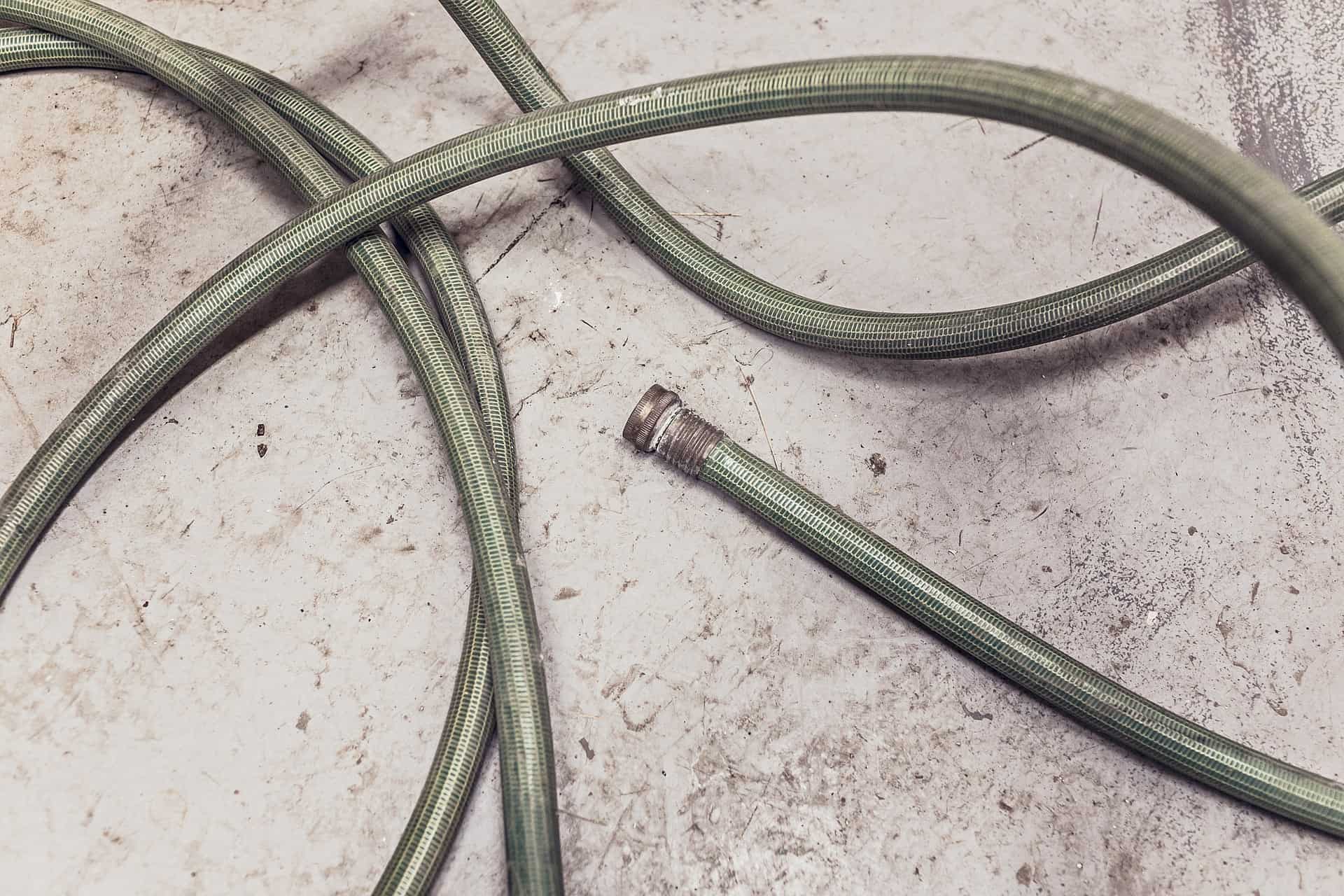
Did we want him to fix it? YES! He cut the drain pipe down a bit and added an elbow with a garden hose end. A real hose end at an angle—easy to attach a garden hose.

Easy drain

Now we can easily attach a hose (our flush hose—not the white drinking water hose) and drain the water off to a better place or put the end of the flush hose in the sewer pipe outlet. Hint: If you’re using the sewer pipe method, rinse and sanitize the hose well. It is not just fresh water that goes down the sewer pipe…

Fresh water drain with hose end
New water hose adapter under wet bay.

RELATED

RVDT2908

How to fix fiberglass trailer body damage

By Cheri Sicard
That scraping sound against a gate is the kind of mistake every fiberglass trailer owner fears. After backing a Casita Spirit Deluxe into metal, the owner found a gouge and scratches in the shell, but the damage stayed shallow enough for a DIY fix.

Instead of paying about $500 for a body shop repair, the goal was simple: Learn how to fix fiberglass trailer body damage. That entailed sealing the fiberglass, rebuilding the low spots, and making the area look clean again.

The video at the end of this post from High Desert Camping Adventures shows the full process.

The damage looked worse than it was

The first check mattered most. Once the area was cleaned up, the damage looked like a gouge with surface scratches, not a crack that had gone through the shell. That changed the whole plan.

Because the shell was still intact, this became more of a fill-and-seal repair than a major rebuild. The main concern was keeping moisture out and stopping the damaged spot from getting worse or starting small cracks over time.

Why a marine repair kit worked on a Casita

A fiberglass camper and a fiberglass boat use similar materials, so a marine fiberglass repair kit for boats and campers made sense here. The kit included a two-part epoxy filler made for chips, gouges, and small damaged areas.

This wasn’t a show-quality body shop finish. It was a practical owner repair with basic tools, including sandpaper, a mixing tool, a spreader, and a cleaning cloth. The key prep step was having everything ready before mixing, because epoxy starts curing fast.

The repair came together in a few careful steps

Clean first, then mix and fill: The damaged spot needed a clean surface so the filler could bond well. After that, the two epoxy parts were mixed until the color and texture looked even. Once mixed, the clock started. The filler was pressed into the gouge to push out air pockets, and a little extra was left on top so it could be sanded flush later.

Leave it alone overnight, then sand slowly: After the low spots were filled, the excess filler around the damaged area was cleaned off. That small step cut down the sanding work the next day.

The hardest part came next: Waiting.

After curing, it could be sanded: By morning, the filler had cured and could be sanded down. The sanding went slowly so the repair could blend into the original fiberglass without cutting too deeply. Once it was smooth, the patch already looked much better than expected.

A few small habits made the job easier:

• Tools were laid out before the epoxy was mixed.
• Extra filler stayed mostly inside the damaged area.
• Cure time got a full night.
• Sanding stayed gradual instead of aggressive.

A decal solved the touch-up paint problem

This is where Casita owners hit a snag. Casita doesn’t provide touch-up paint for the fiberglass shell, so matching the finish can be tough.

Since a sticker was already planned for that spot, the repair was finished with a U.S. flag decal for the camper wall. It covered the scratches, hid the color mismatch, and gave the camper a bit of personality at the same time.

A practical fix that saved the shell

The final result didn’t need to look like a body shop makeover. The gouge was filled, the shell was sealed again, and the damaged area looked clean and finished.

For a minor fiberglass hit, that kind of repair matters most. A mistake with a gate turned into a solid DIY fix, and even into a small upgrade.

RELATED

RVDT2908

On your cell phone, do you talk more or text more?

11

When you’re out enjoying the RV lifestyle, your phone can be a lifeline—whether it’s to check in with family, coordinate with friends, or just share the view from your campsite. But how do you use it most? Are you more likely to make a call (or hop on FaceTime), or do you mostly stick to texting?

Maybe you’re someone who likes to hear a familiar voice on the other end of the line. A phone call can make you feel closer to loved ones, especially when you’re parked miles from the nearest town or are states away from friends and family.

FaceTime or video calls can be the next best thing to being there in person—great for catching up with grandkids or seeing a friend’s face rather than just reading their words.

Or maybe you prefer to text. It’s quick, convenient, and perfect for nightly campground check-ins, sending a photo of the sunset, or confirming dinner plans with fellow travelers. Plus, texting works well when you’re in an area with limited cell coverage—sometimes that short message will send even when a call won’t go through.

So what about you—are you more of a talker or a texter when you’re traveling in your RV? Tap your choice in this week’s poll and let us know!

As always, thanks for voting!

MORE POLLS YOU MIGHT LIKE:

RVDT2908

How to identify your RV roof vent lid hinge style

By Dustin Simpson
Did you know that there are five different RV vent lid styles? The main difference among them is how they hinge on the vent base. To better help yourself or your local repair shop, make sure you either remove the vent lid and take it in, or take a side and back view picture so it’s easier to match it up.

(Click/tap to enlarge.)

Selecting the correct hinge style, color and material

Many RV owners want to match their vent lids with other items on the roof such as the roof air conditioner cover. Typically, the roof vent lids come in black or white. There are also some things to consider besides the appearance when purchasing your replacement vent lids…

What type of material is it made of: polypropylene or polycarbonate?

The polycarbonate vent lid has a higher impact resistance, and states that it’s virtually unbreakable under normal use. They include a longer warranty, and the lids are thicker and stronger, which helps to extend the life.

Polypropylene is your typical standard vent lid. It is very flexible and easier to damage due to less impact resistance.

Here is a short video clip explaining what to look for when going shopping for your vent lid cover.

I hope this information helped you to understand more about RV vent lids. Here are some other great Camco vent products that you might be interested in to help keep you cool or warm in your unit:

More from Dustin

Read more of Dustin’s articles here.

RELATED

RVDT2908