Home Blog Page 76

RV travel jumps 23 percent with 34 million RVers planning spring road trips

2

With major events like America’s 250th anniversary, the World Cup, and Route 66’s Centennial this year, RVing remains a top choice for spring travel.

A 23% increase from last spring, more than 34 million Americans plan to take an RV trip, according to the newly released Spring Travel Intention Survey from the RV Industry Association. As travelers prioritize affordability and flexibility, RVing offers the freedom to explore on their own terms.

“With so many incredible destinations across the country, there’s never been a better time to go RVing,” said Monika Geraci, RV Industry Association spokesperson. “RV travel allows people to create their own schedule, choose their favorite destinations, and share unforgettable experiences just beyond their door. We’re thrilled that more than 34 million Americans plan to take an RV trip this spring.”

Key findings from the survey:

National parks and coastal destinations lead travel plans

More than half of spring RV travelers plan to visit national parks, making them the most popular destination type, followed closely by beaches and coastal destinations. Private campgrounds and RV resorts are also top accommodation choices for RV travelers.

Pets influence travel plans and RV purchases

51% of leisure travelers plan to travel with their pets this spring, and the ability to bring pets along is a top priority. Survey findings show that pet-friendly travel options can increase consumers’ likelihood of purchasing an RV.

Outdoor recreation drives RV trips

Top-rated activities for spring RV travelers include hiking, backpacking, and biking, with many travelers using their RV as a basecamp for outdoor adventures.

Travelers seek better weather and fewer crowds

Many spring travelers say they are choosing spring RV trips for better weather, fewer crowds, and the flexibility to travel outside peak Spring Break weeks, highlighting the appeal of shoulder-season travel.

Travelers seek affordable nostalgia

Travelers considering RV trips cite the joy of road trips, the ability to travel affordably and in comfort, and opportunities to explore the outdoors as top reasons for choosing RV travel.

Longer drives are rebounding

Interest in longer RV trips is growing, with notable increases in travelers planning drives of four to seven hours and eight to fifteen hours from home, suggesting greater demand for regional road trips and multi-destination travel.

Generational trends highlight opportunities across the RV market

Gen Z travelers show the highest engagement with the RV industry and are the most likely to rent an RV, often using rentals as an entry point to the lifestyle and taking the longest trips.

Millennials demonstrate the strongest commitment to purchasing an RV and are most likely to travel with their children, reinforcing RVing’s role in family travel.

Gen X travelers also show the strongest commitment to purchasing an RV and prioritize traveling with their pets as a motivator to go RVing.

Boomers remain active RV travelers but tend to take a longer-term approach to purchases, often indicating a 7–12 month timeline when considering buying an RV.

Boomers also rank travel trailers as their preferred RV type—the highest preference among all generations.

Year-round travel intention is strong

74 million Americans are planning to go RVing in the next year.

Planning a 2026 RV trip? Here’s some inspiration

RVT1253b
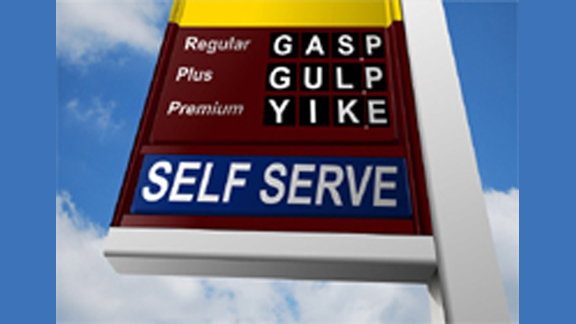
If gas prices stay high—or rise even more—will it affect your summer RVing plans?

27

Think about your upcoming summer travel plans for a moment. The routes you’re dreaming about, the campgrounds you’ve bookmarked… and then there’s the cost of getting there.

For today’s poll, we’re curious: If gas prices stay high—or climb even more—will it affect your summer RVing plans?

Fuel prices have been anything but predictable lately. Earlier this year, the national average was sitting closer to the low-$3 range per gallon, but recent spikes have pushed prices closer to $3.80–$4.00 in many areas, with some states well above that. And with global events affecting oil supply, experts say prices could continue to fluctuate—or rise—heading into peak travel season. (Here’s the latest.)

For some of you, that absolutely matters. RVs aren’t exactly fuel misers, so every bump at the pump adds up quickly. Longer trips, cross-country plans, or frequent moves between campgrounds can suddenly feel a lot more expensive.

Others take a different approach. Maybe you’ll still travel, but adjust how you do it—shorter trips, slower travel, staying longer in one place, or choosing destinations closer to home. The RV lifestyle is flexible, and many of you have already learned how to adapt when costs shift.

And then there are those of you who say it won’t change a thing. Travel is too important, and if anything, you’ll just budget around it. For many RVers, the experience—the places, the freedom, the time away—is worth the extra cost.

So what about you? If gas prices stay high—or go even higher—will it change your summer RV plans, or are you hitting the road no matter what? Go ahead and vote in today’s poll and please leave a comment with your thoughts below. Thank you.

MORE POLLS YOU MIGHT LIKE:

RVT1253b
Beyond the headlines with Tony Barthel: RVs are getting cooler, RVing is less cool, and some cool RVs

12

In this week’s look back at some of the headlines in the RV industry, we’re taking a look at something making the RV industry cooler, why some folks think RVing is less cool and a look at a couple of RVs that are… pretty cool.

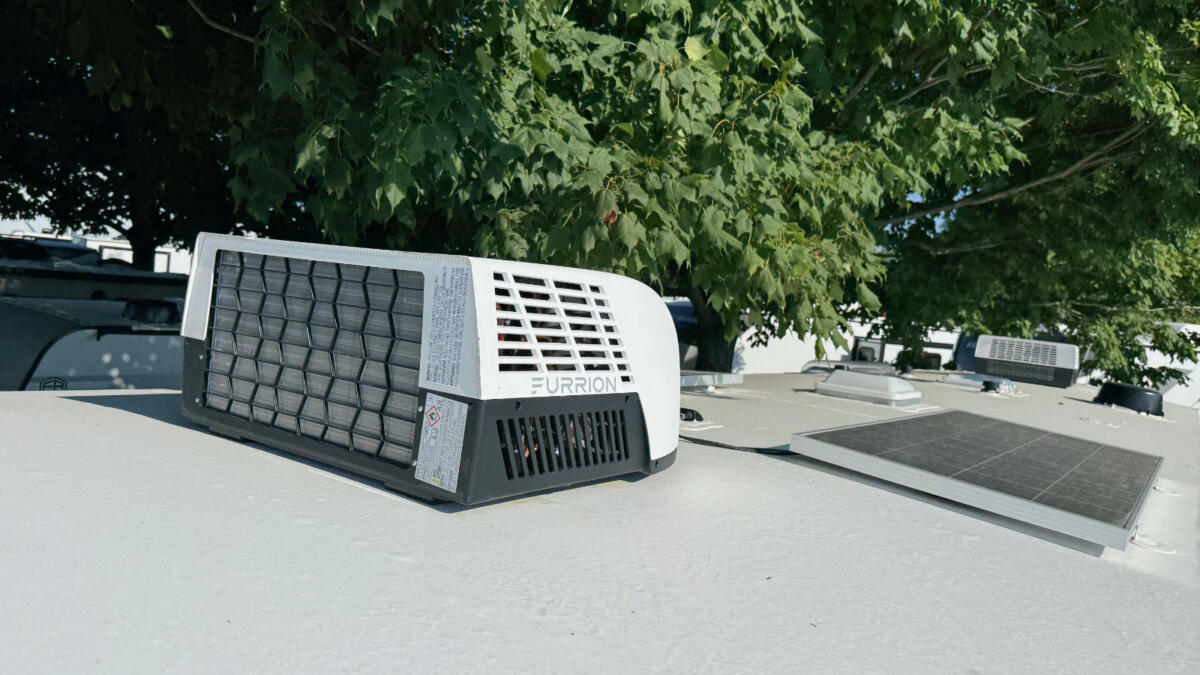
The standard Furrion Chill Cube is a remarkable new air conditioner that is setting a new standard

A/C units are getting cooler

I added a comment to Russ and Tiña’s article about RV air conditioners and how most of them have barely changed in many, many years. I have no issues with that, as most RVs nowadays are shipped with whatever’s the least expensive thing they can get by with. Knowing my buddies in the Hoosier State, they would gladly ship RVs with no air conditioners if they thought people wouldn’t notice. 

But here’s a funny thing about buying an RV. When you’re wandering the dealer’s lot, the RVs themselves aren’t plugged in or running, so many buyers have no idea how noisy RV A/C systems are, especially if they haven’t had an RV before. But change is in the air. 🥶

I shared an article a while back about the Furrion Chill Cube, which has found a home on the roof of a number of RVs now, including the Alliance Paradigm 312RK that I review in tomorrow’s newsletter. With the modern systems inside the Chill Cube plus just good design, it has taken the industry by storm, and you’ll find it on more and more RVs. In fact, the articles I’ve written here and elsewhere have sold a ton of these units. 

But that unit is about to get some real competition. Arguably, the leader in RV air conditioning by sales volume is the Coleman Mach product, and that company has now officially introduced their 18K variable-speed IntelliCool RV A/C unit. The thing is, I’ve been talking to the folks at Airxcel, which has been making this unit for a while now. And here’s a little secret: I’m going to have a full test of the unit in the next couple of months. 

So, before you buy an A/C, you might want to hold off to see how this new Coleman Mach unit compares to the Furrion Chill Cube. But it’s good to see that things are progressing. I’ll report back. 

Is traveling by RV getting less cool?

Another good article from Russ and Tiña this week is the reflection on the RVIA’s report that RV travel can be much less expensive than flying and staying in lodging, with all the costs associated with that. There are some good points in the article and, as always, I love the comments. 

What I’d like to add is that I think the RV industry is missing an opportunity here. While many of us travel because we prefer RVing, that’s not universally true. 

As RVers, we know that many of the times we hit the road, there’s going to be something that needs to be fixed—minor and sometimes major. With most vehicles nowadays, except RVs, being so very bulletproof, I think the industry should do a lot more to mitigate the frustrations many feel. I see a lot of comments on social media where people are frustrated with all the repairs brought about by this constant covering over repairs. 

I had shared that RV sales had seemed to stall, and, of course, many things factor into this. But the drumbeat I’m sensing based on social media posts is that there is a fair amount of frustration in newer RVers with the combination of costs and the maintenance required that has put a noteworthy number of these people off. 

And I believe it’s a contributing factor in people choosing other types of vacations, especially as campgrounds become more difficult to book and more expensive. 

How long is it? Fifth wheel length

There has been some ambiguity about measuring the length of a fifth wheel, but House Bill 2467 passed and was signed into law on Monday in Washington state. Interestingly, while you and I might figure the length of a thing is how long it is, this states that a fifth wheel is measured from the kingpin to the absolute end of the rig. 

So what about all the hangy-over bits?  

I guess the length of a fifth wheel isn’t really the length of a fifth wheel in Washington. Strange and, of course, this was encouraged by dealerships, with Tacoma RV spearheading this. 

smart RV trailer
Skydream says its proposed “smart” travel trailer would combine large lithium batteries, solar power, and automated systems aimed at extended off-grid camping. The company plans a U.S. debut in Silicon Valley this month, but key details such as weight, price, and production plans remain unclear.

The 1970s and RVs today

Before I got into writing about RVs, I wrote about cars. The point being that in the 1960s, car companies were generally operated by enthusiasts. By the 1970s, quality had suffered, and cars were pretty poorly made. This created an opportunity, and the Japanese gladly came in and took it with better products. In the 1960s, GM had so much market share that the government considered breaking it up. Today, the go-to car company is now really Toyota for many. 

The point of all this is that the RV industry, to me, seems like the auto industry of the 1970s. Instead of being run by enthusiasts, many RV decision makers never go RVing. And I think that’s creating an opportunity. 

I’m seeing companies start to step up with Lightship and Evotrex already showing up with different ideas, and now there’s China-based Skydream jumping on the bandwagon. But somehow, these all seem to be niche products. Thus far. But it shows that the RV industry is on the radar for some different thinking.

I’ve already shared that the RV industry could use a grumpy old guy who is an actual RV enthusiast, and I was surprised by the attention that got. I think I struck a nerve. 

But as I watch sales stall and people complain on social media, it makes me sad. It doesn’t have to be this way. And I also see that there are some companies that are more proactive about listening to customers. It’s not too late just yet. 

Stay up to date with all the news headlines for RVers. Click here

To read more from Tony, click here

RVT1253b

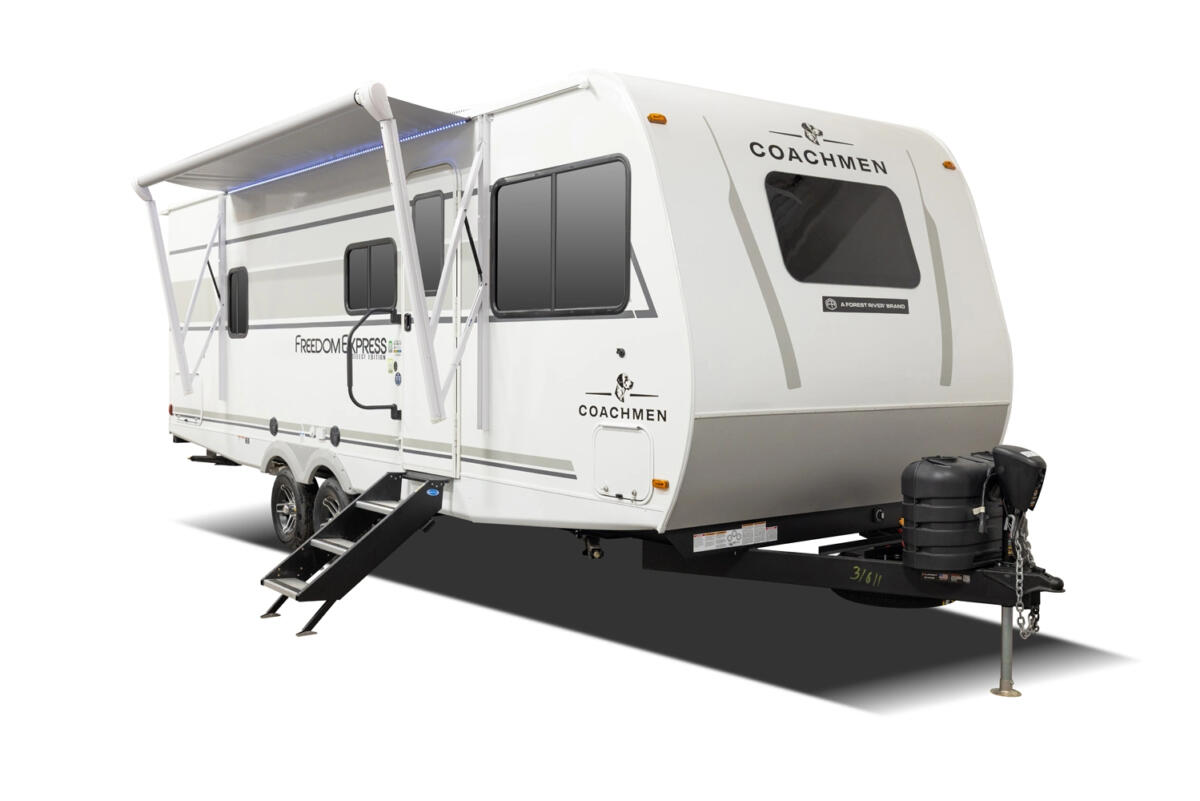
2026 Coachmen RV Freedom Express Select 249SE— ‘One of the best no-slide campers ever’

After more than 17 years around RVs, Josh the RV Nerd at Bish’s RV calls the 2026 Coachmen RV Freedom Express Select 249SE one of the best no-slide couple’s campers he’s ever seen.

This trailer leans into classic camping roots, but it still brings modern essentials: a private rear true-queen bedroom, a tall 6’9″ ceiling, and a front lounge that feels wide-open, thanks to full front window coverage.

The 249SE is built around a simple idea: Keep it easy to tow, easy to live in, and easy to use while traveling. With no slide-outs to manage, it’s also a solid fit for quick overnights and “stealth mode” travel stops, since the whole interior stays accessible.

Key specs:

Spec Value
Length 28’5″
Height 11’0″
Width 8′
Ceiling height 6’9″
Awning 14′
Hitch weight 674 lb.
Empty weight 5,132 lb.
Max weight 7,400 lb.
Fresh / Gray / Black 52 / 35 / 35 gal.
Solar 200w


Interior

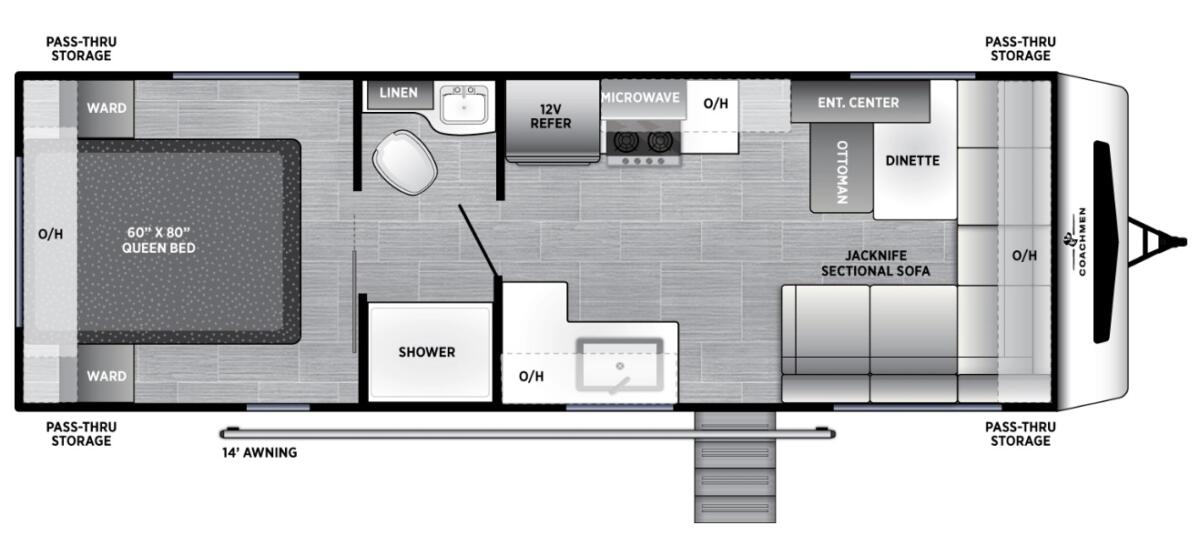
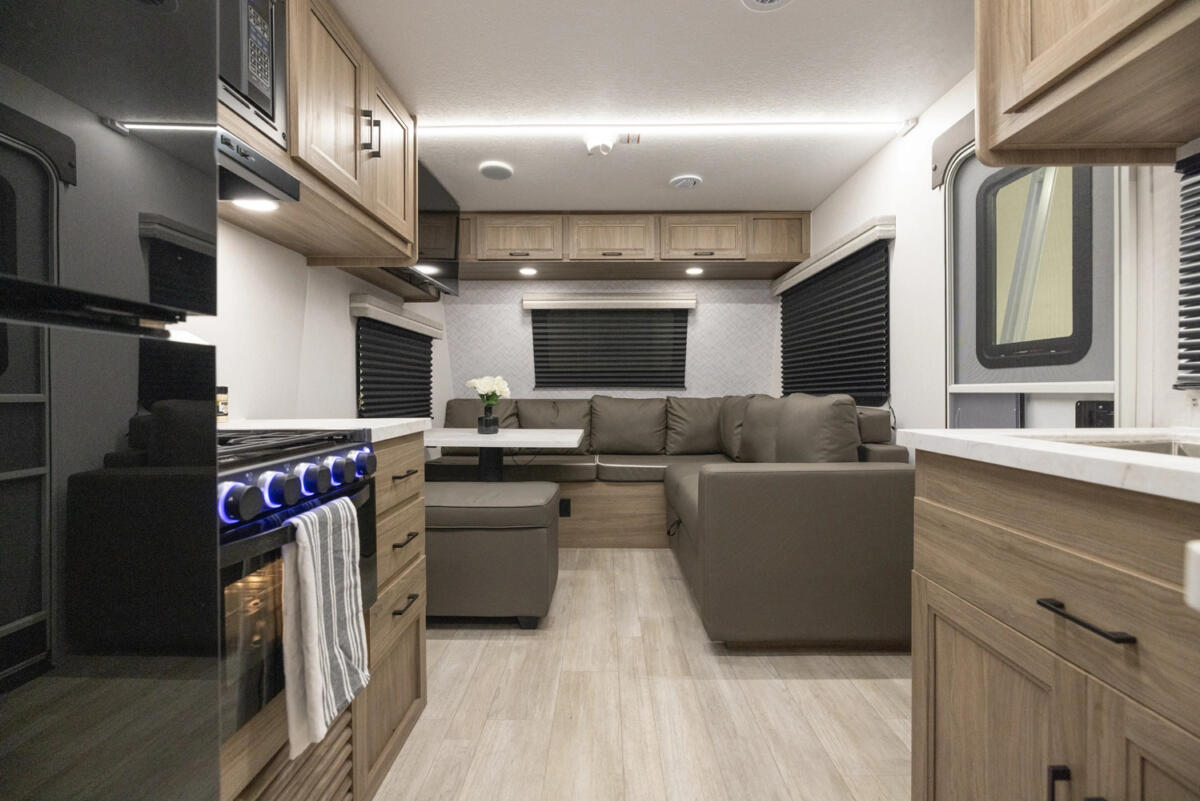
ScreenshotThe front of the trailer is the showpiece. Instead of a slide, it uses a wraparound lounge and dinette area with oversized windows on the camp side, plus more glass up front. That window wall is what makes it feel bigger than most no-slide campers.

The table and the padded ottoman-style bench are free-floating, so owners can leave them in place, shift them around, or pull them out to open the floor. The TV sits directly across from the main seating area. It’s mounted higher than some people like, but it can pivot.

The big win here is flexibility: The space can act like a lounge, a dinette, or a wide-open sitting room.

Int2

That whole front setup converts into one large sleeping space. Josh points out a few tradeoffs: cushion seams, plus small gaps at the corners where pieces meet. For occasional guests, the easiest move might be skipping the full conversion and letting someone sleep on the long bench. Another option he mentions is using an inflatable air mattress on top to smooth things out.

Kitchen in the Freedom Express 249SE

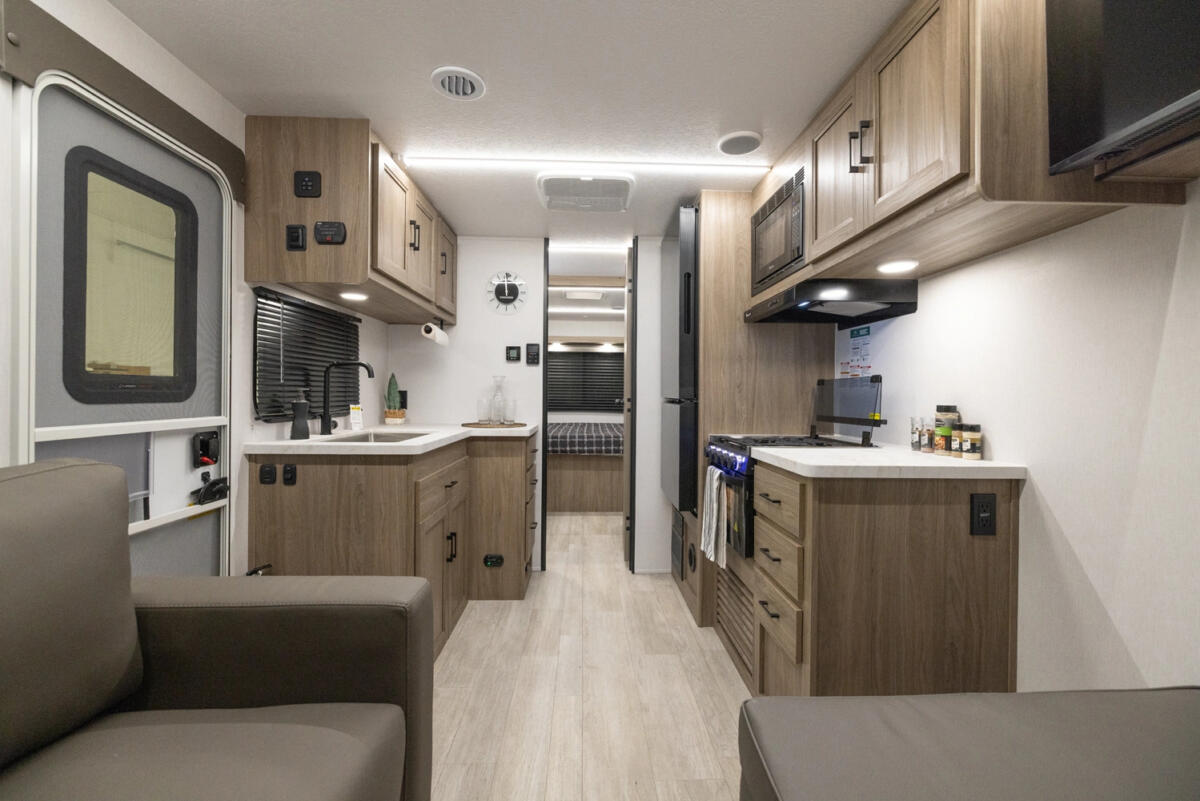
The kitchen sits mid-coach in a walkthrough layout, which isn’t common. People who cook big meals outside and inside might find the traffic flow annoying. Casual campers may not care.

Freedomexpressint1

Storage is a highlight. The under-sink drawer system wraps around the basin and is one of the smarter utensil setups in this price lane. There’s also a well-placed outlet on the interior partition that works nicely for a coffee maker. Even in this more budget-friendly SE series, it still includes a gas oven, which is getting harder to find.

Bathroom

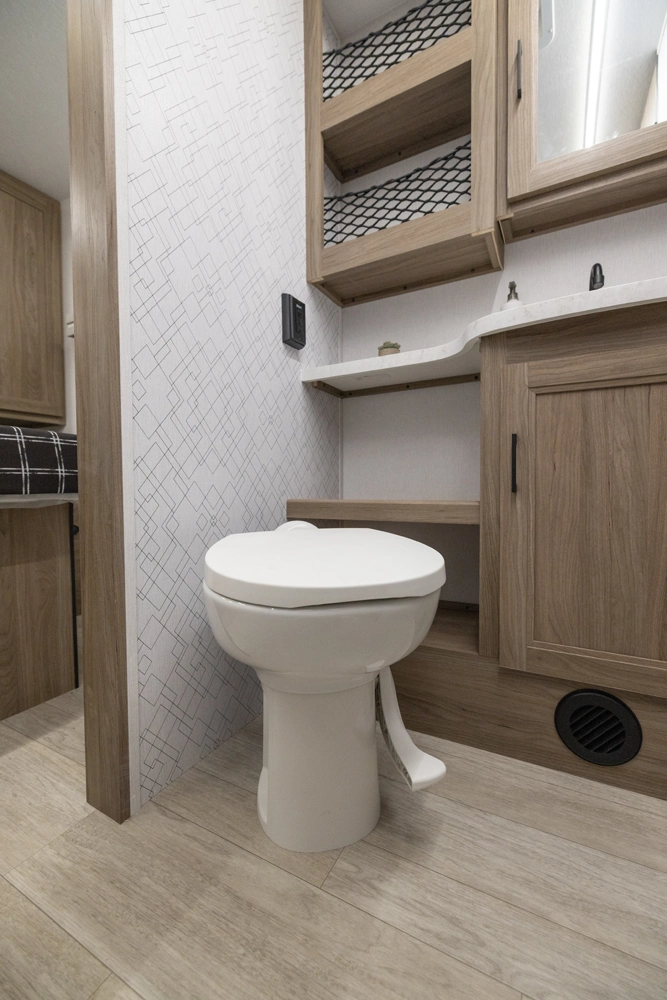
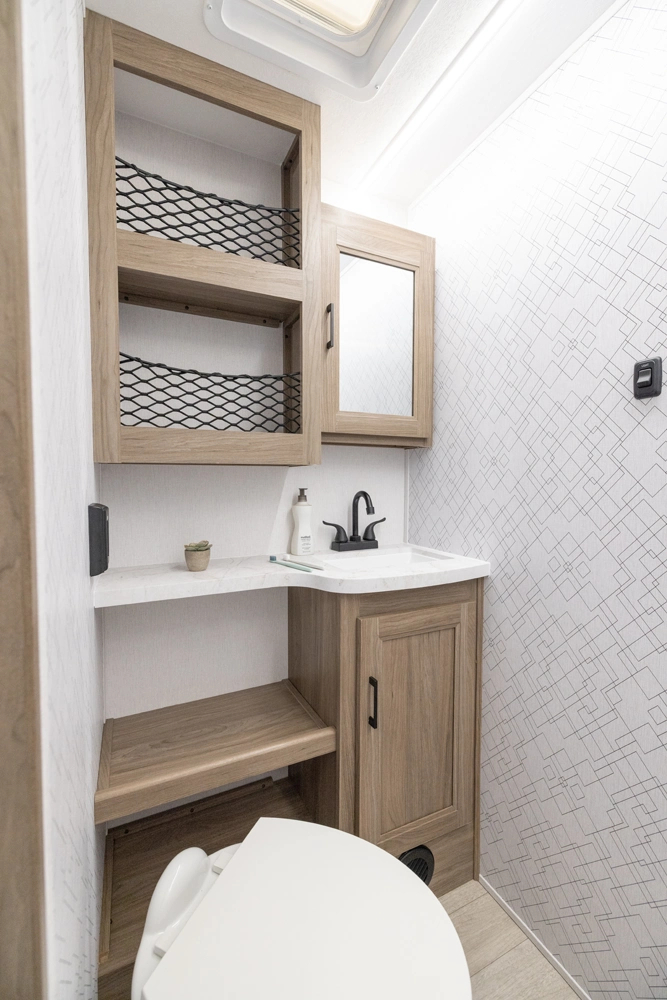
The bathroom uses a walkthrough design with doors that can close off areas. That can mean more bathroom space in a shorter RV, but it can also “cut off” the trailer if someone’s inside, since there’s no second door into the bedroom.

The shower is rectangular, taller, and uses retractable doors. It’s also prepped for a second air conditioner in the vent, which matters in hotter regions.

Bath1 Bath2

Bedroom

The rear bedroom holds a 60×80 true queen. It’s partly walk-around, although the large pass-through storage underneath affects side clearance. Still, the nightstands are generous and include household and USB outlets. There’s also a “CPAP storage station” label, but Josh isn’t convinced it clearly matches a specific compartment.

Bed

Exterior

Outside, the rear-bedroom design creates a huge storage opportunity, with pass-through access and an easier way to reach shifted cargo through the rear access door.

Build and feature notes mentioned in the walkthrough include double Azdel wall construction, an enclosed and forced-air heated underbelly, a ducted 15,000 BTU A/C, tire pressure monitoring, and a standard 200-watt solar package.

Final thoughts

The 2026 Freedom Express 249SE is for couples who want a bright front lounge, a real private bedroom, and the simplicity of a no-slide trailer. It won’t be everyone’s favorite kitchen layout, and the awning size feels limited by the floor plan, but the overall concept is rare in today’s market. For shoppers who miss “simple but smart” RV design, Josh says that this one makes a strong case.

Learn more about the 2026 Coachmen Freedom Express 249SE here.

RELATED RV REVIEWS

RVT1253b

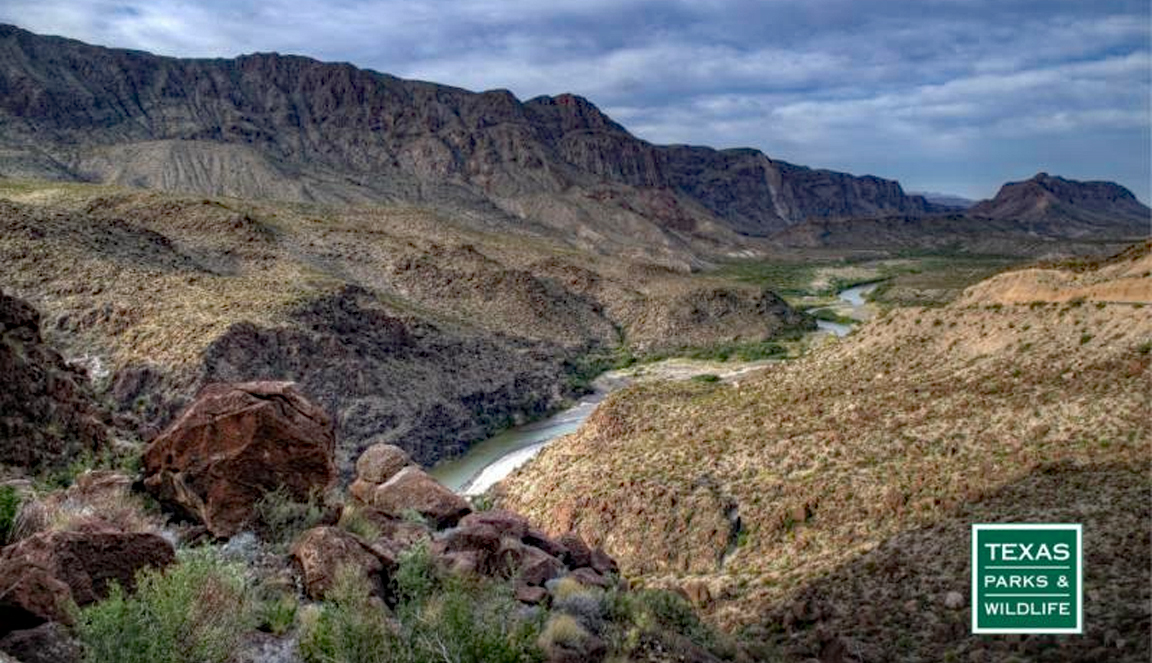
Big Bend’s most popular campground, area to close for two years

1

If Big Bend National Park has been on your radar, the chance to experience the Chisos Basin as it is now is running out. Beginning May 1, 2026, the National Park Service will close the entire Chisos Basin area for about two years to carry out major construction.

The upside for off-roaders and overlanders? The park’s vast backcountry road network will remain fully open.

What’s closing—and why

On May 1, Chisos Basin Road will be gated at the base, cutting off access to several key areas for the duration of the project:

• Chisos Mountains Lodge (lodging closes April 28; the restaurant is already closed)
• Chisos Basin Campground (final night is April 30)
• Basin Visitor Center and camper store
• Trailheads for Lost Mine, Window, Laguna Meadows, Pinnacles, Basin Loop, and Amphitheater trails

The $22.63 million project is funded through the Great American Outdoors Act Legacy Restoration Fund. The current lodge, built in 1964, has suffered decades of structural issues due to unstable clay soils beneath it. Engineers determined that repairing the foundation would essentially require a full rebuild, so the Park Service opted to replace the structure entirely on the same footprint. At the same time, outdated water infrastructure from the 1950s will also be replaced.

As construction progresses, officials will evaluate whether portions of the area can safely reopen in phases.

Backcountry access remains wide open

The Chisos Basin represents only a small portion of Big Bend National Park. Spanning more than 800,000 acres along the Rio Grande, the park remains one of the most remote in the Lower 48—and none of its backcountry roads are impacted.

Popular 4WD routes staying open include:

• Old Ore Road — 26 miles of rugged, high-clearance terrain
• Black Gap Road — Remote and technical, connecting to Black Gap Wildlife Management Area
• Glenn Springs Road — Desert route to a historic settlement site
• Strawhouse Trail — Primitive route toward the Rio Grande; high-clearance required
• River Road — Mix of paved and unpaved stretches along dramatic canyon scenery

The Park Service says visitors will still have access to hundreds of miles of scenic drives, primitive and developed campsites, river access, and more than 150 miles of hiking trails.

Camping alternatives inside the park

With the Basin Campground’s 60 sites offline, options within the park will be more limited:

• Rio Grande Village Campground — About 100 sites at lower elevation. Open year-round but extremely hot in summer. Nearby full-hookup RV sites are available. Expect higher demand.
• Cottonwood Campground — 22 sites near Castolon on the park’s western side. No hookups, but quieter and scenic.

Backcountry camping remains available with a permit, including high-elevation sites in the Chisos Mountains. However, routes to those areas will now require longer, more strenuous approaches via Blue Creek or Juniper Canyon.

Starting May 1, permits for Chisos backcountry sites will no longer be available in advance—they must be obtained in person at Panther Junction Visitor Center within 24 hours of your trip.

What to know before you go

The closure is expected to last from May 1, 2026, through roughly spring 2028. To help fill the gap left by the Basin restaurant, food truck options may be added at Panther Junction and Rio Grande Village. Nearby gateway towns like Terlingua, Study Butte, Alpine, and Marathon will remain important stops for food and supplies.

If you’re planning a summer visit, be prepared for extreme heat—temperatures regularly exceed 100°F. Bring more water than you think you’ll need and reserve campsites early.

For overlanders, though, this could be a rare window. The backcountry remains open, crowds around the Basin will disappear, and one of the least-visited national parks in the Lower 48 may feel even more remote than usual—so long as you’re willing to go without the lodge for a while.

RELATED

RVT1253b

Washington State Parks increases out-of-state reservation fees, and more

12

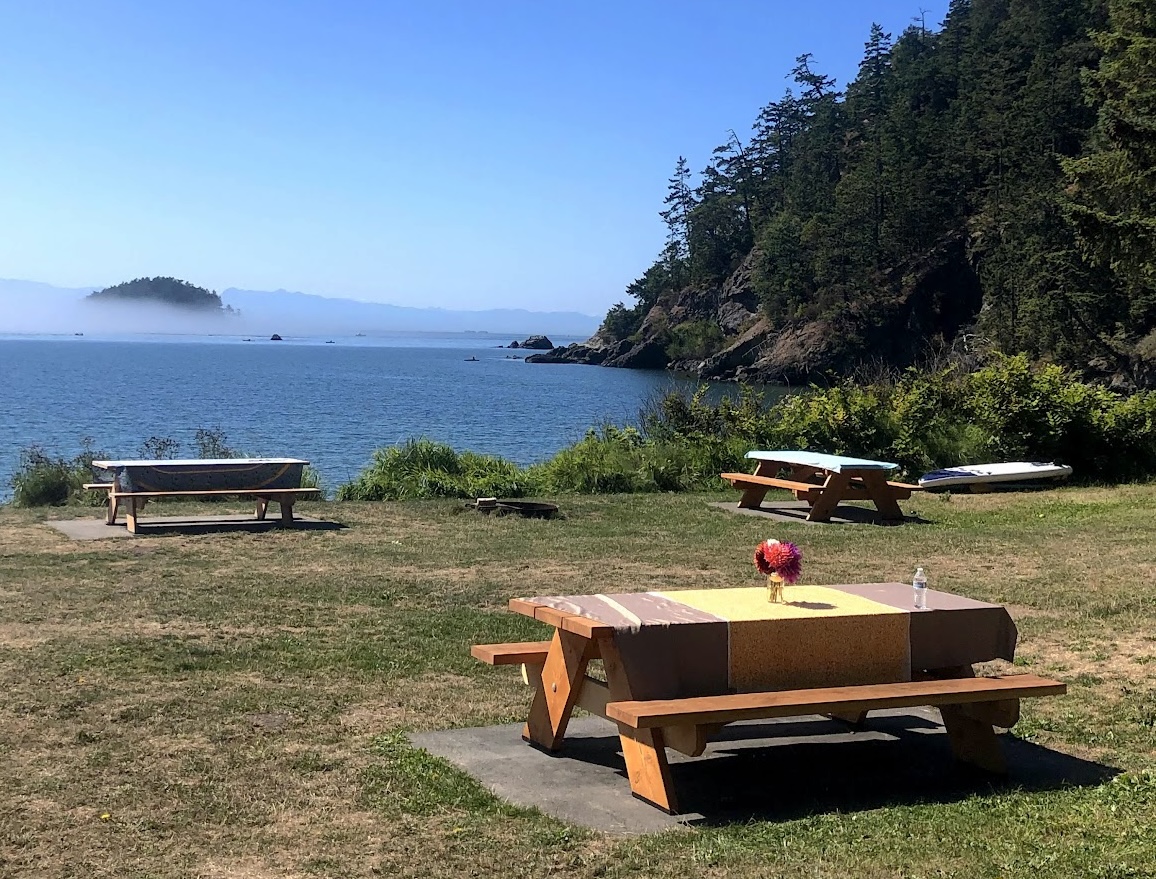
The Washington State Parks system is older than the National Parks system and stewards 122,000 acres of land in every corner of the state. Many of the icons that signify a place in Washington can be found in a state park—the Deception Pass bridge, the state waterfall at Palouse Falls, orcas off the point at Lime Kiln, and so much more.

State parks are beloved by residents and travelers alike. They see the most visitors despite having the fewest acres of any state-managed lands agency, more than 40 million visitors a year. And of those, 2.3 million choose to stay the night in one of more than 100 parks.

The revenue state parks earns from roofed accommodations, camping, Discover Pass sales and other fees is a core funding stream that helps keep state parks staffed, operational and open for access to all Washingtonians.

To continue to meet the needs of its visitors, the agency is increasing some fees in 2026 and early 2027. The fee increases include the Senior Off-Season Pass, non-resident reservation fee, and roofed accommodation fees, which apply to cabins, yurts, and vacation homes.

Fee changes for Washington State Parks

Effective April 1, 2026, the non-resident reservation fee will change from $5 to $15. Reservations made before April 1, 2026, will not be affected by the fee change.

The average non-resident reservation is two nights or more, so this fee change adds less than $5 per night to an average stay while shifting a small percentage of the user fee burden away from Washington residents.

Effective Sept. 1, 2026, the Senior Off-Season Pass will increase from $75 to $100. The additional nightly utility fee will also increase from $10 to $12. Senior Limited Income Pass holders will continue receiving a 50% discount on the Senior Off-Season Pass.

This is the first time both the Senior Off-Season Pass and the non-resident reservation fee have been adjusted in more than a decade.

Effective Jan. 1, 2027, roofed accommodation fees will increase. Adirondack, teepee and some vacation rental fees will not change. Cabin and yurt pricing will also be standardized to provide customers with more consistency and transparency during the booking process.

Because visitors are able to book reservations up to nine months in advance of their stay, customers will begin to see updated fees on April 1, 2026, for stays beginning Jan. 1, 2027.

Discount pass program

State Parks recognizes rising costs aren’t just impacting the agency—they’re impacting park visitors as well, so any fee adjustments are made under careful consideration. Since 2019, utility costs have increased by more than 37 percent, and cabin construction costs have increased by more than 90 percent.

In 2025, in response to the state’s budget shortfall, the Legislature reduced State Parks’ general fund appropriations and added new costs to the agency. Approximately 71% of the funding for State Parks must come from earned revenue.

However, the agency believes in the need to balance rising costs with equitable access to the outdoors and continues to explore opportunities to break down barriers to recreation.

The agency currently administers five discount pass programs that offer discounted or free camping to eligible residents.

State Parks also has 12 Discover Pass Free Days in 2026, and programs like Check Out Washington and Everyone Outdoors that provide community members and organizations with the opportunity to visit state parks with donated Discover Passes.

Learn about other free ways to visit state lands at discoverpass.wa.gov.

About Washington State Parks

The Washington State Parks Commission manages more than 100 state parks and properties totaling approximately 120,000 acres. The Commission provides a variety of recreation opportunities for citizens and provides stewardship protection for a diverse array of natural, cultural and historic resources. State Parks’ statewide programs include long-distance trails, boating safety and winter recreation.

RELATED

RVT1253b

Texas opens its first new state park in 25 years

1

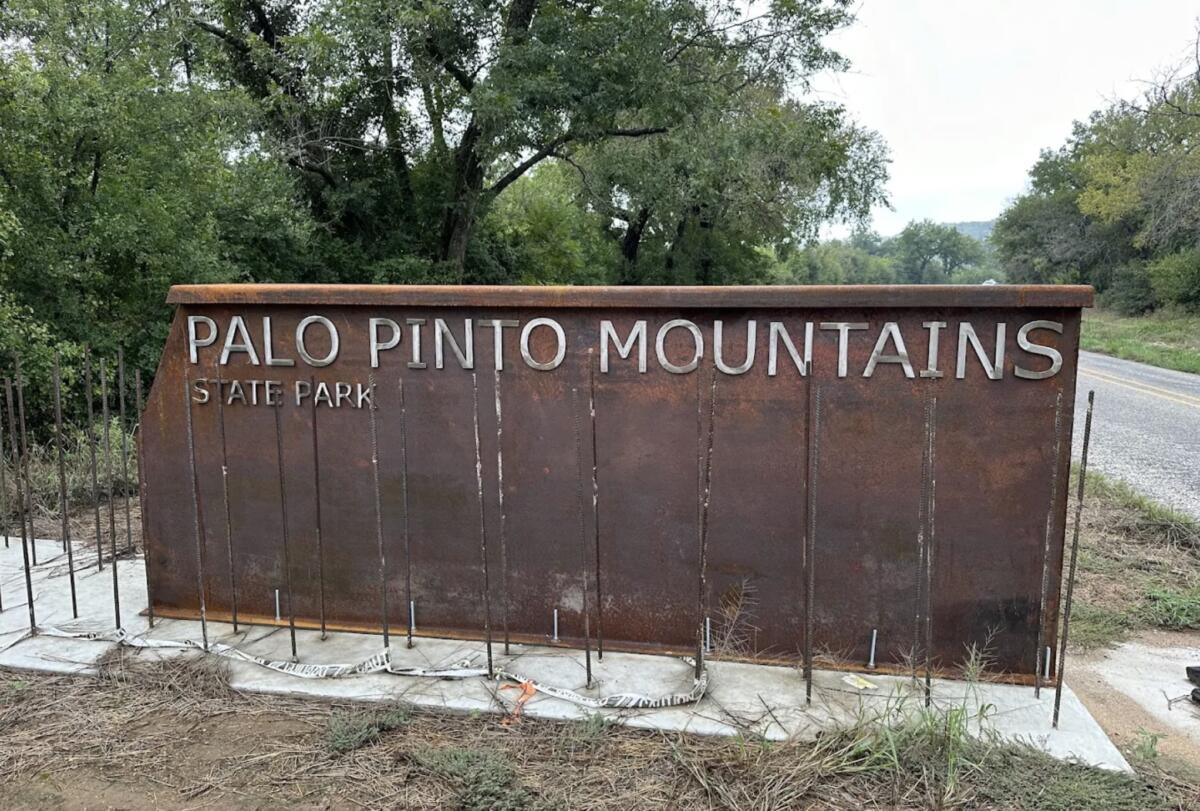
For the first time in more than 25 years, the Texas Parks and Wildlife Department (TPWD) is opening the gates to a state park in North Texas. Palo Pinto Mountains State Park, located between Abilene and the Dallas-Fort Worth Metroplex, offers Texans 4,871 acres of former ranch land to hike, bike, fish, and explore.

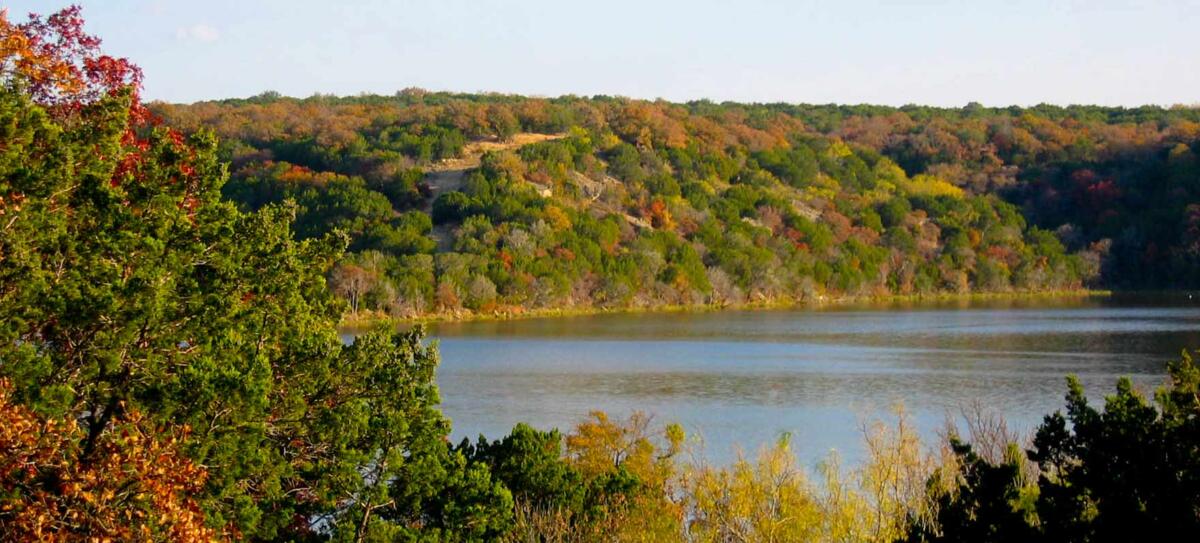
Palo Pinto Mountains State Park offers visitors a chance to escape from the bustling pace of the city into the juniper-topped hillsides and hardwood bottomlands of the Cross Timbers.

High demand expected as park opens

With the park opening its gates for the first time for day use and overnight, Palo Pinto Mountains is expecting high visitation through Spring Break and the coming months.

TPWD strongly encourages anyone planning a trip to reserve a day pass in advance since some parks are expected to reach their capacity limit. Reserve day passes online through the TPWD reservation website or by calling the Customer Service Center during regular business hours at (512) 389-8900.

They are still putting the finishing touches on this new park, so visitors are advised to use caution and follow park guidance. A grand opening event officially opening the park is being planned for later this spring. More information about the event will be announced later.

Years in the making

The park, which was purchased by TPWD in 2011, was originally slated to open in 2023, but completion of construction projects was delayed. Funding for park construction was supported by the Texas Legislature and the Texas Parks and Wildlife Foundation (TPWF). Funding for the park came through a special legislative appropriation, the Sporting Goods Sales Tax and federal funding along with $10 million in private philanthropy raised by TPWF.

“We’re thrilled to see the gates at Palo Pinto Mountains State Park finally open to the visitors who have been eagerly awaiting this moment,” said TPWF Executive Director Anne Brown. “We are deeply grateful to the Texas Legislature for its leadership and to the generous donors whose private support helped bring this park to life. Opening a new state park enhances quality of life for Texans across the region, and Palo Pinto Mountains stands as a powerful example of how public and private investment can work together to expand outdoor access and conserve the landscapes that define our state for generations to come.”

Landscape and hiking

True to its namesake, Palo Pinto Mountains is home to a kaleidoscope of color with year-round green foliage, blue colored berry-like cones, and tinted red bark. The park’s visitors this spring could see the landscape go technicolor with blooming wildflowers like Indian blankets, yellow coneflowers, white prickly poppies, lemon beebalm, evening primrose and more.

With more than 16 miles of trails ranging from easy, family-friendly paths that can be explored in about half an hour, to more moderate trails of a much longer length, there are routes for everyone to explore and enjoy. Trails lead to remote areas of the park with wide vistas.

There are also 1.25 miles of ADA-compliant trails, and the park loans all-terrain wheelchairs for use on some of the otherwise non-accessible trails.

Fall colors and wildlife viewing

In the fall, visitors may be able to spot fall colors thanks to the red oak and flameleaf sumac trees, which turn crimson, and the pecans and cedar elms that shift golden-yellow.

The park is also the seasonal home to many migratory birds, including the endangered golden-cheeked warbler, which visits Palo Pinto during the summer months.

Tucker Lake Ppmsp Img 1620 1760p
Photo credit: Texas Parks & Wildlife

Fishing, boating, and water access

For anglers, 90-acre Tucker Lake provides a fishing hole to wet a line. Visitors will be able to fish, boat and swim at the lake, but motorboats are not allowed, to protect the park’s tranquil atmosphere. The lake also has a courtesy dock and ADA-accessible kayak launch to allow all park visitors a chance to enjoy the water.

Camping options

Overnight guests can also pick the different types of camping experiences they want to have, thanks to new RV sites, walk-in tent spots, and primitive camping areas. The park also has a pavilion, picnic areas, and playgrounds for groups to gather.

You can find all RVing/camping options here.

State park pass offers added value

Anyone wanting to visit multiple state parks in 2026 can purchase a Texas State Parks Pass (TSPP). The $70 TSPP waives entrance fees to all state parks for passholders and guests in their vehicle for a full year. Additionally, passholders get discounts on overnight reservations, state park store purchases, and more.

Purchase passes online through the TPWD reservation website, through the Customer Service Center, or at any state park.

Learn more and plan your visit

For more information about Palo Pinto Mountains State Park, including a schedule of events as well as park and trail maps, visit the park’s page on the TPWD website.

RELATED

RVT1253b

Gas prices continue to rise. Here’s how you can save

The headlines are starting to sound familiar. Fuel prices are climbing, oil markets are jittery, and some analysts are warning that high gas prices could put a dent in RV travel this year.

Today marks the official start of Spring, and prices at the pump have continued to climb by 28 cents since last week. With the Spring equinox ushering in warmer weather and more time on the road, gas prices are trending upward alongside seasonal demand.

Last week’s announcement by the White House to release 172 million barrels of oil from its strategic reserves over four months has no immediate relief on the oil market, as the price of a barrel of crude continues to climb.

Today’s National Average: $3.884

One Week Ago: $3.598

One Month Ago: $2.929

One Year Ago: $3.102

One recent investor-focused report even suggested the RV market could get “crushed” by rising fuel costs. That kind of language grabs attention. It also raises a fair question for anyone planning a trip: Will higher gas prices keep RVers off the road this season?

History—and real-world behavior—suggests the answer is no.

The warning isn’t really about RVers

The latest round of concern didn’t start in a campground. It started on Wall Street.

As oil prices tick upward, investors tend to react quickly. RV manufacturers and related stocks often take a hit because they’re seen as discretionary, fuel-sensitive businesses. If gas gets expensive, the thinking goes, people will travel less—and buy fewer RVs.

That may hold some truth at the margins. But it doesn’t tell the whole story of how people actually use their rigs.

RVers aren’t airline passengers locked into fixed routes and prices. They have options. And when fuel costs rise, they tend to use them.

What actually happens when gas prices spike

We’ve seen this before—more than once. During past fuel surges, RV travel shifted. Trips got shorter, routes got tighter and planning got smarter.

Instead of canceling outright, many RVers adjust in ways like these:

  • Choose closer destinations instead of cross-country runs.
  • Stay longer in one spot to reduce driving days.
  • Group errands and sightseeing to cut extra miles.
  • Travel at more fuel-efficient speeds.
  • Use apps to find better fuel prices along the route.

What fuel card are RVers talking about?

Many of the savings reports we’re hearing about trace back to one program: the Open Roads fuel card, built on a fleet-discount system used by commercial trucking companies. If you’re a diesel driver, this could save you some money.

Here’s the basic idea: Instead of paying posted pump prices, card users tap into pre-negotiated fleet rates—often the same discounted pricing truckers get.

That’s how some RVers report saving 30, 50, even 70 cents per gallon in certain locations.

The program itself is free to join, and instead of charging a membership fee, it keeps a small portion of the discount as its cut. Typical savings often land in the 30–50 cent range, though they can vary widely depending on location and timing.

If you want to see how it works—and what RVers are reporting—check out our full breakdown here: RVers report saving 30 to 70 cents per gallon using this fleet fuel card.

It’s not a universal solution. Discounts are mainly for diesel and typically require fueling in truck lanes at larger travel centers. But for diesel RV owners, it’s one of the few programs where the savings can actually add up fast.

You can learn more or sign up by following this link. If you use Russ De Maris as a referral, it helps support our reporting at no extra cost to you. And if you refer others to Open Roads, once they buy 500 gallons of fuel, you’ll get a $25 credit toward your own fuel purchases in the network.

The math still works—for many

Yes, fuel costs matter. A large motorhome getting 8 miles per gallon will feel a price jump quickly.

But RV travel has always been a bundle of costs, not just one.

When fuel rises, RVers often weigh that against hotel rates, which have climbed sharply in recent years, along with restaurant spending and airfare—especially for families.

For many, even with higher gas prices, RVing can still pencil out, particularly for regional trips.

A shift, not a shutdown

One of the biggest changes tends to be how far people go.

Instead of a 2,000-mile swing across several states, a trip might become a 300-mile run to a favorite park. Instead of moving every day, travelers may settle in for a week or more.

That shift shows up in campground patterns, too. Parks within a few hours of major population centers often see steady demand even when fuel prices climb.

The result: fewer miles driven, but not fewer nights camping.

How RVers are adapting right now

Even before peak travel season, some familiar strategies are already showing up again.

Slowing down saves more than stress

Driving 60 mph instead of 70 mph can noticeably improve fuel economy in many rigs. It also makes for a more relaxed day behind the wheel.

Planning fuel stops pays off

Price swings between stations—even within the same region—can be significant. A little planning can shave meaningful dollars off a fill-up.

Staying put stretches the budget

Longer stays mean fewer travel days. That reduces fuel use and often unlocks weekly or extended-stay campground rates.

Rethinking the trip, not canceling it

Instead of scrapping plans, many RVers swap in closer destinations or revisit favorite spots within a shorter radius.

Top tools RVers use when fuel prices climb

  • GasBuddy – crowdsourced fuel prices and route planning
  • Upside – cash-back offers on fuel purchases
  • Google Maps – price comparisons and routing
  • RV Trip Wizard – route planning with fuel stops and mileage

The bottom line

High gas prices are back, and they will influence how people travel. There’s no getting around that.

But the idea that RVers will simply stay home doesn’t match what’s happened before—or what’s happening now.

They adjust. They rethink. They adapt. And then, more often than not, they still go.

For RVers, the question isn’t whether to travel when fuel prices rise—it’s how to travel smarter when they do.

For all recent news for RVers, click here

RVT1253b

RV fire ignites fireworks, sparking explosions in Texas

A Texas RV fire involving fireworks presented a safety lesson in dramatic fashion this week.

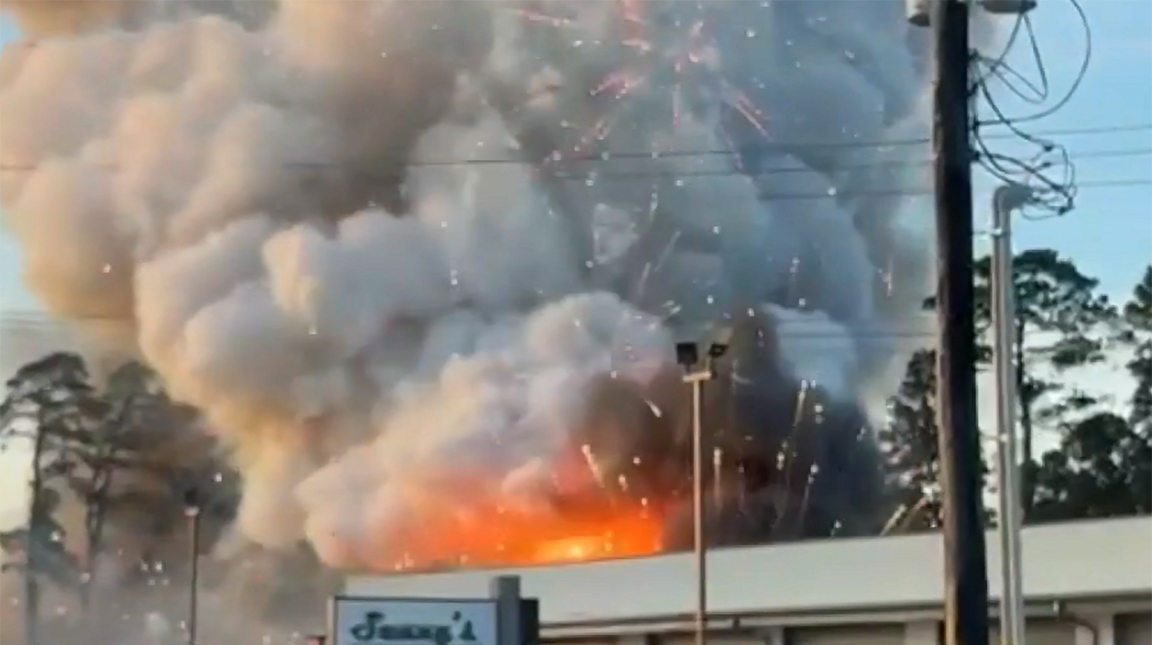
In northwest Harris County, what began as a fire involving an RV didn’t stay contained for long. The fire spread to a nearby shipping container full of fireworks, and suddenly explosions were popping off across the scene.

An RV fire is serious enough on its own. There’s plenty inside a rig to burn, and once it gets going, things can move fast.

And the fireworks kept popping off into the night. kohu.com image.

In this case, though, the RV wasn’t the whole story. The fire reached a concentrated supply of fireworks, and that changed everything. Instead of a contained fire, crews faced repeated ignitions, flying embers, and flames spreading outward into surrounding brush.

Roads were shut down around the fire, and people were told to avoid the area. The railroad nearby was also shut down.

Officials said no one was injured. They said one person was in the RV at the time, but was able to get out.

It’s not about fireworks

Most RVers aren’t storing a shipping container full of fireworks next to their rigs. But that’s not really the takeaway here.

What matters is how quickly a fire can grow when something nearby adds fuel—and how much difference the amount of that fuel can make.

Walk around almost any campsite—especially one that’s been set up for a while—and you’ll see the early version of the same thing. A spare propane cylinder tucked close to the sidewall. A gas can sitting near the generator. Storage bins, chairs, gear, all gathered in one convenient spot.

Individually, they don’t seem like much. But quantity—and proximity—changes the equation.

Fire doesn’t stay put

One of the easiest mistakes to make is thinking of an RV fire as something that stays inside the RV.

It doesn’t.

Once flames get outside the rig, they look for whatever comes next. If that next thing is more fuel—and a lot of it—the fire grows faster and spreads farther.

That’s what this Texas incident showed. The RV may have started it, but the sheer amount of combustible material nearby helped carry it well beyond where it began.

A quick reality check around your rig

If you’ve been parked for a bit, things tend to settle in. Gear migrates closer. Storage expands. What started as “temporary” becomes the new normal.

It’s worth taking a fresh look.

Step back and ask a simple question: If something caught fire right now, what would it reach next—and how much of it is there?

Because sometimes it’s not just what’s nearby. It’s how much.

The takeaway

This wasn’t a typical RV fire. The fireworks made sure of that. But strip away the unusual part, and the lesson is pretty straightforward. Fire grows where it can. And the amount of fuel it finds nearby can change everything, very quickly.

For RVers, that’s a reminder worth keeping in mind before something small has a chance to turn into something a lot bigger.

RELATED

RVT1253b

RV Daily Tips. Friday, March 20, 2026

America’s Original RV Newsletter. Since 2001
Issue 2865 • New issue every weekday
If you find this newsletter helpful, please consider supporting our work with a donation of your choice. Thank you! 


Today’s thought

“In the spring, at the end of the day, you should smell like dirt.” ―Margaret Atwood


Need an excuse to celebrate? Today is the first day of spring, and we think that deserves a huge celebration! We made it!

On this day in history: 1985 – Libby Riddles becomes the first woman to win the 1,135-mile Iditarod Trail Sled Dog Race. (Want to learn more about the Iditarod? We recommend this book.)


Survivedwinter


Tip of the day
Smart ways RVers use suction grab bars in their RVs

You may already keep removable suction-cup grab bars in your RV shower for safety. Suction grab bars are very practical for RVers. They’re portable and no-drill, so you can move them to where you need help, and then easily store them in a cupboard. These handy bars can be used in other helpful ways, too. See for yourself.


IbexextRV review
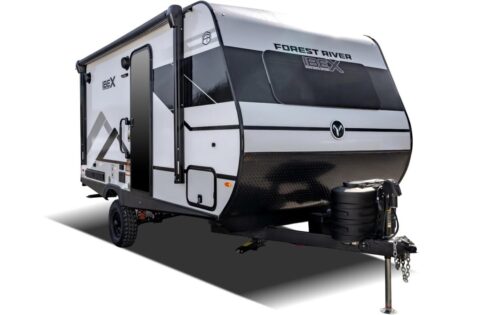
2026 Forest River Ibex 16MRJ—A no-slide, mini camper that doesn’t compromise on space

A lot of small travel trailers feel like a compromise, but the 2026 Forest River Ibex 16MRJ is different. It’s a single-axle, no-slide camper that stays under 20 feet tip-to-tail, but it still squeezes in a true queen bed, real theater-seat recliners, a surprisingly capable kitchen, and a bathroom that outclasses plenty of larger rigs. Check this out—it’s impressive!


PRO TIP: This weekend, take five minutes to check your tire pressure before your next trip. It’s one of the easiest ways to prevent a bad day.


In the RV shop with Dustin
Why retaining an RV expert witness is essential to RV legal matters

Retaining an RV expert witness can be essential in legal matters where specialized knowledge about RVs is required. An RV expert witness is typically someone with extensive experience and expertise in various aspects of RVs, including design, construction, maintenance, safety, and industry standards. Continue reading to learn more.


Think there’s no moisture in your RV? Think again!
If you think your RV is dry, you’re probably wrong. DampRid will prove it! DampRid attracts and removes excess moisture, creating fresher, cleaner, mold-free air. Additionally, just one 18-oz. container removes all odors within 300 square feet. Learn more or order.


Article and video
No-move RV water fill secret for tight spots

By Cheri Sicard
After straight weeks off-grid boondocking, dust ends up on everything, water starts running low, and even a basic refill can feel like more work than it should. That’s why this no-move refill method matters; it helps an RVer grab water fast and avoid the messy mistake that turns a quick stop into a problem later. Here, John explains all. To my mind, this tip is rarely needed, but there have been times when it would have come in handy. You probably carry the necessary gear, so it’s good to know and keep in your RV trick bag.


RV TRAVEL READERS’ FAVORITE PRODUCTS for RV repair and maintenance.  


Featured article
Don’t stop at “making” memories in an RV

By Nina Soltwedel
Owning an RV means, for many of us, taking extended trips. Many may recall having taken a many-thousand-mile trip in their RV—a trip that took them to far-off places to see vistas they’d not seen before, to meet new people, to discover hidden treasures such as a magnificent vista just around a corner, or a place to camp on the edge of a peaceful lake with just the hoot of an owl. However, did you document that trip so that, years from now, you can open a notebook and relive the trip all over again? Continue reading.


Ask Dave
When sanitizing RV freshwater tank, will chlorine damage the water softener?

Read Dave’s answer.

**If you’re near Pomona, CA, be sure to see Dave Solberg at the Ford Towing Bootcamp at the California RV Super Show today through Sunday, March 22.


You may have missed these recent popular stories…


Version 1.0.0Keep your brain sharp and have a little fun!
Long drives, rainy afternoons, or relaxing at the campsite—these crossword and variety puzzle books are an easy way to unwind, have fun, and keep your mind sharp. These books are packed with great puzzle games and are fun, too!


Reader poll
Do you have a favorite RV trip of all time?

Respond here.


Quick tip
Avoid the cooking “danger zone”

Stay out of the “Danger Zone” by cooking your foods to a safe minimal temperature. And remember, color is never a reliable indicator of safety and doneness.
• Cook raw beef, pork, lamb and veal steaks, chops and roasts to 145°F. For safety and quality, allow meat to rest for at least three minutes before carving or consuming.
• Cook raw ground beef, pork, lamb and veal to 160°F.
• Cook egg dishes to 160°F.
• Cook fish to 145°F.
• Cook raw poultry to 165°F.
SOURCE: USDA


On this day last year…


Website of the day

All 50 States, Ranked by Their Beauty
If your state isn’t number one, or even number 32, you may have something to say about this list. Just remember, it’s only one person’s opinion. But it’s still fun to see where your state falls on the list.


? MYSTERY PRODUCT OF THE DAY ?
We were looking for something different but we came across this and love it WAY too much not to share. It’s an RVer’s mantra, isn’t it? Trust us, you’ll love this.


Trivia

The famous cherry blossom trees in Washington, D.C., are iconic today, but the original 1910 shipment from Japan had to be destroyed due to disease and pests. It wasn’t until 1912 that a second shipment—more than 3,000 healthy trees—successfully arrived. Today’s massive spring bloom, which draws millions of visitors each year, exists only because of that second attempt.


Readers’ pets of the day

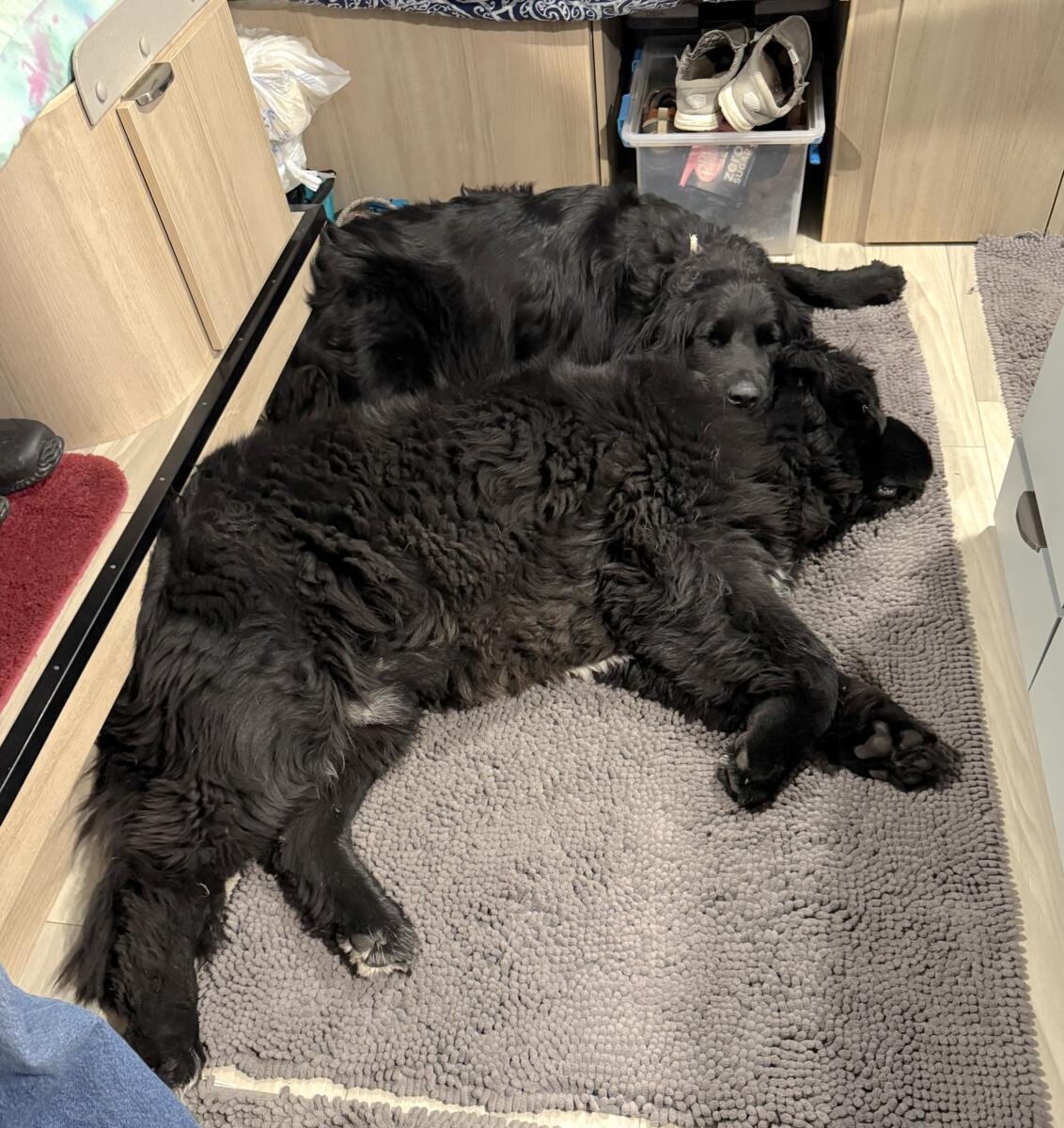
Img 3394 1695781e7d98d598fbddcec8d94440fe“Chunk and Cookie (Newfoundlands, ages 7 and 4) are great campers. Have been all over the U.S. and some of Canada. They are so good that they leave us about 2-3 more feet of floor space. Walking to the bathroom keeps us limber and helps us practice balancing.” —Pat Lamwers

Send us a photo of your pet with a short description. No blurry photos and please do not submit your photo more than once. Thanks!

Spoileddogs
Pat, we think you need this sign!

Leave here with a laugh


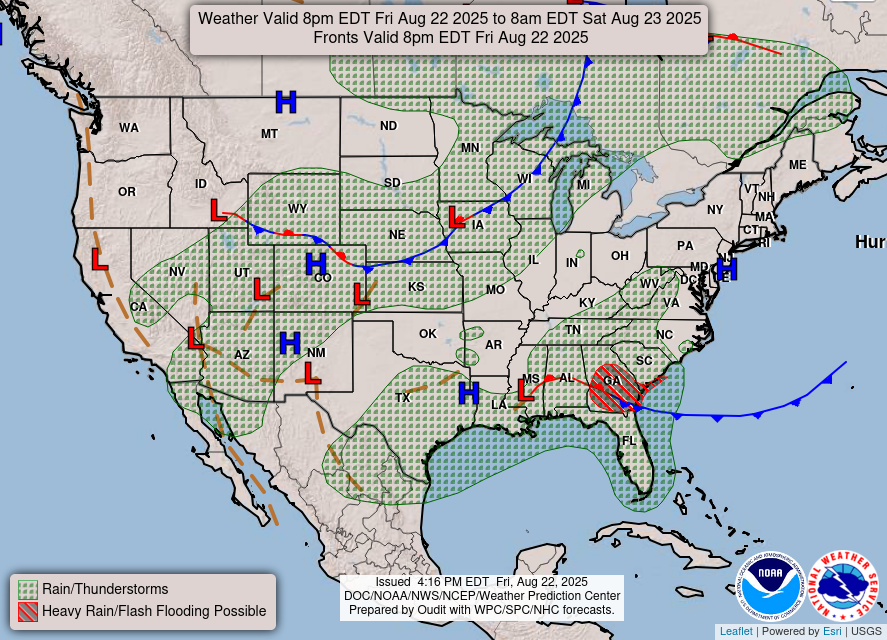
Today’s weather forecast across the nation
THIS MAP UPDATES TWICE A DAY

Visit Current National Radar Weather Map


Did you miss the latest RV Travel Newsletter? If so, read it here.
Oh, and if you missed the Latest News for RVers, make sure to catch up here.


If you shop at Amazon.com we’d appreciate you using this link. We get an itty bitty commission if you buy something, but they add up and help us pay our bills (most importantly our hard-working writers!). 


RVtravel.com All-Star Team

Click here for information about our staff and how to contact us.

WHY WE ASK FOR DONATIONS INSTEAD OF SELLING SUBSCRIPTIONS.

Our policy on using artificial intelligence.

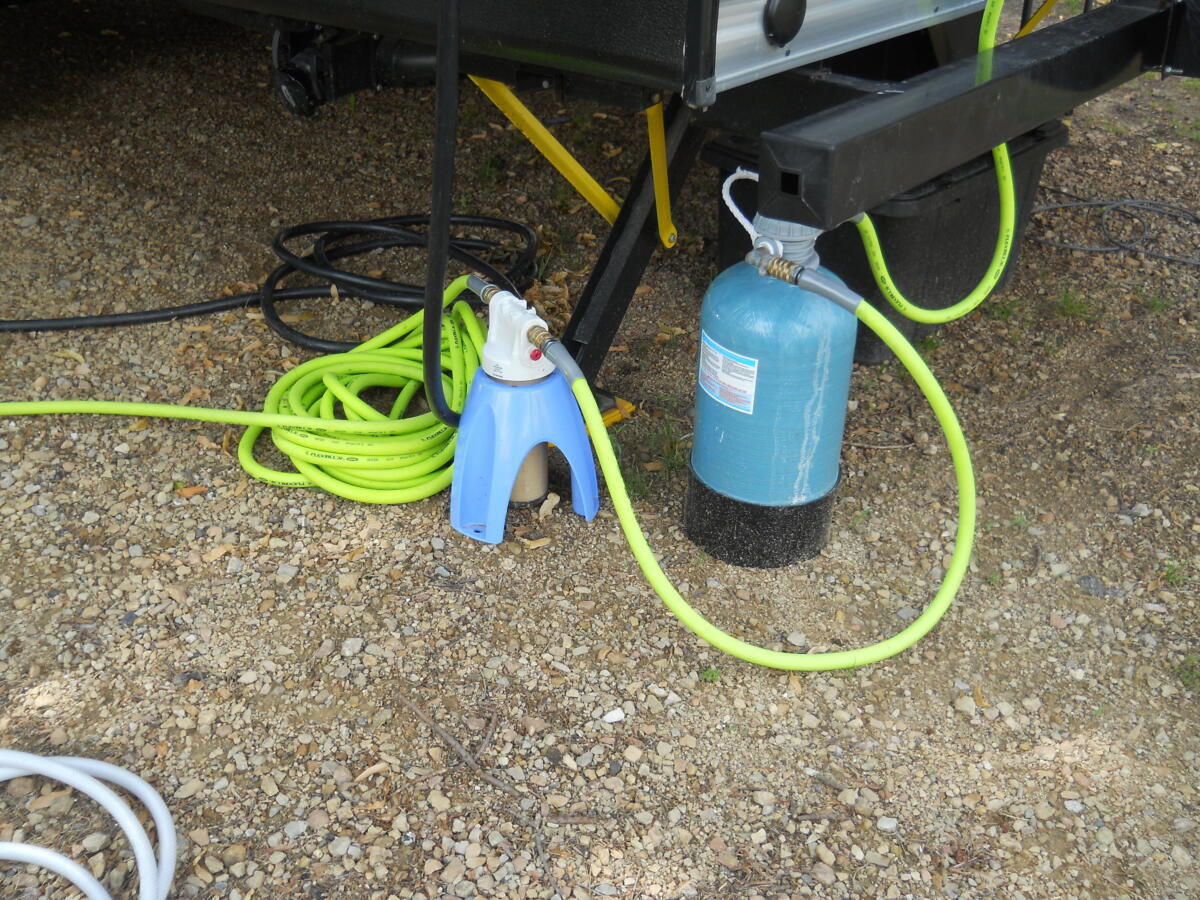
When sanitizing RV freshwater tank, will chlorine damage the water softener?

Dear Dave,
When sanitizing a freshwater tank, will it hurt to run chlorine through the RV water softener? —Richard, 2019 DRV Full House

Dear Richard,
Chlorine is used by city municipal water treatment plants to combat germs such as salmonella and norovirus, so it does go through most residential water softeners. The World Health Organization (WHO) states that there is typically only .02-1 mg/L in residential water. According to the Centers For Disease Control (CDC), up to 4mg/L is considered safe.

Chlorine is also used to “shock” a well system that has been contaminated, and that water would also run through a water softener.

Water softeners use salt to remove calcium and magnesium through an ion exchange to make detergents more effective and water softer for showering. Chlorine is designed to prevent the growth of bacteria and generally will not harm a water softener in a trace concentration.

However, according to my Culligan representative, chlorine reacts with iron, magnesium, and other minerals and leaves particles that foul the resin and require more regenerations if not filtered. The severity depends on the levels of minerals in the hard water.

Therefore, it is recommended that a water filter be installed prior to the water softener. You should use a cartridge style that only filters particles. Install it temporarily prior to your softener, or bypass the softener when sanitizing the freshwater tank.

Water Softener
Water softener

MORE FROM DAVE ON RV FRESHWATER SYSTEMS

How to get excessive mold out of RV’s freshwater tank

Water won’t go into the RV’s freshwater tank. Your thoughts?

What filtration system do you recommend to fill freshwater tank when boondocking?

Your RV’s fresh water system: What you should know

Can I sanitize RV’s fresh water tank without running solution through water lines?

How do I sanitize my RV’s fresh water tank through the filter?


Dave Solberg is a leading expert in the RV industry and the author of the “RV Handbook.”

Read more from Dave here

HAVE A QUESTION FOR DAVE?

Send your inquiries to him using the form below.

Name
Drag & Drop Files, Choose Files to Upload

RVDT2865

Smart ways RVers use suction grab bars in their RVs

3

You may already keep removable suction-cup grab bars in your RV shower for safety.

Did you know that these handy bars can be used in other helpful ways as you RV? Take a look and see for yourself.

Why they work

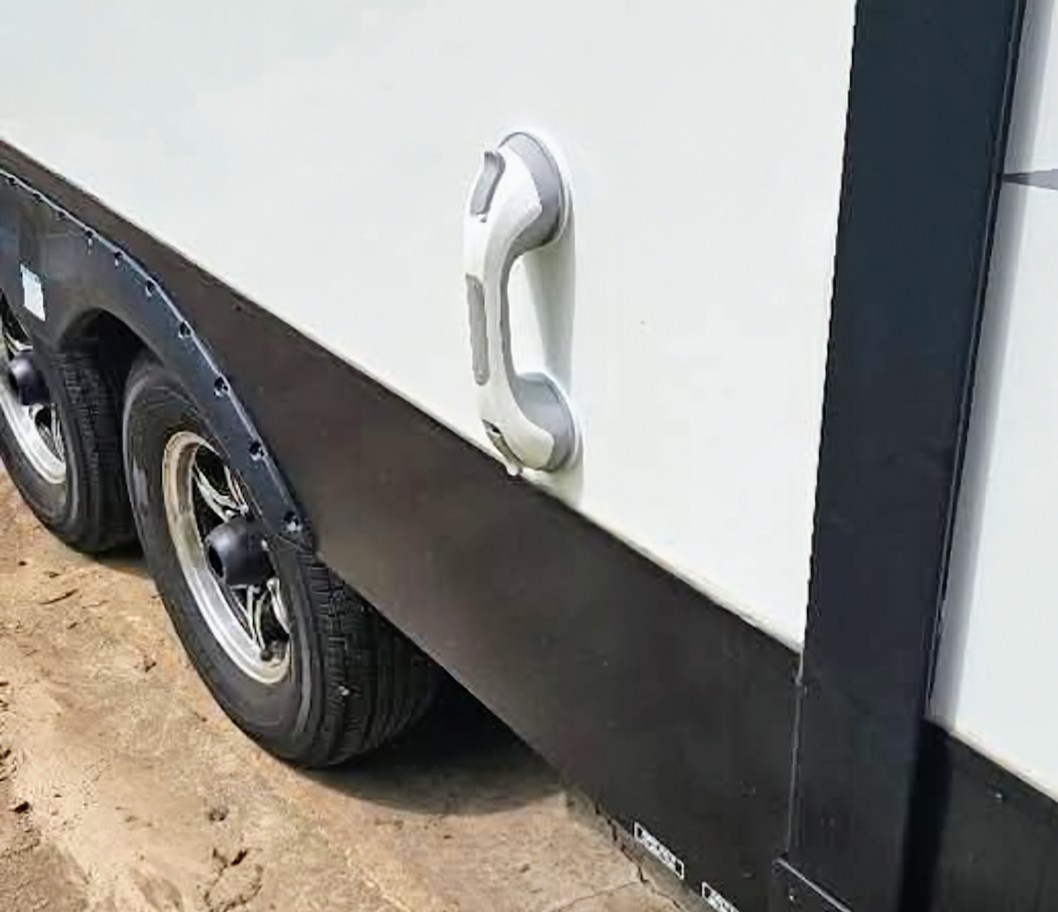
Suction grab bars are so practical for RVers. They’re portable and no-drill, so you can move them to where you actually need help. They don’t leave holes in RV walls or fiberglass surrounds, and they are easily stored in a cupboard when not in use. Their repositionability lets you experiment with placement, which is a big win in tight RV layouts.

But first…

Before we get to the unusual uses for portable grab bars, here’s a quick safety note: Removable suction grab bars should be treated as stabilizers, not guaranteed full-weight anchors—no matter what the manufacturer claims. Keep this in mind as you consider using grab bars for any reason.

Skylight hanger

Attach the bar to your RV’s shower skylight. Then put a clothes hanger on the bar, and hang swimsuits, delicates, or wet socks to dry. This keeps damp gear out of living areas and lets the shower stall handle the drying.

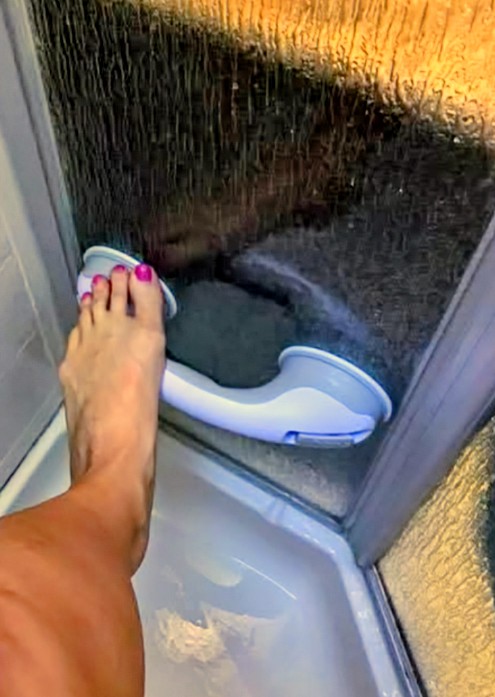
Shave footrest

unusual uses for grab bars image FB by Janetma Haller
Photo credit: Janetma Haller

The portable grab bar makes a great leg-shaving prop in your shower. Just mount the bar low on the shower surround so it sits at a comfortable height for resting a foot. That gives you a steady prop for shaving lower legs. Because suction bars can lose adhesion on wet or textured surfaces, always press and test the bar before shifting your full weight, and re-seat or re-stick it if you sense any movement.

Bed boost

If your RV bed is high or has tight side access, a suction grab bar placed on the nearby wall becomes a discreet assistance for pulling yourself into bed. Treat it as an aid for balance and leverage rather than a primary support. Test the placement and suction every time you use it.

Under-hitch drying rack

If the underside of your fifth wheel’s hitch plate has a smooth surface, you can temporarily stick a suction bar there. Tie wet hiking shoes or boots to the bar to dry. That way, dirt and mud stay out of the RV. (Don’t forget to remove the bar before traveling.)

Knee helper

tips for using suction grab bars Image: FB with no name
Photo credit: RV Camping Family

When you’re working on your RV, especially underneath or in lower areas, a grab bar can help! Attach a grab bar to a nearby smooth panel and use it as a handhold for lowering yourself and getting back up. For people with creaky knees, that extra “handhold” can prevent awkward falls or the need to plant your hands in the dirt. Always check adhesion and remember not to rely on it for full-body bearing maneuvers.

Do you use removable grab bars while RVing? Tell me how you use them in the comments below. Thanks!

Here are the grab bars we have used and recommend.

MORE LIKE THIS:

RVDT2865