Home Blog Page 84

How can I test my RV’s ’emergency start switch’?

1

By Dave Solberg
Dear Dave,
How can I test the emergency start switch and then troubleshoot/trace an issue? I used it once several years ago and it operated as intended. I needed to use it again a few months ago and it didn’t operate. Thanks so much! —Grant, 2008 Fourwinds Windsport 35B

Dear Grant,
The “emergency start switch,” as you call it, is actually a battery isolation manager (BIM) solenoid that is connected between the chassis and house battery or batteries. When you are traveling down the road, the engine charging system provides a charge to the chassis battery and then through the cable to the BIM and ultimately the house batteries, so it is basically a free charge.

The BIM has a spring-loaded switch that, when depressed, provides voltage from the house batteries through the BIM back to the engine battery. That is the emergency start function you are referring to.

Most newer BIM solenoids will also allow voltage to trickle to the chassis battery when your rig is plugged into shoreline power. That way the engine battery stays fully charged. It will also isolate the batteries to prevent discharging or overcharging them.

How and what to test

I am not sure what function you want to test; however, I would assume it is the “jump start” of the chassis battery from the house battery.

First, verify your house batteries have 12.6 volts, which is the fully charged state. Make sure the battery disconnect feature is not activated; no voltage will go from the house batteries to any 12-volt function. Depress the switch on the dash. You should hear a click at the solenoid, which is typically located in the battery compartment, but not always. I’ve learned to never say always or never say never when it comes to how RV manufacturers build or design things!

Use a multimeter and, with the switch depressed, test the chassis battery voltage. If it was low to begin with, it should read the same as the house battery you just tested. You can check the switch by testing for 12-volt power from the switch to the ground terminal on the solenoid. If there is 12 volt at the switch but the solenoid does not click or provide power, the solenoid is defective. Otherwise, it is the switch.

Test the solenoid for other functions

You can also test the solenoid for the other functions by starting the engine and using a multimeter to check voltage at the house battery. If it goes up when the engine is started, the solenoid is allowing a charge to go from the engine charging system through the BIM and to the house batteries.

Plug in the shoreline power cord and use a multimeter to test the voltage at the house batteries. It should be at least 13.2 volts and may be as high as 13.6 volts if the battery is low, as the converter will be in charge mode. Then test the engine battery and you should see the same voltage as present at the house battery.

Years ago, I was sent this by my technician contact at Winnebago on a little more specific testing.

Battery Isolation Manager
Click to enlarge

MORE FROM DAVE ON BATTERIES


Read more from Dave here

HAVE A QUESTION FOR DAVE?

Send your inquiries to him using the form below.

Name
Drag & Drop Files, Choose Files to Upload

RVDT2859

How to stop and prevent annoying spam phone calls

8

It was a quiet morning on the water. As the sun gently burned through the mist, I spotted a doe and her fawn approaching. Then… my phone’s jarring ringtone blasted through the peaceful setting. The deer bounded away, and I almost dropped my camera! And for what? A spam call!

Spam calls are everywhere, but you can dramatically cut the noise with a few smart moves. Read on to find out how.

More spam?

Robocalls and spoofed numbers are still pouring into American phone lines in huge numbers. Recent industry tracking shows billions of robocalls in a single month. That means you can no longer rely on a single fix. Layering protections is the practical approach to tackling the spam issue.

Quick plan

If you’re tired of spam calls (like I am), here’s a brief look at what to do. (Step-by-step details follow for both iPhones and Android cell phones.)

  • Sign up for the Do Not Call list and report illegal calls to the government.
  • Turn on your phone’s spam protection and silence unknown callers.
  • Enable your carrier’s free spam tools if they offer them.
  • Install one reputable robocall-blocking app and set it to block or send suspected spam straight to voicemail.
  • If a number slips through, block and report it so the community lists get smarter.

Details for iPhones

Open Settings and tap “Phone”.

Find “Silence Unknown Callers” and toggle it “on” to send calls from numbers not in your contacts straight to voicemail (they won’t ring).

Next, scroll to “Call Blocking & Identification” (or “Call Filtering” with some carriers) and enable any spam filter offered there. Carrier-flagged spam will then be silenced and sent to a Spam list you can check later.

For carriers that integrate spam detection into iOS, turn on the carrier spam setting shown in Phone settings, so known spam goes to voicemail automatically.

You can also install a reputable app from the App Store that integrates with iOS call filtering. Once installed, go back to Settings > Phone > Call Blocking & Identification and enable the app’s switch. Here is a list of spam blockers for iPhones.

For authoritative Apple guidance on these features, see Apple’s support documentation.

How-to for Androids

Open the Phone app and tap the three-dot menu, then Settings, then Caller ID and spam (wording varies by phone).

Turn on “See caller ID and spam” and (optionally) filter spam calls so suspected spam goes to your call history and voicemail without bothering you.

On many Samsung and other manufacturer phones, look for “Smart Call” or a built-in “Spam Protection” toggle and enable both caller ID and spam warnings.

If your phone offers a “Scam Detection” or “Scam Protection” toggle, turn it on. It may warn you during a live call.

For more guidance, follow Google’s support page.

Use your carrier’s free tools

Major U.S. carriers offer free or low-cost spam tools that sit at the network level and catch a large share of bad calls before they reach you. If available, enable your carrier’s app or network protection. Common names include AT&T’s Call Protect, Verizon’s Call Filter, and T-Mobile’s Scam Shield. Set them to auto-block known spam. These tools often update their lists across millions of users, so they’re worth enabling even if you use a phone-level blocker.

Pick a reputable blocker app

Choose apps with good track records and clear privacy policies: Nomorobo, Robokiller, Truecaller, Hiya, and YouMail are commonly recommended. Install one, follow its setup, then enable it in your phone’s call-filtering settings so the app can label and/or block calls. Set the app to automatically block high-confidence spam and keep the reporting feature on so the community database improves. Don’t give up carrier or built-in protections—let them stack for greater protection.

What to do when a spam call gets through

Hang up immediately if the call is suspicious. Never press buttons to “opt out.” Scammers use that to mark active numbers. Block the number on your phone and report it to the FTC and your carrier. (Most carrier apps include a report button.) If the caller left a voicemail, some apps transcribe live voicemail so you can confirm whether it’s legitimate before calling back.

Extra tips RVers will appreciate

If you’re on the road and switch SIMs or carriers, check spam settings after every change, so protections can reset.

Use “Do Not Disturb” to let only people in your contacts ring overnight, while still allowing emergency calls.

Keep your contact list tidy. Delete contacts you no longer use or want. Silence Unknown Callers only works for numbers not in your contacts.

Reality check

No single tool is foolproof. As the telecommunications industry and regulators tighten the rules, scammers adapt. Still, combining the Do Not Call Registry, your phone’s settings, carrier filters, and a solid blocker app will drop the volume drastically. It can help reclaim your time and peace of mind. The industry and regulators continue to push improvements, but the layered approach is the best defense today.

Lastly, be careful when answering your phone to someone or a business you don’t know or recognize. Scammers are getting creative, and it’s very easy to fall victim, which could be a huge, costly mistake.

RELATED

RVDT2859

5 steps to keep mice out of your RV during storage

4

By Cheri Sicard
In the video below, the team from The Camping Loop talk about five steps you can take to keep mice out of your RV. And if you have ever dealt with the aftermath of mice in your RV, you KNOW you want to prevent this destructive, unsanitary, and messy problem from ever occurring again. Especially if you are storing your RV for any length of time, you will want to pay attention to this video.

Our host has been using these easy and inexpensive RV rodent prevention tips for the last 12 years and he claims he has never had a problem with mice in the RV.

#1 Remove all temptations: Make sure you remove all food or anything else that might attract mice. Our host says this extends to pots and pans that might have lingering food crumbs and odors. He also removes paper towels, toilet paper, and anything else that mice could easily shred into bedding.

#2 Give it a wipe down: Wipe down any surfaces that previously held food and/or pots and pans, including counters, tables, cupboards, and closets. Use an all-purpose cleaner and be sure to get every last crumb. Don’t forget to clean the stovetop, oven, and microwave, too, along with any other appliances that are used for food.

#3 Find any and all access points to your RV: Go around your entire RV and locate any potential access points where mice might be able to get into your camper. Good places to check include around electrical lines, water lines, and any point where perhaps the manufacturer cut something incorrectly and left a gap, etc. You will want to plug those spaces up.

Our host uses spray foam for the task. Be sure to watch the video as he shows examples of what to look for and how to fill the gaps.

Alternatively, you can fill the gaps with steel wool, as mice notoriously hate it and are unable to chew through it. If you opt for this, our host recommends the copper type as it avoids any potential rust issues. Our host also likes to put one in the compartment with his electrical cord for extra protection.

#4 Use dryer sheets around the inside of your camper: I imagine any scented brand would do, but our hosts like Bounce. The theory is that they might hate the scent (I do, too) and will stay away. However, our host reasons that the dryer sheets are cheap enough that he just considers them extra insurance. I say you can safely skip this step unless you like the fresh scent it leaves behind.

Another tip you often see is to leave Irish Spring soap shavings around, but this tip is somewhat controversial. Some people say it works, others claim it doesn’t do a thing. After dealing with a mice problem in a garage a few years back, it put me firmly in the camp that says it doesn’t do a thing.

#5 Use a repellent on the outside of your RV: In the video, he uses Tomcat Rodent Repellent spray. Made with ingredients like cinnamon, peppermint, and garlic oils, this is supposedly safe around kids and pets while repelling rodents. Use it on the RV frame, the outside electrical connections, around (but not on) the tires, etc. As it lasts about 9 months, Tom Cat Rodent Repellent provides another form of cheap insurance against a mouse infestation.

To conclude, our host suggests you periodically check on any RV you have in storage as the sooner you discover a problem, the sooner you can fix it and the less damage will be caused.

RELATED:

RVDT2859

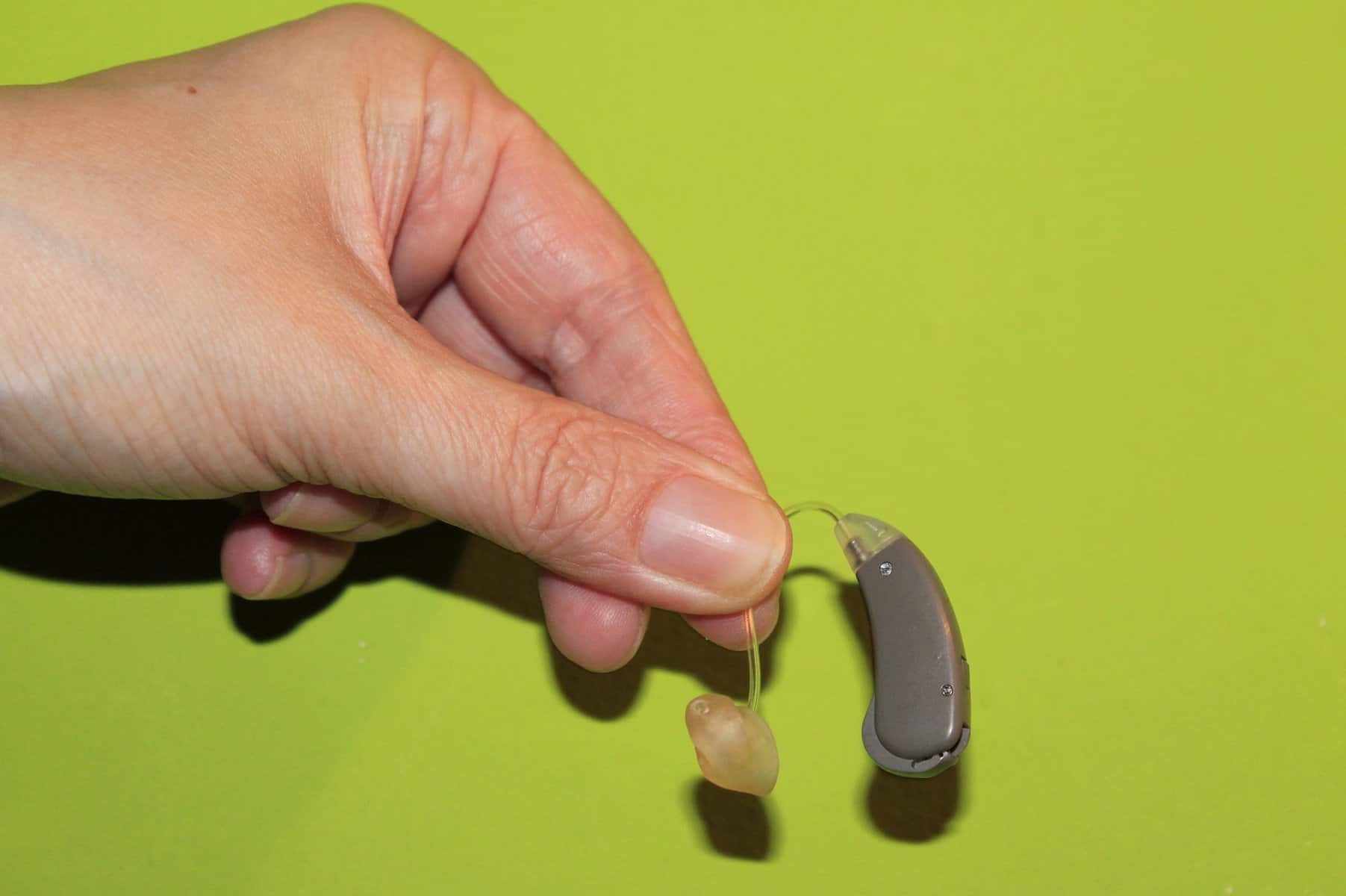
Do you have vision or hearing impairment(s)?

19

Today we’re wondering if you’ll share something a little personal with us. Do you have vision or hearing impairments? Do you have both? Neither?

For many people, living with vision or hearing impairments is a daily part of life, and it can come with unique challenges. Whether it’s needing extra time to process information, relying on assistive devices, or adapting spaces to fit personal needs, these adjustments can shape a person’s experience in profound ways. Understanding these experiences is important as we continue to learn more about how to support and connect with those in our community.

If you do have vision or hearing impairments, we’d love to hear about your journey. How have you adapted to the world around you? What kinds of tools or resources have been helpful in making tasks easier, whether it’s at home, at work, or out and about? From specialized technology to small changes in everyday routines, there’s a wealth of information that can help others facing similar challenges.

For those who are managing both vision and hearing impairments, we know that the experience is often more complex. Many people find that a combination of approaches, such as hearing aids, screen readers, or visual alerts, can make a significant difference in staying connected and independent.

Sharing these insights with others can help foster understanding and provide new solutions for people who may be facing similar difficulties.

Your experience matters and, by sharing it, you help build a better, more inclusive world for everyone. Thank you for taking the time to reflect on your personal journey and for contributing to a more open conversation about accessibility. We appreciate you!

You will enjoy these other popular polls:

RVDT2859

RV air conditioners have barely changed in decades—until now

For decades, RV air conditioners have been loud, power-hungry boxes that don’t change much from year to year. If you’ve camped in a crowded RV park on a hot night, you probably know the sound.

Now one small RV builder says it plans to try something different. Encore RV of Elkhart, Indiana, announced it will begin offering the Breezonic rooftop air-conditioning system from Eberspächer on its RŎG and VENŪ adventure trailers.

The system uses an inverter-style compressor—the kind many modern home heat pumps use. That may not sound exciting at first glance. But for RVers who have tried to sleep through the roar of a rooftop A/C unit kicking on at midnight, it could matter.

A familiar appliance that hasn’t changed much

Walk through almost any RV park in July and you’ll see them. That familiar white box sitting on the roof of nearly every rig looks about the same whether the trailer is brand-new or 20 years old.

Inside that box is a design that has stayed surprisingly similar for decades. Most RV rooftop air conditioners use a fixed-speed compressor. When the thermostat calls for cooling, the compressor turns on at full power. Once the temperature drops, it shuts off again and waits for the next cycle.

The system is simple, which helps keep the units durable and relatively inexpensive. But it also explains why many RV air conditioners are noisy and why they pull a big surge of electricity when they start.

Anyone who has tried running one from a small generator—or watched campground lights flicker when several units kick on at once—knows what that startup surge looks like.

Inverter compressors work differently. Instead of switching fully on or off, the compressor can slow down or speed up to match how much cooling the RV actually needs. That allows the system to ramp up gradually and maintain a steadier temperature once the coach cools down.

What Encore plans to install

Encore says it will begin offering the Breezonic rooftop system on its adventure-style travel trailers. The unit delivers roughly 13,500 BTU of cooling, which is similar to many conventional RV rooftop air conditioners.

The system also includes a heat-pump function capable of delivering about 13,000 BTU of heating when the trailer is plugged into shore power. Like many modern heat-pump systems, the Breezonic includes several operating modes such as eco, night, and turbo settings, along with dehumidification and ventilation functions.

Encore says its trailers will still include a propane furnace for colder weather. The heat pump is intended mainly for moderate temperatures when electricity is available.

The company builds its RŎG and VENŪ trailers in Elkhart, Indiana, widely considered the heart of the U.S. RV manufacturing industry.

Why the change could matter

Inverter air conditioners are common in homes and in many overseas RV markets, but North American RVs have been slower to adopt them. The pressure to improve RV cooling systems has grown in recent years.

Many newer trailers now include lithium battery systems, solar panels, and large inverters. Traditional rooftop air conditioners were never designed with those systems in mind, and their heavy startup surge can strain smaller generators and battery setups.

Noise is another frequent complaint among RVers. When the compressor kicks on in the middle of the night, a typical rooftop air conditioner can sound like a small jet engine starting up above the bed.

Variable-speed compressors don’t eliminate noise completely, but once the RV cools down they can run at lower speeds that are noticeably quieter. That could make summer camping a little easier on everyone within earshot.

Can RV owners upgrade their own air conditioner?

The announcement may raise an obvious question for current RV owners: Can you replace your existing rooftop air conditioner with something similar?

A few options are beginning to appear, although choices remain fairly limited. European RV supplier Truma now offers its Aventa rooftop air conditioner for certain aftermarket installations in North America.

The system focuses on quieter operation and improved efficiency compared with many traditional rooftop units. RV owners can learn more here.

Another option sometimes used by RV owners is the Houghton inverter-style rooftop air conditioner sold through aftermarket retailers such as RecPro. Those systems are designed to fit the industry-standard 14-inch roof opening used by most RV rooftop air conditioners. Examples can be seen here.

In many cases, installing one of these systems may require professional installation or compatibility checks with the RV’s existing ducting and control systems.

Some RVers—particularly van-conversion owners—have also experimented with battery-powered rooftop air conditioners originally designed for long-haul truck sleeper cabs. Those units run directly from 12-volt battery systems but generally produce less cooling than conventional rooftop air conditioners.

Cost is another factor. Traditional replacement RV air conditioners can often be installed for around $1,000 to $1,500, while newer inverter-style systems may cost considerably more.

A market that rarely changes quickly

The RV industry tends to stick with components that are simple, durable, and easy for dealers to service. Rooftop air conditioners from major suppliers such as Airxcel and Dometic dominate the market and appear on everything from travel trailers to large motorhomes.

Those systems are designed to fit the standard 14-inch roof opening used on most RVs. That compatibility makes them easy for manufacturers to install and relatively simple for owners to replace.

But the same factors that made rooftop air conditioners so common have also slowed innovation.

A small step, but possibly a signal

Encore is a relatively small RV manufacturer compared with some of the industry’s larger brands, but smaller builders often experiment with new equipment first. Adventure trailers in particular attract buyers interested in off-grid camping, solar power, and quieter gear.

If inverter-style rooftop air conditioners prove popular with those buyers, larger RV manufacturers may eventually begin offering similar systems.

For now, the Breezonic installation represents just one builder trying something different. But in a part of the RV world that hasn’t changed much in decades, even a small change can be worth watching.

RELATED

RVT1252b

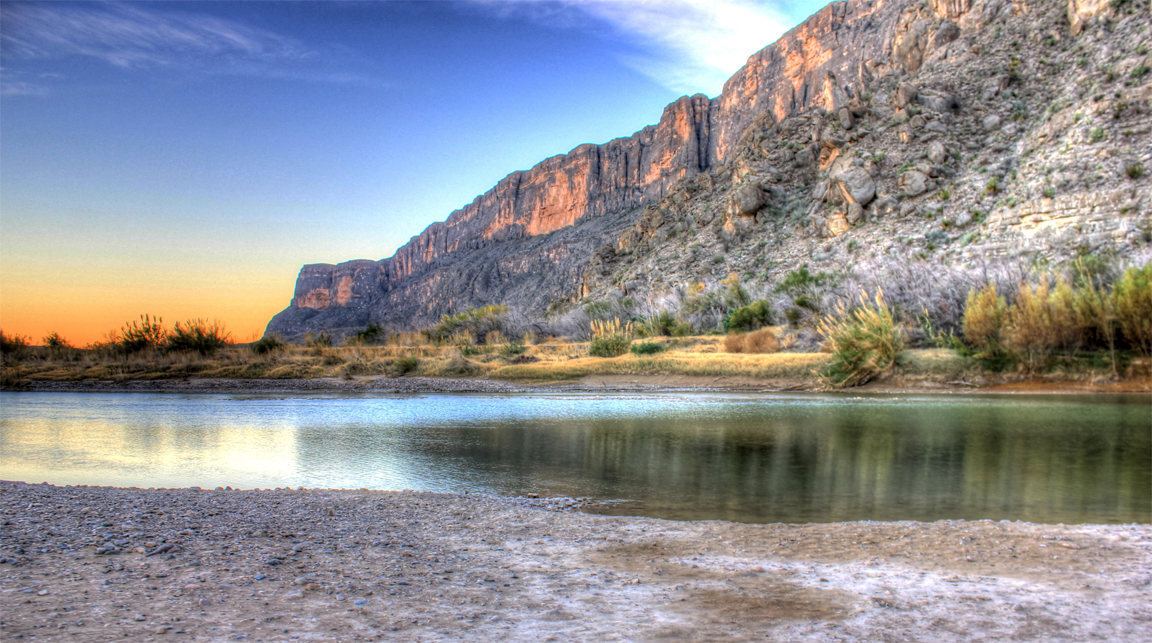
U.S.–Mexico border wall through Big Bend no longer planned

A controversial proposal to build a section of the U.S.–Mexico border wall through Big Bend National Park appears to have quietly disappeared from federal planning maps. It’s an outcome that could matter to thousands of RVers who visit the remote desert park each year.

Earlier federal planning documents from U.S. Customs and Border Protection (CBP) showed a potential wall corridor stretching roughly 100 miles across the Big Bend region of West Texas. The route raised alarms among park supporters, local tourism operators, and conservation groups who worried that a steel barrier could disrupt scenery, wildlife migration, and access to one of America’s most remote national parks.

But a recently updated CBP planning map now shows that stretch of border labeled for “detection technology” rather than physical wall construction. This suggests the agency may rely on surveillance systems instead of new fencing in the Big Bend area.

For RVers planning a trip to the park, that shift could preserve the wide-open landscapes that make Big Bend such a unique destination.

Why the issue mattered to RV travelers

Big Bend draws visitors specifically because it feels wild and undeveloped. The park spans more than 800,000 acres along the Rio Grande, offering long desert drives, expansive views, and some of the darkest night skies in the United States.

Many RVers visit the park during winter months when the desert climate is mild. Campgrounds such as Rio Grande Village and Cottonwood are popular bases for exploring the area, while nearby gateway communities like Terlingua host additional RV parks and services.

Opponents of the wall proposal argued that a large steel barrier cutting across the park landscape would fundamentally change the visitor experience. Some tourism businesses worried the project could discourage visitors who come to Big Bend for its natural scenery and international river corridor.

The Rio Grande also functions as a natural boundary in many parts of the park. In several locations the river is narrow enough that visitors can easily see across into Mexico, creating a unique cross-border landscape that has long been part of the park’s identity.

What the new map suggests

The updated federal map does not appear to show a physical wall planned through the Big Bend stretch of the border. Instead, the area is marked for technology such as sensors or monitoring systems that can detect movement.

Border enforcement activity would still continue in the region. Agents from U.S. Border Patrol already operate throughout the park and surrounding desert, and visitors regularly encounter checkpoints on highways leading away from the area.

Using surveillance technology instead of a physical wall could allow security operations to continue while avoiding construction inside the national park landscape.

However, the change has not been widely announced, and federal agencies have not issued a major public statement explaining the shift. As a result, some observers caution that border infrastructure proposals can change as political priorities shift.

What RV visitors should know

For now, travelers heading to Big Bend are unlikely to see major construction related to a border wall inside the park.

Visitors should still expect a noticeable border-security presence in the region. Permanent immigration checkpoints operated by U.S. Border Patrol sit on major highways leading north from the Big Bend area, where agents briefly stop vehicles for routine questions before travelers continue inland.

Otherwise, the experience of visiting Big Bend remains much the same as it has for decades: long desert drives, remote campgrounds, dramatic canyons carved by the Rio Grande, and vast night skies that draw stargazers from around the world.

For RVers who treasure the park’s quiet landscape, the disappearance of the wall proposal from federal maps may come as welcome news—even if the long-term future of border policy in the region remains uncertain.

RELATED

RVT1252b

Mount Rushmore fireworks return for America’s 250th birthday—but tickets come with a catch

Fireworks will once again light the sky above Mount Rushmore National Memorial in 2026. It’s part of a national celebration marking the 250th anniversary of American independence. But RV travelers hoping to see the show should plan early—and expect tight access.

The National Park Service announced that a large Independence Day celebration and fireworks display will take place on July 3, 2026, at the iconic Black Hills landmark.

Visitors must obtain tickets through a public lottery.

Ticket lottery set for April

Visitors who want to attend the fireworks must enter a ticket lottery on Recreation.gov.

The National Park Service will accept applications from April 8 through April 12. Travelers can enter the lottery online through the site’s Mount Rushmore event page here.

Key details include:

  • Lottery window: April 8–12, 2026
  • Application fee: $1 (non-refundable)
  • Results announced: April 14
  • Maximum tickets per applicant: 4
  • Parking or shuttle reservation required

Officials say the event is expected to draw large crowds as part of the nationwide United States Semiquincentennial celebrations.

The lottery and event are limited to U.S. residents, and visitors age 16 or older must present a government-issued photo ID.

Park access will be restricted

Travelers should expect significant access restrictions during the celebration.

The park will:

  • Close to the general public on the evening of July 2
  • Reopen only for ticketed visitors at 1 p.m. on July 3
  • Host scheduled events from about 4 p.m. to 10 p.m.

Security screening will be required for everyone entering the memorial that day.

For RV travelers touring the Black Hills, that means congestion is likely in and around the memorial and nearby highways.

Fireworks return after a five-year absence

The 2026 celebration marks the return of fireworks to Mount Rushmore after several years without displays.

The memorial’s dramatic granite carvings of four U.S. presidents—George Washington, Thomas Jefferson, Theodore Roosevelt and Abraham Lincoln—create one of the country’s most recognizable backdrops for patriotic celebrations.

Federal officials say the 2026 event is intended to be a centerpiece of the nation’s 250th birthday.

What RV travelers should know

RVers planning a Black Hills trip in summer 2026 may want to keep several factors in mind:

  • Campgrounds near Mount Rushmore and Black Hills National Forest could book quickly for the holiday week.
  • Traffic around the memorial is likely to be heavy on July 3.
  • Large RV parking near the memorial itself is limited.
  • Visitors without lottery tickets will not be able to enter the park the evening of July 3.

For travelers who do win the lottery, however, the event promises a rare chance to see fireworks above one of America’s most famous landmarks during a historic anniversary year.

RELATED

RVT1252b

RV Daily Tips. Wednesday, March 11, 2026

America’s Original RV Newsletter. Since 2001
Issue 2858 • New issue every weekday


Today’s thought

“Starting out to make money is the greatest mistake in life. Do what you feel you have a flair for doing, and if you are good enough at it, the money will come.” — Greer Garson


Need an excuse to celebrate? Today is National Funeral Director and Mortician Recognition Day!

On this day in history: 1702 – The Daily Courant, England’s first national daily newspaper, is published for the first time.


Tip of the day
Don’t like guns? Alternatives for self-protection

Do you want to feel protected while camping but you shun guns? There are alternatives that will help you in the event you find yourself under assault, either by an animal or a human being acting like an animal.

Non-lethal weapons have, of course, been around since the beginning of time. Some might think a rock or a baseball bat is a non-lethal weapon, but the law recognizes them as deadly weapons. If you rely on a baseball bat for personal protection, keep in mind that it requires you to be up close to your attacker. But what about a defensive spray? They can save your life with a 15-foot separation between you and the offender. Continue reading.


Airstreamglobe1RV review
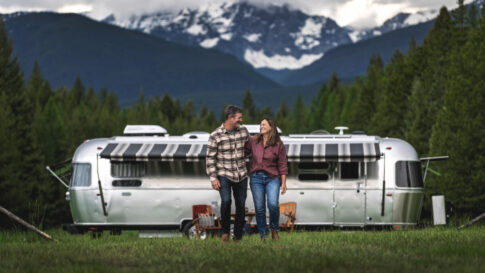
2026 Airstream Globetrotter 30RB—European-style in an Airstream

The 2026 Airstream Globetrotter 30RB brings a clean, European-inspired look to Airstream’s classic aluminum body. Here, we get a tour of the rear bedroom twin layout (also offered with a queen). It offers strong storage, modern power features, and a long list of comfort upgrades that feel practical, not fussy. The Dublin Slate upholstery and dark walnut cabinetry give it a warm, modern feel, while the many windows keep it bright. Check it out.


Are ye ol’ eyes giving you problems? Is the small type getting too small to read (it happens to the best of us)? This will save your day.


In the RV shop with Dustin
How to protect your hardwood/vinyl flooring from your RV slide-out

A popular concern I receive at my RV repair shop is protecting hardwood or vinyl flooring when the RV slide-out extends or retracts. Whether your unit is brand-new or it’s several years old, floor damage can be disheartening because you are either left with an expensive repair or a battle wound that you learn to live with. An easy way of protecting your hardwood or vinyl flooring from your slide-out is… Continue reading.


ButtcushionMake RV driving days easier on your back, hips, and behind
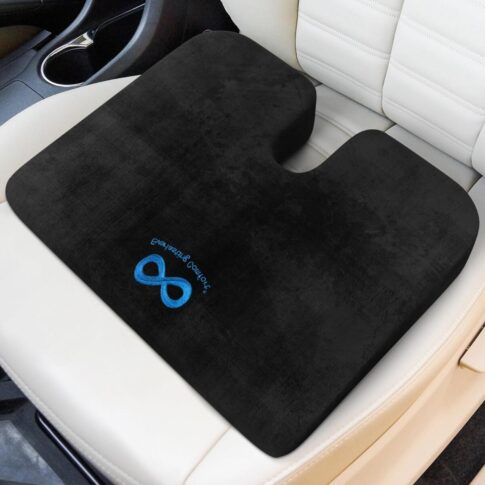
If your hips and lower back start complaining after a few hours of driving, this memory foam wedge seat cushion can help. It adds a small lift for better posture and visibility while relieving pressure on your tailbone and lower back—something to appreciate on long travel days. With supportive foam, a non-slip base, and a washable cover, it’s a simple upgrade that makes those miles much more comfortable.


Article and video
How to prevent RV theft and keep your RV secure

Here, we join Joshua from RV Gear & Far for some useful tips on how to prevent RV theft and ways to keep your RV secure, whether it is on the road, at your house, while out boondocking, or in an RV storage facility. By implementing his advice, you can significantly reduce this happening to you. The goal of this video is to make stealing your RV so frustrating for a thief that they will look elsewhere.


Featured article
RV engineer spills the dirty truth about RV cargo capacity

By Ross Regis
In the alphabet soup of RV towing capacities, Cargo Carrying Capacity (CCC) is usually overshadowed by Gross Vehicle Weight Rating (GVWR), Gross Combined Weight Rating (GCWR), Gross Axle Weight Rating (GAWR) … “But, Ross,” you interrupt, “that’s techno-talk. That’s for RV nerds (no offense). I’m just shopping around!” Then you are EXACTLY who should be reading this post! Most buyers don’t pay attention to that little black-and-yellow sticker until AFTER their purchase, and by then it’s $75,000 too late. Read this important information.


Ask Dave
Cold water has rotten egg smell in one RV sink. Why?

Read Dave’s answer.


This could save your life. It costs less than $20. Keep one in your car, your RV, your home, your backpack. In a desperate situation, you would gladly pay $1,000 for this. Get it.


Reader poll
Do you like pickles?

Respond here.


MedicineopenerAn easy way to open all medicine bottles
This easy-grip medicine bottle opener is a daily helper for RVing seniors and caregivers. For weak hands or arthritis, it adds extra leverage, includes a non-slip mat for one-handed use, and even has a built-in magnifier with LED light to read tiny labels. Small enough for the RV medicine cabinet, it makes managing prescriptions a lot easier and less frustrating. Learn more or order.


Quick tip
Tires do not carry loads

The number one component in tire care is inflation. Tires do not carry loads; air does. So keeping your tires within proper inflation range will help get the most life out of them from tread wear and failure. Be sure to check tire inflation when the tire is COLD. Check tire pressure: Each month in storage • Before the start of each trip • Each morning when on the road.


Website of the day

Forvo
Learn how to pronounce any (and they mean ANY) word in English or another language. This website is good to know about!


? MYSTERY PRODUCT OF THE DAY ?
We love this so much we wouldn’t want to get it dirty! Why would we get something dirty? Well, you’ll see! (We love all of these!)


Trivia

The rise of airline travel led to the invention of luggage on wheels. In 1970, Bernard Sadow was stuck in customs with heavy luggage after returning from a vacation in Aruba. While he was standing in line, he watched as a worker moved heavy equipment on a wheeled platform. At that moment, Sadow realized luggage should be on wheels, too. Soon, after a few different design prototypes, he pitched his “rolling luggage” to Macy’s.


Readers’ pets of the day

Fullsizerender 1735ecf47ba0d9012bdd87dc33c00e47“Hercules (Yorkie) and Heidi (Morkie). The pups (both 8 months old), along with their older Yorkie friend, Kanga, travel with us everywhere. They are good travelers and keep us amused along the way. We are so blessed!!” —Malcolm Belisle

Healthy, vitamin-packed. Sam’s Yams Sweet Potato Treats, the original sweet potato dental chew. Endorsed by Archie and Astor, the mascots of RVtravel.com.


Leave here with a laugh


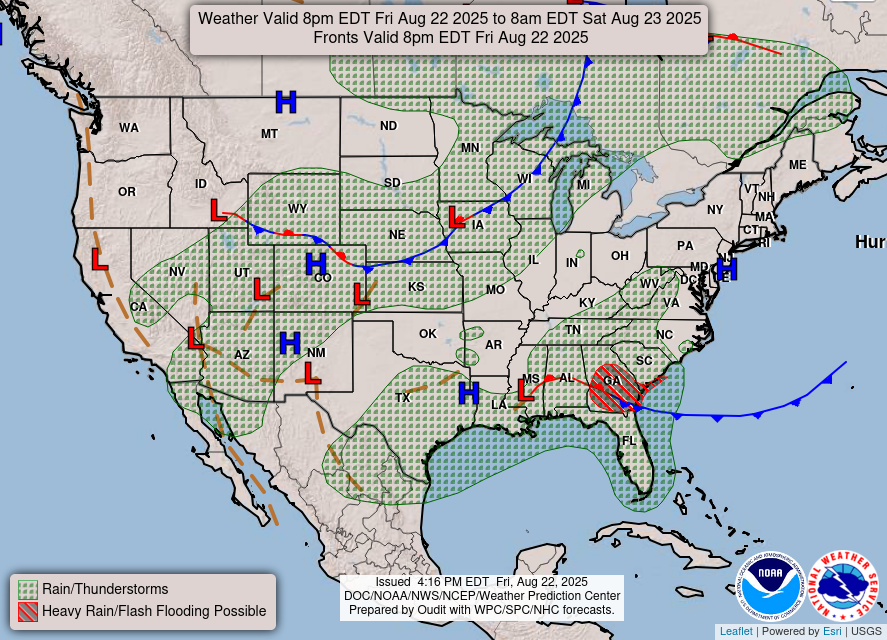
Today’s weather forecast across the nation
THIS MAP UPDATES TWICE A DAY

Visit Current National Radar Weather Map


Did you miss the latest RV Travel Newsletter? If so, read it here.
Oh, and if you missed the Latest News for RVers, make sure to catch up here.


RVtravel.com All-Star Team

Click here for information about our staff and how to contact us.

WHY WE ASK FOR DONATIONS INSTEAD OF SELLING SUBSCRIPTIONS.

Our policy on using artificial intelligence.

Cold water has rotten egg smell in one RV sink. Why?

Dear Dave, 
The cold water line in the front bathroom sink smells like rotten eggs, and it only takes 12 hours to smell that way. None of the other lines in the RV do this. We are full-timers and have been in the rig since it was new. —Phil, 2018 Heartland Cyclone 4151

Dear Phil,
According to the floorplan I found online, your Cyclone has the side slide bed in the front 5th wheel overhead with the bathroom at the front. The bathroom has the toilet and sink on the driver side and the shower on the curb side.

2018 Heartland Cyclone

The puzzler here is the cold water line would come off the city fill or water pump and go through the water heater. A “T” would split the line to all the other sinks, shower, and toilet. So, why is it just the front bathroom cold water?

Some questions about cold water smell

You state that it takes only 12 hours for it to smell. Have you tried sanitizing the system and that is when it takes 12 hours, or just empty the tanks? Does it smell on both city water and fresh water tank?

Since the lines are most likely PEX material and with crimp connections, it is a closed system. There would not be anything coming from a compartment or holding tank. So it has to be that the water in that line is getting what I call “skunky”—which is typically caused by algae or bacteria.

What to do about cold water that has rotten egg smell

I would start by putting bleach in the fresh water tank and filling it up with water. The Centers For Disease Control (CDC) recommends 1/3 cup for every gallon of water, which I feel is a little strong. I have used 1/2 cup for every 30 gallons, which seems to work well.

The challenge is getting the bleach in the tank. If you have a gravity fill, you can pour the appropriate amount of bleach into a gallon jug to dilute it initially. Then use a funnel to get it into the tank, and then use a hose to fill the rest of the tank.

Gravity Fill
Gravity fill

Some units have a valve at the city water connection that diverts the pressurized water either to the city water lines, or to the fresh water tank to fill it. When I was at Winnebago, we had a few years that units had no gravity fill, just the switch. So it was a challenge getting bleach or even antifreeze into the tank. A classic example of designers and engineers that don’t actually use the units!

Fresh Water Fill Valve
Fresh water fill valve

In this case, you need to use a funnel to fill the end of the fresh water hose before attaching it, then connect it to the city fill. It should get the appropriate amount in the tank.

Next steps to get rid of smell

I suggest driving the unit around a little to mix up the water and bleach, then turn on the pump and open one faucet at a time until you get the smell of bleach. Do this to all faucets, shower head, toilet, toilet spray head, and exterior shower. Then let it sit overnight or at least 12 hours, and then drain the tank by running all the faucets.

Some suggest just putting a partial amount of water and bleach in the fresh water tank rather than filling it up. However, you could have algae and bacteria on the upper portion, and I believe in getting it all.

If the smell comes back after that, I would suggest replacing the water line going to that sink as it might be decomposing. You should be able to access it from the underside compartments.


 You might also enjoy these from Dave 


Dave Solberg is a leading expert in the RV industry and the author of the “RV Handbook.”

Read more from Dave here

HAVE A QUESTION FOR DAVE?

Send your inquiries to him using the form below.

Name
Drag & Drop Files, Choose Files to Upload

RVDT2858

Don’t like guns? Alternatives for self-protection

11

By Mike Sherman
Do you want to feel protected while camping, but you shun guns? There are alternatives that will help you in the event you find yourself under assault, either by an animal or a human being acting like an animal.

Non-lethal weapons have, of course, been around since the beginning of time. Some might think a rock or a baseball bat is a non-lethal weapon, but the law recognizes them as deadly weapons. If you rely on a baseball bat for personal protection, keep in mind that its use requires you to be up close and personal with your attacker.

But what about a defensive spray? They can save your life with a 15-foot separation between you and the offender. Continue reading about the benefits of pepper spray.

Differences between animal (dog or bear) spray and human pepper spray

If you want to stay safe from both animals and humans while jogging or camping, you probably don’t want to carry two different types of spray (animal spray and human pepper spray). So, the natural question is whether you can use one spray to cover all possible scenarios.

The fact is, animal spray is typically not as strong as human pepper spray. This is because, quite simply, it doesn’t need to be. Dogs and other animals have much more sensitive senses of sight and smell, so it takes much less OC (oleoresin capsicum, the active ingredient in pepper spray) to affect them and keep you safe.

Dog spray (like Mace Brand Muzzle Pepper Spray) is most often less than half of the industry standard put into human defense spray. The industry standard for human pepper spray is about 2 million SHU (Scoville Heat Units).

What type should I carry?

If you only want to carry one type of spray, it’s advised to carry human pepper spray and have protection against both animals and humans.

Pepper spray is not lethal and will not cause long-term injuries to people or animals. It will only temporarily disable the attacking animal or human. Human pepper spray can still get an instant response in animals and the range is still adequate enough for you to stay safe (between 8 and 16 feet).

Each spray wears off in 30 minutes to 2 hours, and it’s legal in all states (with a few still having restrictions on its use).

Of course, it should be noted that human pepper spray might not be as effective on larger animals like bears. Bear spray might be a better choice if you’re an avid camper or hiker in locations where you’re more likely to encounter an angry bear than a human attacker.

Both bear spray and pepper spray contain the same active ingredient, OC (oleoresin capsicum). It can cause temporary blindness, nausea, burning sensations, inability to breathe temporarily and other bothersome symptoms.

However, the big difference in bear spray and human pepper spray is that bear spray has to pass tests done by the Environmental Protection Agency to ensure it’s humane. In terms of strength, bear spray has about 2% CRC (Capsaicin and Related Capsaicinoids) and human spray only has about 1.33% CRC. Bear spray typically can shoot farther than human pepper spray and also often has a wider effect area.

Stay protected at all times

The main point is to keep yourself protected at all times, no matter where you are. Think about your lifestyle and what types of dangers you might encounter on a regular day. If you don’t ever camp or hike, chances are you need human pepper spray. It can help you fight off human or smaller animal attacks (dogs, cats, raccoons, opossum). It’s an ideal choice for joggers or for those who need protection as they walk in parking lots.

However, if you are in the woods a lot and need protection against bears, it might be wise to carry bear spray alone or carry it along with human pepper spray. It could possibly be illegal to use bear spray on a human, should you be attacked by a human while hiking in the woods, as it’s not intended for human use.

But, keep in mind, if you’re being attacked you must react to keep yourself safe. So, if all you have is bear spray, be sure to use it! It will disable a human just the same, if not more effectively.

There are some restrictions in a few states. You can view the legal information and a wealth of product information at Pepper-Spray-Store.com.

Be alert and stay safe out there.

Mike Sherman is a retired street cop and investigator with 30+ years of RV experience as a traveler, camp host and all-around advocate for the joys of living on the road. His articles are for general discussion purposes only – you should always consult your local authorities or legal counsel for specific answers if necessary. 

RELATED

RVTDT2858

How to prevent RV theft and keep your RV secure

1

By Cheri Sicard
In the video below, we join Joshua from RV Gear & Far for some useful tips on how to prevent RV theft and ways to keep your RV secure whether it is on the road, at your house, while out boondocking, or in an RV storage facility.

Kudos to Joshua for putting in the disclaimer that with enough determination, any RV can be stolen. But by implementing his advice you can significantly reduce your chances of that happening. Why would a thief want to work harder when it is to his or her benefit to commit the crime as quickly as possible? The goal of this video is to make stealing your RV so frustrating for a thief that they will look elsewhere.

Joshua’s tips to prevent RV theft

#1 Keep an insurance policy: Joshua says keeping your insurance up to date, even when not using the RV, can provide peace of mind that should the worst ever happen, it won’t be a catastrophic loss for you.

#2 Assess and secure your storage area: No matter where you are leaving the RV, Joshua talks about the importance of assessing it from a security standpoint. In the video, he gives you things to look for and consider.

#3 Hitch pin locks for towable RVs: Watch the video as Joshua goes into various options and their merits. Keeping a lock around your safety chains can also prevent someone from towing your RV by the chains and dealing with coupler locks later.

#4 X Chocks: If you have a triple-axle trailer, Joshua says that X Chocks not only provide great stabilization, but they are a theft deterrent, too.

#5 Consider locking lug nuts: These make it harder to get the tires off the RV. You can also chain the wheels to the suspension or to the frame and the wheel just can’t be taken off.

#7 A wheel boot: Similar to what parking enforcement uses, these are also effective, although they can be big and bulky.

#8 Keep the jacks down: A thief would have to take the time to raise them or risk damaging the RV if driving with them down.

#9 Chain your RV to something solid: In the video, Joshua uses a large tree as an example.

#10 Pin the RV in: Use a spot surrounded by other vehicles.

#11 Remove batteries when storing: If a thief wants to steal the RV, they will have to do everything manually, like hitching up and raising stabilizers.

#12 Disconnect the tongue jack fuse when the RV is in storage: Joshua shows you where and how in the video.

#13 Remove spark plugs: If you have a drivable RV, Joshua suggests removing one or more spark plugs or having a mechanic install an automatic kill switch.

#14 Remove the handle on manual tongue jacks: This makes it nearly impossible to raise or lower the tongue jack.

#15 Locks: Of course, lock all your doors. However, many RV locks are keyed alike, so installing good-quality after-market locks is a good idea.

#16 Secure generators, propane tanks, or other external devices: The video gives details of how.

#17 Security cameras: Prices have come down on these and there are even many Wi-Fi options.

#18 Document anything unique about your RV: Should it ever be stolen, this will assist in getting it back. Adding your name and contact to an inconspicuous place such as under a cabinet is a good idea. The idea is to be able to tell a law enforcement officer what to look for and where in order to identify your RV, should it ever be stolen.

#19 Appearances: Anything on your RV that makes it unusual will make it more conspicuous and therefore less desirable to a thief.

#20 Remove license plates while in storage: This makes it more conspicuous and therefore less desirable for thieves as they will have to drive without plates.

#21 Cover the RV: As you can’t drive with the RV covered, this will take a potential thief more time.

#22 GPS trackers: Small, inexpensive GPS trackers can help locate your RV quickly, should it ever be stolen.

Do you have additional tips for how to prevent RV theft and keep your RV secure? Be sure to share them in the comments below.

RELATED

RVDT2858

Do you like pickles?

20

Pickles, you either love them or you hate them! Or, maybe not! Maybe you like them, but you don’t LOVE them, and maybe you think they’re just okay.

For many RVers, pickles are the perfect snack to keep in the fridge for a road trip. They’re portable, easy to pack, and can be enjoyed in a variety of ways—whether on a sandwich, alongside a hot dog, or just on their own. Plus, they last a long time, making them an ideal pantry staple when you’re on the move.

You can even find pickles in all kinds of flavors and varieties, from classic dill to spicy or even sweet bread and butter pickles, ensuring there’s something for everyone’s taste.

Some RVers even swear by pickles for their health benefits. Pickles, especially those fermented and made with vinegar, can help with digestion due to their probiotic content.

They’re also a low-calorie snack, which is perfect when you’re craving something crunchy but don’t want to break your diet. Of course, if you’re watching your sodium intake, there are low-salt versions out there, as well, so everyone can enjoy them without guilt.

Then there’s the process of making pickles. Have you ever tried pickling your own vegetables while on the road? It’s a fun and rewarding activity for RVers who love to get creative with their food. You can experiment with different herbs and spices to craft your own unique pickle recipe. It’s a great way to pass the time at a campsite, and the result is a batch of homemade pickles that can be enjoyed for weeks to come.

After you vote in today’s poll, feel free to leave a comment and tell us about your pickle preferences. Are you a kosher dill kinda gal? Or are you a bread and butter pickle kinda guy?

MORE POLLS LIKE THIS:

##RVDT2858