Home Blog Page 73

Tips for dealing with unresponsive RV shops

By Gail Marsh
We never had cause to complain before. In fact, I previously had a hard time believing the horror stories my RVing friends told about their rig repairs. But then, things changed. We quickly learned the most effective ways for dealing with unresponsive RV shops. I sincerely hope you never have problems like ours, but if you do, perhaps you will find these RV tips useful, as well.

Frustration overload

The timing couldn’t have been much worse. We’d planned our trip for months. Arrangements were made and in place. Stop mail delivery? Check! Alert neighbors/police that we would be away? Check! Arrange for the stix-n-brix lawn to be mowed during our absence? Check! RV pre-trip checklist completed? Checkity, check, check!

We were ready to go. Then we discovered that our RV’s “previously fixed problems” weren’t fixed at all. Even though our rig had spent an extended time at the dealership for (you guessed it) repairs, several issues were not fixed. Instead of getting an early morning start to our long-awaited vacation, we cautiously drove the fifth wheel directly to the RV shop.

Not welcome

I’m not sure if it was seeing our rig parked outside their office door or seeing my husband and me standing at the service desk so early, but we failed to receive a “good morning” welcome. We calmly explained our problem. Then we waited. The gal at the desk sat silently looking at us for so long I wondered if perhaps she hadn’t had her cup of “wake up coffee” yet. (Yes, I was frustrated. I tried not to show it.) She finally acknowledged our predicament and replied, “Well, we don’t have any open appointments for another three weeks.”

Sorry, not sorry!

We explained that we didn’t feel comfortable driving our RV until all repairs were addressed. She told us to park it in the back lot. So, that’s what we did.

Then the game of “RV Tag” began. Basically, “RV Tag” is when the consumer tries to “catch” the repair mechanic or service desk to talk about an RV problem that needs fixing (or still needs fixing). We weren’t very successful at this game at first. Then we discovered some tips for dealing with unresponsive RV shops.

Think: C.A.L.M.

“Calm” is a good word to describe the best demeanor to use when dealing with almost anyone in any situation. Each letter in the word “calm” can be a mental prompt for RVers, as well. It can help us remember the steps to take when dealing with unresponsive RV shops.

C is for “Contact.” Call, text, and/or email the shop. Clearly state your RV’s problem. Ask for a response within a specific timeframe. Use a firm but polite conversational tone. Remember to leave your own contact information.

A is for “Appeal to the supervisor.” If you’re dealing with a larger company, chances are the RV tech or service desk clerk has a supervisor or manager. Appeal to this person. It’s important to remain professional as you explain your situation. Avoid ridiculing or disparaging anyone’s ability to the supervisor. Instead, ask the supervisor to help resolve your RV problem.

L is for “Look for a second opinion.” Ask the dealership if a different mechanic in their shop could take a look at your RV. Or take your rig to a different RV shop for a second opinion. Perhaps a different pair of eyes will identify and address your RV problem more efficiently.

M is for “Make a complaint.” If you feel that the RV mechanic or shop provided poor service, make a complaint to that effect on the company’s social media page. Maybe your negative review will save other RVers.

Dealing with unresponsive RV shops can cause stress and heighten frustration. Remaining calm (and following the C.A.L.M. tips) will hopefully bring about a satisfactory resolution.

Note: Thankfully, we were able to take our trip just two days later than originally planned. Our RV was fixed by our original shop, but by a different mechanic. We remain in good standing with our RV shop and enjoy a friendly relationship with all of the wonderful folks who work there. 

Have you ever dealt with an unresponsive RV shop? How did you resolve your issues?

Read more articles like this here

RVDT2868

Farm and ranch store RV gear— Finding essentials in unexpected places

By Cheri Sicard
Sometimes you can find great RV gear in unexpected places on the road. Case in point: In the video below, we go shopping with the Grateful Glamper to check out some farm and ranch store RV gear. You might be surprised by the hidden gems you can find.

Why shop at farm and ranch stores for RV gear?

Farm and ranch stores aren’t just for tractors and livestock. They can be surprisingly useful for RVers. Here’s why:

Convenience: Imagine you’re on the road and something breaks. You don’t have time to wait for an online order. Farm and ranch stores offer a quick solution. You can find RV supplies on the fly, saving your trip from disaster. It can be hard to find RV supplies when you’re traveling. These stores offer a great alternative.

Cost-effectiveness: RV-specific stores can be expensive. Farm and ranch stores often have budget-friendly alternatives. You might find the same tool or supply for less.

Unexpected finds: Sometimes, the best RV gear isn’t marketed for RVs at all. Farm and ranch stores have unique and versatile items. You can discover supplies you never thought to use in your RV. This makes shopping there an adventure.

RV essentials you can find

Tractor Supply and similar stores have a surprising amount of RV essentials. Here are some key items to look for:

Surge protectors: Finding a surge protector outside of Camping World or Amazon is a win. Surge protectors are crucial for RVs. They protect your electrical system from power surges.

Adapters (30 to 50 amp): Campgrounds have different power connections. Adapters let you connect your RV to any power source. These are a must-have for any RVer.

Water bandit: Ever been to a campground with an unthreaded water spigot? A water bandit solves this problem. It’s a rubber boot that fits over the spigot, letting you connect your hose.

Adjustable water pressure regulator: Water pressure at campgrounds can be unpredictable. An adjustable water pressure regulator protects your RV plumbing. It ensures the water pressure is safe for your system.

Replacement waste valve: When something breaks in your RV plumbing, you need a quick fix. A replacement waste valve can save the day. Finding one at a local store is super convenient.

Sewer hoses: A spare sewer hose is essential. You never know when you might need a replacement. These stores have you covered.

Rhino Blaster rinser: If your RV doesn’t have a built-in black tank flush, this is a great alternative. It lets you add water to your black tank and flush it out. It’s not the same as a true flush, but it helps.

EvoFlex hose: These hoses are soft and don’t kink. This makes them easier to use and store. They’re a great upgrade from stiffer hoses.

Anode rod: An anode rod protects your water heater from corrosion. Finding one outside of online retailers is rare and valuable.

Vent covers: Replacement vent covers are essential for RV maintenance. They protect your RV from rain and debris.

DampRid: If you store your RV in a humid environment without power, DampRid is a must. The large bucket option is perfect for long-term storage. It absorbs moisture and prevents mold.

Organizers: Keeping your RV organized is key. Look for organizers for screws, connectors, and other small items.

Scepter™ gas caddies: Gas caddies are great for storing and transferring fuel. They’re especially useful during emergencies. The Grateful Glampers use them during hurricane season.

Tarp: Keep a tarp on hand for unexpected leaks or weather events. It can protect your RV from water damage.

Transfer pump kit: Use this for transferring fluids, like fuel for generators. Don’t use it for drinking water.

Camping table: A camping table provides extra surface space. Look for one that folds down compactly for easy storage. The Grateful Glampers highly recommend it.

Bungee cords: Bungee cords are useful for awnings. They help secure items around your campsite.

Tie-out cables: A tie-out cable is great for keeping your dog safe at the campsite. Make sure the campground allows it.

Carabiners and clips: Carabiners and clips are versatile tools for various RV tasks. Keep a set on hand for unexpected needs.

Zip ties and duct tape: Zip ties and duct tape are must-haves for any RVer. They can fix almost anything in a pinch.

Gorilla Tape: Gorilla Tape is strong and reliable. The clear Gorilla Tape can even be used underwater.

Multiple outlet plugs: RVs often have limited outlets. Multiple outlet plugs solve this problem. They let you plug in more devices.

Snake stopper/repellent: Snakes can be a concern around RVs. Snake repellent keeps them away. The home barrier spray creates a perimeter around your RV.

Ant baits: Ant infestations can be a problem in RVs. Ant baits are an effective solution. The ants take the bait back to the colony, killing them all. The Grateful Glampers have a story about this.

Dog toys: If you leave your dog alone in the RV, provide them with toys and accessories.

Work gloves: Protect your hands during sewer-related tasks with good work gloves.

Hose spring: Hose springs prevent kinks in your hoses. Keep them on hand for RV connections.

Hose splitter: A hose splitter makes campsite water access easy. The Grateful Glampers carry it in their RV.

Clearance finds

Don’t forget to check the clearance section for great deals.

RELATED

RVDT2868

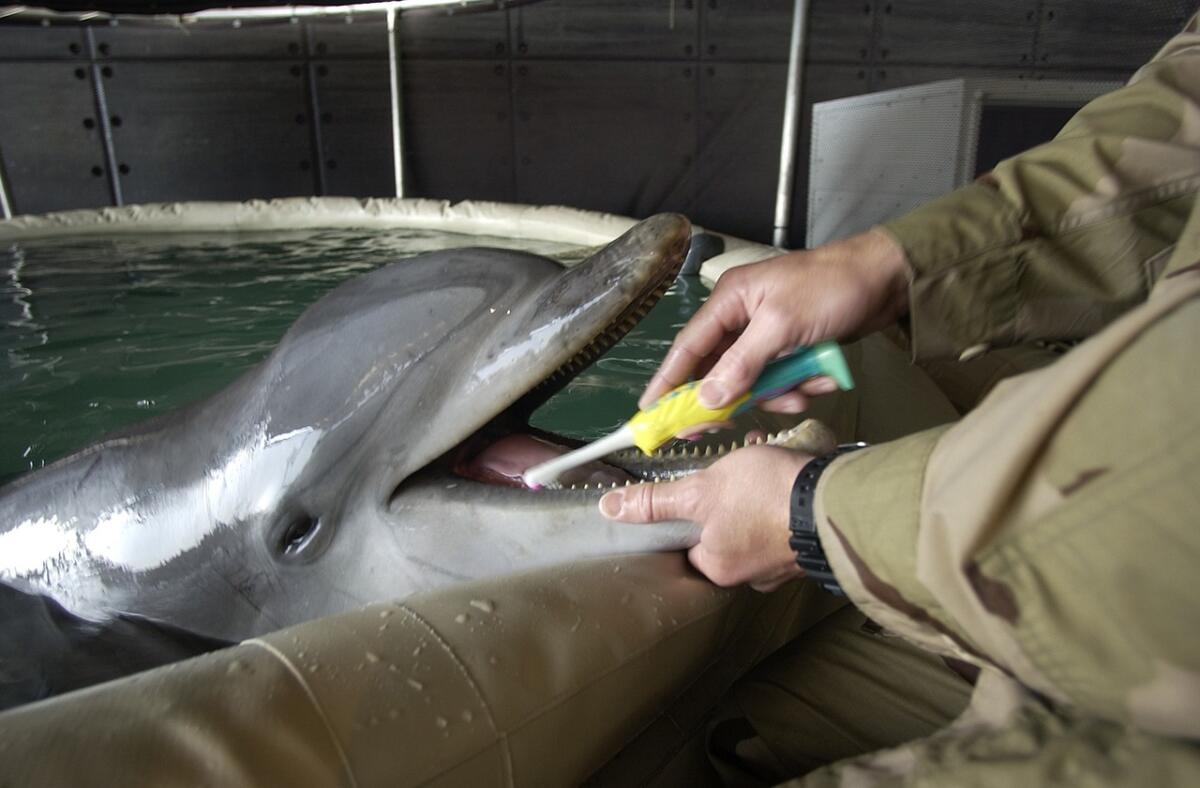
How many times a day do you brush your teeth?

1

Can you guess what we were doing when we thought up this poll question? (Wink.) Yep, brushing our teeth. We wondered: Do our readers brush their teeth once a day? Twice a day? After every time they eat? So, now’s your turn to tell us! How many times in a day?

And, if you were wondering, the American Dental Association recommends you brush your teeth twice a day for at least two minutes at a time. It’s a simple habit that can make a big difference in keeping those pearly whites healthy for years to come.

And, hey, as RVers know, good dental hygiene doesn’t use much water—a nice bonus when boondocking or traveling with limited resources.

Speaking of RV life, dental routines on the road might look a little different. Whether you’re brushing in a cramped RV bathroom, at a campground, or during a quick stop at a rest area, there’s no one-size-fits-all routine.

Maybe you’re a “before coffee only” brusher, or perhaps you squeeze in an extra scrub before meeting fellow campers for a potluck dinner. Whatever your style, we know RVers find ways to adapt their habits to life on the go.

However you answer, just know we don’t judge. Hey, we have eight newsletters to publish every week, not to mention every article that goes inside them! We don’t have time to judge! (But we do have time to brush our teeth.😁) So, go ahead, share your brushing habits with us, and let’s see what you have to say!

MORE POLLS YOU MIGHT LIKE:

RVDT2868

Keep this product on hand for easy RV underbelly repair

By Dustin Simpson
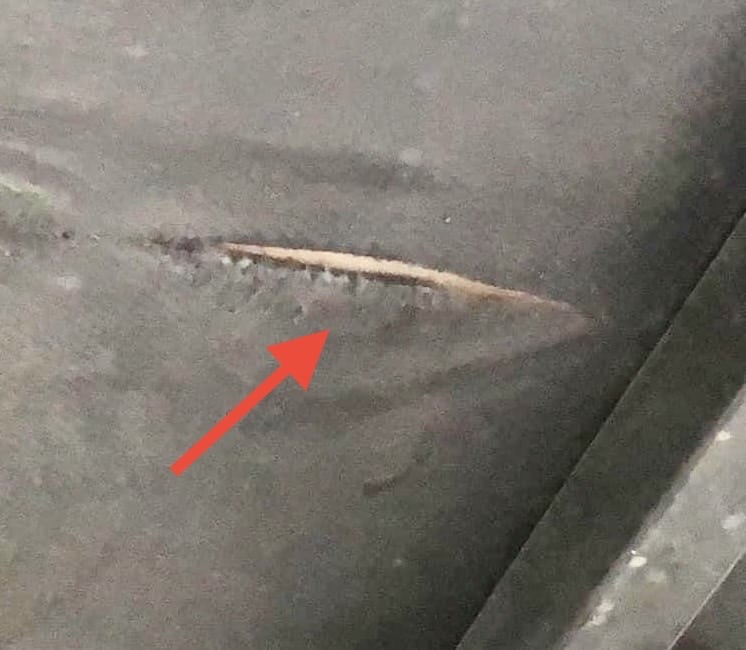
You may have encountered some debris on the road that has caused impact damage underneath the RV. Or maybe you’ve experienced a tire blowout that caused damage to the RV underbelly or fender area that has required you to need some undercarriage repair.

If you have experienced either of these situations, you may be asking yourself, “Now what do I do about it?”

RV underbelly repair solution

The average person would grab a roll of duct tape. But did you know that very few tapes will stick to the underneath material of an RV, much less stick permanently? Duct tape will only work for a short period of time.

If you want to eliminate taping the rips and tears in your underbelly repeatedly, I recommend you carry a small roll of underbelly repair tape with you. This underbelly-specific tape allows you to seal off any tears you may encounter. It has a permanent adhesive patch to cover up or protect the underneath of your RV. When placed over holes and tears, the repair tape bonds tightly to the bottom closure material PERMANENTLY.

Other repair possibilities you may encounter

• Your unit was accidentally cut by the manufacturer or by a repair that was needed.

• You may want to block off areas to prevent air, debris, or pests from entering the unit.

This product is very easy to use. Simply ensure that the area around the torn part is clean and dry before using the repair tape, and then stick the tape and press the edge of the tape firmly so that the tape can be tightly bonded to the bottom of your items.

Either way, you need to block off an open area, cover up or stop a tear before it catches the air and causes more damage. Make sure you have the right product on hand to make your undercarriage repair, whether you are on the side of the road or keeping up on general maintenance from the comfort of your driveway.

Again, here’s a link to that tape.

Make sure you check out my website, California RV Specialists, and YouTube channel for more helpful information, and see our published articles on RVtravel.com and other social media pages.

RELATED

RVDT2868

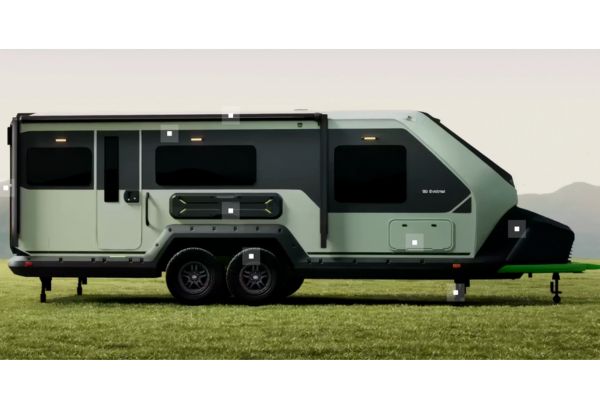
Evotrex-PG5 travel trailer: Supercharger on wheels for EV truck camping

e-Adventure sounds simple until an EV truck hits its limit. YouTuber Jace Sparks loves chasing sunsets past the mountains and falling asleep under a sky full of stars. Lately, the problem has been range. The places he wants to reach are often far from chargers, and most campgrounds still don’t make it easy for electric rigs. That’s where the Evotrex-PG5 comes in.

At the Evotrex facility in Los Angeles, Jace tours what feels like a serious answer to off-grid EV travel, since fewer than 25 percent of campsites in North America have RV electric hookups, and less than 2 percent of national park campsites do. He shares his experience in the video at the end of this post.

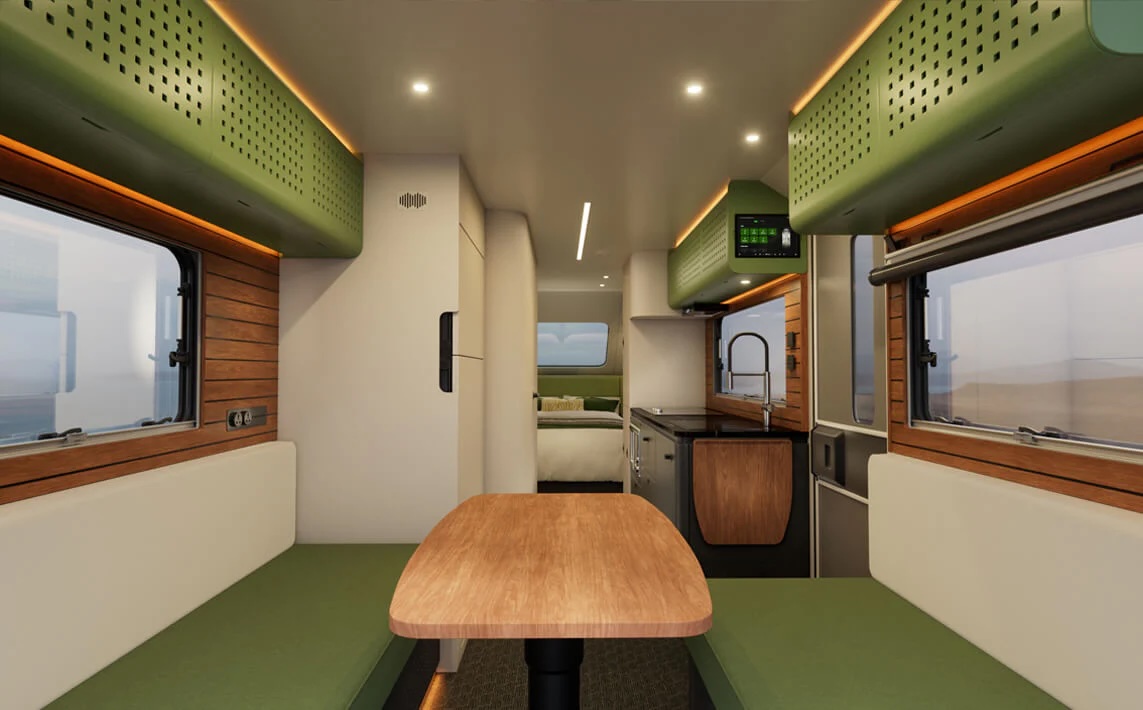
The Evotrex-PG5 gives off a high-quality feel right away. It’s designed for people who want comfort without giving up the ability to camp away from plug-in sites. The finish, lighting, and layout all point to the same idea: stay off-grid longer, and don’t feel like you’re roughing it.

Interior

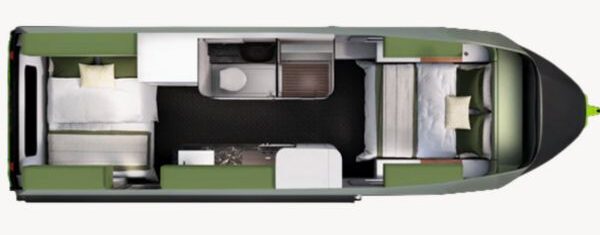
Evotrex-PG5 floorplan

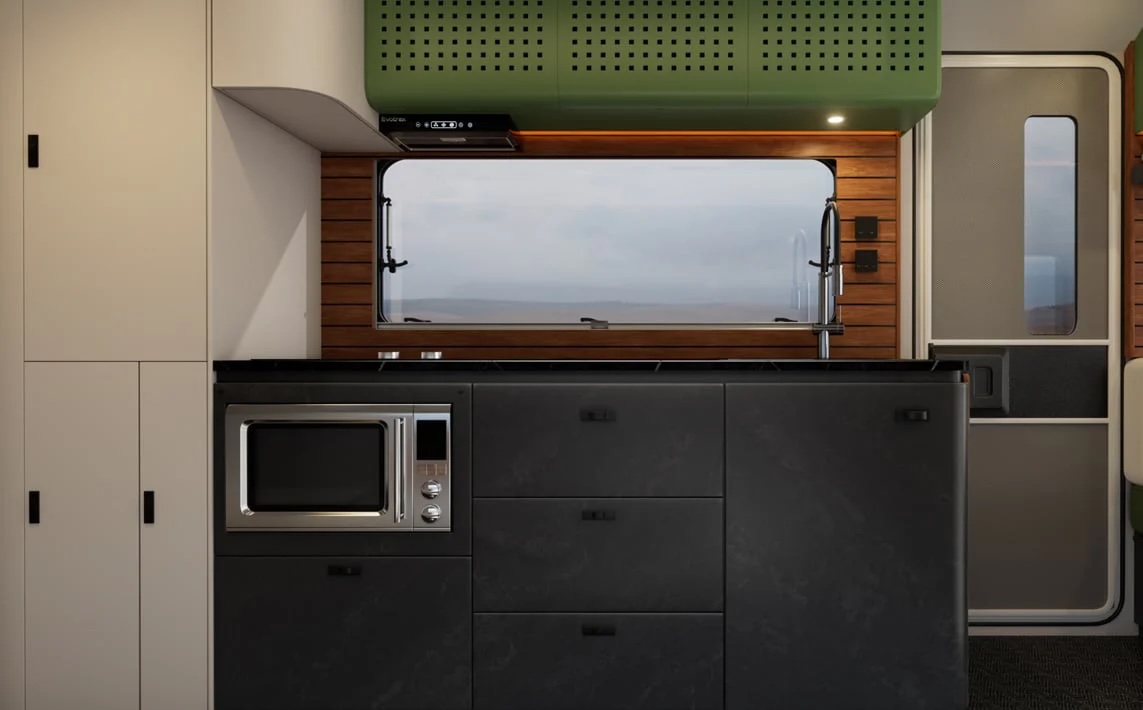
Inside, the PG5 is set up for actual meals, not just snacks. Jace points out how quickly a small detail can matter, like wanting a good cup of coffee and having the setup to do it.

The main kitchen features:

  • A two-burner induction stove
  • A microwave that also air fries
  • A large fridge plus a separate freezer
  • A sink with a clean, modern look

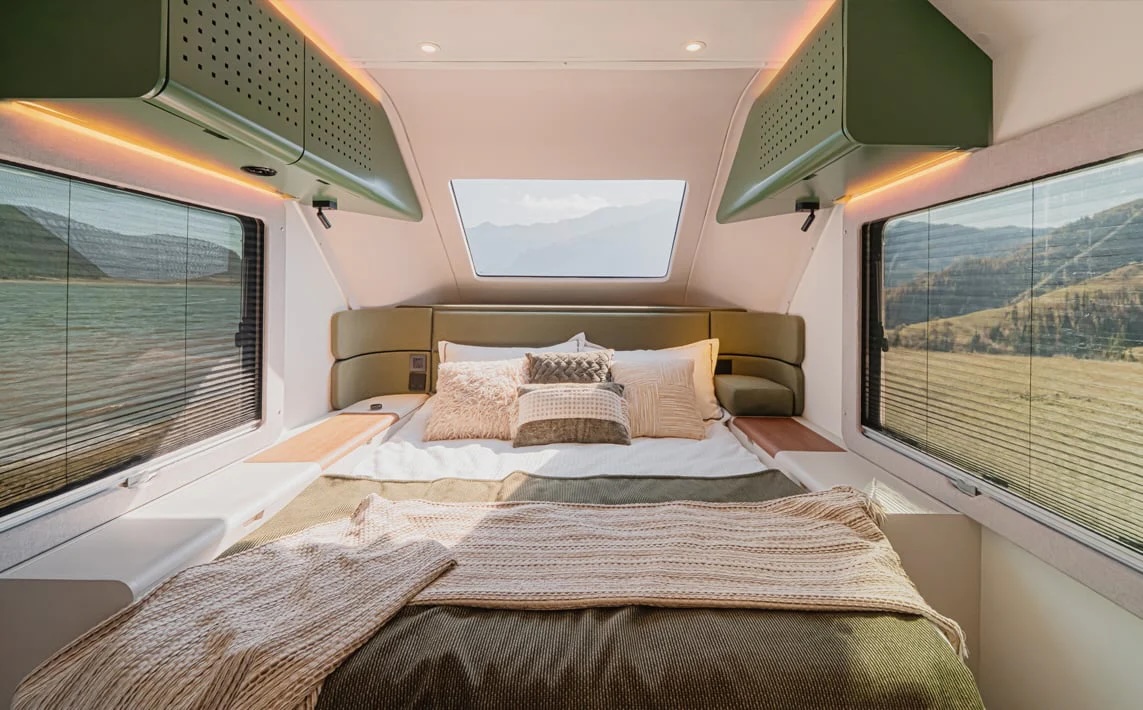
The sleeping setup is a big part of the PG5’s appeal. It includes a residential queen-size bed, plus a second queen created when the table folds down. At night, a dimmable dial controls the LED lighting, and a huge skylight opens the ceiling view for stargazing. Most windows (other than the skylight) can open, so the camper still feels connected to the outdoors.

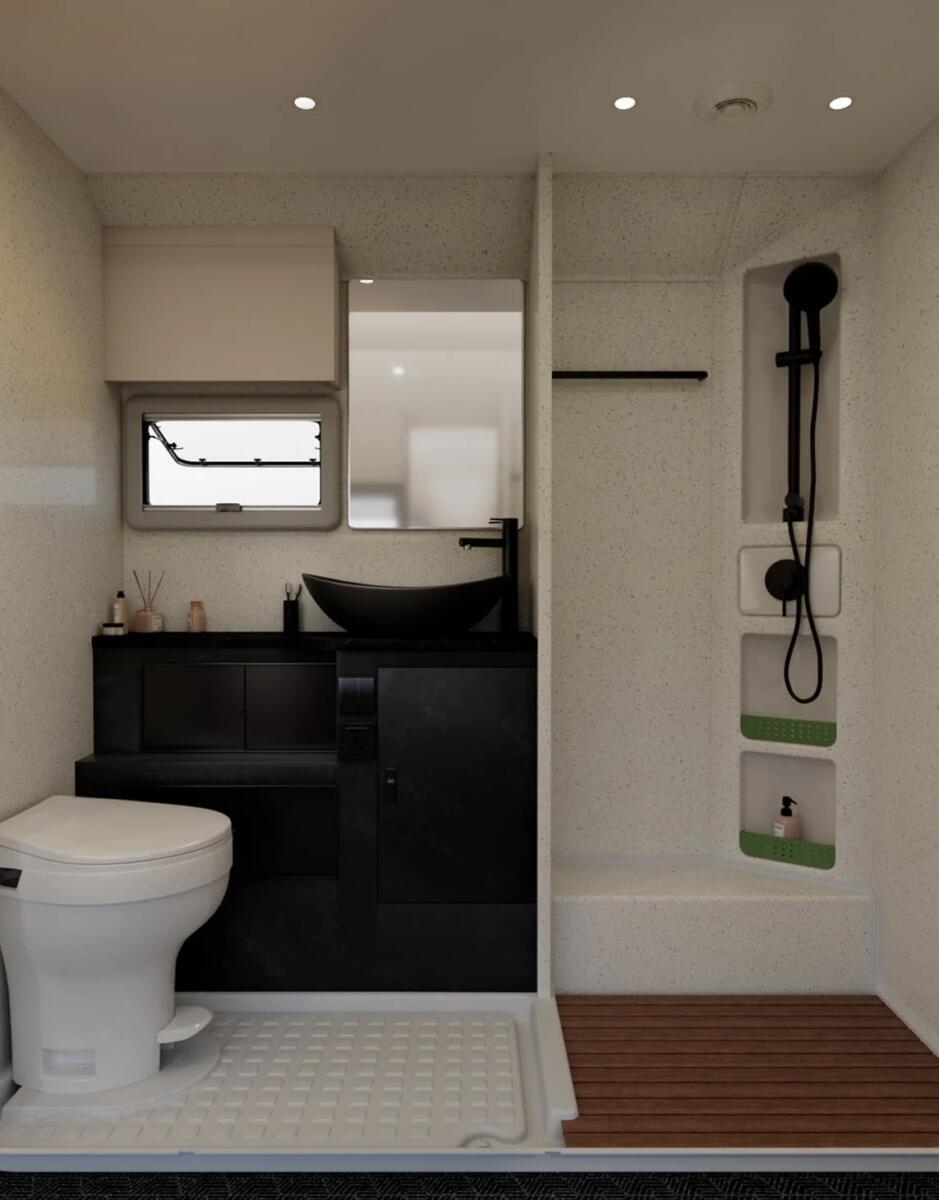
Jace gets excited about the bathroom, and this one lands. The shower area is roomy, helped by 6’5″ ceilings. It also uses an instant tankless water heater, so showers stay warm without waiting for a tank to recover. The toilet setup feels upgraded compared to many campers. There’s also a clothesline.

Living1 Bed1 Kitchen1 Bathroom1

Exterior

Out back, the PG5’s patio does more than add hangout space. It extends the kitchen view and drops down to support rear loading, which is handy for bikes or kayaks, or just setting up a covered spot to sit.

It’s also built to leave pavement behind, with all-terrain tires, outdoor water hookup, and electrical outlets. Storage includes a pass-through tunnel, similar in spirit to the Rivian R1T’s gear tunnel, for long items like skis and other bulky gear.

Horizon power system: DC fast charging from a camper

The standout feature is what Evotrex calls the Horizon system. It’s a generator-powered energy setup that takes 20 gallons of unleaded gasoline and provides 225 kWh of usable energy. Evotrex positions it as the first “supercharger on wheels,” offering DC fast charging for an EV like a Tesla.

For Jace, who drives a Tesla Cybertruck, that’s the missing piece. A tow-behind camper that can help an EV get farther out, and stay out longer, changes what trips are possible.

Smart controls, smooth towing, and off-grid numbers

The PG5 runs on a tablet that docks inside the camper and wirelessly charges. It also adds convenience features like an automated awning and auto-leveling stabilizers. An air suspension system is meant to improve towing comfort, reducing rattles and bounce.

On the off-grid side, it includes a 60-gallon fresh water tank, plus 30 gallons each for gray and black water.

Jace also calls out Evotrex’s transparency, since the Evotrex website includes an off-grid calculator that shows how long someone can stay out based on conditions.

In total, the PG5 is said to offer 270+ kWh of usable battery life, with 1.5 kW solar panels helping recharge along the way.

Pricing, models, and pre-order date

Two versions were available for pre-order as of January 6th:

Model Price What changes
Pioneer (base) $120,000 Includes Horizon system, power assist, and battery, but no patio
Atlas (premium) $160,000 Adds the rear patio setup


Built for EV owners who want to go farther

Jace says his video isn’t sponsored; he just wanted to see if the PG5 could fix the off-grid problem that keeps EV trucks closer to chargers than they’d like. For EV owners who want quiet campsites, remote trailheads, and long stays outdoors, the Evotrex-PG5 is designed to make those trips feel possible again.

Learn more about the Evotrex-PG5 here.

RELATED

RVDT2868

Data centers are creeping closer to RV parks, campgrounds—and bringing noise with them

You expect quiet when you book a campsite near a national park. But data centers near national parks are moving closer, and that could change what you hear, see, and experience when you stay.

A new report warns that more than 70 National Park Service sites in the Mid-Atlantic region could be affected by rapid data center growth. Demand for cloud computing, streaming, and artificial intelligence has exploded. And all that digital activity has to live somewhere—in the form of large, power-hungry facilities built on real land.

For RVers, the question isn’t how data centers work. It’s what they feel like when they show up nearby.

You may not see it—but you may hear it

You may not see the data center—but you may hear it at your campsite.

Most data centers don’t look dramatic from a distance. They’re often low, windowless buildings set back from the road.

Cooling systems, backup generators, and electrical infrastructure can create a constant, low-level hum—the kind that blends into the background until you realize the quiet you came for isn’t really there.

In some cases, that noise can carry well beyond the property line, especially at night when everything else settles down.

The noise is steady. Mechanical. And for some campers, it’s hard to ignore.

The view may change, too

The buildings themselves aren’t always the biggest visual issue. It’s what comes with them.

A data center near The Dalles, Oregon. Even when built outside park boundaries, sites like this can bring steady noise, lighting, and new power lines closer to places RVers expect quiet. Image: Visitor 7 on wikimedia.org

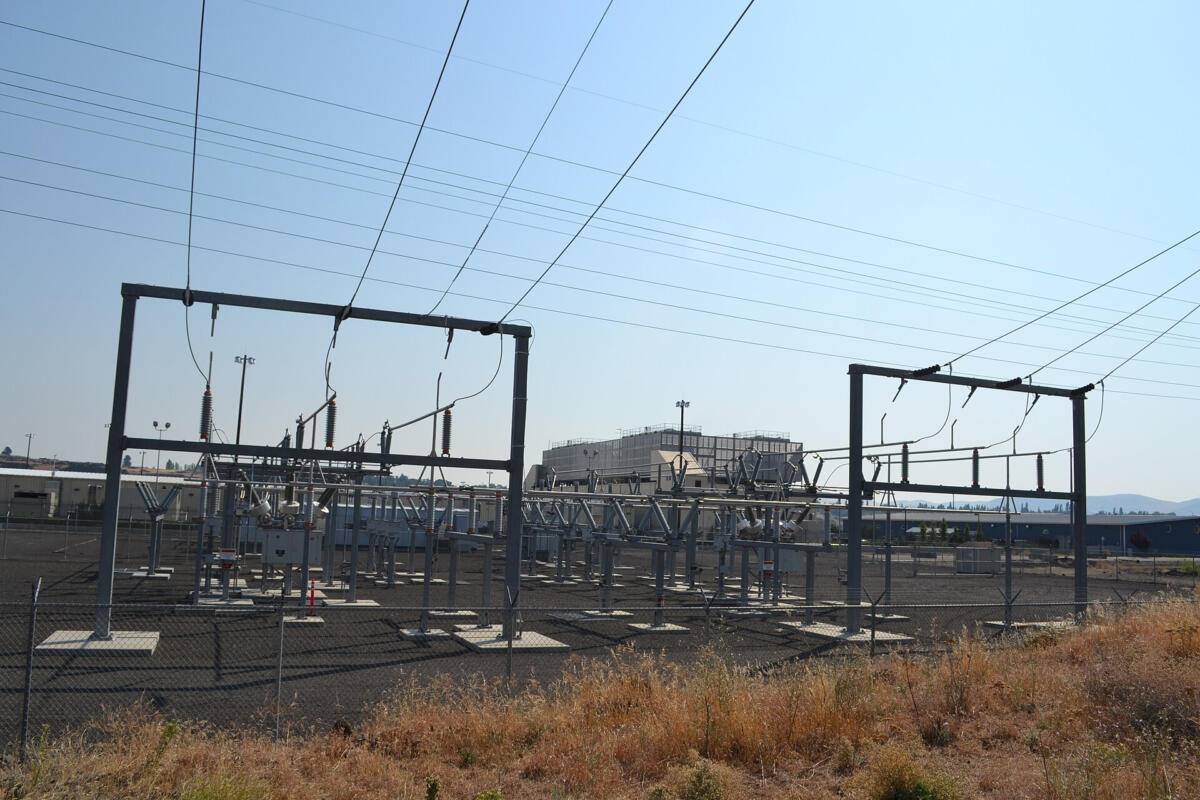
To power these facilities, utilities often build or expand transmission lines, substations, and access roads.

That can mean new cuts through wooded areas, wider utility corridors, and changes to the natural views RVers expect near park boundaries.

Even if the data center sits outside the park, the infrastructure needed to support it may not stay out of sight.

Nights may not be as dark

Another shift RVers could notice: light.

Data centers run around the clock. Security lighting, facility lighting, and nearby infrastructure can brighten areas that were once reliably dark.

For RVers who prize stargazing—or simply enjoy a darker campsite—that change can be subtle at first, then hard to unsee.

Why this is happening now

This isn’t random development. It’s driven by demand.

Every streamed show, cloud backup, and AI query runs through servers housed in data centers. The Mid-Atlantic—especially Virginia—has become one of the country’s biggest hubs.

The report points to rapid growth in recent years, with energy demand expected to climb as more facilities come online. In other words, this isn’t a one-off project.

Where this is showing up

The report highlights a cluster of projects and proposals near National Park Service lands in Virginia, Maryland, and West Virginia.

Some examples include areas near Prince William Forest Park, Manassas National Battlefield Park, and sections of the Appalachian Trail corridor.

In a few cases, proposals even touch or cross into park boundaries through associated infrastructure.

That doesn’t mean every national park is facing this issue, but it does show how close development can get.

What RVers should watch for

If you’re planning a stay near a national park—especially in fast-growing regions—this is worth a quick check.

Look for nearby industrial or utility development on maps, local news about data center proposals, and mentions of transmission line projects in the area.

You don’t need to avoid these places. But going in informed can help you pick a site that better matches the experience you want.

The bigger picture

National parks were set aside for scenery, history, and quiet.

Data centers serve a very different purpose. But as demand grows, the space between those two worlds is getting smaller.

You may never tour a data center. But if this trend continues, you may not be able to ignore one either.

RELATED

RVT1254b

Volunteer hunters enlisted to help manage wildlife in national parks

In some areas of the National Park Service, volunteer hunters in national parks are now part of controlled wildlife management. It’s not widespread, and it’s not what most visitors expect—but it’s something RVers may begin to notice.

You’re sitting outside the rig, maybe early morning, maybe late afternoon. Coffee in hand. Quiet. Then—crack. Gunfire. In a national park?

It’s the kind of thing that would make most RVers sit up straight and wonder what just went wrong. But in some places, what you’re hearing may be part of one of those controlled efforts.

Not what most of us picture when we think “national park”

For a lot of RVers, national parks feel like a kind of refuge—no hunting, no intrusion, just protected land. That’s mostly true. But not everywhere.

Some NPS-managed areas—national preserves, seashores, and certain other units—have long allowed limited hunting or wildlife control. What’s new is how the Park Service is starting to handle part of that work.

Instead of relying only on paid contractors, they’re testing the use of trained volunteer hunters to remove invasive species like feral hogs and nutria.

Why this is happening now

It comes down to two things: damage and dollars.

Feral hogs like this one can tear up habitat quickly—one reason some park units are using targeted removal programs.

Feral hogs don’t just wander around looking for trouble—they tear up the ground, destroy habitat, and push out native species. Left alone, they can turn large areas into a mess in short order.

For years, the Park Service has hired professional sharpshooters to deal with it. Effective, but expensive.

Now, with staffing stretched and budgets under pressure, parks are looking at whether carefully screened volunteers can do some of that work instead.

There’s another wrinkle some RVers may find interesting: In certain programs, those volunteers may be allowed to take home the meat from animals they harvest, or it may be donated through approved channels. It’s not universal, and it’s tightly regulated—but it’s part of how some of these efforts are structured.

Yes—in some cases, those volunteers may take home the meat.

So what might you actually notice?

For most RVers, probably nothing at all.

These operations don’t take place in the middle of busy campgrounds or along popular scenic loops. They’re typically pushed into remote areas, handled on tight schedules, and flagged in advance.

But every now and then, you might see a notice posted at the entrance. Or hear about a temporary closure. And yes—on rare occasions—you might hear distant gunfire and wonder what’s going on.

What to do if you run into it

This isn’t a situation that calls for alarm, but it does call for awareness.

If a park posts a notice or closes an area, take it at face value and steer clear. These are controlled operations, and the people involved know what they’re doing. Give them the space to do it safely.

If you’re unsure, a quick stop at the visitor center usually clears things up. Rangers will tell you exactly what’s happening and where.

Most importantly, don’t assume the worst. In this case, a little context goes a long way.

This isn’t hunting the way most folks think of it

Even the Park Service is careful about the language here.

It’s not recreational hunting. It’s targeted wildlife management—specific animals, specific places, specific goals. What happens afterward varies. Sometimes meat is distributed or donated. Sometimes it isn’t.

The goal isn’t sport. It’s protecting the land.

The bigger shift RVers are watching

It’s part of a broader pattern: parks adapting on the fly. Fewer staff in some places. More reliance on partnerships. More creative ways to handle long-standing problems.

Most of it happens out of sight. Until, maybe, you hear something that makes you stop and listen a little closer.

What it means for your next trip

Chances are, your next national park visit will feel just like the last one. Quiet mornings. Big views. Maybe a little wind in the trees.

But if you do hear something unexpected—something that doesn’t quite fit the picture—it might not be a problem.

It might be the Park Service doing a job that’s always been there… just in a way that’s new to most of us.

RELATED

RVT1254b

RV Daily Tips. Tuesday, March 24, 2026

America’s Original RV Newsletter. Since 2001
Issue 2867 • New issue every weekday
If you find this newsletter helpful, please consider supporting our work with a donation of your choice. Thank you!


Today’s thought

“The most thoroughly wasted of all days is that on which one has not laughed.” —Nicolas de Chamfort


Need an excuse to celebrate? Today is National Cocktail Day! And if you don’t drink, perhaps you can celebrate National Cheesesteak Day instead!

On this day in history: 1900 – Carnegie Steel Company is formed in New Jersey; its capitalization of $160 million was the largest to date.


Tip of the day
Block window glare with movable sunshades

By Kate Doherty
Up until 2019, we flew our four-passenger airplane some 250+ hours per year for business. Then we traded in those three wheels for six and slowed down. It’s difficult flying east in the early morning or west facing the afternoon glaring sun for hours with little sunshade protection. It’s more prevalent if you’re short, since sun visors don’t always shield your line-of-sight vision—whether you’re in the seat of an airplane, vehicle, or motorhome. Movable sunshades are just the ticket. Check these out.


Article and video
How to repack RV wheel bearings and install grease seals

RV wheel bearings don’t ask for much, but they do need fresh grease. On a fifth wheel or travel trailer, repacking bearings about once a year helps prevent heat, failed seals, and brake problems. Old grease breaks down over time. If a rear grease seal fails, grease can end up inside the brake drum and soak the brake shoes. When that happens, stopping power drops fast, which is the last thing anyone wants on a mountain grade. Continue reading and watch the video.


BackscratcherThe one thing every solo RVer needs? A back scratcher!
Yes, all solo RVers need this, but we think everyone needs this—solo or not! Like a break from scratching your partner’s back? This would make the best gift… ever! Ahhh, that feels gooooood.


Featured article
Two options to refill propane; one is a rip-off

It’s cold! And before long, winter’s temps will be even colder. [This is recycled from earlier in the year, obviously.] For RVers who love to travel in the cold and snow, propane is a necessity. … In some cases, you may need it to stay alive! The cost of propane that fuels your RV furnace has increased significantly in the past several months. That’s why it’s important to know about the propane refill rip-off. You need to know the difference between paying a flat rate for propane or paying only for the propane drawn. Learn about it here.

DARN IT! That’s what you’ll say if you miss a super great bargain today only on something you really want! CHECK HERE!


FREE IS GOOD! Heading to Maine this year? Get your free official travel planner and adventure guide by mail or online. Or look here for trip ideas to get you started.


Ask Dave
California RV Show is back in Pomona with a bang!

Read all about it here.


Reader poll
If the only available campsite was directly next to the playground, would you take it or look elsewhere?

Respond here.


Quick tip
Save money when dining out

When you want to go out to eat, search out little mom and pop restaurants. The big fancy restaurants where all of the tourists go are usually over priced, and I find that most of them are not unique…. Fellow campers sitting around the campfire will tell you where the hole-in-the-wall little restaurants are in the area that serve great local food at non-tourist prices. Tourist restaurants don’t give you a flavor of the local area anyway. And, of course, don’t go out to eat very often. Going out to eat should be a special event. Treat it that way and you will enjoy the experience a lot more. From Secrets of RVing on Social Security: How to Enjoy the Motorhome and RV Lifestyle While Living on Your Social Security Income Available on Amazon.


? MYSTERY PRODUCT OF THE DAY ?
We’ve always wanted this but never bought it. Since it’s spring and raining a lot, now is the perfect time to use it! You’ll like it.


On this day last year…


Website of the day

The most unique hotel in every state
We know we’re all RVers and not typically hotel-stayers, but you may want to book a night at a few of these places after you see and read about them. Some include Airstreams and vintage trailers, while others are in treehouses, in caves, under water, or inside a potato. Yep. You read that right.


And the survey says…

We’ve polled RVtravel.com readers close to 5,000 times in recent years. Here are a few things we’ve learned about them:

• 32 percent say they never “dreamed” of owning an RV. They just decided they wanted to do it one day and went out and bought an RV!
• 21 percent have owned six or more RVs in their lifetime.
• 13 percent have visited a zoo or an aquarium within the last six months.

Recent poll: If gas prices stay high—or rise even more—will it affect your summer RVing plans?


Trivia

During the first quarter of the 20th century, new Americans arriving at Ellis Island were served Jell-O gelatin dessert as a treat to welcome them to America. Gelatin dessert was patented in 1845 and the Jell-O brand was created in 1897. The first flavors were strawberry, raspberry, orange and lemon.


Fix roof leaks and extend your RV roof another 18-20 years with the ONLY liquid butyl rubber in the world
RV Roof Magic’s unique solvent-based drying process allows for a chemical bond not found in other RV sealants. That is why it never needs a primer and only one coat. We offer a 10-year warranty. Apply RV Roof Magic to all roofs except silicone and PVC. Over 30 years of history of success. Visit our site for our monthly special!


Readers’ pet of the day

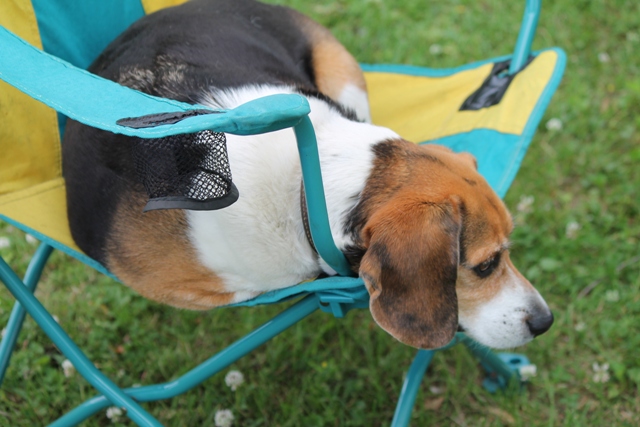
Maxie Cb858bbe7df00c432be6134214980fb4“Max (Beagle, age 14) loves to hang out with his pack camping.” —Robyn Rasset

Send us a photo of your pet with a short description. We publish one each weekday in RV Daily Tips and in our Sunday RV Travel newsletter. No blurry photos, please! Please do not submit your photo more than once. Thanks!

RVing with Dogs group on Facebook. You’ll love it.


BEFORE YOU GO… Did you miss these recent articles?


Leave here with a laugh


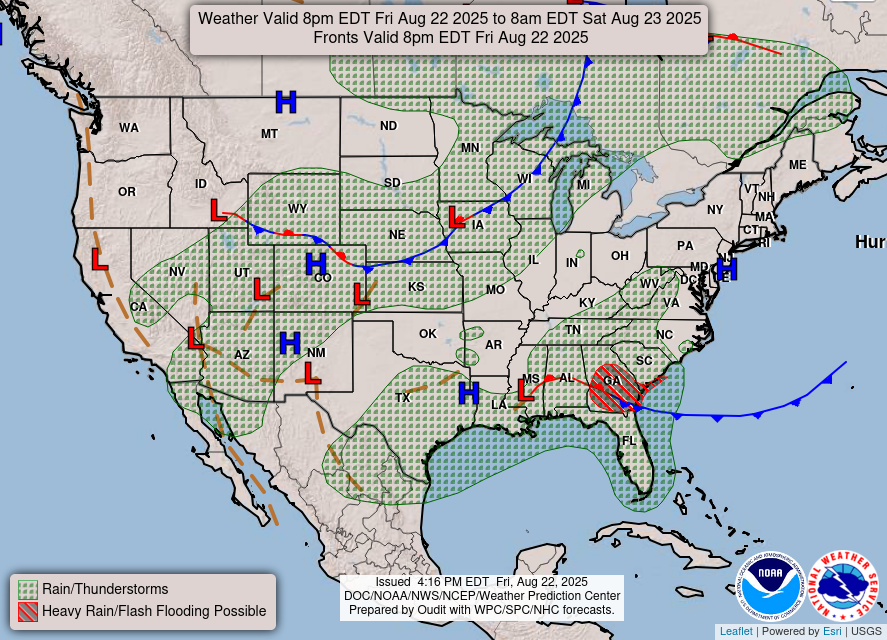
Today’s weather forecast across the nation
THIS MAP UPDATES TWICE A DAY

Visit Current National Radar Weather Map


Did you miss the latest RV Travel Newsletter? If so, read it here.
Oh, and if you missed the Latest News for RVers, make sure to catch up here.


If you shop at Amazon.com we’d appreciate you using this link. We get an itty bitty commission if you buy something, but they add up and help us pay our bills (most importantly our hard-working writers!). 


RVtravel.com All-Star Team

Click here for information about our staff and how to contact us.

WHY WE ASK FOR DONATIONS INSTEAD OF SELLING SUBSCRIPTIONS.

Our policy on using artificial intelligence.

California RV Show is back in Pomona with a bang!

The California RV Show ran for more than 40 years, starting in Dodger Stadium, moving to the Fairplex in Pomona for several years, and then to the speedway in Fontana for a year.

The 10-day show was sponsored by the RV Industry Association (RVIA) and was a manufacturers’ show with RV manufacturers buying the space and bringing more than 1500 units for the local dealers.

Then COVID hit and shut everything down, at which time the RVIA board decided to not run the show at all. Even though the show was a huge financial success for RVIA, it only benefited a handful of local dealers. Other dealers across the country had been complaining about that.

Others have attempted to resurrect the show. However, RV sales were through the roof and dealers had no inventory and could not keep up with the demand, so there was no need for a show.

Current market

Fast forward to the current market. Dealer inventory is overflowing and sales are not necessarily stagnant, but they’re not skyrocketing. Enter RV Supershows and Rob Lynch, who runs more than 20 shows across the country. I have been doing seminars at their shows for the past several years and have been impressed with the professionalism and the promotion across the country.

Working very hard for the past two years, RV Supershows was able to sell out the space at the Fairplex across the street from the original parking lot promotion inside buildings and outside the pavilions. Although the show was not the overwhelming footprint the previous event had been, it was perfectly scaled for a new show in a questionable economy—and it was a home run.

Ford Towing Bootcamp

I conducted seminars for Ford and the Ford Towing Bootcamp—which had a display at the entrance for registration and technical support. Weigh Safe brought a driving/towing simulator demonstrating proper weight distribution and the effect it has on trailer swaying. There were two stations where attendees could look up actual towing capacity of their vehicles, and Ford representatives to answer question.

There were also six Ford trucks with trailers out in the demonstration parking lot for hands-on training of connecting, backing up, and a road course for driving and maneuvering that tough right hand turn—all conducted by CDL instructors. The seminar was free to anyone attending the show and was very well-attended. The hands-on modules included a demonstration of the Ford Pro technology of backup and hitch assist.

Paid modules included behind-the-wheel training of the Ford Pro Technology of backup and hitch assist in a one-hour course. The Ultimate Towing Experience included the first three modules as well as a two-hour closed-course driving experience.

Hot Friday at the show

Friday was a challenge with temperatures over 100 degrees and there was lots of traffic on the I-10 traffic. Attendance numbers were reported at 3,000. Traffic at the Bootcamp was better then expected for a first day at a new show.

Saturday was a home run

Saturday was a home run, as temperatures dropped and more than 10,000 attendees came to the show. All bootcamp modules were full the entire day. The demonstration and information booth was packed, even as the end of the day came.

Sunday was beautiful and busy

Sunday was a beautiful day and traffic was steady all day. The attendance report was more than 6,000. So the show most likely hit 20,000—which puts it as one of the top non-manufacturers shows in the industry.

And it will only get bigger. Hershey and Tampa report higher numbers, but space and product is provided by the RV manufacturers.

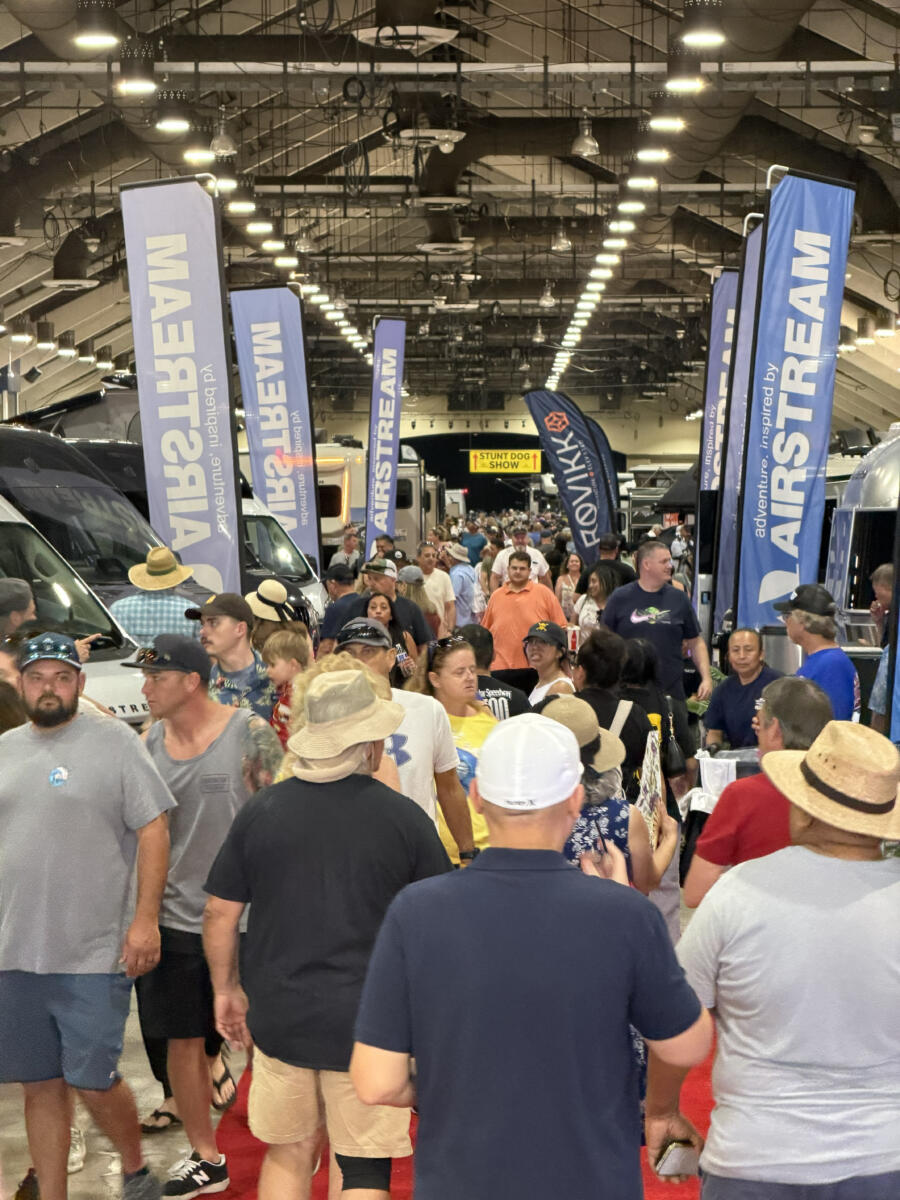
This hall is 600′ deep and there were wall-to-wall attendees all day.

CA RV Show1
California RV Show

Attendance prediction was blown out of the water!

Talking with the show promoter, the goal was to hit 10,000 attendees, with the possibility of getting to 15,000. The show blew that out of the water! Dealers I talked with were excited and optimistic about the future of the show, with sales being very good. Attendees were also grateful there was a show back in the area.

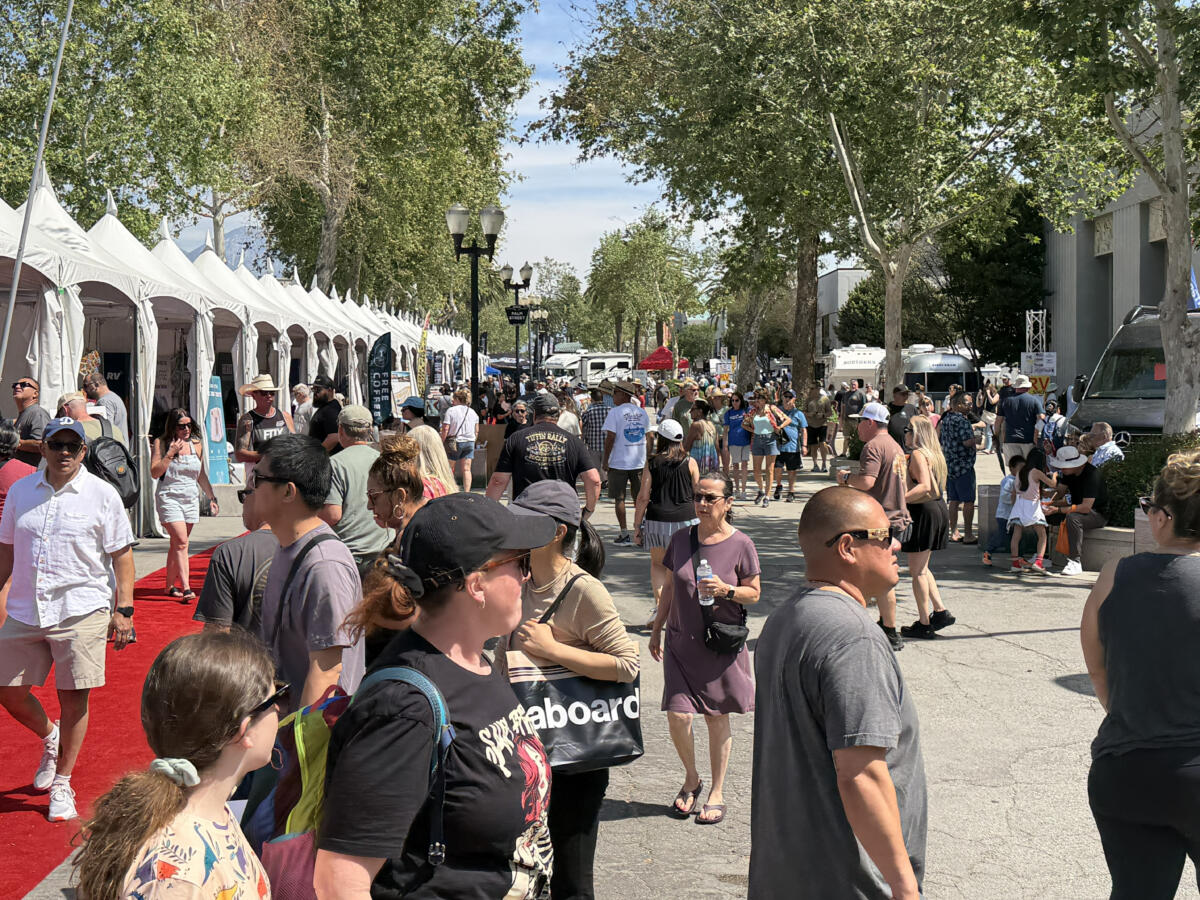
Even the vendor aisle was packed.

CA RV Show Vendors
California RV Show vendors

Happy Ford Towing Bootcampers

All the Ford Towing Bootcamp attendees were excited about the opportunity to learn more about the Ford technology, as most did not know how to operate it or get the most potential out of it.

Several Bootcamp attendees claimed it was “life changing.” Several more felt more comfortable and then walked into a dealer display and purchased a trailer, now they knew how to safely tow and back up.

Can’t wait for next year!


 You might also enjoy these posts from Dave 

DAVE HAS ANSWERED MORE THAN 1,000 readers’ maintenance and repair questions. Read a directory here. There is so much to learn!


Dave Solberg is a leading expert in the RV industry and the author of the “RV Handbook.”

HAVE A QUESTION FOR DAVE?

Send your inquiries to him using the form below.

Name
Drag & Drop Files, Choose Files to Upload

RVDT2867

Block window glare with movable sunshades

2

By Kate Doherty
Up until 2019, we flew our four-passenger airplane some 250+ hours per year for business. Then we traded in those three wheels for six and slowed down. There’s nothing worse than flying east in the early morning or west facing the afternoon glaring sun for hours with little sunshade protection. It’s more prevalent if you’re short, since sun visors don’t always shield your line-of-sight vision—whether you’re in the seat of an airplane, vehicle, or motorhome. Movable sunshades are just the ticket.

Reduce glare, not vision

The automatic shades in motorhomes are great for front-facing glare, but sometimes quartering slivers of bright sunlight affect vision comfort for both driver and passenger. We found these sunshades more effective, especially on the middle of our Jeep front windshield, to reduce glare without impeding vision as the sun visors don’t extend far enough. Because they are so flexible, they fit well in curved windshields.

Place movable sunshades on any glass window

We started using collapsible sunshades more than six years ago. We picked up our sunshades at the Sun ‘n Fun Airshow in Lakeland, Florida, and have used them religiously since.

Sunshades come in several forms and sizes. Some clip onto the bottom of the vehicle’s built-in visors. But that doesn’t dim the glare coming directly through the middle of the front windshield or the quartering front (both windshield and passenger side window). I’m relatively short and the seat in our Jeep Wrangler doesn’t raise in height, so I deal with unwanted glare from time to time despite wearing sunglasses and a visor. Reducing glare without reducing visual acuity makes these easy to use.

Movable sunshades are easily obtainable

There are many different kinds and styles available. So, when you venture out for that early morning hike or trail ride and you’re traveling directly into the sun, borrow that sunshade or two and better navigate the ride.

Editor’s note: These may not be legal in all 50 U.S. states, especially when used on the windshield. Use caution and check your local laws. 

RELATED:

RVDT2867

How to repack RV wheel bearings and install grease seals

By Cheri Sicard
RV wheel bearings don’t ask for much, but they do need fresh grease. On a fifth wheel or travel trailer, repacking bearings about once a year helps prevent heat, failed seals, and brake problems.

In the video at the end of this post, the Why Wait crew knocks out bearing service and a quick brake check before a long spring and summer trip out West, starting from Texas.

Why repacking wheel bearings matters for RV safety

Old grease breaks down over time. If a rear grease seal fails, grease can end up inside the brake drum and soak the brake shoes. When that happens, stopping power drops fast, which is the last thing anyone wants on a mountain grade.

The other risk is heat. Bearings that run low on grease can overheat, and that heat can lead to failures and even blowouts. Since the wheel is already off for this job, it’s also a good time to inspect the brakes and test the emergency breakaway system before hitting the road.

Jacking the camper up without making it complicated

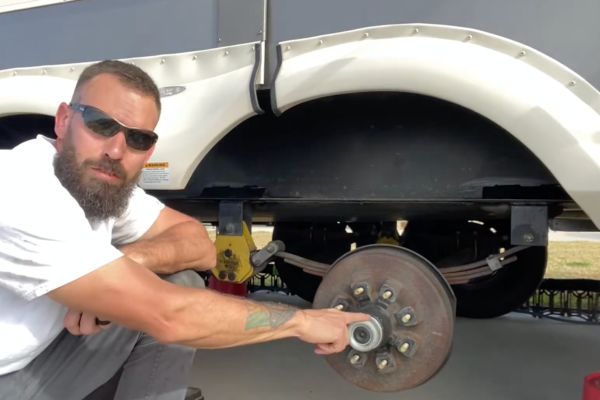
Every RV is different, so the setup matters. On this camper, the job starts by loosening lug nuts while the tire is still on the ground. Then the camper is raised just enough for the tire to come about a half-inch off the ground.

This setup uses a hydraulic auto-leveling system. The other tire on that side stays on as a backup, so if a jack ever failed, it would only drop a short distance. Bottle jacks can also work, but the main point is to lift it as safely as possible for that rig and campsite.

Tools and supplies that make the job easier

Having everything laid out first keeps the mess and the missing parts to a minimum.

A bearing packer is optional, for example, a deluxe steel bearing packer.

One wheel at a time: removal, inspection, and cleaning

Parts should stay together per wheel. Bearings, washers, and hardware aren’t meant to get mixed across hubs, so tackling one corner at a time keeps things straight.

After the wheel comes off, the dust cap gets tapped off gently. Some hubs have grease inside the cap because of a zerk fitting, especially if someone pumped grease into the hub. Next comes either a cotter pin or a retention clip, then the castle nut. As the hub slides off, the outer bearing and washer can fall, so a hand stays ready to catch them.

With the hub off, the rear grease seal gets pulled and the inner bearing comes out. Bearings and races get inspected for pitting or discoloration. Old grease gets scooped out, then the spindle, hub, and bearings get cleaned with brake cleaner. An air gun doesn’t get used here, because brake dust is harmful to breathe.

Brake test, bearing packing, and reassembly

A quick brake test happens by pulling the emergency breakaway cable and spinning the jacked-up tire. It should stop right away if the system works. Brake shoe clearance can also be checked with a brake gauge and adjusted using the star wheel through the access slot, if needed.

Hand-packing bearings takes time, but it’s straightforward. Grease goes into the palm and gets worked into the bearing until old grease pushes out all the way around. The cone shape matters; the small end faces into the hub.

The inner bearing goes in first, then a new seal gets tapped in flush using a clean piece of wood (or a driver tool). The spindle gets coated with grease, the hub slides on, and the outer bearing, washer, and castle nut go on next. The nut gets snugged, then backed off about a quarter turn so the hub spins freely. Finally, the cotter pin goes back in, the dust cap taps on, and the wheel goes back on with lug nuts torqued to spec.

Repacking RV wheel bearings is messy, but it’s not hard. Done one wheel at a time, it’s a solid weekend task that also forces a close look at brakes, seals, and wiring.

Chris estimates about an hour to an hour-and-a-half per wheel once the setup is handled. Before the next long trip, that kind of routine maintenance buys a whole lot of peace of mind.

Watch the video below to see these steps in action.

RELATED

RVDT2867

If the only available campsite was directly next to the playground, would you take it or look elsewhere?

11

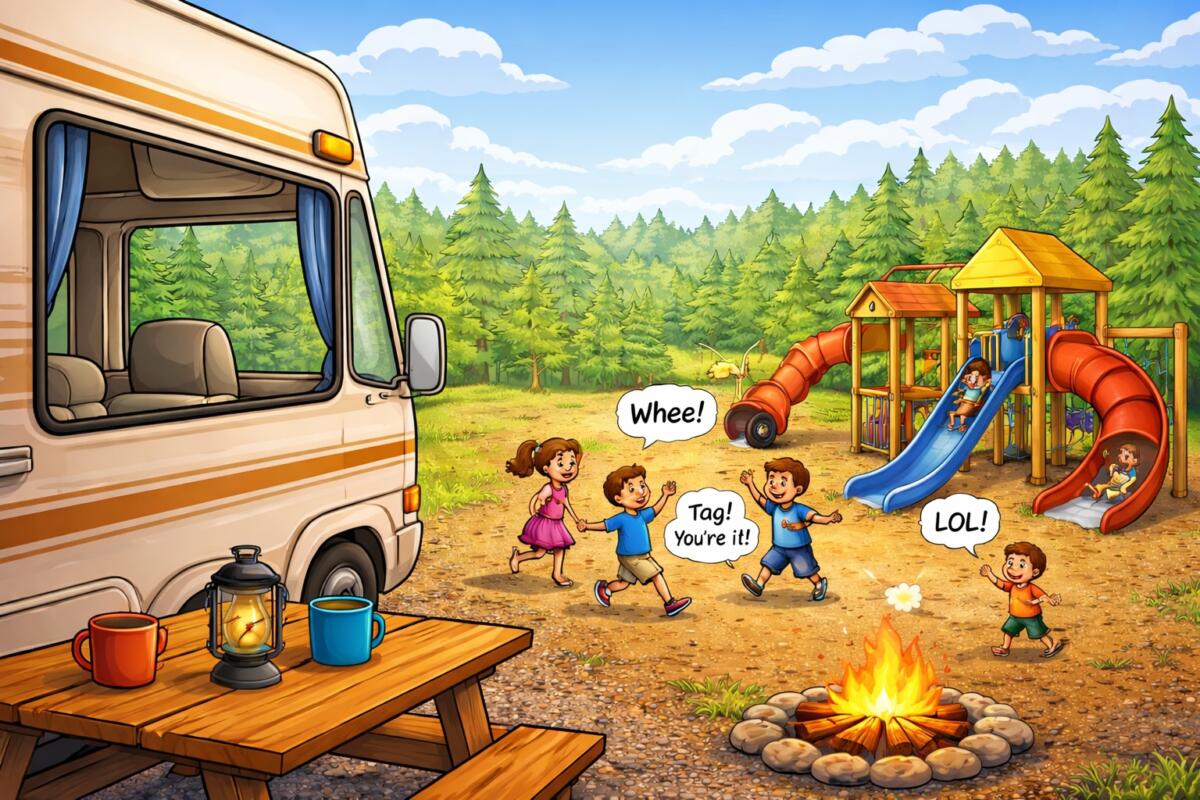
You pull into a campground after a long day on the road. You check in, look at the map… and there it is—the only available site, directly next to the playground.

For today’s poll we want to know: Would you take it, or look elsewhere?

For some of you, it’s an easy yes. A site is a site, especially when options are limited. Maybe you figure kids settle down after dark, or you don’t mind a little extra noise if it means having a place to park for the night. Convenience wins.

Others might hesitate. Playgrounds tend to be busy, especially in the afternoon and early evening. Laughter, shouting, and the occasional squeaky swing can carry farther than you’d expect—particularly in a quiet campground. If you’re hoping for peace and quiet, that location might feel less than ideal.

Then there are the situational factors. What time are you arriving? How long are you staying? Is it a weekend, a holiday, or the middle of the week? If you’re just overnighting and rolling out early, it might not matter much. But for a longer stay, that decision could feel a lot bigger.

And, of course, some of you might actually prefer it. If you’re traveling with kids or grandkids, being close to the playground could be a major bonus. Easy access, no long walks, and a built-in activity just steps from your door.

So what about you? If that playground-adjacent campsite is the only one left, are you taking it—or moving on to find something else? Go ahead and vote in today’s poll, and feel free to share what you’d do.

MORE POLLS YOU MIGHT LIKE:

RVDT2867