Home Blog Page 86

Is there an RV battery monitor that works?

3

By Dave Solberg
Dear Dave,
I recently put my rig in storage and within two weeks, the house batteries went dead and the disconnect switch was OFF. Prior to storage, I was plugged into shore power at a park where my battery charge lights showed full charge. Apparently, they must show full charged when plugged into shore power.

Is there a “meter” that I can connect to the batteries which would show their actual charge? Something that I could mount in the rig to check the charge. Thanks. —Michael, 2017 Forest River Georgetown

Dear Michael,
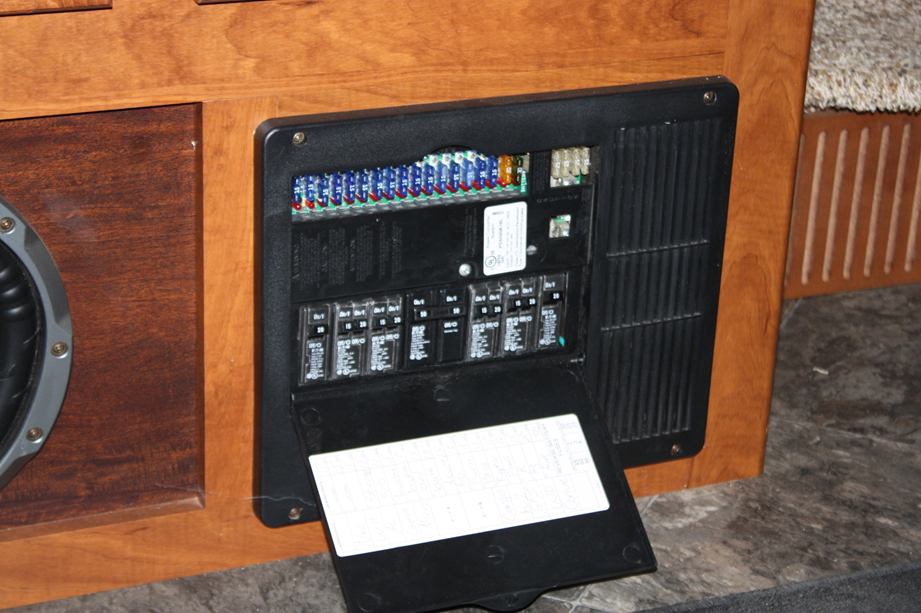
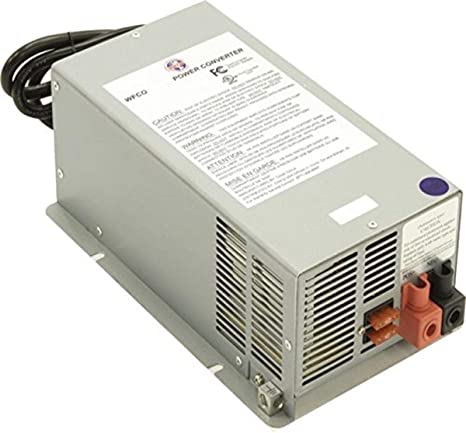
When you are plugged into shoreline power, one of the circuit breakers provides 120-volt power to your converter. It is either designed into the distribution center, or is a standalone model somewhere under a cabinet or the bed pedestal.

Distribution Center
Distribution center
WFCO
WFCO power converter

Battery monitor doesn’t necessarily show condition of battery

When you are plugged into shoreline power, the converter will always provide a 12-volt charge to the batteries. If they are low, it will be at 13.7 volts until the batteries show 12.6 volts and then drop to 13.2 volts.

The LED lights you typically see at the monitor panel just see what charge is at the battery. Therefore, it will show fully charged, not the condition of the batteries.

I get this comment often, that people state they took the battery to a service center and they told them they were good. As you draw down a flooded lead acid (FLA) battery and recharge it, sulfur coats the plates.

The average converter/charger doing the 13.6 volts and then dropping to 13.2 volts does not break up the sulfation. It gets thicker every time until the battery cannot store much energy other than a 12.6-volt “surface charge”.

Use a multi-stage charger

When a load is applied while dry camping or not connected to shoreline power, the batteries will drop immediately, just as you are experiencing. The only way to condition these batteries is to use a multi-stage charger that does a high voltage “bulk” charge to break up the sulfation, then an equalizing and float charge.

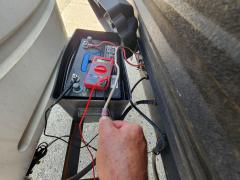
Even with the battery disconnect, the LP leak detector typically will draw down the battery. It is a good idea to test for a parasitic drain using a multimeter. Disconnect the negative cable and put the meter on DC Amps, touch one lead to the battery terminal, the other to the cable and record the draw. An LP leak detector will draw about 1.5 amps, so anything larger than that needs to be identified.

I recommend disconnecting the negative cable to make sure nothing is drawing from the battery while in storage. However, if your batteries are sulfated, they will naturally drain down in a couple of weeks even when disconnected.

The monitor I suggest

To monitor the state of charge (SOC) as well as the charge going to the battery, I suggest the Go Power! GP-BMG Battery Manager Kit. It will show the charge, remaining Ah, and time until empty.

GPBMG
Go Power! GP-BMG Battery Management Kit

You can find more information on the Go Power! site here as well as on Amazon.


MORE POSTS FROM DAVE ON RV BATTERIES

HAVE A QUESTION FOR DAVE?

Send your inquiries to him using the form below.

Name
Drag & Drop Files, Choose Files to Upload

RVDT2848

DC to DC charger: Does your RV need one?

3

By Dave Helgeson
What is a DC to DC charger and should my RV be equipped with one?

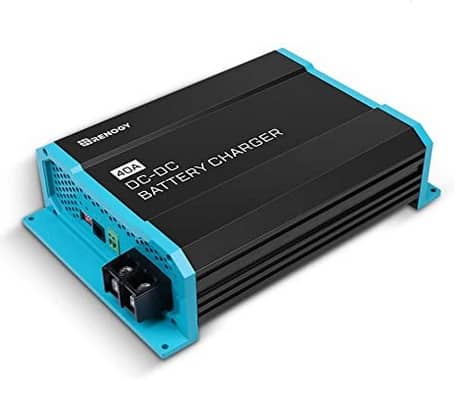
DC to DC Charger
Renogy is one of many manufacturers of DC to DC chargers

Before that question can be answered, you will need to understand what a DC to DC charger is and what functions it performs.

Many of you reading this use an autoformer to ensure the incoming shore power is at the proper voltage for your RV. As most of you know, low shore power voltage can damage the compressor in your air conditioning system and/or residential refrigerator, or cause a host of other problems. An autoformer adjusts, or what some say “conditions,” the voltage to the ideal level for your RV.

A DC to DC charger functions much the same way as an autoformer by conditioning the 12 volts from your alternator to the ideal charging voltage for your house batteries.

What has recently changed that now requires a DC to DC charger on tow vehicles?

To meet mileage requirements, vehicle manufacturers began using “smart alternators” (aka variable voltage alternators) several years ago. In simplified terms, a smart alternator saves fuel by only supplying the immediate electrical needs for the vehicle. Reduced electrical load by the alternator equates to less mechanical load on the engine, which equals better fuel mileage.

Unfortunately for RVers, a smart alternator is basically useless for charging auxiliary batteries in a travel trailer, fifth wheel or house portion of a motorhome. Even those with older “dumb” alternators can benefit from improved charge rates provided by a DC to DC charger.

Determining if your tow vehicle or motorhome has a smart alternator is rather easy. Click here to learn how.

Do I need one? Below are scenarios to consider

If you hook up your RV equipped with lead-acid house batteries to shore power every night, you probably won’t benefit from installing a DC to DC charger. Since the converter/charger in your RV keeps your house batteries charged while plugged in, your batteries will likely contain enough energy to supply your 12-volt needs while traveling between campsites.

However, if you dry camp often or use a considerable amount of 12-volt power* while traveling between hookup campsites, you should definitely consider one. (*Running the slideouts in and out, residential refrigerator, 12-volt refrigerator, operating the RV furnace, using other appliances via an inverter, etc.)

Here’s why: A DC to DC charger installed on your RV acts like a 3-stage RV converter/charger powered by your alternator. It will condition or “step up” the voltage from the alternator to maximize battery charging, then step down and maintain the voltage as the house batteries reach full charge. This will charge your house batteries faster and more efficiently via the alternator when driving compared to not utilizing one.

May need to consider a DC to DC charger

If you are considering installing lithium house batteries, especially in a motorhome, you will want to seriously consider a DC to DC charger.

Here’s why: Due to less internal resistance, lithium batteries can be charged and discharged much faster than conventional lead-acid batteries.

A discharged lithium battery can demand more amperage than your alternator can readily supply. Overloading and damage to your alternator can occur when this happens. This is especially true when the house batteries are located in close proximity to the alternator, as you will likely find in a motorhome.

This is due to less voltage drop over a shorter length of wire. Longer lengths of wire, as you would find between the alternator of a tow vehicle and the towable RV house batteries, typically provide enough resistance to protect the alternator.

This is another case where you will want to condition the 12 volts to an appropriate level. Just as a DC to DC charger can increase the charge rate to better charge your house batteries quicker, it can also limit the charge rate to protect an alternator when excessive power is demanded to charge lithium house batteries.

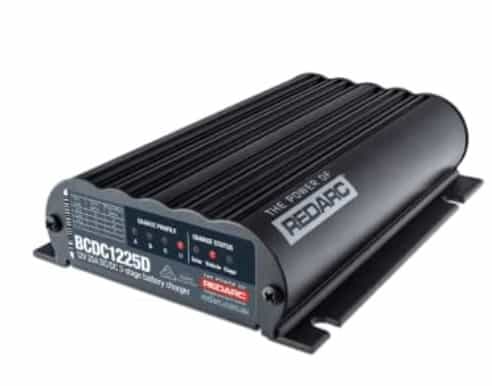
REDARC DC to DC Charger
REDARC DC to DC charger

Installation is relatively easy

If you decide to install one, installation is relatively easy for do-it-yourselfers.

Hopefully, this short introduction to DC to DC chargers has helped you to understand what they are and how you might benefit from one.

Special thanks to REDARC for supplying a charger to the author for review and testing.

Here is just one of the DC to DC chargers REDARC offers on Amazon.

YOU MIGHT ALSO LIKE:

RVDT2848

The pros and cons of an RV wood-burning stove

1

By Cheri Sicard
Having an RV wood-burning stove might seem like a weird idea, but it certainly worked well in the early days of RVing and it possibly can now.

In the video below, we join Mel of Mel’s Big Van Small World for a look at the pros and cons of wood-burning stoves in vans or RVs. Mel has a U.K. van life channel, but the principles of wood-burning stoves and fire safety remain the same regardless of which side of the pond you travel on.

Mel lives in his Mercedes Sprinter Van full-time and he does, indeed, have a small wood-burning stove inside. This unusual RV accessory prompts a lot of questions from his YouTube viewers, so he made this video to address the pros and cons of having a wood-burning stove in your camper van or RV.

Mel’s stove is made by a Canadian Company, Cubic Mini Wood Stoves, which specializes in wood-burning stoves and water heaters for RVs, boats, and tiny homes. The stylish stove has all the features you would expect in a high-quality, full-size, wood-burning stove, but in a tiny package.

While there are DIY ways to make an RV wood-burning stove, getting a professionally made one like Mel’s provides the optimum level of safety. Be sure to watch the video to see the features of the tiny stove that make it an efficient heat source while being extremely clean-burning.

Pros of an RV wood-burning stove

• The stove efficiently heats small spaces.

• You can also cook with the stove.

• It uses no electricity—especially important in winter when solar panels do not work as well.

• It’s simple and reliable.

• It’s pretty much silent.

• It burns readily available wood or fire logs.

Mel shows fire logs he bought at Aldi’s in the video. Half of a log provides 4 to 5 hours of heat in his tiny wood-burning stove.

Cons of an RV wood-burning stove

• The stove does not work well if the RV is in high winds, as it creates a backdraft that blows smoke inside the coach.

• You can’t drive while using the stove, so you have to make sure that when you do light it, you have time for the fire to completely go out before needing to move.

• You need adequate ventilation inside. In Mel’s case, he sleeps with his skylight open so he gets cool fresh air coming into the van that gets drawn up into the stove’s flue for heating. You must have air circulation, but Mel says the stove puts out so much heat it’s not an issue and the end result is a nice balance between humidity and hot air.

• While a stove like Mel’s is extremely safe, it must have a safe place to sit. Mel solved the problem by building a small hearth from a fire-retardant plasterboard covered in colorful ceramic tiles. While the stove itself is lightweight, the hearth is not. But it is essential. So take into account the extra weight you will add if you decide to install a wood-burning stove in your RV or van.

• The stove takes up space. Mel says you could probably put a small shower in the same space. He somewhat compensates by having his stove off the ground so he can have storage underneath.

• You will need someplace to store wood or fireplace logs.

• Wood-burning stoves are not allowed in some areas. Basically, if you are not allowed to have a fireplace in a house, an RV wood-burning stove will be equally off-limits.

RELATED

RVDT2848

Do you remember the address of the home where you spent your childhood?

37

Think back to when you were a child, say 5, 10, or 15 years old. Do you remember your home address where you lived? If you lived in multiple homes, let’s see if you can remember the address of the one you lived in the longest.

Some people can rattle off their childhood address without hesitation as if it’s etched in their memory forever. Maybe it was a place where you rode your bike around the neighborhood or built forts in the backyard.

Others might struggle to recall an old address, especially if they moved frequently or if those early years feel like a blur.

For RVers, the idea of “home” can be a bit different. Many of us have traded a permanent address for the open road, but that doesn’t mean we’ve forgotten where we started. Maybe your childhood home is still standing, or perhaps it’s long gone, replaced by something new. Either way, the memories tied to those places often stick with us.

It’s funny how some things fade over time while others remain crystal clear. You might not remember the phone number you had as a kid, but your old street name could still pop into your head instantly. Or maybe it’s the other way around! Either way, memory can be a fascinating thing—sometimes surprising us with details we didn’t even know we still had stored away.

We know this doesn’t have to do with RVing, but how can you blame us? We’re curious people! As always, thanks for voting.

LIKE TAKING POLLS? So do we! Did you know we’ve run more than 5,000 polls on our website over the years? Check ’em out! Have fun!

RVDT2848

How to maintain your RV’s water heater valves

0

By Dustin Simpson
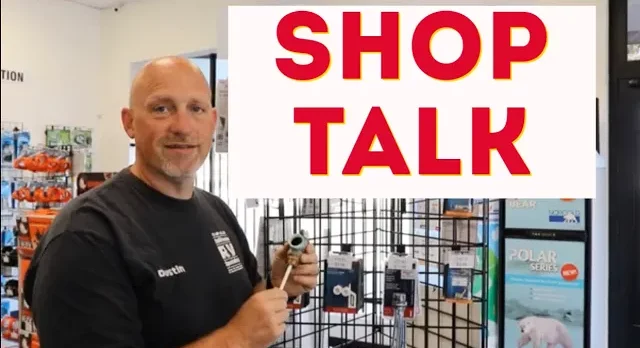
Proper maintenance of your RV water heater valves is essential for ensuring safe and efficient operation. In this guide, join me on “Shop Talk” as I explain the importance of maintaining Atwood and Suburban water heater pop-off valves.

Understanding RV water heater pop-off valves

Pop-off valves, also known as pressure relief valves, are critical safety components on your RV water heater. They are designed to release pressure if it builds up too high within the water heater, preventing potential damage or explosions. Both Atwood and Suburban water heaters use these valves, and regular maintenance is key to their functionality.

Importance of maintaining water heater pop-off valves

Safety

A properly functioning pop-off valve ensures that excess pressure is safely released, preventing dangerous situations.

Efficiency

Regular maintenance helps maintain the efficiency of your water heater, ensuring it operates at optimal performance.

Longevity

Keeping your pop-off valves in good condition extends the lifespan of your water heater by preventing unnecessary stress and damage.

How to maintain your RV water heater pop-off valves

 Regular inspection

Inspect the pop-off valve periodically for signs of wear, corrosion, or damage. Look for any leaks or mineral buildup around the valve.

Test the valve

To test the pop-off valve, lift the test lever slightly to allow a small amount of water to flow out. This helps ensure the valve is not stuck and can release pressure if needed. Be cautious, as the water can be very hot.

Clean the valve

Clean the valve and surrounding area to remove any debris or mineral deposits. Use a mild cleaner and a soft brush to gently scrub the valve.

Replace (if necessary)

If the valve is damaged, corroded, or fails to function properly during testing, it’s crucial to replace it with a new one. Always use a valve that is compatible with your specific water heater model (Atwood or Suburban).

Check the anode rod

For Suburban water heaters, also inspect and maintain the anode rod, which protects the tank from corrosion. Replace the anode rod if it is significantly worn down.

Learn more about anode rods here.

Tips for preventing pop-off valve issues

Regular maintenance

Perform regular maintenance on your RV water heater, including flushing the tank to remove sediment and mineral buildup.

Monitor water pressure

Ensure your RV’s water pressure regulator is functioning correctly to prevent excessive pressure buildup in the water heater.

Use a water softener

If you frequently camp in areas with hard water, consider using a water softener to reduce mineral buildup in your water heater and pop-off valve.

Avoid overheating

Set your water heater to an appropriate temperature to avoid overheating, which can increase pressure and strain on the pop-off valve.

Maintaining your RV water heater valves, especially the pop-off valves, is crucial for safe and efficient operation. By following these maintenance tips and regularly inspecting and testing your valves, you can ensure your water heater remains in top condition.

For more expert RV maintenance tips and advice, subscribe to our channel. Keep your RV running smoothly and enjoy peace of mind on your travels!

More from Dustin

Make sure you check out my website, California RV Specialists, and our YouTube channel for more helpful information, and see our published articles on RVtravel.com and other social media pages.

RELATED

RVDT2848

2025 Rockwood 1910FT pop-up camper—a nice reset on pop-ups

0

Pop-up campers used to be where a lot of families started, then the segment got stuck in place. Same layouts, same parts, same feel, year after year.

In the video tour at the end of this post, Josh the RV Nerd at Bish’s RV says Rockwood finally gave pop-ups the kind of updates people have been waiting for, without trying to turn them into something they’re not.

Unfortunately, it appears that even though this video is just from last year, this RV is already out of production. Therefore, if you like this model, you will have to look for it at a dealer who already has it in stock.

Why the Rockwood 1910FT feels like a reset for pop-ups

Rockwood has stayed one of the biggest names in pop-ups while other builders walked away. Part of that comes down to simple choices that make camping easier, not more complicated.

A quick way to frame the change looks like this:

  • Old pop-up experience: optional roof A/C, dated lighting, fewer comfort features
  • New Rockwood approach: built-in climate options, better lighting, more convenience parts that are now standard

Josh’s point is simple: A few smart upgrades can change the day-to-day experience of owning a pop-up.

Built-in A/C, plus two heat options (without wrestling a roof unit)

Rockwood now includes air conditioning on its pop-ups, except for the OTG (off the ground) super simple series. The big difference is placement. Instead of a heavy roof A/C that has to be cranked up with the roof, the A/C is integrated into the body of the camper.

Heating comes in two forms:

  • A propane furnace (the control board runs on 12V, the heat source is propane)
  • An electric heat pump that also works as the A/C system

The heat pump needs mild conditions to work well (above freezing for heat mode, and not extreme heat for cooling), and it requires shore power or a generator. For off-grid trips, the propane furnace and a 12V vent fan still matter.

Rockwood popup camper floorplan

Interior layout: wraparound lounge, flexible sleeping, better bed-end comfort

This floorplan uses a wraparound rear lounge that creates more seating than many people expect in a pop-up. That helps on rainy days when everyone ends up inside.

Sleeping space can flex depending on the group:

  • Front bed: queen
  • Rear bed: full
  • Extra options: the dinette converts, and the rear bench can work in a pinch for a quick lay-down spot

The bed ends also get a quality-of-life boost. Zip-down window panels can open up the view nearly all the way around, or close down for privacy with panels or curtains. Rockwood also adds rope-style lighting that hooks to the shepherd’s hook area, so the bed ends don’t feel like dark corners at night.

Josh points out a 5-year guarantee on the bed-end material. Even so, it still needs the usual care, especially not packing it away wet.

Small details that change daily use

The one-piece entry door is a standout detail. Both the top and bottom sections can slide for airflow and visibility, which helps with pets, kids, or simple privacy. It also avoids the awkward low handle placement common on split doors.

Inside, the kitchen sticks to the basics: sink and stove. There’s no onboard gray tank, so a portable tote makes sense for campground stays. The fridge runs on 110V electric, while the furnace uses 12V controls with propane heat. Rockwood also adds household-style outlets, USB charging, and even a TV hookup.

Outdoor cooking is handled through a quick connect, rather than the older style of carrying the indoor stove outside.

TIP: Don’t tuck in the small A/C drain lines hanging outside. They drain condensation, and pushing them inward can lead to water damage over time.

Exterior updates and key specs at a glance

From the outside, Josh notes a sleeker fiberglass skin, a rare double propane tank setup for this size, and a power lift system. Stabilizer jacks show up front and rear, which helps keep the camper planted when weight shifts to either bed.

It also includes a hot and cold exterior utility shower, plus a faster-to-deploy awning style and dedicated patio lighting. Storage up front is a full trunk, and access stays simple even when the camper is closed.

Here are the published numbers for this model:

Spec Measurement
Hitch weight 220 lbs.
Max weight 3,220 lbs.
Empty weight 2,173 lbs.
Cargo capacity 1,047 lbs.
Length 16 ft. 7 in.
Width 7 ft.
Height (closed) 5 ft.
Fresh water 20 gal.
Gray tank None
Black tank None

Final thoughts on the 2025 Rockwood 1910FT

This isn’t trying to be a hard-sided travel trailer, and it doesn’t need to be. With standard A/C (without a roof hassle), two heat paths, better lighting, and stronger exterior features, the 2025 Rockwood 1910FT makes the pop-up idea feel fun again.

For anyone who wrote off pop-ups years ago, this one gives a reason to take a second look.

Learn more about the 2025 Rockwood 1910FT.

RELATED

RVDT2848

National parks drop timed-entry reservations in 2026; RVers may pay the price

2

When national parks no longer require timed-entry reservations for the 2026 season, RVers are likely to feel the impact first. The National Park Service says loosening or eliminating timed-entry systems at several of the country’s most visited parks will expand public access—but early experience suggests fewer reservations can mean longer lines and tougher conditions for larger rigs.

The changes affect some of the nation’s busiest destinations, including Yosemite National Park, Glacier National Park, and Arches National Park, where park managers used timed entry in recent years to spread arrivals and manage congestion.

While the National Park Service says it will rely on real-time traffic controls and staffing instead, the early results point to a familiar reality: When demand spikes and parking fills, larger vehicles are often the first to feel the squeeze.

Access without reservations, but not without limits

In its announcement, the National Park Service said the new approach is designed to expand access while maintaining safety at high-visitation parks. Rather than requiring advance reservations, park managers plan to use tools such as temporary road closures, traffic metering, and on-site enforcement when conditions become unsafe or overcrowded.

For RVers, that shift trades predictability for uncertainty.

Timed-entry systems were often unpopular, particularly among travelers who prefer flexible schedules or spontaneous trips. But they also offered something RVers value: knowing whether entry would be possible before committing to a long drive with a large rig.

Without that gatekeeping upfront, congestion now tends to pile up at park entrances, along approach roads, and at parking areas that cannot easily accommodate oversized vehicles.

Yosemite as a preview

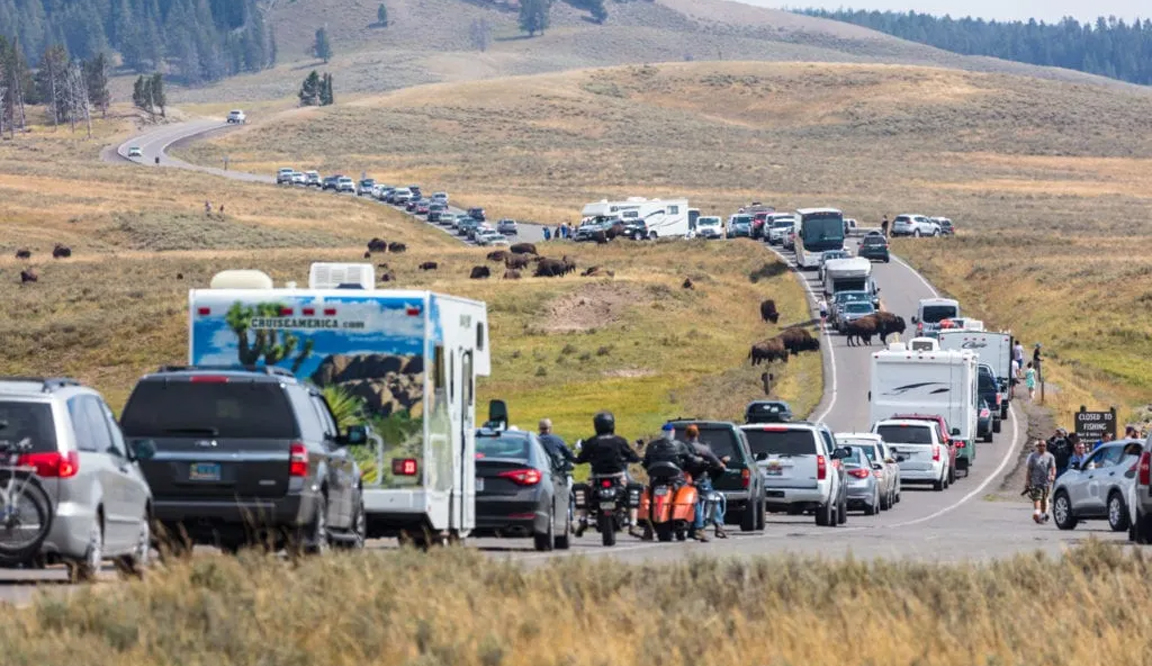
Recent no-reservation periods at Yosemite offer a glimpse of what the 2026 summer season could look like. During high-demand weekends, traffic backups have stretched for miles outside park entrances, and staff have turned drivers around after parking areas filled.

For car travelers, that can mean a frustrating delay. For RVers, it can mean a full stop.

Limited turnarounds, vehicle length restrictions on certain roads, and full parking lots leave few options for large rigs once congestion hits. Even when passenger vehicles continue cycling in and out, RVers may find themselves excluded simply because there is nowhere safe or legal to park.

Glacier and Arches face similar constraints

At Glacier National Park, the Going-to-the-Sun Road remains one of the most tightly constrained scenic drives in the system. Parking areas are limited, vehicle size restrictions are strictly enforced and, once traffic builds, access can shut down quickly.

Removing timed entry does not expand capacity. It simply shifts demand earlier in the day, encouraging visitors to arrive before dawn or gamble on shoulder-hour access.

Arches National Park faces an even sharper pinch. A short access road, a small number of parking areas, and extremely high visitation mean congestion can escalate rapidly. When entry gates close due to crowding, RVers are often the first vehicles turned away.

One park going the other direction

national parks drop reservations RVers
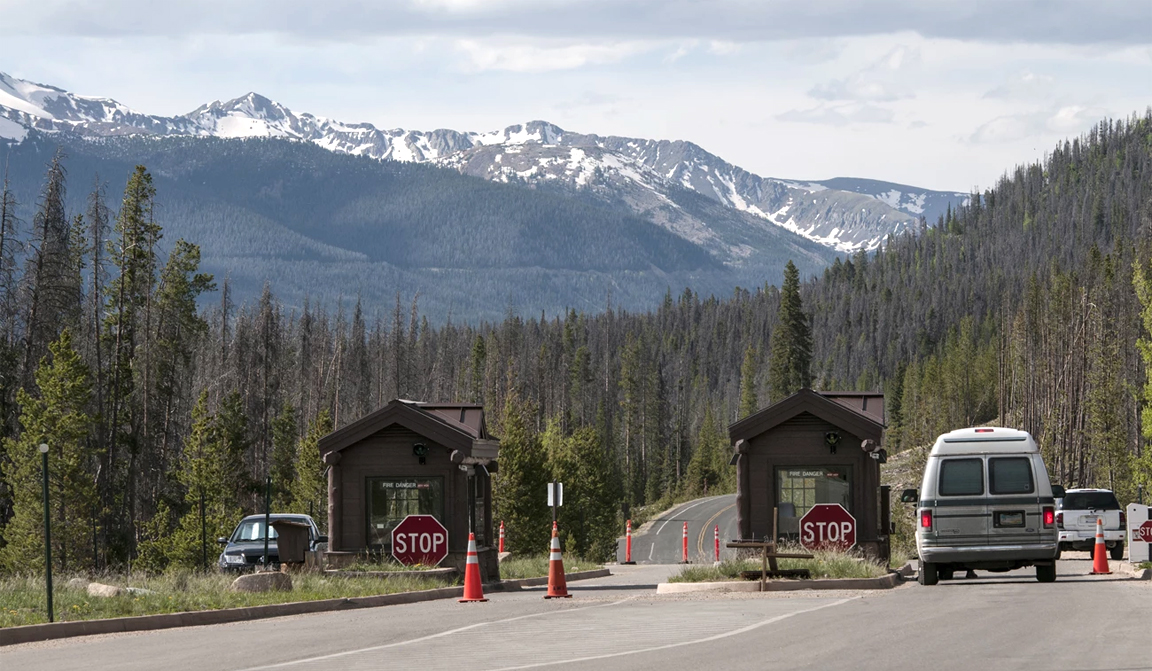
An entrance station at Rocky Mountain National Park, which is maintaining its timed-entry reservation system. By spacing arrivals throughout the day, the park has reduced entrance backups and improved traffic flow. NPS photo.

Notably, Rocky Mountain National Park is maintaining its reservation system, offering a contrast that RVers may notice immediately.

By spacing arrivals throughout the day, timed entry at Rocky Mountain has helped reduce long entrance backups and made parking availability more predictable. For RV travelers, that predictability can be the difference between a manageable visit and a wasted travel day.

The contrast raises an uncomfortable question: whether removing reservations actually improves access, or simply changes who bears the inconvenience.

Safety and enforcement replace scheduling

The National Park Service emphasizes that safety remains a priority, and that managers will intervene when conditions demand it. But from an RVer’s perspective, enforcement-based control often feels harsher than reservation-based planning.

Instead of a denied reservation weeks in advance, the denial happens at the gate—after fuel costs, campground reservations, and travel time have already been spent.

Law enforcement discretion, emergency closures, and parking restrictions can change by the hour. Larger vehicles, which require more space and time to maneuver, are inherently less adaptable in those conditions.

What RVers should expect

For RV travelers planning trips in 2026, the takeaway is not that national parks are off-limit. It’s that access without reservations does not mean guaranteed entry—or a smoother visit.

Early arrivals, midweek visits, shoulder-season travel, and backup plans will matter more than ever. So will realistic expectations about parking, road restrictions, and the possibility of being turned away even after reaching the gate.

For years, reservations were the frustration. Going forward, uncertainty may take their place.

And for RVers, who operate with fewer last-minute options than car travelers, that uncertainty is often felt first.

RELATED

RVT1250b

Think a lifetime RV warranty covers everything? Read this

A Connecticut RV dealership is now pitching lifetime warranty coverage as part of the purchase price—a move that reflects a growing trend across the RV industry.

Earlier this month, Long View RV announced it is offering lifetime warranty coverage on new and used RVs sold through its locations. The program covers certain components for as long as the original owner keeps the RV, with no deductible—provided required maintenance is kept up.

At first glance, that sounds like real peace of mind. RV prices are still high, and repairs—from refrigerators to air conditioners—can quickly climb into the thousands. The idea of lifetime protection is an easy sell.

It also raises a question many RV buyers are asking as similar offers appear at dealerships around the country: Does “lifetime” really mean fewer big repair bills?

The short answer is no. The longer answer takes some explaining.

Why lifetime warranties are showing up now

Many RV owners are holding onto their rigs longer than they used to. At the same time, repair costs continue to rise, and buyers are more cautious about long-term ownership expenses.

For dealers, lifetime warranties have become a way to stand out in a crowded market. They offer reassurance at the point of sale—especially for buyers uneasy about what comes after the factory warranty expires.

The pitch is straightforward: Keep the RV, follow the rules, and certain systems stay covered for as long as you own it. What’s less obvious is how narrow that coverage can be, and how much responsibility still lands on the owner.

What a “lifetime” warranty really is

Despite the name, these are not manufacturer warranties. Dealers include these service contracts, which a third-party company typically administers. Coverage usually lasts only as long as the original owner keeps the RV and almost never transfers to a second buyer.

That distinction matters. These warranties aren’t meant to cover every failure an RV might experience. They’re designed to cover specific components, under specific conditions, for owners who stay fully compliant with the contract.

Miss the conditions, and the coverage can disappear.

What’s covered and what usually isn’t

Lifetime warranties don’t cover “everything.” They cover what’s spelled out in the contract—and nothing more.

Often covered:

  • Certain appliances or appliance components
  • Suspension or braking components
  • HVAC or plumbing systems

Often excluded:

  • Wear-and-tear items
  • Seals, gaskets, trim, and cosmetic parts
  • Secondary damage caused by a failure
  • Food loss from refrigerator failures
  • Towing, roadside assistance, or trip interruption

Even when a system is listed as covered, protection may be limited. A refrigerator, for example, might have coverage for a cooling unit—but not for doors, wiring, control panels, or the cabinetry around it.

The maintenance requirement is the real catch

Most lifetime warranties hinge on mandatory annual professional inspections.

That typically means:

  • Inspections done by a licensed RV service facility
  • A specific checklist required by the warranty provider
  • Written documentation kept—and sometimes submitted
  • No do-it-yourself maintenance accepted

If an owner misses an inspection, falls outside the allowed time window, or fails to document it properly, the warranty provider may void coverage—sometimes permanently. Over several years, those inspections alone may cost owners thousands of dollars, even if they never use the warranty.

This is where many owners get caught off guard.

How claims usually work in real life

When something fails, repairs almost always require pre-authorization before work begins.

In practice, that means:

  • The owner usually pays the diagnostic fee
  • The shop submits a diagnosis and estimate
  • The warranty administrator reviews the claim
  • Labor rates or hours may be capped

Approval delays are common, especially during busy travel seasons. And if work begins without authorization, the claim can be denied outright. Even approved repairs often leave owners with some out-of-pocket costs.

A common test case: Refrigerator failure

Refrigerators are one of the most common—and revealing—uses of lifetime warranties.

In many cases:

  • The cooling unit may be covered
  • Full refrigerator replacement is not covered
  • Door seals, trim, wiring, and related labor fall to the owner

Instead of a brand-new refrigerator, the warranty may pay for a partial repair on an aging unit. That can help—but it’s a long way from eliminating a major repair bill.

Why dealers like lifetime warranties

From the dealer’s perspective, these programs make sense. They help close sales, encourage owners to return annually for paid service, and shift long-term repair risk to a third-party administrator.

That doesn’t make the warranty worthless—but it does explain why it’s included “at no cost.” The value depends heavily on how closely the owner follows the rules.

Lifetime warranties can make sense for RVers who:

  • Plan to keep their rig for many years
  • Already rely on professional service
  • Are disciplined about schedules and paperwork

They’re a poor fit for owners who:

  • Do their own maintenance
  • Travel extensively and rely on mobile techs
  • Trade RVs frequently
  • Prefer flexibility over compliance

The bottom line for RV buyers

A lifetime RV warranty isn’t a promise that big repair bills disappear. It’s a conditional agreement that can reduce certain costs—if every requirement is met exactly.

As more dealers promote lifetime coverage, buyers should treat the word “lifetime” not as reassurance, but as an invitation to read the contract carefully. The most important pages aren’t the highlights—they’re the exclusions and maintenance rules.

Understanding those is what actually protects you.

RELATED

RVT1250b

National park advises of danger from icicles

0

Have you ever looked closely at an icicle hanging from a structure, cliff or vegetation? They can be big and heavy, and if you really think about it, you’d probably conclude it would be best for your well-being to never be knocked on the head by one.

Well, at Shenandoah National Park, icicles are definitely to be taken seriously. And now the park has offered a warning to visitors to be careful around the usually under-rated hazard. The same could be said for other national parks and areas where people gather, including for those folks in RVs in unfamiliar places.

Yes, pretty—but watch out!

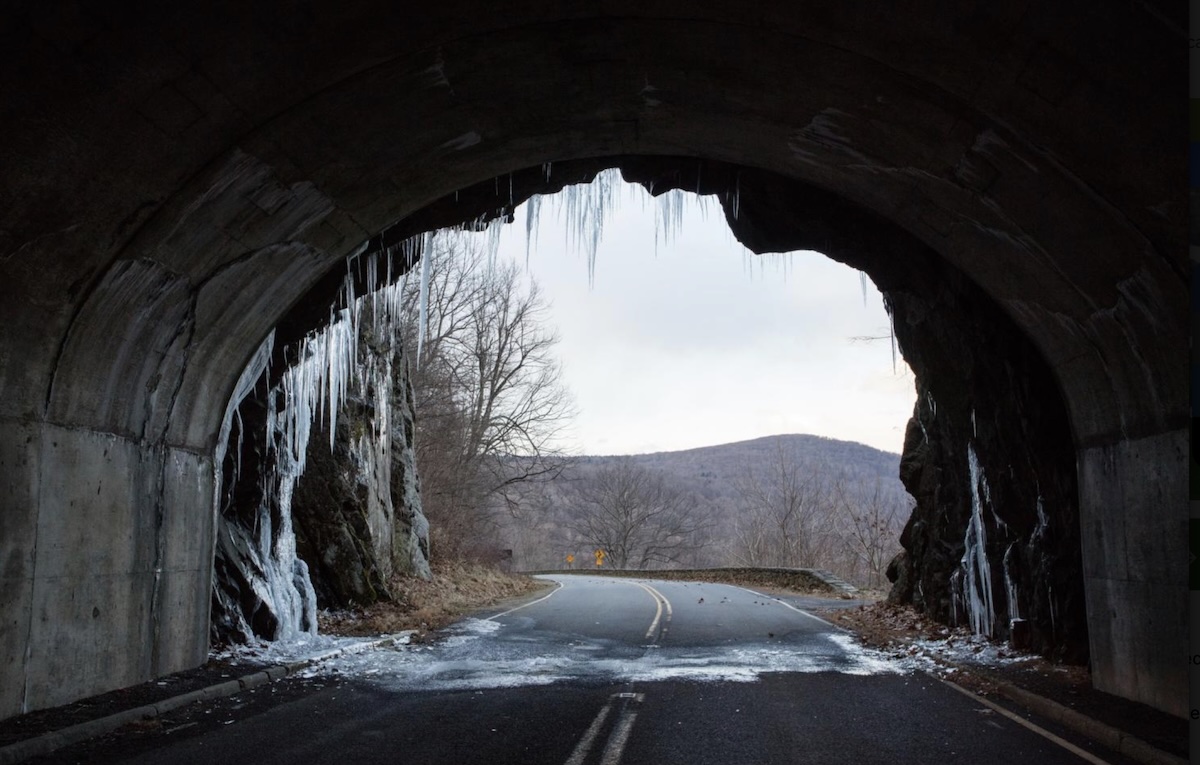
Icicles might look pretty dangling from overhangs, caves, waterfalls, and tunnel entrances. But they can cause injury to people and hazards to drivers.

Shenandoah National Park recently posted this warning on social media:

“Icicles can be exciting to view as they seem to drip frozen in time. However, icicles will eventually fall; never linger underneath an area with heavy icicles. When they do fall, ice can collect on the road underneath. If you see ice on the road, reduce speed, maintain plenty of distance from other vehicles or consider using lower gear.”

The post reminded drivers to be especially aware of icicles and ice on the road at the park’s Marys Rock Tunnel on Skyline Drive. The tunnel, located at mile 32 just south of the Thornton Gap entrance station, is an iconic landmark along the route and is considered one of the park’s greatest engineering feats. It was built in 1932.

While there is no official database of incidents related to icicles, a report from Cleveland Clinic says they can cause cuts or head injuries. They are most likely to fall when temperatures fluctuate widely or thaw, according to the report.

RELATED

• Study finds dashboard touchscreens reduce driving safety

• Tips for safe RV driving on snow or ice

• Blowing in the wind: Truckers’ tips for safe driving

• Tips for safe driving around big rigs

RVT1250b

More Oregon state parks to start charging for parking

4

If your RV travels take you to Oregon state parks, expect a few more parking fees starting March 30. The Oregon Parks and Recreation Department will begin requiring day-use parking permits at 22 additional parks that previously did not charge a fee.

A day permit is $10 for Oregon residents and $12 for out-of-state visitors and is valid all day at any Oregon state park. Visitors arriving on foot, by bicycle, or via public transit won’t need a permit, and campers with a valid park hangtag are covered.

Oregon state parks adding parking fees beginning March 30 are:

• Agate Beach State Recreation Area
• Angel’s Rest Trailhead
• Banks-Vernonia State Trail
• Bob Straub State Park
• Brian Booth State Park
• Bridal Veil Falls State Scenic Viewpoint
• Cape Blanco State Park
• Cape Meares State Scenic Viewpoint
• Carl G Washburne Memorial State Park
• Devil’s Punchbowl State Natural Area
• Elijah Bristow State Park
• Fogarty Creek State Recreation Area
• Gleneden Beach State Recreation Area
• Governor Patterson Memorial State Recreation Site
• Lake Owyhee State Park
• Latourell Falls Trailhead at Guy Talbot State Park
• Molalla River State Park
• Oceanside Beach State Recreation Area
• Roads End State Recreation Site
• Umpqua Lighthouse State Park
• Wallowa Lake State Park
• William M Tugman State Park

Officials say the added fees help maintain amenities RVers often use such as restrooms, trails, boat ramps, paved access roads, and similar facilities. Park funding already comes partly from lottery funds and RV license plate fees, but visitor fees remain an important revenue source.

Frequent visitors may want to consider the 12-month parking permit ($60 for Oregon residents) to save money.

And another heads-up for RV travelers: Beginning the same day, 19 state park dump stations will start charging $10 per use to help cover maintenance costs. The dump fee will be extra, beyond the campsite fee.

As always, check park conditions before heading out as closures or construction can change quickly.

RELATED

Oregon considers major overhaul of state park reservations amid crowding and cancellations

Camping at Southern Oregon’s beautiful Harris Beach State Park

Oregon to increase camping rates to highest level at nearly 30 parks

Oregon’s Silver Falls State Park campground reopens

RVT1250b

Why Ford used bouncy balls to test its products

6

The last place you would think you’d find children’s bouncy balls is in the production of automotive parts. In this case, Ford parts.

Well, if your imagination does not provide you with an answer to what this is about, here’s the scoop: Ford recently tossed 1,000 bouncy balls into a testing machine, not for fun but to demonstrate just how rough life can be for auto parts before they ever make it onto a vehicle.

The colorful chaos unfolded at Ford’s Shipping Equipment Design and Test Center in Dearborn, Michigan. Daily, engineers there simulate the shaking, rattling and occasional abuse parts endure while traveling by truck, train, ship and plane. The bouncy ball technique demonstrates that shipping isn’t always gentle.

Inside the lab are massive vibration tables and impact rigs designed to mimic real-world punishment. Engineers even use actual route data so the tests reflect what happens on specific shipping lanes.

If something is likely to bounce, slam, skid or shift during a cross-country trek, they want to know about it before thousands of real parts are on the move.

Why go to all this trouble?

Damaged parts can slow assembly lines, raise costs and create quality headaches. A cracked housing or dented component might seem minor, but multiply that by thousands and you have a serious problem. Better to discover weaknesses in packaging during a controlled “bouncy ball rodeo” than during production.

So, yes, using bouncy balls as a way to illustrate the rigors transported goods (Ford automotive parts, in this case) endure during movement to and from a factory is a big deal. Helping protect vehicle parts from the real world’s bumps, bangs and bruises will help save manufacturers and consumers a lot of headaches.

RELATED

RVT1250b

RV Daily Tips. Tuesday, February 24, 2026

America’s Original RV Newsletter. Since 2001
Issue 2847 • New issue every weekday

Remember: You don’t need to receive an email alert from us to read our newsletters. Just click any time of day directly to RVtravel.com. The latest issues will be right there for you.


Today’s thought

“When a photographer can’t change a scene, he changes his angles and lens to capture the best of that scene. Similarly, when you can’t change a situation in your life, change your perspective to get the best out of that situation.” —Anon.


Need an excuse to celebrate? Today is National Tortilla Chip Day!

On this day in history: 1863 – Arizona is organized as a United States territory.


AS OF LAST NIGHT (6 p.m. PT)… Warwick, RI, has received the most snowfall from the recent blizzard: 36.2 inches (and Providence follows right behind at 36 inches)! Following Rhode Island, Whitman, MA, has accumulated 33.7 inches, and Central Islip, NY, has accumulated 31 inches. Wow!


Tip of the day
How to minimize RV interior condensation

By Cheri Sicard
Last year, I deliberately sought out this video because I was struggling with RV condensation.

Wintering on a beach in Mexico had introduced RV challenges I hadn’t encountered during the summer. The air was always moist, but the cold outdoor temperatures mixed with the warmer air inside my RV were causing condensation to build up on the windows.

Jared Gillis from All About RVs offers a handful of practical solutions, and minimizing condensation is definitely something you’ll want to address because… Continue reading.


Article and video
“Million dollar” beach house in a box truck—Amazing RV conversion

In this video from Tiny House Giant Journey, we meet Scott, an avid surfer who takes us on a tour of his box truck conversion tiny home. Scott likes to park at some of California’s most popular surfing spots. His box truck beach house has everything he needs, and he gets the same million-dollar views of neighboring homes, without the price tags. This is impressive—wow!

Glad Top Open 2 Img 0240A big-trash-bin alternative
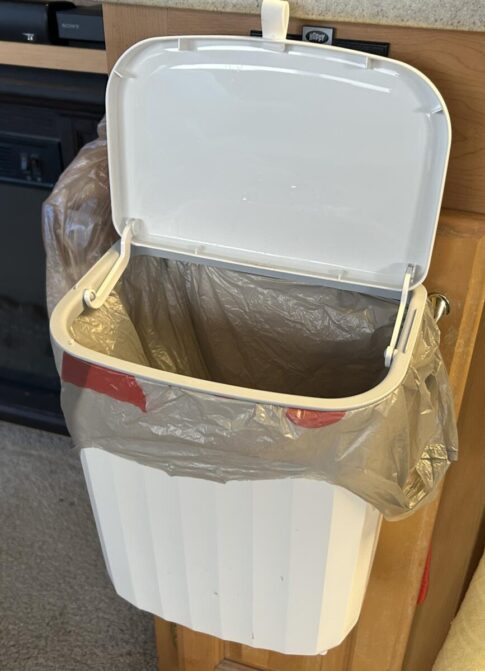
“I was struggling with keeping a trash receptacle in our motorhome…. I found this Glad Roomate Undercounter Waste Bin, in which regular plastic grocery bags fit perfectly. The lid opens two ways and can either clip to a door or drawer or be mounted with an adhesive strip. We both love the trash bin; it’s made our life in the RV much better.” Thanks for the tip, Chris (and Keri)!


Featured article
Bad buying advice leads to RVing disaster

Mike Pavel was assured by the seller that his Ram 3500 was a perfect match for his truck camper. It was—until a few miles into Mexico’s Baja, where the frame broke, leaving his Eagle Cap camper precariously tilted. As for the dealer’s promise? It didn’t matter. Mike Pavel was apparently under a misimpression—or perhaps even misdirection. Here’s the story.


FACTOID: Yesterday morning at 7 a.m., PST, here are the top 8 countries, in order, where RVtravel.com readers were coming from: The USA by far, Canada solidly second, then New Zealand, Mexico, Australia, the U.K., Germany and France. How ’bout that?


Ask Dave
RV windshield gasket pulled away, left a gap. What are options?

Read Dave’s suggestions.


Reader poll
Are you diabetic?

Respond here.


Quick tip
Vertical towel bar adds towel storage

If you don’t have enough cabinet space to stash your bath towels (or you have better uses for the cabinet), here’s a storage idea saved by Pinterest user Tina Arias. Use a towel bar to store rolled-up towels. Mount the bar vertically, rather than horizontally, in some unused patch of wall space.


HandwarmersKeep your hands warm all winter long
These are Amazon’s best-selling rechargeable hand warmers. They come in many colors and heat up in just three seconds. They are ideal for outdoor walks, sports events, or cold morning chores. They’re small, lightweight, and easily fit in any pocket. Know someone who is always cold? They (or you!) need these!


On this day last year…


Website of the day

YouTube: RV Emergency Preparedness
It’s important that your RV is available to you in an emergency, so check out these pages (and pages and pages) of YouTube videos. They’ll help you make sure your RV is ready for anything!


And the survey says…

We’ve polled RVtravel.com readers close to 5,000 times in recent years. Here are a few things we’ve learned about them:

• 27 percent would consider themselves to be organized and say that everything they own has its place.
• The majority of readers, 54 percent, have Verizon as a cell phone provider.
• 20 percent say that within the last year, 100 percent of their clothes purchases were online.

Recent poll: Are you afraid of the dark?


Recipes of the day
Celebrate National Tortilla Chip Day with these Mexican-inspired recipes

These recipes, except for one, are all made with tortilla chips. The other was a dip we just couldn’t resist. If you’re in the mood for Mexican, these recipes are for you!


? MYSTERY PRODUCT OF THE DAY ?
We recently saw a note from someone who said they were visiting all the places on the “1,000 Places to See Before You Die” book list. But what about these places? Maybe you’ll want to cross all these off your list? How fun!


Trivia

Did you know that leafcutter ants don’t actually eat the leaves? Instead, the leaves are food for the ant’s extensive underground fungus system. For tens of millions of years, leafcutter ants have tended these fungus farms, which provide nutrients for the ant larvae in the colony. This fungus is so important to the colony that when a new queen sets out to form a brand-new colony, she takes a starter fungus (in a tiny pocket within her mouth) with her to start seeding a new colony. Amazing!


Readers’ pets of the day

Img 4242 Cb8268079e962b17cccf417c80193347“Dasher (cat, age 7) raised Bodie from a pup (now age 4), so he is her mentor, best friend, and guide to all things adventure. They have both been RVing since they were babes, and both wear harnesses and leads to go outside. Both of them do tricks for treats, and both love to go on walks. They are our entertainment and exercise machines.” —Liz & Barb Wharton-Jording

Send us a photo of your pet with a short description. We publish one each weekday in RV Daily Tips and in our Sunday RV Travel newsletter. No blurry photos, please! Please do not submit your photo more than once. Thanks!


FREE IS GOOD! Free 8 oz. Birthday Cupcake Batter Frozen Yogurt at Yogurtland on Feb. 25 (tomorrow), with any in-store purchase. Check here for locations.


Leave here with a laugh

Snow


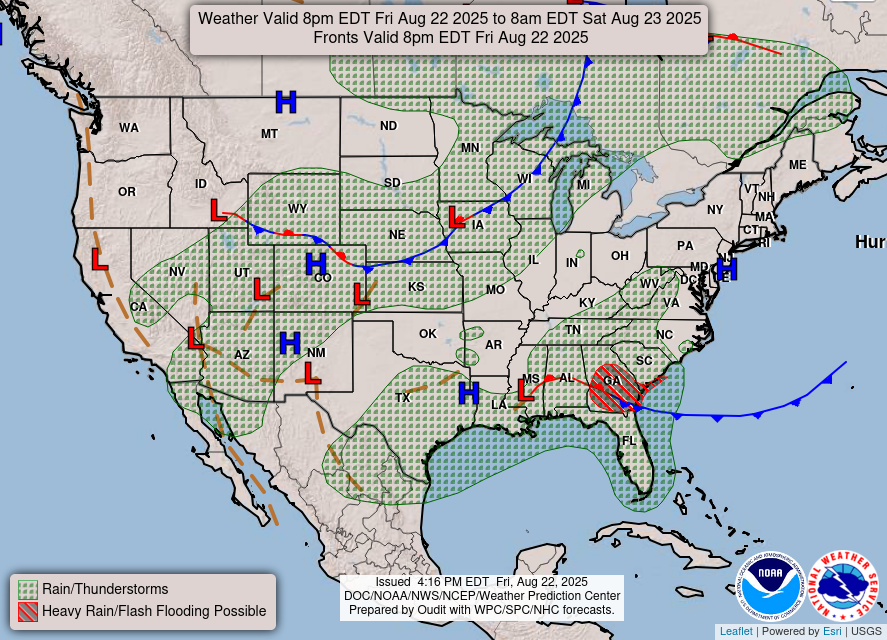
Today’s weather forecast across the nation
THIS MAP UPDATES TWICE A DAY
Visit Current National Radar Weather Map


Did you miss the latest RV Travel Newsletter? If so, read it here.
Oh, and if you missed the Latest News for RVers, make sure to catch up here.


If you shop at Amazon.com we’d appreciate you using this link. We get an itty bitty commission if you buy something, but they add up and help us pay our bills (most importantly our hard-working writers!). 


RVtravel.com All-Star Team

Click here for information about our staff and how to contact us.

WHY WE ASK FOR DONATIONS INSTEAD OF SELLING SUBSCRIPTIONS.

Our policy on using artificial intelligence.