Hydration is essential, especially for RVers who spend time outdoors, drive long distances, or camp in warm climates.
Remaining hydrated is why many RVers use reusable water bottles. The bottles are convenient, significantly reduce waste, and can keep your beverages colder/hotter longer.
A typical day in a bottle’s life
For many RVers, the day starts with filling up a reusable water bottle. The bottle is then placed inside the truck’s (or RV or car) cup holder, where it’s easily accessible. Frequent sips are enjoyed throughout the travel day.
Once at the campground, the water bottle is all but forgotten while the campers set up and settle in.
Trouble begins
The forgotten water bottle often remains inside the truck for a day, two, or sometimes longer. During that time, the truck’s interior warms in the heat. Any microbes inside the bottle can begin to grow.
Warm, damp spaces are exactly the kind of environment where mold and microbes can take hold. Reusable bottles can also develop hidden buildup in narrow parts like straws and lids. This is especially true when the parts are opaque or stainless steel, making the mold growth nearly impossible to see.
Health risks
Drinking from a moldy bottle, straw, or nozzle is problematic because mold exposure can be harmful. The CDC says mold can cause a stuffy nose, sore throat, coughing or wheezing, burning eyes, or skin rash.
People with asthma, mold allergies, or weakened immune systems can have even stronger reactions. The Mayo Cliniclikewise notes that mold allergy can lead to coughing, itchy eyes, and breathing trouble, especially when asthma is part of the picture.
There is also the simple hygiene issue. Straws and bottle mouths can hold saliva, residue from drinks, and moisture in tight spaces that are hard to scrub clean. Research on everyday, reusable bottles has found that they can harbor microbial populations, and broader biofilm research shows that these slimy communities can act as reservoirs for microbes rather than just a bit of harmless grime. In other words, a straw that looks only a little dirty may still be carrying much more than you can see.
Clean it up!
A quick rinse is not enough. For reusable water bottles, the Cleveland Clinic recommends washing with warm water and soap, using a bottle brush to reach the narrow parts, and paying close attention to the cap, mouthpiece, and any crevices where mold can hide. Letting every part dry completelybefore reassembly matters just as much as the washing itself.
If a straw or lid has visible mold, a bad smell, or a persistent film that keeps coming back, replacement may be your best option.
Tools that help
For RVers who depend on refillable bottles, a little prevention goes a long way. Pack along a straw brush like this one and a lid bottle cleaner like this (pictured above). Both tools take up very little storage space and can make a difficult job so much easier.
For RV life, the best habit is to treat the bottle like a daily-use dish, not a travel accessory that can sit around indefinitely. Empty the bottle, wash it, and dry it before it gets tossed back into a warm truck cab or a closed-up rig. You don’t want to give mold a foothold.
Remember that your future travels depend on you staying healthy.
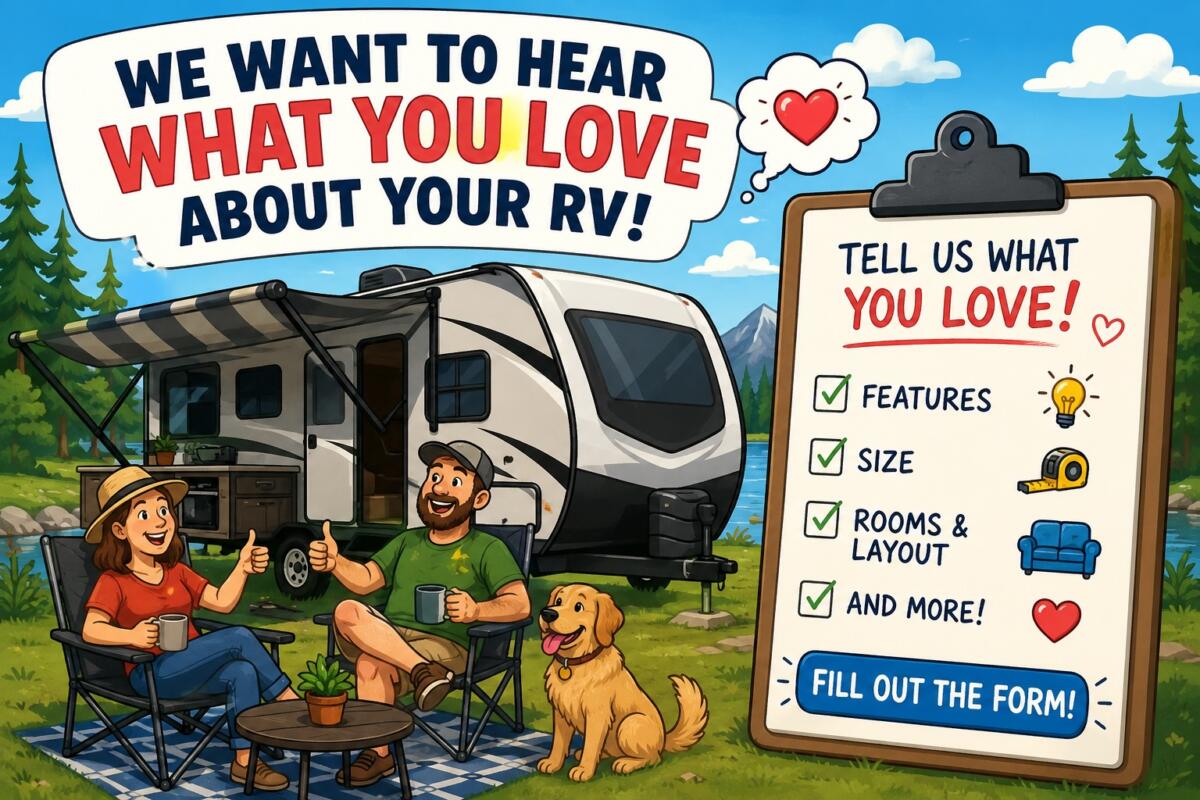
We spend a lot of time talking about RV problems, repairs, frustrations, and the things we wish manufacturers would do differently. But this time, we want to flip that around.
What do you genuinely like about your RV?
Maybe it’s the perfect floorplan. Maybe it’s the giant windows, the outdoor kitchen, the roomy shower, or the fact that your smaller rig fits just about anywhere. Maybe your favorite part is something simple—like the cozy dinette, a big pantry, or the way your comfy mattress feels after a long travel day.
We’d love for you to fill out the form below and tell us what makes your RV feel just right for you. What features do you appreciate most? What size works best for your travel style? Which rooms or layouts make life on the road easier, more comfortable, or more fun?
This time, we’re focusing only on the positives. (We’ll save the complaints and wish lists for another day!) Please fill out the form below, and feel free to upload a photo, too. Thanks! We’ll run some of your responses in upcoming newsletters.
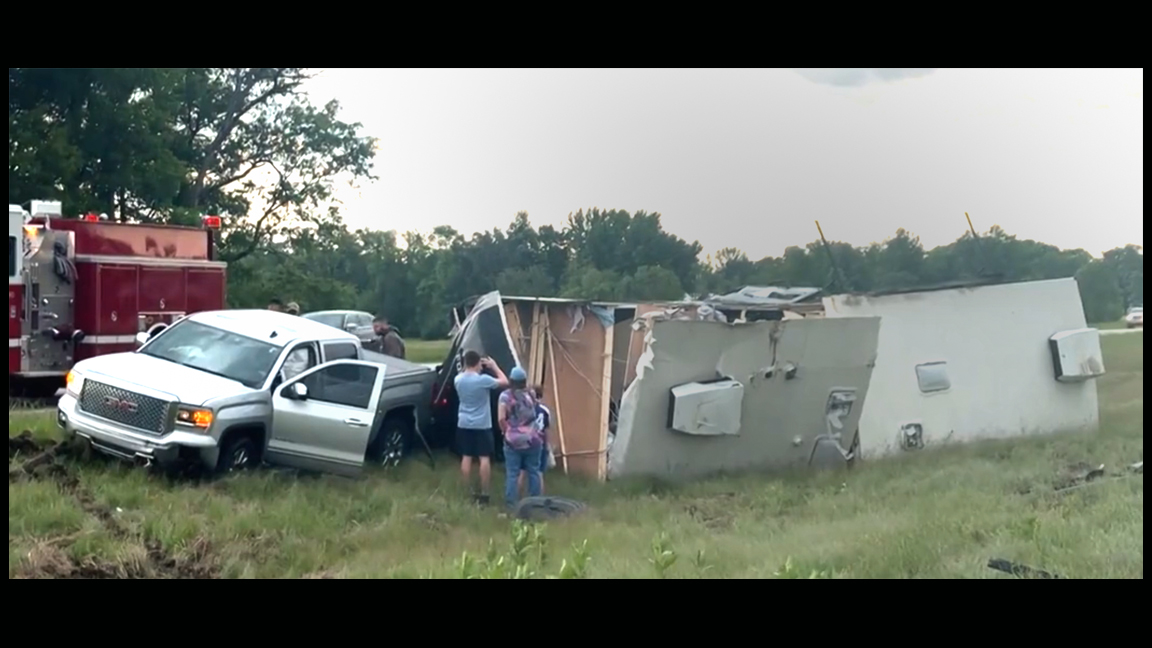
An Indiana highway crash is serving as a harsh reminder about RV trailer safety after a disconnected trailer struck and flipped a camper on U.S. 41, near Evansville, sending two people to the hospital. Authorities are still investigating exactly what happened. But incidents like this highlight a reality many RVers already know: A trailer disconnect at highway speed can become violent in seconds.
For many RV owners, the unsettling part is how ordinary these situations can begin. Often, the rig looked perfectly fine pulling out of the driveway or campground. The problem may not show up until a bump, sway event, hard brake application, or highway-speed vibration exposes a weak point in the towing setup.
Why trailer disconnects can become so dangerous
When a trailer separates from the tow vehicle, several things can happen almost instantly and none are good.
The trailer tongue can slam into the pavement. The trailer may begin fishtailing violently. Safety chains can either help stabilize the trailer or fail if they were improperly connected. In some cases, the trailer crosses lanes or strikes nearby vehicles before the driver even has time to react.
With travel trailers, the danger increases because of their size and high center of gravity. Once the trailer begins whipping sideways, rollover forces build quickly.
That appears to be part of what happened in the Indiana crash. Photos from the scene showed the RV, a towable, overturned beside the highway after being struck by the disconnected utility trailer.
The hitch mistake many owners never realize they made
One of the most common towing failures involves the coupler not fully seating onto the hitch ball.
Sometimes the latch appears closed when it really is not locked completely into place. Other times the wrong ball size is being used, or the coupler itself has worn enough to create excessive play.
Experienced RVers often develop a routine specifically to avoid this.
Many perform what is commonly called a “pull test.” After hitching up, they raise the tongue jack slightly off the ground and gently apply the trailer brakes by manually engaging the brake controller while easing the tow vehicle forward just enough to confirm the coupler is securely locked onto the ball.
It takes only a few seconds, but it can reveal a problem before the trailer reaches highway speed.
Safety chains are not just backup hardware
Many RV owners think of safety chains as little more than a legal requirement. In reality, they may become the last line of defense between a controllable emergency and a catastrophic crash.
Properly crossed safety chains should pass underneath the trailer tongue in an “X” pattern before attaching to the tow vehicle. That crossing creates a cradle designed to help catch and support the tongue if the coupler disconnects. Without that support, the tongue can slam directly into the pavement, potentially triggering violent whipping or even pole-vault-style flipping forces at highway speed.
“A trailer disconnect at highway speed can become violent in seconds.”
Chain length matters, too. Chains that are too long can allow the tongue to hit the road. Chains that are too short may bind during turns.
And the breakaway cable matters just as much. That cable is designed to activate the trailer brakes if the trailer completely separates from the hitch. But safety experts warn that many owners attach the cable to the same removable chain loops or hitch hardware involved in the towing connection itself. If that hardware fails or tears loose during a disconnect, the breakaway system may never activate. Instead, the cable should be attached to a solid, independent point on the tow vehicle or hitch assembly that would remain attached even if the coupler and chains fail.
Why loading and sway still matter
Not every trailer separation begins with the hitch itself.
Improper tongue weight, overloaded rear cargo areas, soft suspension components, or underinflated tires can create severe sway conditions that place enormous stress on the hitch system.
A trailer that repeatedly jerks and oscillates at highway speed can eventually expose weaknesses in worn hardware or marginal connections.
That is one reason experienced towers often recommend rechecking the hitch after the first few miles of travel, especially after the RV has been sitting in storage for weeks or months.
Metal settles. Loads shift. Hardware loosens. Tires warm up.
A setup that looked perfect at the campsite may not stay that way after 20 miles of rough pavement.
The five-minute walk-around many RVers swear by
Many longtime RVers eventually develop a personal pre-departure routine. The exact checklist varies, but most include the same basic ideas:
Check that the coupler latch is fully locked. Confirm the hitch pin and retaining clip are installed. Verify the chains are crossed and not dragging. Test trailer lights and brake operation. Inspect tires visually. Make sure storage doors, steps, stabilizers, and antennas are secured.
It sounds simple because it is simple.
But many towing incidents begin with small oversights made during rushed departures, distractions, bad weather, or simple fatigue after a long stay.
The Indiana crash is still under investigation. But for RV owners watching from afar, it serves as another reminder that towing safety is rarely about one dramatic mistake. More often, it is the small things overlooked before the trip even begins.
America’s Original RV Newsletter. Since 2001 Issue 1261 If you find this newsletter helpful, please consider supporting our work with a donation of your choice. Thank you!
Today’s thought
“It’s in those quiet little towns, at the edge of the world, that you will find the salt of the earth people who make you feel right at home.” ―Aaron Lauritsen, 100 Days Drive: The Great North American Road Trip
Need an excuse to celebrate? Today is Armed Forces Day, National Barbeque Day, and National Love A Tree Day!
On this day in history: 1888 – Nikola Tesla delivers a lecture describing the equipment which will allow efficient generation and use of alternating currents to transmit electric power over long distances.
Featured news
What BLM reversal of major public lands policy could mean for RVers
A new fight over Bureau of Land Management policy could eventually affect RVers who rely on public land for camping and boondocking. The Interior Department has rescinded a Biden-era rule that elevated conservation as an official use of federal lands, with supporters calling it a return to “multiple use” management and critics warning of weaker protections for fragile areas. Learn more.
State park campground expands, becomes largest in America
For years, RVers have complained that many state park campgrounds were built for another era—with tight sites, limited hookups, and roads that feel too small for today’s larger fifth wheels and motorhomes. Now, one Alabama state park is moving sharply in the opposite direction and is now the largest in America.
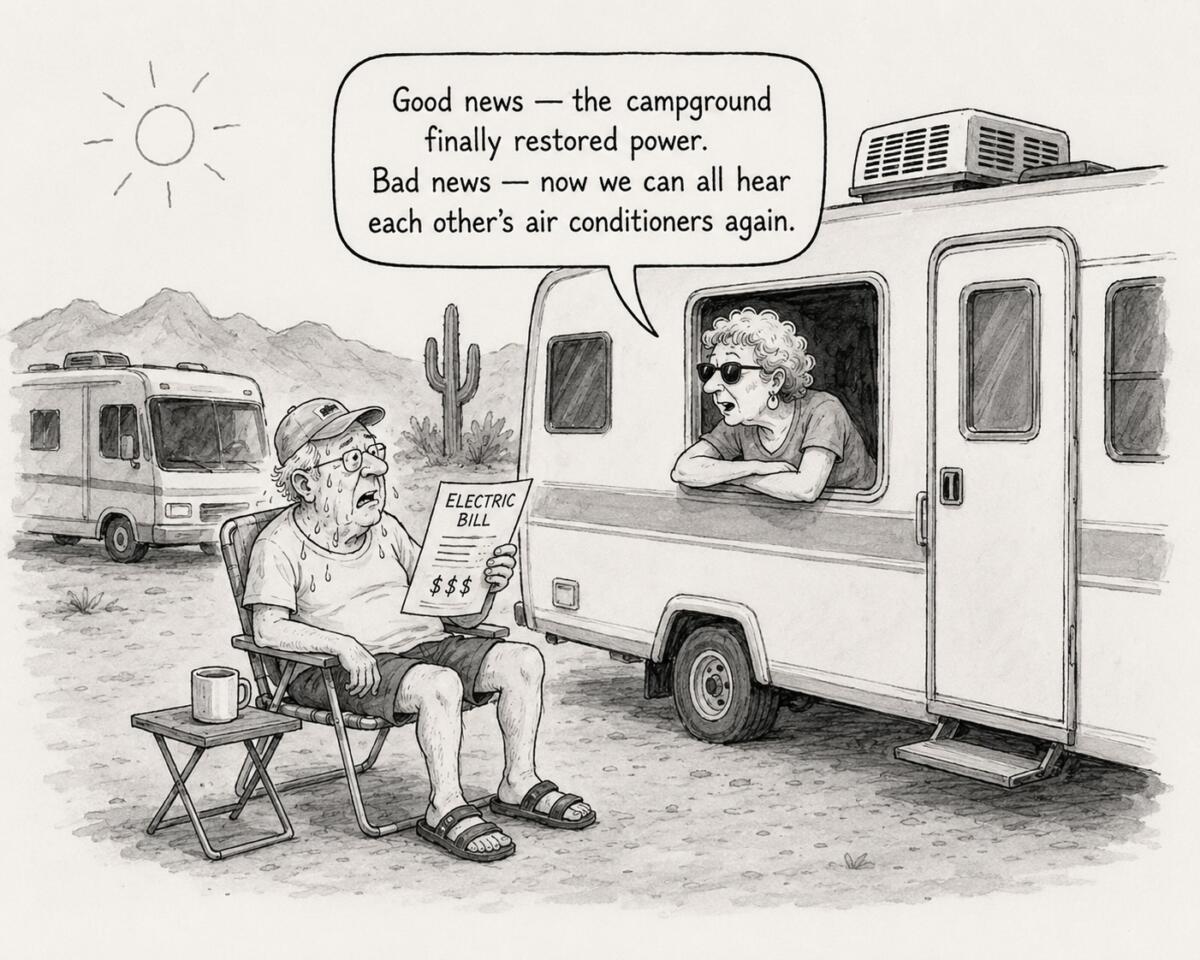
Can an RV park legally shut off your power during extreme heat? Arizona case raises questions
An Arizona RV park is at the center of a growing dispute after residents reportedly lost electricity during triple-digit heat amid an ongoing conflict involving park management and tenants. State officials later stepped in and ordered power restored at the Quartzsite park, raising concerns for long-term RV residents heading into another brutal Southwest summer.
RVers hear “technician shortage,” but RV repair company says the problem runs deeper
RV repair delays have become so common that many owners now expect them. But one independent mobile RV technician says the problem goes far beyond a shortage of techs, pointing instead to warranty approvals, parts delays, manufacturer paperwork, and increasingly complicated RV systems slowing repairs across the industry. Continue reading.
After short dip, gas prices on the rise again
After five straight days of declines earlier this week, the national average price of a gallon of gasoline was once again on its way back up as of Thursday, a couple cents lower than last week. With crude oil prices hovering in the $100/barrel range, pump prices remain elevated. Here are the numbers.
AccuWeather predicts summer weather could bring dangers
AccuWeather forecasters warn that the summer of 2026 could bring a wide range of dangerous weather extremes across much of the United States, including prolonged heat waves, drought, severe thunderstorms, flash flooding and major wildfires. Learn more.
Arizona RV park fire destroyed multiple homes in minutes. Snowbirds especially vulnerable
A fast-moving brush fire near Wickenburg, Arizona, destroyed multiple RVs and forced evacuations Monday, leaving some residents with almost nothing. Local reports said at least eight RVs were lost, highlighting the unique danger RV park fires pose for snowbirds and full-timers across the Southwest.
Tornado rescue story highlights hidden risks for RV pets
A tornado kitten rescue in Mississippi is drawing attention to what can happen to pets after RV park disasters. Rescuers searching through the wreckage of a tornado-damaged trailer park recently heard something unexpected coming from the debris: faint meows. For many RVers, this story may hit a little differently.
Beyond the headlines with Tony Barthel
The problem with luan; bears, coyotes, orangutans; and a really cool new A/C
This week’s RV news recap covers everything from terrifying bear encounters near Yellowstone and Glacier to a mystery coyote that somehow swam its way onto Alcatraz. Plus, environmental activists are targeting major RV manufacturers over rainforest wood sourcing. And there’s exciting news about a new ultra-efficient RV air conditioner that could change summer camping. Read Tony’s weekly news analysis here.
Campground rule #1: The quieter the campground claims to be, the louder the leaf blower at 7:12 a.m.
Tiny, portable air purifier is RV-sized
If your RV ever smells a little too much like last night’s dinner or the campground fire pit, this compact air purifier is a quiet hero. It uses a true HEPA filter to trap dust, pollen, smoke, pet dander, and odors; runs whisper-quiet in sleep mode; and is small enough for an RV, car, or bedside table. It’s a must-have for summer air. Check it out.
RV review The best 2026 travel trailers under 5,000 lbs.
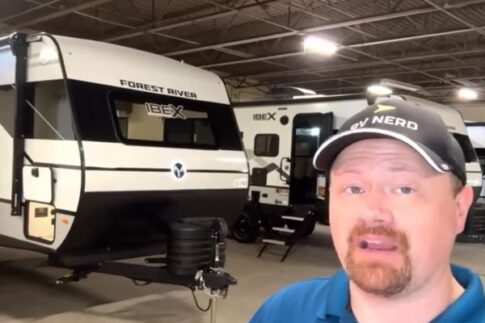
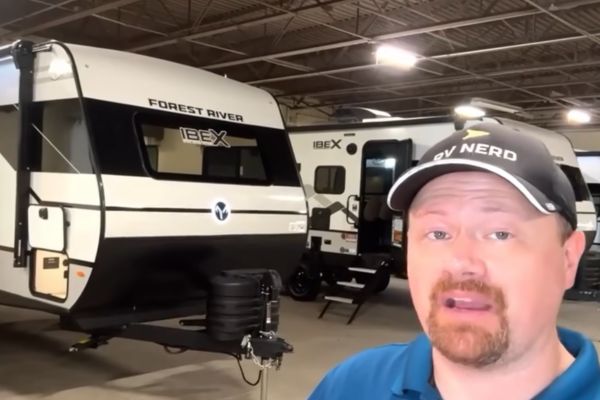
Finding a small camper that still feels useful is harder than it should be. Here, Josh the RV Nerd at Bish’s RV pulled together a list of 2026 single-axle trailers that stay under 5,000 pounds dry, and the mix is broader than most shoppers expect. Some are simple weekend sleepers. Others add slides, bunks, solar, heated underbellies, off-road gear, or smarter storage. This list gives lots of options to consider. (Cheri lists them all in the article, too, if you don’t want to or don’t like watching videos.)
Tanner Toons with Tanner Woods
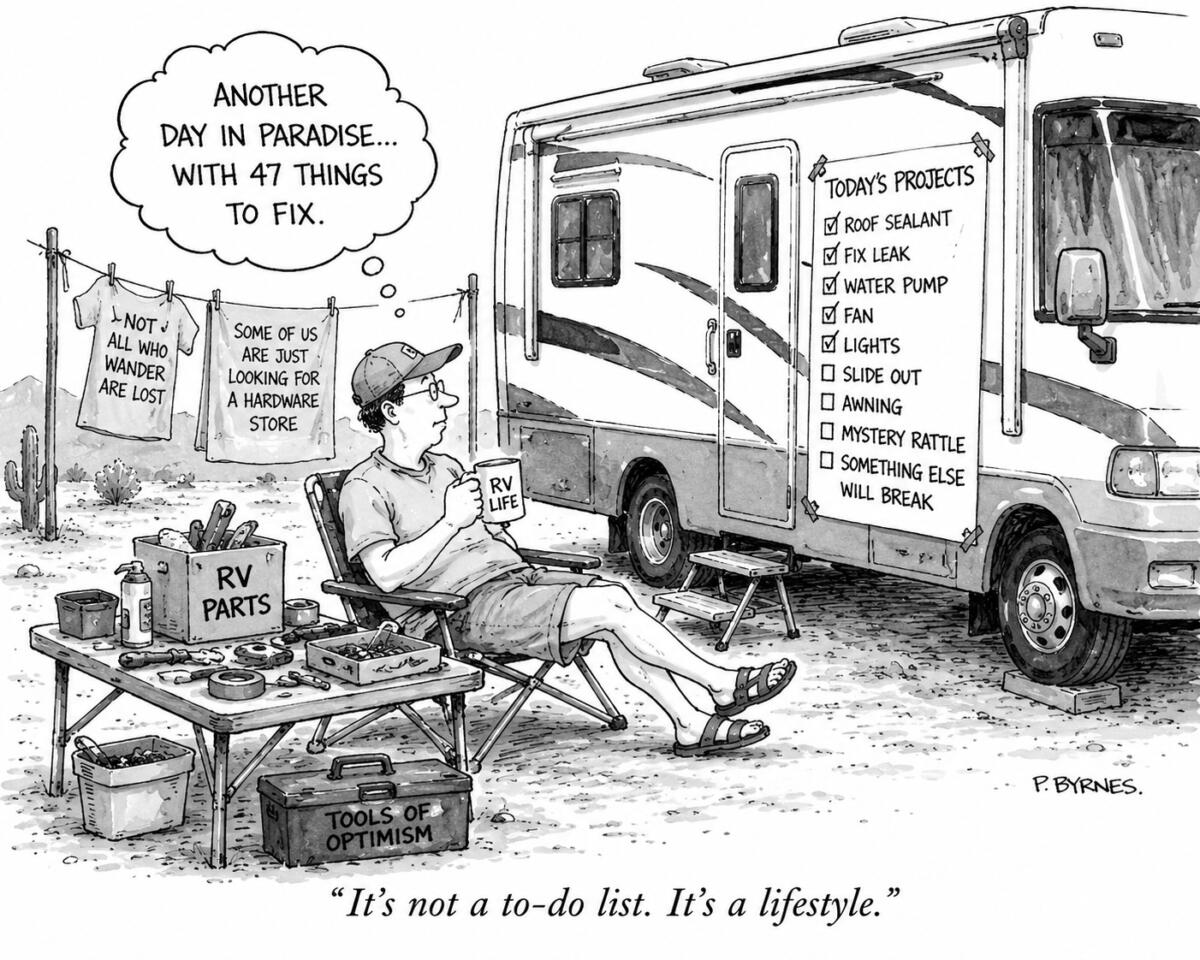
You may share this Tanner Toon, unaltered, on your website, blog or social media with our compliments. The musings from Tanner Woods’ creative mind appear in this newsletter every Saturday and Sunday and in many RV Daily Tips newsletters through the week. Sign up for our RV Daily Tips Newsletter so you don’t miss a single Tanner Toon.
News briefs
Despite rising travel costs and economic uncertainty, RV travel remains strong this summer, with 37 million Americans expected to take RV trips, according to a new RV Industry Association survey. Travelers are increasingly choosing road trips, closer-to-home destinations and flexible vacations, while national parks, beaches and campgrounds remain top picks.
OutReserve has launched a new ChatGPT app that lets travelers search for campgrounds, RV parks, cabins and other outdoor stays directly within ChatGPT while planning trips. The company says the tool is designed to simplify outdoor travel planning by helping travelers compare destinations, amenities, and availability in one place.
AAA projects 45 million Americans will travel at least 50 miles from home for the Memorial Day holiday, Thursday through Monday, up slightly from last year.
Camp Fimfo Texas Hill Country in New Braunfels, Texas, has been named the nation’s top RV campground in USA TODAY’s 2026 10Best Readers’ Choice Awards. The resort-style campground along the Guadalupe River earned the No. 1 spot after a four-week public voting period.
GOOD DEED DEPARTMENT! A North Texas glamping resort sheltered six families after an EF-2 tornado destroyed their homes April 25 northwest of Dallas. Camp Quitcherbichin provided six cabins for the displaced families.
Yosemite National Park is preparing to welcome visitors for the peak summer season with expanded access across the park, including the reopening of popular trails, climbing areas and full campground availability. All Yosemite front-country campgrounds will be open this summer and available for reservation via Recreation.gov. More info here.
This summer, visitors to Yellowstone National Park are being urged to plan ahead—both to stay safe and to help protect one of America’s most iconic wild landscapes. By following these top 10 things to know before you go, you can make the most of your visit while helping ensure Yellowstone remains healthy, wild, and awe-inspiring for generations to come.
Tennessee has officially dedicated Cardwell Mountain State Archaeological Park as its newest state park. The 534-acre site in Warren County preserves thousands of years of history and sits above Cumberland Caverns, one of the nation’s largest cave systems.
A wild burro rescued from a septic tank at an Arizona RV park may sound like one of those strange “only in the desert” stories. But wildlife officials say the incident points to a growing reality across parts of the Southwest: More wild burros are wandering into RV parks, neighborhoods, and developed snowbird areas as human activity spreads deeper into desert habitat. Here’s the full story.
The northern lights could be visible farther south than usual this weekend as fast-moving solar wind from an Earth-facing coronal hole triggers geomagnetic storms. In the U.S., the aurora borealis may be visible in northern states including Idaho, North Dakota, Wisconsin, Michigan, New York and Maine.
Arizona’s Organ Pipe Cactus National Monument is now a Dark Sky Park. The certification from the National Park Service and DarkSky International recognizes the exceptional quality of the park’s night skies and provides added opportunities to enhance visitor experiences through astronomy-based interpretive programming.
The National Park Service is once again reminding visitors to take extra precautions in bear country following recent bear incidents in several national parks.
Idaho has opened the new Twin Peaks Ranch State Park near Salmon after acquiring a 670-acre former guest ranch property. The park includes cabins, a lodge, restaurant, and equestrian facilities, with a public grand opening planned for June 27.
Escapees RV Club says its upcoming Escapade event in Maine will feature six days of live entertainment, games and themed activities, with ticket prices set to increase May 17.
Beginning July 1, California police will be able to ticket driverless vehicles for traffic violations. The law allows officers to issue notices of noncompliance to operators such as Waymo and Tesla when self-driving vehicles speed, run red lights, make illegal turns, or block emergency scenes.
Great Smoky Mountains National Park has temporarily closed parts of several trails due to aggressive bear activity, including Ramsey Cascades Trail and the Mollies Ridge shelter along the Appalachian Trail. Park officials are urging visitors to stay alert, warning that bear activity can occur anywhere in the park.
RVers’ favorite eatery Cracker Barrel is bringing back its Campfire Meals for a limited-time summer return. They feature foil-wrapped Campfire Chicken and Campfire Beef, seasoned with signature campfire spices.
THE MORE YOU KNOW… The World’s Largest Tire near Detroit stands 80 feet tall, weighs 12 tons, and once worked as a real Ferris wheel at the 1964–65 New York World’s Fair. Nearly two million people rode inside it before the giant Uniroyal tire was moved beside I-94 near the Detroit airport. At one point, the company even stuck an 11-foot-long “world’s largest nail” into it as part of a tire promotion. Because apparently regular advertising wasn’t weird enough.
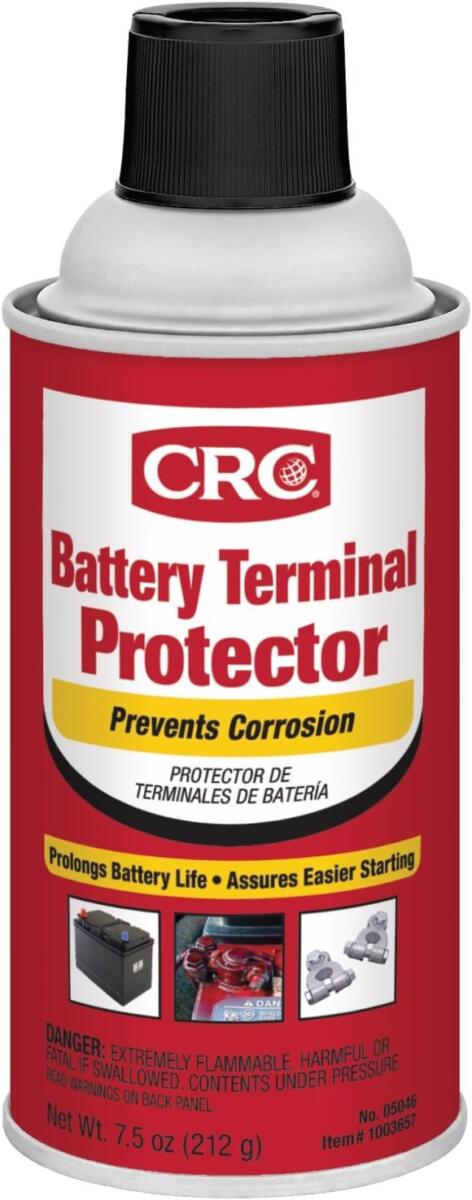
Protect your battery terminals
Battery terminals and cable ends should be cleaned using a mixture of baking soda and distilled water with a wire brush. A commercial battery cleaner, such as CRC Battery Cleaner with Acid Indicator, can also be used. This changes color from yellow to pink when acid is present outside the cells, helping identify problem areas. You can find it on Amazon here or learn more about protecting your battery terminals here.
RV and RV-related recalls
Chrysler is recalling certain 2023-2026 Ram 2500 pickup trucks. A software error in the powertrain control module may improperly allow the vehicle speed to exceed the tire speed rating. That can reduce tire integrity, which can result in compromised vehicle control and crash. Learn more.
Forest River is recalling certain 2026 Prime Time Crusader travel trailers. The wastewater holding tank ventilation pipe may end inside the trailer, allowing sewer gas to enter the cabin. Recall number: 49-2057. Info: 574-825-4995.
Reader poll How likely is it that you will buy an electric car/truck in the next year?
Despite it being called a “bean,” coffee is actually a fruit. The “beans” grow on a bush and are found in the center of a berry, known as a coffee cherry.
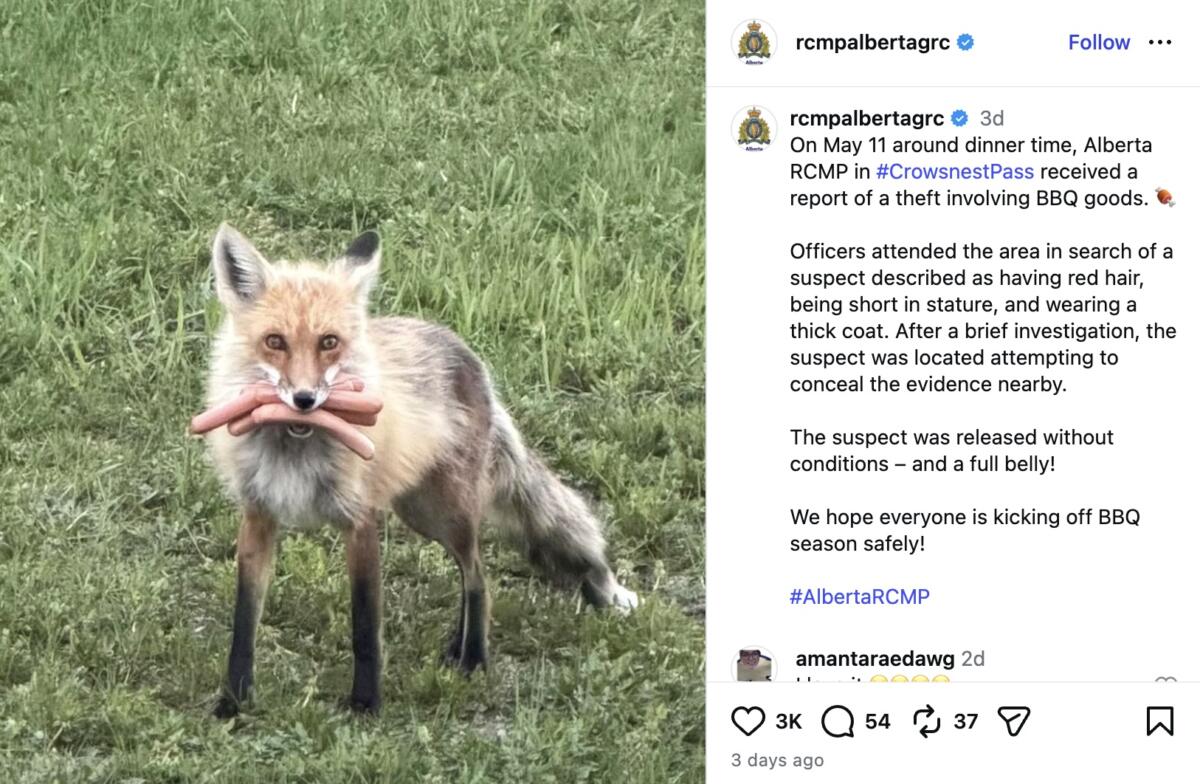
? MYSTERY PRODUCT OF THE DAY ? ‘Tis the season for this! If you haven’t made the switch from ____ to ____ yet, you’re going to soon. We’re just about a month away from summer, and this will help you get the cool party started!
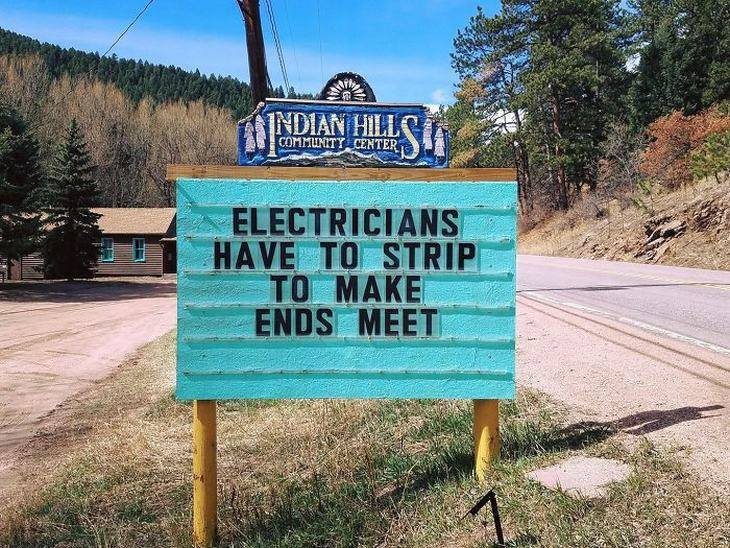
Laugh of the week
Top scams RVers should watch for right now
As more RVers hit the road for early summer trips, scammers are getting more creative—and more convincing. Here are three scams spreading right now:
Fake traffic and toll violation texts: Drivers across multiple states are getting texts claiming they owe a small unpaid toll or traffic fee, often with a QR code to “pay immediately.” Officials say these are scams designed to steal payment and personal information.
QR code scams (“quishing”) at travel stops: Fake QR codes placed on signs, fuel pumps, campground notices, or parking kiosks can redirect you to phishing sites or malware downloads. Security experts say these scams are rising fast this spring.
Fake RV rental and sale listings: Scammers continue posting too-good-to-be-true RV deals on Facebook Marketplace and Craigslist, often pressuring buyers to send a quick deposit before “someone else grabs it.” Once the money is sent, the listing disappears.
Miss The Perfect Scam podcast? Find the latest (and all) episodes here.
Today in history
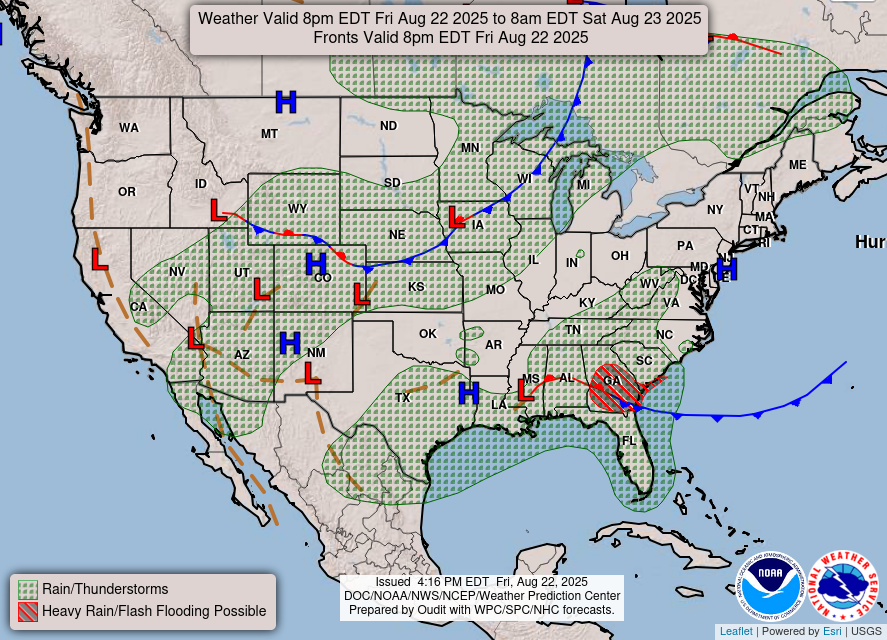
Today’s weather forecast across the nation THIS MAP UPDATES TWICE A DAY
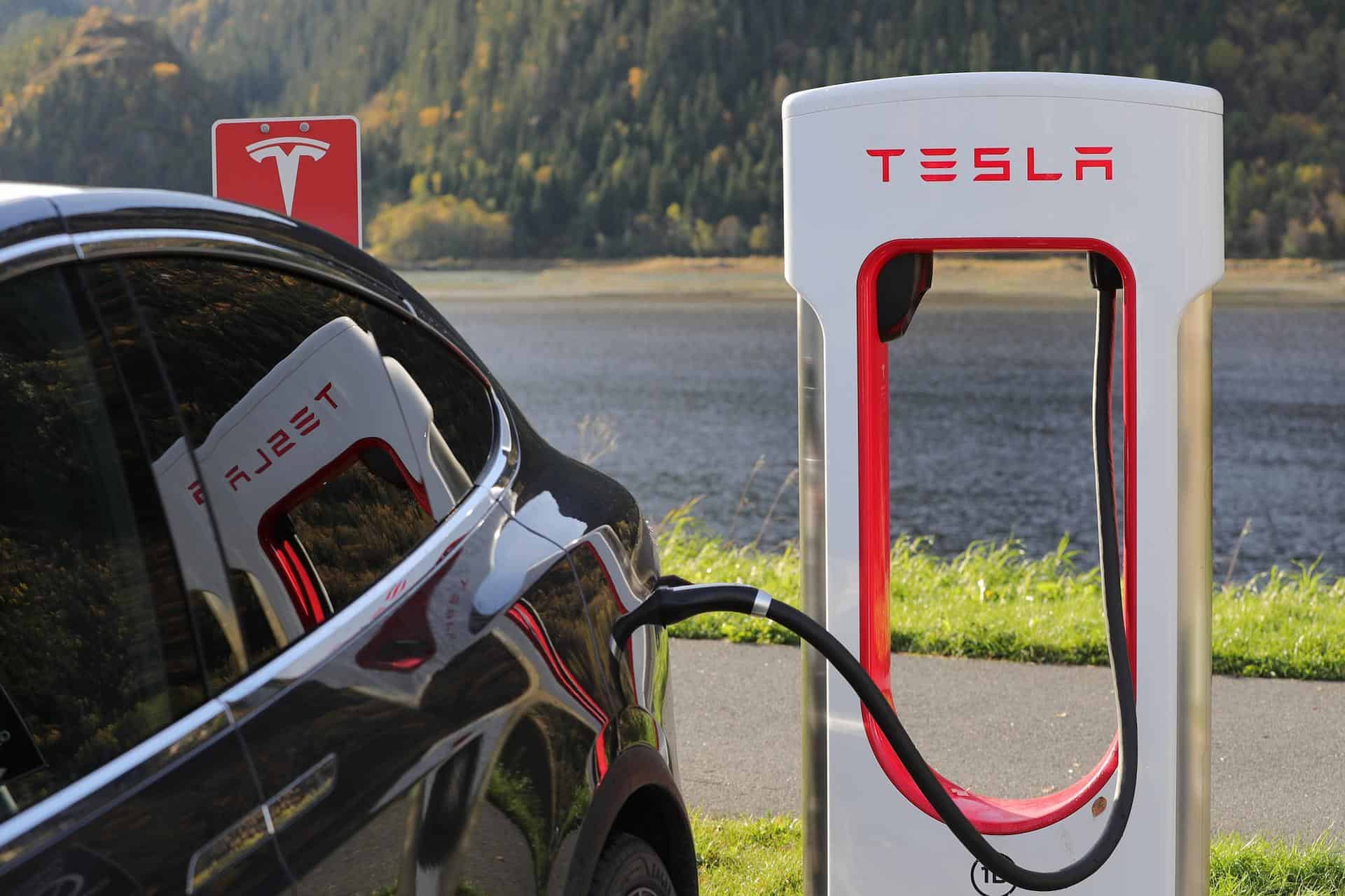
A few years ago, this question may have felt easy to answer. For many RVers—and Americans in general—the idea of buying an electric vehicle probably seemed far off, impractical, or simply unnecessary.
But things change fast.
Gas prices continue to sting, especially if you drive long distances, tow a trailer, commute regularly, or travel often. Raise your hand if you’ve recently looked at the pump total and just stood there blinking for a second. In some parts of the country, paying more than $6 a gallon no longer sounds shocking.
At the same time, electric vehicles are becoming harder to ignore. Charging stations are popping up in more places than ever before, including many parks, campgrounds, hotels, and travel stops. Automakers keep rolling out new electric trucks and SUVs, and even longtime skeptics are starting to wonder if an EV might actually fit their lifestyle someday.
Of course, there are still plenty of concerns. Towing range. Charging times. Battery life. Cost. Availability. And for RVers especially, the idea of towing long distances with an electric truck still raises a lot of questions.
So we’re curious…
How likely do you think it is that you’ll buy an electric car or truck within the next year?
And if your answer is “unlikely,” would rising gas prices eventually change your mind? If not gas prices, what would? Better technology? Longer range? Lower prices? Faster charging? Or are you perfectly happy sticking with gas or diesel for the foreseeable future?
Vote in the poll below and tell us more in the comments. We’d especially love to hear from readers who’ve changed their minds—either for or against EVs—in recent years.
One quick favor: Please leave politics out of the discussion and keep comments focused on real-world experience, costs, practicality, and travel. Thank you.
This week’s news recap looks at a few interesting animal stories, how the RV industry’s use of a wood product may affect animals (and people), and a cool new RV A/C.
The bear necessities
A bear near Yellowstone’s Mystic Falls attacked two brothers on May 4. Also in Glacier National Park, a 33-year-old hiker was killed near Lake MacDonald. While bear attacks remain extremely rare, they obviously do still happen. According to some park officials, bear attacks tend to happen when the mothers are surprised by humans, so the recommendation is to be noisy on hikes so you don’t surprise them. You should also carry bear spray.
In the case of the brothers, they are expected to make a full recovery.
A while back, I had the chance to speak with Steve Searles, who is considered to be the “Bear Whisperer”. He had some pretty great tips for being in spaces where bears call home.
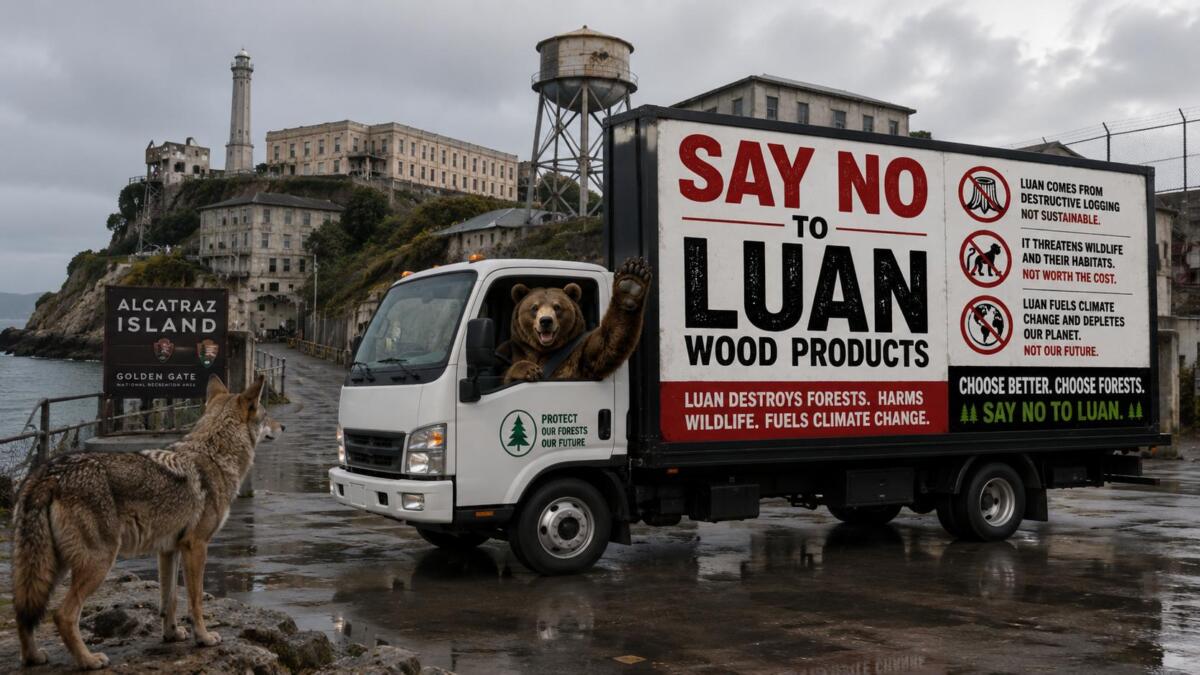
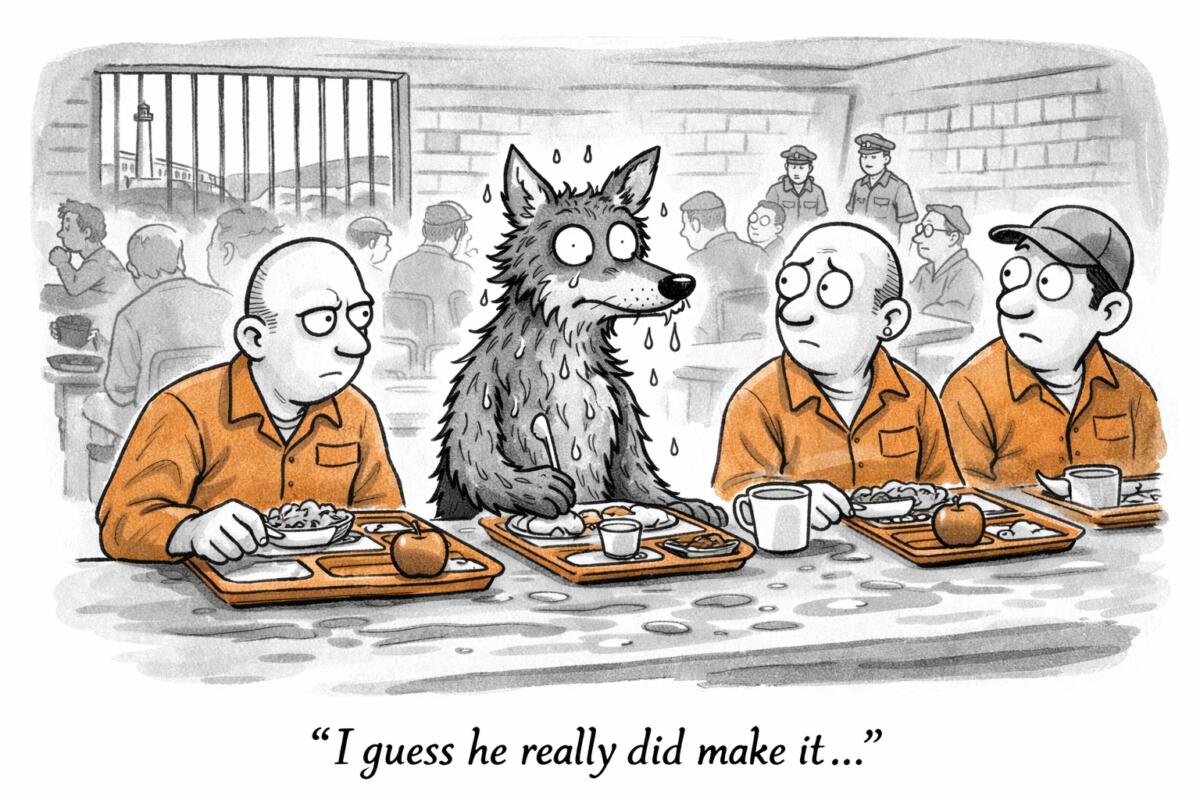
Apparently, a coyote was spotted on Alcatraz. No, seriously. So, that got park officials curious as to where the coyote came from (perhaps a failed Acme device) and how it got there. While us normal people would just live our lives in a state of curiosity, when you have government money, things are different.
Coyote poop was sent to UC Davis Mammalian and Ecology Unit of the Veterinary Genetics Laboratory, where it was analyzed. It was determined that the critter simply swam over from Angel Island. Now, this is no short jaunt.
In another story from RV Miles, Bill Merkle, Park Service Wildlife Ecologist, is credited with saying that the assumption was that the coyote made the swim from San Francisco just because it’s closer to the former prison island.
As quickly as the coyote was discovered, it has now also disappeared.
The concern by Alcatraz folks was for the welfare of the larger population of nesting sea birds, which is probably also what prompted the coyote to take to the water.
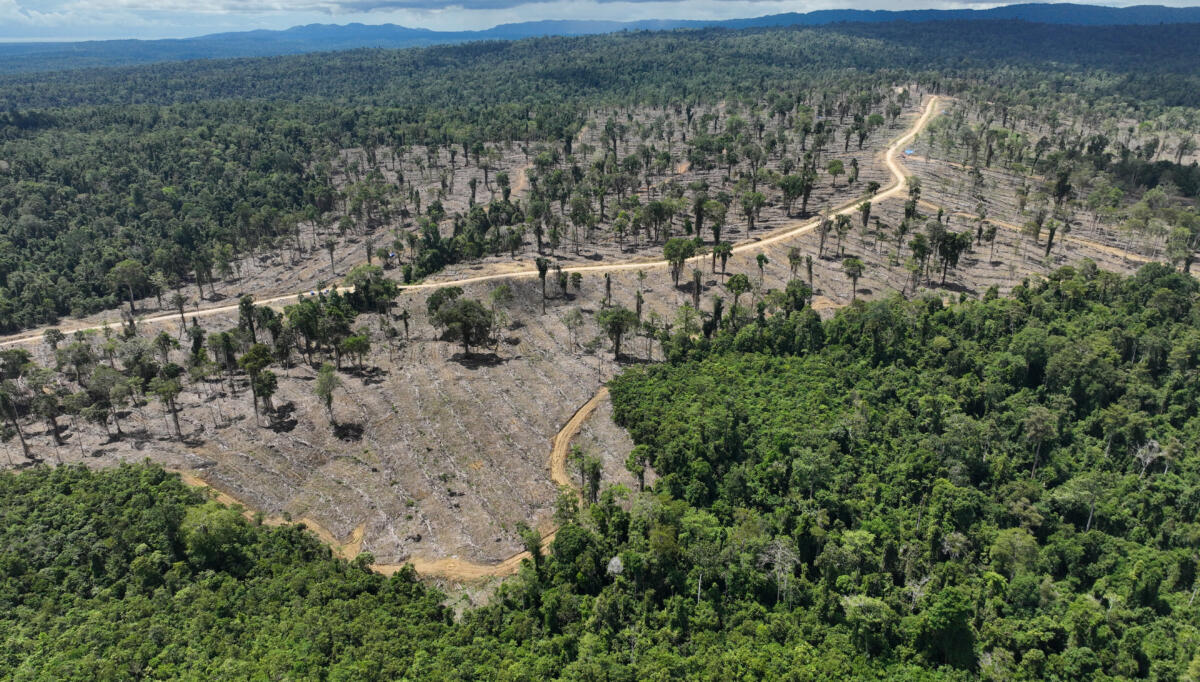
If you’ve ever read my RV reviews, you know that I’m no fan of luan (aka lauan) in the build of RV walls, but, apparently, neither is Mighty Earth, an activist group. The organization states that the luan sourced from Patrick Industries comes from the rainforests of Borneo and is a significant contributor to the deforestation of that area. (Russ and Tiña De Maris covered this earlier this year.)
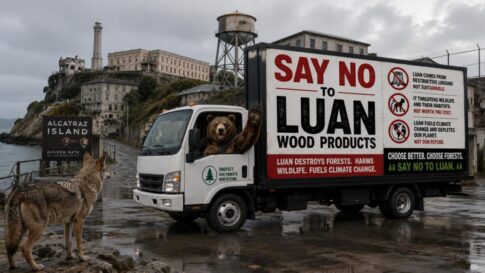
The group hired one of those trucks with a big digital billboard to drive around Elkhart and display messages criticizing Thor, Winnebago and Forest River for helping with the deforestation.
One screen read, “Your RVs are deforestation on wheels!” Activists following the truck carried signs displaying messages like, “RVs shouldn’t kill orangutans.”
“As it turns out, the RV industry is the largest consumer of tropical wood in the U.S.,” said Amanda Hurowitz, a senior director for Mighty Earth on its forest commodities team. “They’re a major consumer of this wood, but they don’t have any sustainability standards.”
Hurowitz said one RV can have as much as 700 square feet of tropical wood, called meranti or luan, in it.
RV manufacturers should adopt sustainability standards
The activists want the companies to adopt the same sustainability standards as Lowe’s or Home Depot, meaning any wood they source must come from an area certified by the Forest Stewardship Council (FSC).
Apparently, Mighty Earth is also dropping off signed petitions at the three RV companies, but you wonder why they didn’t also hit Patrick Industries, which is the wood supplier.
Quite honestly, the RV industry can do better. But they’re motivated by numbers more than almost anything. So we, as consumers, have to be aware of this and make demands in our purchases.
To me, the fact that RVs, which are enormous fuel suckers, have stickers on them about protecting forests and other malarkey has always been a complete joke anyway. The stickers about saving the planet are such a complete farce that even a first-year marketing student who’s failing their classes would know better than to make such a ludicrous statement.
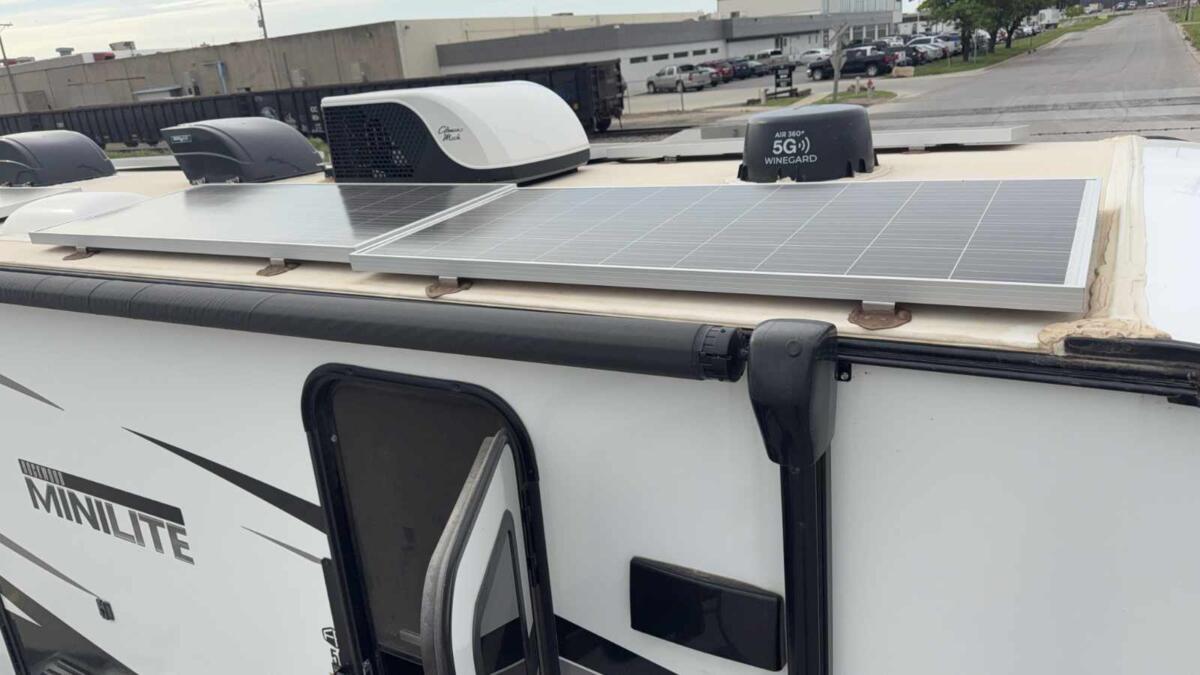
Part of how I know this is because I was at Airxcel in Wichita, Kansas, last week. I had one of these put on my own RV so I can help get the performance and power consumption numbers. Of course, I will share this with you all once I get more information.
There are more details in the story linked below, but I can tell you that I was running the A/C on battery power alone and actually bringing in more energy through the 1,200 watts of solar on the roof of my RV than I was consuming with the A/C. To be fair, the conditions were pretty ideal, but this shows how efficiently these new A/Cs can run.
This unit, and the Chill Cube, are significantly quieter than the A/C units of yore (probably that yore is on your roof) and remarkably more efficient, but also run differently.
The bottom line: If you’re thinking of a new A/C for summer, the Coleman Mach Everest VS-18 or the Furrion Chill Cube are examples of real progress in the RV industry, which is encouraging.
Finding a small camper that still feels useful is harder than it should be. In the video at the end of this post, Josh the RV Nerd at Bish’s RV pulled together a long list of 2026 single-axle trailers that stay under 5,000 pounds dry, and the mix is broader than most shoppers expect. Some are simple weekend sleepers. Others add slides, bunks, solar, heated underbellies, off-road gear, or smarter storage. If you are just starting your search for a small, lightweight RV, this list gives lots of options to consider.
The most important takeaway comes before any floor plan choice: Dry weight helps sort the list, GVWR makes the safe match!
Dry weight is a shortcut. GVWR (gross vehicle weight rating) is the number that should match the tow vehicle.
Josh’s main advice is clear: Shoppers should compare a trailer’s maximum loaded weight to the vehicle’s tow rating. That matters most in this class, because these models target tow-package SUVs, midsize trucks, vans, and buyers who want easier towing, parking, and storage.
The small travel trailers that stand out most
Alliance made an early impression with the Delta ML166, which keeps Goodyear tires, an 8-foot body, a heated enclosed belly, and a roomy slide in a lighter trailer. The no-slideDelta RB152 shrinks that same feel into about 20 feet with a Murphy bed and 200-watt solar.
Grand Design comes at the same size from two angles, the cost-cut Imagine 16MLA and the more polished Serenova 160LG, which adds big windows, independent suspension, and a true queen bed.
For campers who want something different, the Ibex 16MBJ and Ibex 16MRJ add off-pavement flavor with suspension upgrades and heated tanks.
Ember goes tiny with the 12FK, a micro hauler with a front slide kitchen, and the 12RK, a bed-in-a-box trailer with optional big solar.
Forest River fills out the middle with the Murphy-bed Rockwood 19FD, the teardrop-style Geo Pro G19RL, and the compact R-Pod 171.
Then there are the all-composite Modern Buggy 12LRK, BB14, and BB16.
Family layouts and budget-friendly picks
Jayco has one of the deepest benches here. The 15TBSL keeps GVWR at 3,500 pounds and turns its rear seating into twin beds or one huge bed. The Jay Flight 175BH gives families a better fridge, a bath sink, and a full-height interior; while the 178DBS adds a small slide.
The updated Jay Feather 16FBS, 16RB, and 19MBS show how much room an 8-foot body can create without getting too heavy. For bunkhouse buyers, the Wildwood 174DBLE, Wolf Pup 17JW, and Wolf Pup 16CM cover double bunks, cargo-friendly space, and a rare private front bedroom. The Transcend 131DL is the solo-travel wild card, only 16 feet long and sized for tight storage spots.
Final thoughts
This group proves that small trailers are no longer boxed into one formula. Some are stripped-down sleepers, some are smart family bunkhouses, and some feel far more finished than their size suggests.
The strongest takeaway stays the same: Dry weight gets a trailer onto the shortlist, but GVWR decides whether it belongs behind the tow vehicle!
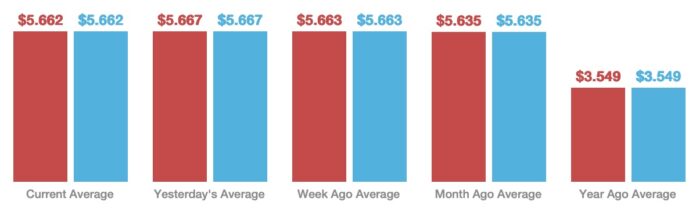
After five straight days of declines earlier this week, the national average price of a gallon of gasoline was once again on its way back up as of Thursday, a couple cents lower than last week. With crude oil prices hovering in the $100/barrel range, pump prices remain elevated.
The graph below shows the national average at the same range as it was in 2022, the year gas prices hit record highs. Travelers are preparing to hit the road in record numbers next week, and drivers will be facing the highest Memorial Day gas prices in four years.
SOURCE: AAA
• Thursday’s national average: $4.534
• One week before: $4.558
• One month before: $4.118
• One year ago: $3.180
According to new data from the Energy Information Administration (EIA), gasoline demand decreased last week from 8.81 million b/d to 8.75 million. Total domestic gasoline supply decreased from 219.8 million barrels to 215.7 million. Gasoline production increased last week, averaging 9.8 million barrels per day.
Diesel price Oil market dynamics
At the close of Wednesday’s formal trading session, WTI (West Texas Intermediate) fell $1.16 to settle at $101.02 a barrel. The EIA reports crude oil inventories decreased by 4.3 million barrels from the previous week. At 452.9 million barrels, U.S. crude oil inventories are about 0.3% below the five-year average for this time of year.
EV charging
The national average per kilowatt hour of electricity at a public EV charging station remained the same this past week at 41 cents.
State stats
Gasoline
The nation’s top 10 most expensive gasoline markets are California ($6.14), Washington ($5.77), Hawaii ($5.64), Oregon ($5.34), Alaska ($5.26), Nevada ($5.23), Illinois ($5.08), Michigan ($4.89), Arizona ($4.84), and Pennsylvania ($4.65).
The nation’s top 10 least expensive gasoline markets are Mississippi ($3.99), Louisiana ($4.00), Texas ($4.00), Georgia ($4.01), Oklahoma ($4.02), Arkansas ($4.06), Alabama ($4.07), Kansas ($4.09), Tennessee ($4.13), and Nebraska ($4.13).
Electric
The nation’s top 10 most expensive states for public charging per kilowatt hour are West Virginia (53 cents), Hawaii (51 cents), Alaska (50 cents), Louisiana (46 cents), New Hampshire (46 cents), California (46 cents), New Jersey (45 cents), Arkansas (44 cents), Illinois (44 cents), and South Carolina (44 cents).
The nation’s top 10 least expensive states for public charging per kilowatt hour are Kansas (29 cents), Missouri (32 cents), Utah (33 cents), Maryland (33 cents), Iowa (34 cents), Nebraska (34 cents), South Dakota (34 cents), Vermont (35 cents), Delaware (37 cents), and New Mexico (37 cents).
This summer, visitors to Yellowstone National Park are being urged to plan ahead—both to stay safe and to help protect one of America’s most iconic wild landscapes. Across 2.2 million acres, Yellowstone offers unparalleled opportunities to observe wildlife in an intact ecosystem, explore geothermal wonders that include half the world’s active geysers, and view geologic landmarks like the Grand Canyon of the Yellowstone River.
By following these top 10 things to know before you go, you can make the most of your visit while helping ensure Yellowstone remains healthy, wild, and awe-inspiring for generations to come.
Reservations are not required to enter Yellowstone
Reservations are not required to enter the park – just a park entrance pass. Keep in mind that summer is busy, so pack your patience and be prepared for crowds at popular areas and lines at entrance stations, construction areas, and roadside wildlife sightings.
Check the status of park roads
Most park roads open to personal vehicles in mid-April and close in early November. Weather may cause temporary closures at any time, so check the status of park roads for more information, including potential traffic delays due to road improvement projects.
Give wildlife room
Wild animals are dangerous if you get too close! It’s your responsibility to respect safety regulations and view wildlife from a safe distance. Always maintain a minimum of 100 yards from bears, wolves, and cougars, and 25 yards from all other animals, including bison and elk. All of Yellowstone is bear country, so be sure to carry bear spray and know how to use it. Learn how to watch wildlife safely and travel safely in bear country.
Drive and park responsibly
Observe posted speed limits and use pullouts to watch wildlife, take pictures, and let other cars pass. Do not stop your vehicle in the road. When pulling over, park with all four tires fully to the right of the white line.
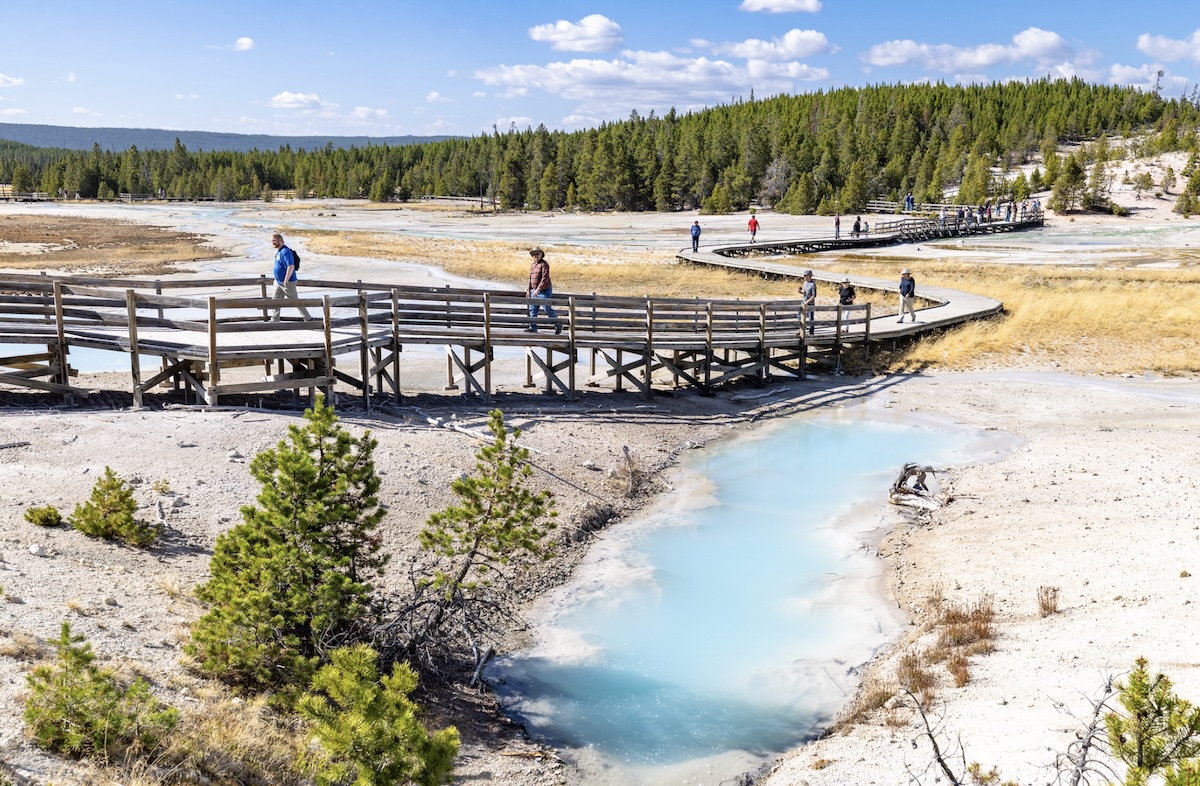
Stay on boardwalks
People have been severely injured or even killed after stepping off boardwalks in thermal areas, where the thin, fragile ground can suddenly give way, causing them to break through or fall directly into scalding hot springs.
Enhance your experience
Download the free National Park Service app (and offline content) before you arrive in the park for interactive maps, tours of park places, on-the-ground accessibility information, and more.
Expect limited connectivity
Don’t be surprised if you can’t receive calls or texts, even in the few areas where you might have cell reception.
Prepare for weather changes
Unpredictability characterizes Yellowstone’s weather. Expect big temperature swings, rain, or snow during every month of the year. No matter when you visit, bring a warm jacket, rain gear, and lots of layers. Check current weather conditions before you arrive.
Make the most of your trip
Make it the trip of a lifetime by attending a ranger program and exploring the Yellowstone Tribal Heritage Center Junior program.
America’s Original RV Newsletter. Since 2001
Issue 2905 • New issue every weekday This free edition is made possible by 6% of our readers who support RV Travel with a voluntary subscription. Advertising helps, but that alone is not sufficient.
Today’s thought
“What you do speaks so loudly that I cannot hear what you say.” ―Ralph Waldo Emerson
Need an excuse to celebrate?Today is National Bring Flowers To Someone Day!
On this day in history:1905 – The city of Las Vegas is founded in Nevada, United States.
Tip of the day Easy and inexpensive RV tank sensors upgrade
By Cheri Sicard
Jared Gillis, of All About RVs, is not a big fan of RV tank sensors. However, since he gets so many questions about them and sees internet threads constantly with questions, he thought he would address the topic. Like many of us, Jared is not a fan because tank sensors are often wildly inaccurate. I know that mine are, to the degree of rendering them useless. In this article and video, Jared shares an easier solution that he says will provide far more accurate results.
RV review
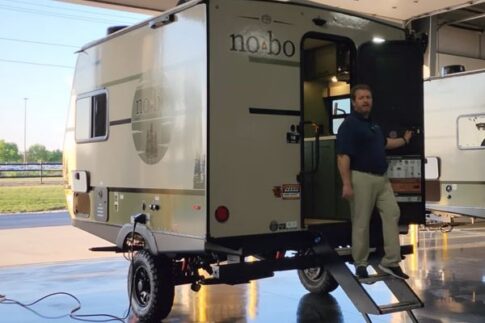
The 2026 Forest River No Boundaries NB18.1—A small beast of a travel trailer
Looking for a full-featured SMALL RV? The 2026 Forest River No Boundaries NB18.1 keeps the body short, but it still brings a full bath, a convertible front dinette, and solid off-grid gear. This travel trailer is aimed at buyers who want a compact trailer with a rugged look and useful camping features. The featured unit shown here also had the optional Beast Mode package, which changes the feel of the trailer both inside and out. Check it out.
In the RV shop with Dustin Best toilet brush for RV bathroom
I see a lot of RVs in our shop with bulky toilet brushes in their bathrooms. And not only that, if the toilet brush isn’t mounted it can easily fall over and make a mess during travel. You don’t want those germs getting everywhere! This compact RV toilet brush and wall holder set is a must-have for your RV.
WHAT’S THE ONE THING…you always need on your first day of RVing? You leave the driveway, get out on the open road, and ah… that’s the best feeling in the world.You need this!
Article and video How to silence an RV vent fan
By Cheri Sicard
A noisy RV vent fan can turn a good night into a long one. When a Maxxfan starts to squeak, especially on low speed, that steady chirp can make the fan hard to live with. The good news is that the noise may come from dust buildup inside the motor, not a failed fan. Here, Jared Gillis of All About RVsshows us how to silence an RV vent fan. (Remember: I break it all down for you in the article, too, if you don’t like watching videos.)
NOW YOU KNOW… The American Academy of Sleep Medicine and the Sleep Research Society recommend that adults sleep seven or more hours per night on a regular basis to promote optimal health. 35 percent of adults report getting insufficient sleep, under seven hours, each night.
Featured article Take action or get stuck with big repair bills and a lemon RV
By Ron Burdge,RV lemon law attorney
We have seen a spate of recent lemon RV inquiries where the owners kept believing the factory and their dealer could get their RV’s defects fixed and give them more time to get the repairs done. The problem is, if your RV doesn’t get fixed in time, or defects just come back later, you can find yourself stuck with a defective RV. Waiting too long to file a lawsuit can leave you stuck with no legal recourse at all! When that happens, you’re at the mercy of the factory, which built it wrong in the first place! Learn how to protect yourself here.
Ask Dave How can I keep my RV cool in Death Valley this summer?
VERY INTERESTING… If you’d like to get a real sense of the type of people who build RVs in factories, this public Facebook group will provide many insights, as the workers talk (and often complain) among themselves.
Reader poll How many bumper stickers are on your RV or tow vehicle?
If a tire on your trailer suffers a blowout, are there any differences to changing a trailer tire from a vehicle tire? Not really. Any safety precautions you use to change a tire on a car apply to the trailer, too. Chock the opposite side wheel, use a heavy enough jack to support the trailer’s weight and loosen the lug nuts some first before raising the wheel off the ground so the wheel won’t spin while it’s in the air when you’re trying to loosen the lug nuts.
The Creepiest, Coolest Ghost Town in Every State
These are both creepy and cool, that’s for sure! As the weather gets sunnier and warmer, it’s the perfect time to explore these old historic ghost towns. How many have you been to?
? MYSTERY PRODUCT OF THE DAY ? It wouldn’t be a campsite without one of these on your plate or in your hand, would it? But onceyou use this to help with it, you’ll never go back!
Trivia
Ever wonder what’s actually in Spam? Spam is a canned precooked meat product made by the Hormel Foods Corporation, first introduced in 1937. The labeled ingredients in the classic variety of Spam are chopped pork shoulder meat, with ham meat added, salt, water, modified potato starch as a binder, sugar, and sodium nitrite as a preservative.
Readers’ pets of the day
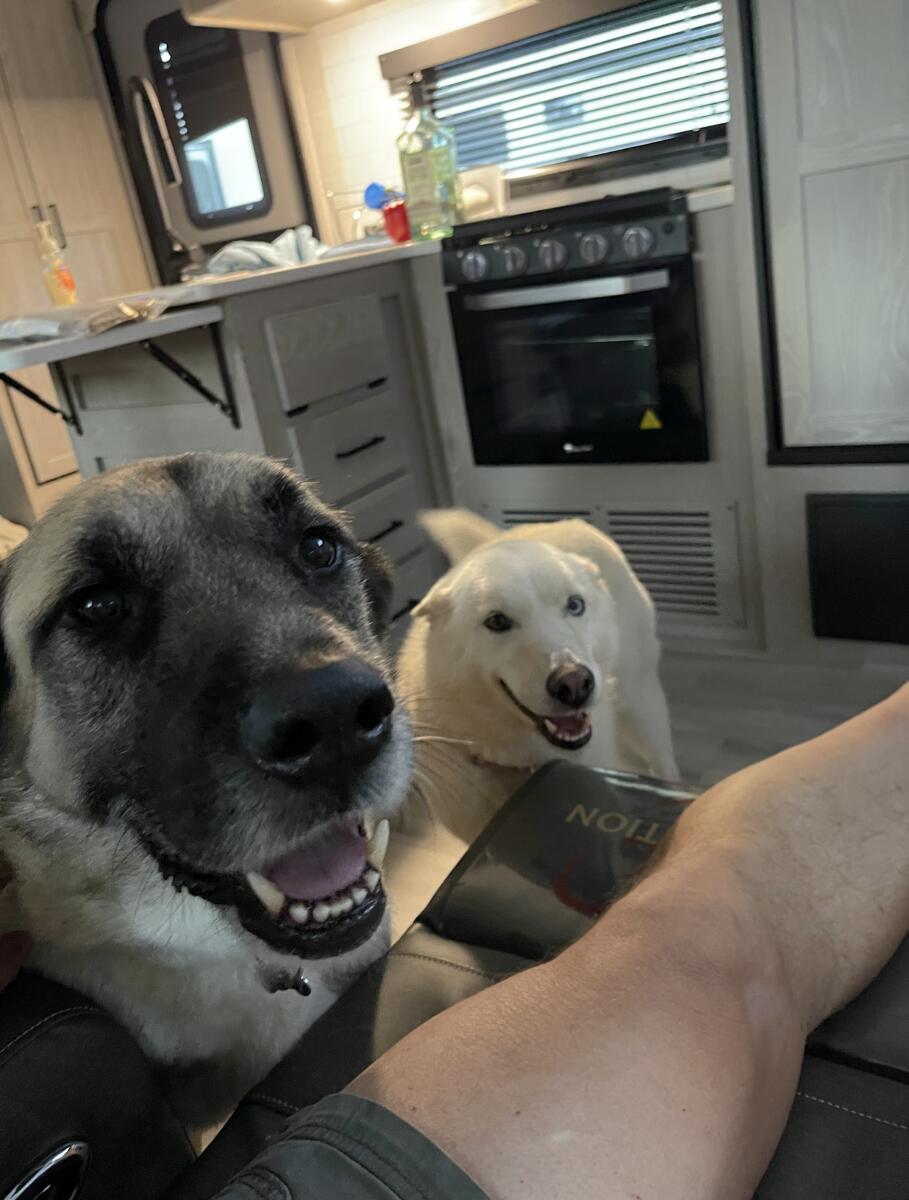
“Both Cya and Tubbs (Husky mix and Anatolian Shepherd, ages 11 and 8) LOVE truck rides with their heads out both sides of my (screenless) canopy windows, and camping/exploring. They especially love their hometown off-leash dog park(s) and those we seek out on the road. Both are rescues that we can’t imagine life without!” —Doug Stephens
Send us a photo of your pet with a short description. No blurry photos and please do not submit your photo more than once. Thanks!
If you shop at Amazon.com we’d appreciate you using this link. We get an itty bitty commission if you buy something, but they add up and help us pay our bills (most importantly our hard-working writers!).
Dear Dave,
We are planning a trip to Death Valley this summer and want to be prepared for the heat. Any suggestions for insulation and keeping the rig cool? —James, 2019 Jayco MBH
Dear James,
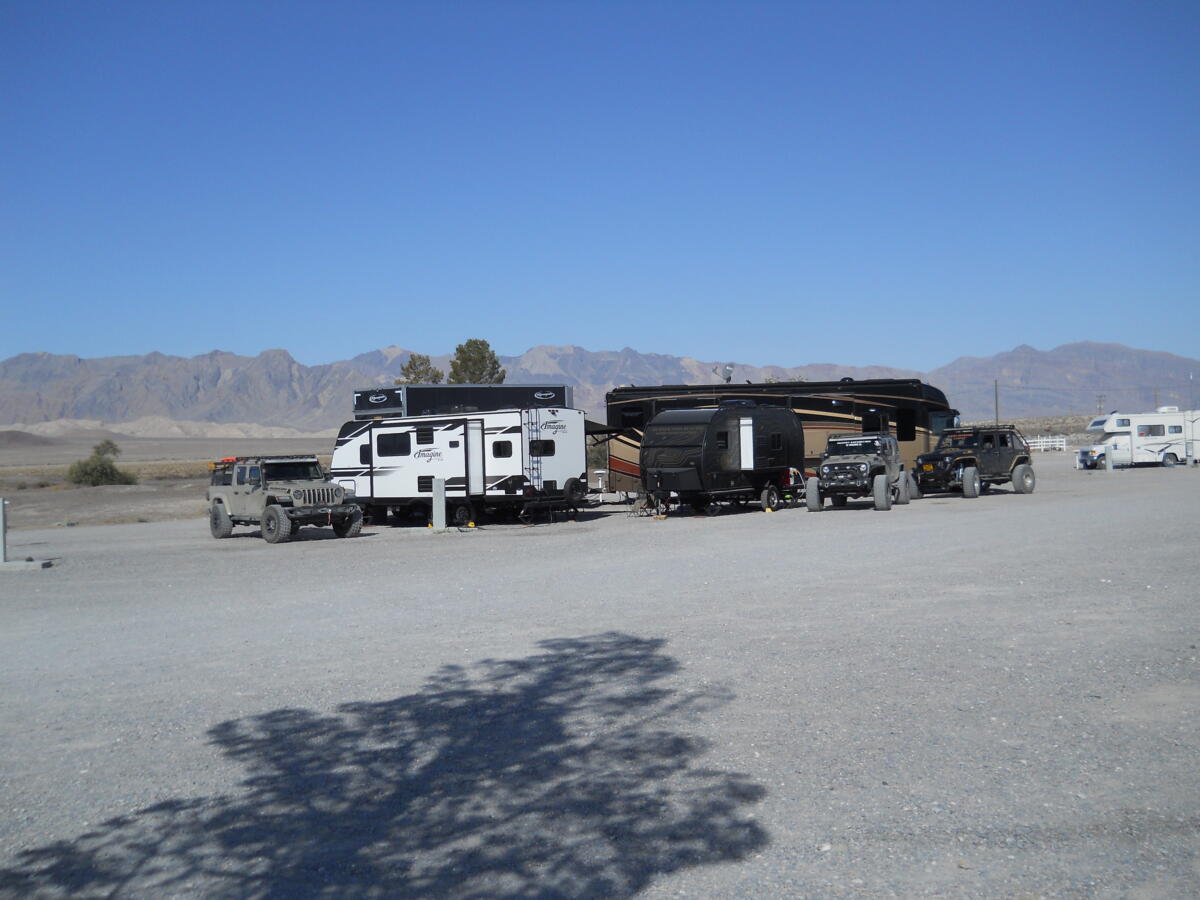
They don’t call it Death Valley for nothing. I have camped there when the temps were over 100 degrees. We went out there to shoot footage for an Outdoor Channel series called “Rubber Foot Buffalo” for a friend of mine. We stayed at the Longstreet Inn, Casino & RV Resort in Amargosa Valley. It did have full hookups with 50-amp shoreline power, so we were able to use the roof air conditioners.
Longstreet Casino campground
We had a luxury Renegade Ikon Super C that was my friend’s. Talk about roughing it! We slept in the Winnebago travel trailer and others slept in a Grand Design Imagine. Even though it was the 1st of May, it was HOT!
Cover the windows
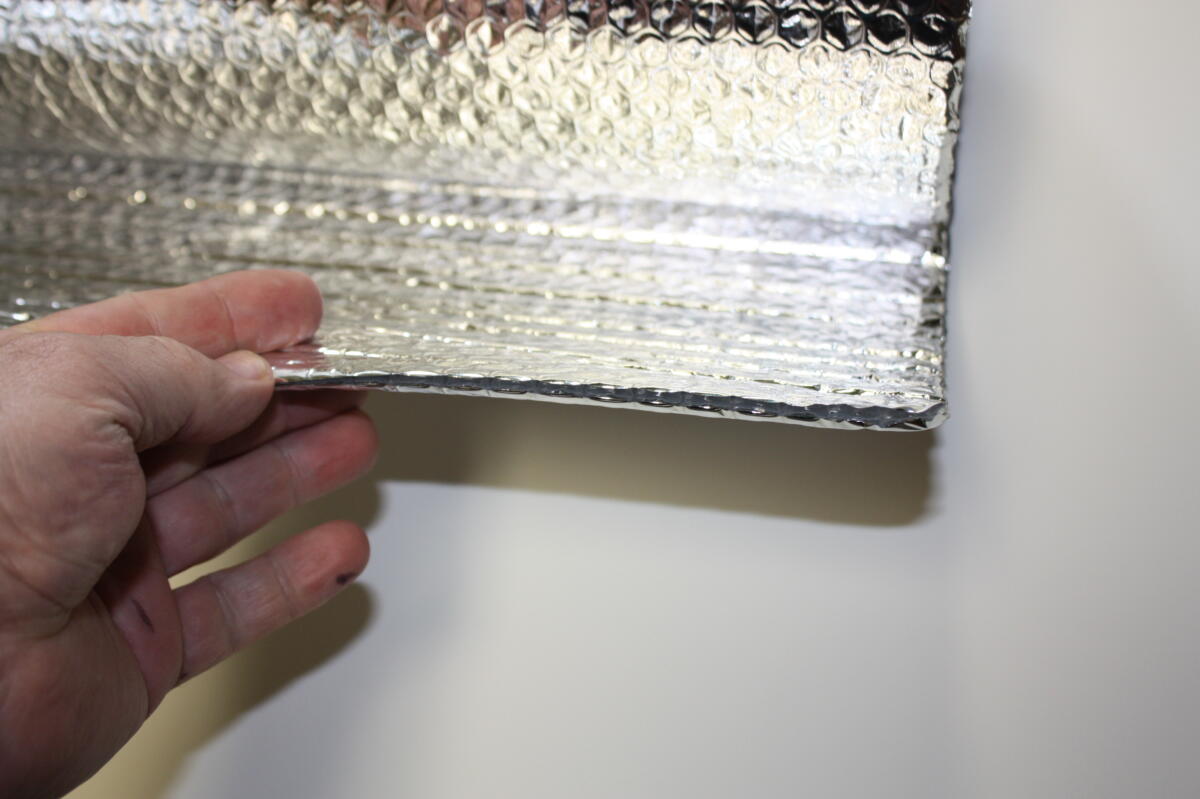
Looking at pictures of your rig on the internet, it looks like there are several windows not only on the side but also on the front of the rig. The first thing I would do is to get some reflective window insulation and cover the inside of the windows.
Reflectix is the brand that we used and it is found on Amazon here. It is easy to cut to customize the size. We used hook and loop tabs (like Velcro) to attach it.
Reflectix
You could also use exterior window coverings, awnings, or inside thermal curtains. Even with dual-pane windows, the inside is not gas, but rather air, so the insulation value can be enhanced with additional material. I know of some hard-core RV owners that actually have installed block foam insulation cut to the window size.
Check your roof
Heat can transfer through several areas, especially a thin roof material, and even skylights and roof vents. I would suggest coating the entire roof with RV Roof Magic. It not only seals the entire roof, but the reflective nature helps in keeping the inside cooler. We had some samples sent to Cheri Sicard, from RV Travel. You can read about not only the application process here, but also a two-year update here.
Keep in mind that most roof vents are wide open cutouts in the roof with a very thin plastic cover which let’s in a lot of heat. They are good for exhausting warm air at the ceiling level occasionally. However, many RVers that camp in extreme heat also use the Reflectix to either cover the top of the vent or cover the hole from the inside using hook-and-loop tape to keep the heat from coming inside. This way they can remove the cover when needing to use the fan.
Identify poorly insulated areas
Since your rig has a one-piece fiberglass outer sidewall skin, I believe you have a 2” thick sidewall with block foam insulation. That would be an R value of approximately R9, which is fair. However, since you have windows and a slide room, these would have very poor insulation value and allow substantial heat transfer. Identify these areas and try to place them in a direction that they are not facing the sun on the hottest part of the day.
The roof has ducted air conditioning, vents so it most likely is an R19 which is better than the sidewall.
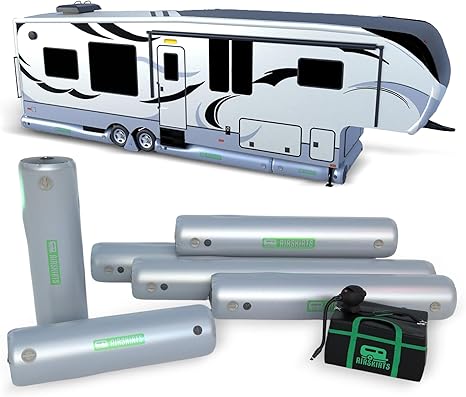
The floor could also be poorly insulated, especially where there are compartments or openings for drain valves. Under-skirting can help control heat penetration, as well. RV AirSkirts is one of the best products I have found for both summer and winter. You can get a customized kit on Amazon here.
RV AirSkirt
Find shade or make your own
It sounds pretty simple to find shade to park in to help cool the rig down. However, you need to determine where the shade will be during the hottest part of the day and make sure you are parked in that area. The morning will be cooler and being in the shade in the heat of the afternoon will be the best option.
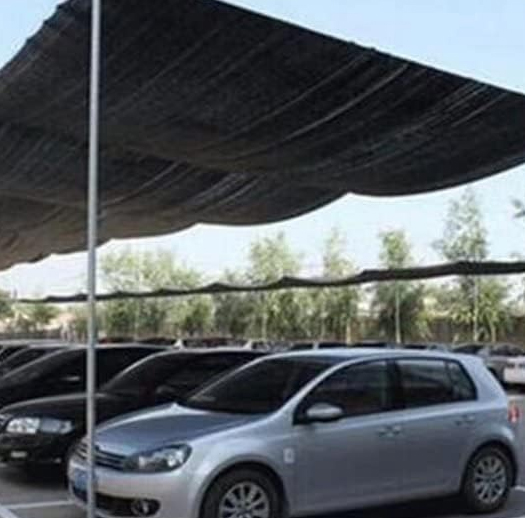
Another option is to create your own shade. We did at the campground in Death Valley as there were no trees and just direct sunlight all day. We had two large blackout shades that we stretched out over the open space between the RVs to block sun for video production. The edges were hemmed and had grommets all around, so we just tied them to the roof ladders of two rigs and the awning rail on the Super C. For example, you can find a 24’x24’ shade that is hemmed and has grommets on Amazon for about $75 here.
I have seen RVers use these at rallies and campgrounds connected to telescoping flag poles that have the base weighted down under a tire. There are a lot of creative options for using these things.
Sun block
Make sure your roof air conditioner is running efficiently
You roof air conditioner draws in warm, moist interior air and can only cool it down about 16-18 degrees IF everything is running as designed. Make sure your filters are clean, the evaporator coil is clean, and the airflow is good. You can improve airflow efficiency with a product called RV Airflow Systems™, which provides a smooth path rather than sharp corners or “pockets” inside the chamber. Ducted roof air conditioners typically have a diverter directing airflow to the ductwork, which can be blown out of place or incorrectly installed. Check out the article I wrote earlier on air conditioner efficiency here.
Final suggestions to stay cool
Finally, bring lots of sunscreen, a long-sleeved shirt, and a good hat. The heat and sunburn will sneak up on you quickly.
By Cheri Sicard
Jared Gillis, of All About RVs, is not a big fan of RV tank sensors. However, since he gets so many questions about them and sees internet threads constantly with questions, he thought he would address the topic.
Like many of us, Jared is not a fan of tank sensors because they are often wildly inaccurate. I know that mine are, to the degree of rendering them useless.
Even when they are working, the RV tank sensor lights that come standard in most RVs don’t give you precise information. Jared shows an example where the tank level could be anywhere from one-third to one-half full.
Easier solution with more accurate results
There’s an easier solution that Jared says will provide far more accurate results: a wireless tank sensor called the Mopeka Pro.
Jared is using the Mopeka Pro for water tanks, which works for fresh or gray water tanks. However, know that you can also get one for your propane tanks. Judging from the consumer comments on Amazon, most people who bought these are as enthusiastic about the product as Jared is.
While the product is not recommended for black tanks, Jared does know of people who have used it for this purpose with success.
How it works
So, how does it work? The small, round Mopeka Pro disc is magnetized and simply attaches to the bottom of your propane tank. For gray or fresh water tanks, the Mopeka comes with easy mounting accessories that stick the sensor to the bottom of the tank. It uses sonar to detect the amount of material in the tank, and you read it via an app on your phone.
Watch the video as Jared shows just how easy it is to install and use the Mopeka Pro. No more guessing how much fresh water or propane you have, or how full your gray tank is getting!
We use cookies to ensure that we give you the best experience on our website. By continuing to use our site, you consent to accepting cookies. We NEVER have or will sell reader's data. For more info, please see our privacy policy page.




 Properly crossed safety chains should pass underneath the trailer tongue in an “X” pattern before attaching to the tow vehicle. That crossing creates a cradle designed to help catch and support the tongue if the coupler disconnects. Without that support, the tongue can slam directly into the pavement, potentially triggering violent whipping or even pole-vault-style flipping forces at highway speed.


 Oil market dynamics