Home Blog Page 17

11 egg-cellent tips for RVers who love eggs

7

By Gail Marsh
I’m not a big fan of chickens. An ill-mannered rooster chased and pecked my ankles when I was 6, but I still love eggs! Here are some egg-cellent tips for RVers.

Fresh or not?

You can conduct a float test to determine the freshness of your eggs. Fill a clear glass with water until it’s 3/4 full. Carefully place an uncooked egg into the glass. If the egg sinks and comes to rest on its side at the bottom of the glass, it’s fresh. If the egg sinks on end or at a slant, it’s not as fresh but it’s perfect for hard boiling. If the egg floats, it is no longer fresh, and you need to toss it out.

No cracks

Hiking, biking, swimming, and other activities add to the RVing experience. Hard-boiled eggs are a quick and easy way to increase your protein intake while camping. To keep eggs from cracking while you boil them, use a push pin or thumbtack to make a hole in the bottom (rounded) part of each egg. The hole will relieve the pressure that builds as the egg cooks and the trick should prevent the shell from cracking. Hint: Eggs also peel easier.

Chop eggs quickly

When making egg salad, use a hinged potato ricer like this one. Put several hard-boiled eggs inside the ricer at once and with one quick squeeze, the eggs are ready.

Peel with ease

Here’s a tip for peeling a hard-boiled egg. Put the hard-boiled egg into a container that has a tightly fitting lid. Add water to the container so that it covers the egg. Then securely fasten the lid, and shake. That’s right, shake the egg and soon the shell will become loose. Remove the egg from the container and easily remove the shell.

Separate yolk from egg white

I didn’t think this would work until I tried it myself. Crack an egg into a bowl. Touch your fingers and thumb to a piece of bread. Then use those same fingers/thumb to pick the egg yolk right out of the bowl, sans egg white. Magic!

Bottled breakfast

Before you head out on your camping trip, crack eggs into a container that has a tight-fitting lid, like a coffee creamer bottle. Put the container into your cooler. This method will save space in the cooler and prevent the risk of contamination because the melted ice water will not have direct contact with the eggs. Be sure to keep the eggs cool (below 40 degrees) until you cook them.

Freeze ‘em

That’s right, you can freeze eggs. Crack each egg into an individual section of a large size ice cube tray. Then freeze. Once frozen, remove the egg cubes and store them in a plastic zipper freezer bag for later use.

Eggs for a week

Cook scrambled eggs on a baking sheet pan. Eat what you want for today’s camp breakfast and then cut the leftover eggs into portion sizes and store in an airtight container in your RV’s fridge for later. Here’s a recipe, along with other ways to use the sheet pan eggs.

Cast-iron fried eggs

Stuck, ripped apart, burned eggs. That’s what I used to get when cooking fried eggs in our cast-iron skillet. But not anymore! That’s because Cowboy Kent Rollins shared his secret ingredient with me. Well, he didn’t share with me personally, but with anyone who watches his YouTube video. Hint: His secret ingredient is water. Watch the video here.

Wrap ‘em up

Wrap beaten eggs, veggies, cheese, and seasoning in foil packets and cook them over the campfire or grill. This no-fuss method results in delicious, customizable egg scrambles with minimal cleanup.

Breakfast egg cup

Grease a muffin tin and crack an egg into each cup. Add toppings like cheese, cooked bacon, or spinach, then cook the eggs on the campfire grill or in the oven. These individual egg cups make for a convenient and portable breakfast option. The best part? Each person can use their preferred omelet ingredients. Store leftovers in the fridge for tomorrow’s breakfast.

Your turn

Can you share an egg-cellent tip or two with us? Use the comments to do so.

RELATED

RVDT2916

How to camp in cities without drawing attention

By Cheri Sicard
Thinking about urban camping? A lot of people believe that to camp in a city, you need a “stealth camper” to avoid unwanted attention. But is that really the case? It might not be.

In today’s video, the team from We’re the Russos explores why you might not need a stealth camper for urban stealth camping adventures.

What is stealth camping, anyway?

“Stealth camping” usually means camping in urban areas without drawing attention. It’s about being discreet so you don’t run into problems. Think parking lots and public streets. But there’s a difference between urban camping for travel and leisure and doing it as a way of full-time urban living. The video is about the first one.

People who live full-time in their camper in a city might need a “stealth camper” as they need to stay under the radar. These full-time RVers often look for campers without awnings, air conditioners, or visibly large windows.

A big reason people consider stealth campers is “the knock.” People worry about getting asked to move by authorities.

We’re The Russos have a lot of experience with urban camping in RVs that are not stealthy. Over eight years, they’ve camped in many places.

Here’s a look at their camper history, highlighting the lack of stealth:

• A 30-foot Class A towing a Jeep

• Class B camper vans with A/C, awnings, windows, and stripes

• A pop-up truck camper with canvas sides and visible lights

They spent 6.5 years full-time, primarily outside campgrounds, which they say proves that stealth isn’t always needed.

Which is not to say it NEVER happens.

Here are some times We’re The Russos got “the knock”:

Las Vegas Walmart: The store changed its policy on overnight parking.

Illinois Walmart: There was a miscommunication about when they needed to leave.

Another Walmart: Another camper ruined it for everyone by dumping trash.

There was also a time when parking enforcement came to their mother’s house because of a neighbor’s complaint.

The couple stresses that getting “the knock” isn’t the end of the world.

Tips for urban stealth camping success

Common sense and judgment: This gets you 90% of the way. Check for signs and trust your gut. If a spot feels wrong, leave.

Know the regulations: Research local parking laws. Are there oversized vehicle restrictions? What about no parking hours?

Be considerate: Don’t set up “camp” with lawn chairs or barbecues. Avoid loud music and don’t leave trash out.

Where you park matters: Don’t park directly in front of houses. Look for side streets or out-of-the-way areas.

Ask for permission: If you’re parking in a business’s lot, go inside and ask. Check apps like Allstays for camper-friendly places. If it’s a Walmart, ask staff what time you need to leave, if allowed to park there.

Use your network: Ask friends who know the area for recommendations.

Have a backup plan: Know where you’ll go if you get “the knock.”

Pets: Take pets for a walk before settling in for the night. This minimizes trips in and out of the camper.

HOAs (visiting friends/family): Smaller campers like Class B’s might be okay. Have your friend or family contact the HOA and send a photo of your camper.

Familiarity: The more you do it, the easier it becomes. Make it a game to spot potential overnight spots.

Learn from others: Check out other YouTubers who urban camp. Scott Watson with Go Small. Live Large! has camped in downtown Chicago.

A stealth camper isn’t always needed for urban camping. Some situations call for one, but most travelers don’t need it.

What are your urban camping experiences? Be sure to share your stories in the comments!

RELATED

RVDT2918

How many miles are on your motorhome or tow vehicle?

20

Unless you just bought your RV, there’s a good chance your RV or tow vehicle has some serious miles on it. If you’re using it the way most RVers do—traveling from park to park and exploring new places—those miles can add up fast.

Go take a quick look at the odometer. If you have a towable RV, check your tow vehicle. If you have a motorhome, check the mileage there.

For many RVers, those numbers reflect years of travel, road conditions, and real-world wear and tear. Whether it’s 30,000 or 130,000 miles, it’s useful to know where your vehicle stands—and interesting to see how you compare with others.

For some RVers, the mileage can be surprisingly low because their rig spends more time parked at a seasonal site or used for shorter regional trips. Others rack up miles quickly chasing good weather, visiting family, or crossing the country multiple times a year.

Let us know how many miles you’ve logged by answering the poll below. And if you’ve passed a big milestone like 100,000 miles, feel free to share what kind of rig you’re driving and how it’s held up over time.

It might also be a good reminder to double-check your maintenance schedule. High mileage means regular upkeep becomes even more important, especially if you’re planning to stay on the road for the long haul.

MORE POLLS YOU MIGHT ENJOY:

RVDT2918

Using a water heater tank rinser is the key to maintaining your RV’s water heater

By Dustin Simpson
In the past, Dave Solberg and I met weekly for a livestream called Talkin’ RV Tech. We not only answered technical questions, but we also shared what we like to call “cool tools.” These are tools and gadgets that we actually use! We also believe they will be helpful to you. This captures one of our shares, the Camco water heater tank rinser.

Utilizing a water heater tank rinser is key to maintaining your water heater. Whether you have a Suburban or Dometic water heater, sediment rests at the bottom of your tank. The only way to get it out is to disturb it at the bottom of the tank and flush it out. As Dave mentions, the drain valve is not at the very bottom of the tank. So, simply draining the tank will not remove the sediment.

To use the water heater tank rinser, simply attach it to the end of a garden hose. Insert the rinser into the water heater drain, turn on the water flow and move the tank rinser back and forth to disturb and wash out all sediment from the water heater.

More “Cool Tools”

More from Dustin

Read more of Dustin’s articles here.

Dustin owns and operates California RV Specialists, an independent RV repair shop located in Lodi, CA. He thrives on sharing his knowledge and enthusiasm of RV repair and maintenance with his team, customers, and virtual friends.

Be sure to check out his YouTube channel where he shares what’s going on in the shop and the product offerings in the store. Dustin is also very active on Facebook. Join his group, RV Repairs and Tips – What’s in the shop!

RVDT2918

2026 Venture RV Sienna Lite SA140VFD travel trailer—Smart, low-price basics

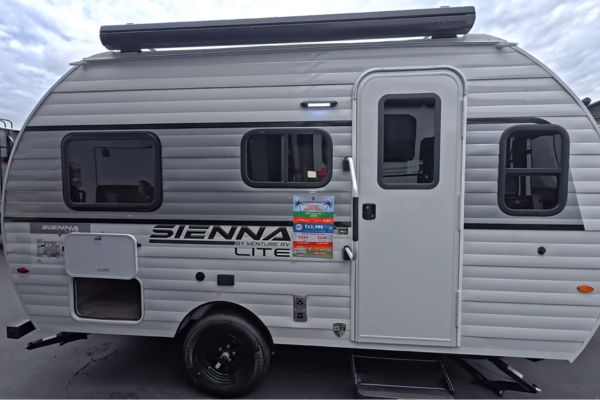
How much camper does $13,999 buy at a major RV show? It buys a compact Venture RV Sienna Lite SA140VFD with a dry bath, a usable kitchen, and enough storage to feel more practical than its price suggests.

In the video at the end of this post, we get a tour from Day Hiker from the Six.

The review came from the 2026 Florida RV SuperShow, where the trailer was listed at a show price of $13,999, down from an MSRP of $22,017. The price was event-specific, but it still showed what an entry-level trailer can look like when the goal is simple, affordable camping.

Why this low-priced trailer stands out

The Sienna Lite SA140VFD is a classic “sticks and tin” trailer, so it skips premium construction and focuses on cost. Even so, the metal siding looked heavy-duty, and Venture says it has reflective properties that can help keep heat down.

Here are the key towing numbers:

  • UVW: 2,750 lbs.
  • GVWR: 3,500 lbs.
  • CCC: 750 lbs.
  • Hitch weight: 300 lbs.
  • Length: 17 ft. 6 in.
  • Width: 7 ft. 6 in.

Those numbers make it a small trailer that many tow vehicles can handle, and its under-18-foot size keeps it easy to place at campgrounds.

On the other hand, that is an extremely low cargo carrying capacity.

Exterior

The utility side packs in the basics: city water, a gravity fill, a 20-gallon fresh tank, an on-demand water heater, and a detachable 30-amp cord. The black and gray tanks are both 32 gallons, which is a nice surprise in a trailer this small, although the drain plumbing looked a bit close to the ground.

On the campsite side, the trailer gets a solar port, a power awning, outside TV connections, and large storage under the bed. The door has a friction hinge, the pull-out step keeps things simple, and the rear adds backup camera prep, a spare tire, four corner stabilizers, and bumper storage for the sewer hose.

Interior

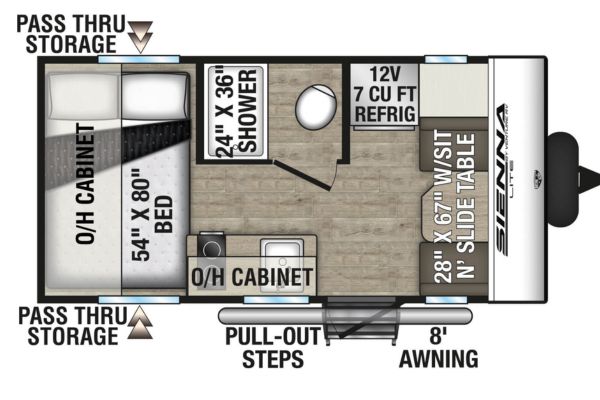
Sienna Lite travel trailer floorplan

The floor plan is set up for a couple. A small front dinette sits across from a larger-than-expected 12-volt refrigerator and an in-wall air conditioner. The dinette can turn into a very small bed, likely best for a child. The nearby shelf with USB and 120-volt outlets is handy for charging gear or setting up a coffee maker.

The kitchen is simple but smart. It gets a large plastic sink, a two-burner cooktop mounted front to back for better counter space, a microwave, and deep cabinets that can hold full-size plates.

At the rear, the bed has windows on both sides for cross-ventilation, overhead storage, and charging ports on each side. The trade-off is access. Getting in and out of bed looks tight, especially for the person sleeping against the far wall.

The dry bath is the standout

The bathroom is the feature that lifts this trailer above many cheap, small campers. It is a true dry bath, with decent towel storage, a toilet with a usable angle, a GFI outlet, tank controls, a water pump switch, and a fan-skylight combo above the shower.

The shower test went well, too. Standing room is about 6 feet without using the skylight, and closer to 6 feet 3 inches with it. For a compact trailer, that is a real win.

Final thoughts

The Venture RV Sienna Lite SA140VFD makes sense as an affordable first trailer. Its best points are the low price, the large waste tanks, the solid storage, and the surprisingly usable dry bath.

It still needs a proper kitchen exhaust fan, a larger dinette, and easier bed access. Even so, for shoppers who care more about function than fancy materials, this is a smart little camper.

Learn more about the 2026 Sienna Lite SA140VFD here.

RELATED

RVDT2918

Why RVs can be road-rage targets on busy highways

Most RVers have met that driver.

The one glued to your rear bumper on a mountain grade. The one who blasts past in a no-passing zone because waiting another 30 seconds is apparently too much to ask. The one who dives into the safety gap you left in front of your rig, then immediately hits the brakes.

A new study from ConsumerAffairs ranking the states with the worst road rage may put numbers to the problem. But many RVers don’t need a study to tell them tempers can flare on the highway. They have been seeing it for years.

The study ranked states using factors such as aggressive-driving fatalities, speeding violations and gun-related traffic incidents. Arkansas topped the list, followed by New Mexico and Colorado.

For RVers, however, the more interesting question is not which state ranks highest. It’s why RVs seem to attract so much impatience in the first place.

Why RVs draw attention on the road

The answer is simple: RV drivers and passenger-car drivers often see the same road very differently.

The driver behind the motorhome may see a vehicle moving slower than they would like. The person behind the wheel of the RV sees crosswinds, stopping distance, blind spots, and several tons of rolling weight that can’t stop or maneuver like an SUV.

That is especially true on mountain roads.

A pickup towing a heavy travel trailer may climb a long grade at 35 or 40 mph. A diesel pusher may lose speed on a steep ascent. Neither driver is trying to hold anyone up. They are simply operating within the limits of the vehicle.

“The driver behind the motorhome may see a vehicle moving slower than they would like. The person behind the wheel of the RV sees crosswinds, stopping distance, blind spots and several tons of rolling weight.”

Unfortunately, the folks stacking up behind them don’t always see it that way.

Anyone who has spent time on the road in an RV has probably watched impatience turn into poor decisions. Tailgating. Aggressive passing. Cutting into braking gaps. Racing to beat a merge.

The irony, of course, is that these maneuvers rarely save much time.

Many RVers have experienced the same scene repeatedly. A driver roars past in a burst of frustration, disappears around a bend, and then reappears a few miles later sitting at a stoplight, a construction delay or a line of traffic.

Why summer travel can make tempers flare

Summer travel season can make matters worse.

Roads are busier. Campgrounds are fuller. Construction crews are out in force. Families are traveling longer distances in unfamiliar places. Everyone wants to reach the destination before dark.

That combination can shorten tempers.

RVers sometimes contribute to the frustration, too. New RV owners may drive cautiously while they learn. Rental RV drivers may be unfamiliar with large vehicles. Some hesitate at turns, brake earlier than experienced RVers expect or take longer to merge into traffic.

Most seasoned RV travelers remember being beginners themselves.

The response that usually works best

That is one reason experienced RVers often develop a different attitude toward aggressive drivers. They learn that arguing with a two-ton car while driving a 15-ton motorhome rarely ends well.

Instead, they move over when practical, use pullouts when available, and leave plenty of room around the rig. Most important, they resist the temptation to turn somebody else’s bad decision into their own.

Road rage stories often begin with one driver making a mistake and another deciding to respond.

The safest response is usually no response at all.

The driver who just blasted around you on the mountain grade will probably be sitting at the same red light a few miles ahead. RVers learn that lesson eventually. Not everyone else does.

RELATED

RVT1264b

Keep an eye out for nasty flesh-eating screwworms

2

U.S. Customs and Border Protection officials are warning travelers along the U.S.-Mexico border to keep an eye out for the New World Screwworm, an invasive pest that can infect livestock, wildlife, pets and, in rare cases, humans.

The flesh-eating pest has been detected within 55 miles of the U.S.-Mexico border, prompting increased efforts to prevent it from spreading into the United States. CBP’s Laredo Field Office is distributing informational flyers at eight ports of entry from Brownsville to Del Rio, Texas, and sharing information through social media.


NEWS BULLETIN
Shortly after we posted this article, US officials confirmed the first case of New World screwworm in U.S. cattle in more than 60 years, found in a 3-week-old calf in Texas near the border with Mexico.


Gory details of an infection

The New World Screwworm, known scientifically as Cochliomyia hominivorax, is not a typical maggot. Female flies lay eggs in fresh wounds or other openings on warm-blooded animals. Once hatched, the larvae feed on living tissue, causing painful wounds that can grow larger over time. Secondary bacterial infections can make affected animals seriously ill and, if left untreated, can be fatal.

New World Screwworm
Oh, what beautiful eyes you have!

Adult screwworm flies are about the size of a common housefly. They have orange eyes, a metallic blue or green body and three dark stripes along their backs. They can infest cattle, horses, sheep, goats, pets and wildlife. Although human cases are rare, they can occur. The screwworm is not spread directly from one animal to another.

The United States eradicated the pest in the 1960s through a large-scale sterile insect program. Since then, occasional outbreaks have occurred in parts of Central America and Mexico. The U.S. Department of Agriculture is currently expanding production and the release of sterile flies, with plans to distribute up to 500 million sterile flies per week to help contain the outbreak.

The U.S. government suspended imports of live cattle from Mexico in May 2025 because of the outbreak.

Check your pets

RVers traveling with pets, particularly in border regions, should check animals regularly for wounds and watch for signs of infestation, including unusual irritation, excessive head shaking, a foul odor from wounds or the presence of maggots.

Officials urge anyone who suspects a screwworm infestation to contact a veterinarian, state animal health officials or the USDA immediately. Early detection is considered critical to preventing the pest from becoming established in the United States and threatening livestock, wildlife, pets and the nation’s food supply.

MORE POSTS ON PETS AS WELL AS PESTS

RVT1264b

RV Daily Tips. Tuesday, June 2, 2026

America’s Original RV Newsletter. Since 2001
Issue 2917 • New issue every weekday

Learn why Google, Yahoo, Bing and ChatGPT agree that the Sunday edition of the RVtravel.com newsletter is America’s best RV newsletter.


Today’s thought

“Advertising is the art of convincing people to spend money they don’t have for something they don’t need.” —Will Rogers


Need an excuse to celebrate? Today is International Volkswagen Bus Day! Check out this ’56 VW/Airstream oddity!

On this day in history: 1910 – Charles Rolls, a co-founder of Rolls-Royce Limited, becomes the first man to make a non-stop double crossing of the English Channel by plane.


Tip of the day
A gadget that easily fixes stripped screw holes

By Nanci Dixon
Rocking and rolling down the road in an RV can loosen and strip even the most tightly held screws. As our RV gets older, we are finding more screws shake loose and more screw holes stripped out when we try to replace or tighten.

One major issue for us has been a wall—yes, literally a wall—that was never screwed down in manufacturing. The factory fixed it once but, in time, the screws have loosened, the holes have been stripped, and now the bathroom door flaps open while driving.

Searching across Amazon, YouTube, and RV sites, I finally found what might be a better solution than the short-lived glue and toothpicks in the wood holes.


Article and video
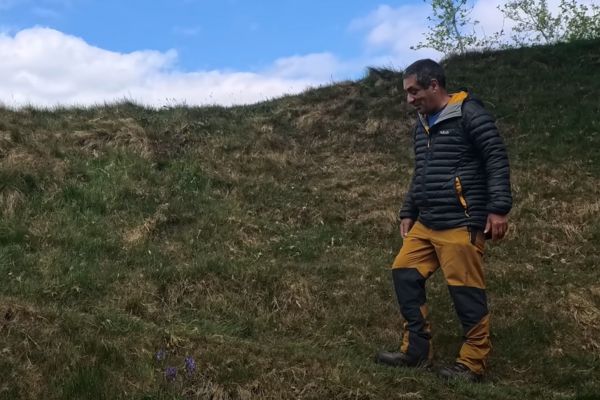
The secret to walking up and down hills without getting tired or hurting your knees

Walking up hills can really take it out of a person. What if it didn’t have to be so hard? There’s a way to make those climbs easier and more enjoyable. The secret is to use your body efficiently, relying on your biggest muscles and conserving energy. The video near the bottom of this post will explain how to walk uphill using less effort.


AnttrapGOT ANTS?
Ants love your home, RV, and campsite, but not for long! This is the best-selling ant killer, and it works. Get rid of them for good!


Featured article
The history of a camper’s favorite dining seat: The picnic table

By Gail Marsh
Adam and Eve were probably the first people to enjoy dining outside. Holding your food proved to be somewhat problematic, so eventually a blanket was introduced to the outdoor dining experience. The blanket had its drawbacks, and picnickers everywhere dreamed of a device that would hold not only their food, but themselves up and off the ground. It was time for a novel invention. A picnic table! And here’s how it happened.


Ask Dave
There aren’t enough outlets in my RV. Can I use a power strip?

Find out here.


Reader poll
Do you have a dash camera on your RV or tow vehicle?

Respond here.

LIKE TAKING POLLS? So do we! Did you know we’ve run more than 5,000 polls on our website over the years? Check ’em out! Have fun!


Quick tip
Where to find “clean” firewood

Can’t find a good source of campfire wood? Restrictions to keep invasive bug species at bay make it even harder. Hit the “big box” lumberyard and buy less-expensive “utility”-grade 2x4s. Cut ’em in foot or foot-and-a-half lengths. They are easy to chop into kindling, if desired, and they light easily, don’t support bugs, and put out plenty of heat and light.


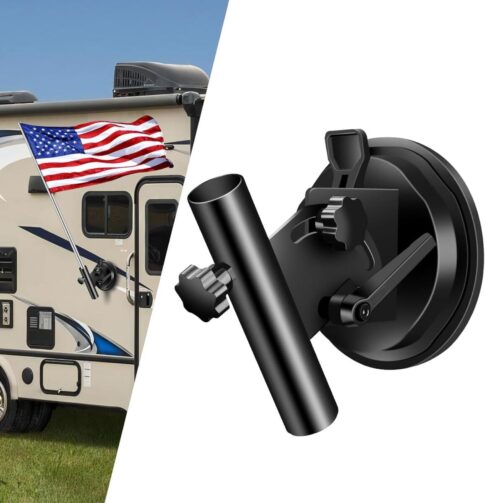
RvflagholderThe easiest way to fly a flag from your RV
Recently, one of our Facebook members shared a really cool suction cup flag holder for RVs, and I couldn’t be prouder to highlight it here. This handy little accessory makes it easy to show your love for our country and support for our troops wherever you are. Sticks to any surface.


Website of the day

See Jurassic Park Come to Life at These Amazing Dinosaur Fossil Parks
Take a look at the photos in this article—it’s hard to believe they’re real, but they are! It would be incredible to see these in person, especially if you’re traveling with kids or grandkids.


And the survey says…

We’ve polled RVtravel.com readers more than 5,000 times in recent years. Here are a few things we’ve learned about them:

• 36 percent of women and 33 percent of men say they know how to use a sewing machine.
• 16 percent do not have a passport.
• 27 percent are either planning or hope to plan soon a trip to Alaska within the next two years in their RV.

Recent poll: Would you pay more for an RV with additional safety features?


Bumper snicker

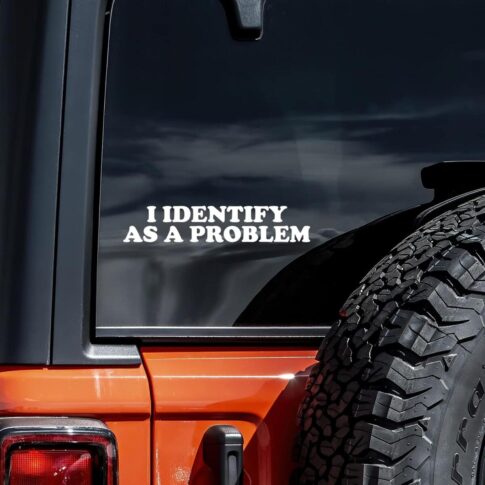
Problemsticker
Funny! Order one here.

Trivia

Colgate toothpaste evolved from William Colgate’s 1806 New York soap and candle shop. The brand introduced its first mass-produced toothpaste in jars in 1873, followed by the iconic collapsible tubes in 1896, marketed as “Colgate Ribbon Dental Cream”.


Readers’ pets of the day

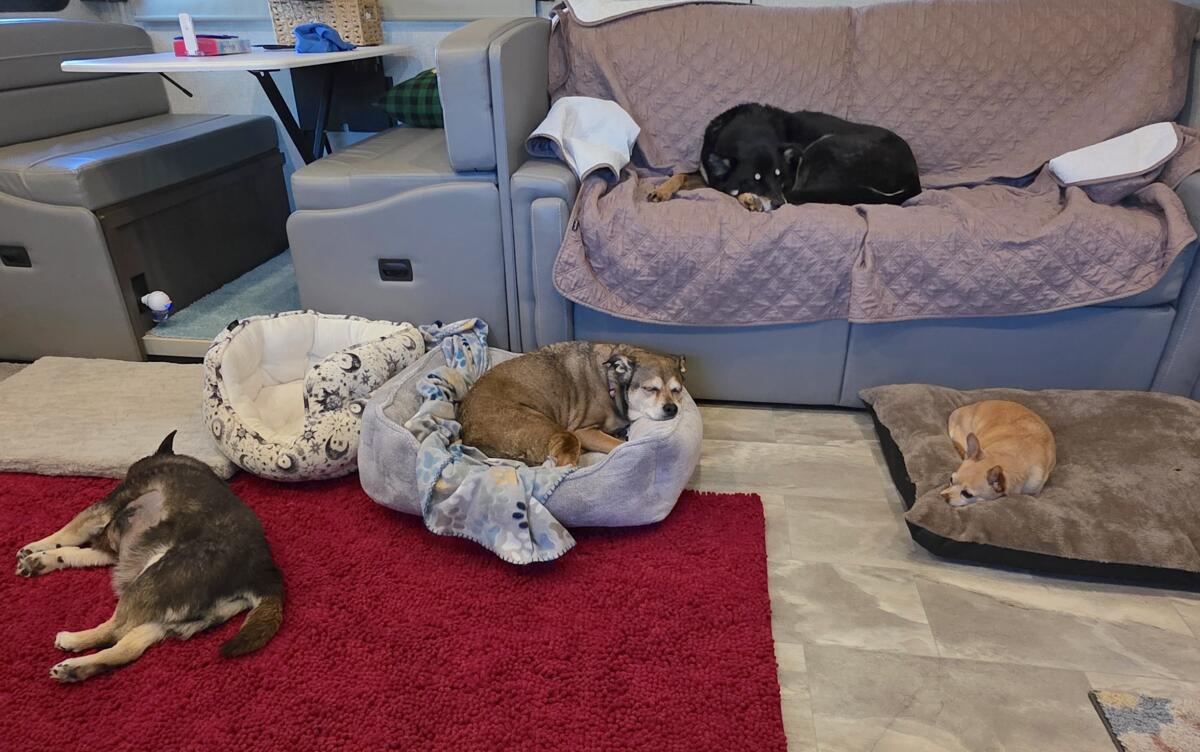
20260513 083900 B9bc199c0d298774327def761a6f16b2“Zoe, Lucy, Sally, and Bailey on their very first camping trip. A lot of tangled leashes and poopy bags, but they did better than we thought. All rescues are over the age of 10. We’re all exhausted.” —Tamara Furry

Send us a photo of your pet with a short description. We publish one each weekday in RV Daily Tips and in our Sunday RV Travel newsletter. No blurry photos, please! Please do not submit your photo more than once. Thanks!

Pet Food and all pet products at Amazon
RVing with Dogs group on Facebook. You’ll love it.


? MYSTERY PRODUCT OF THE DAY ?
Oh, we’d pay good money to watch these in action! In fact, this could probably even become an Olympic sport! A very tasty Olympic sport for a certain someone… And, yes, we’d try it…


FREE IS GOOD! Guide to New Hampshire’s White Mountains. Includes map. Available instantly as download or by mail.


Leave here with a laugh

There! Problem solved!

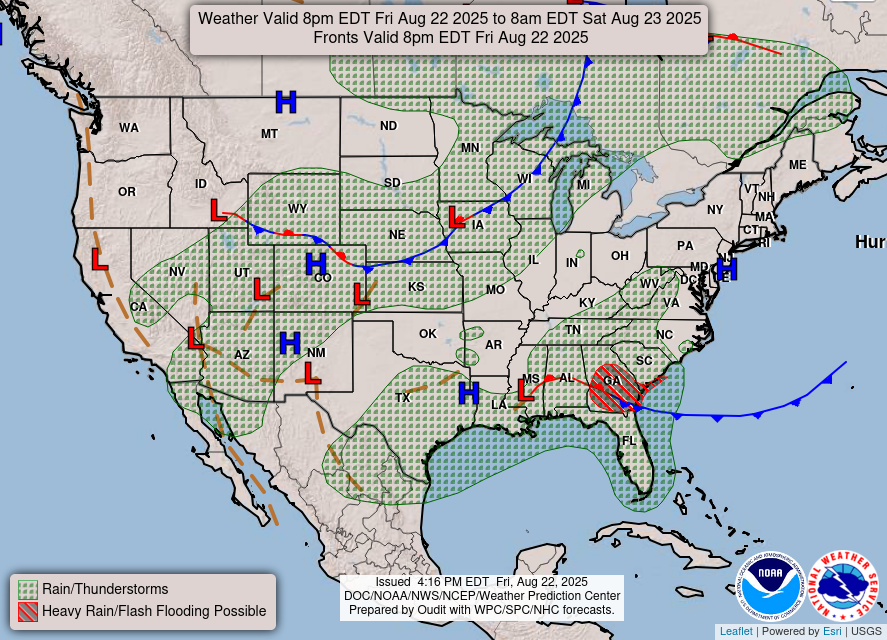
Today’s weather forecast across the nation
THIS MAP UPDATES TWICE A DAY

Visit Current National Radar Weather Map


Did you miss the latest RV Travel Newsletter? If so, read it here.
Oh, and if you missed the Latest News for RVers, make sure to catch up here.


If you shop at Amazon.com we’d appreciate you using this link. We get an itty bitty commission if you buy something, but they add up and help us pay our bills (most importantly our hard-working writers!). 


RVtravel.com All-Star Staff

Click here for information about our staff and how to contact us.

There aren’t enough outlets in my RV. Can I use a power strip?

Dear Dave, 
Is it OK to use a power strip to add appliances to my outlet? It seems there are never enough outlets, especially in the kitchen/living room. —Don, 2016 Arctic Fox

Dear Don,
It seems there are never enough outlets—whether in your RV, home, or garage. We are always looking for an extension cord or a way to plug in one more device. Having tackled DIY projects most of my life, especially in video production, I have tried nearly every method of adding outlets—from simple three-way adapters to large 10-outlet power strips.

Most of us use power strips, with the most common being the standard six-outlet strip with a heavy-duty cord. Some include an on/off switch, while others offer additional features such as surge protection and coaxial cable connections.

Types of power strips

There are two basic types of power strips. Both extend power from a wall outlet to multiple outlets. A surge protector, however, includes built-in protection against lightning strikes and electrical surges. Some models have a reset button, while others use a reset switch.

Powerstrip
Power strip

Power management

A power strip or surge protector does not increase the amount of power available—it simply extends access to it. Most RV outlets are 120-volt circuits rated at 10–15 amps, so it is important to understand power management to avoid overloading a circuit.

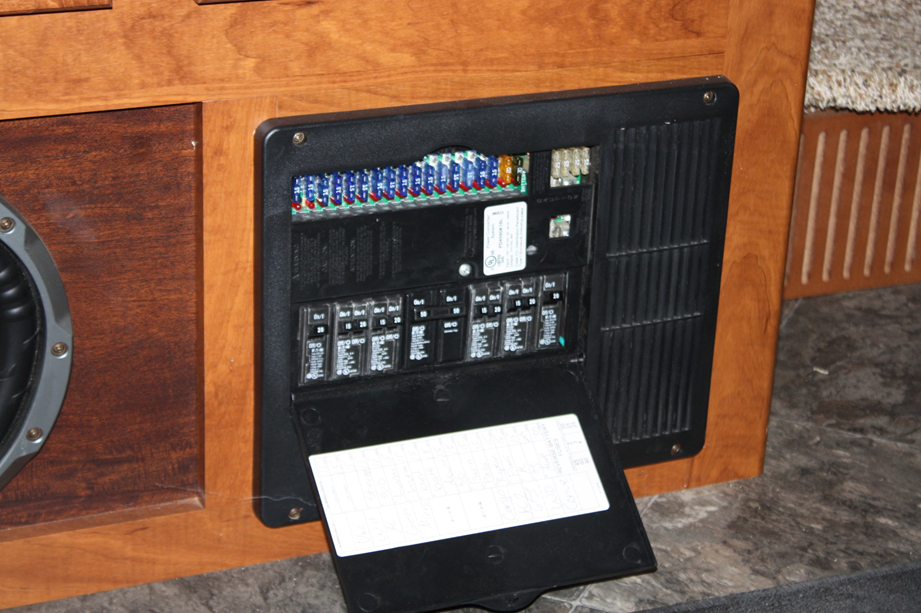
Plugging in high-amperage appliances such as coffee makers, electric kettles, or air pots can overload a circuit, especially if the outlet is connected to other outlets on the same breaker. Most outlets are not wired directly to an individual circuit breaker; instead, several outlets are grouped together on the same circuit. This means you need to know which outlets share a breaker and what devices are plugged into them.

Distribution Center
Distribution center

One exception is the microwave outlet, which is typically on a dedicated circuit. You can verify this by checking the labels on your circuit breakers and locating the one marked “Microwave.”

Power strips are best used for low-draw devices such as phone chargers, lamps, radios, and fans. I have seen RV owners plug small ceramic space heaters into power strips. Since these heaters can draw up to 12.5 amps, they can push the circuit dangerously close to its maximum capacity.

Power strip safety tips

  • Purchase a certified power strip and make sure it is rated for the amperage of the circuit you are using.
  • Check the circuit breaker to determine the circuit’s amp rating, and remember that other outlets may share the same circuit.
  • Never cover a power strip with a rug, blanket, or other material.
  • Use power strips indoors unless they are specifically rated for outdoor use.
  • Understand your RV’s electrical system and practice good power management to avoid overloading circuits.
  • It is OK to plug a few components into a power strip like the photo above. Just make sure that not everything is running at the same time. Remember, energy management!

 You might also enjoy these posts from Dave 

DAVE HAS ANSWERED MORE THAN 1,000 readers’ maintenance and repair questions. Read a directory here. There is so much to learn!


Dave Solberg is a leading expert in the RV industry and the author of the “RV Handbook.”

HAVE A QUESTION FOR DAVE?

Send your inquiries to him using the form below.

Name
Drag & Drop Files, Choose Files to Upload

RVDT2917

A gadget that easily fixes stripped screw holes

By Nanci Dixon
Rocking and rolling down the road in an RV can loosen and strip even the most tightly held screws. As our RV gets older, we are finding more screws shake loose and more screw holes stripped out when we try to replace or tighten. Sometimes it just takes a fatter screw, but that doesn’t always work, especially when going through tight metal brackets or hinges.

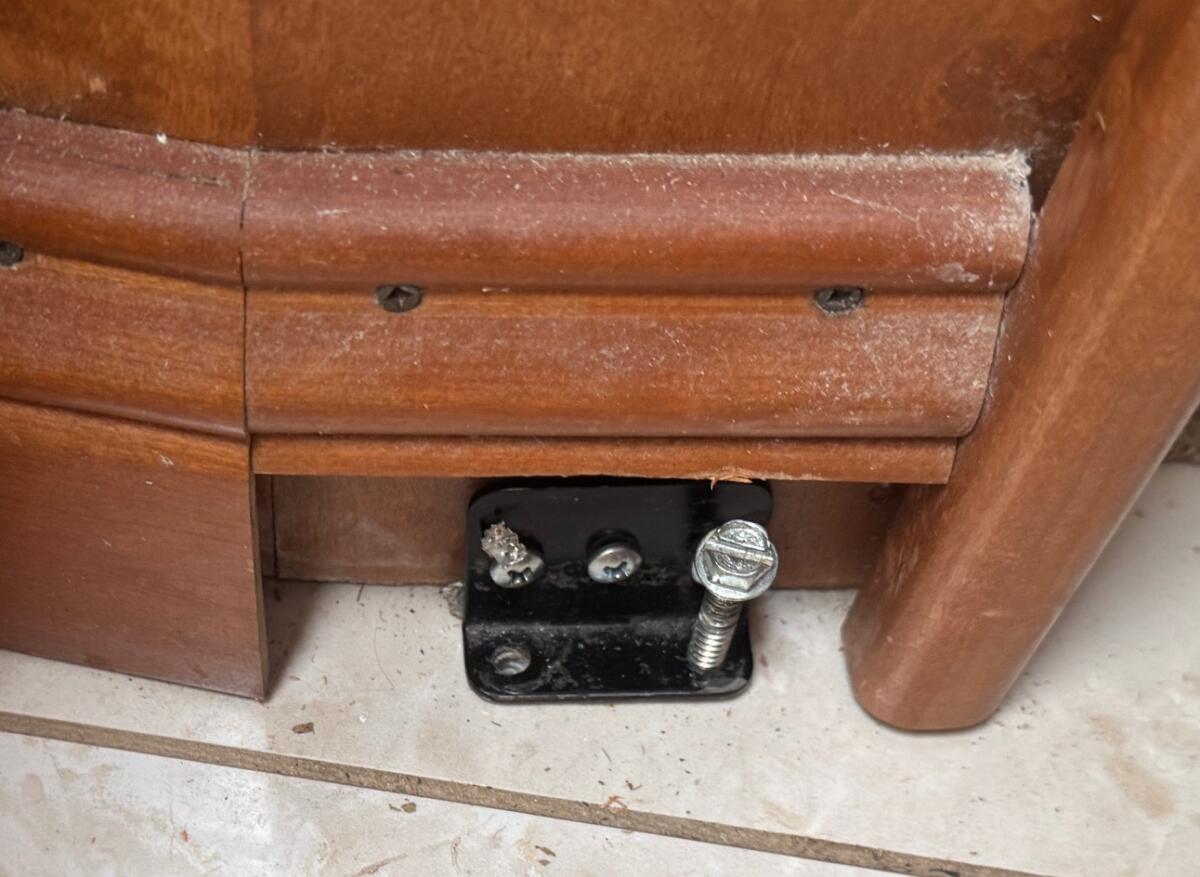
One major issue for us has been a wall—yes, literally a wall—that was never screwed down in manufacturing. The factory fixed it once but, in time, the screws have loosened, the holes have been stripped, and now the bathroom door flaps open while driving.

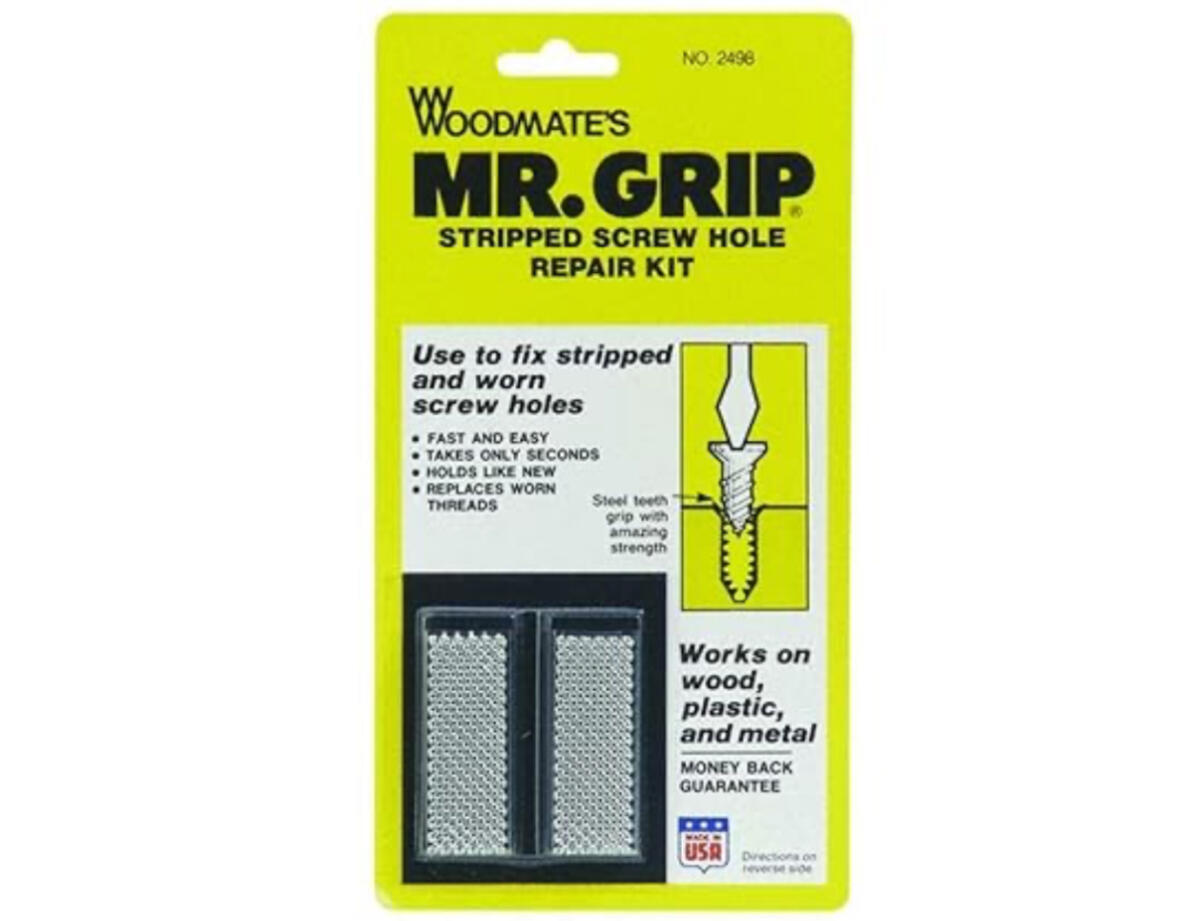
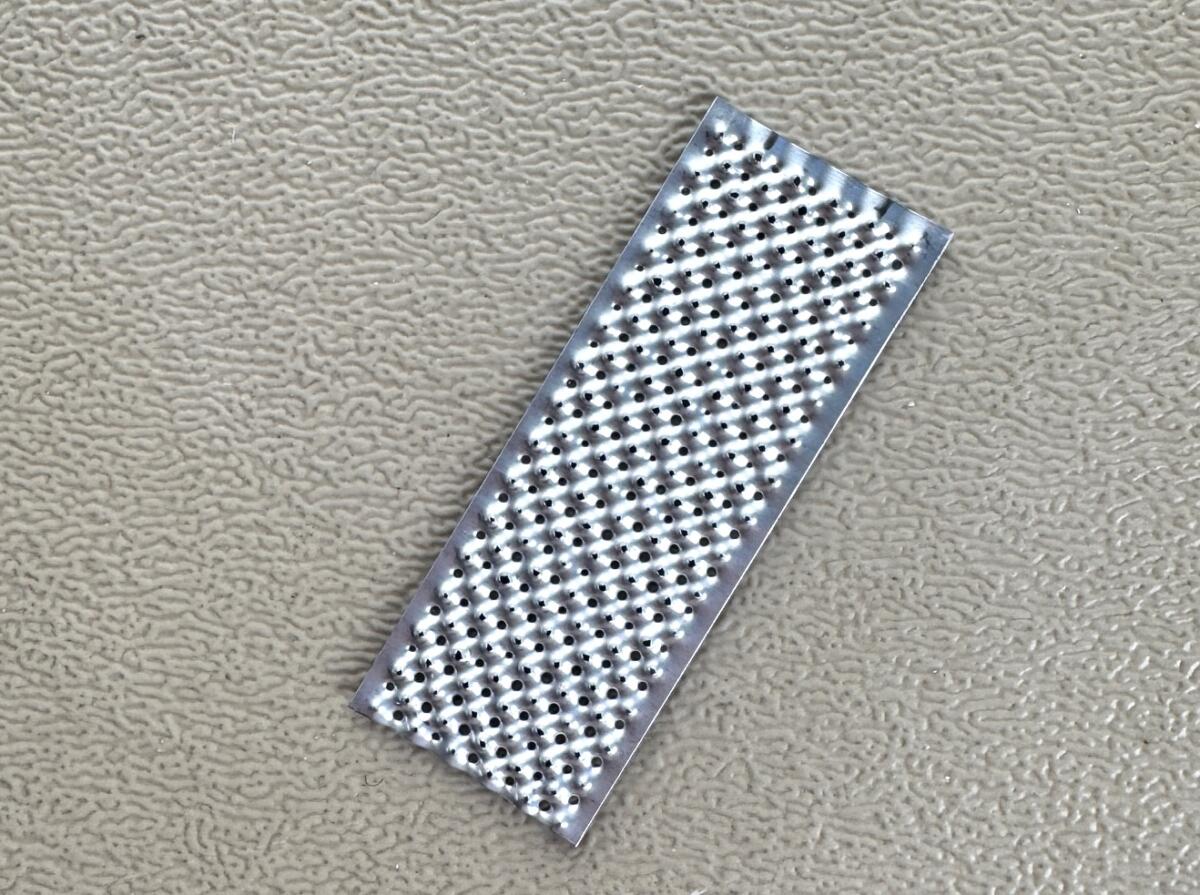
Searching across Amazon, YouTube, and RV sites, I finally found what might be a better solution than the short-lived glue and toothpicks in the wood holes. Before drilling out the metal bracket to accommodate larger screws, we decided to try Mr. Grip, as recommended by many. And it worked! Mr. Grip has pieces of indented metal that grip a screw.

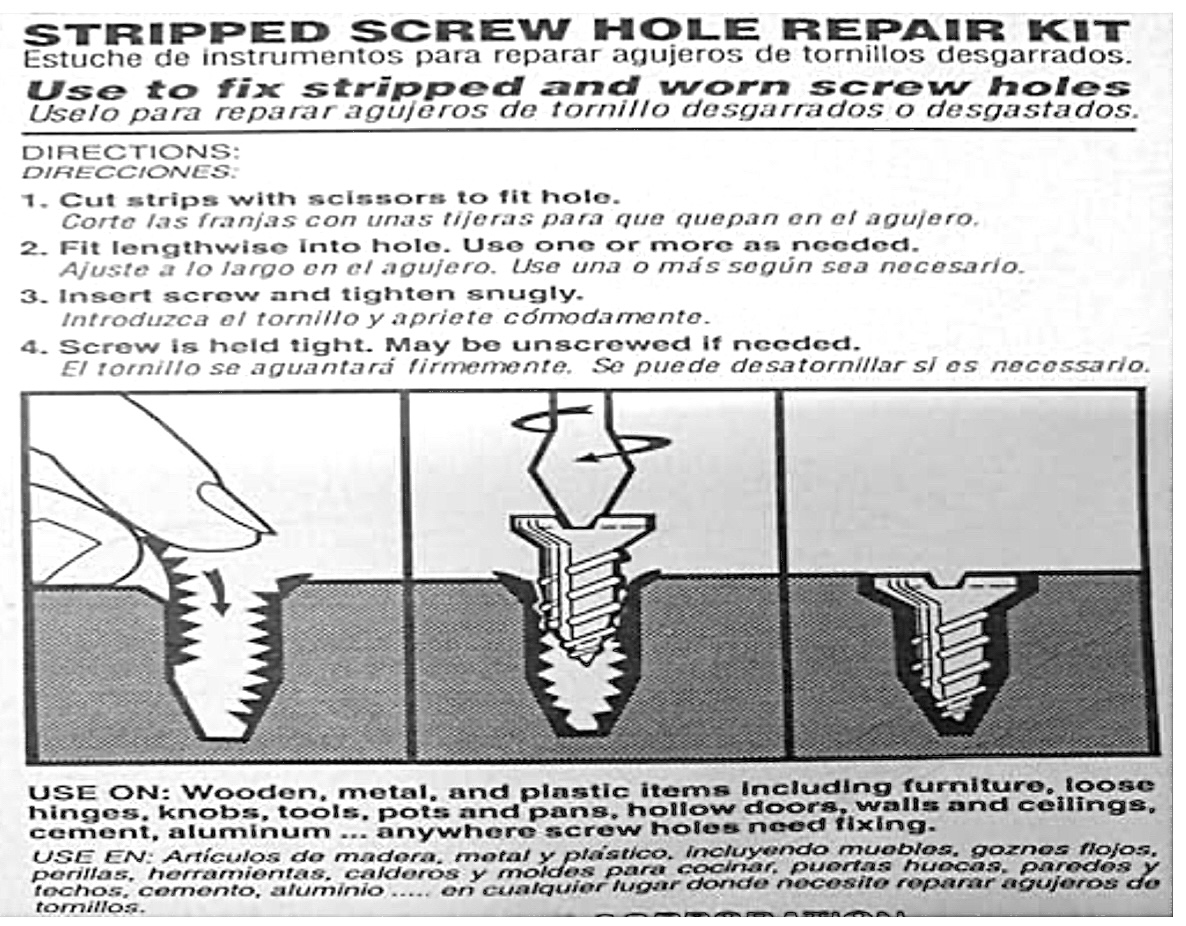
Mr. Grip works on any material: wood, metal, plastic, cement, aluminum… anything! All you have to do is cut Mr. Grip to the right size or shape, and screw!

The screw holes were small, so my husband cut the metal pieces into narrow pieces, slightly bent to a curve and put into the holes. We tested by inserting and turning the original screws and they held! We then added the bracket and bolted the plate back to the floor.

So far, so good. The door meets the frame again and closes! We’ll see what a couple thousand miles do and if the screws wiggle free. Mr. Grip may be my new best friend! If Mr. Grip works as good as advertised, he will travel with us and come home for those annoying everyday repairs, too!

Mr. Grip is available on Amazon.

RELATED

RVDT2917

16 ways bungee cords can make RVing life easier

1

By Gail Marsh
Bungee cords come in a variety of sizes and strengths (this is the variety pack I like and suggest). You may already use them to secure the RV cupboard doors during travel days by wrapping the cord through the cupboard’s opposing handles. There are so many ways that bungee cords can make RVing easier.

Note: When attempting to fasten a screw or other mounting device to your RV walls, take special care. The walls can be flimsy, and you don’t want to harm your rig.

Hang it up

Lanterns. A bungee cord can brighten up your campsite as it holds a lantern from a nearby tree branch or from the middle of your screened tent.

Hammock. If you’re camped in a spot that allows it, use heavy-duty bungee cords to securely fasten a hammock between trees.

Clothesline. Need to dry those swim towels? A bungee can make a temporary clothesline for you.

Cords, hoses, and wires. We use a variety of bungee cords to help corral our electrical cords, hoses, and more in our RV basement. Once secured, we hang the cords, etc., from a pegboard hook.

Paper towels. Run a bungee cord through the paper towel tube and then faster the bungee cord from your grill or picnic table. The towels will be within easy reach and not be blown away by the wind.

Pan lids. Horizontally fasten two bungees to the inside door of a kitchen cabinet. Slip cooking lids between the cords for easy storage.

Keep it together

Trash can. Keep the outdoor trash can liner secured. Place the liner inside the can as usual. Then pull the liner up and over the top lip of the bin and secure it in place by wrapping a bungee cord around the can and liner. Use two additional cords to keep the lid from blowing away. Hook the cords in the shape of an “x” over the lid and hook the cords on the trash can handles.

Lawn chair repair. Weave the cords across the backrest or seat of a broken lawn chair for an emergency fix.

Grocery bags. Keep those grocery bags upright all the way home from the store. Here’s how: Line up the bags in a row. Thread a cord through the handles of all the bags. Then fasten the cord ends on the hooks found on either side of the truck bed.

Fire extinguisher and propane tanks. Use bungee cords to keep fire extinguishers upright and secure. The same goes for propane tanks.

Basement items. Keep your water softener, tool chest, and other items upright and secure with a bungee cord. We’ve attached D-rings to the basement walls and fasten bungee cords from the rings.

Tablecloth. Keep your picnic tablecloth in place by wrapping a bungee cord around each end of the table.

Shoe holder. Horizontally fasten two cords to a wall near your RV door. Tuck sandals and flip flops behind the cords to keep footwear handy when needed and out of the way when not.

Map trapper. Use a horizontally mounted bungee cord to hold your road atlas, maps, books, and magazines in your RV. Simply open the book and tuck one side behind the cord and let the other side rest outside the cord.

Wheel covers and more. Bungee cords will help secure covers to your RV tires. They can also help secure bicycles, kayaks, or other items you take along when camping.

Exercise. Bungees can be used in place of exercise tension bands.

Can you add more uses for bungee cords while RVing? Please do so in the comments below.

RELATED

##RVT1266

The secret to walking up and down hills without getting tired or hurting your knees

By Cheri Sicard
Walking up hills can really take it out of a person. What if it didn’t have to be so hard? There’s a way to make those climbs easier and more enjoyable. The secret is to use your body efficiently, relying on your biggest muscles and conserving energy. The video near the bottom of this post will explain how to walk uphill using less effort. It’s based on a helpful YouTube video from The Map Reading Company.

Why uphill hikes drain your energy

Think of your body like a car. It has a fuel tank (energy reserves). When you exercise, you burn fuel. When the tank gets low, you feel tired. That’s your body telling you to refuel. Taking a break, having a snack, or drinking water can all help top up your energy levels.

Out on the trail, the goal is to use as little energy as possible. How do you do that? Use only the muscles you need for walking. Your biggest muscles are in your thighs and glutes (your bum). These muscles are powerhouses, and they can do a lot of work before they start to tire. Yes, other muscles are involved when walking, but your thighs and glutes should be doing most of the heavy lifting.

The two-part secret to walking up hills efficiently

It’s all about technique. It might take some practice, but once it clicks, you’ll wonder why you ever hiked any other way.

Part 1: Plant your heels correctly

A common mistake is walking uphill the same way you walk on flat ground. That wastes energy. The trick is to land your heel directly underneath your shoulder with each step.

You might need to lean forward a bit to do this. It’s not about pulling yourself forward using other muscles. When you plant your heels correctly, you’ll feel your thighs and glutes doing the work. This takes practice. Porters and Sherpas often walk this way naturally, even when carrying heavy loads. Their technique is a testament to its efficiency.

Part 2: Shorten your stride

Sometimes, the steps on a hill are too big. You can’t plant your heel properly. What do you do then? Instead of straining, take smaller steps. Zigzag your way up the hill. Walk around any large obstacles.

Walking in a zigzag pattern is totally okay, as taking these smaller steps saves energy and avoids overexerting your muscles. Remember, you can always take bigger steps when the terrain allows.

Bonus tip: Mastering the downhill

Many people walk downhill with their legs straight. With each step, the force of their body weight gets absorbed by the cartilage in their knees. This isn’t good for your knees.

Instead, walk downhill with your knees slightly bent. This way, your thigh muscles act as shock absorbers. Your thighs are much better at absorbing pressure than the cartilage in your knees. You might look a bit funny bouncing down the hill; however, your knees will thank you.

Try these techniques yourself. Walk uphill, planting your heels under your shoulders. Walk downhill, keeping your knees bent. Compare that to walking with straight legs and longer steps. See what feels better for you. By using your largest muscles efficiently and conserving energy, you can conquer hills without feeling completely wiped out.

RELATED

RVDT2917