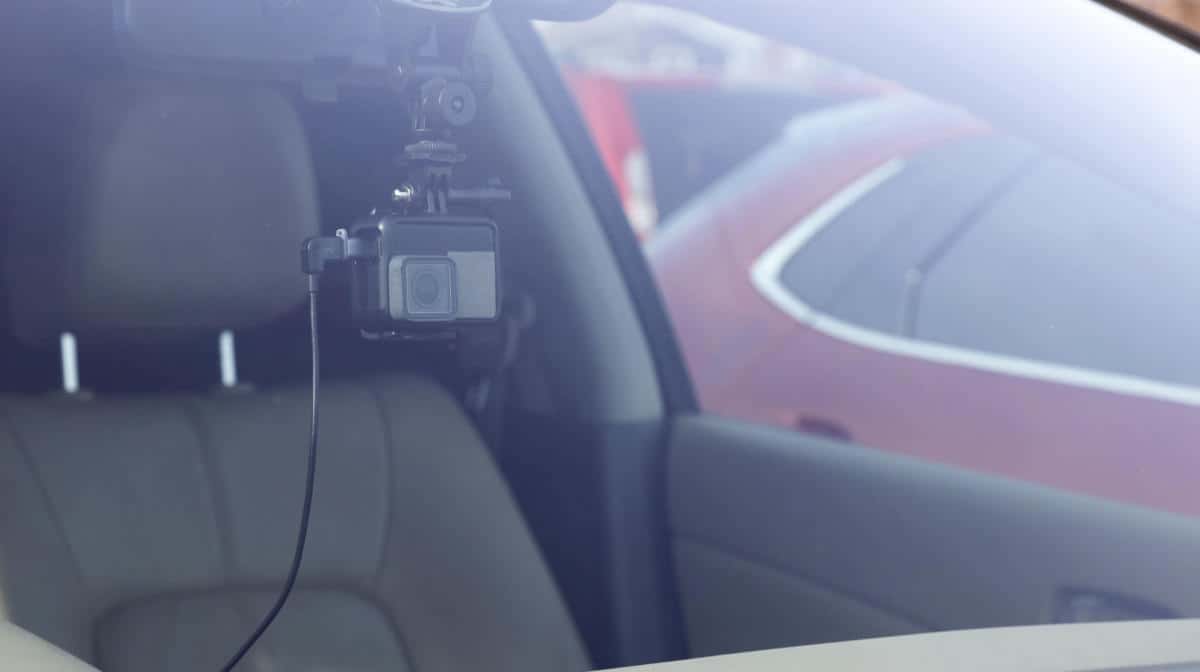
Dash cameras used to be a pretty high-tech gadget that only a few had. Now, they’re pretty common for drivers, including RVers. Hey, if something happens to you while you’re driving, you’ll be incredibly thankful that you had footage to look at.
Some RVers say a dash cam saved them from paying for an accident they didn’t cause. Others use theirs to capture scenic drives or unexpected wildlife crossings. Either way, these little cameras can serve multiple purposes beyond just documenting accidents.
They’ve also become more affordable and easier to install. Many models offer features like GPS tracking, night vision, and even voice control. Some can even sync with your phone to store footage automatically.
Do you have a dash cam on either your RV or your tow vehicle? If you do, will you share which brand you have in the comments and whether you like (and recommend) it or not? It could be helpful for those looking to get one.
For three summers, RVers heading to Lake Tahoe had to cross D.L. Bliss State Park off their camping wish list.
Now the campground is finally open again.
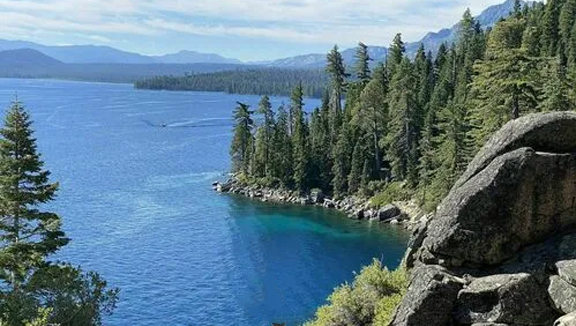
California reopened the popular Tahoe campground May 21 after a lengthy construction project that kept the park closed for three years. The reopening returns 165 campsites to one of the most scenic stretches of shoreline around the lake. It gives RVers another option in a region where campsites can be notoriously hard to find.
The good news is that the campground is back.
The less-good news is that many campers have been waiting years for that moment.
There’s a catch
“Midweek openings can still appear. Cancellations happen. Travelers with flexible schedules often have much better luck than those locked into specific dates.”
If you’re hoping to book a prime summer weekend, you may be late to the party.
California State Parks allows reservations up to six months in advance, and many campers snapped up sites as soon as they became available. Reports from the Tahoe area indicate that much of the summer inventory is already reserved, particularly on weekends.
That doesn’t mean RVers are shut out.
Midweek openings can still appear. Cancellations happen. Travelers with flexible schedules often have much better success than those locked into specific dates.
If Tahoe is on your summer travel list, it may pay to check reservation availability frequently rather than assuming everything is gone.
Why the campground stayed closed so long
The closure started as a major infrastructure project but stretched into a three-year effort.
California State Parks folks say crews replaced nearly three miles of aging water lines, improved water capacity throughout the park, installed 22 fire hydrants and completed road improvements.
Officials say the upgrades will improve both water reliability and wildfire preparedness.
The project reportedly ran into challenges along the way, including contractor issues and the difficulty of working through granite bedrock beneath portions of the park. Those delays pushed the reopening much farther out than many campers originally expected.
What RVers can do if camping is full
Even if campground reservations prove hard to find, D.L. Bliss can still be worth a visit.
The park offers access to Lester Beach, Balancing Rock, the Rubicon Trail and some of the best lake views anywhere around Tahoe. Day-use access remains available for visitors arriving by vehicle.
For many RVers, the easier approach may be to camp elsewhere around the Tahoe Basin and visit D.L. Bliss during the day.
That’s not a bad consolation prize.
Many visitors come primarily for the hiking, shoreline scenery and swimming opportunities, anyway.
A few RV considerations
Like many older campgrounds in California, D.L. Bliss was built long before today’s larger RVs became common.
Some sites can be tight, so RVers should check site dimensions carefully before booking. Also note, the campground includes a dump station but does not offer hookups.
That’s fairly typical for public campground camping around Tahoe, but it’s something first-time visitors will want to know before making plans.
The campground may be open again, but getting a reservation could still require some persistence. If you’ve been waiting for D.L. Bliss to return, keep an eye on cancellations and don’t overlook weekday stays.
After three years behind construction fencing, one of Tahoe’s classic campgrounds is finally back in the camping rotation.
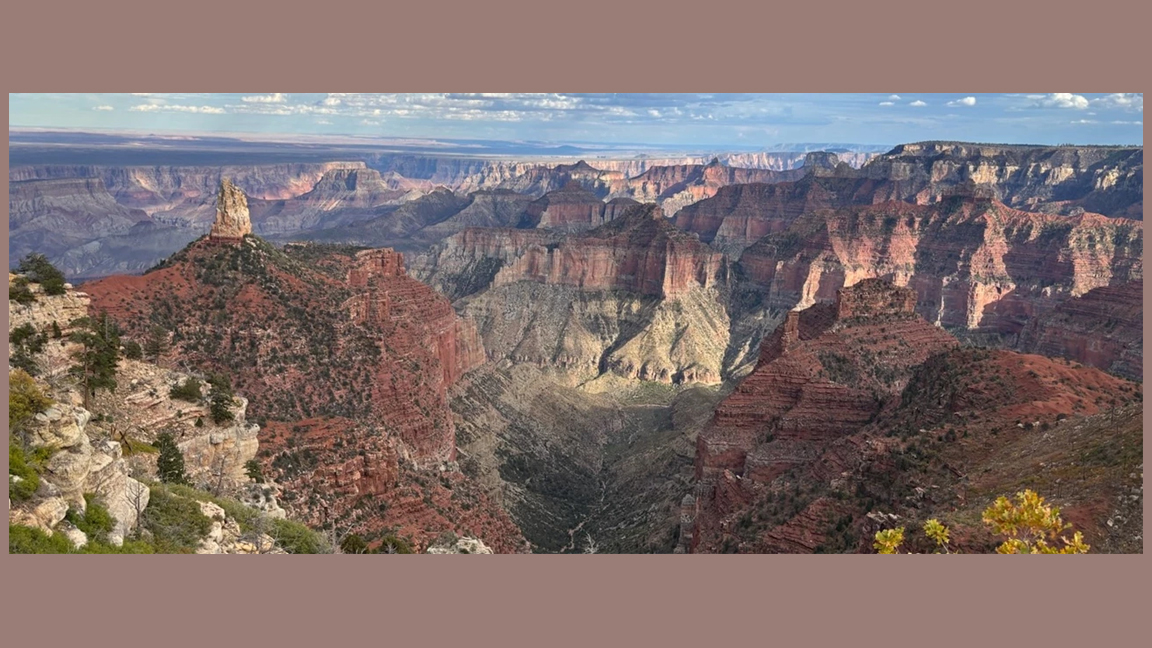
For the first time since last year’s Dragon Bravo Fire, RVers are once again able to camp on the Grand Canyon’s North Rim.
The North Rim Campground reopened June 1, giving visitors their first opportunity to spend the night inside the park since the fire destroyed the historic Grand Canyon Lodge and damaged large portions of the North Rim.
That’s the good news.
The other news is that this won’t be the same North Rim experience many visitors remember.
RVers heading there this summer should plan for dry camping, bring plenty of water and expect to see a landscape still recovering from one of the most destructive fires in Grand Canyon history.
North Rim visitors will need to bring their own water
“Perhaps the biggest surprise for many campers is that potable water won’t be available on the North Rim this season.”
Perhaps the biggest surprise for many campers is that potable water won’t be available on the North Rim this season.
The Park Service says visitors should bring all the drinking water they’ll need for camping, hiking and daily use. Water will not be available at trailheads, visitor areas or elsewhere on the North Rim.
That’s an important detail for RVers. Many travelers are used to filling fresh water tanks after arriving at a campground. This year, you’ll need to arrive prepared.
The campground is reopening without hookups, so expect a self-contained experience.
What’s open and what’s not
The reopening campground is one of several signs that the North Rim is slowly returning.
Highway 67 is open. So are Cape Royal Road and Point Imperial Road. The North Kaibab Trail reopened in mid-May, although trail crews continue repair work and temporary closures remain possible.
The North Rim General Store is also open. Visitors can purchase limited supplies, bottled water and grab-and-go food.
Fuel is available, as well. The North Rim gas station is operating, including diesel pumps.
The biggest missing piece remains the Grand Canyon Lodge.
The lodge was destroyed in the fire and has not been rebuilt. Overnight lodging on the North Rim remains unavailable.
Camping reservations are returning
Campers arriving during the first few days of reopening should expect a slightly different reservation process.
The campground is on a first-come, first-served basis from June 1 through June 5. After that, reservations are expected to return through Recreation.gov.
Anyone planning a summer trip may want to check reservation availability before heading north. The North Rim has always been popular with RVers looking for cooler temperatures and smaller crowds than the South Rim.
Fire restrictions remain in place
The National Park Service has implemented Stage 2 fire restrictions on the North Rim.
Campfires and charcoal fires are prohibited. Smoking outdoors is also restricted.
Propane-fueled stoves and similar devices may still be used in approved areas, but visitors should expect strict fire-safety rules throughout the season.
A different North Rim, but a welcome return
Only a small percentage of Grand Canyon visitors ever make it to the North Rim. Those who do, often return again and again.
They come for the cooler temperatures, quieter campgrounds and a side of the Grand Canyon that feels far removed from the crowds on the South Rim.
RVers won’t find exactly the same North Rim they visited before the Dragon Bravo Fire. Recovery work continues, and some familiar services are still missing.
But the beginning of June once again allows being able to park rigs on the rim, watch the sun come up over the canyon and spend a night in one of the most beloved camping areas in the National Park System.
The reopening follows months of recovery work after the Dragon Bravo Fire burned about 150,000 acres and destroyed more than 100 structures, including the historic Grand Canyon Lodge.
America’s Original RV Newsletter. Since 2001
Issue 2916 • New issue every weekday
Today’s thought
“The press is the best instrument for enlightening the mind of man, and improving him as a rational, moral, and social being.” —Thomas Jefferson
Learn why Google, Yahoo, Bing and Chat GPT agree that the Sunday edition of the RVtravel.com newsletter is America’s best RV newsletter.
Need an excuse to celebrate? Today is National Say Something Nice Day! Scroll down for nice things!
On this day in history: 1951 – Washington State Ferries, the largest ferry system in the United States, begins operation under state ownership after a buyout of the Puget Sound Navigation Company.
Tip of the day Retired police officer shares the best RV security tips and gear
By Cheri Sicard Here, we join Izzy from Endless RVing as he shares his favorite RV security tips. If you aren’t a regular viewer of the Endless RVing YouTube channel, you might not realize that Izzy retired in 2025 after 25 years of service in law enforcement. In other words, he has some solid experience behind his RV security tips and advice.
SAY SOMETHING NICE: If nobody’s told you lately: You’re doing better than you think you are. Keep going. The road ahead still holds plenty of good surprises.
RV review
New teardrop-sized trailer has wet bath with stand-up shower
By Chuck Woodbury
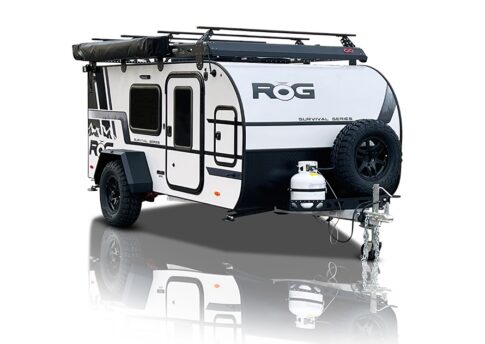
At first glance, this is genius! A pint-sized trailer, less than 4 feet high, that manages to include a wet bath with a stand-up shower. How is that possible? Actually, it’s surprisingly easy. It just took some creative thinking to make it happen. The bathroom, you see, rides on the tongue of the trailer, folded down for travel, then easily raised at the campsite. This is neat!
Here, we join Kyle, aka the Geography King, for his list of the 10 best states for BBQ in the USA. If you are an RVer who loves BBQ as much as Kyle does, you are going to want to check out this great barbecue itinerary. Some of the states on the list are expected, but Kyle has thrown in some surprises, too.
SAY SOMETHING NICE: Thank you for supporting independent publishing and this newsletter. Every read, click, comment, and shared story means more than you probably realize.
Featured article Leave your hood open in Arizona parks!
By Nanci Dixon
This week we received an email from Allen S. He was wondering if any of us here at RVtravel.com knew what in the world these folks in Tucson, Arizona, were doing. Allen asked: “Why are people leaving their hoods open and lights on all night in the engine area of their tow vehicles while camping in the Tucson area? We come from Canada and are confused.” Unfortunately, Nanci knows all too well, and tells you all about it here.
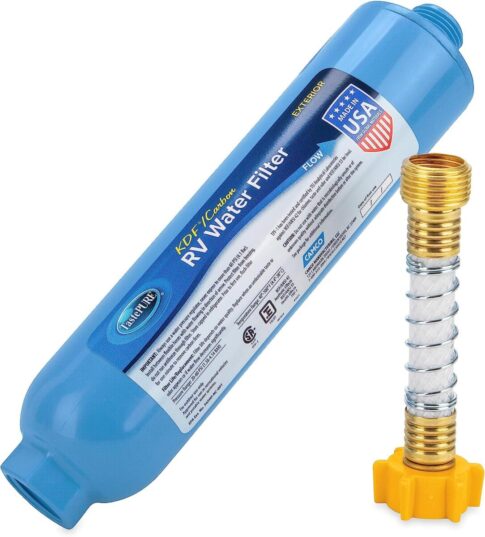
The #1 water filter for RVs Camco’s TastePURE Water Filter with Flexible Hose Protector reduces bad taste, odor, chlorine and sediment in drinking water with a 20-micron fiber filter. Its durable in-line, exterior mount filter has a wider body to increase flow. Use it at your campsite to keep sediment out of your RV water tank and to improve the taste and smell of your drinking water.Learn more or order.
Ask Dave My RV height is shorter than the brochure states. Did I miss something?
Quick tip Keep bugs from sticking so hard to your rig
Bugs sticking to the front of your rig making you buggy? Get ’em off easily. Apply plenty of wax to the front of your rig when doing your “spiff and clean” routines. Some RVers swear by dampening dryer softener sheets with water, then wiping the front end down with the sheet. Bugs practically jump off with a quick wipe down later.
SAY SOMETHING NICE: Wherever you’re parked tonight—big campground, tiny pullout, or your own driveway—we hope you find a little peace, a good sunset, and something that makes you smile.
? MYSTERY PRODUCT OF THE DAY ? Go fishing for marshmallows! We’re serious! Fine, you don’t believe us? Well, go fishing for hot dogs instead then! Here’s how.
Monday Motivation
The older we get, the more we realize that experiences matter more than possessions. RVing is a reminder that life’s greatest treasures are the memories we create. A stunning sunrise, a wildlife sighting, a family gathering at a campsite, or a quiet evening under the stars can bring more happiness than anything sitting on a store shelf. Every trip adds another chapter to your story. The memories made today will become the stories shared tomorrow. So fuel up, head out, and keep collecting experiences that enrich your life and inspire those around you.
Trivia
State Farm is the most popular auto insurance in the U.S., holding the largest market share (around 18% to 19%) based on direct premiums written. Progressive and GEICO follow closely, rounding out the top three largest insurers.
Readers’ pet of the day
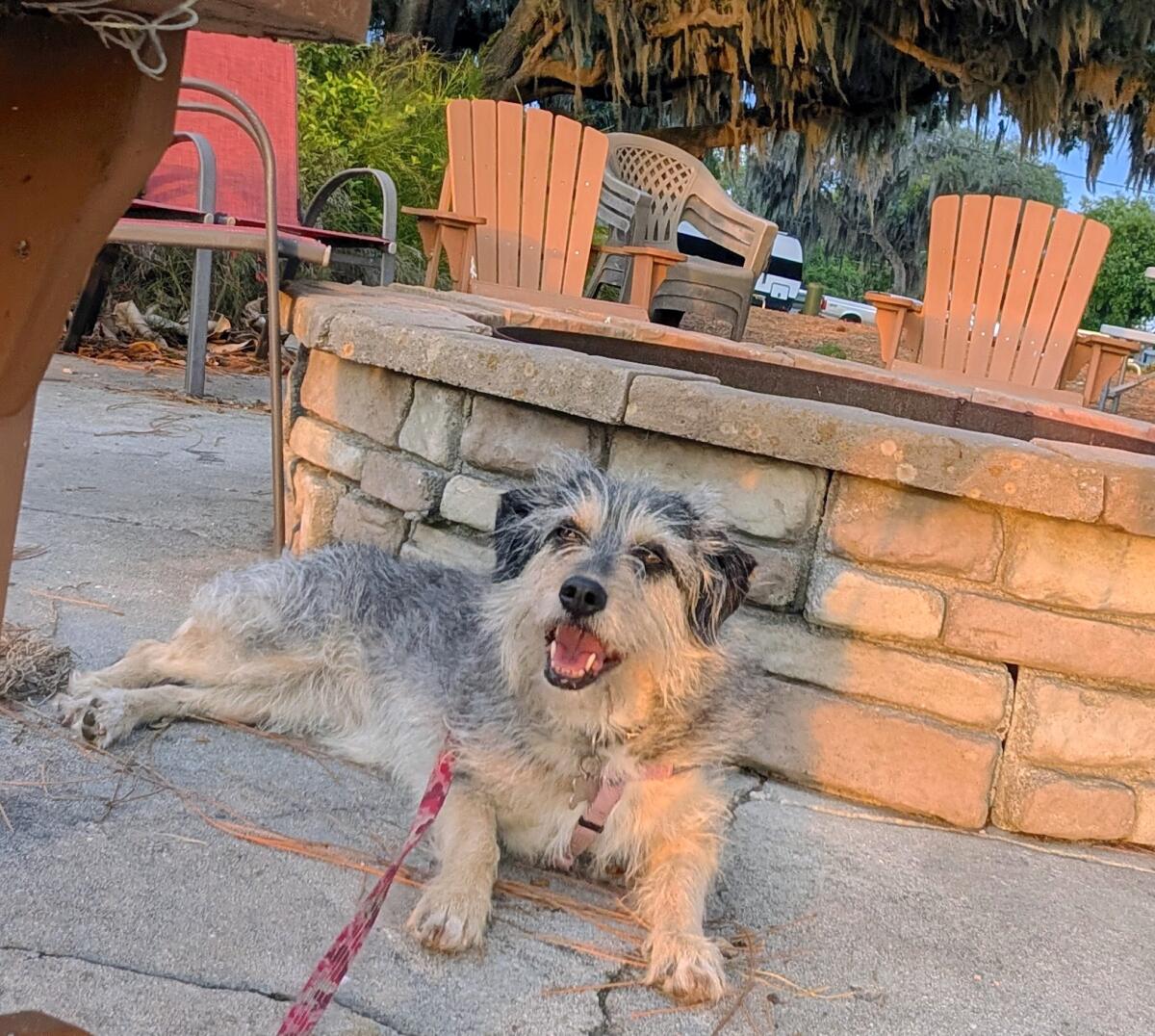
“Tasha (6) joined us four years ago and has certainly adapted to the camp life. She is recently the only pup, so she is on a search for a new camping buddy, hopefully soon.” —Terri Readdy
Send us a photo of your pet with a short description. No blurry photos and please do not submit your photo more than once. Thanks!
SAY SOMETHING NICE: Here’s to the readers who still lend tools, share directions, offer campground tips, and help strangers without being asked. You make the RV world better.
Leave here with a laugh
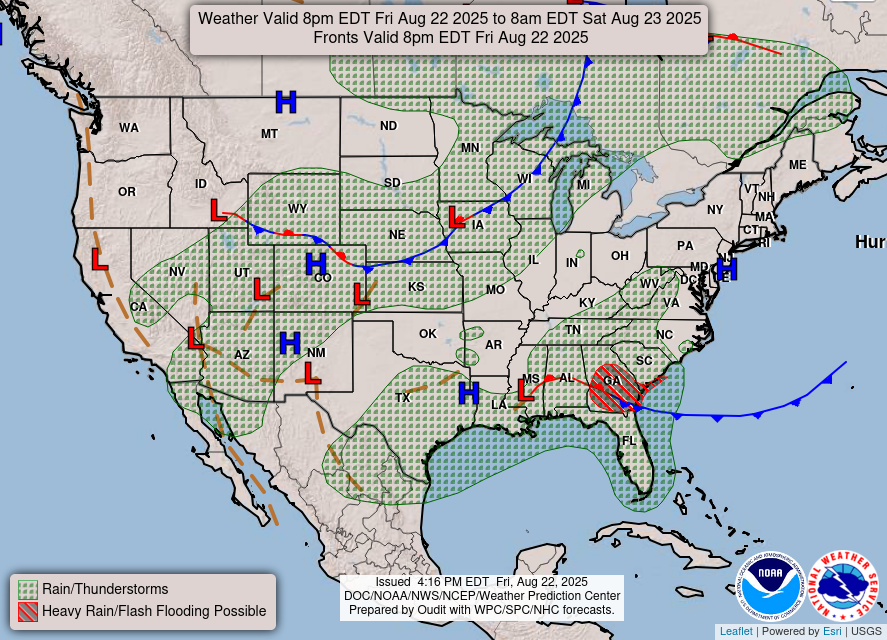
Today’s weather forecast across the nation THIS MAP UPDATES TWICE A DAY
Twenty-Five Years. Still Free. Since 2001, RVtravel.com has informed millions of RVers without charging a subscription fee. If what we do is valuable to you, please consider supporting us financially. We only ask for what you can easily afford.
Hi Dave,
What is the proper way to measure the height of your trailer/5th wheel? I’ve tried to measure mine from the top of the A/C (the highest point) to the ground when hooked up to my ’23 F-350 SD in my driveway. I come up shorter than the specifications listed. Thanks. —John B., 2022 Reflection 280RS 5th Wheel
Hi John, This has been an age-old debate and source of confusion for owners. What is listed in the brochure is not always the actual height, width, length, and weight of the unit. In my towing seminars, I always recommend measuring your coach, as there are several variables that can affect these specifications. It is great that you actually did the measurement of the top; now you also need to do the width and length.
Height
Most manufacturers will list the “average” height of the unit, as not every rig that comes out of the factory will be the exact same height. Also, some are measured without the roof air conditioner, if they are optional.
It also does not take into effect any options or aftermarket items that are installed by the dealership or owner. Those items can include roof vent covers, satellite antenna/dome, or even a back ladder that extends up over the roof.
Plus, the unit is measured at the factory “dry”. That means no water or cargo. Most fifth wheels have a cargo carrying capacity (CCC) of almost 3.000 lbs. This weight will make the unit “squat” and become lower than it was empty.
Width
The measurement for the width of all rigs is sidewall to sidewall. Typically a fifth wheel will be 102.5” wide. However, that does not include anything attached to the sidewall, such as an awning. It also does not take into account the width of the truck with mirrors. If you are driving through a tight fit, you want to know the widest point.
Length
This was covered in an earlier post, with some manufacturers measuring the length of the unit from the front cap to the back cap. This does not take into account the length of the tongue/hitch in the front and the bumper or ladder in the back. Plus, if you have a weight distribution hitch, the ball mount will add additional length to the overall specification.
Your fifth wheel should be measured from the front cap to the farthest point in the back, which could be the bumper or ladder. And if you install a carrying pod or platform for e-bikes, you need to add that.
Weight
Once you get the unit loaded, you will want to take it to a CAT Scale and get the overall vehicle weight and compare it to the gross vehicle weight rating (GVWR), individual weight on the axles/gross axle weight rating (GAWR), weight of the truck and trailer combined/gross combined weight rating (GCWR), and the weight of the pin at the hitch/hitch weight.
Also keep in mind: Just because you have all those compartments along the sides and front of the RV doesn’t mean you can fill them up.
By Cheri Sicard In this video, we join Izzy from Endless RVing as he shares his favorite RV security tips.
If you aren’t a regular viewer of the Endless RVing YouTube channel, you might not realize that Izzy retired in 2025 after 25 years of service in law enforcement (he barely looks old enough for that, but I will take him at his word). In other words, he has some solid experience behind his RV security tips and advice.
While Izzy has done other RV security tips videos in the past, focusing on firearms and personal safety, this one focuses on gear and gadgets he says will increase your overall RV security and prevent theft.
#1 Windows
Izzy says a lot of people leave a side window open when they leave the RV. This is not smart, as all a thief needs to do to break in is find something to boost them up, such as a nearby picnic table.
Izzy also recommends having your RV windows tinted. Not only does this provide more coolness in the hot sun, but it also makes it so passersby cannot see inside your rig.
#2 Locks
Izzy and MJ upgraded to a keyless lock for additional security, plus it saves you from ever getting locked out. You may not realize that many RVs can be opened with the same keys. The keyless lock that opens with your own personal code prevents a potential thief from using his or her key in your lock. The lock he uses is no longer available, but this one is similar.
#3 Ring camera
A security camera set up by the front door records anyone approaching or knocking on the door. It will even alert you to people near your RV when you are away, just like doorbell cams at home do.
#4 CatStrap and Dye Defender
This gadget, which we have talked about on RV Travel, too, prevents catalytic converter theft, which is a HUGE problem around the country, especially on large motorhomes and trucks. Izzy shows you how it works in the video. He also uses the DyeDefender so that if a thief does try to cut through the CatStrap, they will get sprayed with blue dye. They also have an alarm set up, for TRIPLE catalytic converter protection.
#5 GPS tracker
This gadget will help you recover your RV should it ever get stolen. Watch the video as Izzy explains why, despite people recommending them, AirTags do NOT work for this purpose, and what to get instead.
#6 SnapSafe lock box
Izzy uses this lock box to keep his firearms safe from his children and for other valuable items in the RV. It has a combination lock and several ways to secure it in your car or RV. Izzy demonstrates this in the video.
#7 Locking hitch pin
Lastly, Izzy recommends this locking hitch pin that will prevent people from stealing your towing hitch.
By Cheri Sicard
In the video below, we join Kyle, aka the Geography King, for his list of the 10 best states for BBQ in the USA. If you are an RVer who loves BBQ as much as Kyle does, you are going to want to check out this great barbecue itinerary.
Kyle starts the video by educating the audience on the regional variations of BBQ across the U.S. and how BBQ means different things depending on where you are. For the purpose of this video, Kyle uses the Southern definition, meaning a type or style of food. Beyond that, though, each region or state has its own distinctive style of BBQ.
Some of the states on the list are expected, but Kyle has thrown in some surprises, too.
The Geography King’s 10 best states for BBQ in the U.S.
#10 Hawaii: Hawaiian BBQ is also known as Kahlua Pork, a whole hog that’s wrapped in leaves and smoked underground, covered in volcanic rocks. The end result is a Hawaiian-style pulled pork that serves as a centerpiece for most luaus.
#9 Mississippi: While there is not a specific BBQ style unique to the state, Mississippi has many outstanding individual BBQ restaurants. Look for goat BBQ in the northwest part of the state.
#8 California: California is famous for its Tri-Tip BBQ, found primarily in the central part of the state.
#7 Alabama: Alabama BBQ chicken with mayonnaise-based white BBQ sauce is a style unique to this state.
#6 Tennessee: Overall, Kyle says that Tennessee does not have great BBQ, but it does have the best fried chicken. He does say that the southwest corner of the state, near Memphis, makes up for the dearth of good BBQ in the rest of the state. Memphis-style BBQ features dry-rubbed pork ribs. They may or may not be served with a sauce.
#5 New Mexico: Traditional NM BBQ features a spicy slow-cooked beef brisket also known as barbacoa.
#4 Texas: Texas BBQ is all about the smoked beef brisket, almost always served without sauce.
#3 North Carolina: The Carolinas are known for their whole hog BBQ, which gives you tender pork and crispy skin. They also make a lot of slow-cooked pulled pork. Carolina BBQ will almost always be served with sauce: a tomato-based sauce in the northern part of the state, and a vinegar-and-pepper-based sauce that is more prevalent in other parts of the state and what it is known for.
#2 South Carolina: The South Carolina Lowcountry is known for whole hog BBQ similar to North Carolina, but the sauce is different. You can find the vinegar-and-pepper-based sauces in the coastal areas. But when folks think of SC BBQ, they are usually thinking of the state’s mustard-based BBQ sauce.
#1 Missouri: With the one-two punch of Kansas City and St. Louis, expect to find great ribs here. Pork ribs are most popular, but you can also find beef ribs. Most places will have homemade sauce to go with the ribs, but they are also delicious without it. Kansas City sauce is usually thicker and St. Louis style is thinner and more vinegar-based.
Howdy, Grandma and Grandpa! Or maybe you’re known as Nana and Pop, Mimi and Papa, Gram and Gramps, or something even more unique—BoBo, G-Daddy, Oma, Big Paw. Whatever your grandparent name is, we know it carries a whole lot of love (and maybe a little bit of sugar and mischief, too).
Today, we’re curious about those special little (or not-so-little, anymore) people who call you by those cherished names—your grandchildren!
We’d love to know: How many grandkids (and great-grandkids) do you have? None yet? One or two? A lively crew of six? Maybe more than 10?
Whether your grandkids are toddlers who leave sticky fingerprints on every surface or are teenagers who are too cool for you (or, so they think), each generation brings new stories and joy. Some of you might be weekend babysitters, summer road trip buddies, or long-distance FaceTime champions. However you grandparent, we salute you.
This poll is just for fun, but we hope it brings a smile and maybe stirs up a few happy memories. Got a funny grandkid story? A sweet tradition you’ve passed down? Or maybe a photo-worthy moment you still laugh about? We’d love to hear all about it in the comments.
Go ahead and cast your vote below, and don’t forget to share a little something if you’re inspired. Thanks for being part of our community—and for helping shape the next generations, one s’more and campfire tale at a time!
America’s Original RV Newsletter. Since 2001 Issue 1263
Today’s thought
“The best thing to hold onto in life is each other.” —Audrey Hepburn
Need an excuse to celebrate? Today is National Smile Day! Cheeeeese!
On this day in history: 1911 – The RMS Titanic is launched in Belfast, Northern Ireland.
Why national park gateway towns are struggling
For decades, gateway towns near America’s national parks thrived. Travelers came to see the parks, and the towns provided everything else. Fuel. Groceries. Campgrounds. Restaurants. Laundry. RV repair shops. Ice cream. Souvenirs. Showers. Propane. But this summer, many of those small towns are feeling squeezed, and RVers, if you haven’t already, you may start noticing the effects.
Van life at 72: “I’ve never been happier!”
Can you find happiness in van life as a senior? Yes! Lynne didn’t move into a van for novelty. After retirement, a breast cancer diagnosis, and the cost of staying put, caused her to decide that the rest of her life needed to feel lighter. Lynne gave up an apartment by the beach and built a home on wheels around her budget, health needs, and dog. That choice turned one fixed view into the freedom to go almost anywhere.
The weirdest RV campground rules. Have you encountered these?
If you spend enough time in RV forums, blogs, and campground Facebook groups, you’ll see some weird campground rules. Some of these strange rules sound less like campground etiquette and more like fractious local ordinances in the Land of Oz. But could there be sound reasoning behind these regulations? Read on and see.
WE ARE THE BEST! IT’S TRUE!When you ask Google, “What is the best RV newsletter,” here’s the answer: “The RV Travel Newsletter is widely considered the best and most comprehensive. Running since 2001, it offers specialized, free editions including a weekend digest, weekday “RV Daily Tips,” and updates on maintenance, reviews, and safety recalls.” To see all of our newsletter offerings, click here.
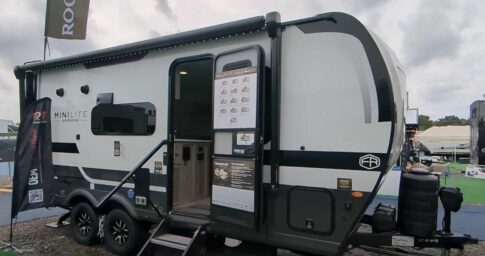
Today’s RV review… Rockwood Mini Lite 2108RB—Good things in small packages
By Tony Barthel
Today’s RV review is of the new-for-2026 Rockwood Mini Lite 2108RB. This is built on the smallest of the Mini Lite platforms and is a really unique bit of packaging that’s mostly positive. Is this RV perfect? Absolutely not. But overall, this is a well-designed trailer with some very usable, unique aspects to the design. See what you think.
Trusted by Full-Time RVers
Americas Mailbox offers secure mail forwarding, scanning, and residency services tailored to life on the road, plus tax savings. Learn more.
Tony’s tips Pricey fuel makes me a local explorer. Let me inspire you to do the same
I don’t know if you’ve noticed, but fuel prices have recently climbed. Just a bit. In fact, I may have sensed a trend going on here. While our summers generally consist of one to three big trips, this summer we’re down to one. But it’s not like we’re going to sit still, so we decided that we’re going to become local tourists, of sorts. This will be fun!
Fuel prices may be up, but so is the number of attractions within 50 miles of your campsite that you’ve been meaning to visit “someday.” Someday is looking a lot closer.
Tanner Toons with Tanner Woods
You may share this Tanner Toon, unaltered, on your website, blog or social media with our compliments. The musings from Tanner Woods’ creative mind appear in this newsletter every Saturday and Sunday and in many RV Daily Tips newsletters through the week. Sign up for our RV Daily Tips Newsletter so you don’t miss them.
Cordless camping fan clips or hangs on; works great!
Cheri Sicard loves her new USB-rechargeable clip-on or hanging camping fan. She says it’s the best one she’s ever tried, and it works perfectly for keeping her cool at night. The fan has three speeds and can run up to 65 hours on a single charge. It can clip on or hang from just about any surface and produces a strong wind for such a small fan. The fan also includes an LED lantern, and it has a USB-A port for charging. Read more about it here.
RVtravel.com reader details the true costs and experiences of snowbirding in Florida
By Dennis Charpentier
The dream of many RVers is to become a snowbird; to enjoy the summer in the north and a warm climate for the worst of the winter. Starting many years ago, we traveled about in Florida, taking in all the sights, the east coast, the west coast, the Keys, roaming free with only a general plan. We stayed in military bases, private camps, county parks, and city parks, all without advanced reservations, except for holiday weekends. And then it was COVID, and that was over. Continue reading.
Even more RVing tips and tricks from RVers (with photos)!
How does the old saying go? Seeing is believing. When it comes to RVing tips and tricks, seeing is also understanding. Sometimes all it takes is a photo to understand another RVer’s idea. Here are some examples—and some really helpful pictures!
This could be yours!
One-of-a-kind, home-built RV could be yours
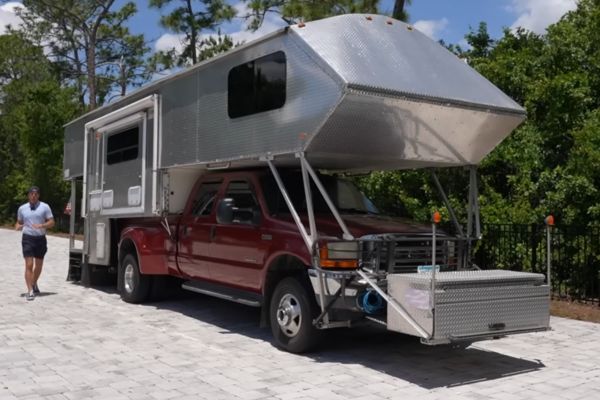
A Costco parking lot clip turned this hand-built truck camper into a viral RV story with more than 7 million views. Years later, Andrew Steele finally got inside and met Tom, the owner who spent six-and-a-half years turning a 12-foot Lance into something no factory ever built. The result is part truck camper, part garage, and part rolling conversation starter. Tom says he is now ready to sell it, at least to the right buyer. Wowie!
TRAVEL DESTINATION: The Mississippi Blues Trail celebrates the profound cultural impact of blues music by honoring the musicians, venues, and cultural landmarks that have defined Mississippi’s reputation as the Birthplace of America’s Music. The statewide initiative showcases more than 200 markers commemorating the roots of blues music in Mississippi and inviting visitors to experience its enduring legacy firsthand. We wrote all about it here.
Reader poll How would you rate your health considering your age?
Utah’s Scenic Byway 12 is a bucket-list RV drive, but don’t just wing it
Every few years, somebody rediscovers Utah’s Scenic Byway 12 and declares it one of America’s most beautiful drives. This time it’s the travel editors at Travel and Leisure, whose recent feature highlighted the 122-mile route between Bryce Canyon and Capitol Reef and the remarkable scenery packed into a relatively short stretch of road.
Why isn’t there an I-50 or I-60?
By Gail Marsh
I was researching an upcoming RV trip with my grandson. As we poured over maps and Googled routes, he asked, “Why isn’t there an Interstate 50 or 60?” I was baffled. Together we searched for the answer. Here’s what we found.
Highlights from this week’s RV Daily Tips Newsletter
Bluetti Elite 300 can charge your RV—an easy, affordable alternative to installing solar
By Cheri Sicard
Readers who have been following me know that the Bluetti Elite 200 V2 was my favorite portable power station (and I’ve tried a lot of portable power stations). But notice I used the word was. That’s because Bluetti has a new version—the Bluetti Elite 300—and it has now claimed my top spot. My power stations could run appliances and devices, but they couldn’t charge the trailer batteries. This one changes that.
Infinity X1 dual power rechargeable flashlight—It is BRIGHT
A strong, reliable flashlight is essential gear for any RVer. If you’re in the market for a new one—or your old flashlight is due for an upgrade—you’d be hard-pressed to find a more versatile option than the Infinity X1 7,000-lumen dual-power rechargeable flashlight. Yes, it’s a powerful flashlight, but what really sets it apart is its flexibility.
? MYSTERY PRODUCT OF THE DAY ? Have you ever just wanted to rip a bottle open with your teeth? Well, now you can! Or your partner’s teeth, or your grandkids’ teeth, or even your dog’s teeth! Yes, it’s true! Here’s how.
Photo of the day
What do you get when you snap a close-up photo with a wide-angle lens of a curious, friendly cow? You get this, taken at Indiana’s O’Bannon Woods State Park.
KNOW ABOUT SEPSIS: How common is sepsis? Where does it begin? What does it do to the body? All that and more, here.
In the RV shop with Dustin Take care of those insert moldings. Here are the products to use
In my experience, one of the most missed items is the insert molding screw cover. This protective plastic covers the screws at the roof line edges as well as the vertical and horizontal side seams of all RVs. Here, I show you the danger of not keeping an eye on your RV’s insert moldings.
RV tire safety RVer wonders what is causing uneven tire tread wear
By Roger Marble I received this question on uneven tire tread wear: “Goodyear Endurance tires, rear axle. My left rear tire has wear only on the inside. The right side is also wearing on the inside, but not as badly. The front axle is fine. About 6500 miles on them.” See the picture and read Roger’s answer.
Secure what’s on those corner shower shelves!
Don’t worry about moving your soap, shampoo or conditioner next time you drive. Instead, easily install one of these stainless steel corner storage bars and keep everything in place. The bars come in a one- or two-pack and can be adjusted to fit any shelf. They’re specifically made for RVs. Learn more or order.
Remember this?
From the archives: Make an adorable DIY vintage camper trailer birdhouse
Show your RV style at home with this charming DIY vintage trailer birdhouse. In the video, we get a lesson on how to build one from DIYer Paul Elkins. These cute little trailer birdhouses also make terrific gifts for RVing and/or bird-loving friends.
Live cam
Georgia Aquarium
Readers’ pet of the day
“This is my bird, Daisy (African Grey Parrot, age 26). She has been camping with my husband and me for the past 20 years. We have a Class A motorhome. Her cage is set up so she can see out of the windows. She has an excellent vocabulary and sounds like a real person. She says, ‘Hello, how ya doing?’ Most people walking by say hello back, not knowing it’s a bird talking. Sometimes she whistles to them, and they whistle back. Most of the time, we are sitting outside the motorhome when she does this. It’s a great way to meet other campers, and they are surprised when they find out that a bird is communicating with them, and they have a good laugh and want to see her.” —Carol Hughes
Want to see your pet in this newsletter? Please send us a photo of your pet with a short description. No blurry photos and please do not submit your photo more than once.
Trivia
Photo credit: Curro Lucas, X
Think the freeway near you is wide? Well, unless you’re near the Katy Freeway in Texas, it’s probably tiny in comparison. The Katy Freeway, part of Interstate 10 in Texas, is one of the widest freeways in the world. In some parts, it’s 26 lanes across!
FREE IS GOOD! Join IHOP® Rewards and get free pancakes on your birthday.
Jar, bottle, and can opener good for weak hands This 6-in-1 jar and bottle opener has eight sizes of circular openings, making the jar opener extremely convenient for opening small and medium-sized lids. The hooks on the top can be used to open the large-size lids by breaking the air tightness, and can also be used to open the ring pull cans. Learn more or order.
Today’s weather forecast across the nation THIS MAP UPDATES TWICE A DAY
REMEMBER: You do not need to receive an email alert from us to read our newsletters. Just visit our homepage, www.rvtravel.com, at any time of day, and the latest issues and articles will be there.
And finally… A song from the past
Dancing Queen from ABBA has been viewed more than 1.1 billion times on YouTube.
A Costco parking lot clip turned this hand-built truck camper into a viral RV story with more than 7 million views. Years later, Andrew Steele finally got inside and met Tom, the owner who spent six-and-a-half years turning a 12-foot Lance into something no factory ever built. He gives us a tour in the video at the end of this post.
The result is part truck camper, part garage, and part rolling conversation starter. Tom says he is now ready to sell it, at least to the right buyer.
How a 12-foot Lance became a one-off coach
Tom bought the rig in 2003 from a retired Northwest Airlines pilot. The truck is a 2001 Ford with the 7.3 diesel, and the camper began as a 12-foot Lance. After years of family travel, his life changed, and winters in Florida turned the camper into a full-time snowbird home.
That is when the project grew. Drawing on an engineering background, Tom spent six-and-a-half years planning and building a larger coach around the original Lance.
Why the exterior looks nothing like a stock truck camper
The original camper still shows through, but the body is now much bigger. Tom framed the extension in wood, built 3-inch insulated walls, and covered them in diamond plate, glued and screwed with stainless fasteners and neoprene washers. Up front, a wedge-shaped nose helps cut wind, while a storage box holds jack stands and road gear.
At the rear, he added a garage for tools, beach gear, fishing poles, a ladder, and even two electric bikes on pulleys. A small ramp makes loading easy.
The interior fixes the usual truck camper problems
Inside, the old booth dinette is gone. Tom replaced it with portable seating, a flip-up table, more kitchen room, and storage almost everywhere. He said the only original Lance piece left is the control panel. The camper also has a compact wet bath, a 400-watt solar system, two batteries, and a standard 5,000 BTU window air conditioner.
The biggest change is above the cab. Tom hated the cramped old bed, so he raised the ceiling, added windows and fans, built large closets on both sides, and created space for a king bed. The wood ceiling gives the room a custom look.
Specs, road life, and sale details
Tom’s road life runs between Minnesota summers and Florida winters. He said he has visited beaches across the state, with Coquina Beach and Anna Maria Island as favorites. Inside the camper, Lynyrd Skynyrd signatures from the band’s “Simple Man” cruise add a personal touch.
Tom says that anyone who wants privacy should skip this rig, because it turns heads and starts conversations almost everywhere it stops.
The setup is about 30 feet long and weighs around 17,000 pounds loaded. The truck has 265,000 miles, airbags all around, no rust, and gets about 7.4 mpg. Tom asked $20,000 for the camper, $20,000 for the truck, or $40,000 for both, though he would prefer to keep the truck. Interested buyers could call or text 763-639-1453.
Final thoughts
This camper feels less like a product and more like one man’s long answer to a hard question: How can a truck camper become a real home on the road?
That is why the rig went viral, and why it still stands out now that Tom is ready to pass it on.
For decades, gateway towns near America’s national parks thrived. Travelers came to see the parks, and the towns provided everything else. Fuel. Groceries. Campgrounds. Restaurants. Laundry. RV repair shops. Ice cream. Souvenirs. Showers. Propane. You name it, they probably had it.
But this summer, many of those small towns are feeling squeezed, and RVers, if you haven’t already, you may start noticing the effects.
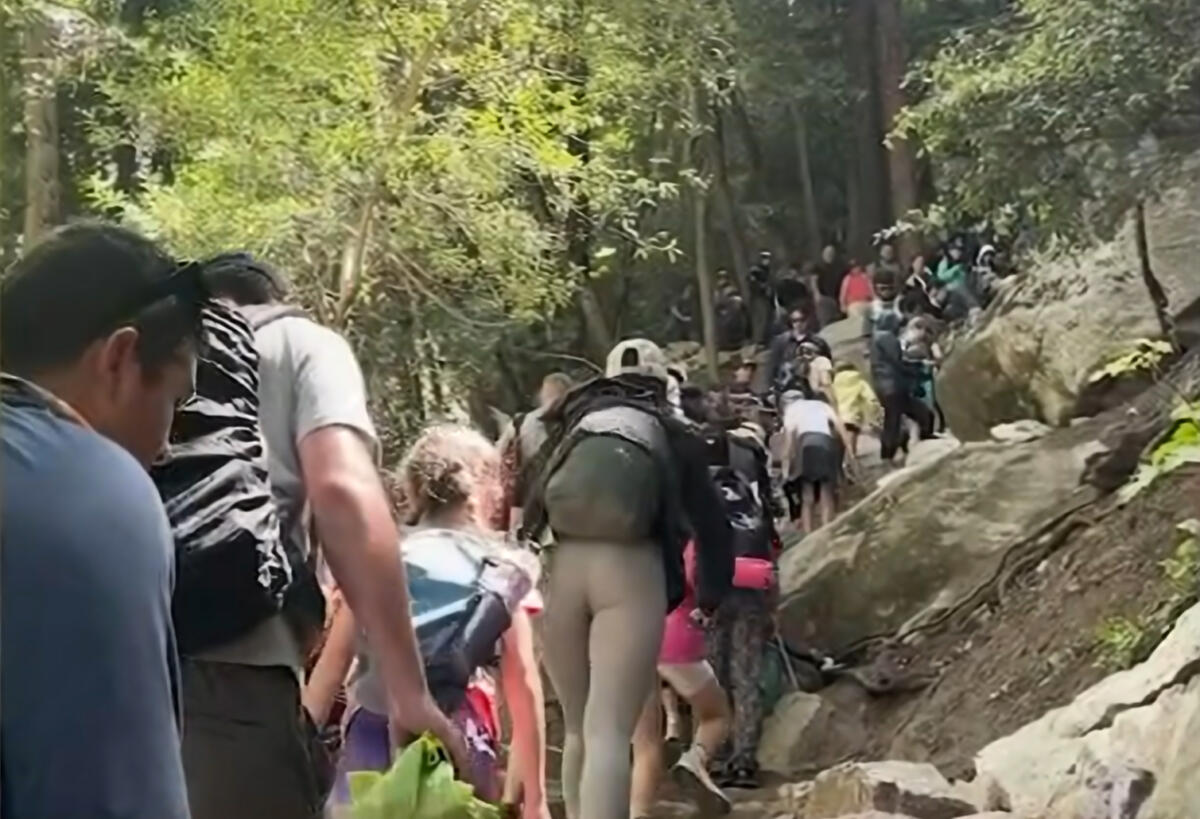
From Yellowstone to Zion to Glacier to the Smokies, gateway communities are dealing with a difficult mix of rising tourism pressure, staffing shortages, higher costs, housing problems, and aging infrastructure. In some places, local officials say they’re struggling just to keep up with the number of visitors arriving every day.
And for RVers, that can mean longer waits, fewer services, crowded roads, and significantly higher prices.
The towns were never built for this many visitors
Many gateway towns were originally small communities built around seasonal tourism. But national park visitation exploded over the past decade, especially after the pandemic-era outdoor travel boom.
Some towns now face traffic levels, campground demand, and infrastructure strain that far exceed what local roads, utilities, and businesses were designed to handle.
In popular areas near parks like Yellowstone, Glacier, Zion, Acadia, and Rocky Mountain, RVers are increasingly encountering packed grocery stores, overflowing parking lots, long restaurant waits, and fuel stations stretched to capacity during peak travel days.
In some communities, even basic services like trash collection and water systems are under stress during the busiest parts of the season.
Workers can’t afford to live there
One of the biggest problems facing gateway towns is housing.
As tourism increased, short-term rentals and rising property values pushed housing prices higher in many park communities. Workers who run restaurants, campgrounds, repair shops, and stores are finding it difficult—or impossible—to afford living nearby.
This is happening near Joshua Tree National Park, and it’s a big issue for residents.
That has created staffing shortages throughout many tourist towns.
Some businesses are shortening hours simply because they can’t hire enough people. Others are operating with smaller staffs during what should be the busiest travel season of the year.
For RVers, that can translate into slower service, reduced campground staffing, fewer open restaurants, and difficulty getting repairs completed quickly.
RVers are noticing the price increases
Many RV travelers say gateway towns feel dramatically more expensive than they did just a few years ago.
Campground rates have climbed sharply in some regions. Restaurant prices are higher. Fuel near major parks often costs significantly more than in surrounding areas. Even basics like ice, firewood, and groceries can carry premium prices during peak season.
Some RVers are responding by staying farther away from national parks and driving in for day visits instead of camping near the entrances.
Others are shifting travel toward lesser-known parks and public lands that receive fewer visitors.
Some locals say tourism is becoming overwhelming
Tourism keeps many gateway towns alive economically. But in some communities, tensions are growing between residents and the sheer volume of visitors arriving every summer.
Locals in several high-profile park towns have raised concerns about traffic congestion, overcrowding, noise, environmental strain, and the loss of community character.
That doesn’t mean RVers aren’t welcome. But it does mean some towns are actively debating how much tourism growth they can realistically handle in the future.
What you can do
Experienced RVers already know a few strategies that help reduce stress in busy gateway communities:
• Arrive midweek instead of weekends.
• Fuel up before reaching park towns.
• Visit during shoulder seasons when possible.
• Support locally owned businesses.
• Be patient with workers during peak travel periods.
• Camp/stay outside the busiest corridors and drive into the parks early in the morning or in the evening.
Many gateway towns still depend heavily on RV travelers and tourism dollars. But this summer, the pressure on those communities is becoming harder to ignore.
And for RVers planning national park trips, understanding what these towns are facing may help explain why travel near America’s most popular parks feels different than it used to.
If you’re seeing workers who are clearly overworked and stressed, be patient. They’re doing their best.
Readers who have been following me know that the Bluetti Elite 200 V2 was my favorite portable power station (and I’ve tried a lot of portable power stations). But notice I used the word “was.” That’s because Bluetti has a new version—the Bluetti Elite 300—and it has now claimed my top spot.
What makes the 300 so much better than the 200? In two words: more power. But beyond that, it’s the ability to plug a 30-amp RV cord directly into it.
Over the years, people have often asked whether I could charge my trailer from my portable power stations. Usually, the answer was no. My power stations could run appliances and devices, but they couldn’t charge the trailer batteries. This one changes that.
That’s right—You can charge your RV directly using the TT-30 port and run your RV devices with the 12V/30A DC output. Keep your fridge, lights, fans, and water pump running while also charging phones, laptops, and routers—all without complicated adapters.
To be fair, my OUPES Mega 2 power station can do that, as well, and it’s also a quality unit. However, I prefer the Bluetti because it takes up slightly less space, and, on a personal note, I like the way the solar panels connect better.
Having that 30-amp connection means you can boondock, recharge the power station with solar panels, use it to recharge your RV batteries, and keep the adventure going.
With the available Charger 2 accessory, which pulls up to 1,200 W from both your vehicle’s alternator and solar panels, you can far outpace a standard 12 V car socket, charging your Elite 300 13 times faster while driving than just the 12 volt plug alone.
For those with older rigs, like mine, that don’t already have solar installed, this portable power station offers an easy, portable, and more affordable solution that can move with you to your next RV.
Bluetti Elite 300 stats
• Battery type: LiFePO₄ (Lithium Iron Phosphate)
• Battery capacity: 3,014.4 Wh (314 Ah)
• Cycle life: 6,000+ cycles to 80% capacity
• Surge power: 4,800W
• Lifting power: 4,800W
• Charging temperature: 32°F to 104°F (0°C to 40°C)
• Discharging temperature: -4°F to 104°F (-20°C to 40°C)
• AC input: 1,800W, 15A max, 120V, 50/60Hz
• Solar input: 1,200W max, 12V–60V, 22A max
Total outlets:
• 4 × Standard AC outlets
• 1 × NEMA TT-30
• 1 × 12V/30A port
• 2 × 15W USB-A
• 1 × 100W USB-C
• 1 × 140W USB-C
• 1 × Cigarette lighter port (120W max)
AC output:
• 2,400W max (discharging)
• 120V, 50/60Hz AC output (bypass)
• 1,800W max, 120/60Hz
What I especially like about the Bluetti Elite 300 portable power station
• Quick charging! When I took this power station out of the box to charge it the first time, it went from 30% to 100% in about two hours on AC using the standard mode, meaning it can charge even quicker if using turbo mode.
• There is even a silent charging mode. It takes a little longer but makes virtually no noise—not that there is much noise in regular mode, but power stations do have fans that come on automatically.
• Power lifting mode allows you to run high-power heating devices, such as hair dryers or electric kettles. While the Elite 300’s actual power output is 2,400W, power lifting mode can handle appliances rated from 2,400W to 4,800W.
• UPS mode allows you to plug the power station into a wall outlet, which powers any appliances plugged into the unit. If the power goes out, those appliances automatically switch to battery power, which is especially useful in places with unstable electricity. You can also personalize this mode with your desired charging and discharging schedule.
• Self-grid adaptation mode automatically adjusts to handle power fluctuations when charging from unstable sources, such as a generator or unreliable grid power.
• The sturdy built-in handles are located on the sides, which means the top of the power station remains flat (unlike some competitors, such as Jackery). That makes it more space-efficient and easier to pack when it’s time to move.
• For the amount of power it provides, this power station is surprisingly compact (though still heavy—see below), measuring just 14.41 × 12.01 × 11.71 inches.
• There are four ways to charge the power station: AC outlet, solar panels, your vehicle’s 12V or 24V outlet, or a traditional generator.
• Control via the device itself or remotely through the app.
• Supports pass-through charging.
• Advanced settings allow you to adjust sleep time, grid self-adaptation mode, ECO mode, and more.
• Comes with a 5-year warranty.
Are there any downsides?
It comes with the territory, but for this much power, a portable power station is going to be heavy. This one weighs in at 57.98 pounds. That said, the sturdy handles and smart design make it manageable. I’m a 60-something woman and can handle it myself. With two people, it’s a breeze.
Also, it’s a minor issue, but it would be nice if Bluetti included the necessary accessories and cords along with a carrying case for them with the power station. Sadly, unlike most other manufacturers, they don’t. So, budget a little extra for the cords and accessories you will need and find a bag to keep them all together.
We use cookies to ensure that we give you the best experience on our website. By continuing to use our site, you consent to accepting cookies. We NEVER have or will sell reader's data. For more info, please see our privacy policy page.