By Russ and Tiña De Maris Do you like beer? Would you mind driving around in a company-provided camper van, visiting national parks, doing a little hiking? Could you stand making $50,000 for six months of this kick-back work? Then Michelob wants you for an RV job. Their successful CEO, or Chief Exploration Officer, will get the money and the job.
Job qualifications
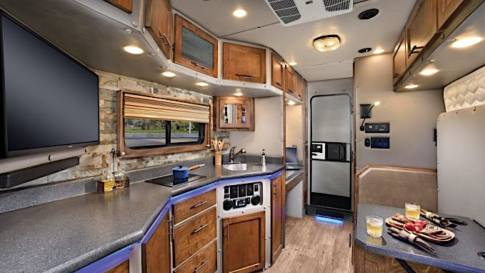
Michelob’s successful candidate is somebody who really loves the outdoors. They’ll need to be good with a still or video camera, and know how to edit their work. And what RV job these days doesn’t require an understanding (and compliance) with safe protocols under COVID-19?
Being physically fit looks to be a necessity. Michelob sees their CEO as somebody who’ll be hiking around a lot. The brewski company wants their explorer to really get a feel for the land and be able to capture those impressions.
Since you’ll be driving that Class B motorhome, you’ll need to have a valid driver’s license. And, yeah, to be able to “reapp” liquid refreshment, courtesy of your employer, you’ll need to be 21. In fact, just to see the details of this offer on the company website, you’ll need to input your birth date.
Oh, the places you’ll go!
Where will you go on your six-month sojourn? Here’s the destination list of national parks at the time the company posted the “job opening”:
Yosemite
Sequoia
Big Bend
Saguaro
Joshua Tree
Of course, the itinerary is subject to change. After all, there’s no accounting for the driveability (or existence of) any national park in these troubled times. But the list gives you an idea of what the company has in mind.
Bring a friend
Is it the ideal RV job? For some, sure enough. If you’re concerned that you might get a little lonesome on the road for six months among the trees (and cactus), fear not. Michelob says you can bring a traveling companion, be it canine or bi-pedal.
Welcome to RVtravel.com, the newsletter for intelligent, open-minded RVers. If you comment on an article, do it with respect for others. If not, you will be denied posting privileges. Please tell your friends about us!
Learn about RV camping, RV travel, RV news and much more. This newsletter, now in its 20th year of continuous publication, is made possible in large part by thevoluntary subscription contributions from our readers.
If you shop at Amazon, please visit through our affiliate site (we get a little commission that way – and you don’t pay any extra). Thank you!
[activecampaign form=38]
September 26, 2020 Non-Members (advertising supported) edition
Editor’s corner
With Chuck Woodbury
The latest statistics, for RV sales in August, were released Friday. And once again they reveal that recreational vehicle sales continue to boom. What’s most interesting is the number of towables being sold compared to motorhomes — it’s getting close to a 10 to one ratio!
Sales of towable RVs, led by conventional travel trailers, totaled 35,561 units for the month, an increase of 20.8 percent from last August’s 29,448 units. Motorhomes finished the month with 3,928 units, down 7.1 percent compared to August 2019. We’ll have a breakdown of sales with charts in tomorrow’s newsletter.
This brand- new, 2021 trailer can be yours for less than $15,000. Finance it for 10 years.
Sales of travel trailers dominated. Most were cheap (and we mean “cheap” – as in stapled and glued together), lightweight models that can be pulled by an SUV or family car. Many, if not most, of the sales were the $20,000 and less models (think Three Little Pigs straw house). In the industry these are referred to as “stick-and-tin” models. Like Rodney Dangerfield, they “don’t get no respect,” at least for quality construction. They do get respect for how easily they sell, and dealers get to hawk highly profitable extended warranties or long-term financing (Camping World is the Champ) on the often gullible, impulsive buyers.
PEOPLE ARE BUYING RVs for many reasons. For some it’s because it’s the safest way to travel. For others, it’s for family vacations. But they also buy them to travel with as they work remotely wherever they are. And they’re buying them because it’s finally time to retire, and, pandemic be damned, it won’t keep them from fulfilling their dream!
So many children are being home-schooled now that it doesn’t matter if they’re sitting at their computer in a suburban neighborhood or in a gorgeous state park (with internet access, of course). So why not buy an RV and hit the road? The kids can learn as much or more traveling than they would in a classroom.
I was on a conference call the other day with two dozen industry leaders, including many RV dealers. One central Oregon dealer said that 700 homes in his area were destroyed in recent wildfires and that many of the victims were buying RVs. I wonder how many of them will say “the heck with rebuilding” and simply remain RV dwellers; when the next wildfire speeds their way, they can beeline outta Dodge in a few hours.
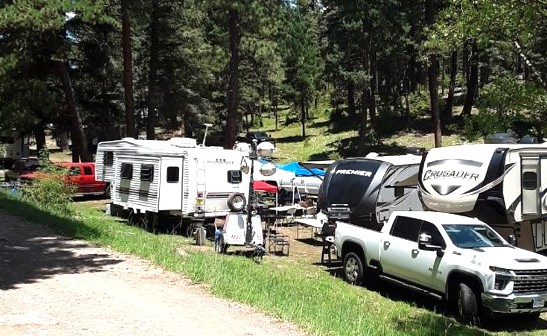
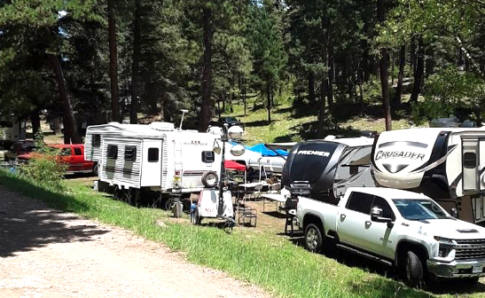
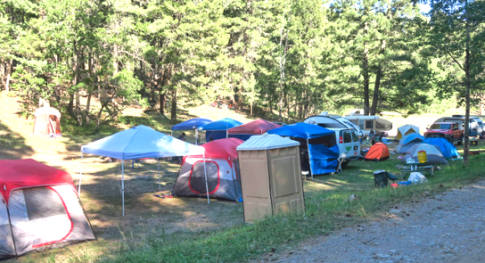
Anyone who spent much time in RV parks knows that this is often the scene outside their RV’s window. The word “camping” does not apply here. “Staying” does.
SO WHAT DOES ALL THIS MEAN?
To me it means more people every month fighting for a place to stay. The RV industry is predicting sizzling sales through 2021. Some say the boom will continue for another five years. New RV parks are being built, yes, but it’s a pittance compared to demand. And many that are being built are “resorts” with fees of $100 a night or more. That’s where the money is if you want to build a campground.
Read Suzanne Anthony’s article this issue about the horrible crowded scene she came upon at the “idyllic” boondocking area she expected. And be sure to check out our weekly “Crowded Campgrounds” blog where readers talk about their experiences.
So what can we do about crowding? That’s fodder for a whole lot more discussion, with, I suspect, no easy answers.
P.S. I’m finishing up a week camping in a beautiful Cascade forest near Seattle. The rain has been relentless. I feel like I’m in a rainforest. But all is good. Here’s why.
FREE FOR YOU!
We have a nice surprise for you in tomorrow’s newsletter — instructions where you can get a free “2021 RV Model Year Guide.” If you’re in the market for a new RV or simply curious about the latest developments in recreational vehicles then this will provide good reading. The fact that this is free, with no strings attached, makes it an especially outstanding (and rare) offer. UPDATE: The publication can only be read online at this time.)
DON’T FORGET
Today is National Public Lands Day. Admission to National Park sites that normally require a fee is free today. So when you’re finished reading this newsletter, head on out to a nearby park!
IN TOMORROW’S ISSUE
Would you spend $409 to camp one night in an Airstream trailer at a Cape Cod RV park? A new park there is betting you will!
If you’re a member of Facebook, join the helpful discussion at the group RV Advice. Our editors moderate.
MEET YOUR FELLOW READERS
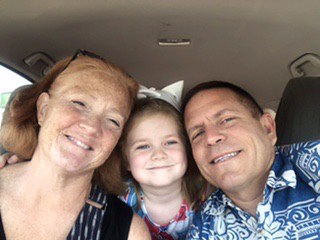
In our search to know our readers better, we’ve asked that they tell us about themselves. We know that thousands of them have followed us for a decade or more. We’ve met a few hundred of them through the years, which has been very nice. But who else, we wonder, reads what we write week after week? So, please, tell us about yourself! Here’s our latest installment of Meet our Readers.
Would you pay two cents to read this newsletter? RVtravel.com, and the 650 newsletters about RVing we publish every year, would not be possible without the financial support of our members, those 3 percent of all readers who voluntarily subscribe. Now, in the most challenging time of our lives, your support is needed more than ever for us to be your #1 source of news, information and advice about RVing. Every contribution makes a difference. A donation of only $12 a year comes out to less than 2 cents for each issue we publish! And when you become a member, you receive a special member-only ad-free version of this newsletter. Learn more or donate.
This might be one way to get people to wear a mask!
COPYRIGHT 2020 by Clint Norrell
FEATURED STORY
Boondocking gone wrong: One woman’s experience
RVer Suzanne Anthony had recently learned about an “idyllic” boondocking spot near Cloudcroft, New Mexico, in the Lincoln National Forest. She was looking for a place to escape the brutal heat of central Texas. She found the coordinates of the location, and headed off. What she found was horrifying, nothing like what she expected. Read more.
If you don’t like the view out your window … move
By Dave Helgeson, veteran boondocker
What’s the view out your window? Is it a reflection of your lifestyle and where you truly want to be in your RV – or is it a compromise made out of convenience and lack of perceived options? Yes, 2020 has been a tough year for everyone, including RVers. However, there is no reason to despair as there are options you may not be considering! Here are some strategies to improve the view out your window.
Casino RV camping, September 26, 2020
The great fall migration of RVers has started and casino camping is a valuable resource for the journey. Just like birds, RVers flock to warmer climates so they can winter without snow, cold, or a shovel in hand. A lot of campgrounds are full and getting a site means planning well in advance. … In this week’s column, we are sharing some of our reader’s submissions that may help others with their own fall migration plans. Read more.
Deep-clean your black tank to prevent nasty outhouse smell
By Nanci Dixon
When the winds of time blow in the wrong direction and the bathroom vent just doesn’t seem to siphon all the scent away, it is time for the deep clean. Sigh. We have a flush system that works pretty well. Dump, rinse, repeat, rinse, repeat. I will admit that I do close the tank, fill with water, count to 200 and dump again – against every warning plastered in our water bay. Continue reading.
Last year at this time, these were the most popular articles
This British newsreel from 1965 shows what it was like to live in a “Home on Wheels” back in those times. Some of the residents of these “mobile” homes planted themselves pretty securely in one location, even maintaining lawns and gardens. In this video, you may conclude that while RVing has changed in the last half century, some things remain very familiar. This is fun!
Brain Teaser
Who is your mother’s only sister’s son’s brother’s aunt’s daughter’s sister’s father?
(Shhh. Don’t give it away. Answer in tomorrow’s Sunday News newsletter.)
Reader Poll
Have you ever done any damage to your RV while backing up?
Please let us know. After you click your response, you’ll see how others have responded. Feel free to leave a comment. CLICK HERE.
The most popular poll in this past week’s RV Daily Tips newsletters: How often do you purchase something online? See how nearly 2,200 other RVers responded and cast your vote too.
Not what you think!
Wow! Beautiful RV, right? Well, no, it’s not an RV at all. So what is it? A boat? Nope. If you want to know, you’ll need to visit here and we’ll explain.
A plea to take care of our forests and extinguish campfires
Remember what Smokey Bear always says: “Only you can prevent forest fires!”? It pertains to wildfires, too, particularly when caused by campfires. Here is a warning from the U.S. Forest Service about an increase in abandoned campfires, and some tips for campfire safety. Learn more, and please keep our forests and surrounding areas safe from wildfires.
Wheelchair-bound family finds joy in RVing
By Nanci Dixon
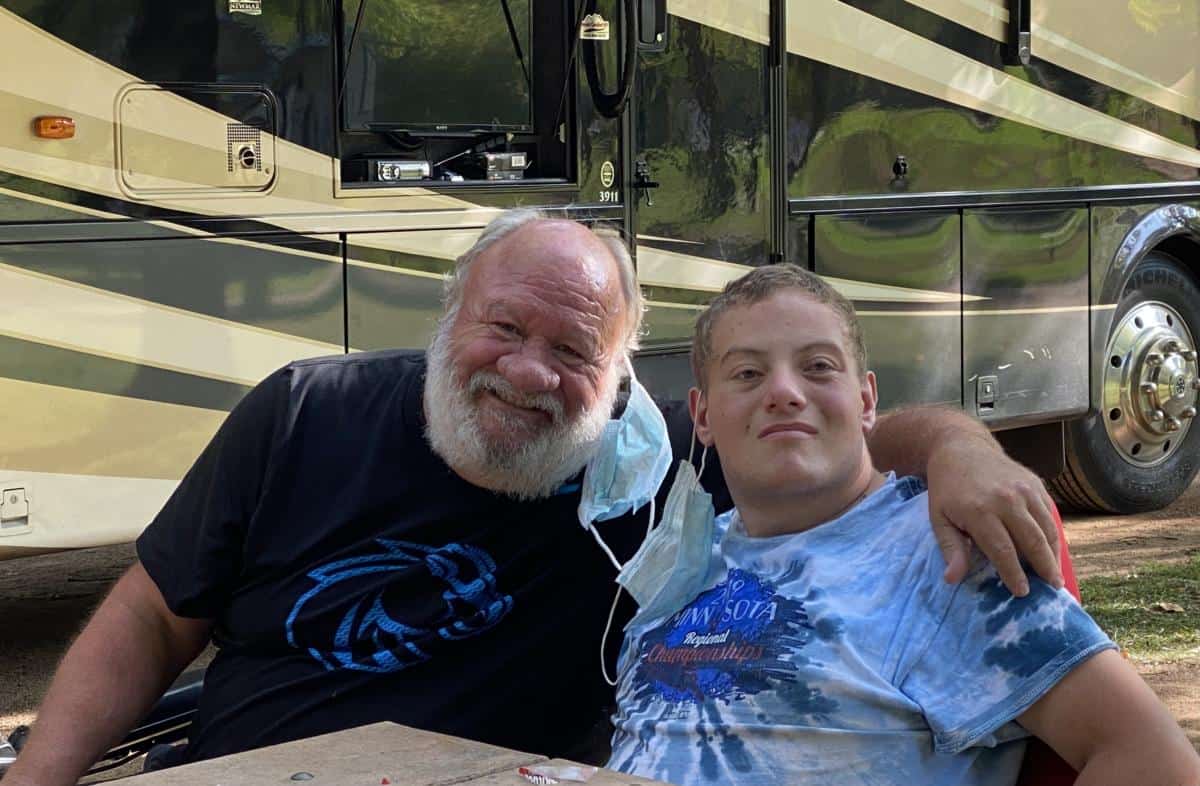
I met fellow RVers Mark Swanson and his son, Shane, at the campground earlier this week. Both Dad and Shane are wheelchair-bound, but that is not stopping them from being avid RVers. Shane was born with spina bifida and has no use of his legs. Mark grew up camping and wanted to share that with his son. Read more about this amazing and inspirational young man and his RVing family here. (Shane has how many gold medals?!)
Instant Pot Cookin’: Super-Yummy Meatballs
These super-yummy meatballs are easy and quick to make in the Instant Pot™. I have been keeping the Instant Pot on the RV countertop and the curry jar close. I love curry and this is the third recipe in a row I have done with curry in it. … I will probably lay off curry for a while now. Read more and get the recipe here.
Boondockers Welcome — Stay at homes of RVers who welcome you in their driveways, yards, farmland or other space on their private property. Great alternative to crowded RV parks. Modest membership fee. Learn more.
Young architect builds RV with essential amenities for $1,400
A 23-year-old recently graduated architecture student from Tamil Nadu, India, has hit the news. Dismayed at how much poor people were spending on housing, he’s come up with a potential solution. Arun Prabhu has built what’s possibly India’s first home-brew motorhome. This is pretty cool!
Campground crowding. Discussion for September 26, 2020
More people than ever are taking up RVing. These newbies have determined that RVing is the safest way to travel in our pandemic times. The result is campground crowding like never before. In this weekly blog, RV Travel readers discuss their experiences. Maybe we can make some sense of this and find ways to work around the problem. Here are a few observations from our readers.
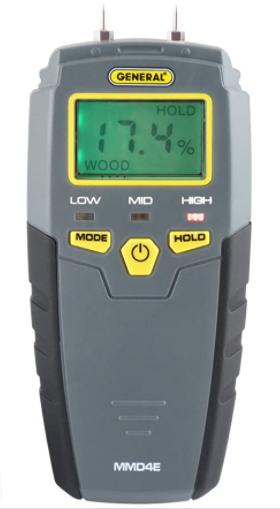
How would you like to win this Digital Moisture Meter? Well, this might be your lucky day! In one of this past week’s RV Daily Tips Newsletters we published a secret phrase. Simply email the phrase to us at RVcontests@gmail.com . We’ll select a winner at random out of all entries we receive today (September 26, 2020) by 11 a.m. Pacific time. Remember, you can only enter once and after we notify you by email that you won, you have 24 hours to respond or we’ll give the prize to someone else.
LAST WEEK’S WINNER of the Emergency Road Flares was John Mooney of Palm Springs, California. The previous week’s winner of the George Foreman Grill was Jack Sanders of Lake Placid, Florida.
3-in-1 NOAA radio, flashlight and charger must-have for RVers This emergency hand-crank radio is a necessity for RVers. Keep it somewhere safe, you never know when it will come in handy. The 3-in-1 radio is also a bright LED flashlight and a smartphone charger. The radio can be charged via solar charging, hand cranking or a USB plug. You’ll want to buy one here.
Resources
Where to complain about bad RVs, dealers, service, RV parks. This is an ever-expanding list of resources where you can report, share or discuss your problems with RV manufacturers or dealers.
Directory of RV parks with storm shelters
In case you’re on the road with your RV and the weather report is showing a tornado headed your way, have this list handy.
New device keeps your fresh water tank clean. So simple, yet effective!
By Tony Barthel
Using bleach to sanitize a fresh water tank in an RV is something that has become customary for many. But it’s not as easy to sanitize a fresh water tank when you’re worrying about getting bleach all over you or your RV. Here’s where the RV Inline Sanitizer comes in handy. Read more.
Come into the light… Our favorite electricity guy, Mike Sokol, uses this Caterpillar pocket light for just about everything. He writes, “I bought one of these CAT CY1000 Pocket COB Lights a few months ago and liked it so much that I also picked up one for my dad. I’ve dropped it a bunch of times, and it still keeps working, like any of the other tough-as-nails CAT products.” It easily clips on to your belt, shirt pocket, or anything magnetic, so you can work hands-free. Learn more or order.
A new blog: RV Warranties
Should I buy an extended warranty for my RV?
By Tony Barthel
Should you buy an extended warranty? It’s one of the most frequently asked questions and something, again, for which there isn’t just one answer. So, should you? … That depends. As we shared in our previous column, an RV extended warranty is basically legalized gambling. Read more.
RV parks all booked up? Stay at farms, wineries and other scenic and peaceful locations for free. Save 15% on a membership to Harvest Hosts. Learn more.
RV Electricity
Hybrid inverter-powered air conditioner
Dear Readers, All the pieces of my battery-powered air conditioner experiment are coming together nicely. Here’s the first lab data I gathered last week for proof of concept. To be clear about how I create demonstrations, many times I’m integrating multiple pieces of gear together in strange ways that have never been tried before, which means I’m the first guy to try that combination. Read more on Mike’s experiment and what it might mean for RVers in the future.
This week’s J.A.M. (Just Ask Mike) Session
Solar-powered air conditioner update
Dear Mike, How is your solar panel air conditioner experiment coming along? Lots of us want to know if it’s possible and how much it will cost. —Andy
What does RV “weight creep” have to do with tire safety?
By Roger Marble I have covered the importance of knowing your actual RV weight, as that has a direct impact on your tire loading, which then affects your tire life. … Roger explains where to get your RV weighed, and how every little knick-knack you add inside may have an overall negative effect on your tires. Learn more.
Building an RV Park
Vendors and more vendors! Plus paperwork progress
By Machelle James When you shop in a store, it probably doesn’t occur to you who the parent company is for that product. As in, “Hey, who makes and owns these delicious Twinkies”? I never thought of it myself until today. I think I know what we are going to sell in our camp store, but that can change based on our guests’ needs and requests. … Read more about Machelle and AJ’s ongoing (never-ending) paperwork, and offer suggestions for items to carry in their store here.
The RV Kitchen
Punch Bowl Butterfinger Trifle
Sweet and sinful dessert. Any bowl will do but you get bonus points if you have a large, clear plastic bowl to show off the layers in this scrumptious dessert. Once it’s mixed up, this is a sinfully delicious goo. Nobody can guess what’s really in it. Get the recipe.
Fall has arrived and your RV needs some cheer!
Check out this adorable rustic fall RV flag. Its double-sided burlap design would make your RV look so festive! It can hang outside on a garden flag stand, or be hung inside too (we think it would look great hanging on your RV’s door!). The banner on the trailer says, “Happy Fall Y’All!” and the pumpkins, owl and sunflowers are a cheerful touch. Get one for yourself for less than $6.
The Digital RVer
Hey, you ought to write a book
How many people have told you that you ought to write a book? After all, you have a ton of travel stories to tell, you’ve led an interesting life, and you have lots of expertise in some areas. You could probably write two or three books, right? But, don’t you need a publisher first? There are several reasons you may want to publish a book. Read about them here, and how to do it.
Fire Extinguishing Aerosol, Two-pack The First Alert Tundra Fire Extinguishing Aerosol Spray is easier to use and discharges 4 times longer than traditional fire extinguishers. With an aerosol nozzle and portable size, it’s suited for the kitchen, car, garage, boat or RV. The formula wipes away with a damp cloth & is biodegradable. Learn more or order.
Readers’ Pet of the Day
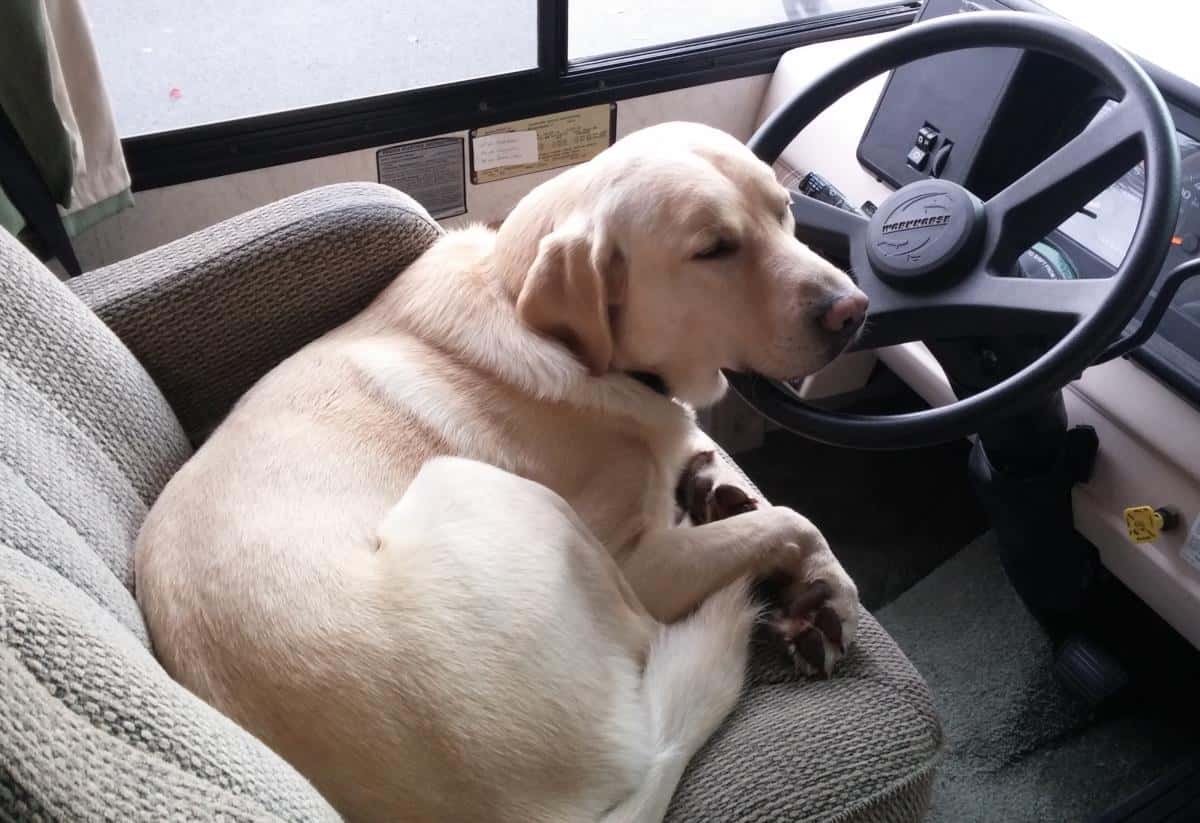
“Leroy having a snooze in the driver’s seat.” —Ron Hough
Historians estimate that about 300 of the original 2,000 miles of the Oregon Trail remain untouched. The rest has been lost to time or development. In many places, roads and highways were built directly over the popular route. However, many of the pioneers’ wagon ruts remain intact. In most places you can walk or hike along them (but be respectful). Here’s a good guide to traveling today’s Oregon Trail.
Editor and Publisher: Chuck Woodbury.Managing editor: Diane McGovern. Senior editors: Emily Woodbury, Russ and Tiña De Maris. Contributing writers: Mike Sokol, Roger Marble, Dave Helgeson, Janet Groene, Julianne Crane, Chris Guld, Machelle James, Nanci Dixon, Barry and Monique Zander, Keith Ward, J.M. Montigel, Tony Barthel, Clint Norrell, and Andrew Robinson. Social media and special projects director: Jessica Sarvis. Financial affairs director: Gail Meyring. IT wrangler: Kim Christiansen.
FOREVER IN OUR MEMORIES — OUR STAFF MEMBER IN HEAVEN, Gary Bunzer, the RV Doctor, who was taken from us by the coronavirus.
Honorary Correspondents: Loyal readers who regularly email us leads about news stories and other information and resources that aid our own news-gathering efforts. • Mike Sherman • George Bliss • Tom and Lois Speirs • Steve Barnes + others who we will add later.
REGIONAL AND LOCAL ADVERTISING: We can now run banners on RVtravel.com in your town or in a designated area near you, for example to readers within 100, 200, etc., miles of your business. For all advertising information, contact Chuck Woodbury at chuck (at) RVtravel.com.
Everything in this newsletter is true to the best of our knowledge. But we occasionally get something wrong. We’re just human! So don’t go spending $10,000 on something we said was good simply because we said so, or fixing something according to what we suggested (check with your own technician first). Maybe we made a mistake.Tips and/or comments in this newsletter are those of the authors and may not reflect the views of RVtravel.com or this newsletter.
RVtravel.com is a participant in the Amazon Services LLC Associates Program, an affiliate advertising program designed to provide a means for sites to earn advertising fees by advertising and linking to Amazon.com. As an Amazon Associate we earn from qualifying purchases. Regardless of this potential revenue, unless stated otherwise, we only recommend products or services we believe provide value to our readers.
FRANKENSTEIN, 1931, Boris Karloff, Colin Clive and Dwight Frye. (Click to enlarge)
All the pieces of my solar/battery-powered air conditioner experiment are coming together nicely. Here’s the first lab data I gathered last week for proof of concept.
To be clear about how I create demonstrations, many times I’m integrating multiple pieces of gear together in strange ways that have never been tried before, which means I’m the first guy to try that combination.
So I first create a hypothesis on how I think it might work, design a mathematical model predicting the results, then run a test to gather empirical (real world) data. Then I compare the results of this data with my predictive model to see how close the reality is to my prediction.
Is it real, or just my ‘magination?
Sometimes reality agrees with my prediction perfectly, while other times it’s off by an order of magnitude or more. If I do nail the number, that suggests I probably understand what’s happening in the circuit. But if that number is way off, the implication is that I missed something in the calculations and need to rethink my mathematical model. To get in the mood, feel free to listen to “Just My Imagination” from the Temptations by clicking on the picture.
Math (slide) rules!
In this case, the data I’m gathering is matching nicely with my hypothetical model, which means there’s probably no easy (read cheap) way to run a rooftop air conditioner from storage batteries in your RV. But it’s not impossible, and it’s getting closer to affordable.
What’s the experiment?
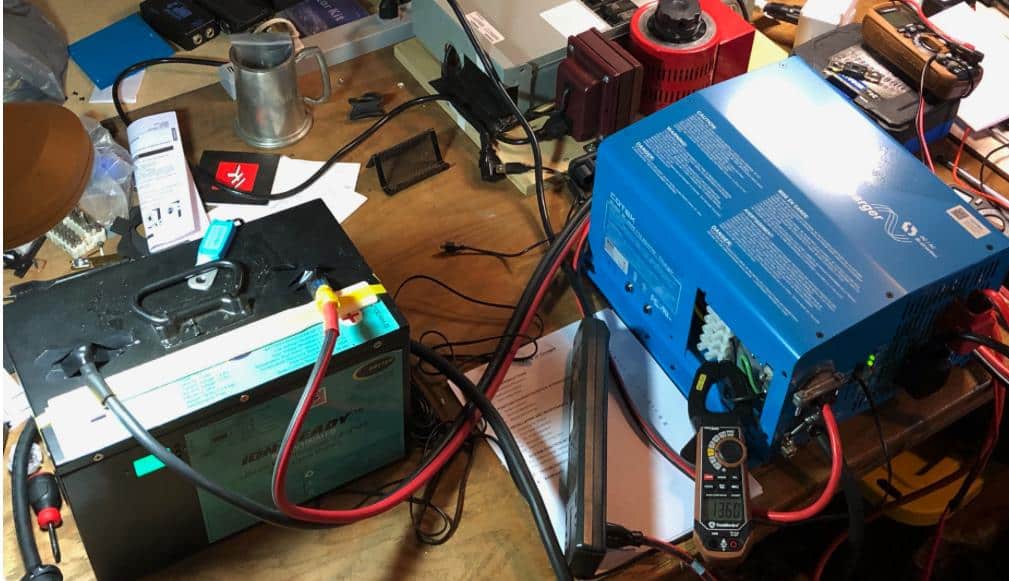
For Phase I of this experiment I’ve connected a 100 amp-hr Lithium-Iron battery (this one from Briter Products) into a CarGenerator™ SL-2000 Hybrid Inverter, and used it to power my Dometic Penguin II 15kBTU air conditioner. I finally moved it off of my bench to outside on the back deck in order to reduce the noise and wind blast of an air conditioner running for hours next to my ear.
First failure…
However, I quickly found that the SL-2000 Hybrid Inverter was having trouble starting a 15kBTU air conditioner compressor due to the high inrush starting current of 50+ amperes. But luckily I still have my SoftStartRV™ controller at the ready, and quickly connected it back in the circuit using WAGO lever connectors (I love those things). The inrush starting current reduced from 52 amps down to 24 amps, and the 2,000-watt inverter was able to start the 15kBTU air conditioner dozens of times.
I contacted CarGenerator’s tech support about this product, and they noted that the SL-3000 Hybrid Inverter would be a better choice for those wishing to run an air conditioner, but the SoftStartRV controller still might be a good idea simply because it reduces the starting inrush current to less than 50% of a stock starting capacitor.
Measurements…
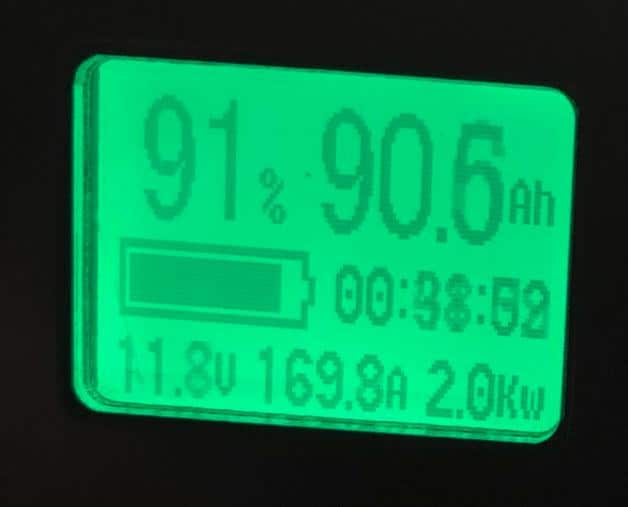
I used a Southwire True RMS clamp meter to monitor both the current on the 120-volt AC side feeding the air conditioner, as well as the 12-volt DC side feeding the Hybrid Inverter. The Briter Products Ion-Ready battery also has an on-board display showing the voltage, outgoing current and percentage of charge available, so I used that for measurements as well. Since this is a Lithium Iron Phosphate battery it’s safe to discharge it down to 0%, unlike a standard flooded-cell battery that you want to discharge no lower than 50% of capacity.
The numbers…
You can see from the Southwire clamp meter that this air conditioner requires around 13.5 amperes of current at 120 volts AC while the compressor is running, which forces the battery to supply up to 170 amps of current at 11.8 volts DC. That’s a shot of the battery monitor itself.
My prediction was this single 100 amp-hr Lithium battery could power the air conditioner at 100% duty cycle (the compressor running all the time) for around 35 to 40 minutes, and that’s exactly what my initial field data confirmed.
And with a 50% duty cycle of the compressor running 1/2 of the time, and the fan running all of the time, I predicted 60 to 70 minutes of operation from a single battery. And indeed I was able to get 65 minutes of run time while manually cycling the compressor on and off 50% of the time every 5 minutes. Yes, now I have to build a 50% duty cycle thermostat controller so I don’t have to do this by hand. My work is never done…
What does this mean?
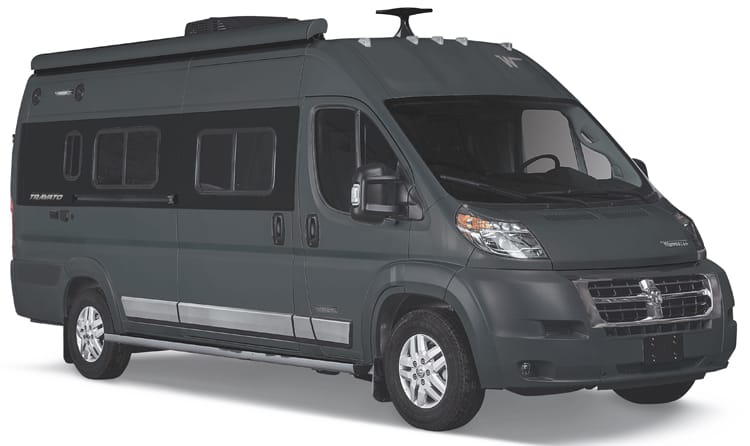
My first impressions of this technology are that it holds enormous promise for those of you wishing to boondock but still be able to run an air conditioner at night for sleeping comfort. But the numbers imply that you’ll need one 100 amp-hr lithium battery per hour of air conditioner run time. So two lithium batteries gets you 2 hours, 4 lithium batteries gets you 4 hours, and 8 lithium batteries gets you 8 hours of air conditioning. That’s 800 amp-hrs of current at 12 volts, which works out to 9,600 kWH of stored energy. This number agrees with the amount of battery capacity in the Winnebago Travato’s Volta storage system, which requires the equivalent of eight 100 amp-hr batteries for 8 hours of air conditioning. However, this is still pretty expensive for running an air conditioner overnight.
But wait, there’s more…
What I didn’t already write about is how this hybrid inverter and SoftStartRV combination can allow you to mooch-dock in a driveway powered by a 15-amp outlet by combining (blending) battery power with available shore power. So you can set the maximum current it’s allowed to pull from the shore power outlet to 13 or 14 amperes or thereabouts. at that point the limited shore power should be able to fully power the 14 amp requirements of the air conditioner while it’s running without adding in battery power.
However, if you have the SL-3000 unit you could not only run the air conditioner, but other 120-volt appliances as well. So you can also run your microwave, or hair dryer, and/or entertainment system for a limited time, all from a single 15-amp driveway outlet. Now, when the inverter needs to supply 25 amperes of 120-volt current, it will use 14 amps from the shore power cord, and make up the other 11 amps of 120-volt AC current by pulling 130 amperes from the battery, inverting it to 120-volts AC, and adding them together. A single 100 amp-hr Lithium battery could supply this extra backup power for at least 30 minutes or more. Talk about cool stuff…
Then, once the RV power requirements drop below your selected maximum current shore power settings, the Hybrid Inverter will seamlessly recharge the battery back to full capacity, all without exceeding your top current setting of 14 amperes from shore power.
“Just one more thing…” (yes, from “Columbo”)
My next experiment will demonstrate how I can use my vintage 1,000-watt Honda EX-1000 generator to power a 15kBTU air conditioner, or even utilize a 1,000-watt CarGenerator Inverter to power this all from my Nissan Frontier pickup truck for solar power backup. And this would be great for emergency power when hurricanes or fires leave you without power for weeks. I’ll post the results of these additional experiments in the next few weeks.
Symbiotic buddies….
Yes, I think that the CarGenerator SL-2000 or SL-3000 Hybrid Inverter and SoftStartRV make a great symbiotic team for mooch-docking, even with 1 or 2 lithium batteries. And if you want to go in deep (and have deep pockets as well), then they would work well with 4 or 8 lithium batteries.
I’m having too much fun with these experiments, so stay tuned for more in-depth analysis of how you can boondock with limited power.
Let’s play safe out there….
Mike Sokol is an electrical and professional sound expert with 50+ years in the industry. His excellent bookRV Electrical Safety is available at Amazon.com. For more info on Mike’s qualifications as an electrical expert, click here.
For information on how to support RVelectricity and No~Shock~Zone articles, seminars and videos, please click the I Like Mike Campaign.
We asked RVtravel.com readers to tell us about themselves. Here are a few responses.
From Marie Dalzell. My husband, Steve, and I live in NH and are new to camping; this is our first season! We decided life is too short to wait to buy a TT; none of us know if we have tomorrow. We both still work so we’re weekend warriors. For us, it’s being together with our two dogs. We mostly hang out together and love meeting new people.
From Troy, Katie and Lucy Wiltshire. I am a retired U.S. Marine helicopter mechanic. My family and I bought a 38’ Thor Challenger Class A motorhome three years ago when I retired, and hit the road full time. We have seen a lot, and more importantly my daughter, who was only two-and-a-half when we started, has experienced and seen more than most people will in their whole life. Now she’s kindergarten age and we are trying to settle in Pensacola, Fl, so she can go to school. We are still living in our motorhome, so we can still leave whenever we want.
We are Brad and Bev Andersen and we are new to RVing. We had just come off a 12-day cruise on March 12, 2020, and found our world had changed. With visiting other countries and cruising removed for the foreseeable future. We decided to go back to camping and after many hours of learning all we could about operating and maintaining an RV, we went out and purchased a 30 ft T.T. We are very much enjoying this lifestyle.
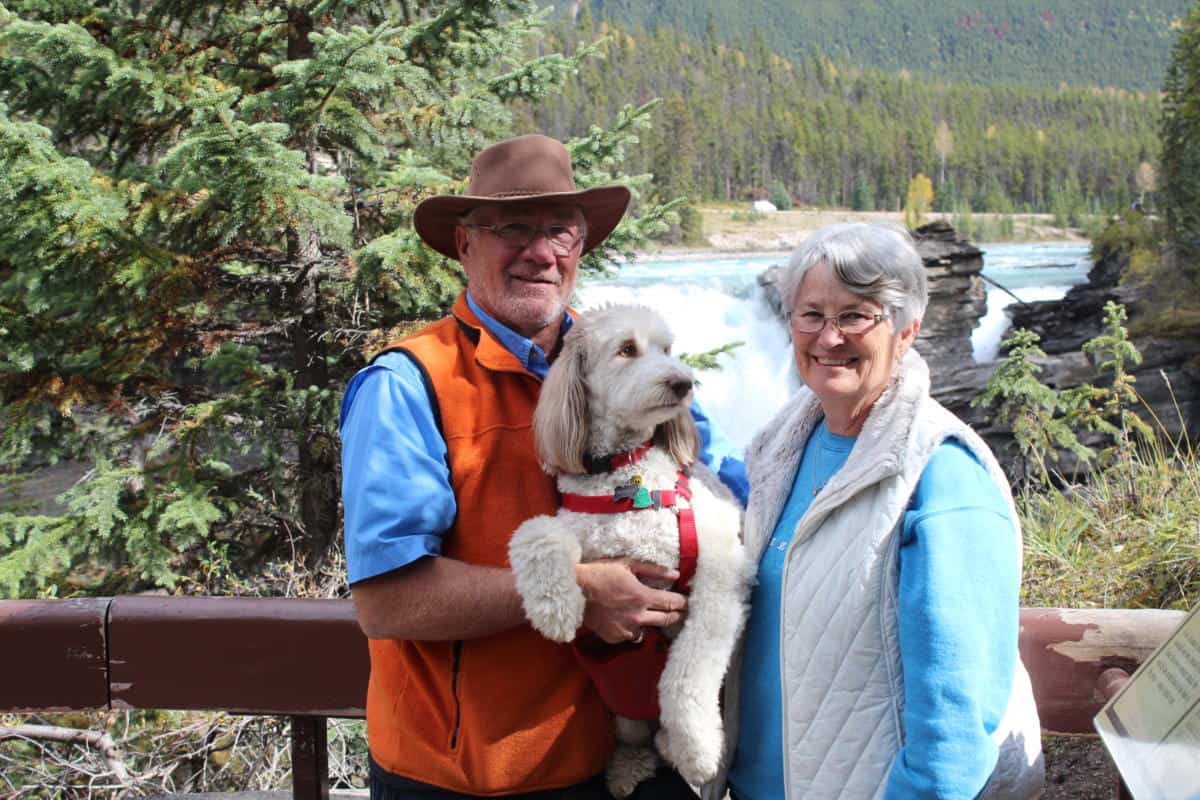
We’re Greg & Kathleen Johnson. We started RV’ing in 2010 after retiring from careers which required us to fly all over the U.S. and we wanted to see our beautiful country from the ground. We traveled in 46 states and 6 Canadian provinces in our 40-foot motorhome in 9 years. Last year we traded the motorhome for a 43-foot 5th wheel and continue to travel with our Golden Doodle “Hooch” [Hey! We just featured Hooch in our RV Daily Tips Newsletter. Check him out!] during the summers and spend 6 months stationary in it in AZ during the winters. We were booked on a 60-day Alaska caravan this past summer, but it was postponed to 2021 due to the COVID-19 situation. Hopefully, it will happen next year. In addition to seeing the country up close and personal, we most enjoy meeting other RVers on the road. We plan on continuing to RV as long as we can. Thanks, Chuck, for your wonderful RVing newsletter!
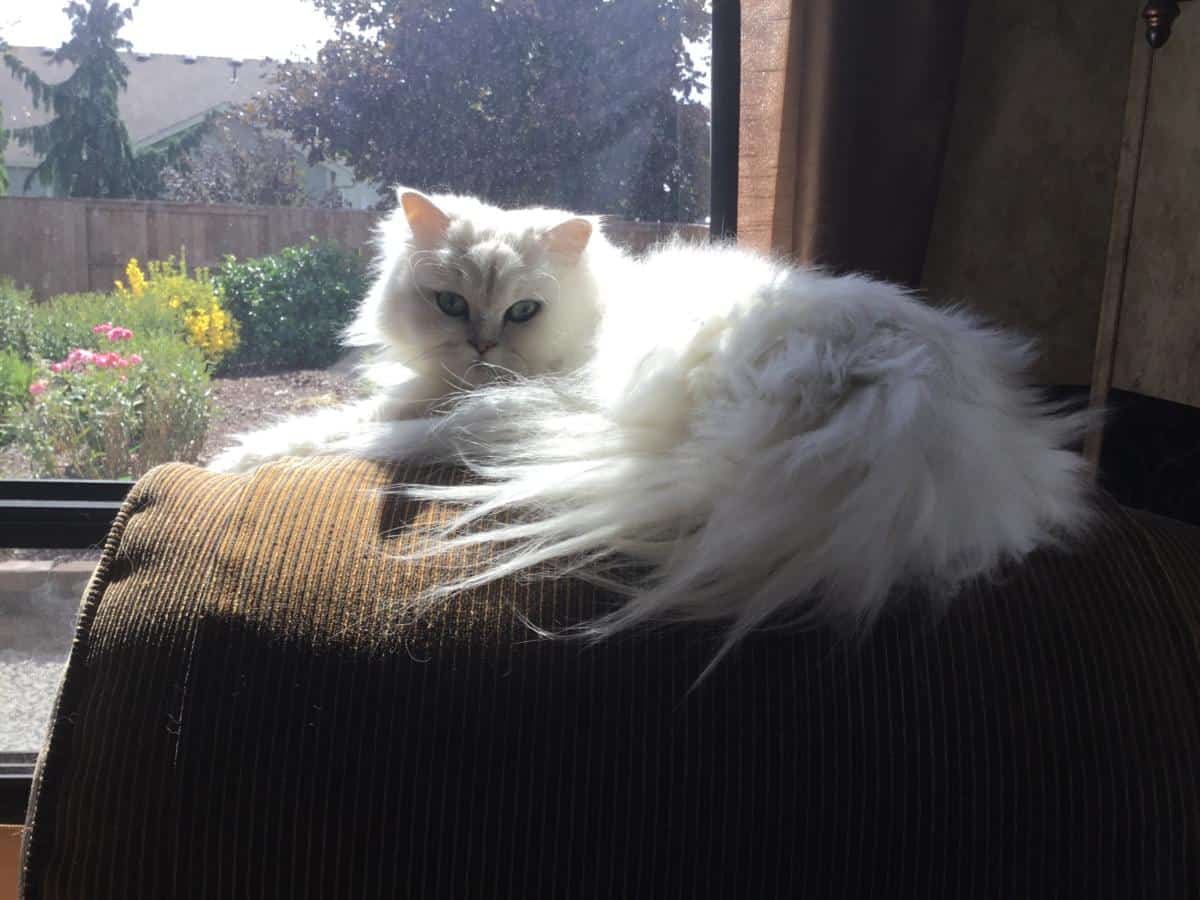
From Garth and Mary Reid. My husband & I are retired and travel often now in our 34’ Montana fifth wheel. Each Aug. we visit relatives in the Pacific NW to pick blackberries which I make into jam – cases of it – which we donate to raise funds for veterans organizations. We travel with our Dearheart Persians: Davy, Dougal, & Pip.
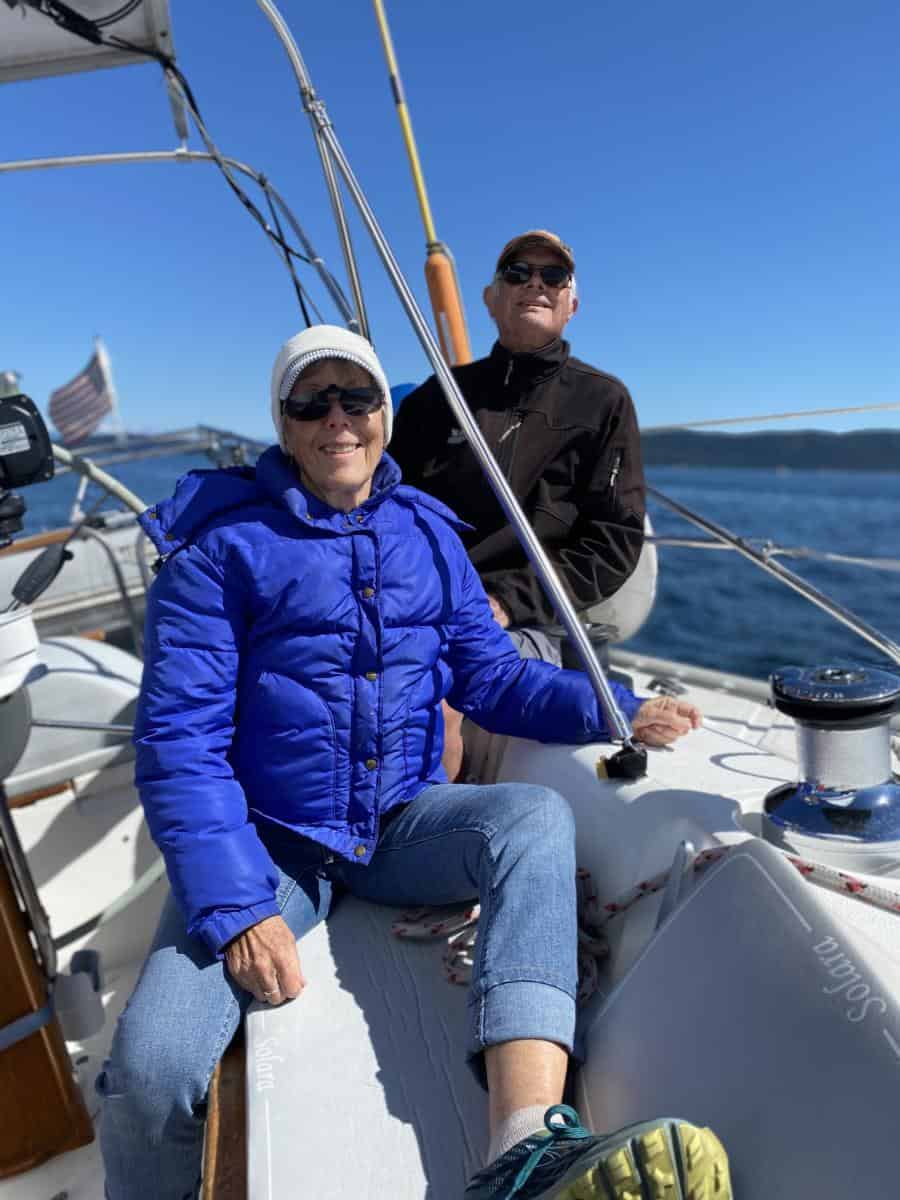
From Martha and Ben Francis/Goudey. Ben and I sold our home in central Washington October of 2016 and started traveling full time in a 17-foot Casita. The first year we traveled a lot in the west and discovered a beautiful spot in Arizona where we spend winters. Second two years I went through treatment and recovered from cancer, then covid hit, and in April we totaled our truck hauling our trailer and I sprained my foot (that was all). We persevere and spent two wonderful months in NW Washington away from heat and fires this summer and will head back to Arizona in October. The photo is from a sailing trip in the San Juan Islands this summer. We love our cozy little home and each other and God willing have no plans to stop the adventure.
Hi, we’re Rick and Sharon Lincoln, retired and loving it! We’ve been married 45 years, love to travel and have often talked about owning an RV. We finally pulled the trigger about 3 years ago and bought a 34-foot fifth wheel; a few months later we bought our truck! We live in California and definitely love spending a week at the beach as often as we can. We have also taken a couple of longer trips. We made the trip to the National Parks in Utah last year with our travel buddies. Our first trip this year was just about a month ago. We went on a road trip with two of our children and six grandchildren to Yellowstone. While there were many concerns, we were pleasantly surprised at how safe we felt while traveling and visiting Yellowstone. Our grandchildren love camping and love Gram’s fifth wheel! We try to plan trips with them at least a couple times a year. We believe in branching out and traveling as far as we can, seeing the amazing sights in our country, and making the most of our home on wheels. As for me, I spend a lot of time thinking about and looking for the next adventure!
We found this post by Suzanne Anthony on her blog “Take To The Highway.” What she wrote echoes what we are hearing so often these days about crowded conditions in RV parks and even boondocking areas.
Suzanne had recently learned about an “idyllic” boondocking spot near Cloudcroft, New Mexico, in the Lincoln National Forest. She was looking for a place to escape the brutal heat of central Texas. She found the coordinates, and then headed off. Here is part of what she wrote about the experience:
I have boondocked in just about every state west of the Mississippi, and I’ve never in my life seen anything like what manifests each Friday evening in the Lincoln National Forest. It’s bad. Really bad. Is this due to COVIDity? Or is this the norm? It’s like a train wreck, hard to look away. And they all have Texas plates when New Mexico has a quarantine mandate for out-of-state visitors.
I stopped by the ranger station to get a map and hiking info. The head ranger was there, so I asked him what was up. He said he had been stationed at this post for 25 years, and had never in his life seen anything like it. Certain areas (hike to the waterfall) had been closed off because they were being completely overrun by campers, and they don’t have the resources during COVID-19 to deal with it.
El Paso is only 108 miles away, he tells me, and they come to escape the heat. Would the last person leaving El Paso please turn out the lights? Oh, wait. No need to turn out the lights, because they brought the lights with them — a construction sized light pole!
Nearly every group has a generator. Why do you need a generator when camping in a tent? And there’s always a car among the group equipped with trunk speakers. . . I guess to drown out the generator noise. Nothing says “a weekend away in a quiet forest” like a giant sub-woofer.
So much for “Leave No Trace.” This bag was left 2 miles up the FS road from the highway.
And of course there are ATVs, UTVs, Polaris RZRs and dirt bikes, all buzzing up and down the forest road until long after dark. But never fear, they are equipped with roll-bar mounted spotlights, neon LED whip antennas and giant flags waving out the back.
WHILE I AM ENRAGED by the mess left behind, I can’t begrudge them for coming. They are all escaping the same triple digit misery I left behind. But what about social distancing? It’s a big forest, yet they congregate in tight-knit groups. I guess their idea of a “quarantine pod” is a little bigger than mine. So what about New Mexico’s quarantine mandate? There is a state law requiring anyone with out-of-state plates to quarantine upon crossing the state line for 14 days or the length of their visit, whichever is shorter. As long as they stay in the forest and don’t go into town, I suppose they consider it a legitimate quarantine.
So why on earth would I stay, one might wonder? Well, this “cloud” in Cloudcroft has a silver lining. Come Sunday afternoon, the place folds up and empties out. I have the place pretty much all to myself, save for two other “regulars.” During the week, there is an average of three rigs, tops, along the entire Forest Service road. I have kind neighbors who have my back, look after the rig while I am hiking, and always ask if I need anything from town.
So why stay with all that mayhem? Because come Sunday afternoon, the place empties out, and I have peace and serenity until the next Friday afternoon.
If you would like to read Suzanne’s blog, which continues beyond what we posted here, you can do so here.
Rain is pounding on the roof of my motorhome. It’s so loud that it would be hard to talk over it. I’ve headed off to the forest for a week, by myself this trip. I do my best thinking (and writing) when I’m alone, and my very best of it when I do it in my RV. It’s been that way for me for 30 years.
My neighbors, all around me.
My neighbors are fir trees, cedar trees, and assorted ferns in every direction. The nearest RV is 100 feet away, but hidden from me by trees and bushes. It’s like I am all alone. It’s so green and lush here I could easily imagine I were in a rainforest. It’s not, but it looks and feels like one today. Drip, drip, drip. . .
My 32-foot motorhome is “my mountain cabin.” I’m not in the mountains, but it feels like it with the tall trees all around. I grew up near Los Angeles, which is a desert. Our family camping trips were often to the mountains, where we camped under pine trees. To this day, anything that resembles a pine tree reminds me of those magical days from my childhood.
It’s too wet to go outdoors, so I have stayed inside all day, writing, Zooming with friends and associates, and savoring the sound of the rain. I love camping on a warm summer day, but I am equally happy on a dark and wet day like today. It’s incredibly cozy in my little portable home. I am content and happy.
OK. It’s 3 p.m., the time of day when I often begin to fade a bit. I think it’s a good time for my afternoon siesta. The pitter patter of rain on the roof will probably knock me out quickly.
I love my little motorhome, and I marvel how happy it can make me, even on a dark, wet, and otherwise miserable day.
Backing up is not always easy with an RV, whether a big ol’ motorhome or a towable rig. How many of us have been entertained in a campground watching a new arrival struggle with backing into a campsite? Anyone who has been an RVer for very long has probably enjoyed this free entertainment.
But, the fact is, backing up does not always result in a good outcome. Many of us have sideswiped a tree or poked a hole in the siding from a tree branch that we somehow didn’t see. Or how about the times we’ve bumped into a tree stump or other object too low to the ground to see in our side mirrors?
So how about you? Have you ever struck something while backing up with your RV that caused damage that needed to be repaired?
Please feel free to leave a comment. And, remember, sometimes the poll loads kinda slow, so hang on. It may take a few moments to show up.
By Nanci Dixon
I met fellow RVers Mark Swanson and his son, Shane, at the campground earlier this week. Both Dad and Shane are wheelchair-bound, but that is not stopping them from being avid RVers. Shane was born with spina bifida and has no use of his legs. Mark grew up camping and wanted to share that with his son. Their family has been camping together since Shane was a baby. They started in a tent and then moved to an ice house trailer. The ice house worked well because it could be lowered directly to the ground, so it allowed easier access for Shane’s wheelchair.
Shane is a paraplegic swimmer and by age twelve had broken five national records. In addition to being a champion swimmer, Shane plays a mean game of sled hockey. He is now 19 and continues to compete across the state and nation. He recently added another seven gold medals in the Junior Nationals. Getting to that level has been a journey. Shane was once hospitalized for 65 days, has had too many surgeries to even count, and continues to work through health problems that would stop most people.
Photo Credit Jason Olson
When COVID-19 hit earlier this year, all meets andevents were called off. Mark and Shane found themselves stuck inside with nothing to do. Shane was bored, Mark was bored, and they both were getting a bit depressed. The campgrounds were still closed so even their normal camping season was out of whack.
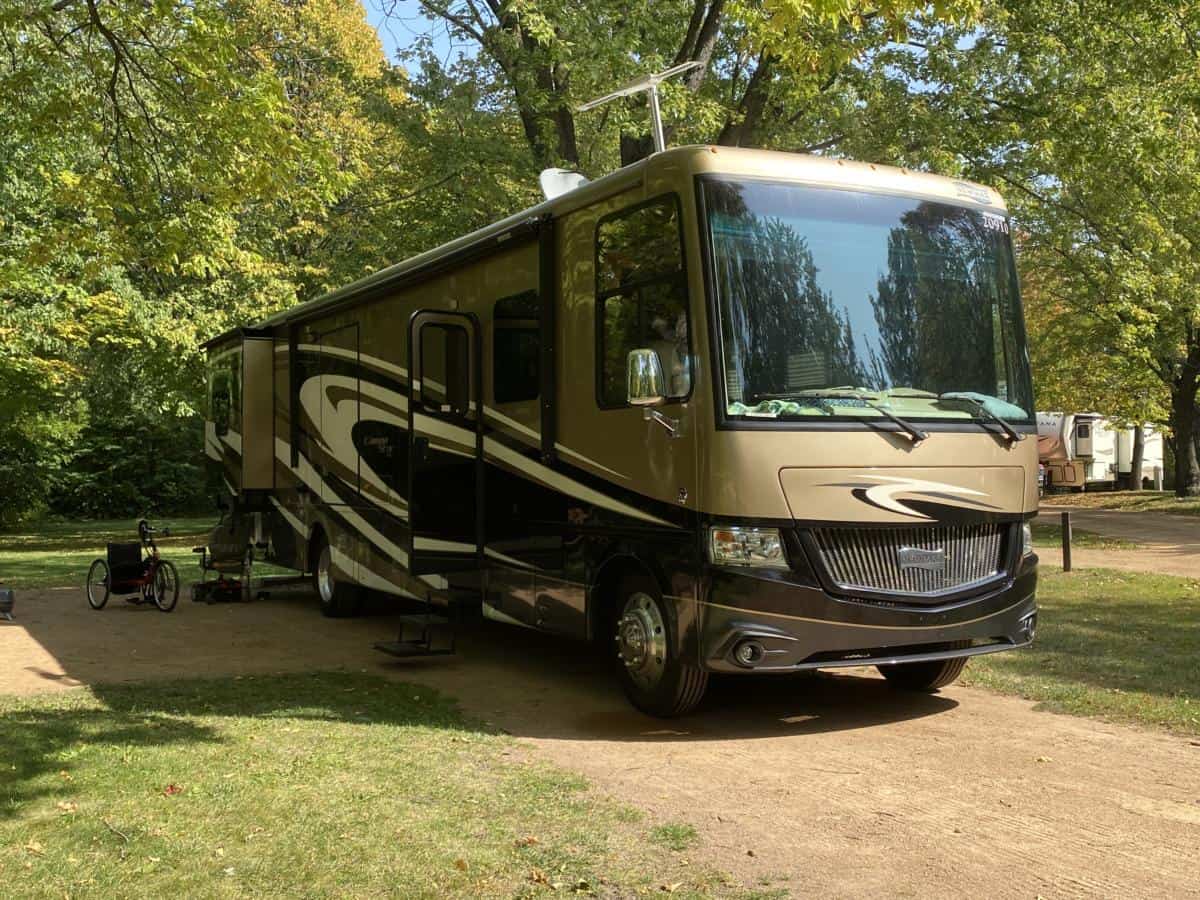
Then Mark found a handicap accessible 40 ft. Newmar motorhome online. It has a handicap lift and the interior is designed to be wheelchair accessible. It has wide aisles, the cabinets are lower, has hand controls and a handicap accessible bathroom. It was perfect. What does Shane like most? “The lift, absolutely.”
They bought the motorhome in June and have already been camping for almost two months. I asked Shane what he likes best about camping and he said “Everything!” They camp close to home so that Wendy, Mark’s wife and Shane’s mother, can join them when she isn’t working. Their dream is to be able to full-time someday.
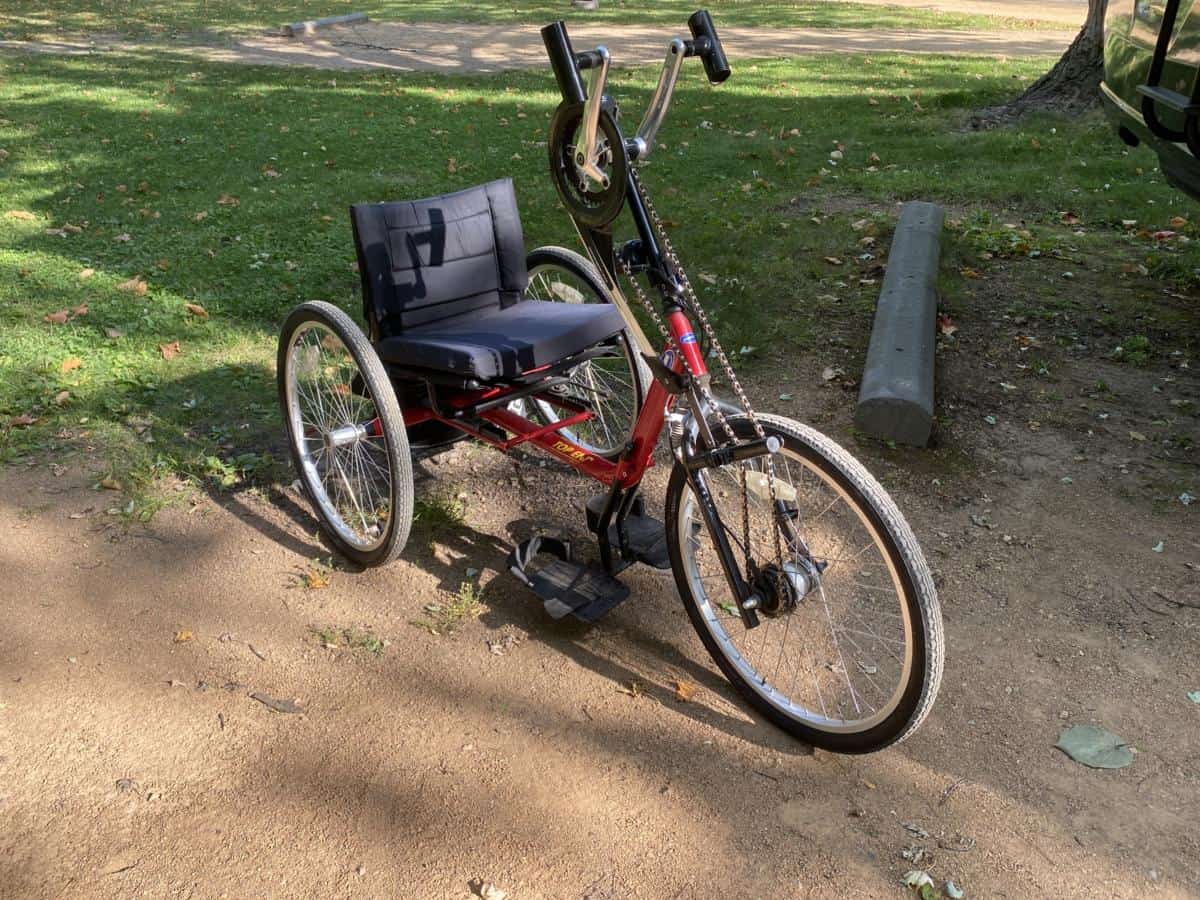
When not sitting around the campfire, Mark and Shane can be seen biking around the campground on their handcycles (above), stopping to talk and making friends with everyone. Shane is a true champion, in the pool and out.
If you or someone you know is an RVer with a disability, please join, or have them join, our Facebook group, RVing with a disability.
By Chris Guld, Geeks on Tour How many people have told you that you ought to write a book? After all, you have a ton of travel stories to tell, you’ve led an interesting life, and you have lots of expertise in some areas. You could probably write two or three books, right? But, don’t you need a publisher first? There are several reasons you may want to publish a book:
To keep your travels and stories for yourself and a few friends and family. For this purpose I recommend creating a blog and then using Blog2Print to make a book from it. I wrote about that a while ago: “Save your blog, print a book.”
To establish your expertise in a niche and make your book available to the people interested in that niche. That was my purpose in publishing my book on Google Photos. I can’t imagine the effort it would take to find and convince a publisher to take this on. I just wanted to write it and get it out there.
To make your living as a novelist: If you have lots of stories in your head, self-publishing is a way to reach a worldwide audience while keeping complete creative control and maximizing your royalties.
How to self-publish your book
I have now self-published my fourth book, Learn Google Photos. I am no expert on self-publishing but I do know how easy it is and I wanted to pass that along. I use Kindle Direct Publishing for both the printed paperback as well as the Kindle eBook. There is no charge for the publishing process and all you have to do is provide a Word document or .pdf file of your book.
The eBook on Kindle is available for your readers immediately and the printed paperbacks are printed on demand, so there is no up-front charge there either. You set the price for your book and it gets listed on Amazon for people to buy. Amazon then subtracts the cost of printing and shipping and splits the rest with the author, paying royalties of 60%. In the settings for your account, you include your bank account information and the money shows up in your account once a month.
The basic steps to self-publish your book are:
Write
Edit
Design a cover
Publish
Market
When you start writing, you want to be using the right formatting for the end result. I started with the Word template provided by Kindle Direct Publishing. I was able to use the same Word document for submission for the paperback book as well as the Kindle book, but I paid close attention to all the guidelines and tutorials provided by Kindle Direct Publishing. For my book, I used a lot of images and they have special considerations over and above the text formatting. I found this YouTube video that helped a lot because it was so detailed. The same YouTube creator also has a video on formatting chapters and headers as part of her complete playlist of step-by-step tutorials.
A word about editing. You cannot proofread your own book! You simply won’t see the places that you mistakenly wrote their rather than they’re, or or repeated a word. (See?) I had two editor-friends proofread my book for errors. I also hired a professional editor, Beth Anne Carr, to help develop the book as I wrote. For a technical, how-to book like mine I found a developmental editor to be invaluable. I am so close to the material that I sometimes don’t see the forest for the trees. She helped me rearrange my topics and pay more attention to my reader’s perspective.
Your book cover: As my friend Nick Russell says: You may not be able to judge a book by its cover, but you’ll sure sell a lot more books with a good cover, and he recommended the artist that he uses. I recommend her as well: Elizabeth Mackey Graphics.
Marketing: “Writing and publishing your book is the easy part,” says Nick Russell, “then you have to market it. You need to market it not once a month or once a week, you need to market it every day.” As a New York Times Best-Selling author with 42 self-published books on Amazon, Nick knows what he’s talking about. You may know Nick from his years as a full-time RVer and publisher of the Gypsy Journal. He still keeps a daily blog and he markets books every day.
Then again, if you’re not trying to make your living at it and you just want to have your book available, you may be satisfied with just getting it up on Amazon and having a link to send to people. There is no minimum sales required to keep your book on Amazon.
You can do it.
The bottom line is that you can do it. If you want to write a book, do it! The publishing process is free and really quite easy. If you want to learn more, check out our YouTube show. It will stream live on Sunday, 9/27/20, at 2 p.m. Eastern time. After that, the same link takes you to the recording. We will discuss our experience with self-publishing as well as interviewing Nick Russell on his experience.
Chris Guld is President and Teacher-in-Chief at GeeksOnTour.com. She and her husband, Jim, produce a free weekly YouTube show called What Does This Button Do? They have been Fulltime RVers, popular seminar presenters at RV Rallies, and regular contributors to RVTravel.com, for many years.
More people than ever are taking up RVing. These newbies have determined that RVing is the safest way to travel in our pandemic times. The result is campground crowding like never before. In this weekly blog, RV Travel readers discuss their experiences. Maybe we can make some sense of this and find ways to work around the problem.
Here are a few observations from our readers.
THIS MIGHT EXPLAIN A LOT…
Last week reader Brenda Mentzer brought up the question: Why do we struggle to find a spot when there are so many empty spots in the campground? Well, Barbara, and others of you wondering, reader Don Boldman might have an answer: “Recently we stayed at Mother Neff State Park in Texas with a couple of friends. We were told by the park rangers that they were blocking seventy-five percent of the sites because of the virus. This was one of the nicest parks we have stayed in and the sites were very large and spaced apart.” Don went on to say that campgrounds shouldn’t have to follow the same rules as restaurants, since everyone is confined to their own space far away from others.
THINGS ARE DIFFERENT IN CANADA, EH?
A reader who goes by the name “Little Leftie” writes, “Living on the East coast of Canada, with the border between our countries closed, we have found that campground reservations are much easier to obtain this year, due to Covid-19 travel restrictions. We, luckily, own our own recreational property and spend a lot of our time there but did do some traveling within our Atlantic bubble. Actually, most campground owners are struggling with a greatly diminished income this year due to no campers from away. And RV sales are also down, according to the reports.” Ah, fascinating! Well, Little Leftie, I think many of us would be up there if we could!
“WITHOUT A DOUBT THERE ARE WAY MORE RVS ON THE ROAD”
Even places that used to be completely empty are filling up. Lisa Trujillo notices a change. She writes, “I’m not your typical RVer, or at least I like to think so. I have a Roadtrek that I use mostly traveling from point A to point B. I stay in hotels or cabins once I’m at my destination. This year my usual overnight RV park stops are full. These are places that were practically empty every time I stopped, for years. Without a doubt there are way more RVs out on the road.”
Caravans or other company-led tours might just be the way to go. Is that something you’d ever consider? Here’s what reader Tim Bock has to say. “We have found many more issues with finding available sites this year. Sometimes the frustrating searches worked out, but often we had to change travel plans because we were unsuccessful. We are planning to take several organized caravans next year to alleviate our frustration and hopefully things may get back to normal after that. We kind of expect the market to be flooded with used RVs sometime in the future.”
OH, NO, THEY DIDN’T…
Wow! Do people really do this? Dick Ross writes, “My biggest complaints this year are reserved but empty campsites and people coming in on Monday or Tuesday to first-come first-serve Forest Service campgrounds, dropping their camper and then leaving until Friday. I stay primarily in FS and BLM campgrounds in the NW and this happens all too often. In forest service campgrounds the rules normally clearly state that the “site must be occupied the first night and not be unoccupied for more than 24 hours during the stay.” This rule is never enforced because the CG hosts have no authority to evict campers. They have to call the FS or BLM. Campground hosts need to be able to enforce the rules or the authorities who can enforce them need to be more available.”
NO, BUT REALLY… CONSIDER FLORIDA
Last weekMichelle Everett told you to go to Florida if you want a reservation. Leo Suarez agrees. “I agree with the comment regarding Florida. My wife and I just spent two weeks around the Fort Pierce area. The campground had about 160 sites. There were about 4 campers the whole time we were there. We had the pool to ourselves every single day. Yes, Florida is hot this time of year but pool, beaches, and plenty of golf courses still makes it pleasant.” That sounds pretty nice, Leo! Anyone else care to join?
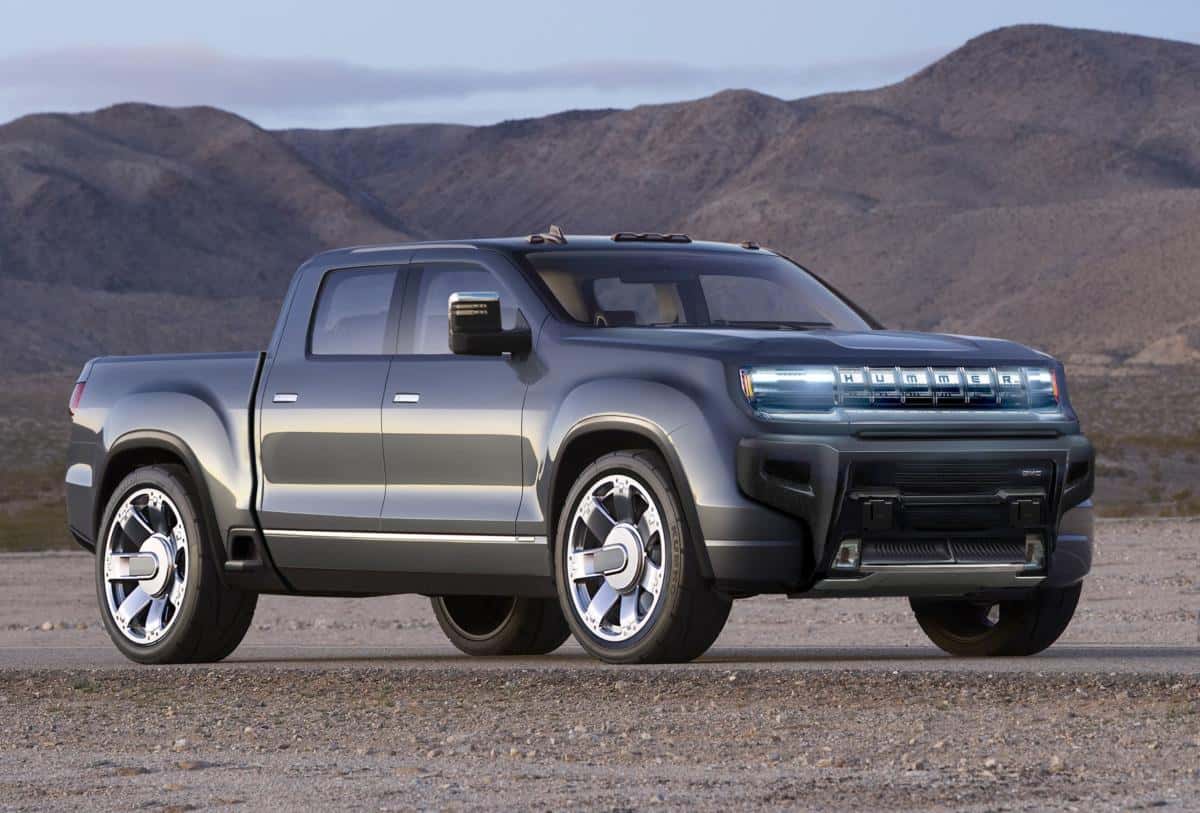
By James Raia The all-electric Hummer EV will be unveiled October 20 and will include another unique attribute for a vehicle well-known for its uniqueness — Crab Mode.
The feature will allow the Hummer to move across terrain diagonally like a sand-dwelling crustacean. Crab Mode will be enabled by the electric pickup truck’s four-wheel steering capability. Its functionality is “tailor-made for off-roading customers,” the manufacturer said.
The 2022 Hummer EV will include “Crab Mode.”
Planned for a May debut, the anticipated return of the Hummer was delayed because of the COVID-19 pandemic.
Hummer EV has a military pedigree
The odd-looking, testosterone-loaded Hummer was first marketed when AM General began selling a civilian version of the M998 Humvee. The brand endured different owners and hiatus production time frames.
GM announced earlier this year it was reviving the Hummer brand for a 1,000-horsepower electric pickup truck.
The Hummer EV SUT will ride on GM’s third-generation EV platform. The company also said that its truck-based models will have an 800-volt architecture with 350-kWh fast-charging capability. That indicates the Hummer could have a driving range of up to 400 miles.
The Hummer pickup truck is scheduled for production in late 2021, with deliveries soon after. It’s predicted to have a towing capacity between 7,500 and 11,000 pounds as well as a payload capacity between 1,500 and 3,500 pounds.
James Raia, a syndicated columnist in Sacramento, California, publishes a free weekly automotive podcast and electronic newsletter. Sign-ups are available on his website, www.theweeklydriver.com. He can be reached via email: james@jamesraia.com.
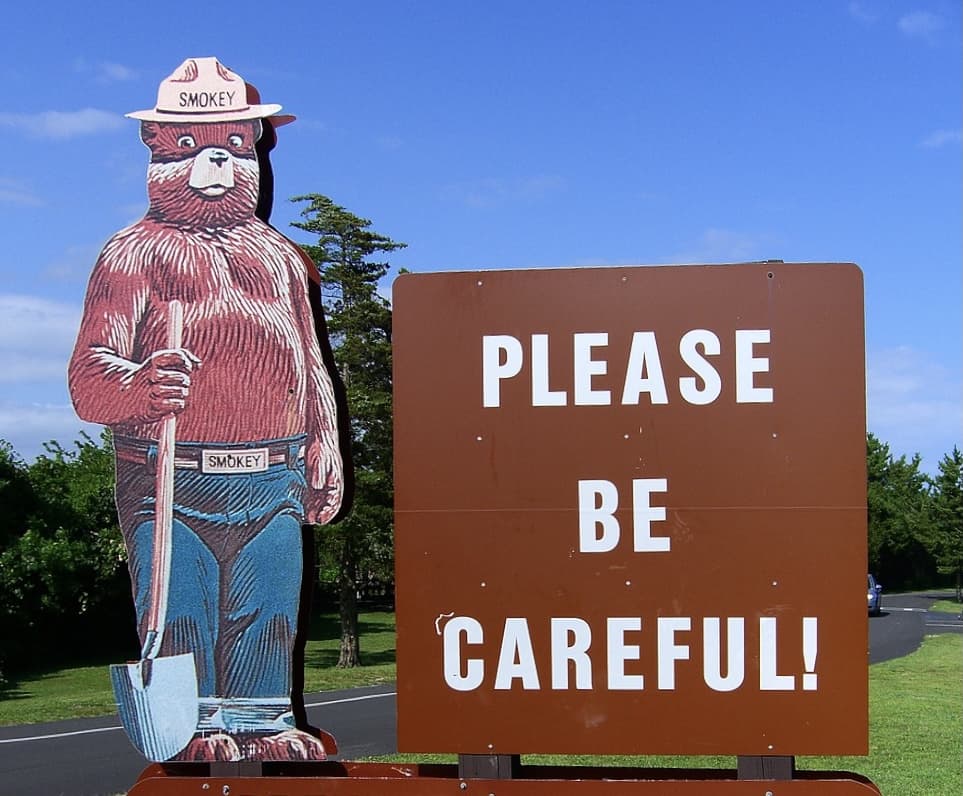
By Nanci Dixon Remember what Smokey Bear always says: “Only you can prevent forest fires!”? It pertains to wildfires, too, particularly when caused by campfires.
Twyla M. posted this in the Free Campgrounds Facebook group and it is worth repeating here: “Please, please take care of our forests!!! I am sharing (this notice) again to make sure this reaches everyone that it can. We need to be good stewards of our lands.Some don’t know, understand, or some may think they are putting them out but don’t go the extra steps to make the fires dead.I am sure this is not just happening in this forest either.”
U.S. Forest Service Notice: Caribou-Targhee National Forest August 21, 2020
“It comes as no surprise that recreation is exploding on public lands and people are flocking to the outdoors. However, with the unprecedented level of use, various problems are starting to emerge, campgrounds are at capacity, trash continues to accumulate and patience is thinning as boat ramps remain congested and dispersed sites always seem to be full.
“With the increase in use, fire officials are seeing an increase in abandoned campfires throughout the region. Conditions in the area are dry and a fire may start easily, spread quickly and burn intensely. Everyone is asked to practice heightened fire safety at all times. This week firefighters responded to two small fires caused by abandoned campfires: one in the Jedediah Smith Wilderness, in an area where campfires are prohibited, and another just north of Kilgore.
“Eastern Idaho Interagency Fire personnel have extinguished over 60 unattended or abandoned campfires so far this summer. Abandoned campfires can quickly escalate into wildfires. Where campfires are allowed, it is extremely important that they are completely extinguished and cold to the touch before campers leave their site. Visitors should never leave a fire unattended and can be held liable for suppression costs if their campfire becomes a wildfire. During times of elevated fire danger, a campfire is not encouraged.
“With the devastation of the current fire situation in California, Oregon and spreading to other western states let’s all remember that we can prevent forest fires. Make sure the fire is dead, stir it around and check for embers or smoke. Think it is out? Put your hand on or over it. If warm, it is still possible of igniting and spreading more devastation to our forests, cities and costing lives.”
Campfire safety
Chris Dougherty shared some helpful campfire safety advice with RV Travel:
As you’re enjoying your campfire, remember these safety tips:
• Once you have a strong fire going, add larger pieces of dry wood to keep it burning steadily.
• Keep your fire to a manageable size.
• Make sure children and pets are supervised when near the fire.
• Never leave your campfire unattended.
• Never cut live trees or branches from live trees.
When you’re ready to put out your fire and call it a night, follow these guidelines:
• Allow the wood to burn completely to ash, if possible.
• Pour lots of water on the fire; drown ALL embers, not just the red ones.
• Pour until hissing sound stops.
• Stir the campfire ashes and embers with a shovel.
• Scrape the sticks and logs to remove any embers.
• Stir and make sure everything is wet and cold to the touch.
If you do not have water, use dirt. Mix enough dirt or sand with the embers. Continue adding and stirring until all material is cool. Remember: Do NOT bury the fire as the fire will continue to smolder and could catch roots on fire that will eventually get to the surface and start a wildfire.
REMEMBER: If it’s too hot to touch, it’s too hot to leave!
We use cookies to ensure that we give you the best experience on our website. By continuing to use our site, you consent to accepting cookies. We NEVER have or will sell reader's data. For more info, please see our privacy policy page.


 MEET YOUR FELLOW READERS
 RVtravel.com, and the 650 newsletters about RVing we publish every year, would not be possible without the financial support of our members, those 3 percent of all readers who voluntarily subscribe. Now, in the most challenging time of our lives, your support is needed more than ever for us to be your #1 source of news, information and advice about RVing. Every contribution makes a difference. A donation of only $12 a year comes out to less than 2 cents for each issue we publish! And when you become a member, you receive a special member-only ad-free version of this newsletter.

 RV Gadgets and Gizmos
 Our favorite electricity guy, Mike Sokol, uses this Caterpillar pocket light for just about everything. He writes, “I bought one of these CAT CY1000 Pocket COB Lights a few months ago and liked it so much that I also picked up one for my dad. I’ve dropped it a bunch of times, and it still keeps working, like any of the other tough-as-nails CAT products.” It easily clips on to your belt, shirt pocket, or anything magnetic, so you can work hands-free.
 Hey, you ought to write a book