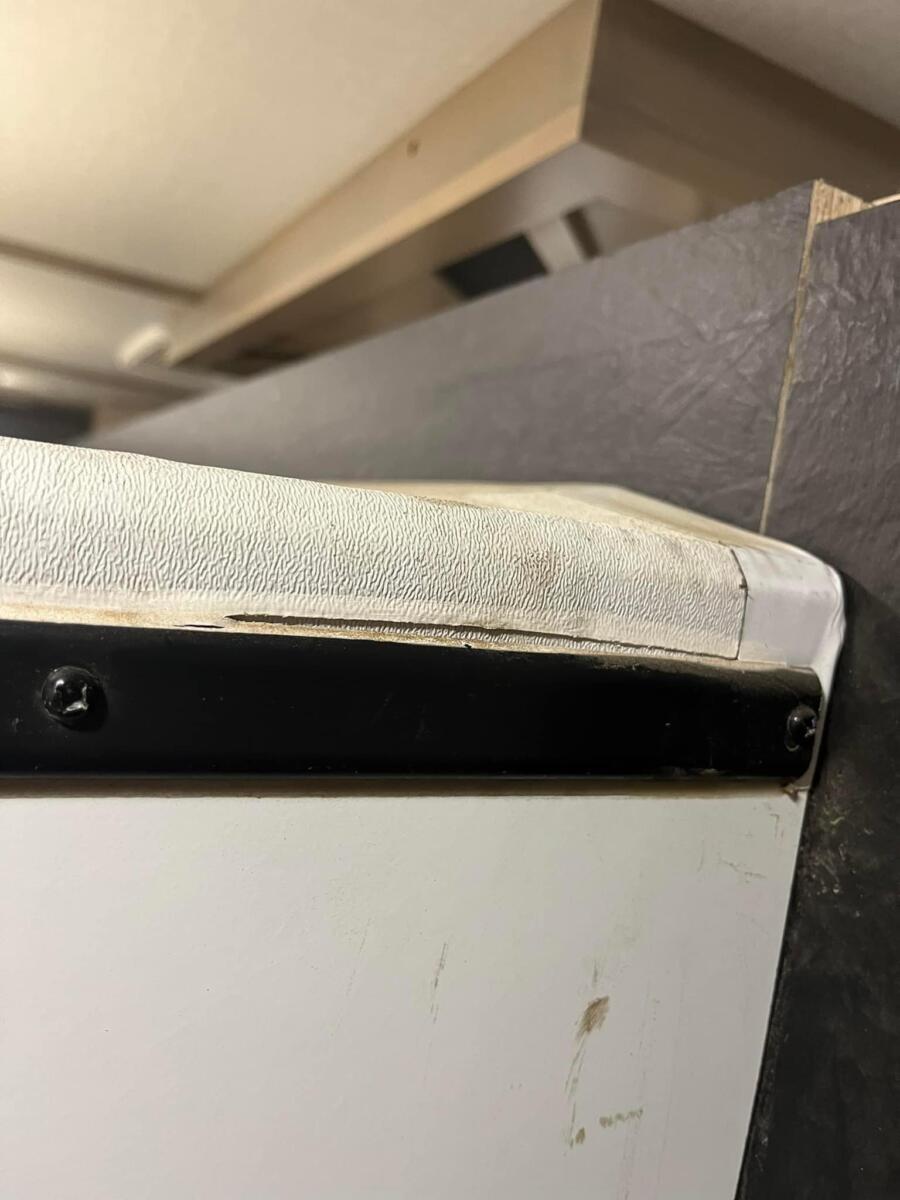
Do you level? That’s a question repeatedly posted on RV forums, regarding leveling an RV when stopping at the end of the day. Here’s a typical response: “I try to get it relatively close unless it’s just for an overnight stop, in which case I don’t bother.” Unless it’s an overnight stop? ALWAYS level your RV. Another comment tells you why: “I’m on my second Dometic 4-door. I level METICULOUSLY every time I stop to camp and I check level every morning. I refuse to go thru all that replacement AGAIN.”
RV refrigerators need to be level to work properly, and to prevent damage. No absorption-type RV refrigerator has ever read the fine print that says, “Don’t count the damage caused by operating off-level if it’s only overnight.” Seriously, damage to an RV cooling unit is CUMULATIVE, and every “only overnight” adds up. Can’t level? Shut off the fridge.
I was rather shocked by people’s thinking that running an absorption refrigerator out of level overnight or for any length of time is an acceptable practice. As mentioned above, the damage is cumulative, adding up each time you operate your refrigerator out of level.
Analogy of what happens when you operate absorption fridge out of level
Here is a good analogy to help RVers understand what happens when you operate an absorption refrigerator out of level.
Compare it to the human body and the plaque that slowly builds up inside your arteries each time you eat something your cardiologist says you shouldn’t. You can’t see the plaque accumulating slowly in your arteries until you are rushed to the hospital with a heart attack caused by a blockage.
The same thing happens inside the cooling unit “arteries” at the back of your absorption refrigerator. Each time you operate your refrigerator out of level, the solution of water, ammonia, hydrogen gas and sodium chromate are unable to circulate properly (via gravity). The circulating solution gets hot, causing crystals to accumulate on the inside of the cooling unit tubes. All is good until enough crystals (i.e., “plaque”) create a blockage and your refrigerator suffers a “heart attack” due to the lack of circulation.
“Off-level operation causes overheating in the boiler section. Continued operation in an over-heated condition results in cooling unit blockage when the sodium chromate particles turn to crystal and block sections of internal piping in the boiler.” This is one of many leveling tips provided by the late Gary Bunzer, the RV Doctor.
Turn off the refrigerator
Anytime I find myself having to park the RV out of level for 30 minutes or more at a roadside attraction, grocery store, lunch stop, etc., I turn off the refrigerator. I am on my fifth travel trailer over my 40-plus years of RVing and have never experienced a cooling unit failure.
“If your fridge runs while tilted for longer than about 30 minutes, you run the risk of damaging the refrigerator’s cooling unit.” Per most experts.
Not only do I level my travel trailer to protect the refrigerator, but I also prefer not to have blood rushing to my head or falling out of bed while sleeping, either.
Statistically, more than 50% of you reading this own a “towable” RV in the form of a fifth wheel or travel trailer, like me. The following leveling tips are for you.
Like other RVers, I like to take the easy way out and prefer not to unhitch my towable RV from my tow vehicle to level it for an overnight stop. After all, I will just have to hitch it back up again in the morning to resume my travels.
Bonus tip
In fact, you might even consider me lazy, as I prefer not to unhitch even if I am camped somewhere for days. There is another advantage to keeping the tow vehicle hooked to a towable RV—stability! Staying hooked up greatly reduces front to rear rocking in my travel trailer as my pickup truck (tow vehicle), with the parking brake set and transmission in park, acts as a 5,000-pound anchor. Staying hooked up also negates the need for wheel chocks. No need to retrieve them from storage, bend down and deploy them, then collect and stow them again before leaving camp. Much easier to leave the truck hooked up. Okay, maybe I am lazy!
Leveling tip to keep the refrigerator happy
This is all fine and good until you find yourself at an overnight stop that isn’t level front to rear and the leveling gear on your rig is not capable of bringing your rig into level. I suspect this is the number one reason towable RV owners fail to level their rig for an overnight stop—too much work for a short stay.
Here is what I do when faced with a sloped campsite:
• If the back-in campsite slopes downhill from front to rear, leaving the nose of the trailer too high to level: I place blocks/ramps behind the wheels on both sides of the trailer and back onto them until the rear of the trailer is level with the front, or is close enough. If it is close, I can “fine tune” the leveling with my stabilizing jacks.
Back the trailer onto blocks on both sides to bring it into level while hooked to the tow vehicle. Staying hooked to the truck adds stability and negates the need for wheel chocks.
• If the back-in campsite slopes uphill from front to rear, leaving the nose of the trailer too low to level: I place blocks/ramps behind the rear wheels on both sides of the truck and back onto them, raising the rear of the truck high enough that the nose of the trailer is raised sufficiently to be level with the rear of the trailer, or is close enough. As above, if it is close, I can “fine tune” the leveling with my stabilizing jacks.
Back or pull the rear wheels of the truck onto blocks to raise the tongue of the trailer into level. Fine tune with tongue jack.
You will be amazed at how 3 to 4 inches of lift to the trailer axle or rear of the tow vehicle axle helps in leveling an RV in a sloped campsite.
Note: If the campsite is also unlevel side to side, just add more blocks to the low side before backing onto them.
Give these leveling tips a try next time you find yourself in a sloped campsite regardless of whether it’s just an overnight stop or at your destination. Not only will your absorption refrigerator appreciate it, but you will enjoy the experience of a more stable, level RV with less work setting up and breaking camp.
Do you think you’ll spend more time RVing this summer than you did last summer, in 2025? If so, a lot more time? A little more time? Or do you think you’ll spend less time RVing than you did last summer? About the same?
For many of us, summer is the prime season to hit the road—whether it’s going to the mountains to escape the heat, visit national parks, or take grandkids on a memorable trip before school starts again. But a lot can change in a year. High fuel prices, campground availability, and personal health or family obligations can all influence how much time you’re able—or want—to spend traveling.
Some of us may be scaling back our plans this summer due to higher costs or campground reservation challenges. Others might have added more trips to their calendar, especially if they’ve retired recently, picked up a new travel trailer, or finally scored reservations at that bucket-list campground.
Everyone’s situation is different, and that’s what makes hearing from a wide range of RVers so interesting.
It’s also worth noting that some of us may not measure our RV time just in nights spent camping, but in overall quality of the experience—less travel but longer stays, more boondocking, or simply picking spots that feel less rushed. So when you think about your plans compared to last year, we’d love to know whether it’s about quantity, quality, or a little bit of both.
As always, thanks for voting. We appreciate your input.
By Dustin Simpson
The below question was posted in one of my many Facebook groups. This one was in Grand Design RV – In The RV Shop, where we have more than 53,000 members. Members post problems and the group members and I try to help each other out with problems, concerns, products, and upgrades.
One group member, Alan, asked this question:
“Any ideas where to start the investigation? 2022 Grand Design RV Solitude 380FL. Last night we noticed water collecting on the right side of the fridge on the flooring. The inside of the fridge is dry. There are no water lines running under the slide, nor is there water on the underbody of the fridge slide.
Pooling water on flooring.
“We had been running the A/C. I was pretty aggressively washing dishes at the water bay last night. I pulled everything out of the front bay and inspected for water wicking from the under walls, but nothing—it was dry. It eventually went away inside, as I checked before bedtime and nothing.
“This morning, we found more water pooling in front of the fridge. No A/C, but I am noticing runoff outside on the gutters and roof. I will inspect the roof, back of the fridge, pull the walls down in the front bay at the Nautilus system. Wondering if the seals around the slide are allowing moisture to wick inside? Didn’t notice anything like this during the rainy season just a few months ago, though.”
What’s the problem and where’s the water coming from?
Working with Alan, the RV owner, and others online, we traced the problem back to the rear refrigerator drip tray. It was being overfilled beyond the drip tray and leaking into the back side of the rear refrigerator access and leaking into the inside of the RV on the floor.
Area that water was coming through. You can see stain on wood paneling.
Fridge drip tray findings
During the inspection, the owner was advised to check the refrigerator’s back side, and he confirmed the fridge drip tray was full, as seen in this picture.
The water was leaking and coming underneath the refrigerator, getting into the inside of the RV and running onto the floor. Lucky for the owners this presented itself, because in the past, we have seen a number of different refrigerator leaks that have caused damage to slide out floors and cabinet supports, which over time caused major damage and additional issues.
My recommendations
To help people in high-humidity areas, if you own a Norcold refrigerator and are having this issue, here is one of my recommendations: You can either extend the drain line to drain outside the vent door, or you can drill a small hole and extend the drain hose through the floor and have it drain outside.
Norcold Drain Hose.
Here are some example pictures.
Original designed to fill drip tray.The hose was extended and plumbed down through the floor to drain underneath the slide out.The line was secured in place and secured to the lower aluminum sheeting brace to allow draining on the ground.
These Facebook groups were created to help educate owners about parts, problems, repairs, fixes, and upgrades on RV units. We will be sharing videos that include WHAT’S IN THE SHOP? and SHOP TALK episodes with information on accessories and products that we use and install on the units from the shop.
We try and help, as time allows, to answer questions and problems. We encourage others to share their experience so we can build a resource page to help everyone.
Please follow us on YouTube, see our published articles on RVtravel.com and other social media pages.
Please feel free to share your stories, problems, and upgrades with us so we can build a resource page to help others.
America’s Original RV Newsletter. Since 2001 Issue 1261
Today’s thought
“Knowing how to think empowers you far beyond those who know only what to think.” ―Neil deGrasse Tyson
Need an excuse to celebrate? Today is National Cherry Cobbler Day!
On this day in history: 1900 – The children’s novel The Wonderful Wizard of Oz, by L. Frank Baum, is first published in the United States. The first copy is given to the author’s sister.
Great ideas from real RVers (with photos!)
They say a picture is worth a thousand words. That’s never truer than when attempting to share a great RV tip. Sometimes an idea demands a photo. Here are some great tips from folks who really RV. You will definitely get a new idea here!
Disconnected trailer causes RV crash. How owners can reduce the risk
An Indiana highway crash is serving as a harsh reminder about RV trailer safety after a disconnected trailer struck and flipped a camper on U.S. 41, near Evansville, sending two people to the hospital. Authorities are still investigating exactly what happened. But incidents like this highlight a reality many RVers already know: A trailer disconnect at highway speed can become violent in seconds. Here’s how you can reduce your risk.
Do you legally have to use your signal in a turn-only lane? RVer finds out the hard way
Folks recently gathered around the campfire to console Mark. Unfortunately, he was ticketed for not using his turn signal. Mark felt unfairly targeted. “There I was,” Mark explained, “in the right-turn-only lane. What did the officer think I planned to do? My big rig should have been a great, big, obvious clue since it was fully inside the turning lane. But I got a ticket!” Marty wanted to know, “So, why were you ticketed?” Read on to learn why.
Today’s RV review… Winnebago ARKA world debut—an overlanding beast
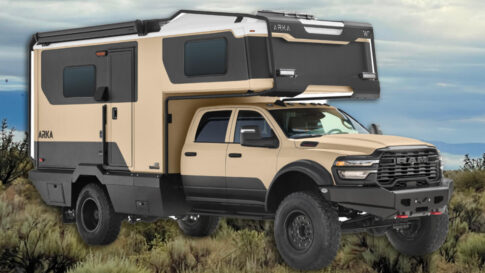
Today’s RV review is of the new-for 2027 Winnebago ARKA 20Z, an off-road-capable, adventure-ready overlanding RV that is based on the Ram 5500 chassis, which has been modified for extreme capability. There are a number of this type of overlanding rigs out there, typically from smaller companies. But this one breaks a lot of new ground and really has hit the mark quite well.
Tony’s tips Dear RV company websites, You need to do better
As someone who does RV reviews, I spend a lot of time looking at RV company websites. Often, it’s just to see if I can find a specification, but I’m also curious what standard features are included on RVs and other details. I’m not sure what the heck is going on in Indiana, but almost every RV company’s website is terrible. And you could argue that part of the frustration that so many prospects and buyers have with the RV industry is just the misinformation that’s out there. Continue reading.
Keep your Blackstone/griddle good-as-new
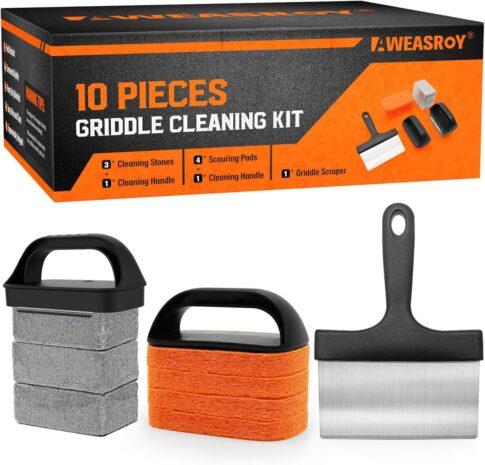
This griddle cleaning kit helps RVers keep their flat-top grills in great shape. With scrapers, scouring pads, and a pumice grill stone, it quickly removes grease, burnt bits, and buildup without scratching the surface. Clean before and after cooking, and your griddle will last longer. Learn more about cleaning your Blackstone in Gail’s article here, or buy this griddle kit here.
You may share this Tanner Toon, unaltered, on your website, blog or social media with our compliments. The musings from Tanner Woods’ creative mind appear in this newsletter every Saturday and Sunday and in many RV Daily Tips newsletters through the week. Sign up for our RV Daily Tips Newsletter so you don’t miss a single Tanner Toon.
FACTOID: The word “mortgage” comes from a French word meaning “death pledge” from mort (dead) and gage (pledge).
Transportation Secretary says, “Hit the road!” Seriously?? With these costs??
Transportation Secretary Sean Duffy has a message for Americans: Hit the road and celebrate America’s 250th birthday with a great American road trip! Ordinary Americans are supposed to what? Cheerfully pile into the family SUV, hook up the RV, and pretend fuel prices aren’t punishing? Pretend campground rates haven’t climbed? Pretend food prices haven’t become ridiculous? Pretend a simple weekend getaway doesn’t now require a budgeting spreadsheet? Continue reading.
Truck campers not welcome at some RV parks
By Gail Marsh
An longtime RVtravel.com reader recently commented on my review of a truck camper RV. Jim Johnson said, “The problem with truck campers today is the RV parks that won’t accept them.” Jim’s comment prompted me to mentally review the countless RV parks we’ve visited. Turns out, he’s right! Looking back, I haven’t seen too many. Fifth wheels? Check! Travel trailers? Check! Motorhomes? Check! Tents? Check! But truck campers? Not many. I had to learn more.
Elvis Presley’s jet—now a converted RV—travels to Graceland
A piece of Elvis Presley history hit the interstate with no air filter, no prior fuel stop, and 1,659 miles ahead. Jimmy’s World had only driven the RV made from Elvis Presley’s jet a few short times, so this trip looked like one giant test drive with Graceland as the destination. Oh, what fun!
FUNNY T-SHIRT OF THE DAY: Make the handyman or woman in your family laugh with this. Hah!
Reader poll Overall, has the last year of your life been among the best, worst, or the same as others?
Want to run your RV air conditioner with a small generator like a Honda 2200? SoftStartRV™ cuts startup power demand by up to 70%, making it easier to stay cool almost anywhere you camp. It can even help many RVers run two A/C units on 30-amp service. See why our publisher is a big fan of SoftStartRV.
We want to know… What do you like about your RV?
We spend a lot of time talking about RV problems, repairs, frustrations, and the things we wish manufacturers would do differently. But this time, we want to flip that around. What do you genuinely like about your RV? Maybe it’s the perfect floorplan. Maybe it’s the giant windows, the outdoor kitchen, the roomy shower, or the fact that your smaller rig fits just about anywhere. Please tell us here.
BEWARE!Between 2020 and 2024, U.S. fire departments responded to an annual average of 12,141 home fires involving grills, hibachis, and barbecues, including 6,110 structure fires and 6,031 outside or unclassified fires. These fires caused 15 civilian deaths, 171 reported civilian injuries, and $241 million in direct property damage.
Travel destinations
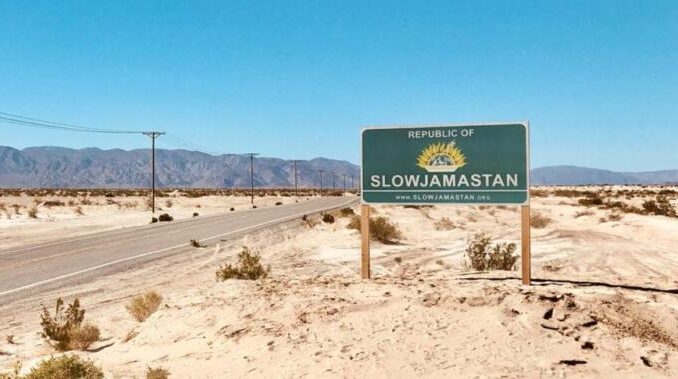
Visit the only “micronation” inside the U.S.: Slowjamastan
The Republic of Slowjamastan is a self-described “micronation” located in Southern California. If you like strange and unique stops along your RV route, Slowjamastan is both! This is neat!
Las Cruces, New Mexico: A desert destination for RVers
Las Cruces, a true desert destination, is nestled in southern New Mexico’s scenic Mesilla Valley. This Chihuahuan Desert city of about 117,000 is situated between the Rio Grande and the majestic Organ Mountains. What makes Las Cruces a great destination for RVers? Read on to find out.
? MYSTERY PRODUCT OF THE DAY ? We promise, like, wholeheartedly promise you are going to want this. Did we intend to buy this for ourselves? No. Did we buy this for ourselves? Yes.
Highlights from this week’s RV Daily Tips Newsletter
IF YOU’RE NOT SIGNED UP FOR OUR RV DAILY TIPS NEWSLETTER… Well, why not? That’s just blasphemous! It’s our readers’ favorite newsletter for good reason! Sign up here. (Pretty please?)
In the RV shop with Dustin Slide-out resealing: A guide for long-lasting protection
When it comes to resealing your RV’s slide-outs, you’re on the right track. The good news is that you can use any appropriate brand of sealant, regardless of what the manufacturer might suggest. The key is making sure you’re using a high-quality sealant that’s designed for RVs and compatible with your slide-out materials.
RV tire safety Tire speed rating: Can you really drive 112 mph?
By Roger Marble
A quick look at almost any RV owner blog, and you will find someone saying that they drive at “xx” mph because that is the “Speed Rating” on the tire sidewall. This is definitely not a good idea and, in my opinion, is definitely unsafe. Continue reading.
RV gadgets and gizmos Drinking from a reusable water bottle? Use caution!
Reusable bottles are convenient, significantly reduce waste, and can keep your beverages colder/hotter longer. For many RVers, the day starts with filling up a reusable water bottle. The bottle is then placed inside the truck’s (or RV or car) cup holder, where it’s easily accessible. Once at the campground, the water bottle is all but forgotten while the campers set up and settle in. And that’s where the problems start…
DID YOU ENJOY THIS ISSUE? If this newsletter taught you something, made you smile, or gave you a helpful idea, would you consider supporting RVtravel.com with a voluntary pledge? Our small team works hard to bring you honest, independent RV news and information all year long. Advertising helps, but reader support is what makes a big difference. If you think what we do is worth a few bucks, we’d truly appreciate your help. Thank you!
Live cam
Kīlauea Volcano, Hawaii
Readers’ pet of the day
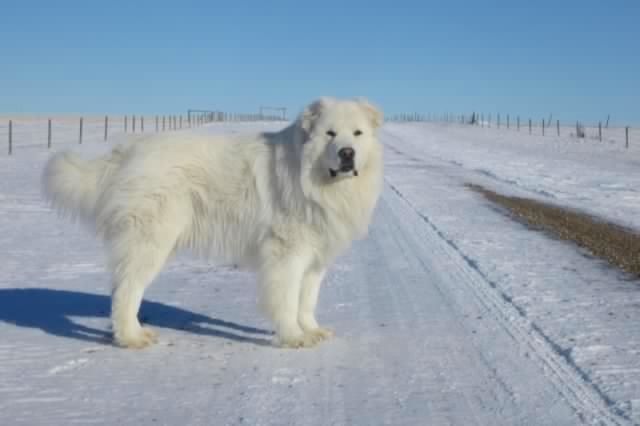
“Gunner (Pyrenees, age 5) is a lovable BIG dog that I would never take on an RV trip. Home is where his heart is. He would rather be outside in -40 temperatures than inside with us. On the other hand, when the temps hit 80 and up, then coming inside where it’s cool is acceptable. We boondock in the desert, and I would have hated it had he gotten cactus in his paws.”
Want to see your pet in this newsletter? Please send us a photo of your pet with a short description. No blurry photos and please do not submit your photo more than once.
Do you know where the saying “When it rains it pours!” comes from? Today, we use the phrase to indicate that bad things tend to flood into our lives all at once. But the phrase was originally an incredibly smart marketing slogan. Historically, in humid climates, or on rainy days, table salt poured very poorly because the humidity caused the salt to clump together. Back in the early 20th century, the Morton Salt Company introduced magnesium carbonate to its table salt. Including this anti-caking agent resulted in salt that would pour out freely, despite the humid weather. “When it rains it pours” became the company’s new marketing slogan (still a registered trademark of the company!). Even today, the Morton Salt label features a girl walking under an umbrella with a container of salt pouring out freely.
If you want to have a wonderful day, send $10, $50 or $100 to a local food bank. Millions of our fellow citizens, including little kids, are going hungry. If you have ever considered donating, now is the time. You will feel so good if you contribute—helping people less fortunate than you go to bed without the pain of an empty stomach. Find a local food bank here.
Sunday funny
Keep your windshield clean!
No more dirty windshield—inside or out! This windshield cleaner comes in three different sizes, and the large, swivel head easily wipes dirt, grime, dust, and whatever else is dirtying up your windshield right off. Too easy! Thank us later. Learn more or order.
FREE IS GOOD! From Potbelly Sandwich Shop, Perks members get a free cookie, bag of chips, or fountain drink when you purchase an entree from May 18 to 24.
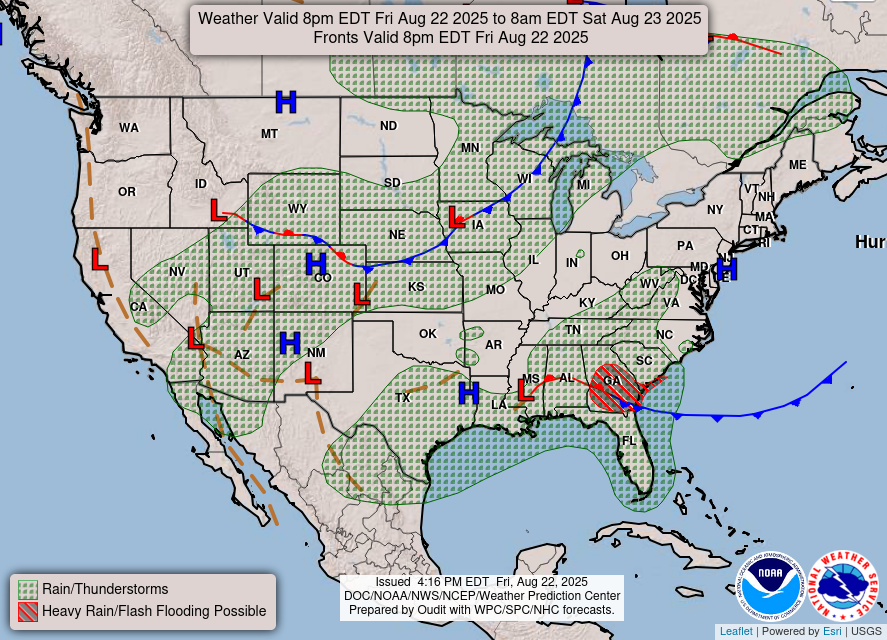
Today’s weather forecast across the nation THIS MAP UPDATES TWICE A DAY
They say a picture is worth a thousand words. That’s never truer than when attempting to share a great RV tip. Sometimes an idea demands a photo.
Here are some great tips from folks who really RV. The good news is that you won’t need to read much about each tip. The accompanying photo handles the explanation for most of the ideas just fine.
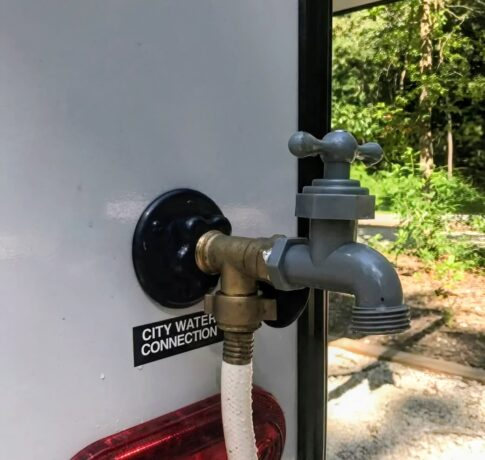
Outside tap
These RVers figured out a way to wash dishes, hands, and more without going inside the RV.
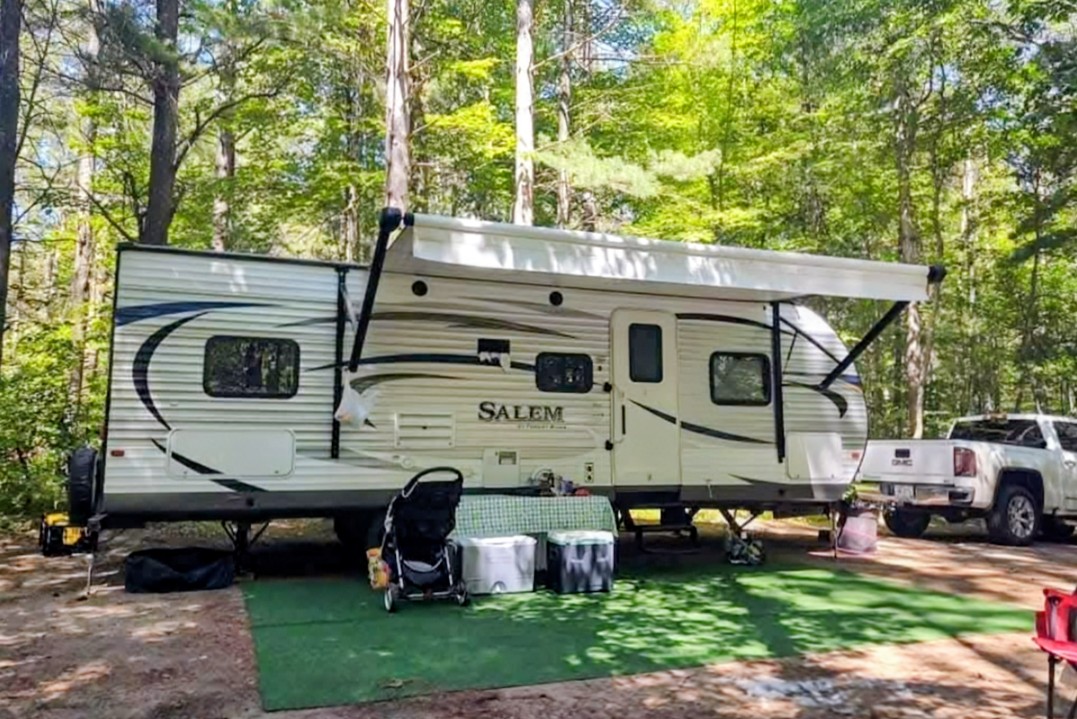
Outdoor rug tips
Photo credit: RV Road Family
Use artificial turf instead of buying an outdoor rug. Saves money, and the hardware store will cut the exact size you need.
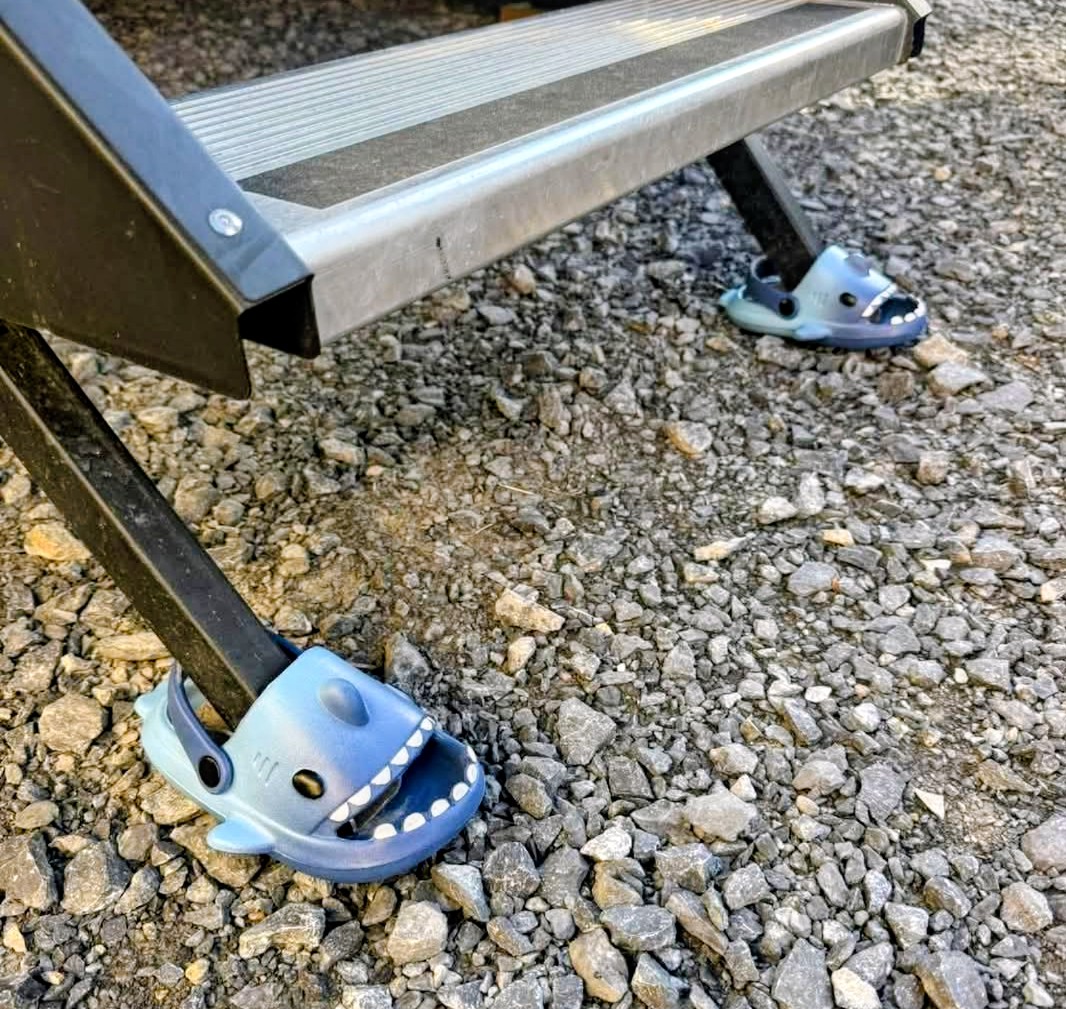
Purchase children’s crocks from the Dollar Store (size 5/6). Slip one on each “foot” of your RV steps to protect your outdoor rug or grass from rips or holes.
Photo credit: RV Family, Facebook
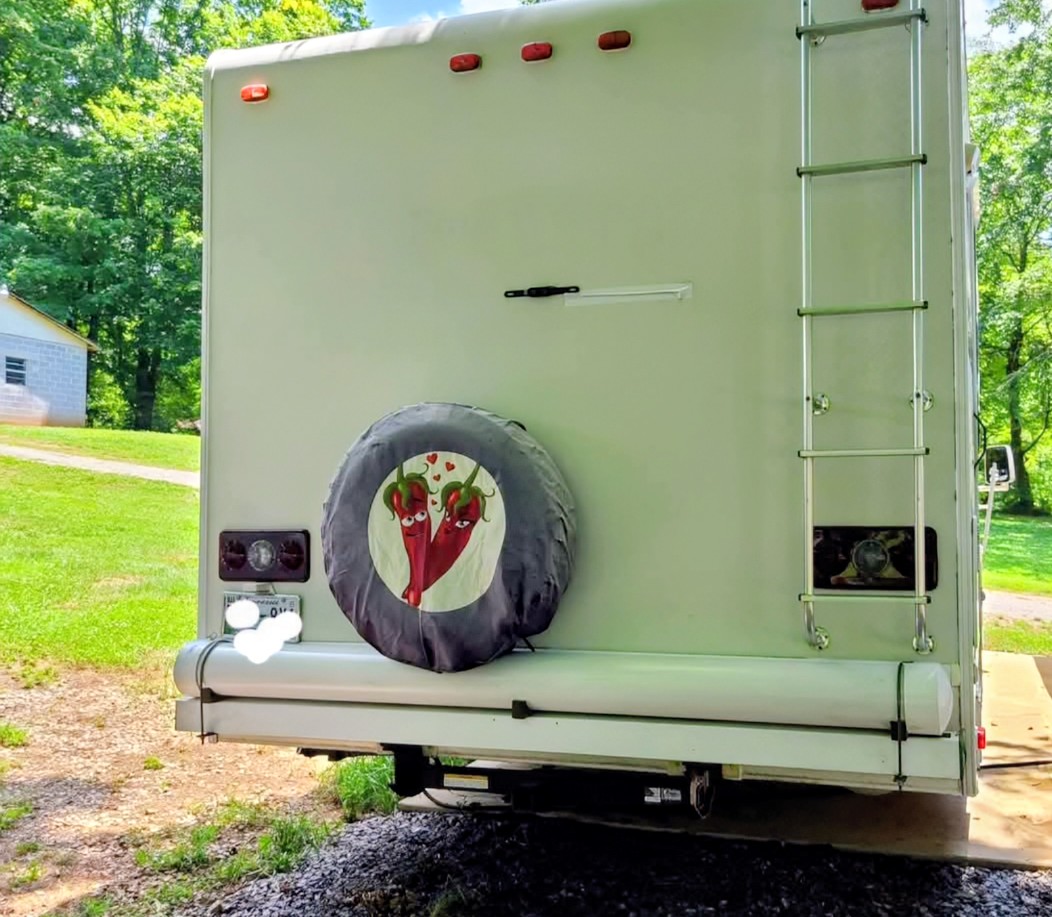
Mount a PVC pipe to your back bumper. It can contain your outdoor rug and keep it dry even when travel days are downright drippy!
Fridge tips for travel days
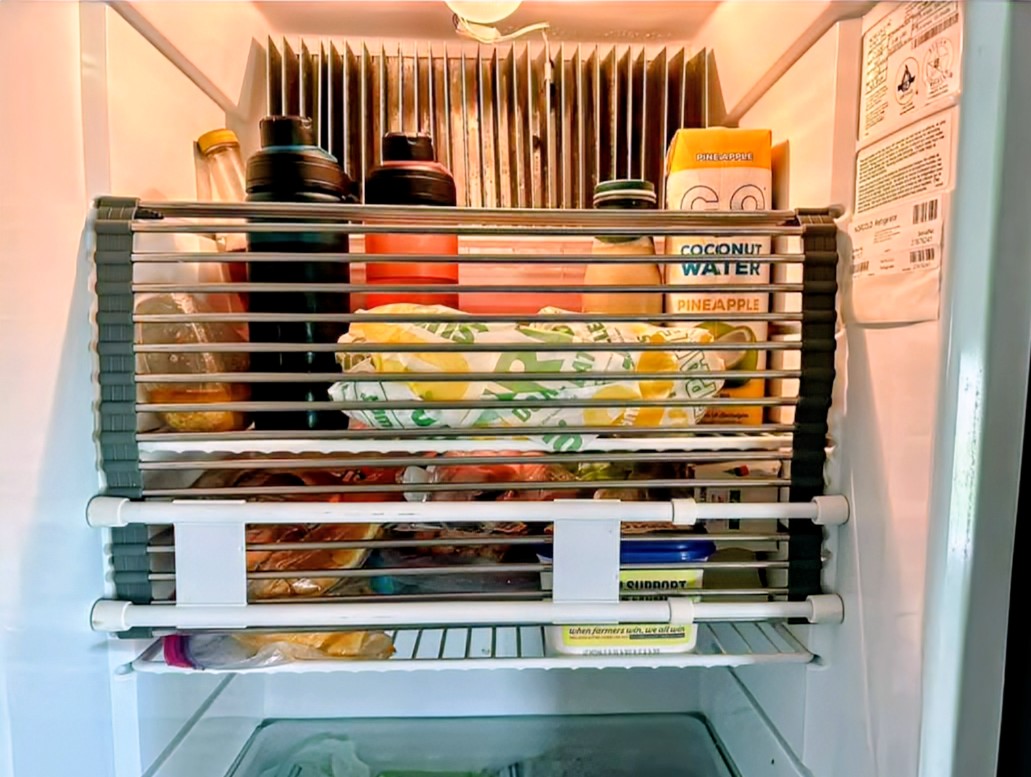
Use your roll-up dish drainer to secure refrigerated foods on travel days.
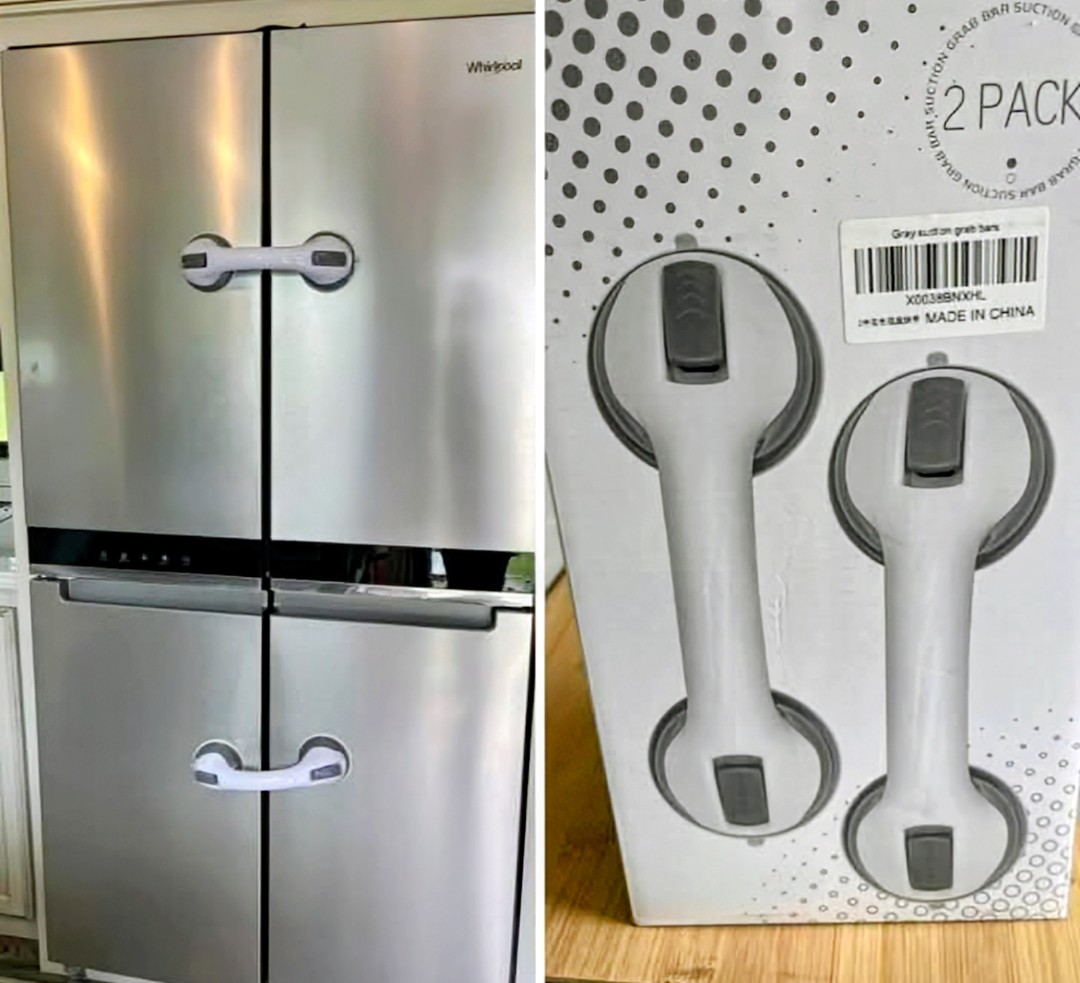
Use suction cup handles to keep your RV refrigerator doors securely closed on moving days.
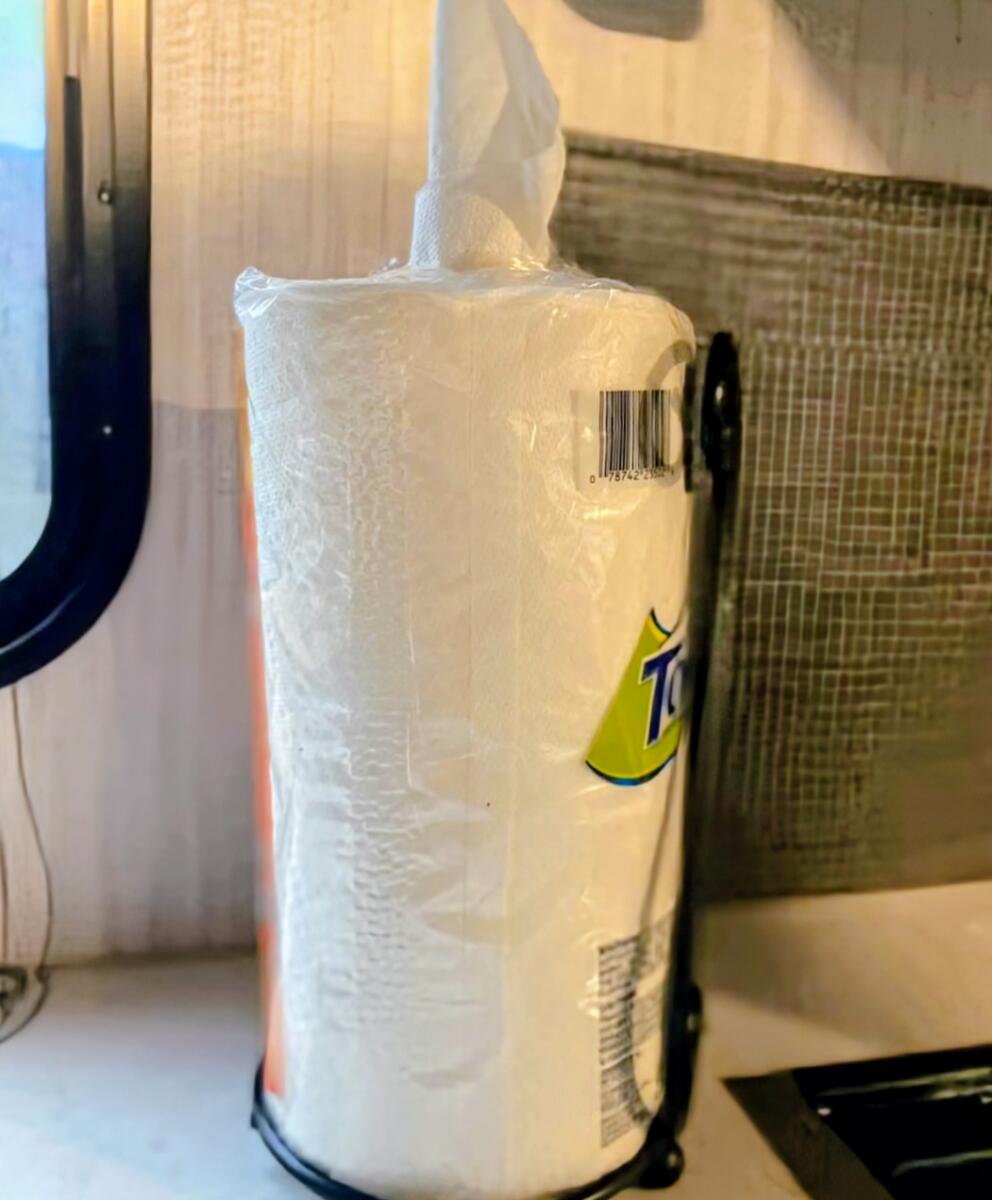
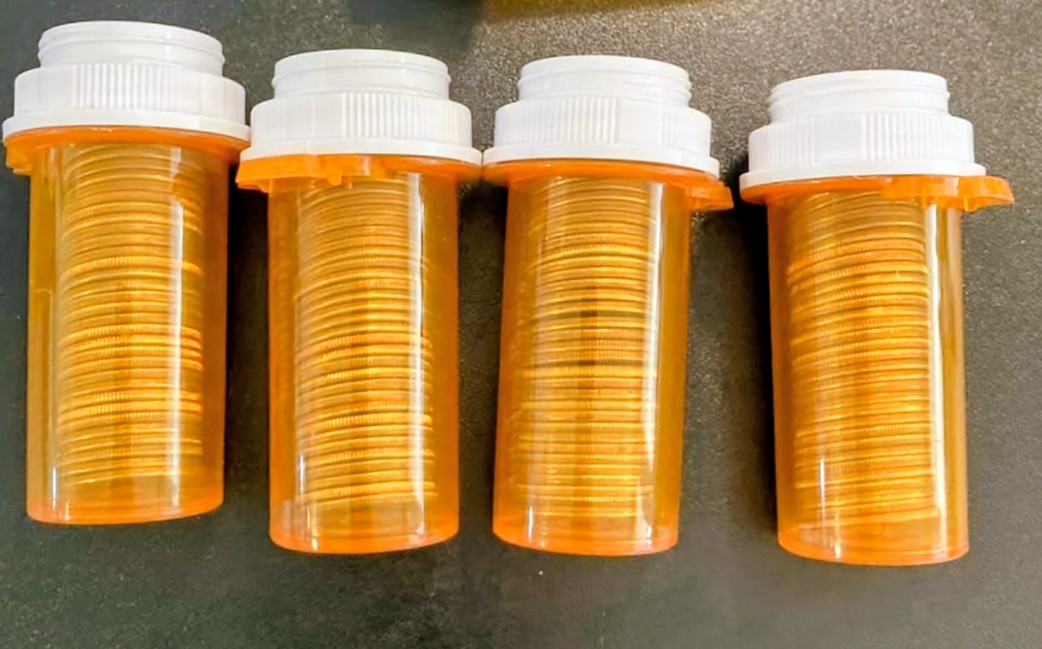
Remove the cardboard tube and pull the towels from the center.
Photo credit: RV Road Family
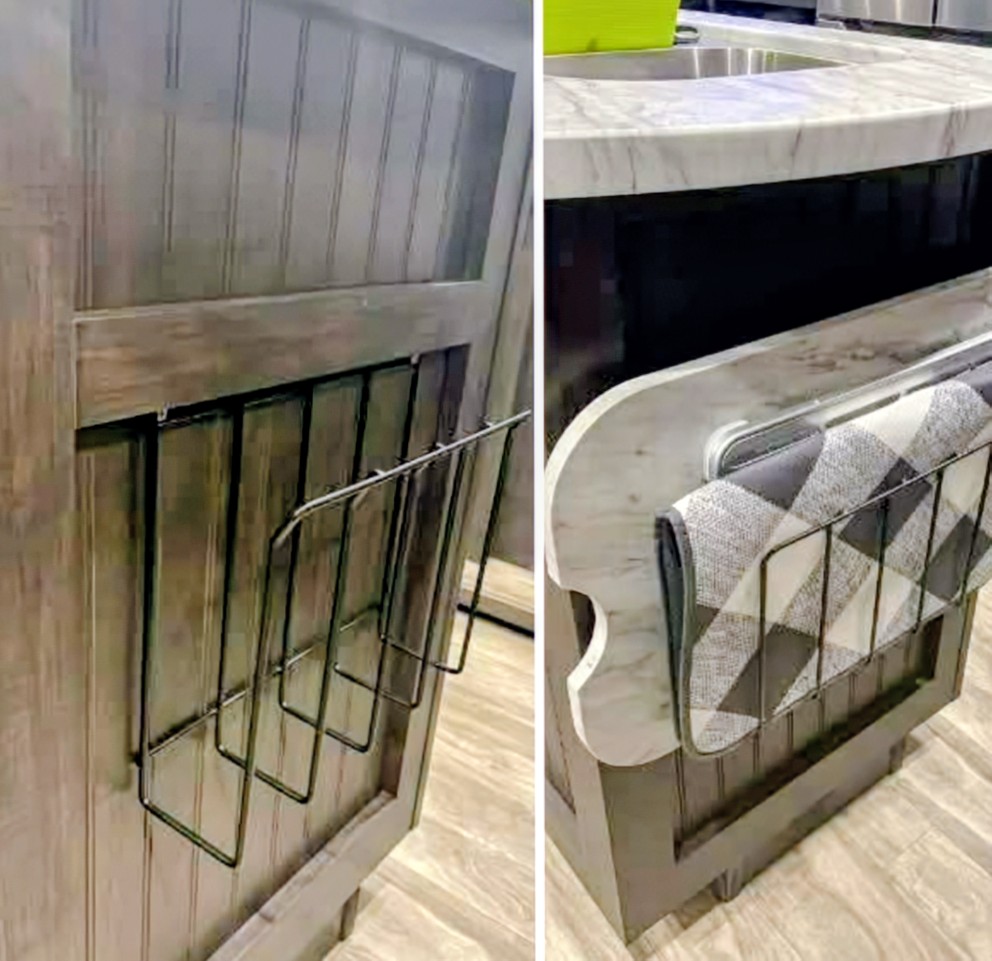
A wire magazine rack mounted to the end of a kitchen cabinet holds cutting boards, a sink cover and a drying mat.
RV window and door tips
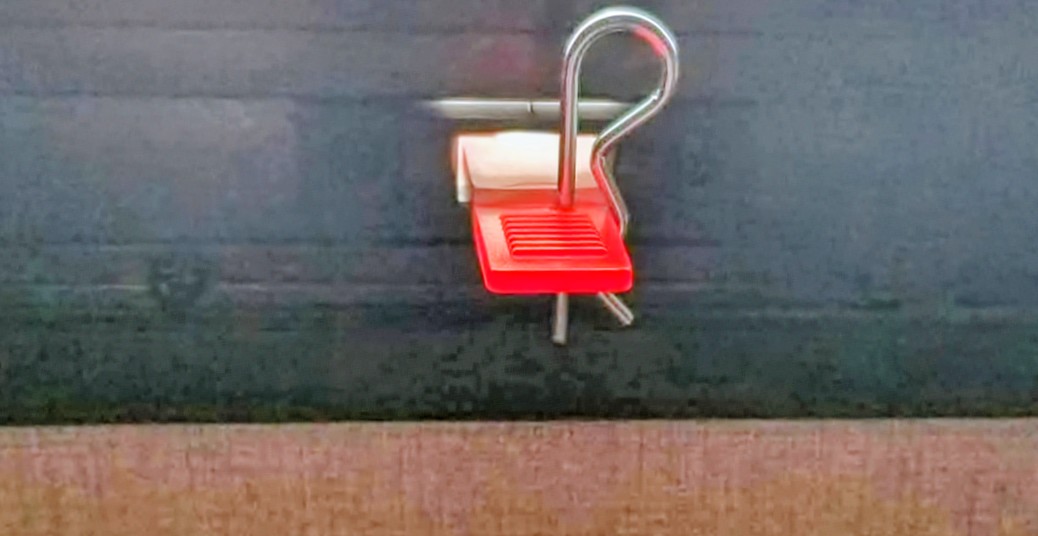
An unexpected wind gust can cause your emergency window latch bar to fall outside. Drill a small hole and secure with an R-pin. (For safety, remove the pin when the window is closed.)
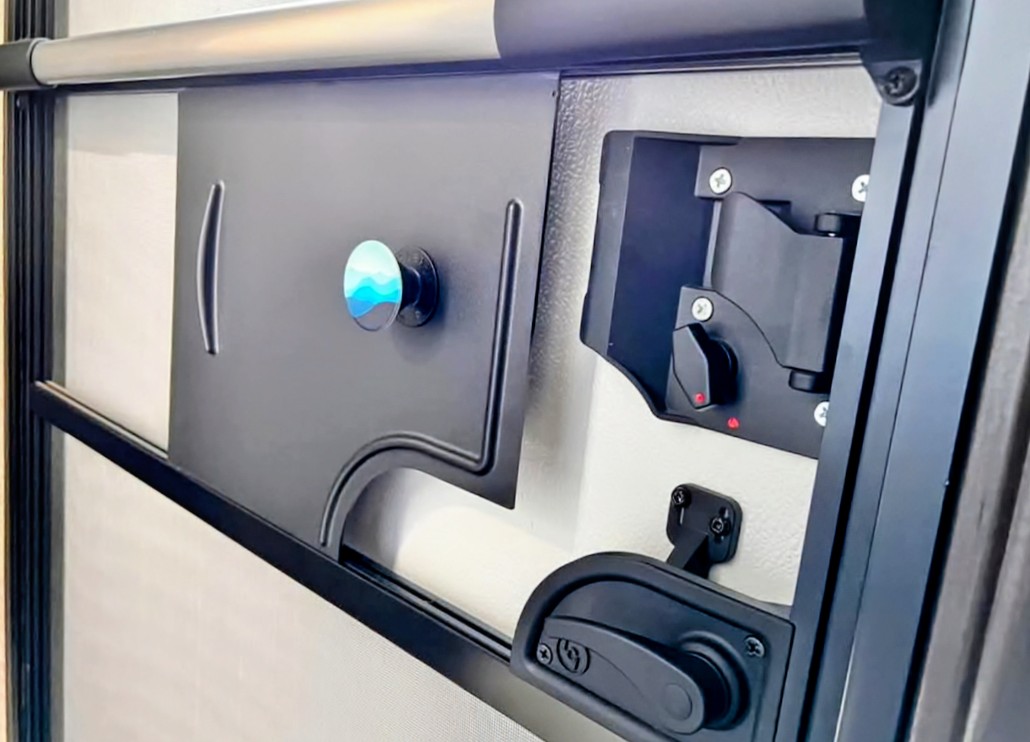
A pop socket (made for a cell phone) provides a better grip.
Light the night
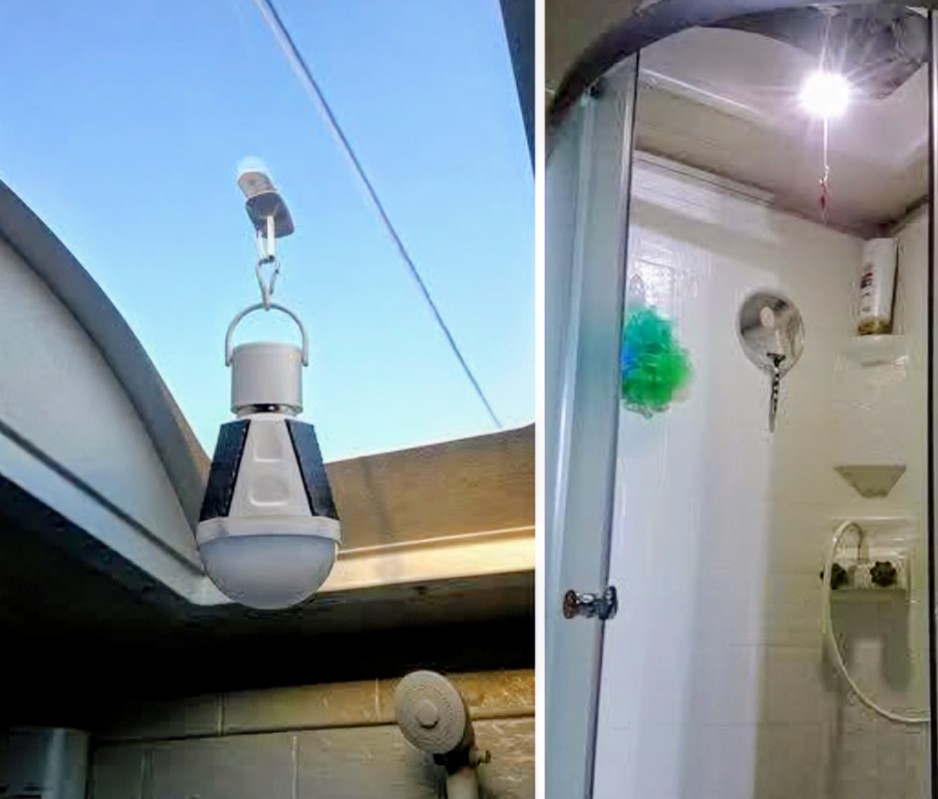
RVer (and Facebook contributor) Orianne Delafleur needed a nightlight in her RV. She mounted an outdoor solar light (similar to this one) in her RV bathroom’s skylight, and it works perfectly!
Clothing tips
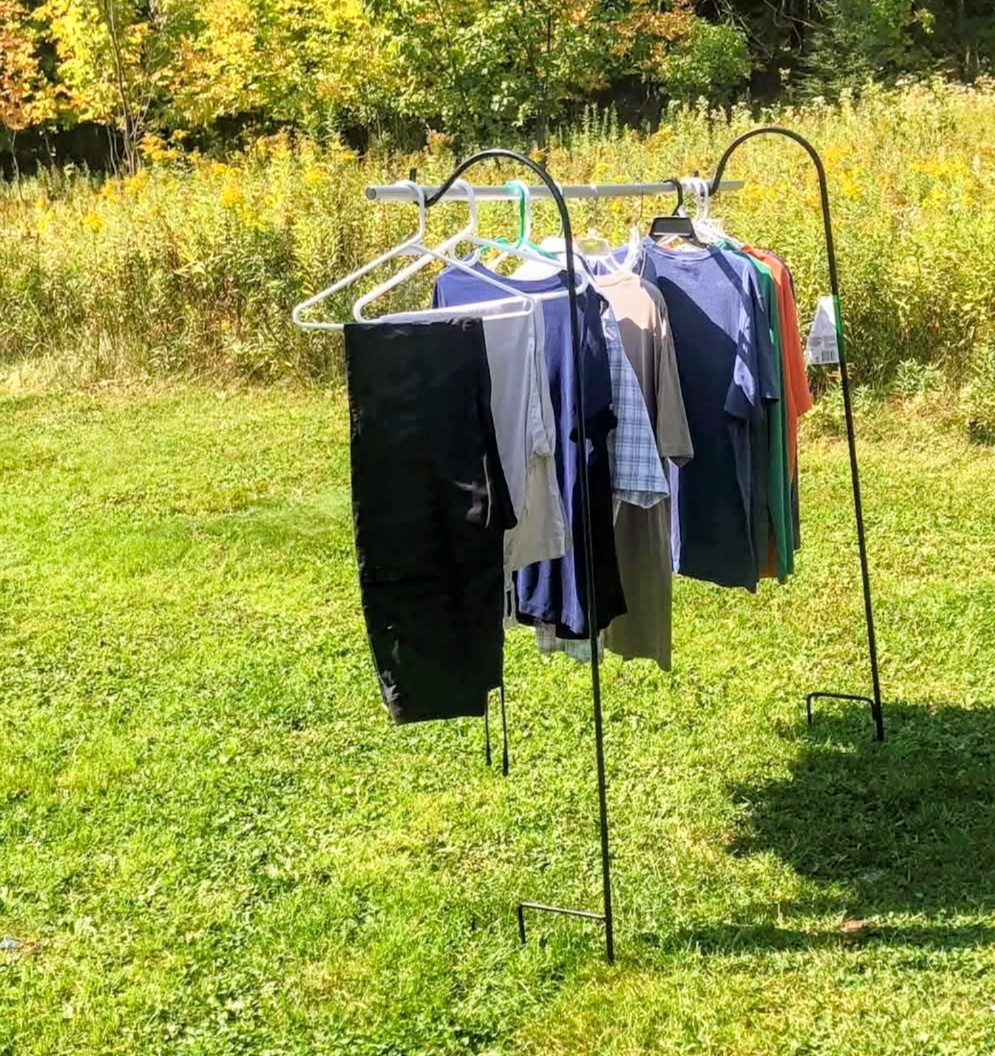
Two shepherd hooks and a length of PVC make an impromptu clothesline to dry clothes.
Photo credit: RV Family
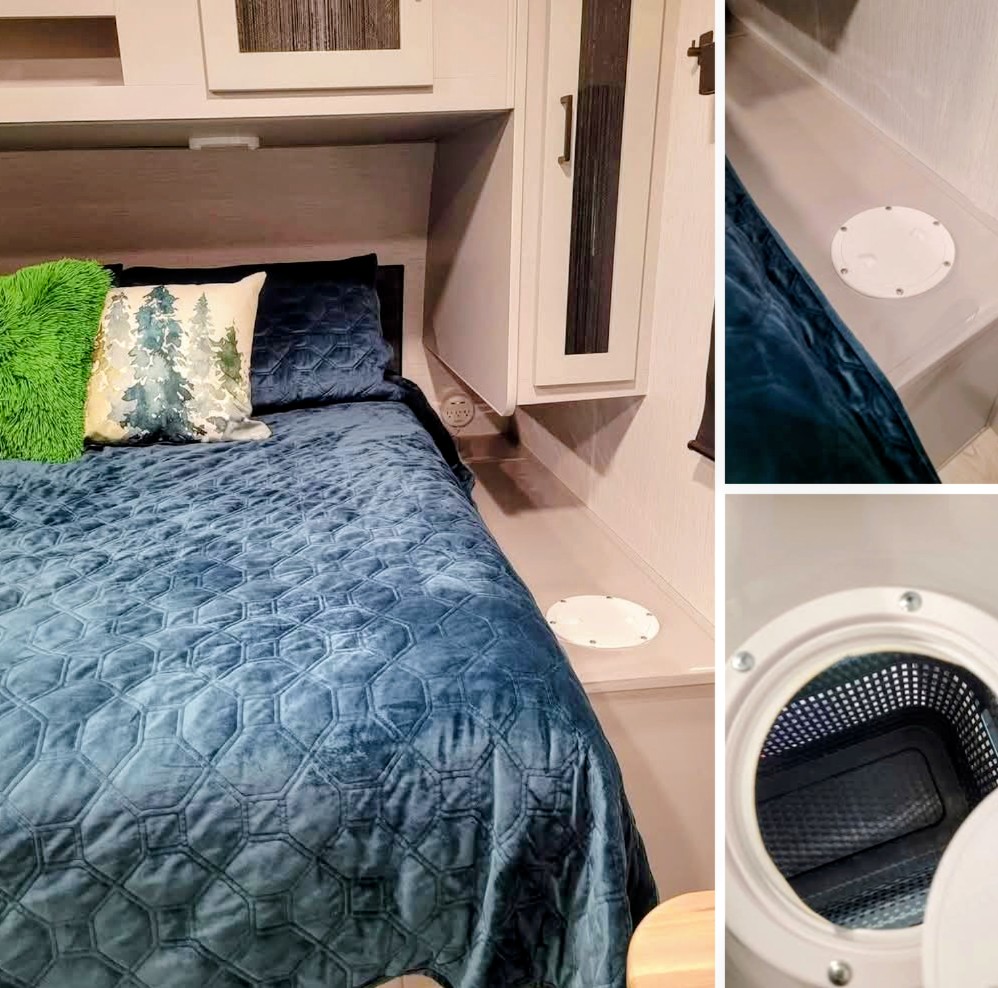
A boat deck portal caps the hole cut for a clothes laundry chute. Clothes fall into the storage area below.
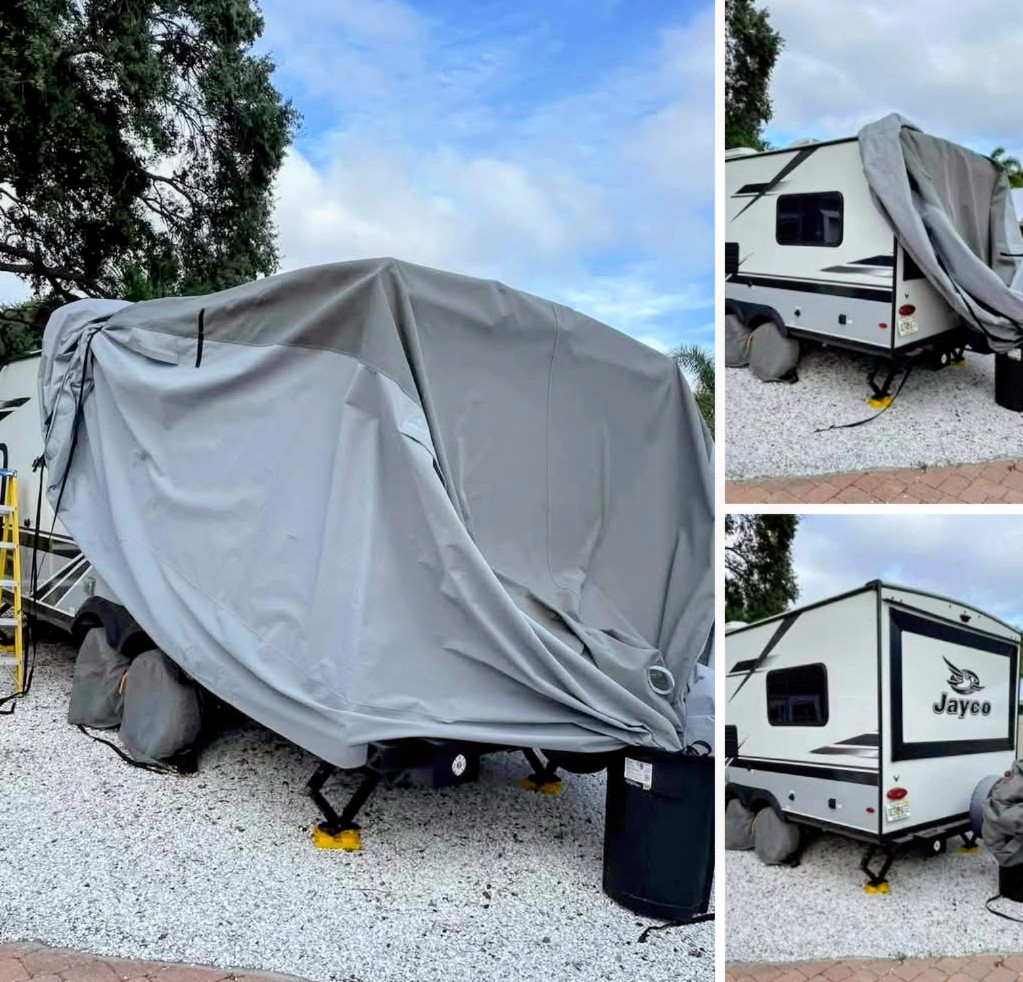
Place a clean, large trash bin behind your RV. Remove the cover by pulling it from the back and put it directly into the bin. To replace, just pull the cover up and forward.
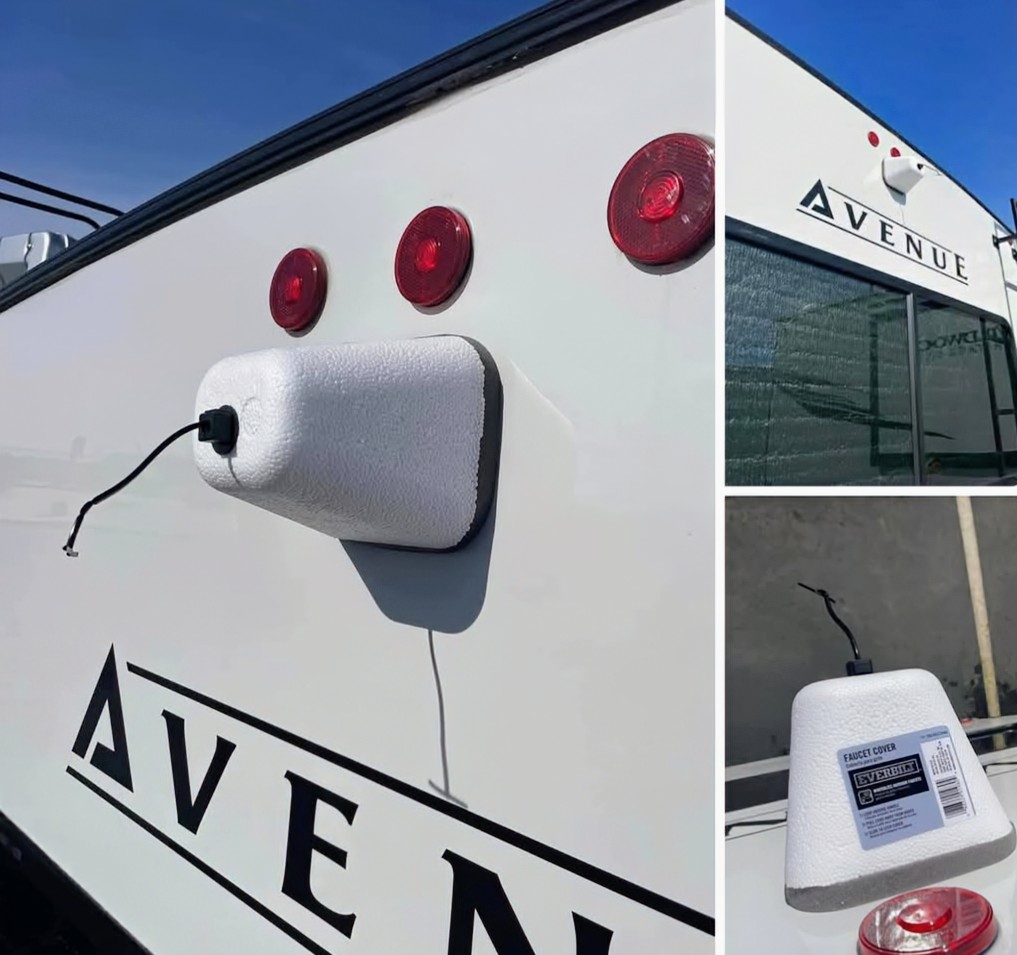
Protect your expensive backup camera from the sun and weather with an insulated hose bib cover. Remove on travel days, of course!
There’s one in every RV crowd!
Final “tip” from an RVer with a sense of humor!
Do you have a tip to share? Tell us in the comments below!
OPINION
Transportation Secretary Sean Duffy has a message for Americans: Hit the road and celebrate America’s 250th birthday with a great American road trip!
That would be adorable if it weren’t so breathtakingly tone deaf and hypocritical.
This is the same official who reportedly spent seven months on the road traveling with his family, filming a reality TV show—at taxpayer expense, with corporate sponsorships helping make that possible. Nice work if you can get it.
Meanwhile, ordinary Americans are supposed to what? Cheerfully pile into the family SUV, hook up the RV, and pretend fuel prices aren’t punishing? Pretend campground rates haven’t climbed? Pretend food prices haven’t become ridiculous? And pretend a simple weekend getaway doesn’t now require a budgeting spreadsheet?
For RVers, this is especially insulting. I’m an avid RVer who finds herself stuck at home this entire season because of prohibitively expensive fuel costs. I KNOW I am not alone.
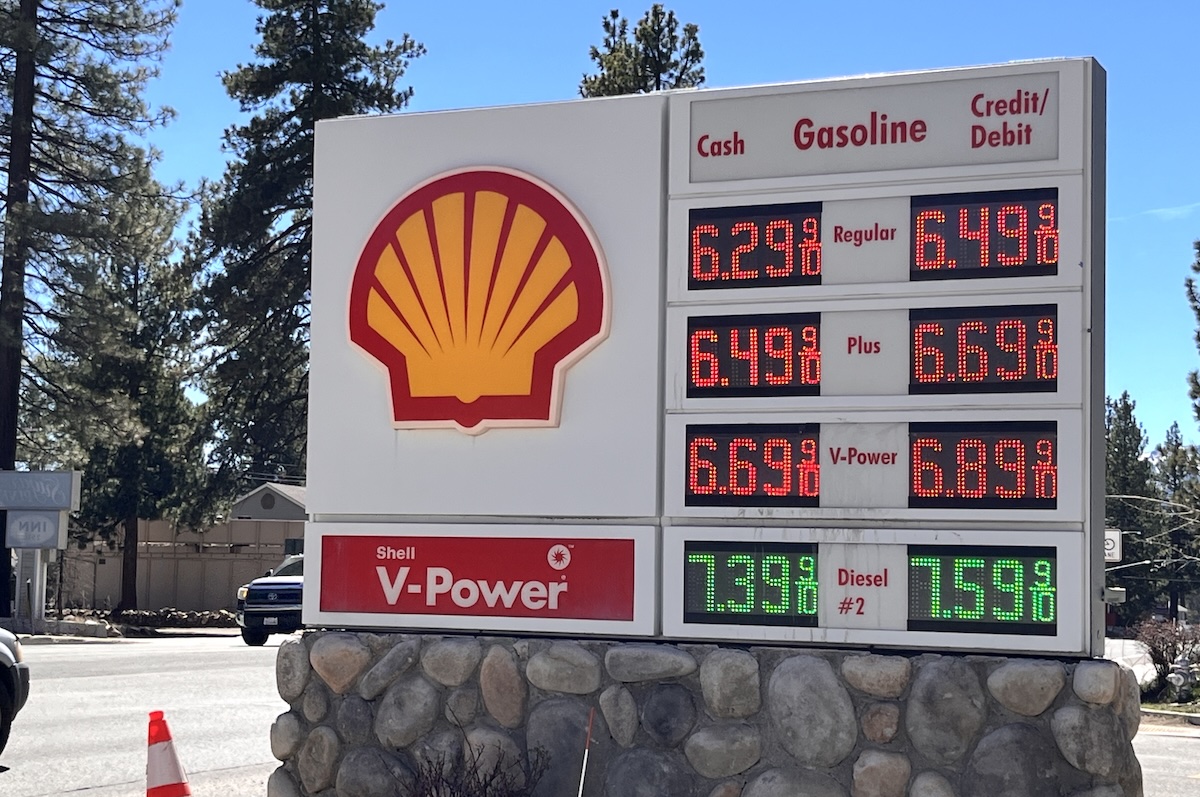
RVtravel.com publisher Chuck Woodbury snapped this photo in April at South Lake Tahoe, California. The prices have gone up since then.
RVers live with the reality of road travel costs. We know what it feels like to wince at the pump while filling a truck that tows a trailer. We know that a tank of fuel can vaporize a couple hundred bucks before you’ve even reached the state line. And we know that “the affordable American vacation” increasingly isn’t affordable at all.
And that’s what makes this so maddening.
Road trips used to be the democratic vacation. The everyman adventure. You didn’t need first-class airfare or a luxury resort budget. You just needed a reliable vehicle, a map, and enough gas money to chase the horizon.
Now we’re being told to celebrate by doing the very thing that’s becoming financially out of reach for millions. It has a real “let them eat cake” vibe.
If government officials want Americans to embrace road travel, maybe start by making it economically realistic instead of delivering cheerful travel advice from the comfort of a sponsored media tour.
Because for most Americans, the problem isn’t patriotism. It’s the price tag.
A longtime RVtravel.com reader recently commented on my review of a truck camper RV. Jim Johnson said (in part), “The problem with truck campers today is the RV parks that won’t accept them.”
Jim’s comment prompted me to mentally review the countless RV parks we’ve visited. Turns out, he’s right! Looking back in my mind’s eye, I haven’t seen too many truck campers. Fifth wheel RVs? Check! Travel trailers? Check! Motorhomes? Check! Tents? Check! But truck campers? Not many. Could it be that some RV parks really do disallow them? I had to learn more!
Definition(s)
Just what is a truck camper? I’ve always believed it’s a self-contained, manufactured RV unit sized to slide into the bed of a pickup truck. RVIA agrees with me. It classifies an RV unit that sits in the bed of a pickup truck as one of the core RV types (along with fifth wheels, travel trailers, and motorhomes). Truck campers are also called pickup campers.
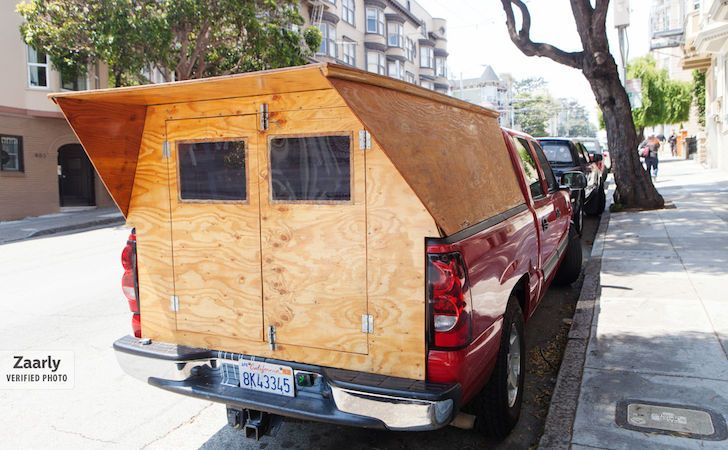
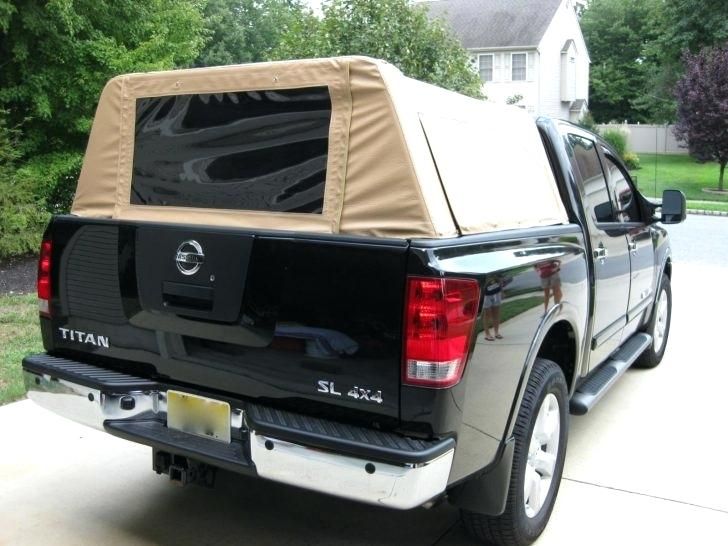
You’d think this definition would suffice. However, there are also homemade truck campers, like the one pictured above. If you ask Google, you’ll find many, many do-it-yourself truck camper building plans.
But wait! There’s more. You can also purchase a soft-sided truck camper. These popular setups feature canvas or screen “walls” similar to a tent. They provide more usable space for comfort.
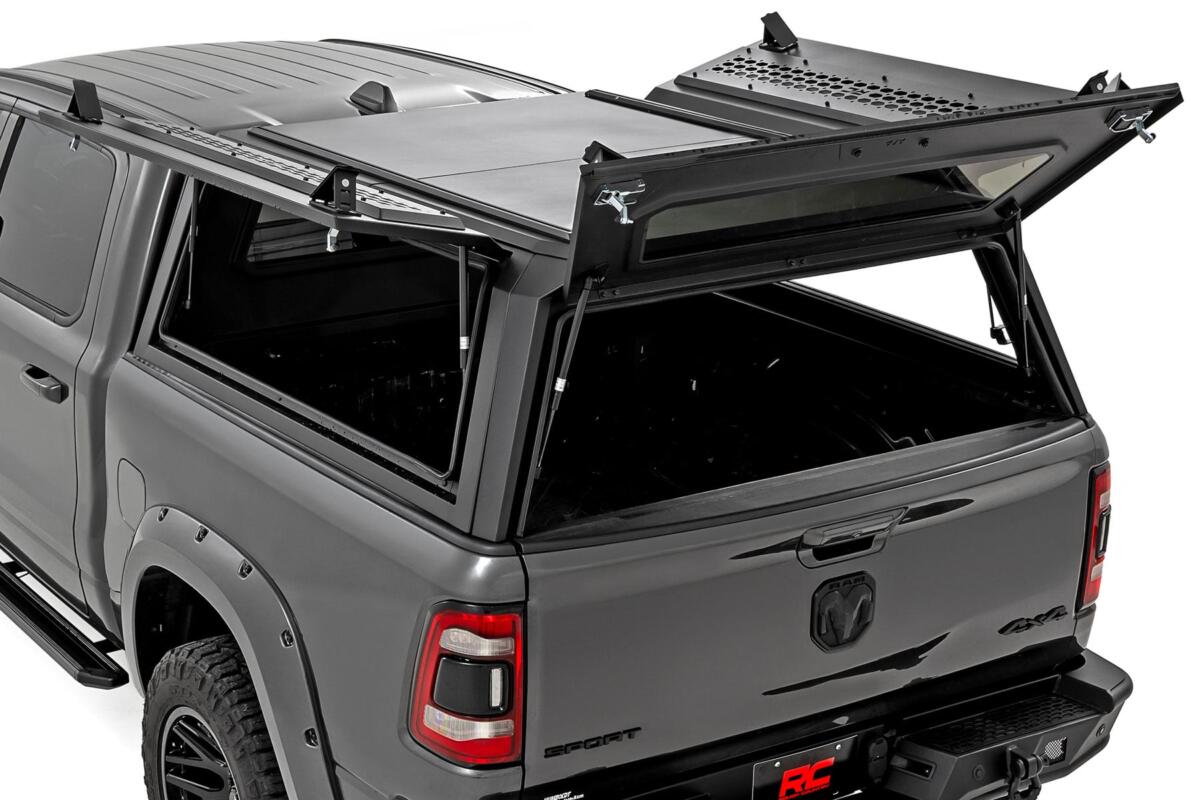
Then, there are folks who define a truck camper as any configuration that allows for sleeping. A truck topper (see above) qualifies with this definition. For that matter, an open truck bed with an inflatable mattress tossed inside could qualify as a “camper,” I guess.
Not welcome
Many RV parks and campgrounds—especially private and resort-style facilities—have rules that prohibit truck campers. This is not a federal law, but rather a policy set by individual operators.
Here are some reasons why truck campers are not always welcome:
• Insurance and liability concerns. Some owners cite insurance as a reason. In earthquake- or fire-prone areas, they may require campers to remain on the truck at all times so they can be evacuated quickly if needed. Others may have had trouble removing abandoned or damaged truck campers, making removal more costly than with a standard trailer.
• Appearance rules. Certain parks want to maintain a “clean” or “resort” look. Truck campers can be seen as less RV-like. Some park operators use these restrictions to wean out people they consider undesirable—such as those living in vehicles long-term or who may be homeless. This is about appearances and perceived suitability for the campground’s clientele.
• Safety. Bear country can create another layer of restrictions. When a campground is closed to soft-sided camping, pickup campers with exposed canvas or truck-bed tent campers may be barred for safety reasons. (Hard-sided truck campers may still be allowed.) The White River National Forest did exactly that at Difficult Campground in 2025 because of bear activity. The notice specifically excluded truck-bed tent campers.
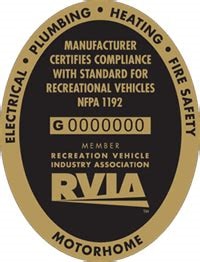
• Classification and certification. Some parks require RVs to be certified by the RVIA (Recreation Vehicle Industry Association) for safety features like wiring, plumbing, and fire alarms. Many truck campers are self-built and may not meet these standards, so they are turned away.
Why choose a truck camper
A lot of RVers like truck campers because they are compact, flexible, and easy to take into places where bigger rigs struggle. Another reason for the truck camper’s popularity is cost. Truck campers often cost much less than many other RV choices. Especially if you choose to purchase a previously loved manufactured model.
What can truck camper owners do?
The good news is that truck camper owners still have plenty of places to stay. Look for state and national park campgrounds that explicitly list truck campers, pickup campers, or small RVs as allowed equipment. (Always read the site notes before booking.) Big Bend National Park, TX, for example, allows a smaller RV or pickup camper at certain group sites. Many front country campgrounds are built for tents, RVs, and towables in general.
If you are not tied to hookups, BLM dispersed camping is another solid option. It is usually managed with clear stay limits and area-specific rules.
Bottom line
If you own a truck camper, check each campground’s posted rules before booking. If you can’t find a place that accepts your truck camper, consider public land campgrounds, van-friendly RV parks, or boondocking.
What about you?
Do you own, or have you ever owned, a truck camper? Have you ever been turned away from an RV park or campground with yours? Tell us about it using the comments below.
The Republic of Slowjamastan is a self-described “micronation” located in Southern California.
If you like strange and unique stops along your RV route, Slowjamastan is both!
Getting there
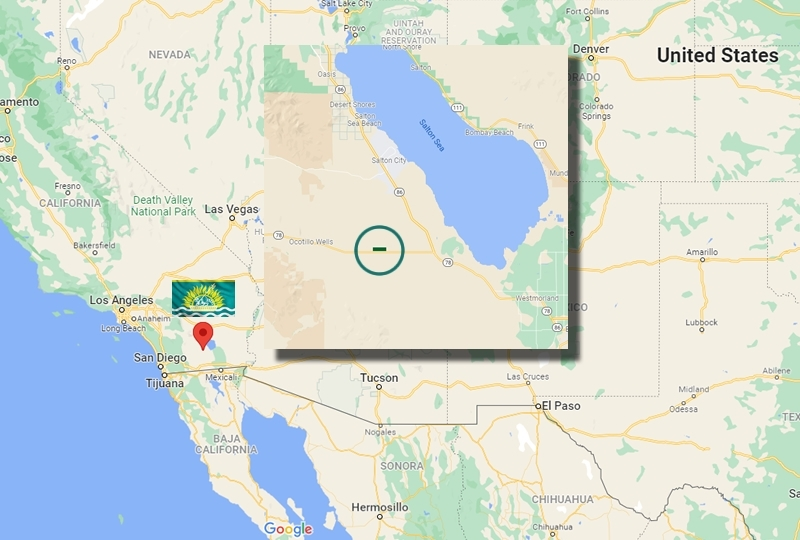
The 11 acres comprising this micronation are set along California State Route 78 between Ocotillo Wells and Westmorland.
Getting to the Republic of Slowjamastan is simple because there’s really just one main approach. Follow CA-78 west of Westmorland. The Republic’s official location page lists the coordinates as 33.125901 and -115.958612. For RVers, that makes Slowjamastan an easy add-on to a larger desert loop.
RVers should note that visits are by appointment and approval only. That’s because the property is private land and trespassing is illegal.
A bit of history
Slowjamastan began as a tongue-in-cheek project in 2021. Founder and disc jockey Randy “R Dub!” Williams first visited the area on August 14, 2021. The pandemic had derailed the DJ’s lifetime goal to visit every country in the world. So, Williams made his own country! He promptly sketched his idea for Slowjamastan on paper and, a few days later, posted about his idea online. Afterwards, Williams set out to find land.
Williams bought the land on October 4, 2021, and the ground was broken on November 11, 2021. Independence for the Republic of Slowjamastan was declared on February 6, 2022.
And now?
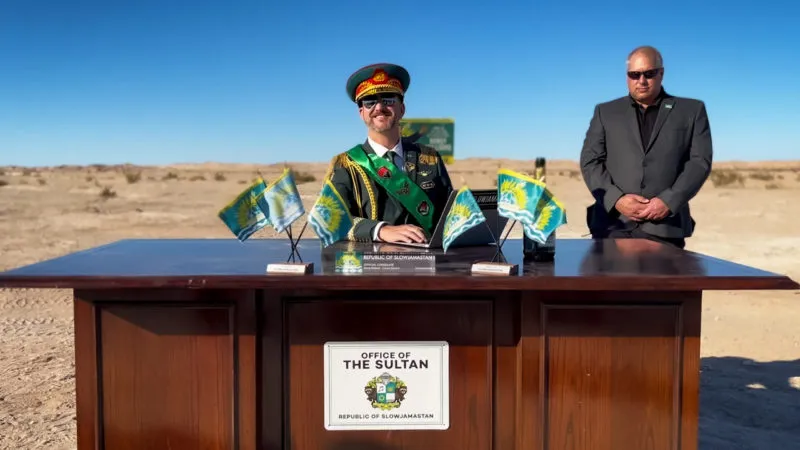
Williams remains the leader (Sultan) of his micronation, and his official desk is located in the nation’s capital of Dublandia. (No building. Just a desk. In the middle of the desert.)
I was surprised to learn that Slowjamastan now claims more than 31,000 citizens. Citizens of the Republic of Slowjamastan do not live within the Republic’s borders. (No one does.) Instead, they live in more than 120 different countries around the world and have registered for “official” citizenship online. You, too, can become a citizen of Slowjamastan!
Swift progress
Over the past five years, the micronation spoof has grown into a surprisingly developed brand of its own. The Slowjamastan official site now includes passports, has an official currency called the Duble, and flies its official national flag, featuring the nation’s official mascot, the raccoon.
The Republic also boasts a growing set of states within its borders, like Goodlandia, Bucksylvania, Hotdamastan, and more. Every state is governed by a list of Slowjamastan laws, too. You can read Slowjamastan laws here. (I especially like the law about using the left lane only to pass. The punishment for breaking this law is: “You will wear two pieces of bread on each side of your head and a name tag that says, ‘I’m an idiot sandwich’ for 15 days.”)
Slowjamastan has its very own national anthem. You’ll probably recognize the tune. Listen to it here.
Humor is certainly a huge part of Slowjamastan’s appeal, but the surrounding online community has grown into a full-fledged culture. Check out Slowjamastan’s “merch” for sale.
Watch a video about Slowjamastan filmed by Bartell’s Backroads here.
What else to see and do
An RV detour to Slowjamastan may not take long. That’s okay! After a whimsical photo, there’s much more for RVers to see and do while in the area. California’s largest state park, Anza-Borrego Desert State Park, lies just to the west. It offers about 500 miles of dirt roads, 12 wilderness areas, and hiking trails where you’re sure to see bighorn sheep, wildflowers, palm groves, cacti, and big desert views.
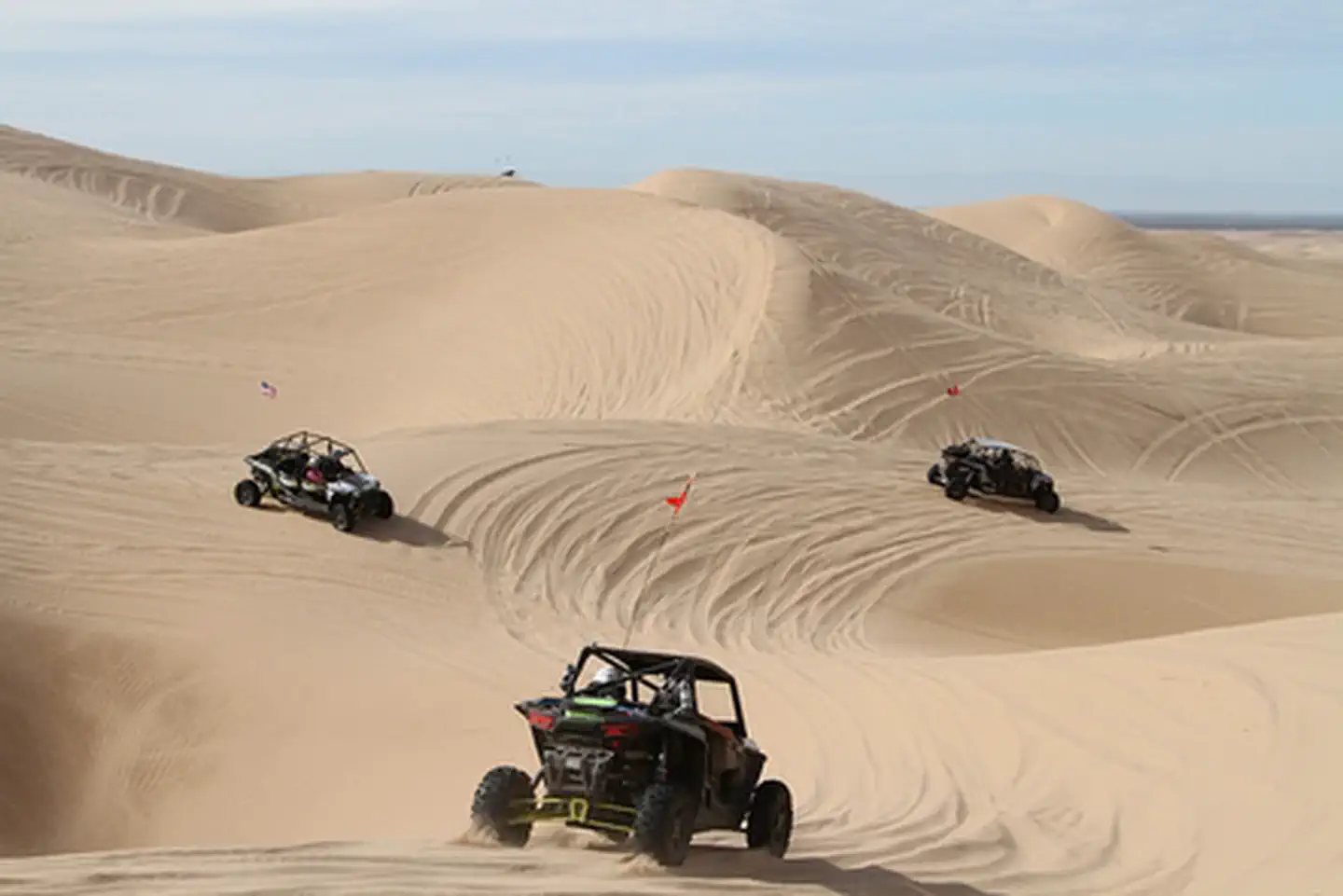
Farther out, the Imperial Sand Dunes add another huge public-land playground for OHV travelers.
Where to stay
If you are looking for a place to park the rig, Agua Caliente County Park is a strong winter option. It has full-hookup sites, partial-hookup sites, and even a caravan area for larger groups. The natural springs pools are a favorite for visitors.
Borrego Palm Canyon Campground (at Anza-Borrego Desert State Park) is another good RV base, especially if you want to pair Slowjamastan with classic Anza-Borrego scenery. This campground offers RV sites with full hookups, a dump station, restrooms/shower house, drinking water, and access to the Borrego Palm Canyon trailhead.
For something a little simpler and quieter, Tamarisk Grove Campground (at Anza-Borrego Desert State Park) works well for smaller rigs. Here, RVers with rigs of 35 feet or less can camp from October 1 through May 31. There are no hookups, but within the park, you’ll find restrooms, showers, and drinking water.
You should go!
Check out the Republic of Slowjamastan, then head for Anza-Borrego’s trails and overlooks. Spend some time at the bird-rich Sonny Bono refuge and the Salton Sea shoreline. Or, if off-roading is your passion, visit the Imperial Sand Dunes. That mix gives RVers the oddball landmark they came for, plus plenty of legitimate things to see and do once the novelty photo is taken.
Have you visited unique stops like Slowjamastan? Tell us about it in the comments below.
By Cheri Sicard
In the video below, we join Joshua from RV Gear & Faras he shares a genius RV mod that creates storage for an RV sewer tote. These totes are super handy when you are at a campsite that lacks a sewer connection, as you can dump your black tank without having to move the RV. However, where to store it is always a conundrum.
Joshua says a lot of RVers store the sewer totes at the back of the RV, either strapped to the bumper or sometimes the rear ladder. However, there are two things he does not like about these solutions:
It’s unsightly.
The totes are sitting in the sun, exposed to UV rays with this method, which shortens the life of the tote by making the plastic brittle. Brittle plastic is something you DEFINITELY do not want in a container that holds sewage.
Storage for sewer tote under the RV
By contrast, Joshua’s mod lets you create storage for an RV sewer tote underneath the RV, both out of sight and out of the sun.
Actual instructions for this mod start at point 1:30 in the video. To create it, Joshua modified a BAL Hide-A-Spare system, which is made to hide a spare tire under the rig, to hold the sewer tote.
Watch the video to see what Joshua had to do to make it fit. He has options for RVs with or without enclosed underbellies.
The final result is a perfect storage and travel space for your sewer tote, which slides out for easy accessibility when you need it. Genius!
One caveat: Joshua says this mod will not work on an Airstream as they sit far too low. If your RV sits low, it might not work for you, either. In the video, he shows what to look for and how to make sure you have enough ground clearance for it to work.
Ryan Bell of Outdoors Embrace built “Megalodon,” his stealth camper van, to be a full-time home where no space goes to waste. After four years living in his “Great White Van,” he sold it, bought the largest Ford Transit he could, and turned it into a stunning, self-built rig with climate control, a central kitchen, a hidden shower, and a full media setup. We get a tour in the video at the end of this post.
He says it’s his home for the next few years, before he moves on to a future sailboat. The video shows why every inch of space in the stealth camper van has a job.
Why Megalodon feels bigger than a van
Bell started broke and in debt, so Megalodon is more than a van build. It’s the result of years of trial, living on the road, and refining what matters most in a small space.
The layout puts the kitchen in the center, then builds outward into storage, work, sleep, and entertainment. His dad helped with brainstorming throughout the build, and Bell says the van is a love note to van life.
Right by the door, a Dometic CFX3 fridge slides out so groceries can go straight in from a cart. Next to it, a flip-up counter adds prep space and gives Ryan a spot for coffee outside.
The rest of the kitchen keeps stacking useful details: a Furrion three-burner stove, a convection microwave that also works as an air fryer, a slide-out spice rack, a cutting board, and a sink tall enough for washing hair.
Above the range, a soft-close pantry stores food. The dresser holds a coffee station, camera gear, clothes, medicine, laundry, and an emergency cassette toilet.
The hidden shower and climate setup are the big surprise
The dresser also turns into a two-person shower. Bell steps on a yellow latch, pulls the shower pan into the aisle, wraps a magnetic curtain around it, and switches on the lights. It recirculates heated water, vents humidity out, and reaches 111 degrees.
He pairs that with a Dometic RTX 2000 air conditioner and a Webasto diesel heater. Ryan says the van can hold 74 degrees in desert heat and stay warm below zero. He credits that less to battery size and more to insulation, with 5 inches in the walls and 3 inches in the ceiling, using Havelock wool and loose-fill wool.
Theater, gaming room, and even a studio
The bed shifts into couch mode with a lifting table, so the van becomes a lounge for up to three people. A slide-out projector throws onto a pass-through screen for indoor or outdoor movie nights, and detachable speakers under the van expand the sound.
For work and play, Bell runs a Mac mini M1, a Steam Deck™ dock, T-Mobile home internet, a curved 30-inch TV, and a Rockford Fosgate subwoofer. He also records music inside the van. He says he even recorded his brother-in-law’s album there.
Off-grid systems and sleep comfort tie it together
Under the van, a 25-gallon water tank, external fill hose, pump, and filter give Ryan several ways to source water, including from a separate tank or a flowing river. Drain lines let him winterize the system, and skid protection helps guard the tank.
Under the bed, the van carries a pure sine wave inverter, two 300Ah lithium iron phosphate batteries, 800 watts of BougeRV solar, and an alternator charger.
Up top, the queen bed is 4 inches wider than standard, layered with foam and multiple comforters. Blackout details, white-noise climate systems, a hammock for guests, vanity mirrors, and under-bed storage turn the van into the kind of place Ryan calls a sleep sanctuary.
Final thoughts
Megalodon works because Ryan didn’t treat any of the features as extras. The shower hides inside a dresser, the kitchen doubles as storage, and the entertainment setup also supports work and music.
That is what makes the build memorable. Every inch has a purpose, and none of it feels wasted.
Life has a way of throwing all kinds of seasons at us. Some years feel full of adventure, joy, milestones, and memories you’ll never forget. Other years? Well… sometimes it feels like you’re just trying to keep your head above water. And for many of us, most years land somewhere in between.
Maybe this past year brought exciting travels, family time, better health, new opportunities, or simply more peace than usual. Or perhaps it’s been a difficult stretch filled with challenges, losses, stress, or disappointments. Life can change a lot in a single year.
For RVers especially, the past year may have looked very different depending on fuel prices, health, finances, family situations, or simply where the road has taken you. Some people finally checked dream destinations off their bucket lists, while others may have spent more time parked at home than they expected.
So we’re curious…
Overall, has the last year of your life been among the best, worst, or about the same as others?
Vote in the poll below and, if you’d like, leave a comment. We’d love to hear what made this past year stand out—or not stand out at all—for you.
And as always, thanks for being here and sharing a little piece of your life with us. We appreciate it!
By Dustin Simpson
When it comes to resealing your RV’s slide-outs, you’re on the right track. The good news is that you can use any appropriate brand of sealant, regardless of what the manufacturer might suggest. The key is making sure you’re using a high-quality sealant that’s designed for RVs and compatible with your slide-out materials.
Sealant separation on the exterior side out roof line at beltline molding.
Here’s a step-by-step guide to resealing your slide-out:
1. Gather your supplies
Sealant: A self-leveling RV sealant like Dicor or Alpha Systems works great. Both are popular choices and will get the job done.
Caulking gun: You’ll need this caulking gun to apply the sealant. Tip: Cut the tip very small to apply. A trick I do is pinch the tip to help apply flat between the roof and molding edge.
Utility knife: To remove the old sealant.
Cleaning supplies: Isopropyl alcohol, a rag, and a scraper to clean the surface before applying the new sealant.
Masking tape: Optional, but it helps to create clean lines.
2. Remove the old sealant
Carefully use your utility knife or a scraper to remove the old, cracked, or peeling sealant. Take your time to avoid damaging the surface underneath.
Clean the area thoroughly with isopropyl alcohol to remove any dirt, grime, or leftover residue. A clean surface is crucial for the new sealant to adhere properly.
5. Tighten or replace screws
Make sure to lightly tighten the screws before you reseal and replace any that are damaged. Here are the black replacement screws, and here are the white screws.
4. Apply masking tape (optional)
If you want to keep the lines clean and avoid any excess sealant, apply masking tape along the edges where you’ll be applying the sealant.
5. Apply the new sealant
Load your sealant into the caulking gun and apply a smooth, even bead along the edges of the slide-out. Start at one end and work your way to the other, keeping a steady hand.
6. Smooth the sealant
Use a caulking tool or your finger (wearing a glove) to smooth out the sealant and ensure it fills all gaps. This step helps to create a watertight seal.
7. Remove masking tape (if used):
Carefully remove the masking tape before the sealant dries to avoid pulling up the new sealant with it.
8. Let it cure
Allow the sealant to cure according to the manufacturer’s instructions. This usually takes about 24 hours, but it’s best to check the product label.
9. Inspect your work
Once the sealant has fully cured, inspect your work to make sure there are no missed spots or bubbles.
By following these steps to reseal your RV’s slide-out, you can ensure that your slide-out is properly sealed and protected from the elements, regardless of the brand of sealant you choose. Just remember to do this regularly to keep your RV in top shape!
Hope this helps you reseal your RV’s slide-outs. Happy RVing!
We use cookies to ensure that we give you the best experience on our website. By continuing to use our site, you consent to accepting cookies. We NEVER have or will sell reader's data. For more info, please see our privacy policy page.