Issue 2617
Today’s thought
“I’m a big cockeyed optimist. I try to accentuate the positive as opposed to the negative.” —Betty White
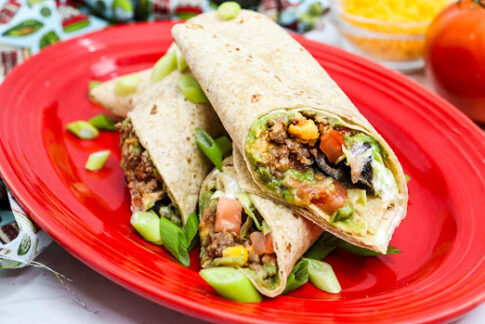
Need an excuse to celebrate? Today is National Empanada Day!
On this day in history: 1918 – World War I: Actors Douglas Fairbanks and Charlie Chaplin sell war bonds on the streets of New York City’s financial district.
 Tip of the day
10 smart ways to repurpose empty tissue boxes
By Gail Marsh
RVers are always on the lookout for clever storage solutions and creative hacks. Here are some unusual ways to repurpose empty tissue boxes.
Before you take your boxes to be recycled, consider these ten unique ideas to give your tissue boxes a second life.
1) Tired of the clutter from loose reusable grocery bags? Use your empty tissue box to neatly store and dispense plastic or reusable bags. Add a bit of Velcro to the bottom of the box and its companion piece to the inside of a kitchen cabinet. The bags will be easily available as needed. Continue reading.
Ask Dave
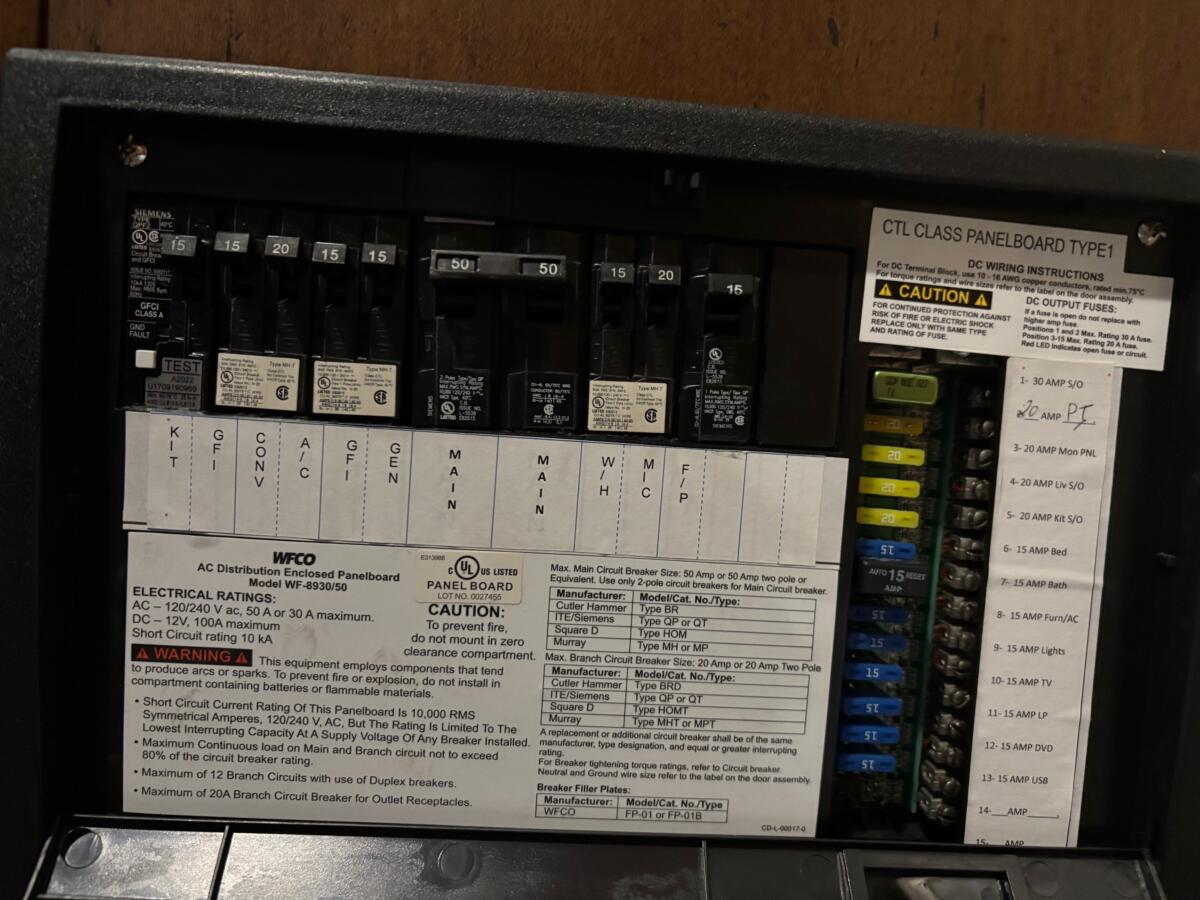
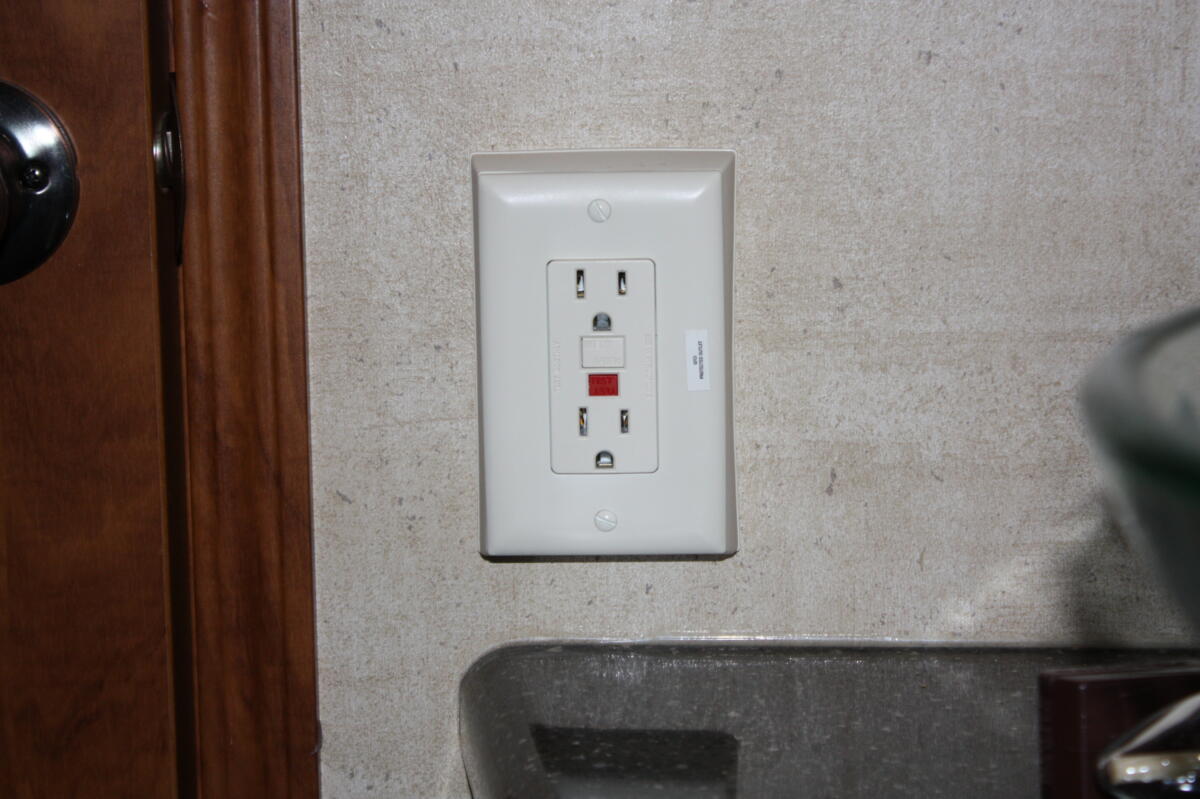
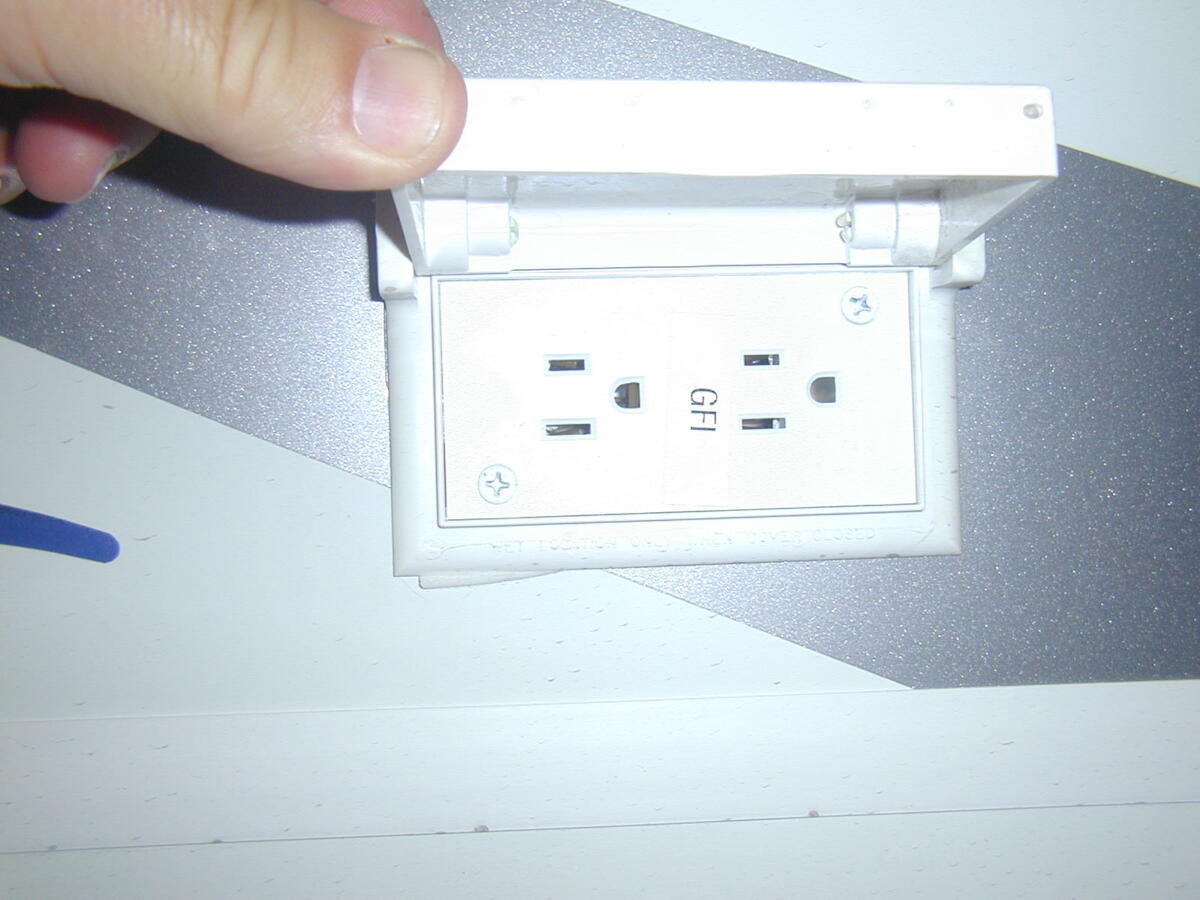
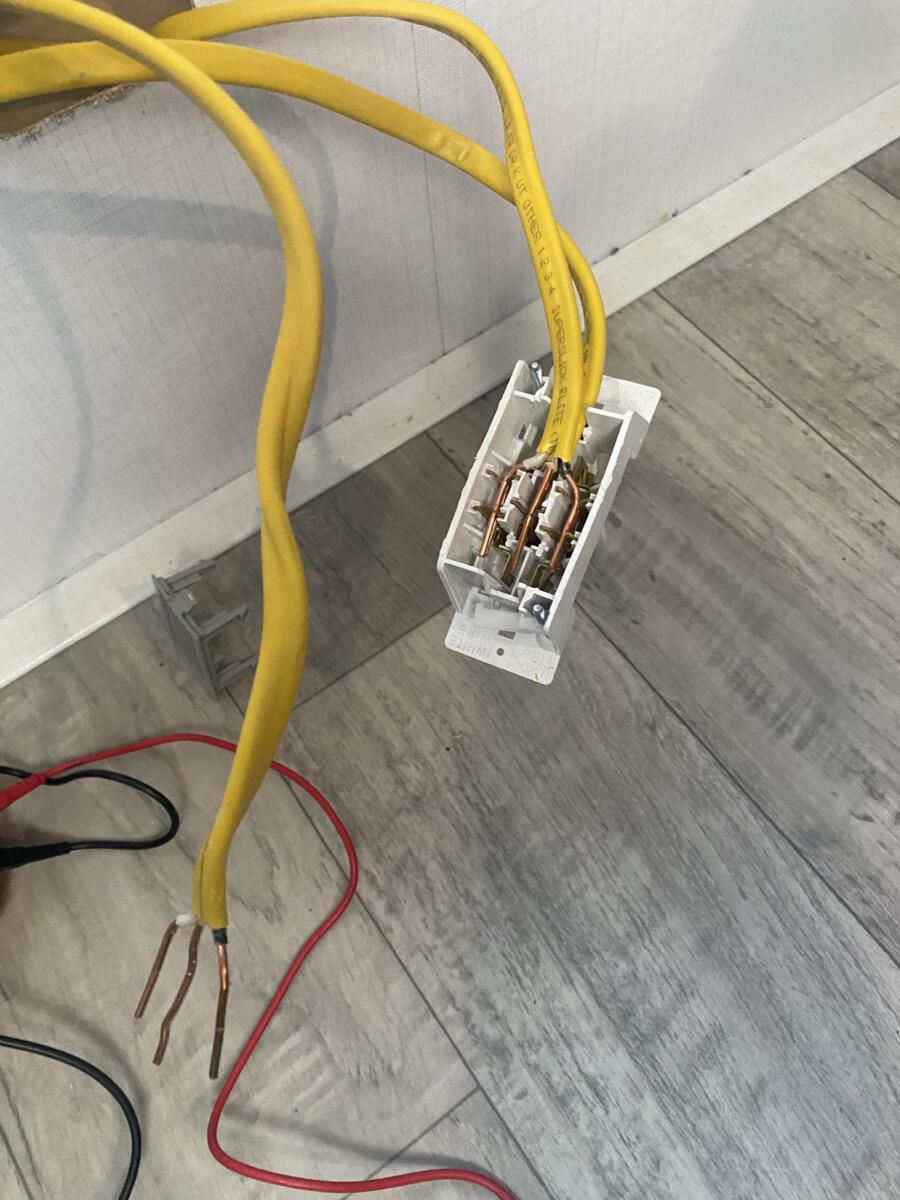
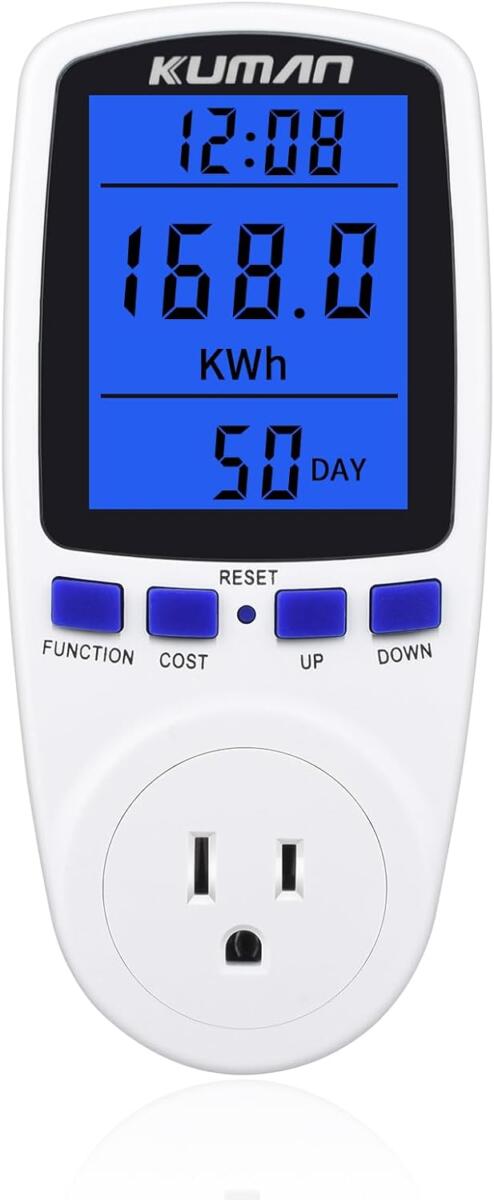
Why does toaster oven trip the GFCI in RV bathroom?
Dear Dave,
I am new to this camper and although most things are going well, I had a problem when I tried to use a toaster oven in the kitchen. After turning it on and trying to make some toast, it ran for about 30 seconds and then turned off. My multimeter was not handy, but I soon realized that the bathroom GFCI had tripped. There were no other appliances in use at the time. I had an electric toothbrush plugged into the bathroom outlet, but it was not in use…. Read the rest of Mark’s question and Dave’s answer.
Video of the day
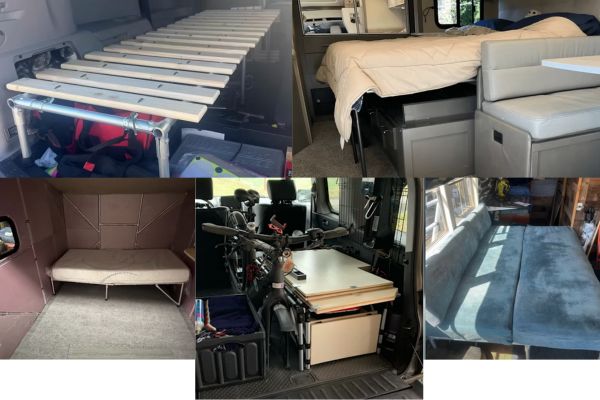
Five clever camping beds you can build for a custom sleeping space
By Cheri Sicard
In the video below, the team from Maker Pipe showcases their products to make five clever van lifer beds. Building your own camping bed can be a game-changer. It lets you create a comfortable and custom sleeping space that perfectly fits your needs and vehicle. And the best part? You can do it yourself using affordable and easy-to-work materials like EMT conduit and Maker Pipe fittings. Check these out.
Featured article
This is one way to NOT haul your ORV—Youch!
Some RVers are just too clever for their own good. Give ’em a bungee cord, they’ll haul the world. This character has found the “ideal” way to carry that cumbersome extra vehicle. No tow hitch is required. This novel way to haul your ORV is NOT one we recommend.
Reader poll (and article)
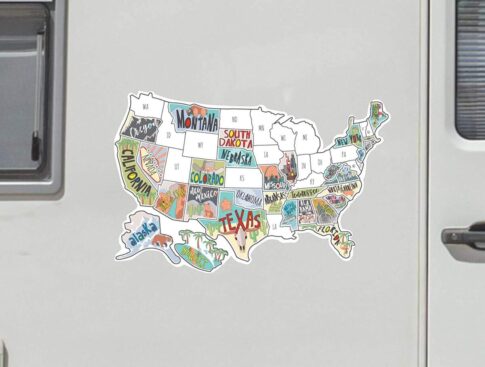
When RVing, do you collect souvenirs?
Quick tip
Check out the local food

When I visit a new area, I like checking out the local food and atmosphere at mom and pop restaurants. I skip the burgers and pizzas and go for the specials. The best way to find these spots is by asking other campers or locals.
I avoid chain restaurants like Olive Garden or Outback—they taste the same everywhere. I’m after local flavor and a little adventure.
Some people find unknown restaurants stressful, but I see it as part of the fun. I go in with low expectations and an open mind. If the food’s good—and it usually is—that’s just a bonus. —From RVing: Less Hassle—More Joy: Secrets of Having More Fun with Your RV—Even on a Limited Budget
On this day last year…
- Tip: Tips for surviving lightning while RVing
- Ask Dave: My RV’s 12-volt system quit working, but 120-volt works. What to check?
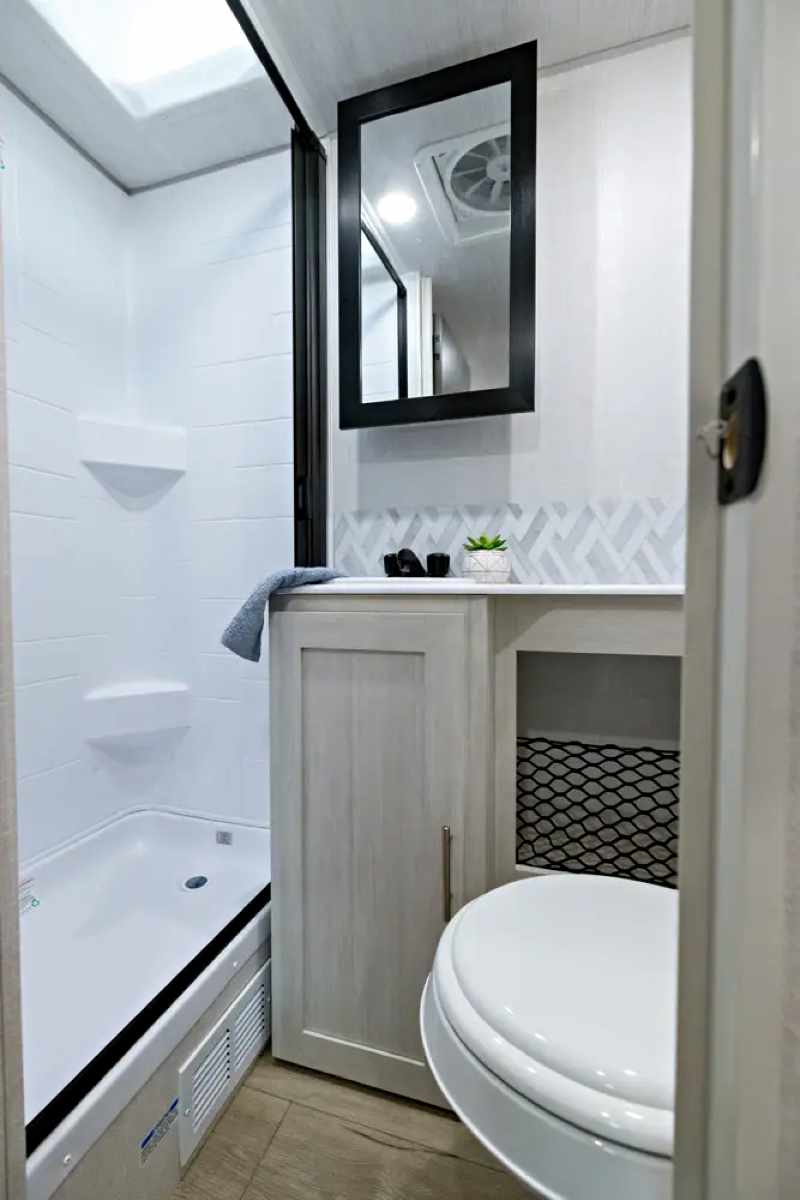
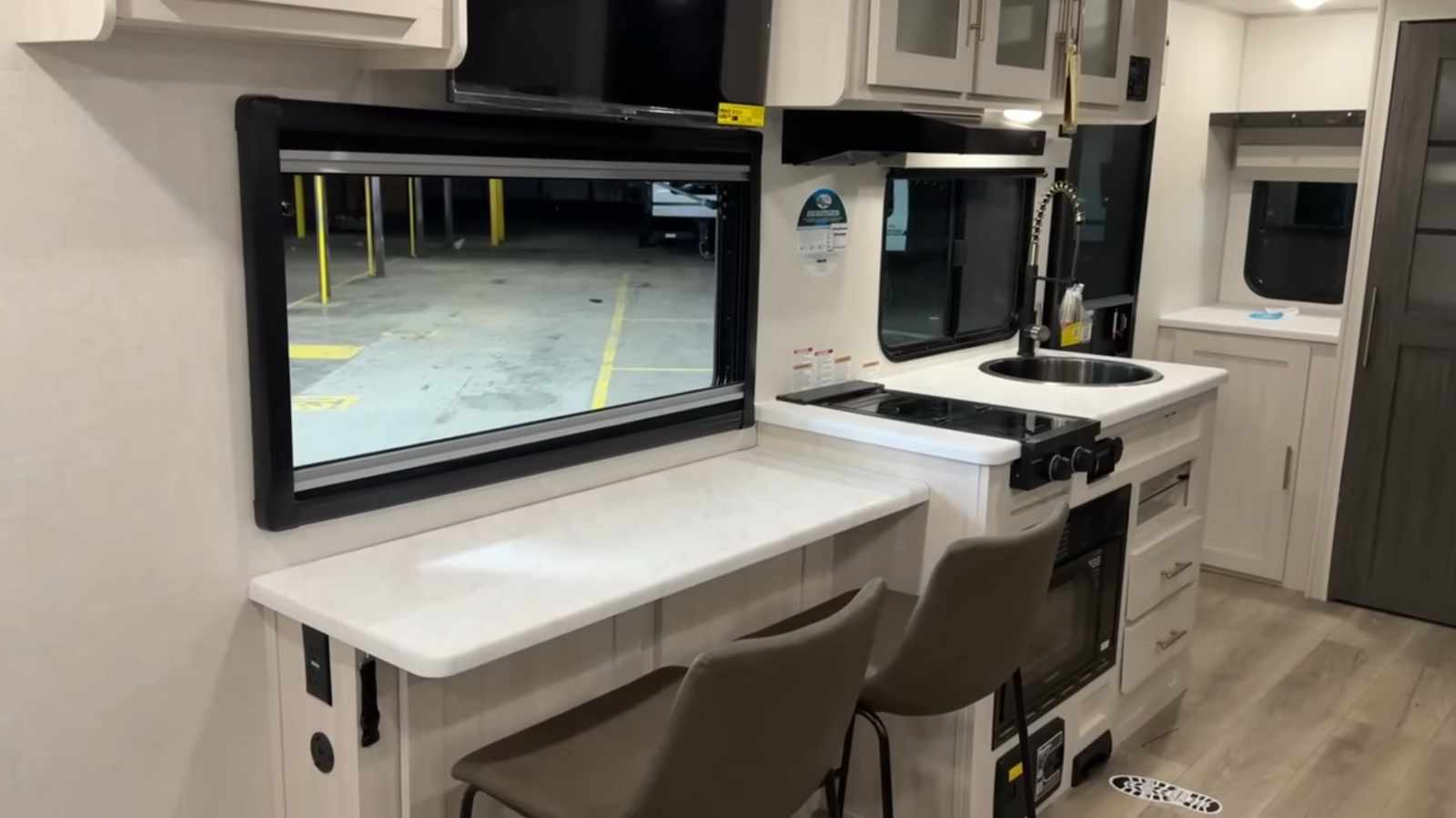
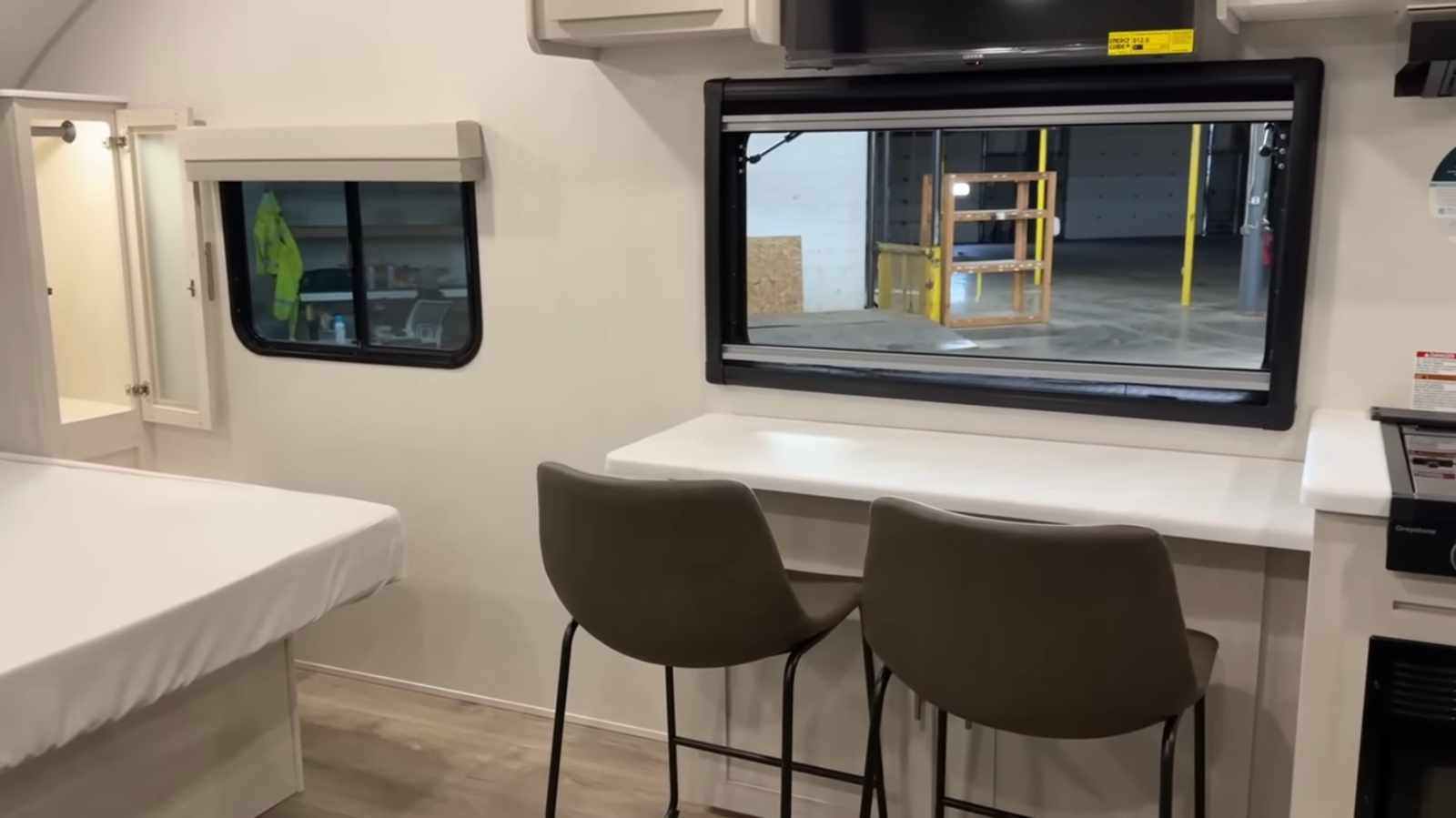
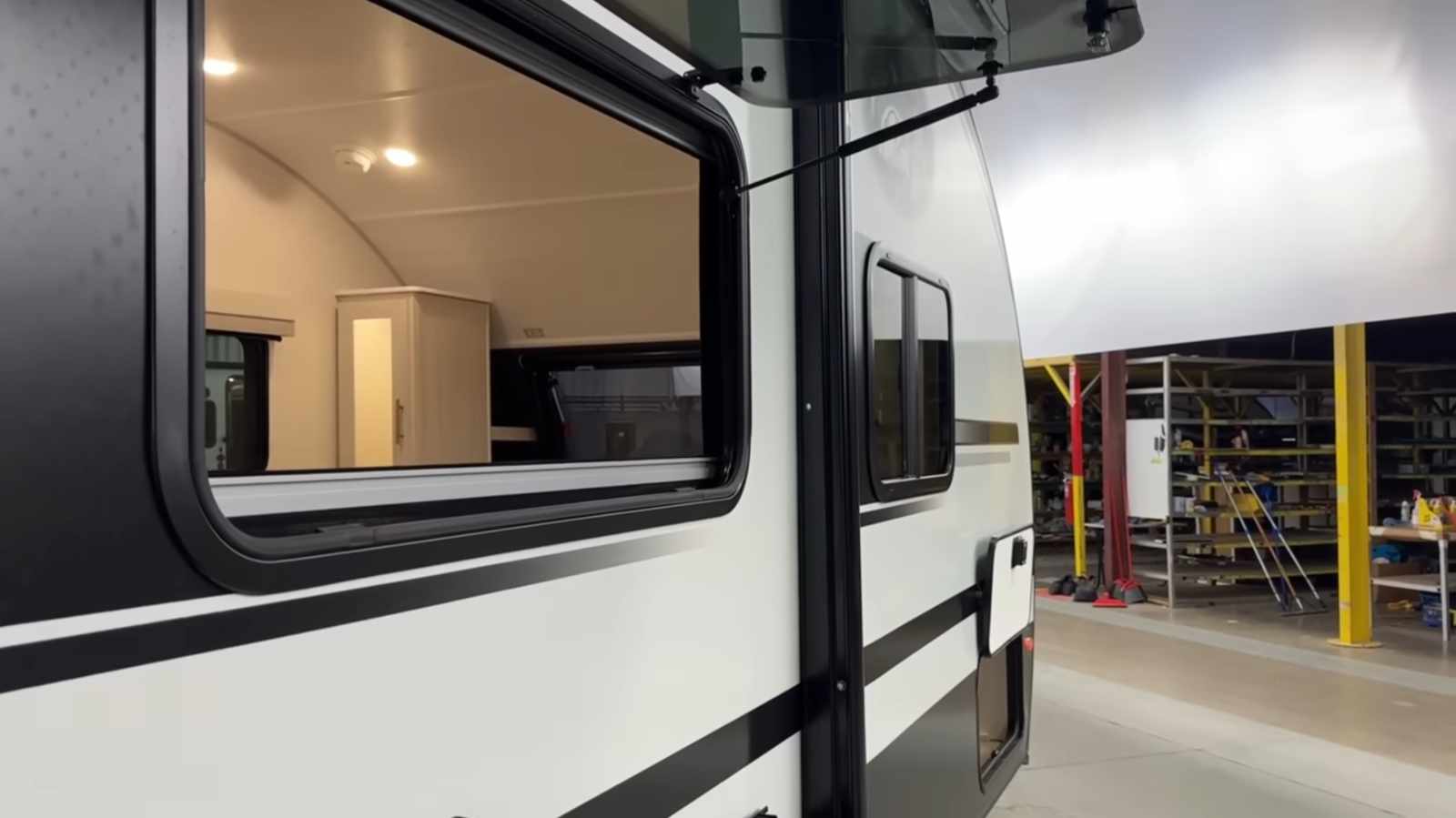
- RV review: 2024 Flagstaff E-Pro E20FKS – How does that all fit in there?
- Video: How to make a DIY RV slide-out drawer for basement storage
- Featured article: Should you carry LP cylinders lying down?
Website of the day
7 Exhilarating Motorcycle Road Trips Around the U.S.
Did you know about 22 percent of our readers own a motorcycle? That’s quite a few of you! If you own one, check out these incredible drives to take with yours.
? MYSTERY PRODUCT OF THE DAY ?
We couldn’t pick just one (you’ll see why), but these could really come in handy! Ooooh, boy. These things really make us excited to hit the road!
And the survey says…
We’ve polled RVtravel.com readers close to 5,000 times in recent years. Here are a few things we’ve learned about them:
• 9 percent of people say they could never give a speech in front of 100 people, even if it was on a subject they were passionate about!
• 18 percent video chat with friends and/or family on a regular basis.
• If offered top dollar for their RV right now, 37 percent would jump at the opportunity to sell.
Recent poll: Which of these best describes the way you use your RV?
Trivia
Pigs have been domesticated for thousands of years. They are used for meat, lard, leather, brushes, heart valves, and paint products. Since they can’t sweat, pigs require a nearby water source to cool down. That’s why they love rolling around in the mud. They are sociable and intelligent, the 5th most intelligent mammal after humans, primates, dolphins and whales. They are very sensitive emotionally, and can even get their feelings hurt.
Readers’ pets of the day
 “Mylo (left, now 9) and Buddy (right) are (Shih Tzu) brothers from litters three years apart. They were best pals until we sadly lost our Buddy two years ago. They loved traveling all over America with us and making new friends everywhere they went. Mylo had a hard time adjusting to life without his brother but is doing better and still loves to travel. ‘Mylo’ actually means ‘my little one’ as he was just 2 lbs. when he came into our lives.” —Richard Pendleton
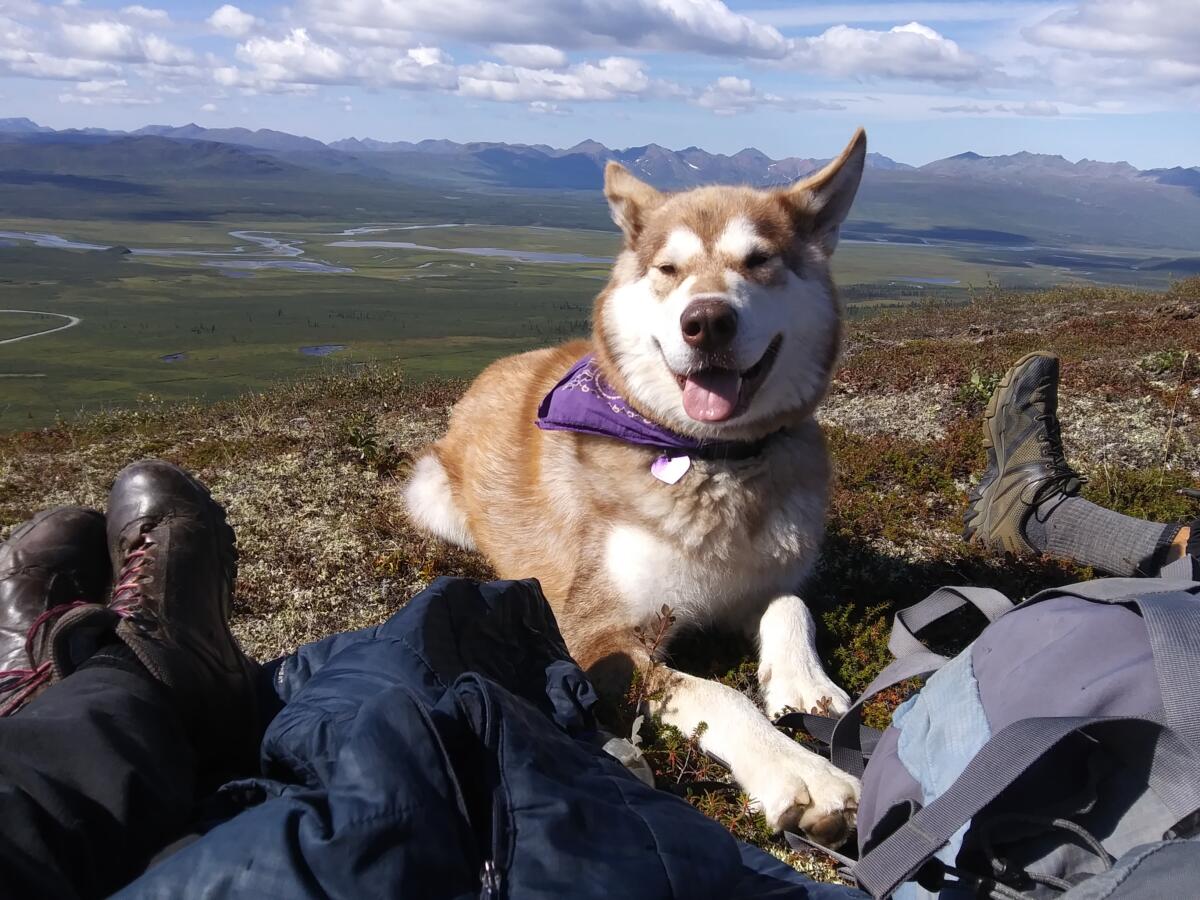
Send us a photo of your pet with a short description. We publish one each weekday in RV Daily Tips and in our Sunday RV Travel newsletter. No blurry photos, please! Please do not submit your photo more than once. Thanks!
• RVing with Dogs group on Facebook. You’ll love it.
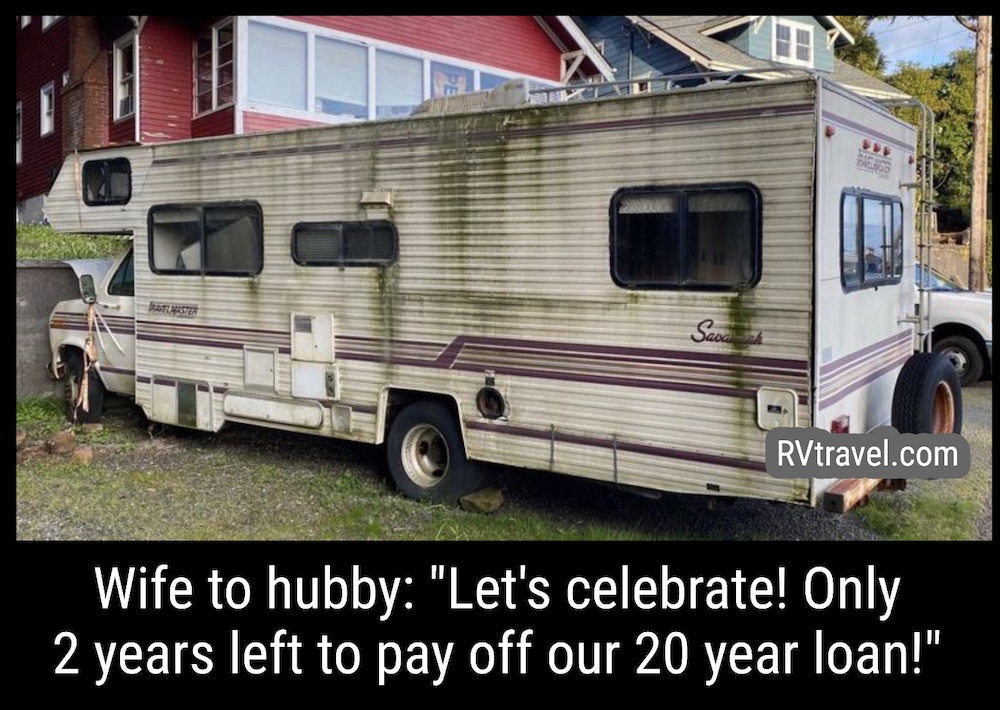
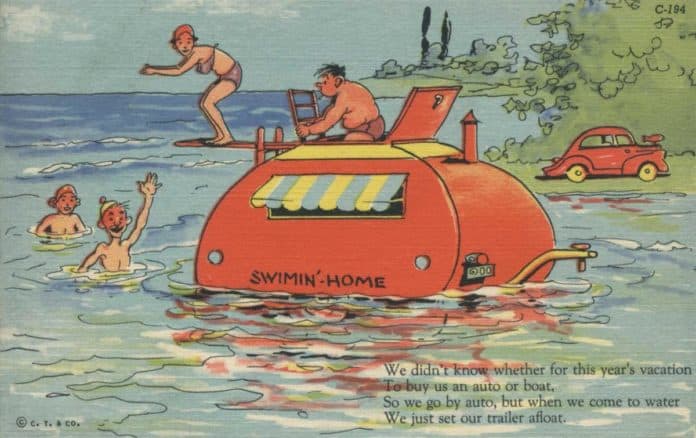
Leave here with a laugh

Today’s weather forecast across the nation
THIS MAP UPDATES TWICE A DAY
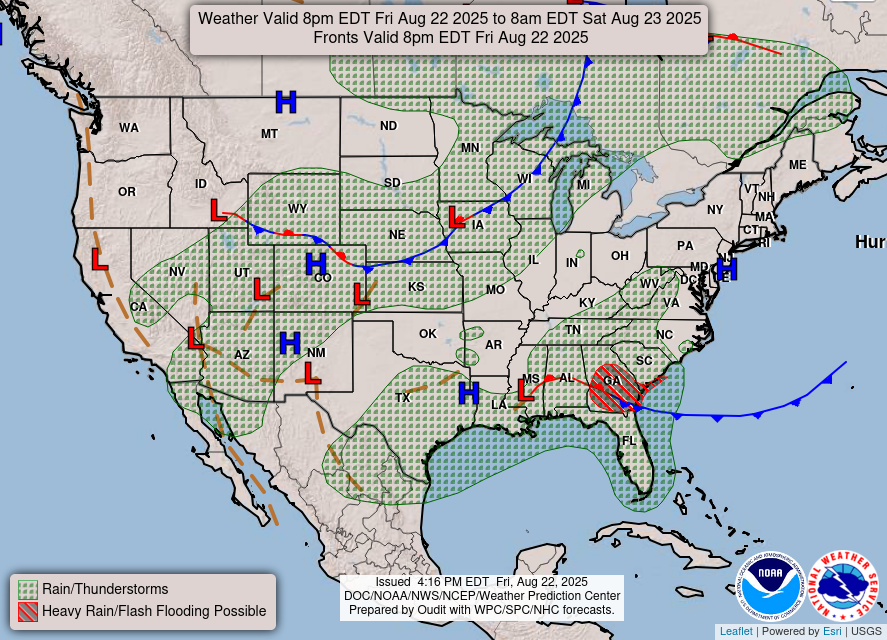
Visit Current National Radar Weather Map
Did you miss the latest RV Travel Newsletter? If so, read it here.
Oh, and if you missed the Latest News for RVers, make sure to catch up here.
BUMPER STICKER: Man who stands on toilet is high on pot.
RVtravel.com All-Star Team
Click here for information about our staff and how to contact us.