The proposed RV supplier merger that had the potential to quietly reshape what you pay for your next rig has now collapsed. For a few weeks, this behind-the-scenes deal carried big implications for RV buyers. Now, just as quickly, it’s over. We wrote about it here.
Component giants LCI Industries (Lippert) and Patrick Industries have officially terminated merger discussions, ending what would have been one of the most significant consolidations in the RV supply chain in years.
On the surface, that sounds like inside-baseball industry news. But if you’re an RVer—or thinking about becoming one—it’s a development worth paying attention to, because this wasn’t just another corporate tie-up.
Why this merger raised eyebrows in the first place
When the talks first surfaced, the concern wasn’t about corporate strategy—it was about what happens downstream.
Between them, LCI (Lippert) and Patrick supply a huge share of the parts that go into modern RVs: frames, slide mechanisms, electronics, furniture, wiring, and more. In many cases, manufacturers rely on both companies to build out their units.
Combine those two, and you’re not just creating a bigger company. You’re potentially reshaping how the entire RV supply chain works.
That raised a simple question: If two of the biggest suppliers become one, who keeps prices in check?
That question didn’t just come from industry watchers. It drew attention in Washington, D.C., where antitrust concerns centered on whether a combined company could gain leverage to raise prices on manufacturers—and ultimately on buyers.
What changed—and why it matters now
The companies say they walked away because they couldn’t reach agreement on key terms. Fair enough—that happens.
But the fact that this deal couldn’t get across the finish line matters in its own right.
It means, at least for now, that:
Competition between two of the RV industry’s largest suppliers remains intact.
Manufacturers still have multiple sourcing options when building rigs.
And one potential source of upward pressure on RV pricing—however indirect—has been put on hold.
That last point is the one most RVers will feel, even if they never hear either company’s name again. Because when component costs rise, those increases rarely stay hidden. They tend to work their way into sticker prices, sometimes subtly, sometimes not.
Why RVers should care about “invisible” costs
One of the challenges in following RV pricing is that not all increases are obvious.
You can see the MSRP on a travel trailer or motorhome. You can compare dealer discounts. But you don’t always see what’s happening farther upstream.
If a supplier raises the cost of a slide system, or a wiring harness, or a furniture package, the manufacturer has to absorb it or pass it along. That’s why competition at the supplier level matters. It helps keep those behind-the-scenes costs from creeping higher, faster than they otherwise would.
And that’s exactly the piece of the puzzle this proposed merger put into question.
So is this good news? For now, yes
In the short term, the collapse of this deal is likely a net positive for RV buyers.
It preserves competition where it already exists. It avoids concentrating too much influence in a single supplier. And it keeps at least one potential pricing pressure from intensifying.
That doesn’t mean RV prices are about to drop. There are plenty of other factors in play. Financing costs, demand, inventory levels, and broader economic trends all have a say.
But it does mean one of the more significant structural changes that could have nudged prices higher is no longer on the immediate horizon.
Don’t assume the consolidation story is over
If there’s a catch, it’s this: The forces that led to the merger talks haven’t gone away. Both companies have made it clear they still plan to grow, including through acquisitions. And the RV industry, like many others, continues to trend toward consolidation over time.
That leaves open a possibility RVers have seen before: Big changes don’t always happen in one headline-grabbing deal. Sometimes they happen gradually, piece by piece, until the landscape looks very different than it once did.
For now, though, the biggest version of that change has been put on pause—and for RV buyers, that’s a development worth noting.
America’s Original RV Newsletter. Since 2001
Issue 2896 • New issue every weekday This free edition is made possible by 6% of our readers who support RV Travel with a voluntary subscription. Advertising helps, but that alone is not sufficient.
Today’s thought
“Life is short. Smile while you still have teeth.” —Mallory Hopkins
Need an excuse to celebrate? Today is National Orange Juice Day! If you loooooove OJ, as we do, click here.
On this day in history: 1959 – The first Grammy Awards takes place. The Chipmunks score three Grammys for their hit “The Chipmunk Song”.
Tip of the day 21 unusual but brilliant uses for Dawn dish soap in your RV
By Gail Marsh
I’ve used it for years. Maybe you have, too. Dawn dish soap (the original blue formula) does a great job cleaning dishes, silverware, and cookware. In addition to cleaning dishes, there are many unusual uses for Dawn detergent while you’re RVing, both inside and outside. This list will certainly amaze you!
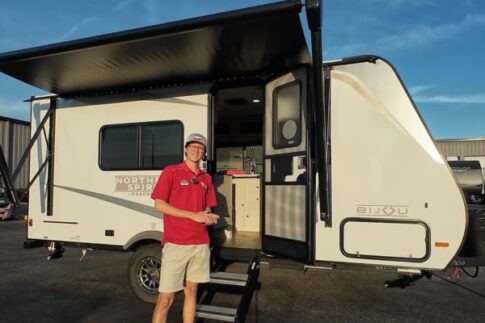
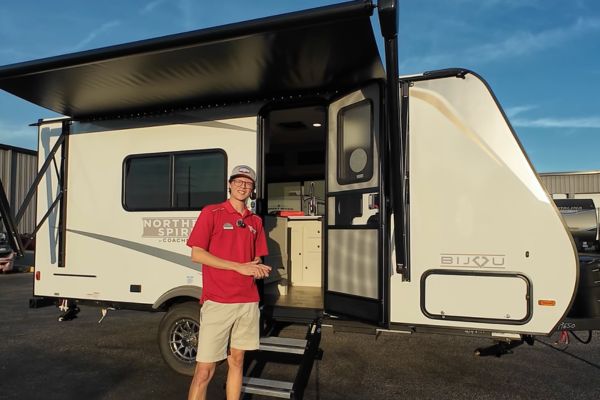
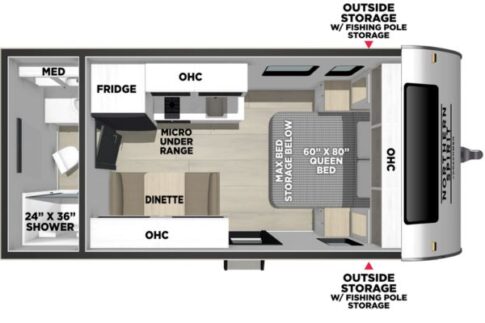
Small campers usually force a compromise. They save weight, but the bed gets tight, the bath shrinks, or the kitchen feels stripped down. The 2026 Coachmen Northern Spirit Bijou 18RBB goes a different way. At about 20’10” long and roughly 2,990 lbs. dry, it stays easy to tow while still giving buyers a front bed, booth dinette, full kitchen, and a real rear bathroom. It fits the buyer shopping with a midsize SUV or small truck in mind. Check it out.
Cover of book may differ
In the RV shop with Dustin How to secure an RV awning rail and avoid unwanted detachment
Hey, everyone. Here is something that we continue to see weekly in our RV shop. We have been seeing this more and more when the awning rails are pulled loose from the side walls! Depending on travel, vibration, wind, and rain, the awning rails sometimes take a lot of abuse. As part of your regular preventive maintenance, make sure to add this inspection to your list.
Article and video Creative and innovative gypsy wagon DIY RV build tour
Meet Stefanie Fisher. After finding herself with a lot of time on her hands during the COVID lockdown, she decided to learn some new skills and undertake a new project. The result is her gypsy wagon (also known as a vardo), one of the most creative DIY RV builds we have seen.
Cordless camping fan clips or hangs on; works great!
Cheri Sicard loves her USB-rechargeable clip-on or hanging camping fan. She says it’s the best one she’s ever tried. It has three speeds, can run up to 65 hours on a single charge, and it clips on or hangs from just about any surface. The fan also includes an LED lantern, and it has a USB-A port for charging phones, flashlights, and laptops. Learn more.
PRO TIP:Research shows that a quick 20-minute walk outside can improve your memory and focus. So that “short stroll around the campground” is actually brain fuel.
Featured article Visiting the very cool Airstream City in San Felipe, Baja California, Mexico
By Cheri Sicard
As the gates to Airstream City swung open to allow me to drive in, the dusty San Felipe street behind my truck seemed a world away from the gorgeous oasis that spread out in front of it inside the “city’s” walls. Baja California, Mexico, in general, and the San Felipe area, in particular, have a lot to offer RVers, especially snowbirders and adventurous van lifers. Here, I show you one of the most unique places to stay, especially for Airstream lovers. Check this out!
Window or door screens damaged or torn? This helps!
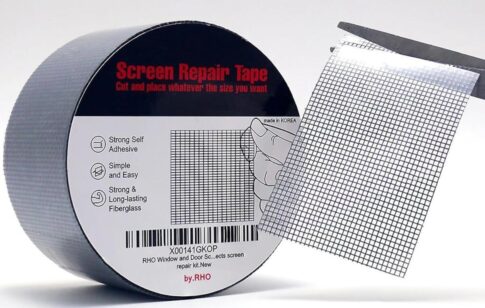
If you have damaged window or door screens in your home or RV, this screen-repair tape will help. No tools or special skills required. Simply cut, peel, and stick for a fast, permanent, and hassle-free solution that anyone can complete in just minutes. You won’t be able to tell there was ever a hole or tear! Don’t let any bugs in your RV this summer! Learn more or order.
Ask Dave Water in ceiling light from storage rack screws? How to repair
Now, run your RV’s air conditioner when you normally couldn’t before! Learn why our publisher, Chuck Woodbury, raves about this.
Quick tip Secure the water heater door
“While taking a walk with Josie the Beagle recently, I found a metal water heater door which fell off an RV driving along. I thought about a tip: Take a small, metal key ring loop and thread it through the plastic closure which secures that door in place. This will prevent it from coming off if you hit a bump.” Thanks to Dennis N.!
? MYSTERY PRODUCT OF THE DAY ? If someone saw your internet search history, what would they think? Well, maybe because of this the whole world knows about it…
Monday Motivation
“Have you ever thought of something you wanted to do so badly, but you just felt the time wasn’t right? You may be experiencing this right now. You’ve built a logical, practical case in your mind for why this is not the time to move forward on your idea, thought or situation. Well, guess what? Sometimes being logical and practical about your goals is the best way to ensure that they never ignite! Commit to living your life where you are right now with what you have right now! Always be willing to keep pushing forward. Live in the present and make as much impact as you possibly can, while you can.” ―Les Brown, You’ve Got To Be HUNGRY: The GREATNESS Within to Win
Trivia
About twice as many men snore as women—and you can partly blame human evolution for that. When our ancestors developed speech, our voice boxes dropped lower in the throat, creating extra space behind the tongue. That space is actually larger in men, which makes it easier for the tongue to relax and block airflow during sleep… leading to more snoring. Meanwhile, women are more likely to wake up, so they’re often the ones listening to the noise! (Yep!)
QUIZ TIME: What product did Benjamin Franklin invent that will soon be a popular seller at Walmart, Dick’s Sporting Goods and other stores? The answer is in this issue’s trivia.
Readers’ pet of the day
“Nyla (Chesapeake Bay Retriever, age 5) has handled full-time life on the road very well. As long as we stop at Buc-ee’s and get her toys.” —Andrew Johnson
HELP! WE’RE RUNNING LOW ON PET PHOTOS!Please send us a photo of your pet with a short description. No blurry photos and please do not submit your pet more than once. Thanks!
Leave here with a laugh
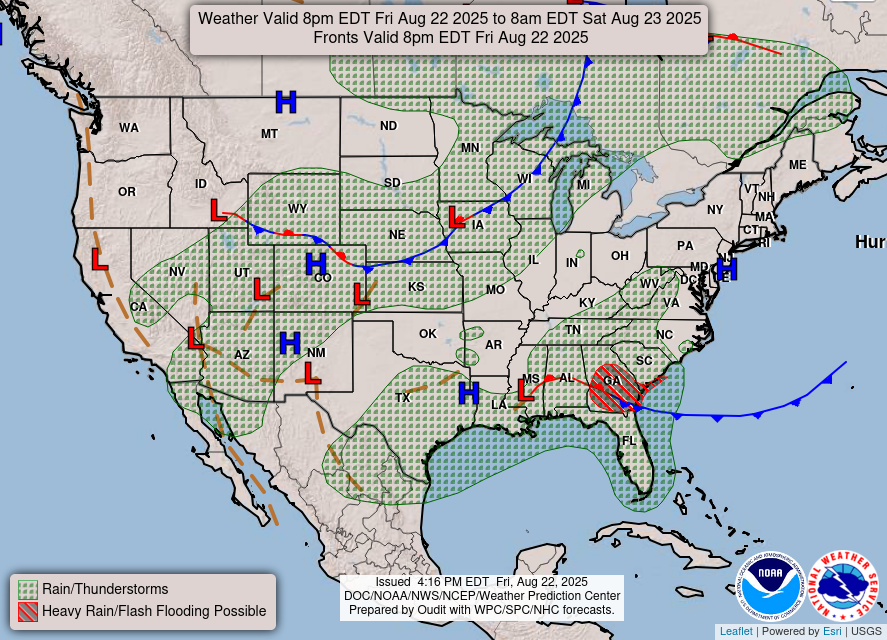
Today’s weather forecast across the nation THIS MAP UPDATES TWICE A DAY
If you shop at Amazon.com we’d appreciate you using this link. We get an itty bitty commission if you buy something, but they add up and help us pay our bills (most importantly our hard-working writers!).
Dear Dave,
My grandson noticed water coming out of the light over the upper bunk. We drained the water out of the light and used a paper towel to help wick the little bit of water out of the ceiling. I believe the leak may be coming from the screws that hold the storage rack on the roof. I want to remove the storage rack and repair the screw holes in the PVC roof.
What would be the correct materials to use to make this repair? I was thinking of putting the screws back into the hole, put a compatible material like a tape over the screws and a sealant all over the tape or similar material used over the screws. Thanks for any advice. —Reggie, 2023 StarCraft, Super Lite Maxx, 19MBH
Dear Reggie,
From what I can find on your 2023 StarCraft, it did not come with a “storage rack” on the roof of the unit as a standard feature. So, it must have been added as an aftermarket item from the dealership or by you or a previous owner.
Why I advise against storage racks on RV roofs
I am not a fan of any type of storage rack or other framework installed on the roof that would allow owners to add additional weight to the roof. The actual weight might not be the problem. However, strapping down items to the racks will cause stress to the rack and ultimately the mounting points while traveling down the road.
Most of these aftermarket racks and ladders are installed with screws mounted to the roof, as you have stated. However, those screws go through the soft PVC material, through the very thin lauan plywood, and into block foam insulation. This does not provide much structure for the screws. It is fine for mounting roof vent covers and even solar panels, as they are covered with a sealant that helps secure the component which is not subjected to the stress of a storage rack.
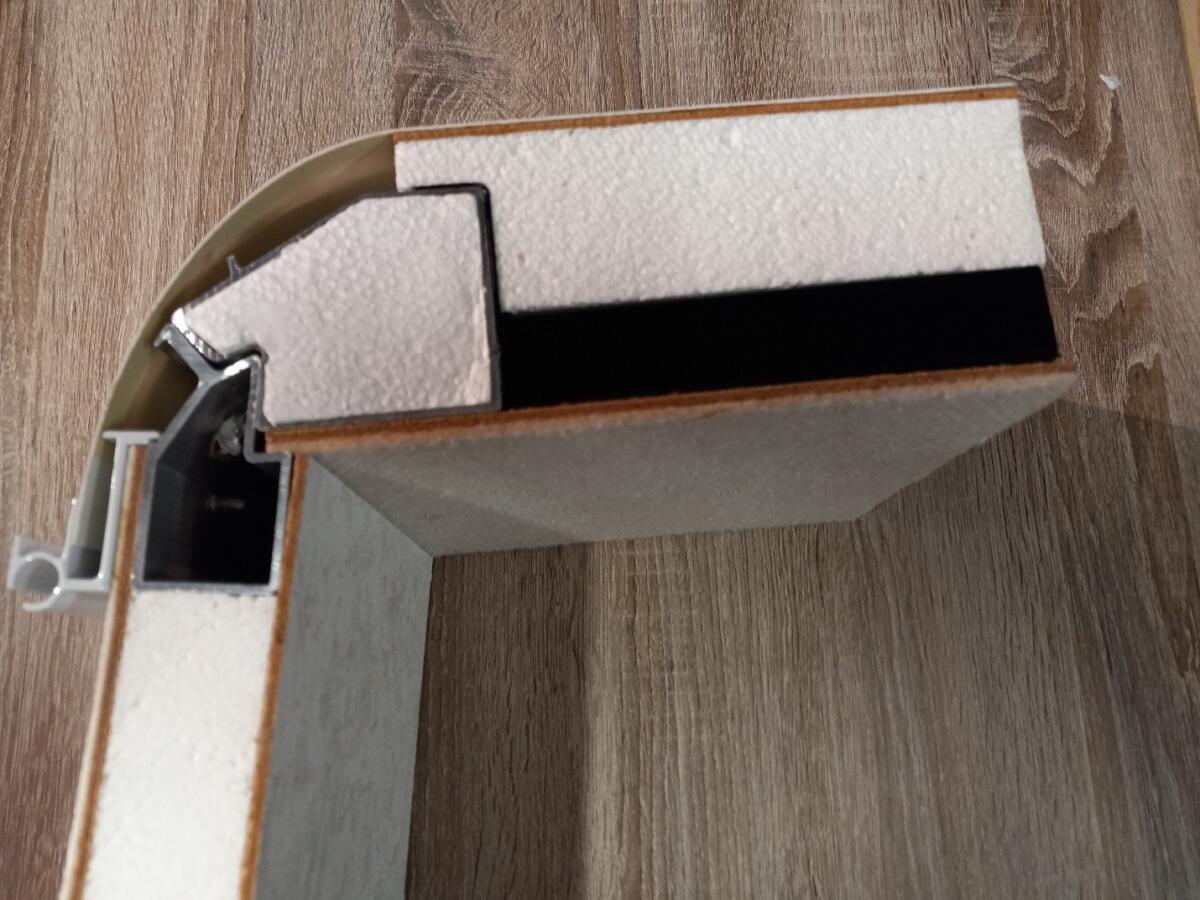
Here is a cutaway view of a Winnebago roof which has a hard fiberglass upper skin that does provide much more fastening structure than your PVC.
Roof construction
I’m not sure if your rig has a 4” thick construction. Typically, if it has ducted roof air, it will. Otherwise, it’s only 2” thick and you might be chasing a “gremlin” for a long time.
Once you remove the screws and the storage rack, inspect the screw holes. My guess is they will be loose from vibration, especially if you have water penetrating.
Suggestion for repair
Since this is above the bunk bed in the back of the rig, you might be better off using a bolt through the roof and a larger washer with a nut to sandwich the fastening point. Use a flat head bolt with a washer from the inside, and a washer and nut up on the top so it’s not so noticeable inside. I think it would be a good idea to put some butyl tape between the storage rack “feet” or connection point and the roof, as it will help seal the area.
I know some people are big fans of EternaBond tape and then a healthy dose of self-leveling lap sealant. However, I have stopped using EternaBond or any other tape as I have not had much luck with it. Dicor offers a HAPs-Free (hazardous air pollutants) Self-Leveling Sealant that is designed for PVC material. Make sure whatever you use, it is designed for PVC.
Keep in mind that moisture could also be “migrating” from either the side edge or back cap, as well. It would be a good idea to check all the sealant while you are up there.
By Gail Marsh
I’ve used it for years. Maybe you have, too. Dawn dish soap (the original blue formula) does a great job cleaning dishes, silverware, and cookware. In addition to cleaning dishes, there are many unusual uses for Dawn detergent while you’re RVing, too.
Uses for Dawn dish soap inside the RV
• Clean greasy cabinets. Our most recent fifth wheel RV was “pre-owned.” It was in great shape—just needed a bit of cleaning. The first job I tackled was cleaning the greasy residue off the kitchen cabinets. (Always check an inconspicuous spot first to make sure there will be no discoloration.) Dampen a soft sponge. Then rub a few drops of Dawn dish detergent onto the sponge until it’s sudsy. Use the prepared sponge to rub down greasy cabinets, being careful to use a clean portion of the sponge for each swipe. When the sponge no longer picks up dirt or grease, thoroughly rinse the cabinets with a clean sponge. Then dry completely with a soft absorbent towel. Follow up with a furniture polish or wood conditioner, if needed.
• Clean RV windows. Just one drop of Dawn into a quart of water makes a great glass cleaner. Pour the mixture into a spray bottle and get to work on those windows.
• Brighten the stainless steel refrigerator. Use the same method as detailed above to prepare a sponge. Then use it to rub in the direction of the stainless steel grain, wiping away the fingerprints and grime. Then rinse with clear water and dry completely to avoid water spots.
• Clean carpet stains. Mix together equal parts Dawn and warm water. Pour the solution into a spray bottle and spray the stain. Use a microfiber cloth to gently clean the stain away. Use another microfiber cloth dipped into clear water to rinse the area. Blot the cleaned and rinsed area with a towel. Allow to air dry.
• Make your own ice pack. Partially fill a plastic, zipper-type bag with Dawn dish soap. Squeeze out the air and seal the bag closed. Place the ice pack into the RV freezer. The Dawn will become a gel which will flex to fit the shape of the injury site.
• Remove grease stains from clothing. Apply Dawn directly onto greasy stains from that yummy BBQ meal. Rub it in a bit and launder as usual.
• Eliminate fruit flies. Pour white vinegar into a small container. Add a drop of Dawn. Fruit flies will be attracted to the vinegar, but cannot escape the Dawn.
• Clean hairbrush and comb. Begin by removing hair from the utensils. Then pour a cup of hot water into a shallow bowl. Add one tablespoon borax and one tablespoon Dawn. Gently swirl to mix. Soak the comb and hairbrush in the mixture until you see they are clean. Use an old toothbrush to scrub away any residue. Rinse thoroughly with clear water.
• Prevent eyeglass “fog.” Rub a small drop of Dawn on each lens of your eyeglasses, both sides. Then use a microfiber cloth to dry and polish each lens. This is especially helpful when wearing a face mask or when temperature differences cause the lenses to fog, such as transitioning from an air-conditioned car to the steamy, outside summer weather.
• Eliminate squeaks. Apply Dawn detergent to a squeaky hinge and the squeak will disappear.
• Soothe poison ivy. Gently wash the affected area with Dawn and cool water. (Dawn’s oil-fighting formula will help to eliminate oil from the poison ivy plant.) Follow the first application with a second round of Dawn and warm water, which will help soothe the blisters and itch.
• Clean the tub and shower. Fill a plastic spray bottle halfway with white vinegar. Heat the vinegar in the microwave until warm. Then fill the remainder of the spray bottle with Dawn. Put the lid on and shake to mix thoroughly. Spray the mixture all over your shower walls, floor, and that disgusting ring around the tub. Let it sit for ten minutes and then scrub stubborn places clean. Rinse thoroughly.
Uses for Dawn dish soap outside the RV
• Clean outdoor furniture. Mix water with Dawn detergent. Using a sponge or brush, dip it into the soapy water and scrub off the furniture. Use your hose to rinse and set furniture in the sun to dry.
• Kill weeds around your RV. Mix together 1/2 cup of salt, 1/2 gallon of white vinegar, and two tablespoons of Dawn. Pour the mixture into a spray bottle and spray the resulting solution on weeds growing around your RV. This should take care of them—even poison ivy!
• Oil/grease spill on concrete RV parking pad. If you spill grease onto the concrete pad, you can clean it off with Dawn. First, remove as much of the spill as possible by sprinkling kitty litter over it. Use a paper towel to pick up the oil-soaked kitty litter. Then mix a generous squirt of Dawn with warm water. Use a scrub brush or an old towel to apply the treated water to the spill. Scrub to remove the stain.
• Stop ants. Put two teaspoons of Dawn into a spray bottle of water. Spray the ant trail or any suspected ant entry point into your RV. (Hint: This recipe also works to kill fleas. Spray the affected area. Let sit for half an hour. Then vacuum up the dead critters.)
• Find leaks. Spray Dawn soapy water over the hose (water or gas). If you see bubbles, you have a leak.
• Clean your BBQ grill. Put 1/2 cup of Dawn dish soap into a gallon of water. Stir gently to mix. Pour the solution into a large tub or sealable trash bag. Then, put the cooled grill grates into the mixture. Soak the grill grates in the solution overnight. You should be able to easily scrub them clean the next morning.
• Scrub tires. Begin by hosing loose dirt and grime off tires. Put Dawn directly onto a rag or heavy-duty sponge and scrub the tires. Rinse thoroughly.
• Clean greasy tools. Put one tablespoon of Dawn into a gallon of water. Dip a sponge into the solution and use it to clean greasy tools. Avoid rust by drying the clean tools immediately with old towels.
• Remove stickers. Our RV had several stickers and seals on it. I applied Dawn right to the stickers and let it sit for several minutes. Dawn cut through the glue, and the stickers were easily removed. Note: Be sure to rinse thoroughly afterwards.
Do you have other hints or tricks using Dawn dish soap? Please share your thoughts in the comments below.
By Cheri Sicard
Meet Stefanie Fisher. After finding herself with a lot of time on her hands during the COVID lockdown, she decided to learn some new skills and undertake a new project. The result is her gypsy wagon (also known as a vardo), one of the most creative DIY RV builds we have seen.
Stefanie named her DIY RV “Misty.” You can follow their adventures on her website, My Tiny Wagon.
In the video below, we get to go inside Misty while Stefanie talks about what it took to build her.
It cost Stefanie about $15,000 to build this stylish and functional 84-square-foot vardo RV. However, she did put in the disclaimer that she was fortunate to have bought the wood for the project before the prices went up.
Of course, it did take some skills. Stefanie had remodeled a couple of homes in the past and considered herself “handy.” But she says she didn’t have a background in building.
Stefanie had originally planned to put solar panels on the roof and even hired a contractor to help. When he bailed on her, she instead decided to keep it mobile and use a Jackery solar generator for her electricity needs. (I own a Jackery 1500 and I love it!)
The rounded roof of the gypsy wagon makes the interior of the tiny space appear more spacious.
While she chose not to go over the top with color and décor, as would be the case in an authentic vardo, Stefanie did add stylish architectural elements to nonetheless give her RV that gypsy wagon feel. They also work practically, too, as she demonstrates in the video.
Some practical advantages and features of Stefanie’s DIY gypsy wagon RV design
It’s lightweight. Using birch plywood kept the weight down but also produced the visual aesthetic Stefanie was going for.
It can be towed by a car or a truck.
It was possible to do virtually the entire build by herself (with some basic skills, of course). The only things she got help with were the installation of the propane gas lines and the roof.
The exterior features a covered fold-down deck that adds about 30 square feet to the overall living space.
Using aromatic cedar on the counters keeps the vardo smelling fresh.
Practically placed windows provide excellent cross ventilation.
A beautiful epoxied pullout table adds workspace or dining space when needed.
The kitchen includes a small 3-way refrigerator, a 3-burner stove, and small oven.
Water comes via a low-tech water foot pump.
It has a flushable porta-potty.
It includes a full-size memory foam bed.
There’s a pull-out step that makes it easy for the dog (or Stefanie) to hop up into the sleeping area.
There is lots of storage throughout both the interior and exterior.
It has low-maintenance cedar tongue-and-groove exterior. An annual coat of stain to protect the wood is all that’s necessary to protect the wood and keep it looking great.
There is 4 inches of roof insulation, and 2 inches in the walls and the floor.
There is stylish space to hide three large propane bottles that fuel both interior and exterior appliances. This includes an outdoor stove and oven and a portable water heater for dishes or showers.
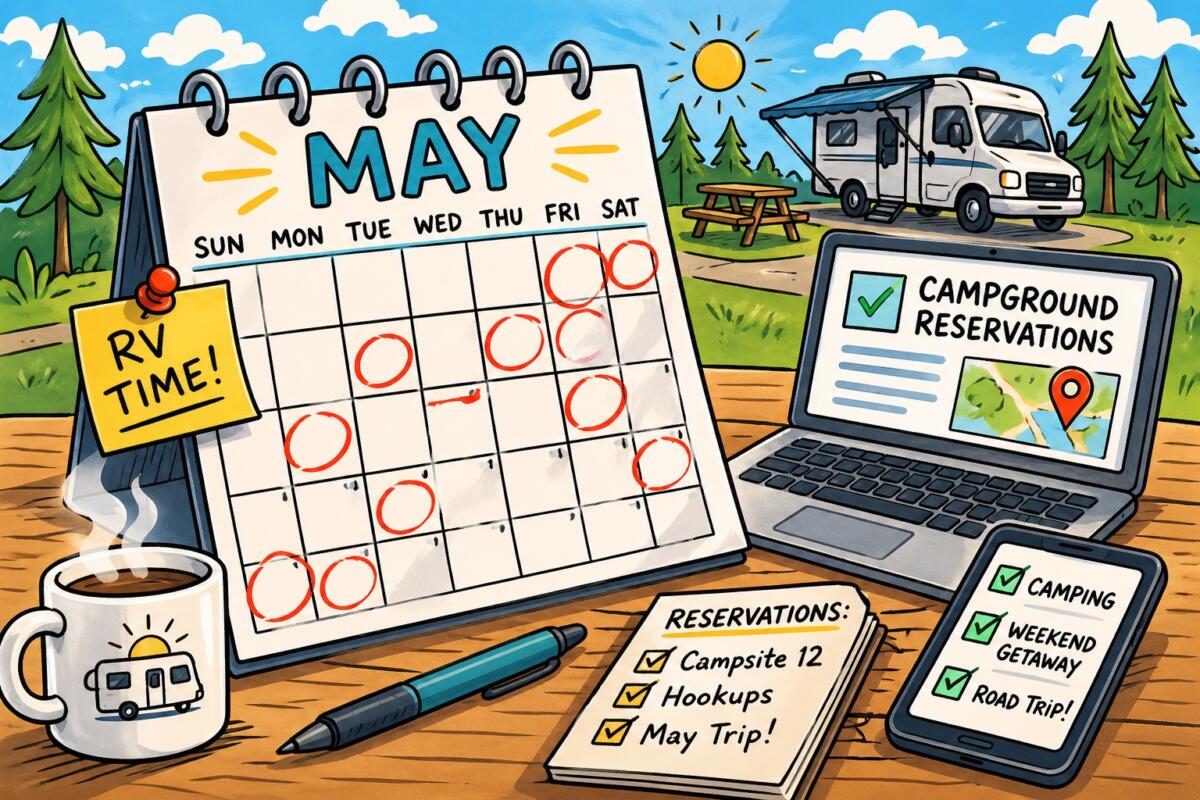
May has a way of sneaking up and suddenly—just like that—RV season is on. Woohoo! The weather’s warming up, campgrounds are filling, and those “we should really plan a trip” conversations are starting to turn into actual reservations.
So let’s talk about it… How much time will you spend RVing this month (in May)?
Maybe you’ve already got a full calendar—weekends booked, a longer trip planned, or even a full-on multi-week adventure. For some of you, May is the unofficial kickoff to a busy travel season, and you’re ready to go.
Or maybe it’s a slower start. A quick weekend getaway here or there, just enough to shake the dust off the RV and remember where you put everything. (Why is it always a mystery at the start of the season?)
And of course, some of you might not be heading out at all this month—and that’s okay, too. Life gets busy. The weather doesn’t always cooperate. Or maybe you’re just gearing up for bigger plans later this summer.
So, what about you? Are you all-in this May, or just getting started?
Cast your vote below, and, as always, feel free to leave a comment and tell us what your May RV plans look like. Thanks for voting!
By Dustin Simpson
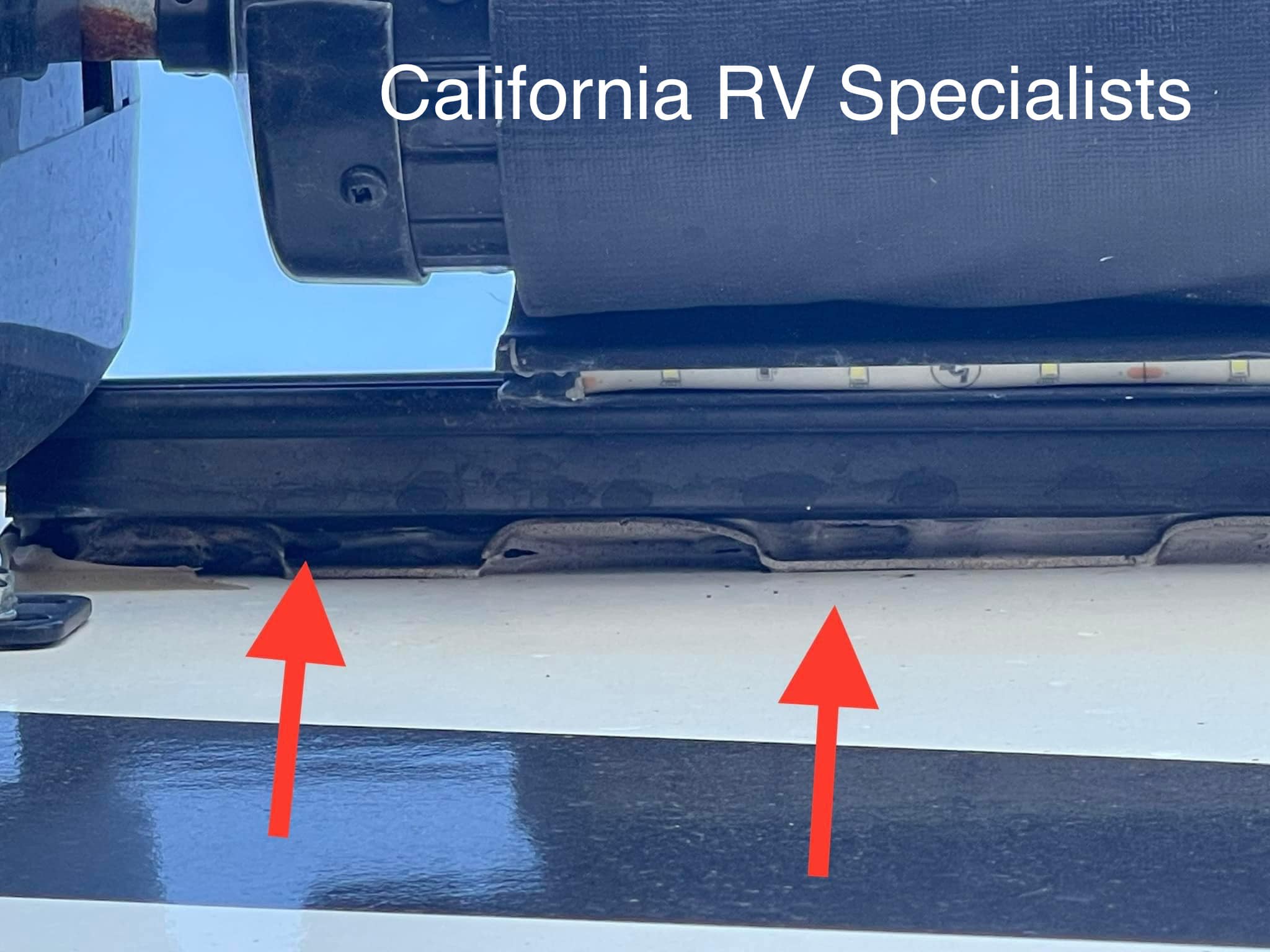
Hey, everyone. Here is something that we continue to see weekly in our RV shop. We have been seeing this more and more when the awning rails are pulled loose from the side walls!
Depending on travel, vibration, wind, and rain, the awning rails sometimes take a lot of abuse. As part of your regular preventive maintenance, make sure to add this inspection to your list.
If the rail comes loose in travel, it can cause the awning to parachute open in travel. It could come loose and damage your unit and/or those behind you.
If your awning rail has come loose, you’ll need to remove your insert molding in order to check and tighten the screws. If the screw hole is stripped out, then you will need to install a tri-fold rivet.
Example of awning rail with screws.
If needed, you can pre-drill 3/16” additional holes every 3 inches between the screws and add some additional fasteners in place.
We use these 3/16 tri-fold rivets all the time. I would say that 5 out of 10 units that come into the shop have loose awning rail moldings.
Here is an example of a black tri-fold rivet.
By adding rivets you will ensure that your rail will never come loose again.
Here is an example of after the rivets have been installed.
Make sure to triple-check your awnings and help to spread the word, travel safely and thanks for following us on RVtravel.com.
Small campers usually force a compromise. They save weight, but the bed gets tight, the bath shrinks, or the kitchen feels stripped down. The 2026 Coachmen Northern Spirit Bijou 18RBB goes a different way. At about 20’10” long and roughly 2,990 lbs. dry, it stays easy to tow while still giving buyers a front bed, booth dinette, full kitchen, and a real rear bathroom.
It fits the buyer shopping with a midsize SUV or small truck in mind.
In the video at the end of this post, Hunter Jackson of Real RV Reviews shows how that layout comes together.
Quick specs
This Bijou floor plan is aimed at shoppers who want a lighter trailer without giving up the basics.
The biggest 2026 change is up front. Coachmen gave the trailer a molded fiberglass front cap, and it looks cleaner than the older rolled front style. The automotive-style front windshield also gives the nose a more finished look.
That front pass-through storage is better than expected for a trailer this size, and the built-in fishing rod holders are a fun touch. A manual tongue jack and single 20-pound LP tank keep the setup simple, while LED accent lights on the sides and under the awning add some evening style.
Along the side, the trailer gets vacuum-bonded, laminated fiberglass walls, aluminum framing, and Azdel layers to help resist moisture damage. It also rides on 15-inch wheels with ST radial tires, has four stabilizer jacks, solid entry steps, a large dinette-side window under the awning, an exterior grill connection, backup camera prep, a full-size spare, and a 4-inch rear bumper for sewer hose storage. One miss is the lack of factory ladder prep.
Inside, the layout stays simple and useful
The entry has two drawers and a spot below for shoes. Up front, Hunter says the fixed bed gives the cabin a more open feel than a fold-up design. We will have to agree to disagree on that point.
There are hanging closets on both sides of the bed, overhead cargo nets, a front windshield shade, side windows for cross-breeze, and large storage under the bed.
The kitchen is compact but complete. It includes a deep stainless sink with spray nozzle and drying rack, two-burner cooktop, microwave, vent fan, furnace, and 8-cubic-foot 12-volt refrigerator.
There are bedside power ports, TV backer, satellite hookup, and a booth dinette that drops into an extra bed. This unit also has a 15,000 BTU air conditioner and available Starlink prep, which is a nice extra in a trailer this small.
The rear bath is the main reason to look at the 18RBB
The rear bathroom is where this floor plan earns its name. It gives buyers a larger 24-inch X 36-inch shower, a decent toilet position, a sink offset to one side for usable counter space, storage below, and a medicine cabinet with an open shelf for daily items.
It also gets the tankless water heater controls in the bathroom, plus a linen spot for supplies.
Final thoughts
The 2026 Coachmen Northern Spirit Bijou 18RBB makes sense because it keeps the weight low without feeling stripped out. The molded front cap, strong storage, solid kitchen, and true rear bath give it more day-to-day comfort than many small trailers.
For shoppers who care most about bathroom space in a sub-3,000-pound camper, this is the floor plan that deserves a closer look.
America’s Original RV Newsletter. Since 2001 Issue 1259 This free edition is made possible by 6% of our readers who support RV Travel with a voluntary subscription. Advertising helps, but that alone is not sufficient.
Today’s thought
“When you’re traveling, you are what you are right there and then. People don’t have your past to hold against you.” —William Least Heat-Moon
Need an excuse to celebrate? Today is National Montana Day!
On this day in history: 1802 – Washington, D.C., is incorporated as a city after Congress abolishes the Board of Commissioners, the District’s founding government. The “City of Washington” is given a mayor-council form of government.
Senior RVing: Why I am not giving up RV life at 74
By Cheri Sicard
At 74, John’s biggest fear about RV life isn’t a breakdown, bad weather or money. It’s the day he might be told he’s done, and has to give up the road for good. Perhaps you feel the same. For John, full-time RV living for older persons isn’t only about travel. It’s about staying part of life for as long as he can. Continue reading.
RV air suspension (airbag) systems don’t last forever. Check yours before it’s too late
If you have a diesel pusher, Class A, or even a Class C with air-assist suspension, part of what makes your ride smooth is something you almost never see: your air ride system. And that’s exactly the problem. It’s out of sight, so it’s easy to ignore until something feels off. By then, you may already be dealing with worn components, air leaks, or a suspension system that’s no longer doing its job safely. Learn more.
Reader says you’ve been shopping for gas all wrong, shares money-saving tip
Earlier this week, reader Karen M. sent us this letter. Right now, we (and we know you, too) are doing everything we can to save money on gas, so we thought this would be a much-appreciated note. Thank you, Karen!
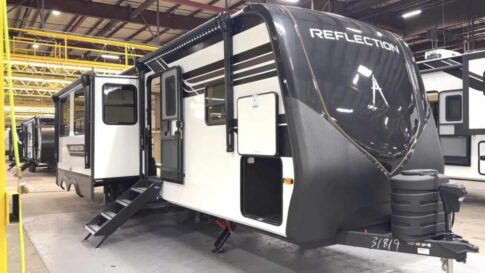
Today’s RV review… 2026 Grand Design Reflection 342BHTS—hmmm…
Today’s RV review is of the 2026 Grand Design Reflection 342BHTS. I specifically sought out this unit after reading Russ and Tiña De Maris’ article about the “worry-free” features in new Grand Design offerings; however, this doesn’t have that. This has one feature that, to me, is quite troubling and a few things that are head-scratchers. Let’s dive into it.
THE MORE YOU KNOW…The first commercial color television broadcast in the United States aired on June 25, 1951, on CBS. The one-hour variety show, titled Premiere, was broadcast from New York City to four other East Coast cities (Boston, Philadelphia, Baltimore, and Washington, D.C.).
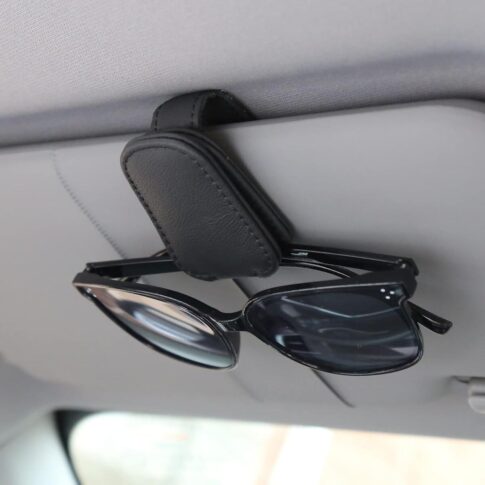
Never lose your glasses or sunglasses again
This glasses holder clips to your car or RV’s visor so they’re always easily accessible. The glasses clip is closed with a magnet, holding it strong enough so that it won’t ever fall out. We love this!
Hard water can slowly damage your RV, but here’s what helps
Hard water problems in an RV often start small. At first, you barely notice it. A few months later, the shower head sputters, the faucets develop a chalky crust, and the water heater does not work like it used to. Many RVers blame low water pressure or aging plumbing when hard water buildup may actually be the cause.
The art of cowboy communication; the Western spirit lives on
By Gail Marsh
I love learning about regional traditions as we travel around the country in our RV. Recently, I saw a boot hanging upside down over a fencepost in Nebraska. When we stopped for lunch at the local mom-and-pop eatery, I asked about the boot on the fencepost. I discovered that this tradition has deep roots in the past and several different explanations in the present.
Smart tips for RVers who drink wine
Many RVers love bringing along a few favorite wines. Traveling with wine in an RV isn’t as simple as tossing bottles into a cabinet and hitting the road. Between vibration, temperature swings, and limited storage, there are a few challenges that can affect both taste and the safety of the bottles.
BE SAFE! In 2024, 3,208 people were killed and more than 315,000 people were injured in traffic crashes involving distracted drivers. Distracted driving comes in many forms: adjusting the radio or GPS, applying makeup, eating and drinking. Texting is the most dangerous type of distracted driving because it combines visual, manual and cognitive distraction. Drivers should appoint a passenger as the “designated texter” to respond to calls or messages.
Have you ever seen an RV so cute? Photo from Glamper Life.
Tony’s tips Your RV is trying to tell you something—and it could save you money
Did you know your RV can talk? No, seriously. And what it’s saying is how to speak to your RV repair technician to help you save money—sometimes a lot! One way you can avoid a rip-off or help your RV technician is to familiarize yourself with the sounds of various RV systems when they’re working properly. Continue reading.
READER TESTIMONIAL: (In response to an important article we ran on Friday about hot skin condition.) “RV hot skin shared—I witnessed this in a small campground, 30 spots, in Mexico. We were all doing fine until a newly manufactured RV showed up, plugged in, and gave everybody hot skin. Luckily, I recognized what was happening and found the problem within the new arrival. I give credit to this newsletter for the knowledge.” —Richard
Reader poll (and article) What do you look for FIRST when choosing an RV park?
Every RVer seems to shop for a campground a little differently. Some people go straight to the nightly rate. Some want the best hookups and easiest site access, and others will not book until they have read a stack of reviews. Continue reading and cast your vote here.
Our readers are all over the World. 90 percent are in the USA, but here are the next nine countries where we have avid readers. In order, they’re: Canada, New Zealand, the United Kingdom, Australia, Mexico, Germany, Ireland, France, and the Netherlands. How ’bout that?
Our amazing readers RVtravel.com readers reveal the special times in their lives
By Chuck Woodbury
Awhile back, I asked you to write me about some of your special life moments or accomplishments of which few, if anybody you know, were aware. Here are your stories with recent additions. Keep ’em coming. Don’t be shy!
By Gail Marsh
As of November 2024, the Pentagon has analyzed 1,652 reports of Unidentified Aerial Phenomena (UAPs). Of those, 757 were recorded between May 2023 and June 2024, with 21 still classified as unexplained. Even if you’re not a UFO enthusiast, this is certainly intriguing. It reminds me of the fascinating places you can visit and learn more about UFOs right here in the USA.
You may share this Tanner Toon, unaltered, on your website, blog or social media with our compliments. The musings from Tanner Woods’ creative mind appear in this newsletter every Saturday and Sunday and in many RV Daily Tips newsletters throughout the week.
Remember this?
From the archives: Video: American life in 1957. How things have changed!
This fascinating seven-minute video shows what life was like in America 69 years ago, at least in white, suburban America. To many middle-class Americans back then, it was the best of times, filled with hope and promise. Give it a watch.
Highlights from this week’s RV Daily Tips Newsletter
If you’re not subscribed to our RV Daily Tips newsletter, boy, are you missing out! It’s informational, educational, and very entertaining. Our readers love it! Learn more or sign up here.
? MYSTERY PRODUCT OF THE DAY ? We’re not pulling your foot, er, leg with this one. This is really footy, er, handy! See what we’re talking about here.
In the RV shop with Dustin RVer baffled by chipping paint on her RV
This was posted in one of my Facebook groups. Lizzie asked: “What is causing the paint chip pops and the touch-ups to re-pop? It goes on one side from the top to the bottom, the back right side, and above the storage covers.” Here’s Dustin’s answer.
RV tire safety Should you be concerned with a tire sidewall “bump”?
In this post, tire expert Roger Marble discusses the difference between a tire sidewall bump and a depression, and what might be covered under a warranty. Read it here.
RV gadgets and gizmos Is the Blackstone Griddle worth all the hype? Oh, yeah, it is!
By Nanci Dixon
We were on the lookout for a new grill as our decades-old one was rusting through and literally falling apart. As camp hosts, we have the opportunity to ask a lot of people what they like. As we do our rounds around dinner time, we get to see and smell them in action, too. The Blackstone Griddle name came up so often, I wanted to know what all the love was about.
BUMPER SNICKER: “I Spent My Kids’ Inheritance on Diesel”
It’s tick season! Remove ticks easily from people or pets! This Tick Remover Set will remove a tick without squeezing it, reducing the risk of infection. It does not leave the mouthparts of the tick in the skin. It’s the safest and easiest way to remove ticks and in just a few seconds. Helps prevent Lyme disease. Keep one of these in your RV. It’s tick season! Learn more or order.
RVer health
Allergy season is underway. Don’t wait for symptoms
Spring allergy season is arriving earlier in many parts of the country, catching plenty of travelers off guard. Experts say the best defense is to start preparing before symptoms hit, not after. Here’s how to stay on top of your symptoms.
Live cam
Sea otters at the Vancouver (Canada) Aquarium
Readers’ pets of the day
“Volunteering and fostering with a Minnesota animal rescue led to these four Chihuahuas: Sophie, Grace, Bodie, and Poppy. The two on the left came first, followed by a pair of foster fails on the right who quickly became family. Life with four dogs meant outgrowing a twin-bed Winnebago Travato and upgrading to a Winnebago View. All four love RV life—camping, walks, and hikes are favorites. They’re happiest at quiet state parks or boondocking in secluded, wooded sites.” —Steve Kuzmeski
HELP! WE’RE RUNNING LOW ON PET PHOTOS!Want to see your pet in this newsletter? Please send us a photo of your pet with a short description. No blurry photos, and please do not submit your pet more than once.
Trivia
The arrowhead was authorized as the official National Park Service emblem on July 20, 1951. The design may have been inspired by key attributes of the park system, with the sequoia tree and bison representing vegetation and wildlife, the mountains and water representing scenic and recreational values, and the arrowhead itself representing historical and archeological values.
IT’S ON SALE!That thing you want? Yep, it’s on sale! So are all those other things you want and need. Well, okay, we’re not positive, but we’re pretty sure because thousands and thousands of items are on sale!
Did you know that your RV can talk? No, seriously. And what it’s saying is how to speak to your RV repair technician to help you save money—sometimes a lot of money.
One of the ways you can avoid a rip-off, or maybe help your RV technician, is to familiarize yourself with the sounds various RV systems make when they’re working properly. When mechanical systems are working properly, they make certain noises that are considered “normal” sounds.
Example of RV “talking”
For example, when the heater in our travel trailer is about to turn on, we hear a distinct “click.” The next sound is the fan blowing, and then we hear that “tick, tick, tick” as the furnace attempts to ignite the propane. The last sound is the propane igniting (whoosh!), and the heat comes out of the ducts moments later.
By familiarizing myself with the sounds and sequence of this mechanical system, I am also able to determine which step is skipped if the thing stops working, which it has. Being able to tell the technician the specific sounds that it made or didn’t make can help them to diagnose the problem more specifically and could save me a great deal of money. It also helps to know the make of the item, such as a Dometic refrigerator or Coleman air conditioner. Don’t worry, it says right on the unit who made it.
If you only tell the technician “the furnace stopped working,” they’re going to be spending their time—and your money—trying to figure out what caused the issue. But if you tell them something like, “I heard the fan start, and it attempted to light (tick tick tick), but that’s when it stopped,” that could help them narrow down the potential problem.
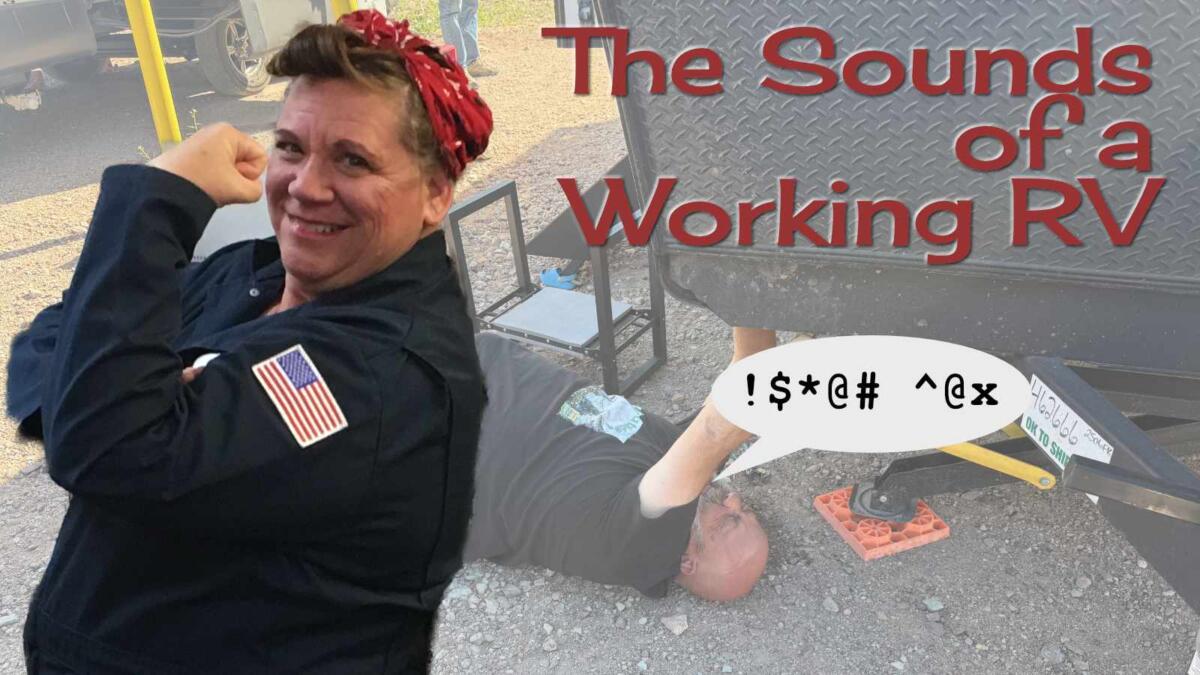
The Sounds of a Working RV (with Peggy and Tony)
The more you know, the more you’ll save
Remember, you’re paying a technician at least $150/hour, and the less time they spend trying to figure out what’s wrong, the less you’re going to have to spend at their shop. So, the more you know about the normal operation of things and what led up to a problem or failure, the better.
There is a relay inside the furnace that kicks on the fan—that’s the click at the beginning. That’s the switch that effectively turns on the whole system. The fan is the furnace fan, of course, but what’s also happening is there is what’s called a “sail switch” that makes sure the fan is blowing, as the system doesn’t want to allow ignition without the fan running. The ticking is, of course, the ignition lighting the propane, and the whoosh is the propane igniting.
I am not likely to be the person to diagnose the heater, but if I’m familiar with the sound it normally makes, perhaps I can help figure out what’s wrong when it breaks. Not if… When.
So, that did happen, and it got to the point where the ignition was “tick, tick, ticking” but nothing happened after that. Now, if I were unfamiliar with the normal sounds, I would simply say “the heater’s broken.” That would be a trip to the RV repair place, which charges us $175/hour and hours of our time hooking up the trailer and taking it in to the technician.
What happened is that there was simply an air bubble in the line, and it was easily fixed by lighting the stove, thereby pulling propane through the line and eliminating the air bubble. That was free.
Be aware and be more safe
Being cognizant of the normal behavior of the systems in your rig can really save you a lot of money and may even help you avoid dangerous situations. How?
We check the air pressure in our travel trailer tires regularly, so we know that they used to lose about 10 lbs./month just sitting still. Recently, we went on a trip. After the trailer sat around for about a month, it was time for our Quartzsite trip. But we noticed that the tire on the passenger side of the trailer was down by more than 20 lbs. in under a month. This is abnormal.
Being cognizant of the normal behavior of things, it alerted us that something was wrong. Good thing, too, as the tire completely failed and could barely hold air as we drove to the tire shop. Knowing that we had an issue meant we took side streets and had our tire appointment made. Imagine if that tire had blown at 55 miles per hour or in the middle of the desert?
Making ourselves aware of the sounds and conditions of things when they’re normal can go a long way to helping eliminate repairs, or at least save significant time in diagnosis. Or possibly even saving our lives—popped tires at high speed can lead to loss of life.
Know what your RV is
Another thing to know is the make, model, and year of your camper. A lot of the people who would call me with questions when I worked at the dealership had absolutely no idea what kind of RV they even had. In fact, there were even people who called in who couldn’t tell the service team what kind of RV they had—fifth wheel, travel trailer, etc. Again, the more detailed you can be with the information you provide, the less digging your service techs have to do.
We can do a lot to take back control of our experience from technicians and others. And the RV techs tend to be happier when a customer can describe the problem they’re having in a relatable fashion. Oftentimes, they will just do a simple fix or repair right on the spot rather than have a customer’s trailer sitting in storage at the dealership.
In fact, we were able to make many very quick repairs at no cost whatsoever to the customer simply because they didn’t spend hours diagnosing the repair—the customer was able to relate what was happening so clearly that they had done the diagnostic work in advance, saving themselves hundreds of dollars and ensuring that they got the right repair the first time.
While many of us have zero interest in the systems that make our RVs work, spending time familiarizing ourselves with them and the sounds they make can go a long way toward making each camping adventure a StressLess one. Heh.
By Nanci Dixon
We were on the lookout for a new grill as our decades-old one was rusting through and literally falling apart. We bought a smaller version of it and it worked well. However, as camp hosts, we have the opportunity to ask a lot of people what they like. As we do our rounds around dinner time, we get to see and smell them in action, too. The Blackstone Griddle name came up so often I wanted to know what all the love was about.
The Blackstone Griddle folks were gracious enough to send a 22” tabletop griddle to test out. There was a tool kit, seasoning oil and seasonings sent with it. They directed me to their video on how to season itfor the first time. I watched it so much it went to autoplay!
I was a bit concerned when the box came a bit roughed up, but the griddle was packed so well that there was no problem with it.
Assembly
I followed the simple assembly instructions for setup. First, I easily installed the griddle feet, the propane regulator and the grease cup, and laid the griddle on top. Easy peasy! The body is very lightweight, but be aware that the griddle top is well-made and heavy. Think h-u-g-e cast iron pan!
Seasoning the Blackstone Griddle
I was so excited to get going that even though it was 106 degrees and sunny out, I started the seasoning process, replaying the how-to video several times. It was easy to ignite: You simply push in the knob to start the gas flow, turn the knob to ignite, and, once it’s lit, you turn it to high. I did the same for the other burner tube. Then you let it heat up for about 15 minutes until it’s super hot and the griddle begins to discolor.
I dropped about a tablespoon of seasoning oil on the griddle and spread it smoothly around with a paper towel. It was hot! I needed tongs!
It began smoking almost immediately. That is a sign that the oil is bonding with the surface. Let it continue to heat on high until the smoke has cleared and no longer shiny. Repeat three or four more times.
Cooking test
Now the real test. Does it cook as well as all those campers are raving about it? Could it really replace my standard camping grill?
I bought some precut grilling veggies, preheated the griddle, added a little olive oil and the veggies. I quickly learned that the griddle had some areas that were hotter and some cooler when the veggies started to scorch when directly over the burner tubes and the ones on outer edges didn’t. Later, I found out that Blackstone designates different zones. I just moved stuff around to cook and char evenly. I put the chicken on later.
Cleaning
Does it really clean easily? Did I season it properly? I had read enough reviews to know that food could stick terribly, or it could come off easily. Glad to say that I could squirt a little hot water in small areas on the griddle and scrape it clean.
I wiped it dry with a paper towel and then applied the oil with a cloth all over the surface and sides.
Bon appétit!
Now the taste test: The veggies are tender and wonderfully charred, and the chicken is tender and done!
So, is it worthy of the hype?
The Blackstone Griddle performed even better than I anticipated. It was easy to use, and easy to light and control. While the initial seasoning process was a bit of a hassle (particularly at 106 degrees in Arizona), I am sure that proper and diligent seasoning is what will keep the griddle nonstick and evenly heated.
The 22” surface was plenty big enough for our use. Lots of veggies and chicken went on—easily enough for four people. I can see the griddle being a lot more versatile than our standard camping grill for breakfasts, lunches and dinners beyond just grilling meat.
The griddle top itself is much heavier than I thought it would be. It is definitely easier to handle when moving the unit by taking it off of the body. The weight is a consideration for any RVer. Can I really afford to add another 32-plus pounds?
It is important that the griddle is oiled at the end of each use and kept dry. Make sure to keep it covered and out of the rain, if outside. It can rust. I have seen some pictures of what can happen and it is not pretty. I imagine that it does require a bit more maintenance than our grill did, but the bottom rusted out on our other propane grill, so there is that.
Not having a stand or tabletop to put the griddle on, my husband improvised with plant pots and a wood crate. I would certainly consider getting a stand to hold it and a top to help keep it clean.
I never thought a griddle could give me such flavor with such ease. Tomorrow I’m trying breakfast: pancakes, potatoes, sausage, and eggs. How about grilled cheese, fajitas, or steak?
Bottom line: Yes, it is worthy of all the love RVers give it.
Hard water problems in an RV often start small. One campground stop, you barely notice it. A few months later, the shower head sputters, the faucets develop a chalky crust, and the water heater does not seem to work quite like it used to. Many RVers blame low water pressure or aging plumbing when hard water buildup may actually be the cause.
For RVers who spend time in the Southwest, parts of Texas, Florida, or other mineral-heavy water regions, hard water is practically part of the camping experience. The minerals themselves are not usually dangerous to drink. But, over time, they can create annoying—and sometimes expensive—problems inside an RV.
The old vinegar trick still helps. But today’s RVs often have more appliances, more plumbing fixtures, and, in some cases, tankless water heaters that deserve a little extra caution.
What hard water actually does inside an RV
Hard water contains higher levels of dissolved minerals, mainly calcium and magnesium. When water evaporates or heats up, those minerals stay behind. Little by little, they form scale deposits.
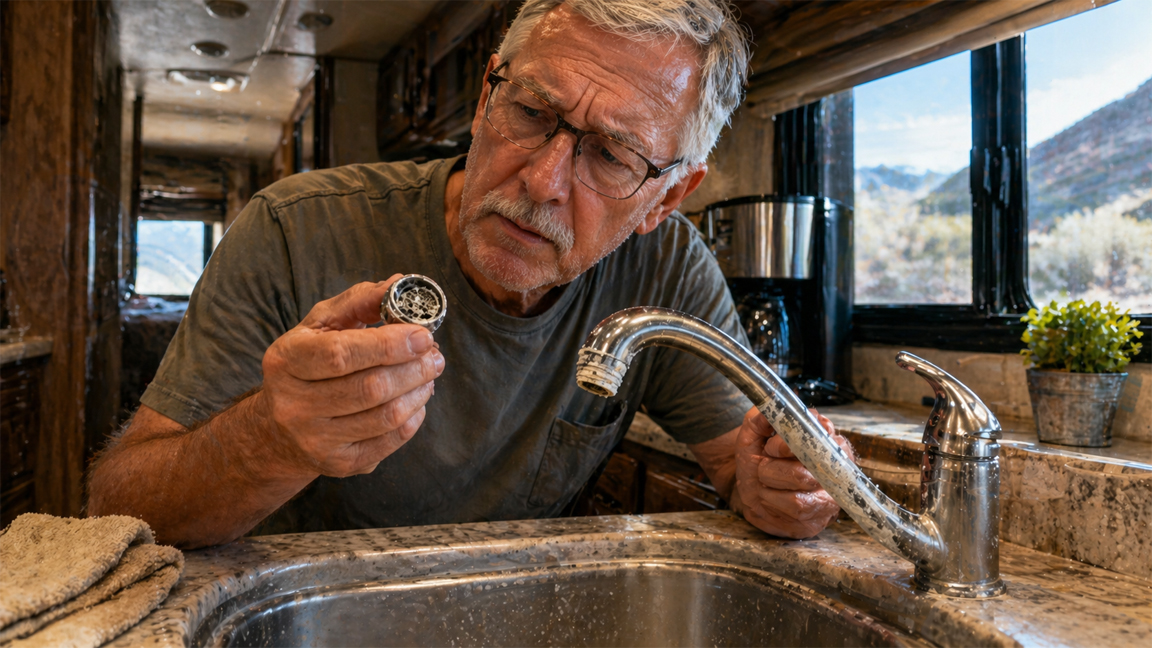
At first, it may just look like cloudy spots around the sink. Then the shower flow weakens. Faucet aerators clog. Coffee makers slow down. Water heaters lose efficiency. Some RVers even notice soap becomes harder to rinse away.
Inside an RV, the effects can build faster than many owners expect because the plumbing system is compact and water heaters cycle frequently.
And unlike a sticks-and-bricks house, RV plumbing parts are often smaller, lighter-duty, and more vulnerable to buildup.
Vinegar still works for many problems
White vinegar remains one of the cheapest and safest ways to dissolve mineral scale in many RV situations.
Many RVers soak faucet aerators or shower heads overnight in vinegar to break up crusty deposits. Often, water flow improves dramatically afterward.
For stubborn sink spots or mineral rings around fixtures, vinegar can also help dissolve buildup without using harsh abrasives that may scratch surfaces.
Some RV owners also use vinegar solutions to descale certain water heaters and coffee makers. But this is where newer RVs change the equation.
Don’t assume vinegar is safe everywhere
Modern RVs often include tankless water heaters, residential-style appliances, washing machines, ice makers, and more complicated plumbing systems than older rigs had.
That means owners should not automatically pour vinegar through every appliance without checking the manufacturer’s instructions first.
Some systems require specific descaling procedures. Others may use seals, coatings, or components that can be damaged by improper cleaning methods.
Tankless water heaters, especially, may need periodic flushing or descaling procedures that differ from older tank-style RV heaters.
If an appliance is still under warranty, using the wrong cleaner may create problems later if a repair claim arises.
Signs that hard water may already be affecting your RV
A few common clues include:
Weak shower or faucet flow
White crust around fixtures
Cloudy sink or shower surfaces
Water spots that seem impossible to wipe away
Water heater performance changes
Soap that does not rinse cleanly
Coffee makers or ice makers slowing down
In many cases, RVers assume these are simply “normal aging” issues when mineral buildup is actually the cause.
Prevention may matter more than cleanup
Once scale builds heavily inside plumbing or appliances, cleaning becomes harder.
That is why many experienced RVers use inline water filters, portable softeners, or periodic descaling maintenance to stay ahead of the problem.
Even simple habits can help:
Wipe down sinks and shower walls.
Remove and clean faucet aerators periodically.
Flush water heaters as recommended.
Avoid letting mineral deposits sit for months.
Check campground water quality reports when possible.
Many RVers eventually discover that ordinary inline water filters improve taste and odor but do little to stop hard-water scale. Preventing mineral buildup usually requires a true water softener system designed to remove calcium and magnesium before they enter the RV.
For RVers who stay seasonally in hard-water regions, prevention can save both frustration and repair costs. That’s because by the time hard water damage becomes obvious, the minerals may have been building inside the RV for a very long time.
We use cookies to ensure that we give you the best experience on our website. By continuing to use our site, you consent to accepting cookies. We NEVER have or will sell reader's data. For more info, please see our privacy policy page.